Need peaceful screen time negotiations?

Get your FREE GKIS Connected Family Screen Agreement

parenting

Kids Arrested in Connection with TikTok’s New “Devious Licks” Trend

Dangerous TikTok trends have previously sent kids to the hospital, now a new trend is sending them to jail. The forever infamous “Tide Pod challenge,” which spawned from an internet meme, gained huge traction among young users on the platform TikTok after videos of kids eating the toxic laundry detergent went viral. These videos resulted in thousands of calls to poison control, and hundreds of trips to the emergency room. While this shocking TikTok trend faded away in early 2018, a new trend dubbed “Devious Licks” has rocked schools across the nation and lead to the arrests of several students.

What is TikTok?

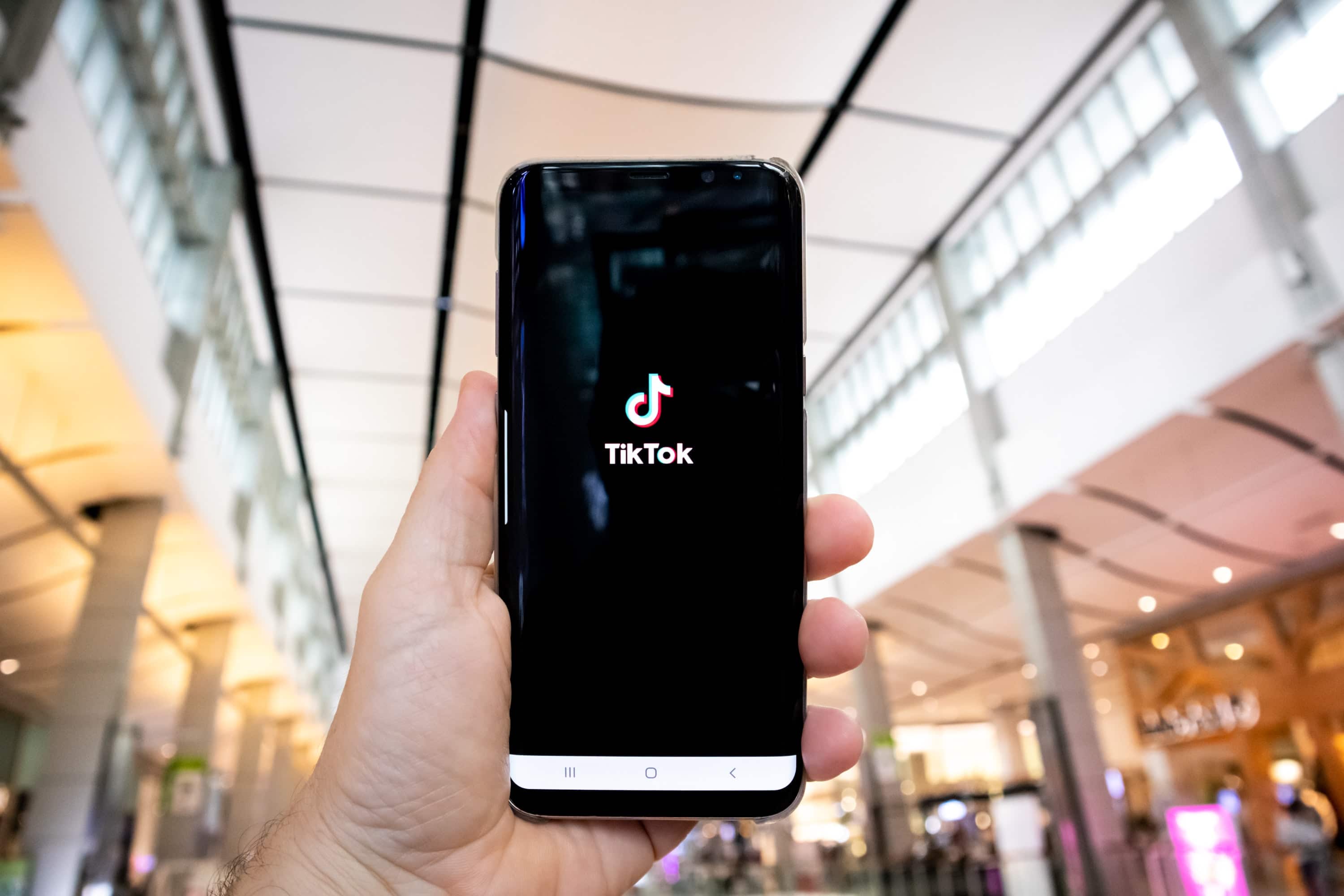
TikTok is a social media and video-sharing platform that is primarily marketed to kids and teens. Since its launch in 2016, it has become one of the most popular social media sites attracting over 1 billion monthly users. What drives the popularity of this platform is that it offers millions of short user-created videos that feature an enormous variety of content. Through the use of hashtags, TikTok users can see which viral videos are attracting the largest number of views from fellow TikTokers. The most popular videos are re-created or copied by other users to increase their chances of having their videos viewed which is essentially how TikTok trends get started. With so many users competing for likes and attention, these viral trend videos spread like wildfire.

TikTok has previously come under fire for its initial lack of action in response to the posting of “Tide Pod challenge” videos. CBS reports that there were at least ten deaths related to this challenge. Unfortunately, TikTok failed to promptly block uploads to their platform that featured the hashtag “Tide Pod challenge” which ultimately would have prevented this trend from getting the amount of exposure that it did.

The New Dangerous Trend: “Devious Licks”

Early September 2021, when kids across the nation finally began going back to school after a year of COVID19-required virtual learning, videos featuring the hashtag “DeviousLicks” swept through TikTok. Unlike the name suggests, this newest trend does not actually involve physically licking dangerous objects. According to UrbanDictionary.com the word lick is slang for an illegal way to quickly get money, primarily through the theft of property. The “Devious Licks” trend is a competition among kids and teens to see who can film themselves while stealing the riskiest or most important objects without getting caught and then subsequently uploading the video onto TikTok as proof of participation. While this trend has reportedly spanned schools across the nation, these videos are most often shot in middle and high schools.

How did it start?

This viral video trend allegedly began when one student posted a video to TikTok featuring a box of disposable face masks they purported to have stolen from the campus. The viral video, which received almost half a million views, was captioned, “A month into school and got this absolutely devious lick… Should’ve brought a mask from home. Now look at you walkin round campus maskless you dirty dog.” Since this first video was posted, things escalated drastically.

A list of some of the stolen items featured in devious licks videos include:

  • Fire extinguishers
  • Fire Alarms
  • Exit Signs
  • Bathroom Supplies
    • soap dispensers and paper towel/toilet paper dispensers, urinal cakes
  • Classroom Supplies:
    • lab materials, computers, books, a class pet, pencil sharpeners, projectors
  • Physical Property:
    • sinks, toilets, stall walls, a principal’s car parts, locker doors, cellphones, SMART boards, desks/chairs, clocks

One video even shows a shoe being stolen off the foot of a student who was sitting in a bathroom stall. Other videos show student restrooms that have been completely vandalized and rendered almost useless. Parents at a middle school in Texas have been asked to send their kids to school with their own hand soap due to the dispensers having all been stolen from the restrooms.

Police Are Stepping In

To stop this trend from continuing, law enforcement officials have begun arresting students across several different states. In Kentucky, eight students have been arrested due to their participation in the “Devious Licks” challenge. Four of the students were charged with theft while the remaining four were charged with vandalism. Five more students were charged in Florida, one student charged in Arizona, and one student charged in Alabama.

TikTok’s Response

While it is obvious that a lot of damage has occurred across many different schools that are already struggling amidst the global pandemic, TikTok has responded to this phenomenon by continually blocking all “Devious Licks”- related content from being uploaded onto their site to prevent more damage. Unfortunately, the criminal records of the students who were arrested in connection with this trend cannot be fixed as easily as soap dispensers.

Why is this happening?

Today’s kids and teens spend so much of their time in virtual neighborhoods. Social media platforms are where our kids go to socialize, meet new people, make impressions, and try to fit in. Adolescence is a time when we constantly crave feelings of validation and social media platforms like TikTok can be a powerful avenue for seeking validation through attention. Kids will strive for popularity on TikTok by participating in potentially (and sometimes obviously) dangerous trends such as the “Devious Licks” challenge because the validation they receive from others feels good.  Their brains are wired with a powerful reward system that can make their better judgment take a back seat to their need to feel embraced, even if it seems artificial to us.

What Kids Need from Their Parents

The negative implications of this newest TikTok trend are obvious. Aside from the damage to school property and the loss of personal property from other students, the potential loss of future opportunities due to a permanent criminal record because of participating in a fleeting internet trend is tragic.

To avoid these kinds of negative outcomes, parent-child communication and parental oversight are key. Dr. B offers essential tips for fostering this kind of communication in her GKIS Connected Family Course. With this online course, you will learn how to create a safer screen home environment through fun parenting techniques designed to guide sensible screen management.

Additionally, Dr. B’s tried and true GKIS Social Media Readiness Training is a valuable tool that teaches tweens and teens about the inherent risks of social media and ways to be prepared when encountering them. Remember to be kind, create an environment that allows for open dialogue between you and your kids, and rest assured that you have provided your family with the tools to facilitate safe and healthy internet practices. You can also stay up to date on relevant internet/gaming topics with our free articles on the GKIS Blog.

Thanks to CSUCI intern, Mackenzie Morrow for researching TikTok’s newest dangerous “Devious Licks” trend and co-authoring this article.

I’m the mom psychologist who will help you GetKidsInternetSafe.

Onward to More Awesome Parenting,

Tracy S. Bennett, Ph.D.
Mom, Clinical Psychologist, CSUCI Adjunct Faculty
GetKidsInternetSafe.com

 Photos Credited

Photo by Olivier Bergeron (https://unsplash.com/photos/5JSZzMilCVo)

Photo by Element5 Digital (https://unsplash.com/photos/7K_agbqPqYo)

Photo by Shoro Shimazaki (https://www.pexels.com/photo/judgement-scale-and-gavel-in-judge-office-5669602/)

Photo by Crstian Dina (https://www.pexels.com/photo/white-smartphone-1851415/)

Is YouTube Still Targeting Your Kids?

In 2019, YouTube was fined 170 million dollars for illegally advertising to kids. In this article, we’ll cover how YouTube broke the law designed to offer protection for children online, what they did to fix it, and the gap that still puts kids at risk.

To help protect your kids from inappropriate content on the internet, check out our Screen Safety Essential Course. This program offers access to weekly parent and family-oriented coaching videos that will help you to create safer screen home environments and foster open communication all while connecting and having fun as a family. Dr. Bennett’s coaching helps parents make more informed decisions about internet safety and educates families so they can use good judgment when encountering risks online.

What is COPPA?

The Children’s Online Privacy Protection Act (COPPA) requires websites to get parent’s permission before collecting identifying data (like a kid’s name or address) or the cookies from the computer the child is using for children 13 and under. Cookies is a term for a type of data packet sent from a website to a computer and the computer returns the packet to the website. These data packets are a way for websites to track a user and record their actions on the site. Any company caught violating COPPA may be fined up to a maximum of $42,530 per violation.

COPPA applies to any website that is aimed at children or has an audience that can include children such as:

  • PBS Kids
  • Sesame Street
  • Nickelodeon
  • Cartoon Network

How did YouTube break the law?

In 2015 YouTube created a secondary website and app called YouTube Kids dedicated to content for children ages 12 and under. YouTube makes the bulk of their revenue by selling ads and gathering customer data. Customer data is valuable to marketers because it helps them better target advertisements. YouTube Kids gathered child customer data using cookies without parent permission. This was a violation of COPPA. As a result, YouTube received a fine of 170 million dollars.

YouTube marketed itself to advertisers on its popularity with children and made millions of dollars on the subsequent revenue. This led to a surge in kid-oriented content creators who made quick and easy-to-produce videos to capitalize on the profitability of these new advertisers. For example, toy unboxing videos became popular because it was an easy to produce video that generated a lot of views. These content creators are also violators of COPPA because they capitalized on YouTube’s violation for profit.

What has YouTube changed?

The good news is that YouTube no longer collects your children’s personal identifiers and will not allow advertisements that attempt to collect them either. YouTube along with the FTC have also cracked down on content creators who intentionally abused the ad revenue system by mass producing content while YouTube was still collecting kid’s data. Those channels were reported by YouTube, reviewed by the FTC, and channels found guilty were then fined for their own COPPA violation.

YouTube also has guidelines to limit what can be advertised to children. For example, YouTube does not allow advertising of any kind of food or beverage to children. YouTube has also added content filters that are meant to catch content that is oriented at kids and ensure that any advertisement that can collect your data can’t show up on those videos.

But kids are still viewing inappropriate content

The bad news is that the YouTube advertisement system isn’t perfect. YouTube may not be able to target advertisements at your child specifically anymore, but they can still target advertisements at children using videos marked as for children on their main site, or using their secondary site YouTube Kids. YouTube has extra guidelines for kid-oriented advertisements. However,  YouTube does not regulate video content in the same way they regulate advertisements. For example, YouTube won’t allow a thirty second ad about Kool-Aid on their platform if it’s aimed at kids, but Kool-Aid can make a channel and post videos that are essentially an advertisement dressed up like an entertaining video for children. If you’d like to learn more about how advertising affects your children, GKIS already has an article detailing just that linked here.

What does this mean for your child on YouTube?

YouTube has put better practices into place after the COPPA fine. That doesn’t mean that their business model is any different. YouTube is still a website that makes the majority of its money off of advertisements. The website may not be collecting your child’s data but their attention is still a commodity being sold. Content on YouTube can be fun and even educational for children, but you have to be careful of what content your kids are watching.

What can you do to protect your kids on YouTube?

Check what your kids are watching

If you check in on what your child is watching every few videos then you can be sure that they haven’t slipped into watching advertisements dressed up as videos.

Familiarize yourself with your child’s favorite creators

Check a couple of their videos and make sure their content is something you want your child to watch. It will also allow you to be sure this content creator isn’t advertising anything to your children in their videos.

GKIS how to spot marketing supplement

Here at GKIS our how to spot marketing supplement will help teach your kids about the strategies marketers use, and will help them identify when a video is really an advertisement in disguise.

GKIS social media readiness course

Bennett’s social media readiness course helps to teach your kids how to be safe online and recognize the risks on social media sites and found in gaming.

Thanks to CSUCI intern, Jason T. Stewart for researching YouTube’s COPPA fine and co-authoring this article.

I’m the mom psychologist who will help you GetKidsInternetSafe.

Onward to More Awesome Parenting,

Tracy S. Bennett, Ph.D.
Mom, Clinical Psychologist, CSUCI Adjunct Faculty
GetKidsInternetSafe.com

Works Cited

“Google and YouTube Will Pay Record $170 Million for Alleged Violations of Children’s Privacy Law” FTC, https://www.ftc.gov/news-events/press-releases/2019/09/google-youtube-will-pay-record-170-million-alleged-violations

“What are cookies” Norton, https://us.norton.com/internetsecurity-privacy-what-are-cookies.html

Stuart Cobb, “It’s Coppa-cated: Protecting Children’s Privacy in the Age of YouTube” Houston Law Review, https://houstonlawreview.org/article/22277-it-s-coppa-cated-protecting-children-s-privacy-in-the-age-of-youtube

“Advertising on YouTube Kids” Google, https://support.google.com/youtube/answer/6168681?hl=en

Photo Credits

Photo by Tymon Oziemblewski from Pixabay

(https://pixabay.com/photos/youtube-laptop-notebook-online-1158693/)

Photo by Pradip Kumar Rout from Pixabay (https://pixabay.com/photos/cyber-law-legal-internet-gavel-3328371/)

Photo by allinonemovie from Pixabay

(https://pixabay.com/illustrations/minecraft-video-game-blocks-block-1106253/)

Photo by Chuck Underwood from Pixabay

(https://pixabay.com/photos/child-girl-young-caucasian-1073638/)


The GKIS Guide to Family-Friendly Nintendo Switch Games

Spending time together and sharing experiences is extremely important when it comes to developing close family bonds and a sense of connectedness. While many of us think of playing board and card games to develop connectedness, many children would disagree. These days, they would generally rather play video games than spend time with their parents. While we at GKIS recommend that real-world activities should be prioritized, video games can be utilized both as a reward and a convenient way of connecting with your child. You don’t have to wait for connection until you’ve found time to plan a lavish camping trip. For every day, a video game could be just what Dr. B ordered. Today’s GKIS article covers the pros and cons of the Nintendo Switch, recommendations for games to play as a family, suggestions for appropriate games that your kid can play alone and unsupervised, and some brief tips to keep your kids safe and connected when it comes to gaming.

What is the Nintendo Switch?

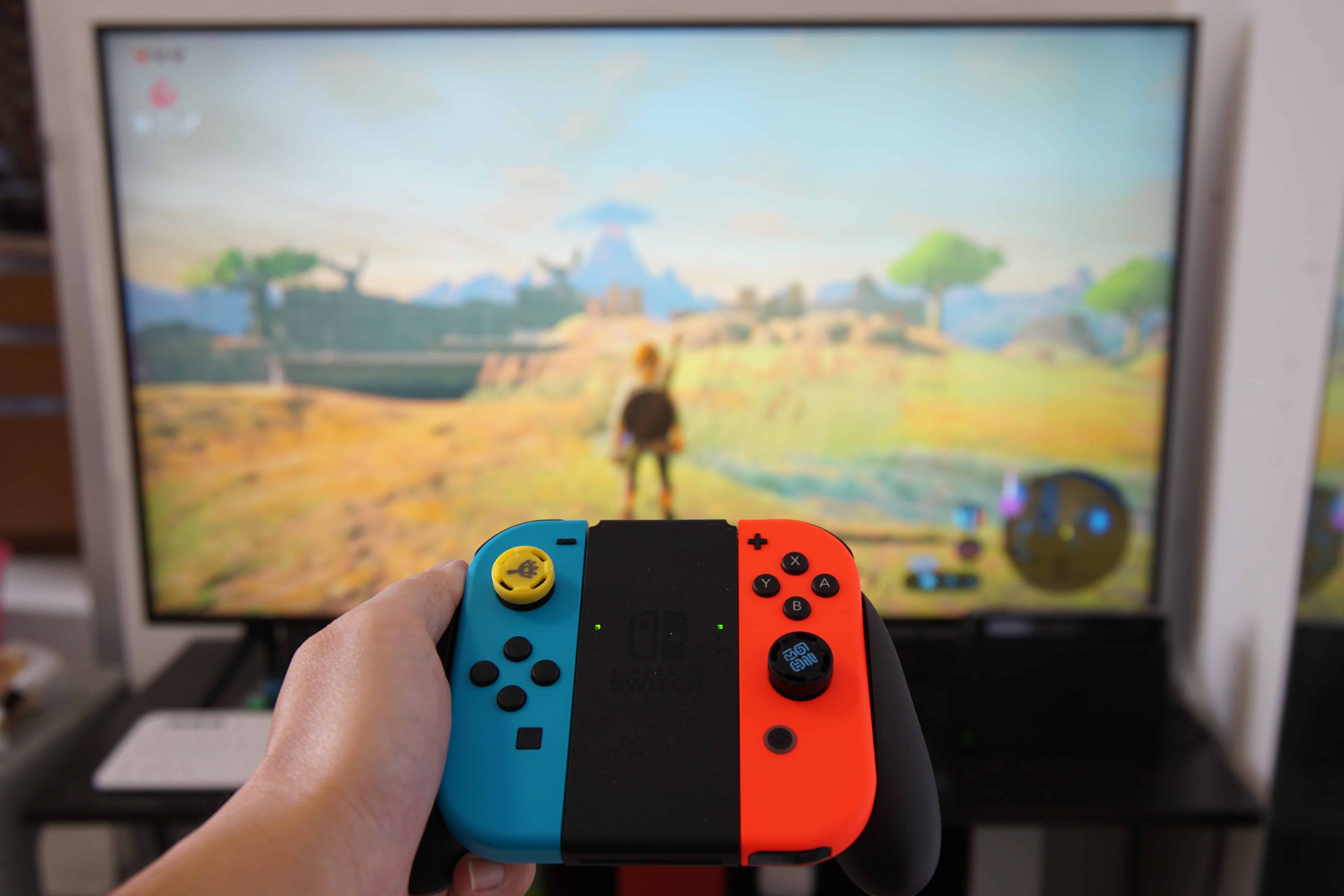
The Nintendo Switch is a video game system that was launched in 2017. The Switch is unique in that it is considered a hybrid system where the console itself can work as a tablet and the controllers can attach to the sides to be used as a portable game system. It is extremely popular and has sold over 89 million consoles worldwide.[1]

The Pros and Cons of the Nintendo Switch

Pros

The biggest advantage of the Nintendo Switch is its portability. Unlike the PlayStation and Xbox consoles, the Switch can be taken on long trips and utilized just about anywhere. Also, Nintendo heavily markets its console to families and children. Many of the games are family-friendly, perfect for family game night or for your children to play by themselves. Another big bonus is the price-point. At $299, which is at the low end for current generation consoles. In comparison, new PlayStation and Xbox consoles sell for about $1000.

Cons

The Nintendo Switch is not as technologically advanced as the current PlayStation or Xbox consoles. The graphics are not as jaw-droppingly realistic and the processing speed is not as quick. Yet, the differences are not so great that they will affect the overall gaming experience.

Nintendo Switch Games to Play as a Family

Playing video games as a family could be a great, interactive way to connect with your children.  The Connected Family Course gives expert advice and strategies to create a connected home environment without having to disconnect from the internet. Here are 3 fantastic choices for Nintendo Switch multiplayer games.

  • Mario Kart 8 Deluxe
  • Super Mario Party
  • Super Smash Brothers Ultimate

Mario Kart 8 Deluxe

Mario Kart is an iconic series that has been around since the early 1990s, and they have not changed the formula that much. The reason that they haven’t changed the formula is because it works! It is ridiculously fun to race against your family and friends as your favorite Nintendo characters. Plus, there is a luck-based element to the game that evens out the playing field for younger less experienced players. It doesn’t matter how good someone is if they can get knocked out of first place when someone else gets the perfect power-up.

This game has an ESRB rating of “E.” meaning it has been approved for all age groups or “everyone.” Up to 4 players can play on a single Nintendo Switch. But if you have two consoles, there can be a total of 8 players at once. This is perfect for slumber parties, holidays, and other occasions where you might have a bunch of kids at home. We think this game is well designed, and the controls are intuitive making it just as fun for the parents as it is for the kids.

Super Mario Party

Super Mario Party is the ultimate family party game. Four people can play Super Mario Party on a single Nintendo Switch console. The great thing about Super Mario Party is the diversity of gameplay and modes of play. Players can play board games consisting of mini-games, which are short games that usually last under a minute. There is a total of 80 minigames that are chosen at random as characters move around the board. Because each minigame is short, kids don’t get bored easily.

On Super Mario Party, everyone competes against each other, as teams, or you can all play on the same team against the computer. Super Mario Party has an ESRB rating of E so it has been deemed appropriate for children of all age groups. This game is also great for parties and family game nights.

Super Smash Brothers Ultimate

Super Smash Brothers Ultimate can get extremely competitive, but we think it is crazy fun to play together. This game is a fighting game where everyone picks their favorite Nintendo character from a large selection of choices. The point of the game is to knock out the other players’ characters. The best part is that each character has a unique set of moves and plays completely differently than the others, so strategies for winning are almost endless.

Super Smash Brothers Ultimate has an ESRB rating of E10, so it has been approved for everyone ages 10 and up. It may not be appropriate for young children due to the cartoonish violence. As far as fighting games go, this is one of the most family-friendly options out there.

Nintendo Switch Games Your Kids Can Play Alone

There are many Nintendo Switch games to choose from. However, many have excessive violence, sexual themes, drugs, and other material that you don’t want your kids to be exposed to. If you are looking for a game for a younger child, it can be difficult to find something age-appropriate. Here are 3 games to kids can play on their own.

  • Luigi’s Mansion
  • The Legend of Zelda: Breath of the Wild
  • Splatoon 2

Luigi’s Mansion

Luigi’s Mansion is a fantastic single-player game that is great for all age groups and has an ESRB rating of E for Everyone. In Luigi’s Mansion, you wander around a haunted hotel sucking up goofy ghosts with a vacuum cleaner. Although there are ghosts, we don’t think they are very scary. It has a story mode made for a single player but could be played by two players (with one player playing as Luigi’s doppelganger, Gooigi). There are other online multiplayer modes to play as well.

The Legend of Zelda: Breath of the Wild

We at GKIS think Breath of the Wild is one of the best single-player Nintendo Switch games out there. In this game, your character explores an expansive and elaborately detailed world filled with almost never-ending things to do and places to explore.

This game has an ESRB rating of E10 for everyone age 10 and up due to the violence against animated monsters. The violence is very mild when compared to other games, and there is no blood or guts. For a single-player game, it has an incredible amount of replay value due to the vast number of things to do in its virtual world.

Splatoon 2

Splatoon is Nintendo’s answer to shooter-type games where none of the characters get hurt. In Splatoon 2, you play as human/squid hybrid characters and run around spraying each other with ink. Splatoon is probably the safest series of games to choose from if your kids are trying to get you to buy them a shooter.

Splatoon 2 has been rated E10 (for everyone 10 and up) due to cartoon violence, even though you are basically hitting each other’s squid characters with ink bombs, paint guns, and paint rollers. As a warning, even though Splatoon has taken out the blood and guts it still involves cartoonish gunplay. Though it is a single-player game, up to 10 players can play at the same time in one location. The downside is that each player needs their own Nintendo Switch console to play together, which would be expensive.

How To Keep Your Kids Safe Playing Video Games

  • Research the games before buying them
  • Check the ESRB ratings
  • Play with your children or check in on them
  • Talk to your children and maintain a close family bond.

To stay in the know about how to keep your kids and teens safe online, check out the Screen Safety Essentials Course. Through weekly coaching videos and other valuable resources, this program will keep you in the loop with ways to keep your family connected and safe while engaging with the internet, social media, video games, and more. The goal of this course is to provide families with the knowledge and tools to help prevent digital injury before it occurs.

Thanks to CSUCI intern, Michael Watson for researching family-friendly games for the Nintendo Switch.

I’m the mom psychologist who will help you GetKidsInternetSafe.

Onward to More Awesome Parenting,

Tracy S. Bennett, Ph.D.
Mom, Clinical Psychologist, CSUCI Adjunct Faculty
GetKidsInternetSafe.com

Works Cited

Craddock, R. (2021). Switch console sales hit 89 million, has now outsold PS3 and Xbox 360. Nintendolife.https://www.nintendolife.com/news/2021/08/switch_console_sales_hit_89_million_has_now_outsold_ps3_and_xbox_360

Photo Credits

Photo by Kelly Sikkema (https://unsplash.com/photos/bUgaIaZysH0)

Photo by Mika Baumeister (https://unsplash.com/photos/HUyICL8qbEE)

Photo by Ke Vin (https://unsplash.com/photos/-HuMEdCPM0U)

Photo by Joao Tzanno (https://unsplash.com/photos/ho-ZjptZDfI)

Thanks to Kent Williams for the beautiful painting used for the thumbnail.  (https://www.kentwilliams.com/paintings/2018/8/16/2018/8/16/m-w)


Is Social Media a Breeding Ground for Social Anxiety Disorder?

As many as 97% of teens actively use at least one form of social media.[1] If your tween or teen has social media, help them become informed, safer consumers with our Social Media Readiness Course. Our online course includes mastery quizzes after each lesson and can be done at your own pace. We think it’s the best way to help kids avoid the many sources of digital injury and help them integrate critical psychological wellness tools. Today’s article is all about social media and psychological wellness. Is social media use contributing to your child’s social anxiety disorder?

Social Anxiety Disorder

Social Anxiety Disorder (SAD) is a debilitating disorder that impacts children and adults and is characterized by an intense fear of being judged by others in social settings.[2] Since the stay-at-home orders from COVID19, Dr. Bennett says that many kids, teens, and adults have developed social anxiety due to the stress and loss of practice due to isolation. People who suffer from SAD avoid social situations that require peer conversations, giving speeches, and being among unfamiliar people.

What are the signs of SAD?

Although we all may go through bouts of shyness or anxiety when doing social things like making speeches, SAD is a heightened and debilitating version of these same fears. Studies have shown that children with SAD often struggle with peer friendships, academics, and even family life.[3]

Here are typical characteristics of SAD:

  • Excessive fear regarding social situations
  • Agitation
  • Low self-esteem
  • Avoidance of social engagements
  • Excessive worry
  • Poor eye contact

These are things you can be on the lookout for when observing your children. Are they struggling to keep up academically? Are they complaining that they don’t have friends? Do you notice that they lack the confidence to initiate conversations or speak up for themselves?

If you feel concerned, reach out for professional assistance from a therapist or licensed psychologist. The sooner a child gets assistance with SAD, the sooner they can start working on it and find resolutions to their fears. Cognitive Behavioral Therapy (CBT) is particularly effective with SAD.

CBT is a form of therapy that offers strategies to help subjects change maladaptive thinking patterns and gain insight into things that reward anxiety. Unique treatment plans can be altered for each patient. One of the things that make CBT unique is the emphasis on teaching the patient about the disorder and allowing them to create their coping skills and ultimately be their own therapist.[4]

Social Media’s Impact on SAD

Studies have shown that children with SAD tend to have lower interpersonal trust and are more prone to hurt feelings. For some kids who have a hard time building peer relationships in person, using social media can help them make friends and feel included. Talking to peers on social media allows children to think before they send a message which may lessen their fear of judgment. Also, online conversations take out the tough-to-interpret facial expressions that sometimes cause people with SAD to overthink and freeze up.

A great example of where this could come in handy is during a lunch break. Children with SAD may have a hard time interacting during lunch and stay quiet due to fear of being judged. This same child can go home and message their friends on social media about something that was discussed during lunch without having to worry about others watching them. By messaging their thoughts to their friends, they can compose their words and it lets them be involved and part of the conversations.

On the other hand, studies have shown that children with SAD worry more about being judged on what they post than others do.[5] Since a child with SAD is already more prone to hurt feelings, they may get more upset by comments and feelings of exclusion. They may also overthink about posted content wanting to make sure others enjoy it. A balance between offline practice and online practice is key to psychological wellness and social skills mastery.

Things You Can Do to Help Your Child Avoid SAD

Enjoy the support of weekly coaching.

The most important thing that parents can do is be aware of the potential risks and promote an environment of open communication with your children. Dr. B offers a comprehensive family program for fostering this kind of communication in her Screen Safety Essentials Course. With this course, your family will learn tons of information about how to create a safer screen home environment while also connecting and having fun as a family. Armed with the right tools, you and your family can learn how to better thrive in today’s digital era.

Set screen time limits.

Most phones have parental control options to limit the amount of time spent on social media apps. The Screen Safety Toolkit explains the amount of screen time recommended for your children and gives you the tools you need to set up the controls, track usage, and filter unwanted content for safe browsing.

Offer opportunities to practice social engagement.

Sometimes kids need extra support when they are feeling socially anxious. If your child opts out of social interactions, provide a series of opportunities to practice social engagement with your help. Start by encouraging your child to order on their own in restaurants. Continue the same tasks until the child feels comfortable doing them. Once they’re comfortable with the first task, move on to slightly more challenging tasks like small talk when purchasing groceries or waiting in line. Mastering increasingly challenging social tasks can help your child learn social skills and build self-confidence.

Consider CBT Therapy.

If your child’s symptoms are getting in the way of school, friendships, or overall happiness, CBT therapy treatment can help them learn coping skills and face their fears head-on.

Thanks to CSUCI intern Tara Meizel for researching social media and its effects on children with Social Anxiety disorder and co-authoring this article.

I’m the mom psychologist who will help you GetKidsInternetSafe.

Onward to More Awesome Parenting,

Tracy S. Bennett, Ph.D.
Mom, Clinical Psychologist, CSUCI Adjunct Faculty
GetKidsInternetSafe.com

Works Cited

[1] Mayo Foundation for Medical Education and Research. (2019, December 21). Teens and social media use: What’s the impact? Mayo Clinic. Retrieved October 7, 2021, from https://www.mayoclinic.org/healthy-lifestyle/tween-and-teen-health/in-depth/teens-and-social-media-use/art-20474437.

[2] Seedat, S. (2013). Social anxiety disorder (social phobia). South African Journal of Psychiatry, 19(3), 192+. https://link.gale.com/apps/doc/A343258868/AONE?u=csuci&sid=bookmark-AONE&xid=5e09250d

[3] Khalid-Khan, S., Santibanez, M.-P., McMicken, C., & Rynn, M. A. (2012, August 22). Social anxiety disorder in children and adolescents. Pediatric Drugs. Retrieved October 7, 2021, from https://link.springer.com/article/10.2165/00148581-200709040-00004#citeas.

[4] What is Cognitive Behavioral Therapy? (2017, July). Apa.org. https://www.apa.org/ptsd-guideline/patients-and-families/cognitive-behavioral#:~:text=What%20Is%20Cognitive%20Behavioral%20Therapy%3F%20Cognitive%20behavioral%20therapy

[5] Shabahang, R., Arguete, M. S., & Shim, H. (2021). Social media posting anxiety: Interpsonal trust, fear or negative evaluation, and hurt feeling proneness as predictors. Journal of Media Psychology: Theories, Methods and Applications. https://doi.org/10.1027/1864-1105/a000300

Photo Credits

Photo by Luke Porter https://unsplash.com/photos/UGX2qdjdKkw

Photo by Javier Trueba (https://unsplash.com/photos/iQPr1XkF5F0)

Photo by Serhat Beyzkaya (https://unsplash.com/photos/AHwlM2FocV4

How Lack of Sleep Negatively Affects Child Learning


Almost everyone has experienced a zombie-like feeling after a night of poor-quality sleep. Research shows that a single night of sleep deprivation can have a negative result on cognition and behavior.[1] Sleep deprivation for children can be particularly costly. Good quality sleep helps children with healthy brain development. That is why Dr. Bennett includes a whole lesson on how to protect your child’s sleep in her Connected Family Online Course. By following research-backed guidelines, setting sensible rules, and setting up your house to optimize learning and safety, your family can avoid costly digital injuries. If you are interested in learning about how to create a safe screen environment at home while discovering ways to promote open and honest communication within your family then check out our GKIS Screen Safety Essentials Course. In today’s GKIS article, you’ll discover how a child’s learning can be negatively affected by lack of sleep and how to avoid it.

How does lack of sleep impact a child’s learning?

Attention and Concentration

 A child needs an average of 9 to 11 hours of sleep each night for optimal health and learning performance.[2] Poor sleep affects the functional connectivity of the prefrontal cortex. This means that a sleepy child will experience problems in their ability to focus and sustain attention in a learning environment. Further, a 2009 study demonstrated that sleep may cause the child to become overly sensitized to reward stimuli.[3] An overly sensitized person craves rewards so much that if they can’t get the desired activity immediately, they may resort to acting out and tantrums. To understand more about this process, check out Dr. B’s whiteboard video GetKidsInternetSafe from Sensory Overload on the Dr. Tracy Bennett YouTube Channel.

Memory

Mental lapse refers to a moment of unexplained forgetting, like walking into a room and forgetting what you came in for. A sleepless night slows down brain cell activity, sometimes resulting in impairing daytime mental lapses. A 2017 UCLA study demonstrated that lack of sleep disrupts the brain cells’ ability to communicate with one another, resulting in a mental lapse that negatively affects the way we perceive and react to things around us.[4]

Learning and Information Processing

 In Dr. Bennett’s book Screen Time in the Mean Time, she explains that when we don’t get enough sleep our brain’s housekeeping and memory consolidation tasks remain undone, leaving us unable to efficiently acquire or retrieve information. Without good focus, attention, and memory, kids are unable to process information and understand and learn new concepts.

Creativity

 Sleep deprivation can also limit planning, creativity, and the ability to think outside of the box. According to a study from the University of Loughborough, sleep deprivation can negatively impact a person’s creativity by impairing one’s ability to create new ideas and change strategies.[5]

How does a lack of sleep impact mood and behavior?

Sleepy Throughout the Day

If your child chronically gets insufficient sleep at night, their body may compensate by falling into a pattern of daytime hypersomnia. This is a condition when someone repeatedly is falling asleep throughout the day.[6]

Mood Swings

Lack of sleep can be a main contributing factor in mood swings.[7] Moodiness and irritability can negatively affect relationships, leading to deeper problems and feelings of hopelessness. If sleep deprivation is habitual, it can contribute to clinical conditions like anxiety, depression, and even psychosis!

Decision-Making

Little to no sleep can also affect how well we make decisions.[8] That means that kids who have sleep deprivation will have a difficult time prioritizing tasks like when to brush their teeth or do homework. If your child seems to get stuck on even the smallest of choices, consider if sleep may be the issue.

How can lack of sleep affect learning in children of different ages?

Teenagers tend to have more sleepless nights than younger children. Not only do parents allow later bedtimes for teens, but they also stay up chatting with friends and playing video games. Without the right amount of sleep, teens have more trouble focusing and learning in class compared to younger children. According to the CDC Healthy Schools, teens ages 13-18 need 8-10 hours of sleep.[9]

How can parents help their children get better sleep and improve their learning?

Tips from Dr. Bennett’s book, Screen Time in the Mean Time include:

  • Setting a timer
  • Keeping screens out of bedrooms
  • Creating a relaxing sleeping environment
  • Encouraging a soothing nighttime ritual
  • Practicing mindful eating
  • Exercising and practicing ample non-electronic play

For more tips on how to help your children get the rest they need, check out Dr. B’s GKIS article,  Do Your Kids Vamp? A GKIS Parent’s Guide to Good Sleep Hygiene.

Thanks to CSUCI intern, Maira Soto for researching this article on lack of sleep and learning.

I’m the mom psychologist who will help you GetKidsInternetSafe.

Onward to More Awesome Parenting,

Tracy S. Bennett, Ph.D.

Mom, Clinical Psychologist, CSUCI Adjunct Faculty

GetKidsInternetSafe

   Photo Credits

Photo by Craig Adderley from Pexels

Photo by KoolShooters from  Pexels

Photo by  KoolShooters from  Pexels 

Photo by  Lisa Fotios from  Pexels 

Works Cited

[1] Davis, K. (2020, July 23). What to know about sleep deprivation?

https://www.medicalnewstoday.com/articles/307334

[2] How much sleep for children need?

https://www.webmd.com/parenting/guide/sleep-children#1

[3] The Sleep- Deprived Brain. Dana Foundation

[4] Study Blames Mental Lapses on Sleep-deprived Brain Cells

https://www.uclahealth.org/u-magazine/study-blames-mental-lapses-on-sleep-deprived-brain-cells

[5] Sleep Deprivation Kills Creativity

https://www.creativequarter.com/articles/life/sleep-deprivation-kills-creativity

[6] Excessive daytime sleepiness (hypersomnia)

https://www.nhs.uk/conditions/excessive-daytime-sleepiness-hypersomnia/

[7] Improve Your Child’s School Performance with a Good Night’s Sleep

https://www.sleepfoundation.org/children-and-sleep/sleep-and-school-performance

[8] How sleep affects decision-making.

https://eachnight.com/sleep/how-sleep-affects-decision-making/

[9] Sleep in Middle School and High school students.

https://www.cdc.gov/healthyschools/features/students-sleep.htm#:~:text=The%20American%20Academy%20of%20Sleep,10%20hours%20per%2024%20hours

GKIS Recommends ADHD-Friendly Apps for Kids


Ten percent of American children are estimated to have Attention-Deficit/Hyperactivity Disorder (ADHD). Children with ADHD often struggle in school because they get distracted and have difficulty following through. Kids with ADHD also tend to LOVE screen technology. Not only do screens offer them a world of on-demand discovery, but they can also gain expertise over time and earn much-needed social capital that they may have difficulty earning in real life. To help your family make their way through the world with a fun, positive connection and better screen safety, access Dr. Tracy Bennett’s expert parent and family coaching videos through our GKIS Screen Safety Essentials Course. In today’s GKIS article, we will discuss the benefits of technology and app recommendation for children with ADHD.

What is ADHD?

Attention-Deficit/Hyperactivity Disorder (ADHD) is one of the most common neurodevelopmental disorders of childhood. Children with ADHD have trouble paying attention, controlling their behavior, and can be very active as if driven by a motor.[1] ADHD can impact emotions, behaviors, and the ability to learn new things.  It is usually diagnosed in childhood and often lasts into adulthood. About 60% to 85% of the children diagnosed with ADHD at a young age continue to have it as teens, although symptoms might change with age.[2]

The Three Types of ADHD

Inattentive Type

ADHD, Predominantly Inattentive Type is characterized by a daydreamer who has difficulty paying attention, listening, and following through with tasks. Children with this type of ADHD are often overlooked until late grade school because they are quiet and not disruptive. However, their ability to function to their true ability is impaired in all contexts of their lives. It has been shown that more girls are diagnosed with inattentive ADHD than boys.[3]

Symptoms of ADHD, Predominantly Inattentive Type

  • Often has trouble giving close attention to details and makes careless mistakes
  • Has difficulty sustaining attention to certain tasks or play activities
  • Frequently distracted and doesn’t seem to pay attention to those speaking directly to them
  • Often does not follow instructions and fails to complete tasks
  • Has difficulties organizing tasks and activities
  • Doesn’t enjoy and avoids activities that require them to use mental effort

Hyperactive-Impulsive Type

ADHD, Predominantly Hyperactive-Impulsive Type is characterized by a child who fidgets, has trouble staying in their seat, and talks a lot. It is hard for them to stay still for long. They tend to be impulsive and interrupt others. It is more common for a child with hyperactivity to have more accidents and sustain frequent injuries. They also tend to be identified at younger ages because of their acting out potential.

 Symptoms of ADHD, Predominantly Hyperactive-Impulsive Type

  • Frequently fidgets with or taps hands or feet
  • Leaves the seat in situations when remaining seated is expected
  • Runs or climbs in situations where it is inappropriate
  • Is “on the go” and doesn’t seem to get tired
  • Talks excessively
  • Answers questions before the person has time to finish it

ADHD Combined Type

ADHD, Combined Type is characterized by a child that has trouble paying attention and difficulty sitting still and staying quiet. This is the most common type of ADHD. It is characterized by the symptoms from both the inattentive criteria list and the hyperactive-impulsive criteria list.

How Technology Helps Children With ADHD

Children with ADHD commonly struggle with time management, organization, and failure to focus. Technology and apps can help children with ADHD stay organized, reach their goals, and fight the urge to get distracted.

GKIS-Recommended Apps for Kids With ADHD

Rescue Time

Rescue Time is a web-based time management and analytics tool that helps children be more efficient and productive. One of the symptoms of ADHD is “distraction.” This app aims to prevent distractions and any possibilities of children getting scattered. It allows you to rate each activity from “very distractive” to “very productive” and sets goals for children while tracking progress. With all of that rescued time, be sure to plan fun family activities. For great ideas, check out Dr. B’s GKIS article, #TogetherAtHome Family-Friendly Activity Ideas

 Roblox

Roblox is available for iOS and Android. It is a video game that is reported to strengthen planning skills, organization, and working memory as children learn as they go. Roblox is a game where people come together to create and imagine as they play. It is a fun game where the whole family can have fun. To learn more about the risks and benefits of Roblox, check out our
The GKIS Sensible Parent’s Guide to Roblox.

 News-O-Matic

News-O-Matic is available for iOS. It is a captivating app that delivers news in small chunks which is useful for older children with ADHD. The stories vary from funny to serious and have a read-aloud option for kids who struggle with reading.

Mindnode

Mindnode is available for iOS and it is designed to help children focus and be organized. It is an app that uses mind maps to help children visualize their thoughts. The map can be color-coded and contains images. Children with ADHD tend to be energetic; this app can help make sure that they stay concentrated.

Relaxation and Mindfulness Apps

Headspace

Headspace is a mindfulness app that helps children exercise, meditate, and visualize. This is beneficial because it helps them take a moment to focus and stay calm.

Toonia Colorbook

Toonia Colorbook is an app where children use coloring activities to help them relax. It can help children concentrate, calm down, and keep their minds balanced. Keeping the brain busy with something simple as coloring can have a relaxing effect.

For more information on Mindfulness apps, check out GKIS article, GKIS Recommends Some Favorite Mental Health Apps.

Thanks to CSUCI intern, Maira Soto for researching Technology and ADHD for this article.

I’m the mom psychologist who will help you GetKidsInternetSafe.

Onward to More Awesome Parenting,

Tracy S. Bennett, Ph.D.

Mom, Clinical Psychologist, CSUCI Adjunct Faculty

GetKidsInternetSafe

Photo Credits

Photo by MNstudio

Photo by Monkey Business Images

Photo by  Anna Shvets from Pexels

Works Cited

[1] What is ADHD?

https://www.cdc.gov/

[2] What is ADHD?

https://www.vyvanse.com/what-is-adhd

[3] ADHD: Recognizing Symptoms, Diagnosis, and More. https://www.healthline.com/health/adhd/three-types-adhd#symptoms