
Need peaceful screen time negotiations?

Get your FREE GKIS Connected Family Screen Agreement

parenting

Can Your Child Start Their Coding Career At 5 Years Old?

Surveys show that 72% of children under the age of 8 have a tablet or smartphone device.[1] Not only are young kids fluent with screen technology, but many are also learning computer programming and other high-level skills. Imagine if you could get your child started on coding at the age of 5 and set them on their way to a successful future. To avoid your child working around parental controls and outsmarting you, check out our GKIS Screen Safety Toolkit. Our Screen Safety Toolkit is a resource guide for tried-and-true parental control options and monitoring and safety apps plus so much more. 

What exactly is coding?

Coding is essentially computer language or using commands to create software that makes images and words online.[2] There are many different coding languages used by programmers and big tech. The language of coding is what makes your computer function, it tells the computer what to do. We need coding to create websites and apps and to run software programs. To put it simply, coding is a list that the computer reads to know what to do. 

How can a child learn to code?

With so many children using tablets, the number of apps made for children has skyrocketed. Kids can download and use a variety of art, educational, and STEM games. 

Coding games fall under the STEM category. STEM stands for science, technology, engineering, and math. STEM can be hard for some people to grasp and starting early is incredibly beneficial.[3] Schools in Europe and the United States have already added coding to their curriculum. Educators are finding that teaching children coding is setting them up with good life skills and a potential career in technology![4] A key factor to coding apps and games is that coding not only teaches children problem-solving skills but they are also mixed with creativity. The combination has proven to help children to de-stress and relax.[5] 


Subscription-Based Children’s Apps for Coding 

Kodable

Ages 5 & Up

Kodable is proudly rated 4 out of 4 stars and is parent-and teacher-approved. Some schools use Kodable’s online platform. Kodable has fun and quirky elements that children love. For example, with Kodable the “fuzzFamily” takes children on an adventure through their universe with different games that they can play and create. Some are similar to the old-school Mario games parents used to play. 

Parent reviews state that their children are learning sequencing, critical thinking, memorization, and other skills, and the parents are having just as much fun playing as the children![6] To help get your family tech-friendly, check out our GKIS Connected Family Course. Dr. Bennett created GKIS courses for fun family connections and to help children avoid digital injury.


codeSpark

Ages 5 and Up
Free Trial Option Available

codeSpark was rated the number one coding app for kids in 2021. codeSpark does not use words, only colorful creatures so that kids as young as 5 can play. The characters are called “The Foos.” Foos are a mixture of animals, ninjas, and people that take children onto their coding journey. Each character has a backstory and special goal to teach. For example, Gracie is a green character that is part of the “Fooville Police.” Grace’s bio states that her job is to “catch glitches and viruses” and to find the missing pets. Each level has a different “glitch” that needs to be solved. Once players master the games’ coding terms and concepts, they’re ready to make their own games. This helps ensure that they are retaining the necessary information before they move on.[7]

Free Coding Apps for Children

Code Karts

Ages Preschool and Up
10 Levels Free

Code Karts is a coding app for preschoolers. To win the kart race, players must avoid obstacles. Obstacles become harder and more frequent as the child progresses through the levels. The game is self-explanatory with easy-to-understand icons. This helps children develop critical logical thinking techniques without having to be instructed on their every move. This app also supports 24 languages so kids all over the world can play.[8]


Scratch Jr.

Ages 5-7
Free

Scratch Jr. is a free app that has a unique approach allowing for a lot of creativity. Children choose a character (the side panel shows the images/animals they need to select) and a background. Once the animal has been selected, they can decorate them or add their voices. Puzzle pieces are aligned on the bottom that can be connected to animate the animals. The animating is part of the code learning process. Children can make their backgrounds and create their scenes to watch over and over again. The options are endless and can keep children busy and learning for hours.[9]

Try it!

These games are just a few of many options. There is nothing to lose when it comes to furthering your child’s education. Play along with your kids! Learning to code can be beneficial for everyone.

If you’re feeling guilty about your children using their screen devices too much, Dr. Bennett’s book, Screen Time in the Mean Time details how to manage screen time so it can be beneficial for learning and a fun way to connect as a family. 

Thanks to CSUCI intern Tara Meizel for researching coding apps for children and for co-authoring this article.

I’m the mom psychologist who will help you GetKidsInternetSafe.

Onward to More Awesome Parenting,

Tracy S. Bennett, Ph.D.
Mom, Clinical Psychologist, CSUCI Adjunct Faculty
GetKidsInternetSafe.com

Works Cited

[1] Rayman, N. (2013, October 28). More than 33 percent of kids under two use tablets so prepare for an army of robot babies. Time. Retrieved November 18, 2021, from https://newsfeed.time.com/2013/10/28/more-than-33-percent-of-kids-under- two-are-using-tablets-so-prepare-for-an-army-of-robot-babies/.

[2] What is coding? Code Conquest. (2014, December 7). Retrieved November 18, 2021, from https://www.codeconquest.com/what-is-coding/.

[3] Midrack, R. L. (2019, November 17). Is a STEM education right for your child? Lifewire. Retrieved November 18, 2021, from https://www.lifewire.com/what-is- stem-4150175.

[4] Tevfik Kaplancali, U. (2017). Teaching coding to children: A methodology for kids 5+. International Journal of Elementary Education, 6(4), 32. https://doi.org/10.11648/j.ijeedu.20170604.11

[5] Columbia Engineering Boot Camps. (n.d.). Retrieved November 18, 2021, from https://bootcamp.cvn.columbia.edu/.

[6] Programming for Kids. Kodable. (n.d.). Retrieved November 18, 2021, from https://www.kodable.com/.

[7] Coding game for kids – try it free! codeSpark Academy. (n.d.). Retrieved November 18, 2021, from https://codespark.com/how-it-works.

[8] Patel, G. (2017, May 31). Code karts: Precoding for preschoolers. Teachers With Apps. Retrieved November 18, 2021, from https://www.teacherswithapps.com/code- karts/.

[9] Home. ScratchJr. (n.d.). Retrieved November 18, 2021, from https://www.scratchjr.org/.


Photo Credits

Photo by Kelly Sikkema (https://unsplash.com/photos/37Gug7AWjoo)

Photo by Chris Ried (https://unsplash.com/photos/ieic5Tq8YMk)

Photo by Patricia Prudente( https://unsplash.com/photos/qESmLLXAmWs)
What You Need To Know About Indie Games

Like movies, video games have contributed to a massive and diverse industry. The video game market place Steam has over thirty-thousand games available for sale and only 47% of developers sell their games using steam. This article will teach you what you need to know about the diversity in the gaming market, the games that came out of home projects, and what you need to know for you young gamers. Here at GKIS we care about the internet safety of your young gamers and we want to protect them from digital injuries. Check out the GKIS Social Media Readiness Course to prepare your tweens and teens for the dangers they will face while playing games and interacting on social media.

What is an indie game?

A video game can be classified into one of two groups based on who produced the game, AAA games and Indie games. AAA games are produced by a major company that can back the game’s production with money, personnel, and any other resources the production may need. Indie games are produced by either a small team or a single developer with minimal resources at their disposal. An indie game developer is typically a single person with a good idea and access to game developing software.

A video game is a large time investment for any developer. Large game developers have teams of experts who each work on the pieces of the game resulting in a short production time. Indie developers, on the other hand, typically have minimal resources. They often crowd-fund projects and make sacrifices to release games in a reasonable amount of time. Indie developers tend to rely on social media for brand awareness and marketing.

Well Known Indie Games

Indie games may start out as small passion projects, but well-made games can gain popularity and become just as popular as AAA games. When an Indie game becomes popular enough, AAA publishers may buy the game from the original developer. This allows the publisher to put their formidable resources behind the project and then reap the rewards of the new and improved game. Here at GKIS, we put the formidable resource of Dr. Bennett’s years of knowledge and experience as a licensed clinical psychologist to work to create the Screen Safety Essentials Course. The Screen Safety Essentials Course provides parents and children with access to a comprehensive program that will help families to create safer screen-home environments and foster open communication.

Here are some Indie games you may recognize:

Minecraft

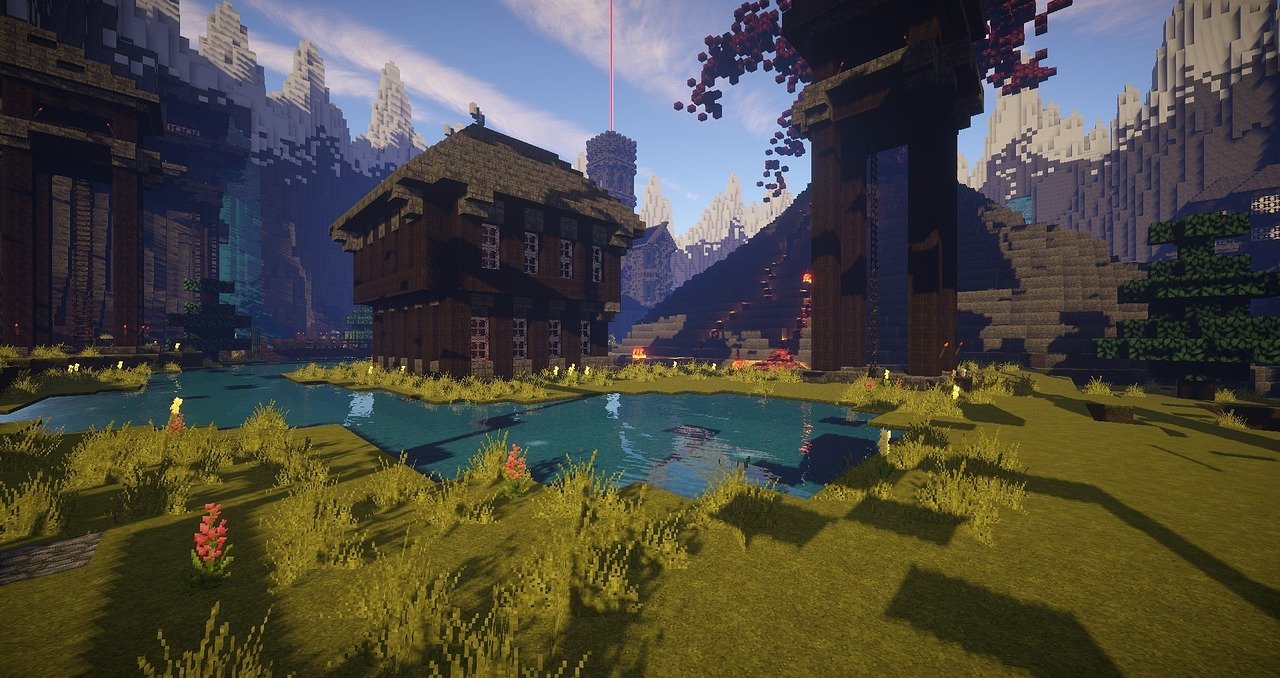
Minecraft is an incredibly popular Indie title, having sold over 200 million copies to date, and was sold to Microsoft the company behind the Xbox game console in 2014. Microsoft has since updated Minecraft with new content, released two more games under the Minecraft title, and expanded the game into other profitable areas such as toys.

Undertale

Undertale is a game that was crowd-funded and released in 2015 with an estimated 5.8 million users. Created by a single developer, this game has reached a level of acclaim that Nintendo licensed one of the characters to appear in one of their own games. The game also has its own line of merchandise and a much-anticipated sequel currently in development.

Among Us

Among Us is a more recent success story of a small social deception game that rocketed into the public eye, and boasted 60 million active users a day at the peak of its popularity. The game was very popular amongst YouTube and Twitch creators, which acted as a very successful marketing campaign. The game has become so popular that, during Halloween, kids were running around in inflatable costumes of the Among Us space suits.

The Benefits of Indie Games

Without a big corporation behind them forcing big decisions, indie developers can make any game they want. For example, Cup Head is an extremely difficult game with an art style designed to be an homage to the early era of hand-drawn cartoons. Some games are designed off of a single weird concept or a specific labor of love based upon an obscure passion.

Most indie developers try to get the funding they need to produce a game using crowd-funding. Crowd-funding is when a designer puts out a concept of a project online and gets funding from the potential fanbase to make the game through a mixture of donations, pre-purchasing the game before development begins, and additional benefits for backers of the game. Benefits can include anything from your name in the credits of the game as a backer to having input into a part of the game or a character in the game being named for the backer. Crowd-funding allows a developer to pool money for a passion project from people who are excited about the game. Crowd-funding success helps to attract investors because it reflects customer interest.

The Dangers of Indie Games

Indie games have been a source of some of the greatest titles of the last two decades, but that doesn’t mean that every Indie game is going to be like Minecraft. Indie games can be whatever the creator wants, and that’s not always a good thing. For example, some developers push the boundary of horror games and explore themes AAA horror would never touch. For example, The Binding of Isaac is one of the most popular Indie games of all time. The game explores themes of child abuse, religious extremism, and child suicide.

Indie games can explore any theme no matter how dark or twisted and the limit to what can be made is limited only by human imagination. That doesn’t mean all Indie games are horror games. But the range of themes available is significantly more diverse than the AAA scene for games.

What does this mean for your young gamers?

Within the gaming industry, Indie games are incredibly diverse. The diversity of genres and topics can create games that range from poorly made first attempts to truly frightening horror games and all the way to amazing successes like Minecraft.

So, what can you do for your young gamers online?

Read the summary.

If your child wants to get an Indie game it will often come from a website that allows developers to post and sell their games. There is a store page on Steam associated with a game that will give you a description of the plot, gameplay, pictures of the game, and reviews from people who have played the game. This will allow you to make an informed decision if this game is right for your child.

The GKIS Connected Family Course

Our family course is designed to bring your family closer and get your kids working with you to stay safe on the internet. Our connected family course is outcome-based and will help you close screen risk gaps and increase family closeness and cooperation.

YouTube

You can often find YouTube creators that have recorded gameplay of popular new Indie games. If your child wants to play the new game their favorite YouTuber is playing, watch one of their videos with them. It’ll show you what kind of game your child is looking at, and you’ll get to hang out with your kid while you do it.

Thanks to CSUCI intern, Jason T. Stewart for researching advances in the video game industry and co-authoring this article.

I’m the mom psychologist who will help you GetKidsInternetSafe.

Onward to More Awesome Parenting,

Tracy S. Bennett, Ph.D.
Mom, Clinical Psychologist, CSUCI Adjunct Faculty
GetKidsInternetSafe.com

Works Cited

Coble, V. (2021, September 30). 10 most disturbing psychological horror indie games. CBR. Retrieved November 20, 2021, from https://www.cbr.com/indie-games-disturbing-psychological-horror/.

Curry, D. (2021, November 11). Among us revenue and usage statistics (2021). Business of Apps. Retrieved December 4, 2021, from https://www.businessofapps.com/data/among-us-statistics/.

Curry, D. (2021, November 11). Minecraft revenue and Usage Statistics (2021). Business of Apps. Retrieved December 4, 2021, from https://www.businessofapps.com/data/minecraft-statistics/.

Donnellan, J. (2021, June 8). 50 best indie games of all time. Cultured Vultures. Retrieved November 20, 2021, from https://culturedvultures.com/best-indie-games-all-time/.

G., D. (2021, November 1). 45+ video games industry statistics, facts, and trends for 2021. TechJury. Retrieved December 4, 2021, from https://techjury.net/blog/video-games-industry-statistics/.

Lowry, B. (2017, November 29). This is what sets ‘indie’ and ‘AAA’ video games apart. Windows Central. Retrieved November 20, 2021, from https://www.windowscentral.com/indie-vs-aaa-which-type-game-you.

Mikolić, M. (n.d.). Undertale stats by Playtracker Insight. stats by Playtracker Insight. Retrieved December 4, 2021, from https://playtracker.net/insight/game/1122.

Oddo, M. V. (2021, August 2). What’s an indie game anyway? Collider. Retrieved November 20, 2021, from https://collider.com/what-makes-an-indie-game/.

Photo Credits

Photo By: 200 degrees (https://pixabay.com/vectors/programmer-programming-code-work-1653351/)

Photo By: Allinonemovie (https://pixabay.com/illustrations/minecraft-video-game-blocks-block-1106252/)

Photo By: aknologia6path (https://pixabay.com/photos/rollup-dark-close-mood-4639945/)

Photo By: Victoria_Borodinova (https://pixabay.com/photos/video-game-entertainment-boy-6578106/)

Are Video Games Too Real for Children?

Video games have come a long way since Pong was first released in the 1970’s. Advances in gaming technology can enhance the experience for adults, but for children more realistic games are harder to distinguish from reality. At GKIS, our Social Media Readiness Course is designed to prepare your tweens and teens for the unexpected dangers of video games and social media sites. Our course is backed by Dr. Bennett’s years of experience helping tweens and teens who have already suffered digital injury from the unforeseen dangers found online. In this GKIS article we will cover the evolution of graphics and the steps gaming companies take to make games seem more real.

Video games Are Evolving

Video games are based in technology, and since players got their hands on Pong there has been a push to

advance that technology. Originally, video games were played using bulky arcade cabinets. The first home consoles were very restricted by their hardware. Games were flat and involved a character moving around the screen like a piece on a board. This all changed with the introduction of 3D graphics in the early 2000s. For the first time, video games had physical depth and the characters on screen moved more like a real person would.

Video games are striving every year to create a more realistic virtual environment. Games now have wind that moves individual leaves on tree branches, light that dances across the surface of the water, and characters that look real from a distance. Modern video games have advanced technology to foster a sense of extreme realism and maximize immersion. With such engaging digital experiences, it is important that children are provided with boundaries so as to prevent screen-time overload and digital injury. Our Screen Safety Essentials Course grants you access to weekly videos with parenting tips and coaching from Dr. Bennett that will help you pull your child out of their digital world and back into ours.

Motion Capture

It can be difficult to program a character to move in a realistic way. The awkward way early 3D characters moved unfortunately hampered immersion. Recently, the gaming industry began to use motion capture technology to solve this issue. Motion capture is a technique whereby a real human being is recorded in a studio as a program captures their motion and applies it to the game character to make the movement look as real as possible.

In a game called LA Noir, you are a 1940’s detective. One of the major objectives of the game is to interrogate suspects and solve crimes. For authenticity, developers created the characters with real facial expressions. The game used an advanced motion capture system to record the real facial expressions of the voice actors portraying the game characters. Players can tell what a character is feeling or if they’re lying based on facial expressions alone. The game uses very real human empathy and natural social cues as a part of the game, offering deeper immersion and better quality overall.

Real Game with Real Fear

Realistic graphics are fascinating when they’re used to make a character blink and breathe like a real person. Immersion is the goal, especially in horror games. Early horror games were limited in what they could create by the consoles of the time. However, as modern technology has evolved, new possibilities have opened for the horror genre.

Games can include motion-captured characters with realistic looks of fear and pain on their face. Horror games originally wanted to compete with the horror movie industry, but horror games now have the ability to do more than movies ever could.

For example, a game called Dead Space takes the classic zombie movie genre and sets it in a futuristic space station. An alien artifact mutates humans into nearly unkillable monsters. The game makes great use of body horror to drive home the alien nature of these dead humans. Body horror is a type of horror derived from twisting the human body into unnatural shapes creating nightmarish monsters. Our mind still sees that the monster is technically human, but is terrified by how wrong it has become. For example, in Dead Space, the zombie you are tasked to fight is a human with an open chest cavity and arms twisted in unnatural positions with sharpened bone where hands used to be. The key feature is that they still have a human face attached to the monstrous form to remind you that they used to be like you.

Immersion in horror games

The main thing horror games have over movies is the personal nature of the narrative and fear within. A zombie movie may be scary to watch as your favorite character fights for their life. However, an immersive game like Dead Space can make you feel like you’re the one fighting for your life. The immersive narrative attempts to draw you into the character’s shoes and, for the time you play, you can believe that you’re really in danger. The narrative takes on a whole new depth as suddenly you’re the one backed into a corner with only a handful of ammo and your wits.

Another dimension is that a game doesn’t guarantee a happy ending. When you run out of ammo, you know that you’re the one who’s going to die. Often when a gamer talks about an experience with a horror game, they speak in the first person. When I first played Dead Space, I remember the adrenaline rush I got when I had no ammo, because I knew I was going to have to fight my way out with my bare hands. The memory of playing a game differs from a movie because it stores itself as if the player had physically been there.

What does immersion mean for kids?

Realistic video games can be frightening and exciting to play. But at the end of the day, a player can still distinguish the game from reality. The same can’t be said for children exposed to the same things. Children have a harder time separating fantasy from reality.

As video games strive to be as close to reality as possible the task only gets harder. An adult who plays a particularly realistic horror game may have trouble sleeping for a night, but a child will suffer far worse than any adult.

Even outside of horror, we have shooter games that strive for realistic blood and death. Sniper Elite is a game that will follow the bullet fired from a sniper rifle through an enemy to show bones break and organs rupture as the bullet penetrates their body. These advances in immersion are great for taking a player into the world of a game, but only as long as that player has developed enough to pull themselves back out.

What can you do for your young gamer?

ESRB Ratings

Most video games come with an ESRB rating on the box to let players and parents know what type of audience the game is suitable for. If a game is rated for an audience older than your child, the game contains content inappropriate for their age group.

The GKIS Connected Family Course

Our Connected Family Course is designed to help keep your family connected in a world separated by screens. Backed by years of psychological research our course is designed to keep your family connected and working together to prevent digital injury.

Play games with your kids

Make sure the game your child is playing is appropriate and get some fun bonding time in. You can learn what the game your kids are playing is really like by just spending time with them while they play. If a game is inappropriate, it’ll be hard to hide for long.

Thanks to CSUCI intern, Jason T. Stewart for researching advances in the video game industry and co-authoring this article.

I’m the mom psychologist who will help you GetKidsInternetSafe.

Onward to More Awesome Parenting,

Tracy S. Bennett, Ph.D.
Mom, Clinical Psychologist, CSUCI Adjunct Faculty
GetKidsInternetSafe.com

Works Cited

Clasen, M. (2015, July 6). How do horror video games work, and why do people play them? Research Digest. Retrieved November 3, 2021, from https://digest.bps.org.uk/2015/07/06/how-do-horror-video-games-work-and-why-do-people-play-them/.

Iowa State University. (2017, January 25). Video game ratings work, if you use them. ScienceDaily. Retrieved October 31, 2021 from www.sciencedaily.com/releases/2017/01/170125145805.htm

Milian, M. (2011, May 17). The ‘amazing’ facial capture technology behind ‘L.A. Noire’. CNN. Retrieved November 3, 2021, from http://www.cnn.com/2011/TECH/gaming.gadgets/05/17/la.noire/index.html.

The Logo Creative. (2021, March 3). The evolution of video game graphics. Medium. Retrieved November 3, 2021, from https://thelogocreative.medium.com/the-evolution-of-video-game-graphics-1263684f0e38.

Walker, C. (2010, December 22). Video games and realism. Wake Forest News. Retrieved November 3, 2021, from https://news.wfu.edu/2010/12/22/video-games-and-realism/.

Photo Credits

Photo by: Ronald Nikrandt (https://pixabay.com/photos/fighter-warrior-wall-castle-5369481/)

Photo by: Diego Alvarado (https://pixabay.com/vectors/mario-nintendo-retro-super-classic-6005703/)

Photo by: Alexas_Fotos (https://pixabay.com/illustrations/crow-night-gruesome-darkness-988218/)

Photo by: Syaifulptak57 (https://pixabay.com/illustrations/soldier-helmet-battle-pub-g-war-6127727/)

Photo by: ID 11333328 (https://pixabay.com/photos/fortnite-computer-game-game-gamer-4129124/)

GKIS Guide to Teletherapy Services

With COVID-19 quarantine guidelines and stay-at-home orders, many aspects of our daily lives have transitioned into virtual worlds. Online school, work, communication, socialization, and even grocery shopping are accessible from the safety of our homes. Mental health services are no exception to this virtual transition. With face-to-face meetings impossible, telehealth psychology services became the only viable option. As a result, state and federal regulatory agencies and insurance companies temporarily relaxed rules and regulations to ensure that more people could receive the services they need. Today’s GKIS article covers the critical issues you need to know about teletherapy.

What is teletherapy?

Teletherapy is a branch of the broader service of telehealth (or telemedicine). Generally, teletherapy facilitates remote mental health services through technology. In other words, teletherapy allows clients to receive therapeutic or psychiatric treatment from practitioners over the phone, through video chat, or even text message.[1]

How does it work?

Teletherapy involves entirely virtual interactions between mental health experts and clients through the use of smartphones, computers, or tablets. In general, teletherapy sessions are supposed to work in the same way that traditional therapy sessions work. Therapists work with clients remotely to provide talk therapy, teach therapeutic techniques, and develop coping strategies. Teletherapy can be used for one-on-one, family, marriage, and group counseling.[1]

Who offers teletherapy services?

Teletherapy services are offered by licensed mental health professionals.[1] Many of us have recently seen an increase in advertisements for teletherapy services from companies such as Talkspace and BetterHelp. These companies are online therapy platforms that hire clinicians to work for them in exchange for a steady number of clients. To apply, clinicians must provide proof of credentials, proof of competence in therapeutic treatment, and undergo a rigorous screening process.[2] Unfortunately, it is impossible to ensure that this standard of hiring and assessment is upheld by every online therapy company.

What are the potential benefits/risks of teletherapy?

Potential Benefits for Clients:

Increased Access to Mental Health Services

  • Telehealth can be very convenient. It alleviates travel restrictions, time constraints, and other barriers like childcare needs.

Greater Sense Of Security

  • Many people feel more comfortable in their homes, which allows clients to relax and be more willing to share their thoughts and feelings.

Public Health Concerns

  • The primary factor responsible for this shift to teletherapy is concern over public health during the global pandemic. Telehealth allows clients and experts to abide by stay-at-home safety protocols.

Economic Advantages

  • Teletherapy alleviates costs associated with travel and childcare.

Client Control

  • It’s much easier for a client to move to another therapist when using teletherapy because factors regarding commute and location of the new therapist are removed.[3]

Potential Benefits for Mental Health Practitioners:

Greater Access to Clients

  • Teletherapy allows therapists to meet with clients who may be unable or unwilling to travel. Many people find the prospect of meeting with a therapist in a clinical setting intimidating. For people who feel more comfortable at home, teletherapy may increase their likelihood of seeking out therapeutic treatment.

Economic Advantages

  • Teletherapy alleviates costs associated with travel, business expenses such as rent for office space, and allows practitioners to meet with more clients.

Time

  • With less time spent commuting from home to work, practitioners have greater flexibility regarding scheduling appointments with more clients.

Efficiency

  • Sessions conducted via chat or messaging automatically generate a record of the session, and video-conferencing allows the opportunity for sessions to be recorded.[3]

Potential Risks and Limitations for Clients:

Privacy

  • There are several potential risks to client privacy associated with teletherapy services.
  • It’s possible for hackers to access private data from a client’s device. Files containing sensitive client information that are unsecured may be accessed by an unwanted third party.
  • Even HIPAA compliant teletherapy services may be subject to data breaches that put client confidentiality at risk.
  • Unsecure chat and conferencing programs may expose sensitive client data, so clients should only work with therapists who have the tools and knowledge to encrypt data.
  • Some people lack access to private environments even within their own homes, this can make it difficult to protect client confidentiality as people may overhear or listen in on a private session.

Competence of the therapist

  • Therapists who are not competent regarding the use of technology and commercial software put their clients at significantly greater risk of breaches in confidentiality

Environment

  • Some people may prefer the security, and calm of a clinical office setting and have difficulty accessing a comfortable and private environment to facilitate their session.

Distractions

  • It is very easy for people to become distracted by things like notifications, emails, and text messages when using their devices and these distractions may impede upon the therapy session.[3]

Potential Risks and Limitations for Mental Health Practitioners:

Privacy

  • It is the responsibility of the clinician to protect client data, ensuring this protection is much more complex when relying on online/virtual programs than it is for clinicians in a traditional therapy setting.

Legal and ethical concerns

  • Therapists must comply with state licensing board regulations in both the state where they practice and where the client is located. Following the proper rules and regulations requires special knowledge and legal understanding which can be difficult to keep up with.

Communication

  • With the absence of face-to-face interaction comes the loss of many non-verbal cues and paralanguage that enhance overall communication among clients and clinicians. It can also be more difficult to establish a comfortable rapport with a client in a virtual setting where people feel distanced. In other words, the physical separation may impede the therapeutic dynamic.

Anonymity and client safety concerns

  • Clients can easily hide their identities online. This can make it much more difficult for clinicians who have a responsibility to report clients who may harm themselves or others to the proper authorities.[3]

Is teletherapy comparable to traditional therapy?

There is a lot of debate as to whether teletherapy is truly comparable to traditional therapeutic treatments. Some experts claim that there is a lack of research or evidence regarding teletherapy including its efficacy and effectiveness with long-term outcomes. Other experts claim that there is no significant difference between teletherapy and traditional therapy regarding the practices used and their efficacy. Some clients have reported great experiences with teletherapy, and others have expressed the opposite. As with traditional therapy, what seems to matter most is the compatibility of the client and the therapist. As of now, it seems difficult to definitively say which avenue of mental health care is superior. The bottom line is, whether it’s teletherapy or traditional, it is up to the client to decide what avenue best suits their needs.

Dr. Bennett has been practicing teletherapy with her child, teen, and adult clients since the beginning of the pandemic. She says she’s had to get creative figuring out how to keep kids focused with fun games and skill-training strategies. She says she does miss the natural comfort and improved intimacy of face-to-face therapy. But she suspects that over half of her clients will opt for telehealth services in the future. She says it’s particularly convenient for busy families who have multiple children in sporting and learning activities. She even got licensed in Hawaii and Idaho so she can work remotely while she is on vacation!

GKIS Services

  •  Screen Safety Essentials Course offers a comprehensive family program with tools for fostering open communication and creating safer home screen environments.
  • Screen Time in the Mean Time is the parenting guide needed in this digital age. Dr. B’s book posits tangible ways to keep your family safe and connected while utilizing technology.


Thanks to CSUCI intern, Mackenzie Morrow for researching Teletherapy mental health services and co-authoring this article.

I’m the mom psychologist who will help you GetKidsInternetSafe.

Onward to More Awesome Parenting,

Tracy S. Bennett, Ph.D.
Mom, Clinical Psychologist, CSUCI Adjunct Faculty
GetKidsInternetSafe.com


Works Cited

[1] Villines, Z. (2020). Teletherapy: How it works. Medical News Today. https://www.medicalnewstoday.com/articles/teletherapy

[2] Person, M. (2019). The pros and cons of contracting with online counseling companies. Counseling Today. https://ct.counseling.org/2019/01/the-pros-and-cons-of-contracting-with-online-counseling-companies/

[3] Stoll, J. et al. (2020). Ethical issues in online psychotherapy: A narrative review. NCBI. https://www.ncbi.nlm.nih.gov/pmc/articles/PMC7026245/


Photos Credited

Photo by Alex Green (https://www.pexels.com/photo/black-patient-and-psychologist-discussing-problem-in-office-5699451/)

Photo by Julia M Cameron (https://www.pexels.com/photo/person-writing-on-notebook-4144923/)

Photo by Muhammad Daudy (https://unsplash.com/photos/4eeG4Mn0HVY)

Photo by Pixababy (https://www.pexels.com/photo/gray-laptop-on-table-top-459654/)

Is Your Child Ready For Unschooling?

It is no surprise that homeschooling has been on the rise in the last few years. What is surprising is the new concept – “unschooling.” In this article we are going to delve into the world of traditional homeschooling and the newer model, “unschooling.” Is your kid ready for unschooling? Is the world ready for unschooling? Whether your child is at home or in school they are going to be active participants in social media and the world of screens. Dr. Bennett’s Social Media Readiness Training for Teens and Tweens will reduce your child’s risk of digital injury and take the stress of navigating the social media world off you.

Why homeschool?

We are an individualistic culture in the United States. We prioritize having the freedom of choice. We promote the idea that we are all unique individuals with our own creatively cultivated paths in life. It has been argued that the public school system does not do enough to support individuality and freedom of choice. Instead, public schools tend to set one curriculum for each grade. For many years, the majority of families accepted that same-age children must follow the same curriculum from grade school to high school.

But within the past half-century, many parents have chosen a more flexible curriculum by choosing to homeschool.[1] The U.S. Census Bureau reported that when schools shut down due to the COVID19 pandemic in 2020, 5% of US families homeschooled their children. Currently, that figure has risen to 11%.[2]

The Original Homeschool Format

While education laws differ by state, the general concept of homeschooling refers to an individualized education program where a teacher comes to the child’s home or the parent teaches their child with materials provided by the local public or private school.[3] This can be particularly beneficial for children that have emotional or physical disabilities or if you’d just prefer to be the one to teach your child. With homeschooling, the child still benefits from a set curriculum and resources.

What is unschooling?

Although there are some overlaps, unschooling is not the same as homeschooling. Unschooling does not follow a set curriculum, instead, it welcomes the child’s freedom of choice. Parents that choose the unschooling route allow their children to choose what they learn and when. Since there is no set curriculum and each child is taught differently.

The concept of unschooling started in the 1960s. It is not entirely new but not as common as homeschooling.[4] Unschooling aims to help children desire to learn by allowing them to choose what to learn about. Concepts are not forced onto the children and there are more hands-on opportunities for learning. It is believed that by allowing children to indulge in their own interests, you are allowing them to find their own path in life. A lot of people follow the path of their parents or what they are told to do and ultimately end up unhappy in their chosen career path. Unschooling is a great way to help a child find their special niche.

Why deviate from the public and private school programs?

There are many reasons why a parent may choose to take their child out of school and turn to homeschooling or unschooling. Some parents choose to do this due to political disagreements, religious reasons, wanting to be closer to their children, or to cater to special needs.[5] Others want to integrate their family’s beliefs and values into the curriculum. Each reason is an individual as the participating families.

Pros to Homeschooling Your Child

  • The family dynamic may grow stronger with more time together.
  • Children are likely more protected from bullying.
  • Parents get the liberty to decide aspects of the curriculum.
  • Hands-on activities, like field trips, occur more frequently.
  • Unique content may be integrated into the child’s day, ultimately triggering a unique skill or interest set.

Cons To Homeschooling Your Child

  • There may be a lack of resources compared to larger schools.
  • Parents and kids may have less personal time.
  • There are more potential conflicts due to overworked parents in dual roles.
  • Kids are likely to have fewer peer-to-peer interactions.
  • There may be fewer opportunities for exposure to student and teacher diversity.
  • Elements of a traditional curriculum may be bypassed and cause some challenges later for the child.

While there are many aspects of homeschooling and unschooling that are similar, unschooling also has its set of pros and cons that add to the homeschooling lists above.

Pros to Unschooling Your Child

  • Children get more freedom to choose what they learn about.
  • Kids have more opportunities for extracurricular activities.
  • Parents can choose how to teach.

Cons to Unschooling Your Child

  • Children are less likely to be learning the same things as their peers.
  • If a child decides to continue with “regular” education when they are older, they may feel behind or fearful of the rules and regulations.
  • A lack of structure can cause anxiety in parents and children.

Which is the better option?

Parents must consider not only the best program for their child but also what is best for them since they may be taking on the teacher role. Considerations include your skillset and available time for teaching and mentorship as well as your child’s goals, personality, and learning style and how much peer interaction they need.

We at GKIS celebrate freedom of choice, creativity, and the love of learning! To facilitate close family connection and effective communication, check out our weekly parenting/family coaching videos and other valuable resources from the GKIS Screen Safety Essentials Course.

If you liked this article about unschooling, you may also enjoy Family-Friendly Activity Ideas for inspiration on hands-on activities to do with your child.

Thanks to CSUCI intern, Tara Meizel for researching the different types of homeschooling and co-authoring this article.

I’m the mom psychologist who will help you GetKidsInternetSafe.

Onward to More Awesome Parenting,

Tracy S. Bennett, Ph.D.
Mom, Clinical Psychologist, CSUCI Adjunct Faculty
GetKidsInternetSafe

Works Cited

[1] LINES, P. M. (2000). Homeschooling comes of age. Public Interest, 74. https://link.gale.com/apps/doc/A63856605/AONE?u=csuci&sid=bookmark-AONE&xid=a2cf9ae8

[2] Lambert, D. (2021, July 1). Pandemic drives sharp rise in California families opening their own home schools. EdSource. Retrieved October 27, 2021, from https://edsource.org/2021/pandemic-drives-sharp-rise-in-families-opening-their-own-homeschools/657233.

[3] Schooling at Home. Schooling at Home – Private Schools and Schooling at Home (CA Dept of Education). (2020). Retrieved October 27, 2021, from https://www.cde.ca.gov/sp/ps/homeschool.asp.

[4] School’s out forever. (2012). The Wilson Quarterly, 36(2), 64+. https://link.gale.com/apps/doc/A306514910/AONE?u=csuci&sid=bookmark-AONE&xid=5d9f9b5f

[5] Preethi, V., & Lawrence, A. S. A. (2021). Homeschooling: A paradigm shift during COVID-19 crisis. Researchgate.net. Retrieved October 28, 2021, from https://www.researchgate.net/profile/Arul-Lawrence-A-S/publication/349477381_HOMESCHOOLING_A_PARADIGM_SHIFT_DURING_COVID-19_CRISIS/links/603239ac299bf1cc26de16be/HOMESCHOOLING-A-PARADIGM-SHIFT-DURING-COVID-19-CRISIS.pdf.

Photo Credits

Photo by Luke Brugger https://unsplash.com/photos/QC7tbiujK04

Photo by Annie Spratt https://unsplash.com/photos/4E1JOFK55kc

Photo by NeONBRAND https://unsplash.com/photos/zFSo6bnZJTw

Photo by Sigmund https://unsplash.com/photos/TJxotQTUr8o

Hackers Can Access Your Computer’s Webcam Without Your Knowledge

Imagine finding out that a cybercriminal has been recording you in your bedroom for months and can do anything with that footage. Or what if you turn on your computer to find that you can’t access anything unless you pay a ransom to a hacker. What if a predator could view and speak to your child through a camera in their bedroom? You can help protect your family from becoming victims of cyber-attacks and ensure peace of mind by referring to our Screen Safety Toolkit, a resource guide with our best recommendations, how-to information, and links to our favorite easy-to-use parental control systems. This article will detail the risks and worst-case scenarios of webcam hacking as well as provide tips to help ensure your cybersecurity and safety.

How do cybercriminals hack webcams?

Hacking requires a specialized skillset that is increasingly accessible for the average tech user. In the sub-world of black hat computer hacking (hacking tech with bad intent), accessing private webcams is considered fairly easy. Further, there are several different methods utilized by black hat hackers to gain access to and take control over a computer’s web camera.

Spyware

One of the prominent methods employed by hackers to gain access to private computer webcams is through the use of spy software and remote administration tools (RATs). Webcam spyware is a type of computer application or program that allows the user to remotely take control over another user’s webcam. This enables the hacker to see whatever or whoever is in front of the computer’s web camera.

An alarming feature of this software is that it often allows the user to remotely turn the hacked computer on. Turning a computer off when it’s not being used is not enough to protect users from being spied on.

Spyware can be installed in webcam attachments and hard-wired webcams. The hacker can control audio and microphones, camera angles, zoom features, and focus. They can also record the footage so they can blackmail the victim later. Surprisingly, webcam spyware is freely available for download on the internet and can be installed on most operating systems.[1]

Internet Connection

Another common method of webcam hacking involves the use of web cameras that rely on remote access through WiFi. A common example of this type of web camera includes wireless security devices such as the popular Ring video doorbell.

Unfortunately, while these devices are intended to provide security for the user, they can also provide black hat hackers access to your home. If a camera is connected to a home WiFi router, it is vulnerable to hacking, especially if proper precautions aren’t taken to secure it. To avoid this, it is important to set secure network passwords for home WiFi routers. The default factory setting login information for routers can be accessed by anyone who is willing to look up the manufacturer’s startup support webpage. Failing to change your default router login can leave your wireless security cameras open to malicious hackers.[1]

Trojan Viruses

Perhaps the easiest way for cybercriminals to hack into your computer’s webcam is through the use of a Trojan computer virus. A Trojan virus is a type of malware deliberately designed to cause damage by infecting and subsequently taking control over your device. It is aptly named after the famous ancient Greek war story of the Trojan Horse because it is an attack disguised as a gift.

Trojan viruses are so effective because people mistakenly infect their own devices with them by downloading software that they believe is safe. This typically occurs when visiting a website that invites you to download a seemingly innocent file that actually contains malware instead of Adobe flash reader. The malware then infects the device, allowing the creator of the virus to gain complete control and access to your webcam and private files without your knowledge.[1,2]

Worst-Case Scenarios

Cassidy Wolf, Miss Teen USA

One of the most famous cases detailing the devastation caused by webcam hacking involves former Miss Teen USA, Cassidy Wolf. In 2012, Cassidy Wolf opened an email that she had received from someone whom she did not know. She was horrified to discover an attachment within the email containing several nude photos of her that were taken in the privacy of her bedroom. The photos were taken via the webcam installed on her computer.

The hacker attempted to blackmail Wolf into engaging in sexual acts with him through her webcam. If she refused, he threatened to share the nude photos with her friends and family.

The hacker turned out to be one of Wolf’s former classmates, Jared James Abrahams, who had installed Blackshades malware onto her laptop. The FBI was able to identify Abrahams who had victimized up to 150 women in his sextortion scheme and was subsequently sentenced to 18 months in federal prison.[3]

This event coincided with an FBI crackdown that led to the arrests of over 100 cybercriminals who created and used Blackshades, an inexpensive and easily utilized remote access tool primarily designed to hack webcams to facilitate sextortion crime. Blackshades was available for a mere $40 and sadly, countless people were victimized by the cybercriminals who maliciously employed it. [3,4]

Ring Cameras

In 2019, a mother installed a Ring security camera in the bedroom of her 8-year-old daughter for extra security. In a disturbing exchange caught on video, the 8-year-old girl walked into her room hearing strange music playing from an unknown source. The music abruptly stopped, and a man’s voice was heard saying “hello there.” This strange man had live video access of the young girl and was able to verbally communicate with her, a feature deliberately programmed into the Ring security camera. The man repeatedly used racial slurs when speaking to the girl and over several minutes, tried to get her to do various things. There have been similar Ring camera hacking incidents in recent years.[5]

Steps to Protect Your Privacy and Boost Cybersecurity

Technology is a powerful tool and with the advent of virtual learning and Zoom conferences as a result of the COVID-19 pandemic, web cameras have become an essential part of our academic and professional lives. Cases of webcam hacking are obviously terrifying, but there are simple steps that you can take to protect yourself and your family from attacks by cybercriminals.

Use Software Updates

Keep up with computer and software update alerts. They often contain patches For Weak Spots (points of entry easily exploited by hackers).

Secure Your WiFi with Password Protection

Once you have installed your router, create a new secure password to deter cybercriminals from being able to easily hack your devices.

Avoid Suspicious Downloads

Hackers can access your devices by getting you to unknowingly install malware, like Trojan viruses, through random links and downloads. Never click on links from websites that require you to download a file or program in order to access their site. Also, avoid downloading attachments and opening links sent via email from people you do not know and trust.

Invest in Security Software

While there are free security software services available, investing in subscription software will provide better cybersecurity. Approach your cybersecurity with the same regard as you do for your home security. Good security software will help protect you by blocking malware that would potentially give hackers access to your devices.

Use Legitimate Tech Support

Be careful of who you allow access to your devices. When IT support is needed, only use trusted and reputable services. Avoid using freelance computer technicians. There have been instances where freelance technicians who were hired to fix devices have instead installed malware onto the client’s computers for nefarious purposes.

Install a Physical Webcam Cover

The most surefire way to ensure that cybercriminals are not spying on you through your device’s camera is to install a physical covering over the lens. When most web cameras are on, a light next to the lens turns on signaling that the camera is in use. However, hackers can disable this light, so relying on that alone is not enough to ensure your privacy. There are products available specifically designed as device camera coverings that attach to your devices right over the camera lens. The covering can be slid open when you want to use your camera and closed when you do not. You can also just simply cover your web camera lens with a post-it note or a piece of opaque tape.

GKIS Screen Safety Toolkit

Our Screen Safety Toolkit is an invaluable resource for providing you and your family with enhanced cybersecurity. Researching digital safety tools can be an overwhelming process. But thankfully, we’ve done the work for you! If you have screen-loving kids or teens, sound parenting strategies are not enough for fostering online safety. You also need smart tech tools for filtering, monitoring, and management. The GKIS Screen Safety Toolkit is a family-tested, outcome-based resource guide with our best recommendations, how-to information, and links to our favorite easy-to-use parental control systems.

GKIS Cyber Security Supplement

Our Cybersecurity & Red Flags Supplement is comprised of three helpful tools in one service. You can protect your family from hacking, scamming, malware, and phishing with our cybersecurity and best practices checklist. Our GKIS online safety red flags for kids & teens provides parents with Dr. Bennett’s clinical teaching list that will help parents educate their kids about red flags to be aware of and alert them to the tricks that are often employed by online predators and other cybercriminals. Additionally, our GKIS online safety red flags for parents will provide parents with Dr. Bennett’s clinical expertise, which she’s developed over 25+ years as a clinical psychologist, in identifying behavioral red flags that may signal your child is suffering from digital injury.

Other helpful GKIS resources

You can find more valuable information regarding screen safety in Dr. Bennett’s parenting guide, Screen Time in the Mean Time. Additionally, you can check out this article How Cybercriminals Steal Sensitive Data to learn more about the potential risks to your cybersecurity so that you can be better equipped to protect yourself and your family.

Thanks to CSUCI intern, Mackenzie Morrow for researching the dangers of webcam hacking as well as cybersecurity measures to prevent it and co-authoring this article.

I’m the mom psychologist who will help you GetKidsInternetSafe.

Onward to More Awesome Parenting,

Tracy S. Bennett, Ph.D.
Mom, Clinical Psychologist, CSUCI Adjunct Faculty
GetKidsInternetSafe.com

Works Cited

[1] Batt, S. (2020). How easy is it for someone to hack your webcam? Make Use Of. https://www.makeuseof.com/tag/how-easy-is-it-for-someone-to-hack-your-webcam/

[2] Johansen, A. (2020). What is a Trojan? Is it a virus or is it malware? Norton. https://us.norton.com/internetsecurity-malware-what-is-a-trojan.html

[3] Daily Mail. (2014). More than 90 people arrested in ‘creepware’ hacker sting as victim Miss Teen USA describes ‘terror’ at being watched through her webcam for a year. Daily Mail. https://www.dailymail.co.uk/news/article-2638874/More-90-people-nabbed-creepware-hacker-sting-victim-Miss-Teen-USA-describes-terror-watched-webcam-YEAR.html

[4] Cooper, A. (2014). CNN Anderson 360 Cassidy Wolf Miss Teen USA. CNN. https://www.youtube.com/watch?v=sc3nG87OYW8

[5] Chiu, A. (2019). She installed a Ring camera in her children’s room for ‘peace of mind.’ A hacker accessed it and harassed her 8-year-old daughter. The Washington Post. https://www.washingtonpost.com/nation/2019/12/12/she-installed-ring-camera-her-childrens-room-peace-mind-hacker-accessed-it-harassed-her-year-old-daughter/

Photos Credited

Photo by Nikita Belokhonav (https://www.pexels.com/photo/anonymous-hacker-with-on-laptop-in-white-room-5829726/)

Photo by cottonbro (https://www.pexels.com/photo/people-woman-coffee-laptop-6964510/)

Photo by cottonbro (https://www.pexels.com/photo/laptop-with-cyber-security-text-on-the-screen-5483240/)