Need peaceful screen time negotiations?

Get your FREE GKIS Connected Family Screen Agreement

parenting

DO Video Games Cause Violence? – Dr. B’s Take!

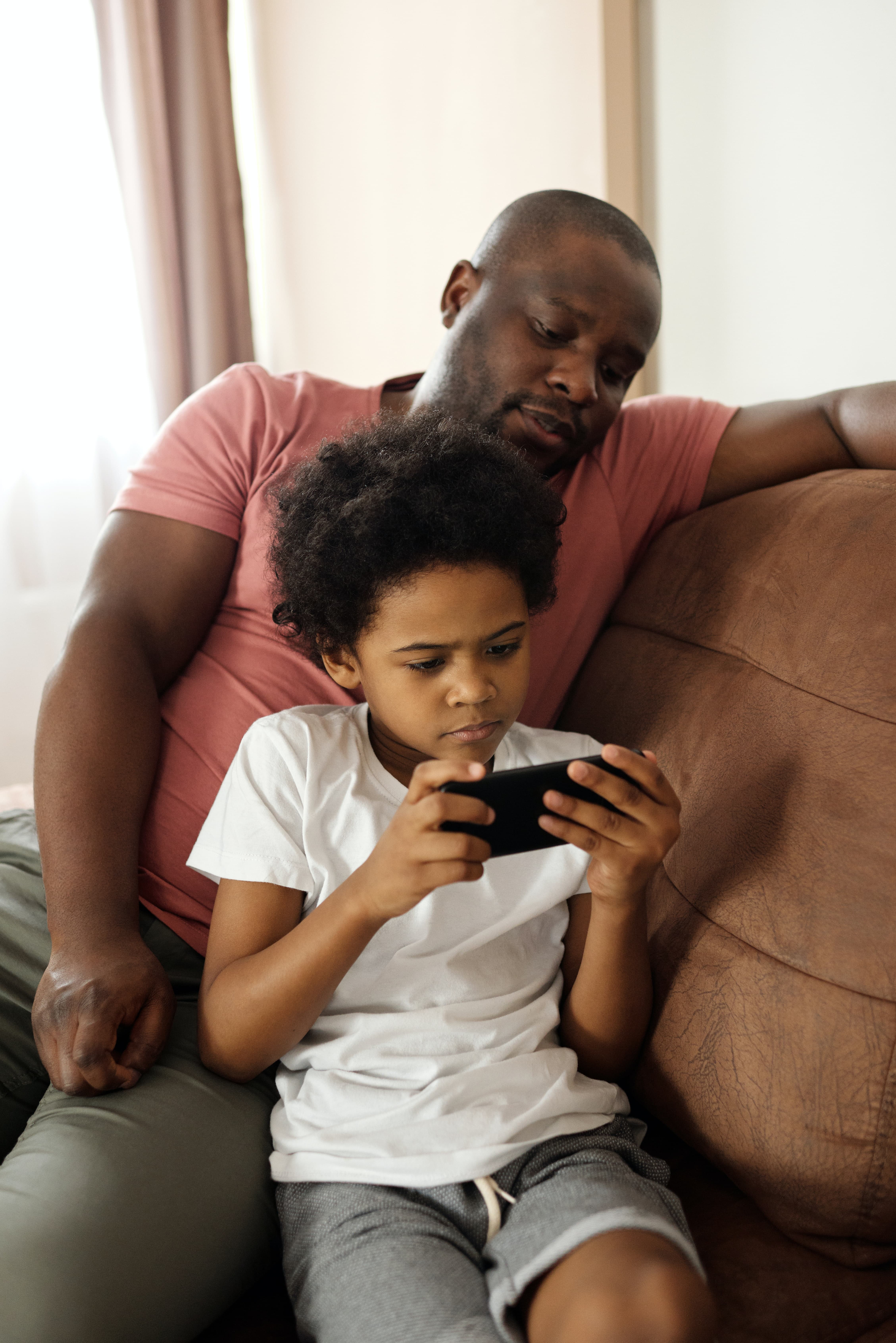
Do violent videos games cause violence? How can you better keep your kids safe and away from extremist ideas on the internet? Here’s a news highlight of what Dr. B has to say!

Link to Screen Safety Essentials Course 👇

https://getkidsinternetsafe.com/essentials-course/

Link to Website 👇

https://getkidsinternetsafe.com

Link to Book 👇

https://www.amazon.com/gp/product/099…

Follow Our Social Media:

Instagram: https://www.instagram.com/drtracybenn…

Facebook: https://www.facebook.com/GetKidsInter…

Twitter: https://twitter.com/drtracybennett?la…

Linkedin: https://www.linkedin.com/in/drtracybe…

The GKIS Sensible Parent’s Guide to Omegle

During the age of lockdowns and quarantines, many children have discovered a new way of finding someone new to talk to. A website known as Omegle, and other websites like it, have filled this social gap in many people’s lives. Omegle is considered a ‘roulette’ style website, where users may set interests and get matched with people with the same interest. This can be only a text chat, or it can be a video chat. If you find screen safety issues overwhelming in your family, you’ll benefit from Dr. Bennett’s weekly parenting and coaching videos on our Screen Safety Essentials Course. The most important thing that parents can do is be aware of the potential risks and promote an environment of open communication with your children. In this program, Dr. B offers a comprehensive family program for fostering this kind of communication in her Screen Safety Essentials Course. With this course, your family will learn tons of information about how to create a safer screen home environment while also connecting and having fun as a family. Armed with the right tools, you and your family can learn how to better thrive in today’s digital era. In this GKIS Sensible Guide, we will explain what you should know before letting your child chat away with complete strangers.

How long has Omegle been around, and how popular is it?

Omegle was created in March 2009. Omegle has recently seen over 54 million daily visits.[2] According to Google, searches for the site began to increase during March 2020, with the number of searches quadrupling the week before Christmas.[1] This surge in users isn’t much of a surprise. People were stuck inside their homes for almost a year due to the COVID-19 pandemic. Much of that time was spent on the computer, so why wouldn’t a website that allows someone to meet a new person be appealing? Teenagers have also created a ritual of hanging out together in person and going on Omegle as a group.

Omegle does state that to use the website, one must be over the age of 13. This is done with a simple pop-up box that can be clicked away. No date verification is required, so this is easy for children to bypass. As explained in the book Screen Time in the Mean Time, parents should use their best judgment to determine whether or not their child is ready to use a website like this. This GKIS Sensible Guide aims to help inform the parents so they are able to make the best decision possible.

Features of Omegle

Text-Chat

  • Individuals are prompted to enter optional interests to help match them. There are two options for the text chat: Text or Spy Mode
    • Text: Users are randomly matched in pairs, either based on their interests or completely at random if no interests were entered. Users are completely anonymous so there is no way to get someone’s information unless they offer it. Even if they offer it, they can (and likely will) lie. Either user may end the chat at any time.
    • Spy: Three users are matched together, two regular chatters and a spy. The spy prompts the other two with a previously entered question. The spy is unable to contribute to the conversation at all, they may only watch. The chatters focus on answering the question presented. Any user can end the conversation at any time.
  • There is no option for a ‘filtered’ text option. The website warns against profanity, sexual harassment, or violent threats, but there is no way to filter those statements out. If the user gets matched with someone who does any of these, the website simply says to ‘end the chat’.
  • The website itself warns that predators have been known to use text/video chat to groom or lure victims. It claims that it cannot control human behavior, and only the person committing these actions should be held accountable.

Video-Chat

  • Similar to text chat, users are randomly matched based on interests if possible. This can be in pairs or in groups. All user’s webcams will turn on while searching for a match.
  • This section has an option to report nudity, violent threats, and sexual content in addition to numerous other things one might encounter during chatting. This section does not allow any of these.
  • This section is aimed at users under the age of 18.
  • These filters to protect users don’t always work. Even the website itself warns that some things of inappropriate nature might be encountered.

“Unmonitored” Video-Chat

  • This is a carbon copy of the video-chat section with one crucial difference. No filter is used to prevent users from showing nudity or sexual imagery on their webcam chat.
  • This section is aimed at users who want a more ‘mature’ chatting experience, as long as they are over the age of 18.

Benefits of Omegle

  • When used correctly, and age-appropriately, it allows for individuals to talk with someone who has similar interests.
  • It can help an individual feel less alone and more connected in a quarantined world.

Risks of Omegle

  • The filters in place for the monitored section have inconsistent results. Some users still report encountering things that they shouldn’t several times in a row.
  • Children are more susceptible to believing an individual who may be lying. This may result in them giving information they shouldn’t to a complete stranger.
  • This website has the potential to expose children to sexual imagery, violent threats, phishing scams, and numerous other dangers.
  • None of the age checks are secure. Your child can easily access a section of the website that they shouldn’t with one simple click, no verification needed. This poses both a giant risk for the child and a giant temptation for them.

Throughout its lifetime Omegle has proven to be a constant source of controversy. This led GKIS to consider Omegle to be a red-light app, meaning that it is not recommended for anyone under the age of 18. The possible exposure to explicit material is too hard to control, and the fact that the website itself warns that predators do use this website to target victims were two of many factors that led us to this decision. If you think that your child may be using Omegle or other social media apps, consider our Social Media Readiness Course to help them stay safe.

Thanks to CSUCI intern, Dakota Byrne for researching Omegle and co-authoring this article.

I’m the mom psychologist who will help you GetKidsInternetSafe.

Onward to More Awesome Parenting,

Tracy S. Bennett, Ph.D.
Mom, Clinical Psychologist, CSUCI Adjunct Faculty
GetKidsInternetSafe.com

Works Cited

[1] https://trends.google.com/trends/explore?date=today%205-y&geo=US&q=omegle

[2]https://www.similarweb.com/website/omegle.com/

Photo Credits

  1. Photo by John Schnobrich (https://unsplash.com/photos/2FPjlAyMQTA)
  2. Photo by Annie Spratt (https://unsplash.com/photos/4A1pj4_vClA)

Is Your Child’s Attachment Style Impacting the Way They Use Social Media?


Three billion people use social media globally. We use it to stay in touch with friends and family, share memorable moments in our lives, and entertain ourselves during our leisure time. Although social media has its benefits, it also has its negative effects. Much of the outcome depends on the characteristics of the user. One characteristic that impacts social media use is the user’s attachment style. In today’s GKIS article, you will learn what attachment style is, how a child’s attachment style may impact the way they use social media, and strategies to improve your family relationships and create healthier attachments.

Social Media Readiness

In the article “Do Kids Need Driver’s Training … for the Internet? Dr. Bennett asks, “Does driving city streets have anything in common with browsing the internet?” She argues it does, stating that “ Like driving a car, browsing the internet can cause significant injury. But instead of a concussion, we see kids succumbing to anxiety, depression, and body image problems linked to cyberbullying, radicalization, and compare-and-despair. Also, like driving, kids browsing the internet can wander into any kind of digital neighborhood making friends from faraway places. Most of the places they visit are cool, with fun friends, creativity, and harmless excitement. But there are also digital neighborhoods that would horrify us. Dangerous people like predators and traffickers may be common there and so is intensely violent and explicit sexual content.” With over 25 years of helping kids and families navigate difficult situations resulting from screen use, she created an online course for tweens and teens called the GKIS Social Media Readiness Course.

Dr. B argues that kids need specific knowledge and problem-solving strategies to recognize red flags online, as well as psychological wellness tools to bolster mental health and overall resilience. Not only does our course teach kids what they need to know for online safety, but parents need knowledge too along with an ongoing cooperative dialogue with their kids about online issues. Creating this dialogue has a lot to do with healthy attachment.

 Attachment

The father of attachment theory is John Bowlby, a British psychoanalyst who was interested in studying the intense distress that infants demonstrate when they are separated from their parents. Other attachment researchers went on to create theories and testing measurements, like the Strange Situation paradigm created by Mary Ainsworth.

Strange Situation

To test a child’s “attachment style,” researchers created a child separation situation in the psychology lab. For the Strange Situation method, researchers put a mother and toddler child alone in a room. The room was filled with toys and plenty of eye-catching items for the child. After some time of playing, a stranger enters the room and attempts to interact with the child. The mom is instructed to then leave the room. After a few minutes, she returns and comforts her child. A few minutes later the stranger returns and interacts with the child again. Then the mother comes back and greets her child.[2]

The Strange Situation was designed to present children with an uncommon, but not too overwhelming, experience. The child’s response was then coded and classified to fit in one of four attachment styles.

 Attachment Styles

Attachment styles are academic descriptors of how an individual relates to other people. An attachment style is formed at an early age, and once established it stays with you.

Children with secure attachment styles have healthier relationships overall. Kids with avoidant, anxious, or disorganized attachment styles tend to form poor quality family and peer interactions. They have trouble maintaining healthy, mutually beneficial friendships because they’re often anxious or dependent.

The Four Types of Attachment Styles

Secure Attachment

Secure attachment is characterized by a stable sense of security and comfort to be out and about knowing that their caregiver will be there when needed. Caregivers of securely attached children are typically available, sensitive, and protective of the child. They use authoritative (warm and consistent) parenting strategies rather than being overly strict (authoritarian) or indulgent (permissive).

Avoidant Attachment

Avoidant attachment is characterized by a child who avoids interaction with the caregiver and shows no distress during separation. Caregivers of an avoidant attached child typically don’t acknowledge a distressed child, instead of shaming the child for showing emotions and having unrealistic expectations. These caregivers often don’t validate the child. Emotional validation is the process of encouraging emotional expression and offering warm acceptance and nurturance. Validating a child’s emotion is a critical element to teaching children socio-emotional intelligence and self-soothing.

Anxious Attachment

Anxious attachment is characterized by a child who fears abandonment and doesn’t interact with strangers. Kids with anxious attachment tend to be clingy and insecure. Caregivers of anxiously attached children are often overly protective or insensitive. They can be available at one moment, then unavailable, which can leave the child confused.

Disorganized Attachment

Disorganized attachment is characterized by a child who, when their caregiver unexpectedly leaves the room, will respond with a confused expression, freezing, and demonstrating unorganized behavior. Caregivers in this situation are inconsistent. More specifically, they may demonstrate kindness and care to their child sometimes and other times ignore their needs or get angry. Parents who send these types of mixed signals are often impaired due to mental illness, addiction, or severe overwhelm.

What does social media have to do with attachment?

Social media has become a new form for people to receive validation and support from others, especially for those who are building identities like tweens and teens. In a study by Stöven and Herzberg, researchers reviewed 17 studies on attachment styles and social media use. They found that people with higher levels of abandonment anxiety tend to overuse social media as a way to feel like they belong.[1] The subjects were more likely to seek support and attention from people online to feel good. Social media was a way for them to seek reassurance and feel like people liked them.

 How is an over-reliance on social media for identity a problem?

A constant need for reassurance can cause undesired results, such as

  • trouble making decisions because the subject is too concerned about what others think.
  • anxiety or depressive symptoms when the subject does not get the response they hope for.
  • the subject having an “internal debate” with themselves with questions like, “what if?”

Ways to Improve Your Child’s Attachment and Make Them Healthier Adults

Be sensitive and compassionate. Children need nurturing warmth during their early years to identify the emotion, learn how to express it, and build the confidence to self-soothe on their own.

Respond calmly to your child. Modeling self-soothing is an awesome way to teach socio-emotional skill-building. Plus, it serves to clear the way for logical problem-solving rather than escalating an already stressful situation.

Get involved. Just as you would supervise and monitor your child’s exploration of city neighborhoods, you must do the same with digital neighborhoods. That means setting rules and expectations like those detailed in our Connected Family Course and setting up parental controls using the resources (and discounts) offered in our Screen Safety Toolkit.

If you’d like all GKIS course materials delivered in an inexpensive, convenient, easy-to-follow drip on your smartphone, check out Dr. Bennett’s weekly parent and family coaching videos in the GetKidsInternetSafe App!

Thanks to CSUCI intern, Maira Soto for researching social media and attachment styles for this article.

I’m the mom psychologist who will help you GetKidsInternetSafe.

Onward to More Awesome Parenting,

Tracy S. Bennett, Ph.D.
Mom, Clinical Psychologist, CSUCI Adjunct Faculty
GetKidsInternetSafe.

Photo Credits

Photo by Katerina Holmes from Pexels

Photo by Karolina Grabowska from Pexels

Photo by Cristian Dina from Pexels

Photo by ready-made from Pexels

Photo by Pexabay from Pexels

Works Cited

[1] A systematic review of associations between the use of social network sites and attachment style.

https://journals.sagepub.com/doi/10.1177/0265407520982671

[2] Is your child securely attached?

https://www.parentingscience.com/strange-situation.html

How Technology Can Be Beneficial for Children with Autism


In today’s day and age, it seems our whole world depends on smartphones, tablets, and the internet. There is no doubt that technology has completely changed our world. It has given us unlimited access to information and communication while removing the need for face-to-face social interaction. Technology is particularly helpful with vulnerable children, like those with autistic spectrum disorder (ASD). Screen technology can play an important role in supporting early language by creating new opportunities for interaction and engagement. Indiana Resource Center for Autism reports that many children with autism are visual learners.[1]  Screen media tends to make visual images more available for children with autism and computer graphics grab and keep their attention. Technology also enables kids to find specific interests and build skills, thus increasing play options and independence. To learn more about autism and ways you can help your child, Check out Dr. B’s book Screen Time in the Mean Time. In today’s article, we will discuss the benefits of technology and app recommendations for children with autism.

What is Autistic Spectrum Disorder (ASD)?

Autistic Spectrum Disorder is a developmental disability that affects the way people communicate, behave, or interact with others. Researchers have not identified a single cause, and symptoms can be mild to severe. Autism can be detected at 18 months or younger.

There are also cases where children don’t receive diagnoses until much older. According to the Centers for Disease Control, autism affects an estimated 1 in 54 children in the United States.[2] Autism spectrum disorder affects children of all races and nationalities. It is 4 times more common among boys than girls.[3] It is important that as parents we are aware of certain signs and symptoms of autism. The earlier the treatment, the better and more effective for the child.

Signs of Autism

 Social Skills

Impaired social skill is one of the most common signs of autism. Specifically, many children with autism display impairment in the areas of poor eye contact, trouble recognizing expressions of emotions of others, and lack of social awareness. This is different compared to when someone is “shy.” Kids with ASD often have difficulties knowing how to act in social situations, especially with same-age peers. Children with ASD tend to avoid eye -contact, prefer playing alone, and often don’t respond to their name by 12 months old.

Communication

 Communication varies when it comes to autistic children. About 40% of children with ASD do not talk at all. About 25%–30% of children with ASD have some words at 12 to 18 months of age and then lose them.[4] ASD issues include delayed speech and using repetitive words and reversed pronouns. Many children with ASD have a hard time understanding and using nonverbal behaviors that facilitate communication like hand movements, body language, and different tones of voice.

 Behavior

Children with ASD tend to repeat their actions and behaviors over and over which are called stereotypies. For instance, a child might spend a long period spinning in circles or clapping their hands. This is an example of a self-stimulation activity. Children with autism often thrive with a routine. Changes to their expected rituals can be upsetting to them.

How is technology beneficial?

If your child has ASD, technology can help them become more self-sufficient, work out challenges and improve upon strength. Using helpful apps shouldn’t disrupt your day-to-day routines, but rather enhance them. Apps allow for personalized learning and encourages an inclusive and interactive learning environment.

By observing children and their interaction with apps and listening carefully to the way they respond, you can better understand their thought patterns and plan carefully for their next steps in learning. Wellness apps offer strategies to regulate moods and improve well-being.

Using Technology to Improve Verbal Skills

Many children with autism find it helpful to use resources with a picture communication system, social stories, and visual timetables to improve their verbal skills. Applications for smartphones and tablets now allow parents to create schedules, stories, and activities that can benefit their children. There are many apps designed for those who have trouble communicating by providing a digital voice. Apps can give children the opportunity to enhance vocabulary development while also supporting children’s understanding of early language concepts.

Apps to Improve Verbal Skills

Proloquo2Go

Proloquo2Go is a symbol-based app for children with nonverbal autism. Using a natural-sounding voice, the user creates a sentence using symbols they are familiar with. Then the app will read it aloud. Most individuals report improvement in verbal skills and behavior. The images on the buttons are SymbolStix, although the user can also use real pictures or life-like cartoon drawings. The app is currently available for ios users.[5]

Avaz AAC

Avaz AAC is a speech app that assists children with autism who have a hard time communicating with others. The app can create a picture exchange communication book that can be created into a pdf and printed. That way the child has the option to print it out and store it in a binder. The Avaz app can help your child communicate their thoughts and needs while tracking progress. The app is currently free for a 14-day trial.

Using Technology to Improve Social-Emotional Skills

Often children who are on the autistic spectrum have difficulties with social skills. Children usually cannot understand facial expressions and vocal tones which can affect a child’s ability to communicate. This can lead to failure to understand other emotions and social cues. Technology can help children be understanding and aware of others, which increases their communication skills.

Apps to Improve Social-Emotional Skills

Conversational Builder

Conversion Builder is an app to help children develop social skills and exchange conversations with people. The app supports children to role-play conversation such as turn-taking, topic maintenance, and appropriate questioning in a fun and engaging way. It can be challenging for children with autism to start and maintain a conversation. This app helps children practice, rehearse, and learn from their mistakes which can lead to them having a successful conversation.

Thanks to CSUCI intern, Maira Soto for researching technology and autism for this article. For more information on some beneficial apps, check out this GKIS article, GKIS Recommends Some Favorite Mental Health Apps

I’m the mom psychologist who will help you GetKidsInternetSafe.

Onward to More Awesome Parenting,

Tracy S. Bennett, Ph.D.
Mom, Clinical Psychologist, CSUCI Adjunct Faculty
GetKidsInternetSafe. com

Photo Credits

Photo by  Ketut Subiyanto from Pexels

Photo by  Tookapic from  Pexels

Photo by   Ready Made from  Pexels

Photo by  Cottonbro from Pexels

Works Cited

[1] Cortez, Meghan. (2016, Aug 30) 3 Ways Assistive Technology Can Help Students with Autism.

[2] What is Autism?

https://www.autismspeaks.org/what-autism

[3] What is Autism Spectrum Disorder?. CDC

https://www.cdc.gov/ncbddd/autism/facts.html

[4] Signs and Symptoms of Autism Spectrum Disorders. CDC

https://www.cdc.gov/ncbddd/autism/signs.html

[5] Speak up with symbol-based AAC. Assistive Ware.

https://www.assistiveware.com/products/proloquo2go

How Smartphones Can Help Children with Dyslexia

Most of us do not put much thought into reading, but not everybody has this privilege. Dyslexia is a cognitive disability that impacts someone’s abilities to read, write, or spell.[1] Letters that look similar and sound similar—such as n and m, w and m, and p, b, d, and q—are most frequently mixed up. To illustrate this, reading the sentence “Briana went to the park to walk her dog” may be read as “Briana wemt to the dark to malk her bog” for an individual with dyslexia. While some of us may mix these letters up occasionally, individuals with dyslexia chronically mix letters up to the point that it interferes with their daily life.

How common is dyslexia?

The DyslexiaHelp organization at the University of Michigan notes that 7 to 10% of the population have dyslexia. Individuals with dyslexia also represent around 70 to 80% of the population that have reading difficulties.[2] While dyslexia impairs an individual’s ability to read, write, or spell, this impairment does not affect one’s intelligence.

Dyslexia can lead to slow reading, poor language, messy handwriting, and a limited vocabulary. Behavioral issues such as tantrums, crying, and isolation may also manifest due to frustration. With proper treatment, impairment due to dyslexia can be improved. Children are especially adept at responding to treatment due to their remarkable ability to learn and adapt.

Assistive Technology

Assistive technology is a type of device or application designed to ease the symptoms of a disability.[3] In the case of treating symptoms of dyslexia, assistive technology has been refined throughout the years and garnered large satisfaction among users.

Scientists such as Tamik and Latif from the National University of Sciences and Technology are carrying out promising research for the development and accessibility of assistive technology for individuals with dyslexia. Putting the application they developed to the test, they found that their app helps significantly improves the writing for kids with dyslexia.[4] In a study by Draffan and colleagues looking at how assistive technology is used among 455 students with dyslexia, 90% of subjects found it helpful.[5]

Not only can assistive technology make things easier at the moment, but there can also be transfer effects which are benefits generalized to other things. A 2017 study by Lindeblad and colleagues put 35 children with dyslexia in a specialized program utilizing assistive technology applications. A year follow-up indicated that the children’s literacy increased at the same rate as their non-dyslexic peers.[6]

Maximizing Your Child’s Smartphone

Newer smartphones are becoming increasingly sophisticated and accessible for a diverse range of users. With smartphones, assistive technology is at our fingertips!

While a smartphone is easily accessible and can aid with alleviating symptoms of dyslexia, we at GKIS recommend that you consult with a school or private disability program prior to app adoption. Specialized programs will not only help you assess the severity of the learning disability, but they often give you access to specially designed tools that are straightforward and multifunctional.

Here are few steps on optimizing your kid’s smartphone experience:

Text-to-Speech

To have your smartphone read to you, simply highlight a word, sentence, or the entire page. To set this up on your iPhone, go to Settings -> Accessibility -> Spoken Content, then turn on the speech selection. For Android phones, download the Android Accessibility Suite by Google LLC, then go to Settings -> Accessibility -> Installed Services, then turn on Select to Speak.

Speech-to-Text

Simply, dictation is defined as translating spoken word into text. While there are specific disability devices that offer this, the latest smartphones are now equipped for dictation. Click here to learn how to use dictation for iPhone. Click here to learn how to use dictation for Android.

Recording

Recording devices have proven as useful aids for individuals with dyslexia. Not only will they be able to reference the class discussion with full detail, but they can also feel at ease now that they can write notes at their own pace. To access the Voice Memos app quickly on iPhone, go to Settings -> Control Center, then click the green plus button to add the shortcut to the Control Center. On Android, the built-in app “Voice Recorder” is located in the App drawer.

Scanning and Reading

Scanning and reading pens are often distributed through disability services. However, many smartphones are now able to do this. With the application Prizmo, you can scan a typed document which will then translate into text. From here, you can use the text-to-speech functions on your smartphone to have it read out loud to you.

Text Display

With an iPhone, you can go to Settings -> Accessibility -> Display & Text, and from here, you can turn on Bold Text. From this same page, you can also go to “Larger Text” and play around with the sizes to fit one that works best for your child. On Androids, you can go to Settings -> Accessibility -> Font Size, and play with the options from here.

Note: Due to the wide range of Android devices, the provided Android settings may be accessed differently depending on the version.


The Internet is host to an endless stream of potential sources that can help your child, but it is important to be careful of any potential marketing ploys that are from unverified sources or people without credentials. To help provide your child and yourself with a keen-eye on spotting scams, check out our How to Spot Marketing supplement that is the perfect addition to your free Connected Family Agreement.


Thanks to CSUCI intern, Avery Flower for researching assistive technology and dyslexia, and for co-authoring this article.

I’m the mom psychologist who will help you GetKidsInternetSafe.

Onward to More Awesome Parenting,

Tracy S. Bennett, Ph.D.
Mom, Clinical Psychologist, CSUCI Adjunct Faculty
GetKidsInternetSafe


Photo Credits

Photo by Andrea Piacquadio from Pexels

Photo by Meru Bi from Pexels

Photo by August de Richelieu from Pexels

Photo by Avery Flower


Works Cited

[1] Azorín, E. I., Martin-Lobo, P., Vergara-Moragues, E., & Calvo, A. (2019). Profile and neuropsychological differences in adolescent students with and without dyslexia. Revista Latinoamericana de Psicología51(2), 83–92.

[2] DyslexiaHelp at the University of Michigan. (n.d.). Frequently Asked Questions. Retrieved from http://dyslexiahelp.umich.edu/answers/faq

[3] Assistive Technology Industry Association. (n.d.). What is AT? Retrieved from https://www.atia.org/home/at-resources/what-is-at/

[4] Tariq, R., & Latif, S. (2016). A mobile application to improve learning performance of dyslexic children with writing difficulties. Journal of Educational Technology & Society19(4), 151–166.

[5] Draffan, E. A., Evans, D. G., & Blenkhorn, P. (2007). Use of assistive technology by students with dyslexia in post-secondary education. Disability and Rehabilitation: Assistive Technology2(2), 105–116. https://doi-org.ezproxy.csuci.edu/10.1080/17483100601178492

[6] Lindeblad, E., Nilsson, S., Gustafson, S., & Svensson, I. (2017). Assistive technology as reading interventions for children with reading impairments with a one-year follow-up. Disability and Rehabilitation: Assistive Technology12(7), 713–724. https://doi-org.ezproxy.csuci.edu/10.1080/17483107.2016.1253116


Is Your Child Following True Crime?

Have you ever witnessed the scene of a car accident and wondered why it was hard to look away? More often than not, you are left with more questions than answers. How did this happen? What events led up to that moment? Somehow learning the facts makes us feel more in control and less vulnerable. In the same way that a car accident catches our attention, true crime stories have become extremely popular. Murder mysteries are increasingly making their way to everyday platforms like YouTube, TikTok, and Apple Podcasts as well as streaming services like Netflix and Amazon Prime. With the push of a button, teens and tweens have unlimited access to gruesome content like crime scene photos, autopsy reports, and case reenactments. Today’s article covers the genre of true crime, the effects of constant exposure, and GKIS tips to keep your family safe from digital injury.

What is true crime?

True crime is a nonfiction genre that covers real-life events of crime and other acts of deviance. Depending on the medium, the delivery of the story can vary. Cable reserves several channels (Investigation Discovery, Oxygen) for true crime stories told through reenactments and interviews with the victim’s family.

Platforms like YouTube and TikTok typically have the user telling the story, sometimes supported with real crime scene photos or dispatch calls. Netflix has released documentaries like Night Stalker: The Hunt for a Serial Killer which recounts the horrifying murders committed by Richard Ramirez, a serial killer who lived in Los Angeles and San Francisco in 1985.[1]

While watching these types of true crime series, one episode may turn into two and before you know it, you can fall down a rabbit hole researching related information. While true crime stories may pique your child’s interest, it is important to note that the details embedded in these true crime cases are not age-appropriate for kids, tweens, or even teens.

It can be hard to pinpoint where to start with internet safety, which is why GetKidsInternetSafe has done the research for you. Our free Connected Family Agreement provides a 10-step plan that organizes screen time while maintaining a healthy alliance with your child(ren). In addition, our GKIS Screen Safety Toolkit is a family-tested, outcome-based resource guide that provides links and how-to information about parental controls, social media filtering, and blocking for safe browsing.

The Psychology Behind Indulging in True Crime

You might be wondering why anyone would spend their leisure time exposing themselves to such explicit content. According to Psychology Today, reasons for indulging in true crime are simple— adrenaline, fear, and mystery (figuring out the who, why, and how).[2]

When you experience fear, your sympathetic nervous system is stimulated with the same arousal that you’d experience during a state of emergency. When this system is at work, your body is releasing a stress hormone known as adrenaline.[3] Adrenaline can arouse feelings of fear or pleasure. Whether you’re watching a true-crime documentary or riding a rollercoaster, that same hormone is secreted throughout your body. Frequent reinforcement of that adrenaline can be just as addicting as taking drugs or alcohol.

Other explanations for indulging in true crime involve catharsis. Catharsis is a process of releasing repressed emotion, as one may do while identifying with the victim of a true crime story. Watching true crime allows you to experience fear and anxiety in a controlled environment, without actually being put into the situation at hand.[4] Catharsis is then remedied by feelings of safety, knowing that the suspect was caught, the case was solved, or that the case has left the viewer feeling more aware of what could happen. It’s the same fear/thrill and relief that drives some people to watch horror movies. Some viewers also join true crime communities where they feel a sense of camaraderie as they sleuth through the issues together, leading to feelings of satisfaction and accomplishment. Empowerment over seemingly hopeless situations is genuinely rewarding.

Effects of Constant Exposure

Desensitization

In psychology, desensitization refers to the decline in emotional response due to repeated exposure.[[5]] It makes sense that, just as research has found that playing violent video games causes desensitization to violence for some players, vulnerable kids and teens consuming gruesome details of true-life death, murder, and violent crime may be desensitized as well.[6] An example of kids already becoming desensitized to true crime is the viral TikTok of a live suicide that became embedded in other seemingly innocent videos.

While it may be interesting to learn about deviant behavior, constant exposure to this kind of content may also dull positive emotional responses like empathy and compassion. Research on desensitization has found that constant exposure to violence (even over a short period of time) may result in declines in empathy for victims.[7] This enables the true crime genre to become a source of entertainment, rather than a tribute to the victim and their families.

Cultivation Theory and Hypervigilance

Cultivation theory is a theory that suggests a relationship between media exposure/consumption and how it may alter one’s perception and behavior.[8] In the context of viewing true crime, constant exposure may lead someone to think that they are more susceptible to becoming a victim of a crime. There is a big connection between this theory and news outlets, as the news strives to cover deviant acts that plague the community like robberies, assaults, and police pursuits.

With laptops and cell phones readily available, this exposure is not limited to what the news is covering that day.
Teens and tweens can seek multiple sources for true crime content, which in turn, may increase susceptibility to hypervigilance in their day-to-day life. Hypervigilance is a state of constant alertness and fear, which causes someone to feel that they need to protect themselves from potential danger. Hypervigilance is commonly connected to generalized anxiety disorder and posttraumatic stress disorder.

To keep our children safe, we must take the steps to be proactive, not reactive. It can be tricky to virtually monitor their screen time without jeopardizing your parent-child relationship, which is why GKIS founder Dr. Tracy Bennett designed a Social Media Readiness Course. Specifically for teens and tweens, this social media training teaches kids and their parents about digital injuries through modules and mastery quizzes. Kids are also equipped with Dr. Bennett’s psychological wellness techniques to protect them from bad outcomes like depression, anxiety, and self-harm (as seen by many adolescents since the rise in screen time in the past year).

Thanks to GKIS volunteer Kaylen Sanchez for contributing to this GKIS article.

I’m the mom psychologist who will help you GetKidsInternetSafe.

Onward to More Awesome Parenting,

Tracy S. Bennett, Ph.D.
Mom, Clinical Psychologist, CSUCI Adjunct Faculty
GetKidsInternetSafe.com

Photo Credits

Photo by kat wilcox from Pexels

Photo by Firmbee.com on Unsplash

Photo by Martin Lopez from Pexels

Works Cited

[[1]] Night Stalker: The Hunt for a Serial Killer. (2021, January 13). Retrieved fromhttps://www.netflix.com/title/81025701

[[2]] Bonn, S. (2016, May 30). The Delightful, Guilty Pleasure of Watching True Crime TV. Retrieved from https://www.psychologytoday.com/us/blog/wicked-deeds/201605/the-delightful-guilty-pleasure-watching-true-crime-tv

[[3]] Griggs, R. A. (2014). Psychology: A concise introduction. Worth Publishers

[[4]] Ramsland, K. (2019, July 24). The Unique Allure of the Scene of a Crime. Retrieved from https://www.psychologytoday.com/us/blog/shadow-boxing/201907/the-unique-allure-the-scene-crime

[[5]] Fanti, K. A., Vanman, E., Henrich, C. C., & Avraamides, M. N. (2009). Desensitization to media violence over a short period of time. Aggressive Behavior35(2), 179–187. https://doi-org.ezproxy.csuci.edu/10.1002/ab.20295

[[6]] Fanti, K. A., Vanman, E., Henrich, C. C., & Avraamides, M. N. (2009). Desensitization to media violence over a short period of time. Aggressive Behavior35(2), 179–187. https://doi-org.ezproxy.csuci.edu/10.1002/ab.20295

[[7]] Fanti, K. A., Vanman, E., Henrich, C. C., & Avraamides, M. N. (2009). Desensitization to media violence over a short period of time. Aggressive Behavior35(2), 179–187. https://doi-org.ezproxy.csuci.edu/10.1002/ab.20295

[[8]] Potter, W. J. (1993). Cultivation theory and research: A conceptual critique. Human Communication Research19(4), 564–601. https://doi-org.ezproxy.csuci.edu/10.1111/j.1468-2958.1993.tb00313.x