|
|
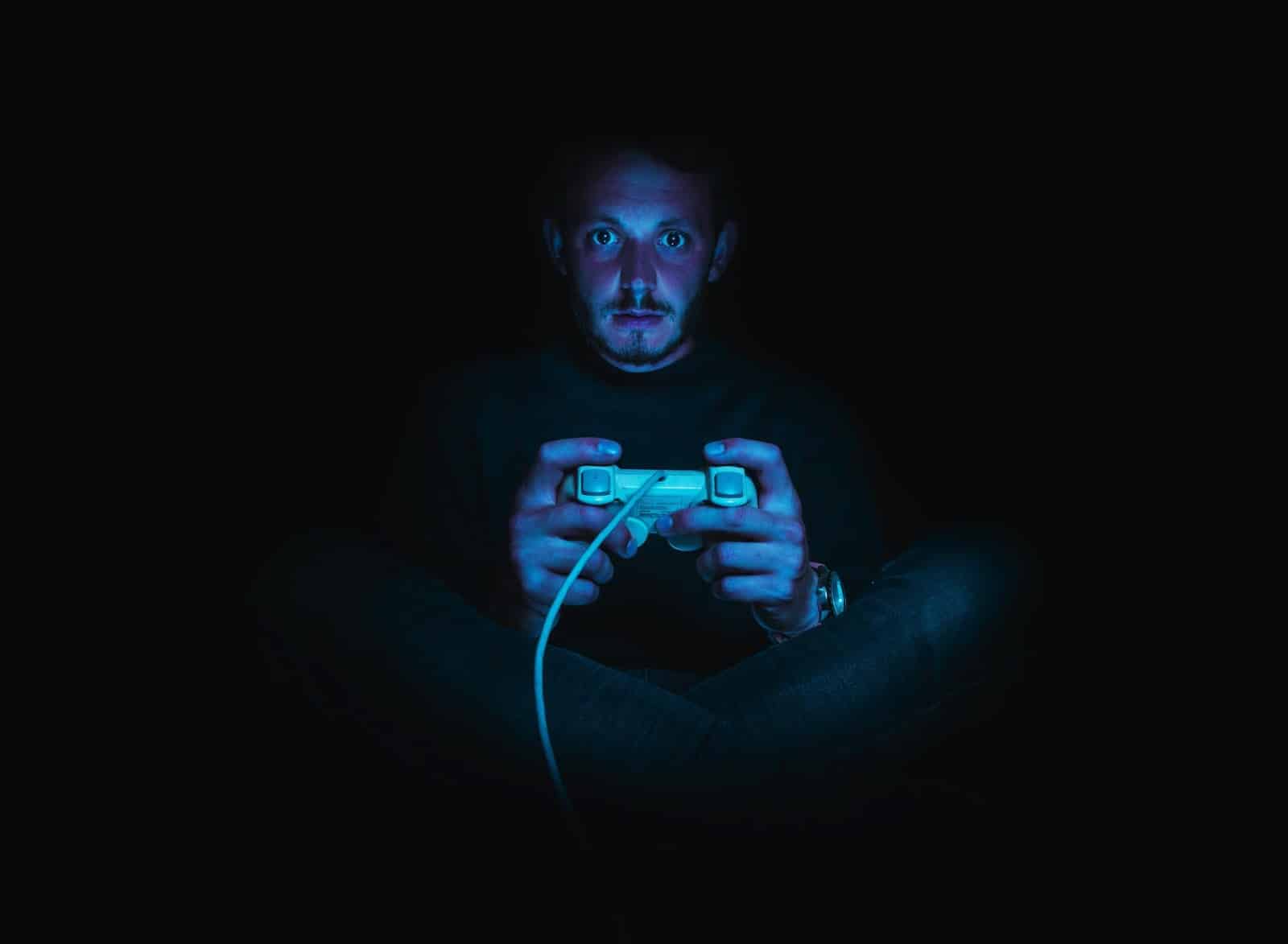
In 2018, the gaming industry reported 30-billion-dollars in revenue with 2022 earnings expected to reach 50 billion![1] Much of this profit comes from the pockets of vulnerable kids and teens. To help your kids learn about the risks of online play before they get into trouble, we created the Social Media Readiness Online Course. Set up like driver’s training (but for the internet), each module is followed by a mastery quiz. That way, when your child earns their graduation certificate, you know they’ve learned what they need to have better judgment when faced with difficult online choices. For today’s GKIS article, we’ve uncovered another tricky trap that introduces vulnerable players to dangerous gambling behaviors, the loot box.

In the old days, the only expense to gamers was the cost of buying the gaming device and the video game. Now video games require players to make additional purchases within the game to advance. A common and profitable expense comes in the form of microtransactions.
Microtransactions are in-game purchases of opportunity, goods, and game currency. Two types of microtransactions are desirable to players, fun pain and skill games. Fun pain purchases refer to a second chance opportunity. Skills games remove obstacles during stressful game situations. Microtransactions typically occur in the form of game currency.
Game currency refers to the virtual money or points necessary to progress in the game. For example, NBA 2k offers VC (Virtual Currency), Call of Duty provides CP (Call of Duty Points), Fortnite offers V-Bucks, FIFA offers FIFA coins, and Apex Legends offers Apex coins. One advantage to offering game currency is that it can have its own value. By giving a different name and image to currency, it’s easier for players to lose track of spending. Tempting marketing ploys are also common, like free offers, larger package discounts, limited time offers, and loot boxes.
Loot boxes have become a massive moneymaker for game publishers. A loot box refers to a box of virtual items (like stickers, skins, camos, weapons, in-game currency, or another loot box) that players buy before they know exactly what it contains.[4] It’s like a surprise bag that promises an advantage over other players.
Sometimes players get a disappointing loot box; while other times they win big. Creating different values to the loot boxes creates what researchers call the near-miss effect. That means the brain fires with an “almost win” in the same way it would for a win. Kids being hit with the near-miss effect are highly motivated to keep spending until they reach their dream loot box jackpot. What happens if they get their dream? They desperately keep spending to win again!
If it seems to you that the desperate quest triggered by the near-miss effect sounds like gambling, you are right. It’s one thing for adults to gamble, but it’s an entirely different thing to sneak gambling features into child activities. Because kids’ brains are still developing, they are particularly vulnerable to forming addictive behaviors.
Here is what loot boxes have in common with other gambling activities:
So is child gambling now a thing? According to the Gambling Health Alliance, it is.
They report that:
Furthermore, Activision and Electronic Arts have current patents on motivation to spend.[2]


Thanks to CSUCI intern, Christian Sandoval for gambling activities in video games, and for co-authoring this article.
I’m the mom psychologist who will help you GetKidsInternetSafe.
Onward to More Awesome Parenting,
Tracy S. Bennett, Ph. D.
Mom, Clinical Psychologist, CSUCI Adjunct Faculty
GetKidsInternetSafe
Photo Credits
Photo by Alexander Andrews from Unsplash
Photo by Rock Staar from Unsplash
Photo by Andrew Neel from Pexels
Photo by August de Richelieu from Pexels
Work Cited
[1] Zendle D, Meyer R, Over H. 2019 Adolescents and loot boxes: links with problem gambling and motivations for purchase. R. Soc. open sci. 6: 190049. http://dx.doi.org/10.1098/rsos.190049 [2] King, D. L., & Delfabbro, P. H. (2018). Predatory monetization schemes in video games (e.g. ’loot boxes’) and internet gaming disorder. Addiction (Abingdon, England), 113(11), 1967–1969. https://doi.org/10.1111/add.14286 [3] RSPH. (n.d.). Take back controllers: three quarters of young gamers want an end to the ‘gamblification’ of video games. Org.Uk. https://www.rsph.org.uk/about-us/news/take-back-controllers-three-quarters-of-young-gamers-want-an-end-to-the-gamblification-of-video-games.html [4] Definition of Loot box, BuzzWord from Macmillan Dictionary. (n.d.). Macmillandictionary.Com. https://www.macmillandictionary.com/us/buzzword/entries/loot-box.html
“I can’t breathe, and my chest is killing me. My heart is racing. Am I having a heart attack? I am sweating, trembling, and dizzy. I think I’m going to vomit. My thoughts are racing. Have I gone crazy? What is wrong with me?” If this sounds familiar, you are probably one of three adults in the U.S. who has had an anxiety attack. Screens can have a significant effect on our levels of anxiety, but how?
In my 25+ years of clinical practice, I have treated many kids, teens, and adults with anxiety disorders. Since the advent of mobile screen technology, we have seen prevalence numbers increase dramatically. Twenty-five percent of 13- to 18-year-olds have mild to moderate anxiety with the median age of onset at 11 years old.[1]
There are five major types of anxiety disorder.
Screens can be distracting and lead to wasted time and poor work performance. Not only do kids worry about those missed assignments, but too many hours of online learning can put them in a state of irritable exhaustion. In Dr. Bennett’s book, Screen Time in the Mean Time, she details how multitasking, which refers to interrupting one task to attend to another (like social media notifications during homework), burns brain fuel at a rapid rate – leading to mental brownout.[2] Mental brownout can lead one to feel hopeless and helpless, which can lead to chronic worry about … just about everything.
Keeping up with the Jones’s (or Kardashian’s) on social media can lead to obsessive scrolling and compulsive checking. We’ve all seen the notorious #GymSelfie or #FoodPorn that pops up on our news feed. Then there’s the #OutfitOfTheDay, #MCM (man crush Monday), #WCW (woman crush Wednesday), or your #TBT (throwback Thursday). Keeping up can feel overwhelming.
As Dr. B says in her article “Teaching Kids the Brain Traps of Video Games May Break the Spell,” “likes” are designed to tap into our evolutionarily-reinforced need to please our tribe – also called social capital. She elaborates, “When that notification pops up on our smartphone that somebody liked our post, we get a slight euphoria.”
Getting the likes makes us want more (compulsive use patterns), and not getting the likes can send us into compare and despair. Big tech is aware of this and plays on our psychology to keep our eyes on the screen. Our attention has been commodified (meaning that data about our online behaviors is for sale because it has value to marketers). The more we stay on screen, the more we fall victim to ads and the compulsion to buy.
Panic attacks happen when the autonomic nervous system, our survival center, gets triggered too easily. Poor self-care (like not sleeping, eating well, exercising, or socializing) can make us vulnerable having panic attacks. Dr. B says video games are also programmed to jack up your autonomic nervous system, which can lead to panic attacks.

In our GKIS article, “Live Streaming Can Cause PTSD in Adults and Children,” we detailed how watching live-streamed videos on social media and Youtube can lead to debilitating trauma symptoms. It’s critical to consider that screen content matters as much as, if not more than, screen time.
It doesn’t take much imagination to consider that social media can lead to fear of excessive social scrutiny. Dr. B writes about the normal adolescent defense called the imaginary audience. She writes, “Teens can become extremely focused on their looks and very self-conscious, convinced that EVERYBODY is looking at them. As a result, they pay meticulous attention to clothing, makeup, hairstyle, body shape, and mannerisms. It’s as if they are carefully cultivating their brand to fit in and stand out among admired peers. Although imaginary audience has been observed among adolescents throughout history, social media may exacerbate anxiety. I believe compulsive urges to take perfect selfies are a healthy expression of the imaginary audience rather than the pathology of narcissism.”
There is a popular saying that if you didn’t post about it, it didn’t really happen. Many teens are more invested in their virtual lives than they are in their non-virtual lives. This makes sense considering they spend more waking time on screen than they do off-screen!
Teen life often happens in a snapshot and not much else. Our kids are spending time at events, the beach, and vacation looking for that split moment to capture a picture guaranteeing them likes from their followers. Conversations are “Uh-huh” and “Mm, sure” without eye contact. Screen time is the master, and we’ve grown to accept that that is “just what teens do these days.”
Social media can become a shrine of a person’s life, and if it is subpar, that person’s life seems subpar. Sound extreme? It is, and it is real. The pressure to be perceived in a certain way can consume our minds and impact self-esteem. A Canadian study found that the more time spent on screens, the higher the risk of developing anxiety in children.[3] Screen addiction is proving to be a real concern rather than a minor annoyance.

A child therapist friend of mine shared with me that she recently deleted all social media apps off her phone. She said she felt social media was consuming her and ultimately the cause of a lot of anxieties. Between clients, she browsed Facebook and Instagram instead of doing her mandatory briefings. Her briefings would get stacked up for weeks. Ultimately, this would contribute to her unease. This is a professional in mental health, one whom we would like to think could find a good balance. Now imagine your teenager…

Photo Credits
Photo by Anthony Tran on Unsplash
Photo by freestocks.org on Unsplash
Works Cited
[1] The Rising Epidemic of Anxiety in Children and Teens
[2] Buy Dr. Bennett’s Book- Screen Time in the Mean Time: A Parenting Guide to get Kids and Teens Internet Safe
[3] Maras, D., Flament, M. F., Murray, M., Buchholz, A., Henderson, K. A., Obeid, N., & Goldfield, G. S. (2015). Screen time is associated with depression and anxiety in Canadian youth. Preventive Medicine: An International Journal Devoted To Practice And Theory, 73133-138. doi:10.1016/j.ypmed.2015.01.029
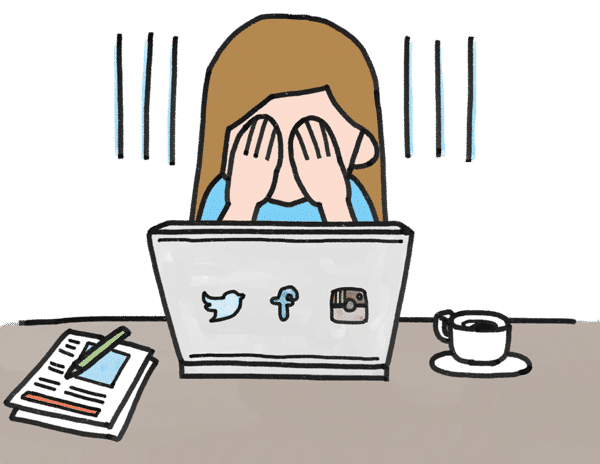
Feeling unproductive, unmotivated, and notice that you are wasting countless hours scrolling through social media? A social media cleanse may be a great decision to improve your well-being. In this week’s GKIS article, we will provide a step-by-step guide to putting down your phone and getting that much-needed break your mental health deserves. To help your tween or teen demonstrate they have the knowledge, problem solving ability, and judgment for social media, check out our Social Media Readiness Course. It’s an online course for tweens and teens that offers information about the risks of digital injury due to social media and psychological wellness tools. With a quiz for each module, they work their way through independently so their graduation certification demonstrates mastery of content. Of course, you can take it too if you’d like. It’s like driver’s training but for the internet!
According to pewresearch.org, 70% of Americans use social media.[1] For adults, the most popular social media platforms include YouTube (73%) and Facebook (68%). In contrast, 63% of teens use Instagram, making it the most popular social media platform amongst young users ages 15-25.[2]
According to the American Academy of Child & Adolescent Psychiatry, 90% of teens have used social media and teens spend an average of nine hours a day on social media.[3] Participants of a research study conducted by the Pew Research Center found that 74% of Facebook users visit Facebook daily. People of varying ages spend a lot of time on social media.
We use social media to view funny memes, stay connected to friends and family, meet new people, share opinions and information, show off passions and creative pursuits, advertise businesses, and even get news. Most of us find it extremely rewarding and feel we’ve got it under control. But for others, social media can negatively impact mental health.
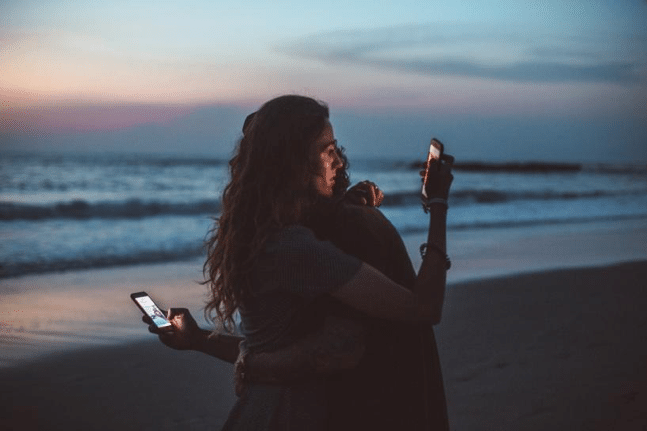
I’m a millennial who’s been using social media for 10 years. I’ve experienced a wide range of negative effects due to my social media use, including feelings of insecurity and not being good enough, anxiety, and the big one, fear of missing out (FOMO).
For years, I followed my friends’ and Instagram influencers’ profiles and wondered why I wasn’t as happy as them or why I couldn’t travel the world and have a life of fun and excitement. I often compared myself to others on social media and it hurt my mental health. In her book, Screen Time in the Mean Time, Dr. Bennett calls that “compare and despair” and believes it is a common contributor to teen anxiety and depression.
Social media can be a toxic place, especially during these unprecedented times. It’s too easy to spend hours on Google trying to figure out if you have COVID-19 and spend another 45 minutes scrolling through Facebook comments of people arguing over politics. Feelings are high and extreme opinions are rampant. According to helpguide.org, social risks include increased feelings of isolation, depression, anxiety, and insecurity.[4]
To get away from negativity, a social media cleanse may be the answer. The benefits of a social media detox include:
To research this article, I deleted all of my social media apps including my all-time favorite, Instagram, about a month ago. I was concerned that I was averaging too much screen time (6 hours a day), and I wanted to be more productive and connect more with my boyfriend and family.
My first week of being social media free was by far the hardest. But it became much easier after that. I often felt the urge to redownload my Instagram app, but for the most part I have been able to stay away.
The benefits of staying offline have really paid off for me. Almost immediately, I felt it was easier to fall asleep at night (since I was not on Instagram or TikTok late). I’ve also felt a reduction in stress, anxiety, and anger. Now I don’t feel the need to check my friend’s social media just to see what they’re doing all the time. Instead, I reach out directly to friends to reconnect.
I worried that if I deleted my social media accounts, I would feel more disconnected from my friends. But instead, I’ve kept in touch with them more than before my social media cleanse. Relationships and connections are important to me, and I’m glad that I’ve been able to connect in a more meaningful and sincere way. Overall, I’m happy with the results. I feel more mindful and present in my everyday life, my sleep has improved, I’ve experienced less stress and anxiety, and I have more free time to get work done and spend time reconnecting with the people I love.

Here are some red flags that may signal that you are ready for a social media cleanse:
There are many ways to jump-start your social media cleanse. You can stop your phone use cold turkey, or you can delete one or two apps at a time. You can also cut down your friend list to only those you have a close, personal relationship with to cut out the less meaningful posts. Find whatever works best for you.
Here are some tips for getting started:
Most importantly, remind yourself why you decided to go on a cleanse in the first place. And remember, your cleanse doesn’t have to be a permanent decision, you can always go back.

There are endless possibilities for new enriching activities. You can practice meditation, pick up a new skill, or do that thing you’ve been meaning to do. Here are some fun ideas to reconnect with your loved ones:
Using this extra time to reconnect and spend valuable time with your family is great, but it’s also important to spend time hanging out with yourself. Start by catching up on your sleep, creating a playlist, or reading a favorite book. Don’t feel pressured to constantly look for something to keep you busy unless that’s what you want to do. This is a well-deserved break. Do whatever you want with it and enjoy!
If you’re interested in learning more helpful tips about parenting in the digital age, check out the GKIS Connected Family Course. The GKIS Connected Family Course is family-tested and outcome-based and helps you close screen risk gaps and improve family cooperation and closeness.

I’m the mom psychologist who will help you GetKidsInternetSafe.
Onward to More Awesome Parenting,
Tracy S. Bennett, Ph.D.
Mom, Clinical Psychologist, CSUCI Adjunct Faculty
GetKidsInternetSafe
Photo Credits
Photo by ijmaki from Pixabay
Photo by ROMAN ODINTSOV from Pexels
Photo by Andrea Piacquadio from Pexels
Works Cited
[1] Demographics of Social Media Users and Adoption in the United States. (2020, June 5). https://www.pewresearch.org/internet/fact-sheet/social-media/.
[2] Clement, J. (2020, September 23). U.S. teens: most popular social media apps 2019. https://www.statista.com/statistics/199242/social-media-and-networking-sites-used-by-us-teenagers/.
[3] Aacap. https://www.aacap.org/AACAP/Families_and_Youth/Facts_for_Families/FFF-Guide/Social-Media-and-Teens-100.aspx.
[4] Robinson, L. Social Media and Mental Health. https://www.helpguide.org/articles/mental-health/social-media-and-mental-health.htm.
[5] Parenta, & *, N. (2017, May 8). 7 amazing benefits of doing a social media detox. Parenta.com. https://www.parenta.com/2017/05/05/7-amazing-benefits-of-doing-a-social-media-detox/.
[6] Pacheo, D. (2020, November 21). Can Electronics Affect Quality Sleep? Sleep Foundation. https://www.sleepfoundation.org/articles/why-electronics-may-stimulate-you-bed

Has your child ever made a decision based on their horoscope? Or have they insisted on visiting the local mystic shop for healing crystals? Many are discovering solace in astrology and tarot reading during these stressful times. With the ongoing pandemic, many of us have reached out for new coping mechanisms. Some find solace in exercising or cooking, while others find comfort in daily affirmations. Horoscopes and tarot reading have become a means of reassurance during this time of ambiguity and isolation, as we wish for answers about our future in this vast universe. Today’s GKIS article discusses popular perspectives about online mystic spirituality and sensible tips to ensure a safe online experience.
Astrology is the study of celestial movements and their influence over life on Earth.[1] Astrology is generally recognized by academia as a pseudoscience (collective of ideas and beliefs that, despite popular belief, are not supported by the scientific method). However, many find true meaning in its practice as an aid to spiritual journey.

Astrology and other New Age practices are extremely popular in the U.S. According to the Pew Research Center, a 2017 survey conducted between April and June found that 27% of U.S. adults identify as “spiritual but not religious.”[2] Another study found that six in ten American adults have adopted at least one New Age practice that pertains to spirituality, such as tarot reading, astrology, and meditation.[3]
Even if we aren’t “true believers,” most of us enjoy looking at our horoscopes out of curiosity now and then. For example, I am a Gemini with a rising sign of Cancer and a moon sign of Sagittarius. When I checked my horoscope today, it touched on the importance of slowing down and straying from tunnel vision.[4] Today’s horoscope aligned with my current situation, as I am nearing the end of my undergraduate education. The grind mentality is real. Although working hard has its merits, balance is key to sustainability. I found this comforting reminder inspirational, as it offered personal meaning that had value to me.
Of course, rarely are online services free. Typically, personal online consults offer a tempting free opt-in to get your email address. From there you are pitched for a paid product. This type of free opt-in to paid products is called an upsell and very common among online marketers. Many of us find it useful to be alerted to what’s out there so we can make an informed purchasing decision.
Unfortunately, not all online marketing is transparent. If you aren’t pitched for a product, like a report about your rising and moon signs, the information you provide to get the report has value to online marketers. They sell it to advertisers who can retarget you for similar products, like that adorable zodiac necklace that keeps showing up in your feed.
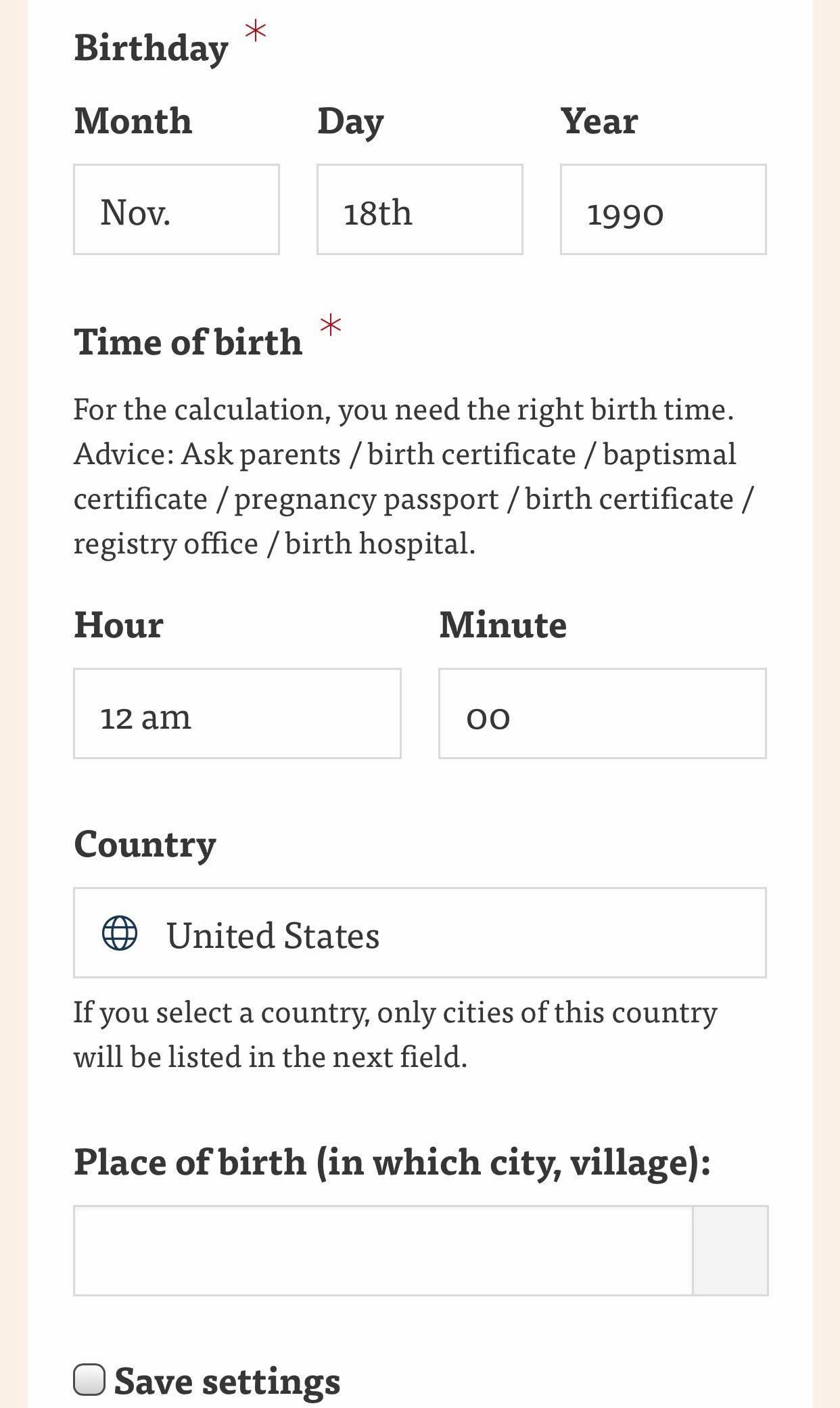
In the picture to the right, we can see an example of an astrology site that asks for my name, birthday, time of birth, and the city I was born in. Similar to online personality quizzes, websites that ask for fill-in information should be recognized as a red flag. At face value, personality quizzes can be fun; however, personal information can be sold on the dark web for use by cybercriminals as identifying, security answer, and password information for identity theft.
It can be difficult finding a place to start with screen safety. That’s why we created our Cybersecurity and Red Flags Supplement. This screen safety tool educates children about red flags such as tricks used by online predators, phishing, malware, and hacking schemes. It also helps parents recognize the behavioral red flags that their children may begin to show when suffering from digital injuries. It’s a great addition to our free Connected Family Screen Agreement.
The question remains, is it a good idea for vulnerable kids and teens to consume online astrology products if they’re being careful about not sharing their personal data? Stanford researchers conducted three separate experiments to investigate the influence of positive/negative horoscopes on the interpretation of ambiguous events, cognitive performance, and creativity.[5]
In the first study, the subjects were given a positive or negative horoscope and then asked to interpret five pictures depicting an ambiguous situation. Results confirmed the hypothesis that the group exposed to a positive horoscope were more likely to interpret a positive situation among the pictures and the group exposed to a negative horoscope were more likely to interpret a negative situation.
In experiment two, subjects were asked to summarize a short text narrative after they were exposed to a positive or negative horoscope. Participants were then asked to complete three different mathematical, verbal, and non-verbal tests related to fluid intelligence (e.g., logical problem solving). Those who read a positive horoscope had higher cognitive performance than those who read a negative horoscope.
In the final experiment, participants completed the same task as experiment two (the short text narrative) and were then exposed to a positive or negative horoscope. Creativity was then measured by the completion of two riddles. As expected, participants that were given positive horoscopes displayed greater creativity versus those who were given the negative ones.
Social-Cognitive theorist Julian Rotter defined the concept of locus of control as a person’s perception of what happens to them.[6] There are two forms of locus of control— internal and external. Internal locus of control is the perception that we are responsible for what has happened to us. External locus of control is attributed to a source outside of ourselves that is beyond our control. Depending on the reader’s locus of control, interpretation of your horoscope can either work for you or work against you.
For example, if you have an external locus of control you may use your horoscopes to assign blame. This may relieve you from taking accountability and support a self-serving bias. The phrase “Mercury is in retrograde” is a prime example of the self-serving bias at work. Rather than taking responsibility for our actions, it has become a joke to blame the planet for moving abnormally (leading to a domino effect of disruptions in the universe).
The self-serving bias involves taking credit for the good things that happen to us and shifting the blame away from us when things take a turn for the worse. Protecting ourselves from anxiety is an important part of our day to day interactions, which is why we tend to attribute the better parts to ourselves and misfortunes to external forces.
The confirmation bias is a digital injury that plagues online experiences. This bias involves looking for information that confirms your beliefs and disregarding the rest. In the case of horoscopes, the confirmation bias might serve as a security blanket to your child. At the same time, if the horoscope is off or predictions do not meet expectations, it may set your child up for disappointment.
In a more severe scenario, children may fall victim to the self-fulfilling prophecy. The self-fulfilling prophecy is the notion that our behavior is elicited according to expectations.[7] If we do not meet these expectations, an inferiority complex may rise, ultimately leading to chronic anxiety and depression.

Here at GetKidsInternetSafe, we strive to help families recognize the red flags of the internet. As technology continues to flourish, so does online marketing. To help children recognize the red flags of advertising, GKIS offers a How to Spot Marketing Supplement. Priced at only $7, we do not offer this supplement to get rich – but rather to cover our website costs. This supplement shows you how marketers profit off of the latest trends and how to teach your children to recognize when their interests are corrupted by a paywall. Kids and teens are a highly profitable audience in the online community, but with the help of our marketing supplement, they will be savvy consumers able to recognize sneaky marketing tactics.
If you enjoyed this article, stay tuned for part two, which will shed light on another New Age practice—tarot reading!

I’m the mom psychologist who will help you GetKidsInternetSafe.
Onward to More Awesome Parenting,
Tracy S. Bennett, Ph.D.
Mom, Clinical Psychologist, CSUCI Adjunct Faculty
GetKidsInternetSafe.com
Photo Credits
Photo by Pexels
Photo by Andrea Piacquadio from Pexels
Photo by Kaylen Sanchez
Photo by Alexander Mils from Pexels
Work Cited
[1] Gunzburg, D., Brady, B., & Curry, P. (2019). Special Issue Introduction: Inside the World of Contemporary Astrology. Journal for the Study of Religion, Nature & Culture, 13(1), 5–11. https://doi-org.summit.csuci.edu/10.1558/jsrnc.38055
[2] https://www.pewresearch.org/fact-tank/2017/09/06/more-americans-now-say-theyre-spiritual-but-not-religious/
[3] https://www.pewresearch.org/fact-tank/2018/10/01/new-age-beliefs-common-among-both-religious-and-nonreligious-americans/
[4] https://www.horoscope.com/us/horoscopes/general/horoscope-general-daily-today.aspx?sign=3
[5] Clobert, M., Van Cappellen, P., Bourdon, M., & Cohen, A. B. (2016). Good day for Leos: Horoscope’s influence on perception, cognitive performances, and creativity. Personality and Individual Differences, 101, 348–355. https://doi-org.summit.csuci.edu/10.1016/j.paid.2016.06.032
[6] Griggs, R. A. (2014). Psychology: A concise introduction. Worth Publishers
[7] Griggs, R. A. (2014). Psychology: A concise introduction. Worth Publishers

Meeting people online can be fun and exciting, especially for teens. However, there are risks. If you want to prepare your child for these risks, check out the GKIS Social Media Readiness Course. You may have heard of popular adult dating apps like Tinder or Bumble. In this GKIS article, we cover 5 dating apps that are popularly used by teens that you probably have never heard of.
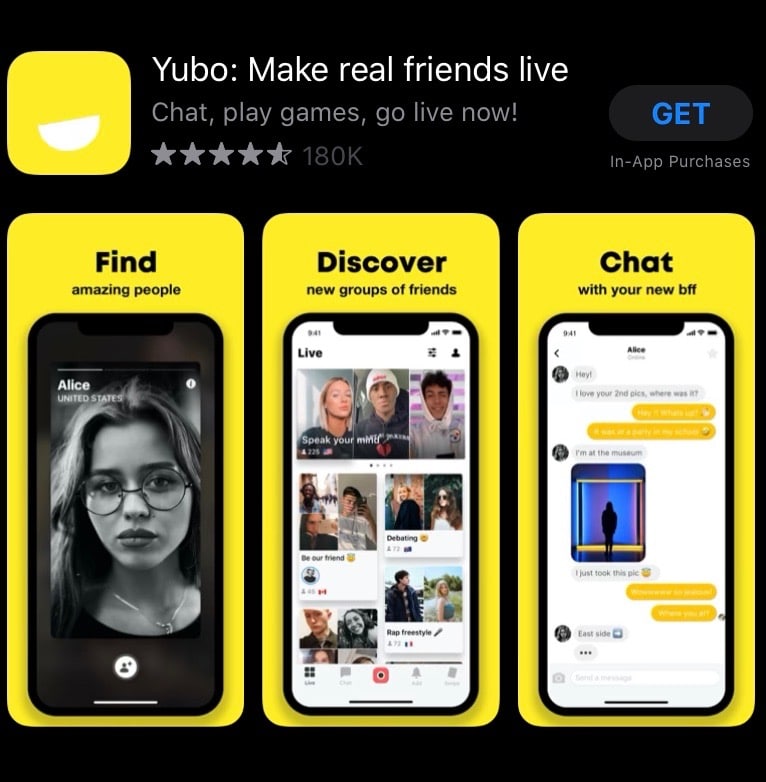
Yubo is a location-based social networking app advertised for making new friends, but many people describe it as a dating app for teens.
This app contains many features such as:
Yubo’s age rating is 17+, but there is no age verification for this app, meaning any teen can use it and lie about their birthday.
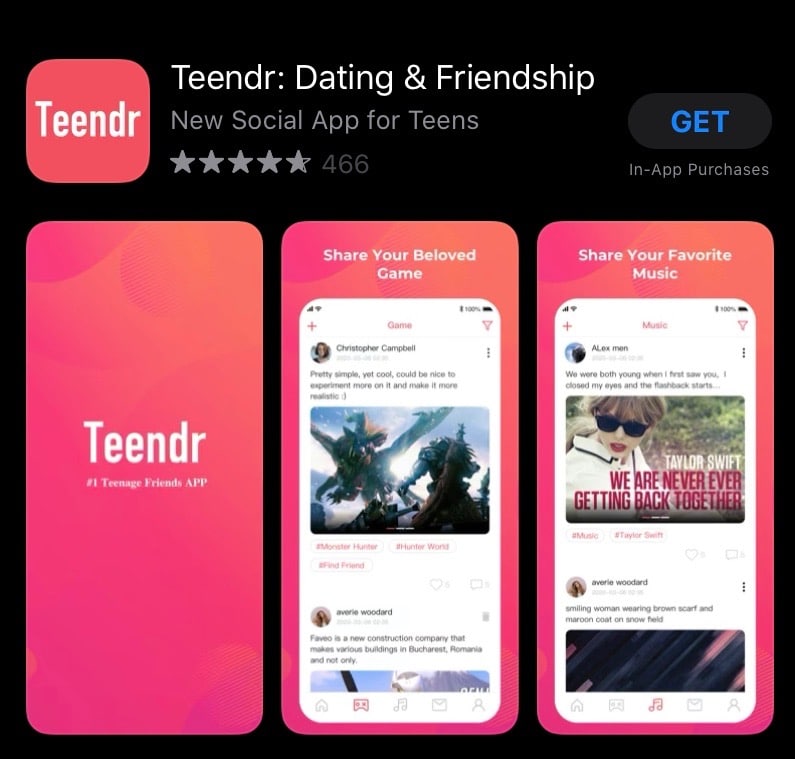
Teendr is marketed as a dating app for teens. On this app, users can meet and chat with new friends nearby based on their common interests like music, games, and more.
This app contains:
Teendr is also rated 17+, with no age verification.
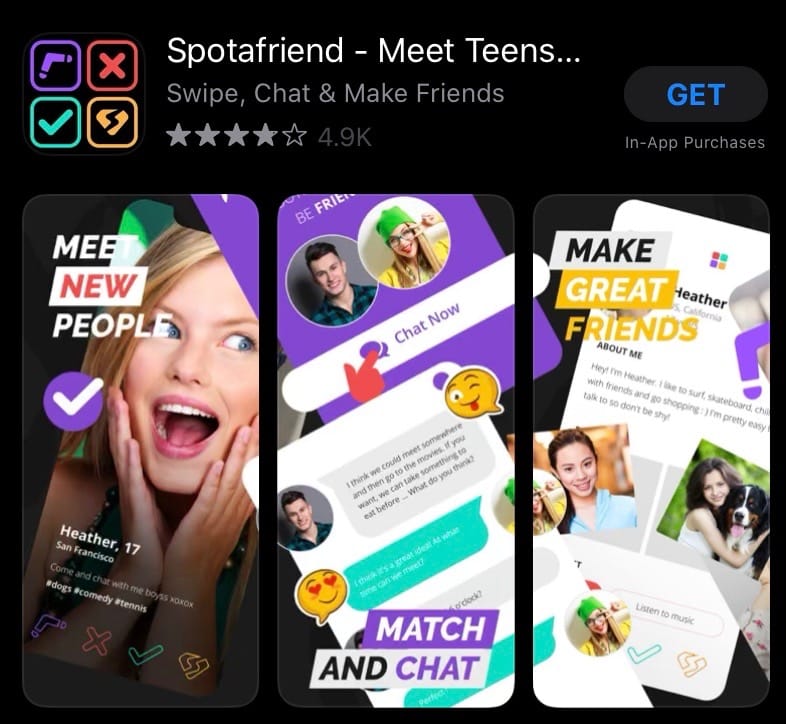
Spotafriend is an app designed for teens to meet new people in their proximity. On the app store, it is described as “not a teen dating app,” but that’s what many teens are using it for.
Spotafriend includes:
Spotafriend is rated 17+, but it is designed for ages 13-19.
The Game by Hot or Not is another app that allows teens to meet people in their area. It is marketed as an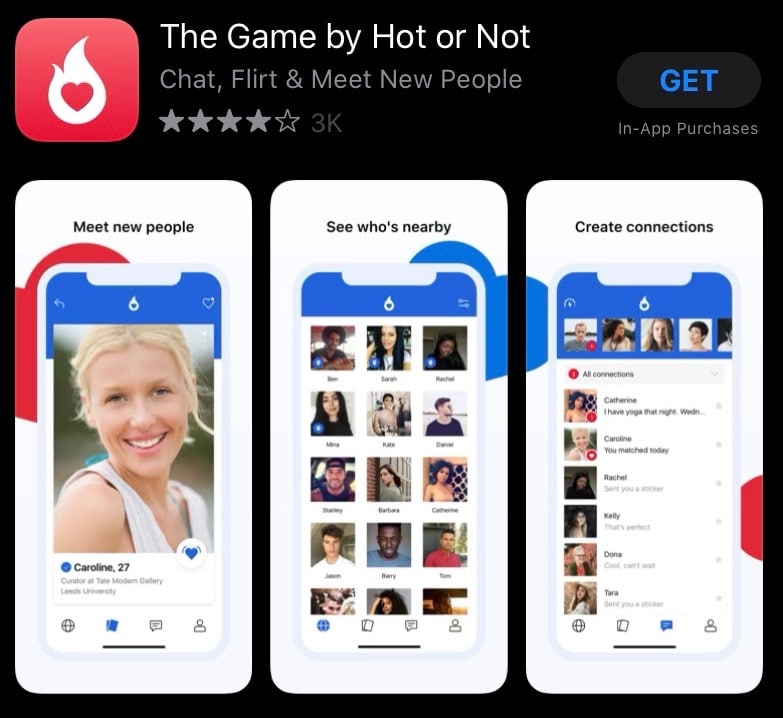
This app includes:
Age: Hot or Not was originally rated 17+, but is now 18+ with no age verification.
Skout is a social networking app that allows its users to meet people nearby or around the world. 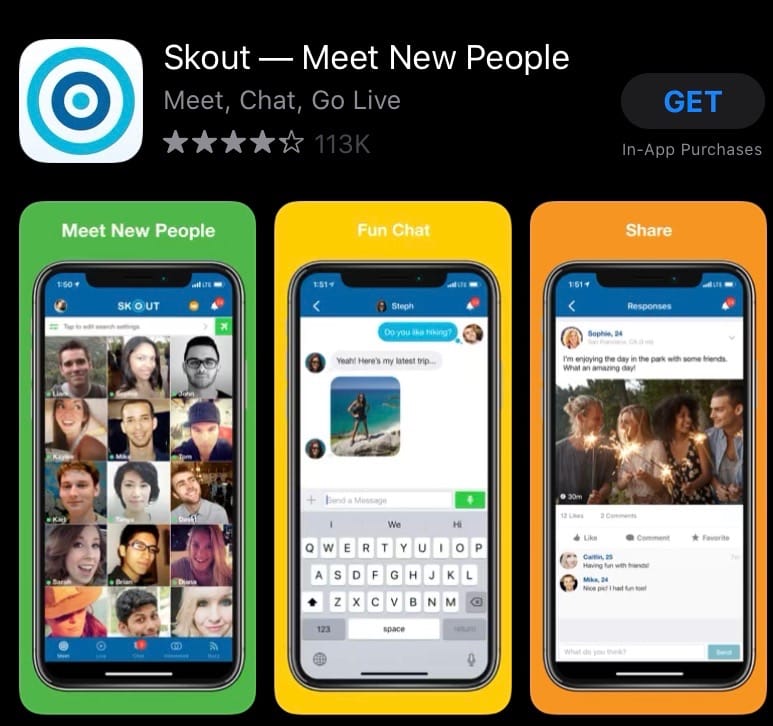
The app features:
Skout is rated 17+, but only people 18+ are allowed to join. Again, there is no age verification.
Not everyone on the internet is who they say they are. Some people make fake profiles to deceive other users, which is called catfishing. On dating apps and social media, your teen can get exposed to sexual predators who use catfishing and grooming techniques to gain their trust.
Oftentimes, teens exchange their phone numbers and Snapchat usernames when they connect with others online. This can easily lead to sending sexual messages and photos. According to Guardchild:
Sexting is common among teens which can be scary if their photos end up in the wrong hands and are shared publicly. This can lead to bullying, blackmailing, and emotional distress for the victim. For more information about sexting, check out the GKIS article, How Texting Can Turn To Sexting in the Blink of an Eye.
Using dating apps and social media increases the likelihood of your teen experiencing cyberbullying and online harassment. Your teen might experience hateful comments, stalkers, and receive unwanted sexual messages.
Click here to read a GKIS survivor’s story about teen bullying and sexual abuse.

I’m the mom psychologist who will help you GetKidsInternetSafe.
Onward to More Awesome Parenting,
Tracy S. Bennett, Ph.D.
Mom, Clinical Psychologist, CSUCI Adjunct Faculty
GetKidsInternetSafe.com
Work Cited
Betts, J. (n.d.). Teen Dating Apps. Retrieved December 03, 2020, from https://teens.lovetoknow.com/relationships/teen-dating-apps
Online Dating – The Risks For Teens. (n.d.). Retrieved December 03, 2020, from https://www.internetmatters.org/resources/teens-and-online-dating-advice-hub-for-parents/online-dating-the-risks-for-teens/
Online Dating Is Especially Risky For Teens. (2020, September 17). Retrieved December 03, 2020, from https://yourteenmag.com/social-life/tips-teen-dating/online-teen-dating
Team, F. (n.d.). Swipe right for trouble: Six teen dating apps parents need to know about. Retrieved December 03, 2020, from https://www.familyzone.com/anz/families/blog/six-teen-dating-apps-parents-need-to-know
Teenage Sexting Statistics. (n.d.). Retrieved December 03, 2020, from https://www.guardchild.com/teenage-sexting-statistics/
Updated: November 8, 2., Kelli Dugan, C., Bob D’Angelo, C., Natalie Dreier, C., & Jared Leone, C. (2019, November 08). Teen dating apps: 5 popular dating apps that parents need to know. Retrieved December 03, 2020, from https://www.whio.com/news/local/teen-dating-apps-popular-dating-apps-that-parents-need-know/KQGkhTpFCxeyrmLejeODpN/
Photo Credit
Photo by Tim Mossholder on Unsplash