Fast, entertaining content seems to be the only way to hold the attention span of today’s children and teens. This becomes an issue when virality becomes more important than the content being put out or the audience who will receive it. TikTok users have realized that they can quickly create a viral video by taking Reddit stories and resharing them over clips from popular video games like Minecraft, Roblox, and Subway Surfers. Today’s article covers why this content is dangerous and how you can keep your child safe from digital injury with ourScreen Safety Toolkit.
The Popularity of Minecraft, Roblox, and Subway Surfers
Minecraft
Between 2016 and 2021, Minecraft users have risen from 40 million to 93 million with a peak of 131 million users in 2020.[1] Surveys have found that up to 54% of boys and 46% of girls aged 3 to 12 play Minecraft.[2] The popularity of Minecraft is undeniable. Take a look down any aisle of children’s clothing and you will find item after item filled with popular references from the game. Covid-19 only increased the popularity of the online game accessible on most gaming consoles, with users increasing by 14 million from 2020 to 2021.[2]
Roblox
Roblox is another popular children’s game that has bankrolled off the pandemic and increased in users over the past few years. Between 2021 and 2020, the platform added more than 146 million users to its servers. In 2016, Roblox had 30+ million users. Today they have more than 202 million monthly active users.[3]
While the average user of Minecraft is 24 years old, only 14% of Roblox users are over 25 years old. 67% of Roblox users are under 16 years old, and 54.86% of users are under 13 years old.[3] The popularity of Roblox is reflected on TikTok through a large number of Roblox fan accounts owned by young users. In fact, there have been many audio trends on the platform that are accredited to edits by Roblox users.
Subway Surfers
While less popular than Minecraft and Roblox, Subway Surfers is still the most downloaded and most-played mobile game in the app store. Between 2021 and 2022, Subway Surfers saw more than 2 times the number of downloads with 5.43 million daily users.[4] These numbers are impressive, as, unlike Minecraft and Roblox, Subway Surfers is only available for download on mobile smartphones. It is not available on any other gaming platform. While there is no available data for the average age of Subway Surfer players, the game is recommended for ages 9 and up.
All three of these games are different in their gameplay but similar in their popularity and appeal to younger audiences. Videos made with clips from these games are sure to catch the attention of a younger audience who is trying to view content related to their interests.
Harmful Reddit Content and How They Use Kids’ Games
Reddit claims on its website to be “a network of communities where people can dive into their interests, hobbies, and passions.”[5] Users post on so-called “subreddits” dedicated to topics from the general to much more specific niches.
Today there are over 2.8 million subreddits and Reddit has 52 million users daily.[6] Of their monthly users, 79% are between the ages of 18 to 34 and almost 64% of those users are men.[7] When children encounter posts from Reddit, they are viewing material often made for and by adult men, leading to some very inappropriate content.
A simple search for “Reddit stories” on TikTok will show you video after video of Reddit threads overlaid with a video of someone playing a kid’s game and read by a voiceover. The threads contain content from various subreddits like “/AmITheAsshole” but most contain inappropriate “NSFW” (Not Safe for Work) content. A scroll down the search shows video after video of content with titles like, “My mom keeps having sex with my boyfriend…” or “What do you tell your partner when you’re horny?” or “What did you not know about sex until you lost your virginity?” The last question is from a Subway Surfers video with 1.6 million likes and 13.5 million views from a user with similar content and over 55.4 thousand followers.
The creators of these videos use the popularity of these kids’ games to bring more viewers to their content and help their virality. In doing so, they are promoting sex, adult situations, and overall unsafe content. Each of these videos is followed up by hundreds or thousands of comments from young kids and teens adding their own answers to the question proposed. A quick look at commenters’ profiles revealed that half were between the ages of 13 to 17, and each was commenting on their own sexual experiences to millions of viewers.
Set up content preferences and block out video keywords or put the account on restricted mode in the settings and privacy section of TikTok.
View an account’s watch and comment history and see what content your child is consuming and interacting with.
For younger children, consider waiting before allowing them to have their own TikTok account.
When they do adopt a TikTok account, scroll together to choose what content they view and influence the algorithm that will offer content automatically.
As your child gets older, work with them to establish what they are doing and looking at on social media. Preparing them for the possibility of adult content can help them in discovering it on their own and possibly suffering a digital injury.
If you fear your child may be watching inappropriate Reddit content without your knowledge and permission, check out our GKISScreen Safety Toolkit. This toolkit helps to empower parents and provides them with smart tech tools to filter, monitor, and manage online behavior.
To protect your child, prevent digital injury, and prepare them for social media use check out our GKIS Social Media Readiness Course.
Thanks to CSUCI intern, Katherine Carroll for researching how TikTok users use Reddit content and kids’ games for views.
I’m the mom psychologist who will help you GetKidsInternetSafe.
More than 164 million Americans play video games with computers, smartphones, mobile devices, and gaming consoles.[4] Gamers aren’t just kids. About 21 percent of gamers in the United States are over the age of 50.[4] With a wide variety of exciting choices and easy accessibility, gaming is a common pastime. With increasing rates of digital injuries, psychologist and GKIS founder Dr. Tracy Bennett saw the need to educate tweens and teens about social media in a fun and engaging way. To help, she created the GKIS Social Media Readiness Course. She also created the GKIS Screen Safety Toolkit for parents to be able to filter, monitor, and manage their kid’s screen activity. Today’s GKIS article discusses grey matter differences found in video gamers.
The Risks of Video Gaming
Excessive use of violent video games can be harmful. Dr. Tracy Bennett’s book Screen Time in the Mean Time: A Parenting Guide to Get Kids and Teens Internet Safe, suggests young children should be allowed the opportunity to socialize in real-life school and groups first before allowing age-appropriate video games, smartphones, and social media.[8]
Video game ratings are also important to follow. Children have immature nervous systems. Exposure to violent video games has been demonstrated in psychology research to increase violence, decrease prosocial behaviors, and be over-stimulating – leading to tantrums, anxiety, and defiance.[8] Playing violent or sexualized video games can also spark child curiosity for other unsafe online activities.
improvements in visual-spatial capabilities, reaction times, attention span, the ability to process multiple target objects, and detail orientation
improved visual short-term memory, mental rotation, tracking, and toggling between tasks
helping with anxiety, relaxation, and mood
improving problem-solving, strategy building, goal setting, and cooperation with others
vocational applicability and can be customized for specific tasks, such as orienting and motivating employees, providing health care benefits like exercise or illness care, and teaching specialized skills like performing surgery or sporting ability
competition in profitable e-sport tournaments
and opportunity for increased confidence, social connection and networking, and self-esteem, especially for players isolated by geographic remoteness or physical or mental disability.[8]
Video Gaming Impact on Brain Structure
Some video gamers also demonstrate changes in brain function and structure. In a 2011 study conducted at Charité University of Medicine, researchers examined the brain volume of 14-year-old video gamers using functional magnetic resonance imaging (fMRI).[1] fMRI’s measure the small changes in blood flow that occur with brain activity.[9] fMRI’s are used to examine a brain’s functional anatomy, for example when determining which brain areas are handling critical functions.[9]
Grey matter refers to the brain tissue that makes up 40% of the brain and plays a significant role in normal human functioning.[5] Grey matter helps us retain memories, control movements, process rewards, and regulate emotions, among other functions.[5]
In the 2011 study, researchers found that frequent video game players had a larger volume of grey matter than infrequent video game players.[1] The higher grey matter volume in the ventral striatum area may have helped subjects with faster decision-making and higher brain activity during a rewarding task.[1]
The researchers cautioned that this doesn’t mean video games necessarily increase grey matter. Instead, larger grey matter volume may lead to more video gaming. For example, video gamers with higher grey matter volumes may experience gaming as more rewarding. The reward from play may make learning a habit, skill, or quality easier, leading to even more rewards from playing video games.[1] Notably, other studies by Chinese and Australian researchers have also found that gamers have more grey matter and better brain connectivity.[3]
These research study conclusions appear to be consistent with what is described as neuroplasticity (the ability of the brain to change or adapt over time by creating new neurons and building new networks).[6] Consistently, other studies have found that some games can improve the health of senior players diagnosed with Alzheimer’s disease and dementia.[4]
What Parents Can Do
With ever-evolving video game platforms, psychologist Dr. Tracy Bennett has seen the devastating effects of digital injuries on children and their families firsthand. To help prevent digital injury, she created several online courseslike the GKIS Screen Safety Toolkitfor parents of kids of all ages, the GKIS Connected Family Course for parents with children of elementary school age, and the GKIS Social Media Readiness Training for tweens and teens.
She also offers private personal Coachingand Workshopsto parents who have more questions or looking for additional help tailored for their unique child.
Thanks to CSUCI intern Janette Jimenez for researching Grey Matter Differences Found Among Video Gamers
I’m the mom psychologist who will help you GetKidsInternetSafe.
[1]Kühn, S., Romanowski, A., Schilling, C., Lorenz, R., Mörsen, C., Seiferth, N., Banaschewski, T., Barbot, A., Barker, G. J., Büchel, C., Conrod, P. J., Dalley, J. W., Flor, H., Garavan, H., Ittermann, B., Mann, K., Martinot, J-L., Paus, T., Rietschel, M., & Smolka, M. N. (2011). The neural basis of video gaming. Translational Psychiatry. 1(11), 53–53. https://doi.org/10.1038/tp.2011.53
Virtual reality (VR) has become increasingly popular in the gaming community. VR allows consumers to experience new environments and activities that push the boundaries of creativity and possibility. Although VR offers excitement, studies have shown that the extended use of VR can lead to an uncomfortable mental health symptom called dissociation. Find out about VR-induced dissociation and the pros and cons of VR in today’s GKIS article. If you are worried about your kids’ extended use of VR gaming, our GKIS Screen Safety Essentials for the family offers weekly videos and downloads so you can achieve a peaceful fun home with healthy screen time. With 26 quick, fun lessons, our Essentials Course offers tons of ideas to keep you connected and safe. Keep reading to learn how to maintain your kids’ safety while giving them access to virtual fun.
What is virtual reality?
Virtual reality is gaming technology that simulates real or fantasy worlds that the players can immerse themselves into for a variety of activities. Immersion into the 3D VR world is possible by stimulating many senses all at once like vision, hearing, and touching.[1]
The Pros and Cons of VR Use
Pros
It’s fun and therapeutic!
VR can be really fun and exciting. It can serve as a mental break or escape from day-to-day routines and is a great way to connect with friends and meet new people with similar interests.
Access to new worlds and experiences can also be beneficial for those suffering from physical disabilities because they can experience activities that they cannot in the real world.
People with neurodevelopmental disabilities, like autism, can also benefit from VR. For example, an individual may use VR to learn how to better socialize in an environment where mistakes won’t lead to risks like in the real world. For example, as a behavioral intervention that works to help kids with autism, one of my patients has a goal of learning how to cross the street. Practicing in real life can be nerve-wracking and even dangerous due to the possibility of being hit by a car if my patient runs into the street from overstimulation. By practicing VR, he can eliminate risk as he learns to master this new skill.[2,3]
Work Training
VR also has potential benefits in the professional world as a safe way for training in many fields of work. For example, during the COVID19 pandemic, health care workers could interact with patients in VR without being exposed to the virus. VR has also allowed students and professionals to perfect skills and procedures before risking with real patients, like practicing a surgical technique for example.[4]
Cons
Feelings of Withdrawal and Disappointment with the Real World
For some people, what goes up must come down. Many players report feelings of sadness after play and a growing disappointment with real-life experiences. Tobias Schneider, a user of VR described feeling detached from the real world because it lacks the ‘magic’ and excitement VR has to offer. As an oculus user (a VR gaming system) myself, I recently went to their online forum and found that many users reported these feelings.[5]
Dissociation
Studies and forums have shown that VR has the potential risk of dissociation such as derealization and depersonalization. Derealization is this mental state where a person will feel so detached from their surroundings including people and objects, that the world will feel unreal. Depersonalization is this feeling that you are floating outside yourself. These types of dissociation occur for a variety of reasons, most typical in response to panic attacks and generalized anxiety. Theorists have described these symptoms as a defense that our bodies mobilize to protect us from stress. Other conditions that can cause dissociation include sensory deprivation, trauma, seizure disorders, dementia, and the use of hallucinogens or marijuana. Some people are even genetically prone to demonstrating this psychological symptom. Once a person dissociates once, they are more likely to dissociate again.
Although most people who dissociate describe it as a passing feeling, once one dissociates once they are more likely to do it again. For a minority of people, dissociation can occur often out of the blue in a condition called Depersonalization/Derealization Disorder.
A 2006 study examined the effects of VR use and found that for some players, episodes of dissociation increase after VR use. Even a gamer developer describes a time when they had to touch things around their surroundings after finishing a VR demo just to erase any lingering skepticism from her brain. If you look at the oculus forum, you will read many users complaining that their hands don’t feel like their own even after taking off the VR headset.[6,7,8,9]
Tips To Avoid the Negative Effects Of VR
Read your VR system’s instruction manual and safety warnings.
Start off with baby steps and play at a comfortable level that is not overwhelming.
Take frequent breaks when using VR.
When To Seek Professional Help
Having feelings of depersonalization or derealization that occasionally pass is common and should not necessarily cause alarm. But if these feelings of depersonalization or derealization become persistent and severe, this can be a sign of a physical or mental health disorder. You should seek immediate help from a doctor if these feelings are:
disturbing you or becoming disruptive to your emotional well-being,
become persistent and seem to never go away or improve, or
interfere with personal relationships, work, or other daily activities.
GKIS Resources That Can Help You Build Healthy Relationships with The VR World
Want a peaceful, fun home with healthy screen time, but don’t want to spend on something that won’t work for? Check out our GKIS Screen Safety Essentials Course. We have a free two-week trial so you can determine if it’s the right resource for you before you spend a penny. Plus, it includes videos and downloads from all GKIS parent courses that are designed for weekly viewing, making the material digestible and easy.
If you are not sure your child is ready to experience the online world check out our GKIS Social Media Readiness training. This self-paced course will get your kids ready for VR or anything in the online world. It includes mastery quizzes after each lesson to ensure they are prepared for online fun while maintaining safety. Guaranteed to make happy teens and relieved parents.
Digital injury is real, and many users run to forums when trying to understand the negative feelings they experience from the overuse of technology. With our GKIS Online Safety Red Flags For Parents, parents will learn which behavioral red flags to look out for that may signal that their kid is suffering from digital injury.
Virtual reality is a hot topic. You can also check out our other GKIS articles to learn more about the benefits and risks VR has to offer:
Thanks to CSUCI intern Ashley Salazar for researching and co-authoring this article. Prevent digital injury after VR use and check out our GKIS resources. They will help you launch a fun screen-safety dialogue. If you or a loved one is suffering from severe and persistent dissociation, please contact your health insurance provider and see a doctor.
I’m the mom psychologist who will help you GetKidsInternetSafe.
In the fast-paced world that we live in, it can feel downright impossible to get the entire family together in the same room. Trying to find an activity that everyone can enjoy together is an even more improbable task. Yet, sharing experiences as a family and spending time together is necessary for creating close family bonds and maintaining a sense of connection. Today’s GKIS article covers the pros and cons of the Xbox Series X and the Xbox Series S, recommendations for games to play as a family, suggestions for appropriate games that your kid can play alone, and some brief tips to keep your kids safe and connected when it comes to gaming. Creating family cohesion and safely navigating the technological world we live in can be difficult at times. Our Connected Family Course gives expert advice and strategies to create a connected home environment without having to disconnect from the internet.
Today’s Digital Playground
In today’s digital landscape, there is a generational divide when it comes to what is fun. While you may reminisce on the fun you had playing with your friends in an open field or playing board games with your family when you were a child, your kids might have zero interest in these types of activities. In the past twenty years, there has been a huge technological jump that has made the childhood activities that we grew up enjoying obsolete in today’s fast-paced world. Your children are used to a much more technically advanced world where entertainment comes in the form of video games, social media, and streaming services. To have a successful family night where everyone has fun, you may need to adapt and learn to engage with your kids in this new digital playground.
Here are some reasons why video games are a great way to connect with your kids:
Can be accessed at any time
Can fit into the most restrictive of work schedules
No need for planning
Do not have to worry about losing game pieces
Do not have to explain a complex set of rules
Most games are highly intuitive requiring little explanation
If you are curious about what we had to say about the other consoles and our game recommendations for them, we have GKIS Guides for the current PlayStation and Nintendo systems as well.
What is the Xbox?
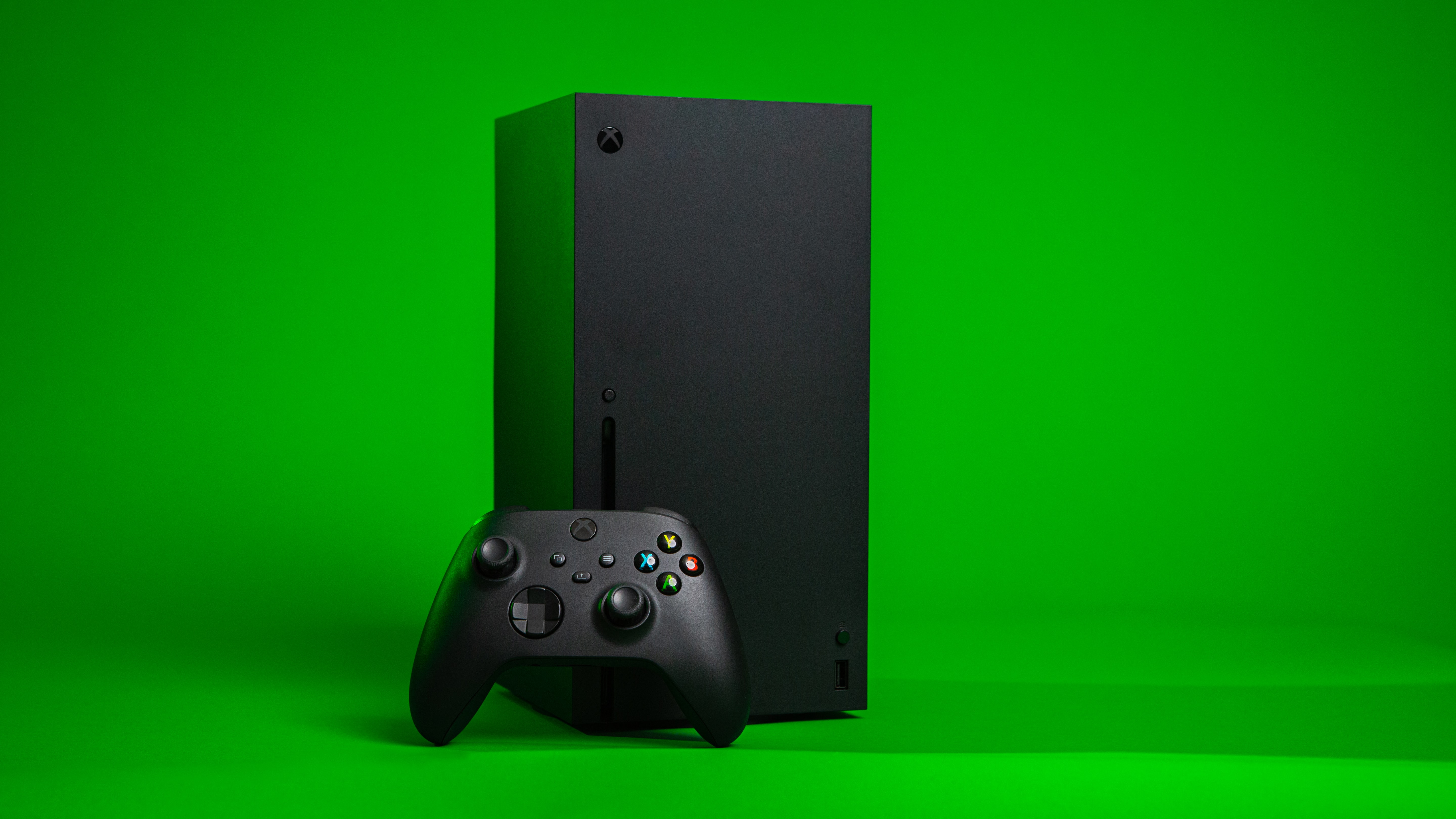
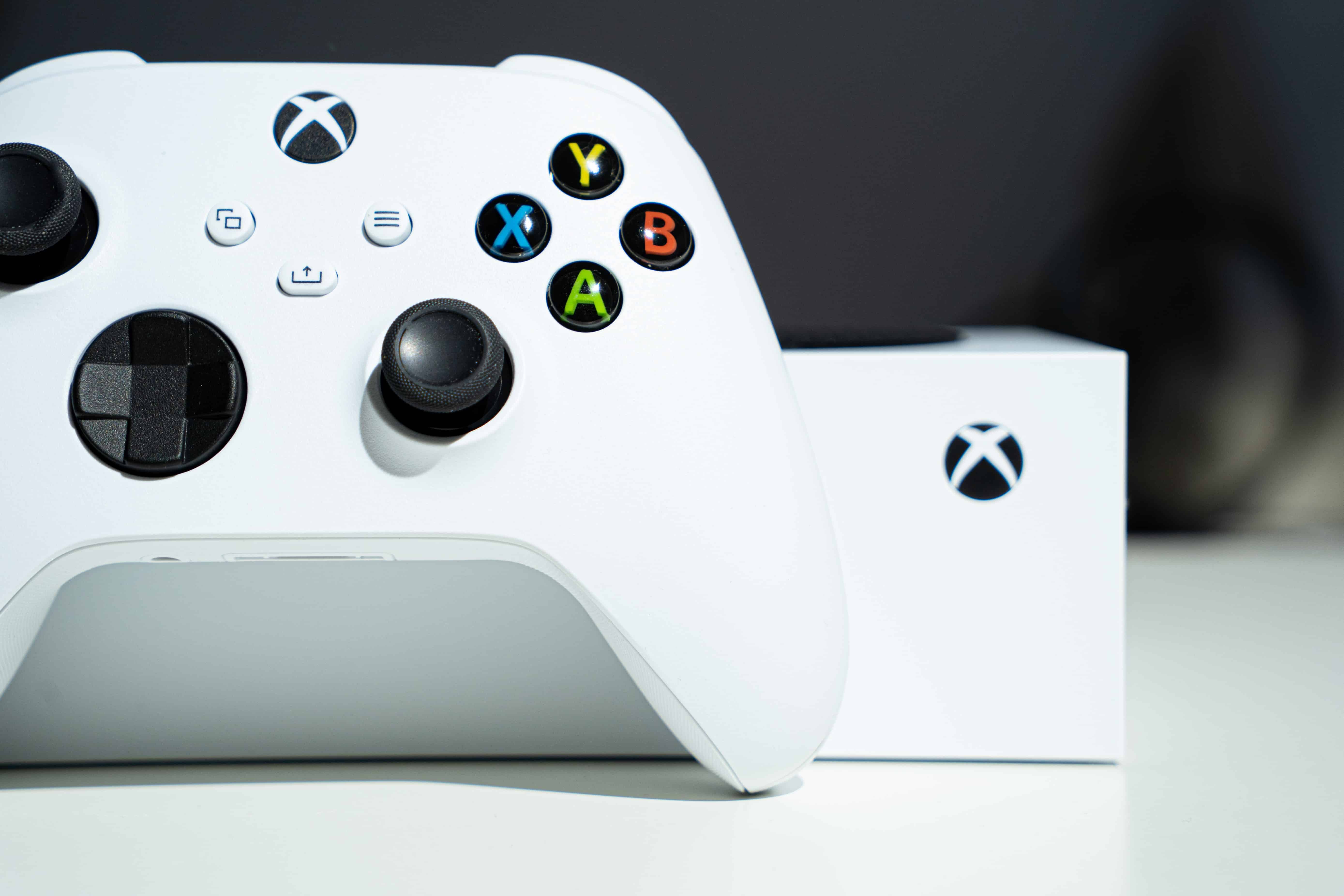
The Xbox is a line of home entertainment systems/video game consoles created by Microsoft. This article focuses on the newest iterations of the console: The Xbox Series S and the Xbox Series X. Both the Xbox Series S and the Xbox Series X launched in 2020 and are currently in production. Although Microsoft doesn’t share its sales figures, estimates have been made that Microsoft has sold a combined total of about 5.8 million units of the Xbox Series X and Series S as of May 2021.[1]
The Pros and Cons of Microsoft’s Xbox consoles
Pros
The biggest advantage of the Xbox Series X/S is its focus on a home entertainment system. Microsoft created and marketed the newest versions of the Xbox as a multipurpose family entertainment hub for watching movies and television, playing games, socializing online, etc. With a huge userbase and the backing of Microsoft, the Xbox has become a fantastic selection when it comes to home video game consoles.
Additionally, the Xbox Series X and Series S are mostly backward compatible, allowing owners to play nearly all of the games that they had previously purchased for earlier consoles without having to repay for them. While many of the games are skewed more for an adult user base, there is a wide variety of games that have been targeted to kids with more appropriate content that is family-friendly. Also, the Xbox Series S is on the cheaper side when it comes to home game consoles at $299.
Cons
The Xbox Series X, which is more technologically advanced than the Xbox Series S is also nearly double the price at $499. Therefore, if your kids want the more advanced system with better graphics and framerates, and you know they do, you are going to have a potentially tough decision on your hands when deciding which of these two models to get for them.
Many parents don’t realize that kids can browse the internet through their Xbox consoles. That means they can access anything or anybody through that browser. That means you MUST program parental controls if you don’t want your child exploring inappropriate online neighborhoods.
Xbox Games to Play as a Family
When it comes to the Xbox Series X/S, there are a variety of interactive ways to connect with your family. You can play games together or use the console as a multimedia hub to stream movies and your favorite television shows through your favorite streaming services.
Here are 3 great Xbox games for you and your kids to play together:
Unravel 2
Overcooked! All You Can Eat
Rocket League
Unravel 2
Unravel 2 is a brilliant game revolving around a pair of little yarn people, referred to as Yarnies. The game is a platformer where your goal is to successfully traverse the environment without getting crushed by a boulder or eaten by a bird or fish.
This game has an ESRB rating of E, meaning it has been approved for kids of all ages. The only warning by the ESRB is that it contains mild fantasy violence as your character can get attacked by animals. There is no potential for interaction with online players within the game either.
While both Yarnies can be controlled by a single player, this game is best played with a friend. This game is great for building teamwork, bonding, and strengthening social skills. The whole point of the game is that you can achieve anything by working together. Unravel 2 is perfect for siblings bonding, parent/child bonding, and social interaction with a friend.
Overcooked! All You Can Eat
Overcooked is a game that requires cooperation as you play as restaurant workers making and serving food in the most chaotic of situations. Each environment has unique challenges that must be overcome through teamwork as you race against the clock to prepare meals. One stage has you preparing meals on a pirate ship with parts of the preparation area sliding back and forth along the ship making it difficult to reach previously reachable areas, so communication is key so that others can finish what you were doing if the playing field changes. Each environment has its own unique challenges that must be overcome by working together.
This game has an ESRB rating of E for everyone and has been approved for all ages. The only ESRB warning attached to this is that it has mild cartoon violence, which doesn’t even come close to the cartoons we used to watch, such as Tom and Jerry (there are no cats getting their teeth smashed with hammers by maniacal mice in this game).
Overcooked can be a great choice for bonding with your kids as teamwork and communication are so key to the gameplay. The sense of connection you feel as you get better and better scores is invaluable. This version of the game contains all the previous game content from the series and also has modifiers to adjust the difficulty allowing for an experience with high replay value that everyone can enjoy.
Rocket League
There is really nothing else like Rocket League out there. It is basically a combination of soccer and racecar driving. I know it sounds absurd and is hard to wrap your head around, but it is immensely gratifying. The goal is to use teamwork to hit a ball with your car into the other team’s goal.
Rocket League has an ESRB rating of E, meaning it has been approved for children of all ages. The only warning comes from some mild lyrics from the songs in the game.
The best part of this game is playing with other people. This game is great for parties and building a connection with your child as you can play on the same team and work together to score goals and win matches. Matches can be formed with up to 8 players on each team and with over 40 million players worldwide, there are plenty of people out there to play with.
Xbox Games Your Kids Can Play Alone
Video games also make great rewards for when your kid gets good grades or engages in other behaviors that you want to reward. Due to the immense number of games to choose from, it can become overwhelming when searching for a game for your child that is age-appropriate. There are plenty of games out there that are excessively violent, have strong language, and have sexual situations in them.
Here is a list of 3 games that we recommend:
Kingdom Hearts 3
Sonic Mania Plus
Immortals Fenyx Rising
Kingdom Heart 3
Is your kid obsessed with Disney characters? If the answer is yes, this game could be a great choice for your child. The kingdom hearts series revolves around a boy named Sora who teams up with Disney characters to rid the world of darkness. In Kingdom Hearts 3, you team up with Donald, Goofy, Hercules, Jack Sparrow, Elsa, and many more characters to explore different Disney worlds and go on an epic adventure of self-discovery. As you would expect from Disney, there are plenty of themes designed to promote admirable qualities like the acceptance of yourself and others.
Kingdom Hearts 3 is rated E10 for fantasy violence as you use magic and a sword, shaped like a key, to defeat the bad guys. There is no blood and gore in the game and the creatures just poof out of existence when defeated.
The best part of this game is getting to interact with your favorite Disney characters. The storyline is also fantastic and fits in well with the Disney movies that the characters are from. Like most other Disney products, the game’s story revolves around the main character’s growth as a human being and there are several positive lessons for your child to learn.
Sonic Mania Plus
Sonic Mania Plus is an action platformer that revolves around the world’s fastest hedgehog as he sets out to defeat an evil scientist, named Dr. Eggman. The game designers set out to bring back the feel of the games from the 1990s with smoother gameplay. The result is a fun game that looks and plays like the Sonic the Hedgehog games that were around when you were a kid.
Sonic Mania Plus has an ESRB rating of E for everyone. Like Overcooked, this game’s only warning comes from mild cartoon violence. “Mild cartoon violence” refers to your character jumping on robotic creatures to defeat them. The critters basically turn into bunnies and other furry animals after you jump on them as you are rescuing them, rather than harming them.
If you played the earlier Sonic games, this game could have some added benefits. You can bond with your kid over a shared love of the characters and maybe show off some of your own video game skills by playing with your kid.
Immortals Fenyx Rising
Immortals Fenyx Rising is the Xbox’s response to the success of The Legend of Zelda: Breath of the Wild. The gameplay is very similar to that of Breath of the Wild but revolves around Greek mythology. In Immortals, you play as a human named Fenyx who must stop Typhon in his quest to get revenge on the gods of Olympus. This game is set in an extremely expansive open world that the player is free to explore as they see fit.
Immortals Fenyx Rising has been rated T for teens due to language, suggestive themes, and violence. There is some suggestive humor and dialogue between the characters which may be inappropriate for younger children. The violence in this game is against fantasy creatures and Greek gods., mostly stemming from Greek mythology. While not appropriate for younger children, this game is really fun for tweens and teens.
The game covers many of the themes in Greek mythology but ultimately revolves around becoming a strong, independent individual who realizes that one’s flaws should be accepted and celebrated rather than hidden away. It is ultimately about self-acceptance. It should also be noted that the main character’s physical characteristics and gender can be adjusted so that all kids playing this game can feel connected to the character, which is definitely a step in the right direction when it comes to inclusivity and representation.
How To Keep Your Kids Safe Playing Video Games
Research the games before buying them
Check the ESRB ratings
Play with your children or check in on them
Talk to your children and maintain a close family bond.
The most important thing that parents can do is be aware of the potential risks and promote an environment of open communication with your children. Dr. B offers a comprehensive family program for fostering this kind of communication in her Screen Safety Essentials Course. With this course, your family will learn tons of information about how to create a safer screen home environment while also connecting and having fun as a family. Armed with the right tools, you and your family can learn how to better thrive in today’s digital era.
Doctor Bs parenting guide, Screen Time in the Mean Time, is a wealth of knowledge about screen safety and keeping your kids safe from the numerous dangers inherent in the world we live in.
Thanks to CSUCI intern, Michael Watson for researching video game addiction and how gamers are solving the problem themselves.
I’m the mom psychologist who will help you GetKidsInternetSafe.
Video game addiction is a growing concern among professionals, parents, and gamers themselves. As technology becomes more advanced and the games become more lifelike, the potential for children to become addicted and use video games to escape from the real world increases dramatically. In today’s GKIS article, we cover how gamers are offering a solution that is being blocked from public use. You won’t want to miss this one. If you’re concerned about the effects video games are having on your child, Dr. Bennett’s Social Media Readiness Online Course will give you the answers you are looking for!
What is Skyrim?
Skyrim is the fifth installment of the Elder Scrolls series of games. This game is considered an “Action RPG,” which is a fancy way of saying that participants spend a really long time creating and building a character who maneuvers through an almost never-ending adventure in an extremely large, detailed virtual world. The creator of Skyrim, Bethesda Game Studios, has recently been purchased by Microsoft.
Bethesda has reportedly sold over 30 million copies of Skyrim in 2021, making it one of the most successful games ever created.[1] Skyrim has a rating of “mature” and is not recommended for younger children due to the blood and gore, sexual themes, use of alcohol, and intense violence.[2] Skyrim is so captivating for some gamers that they are falling into the trap of gaming addiction.
The Negative Consequences of Gaming Addiction
Internet Gaming Disorder (IGD) is a mental illness that affects and alters our natural endorphins (our feel-good hormones). Endorphins are released when we do something exciting like exercise, gaming, or using addictive drugs. Also, when we get hooked on endorphins we often skip behaviors we need for healthy functioning like nutrition and rejuvenating sleep. In Dr. B’s Connected Family Online Course, she explains the huge role that sleep plays in staying healthy and happy and offers solutions. Without rejuvenating sleep, it is difficult to maintain balance and can lead to other problems.
Other negative consequences to gaming include clinically impairing:
Not only are there behavioral and psychological consequences to IGD, neuroimaging studies have found evidence of distinct neurobiological changes similar to those seen in subjects with substance addictions.[11, 12] More specifically, IGD subjects show gray and white matter atrophy (loss of tissue volume) and reduced cortical thickness in various areas of the brain as well as changes to the brain’s pleasure center – like excessive dopamine release and less dopamine receptor availability.[13, 14, 15] The patterns of brain activity while playing reflects how heavy-use players process rewards and losses differently than nonplayers, which may lead to riskier or more cautious decision-making overall.[16]
A Cool New Gamer-Created Solution to Addiction
As games get more and more addictive, gamers are starting to share their experiences and crowdsource for solutions.
Recently, gamer ThatLittleCommie created a solution to help addicted players quit Skyrim using a mod. Mods are game modifications that are created by players and offered on gaming sites for free download. Usually, mods extend the player’s experience. But NoSkyrim (the name of ThatLittleCommie’s mod) does the opposite. It makes the game unplayable so that addicted players can cut off their supply at the source. With the help of NoSkyrim, addicted players can force themselves to quit cold turkey.
Nexus Mods Banned NoSkyrim
Here’s the problem for NoSkyrim. If people stop playing addictive games, then they stop visiting mod websites. Therefore, by helping people to cure their addiction, the NoSkyrim mod is potentially affecting the website’s profit. We suspect that loss of profit is the reason that Nexus Mods, the website where players go to download mods, banned NoSkyrim.
This has not been a popular move for Nexus Mods customers. In the eyes of gamers, the website was putting money ahead of the health of their fellow gamers. This led to several petitions and Reddit forums set up to spread awareness of the dangers of video game addiction. Smaller websites have begun to make NoSkyrim available to players, but the larger websites like Nexus Mods refuse to budge.
How to Protect Your Children from Online Addiction
Leaving kids to regulate on their own is not an effective strategy in most families. Big tech’s manipulative design for devices and games makes management challenging. Here are some ways you can support your kids for healthier gaming:
Provide your kids with real-world activities to maintain an offline/online balance.
Spend more time as a family on- and offline.
Research games and online activities that your child is interested in before you allow a probationary period.
Dr. B is in a unique position to help you to learn more about the dangers that children face when engaging in online activities and to help you to navigate safely throughout your journey as a practicing psychologist, university professor, and mother. In Dr. B’s book, Screen Time in the Mean Time, she discusses and attacks the issue of video game and online addiction and gives advice on how to protect your children from all things screen-related in a productive manner. Also, you can download the free GKIS Connected Family Agreement and get weekly blog articles simply by making a GKIS account on our website home page.
Thanks to CSUCI intern, Michael Watson for researching video game addiction and the ways in which gamers are solving the problem themselves.
I’m the mom psychologist who will help you GetKidsInternetSafe.
[1] Christian Gaca. (2016). Skyrim has sold 30 million copies worldwide. Gamereactor. https://www.gamereactor.eu/skyrim-has-sold-30-million-copies-worldwide/
[2] Entertainment Software Association. (2021). Elder Scroll V: Skyrim. ESRB. https://www.esrb.org/ratings/31575/The+Elder+Scrolls+V%3A+Skyrim/
[3] Black, D., Belsare, G., & Schlosser, S. (1999). Clinical features, psychiatric comorbidity, & health-related quality of life in persons reporting compulsive computer use behavior. J Clin Psychiatry 60(12):839–844.
[4] Ha, J., Yoo, H., Cho, I., Chin, B., Shin, D., & Kim, J. (2006). Psychiatric comorbidity assessed in Korean children & adolescents who screen positive for Internet addiction. J Clin Psychiatry 67(5):821–826.
[5] Kaess, M., Durkee, T., Brunner, R., Carli, V., Parzer, P., & Wasserman, C. (2014). Pathological Internet use among European adolescents: psychopathology & self-destructive behaviours. Eur Child Adolesc Psychiatry 23(11):1093–1102.
[6] Ko, C., Yen, J., Chen, C., Yeh, Y., & Yen, C. (2009). Predictive values of psychiatric symptoms for internet addiction in adolescents: a 2-year prospective study. Arch Pediatr Adolesc Med 163(10): 937–943.
[7] Lin, I., Ko, C., Chang, Y., Liu, T., Wang, P., & Lin, H. (2014). The association between suicidality & Internet addiction & activities in Taiwanese adolescents. Compr Psychiatry 55(3): 504–510.
[8] Liu, M., Ming, Q., Yi, J., Wang, X., Yao, S. (2016). Screen time on school days & risks for psychiatric symptoms & self-harm in mainland Chinese adolescents. Frontiers In Psychology [serial online]. April 25, 2016;7Available from: PsycINFO, Ipswich, MA. Accessed June 11, 2017.
[9] Mehroof, M. & Griffiths, M.D. (2010). Online gaming addiction: the role of sensation seeking, self-control, neuroticism, aggression, state anxiety, & trait anxiety. Cyberpsychol Behav Soc Netw 13(3): 313–316.
[10] Shapira, N., Goldsmith, T., Keck, P., Khosla, U., & McElroy, S. (2000). Psychiatric features of individuals with problematic internet use. J Affect Disord 57(1–3): 267–272.
[11] Fauth-Buhler, M., & Mann, K. (2017). Neurobiological Correlates of Internet Gaming Disorder: Similarities to Pathological Gambling. Addictive Behaviors, vol. 64, 349–356.
[12] Yuan, K., Qin, W., Wang, G., Zeng, F., Zhao, L., & Yang, X. (2011). Microstructure Abnormalities in Adolescents with Internet Addiction Disorder. PLoS ONE 6(6): e20708.
[13] Kim, S., Baik, S., Park, C., Kim, S., Choi, S. & Kim, S. (2011). Reduced Striatal Dopamine D2 Receptors in People with Internet Addiction. NeuroReport 22.8: 407-11. Web.
[14] Koepp, M., Gunn, R., Lawrence, A., Cunningham, V., Dagher, A., Jones, T., Brooks, D., Bench, C., & Grasby, P. (1998). Evidence for striatal dopamine release during a video game. Nature 393: 266-268.
[15] Kühn, S., Romanowski, A., Schilling, C., Lorenz, R., Mörsen, C., Seiferth, N., & Banaschewski, T. (2011). The Neural Basis of Video Gaming. Translational Psychiatry 1: e53.
[16] Dong, G. Hu, Y., & Lin, X. (2013). Reward/punishment sensitivities among internet addicts: Implications for their addictive behaviors. Progress in Neuro-Psychopharmacology & Biological Psychiatry, 46, 139–145.
Among Us is an app/video game that has seen a rising fan base since its release. It is popular with gamers of all ages. Its cutesy characters and simple gameplay make it appealing to even the youngest children. To get your home set up for cooperation and screen safety, check out Dr. Bennett’s Screen Safety Essentials Course which features weekly parent and family coaching videos in addition to several other valuable resources for promoting family connectedness and preventing digital injury! In today’s GKIS Sensible Guide, you will be learning all the information you need to make an informed decision on if this game is appropriate for your child.
How long has Among Us been around, and how popular is it?
Among Us was released by a small development company called InnerSloth LLC in June 2018. According to Steam, the number of users began to rise when COVID lockdowns started. This peaked around October 2020 with an average number of 170,000 players.[1] It should be noted that this does not include players on Apple or Android devices. The true player count is likely much higher.
Among Us is available for purchase on Steam for under $5. On mobile devices, Among Us is a free download. However, users on mobile devices will be shown ads between games and will have their data collected. To stop this, the user is allowed to purchase an ad-free version of the app. This prevents any ads from playing and their data from being collected by the app.
Getting Started on Among Us
To play Among Us, the player must confirm their age is over 13. This is done with a simple birthdate selection and can be easily bypassed by children younger than 13. Among Us can be downloaded on Steam, along with the Apple app store and the Google Play store.
Before letting your child play Among Us or games like it, we recommend the Connected Family Course to help inform you and your child about the dangers of screen use. It also provides a large number of tips to help your child stay safe online.
Features of Among Us
Basic Gameplay
During the game, groups of 4 to 10 play together. One to three of those players are selected as the imposters, the rest of the players are crewmates.
Crewmates will have a certain number of tasks to complete as a group around the map. These tasks are usually simply mini-games such as connecting wires or swiping a keycard. This group wins when either all of the imposters have been eliminated through voting, or all of the tasks are completed.
Imposters have a much simpler task. They want to eliminate the crewmembers until the number of imposters is equal to the number of crewmembers. If this happens the imposters win. Imposters have extra abilities such as using vents to teleport around the map. Imposters always know who the other imposters are.
When a dead body is reported or the emergency button is pressed a meeting is called. During this meeting, all players discuss who they think the imposters are. This discussion may be over a text chat or a voice chat. At the end of the meeting, they have the option to vote off a player. They may skip voting if they aren’t confident. Once a player is voted off, it is revealed if they were a crewmember or an imposter.
Cosmetics
A various number of cosmetics are available for direct purchase for Among Us. They can range in price from one dollar to up to five dollars. While not a loot box, some people do worry that microtransactions like this can lead your child to develop a gambling addiction. For more information on this, please visit our article on gambling in gaming.
Benefits of Among Us
There are numerous benefits of playing Among Us. It is a fun way for friends to interact or to meet new friends online. Its simple gameplay allows for everyone to enjoy it, not just dedicated gamers. Plus, the game is easily accessible because it’s extremely inexpensive or even free. Finally, it teaches players to detect deception from other people. This can be considered a good life skill.
Risks of Among Us
There are a few big risks that come with children playing Among Us. The first is that it does expose the child to violence. While it is cartoon-like, there are some graphic deaths including stabbing, snapping necks, and eating heads off. It also teaches children to lie. To be a successful imposter, one has to lie and plant deception in the crewmates’ heads. This might lead the child to lie in other aspects of their life, particularly younger children. Another risk for anyone playing the game is they may be exposed to cyberbullying by others. Other players may be muted to prevent this, but it is still a risk of playing an online game. Another big risk is talking and interacting with strangers. Though it hasn’t been reported, predators could potentially use Among Us to find victims and groom them into talking outside of the game or offline.
Due to the risk potential for child players, GKIS rates Among Us as a yellow-light app due to the cartoon violence and potential exposure to cyberbullying. This means that children under the age of 13 are not recommended to play this game.
If your child wants to play Among Us, GKIS recommends that you:
Add it to your free GKIS Connected Family Agreement (Available if you enter your email on our GKIS home page.)
Discuss the risks of chatting with strangers with your child. For tips and advice on how to do this, check out our Connected Family Course.
Consider joining our Screen Safety Essentials Course to gain access to weekly parenting and family coaching videos that provide information, extra support, and exclusive tips for helping your child stay internet safe.
Thanks to CSUCI intern Dakota Byrne for researching Among Us and co-authoring this article.
I’m the mom psychologist who will help you GetKidsInternetSafe.
Onward to More Awesome Parenting,
Tracy S. Bennett, Ph.D.
Mom, Clinical Psychologist, CSUCI Adjunct Faculty





 Thanks to CSUCI intern, Katherine Carroll for researching how TikTok users use Reddit content and kids’ games for views.