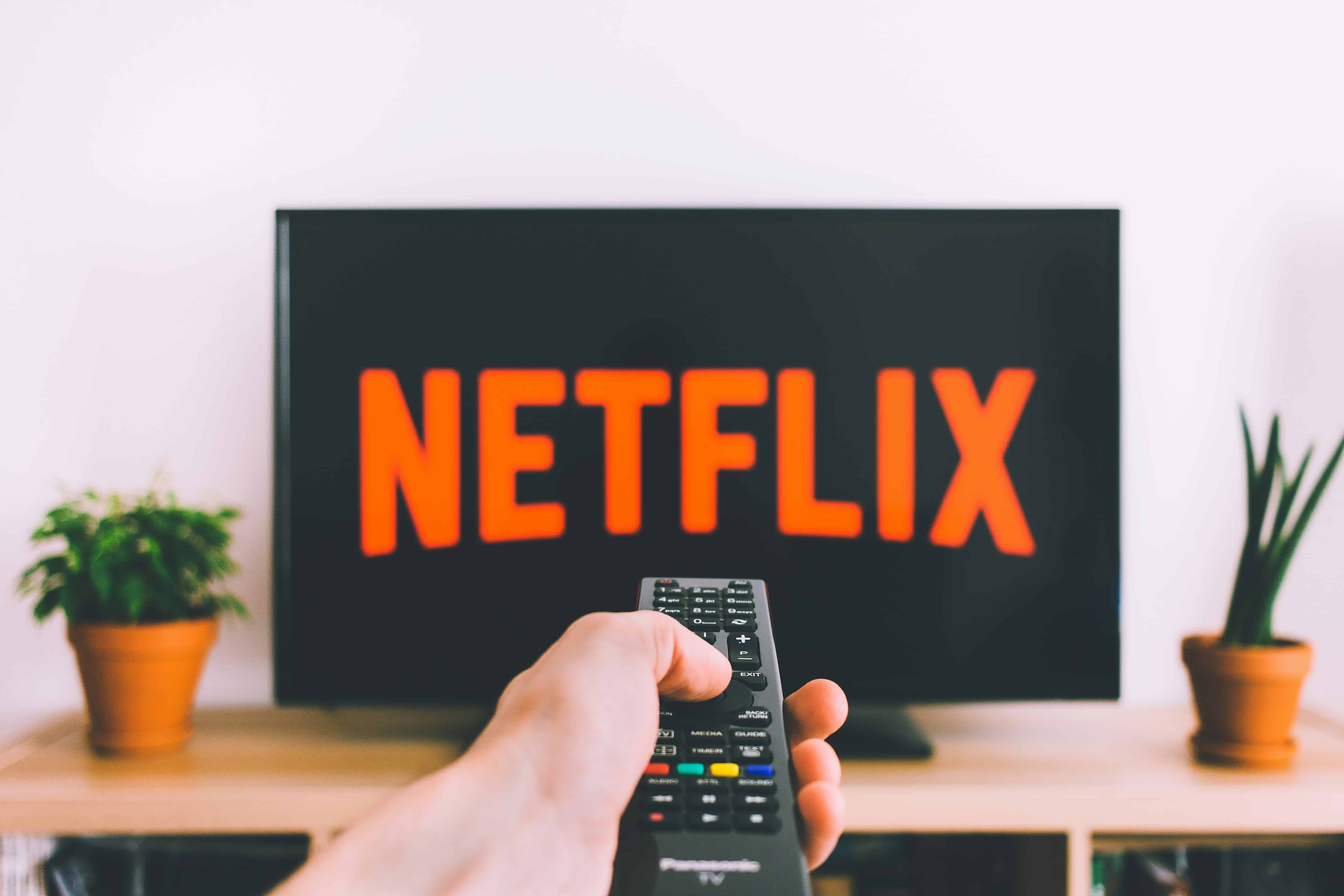
We were hunters and gatherers for 90% of human existence. That means our brains are still wired to prioritize the things that kept us alive when we were living on the land, before the domestication of animals and the construction of cities. One thing that kept us alive was living in a tribe and cooperating. Attracting a tribe and fitting in was a requirement of life. That is why kids and teens are hyper-focused on doing what their friends do and working to be cool and accepted. Online influencers count on this drive to maintain their income streams. One way to attract kids online is to be a kid doing what kids love to do, playing with toys and video games, opening new packages, and hanging out with friends acting goofy. Netflix’s Bad Influencer offers a glimpse of the kid influencer “scene,” and the lengths that some parents will go to attract and keep a following.
What is Bad Influence about?
The limited documentary series has gone viral for good reason. It’s definitely entertaining, but also deeply unsettling. It is a perfect way to raise awareness about how scary a life all about social media can be. Bad Influencer is a documentary that focuses on a tween who becomes an overnight social media star and brings her friends to stardom with her. What started out as a fun hobby quickly turned into a living nightmare. It may seem glamorous to be famous online, until you learn that the child influencers spent the majority of their childhoods working long hours acting out video ideas, risky stunts, and performing pranks that sometimes went too far—all under the pressure of adult producers/parents hungry for views. Check out Intimacy With Minors Encouraged at the Hype House for a similar story of underage exploitation.
SPOILER ALERT: The show takes a chilling turn when the mother of the main character is accused of, and videotaped, sexually exploiting these kids on set by positioning herself as one of the only adults supervising them to control them. Some survived the battle with only a few scars, while the main character is stuck living this nightmare over and over again. It may be funny, exaggerated, and attention-grabbing, but it also paints a dark picture of a digital world where clout matters more than character and children are left to pay the price.
Psychology Behind the Fame Obsession
From a psychological point of view, being an influencer is cool to children because they have a natural need for validation, attention, and social connection.[1] Although the minimum age on most social media platforms is 13, it is reported that children ranging from 8-17 are found scrolling through online platforms soaking up content too mature for their ages.[2] Sadly, unlike real-world relationships, social media platforms offer fast, unfiltered dopamine hits through likes, shares, and views. Without proper guidance, this can make kids tie their self-worth to online numbers, which can result in low self-esteem, fear of missing out (FOMO), performance anxiety, and digital addiction.[3] As a result of social unlimited social media usage, kids can also experience anxiety, depression, and even poor quality of sleep.[4] Counteract this monster and help your child build emotional resilience, red flag awareness, and digital literacy by taking our GKIS Social Media Readiness Training Course. Geared for teens or tweens, it’s the perfect giftbefore that new device or video game.
What You Can Do to Help
Bad Influencer is not just a show; it’s a cautionary tale that shares the pressures kids face online every day. It is easy to get off topic and want to pull the plug on all electronics just to protect your child from their dangers, but that is not always possible. Technology and online platforms are all around us, and it is better to set your child up for success than to try to keep them out of the loop. Connecting with your child over what they find interesting can help create a trusting relationship where you can notice if things start to become a little off. Our free Connected Family Screen Agreement can help you and your child co-create rules around how to safely navigate online platforms. This way your child can thrive in the digital age without losing themselves in it.
Thanks to CSUCI intern, Elaha Qudratulla for researching and co-writing this article.
I’m the mom psychologist who will help you GetKidsInternetSafe. Onward to More Awesome Parenting,
With streaming platforms, we have more options for viewing television than ever before. Binge-watching television has become the norm. But how do we know what is good for our kids to watch? Bluey is a show for all ages, even adults. It first came out in Australia in 2018. Then Disney picked it up and aired it in the United States in 2019. Bluey revolves around a husband and father (Bandit), his wife (Chilli), and their two daughters (Bluey and Bingo). There are elements to the program that help with parenting and problem-solving, which we at GetKidsInternetSafe support. Our GetKidsInternetSafe courses are designed to help families connect with cooperative dialogue about screen safety. For families with young kids, our Connected Family Course helps open the lines of communication and set up your home with optimum screen safety. For tweens and teens, we recommend our Social Media Readiness Course. The Readiness Course offers information to help teens better problem-solve independently and recognize the red flags of digital injury. Today’s GKIS article covers the benefits of Bluey and the drama that surrounds the program on social media.
Bluey Portrays Engaged, Playful Parents
Dads on television are too often portrayed to be oafish, heavy-set men who act foolish. We can all think of lazy father characters married to an attractive wives they take for granted but win her over with bumbling charm. Bluey represents fatherhood in a more accurate, positive light. Bandit, the father in Bluey, can occasionally be goofy. But generally, he is a loving, caring father and husband.
Chilli is a loving wife and mother. She is also shown in an independent manner. She is unafraid to ask for some time when she needs a break and is seen going out to play field hockey with a friend. She is strong and loving to her family.
The first child of Bandit and Chili is the title character Bluey. Often children’s shows have the children trying to connive their parents. A refreshing part of the show is Bluey is not trying to get away with anything. She is an energetic child that enjoys playing and using her imagination. Like many children, she has her moments, but with the guidance of her parents, she understands her mistakes.
Bingo is the youngest of the Family. She, like many, looks up to her older sibling but is often involved in the activities. She is not a pest or an antagonist, she feels down sometimes because she may not be able to keep up, but the family often acknowledges her voice.
The Bluey set typically involves kids having playtime using their imagination and involving their parents. We often see them playing make-believe where they may be at a pizzeria or playing with their mom pretending to drive a car. The parents are caring, loving, and look out for each other. This positive portrayal of playtime as an opportunity for coaching and learning is excellent parent and child training. Like the ground-breaking work of Mr. Rogers, Bluey offers useful instruction in the form of family entertainment.
With the pressures of modern life, parenting can be challenging. Although technology makes us more efficient, it also adds a lot of distractions that can get in the way of healthy family relationships. In her book Screen Time in the Mean Time, Dr. Bennett reports that psychology research demonstrates that there has been a 25% decrease in child empathy. She states that parental distraction and outsourcing parenting to screen time may be major contributors to this unwanted change. She elaborates that empathy is not innate, meaning we aren’t born with it. Instead, devoted parents model empathy for their children and instruct them verbally as their kids follow along with them day to day. She proposes that Bluey models the teaching of empathy between parent and child through imaginary play. That benefits not only the kids watching Bluey but their parents too!
Bluey Tackles Challenging Topics
Like Mr. Rogers, Bluey often brings in complex and challenging topics such as coping with death and loss, working through troubling feelings, and much more.
For example, the Bluey episode Whale Watching implies the parents drank too much at a party the night before. The parents try to avoid playing with their kids but ultimately realize how vital their engagement is, resulting in them pushing through their discomfort.
In another episode titled Stumpfest, Chilli teaches Bluey how parents also need space and adults need time with friends. The kids think the dad was mean when digging up a stump with his friends. Taking away something Bluey and her friends wanted to keep and use for themselves. Chilli explains to Bluey that Bandit’s yardwork with his friends was his playtime and bonding with his pals.
Another Bluey episode, Born Yesterday, shows Bandit acting like he was just introduced to the world. The kids enjoy showing him his new surroundings and how to perform in social settings. This episode helps viewers see how much we take social norms for granted and how to explain norms to the younger generation. It also encourages us to slow down, think simply, and enjoy the little things.
Other topics that have been addressed in Bluey include
Depression
Fear of abandonment
Divorce
Taking care of your parents
Death
Work Ethic
Teaching essential concepts like these to kids can be challenging. A great product GKIS offers to help bring the family together is our Screen Safety Essentials Course. Our Essentials Course promotes screen safety and a cooperative and positive parent-child alliance.
Online Conspiracy Theories About Bluey
Typical of the internet, there is social media drama surrounding Bluey. For example, there is online speculation about hidden adult topics within the show. TikToker conspiracy theories about Bluey include speculation that Bluey is a rainbow baby. A rainbow baby is a child born after a miscarriage. There is also speculation that one of the grandparent characters has Alzheimer’s disease and Bingo has celiac disease. An episode was temporarily banned because Bandit passed gas in Bluey’s face, referred to as a fluffy in the show. This episode got pushback, but the real lesson was about being honest and not trying to be sneaky. After viewers and parents realized this, the episode was placed back into the show’s streaming library.
If you find it difficult to play with your kids or integrate challenging topics into play, get your friends together and schedule an online parenting workshop with Dr. Bennett.
Thanks to CSUCI intern Keith Ferries for researching and writing this family-friendly article.
[1] August de Richelieu https://www.pexels.com/@augsst-de-richelieu/
[2] Cottonbro Studio https://www.pexels.com/photo/girl-in-red-dress-playing-a-wooden-blocks-3662667/
[3] RODNAE Productions https://www.pexels.com/photo/young-family-talking-to-their-parents-6148875/
In 2013, a 14-year-old girl in England named Hannah Smith committed suicide after being bullied and receiving hurtful comments on a social media website. When her father called for there to be accountability for the people who had left messages about his daughter before her death, it was revealed by the police that Hannah had most likely written the messages herself.[1] This was one of the first recognized incidents of digital self-harm, where a person leaves harmful messages, comments, or posts about themselves on the internet. We have written about physical self-harm in the GKIS article, “What Parents Need to Know About America’s Cutting Epidemic,” but today we’re going to examine the possible causes of digital self-harm, and how you can take steps to help your children if they’re experiencing this. To prevent digital self-harm, keeping open communication between you and your kids about their screen usage is essential. The GKIS Connected Family Screen Agreement is our free digital contract that helps create an open forum of communication between you and your kids and offers tips about the basics of internet safety.
What makes digital self-harm different?
Physical self-harm is when a person injures or puts themselves at risk without intent for committing suicide. Often this is done to numb emotional pain or cry for help. The most known forms of self-harm are cutting or burning yourself or skin-picking, but other risky behaviors like excessive drinking and drug use can become self-harm depending on the person’s motivation.[2] Physical self-harm can accompany or lead to suicidality.
Digital self-harm is similar to the physical forms of self-harm, but it takes place over the Internet. A teenager who’s self-harming this way may leave hateful comments and messages for themselves on social media, often in a publicly visible place. This is done anonymously on a fake account they’ve created.[3] By doing this to themselves, it can make it look like they’re being cyberbullied or harassed by others. Like physical self-harm, teenagers who digitally self-harm are at a much higher risk of suicidal thoughts or making a suicide attempt.[4]
Why do people engage in digital self-harm?
There are many reasons a teen may engage in digital self-harm, including:
to express overwhelming negative feelings about themselves.
to take control of peer relations where they’d otherwise feel out of control.
to look artsy, tough, or cool or better belong among others victimized by bullying or cyberbullying.
to numb out or punish themselves.[2][6]
to attract much-needed help and support.[5]
to elicit compliments and praise from others.
in hopes that friends will come to their defense and say positive things about them.[5]
to create a forum where they can engage in a public discourse and track responses.[5]
to phish to find out if other people see them in a similarly negative way.[6]
How common is this behavior?
A study in 2012 surveyed 617 college students and found that 9% of those students admitted to committing digital self-harm behavior while they were in high school.[7]
Another more recent 2017 study surveyed 5,593 middle-school and high-school students and found that about 5% admitted to digital self-harm, and 6% admitted to cyberbullying themselves.[3] They also found that teenagers who had digitally self-harmed were also more likely to have been bullied in the past than the students who hadn’t self-harmed.
The Role of Social Media in Self-Harm
As social media has gotten more popular, teenage mental health has been getting worse. One study found that adolescent suicide rates and depressive symptoms increased from 2010 to 2015, particularly among young girls.[8] Another found that students who checked social media 50-100 times a day were more likely to be distressed than their peers who checked less frequently, and that checking more than 100 times a day led to even higher distress.[9]
While self-harming behavior is usually done in private, social media opens the possibility of exposure to the negative emotions that cause self-harm. Social media allows kids and teens to communicate with others who self-harm and more easily find information about how to do different types of self-harm.[2]
What should I do if someone I know is digitally self-harming?
While digital self-harm is a new phenomenon in the worlds of social media and psychology, there are preventative measures that could help you monitor for digital self-harm in your family:
Take active steps to manage your children’s time online and monitor what kinds of websites your children are accessing. The GKIS Screen Safety Toolkit provides you with advice and app recommendations to set up parental controls, screen time management, and website filtering and blocking.
Recognize that self-harm is usually a symptom of other problems in your child’s life, and that they may be keeping it to themselves to avoid embarrassment or punishment. Respond with empathy in mind. This is a poorly thought-through coping mechanism that is fairly common among kids, tweens, and teens. Don’t respond harshly because you are disappointed or embarrassed. Instead, make this a teaching opportunity and gently validate their feelings and coach them through to better solutions. Kids make mistakes online just as they do offline. They’re still learning.
If the free Connected Family Agreement catches your interest and you want something more comprehensive, our megacourse for Screen Safety Essentials offers GKIS content for the whole family to form healthier screen use habits and encourage cooperation between you and your kids.
If you’re worried that your teen is self-harming or suicidal, contact a mental health professional as soon as possible. Typically, the earlier the intervention, the more effective it is.
Thanks to CSUCI intern Brandon Bishop for researching digital self-harm and its causes and authoring this article.
I’m the mom psychologist who will help you GetKidsInternetSafe.
Beauty and fashion trends have always changed with the season. But with social media, the pressures to conform have increased among adults and impact younger and younger kids. At what point do we intervene to minimize the dangerous effects that arbitrary beauty standards have on kids and teens? How do we discourage the consumption of damaging content surrounding body image? If you are concerned about the damaging content your family could be exposed to, check out our Screen Safety Essentials Course. This course provides you with the tools necessary to navigate the Internet more safely and avoid digital injury. Even better, it will bring you closer to your kids! Today’s GKIS article covers the controversies of trending body types, the damage they can do to young people, and creative ideas to keep your family safe.
Heroin chic is back!
Popularized in the early 1990s, heroin chic refers to the ideal female body type with defining features that include a very thin frame and an emaciated appearance.
In November 2022, the New York Post published an article titled ‘Bye-bye booty: Heroin chic is back,’ and it immediately sparked controversy online. The article claimed that the much thinner physique was “trendy” and celebrities like Bella Hadid and Kim Kardashian who have publicized radical weight loss sparked the recent shift in body trends.
The Shortened Lifespan of Online Trends
Media has a major impact on how we perceive ourselves and the world around us.[3] With the increasing use of social media, the lifespan of trends has drastically shortened. Instead of trends lasting for a couple of years, they now last for a couple of months. That means many women whiplash between fashion fads, radical diets, and costly beauty regimens. Just when it seems that we are making progress with body positivity, the return of heroin chic only proves that within industrialized countries such as the U.S., slender women tend to be seen as more attractive.[2]
Trends have fluctuated throughout the years, coming and going and coming back again. Before the most recent return of heroin chic was the ‘slim thick’ trend from the late 2010s. Slim thick means very curvy. It’s often only achieved through plastic surgery like breast and buttock enhancement surgery. Recently social media sites have also promoted filters that make one’s face fit the trending beauty standard. A small, upturned nose, full lips, and “fox eye” eye makeup are what are considered most attractive recently on apps such as TikTok and Instagram. Another GKIS article, Influencers Hurt Child Self-Esteem by Overusing Filters, touches on how filters that dramatically alter your face can have similar effects. Check it out to learn more.
What is the damage?
Body dissatisfaction is a major source of suffering among women of all ages.[1] The intense fluctuation of beauty standards and trends can lead to self-esteem issues, lack of motivation, depression, body dysmorphia and other eating disorders, and thoughts of suicide. All genders are at risk of becoming insecure about their physical appearance. However, the risk is higher for young girls because of rapid pubertal body change and because society has deemed a woman’s attractiveness to be integral to her self-worth and value.[1]
To avoid the potential development of body image insecurities, check out our Social Media Readiness Course. This course can help prepare your tween or teen to more safely navigate the Internet and avoid damaging content.
How can we protect our teens?
Talking with your children is one way to protect them against internalizing unrealistic trends and developing insecurities. Creating a safe space to hold conversations surrounding confidence and self-esteem can help. To help guide you through these sometimes difficult conversations, we’ve developed our free Connected Family Screen Agreement. Offered in short, easy chunks, our agreement will help you become your child’s ally when it comes to screen media and family safety.
Setting smart and justifiable parameters is also key for protection. If you are lost as to how to set up the rules and maintain cooperation, our Screen Safety Essentials Course has everything you need to be your family’s go-to expert.
Social media requires a whole new set of tools for child safety. For smart management, our Screen Safety Toolkit can help.
And for tweens and teens, our Social Media Readiness Course offers the red flags of digital injury and the psychological wellness tools that Dr. Bennett teaches in her practice. With a mastery quiz at the end of each module, you can be sure that the GKIS certification your teen earns at the end really means sometimes.
[1] Stapleton, P., Crighton, G. J., Carter, B., & Pidgeon, A. (2017). Self-esteem and body image in females: The mediating role of self-compassion and appearance contingent self-worth. The Humanistic Psychologist, 45(3), 238–257. https://doi-org.ezproxy.csuci.edu/10.1037/hum0000059
[3] Monks, H., Costello, L., Dare, J., & Reid Boyd, E. (2021). ‘We’re continually comparing ourselves to something’: Navigating body image, media, and social media ideals at the nexus of appearance, health, and wellness. Sex Roles: A Journal of Research, 84(3–4), 221–237. https://doi-org.ezproxy.csuci.edu/10.1007/s11199-020-01162-w
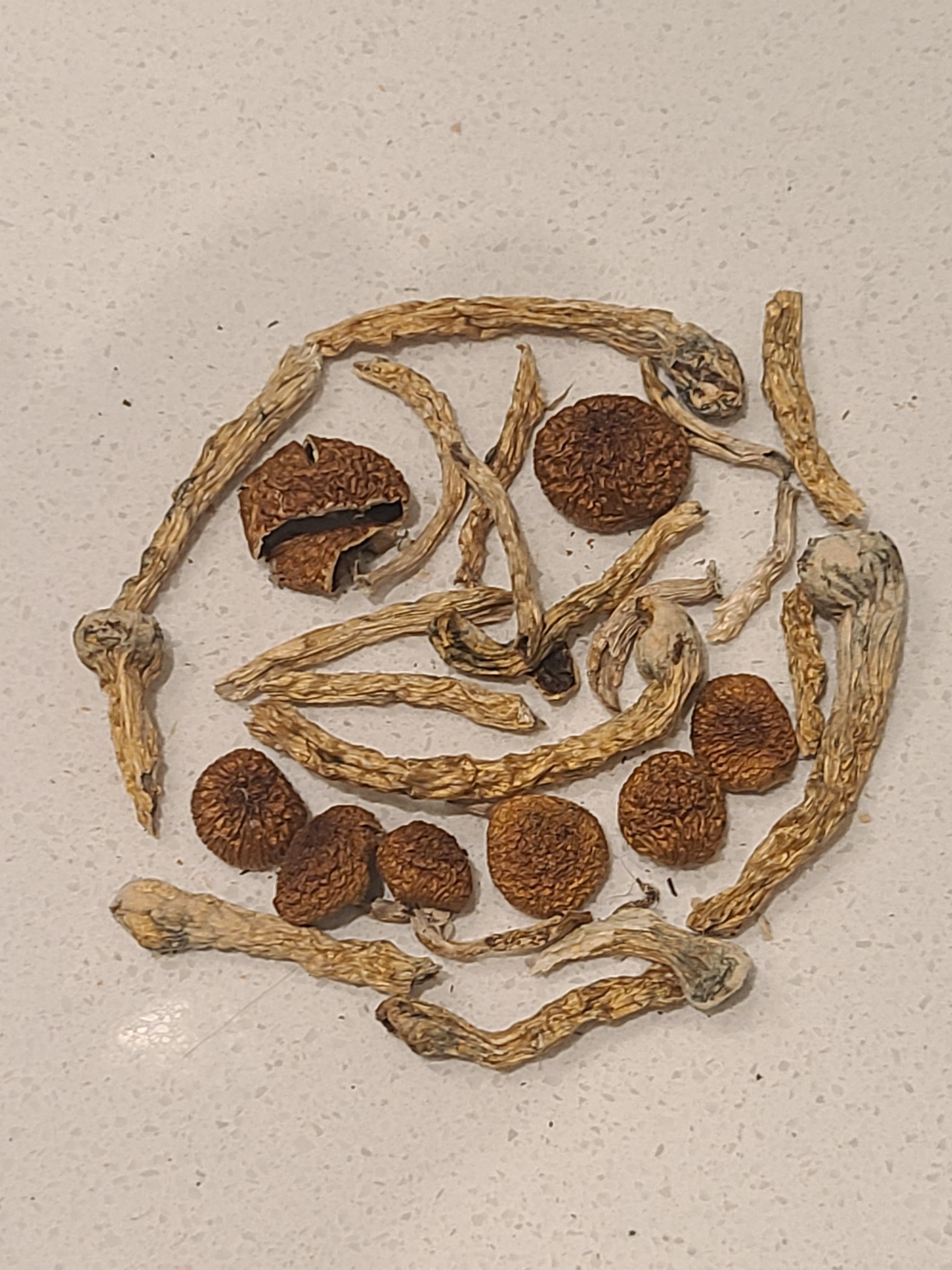
Microdosing magic mushrooms is the new trippy trend for adults with anxiety, depression, PTSD, and addiction disorders who seek to improve their wellbeing and mental health without relying on antidepressants. Today’s GKIS article is for those who are curious about microdosing on psychedelic mushrooms. We discuss potential therapeutic uses, safety, and the current trend toward legalization and decriminalization of psilocybin. Check out Dr. Bennett’s new Screen Safety Essentials Course for comprehensive help when it comes to maintaining psychological wellness, avoiding digital injury, and keeping your family safe and connected.
What is micro-dosing?
Microdosing is the phenomenon of taking very small doses of a psychedelic drug like magic mushrooms to improve well-being, emotional, and mental health. The active chemical in medicinal mushrooms is called psilocybin. When psilocybin is metabolized, the brain responds by releasing serotonin in the prefrontal cortex region of the brain that is responsible for regulating mood, cognition, and perception.
Serotonin is a neurotransmitter, or ‘feel good’ chemical, that contributes to positive moods.[1] While microdosing, one can expect to feel the subtle effects of the drug while still remaining in control of the senses. “When you take psychedelics, you loosen up and reduce the egoic experiences of identity and self, and it allows people to feel more connected, not only to themselves but to people and to the environment.”[2]
Those who microdose usually don’t report experiencing an altered state of reality or mystical awakening. However, some do report small changes in perception, like colors appearing a little brighter. Most of all, these minor effects can contribute to new connections and mental shifts that help people think or behave in more open and creative ways. Micro-dosing also helps people become more reflective and responsive to positive suggestions by embracing the effects that the drug has on their neurotransmitters. Studies suggest a mechanism through which psychedelics might improve mental health: feeling greater self-compassion and less obsession with negative thoughts, anxiety, depression, addiction, eating disorders, and PTSD.[1]
Micro-Magic
The effects of psilocybin are similar to the effects of LSD. But instead of a long-lasting and intense hallucinatory experience or a deep spiritual awakening, the effects of microdosing ensure a safer and more subtle mind expansion that allows for an entirely encompassing holistic understanding of the internal self and external world.
The positive effects of psychedelics, particularly psilocybin include:
Feelings of euphoria
Peacefulness
Creativity
Openness
Stress and anxiety relief
Improved moods
Increased energy
Better concentration and focus
Greater personal awareness
Less self-doubt
Increased sensitivity to light and sound
Micro-Mistakes
Regardless of safe and proper dosages, many people refuse and reject microdosing due to the common and rational fear of experiencing a bad trip.
A bad trip may occur due to many factors such as:
Derealization, or the feeling that surroundings are not real
Depersonalization, or a dream-like state of being separated from reality
Distorted thinking and behavior
Slight visual and auditory impairment
Unusual bodily sensations
Paranoia and confusion
Nausea and vomiting
To ensure a safe and positive experience, one should feel comfortable with the concept of surrendering to their psychedelic experience and feel safe in their environment. We call this set and setting. This relaxed mindset allows for feelings and ideas to naturally arise and process without reacting to fear and judgment. By channeling this calm and comfortable mindset, many can benefit from the medicinal effects of microdosing.[1]
Also, some psychedelic mushrooms are better for microdosing. As it is impossible for the average person to accurately determine how much psilocybin is in a mushroom, mushrooms with lower psilocybin content are preferable for microdosing. Weaker strains of psilocybe cubensis mushrooms are more commonly utilized for this purpose.
Microdosing Effects on Depression and Anxiety
Psilocybin still remains illegal in the country, so it is rare to find doctors and psychiatrists that recommend microdosing as a legitimate treatment for depression and anxiety. However, with FDA trials underway with psilocybin as a treatment for mood and trauma disorders, more and more professionals are endorsing the idea that microdosing may have positive clinical applications. In a 2021 survey, respondents reported that microdosing led to significant improvements in both anxiety and depression.[3] Further, those who have higher expectations of microdosing tend to respond more positively (also called the placebo effect).[4]
Microdosing Effects on Addiction
In a 2014 study at Johns Hopkins Medical Center, researchers tested whether psilocybin could help people quit smoking. It was an open-label study, which meant the participants knew they were getting the drug and not a placebo. The drug was administered in three sessions – one on the target quit date, another two weeks later, and a third eight weeks afterward. The subjects returned to the lab for the next 10 weeks to have their breath and urine tested for evidence of smoking and came back for follow-up meetings 6 and 12 months after their target quit date.
At the 6-month mark, 80% of smokers in the pilot study (12 out of 15) had abstained from cigarettes for at least a week. The study concluded that there is evidence that the sense of unity and mystical significance many people experience on psilocybin is associated with greater success and motivation towards quitting, and those who take the drug may be better able to deal with cravings. At the biological level, scientists have hypothesized that psilocybin may alter communication in brain networks, kind of like a reboot that leaves the brain more receptive to new ideas, feelings, and pathways.[5] We call this new state of openness and opportunity for brain growth neuroplasticity.
Microdosing’s Effects on Eating Disorders
The mystical and psychedelic experiences a person has with psychedelic therapy may also shift body image away from fixed and repetitive unhealthy thoughts, potentially easing symptoms of eating disorders. A 2020 systematic review concluded that several of the participants who microdosed to treat their eating disorder said their experience offered them new insights that encouraged them to embrace healthier habits.[6]
How safe is psilocybin?
A drug’s therapeutic index is a number determined by a ratio comparing the amount of a drug needed for a lethal dose to the amount of the drug needed to get the wanted effects. The higher the therapeutic index, the safer the drug. Psilocybin has a therapeutic index of 641, which is pretty high.[7] This means you are more than three times as likely to overdose on aspirin (which has a therapeutic index of around 200) than psilocybin. Also, psilocybin is considered to be non-addictive and no overdose deaths have ever occurred from psilocybin use.[8]
Legalization of Psilocybin
There is a current movement to decriminalize and legalize magic mushrooms for both therapeutic and recreational use. While several cities had already decriminalized psilocybin, Oregon became the first state to decriminalize and legalize the therapeutic use of psilocybin in 2020.[9] This year (2022) the citizens of Washington will be voting on the legislation of psychedelic mushrooms. It should not be long until they are legal throughout California. See you then, space cowboy.
Thanks to CSUCI intern Haley Begun and Michael Watson for researching co-authoring this article. Please note that GKIS does not offer an opinion on the use of psilocybin for microdosing. This is an informational piece that does not offer a GKIS-endorsed opinion.
If you are interested in learning more about the interconnection of curing addiction, anxiety, and depression, Dr. Bennett’s book, Screen Time in the Mean Time includes information and research about how parents, teachers, and adults can pinpoint the underlying causes of their own or loved ones’ addictions and mental disorders based upon biological, genetic, and environmental factors.
Breeksema, Joost J., et al. “Psychedelic Treatments for Psychiatric Disorders: A Systematic Review and Thematic Synthesis of Patient Experiences in Qualitative Studies – CNS Drugs.” SpringerLink, Springer International Publishing, 17 Aug. 2020, https://link.springer.com/article/10.1007/s40263-020-00748-y.
Kaertner, L. S., et al. “Positive Expectations Predict Improved Mental-Health Outcomes Linked to Psychedelic Microdosing.” Nature News, Nature Publishing Group, 21 Jan. 2021, https://www.nature.com/articles/s41598-021-81446-7.
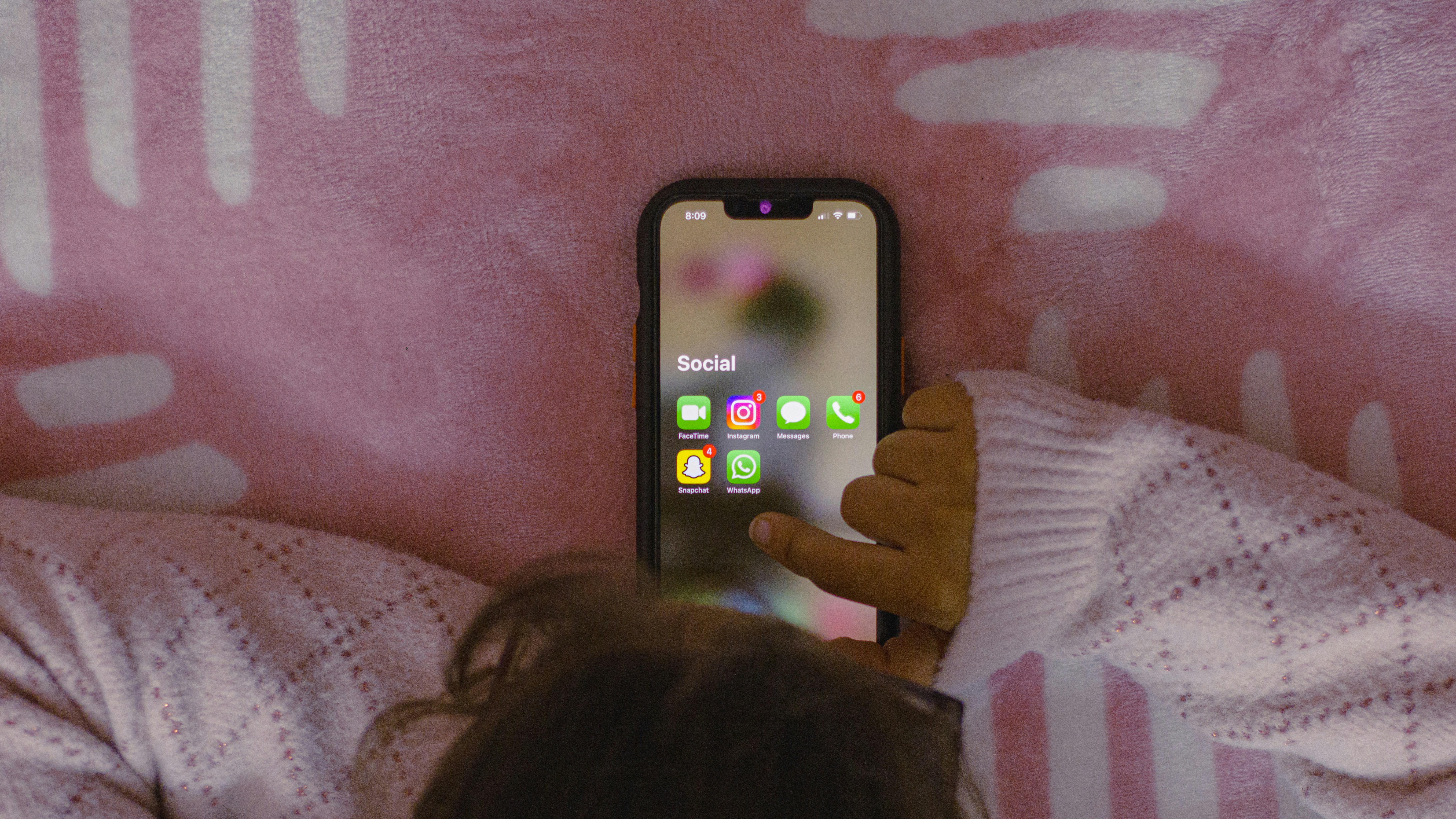
Kids and teens love their online influencers. Seventy percent of teens say they trust influencers more than celebrities, and 49% depend on influencer recommendations.[1] Influencers count on their followers to help build their numbers and market their products with testimonials and shares. If your child loves to follow online celebrities or influencers, teach them what they need to know for safety and earn online accountability with our GKIS Social Media Readiness Training. Our course covers the red flags of digital injury and tools for psychological wellness with 10 self-paced lessons and mastery quizzes. Help your kids avoid screen risks like viewing pornography, interacting with online predators and cyberbullies, distraction, social media drama, and compare and despair with our GKIS Social Media Readiness Course for tweens and teens.
A Good and Bad Influence(er)
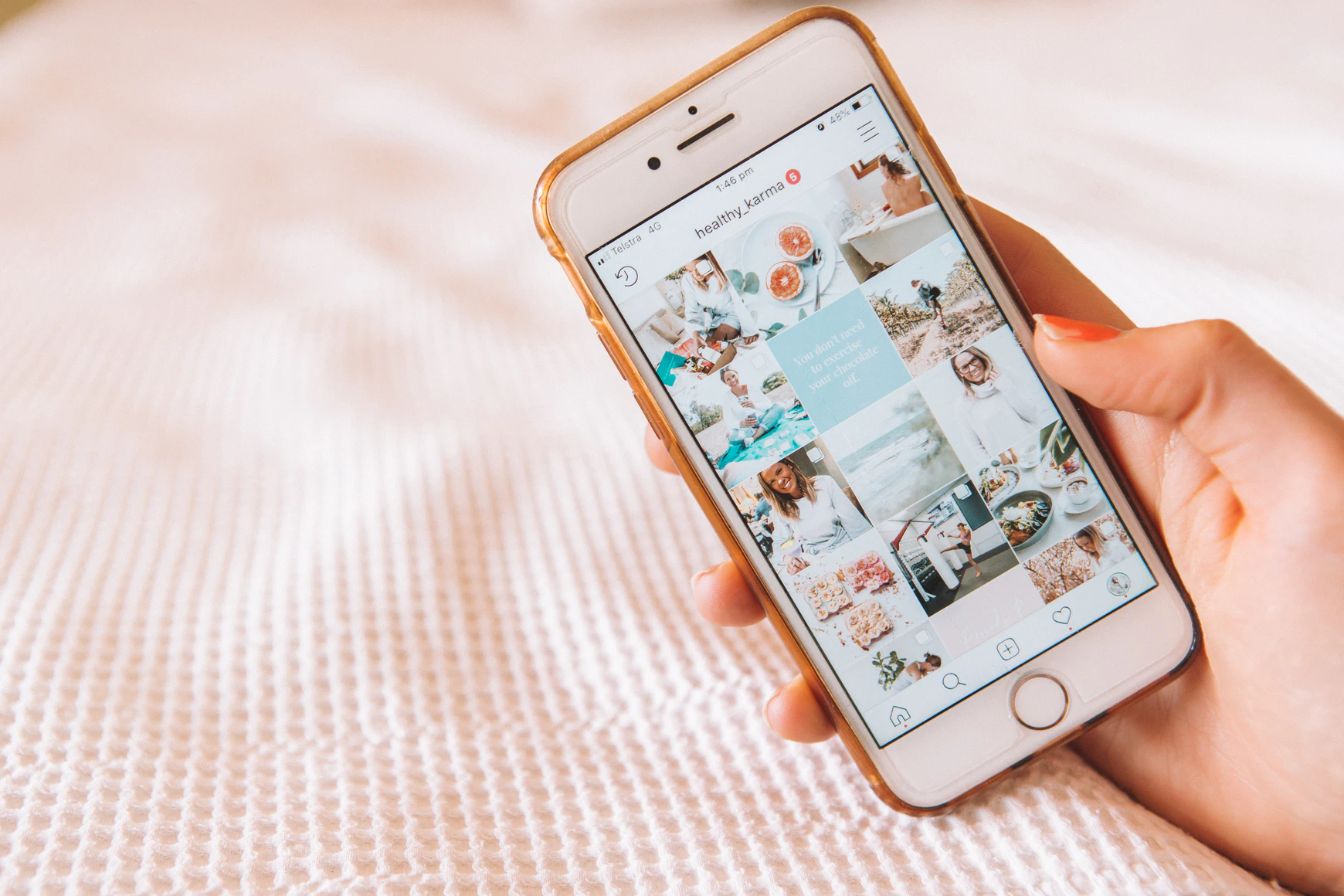
Online influencers promote their personalities, content, areas of interest, and expertise on online platforms to gain recognition and build their brand. Gaining followers requires confidence and showmanship. To best compete, some influencers use editing tricks to appear more attractive, healthier, more competent, and extra qualified. Because editing tricks are hard to spot, kids often emulate influencers with the impression that they really are that perfect.
Positive Impacts of Social Media Influencers
The most popular categories that social media influencers focus on are lifestyle, health, fitness, travel, art, work, fashion, luxury, photography, beauty, pets and animals, and parenting.[2]
The positive impacts influencers offer include:
information for education and awareness,
an engaging and supportive community of like-minded people, and
creativity and entertainment.
Negative Impacts of Social Media Influencers
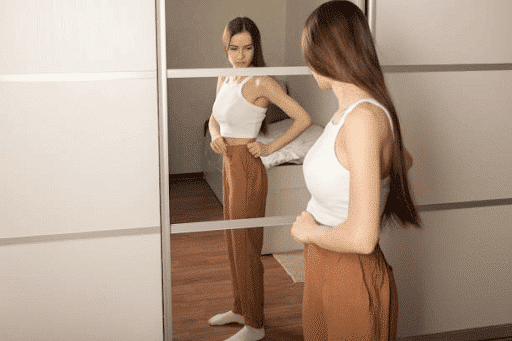
Some influencers are less interested in quality content and more focused on entertainment that will boost their numbers. To that end, they will use more filters and online trickery and promote harmful content like unrealistic body types, lifestyles, diets, fashion, gossip, rumors, and drama. Harmful content can cause problems with kids and teens, including decreased appearance satisfaction, low self-evaluations, higher negative mood, and insecurity.[3] Over time, these problems can escalate to mental health issues like anxiety, depression, body dysmorphia, and eating disorders.
Body Positive Movement
According to a social media report from a Norwegian influencer marketing platform, 47% of surveyed influencers revealed that they felt their job harmed their mental health, and 32% believed the platform hurt body image.[4] One way to express and promote unconditional self-love is by supporting the body positivity movement. This worldwide movement focuses on acceptance and equality for all body types and sizes.
One of the movement’s goals is to challenge how our society, particularly all forms of media, presents and views the human body.[5]With body positivity modeled by influencers (without the use of filters and digital manipulation), fans feel more confident and comfortable in their bodies.
Instagram vs. Reality
Another popular movement in the media that spreads awareness about the harmful nature of social media is called Instagram vs. Reality. This movement offers a side-by-side comparison of two of the same photos; one photo edited and the other not.
The purpose of this trend is to bring attention to the differences between natural and filtered images. This trend inspires people to embrace themselves naturally without enhancements. Instagram vs. Reality reminds us that online content is not always accurate. Our Screen Safety Essentials Coursefor parents and families offers helpful strategies for social media behavior while reinforcing mindful habits to prevent feelings of self-consciousness and anxiety.
Seeking Self-Acceptance and Fleeing from Filters
Before friending or following someone in real life or online, consider if they reinforce positive, authentic, and empowering morals. Social media influencers that we like appear to serve from the depths of their experienced and passionate hearts.
Positive and Qualified Influencers to Follow
Huda Kattan- Beauty Blogger and Makeup Artist
Zach King- Digital influencer, Writer, Comedian
Michelle Lewin- Fitness Influencer
Jamie Oliver- Chef
Joanna Gaines- Lifestyle Blogger and Writer
Jack Morris- Travel Influencer
Savannah LaBrant- Parenting Influencer
Beth Evans- Mental Health Influencer
PewdiePie- Gaming Influencer
Amanda Gorman- Activist, Poet, Influencer
What Parents Can Do to Protect Their Kids
Parental oversight of child exposure to online content is critical for safety and developing a positive self-image. One way to do this is by monitoring your child’s online activity, such as the sites they visit, the content they watch, who they follow, and how much time they spend online.
GKIS has a variety of valuable courses designed to help families navigate the various pitfalls of internet exposure and prevent digital injury.
The GKIS Social Media Readiness Training is a valuable tool that teaches teens about the inherent risks of social media and ways to make healthy decisions when encountering them.
The Screen Safety Toolkit is a family-tested, outcome-based resource guide with our best recommendations, how-to information, and links to our favorite easy-to-onboard parental control systems.
The GKIS Connected Family Course will provide parents of school-age families with tips for creating a safe screen home environment through fun parenting techniques that are designed to guide sensible screen management.
Finally, our most comprehensive program is our Screen Safety Essentials Course. Our comprehensive Essentials Course provides parenting and family coaching information, support, and other valuable information and activities to get you dialed in for screen safety and healthier family relationships.
Thanks to CSUCI intern Haley Begun for researching and co-authoring this article!
I’m the mom psychologist who will help you GetKidsInternetSafe.















 A Good and Bad Influence(er)
 Negative Impacts of Social Media Influencers