Before the internet, “going viral” was not something positive much less something people actively sought out. “Going viral” has become a new age epidemic, with people doing whatever they can for their 60 seconds of fame. But what does “going viral” actually mean, and how does it affect our brains and our self-esteem? Today’s GKIS article will break down “going viral” and its effects. For help raising your child to be digitally smart, check out our GKIS Screen Safety Essentials Course. This course includes all GKIS parenting courses, agreements, and supplements, ensuring you are well-equipped to fight off digital injury and keep your child safe from harm.
What does it mean to “go viral”?
Going viral means sharing something via social media that spreads quickly to thousands, even millions of people. The term viral video was first used in 2009 to describe the video “David After Dentist.”[1]
One viral video or post can turn people into internet celebrities overnight and garner thousands of followers, resulting in brand deals and monetized content. Once a video goes viral, there is no limit to the number of people it will reach or even what platform they will see the video on. It is very common to see posts shared from one platform to the next, whether it be a TikTok on Twitter or a Tweet going viral on Instagram.
The number of views to be considered going viral also varies from platform to platform. One hundred thousand views on TikTok is pretty successful, whereas even a couple hundred thousand views on YouTube is a relatively low number.[2]
The number of likes is also an important factor. Many videos have a high number of views but a relatively low number of likes. These videos are not considered to be going viral because they are not well-received by the general public.[2] Engagement drives up the virality of the content through shares and comments that stimulate the algorithm to continue placing that content on people’s feeds.[2] Another important factor in going viral is the immediacy of response, meaning that the views, likes, and comments must be received within a few hours to days rather than over several months or years.[2]
How does “going viral” affect our brains?
When your video, post, or other content “goes viral,” you receive likes, comments, reposts, shares, and bookmarks. These response notifications prompt the reward systems in our brains.[3] Many fast notifications results in dopamine release. To keep that feel-good feeling going, we keep checking, acting in a way similar to gambling addictions.[3]
Algorithms also take advantage of a variable-reward system because they are programmed to recognize when to take advantage of our reward system and desire for dopamine.[3] This often results in a stockpile of notifications that get delayed until a good amount of time since the last check has passed or a large amount of engagement has accumulated.
For a personal insight into going viral, I interviewed a college student who had recently experienced the sensation of going viral. They said, “I recently had a video go viral on TikTok. It was a video of the Indie-Rock band Boygenius and one of their members, singer Phoebe Bridgers, singing a verse from their song ‘Cool About It.’ I had taken the video at a concert I had recently attended and decided to post it on TikTok since I was lucky enough to be pretty close to the stage. Over the next few days after I posted it, it got 118k views, 32k likes, and 500 comments, and was saved by more than 4000 people. Once it started picking up traction, I became obsessed with checking my notifications and seeing all the new comments. I would constantly look to see how many views I was at each hour. I even got a like from a TikTok creator who I really enjoy so that was very exciting for me.”
Although going viral is thrilling, notifications can be harmful when they are overly distracting.[4] To compensate for smartphone interruptions, studies have shown that people often work faster, resulting in more stress, frustration, time pressure, and effort.[4] Research has linked daily notifications and their interruptions to depression, anxiety, and even symptoms associated with ADHD.[5]
Our interview also revealed that the euphoria of going viral is short-lived and needs constant “re-upping.” Our subject elaborated, “Once the video started to die down though, I got annoyed by the notifications. They were distracting because they were so far and few in-between and nothing quite as exciting as the start. I got kinda sad that my viral moment was dying down. It made me want to post another video to see if it would get the same kind of attention.”
What does “going viral” do to our self-esteem?
Studies have shown that social media can be both detrimental to our self-esteem and boost it at the same time, but how does going viral change that?
Social media usage can add stress to daily life and encourage people to constantly evaluate and compare themselves to others.[6] When someone goes viral, they open themselves up to being judged by thousands of people, some of whom can be cruel, feeling emboldened by the veil of anonymity. While many would agree that the likes and views one receives on a viral post boosts their self-esteem and makes one feel good about themselves, it also allows for internet trolls to make their way into the comment section to bait others into an argument or provoke an emotional reaction.[7]
One-in-five internet users that have been victims of harassment online reported that it happened in the comment section of a website.[8] Reading negative comments can lessen confidence, reduce self-esteem, and depending on the severity, can even provoke suicidal thoughts.[9]
Our GKIS interviewee unfortunately also had experience with the negative side of going viral. They reported, “Before my video went super viral, I had posted another video that didn’t get as many views but still got a couple thousand views, a few hundred likes, and a good amount of comments. The video was clips of my girlfriend and me in celebration of our second anniversary. For the most part, the comments were really nice, with people calling us cute and being supportive. But after a little while of it being up, it got to the wrong side of TikTok. As a queer couple, we’re used to people being rude or staring at us, but to get negative comments just hurt more for some reason. This was a few months ago, but I still think about the comments from time to time. It honestly made me want to delete the whole video even though it was just a few comments out of a bunch of nice ones.”
How Parents Can Help
Understand that what you and your child post has the potential to go viral, even if you don’t want it to.
Set the privacy settings on posts to control who gets to see the content you share.
Prevent a digital injury to your child’s self-esteem before it occurs with our GKIS Screen Safety Toolkit for parents of kids of all ages.
To help facilitate difficult conversations about online content and who should see it, try out our free GKIS Connected Family Screen Agreement.
Kids and teens love their online influencers. Seventy percent of teens say they trust influencers more than celebrities, and 49% depend on influencer recommendations.[1] Influencers count on their followers to help build their numbers and market their products with testimonials and shares. If your child loves to follow online celebrities or influencers, teach them what they need to know for safety and earn online accountability with our GKIS Social Media Readiness Training. Our course covers the red flags of digital injury and tools for psychological wellness with 10 self-paced lessons and mastery quizzes. Help your kids avoid screen risks like viewing pornography, interacting with online predators and cyberbullies, distraction, social media drama, and compare and despair with our GKIS Social Media Readiness Course for tweens and teens.
A Good and Bad Influence(er)
Online influencers promote their personalities, content, areas of interest, and expertise on online platforms to gain recognition and build their brand. Gaining followers requires confidence and showmanship. To best compete, some influencers use editing tricks to appear more attractive, healthier, more competent, and extra qualified. Because editing tricks are hard to spot, kids often emulate influencers with the impression that they really are that perfect.
Positive Impacts of Social Media Influencers
The most popular categories that social media influencers focus on are lifestyle, health, fitness, travel, art, work, fashion, luxury, photography, beauty, pets and animals, and parenting.[2]
The positive impacts influencers offer include:
information for education and awareness,
an engaging and supportive community of like-minded people, and
creativity and entertainment.
Negative Impacts of Social Media Influencers
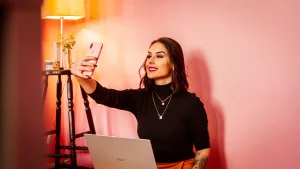
Some influencers are less interested in quality content and more focused on entertainment that will boost their numbers. To that end, they will use more filters and online trickery and promote harmful content like unrealistic body types, lifestyles, diets, fashion, gossip, rumors, and drama. Harmful content can cause problems with kids and teens, including decreased appearance satisfaction, low self-evaluations, higher negative mood, and insecurity.[3] Over time, these problems can escalate to mental health issues like anxiety, depression, body dysmorphia, and eating disorders.
Body Positive Movement
According to a social media report from a Norwegian influencer marketing platform, 47% of surveyed influencers revealed that they felt their job harmed their mental health, and 32% believed the platform hurt body image.[4] One way to express and promote unconditional self-love is by supporting the body positivity movement. This worldwide movement focuses on acceptance and equality for all body types and sizes.
One of the movement’s goals is to challenge how our society, particularly all forms of media, presents and views the human body.[5]With body positivity modeled by influencers (without the use of filters and digital manipulation), fans feel more confident and comfortable in their bodies.
Instagram vs. Reality
Another popular movement in the media that spreads awareness about the harmful nature of social media is called Instagram vs. Reality. This movement offers a side-by-side comparison of two of the same photos; one photo edited and the other not.
The purpose of this trend is to bring attention to the differences between natural and filtered images. This trend inspires people to embrace themselves naturally without enhancements. Instagram vs. Reality reminds us that online content is not always accurate. Our Screen Safety Essentials Coursefor parents and families offers helpful strategies for social media behavior while reinforcing mindful habits to prevent feelings of self-consciousness and anxiety.
Seeking Self-Acceptance and Fleeing from Filters
Before friending or following someone in real life or online, consider if they reinforce positive, authentic, and empowering morals. Social media influencers that we like appear to serve from the depths of their experienced and passionate hearts.
Positive and Qualified Influencers to Follow
Huda Kattan- Beauty Blogger and Makeup Artist
Zach King- Digital influencer, Writer, Comedian
Michelle Lewin- Fitness Influencer
Jamie Oliver- Chef
Joanna Gaines- Lifestyle Blogger and Writer
Jack Morris- Travel Influencer
Savannah LaBrant- Parenting Influencer
Beth Evans- Mental Health Influencer
PewdiePie- Gaming Influencer
Amanda Gorman- Activist, Poet, Influencer
What Parents Can Do to Protect Their Kids
Parental oversight of child exposure to online content is critical for safety and developing a positive self-image. One way to do this is by monitoring your child’s online activity, such as the sites they visit, the content they watch, who they follow, and how much time they spend online.
GKIS has a variety of valuable courses designed to help families navigate the various pitfalls of internet exposure and prevent digital injury.
The GKIS Social Media Readiness Training is a valuable tool that teaches teens about the inherent risks of social media and ways to make healthy decisions when encountering them.
The Screen Safety Toolkit is a family-tested, outcome-based resource guide with our best recommendations, how-to information, and links to our favorite easy-to-onboard parental control systems.
The GKIS Connected Family Course will provide parents of school-age families with tips for creating a safe screen home environment through fun parenting techniques that are designed to guide sensible screen management.
Finally, our most comprehensive program is our Screen Safety Essentials Course. Our comprehensive Essentials Course provides parenting and family coaching information, support, and other valuable information and activities to get you dialed in for screen safety and healthier family relationships.
Thanks to CSUCI intern Haley Begun for researching and co-authoring this article!
I’m the mom psychologist who will help you GetKidsInternetSafe.
Is your teen on Snapchat and Instagram? If so, they may be using what is popularly called, ‘plastic surgery’ filters. These filters may be altering your teen’s image of themselves and could be harmful to their mental health. I have been using filters on Instagram, Snapchat, and other social media platforms since I was a teen. Over the years these filters have become more face-altering than ever before. For more tips and guidance on social media, check out Dr. Bennett’s Social Media Readiness Course.
What Are ‘Plastic Surgery’ Filters?
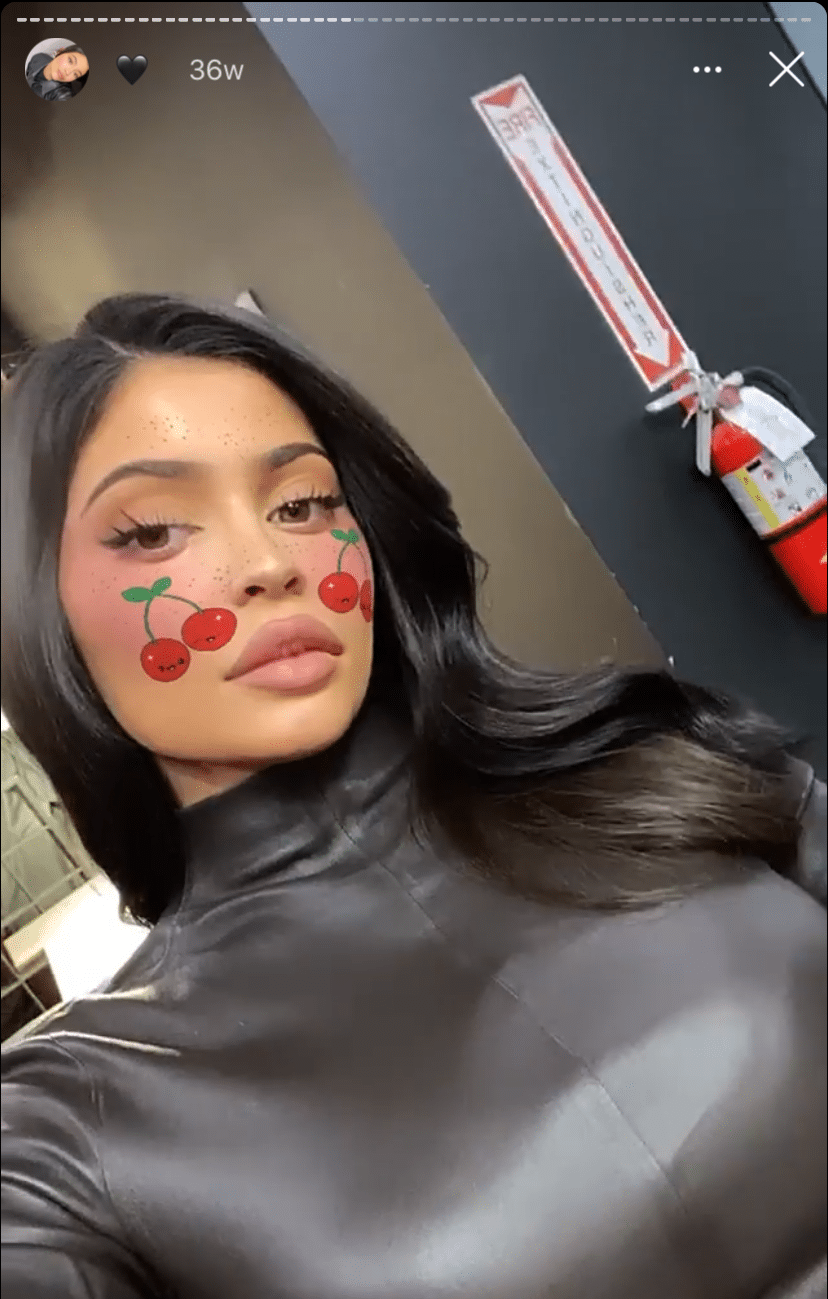
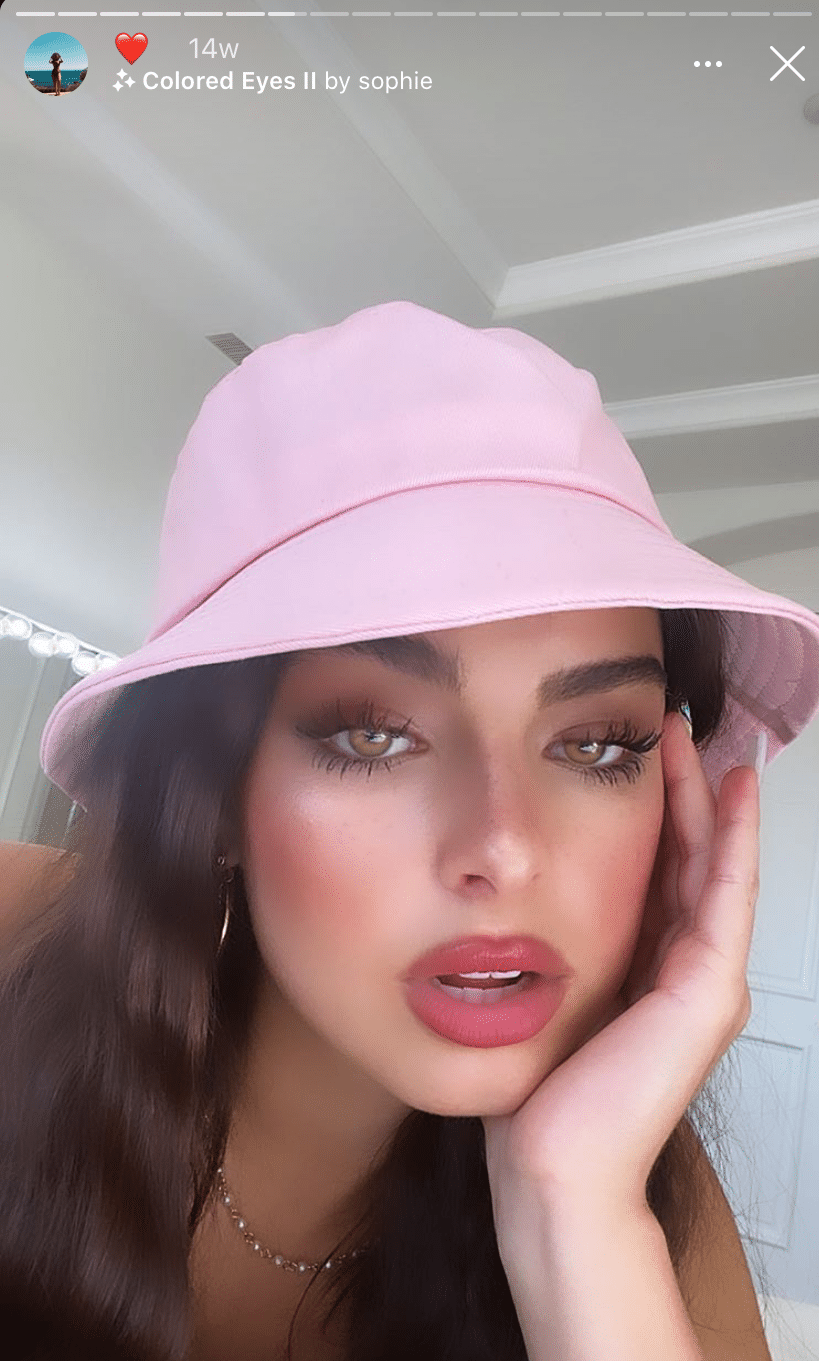
Plastic surgery filters are filters that make users look like they have different types of cosmetic surgery. These filters give the users bigger lips, smoother skin, smaller noses, sharper cheekbones, and even different colored eyes. They are popularly used by celebrities, influencers, teens, and young adults.
Unrealistic Beauty Standards
‘Plastic surgery’ filters can be harmful because they promote unrealistic beauty standards by erasing imperfections and enhancing certain features. Teenagers view thousands of ‘perfect’ images daily on social media shared by peers, idols, and even themselves. This can cause self-esteem problems because beauty standards become less and less realistic.
Attention from Followers
Many celebrities and people I know refuse to post an unedited or unfiltered image of themselves, which is sad and scary. Attention from followers contributes to this problem. If a teenager posts filtered selfies and they get positive comments from their followers, they may depend on using those filters because they feel that they will not get the same attention without one. This can cause people to become obsessed with the filtered images of themselves and unhappy with their appearance without a filter.
Snapchat Dysmorphia
Along with lowering self-esteem, filters like these are inspiring more young people to get cosmetic surgeries because they prefer the edited version of themselves. Cosmetic doctors are noticing that filters might be leading to a new type of body dysmorphia. Body dysmorphia is a mental disorder where a person obsesses over a minor flaw in their appearance.
Dr. Esho, a cosmetic doctor, claims that an increasing number of individuals are bringing pictures of themselves with filters to plastic surgeons and asking to look like that. Doctors are calling this new type of body dysmorphia, ‘Snapchat Dysmorphia.’
My Personal Experience Using Filters
I have used filters that make my lips fuller, skin smoother, and face slimmer. When I was using them, I did not fully realize how often I was using them until my boyfriend once told me, “Why do you always use filters? You are beautiful without them.” He wasn’t telling me to stop using them, he simply asked me why.
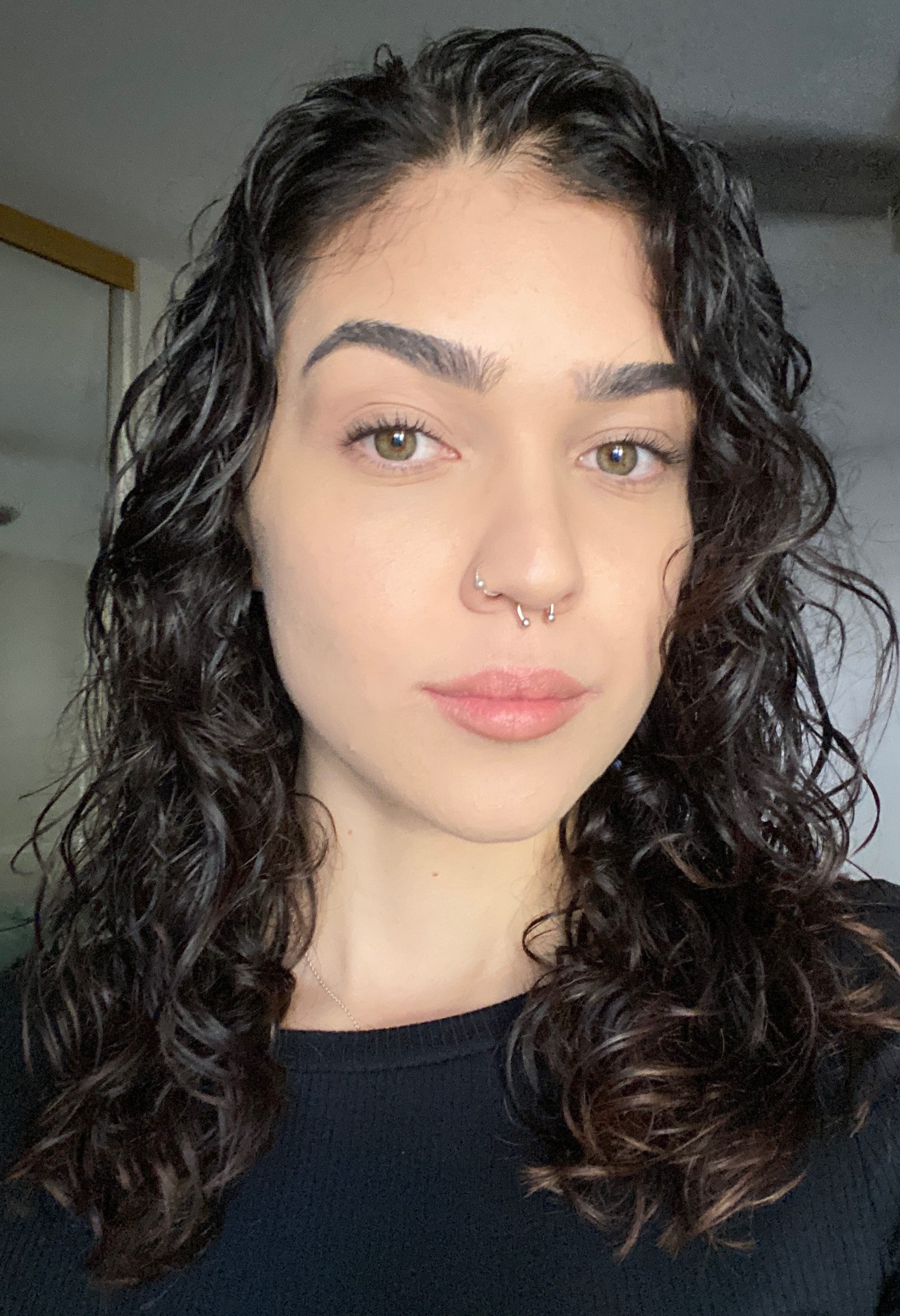
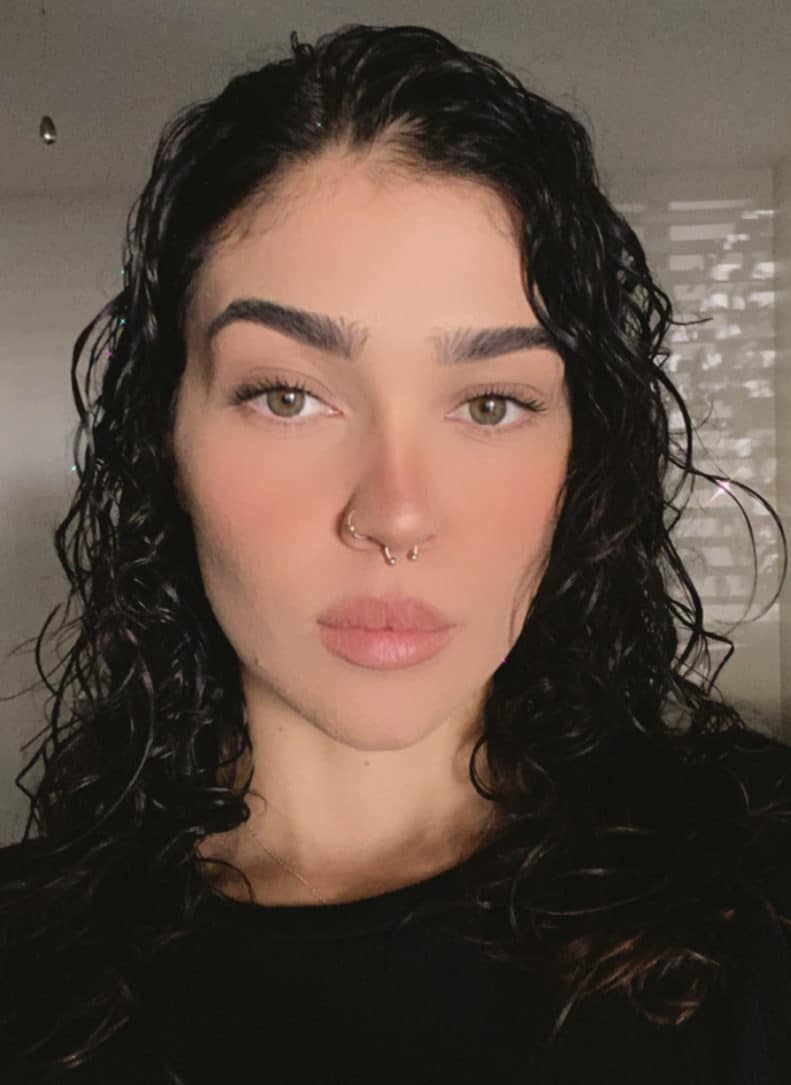
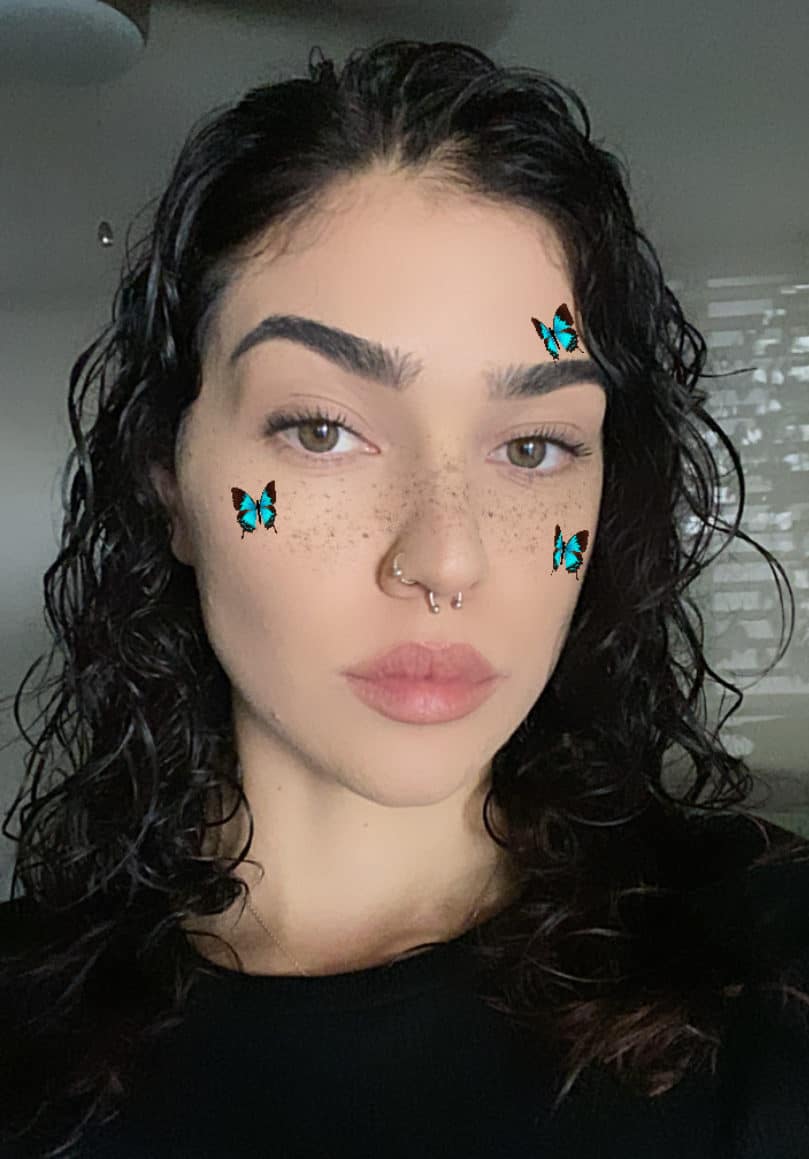
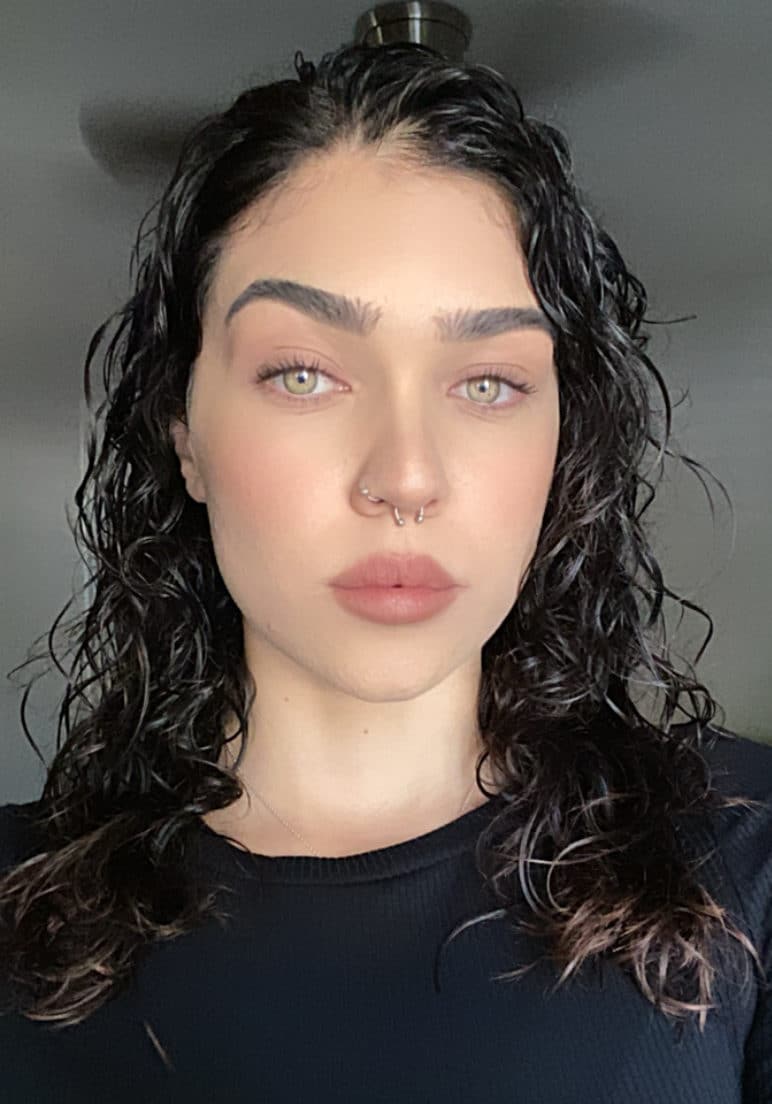
I realized that he was right, that I was relying on filters to feel beautiful. Since then, I limit my use of filters and embrace my imperfections. I want to share an authentic version of me. For this article, I decided to do a before and after using a few Instagram filters, so you can see how different they make me look.
(No Filter) Filter 1 Filter 2 Filter 3
What can you do if your teen is using filters on social media?
Just because your teen uses filters does not mean that they will develop a disorder or develop self-esteem problems. Everyone is different. But it is important to be aware of the potential risks of this social trend.
If you notice that your teenager is on social media and using filters here are some things you can do:
Have a conversation with your teen.
Talk to your teenager about what they see on social media. Remind them that most of the photos that they see on Instagram or any other platform are not 100% real because of filters or photo editing. This is something that they most likely are aware of, but I oftentimes have to remind myself of this when I am scrolling through Instagram.
In this generation where many teenagers and adults rely on likes and comments for self-worth, it is important to remind your teenager that there are more qualities in life that matter than their looks. Point out their other qualities and strengths like work ethic, intelligence, and kindness.
Don’t forget to remind them that they are beautiful without a filter!
Practice positive affirmations.
Teach your teenager positive affirmations and practice them together. Affirmations are positive statements that you say out loud to yourself. 7 Mindsets provide helpful affirmations for teens, here are a few:
“I embrace my flaws because I know that nobody is perfect”
Best, S. (2020, January 28). Instagram still has several ‘plastic surgery’ filters despite ban last year. mirror. https://www.mirror.co.uk/tech/instagram-still-several-plastic-surgery-21369194.
Cavanagh, E. (2020, January 11). ‘Snapchat dysmorphia’ is leading teens to get plastic surgery based on unrealistic filters. Here’s how parents can help. Insider. https://www.insider.com/snapchat-dysmorphia-low-self-esteem-teenagers-2020-1.
Hosie, R. (2018, February 6). People want to look like versions of themselves with filters rather than celebrities, cosmetic doctor says. The Independent. https://www.independent.co.uk/life-style/cosmetic-surgery-snapchat-instagram-filters-demand-celebrities-doctor-dr-esho-london-a8197001.html.
Kelly, S. M. (2020, February 10). Plastic surgery inspired by filters and photo editing apps isn’t going away. https://www.cnn.com/2020/02/08/tech/snapchat-dysmorphia-plastic-surgery/index.html.
Rodulfo, K. (2020, August 13). It’s Easier Than Ever To Make A New Face On Social Media. But Is It Killing Your Confidence? Women’s Health. https://www.womenshealthmag.com/beauty/a33264141/face-filters-mental-health-effect/.
Manavis, S. (2019, October 29). How Instagram’s plastic surgery filters are warping the way we see our faces. https://www.newstatesman.com/science-tech/social-media/2019/10/how-instagram-plastic-surgery-filter-ban-are-destroying-how-we-see-our-faces.
Yang, L. (2018, August 10). People are seeking plastic surgery to look like their edited selfies in real life – here’s why doctors think the trend is ‘alarming’. Insider. https://www.insider.com/plastic-surgery-selfie-filters-2018-8.
Instagram reports 1 billion monthly active users and more than 500 million daily users.[1] Most teens use social media for more than 6 hours per day.[2] Many social media users have shifted in intention, placing the highest importance on becoming insta-famous rather than sharing information with close friends. Insta-famousrefers to a person who is well-known on Instagram, reflected by thousands of followers and likes. Teens can become consumed in this virtual competition for internet popularity, sometimes leading to a destructive pattern described in my book, Screen Time in the Mean Time: A Parenting Guide to Get Kids and Teens Internet Safe, as compare and despair.
Insta-worthy? Self-Presentation Theory and Impression Management
Many Instagram users lurk profiles, consumed by other people’s lives and perfecting their virtual selves. According toself-presentation theory, people are motivated to present themselves to show off an ideal self and please their audience.[3]
Our frontis our best-stylized image. Our backstage is our true selves. Maintaining too many fronts can be overwhelming. Being great at impression management can be the difference between social media success or failure.
Shout Out for Shout Out
A SFS (Shout out For Shout out) is a branding strategy for optimal self-presentation on Instagram. It refers to teens posting someone else’s account to theirs and vice versa. The goal is to cooperatively promote their pages so both people gain more followers.
As self-presentation trends change in pop culture, so do trends online. In 2008, graphic t-shirts were the cool thing to wear to school. In 2015, hipsters ruled the school. And in 2019, the VSCO look was in. VSCOis the name of the popular app used to create fun colorful edits.
A “VSCO girl” has beach-wavy hair, carries around a hydro flask, has a scrunchie around their wrist, and shops at thrift stores and Urban Outfitters. My 13-year-old cousin shares, “Everyone wears skirts, Doc Martens, and scrunchies now. It’s so VSCO.”
Evolution and Optimal Distinctiveness
With popular editing apps such as VSCO or FaceTune, many social media users have unrealistic expectations for how attractive they should look in posts. Humans are social beings. We work best collaboratively. Social rewards like compliments, words of appreciation, affection, or being with a friend, are major behavioral motivators for young people.[3]
Seeking social reward and trying to achieve optimal distinctiveness (being unique but still super stylish) can be traced back to our ancestors. Belonging to a community meant being socially accepted and supported by a group of others. Many times, this meant life or death.
For teens today, that means walking a razor’s edge trying to look unique while still fitting in with peers. In this impossible quest, teens may be juggling several virtual and nonvirtual selves. Being too unique or too the same invites criticism and cyberbullying.
Getting social media likes rewards the brain with dopamine, the neurotransmitter released in the pleasure center.[2] Instagram programmers know it and bake it in so they can make more money.
Social media influencers are experts at achieving optimal distinctiveness. Viewers spend a lot of time and money trying to do the same. Views and likes result in millions of dollars in profit. This biological hack of social acceptance and connection makes the brand more profitable.
Risks of Social Media
Insta-Anxiety
The constant pressure to stay up to date with trends can cause compulsive online browsing and anxiety. Most teenagers do not have jobs to maintain the lifestyle that many YouTubers do. Social anxiety and the fear of being judged by peers can be overwhelming alongside daily social obstacles that teens face like bullying, hormonal changes, and self-judgment. Instead of fun, spontaneous sharing, teens can get caught up in compulsively second-guessing their posts or avoid sharing altogether.
According to recent studies, social media use has contributed to an increasing number of cases of social anxiety disorders in adolescents.[2] Untreated, anxiety can contribute to other mental health issues including depression, eating disorders, substance abuse, and even thoughts of suicide.
Social Anxiety Disorder Symptoms include:
Lack of desire to socialize
Being withdrawn
Feeling embarrassed or a deep fear of being judged by others
Low Self-Esteem
Forty-six percent of teen girls admit that social media makes them feel bad about themselves due to unrealistic standards.[2] Self-esteem is elevated when individuals are deemed popular by others. For example, having Facebook friends who are more responsive can satisfy psychological needs above and beyond the number of Facebook friends one has.[4]
Seeking Positive Feedback
We all like to know that people find us attractive. Social media, however, can impact us in ways we aren’t even aware of. For example, a 2018 study found that when young women received likes for sexy selfies, they were more likely to post similar photos again.[3]
Lack of Privacy
Teens don’t have the prefrontal brain development to anticipate consequences and engage in high order thinking. Subsequently, teens may not think ahead, instead focusing on the instant gratification of someone liking or commenting on their post. This can cause a habit of oversharing online. Eighty percent of people who commit crimes have taken information from social media sites.[5]
Ways to Improve Your Teen’s Emotional Reliance & Achieve Better Online Safety
To avoid triggering insta-anxiety, make sure your kids are neurologically, socially, and emotionally mature enough to manage risk. Although she says it depends on the child, Dr. Bennett recommends avoiding social media until the second semester of middle school.
Experts agree that Social Media Readiness Training is critical to help kids recognize risk, know how to ask for help, and self-manage use.
Use our free Connected Family Screen Agreement to set parameters and create a screen-friendly, cooperative dialogue. Just enter your email and name on our website, and it will be delivered directly to your email.
Create a customized filtering, tracking, and monitoring toolkit with the GKIS Screen Safety Toolkit. This course also offers smart parenting strategies, like making sure you have social media login information for back-end access.
Thank you to GKIS intern, Isabel Campos for alerting us about the risks of insta-anxiety. If you learned something, please share GKIS articles and tools with friends and family!
I’m the mom psychologist who will help you GetKidsInternetSafe.
[1] “Our Story.” Instagram, 26 Mar. 2019, instagram-press.com/our-story/.
[2] Granet, R. (2016, September 19). Living In Live Time: Social Media’s Impact On Girls. Retrieved from https://newyork.cbslocal.com/2016/09/19/social-media-use-teens/
[3] Bell, Beth T., Cassarly, Jennifer A., & Dunbar, Lucy. “Selfie-objectification: Self objectification and positive feedback (‘likes’) are associated with frequency of posting sexually objectifying self-images on social media.” Body Image, 26, 83–89. September 2018. https://doiorg.summit.csuci.edu/10.1016/j.bodyim.2018.06.005
[4] Burrow, A. L., & Rainone, N. (2016). How many likes did I get?: Purpose moderates links between positive social media feedback and self-esteem Journal of Experimental Social Psychology, 69, 232-236 https://doi.org/10.1016/j.jesp.2016.09.005
[5] Law Enforcement, Social Media and Your Privacy: How Your Data is Used to Solve Crimes. (2018, May 16). Retrieved from https://www.nextadvisor.com/law-enforcement-social-media-and-your- privacy-how-your-data-is-used-to-solve-crimes/





 Thanks to CSUCI intern, Katherine Carroll for researching “going viral” and its effect on the brain and self-esteem.
 A Good and Bad Influence(er)
 Negative Impacts of Social Media Influencers