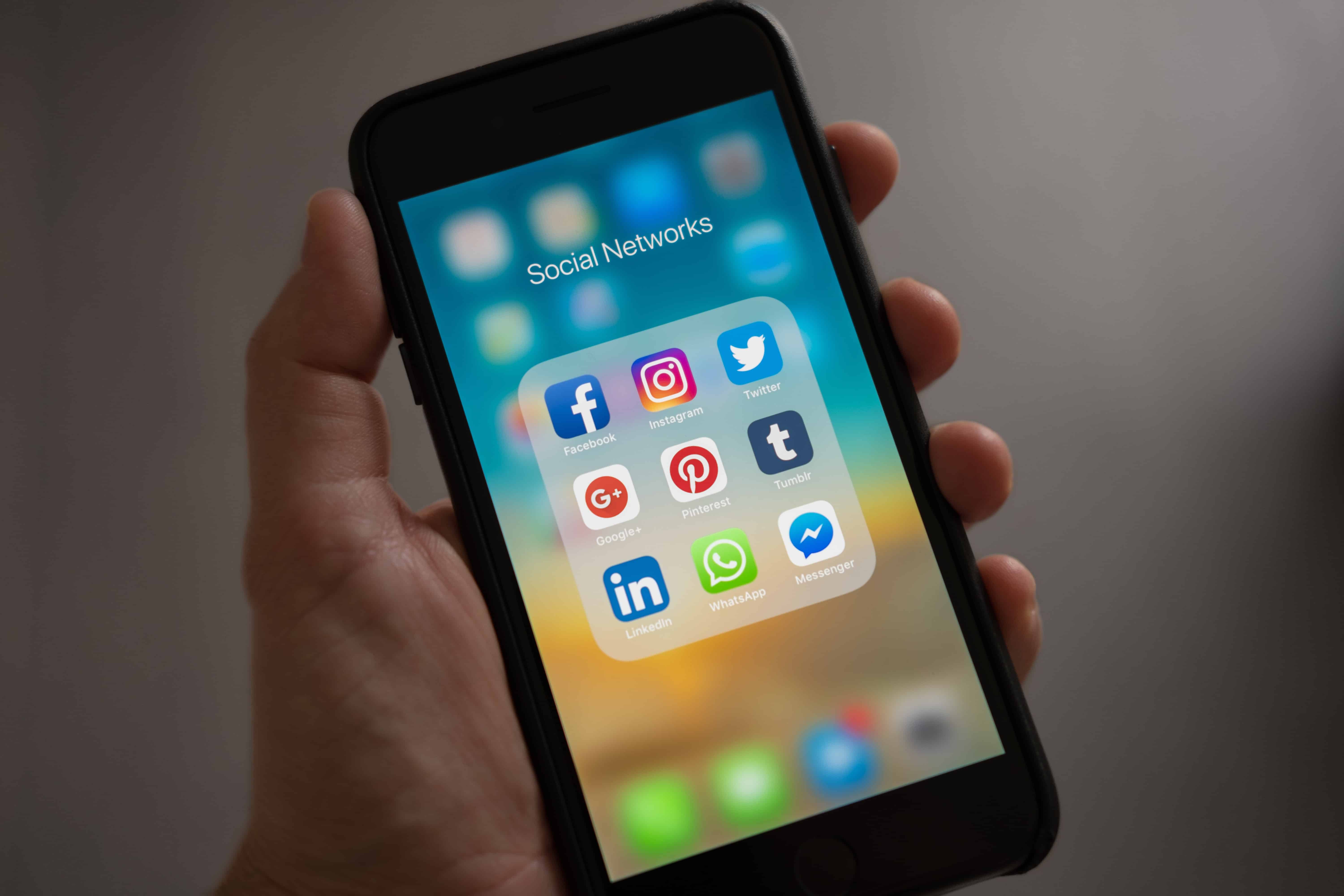
We know there are dangerous sites on the internet. But most of us have never accessed the dark web, where visitors are anonymous and access to the unthinkable is possible. Recently I visited and discovered that kids and teens easily access it to purchase illegal goods such as fake ids and drugs. Find out what is on the dark web, how easy it is for kids to access it, and what you can do to prevent it in today’s GKIS article. Caution: this article contains graphic descriptions of illegal activities, sex, and violence.
What is the dark web?
The dark web is the part of the internet that is not visible to regular search engines (like Google or Chrome) and requires the use of a special browser named Tor. Once Tor is downloaded and opened, you have arrived at what many call “Onionland.” Tor uses the onion router hidden service protocol, meaning that the Tor servers derived from the onion router offer users complete anonymity. Also, every website ends with .onion instead of .com, .org, or .gov.
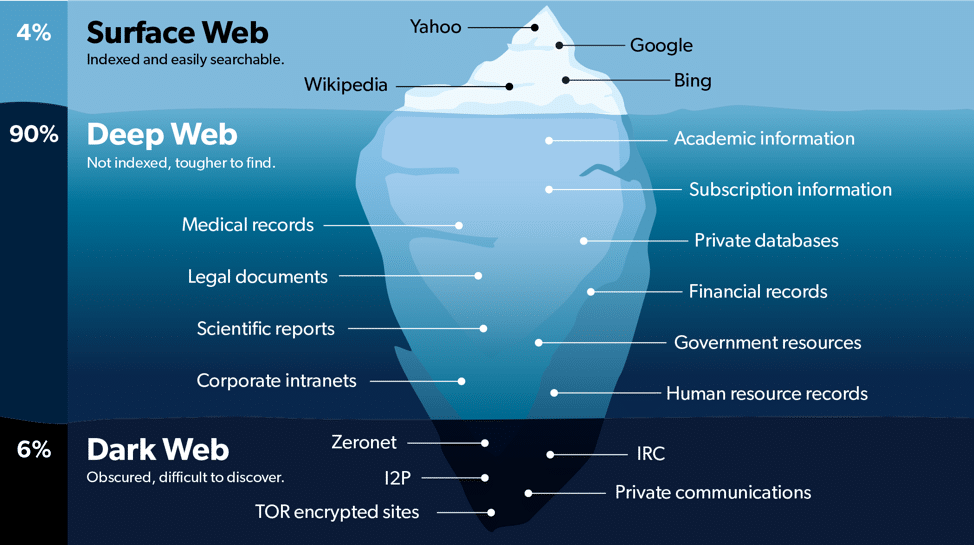
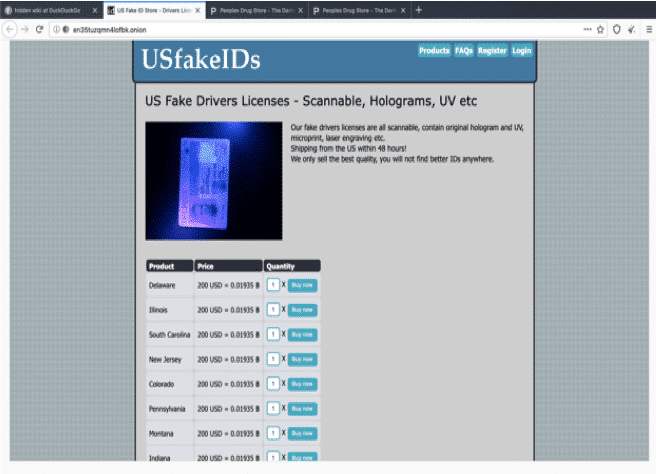
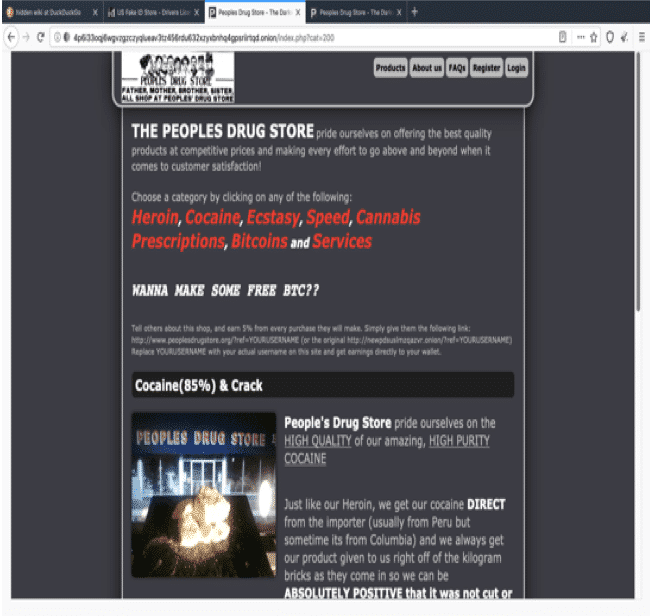
The dark web is a criminal underworld where bad actors online sell and purchase illegal goods like drugs, weapons, counterfeit money, bank accounts, passports and ID’s, and much more. Dark web online shops are set up with customer reviews very much like Amazon which gives users the confidence to purchase from specific vendors. There is even a darker side to the dark web which consists of images and videos of gore, pornography, child sexual abuse, bestiality, and even live murder shows called red rooms where paying customers can tell the person torturing the victim what to inflict on the victim next or how they would like to see the victim killed.
Clear Web Versus Deep Web
The clear web is the part of the internet that can be accessed from any browser. It’s the smallest part of the web, which is astonishing because it seems that the content there is infinite but in actuality, it only accounts for about 4% of the content on the web. Some browsers, like Google, will censor certain websites. The search engine used by Tor, Duck Duck Go, does not censor and will not save your search history.
Then there is the deep web which is not to be confused with the dark web. The deep web is the largest part of the web. It consists of all the content that is not indexed and will not appear on regular search engines. Many government and private company websites exist there, where you would need an exact address to access them. Accessing without permission is illegal.
Is it easy to access the Dark Web?
It is very easy to access the dark web. I’ve included the steps here so you can recognize them if you ever come across these searches on your child’s browser.
To access the dark web, all you have to do is:
Purchase a VPN for extra security and anonymity (optional)
Download Tor
Access Hidden Wiki Links
Use the links on Hidden Wiki to help guide you through the dark web
Create an anonymous email
Purchase bitcoin (which is an online currency)
Find an online store through the hidden wiki that carries the products or services you are looking for
Using the hidden wiki as a guide, you can follow the steps above by merely clicking links and it will guide you through. You can easily find the hidden wiki by typing “hidden wiki” on the search bar in the Tor app.
Dark Web Dangers
Fake IDs and Drugs
So, as a GKIS intern, how do I know that teens are accessing the dark web? I became interested when high school students that I worked with all had fake IDs and were getting into L.A. clubs. I asked how they got them, and they told me from the dark web using bitcoin. They also disclosed that they illegally purchase study drugs like Adderall and Modafinil as well as club drugs like cocaine and molly. I was shocked yet intrigued, so I followed these directions on how to get onto the dark web. I couldn’t believe how easy it was to access.
When I brought up my idea about writing about the dark web at our intern meeting, Dr. B worried we’d be publishing a how-to article. But I argued, and the other interns agreed, that there are plenty of YouTube videos showing the step-by-step process of accessing the dark web. Parents need to know about this!
It is mind-boggling how dangerous access to the dark web can be. As if purchasing illegal drugs from anonymous criminal vendors isn’t enough, consider that purity is not guaranteed. Drugs like cocaine and heroin have been known to be laced with fentanyl, an extremely powerful opiate that kills even the most severe addicts. And consider the risks teens take in 21-and-older clubs. Interaction with adults on the dark web can lead to any type of exploitive situation online and offline.
Violence and Pornography
Consider what watching violence and pornographic material can do to a child’s developing brain. For some kids, watching explicit material can lead to stress symptoms characteristic of clinical disorders such as acute stress disorder and PTSD. For others, they may become desensitized to shocking online content which may lead to craving and seeking increasingly dangerous content to experience that same rush. This type of explicit material can have a similar effect as addictive drugs due to the release of dopamine and endorphins.
Dopamine helps the brain recognize incentive salience. Incentive salience is the desiring attribute that includes a motivational component to a rewarding stimulus. In other words, dopamine is released when a reward is anticipated, and it motivates us to keep seeking that anticipated reward.
When shocking material is viewed, the opiate system in our brains begins to activate by releasing endorphins. Endorphins gives a sense of euphoria and eases pain, which is what heroin does. So, more and more shocking material may be craved due to dopamine released from the anticipation of viewing the shocking stimulus – and endorphins help ease the pain that the shocking stimulus caused. Endorphins are also what causes the “runners high” that people talk about after a good amount of cardiovascular exercise. So when we experience pain, endorphins are released to help ease the pain.
Hate Groups
An extremist group discussed in the media recently, the “Proud Boys,” is a group that is known for supporting President Trump and for their extremist chauvinist beliefs. If you search for their website on Google, you will likely not be able to find it. But if you use the search engine Duck Duck Go, it shows up right at the top.
Hate groups design their content to radicalize vulnerable adults and youth to their agenda. There have been many incidences where radical Islamic groups have radicalized western youth to fight for their cause. They do this on the clear web too. But when they need to be more discreet, they can use the deep web by creating a .onion site.
Facebook and other social media sites are on the deep web and their web address is www.facebookcorewwwi.onion. It is important to talk about these issues and set rules with your kids. because if they do not learn it from you they will learn from someone else who may not have the best intentions.
Without parent management tools, like those we recommend in our GKIS Screen Safety Toolkit, kids can spend hours over months interacting with extremists. These interactions can be moved offline and can result in child and teen trafficking as well as other crimes.
How You Can Keep Your Kids Safe From the Dark Web
If your kids have open access to the internet, GetKidsInternetSafe has an entire toolkit to get safety dialed in. Check out our GKIS Course Bundle in the plus and deluxe package options, which offers all of our GKIS courses plus bonuses for families with kids of all ages. Our course bundle option offers parent and teen education, communication tools, parenting tools, and tech tool recommendations. Our course summary page with the details can be found HERE.
Thanks to Andres Thunstrom for contributing to this GKIS article. Andres has been advised to never visit the dark web again. J
I’m the mom psychologist who will help you GetKidsInternetSafe.
In last week’s GKIS article, “How Teens Overshare,” we covered the ways kids intentionally and unintentionally share location information on social media and how to prevent this safety risk. In today’s article, we detail how cybercriminals victimize teens and offer more helpful information on how to get your kids internet safe.
Cyberstalkers
Cyberstalkers are predators who track online information to extort or harass, create cybercrimes like hacking or identity theft, or intercept a victim offline. Cyberstalkers can be complete strangers or people your teen may already be acquainted with.
Hackers
Hackers are predators who steal usernames, passwords, and personal information to gain access to a victim’s screen device. Once they can access, they can still further data, change or destroy information, install malware, and even take over the device’s camera.[1] Data can then be sold to other criminals on the dark web or be used for identity theft to take out loans and credit cards in your name.
Phishing
Phishing is a cybercrime in which a victim is contacted by email, telephone, or text message by someone posing as a legitimate institution to lure individuals into providing sensitive data. Phishing can also occur through websites and social media.[2] Dr. Bennett notes in her book, Screen Time in the Mean Time that the sensitive information obtained by phishing is often used for online login information such as usernames and passwords, bank account and credit card information, and even identity theft.
The most common example of phishing is email phishing. To email phish, the cybercriminal creates a fake domain that looks trustworthy and legitimate, then sends emails to potential victims asking them to click a link, download an attachment, or “update” their passwords.
To prevent your child from falling victim to online phishing, encourage them to only open emails, online messages, and text messages from trusted individuals and advise them to never click on any links or download attachments from an unusual or suspicious-looking email or message.
Identity Theft
According to The United States Department of Justice, “Identity theft and identity fraud are terms used to refer to all types of crime in which someone wrongfully obtains and uses another person’s personal data in some way that involves fraud or deception, typically for economic gain.”[5]
Cybercriminals often target younger individuals because children do not have bad credit (which is great for cybercriminals) and it is easy to keep it from being noticed until the child is older. In Dr. Bennett’s book, Screen Time in the Mean Time, she writes about a couple of children who were victims of identity theft.
Here are a few ways to protect your child from identity theft:
Install cybersecurity safeguards on phones, laptops, iPads, and any other device that need protection
Have family conversations about being wary of posting or sharing personal information online
Set up a virtual private network (VPN) to ensure the safety of your device(s)
Update passwords at least once a year and be sure that the new password does not include any information that may already be public such as, your teen’s name, age, pet’s name, or anything that could be easily guessed
Social Media Quizzes
Cybercriminals can also phish for information through social media by reviewing posts, asking questions, or offering an online quiz with targeted questions. Quiz questions to avoid include any that ask for your (or your mother’s) maiden name, your favorite color, the street you grew up on, your pets’ names, the first car you owned, or your best friend’s name.
The answers to these questions are often security answers on websites. With security information, personal accounts can be accessed for malicious intent. To prevent cybercrimes, ask your teen to refrain from taking online quizzes or you can encourage them to only take online quizzes from a legitimate source. Teaching your teen to withhold sharing personal information that could pose a security risk is vital to ensure their online safety.
Cyber Blackmail
Once a cybercriminal obtains sensitive information, they may use it to coerce a victim further. According to the BBC, “Cyber-blackmail is the act of threatening to share information about a person to the public, their friends or family unless a demand is met or money is paid.”[3] Cyber blackmail can take many forms and the cybercriminals who commit this crime use different tactics to take advantage of their victims.
Cybercriminals may even say that they have explicit photographs, access to their victim’s phone and computer’s webcam, or even recordings of them from their personal devices. Some of those claims may be true or false, but either way, the cybercriminal uses fear and shame to get what they want.[4]
To help prevent your teen from becoming a victim of cyber-blackmail;
advise them to never share sexual images of themselves (the images can end up anywhere)
advise them to not accept friend requests from strangers
advise them to be wary of things they post, share, or message others online (what they say can very well be used against them in the future)
require your teen to have private social media accounts
For more information and safety tips, we highly recommend parents to purchase our Cybersecurity & Red Flags Supplement. Dr. B created this tool because parents in her clinical and coaching practices frequently asked her to teach their kids the red flags that may alert them to the tricks of online predators, hate groups, and cyberbullies. In this Supplement, she offers her clinical teaching list so you can educate your kids. Knowledge and assertiveness coaching are key elements of child resilience and good judgment online.
Also included in the supplement is Dr. B’s Online Safety Red Flags for Parents. This tool teaches parents what child behaviors to look for that may signal they are at risk – a tool she created from 25+ years of clinical practice. Being able to recognize behavioral red flags in your child may be the difference between stopping risk after one exposure versus not recognizing dangerous relationships and exposures until it’s too late.
Thanks to CSUCI intern, Remi Ali Khan for researching cybercrimes and cybersecurity for this article.
I’m the mom psychologist who will help you GetKidsInternetSafe.
Onward to More Awesome Parenting,
Tracy S. Bennett, Ph.D.
Mom, Clinical Psychologist, CSUCI Adjunct Faculty
Photo Credits
Photo by Gerd Altmann from Pixabay
Photo by B_A from Pixabay
Photo by Pixabay from Pexles
Photo by Tracy Leblanc
Works Cited
Bennett, T. (2017). Screen Time in the Mean Time: How to Get Kids and Teens Internet Safe.
Brant, E., & Butterly, A. (2013, September 20). Cyber-blackmail: How to keep safe and deal with it. BBC Newsbeat. http://www.bbc.co.uk/newsbeat/article/23724703/cyber-blackmail-how-to-keep-safe-and-deal-with-it.
Cyber Extortion: Ransomware vs Extortionware. Alpine Security. (2020, August 2). https://alpinesecurity.com/blog/cyber-extortion-ransomware-vs-extortionware/.
The Dangers of Hacking and What a Hacker. https://www.webroot.com/us/en/resources/tips-articles/computer-security-threats-hackers.
Identity Theft. The United States Department of Justice. (2017, February 7). https://www.justice.gov/criminal-fraud/identity-theft/identity-theft-and-identity-fraud.
KnowBe4. What Is Phishing? Phishing. https://www.phishing.org/what-is-phishing.
With social media and public servers for games, your child is likely to come across many different types of people. Just like in real life (IRL), they may come to be great friends. There is concern—and for good reason—if this is safe. A “catfish” is a term commonly used in popular culture to refer to someone who presents themself online to be someone or something that they are not. In our GKIS article “What You Need to Know About Online Catfishing,” we covered information about the rise of the term catfish, the psychology behind it, and certain red flags. In this article, we will cover how to best recognize catfishing and how your child can more safely meet an online friend once you, as the parent or guardian, have determined it is safe.
The Benefits of Making Friends Online
The internet displays a diverse range of people from many different cultures, ethnicities, identities, and lifestyles. Exposure to people different than themselves can be a great learning opportunity and help your child develop empathy and a greater perspective of the world. Dr. Tracy Bennett, Screen Safety Expert and Founder of GetKidsInternetSafe offers weekly parent and family coaching to help parents optimize the benefits of screen tech while minimizing risk. To learn more about her coaching videos, check out the GetKidsInternetSafe App. Sign up now and the first 30 days are free!
For kids who may be of a marginalized community themselves, like those who identify as LGBTQ+ for example, online contacts can be a lifesaver. Not only can kids have fun with their online friends who share similar interests and values, these friendships may also provide a sense of understanding, bonding, and representation.
In a 2014 study by Van Zalk and colleagues, shy adolescent participants who had online friends reported fewer depressive symptoms than those who were friendless.[1] Also, they found that having online friends didn’t distract the subjects from making IRL friends. Instead, online friends improved real-life friendships. This suggests that online friendships may boost self-esteem and social skills, so kids gain the confidence to seek friends offline too.
Making friends online may also be easier and more realistic for some kids, especially if they have trouble approaching new peers in real life. Further, if your child feels outcasted, they might search for an online community with or without your permission. So, preparing your child for safer online exploration may be your best option.
My Catfish Story
I’m a 23-year-old CSUCI intern for Dr. Bennett. In 2013, I joined an online friend group from a public Minecraft server. We would regularly participate in Skype group calls to play. All of us except one person—who I will call Sam—would regularly show our faces on video camera. Because we often saw each other, we felt we knew each other. But Sam refused to show himself on camera. Instead, he led us to believe that he was who he said he was by occasionally updating his profile picture.
Sam was really handsome and he eventually started dating one of the girls in our friend group. They tried meeting a few times, but something always came up where Sam had to cancel. We were in awe of his skills in the game and he gave us some assurance by going on camera although it was in a dark room.
Over a year into our friendship, Sam accidentally let the camera slip to reveal his face. Although it was a relief to see that we were, in fact, talking to someone our age, we were unsettled that the photos he was using were not him. Imagine the ways Sam could have been dangerous for us in slightly different circumstances.
How to Prevent Being a Victim of Catfishing
Verify Identity Through Social Media History
It is rare for a person to not have a digital footprint these days. However, with kids – they are often new users. If your child’s new friend does have social media, be suspicious if all their profiles are new.
Red flags for catfishing on Instagram might be if the person’s photos were all posted recently, if they are not tagged in any photos, or if the photos they are tagged in are from new accounts or accounts with under 30 followers.
To determine if a Snapchat account is new, look at the person’s Snap Score. A Snap Score is a feature shown on a Snapchat friend’s profile that displays the amount of live Snapchats the friend has received and sent. A Snap Score lower than 100 could indicate that the online friend recently created their account.
Other Snapchat Tricks
Snapchat offers a few features in addition to video calling. For example, you can send pictures and videos that have just been taken. One way to game this exchange is for the catfish to use their phone to take live pictures of preexisting pictures from another device.
A good way to challenge this deceptive catfish trick is to insist that the online friend send a personalized video that mentions your child’s name or a specific activity of your choosing. A few years ago, sending a selfie holding a sign with a name would have been satisfactory. But now with easily accessible editing software, written messages on paper or signs can be altered.
Opt for Video Chatting
Live video chatting can take place in many different forms through platforms like FaceTime, Skype, Facebook, or Zoom. We at GKIS especially like Facebook’s Messenger Kids. Dr. B is on Facebook’s Youth Advisory Team and has enjoyed having a part in its development from the beginning! She says she loves Messenger Kids because it doesn’t expose kids to ads and is the walled garden with parent transparency we’ve all been hoping for. Live interaction between two people makes it difficult to catfish. Even if the person tries to recycle prerecorded media in an attempt to appear live, it won’t look authentic because live chat conversation typically requires personal response.
Meet in Public
Unfortunately, there is no way to be 100% certain until you meet the friend in person. With deep fake technology, even personalized messages can be created.
If you’ve vetted your child’s friends online and you feel it is time for them to meet, meeting in public with your supervision is a good first option.
Meet their Parent(s)
Meeting the friend’s family can also help develop confidence in supporting your child’s new friendship. That way future plans can be run through the parents first.
Have Fun
Most importantly, have fun! Your child may have been waiting for months to meet their friend and now they finally can. You can also take comfort in the fact that you helped your child bring their newfound virtual friendship into real life.
Social Media Readiness Course
As kids get older, they must demonstrate knowledge, capability, and resilience to gain independence. We recommend our GKIS Social Media Readiness Course to help improve your tween’s or teen’s online experience by teaching the potential risks on social media and providing them with emotional wellness tools. As your teen works through the course, there are mastery quizzes at the end of each module so you can take track their knowledge-build course.
Thanks to CSUCI intern, Avery Flower for researching the pros and cons of creating friends online and co-authoring this article.
I’m the mom psychologist who will help you GetKidsInternetSafe.
Onward to More Awesome Parenting,
Tracy S. Bennett, Ph.D.
Mom, Clinical Psychologist, CSUCI Adjunct Faculty
[2]Van Zalk, M. H. W., Van Zalk, N., Kerr, M., & Stattin, H. (2014). Influences between online‐exclusive, conjoint and offline‐exclusive friendship networks: The moderating role of shyness. European Journal of Personality, 28(2), 134–146. https://doi-org.summit.csuci.edu/10.1002/per.1895
Do you find yourself becoming bored or fatigued by your daily intake of social media? Do you feel trapped in a constant cycle of monotony? You may be caught in a filter bubble. Due to the ongoing pandemic, families and children have looked to technology for sources of happiness, news, and leisure. Quarantines have limited social interaction, forcing society to indulge in more screen-time. Not all screen-time is detrimental, but we must acquaint ourselves with the concept of filter bubbles. Today’s article covers what filter bubbles are, the harms of filter bubbles, and how you can keep your family safe from the strings attached to algorithms with the help of our sensible GKIS tips.
What is a “filter bubble” and how are they formed?
Coined by Eli Pariser, a filter bubble is a tailored universe of information built through algorithm filters.[1] Social media algorithms process and gather information (data), with the task of predicting what the user would like to see.[2] Despite the use of free products and services (like Facebook), your family’s personal information (like browsing and buying behaviors) is collected and sold to advertisers (this is how platforms grow). Filter bubbles form through data gathered during your recurring use of social media, apps, and websites. In fact, as you browse through the internet, you are being followed by trackers you pick up from websites that gather this data. The trackers that invisibly follow you as you visit various virtual neighborhoods is referred to as virtual exhaust.
With your personal information, these algorithms can then retarget you by showing you ads about the things you seemed interested in during previous browsing. An example of these algorithms at work includes a story about a girl who was targeted with baby ads before knowing she was pregnant! The young woman did not outright give herself away by looking at cribs or diapers; however, her subscription and purchase history led to data collection that pointed to the direction of pregnancy.[3]
If algorithms could go as far as attempting to predict sensitive information such as pregnancy, imagine the different directions the algorithms will predict with each of your family members. Although we give our permission for marketers to track us by using certain platforms (because we love that free, delicious content), it’s useful to be educated about the ways of marketers. To help you recognize the red flags of marketing so you can teach them to your kids, GKIS offers ways to keep your family internet safe. Take the first step by signing up for our How to Spot Marketing Red Flags Supplement. It’s the perfect addition to our free Connected Family Screen Agreement available at GetKidsInternetSafe.com.
Everyday Examples
Everyday examples of tools that form filter bubbles include Facebook news feeds, Twitter timelines, and any kind of “For You” feature. Because these pages are tailored to your liking (based on personal data), a filter bubble is compiled through media similarities, leading to a customized but limited online experience.
Other examples of tools that form filter bubbles are the checkboxes to “get to know you better” or “Suggested Pages.” I love to indulge in following online influencers that offer fashion and makeup inspiration, but at the same time, I realize that it’s a bubble of advertisements that are trying to get me to swipe my card. These days, almost every influencer post includes a paid promotion. Because we love the convenience of buying off the internet, it reinforces the idea that you can easily shop in the comfort of your own home. You can see where this constant cycle of exposure can be detrimental, not just to the reward system in our brains (instant gratification) but also to our financial stability.
What are the harms of filter bubbles?
Narcissism and Herd Mentality
It has been proposed that filter bubbles may lead to narcissistic tendencies, as the filter bubble ricochets one’s preferences. Narcissism in the digital age includes preoccupation with self-image, which is evident in a filter bubble when your beliefs and opinions are reinforced.[4]
In psychology, the herd mentality is the notion that people tend to make decisions to fit in with the majority. This mentality can be especially harmful in a filter bubble, as your family members may blindly follow an idea or group without considering opposing viewpoints or repercussions of their actions. Sometimes a filter bubble gives the impression of a majority preference when it’s actually just a small part of the overall picture.
Exposure to Fake News
Searching the internet makes it very easy to fall victim to a confirmation bias, which is the notion that people prefer sources that confirm their beliefs, negating opposing viewpoints. This bias can put you at risk of digital injury by exposing your family to fake news and misinformation, leading you to believe in (and even share) false conclusions about important topics.
Consider the following thought experiment. Imagine disagreeing with someone so much so that you resort to searching the internet for backup. You might feel tempted to click on the first source that confirms your stance, and then a second, and so on… As you search for information, algorithms are tailoring your search results to your search history, filtering out beneficial information that would be useful to know to form an unbiased opinion.
Voting is a prime example of this dilemma, as politics in this digital age are nearly impossible to evade. Filter bubbles have not only intensified our stance on the current presidential election between President Trump and former Vice President Biden, but they have also affected the way we engage in politics with family members, friends, and even strangers.
No matter where you stand, it is clear to see the effects of confirmation bias on political polarization. Polarized opinions and interactions are just a few of many examples of digital injury and toxic online behavior. To learn more about the repercussions and psychology behind misinformation, check out this in-depth GKIS article about fake news.
Isolationand Narrow-Mindedness
Eli Pariser suggests that we can think of the filter bubble as a “party of one.”[5] Without exposure to information that will challenge our way of thinking, our outlook on the world around us will inevitably become one-dimensional.[6] Dr. Tracy Bennett, founder of GetKidsInternetSafe, says she sees evidence of this emotional isolation every day in practice. By feeling more and more confident in their belief systems, many of us increasingly feel frustrated and angry. As we seek sources to increase our confidence, we fall into a cycle of fear, confirmation, anger, and isolation. “Worst case scenario,” she says, “we give up and sink into depression and apathy.”
Hate Groups and Radicalization
Kids can fall into filter bubbles just like adults can. To keep kids from accessing hate group and cult information and potentially becoming radicalized, parents need to access parental controls like those offered in our GKIS Screen Safety Toolkit. To learn more about how these harmful communities could be targeting your family, check out this GKIS article about hate groups and cults.
Thanks to CSUCI intern Kaylen Sanchez for researching filter bubbles for this GKIS article.
I’m the mom psychologist who will help you GetKidsInternetSafe.
Our Gracie got her first smartphone when she was ten years old. We wanted to wait, terrified of the creeps and porn and the rest of it. But she needed to contact us for pickup from dance, and that’s how her friends connected. Without a phone, she got left out of plans and private jokes. She was feeling more and more alone, and we worried she was depressed. We caved. We couldn’t take the begging and crying. We tried to do it smartly, starting with a phone and no social media. We read articles about risks and checked her phone regularly. We insisted she wait until she was 13-year-old for social media. We allowed only YouTube and TikTok to start. She’s loved it and quickly started feeling better. Two years later, it doesn’t seem unreasonable to allow Instagram. She’s 12 now, so it’s maybe a little early. We’ve talked to her about it a lot. She rolls her eyes, but I think she gets it. She’s smart and funny and social. We are confident she’ll be fine. At least we hope so…
And there it is, the way it happens for most families now. As a screen safety expert, mom, and psychologist, I get it. We all outsource to our phones: for memory, entertainment, navigation, design, communication. When’s the last time you memorized a phone number or planned a trip with a paper map? We are cyborgs and so are our kids. Digital fluency is part of life and a critical element to education, especially now. Screen restriction until high school may be wise, but it isn’t an option for most families. We survived running around town with our friends unsupervised.
Is screen time that big of a deal?
The short answer is . . . that it can be. Preventing screen-loving kids from wandering into a dangerous digital neighborhood isn’t always possible, especially at the beginning. We are too busy, and they are too clever for us to supervise everything they do online. Even the best tech tools have workarounds. But there is one step you cannot miss if you think they are ready for social media, teaching them judgment and accountability like we do before they are allowed to drive a car. Does driving city streets have anything in common with browsing the internets?
As a psychologist who treats digital injury (psychological harm resulting from internet use), I would argue it does. Like driving a car, browsing the internet can cause significant injury. But instead of a concussion, we see kids succumbing to anxiety, depression, and body image problems linked to cyberbullying, radicalization, and compare-and-despair.
Also like driving, kids browsing the internet can wander into any kind of digital neighborhood making friends from faraway places. Most of the places they visit are cool, with fun friends, creativity, and harmless excitement. But there are also digital neighborhoods that would horrify us. Dangerous people like predators and traffickers may be common there and so is intensely violent and explicit sexual content.
Kids who’ve learned the traffic laws from driver’s training and practiced for many hours with invested parents and trained experts are safer. They are so much safer than the government requires these prerequisites before getting a state-issued driver’s license. Doesn’t it make sense to offer the same support for screen use?
Yes, we could keep them off screens and avoid the issue altogether. Yet, also like a car, the internet offers access to learning opportunities that help us thrive. Despite the risk of accidents, we browse because we refuse to miss out on that great job, amazing discovery, and healthy social connections. Our kids feel the same way about their screen devices.
If allowed to browse with little training, more accidents seem certain. That is why my private practice is flourishing. Treatment doesn’t erase trauma; instead, it helps with coping. Once a child experiences danger on the internet, that memory never goes away. Our best options for child screen safety lie in prevention.
What can we do to help tweens and teens browse more safely with sound judgment and accountability?
We can require Internet training! Like driver’s training, our online Social Media Readiness Course offers education about digital risk as well as tools for psychological wellness.
Specifically, our GKIS subscribers get:
lots of verifiable facts and science-based information about online risk and screen use (no fake news),
expert strategies and techniques to optimize psychological health and judgment,
realistic exercises that illustrate typical online scenarios and help coach sensible resolutions,
trigger-topics to encourage smart parent-child discussions to further build a healthy alliance,
accountability quizzes so you know they are learning as they go, and
opportunity for the child to act independently and practice without parent guidance (although course access for parents who want to take it first or along with them is optimal).
I’m the mom psychologist who will help you GetKidsInternetSafe.
Ask anybody what they need more of – and they’ll say SLEEP! Surveys report that sleep deprivation among Americans is rampant. As a psychologist who treats kids, teens, and adults, I see that those who suffer the most are teens! Teens are burdened with a ton of schoolwork and the temptations of social media, video gaming, and binge-watching YouTube, TikTok, and Netflix. With crazy busy work weeks, we crave “me-time,” especially during those precious moments when we’ve settled in for bed without interruptions and distractions. Unfortunately, most people don’t know why sleep is so important. Without enough sleep, we are at risk for mental illness and overall performance decline. Today’s GKIS article goes over the reasons why sleep is so important and how to preserve your mental health and learning capacity by protecting much-needed restorative sleep.
Why is sleep so important?
During sleep, our brains conduct general housekeeping and memory-strengthening duties. Housekeeping tasks necessary for brain health include the pruning, repair, and new growth of neurons and the removal of toxins.
Memory strengthening, called memory consolidation, occurs by stabilizing memory traces that were collected while awake. Memory consolidation occurs with both declarative (fact-based) and procedural (how-to) information. Rapid-eye-movement (REM) sleep is particularly important for stabilizing complex or emotionally charged memories.[i]When we don’t get enough sleep, our brain’s housekeeping and memory consolidation tasks remain undone, leaving us unable to efficiently acquire (onboard) or retrieve information.
Sleep deprivation not only stunts learning, but it can also cause:
mood swings,
negative mood states like depression, irritability, and anxiety,
If people regularly sleep fewer than six hours a night, research has found that they may have:
a higher risk of developing Alzheimer’s Disease,
a 200% increased chance of having a heart attack or stroke,
a 70% reduction in cancer-fighting T-cells, and
disrupted melatonin and cortisol which can lead to weight gain and Type 2 diabetes.
For those who stay awake 16 hours straight, they may lower their overall functioning to resemble somebody who is legally drunk. Furthermore, sleep-deprived individuals often fail to recognize impairment. In other words, they don’t realize the costs and keep burning the candle at both ends.
Vamping
Missing out on much-needed sleep and staying up all night on screens is called vamping.
Teens with chronic sleep deprivation have been found to demonstrate:
How might you decrease the risk of vamping and encourage healthy sleep?
Stage the room to be restful.
I know it’s nearly impossible to motivate kids to unclutter their rooms. But a soothing environment contributes to a soothed mind. Offer your support by helping your child create a more restful environment with a fresh bedroom makeover. Light paint colors, soft textures, organized closets and bedside tables, soft lighting, white noise makers, and yummy smells can turn a chaotic hovel into a relaxing paradise.
Recognize that nutrition, exercise, and screen content impact the quality of sleep.
Research has demonstrated that young children who watch violent television content have more sleep problems, particularly delayed onset of sleep, than children who view age-appropriate content.[iv] Furthermore, kids who get adequate nutrition and exercise, especially outdoor exercise because of sunlight setting your circadian rhythm, also get better quality sleep. In practice, I find that teens, in particular, benefit from the mood benefits of regular cardio and cooperative team play.
No screens in the bedroom.
Why? Because screens wake up our brains! The blue LED light from the screen stimulates the photosensors in the retina that signal the brain to suppress melatonin production (our sleep-regulating hormone) and makes us more alert. Less melatonin disrupts our natural circadian rhythms, which can lead to sleep during the day and wakefulness during the night.
Using screens before bedtime has been found to cause people to:
go to bed later,
prolong the time it takes to fall asleep,
delay the timing of REM sleep, reduce the amount of REM sleep and sleep overall,
Screens also condition us to be awake in bed. If we are often awake in bed, our bodies will automatically be conditioned to cue, or believe that the bed is an “awake-only” zone.
Alternatively, if we only rest and sleep in bed, our bodies will be conditioned that the bed is a “sleep-only” zone.
In psychology, we call this type of cued learning classical conditioning. By these principles, we must resist the urge to do anything in bed but sleep to develop good expectations and habits.
Make the No Screens in the Bedroom Rule BEFORE it’s necessary. It’s asking a lot to say no TV, video games, tablets, or smartphones in the bedroom, but vamping leads to sleep deprivation. Sleep deprivation leads to impulsivity and risk-taking.[vi] Impulsivity while in intimate spaces leads to intimate gestures like sexting and viewing inappropriate online content.
Also, use alarm clocks with red-lighted numbers in bedrooms rather than screens for timekeeping.
Encourage a soothing nighttime ritual.
We are creatures of habit. Habitual activity during the thirty-minute bedtime wind-down signals the body to anticipate rest. Components of a soothing ritual may include soft lighting; quiet, repetitive, or white noise sounds; and comforting activities. Sticking to a consistent bedtime schedule is also important.
Screens off thirty minutes before lights out.
As our brains sort through our memory caches, information is prioritized to either forget or remember. Because experiences that trigger emotion are typically important, evolution has shaped our brains to prioritize memories infused with emotion. Based on cognitive science theories, looping on a troubling experience is thought to be the cause of nightmares.
Just like the response to fright when we’re awake, stress hormones like cortisol and adrenaline dump into our bloodstream when we have nightmares. If we are troubled upon falling asleep, agitated dreaming and tossing and turning may result, leaving us tired, irritable, and cognitively scrambled the next day. Over time, this can seriously impair mental health.
Although emotionally triggering and arousing screen activities like gaming, texting, or viewing activating content aren’t as troubling as real-life trauma, they still stimulate the same brain regions activated with chronic stress, often for hours at a time. The hangover from chronic stress has been referred to as mental brownout. Limiting activating screen activities at night and giving your children time to soothe prior to bedtime will result in better quality sleep overall and pave the way for healthy learning during the day. Particularly, avoid eating, triggering discussions, video gaming, and intense exercise before bed.
Teach sophisticated self-soothing strategies.
The opportunity to spend time with a relaxed parent is another factor critical to self-soothing. From birth, a child’s brain synchronizes with a responsive parent. Eye contact, narrative moment-to-moment comments with emotion words, and general conversation teach kids what emotions are and how to deal with them.
We cannot provide this kind of synching and teaching if we are focused on screens instead of each other. Also, if you don’t sleep well one night, don’t stress about it. Getting anxious or angry will wake you up more, and most of us get poor sleep here and there and simply make it up later.
If you are reading this because you are taking our Social Media Readiness Course, you’re about to learn cognitive-behavioral exercises like diaphragmatic breathing, progressive muscle relaxation, mindfulness, imagery, and meditation. These skills can prevent even the most persistent sleep disorders.
Exercising one’s mind to relax is critical to self-soothing. Another option for overcoming some of the negative effects of sleep deprivation is napping.
A full cycle of sleep takes about ninety minutes and provides cognitive rejuvenation that improves procedural memory and creativity with no sleep inertia (grogginess). Sixty to thirty minutes is good for slow-wave sleep, which helps with fact memory and retrieval but may still result in grogginess. Twenty to ten-minute power naps are shown to increase alertness and energy. If you have time to nap, it’s best to spend ninety minutes to complete a sleep cycle or just a power nap for ten.
[i] Xie, L., Kang, H., Xu, Q., Chen, M., Liao, Y., Thiyagarajan, M., O’Donnell, J., Christensen, D., Nicholson, C., Iliff, J., Takano, T., Deane, R., &
Nedergaard, M. (2013). Sleep Drives Metabolite Clearance from the Adult Brain. Science 342.6156: 373-77. Web.
[ii] Goel, N., Rao, H., Durmer, J., & Dinges, D. (2009). Neurocognitive Consequences of Sleep Deprivation. Seminars in Neurology 29.04: 320-39. Web.
[iii] Dewald-Kaufmann, J., Oort, F., Bogels, S., & Meijer, A. (2013). “Why Sleep Matters: Differences in Daytime Functioning Between Adolescents with Low & High Chronic Sleep Reduction & Short & Long Sleep Durations.” Journal of Cognitive & Behavioral Psychotherapies, 13, 171-182.
[iv] Garrison, M. & Christakis, D. (2012). The impact of a healthy media use intervention on sleep in preschool children. Pediatrics, 2011-3153; DOI: 10.1542/peds.2011-3153
[v] Chang, A., Aeschbach, D, Duffy, J., & Czeisler, C. (2014). Evening Use of Light-emitting EReaders Negatively Affects Sleep, Circadian Timing, & Next-morning Alertness. Proceedings of the National Academy of Sciences 112.4: 1232-237. Web.
[vi] Killgore, W., Kamimori, G., & Balkin, T. Caffeine Protects Against Increased Risk-taking Propensity During Severe Sleep Deprivation. Journal of Sleep Research 20.3 (2010): 395-403. Web.