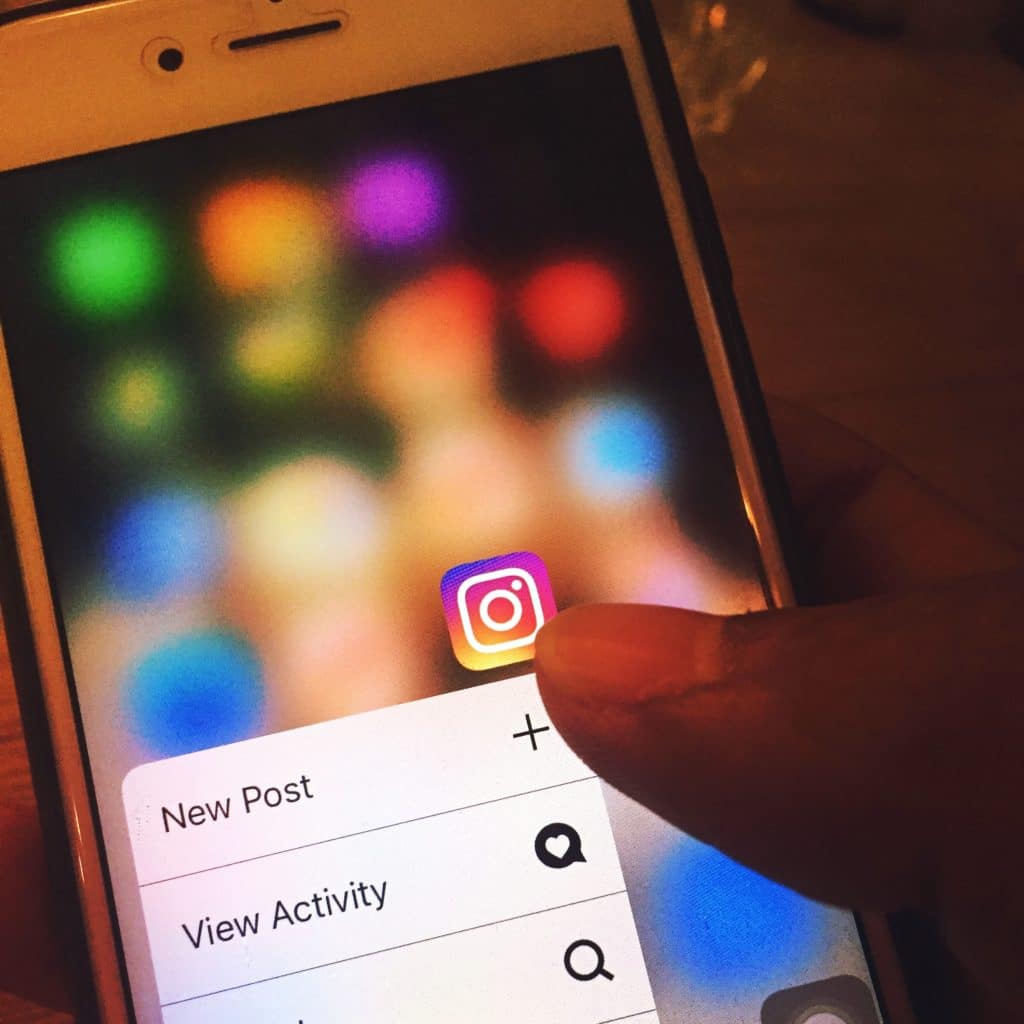
Instagram reports 1 billion monthly active users and more than 500 million daily users.[1] Most teens use social media for more than 6 hours per day.[2] Many social media users have shifted in intention, placing the highest importance on becoming insta-famous rather than sharing information with close friends. Insta-famousrefers to a person who is well-known on Instagram, reflected by thousands of followers and likes. Teens can become consumed in this virtual competition for internet popularity, sometimes leading to a destructive pattern described in my book, Screen Time in the Mean Time: A Parenting Guide to Get Kids and Teens Internet Safe, as compare and despair.
Insta-worthy? Self-Presentation Theory and Impression Management
Many Instagram users lurk profiles, consumed by other people’s lives and perfecting their virtual selves. According toself-presentation theory, people are motivated to present themselves to show off an ideal self and please their audience.[3]
Our frontis our best-stylized image. Our backstage is our true selves. Maintaining too many fronts can be overwhelming. Being great at impression management can be the difference between social media success or failure.
Shout Out for Shout Out
A SFS (Shout out For Shout out) is a branding strategy for optimal self-presentation on Instagram. It refers to teens posting someone else’s account to theirs and vice versa. The goal is to cooperatively promote their pages so both people gain more followers.
As self-presentation trends change in pop culture, so do trends online. In 2008, graphic t-shirts were the cool thing to wear to school. In 2015, hipsters ruled the school. And in 2019, the VSCO look was in. VSCOis the name of the popular app used to create fun colorful edits.
A “VSCO girl” has beach-wavy hair, carries around a hydro flask, has a scrunchie around their wrist, and shops at thrift stores and Urban Outfitters. My 13-year-old cousin shares, “Everyone wears skirts, Doc Martens, and scrunchies now. It’s so VSCO.”
Evolution and Optimal Distinctiveness
With popular editing apps such as VSCO or FaceTune, many social media users have unrealistic expectations for how attractive they should look in posts. Humans are social beings. We work best collaboratively. Social rewards like compliments, words of appreciation, affection, or being with a friend, are major behavioral motivators for young people.[3]
Seeking social reward and trying to achieve optimal distinctiveness (being unique but still super stylish) can be traced back to our ancestors. Belonging to a community meant being socially accepted and supported by a group of others. Many times, this meant life or death.
For teens today, that means walking a razor’s edge trying to look unique while still fitting in with peers. In this impossible quest, teens may be juggling several virtual and nonvirtual selves. Being too unique or too the same invites criticism and cyberbullying.
Getting social media likes rewards the brain with dopamine, the neurotransmitter released in the pleasure center.[2] Instagram programmers know it and bake it in so they can make more money.
Social media influencers are experts at achieving optimal distinctiveness. Viewers spend a lot of time and money trying to do the same. Views and likes result in millions of dollars in profit. This biological hack of social acceptance and connection makes the brand more profitable.
Risks of Social Media
Insta-Anxiety
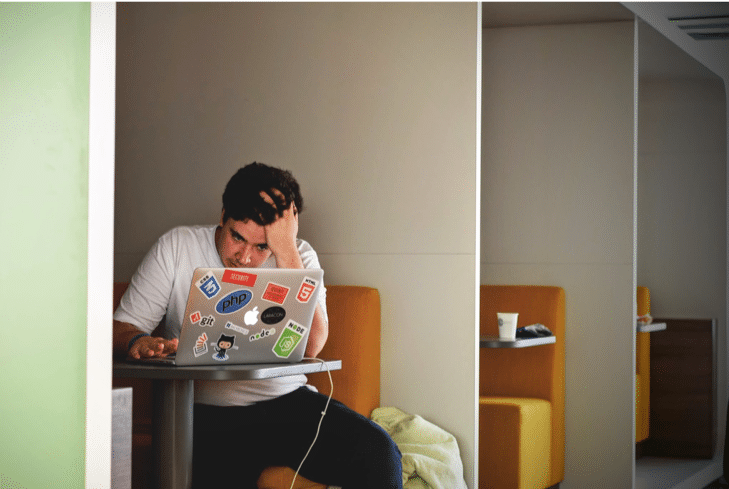
The constant pressure to stay up to date with trends can cause compulsive online browsing and anxiety. Most teenagers do not have jobs to maintain the lifestyle that many YouTubers do. Social anxiety and the fear of being judged by peers can be overwhelming alongside daily social obstacles that teens face like bullying, hormonal changes, and self-judgment. Instead of fun, spontaneous sharing, teens can get caught up in compulsively second-guessing their posts or avoid sharing altogether.
According to recent studies, social media use has contributed to an increasing number of cases of social anxiety disorders in adolescents.[2] Untreated, anxiety can contribute to other mental health issues including depression, eating disorders, substance abuse, and even thoughts of suicide.
Social Anxiety Disorder Symptoms include:
Lack of desire to socialize
Being withdrawn
Feeling embarrassed or a deep fear of being judged by others
Low Self-Esteem
Forty-six percent of teen girls admit that social media makes them feel bad about themselves due to unrealistic standards.[2] Self-esteem is elevated when individuals are deemed popular by others. For example, having Facebook friends who are more responsive can satisfy psychological needs above and beyond the number of Facebook friends one has.[4]
Seeking Positive Feedback
We all like to know that people find us attractive. Social media, however, can impact us in ways we aren’t even aware of. For example, a 2018 study found that when young women received likes for sexy selfies, they were more likely to post similar photos again.[3]
Lack of Privacy
Teens don’t have the prefrontal brain development to anticipate consequences and engage in high order thinking. Subsequently, teens may not think ahead, instead focusing on the instant gratification of someone liking or commenting on their post. This can cause a habit of oversharing online. Eighty percent of people who commit crimes have taken information from social media sites.[5]
Ways to Improve Your Teen’s Emotional Reliance & Achieve Better Online Safety
To avoid triggering insta-anxiety, make sure your kids are neurologically, socially, and emotionally mature enough to manage risk. Although she says it depends on the child, Dr. Bennett recommends avoiding social media until the second semester of middle school.
Experts agree that Social Media Readiness Training is critical to help kids recognize risk, know how to ask for help, and self-manage use.
Use our free Connected Family Screen Agreement to set parameters and create a screen-friendly, cooperative dialogue. Just enter your email and name on our website, and it will be delivered directly to your email.
Create a customized filtering, tracking, and monitoring toolkit with the GKIS Screen Safety Toolkit. This course also offers smart parenting strategies, like making sure you have social media login information for back-end access.
Thank you to GKIS intern, Isabel Campos for alerting us about the risks of insta-anxiety. If you learned something, please share GKIS articles and tools with friends and family!
I’m the mom psychologist who will help you GetKidsInternetSafe.
[1] “Our Story.” Instagram, 26 Mar. 2019, instagram-press.com/our-story/.
[2] Granet, R. (2016, September 19). Living In Live Time: Social Media’s Impact On Girls. Retrieved from https://newyork.cbslocal.com/2016/09/19/social-media-use-teens/
[3] Bell, Beth T., Cassarly, Jennifer A., & Dunbar, Lucy. “Selfie-objectification: Self objectification and positive feedback (‘likes’) are associated with frequency of posting sexually objectifying self-images on social media.” Body Image, 26, 83–89. September 2018. https://doiorg.summit.csuci.edu/10.1016/j.bodyim.2018.06.005
[4] Burrow, A. L., & Rainone, N. (2016). How many likes did I get?: Purpose moderates links between positive social media feedback and self-esteem Journal of Experimental Social Psychology, 69, 232-236 https://doi.org/10.1016/j.jesp.2016.09.005
[5] Law Enforcement, Social Media and Your Privacy: How Your Data is Used to Solve Crimes. (2018, May 16). Retrieved from https://www.nextadvisor.com/law-enforcement-social-media-and-your- privacy-how-your-data-is-used-to-solve-crimes/
Now that I’m an “older” working mom, I love to share offline and online organization hacks and efficiency grabs that have saved me through the years. These organizational techniques were the difference between frazzled and peaceful at our house. With the overtasked lives we lead, most of us are guilty of brain fades and frantic searches while yelling and scolding overwhelmed kids. Even if you set up only one or two of these ideas, it may be the difference between fun family mornings versus a school day launched with tears and resentment.
Unclutter study spaces by setting up customized, distraction-free workspaces in niches and corners for each kid.
Kids in my practice often complain that the kitchen table is too distracting to get homework done quickly and neatly. The psychological research agrees. Studies reveal that fractured attention leads to irritability, wasted time, and poor grades. To optimize learning, set up a quiet corner office for each child. All it takes is a willingness and clever organization ideas and fresh accessories. Check out my GKIS Connected Family Online Course for a detailed blueprint for creating award-winning maker spaces with awesome Pinterest DIY ideas. A customized works station is a compelling magnet to get your kids creating in 3-dimensional space as a complement to screen learning. Ergonomic, body-healthy setups in the place of slouching on beds and couches avoid repetitive stress injuries to the neck, back, wrists, and hands.
Avoid missed soccer practices and study deadlines by setting up a digital family calendar.
Family schedules are chaos! Streamline communication and scheduling by color-coding child activities and setting up Family Share on Apple’s Family Calendar, Google’s Calendar, or Microsoft’s Outlook. Each member can share calendared activities and set up automatic reminders. Shared organization at a glance!
Just as you throw out old clothes your kids have grown out of, it’s also important to declutter digital spaces.
Schedule a fresh-start fall family meeting where everybody gathers with their mobile screen devices to trash apps and games they have grown out of.
Revisit (or grab) your free GKIS Connected Family Screen Agreement at GetKidsInternetSafe.com. This will help you set sensible rules like a digital curfew and create screen-free zones – including bedrooms and bathrooms.
Finally, teach cybersecurity measures from my Cybersecurity Red Flags Supplement. New this fall, you and your family members can tweak bad habits so don’t fall victim to bad actors online.
Cleanse social media profiles with an eye toward future reputation.
If your tween or teen is on social media already, you know the time-suck risks during school time. Help them sort out the necessary from the unnecessary by helping them avoid the bio-hack elements designed to capture their attention.
Consider limiting teens to only one or two social media apps to decrease wasted time due to mindless browsing and compulsive checking.
Insist that apps with visual notifications be on the second swipe screen on smartphones. That way they won’t get distracted by little red notifications and, instead, can batch their check-in times as research suggests is best.
And finally, delete old posted photos and unnecessary personal information from social media history. Sharing real-time with friends on a private profile is fun, but do you really want somebody lurking through your past photo-by-photo? Point out that other parents, relatives, teachers, coaches, future employers, and even college app administrators may be forming impressions based on your digital footprint. So instead of having an online resume populated by off-color jokes and sexualized photos, create a flattering stream of artistic works, philanthropic activities, sports activities, and fun friend and family time. A progressive, balanced, healthy life looks beautiful online – and may help you get a college placement or dream job instead of hinder it!
Reboot your Screen Safety Toolkit.
Each developmental stage offers unique online safety challenges. For example, little kids are best accommodated in a walled digital garden like YouTube Kids, and older kids need a little more digital space to explore and create. To parent well in the digital age, you need specially-selected free and third-party software tools to help you filter and block inappropriate content, set time-limits, monitor online activity use, remotely pause or offer rewards, and even locate and track the driving activities of your teen. If you get overwhelmed or need help figuring it all out, check out my GKIS Screen Safety Toolkit for tips, product recommendations, links to ISP and social media app safety guides, and free digital learning tools for best academic performance.
There you have it! Five quick and easy parenting hacks that will launch the school year with fun and success. Just as I recommend shoes live by the front door so you are not always searching, digital folders and organization tools will keep you dialed-in in your virtual life. Most importantly, set a peaceful intention with a six-second exhale for positivity and fun each morning before you enter the family’s living space. Parents must actively define the heart of the home. If we start the morning with a smile and warmth, our kids emotionally synch and return the joy. Soak in every chaotic and blissful moment!
I’m the mom psychologist who will help you GetKidsInternetSafe.
Also, if you are a local Southern Californian and need a little TLC to get started on your screen safety/fun parenting plan, join me for a morning of pampering and friendship.
It’s universally understood that losing a loved one is difficult. Navigating the grieving and mourning process is different for everyone and can sometimes be extremely damaging to families. But, what about social media’s influence over the grieving process?
According to Kübler-Ross model, there are five steps to grief:
Denial and separation,
Anger,
Bargaining,
Depression, and
Acceptance.
I’ve found that although categorizing what I was experiencing made it easier to express to individuals who were not mourning, it made it harder for me to overcome my grief especially with how connected I am to social media. This is my story on how I navigated the grieving process in today’s online era.
My father had been sick for a while. He had a variety of illnesses, but ultimately it was chronic obstructive pulmonary disease that killed him. He was a lifelong cigarette smoker, and even when he was first put onto oxygen, it was hard for him to quit.
I knew this day was coming, and that inevitably I would receive that heartbreaking phone call from my mother that changed everything for me.
He passed away early in the morning on June 9, 2019, just six days away from one social media’s popular posting day… Father’s Day.
My grieving process was like anyone else’s who loses a parent. I was heartbroken, regretful, and nothing I felt… seemed like enough. A wave of, “I’m sorry for your loss” and “My thoughts are with your family” flooded my social media accounts and text messages. I couldn’t bare to respond. It made his passing all the more real, and talking about it to acquaintances who weren’t there for the devastating end of his life couldn’t even imagine the pain I was in. I felt alone, and social media made me feel even more alone.
How Social Media Affected My Grieving Process
Father’s Day rolled around and almost every person I followed posted a picture along with a loving caption about their dad. It was like a slap in the face from the universe, mocking my pain. I also couldn’t understand why the entire world seemed to move forward. I’d go on Twitter, Instagram, and Facebook just to see how happy everyone was and how their world hadn’t crumbled into pieces as mine had. I was surprisingly bitter and angry. I snapped at friends who would complain about mundane things. I couldn’t leave the house, because everywhere around me people were celebrating summertime. It wasn’t until my birthday (June 27) that I finally overcame the weight of my loss. I spent the entire day drinking, laughing, and soaking up the sun with my mom at a spa. I was finally able to post something on Instagram, and, instead of faking it, I discussed my depression, my withdrawal, and how slowly I stepped out of both.
The overwhelming love and support I received from even strangers that follow me filled my heart with joy and warmth. I finally felt like I could breathe again and that life wasn’t so heavy. Sharing my grief with my followers and hearing their stories about their grieving process made me feel less guilty about my isolation and anger.
You are not alone.
The hardest part was leaving my house and doing everyday mundane things. But when I opened up on Instagram, I found comfort from my online friendships. People would comment, message me, and check-in with me after they knew what I was going through.
Social media made it easier for me to express myself without actually having to put myself out into the world again. Friends and family members sent me memes and silly cat videos to keep me laughing. Some friends even Venmoed me money so I could order food to my door rather than having to go to the grocery store.
If you or a loved one has lost someone, perhaps you would find comfort from social media sharing and connection. There are people that want to help and listen to you.
Here are some things that I did that were helpful:
At one time or another, many of us will think about becoming vegetarian. Cutting out meat, especially red meat, has environmental and nutritional benefits that have the average person considering changing their eating habits. “Going vegan,” where anything coming from an animal is removed from one’s diet, is seen as the ultimate step in curbing wasteful eating and improving health. Making the change to eat vegan can be hard. Young people look to social media, especially Instagram, for inspiration and advice on the best ways to lead a vegan lifestyle. Influencers are proposing diets that impose such high standards and strict regimens that the influencers themselves are unable to sustain them. These influencers have such a large reach, that followers often inaccurately perceive them as experts with true credibility. Should we trust Instagram influencers with dietary advice?
#Vegan
A casual Instagram search of #vegan brings up 77,937,967 posts.[1] Vegan images boast recipes meant to look and taste like delicious, non-vegan dishes like pizza, cupcakes, and brownies. This wide array of beautifully photographed options makes veganism seem desirable. However, with so many niche recipes, it can be overwhelming and confusing when selecting who really knows their stuff.
After all, veganism isn’t just a nutrition plan for most influencers. It appears to be a lifestyle. Doting followers scrutinize and memorize each carefully crafted post to share the vegan identity. However, even the most popular influencers are proving that pure veganism is hard to maintain long-term.
Another One Bites the Dust
Influencers are increasingly coming under scrutiny for straying from the vegan ideals that they’ve branded their image around. For instance, one notable vegan influencer lost all credibility and popularity after abandoning a dangerous “water-only” diet that lasted a whopping 35 days.[2]
Another popular vegan blogger received an outpouring of online hate after a video showed her eating fish.[3] Her supporters quickly turned against her, despite her pleas that she needed to quit being completely vegan to restore her health. In the world of vegan bloggers, there is no room for cheating. Only the most committed survive.
Where are the experts?
These influencers failed, not because being vegan is impossible, but because their fad diets were not sustainable. There’s significant danger in following diets created by somebody without expert nutritional training. Only a licensed professional can give accurate, informed nutritional advice.
As vegan influencers cultivate more and more followers, the risks become increasingly clear. Nutritionists are seeing more cases of malnourished teens due to unsafe vegan eating practices.[3]
Where is influencer credibility? There often isn’t any. The Internet is a buyer-beware digital marketplace. Teaching kids and teens how to assess expert credibility and defend themselves against unfair marketing techniques is crucial to good judgment and healthy eating choices.
Instagram: The Platform Your Kids Trust
Teens are genetically programmed to intensely focus on identifying and building their tribe. Looking to friends for uniquely identifying features, like dress, music, and slang is a vital part of growing up. Identification with popular food practices is often overlooked as an aspect of adolescent development.
A 2014 study explored the way peer relationships affect kids’ eating choices and attitudes toward food. When exposed to a peer they did not already know happily eating foreign food, children as young as preschool age began to show a liking for that food. This social referencing and modeling behavior can be conceptualized as children perceiving this peer as a “hero,” or someone to idolize.[4]
Instagram influencers carry this same appeal. Although strangers, they are similar enough to our kids to be perceived as peers. They carefully craft their brand to be perfectly positioned for influence, inspiration, and, ultimately, profit.
It isn’t simply a case of monkey-see, monkey-do. Teens may have good reasons for making dietary lifestyle choices. The trouble begins when unsafe dieting practices are blindly followed without realizing the risks.
A 2019 articledubs “Dr. Instagram” a threat to millennial health, citing that 38% of millennials have greater trust in their peers when it comes to health concerns than they do for actual medical professionals.[5] This highlights a legitimate concern that our kids may be dangerously ill-informed when it comes to health decisions.
Start Talking, Stay Healthy
Everyone should have the right to make dietary choices that make them happy and healthy. If your child is curious about going vegan or already is, consider these steps to ensure they remain healthy and safe.
Stress that Instagram content is entertainment only.
Help them set up a relationship with an informed adult to help them make good decisions when it comes to online influences.
If your child is considering a radical nutritional shift, require that they see a licensed nutritionist for healthy planning.
Encourage your child to prioritize personal health over popular fads.
Thank you to our GKIS intern Chelsea Letham for reminding us that teaching our kids how to accurately assess expertise and credibility is a critical life skill. To help your kids use good judgment online and not fall victim to risky diets and lifestyle choices, pick up your quick-and-easy supplement How to Spot Marketing Red Flag Supplement today.
I’m the mom psychologist who will help you GetKidsInternetSafe.
[1] https://www.instagram.com/explore/tags/vegan/?hl=en
[2] Libatique, R. (2019, February 20). Ex-vegan Tim Shieff dropped by vegan clothing company ETHCS. Vegan News. Retrieved from https://vegannews.co/
[3] Horton, H. (2019, March 24). Instagram vegan diets are risking malnutrition among millennials, Harley Street nutritionists warn. The Telegraph. Retrieved from https://www.telegraph.co.uk/
[4] Houldcraft, L., Haycraft, E., & Farrow, C. (2014). Peer and friend influences on children’s eating. Social Development, 23(1), 19-40. doi: 10.1111/sode.12036
[5] Jackson Gee, T. (2019, April 7). Is Dr. Instagram ruining your health? The Telegraph. Retrieved from https://www.telegraph.co.uk/
It’s hard to ignore the huge influence social media has on our society. There’s reasonable concern with how much our kids are engaged on their screens, that use of social media is ego-inflating and of little value. But this concern may be overgeneralizing. Younger generations have found ways to use social media for good, some gathering followers by the thousands. One of these beneficial ways is gathering support for social change.
Twitter is shaping up to be a platform worth something beyond memes and humorous one-liners. It’s proving capable of being a reliable source that many young people look to for news about current events. “74% of Twitter users say they use the network to get their news.”[1] Twitter offers the unique ability for protestors to organize together with a speed, efficiency, and reach that has previously been unheard of. Localized protest becomes national overnight; global protest is accessible to all.
Parkland Florida Students Viralize Their Cause
The students who survived the Parkland, Florida school shooting were left grieving, confused, and angry. Their hearts were broken, wanting justice for their friends and other kids like them. As a result, they organized the “March for our Lives” protest in Washington that attracted 108,000 protesters to their cause.[2] Not only did a genius use of social media attract live protestors, but by March 2018, two of the Parkland survivors had a total of over 1.5 million social media followers.[3]
They made their opinions known to a vast like-minded audience who wanted to see gun laws reformed. Not only did they draw thousands to their cause, they also had impact on legislation. A bill was passed in Florida which limits the sale or ownership of guns for a year to anyone determined to be a threat.[4]
Twitter Becomes a Platform for Social Movements
Traditionally, people have assumed that social media platforms like Twitter only talk of trivial topics. Current and critical social issues are taking form, turning Twitter into a powerful platform for social justice. And it’s not a mistake that this is happening. A 2015 study published in the InternationalJournal of Consumer Studies looked at the link between social media and its ability to make people feel connected. This study compared desire to be involved in a particular social movement formed through social media with how often the desire resulted in social movement participation. They concluded that social media users are more inclined to follow through with social movement aspirations if they are both avid users and feel socially involved within a group.[5]
Climate as the Next Frontier
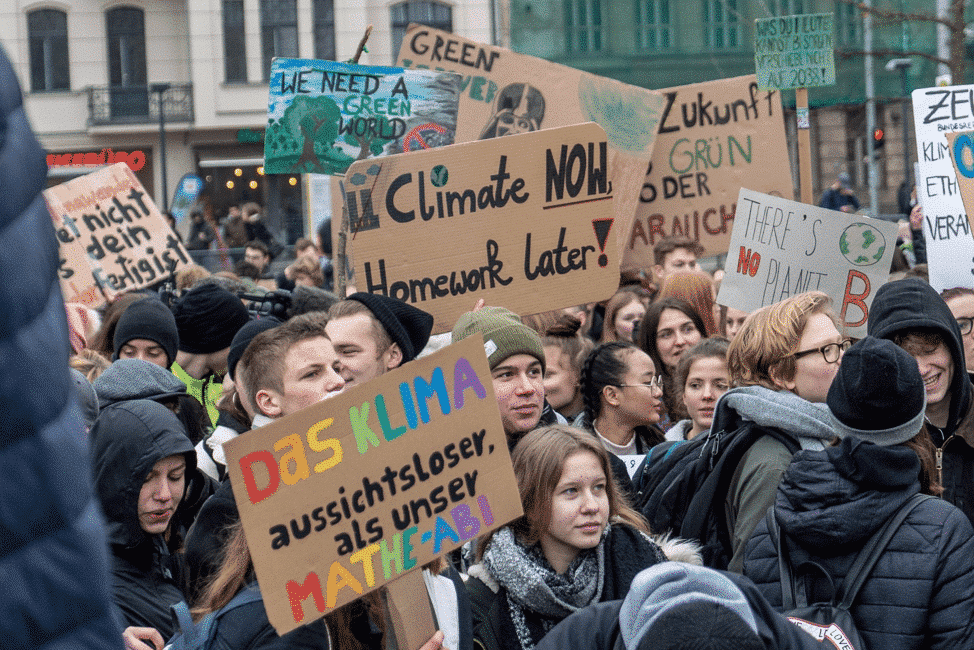
An annual survey by the World Economic Forum shows millennials ranked climate change as the number one world issue for the third year in a row.[6] Gen Z kids are equally as likely to see climate change as the most pressing global issue currently.[7] Like the gun reform protests of this last year, students are again staging mass protests to fight against leaders of government –this time on a global scale. For instance, the rapidly-building March 15 2019 “School Strike 4 Climate” movement resulted in a massive protest, with 1.4 million young young people from twelve countries banding together to skip school.[8] These kids were seeking global government attention to reduce carbon emissions.
There is an urgency to climate change protests inspiring kids all over the world to act. Hitting headlines globally is a young girl from Sweden, Greta Thunberg. She has a Twitter account with 540,600 followers, which she uses to mobilize her cause.[9] Greta reported that she became impassioned with the global threat of climate change at only 8 years old. On April 23, 2019, she spoke in front of parliament in the UK at only 16 years old.[10] Greta is the face of generation Z’s climate change protest representing an entire generation demanding change, and they’re using social media to do it.
Interested in how to get your kids mobilized to do good? Check out these organizations:
[1] https://www.omnicoreagency.com/twitter-statistics/
[2] Shear, M.D. (2018, March 24). Students lead huge rallies for gun control across the U.S. The New York Times. Retrieved from https://www.nytimes.com/2018/03/24/us/politics/students-lead-huge-rallies-for-gun-control-across-the-us.html?module=inline
[3] Bromwich, J.E. (2018, March 7). How the Parkland students got so good at social media. The New York Times. Retrieved from https://www.nytimes.com/2018/03/07/us/parkland-students-social-media.html?module=inline
[4] Kramer, M. & Harlan, J. (2019, February 13). Parkland shooting: where gun control and school safety stand today. The New York Times. Retrieved from https://www.nytimes.com/2019/02/13/us/parkland-shooting.html
[5] Hwang, H., & Kim, K. (2015). Social media as a tool for social movements: The effect of social media use and social capital on intention to participate in social movements. International Journal of Consumer Studies, 39(5), 478-488. doi: 10.1111/ijcs.12221
[6] Loudenback, T. & Jackson, A. (2018, February 26). The 10 most critical problems in the world, according to millennials. Business Insider. Retrieved from https://www.businessinsider.com/world-economic-forum-world-biggest-problems-concerning-millennials-2016-8
[7] Parker, K., Graf, N., & Igielnik, R. (2019, January 17). Generation Z looks a lot like millennials on key social and political issues. Pew Research Center. Retrieved from https://www.pewsocialtrends.org/2019/01/17/generation-z-looks-a-lot-like-millennials-on-key-social-and-political-issues/
[8] Kaplan, S. (2019, February 16). How a 7thgrader’s strike against climate change exploded into a movement. The Washington Post. Retrieved from https://www.washingtonpost.com/national/how-a-7th-graders-strike-against-climate-change-exploded-into-a-movement/2019/02/15/e20868e2-2fb4-11e9-86ab-5d02109aeb01_story.html?utm_term=.a97cad4efa4d
[9] https://mobile.twitter.com/GretaThunberg
[10] (2019, April 23). Greta Thunberg: Teen activist says UK is ‘irresponsible’ on climate. BBC News. Retrieved from https://www.bbc.com/news/uk-48017083
Not everything you read online is real, nor is everyone you meet. You have been catfished when you meet someone online who created a fake profile to deceive you. Catfishing varies in severity, from posting younger pictures of oneself to stealing another’s identity. Most commonly experienced in dating websites or social media, catfishing provokes more skepticism and fear when it comes to meeting people online.
It started on Tinder…
Being a victim of catfishing can happen to anyone. With more teens joining social media, they are exposed to not only same-age peers but also adults with bad intentions.
For example, my friend Sam had been online dating since her sophomore year of high school. She recently met a guy on Tinder and fell head over heels for him. Soon after meeting each other online, they texted every day. At first, she suggested they FaceTime, but he always came up with some excuse to text only. Sam didn’t think much of it and continued to text with him. When she suggested they meet in person, he ghosted her and then messaged her randomly, ignoring her suggestion. She ignored the red flags.
While talking to a friend about her concerns, her friend shared that she was having a similar experience with her online boyfriend. When they compared notes and photos, they realized it was the same guy using different names and accounts. Since then, Sam has had difficulty trusting anybody online.
Adults and kids can be victims.
The popular MTV show “Catfish: The TV Show,” gives the audience a deeper look into the world of catfishing. During each episode, the host helps a victim uncover the truth behind a catfishing incident. Each episode illustrates the complex reasons people create deceptive online identities to make up for deficits in their non-virtual lives, such as:
insecurity about their looks, so they steal someone else’s identity who is better looking – like wearing a virtual mask.
pretending to be a different gender, perhaps experimenting before coming out of the closet.
cyberstalking or seeking revenge.
It’s not just adults that are deceived by catfishing. In the Lifetime TV show, “I Catfished My Kid,” parents try to teach their teens a lesson about the dangers of talking to strangers online. In the pilot, two Ventura County teens were duped by an adult producer into thinking they were interacting with a peer. When he asked each victim to meet him in the park to watch his band practice, one of the teens complied. On the show, we see her walk to the park and then be confronted by her parents and the host of the show.
Dr. Bennett received production credit on this pilot and helped with the emotional support on set. She describes feeling uncomfortable with the plot of deceiving a teen. However, to the benefit of millions of viewers, the show is an opportunity to teach kids how easy it is to be catfished.
Why do we fall for it?
Dr. Bennett believes that texting and online dating are some of the worst things to ever happen to singles. Although they offer immediate access to possible friends and dates, she says it also exposes our psychological vulnerabilities to exploitive others.
For instance, Dr. B describes a phenomenon she’s seen in practice where the screen between us and our new partner allows us to confabulate a false truth, that our new dating partner is better than they actually are. Confabulation is the act of unconsciously creating imaginary facts to fill in for a loss of memory.
In other words, with their dream dating profile in mind, online daters sometimes start by identifying a partner that loosely fits their criteria. Because they are so hopeful, they unconsciously convince themselves that their date is their dream partner. A simple “I look forward to meeting you” text becomes a sign of affection, romance, and fidelity. They create a dream person in their heads before the date has even revealed their true selves.
Dr. Bennett also believes that online dating can trigger our hunting and gathering instincts. Too often, she sees people “keep an eye out” for a better partner, even when they are committed to their current one. By always looking for the next best thing, singles sabotage the relationship they’re in. The thrill of the chase and the novelty of a new person can overshadow real partnership.
She also notes that healthy daters find partners and quickly move off dating sites, whereas predators stay. Dr. B theorizes that is the reason there are more creeps on dating sites than in the general population. Online dating can help you find love, but it can also open one up to exploitation, financial coercion, or online dating fraud. Although some dating sites verify users through other social media profiles and have safety tips, daters must beware.
If you visit websites, play video games, or are on social media, it may be helpful to you to know the red flags that. you may be being catfished.
Red flags that you are being catfished if the person:
is too good to be true
demands too much contact or acts possessive
is overly elaborative
attempts to pull you in with dramatic stories of victimhood or emotional distress
makes too many promises
is only available to talk during certain days and times
-gets too affectionate too fast
Thank you to GKIS intern, Nubia Bandek, for telling us all about catfishing. The hookup culture, which makes teens vulnerable to catfishing, is more prominent among teens than parents realize. Check out the GKIS article, Is Your Teen Hooking Up? for tips on how to have important conversations with your tweens and teens.
I’m the mom psychologist who will help you GetKidsInternetSafe.
[1.] Couch, D., Liamputtong, P., & Pitts, M. (2012). What are the real and perceived risks and dangers of online dating? Perspectives from online daters. Health, Risk & Society,14(7–8), 697–714.https://doi-org.summit.csuci.edu/10.1080/13698575.2012.720964
[2.] Menkin, J. A., Robles, T. F., Wiley, J. F., & Gonzaga, G. C. (2015). Online dating across the life span: Users’relationship goals. Psychology and Aging, 30(4), 987–993. https://doi-org.summit.csuci.edu/10.1037/a0039722.supp (Supplemental)