We were hunters and gatherers for 90% of human existence. That means our brains are still wired to prioritize the things that kept us alive when we were living on the land, before the domestication of animals and the construction of cities. One thing that kept us alive was living in a tribe and cooperating. Attracting a tribe and fitting in was a requirement of life. That is why kids and teens are hyper-focused on doing what their friends do and working to be cool and accepted. Online influencers count on this drive to maintain their income streams. One way to attract kids online is to be a kid doing what kids love to do, playing with toys and video games, opening new packages, and hanging out with friends acting goofy. Netflix’s Bad Influencer offers a glimpse of the kid influencer “scene,” and the lengths that some parents will go to attract and keep a following.
What is Bad Influence about?
The limited documentary series has gone viral for good reason. It’s definitely entertaining, but also deeply unsettling. It is a perfect way to raise awareness about how scary a life all about social media can be. Bad Influencer is a documentary that focuses on a tween who becomes an overnight social media star and brings her friends to stardom with her. What started out as a fun hobby quickly turned into a living nightmare. It may seem glamorous to be famous online, until you learn that the child influencers spent the majority of their childhoods working long hours acting out video ideas, risky stunts, and performing pranks that sometimes went too far—all under the pressure of adult producers/parents hungry for views. Check out Intimacy With Minors Encouraged at the Hype House for a similar story of underage exploitation.
SPOILER ALERT: The show takes a chilling turn when the mother of the main character is accused of, and videotaped, sexually exploiting these kids on set by positioning herself as one of the only adults supervising them to control them. Some survived the battle with only a few scars, while the main character is stuck living this nightmare over and over again. It may be funny, exaggerated, and attention-grabbing, but it also paints a dark picture of a digital world where clout matters more than character and children are left to pay the price.
Psychology Behind the Fame Obsession
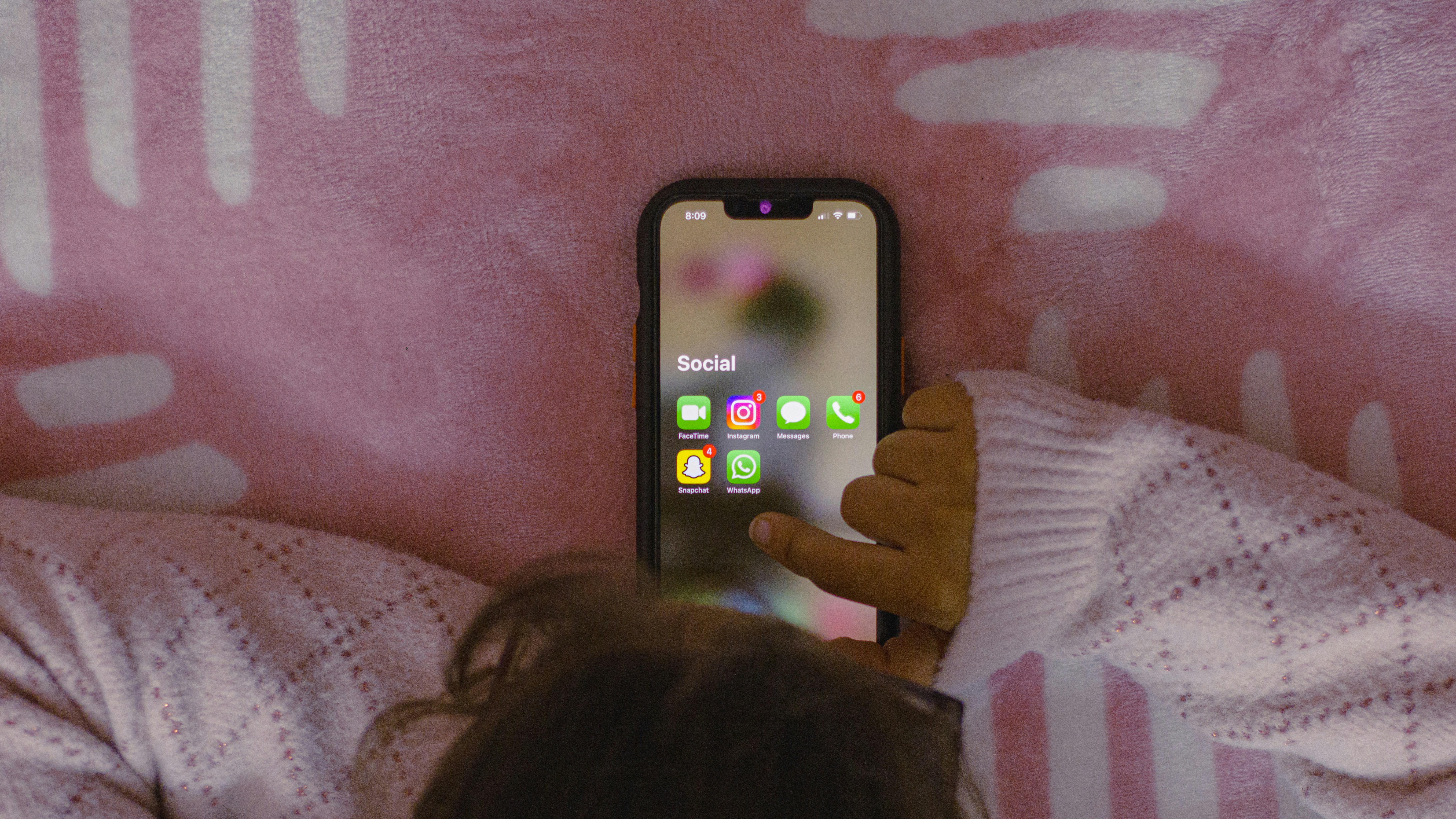
From a psychological point of view, being an influencer is cool to children because they have a natural need for validation, attention, and social connection.[1] Although the minimum age on most social media platforms is 13, it is reported that children ranging from 8-17 are found scrolling through online platforms soaking up content too mature for their ages.[2] Sadly, unlike real-world relationships, social media platforms offer fast, unfiltered dopamine hits through likes, shares, and views. Without proper guidance, this can make kids tie their self-worth to online numbers, which can result in low self-esteem, fear of missing out (FOMO), performance anxiety, and digital addiction.[3] As a result of social unlimited social media usage, kids can also experience anxiety, depression, and even poor quality of sleep.[4] Counteract this monster and help your child build emotional resilience, red flag awareness, and digital literacy by taking our GKIS Social Media Readiness Training Course. Geared for teens or tweens, it’s the perfect giftbefore that new device or video game.
What You Can Do to Help
Bad Influencer is not just a show; it’s a cautionary tale that shares the pressures kids face online every day. It is easy to get off topic and want to pull the plug on all electronics just to protect your child from their dangers, but that is not always possible. Technology and online platforms are all around us, and it is better to set your child up for success than to try to keep them out of the loop. Connecting with your child over what they find interesting can help create a trusting relationship where you can notice if things start to become a little off. Our free Connected Family Screen Agreement can help you and your child co-create rules around how to safely navigate online platforms. This way your child can thrive in the digital age without losing themselves in it.
Thanks to CSUCI intern, Elaha Qudratulla for researching and co-writing this article.
I’m the mom psychologist who will help you GetKidsInternetSafe. Onward to More Awesome Parenting,
If you are a parent reading this, you understand how much we care about our children. Thirty-seven percent of kids have been a victim of cyberbullying, and 30% have reported cyberbullying to be an ongoing situation.[1] When we think of cyberbullying, we think of one teenager making online comments about another teen. But imagine a situation where your young adult child is repeatedly having to endure nasty remarks from other adults like it is in the case of college athletes. Some argue that is part of the fame. But is it also part of childhood? We don’t think so at GKIS. For that reason, we created our Social Media Readiness Course for tweens and teens to help your kids recognize the signs of online abuse and how to avoid it. Today’s GKIS article covers what parents of college athletes may encounter on Twitter as well as how to counterbalance the negativity.
Social Media in the Lives of College Athletes
In our GKIS article “When Young Athletes Look to Twitter to Showcase Talent and Track Sports News: An Inside Look,” we discussed the role social media plays in a young athlete’s life and how they learn to cope with it.
Our interviewee John said he learned how to detox from social media on occasion and also how to use cyberbullying as motivation. But when you’re a parent and hear something being said negatively toward your child, even if your child is an adult, it’s hard not to take that personally. There’s no protection from it, and if you jump to their aid online, it might ultimately harm them. College and professional teams don’t want to deal with online drama coming from parents. But sometimes, enough is enough…or is it?
When Parents Can’t Take the Online Attacks Anymore
Randi Mahomes, the mother of Super Bowl champion Patrick Mahomes, took to Twitter in 2021 to express her displeasure at a hit her son took from an opposing player. Arguably, she is in a reasonable position to speak her mind whether we agree with it or not because her son is already playing at the highest level.
But our division one college football player John’s parents weren’t so lucky. If someone was displeased with how John played a game and tweeted, “I hope your dog eats chocolate and gets really sick and throws up on your socks.”[2] (a tweet 7-time Superbowl champion Tom Brady once got), John’s parents must idly stand by and watch people sling mud at their child.
John’s mother Mary recalls, “The hardest one was seeing a tweet saying John was a ‘piece of shit’ after he had a bad game. Most of the time, I would listen to John and let it be, but I couldn’t with that comment. I had to speak my mind and tweet back.” She elaborated, “A few Twitter exchanges went back and forth, and then I let it go after speaking my mind.”
Mary said that some situations were more complicated than others, and she recalls many days being in tears over Twitter comments. She said a particularly hard day was when they read on Twitter that the college John had decided to go with unexpectedly selected a different quarterback. The tweet went out before John ever got a personal call saying the spot that he was offered was no longer available. It was heartbreaking, considering that he had turned down other offers in favor of this one, some of those offers were no longer available. After many conversations with the college scout prior to the tweet that seemed like a guarantee is followed with silence, it was hurtful.
Mary said, “About 80% of the time, the tweets were very positive. John had a good record, so it was more good than bad.” She said she still uses Twitter because she has other interests in the app, not just sports. Her husband, however, has since deleted the app now that their son is done with his athletic college career.
Parents are proud of their children and love to hear positive things. They don’t want to read tweets from strangers saying how their child isn’t trying hard enough or how they lost the big game for the team. Parents see firsthand how much their child loves the game, how hard they work, and how much sacrifice they give up competing at a top level. Because online education starts with parents, we created our Screen Safety Essentials Course for parents and families. Knowing what troubles lurk online will help parents teach their kids what they need to know to avoid digital injury and problem-solve through difficult online situations.
Other Ideas for How to Work Around Unwanted Negativity
Keep a positive dialogue going with your child about the pressures that arise from being an athlete with anonymous fans.
Adopt our free Connected Family Agreement, a simple tool that sets reasonable online limits and feeds a cooperative family alliance when it comes to online decisions.
Filter and manage online content with our Screen Safety Toolkit. This resource guide helps you build a customized set of parental controls for filtering and monitoring online content.
Set designated times throughout the week when everyone spends time together without their devices. Share about your offline and online lives to stay connected.
Thanks to CSUCI intern Keith Ferries for doing the research and writing this article.
[1] Patchin, J. W., Ph.D. (2019, July 9). 2019 Cyberbullying Data. https://cyberbullying.org/2019-cyberbullying-data
[2] Kimble, L. (2021, February 5). Tom Brady Reads Mean Tweets About Himself Ahead of Super Bowl 2021. People.com. https://people.com/sports/super-bowl-2021-tom-brady-reads-mean-tweets/
With streaming platforms, we have more options for viewing television than ever before. Binge-watching television has become the norm. But how do we know what is good for our kids to watch? Bluey is a show for all ages, even adults. It first came out in Australia in 2018. Then Disney picked it up and aired it in the United States in 2019. Bluey revolves around a husband and father (Bandit), his wife (Chilli), and their two daughters (Bluey and Bingo). There are elements to the program that help with parenting and problem-solving, which we at GetKidsInternetSafe support. Our GetKidsInternetSafe courses are designed to help families connect with cooperative dialogue about screen safety. For families with young kids, our Connected Family Course helps open the lines of communication and set up your home with optimum screen safety. For tweens and teens, we recommend our Social Media Readiness Course. The Readiness Course offers information to help teens better problem-solve independently and recognize the red flags of digital injury. Today’s GKIS article covers the benefits of Bluey and the drama that surrounds the program on social media.
Bluey Portrays Engaged, Playful Parents
Dads on television are too often portrayed to be oafish, heavy-set men who act foolish. We can all think of lazy father characters married to an attractive wives they take for granted but win her over with bumbling charm. Bluey represents fatherhood in a more accurate, positive light. Bandit, the father in Bluey, can occasionally be goofy. But generally, he is a loving, caring father and husband.
Chilli is a loving wife and mother. She is also shown in an independent manner. She is unafraid to ask for some time when she needs a break and is seen going out to play field hockey with a friend. She is strong and loving to her family.
The first child of Bandit and Chili is the title character Bluey. Often children’s shows have the children trying to connive their parents. A refreshing part of the show is Bluey is not trying to get away with anything. She is an energetic child that enjoys playing and using her imagination. Like many children, she has her moments, but with the guidance of her parents, she understands her mistakes.
Bingo is the youngest of the Family. She, like many, looks up to her older sibling but is often involved in the activities. She is not a pest or an antagonist, she feels down sometimes because she may not be able to keep up, but the family often acknowledges her voice.
The Bluey set typically involves kids having playtime using their imagination and involving their parents. We often see them playing make-believe where they may be at a pizzeria or playing with their mom pretending to drive a car. The parents are caring, loving, and look out for each other. This positive portrayal of playtime as an opportunity for coaching and learning is excellent parent and child training. Like the ground-breaking work of Mr. Rogers, Bluey offers useful instruction in the form of family entertainment.
With the pressures of modern life, parenting can be challenging. Although technology makes us more efficient, it also adds a lot of distractions that can get in the way of healthy family relationships. In her book Screen Time in the Mean Time, Dr. Bennett reports that psychology research demonstrates that there has been a 25% decrease in child empathy. She states that parental distraction and outsourcing parenting to screen time may be major contributors to this unwanted change. She elaborates that empathy is not innate, meaning we aren’t born with it. Instead, devoted parents model empathy for their children and instruct them verbally as their kids follow along with them day to day. She proposes that Bluey models the teaching of empathy between parent and child through imaginary play. That benefits not only the kids watching Bluey but their parents too!
Bluey Tackles Challenging Topics
Like Mr. Rogers, Bluey often brings in complex and challenging topics such as coping with death and loss, working through troubling feelings, and much more.
For example, the Bluey episode Whale Watching implies the parents drank too much at a party the night before. The parents try to avoid playing with their kids but ultimately realize how vital their engagement is, resulting in them pushing through their discomfort.
In another episode titled Stumpfest, Chilli teaches Bluey how parents also need space and adults need time with friends. The kids think the dad was mean when digging up a stump with his friends. Taking away something Bluey and her friends wanted to keep and use for themselves. Chilli explains to Bluey that Bandit’s yardwork with his friends was his playtime and bonding with his pals.
Another Bluey episode, Born Yesterday, shows Bandit acting like he was just introduced to the world. The kids enjoy showing him his new surroundings and how to perform in social settings. This episode helps viewers see how much we take social norms for granted and how to explain norms to the younger generation. It also encourages us to slow down, think simply, and enjoy the little things.
Other topics that have been addressed in Bluey include
Depression
Fear of abandonment
Divorce
Taking care of your parents
Death
Work Ethic
Teaching essential concepts like these to kids can be challenging. A great product GKIS offers to help bring the family together is our Screen Safety Essentials Course. Our Essentials Course promotes screen safety and a cooperative and positive parent-child alliance.
Online Conspiracy Theories About Bluey
Typical of the internet, there is social media drama surrounding Bluey. For example, there is online speculation about hidden adult topics within the show. TikToker conspiracy theories about Bluey include speculation that Bluey is a rainbow baby. A rainbow baby is a child born after a miscarriage. There is also speculation that one of the grandparent characters has Alzheimer’s disease and Bingo has celiac disease. An episode was temporarily banned because Bandit passed gas in Bluey’s face, referred to as a fluffy in the show. This episode got pushback, but the real lesson was about being honest and not trying to be sneaky. After viewers and parents realized this, the episode was placed back into the show’s streaming library.
If you find it difficult to play with your kids or integrate challenging topics into play, get your friends together and schedule an online parenting workshop with Dr. Bennett.
Thanks to CSUCI intern Keith Ferries for researching and writing this family-friendly article.
[1] August de Richelieu https://www.pexels.com/@augsst-de-richelieu/
[2] Cottonbro Studio https://www.pexels.com/photo/girl-in-red-dress-playing-a-wooden-blocks-3662667/
[3] RODNAE Productions https://www.pexels.com/photo/young-family-talking-to-their-parents-6148875/
Millennial parents are constantly looking for ways to “life-hack” their parenting and make parenthood a breeze. YouTube channel ‘Ms. Rachel’ is the newest of the tools parents are utilizing, and the results are astonishing. Parents all over social media are praising ‘Ms. Rachel’ for teaching their children to talk (along with teaching skills like sign language). Virtual learning tools are a great way to help supplement the education your child receives, but with screen time comes burnout. To prevent screen time burnout for your child, try our safe-screen home setup and management with our GKISConnected Family Course, suitable for parents with toddlers to teens.
Who is ‘Ms. Rachel’?
‘Ms. Rachel’ is a teacher who created “Songs for Littles,” a YouTube channel that has 3.03 million subscribers and 1.7 billion views despite only having 102 videos made since its creation in early 2019.[1] Rachel Griffin Accurso (Ms. Rachel) creates educational videos that are backed by research and learning standards important for babies, toddlers, and preschoolers with the help of a large team. Accurso has a masters degree in music education from NYU and is currently working on her second masters in early childhood education.[2]
Accurso was motivated to create the channel after her own son was diagnosed with a speech delay. Her son inspired her to create a show to encourage language development and help children reach important learning milestones.[3] Accurso employs psychological principles like mirroring and encourages viewers to follow along with her sign and body language to build speech and language skills. Mirroring involves the mimicry of reflecting speech or behavior to help children learn to develop skills on their own.[4]
Social Media Praise
Parents all over social media have sung high praise for Ms. Rachel, even crediting her for being the reason their children say their first words. Beyond just speaking, users have also shared videos of their kids expressing themselves using sign language.
TikTok user Cw1908 shared a video of her 2-year-old daughter signing and saying, “I want more milk, I want more.”[5] The comments of the video are filled with parents sharing their experiences with Ms. Rachel as well. TikTok user Yesys13 writes, “OMG! My daughter is almost 3 and has a speech delay. Mrs. Rachel has helped her communicate with us a lot easier without frustration!”[6] User Sweetness.103 writes, “I play Ms. Rachel and my baby can read for my grandbaby.”[7]
Even parents who are cautious about screen time in infanthood share their praise for Ms. Rachel and share that the benefits outweigh their anxieties. TikTok user Nataliaa_calles shared, “I was very hesitant to allow screen time with Ivy. I heard many kids’ shows become addictive. I researched a lot of different YouTubers to help my daughter’s brain development, and Ms. Rachel was the best. Ivyanah has now learned ‘momma’ (6 months old). She’s been saying it for weeks now.”[8]
Ms. Rachel’s videos seem to help both children who are just developing their language skills and those who are developmentally delayed. Comment by user Irisloc112 on the aforementioned video states, “My son has no word at almost 3. We started watching Ms. Rachel, and now he doesn’t stop talking 5 months later.”[9]
It is not just moms on TikTok who are praising Ms. Rachel. Jasmin, 27, shared with GKIS all about how her child has learned to talk with the help of Ms. Rachel’s videos. “I started playing Ms. Rachel for my son when he was about 3 months old. I heard good reviews about Ms. Rachel and how she teaches kids important skills such as speech, movements, and emotions. I thought it was a great way for my son to learn at an early stage. From watching Ms. Rachel’s videos my son has learned how to say ‘Mama’ and ‘Dada’. His first word was ‘Mama’ at 7 months old. He always laughs and talks while I have Ms. Rachel playing on the TV. I would recommend Ms. Rachel’s videos because I believe they can help many kids who are behind in speech development or any kids who are struggling to express their feelings and emotions.”
It turns out that grandparents are crazy for Ms. Rachel too! Dr. Bennett shared that she just returned from a weekend vacation with her first grandchild and said that is the one show that keeps his attention the whole time. She found herself singing along and repeating Ms. Rachel along with him. He too is signing as well as talking and singing.
Benefits of Teaching Language Early
Most infants begin babbling around 4 months of age and say their first recognizable word around 12 to 18 months old.[10] Babies learn speech through socialization and the world around them. They closely watch their parents’ reactions to sounds and conversations with others. Through this observation, babies begin to mimic and mirror the people around them.[11] The most effective way to help your child learn to speak is by spending time talking and interacting with them. However, all parents need a break, so having an occasional virtual “co-parent” can help a lot.
Delayed speech development is associated with developmental risks down the line such as academic difficulties, learning disabilities, social difficulties, anxiety, and behavioral problems.[12] By teaching your child to learn language early, you can help to avoid these risks and reap all the benefits of early language development. Research has shown that developing a large vocabulary increases creativity.[13] Language development also helps children understand and process their emotions, analyze ideas, develop critical thinking skills, and set the foundation for most future learning.[14]
If you are worried about your child developing a digital injury such as screen addiction while utilizing virtual learning tools, check out our GKISScreen Safety Essentials Course. Co-viewing the content your child is consuming and using to learn can help your child avoid burnout. When you’re tired of watching a screen, they probably are too!
[5] Watkins, C. [@cw1908]. (2023). Its time for songs for littlessss!! #MrsRachel #songsforlittles #signlanguage #Shadybaby @Ms Rachel [Video]. TikTok. https://www.tiktok.com/t/ZTRWNRVM4/
[6] Rico, Yesi. [@yesys13]. (2023). Re: Its time for songs for littlessss!! #MrsRachel #songsforlittles #signlanguage #Shadybaby @Ms Rachel [Video]. TikTok. https://www.tiktok.com/t/ZTRWNRVM4/ [7] Ronnie. [@sweetness.103]. (2023). Re: Its time for songs for littlessss!! #MrsRachel #songsforlittles #signlanguage #Shadybaby @Ms Rachel [Video]. TikTok. https://www.tiktok.com/t/ZTRWNRVM4/
True crime is a popular trend that plays off our fascination with the morbid. As popular streaming services produce documentaries and dramatizations to meet the demand for true crime content, these crimes become less of a horrific event and more of a meme or something to live tweet. These exposés also tend to be led by actors who are well known for their looks, like Evan Peters, Zac Efron, and Ross Lynch, adding more to the romanticization of serial killers like Jeffrey Dahmer and Ted Bundy. Today’s article covers why this romanticization is dangerous and how you can keep your child safe from digital injury with our GKIS Screen Safety Toolkit.
Why has true crime skyrocketed in popularity?
Netflix’s recent limited-run Dahmer series has been viewed by 56 million households for a total of 701.37 million hours, putting it as their second most-viewed English Netflix series of all time.[1] In fact, true crime documentaries have covered the Netflix top 10 trending list for a combined total of 232 days, meaning that if your child is logging into Netflix, chances are they will be suggested one of these exposés.[2] There is no denying that true crime is hot content, and it does not seem to be declining in popularity anytime soon. This begs the question of why our society and humans, in general, are so obsessed with the morbid acts of our fellow human beings.
Evolutionary scientists have attributed this obsession to the fact that murder, rape, and theft have been part of our society for as long as humanity has existed. We are fascinated with learning about the facts of true crime as a form of human preservation and how we can protect ourselves and our families from the same fate.[3]
Psychologists agree and add that we also feel a sort of elation at these stories, glad that we are not the victims of such a crime. They also believe that we feel elated that we are not the perpetrator of the crime either.[4] This suggests on some level that we can relate to the perpetrator, a feeling that adds to the romanticization of criminals.
Psychology and Social Effects of Romanticizing Criminals
Movie violence as shown in true crime documentaries and dramatizations has been shown to have real lasting effects on viewers, including overall desensitization to real-life violence. A study found that youth with medium levels of exposure to TV/movie violence had much lower blood pressure when viewing violent media compared to those with low exposure.[5] These results show that sustained exposure to violent media leads to emotional numbing when presented with violence.
Following the release of the 2019 film Extremely Wicked, Shockingly Evil and Vile, in which Ted Bundy is played by Zac Efron, a concerning TikTok trend began of young girls dressing up as Bundy’s victims using makeup to create blood, bruising, and bite marks on their skin.[6]
These exposés create an impression on children and teens that they are not real events, but rather just make-believe, a trend, or a meme. The use of conventionally attractive actors to play these criminals leads to the romanticization of their crimes. This delusion creates hardships for the families of these crimes who watch as the atrocities their family faced are reduced to trends and memes online.
Mother of Dahmer victim Tony Hughes, Shirley Hughes, shared that learning about the series and its content brought her to tears. She told The Guardian, “I shed tears. They’re not tears of sorrow, and it’s not disbelief in the Lord. The tears [are] tears of hurt because it hurts. It hurts real bad.”[7] Not only do these exposés hurt our children, but they hurt the families of these violent crimes and cause them to relieve their trauma publicly over and over.
What Parents Can Do
If your child is interested in true crime, it is important to express to them that is okay and understandable. Notable psychologists believe that interest in crime is healthy and something that is natural, so long as that interest is confined to health habits.[8] Express to your child that these true crime stories are more than just a “limited-run show” but something that has real-life effects on people. Perhaps even share with them the thoughts and feelings of the families of these crimes as an empathy-building exercise.
Another important action you can take is to look at parental guides online for the media your child is consuming so that you can understand exactly what is in it. Also, sit and watch the show together so that you can fast forward through anything inappropriate and have a conversation about it.
To help guide you in these healthy conversations, check out our GKIS Connected Families Screen Agreement to work with your child to create a collaborative, living document.
If you fear your child may be watching these true crime exposés without your knowledge and permission, check out our GKIS Screen Safety Toolkit. This toolkit helps to empower parents and provides them with smart tech tools to filter, monitor, and manage online behavior.
Thanks to CSUCI intern, Katherine Carroll for researching true crime exposés and the romanticization of serial killers. To learn more about true crime and its consequences check out our article, “Is Your Child Following True Crime?”.
I’m the mom psychologist who will help you GetKidsInternetSafe.
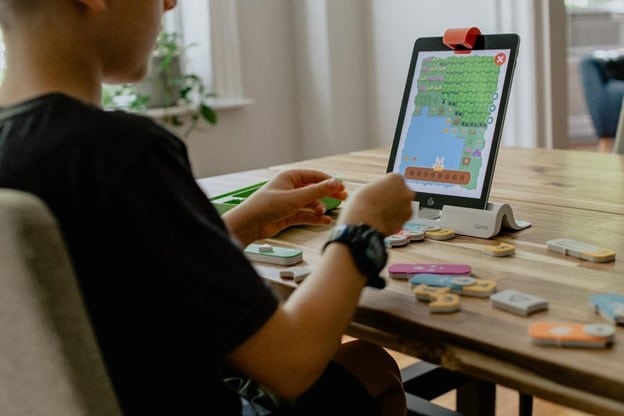
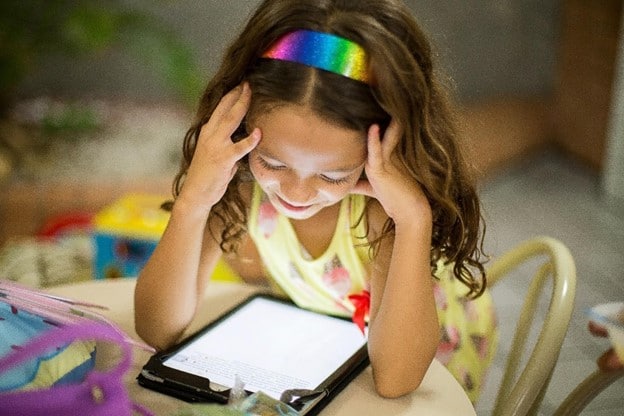
Surveys show that 72% of children under the age of 8 have a tablet or smartphone device.[1] Not only are young kids fluent with screen technology, but many are also learning computer programming and other high-level skills. Imagine if you could get your child started on coding at the age of 5 and set them on their way to a successful future. To avoid your child working around parental controls and outsmarting you, check out our GKIS Screen Safety Toolkit.Our Screen Safety Toolkit is a resource guide for tried-and-true parental control options and monitoring and safety apps plus so much more.
What exactly is coding?
Coding is essentially computer language or using commands to create software that makes images and words online.[2] There are many different coding languages used by programmers and big tech. The language of coding is what makes your computer function, it tells the computer what to do. We need coding to create websites and apps and to run software programs. To put it simply, coding is a list that the computer reads to know what to do.
How can a child learn to code?
With so many children using tablets, the number of apps made for children has skyrocketed. Kids can download and use a variety of art, educational, and STEM games.
Coding games fall under the STEM category. STEM stands for science, technology, engineering, and math. STEM can be hard for some people to grasp and starting early is incredibly beneficial.[3] Schools in Europe and the United States have already added coding to their curriculum. Educators are finding that teaching children coding is setting them up with good life skills and a potential career in technology![4] A key factor to coding apps and games is that coding not only teaches children problem-solving skills but they are also mixed with creativity. The combination has proven to help children to de-stress and relax.[5]
Subscription-Based Children’s Apps for Coding
Kodable
Ages 5 & Up
Kodable is proudly rated 4 out of 4 stars and is parent-and teacher-approved. Some schools use Kodable’s online platform. Kodable has fun and quirky elements that children love. For example, with Kodable the “fuzzFamily” takes children on an adventure through their universe with different games that they can play and create. Some are similar to the old-school Mario games parents used to play.
Parent reviews state that their children are learning sequencing, critical thinking, memorization, and other skills, and the parentsare having just as much fun playing as the children![6] To help get your family tech-friendly, check out our GKIS Connected Family Course. Dr. Bennett created GKIS courses for fun family connections and to help children avoid digital injury.
codeSpark
Ages 5 and Up Free Trial Option Available
codeSpark was rated the number one coding app for kids in 2021. codeSpark does not use words, only colorful creatures so that kids as young as 5 can play. The characters are called “The Foos.” Foos are a mixture of animals, ninjas, and people that take children onto their coding journey. Each character has a backstory and special goal to teach. For example, Gracie is a green character that is part of the “Fooville Police.” Grace’s bio states that her job is to “catch glitches and viruses” and to find the missing pets. Each level has a different “glitch” that needs to be solved. Once players master the games’ coding terms and concepts, they’re ready to make their own games. This helps ensure that they are retaining the necessary information before they move on.[7]
Free Coding Apps for Children
Code Karts
Ages Preschool and Up 10 Levels Free
Code Karts is a coding app for preschoolers. To win the kart race, players must avoid obstacles. Obstacles become harder and more frequent as the child progresses through the levels. The game is self-explanatory with easy-to-understand icons. This helps children develop critical logical thinking techniques without having to be instructed on their every move. This app also supports 24 languages so kids all over the world can play.[8]
Scratch Jr.
Ages 5-7 Free
Scratch Jr. is a free app that has a unique approach allowing for a lot of creativity. Children choose a character (the side panel shows the images/animals they need to select) and a background. Once the animal has been selected, they can decorate them or add their voices. Puzzle pieces are aligned on the bottom that can be connected to animate the animals. The animating is part of the code learning process. Children can make their backgrounds and create their scenes to watch over and over again. The options are endless and can keep children busy and learning for hours.[9]
Try it!
These games are just a few of many options. There is nothing to lose when it comes to furthering your child’s education. Play along with your kids! Learning to code can be beneficial for everyone.
If you’re feeling guilty about your children using their screen devices too much, Dr. Bennett’s book, Screen Time in the Mean Timedetails how to manage screen time so it can be beneficial for learning and a fun way to connect as a family.
Thanks to CSUCI intern Tara Meizel for researching coding apps for children and for co-authoring this article.
I’m the mom psychologist who will help you GetKidsInternetSafe.
[1] Rayman, N. (2013, October 28). More than 33 percent of kids under two use tablets so prepare for an army of robot babies. Time. Retrieved November 18, 2021, from https://newsfeed.time.com/2013/10/28/more-than-33-percent-of-kids-under-two-are-using-tablets-so-prepare-for-an-army-of-robot-babies/.
[2] What is coding? Code Conquest. (2014, December 7). Retrieved November 18, 2021, from https://www.codeconquest.com/what-is-coding/.
[3] Midrack, R. L. (2019, November 17). Is a STEM education right for your child? Lifewire. Retrieved November 18, 2021, from https://www.lifewire.com/what-is-stem-4150175.
[4] Tevfik Kaplancali, U. (2017). Teaching coding to children: A methodology for kids 5+. International Journal of Elementary Education, 6(4), 32. https://doi.org/10.11648/j.ijeedu.20170604.11
[5] Columbia Engineering Boot Camps. (n.d.). Retrieved November 18, 2021, from https://bootcamp.cvn.columbia.edu/.
[6] Programming for Kids. Kodable. (n.d.). Retrieved November 18, 2021, from https://www.kodable.com/.
[7] Coding game for kids – try it free! codeSpark Academy. (n.d.). Retrieved November 18, 2021, from https://codespark.com/how-it-works.
[8] Patel, G. (2017, May 31). Code karts: Precoding for preschoolers. Teachers With Apps. Retrieved November 18, 2021, from https://www.teacherswithapps.com/code-karts/.
[9] Home. ScratchJr. (n.d.). Retrieved November 18, 2021, from https://www.scratchjr.org/.














 Thanks to CSUCI intern, Katherine Carroll for researching Ms. Rachel and language development.