Gambling was ruined for me after I took Psychology 101 in college. Learning that slot machines were programmed on the same ratio of reinforcement that makes rats ask for cheese made me feel controlled and conned. I mean, who wants to give hard-earned money to somebody who’s training you like a rat? Now our screen devices are jumping us through hoops, with addictive features and profitable scams. If your kids are on YouTube, then they’re ready to learn about the “business side” of social media.
Buyer Beware
The Internet is a “buyer beware” environment. That means it is up to us to discover where the tricks and scams are.
There are regulations about collecting information and marketing to children because they do not yet have the sophistication to make sound, informed financial decisions. However, marketers online can’t be sure who is watching their content.
That means they can create marketing funnels that kids can fall into. Publicly, YouTube celebrities would insist they are only marketing to adults. But if that’s the case, why are so many kids and teens spending money online?
Celebrity Endorsement
When celebrities endorse a product, they lend their credibility to it. Viewers think, “I trust them. If they like it, I like it.” Viewers can spot celebrity-endorsed products when Youtubers say they are sponsored, affiliated, or teamed up with a company.
For example, Tana Mongeau (2.8M subscribers), Gabbie Hanna (6.5M subscribers), and plenty of others[2] were paid by Kenza Cosmetics[3] or Bermona[4] to advertise “great deals” to their subscribers. To maintain credibility with their fans, celebrities must be honest about their support of a product. However, YouTube influencers who are out for quick cash with little regard for their credibility and reputation scam their fans with inflated prices and hidden shipping costs.[5]
Scarcity
Scarcity is a classic marketing technique that refers to the “buy now before you miss out on a one-time limited offer.” The urgency drives consumers to impulsively buy. YouTubers commonly say three things that reflect scarcity.
They will say:
the product is amazing and insist you’re getting a great deal.
the product is in short supply, or the deal is a limited-time offer.
“I don’t want you to miss out on this”.
Beauty guru Jeffree Star (13.9M subscribers) used scarcity to sell his collection of eyeshadow palettes priced around $80 each in only three minutes.[6] No wonder he’s worth $50 million!
Pester Power
Ask any child what they want to be when they grow up, and they’ll say “YouTuber.” Many kids believe that all they have to do is post a video, and in a few months, they’ll be raking in the cash. To prepare, they hang onto every word of their favorite influencer, imagining that they too will one day be rich and famous. They adopt their lingo, accents, and interests, and want to buy what they have. This leads kids to pester their parents for online products or even use their parent’s credit cards without asking.[8]
Provoking Minions by Creating Conflict with Other Celebrities
Creating large-scale competitions or beef (having a grudge or dislike for another person) is one technique influencers use to increase subscriber rates. Spurring online fans into promoting your “win” creates drama with dollar signs. Superfans promote content for you, sweeping their friends into the frenzy with them. Free of charge!
Superfans who become radicalized to show support for their ingroup is a process social psychologists call deindividuation. Deindividuation is a psychological state where people get so caught up in their cause, they become disinhibited and fail to self-evaluate. It’s an intense state of belonging where one seems to lose oneself in the service of their chosen tribe. Famous examples are usually negative, like mob violence, but positive behaviors can occur as well. Teens and young adults are particularly susceptible as they are innately motivated to find and enthusiastically support their tribe.
An example of this type of marketing campaign is YouTube Red’s 2018 Boxing Match between YouTube Influencers KSI (20M subscribers) and Logan Paul (18.8M subscribers). The finale of their feud was a pay-to-view event where the two “boxed” for around 20 minutes, bringing in 13 million viewers and 7 million dollars of profit.[1]
The Apology Video
Wondering how YouTubers survive unfair marketing techniques directed at their subscribers? More marketing and PR. Here are some tactics we identified that seem to clean up celebrity marketing mishaps.
Delete the Evidence
Although celebrities delete the videos that got them into trouble in the first place, we all know that anything that appears on the Internet is there to stay. If the video promises to draw further attention, drama vlogs (YouTube videos about YouTube drama) will rebroadcast the offending video while criticizing the decision. Not only does the new vlogger gain subscribers from spilling tea, but it also drives new subscribers to the screwup’s site!
Get Ahead of the Narrative and Focus on the Fans
By making an apology right out the gate, the celebrity attracts more view time and takes control of the narrative.[9] By also showing dramatic concern for those hurt by the mishap, they may humanize themselves, making it seem that their fans are more important than fame.
Logan Paul (18.8M subscribers) is an example. In 2018, he released a video of him and his friends laughing as a suicide victim in Japan’s infamous Suicide Forest.[14] Media, including Dr. Bennett who was appearing as a parenting expert on Access Hollywood Live, expressed grave concern over his lack of discretion and empathy. In his apology video, he spent the first 30 seconds quickly going over what he had done and then focused primarily on his followers and all those who were affected by his actions.
Tears and Relatability
When a YouTuber makes an apology, they change up their appearance to seem more personal and relatable. Placing themselves in a lower position than the camera, wearing neutral colors, and choosing casual loungewear make the celebrity look less threatening.
Next, they get sad…really sad. Laura Lee, for example, apologized for racist remarks using every tactic talked about in this article, including dramatic crying and brushing away nonexistent tears.[15] Although it seemed effective for some, others remarked that the evident lack of sincerity was a show in itself.
Provocative Victim
One method of gaining fan support is sparking conflict and then crying about it for the next few weeks. Dr. B calls this the provocative victim technique. Trisha Paytas (4.8M subscribers) is famous for making over a dozen 15-minute videos of tearful breakdowns. Viewers don’t even care about what the topic or apology is about. They just come to see the spectacle.
Project Blame
Some YouTubers will try to blame other celebrities or even their own subscribers. For example, Gabbie Hanna made an apology for scamming her audience with Kenza Cosmetics, claiming that her fans should’ve done their research before purchasing.[13]
How to Prevent Marketing Manipulation
Even with education, children don’t have the experience or brain wiring to identify slick marketing techniques. But it shouldn’t stop you from educating them anyway. Here are some helpful tips to stay Internet safe.
YouTubers are not our friends.
Recognizing that YouTubers are strangers with no particular skill set or expert training is the first step to a healthy approach to viewing content. No matter how much they try to sell the idea they’re your “close friends,” they don’t know you nor do they care about your particular vulnerabilities.[16]
Don’t turn a blind eye.
Dr. Bennett believes the most important aspect of screen safety is forming a fun, cooperative alliance with your kids. By adopting our free GKIS Connected Family Agreement and reading and sharing our weekly GKIS blog articles, you’ll have lots of ideas for important and challenging family discussions. Just as parents teach their kids about screen issues along the way, kids also teach their parents.
Raise a smart consumer.
Taking the time to teach your kids how to be clever, savvy, and assertive is far more important than encouraging blind obedience. Help your kids build resilience and protect them from the unpleasant aspects of the online culture. Use discretion, yes, but don’t allow complacency and ignorance.
Use supportive resources.
GKIS helps families become smarter and more connected. Want some easy-to-use, affordable tools to get started? Here are some options for you:
OUR FREE GKIS CONNECTED FAMILY AGREEMENT AND WEEKLY BLOG ARTICLES: Once you enter your name and address at GetKidsInternetSafe.com, you are scheduled to receive your agreement and weekly articles. Snuggle in for a cup of tea and a quick read once a week to set your teaching agenda and build a closer, empowering parent-child alliance.
CYBERSECURITY & RED FLAG SUPPLEMENT: Don’t miss your Cybersecurity and Red Flag Supplement for your Connected Family Agreement. Not only will my cybersecurity tips improve your family’s privacy and security, but your kids will benefit BIG from knowing what kind of red flags to look out for online to avoid danger. You’ll also love the red flags you should look out for in your children’s behavior that may signal they need your help. Early intervention can make a big difference between making a mistake versus suffering from serious digital injury.
GKIS SCREEN SAFETY TOOLKIT: Ready to dial in safety at the device level but too overwhelmed to know where to start? We’ve got your back with our Screen Safety Toolkit. Start building your family’s custom digital toolkit with the tried-and-true recommendations from our guide. Have you wondered how to check their browser history, filter and block inappropriate sites, and monitor use? You won’t want to miss what we offer in this super low-priced, comprehensive guide.
GKIS CONNECTED FAMILY ONLINE COURSE: Early on, I realized that many avenues feed fun family connections and screen safety. My Connected Family Course offers ten quick steps to create a happier, healthier home. Filled with creative and fun tips that are family-tested and outcome-based, these are far more fun and effective than the free parenting tips offered on safety websites.
COACHING WITH DR B: Feeling like you need a little support and shame-free TLC? I have reserved office hours to coach you through the most challenging issues. Whether you love the privacy of 1:1 coaching or the vibrant energy of a motivated parenting group, I’ve got easy-to-schedule coaching options ready to go!
Thanks to Jack Riley, GKIS intern, for watching hours of YouTube for the research on this article and his clever insights.
Onward to More Awesome Parenting,
Tracy S. Bennett, Ph.D.
Mom, Clinical Psychologist, CSUCI Adjunct Faculty
Works Cited
[1] Hale, J (2018, August) How Much Did Logan Paul And KSI Make From Their ‘Youtube World Boxing Championship’? A lot. tubefilter.com
[2] Tea Spill, BEAUTY GURU’S ARE LYING TO YOU!?, YouTube.com
[3] kenzacosmetic.com
[4] bermona.com
[6] JEFFREE STAR SOLD OUT MAKEUP IN 3 MINUTES
Rich Lux., YouTube.com
[7] Mansson, E (2018, December) Sister Stocked? Not A Chance. The James Charles x Morphe Palette Has Sold Out For A Second Time, thetalko.com
[8] Dr. Bennetts Marketing Manipulation advice
[9] Forbes Communications Council, Seven Tips To Improve Apologies During A PR Crisis, forbes.com
[10] Morris, C (2018, December), Popular YouTube Streamer promotes Channel that publishes Anti-Semitic Content, Fortune.com
[11] Aja, R (Feburary,2017), The controversy over YouTube star PewDiePie and his anti-Semitic “jokes,” explained, Vox.com
[12] PewDiePie’s Teammate gets killed, he says it with a hard R out of frustration, Livestream Fails, YouTube.com
[13] Cancelled, gabbie hanna kenza cosmetics scam, YouTube.com
[14] Logan Paul Vlogs, I’m Sorry., YouTube.com
[15] Deceased Laura Lee apology with original captions, YouTube.com
[16] Oldford, S (2018, October) Manipulation in Marketing: How It’s Used, and How to Use It Ethically, entrepreneur.com
Kids and teens love YouTube’s colorful celebrities who cater to their specific interests. But many influencers use their celebrity status to lead fans into harmful situations. In today’s GKIS article, find out how these YouTube celebrities promised big earnings from online gambling, offered poorly planned conventions, attacked other influencers, and encouraged fans to harass other online competitors. Using unethical tactics and no disclosure, many of these profit-making schemes succeed unchallenged.
What’s a YouTube influencer?
A YouTube influenceris a person with a YouTube profile that has a large number of followers and can influence trends, products, and purchasing habits. Their content is typically videos of product recommendations or reviews. Other times, it’s a video (vlog) with influencers talking to their audience about anything that strikes their fancy. Most vlogs include colorful opinions, vulgar language, and provocative topics.
Most influencers are trained marketers who profit from ads, partnerships, and paid sponsorships. Although some provide harmless entertainment, others intentionally mislead or introduce content that can harm their followers.
“Oops, I didn’t mean it.”
One-time mistakes are getting increasingly rare among YouTube celebrities. For some, a string of mistakes results in more fame and profit. For instance, PewDiePie is one of the world’s most famous YouTube celebrities with 91 million subscribers. In 2108, he was criticized for promoting an Anti-Semitic YouTube channel [1], delivering Anti-Semitic jokes [2], and using the hard N-word to thousands of viewers in a live stream video [3].
In 2019, PewDiePie stoked fan fires by encouraging “a fight” with a YouTube channel T-Series and Indian production house. Competing for subscribers, PewDiePie fanned a competition between American YouTube culture versus Indian YouTube Culture. The rallying cry resulted in hacking printers and Google homes, a vandalized World War II memorial in Brooklyn (“subscribe to Pewdiepie”), and, most horrifying, a Christchurch mass murderer yelling “subscribe to PewDiePie” during the live stream of his shooting.
YouTube Influencers Encourage Gambling
CSGOLotto: In 2016, YouTubers TmarTn and ProSyndicate promoted and advertised a site called CSGOLotto. On this site, players bought in-game items that were placed into an online pot alongside other people’s purchased merchandise. The goal was to gamble to win the biggest pot of merchandise.
Video ads for the GSGOLotto showed TmarTn and ProSyndicate having fun gambling large amounts of money trying to win big. Most times, they did win BIG – up to three times the amount they started with up to $20,000 worth of merchandise!
Based on our research, at no point in the ads or written copy did either influencer mention to their collective audience of 13.5 million that they owned this site and were profiting directly. We found the ads to be misleading, looking like the celebrities were simply players rather than profiteers.
Mystery Brand: In 2018, Jake Paul and RiceGum created a similar gambling site called Mystery Brand. In this game, players purchase $5 to $100 virtual boxes that would contain a mystery item worth either less or more than the amount paid. The promised a chance to win a $250 million house with only a $15 buy-in.
The influencers were reportedly paid $100,000 for promotion to their collective 30 million subscribers. In their videos, they narrated how they “teamed up” with Mystery Brand to show how “dope” it was to play.
After demonstrating the easy signup process, the two spent big. Once a player buys in, their money stays in. Players can’t cash out. They can only earn sponsored prizes shown on the site, like a virtual shopping mall. For example, in one video RiceGum shows off his $15,000 profit after only spending $3,000. Neither RiceGum nor Jake Paul refers to the site as “gambling,” but instead call it a “game” with “good value,” promising “there is no losing in this.” Based on our research, no place on the site states the players’ chances of winning.
A Poorly Planned Convention
Tana Mongeau is a content creator with 3.7 million subscribers. In 2018, 5,000 people showed up at a hotel in Anaheim to attend her convention, advertised to be a cheaper and more accessible version of Vidcon (which is a large-scale event hosted by YouTube to meet your favorite YouTuber). Due to poor planning, over 4,000 people waited for over four hours in the sweltering heat outside of the hotel. There were little shade, food, or water available, and many attendees got sunburned, passed out, and rioted due to poor accommodations and security.
Although promised to be free, it wasn’t. While 4,000 waited outside, the 1,000 inside were greeted with a $60 “VIP” pass, with a lack of entertainment, overcrowding, and almost the same issues as those outside the hotel. The videos of this event are upsetting to watch.
Using Their Platform to Attack People
When some YouTube influencers don’t like other content creators or other people in general, they sometimes rant with name-calling and unfair accusations. This cyberbullying can result in a cyber flash mob of dedicated fans that cyber attack through doxing(showing private information), pranking, and cyber-harassment.
False Accusations Against a Competitive Influencer
Jackie Aina is a popular beauty guru who creates and shares videos of makeup applications with 2.9 million subscribers. In 2018, she made a video accusing another YouTuber, Petty Paige (128 thousand subscribers), of stealing $1,500 from her personal bank account.
This accusation appeared to have no proof of legitimacy. Although she never stated Petty Paige’s name in the video, she put up a picture of a video Paige had made, making it easy for her subscribers to identify the accused perpetrator. Jackie Aina’s fans took to social media to harass Paige for weeks. Paige even stated that many business and job opportunities were canceled because of harassment.
Targeting Their Audience
The Gabbie show (6.4 million subscribers) is one of many YouTubers who have targeted everyday people with no regard to how the fan base would react to it. When a young girl in her audience made a negative comment on one of Gabbie’s tweets, Gabbie screenshotted it along with the girl’s account and posted it on her Twitter (2.7 million followers). This led fans to spam and harass the girl, flooding her inbox with hateful messages.
Are there legal consequences?
Too often, when malicious or unethical online behavior is identified, the scandal is fleeting. For example, in the case of TmarTns and ProSyndicate’s gambling scam, the Federal Trade Commission (FTC) filed a case for lying about ownership of a product. Yet somehow, both influencers avoided legal prosecution, only suffering a mild loss in subscribers and yearly income due to a damaged reputation. They still have a net worth of around $5 million.
For Jake Paul and RiceGum, absolutely nothing happened. RiceGum created a video justifying his behavior as the same as what others do. Jake Paul made a joke about the situation. When asked, “You loved being called out for selling a gambling scam to underage kids?” He responded, “Yes, love it.”
Of the influencers covered in this article, Tana Monogue probably received the biggest consequences. After months of backlash and hate from fans and YouTubers, Tana made multiple apologies. But she still suffered no legal consequences. And as for what Jackie Aina and Gabby Shows did, many just see it as insignificant errors in judgment.
What can be learned?
Influencers are not your friends and most often cannot be trusted.
Fanning follower anger is often fake and staged.
On the internet, bad behavior makes influencers money and often goes unpunished.
If you believe the hype, you’re gullible. It’s probably not worth the drama. Think for yourself instead of following blindly.
Thanks to GKIS intern Jack Riley for researching and writing this article. If you learned from this article, stay tuned for part 2, which details the irresponsibility and scams that YouTube influencers continue to feed their audience as well as the marketing and social manipulations used to make sure viewers keep coming back.
Onward to More Awesome Parenting,
Tracy S. Bennett, Ph.D.
Mom, Clinical Psychologist, CSUCI Adjunct Faculty
Works Cited
YouTube Influencers Encourage Gambling
Fluff, TMARTN GAMBLING ON CSGO LOTTO & DECEIVING OWNERSHIP (Full Video Reupload), YouTube.com
(2016, July) YouTube gamers caught in gambling row, bbc.com
Does Lil Tay sound like a nine-year-old your child knows? The “youngest flexer of the century” was an internet sensation before her materialistic persona dragged her and her family down. With two million followers, Lil Tay didn’t shy away from using profanity to call other people broke or kick a Rolls-Royce. Accessories in her posts included wads of cash and million-dollar homes.[7] She isn’t the first or only young one showing off money and what it can buy. What is this social media trend?
Flexing on the Gram
Flexing (showing off wealth) on the Gram(Instagram) is a popular social media trend.[3] Upcoming celebrities like “Gucci Gang” rapper Lil Pump flex on the gram to prove they’ve made it to the top.[4] His image is particularly known for flashing Gucci threads head to toe. When critics say he’s inadequate, Lil Pump argues his expensive clothing makes him worthy.
Other social media celebrities flex to build their brand in the same way. Rubber bands of cash and expensive goods bring millions of followers. Riches reflect success and outrageous posts attract engagement.
Internet personality RiceGum is a perfect example. His YouTube diss tracks are notorious for bragging about his money, cars, and a million-dollar home. His lyrics talk about how all those things make him better than other YouTube stars.[3]
Instagram Envy Leads to Compare and Despair
With a continuous stream of real-time, unfiltered, unedited, and freshly published posts, fans have an on-demand, front-row seat to the rich and famous.[1] The compare and despair of watching friends, celebrities, and idols live lavish lifestyles makes them believe they too need cars, houses, and clothes to succeed in life.[3] Ariana Grande promotes the idea in her hit single “7 Rings,” “Whoever said money can’t solve your problems must not have had enough money to solve ’em.” [6]
Social psychologists call this new phenomenon Instagram Envy.[1] Child psychologist, Allen Kanner, states that children believe, “If I could have this product that’s associated with all of this success, then I’m going to be able to join this world. I’ll feel better about myself.”[4]
Provoking envy and anxiety make fans want to spend, leading a generation too willing to go into impulsive buying and higher levels of debt.[8] A 2017 analysis discovered a rise in credit card debt for young adults 18 – 20 years old where the average amount owed was $611.[1]
Studies have found that materialism (holding material things as too important) among children may cause them to become overly focused on what they can gain from friends and family and contribute to more self-centeredness and aggression.[8]
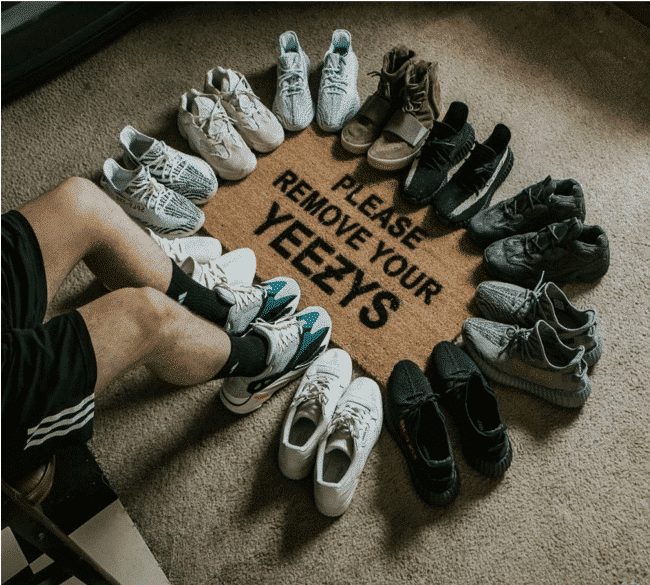
In extreme cases, children blame their parents for not providing the wealth they desire. When their parents can’t help them, children buy high fashion knockoffs. For example, replicas of Kanye West’s designer sneakers called “Yeezys” are highly sought after.[5]
Profits made from these fake designer goods fund illegal organizations. These organizations take part in “terrorism and the trafficking of drugs, people, sex, and wildlife.”[5]
It’s difficult to explain to children that not everything that glitters is gold. Studies have shown that being rich and famous are top priorities for today’s generation.[1]
Social media has given a false idea that such a lifestyle is easily achieved overnight. However, most of the money shown off on social media doesn’t really belong to the person who’s posting about it.[7] Children forget that social media is a staged reality.[8] For instance, the cars and mansions Lil Tay posed in actually belonged to the homes that her mother represented as a realtor.[7]
Why do people show off on social media?
Some show off on social media to make a statement to the world.[3] They feeling driven to prove they’ve made it to the top.[3] But instead of feeling happy once they buy the thing they’ve longed for, research demonstrates that they end ups feeling anxious and dissatisfied.[9]
Others show off “to arouse jealousy, envy, or other negative emotions” in others.[2] They create Instagram Envy to prove that they can’t be overshadowed.[2]
Some people believe that showing off their money will bring them more friends.[3] Teens are particularly vulnerable to the need for attention and validation.
Ideas About How to Start a Fun Conversation with Your Kids
Here at GetKidsInternetSafe, we want your children to dream big and accomplish their aspirations. Social media takes down walls to show that all-star athletes and pop artists were once normal kids too. They did their homework and helped their mother with the groceries. Be wary of the messages that Instagram Envy and Flexing tell our children. Counter the social media culture by having in-depth conversations on concepts your kids have yet to think about. For example:
Showing off material wealth on social media brings fans, not friends.
Teaching your kids that, rather than bringing more friends, studies have shown that people prefer to be friends with someone with a simpler lifestyle.[3] These fake friends often have ulterior motives.[2]
How does wealth affect relationships with friends? Genuine friends will always be by your side whether you’re rich or poor.
Can you have quality relationships if you’re breaking others down to build yourself up?
Wealth comes from a good work ethic.
Children are brainwashed into thinking that being disrespectful and obscene on the internet can easily roll in cash. Doing dangerous pranks, making hurtful comments, and participating in age-inappropriate activities are just a few examples. Start a discussion about how wealth actually comes about.
What is a good work ethic?
What is perseverance, and what do people learn from it? Making a sustainable income doesn’t happen overnight. Most successful people put in hours of hard work before making it to the top. Some fail a few times before catching their big break. Enduring the journey toward success will teach you more about yourself than the shortcut.
Follow uplifting social media sites created to inspire with positivity and stories of hope.
Some posts give advice or insight to encourage others.[2] That’s why impoverished children idolize the Instagram profiles of famous rappers who came from the same projects.[4] They see someone from the same struggling upbringing break the barriers for a better life.[4]
Your values define your definition of “wealth.”
People value different things, and what we value forms our idea of what wealth is. These values change throughout our lives as we learn through our experiences. As children grow through their personal journeys, help them become the best versions of themselves.
What are your dreams?
What kind of image do you want for yourself?
Do you want to help make the world a better place?
Is passion for your career worth more than money in your pocket?
Is working countless hours of overtime worth it for a fancy car?
In what ways does it benefit family life or take away from it?
These examples will help you start a mutual, complex conversation with your children so they can think further than celebrating a Rolls Royce. You’ll be able to pass on your wisdom, navigate their confusion, and give them the confidence to aim higher.
Thanks to Hanna Dangiapo for covering this modern topic! Want to learn more ways to protect your child from RiceGum-like content? Check out Dr. Bennett’s GKIS Connected Family Online Course
I’m the mom psychologist who will help you GetKidsInternetSafe.
Imagine the sensation of someone you know running their fingernails lightly down your arm. Light touch chills or all-over body tingles are the focus of the latest Internet trend, autonomous sensory meridian response, or ASMR. ASMR is shaping up to be Gen Z’s answer to handling stress. Videos are popping up everywhere promising stress relief. What is ASMR, and how can it work for you?
Watching an ASMR video for the first time is a weird experience, so viewing with an open mind is key. Instead of relying on touch to create a sensation of chills through your body, ASMR uses sound. Whispers, scraping noises, teeth clicks– nothing is off-limits to try to create this effect.
First-time viewers describe feelings of absurdity and intrigue, as the videos often show close-up shots of the person with their mouth or other object meant to make noise extremely close to a high-quality microphone perfect for picking up soft sounds.
If it seems too silly at first, close your eyes as you listen. Once immersed in the experience, one of two things will happen – nothing and you’ll feel like you wasted three minutes of your life, or you’ll be hooked like millions of others.
Where ASMR Comes From
ASMR is not entirely new. Before its popularity on the Internet, the research uncovered that some people have a greater sensitivity to sounds. Not only are they more sensitive, but they may get a physical feeling from sounds as well.[1]
ASMR is enjoyable to some because resulting chills and tingles are typically pleasurable.Synesthesiais the experience of having more than one sense triggering another in unexpected ways, such as seeing color when you hear a word or tasting sour when looking at a circle.[2] ASMR is similar in that you hear a sound and instantly get a physical sensation. The best way to compare is to think about the feeling you sometimes get when a singer hits a really high note and it sends chills down your body. That’s what viewers of ASMR are trying to capture. At first glance, this may seem like an elaborate joke everyone else is in on, but you don’t get the punchline. But those watching ASMR videos have a goal in mind, they’re trying to relax and relieve stress.
What the Research is Saying
A 2018 study conducted at the University of Sheffield foundthat for some people, watching ASMR videos can lead to a reduction in stress. People who experienced a sensation of “head tingles” and chills when exposed to ASMR videos felt more relaxed after the viewing.[3]
There is the key difference between feelings brought on by ASMR versus more commonly experienced chills that you or me experience at random intervals throughout our lives. In a common scenario, getting the chills brings about a feeling of excitement. But in ASMR, these sensations cause a sense of calm and well-being.
ASMR can also be a sleep aid. But there’s a catch. ASMR appears to only work for people who have an exquisite sensitivity to sounds. If you do not, these types of videos may produce no feelings at all or have the opposite effect and cause mild discomfort.
ASMR can benefit you!
A clear takeaway in choosing to explore ASMR is that there is no risk in trying. Either you will hate it or love it. If you love it and can now count yourself in the number of people with an autonomous sensory meridian response, consider incorporating a video or two into your weekly routine. It can be a quick 5–minute de-stress at the end of the day or a unique solution for those nights when you just can’t seem to fall asleep.
The weirdness of ASMR is also the beauty of it. It’s a good way to embrace the unusual and is something for when you want to relax but also not take yourself too seriously. For all that is out there online, ASMR is one of those positive surprises with no risks involved.
Thank you to GKIS intern, Chelsea Letham for helping us discover ASMR and untap its potentials. Finding ways to unwind is not always easy so taking advantage of what is at our disposal online is important. Would you like to share your experiences with ASMR or your opinions about what your read in our articles? Please comment below and “like” our GetKidsInternetSafe Facebook page so other parents can find us.
I’m the mom psychologist who will help you GetKidsInternetSafe.
PS. Want to try an ASMR video yourself? Chelsea recommends this one:
Works Cited
Roberts, N., Beath, A., & Boag, S. (2018). Autonomous sensory meridian response: Scale development and personality correlates. Psychology of Consciousness: Theory, Research, and Practice doi:10.1037/cns0000168
Poerio G. Could Insomnia Be Relieved with a YouTube Video? The Relaxation and Calm of ASMR. In: Callard F, Staines K, Wilkes J, editors. The Restless Compendium: Interdisciplinary Investigations of Rest and Its Opposites. Basingstoke (UK): Palgrave Macmillan; 2016. Chapter 15. Available from: https://www.ncbi.nlm.nih.gov/books/NBK453209/ doi: 10.1007/978-3-319-45264-7_15
Poerio GL, Blakey E, Hostler TJ, Veltri T (2018) More than a feeling: Autonomous sensory meridian response (ASMR) is characterized by reliable changes in affect and physiology. PLoS ONE 13(6): e0196645. https://doi.org/10.1371/journal.pone.0196645
There is a YouTube/TikTok trend of parents pulling pranks on their kids for viral shares. Some appear to be innocent jokes. Others are recordings of parents screaming at their children while the kids cry. Debates fill comment sections on how wrong it is to capitalize on “bullying” a vulnerable child. Professionals argue that this “comedy” violates trust and traumatizes children. It has even been argued that sharing milder pranks is still harmful, exposing children to the cruelty of internet trolls. In contrast, fans of the pranking videos complain that people need to lighten up. After all, we survived similarly harmless pranks when we were kids. Read this article and ask yourself, “When is the line crossed between comedic relief to child abuse?”
YouTube’s Response
YouTube videos go viral, fast. The comedy of pranking gives videos an extra boost in popularity. Yet, they got so out of hand that YouTube clarified their child safety policies in January 2019. They added that the mere perception of endangerment or vulnerability is unacceptable:
“We’ve made it clear that our policies prohibiting harmful and dangerous content also extend to pranks with a perceived danger of serious physical injury. We don’t allow pranks that make victims believe they’re in serious physical danger – for example, a home invasion prank or a drive-by shooting prank. We also don’t allow pranks that cause children to experience severe emotional distress, meaning something so bad that it could leave the child traumatized for life.”[1]
The Invisibility Prank
The invisibility prank was a fad for some time. In these pranks, families were videoed as they deceived children into believing that a magic chant made them disappear.[4]
Here’s how it worked:
First, the main pranksters let family members in on the joke so they can play along. Then the pranksters volunteer the child for a “disappearing magic trick.” The child sits on a chair in the middle of the room while the audience surrounds him. The magician covers the child with a blanket, and says three magic words, then ta-da! This is the audience’s cue to act completely surprised that the trick worked. Some get angry saying, “This isn’t funny! Bring him back!” Others gasp in astonishment. Whenever the child touches someone, they pretend to be spooked by this unseen force. The biggest part of this prank takes place when the pranksters ask the child to take a picture. The child doesn’t know the pranksters staged the picture beforehand. The fake picture shows the prankster’s arm hugging nothing. That empty space is where the child was supposed to be. The child sobs at this point because they’re desperate for acknowledgment.[2]
The Martin Case
An infamous case of YouTube pranking is that of the YouTube channel “DaddyoFive.” After their local county received several citizen complaints, the YouTube couple lost custody of two children in 2017. A county judge sentenced Michael and Heather Martin to five years of probation on child neglect charges. A neuropsychologist determined that the children experienced “observable, identifiable, and substantial impairments of their mental or psychological ability to function.”
The Martins had over 300 videos of them verbally, mentally, and or physically abusing their children for “pranks.” The Martins pleaded that the pranks supported their family with thousands of dollars of YouTube ad profit.[8]
Where the Line Is Crossed
At GetKidsInternetSafe we put children first, always. We believe that supporting child mental health and a strong, positive parent-child alliance is extremely important.
Pranking, which takes the form of bullying, may traumatize children if it repeatedly creates emotional, mental, and or physical duress.[5][7] Victims of pranking may suffer chronic anxiety, as they remain hypervigilant for the next prank will occur. Once pranked, they may no longer trust their parents or their surroundings. Surprise pranks may contribute to social issues, defiance, cyclic bullying, depression, and aggression.[7] Children with pre-existing behavioral and mental health issues are particularly vulnerable.[7]
Before the Internet, family pranks were private and lost their sparkle quickly in favor of empathetic support and good judgment. YouTube, TikTok, Twitter, Instagram, and Snapchat broadcast private moments to thousands and sometimes millions of strangers.[5] Strangers in the community and friends at school get to see a child pee their pants from being so scared. While the world laughs at their fragility, the loss of privacy magnifies their insecurity.[6] This embarrassment extends at-home bullying to the public causing cyberbullying or public harassment.[7]
YouTubers, like Logan Paul, increasingly push the boundaries to increase viewers and keep people entertained. These prank-based YouTube channels push the same boundaries but for the sake of their children’s health and safety.
The Balance
Not all parents maliciously prank their children to the extremes. For some families, jokes and ongoing pranks are traditions that bond everyone together.[9] In our family, we yell “123 not it” at the end of our meals at restaurants. Whoever is last has to carry the leftovers out and put them in the fridge when we get home.
When children are mature and the jokes are gentle, pranks can be positive lessons in trust.[9] According to sociologist Gary Alan Fine, “We can play these games with each other and we trust each other sufficiently that we won’t get angry, that we will be friends afterward, despite this momentary uncomfortableness.”[9] Pranks also help people develop a sense of humor, which is a useful coping skill.[5]
Arguably, parents tricking their children into believing that the Tooth Fairy and Santa Claus exist are good examples of appropriate pranks. The jokes gently play with the child’s innocence. These videos are memories cherished with laughter as our children grow older. They exhibit pure-hearted children living happy childhoods.
Things to Consider Before Posting a Prank Video
Trust your gut.
Every child’s temperament varies. Cultures, ethnicities, and family dynamics all differ. How a child will react to a prank is best known by their parent. Parental instinct and listening to our guts are our best courses of action.
Ask your child before posting.
Part of the GKIS Connected Family Screen Agreement explains that family members will not post images or videos of each other without permission. This is a critical step to building important dialogue for negotiation and trust. This applies to pranking as well.
Anticipate how that video will be received by other adults and peers.
It’s easy to get caught by the urge to instantly share hilarious moments with the internet. But take a moment before hitting “post” to consider how your child will feel in a year or two with the video still online. Think about who has access to your content. Follow the GKIS Grandma Test: “Would grandma have a problem seeing this?”
Will it target your child for further bullying?
For example, imagine a group of fifth graders seeing your family’s prank. Will they be laughing with your child or at them? Will they give your child a demeaning nickname?
Will copycat behaviors be unkind or cruel?
Anticipating the consequences of these videos is essential before posting.
Thanks to Hanna Dangiapo for covering this important, sensitive issue. If you’re ready to start a more positive, cooperative connection with your family and increase screen sanity, check out our GKIS Connected Family Online Course. With 10 easy steps, you can bring the fun back into family life.
I’m the mom psychologist who will help you GetKidsInternetSafe.