
There is a YouTube/TikTok trend of parents pulling pranks on their kids for viral shares. Some appear to be innocent jokes. Others are recordings of parents screaming at their children while the kids cry. Debates fill comment sections on how wrong it is to capitalize on “bullying” a vulnerable child. Professionals argue that this “comedy” violates trust and traumatizes children. It has even been argued that sharing milder pranks is still harmful, exposing children to the cruelty of internet trolls. In contrast, fans of the pranking videos complain that people need to lighten up. After all, we survived similarly harmless pranks when we were kids. Read this article and ask yourself, “When is the line crossed between comedic relief to child abuse?”
YouTube’s Response
YouTube videos go viral, fast. The comedy of pranking gives videos an extra boost in popularity. Yet, they got so out of hand that YouTube clarified their child safety policies in January 2019. They added that the mere perception of endangerment or vulnerability is unacceptable:
“We’ve made it clear that our policies prohibiting harmful and dangerous content also extend to pranks with a perceived danger of serious physical injury. We don’t allow pranks that make victims believe they’re in serious physical danger – for example, a home invasion prank or a drive-by shooting prank. We also don’t allow pranks that cause children to experience severe emotional distress, meaning something so bad that it could leave the child traumatized for life.”[1]
The Invisibility Prank
The invisibility prank was a fad for some time. In these pranks, families were videoed as they deceived children into believing that a magic chant made them disappear.[4]
Here’s how it worked:
First, the main pranksters let family members in on the joke so they can play along. Then the pranksters volunteer the child for a “disappearing magic trick.” The child sits on a chair in the middle of the room while the audience surrounds him. The magician covers the child with a blanket, and says three magic words, then ta-da! This is the audience’s cue to act completely surprised that the trick worked. Some get angry saying, “This isn’t funny! Bring him back!” Others gasp in astonishment. Whenever the child touches someone, they pretend to be spooked by this unseen force. The biggest part of this prank takes place when the pranksters ask the child to take a picture. The child doesn’t know the pranksters staged the picture beforehand. The fake picture shows the prankster’s arm hugging nothing. That empty space is where the child was supposed to be. The child sobs at this point because they’re desperate for acknowledgment.[2]
The Martin Case
An infamous case of YouTube pranking is that of the YouTube channel “DaddyoFive.” After their local county received several citizen complaints, the YouTube couple lost custody of two children in 2017. A county judge sentenced Michael and Heather Martin to five years of probation on child neglect charges. A neuropsychologist determined that the children experienced “observable, identifiable, and substantial impairments of their mental or psychological ability to function.”
The Martins had over 300 videos of them verbally, mentally, and or physically abusing their children for “pranks.” The Martins pleaded that the pranks supported their family with thousands of dollars of YouTube ad profit.[8]
Where the Line Is Crossed
At GetKidsInternetSafe we put children first, always. We believe that supporting child mental health and a strong, positive parent-child alliance is extremely important.
Pranking, which takes the form of bullying, may traumatize children if it repeatedly creates emotional, mental, and or physical duress.[5][7] Victims of pranking may suffer chronic anxiety, as they remain hypervigilant for the next prank will occur. Once pranked, they may no longer trust their parents or their surroundings. Surprise pranks may contribute to social issues, defiance, cyclic bullying, depression, and aggression.[7] Children with pre-existing behavioral and mental health issues are particularly vulnerable.[7]
Before the Internet, family pranks were private and lost their sparkle quickly in favor of empathetic support and good judgment. YouTube, TikTok, Twitter, Instagram, and Snapchat broadcast private moments to thousands and sometimes millions of strangers.[5] Strangers in the community and friends at school get to see a child pee their pants from being so scared. While the world laughs at their fragility, the loss of privacy magnifies their insecurity.[6] This embarrassment extends at-home bullying to the public causing cyberbullying or public harassment.[7]
YouTubers, like Logan Paul, increasingly push the boundaries to increase viewers and keep people entertained. These prank-based YouTube channels push the same boundaries but for the sake of their children’s health and safety.
The Balance
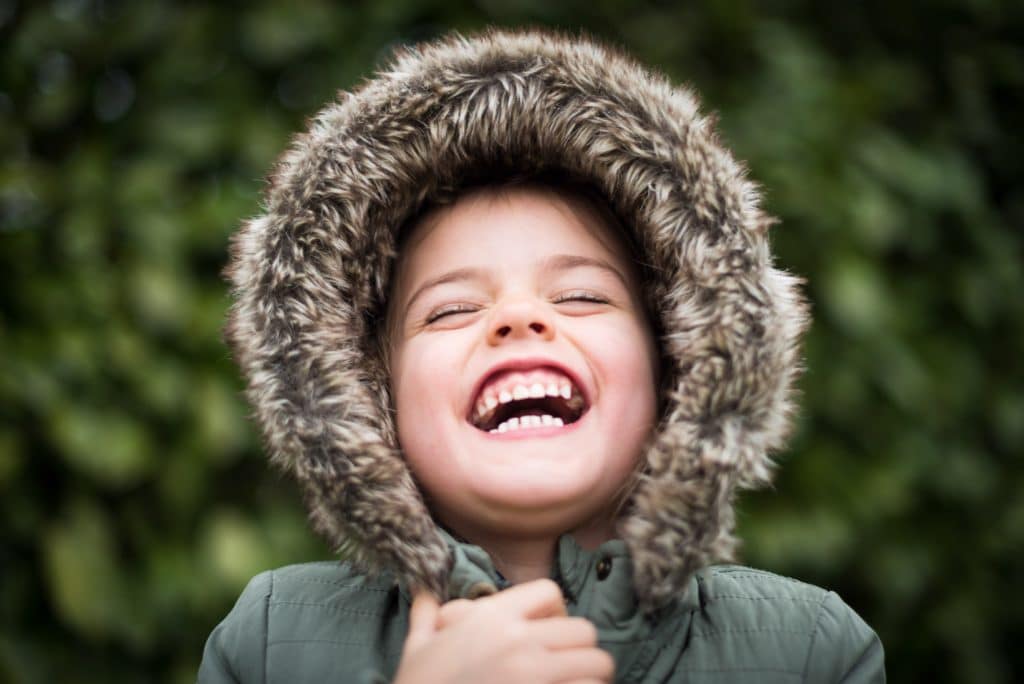
Not all parents maliciously prank their children to the extremes. For some families, jokes and ongoing pranks are traditions that bond everyone together.[9] In our family, we yell “123 not it” at the end of our meals at restaurants. Whoever is last has to carry the leftovers out and put them in the fridge when we get home.
When children are mature and the jokes are gentle, pranks can be positive lessons in trust.[9] According to sociologist Gary Alan Fine, “We can play these games with each other and we trust each other sufficiently that we won’t get angry, that we will be friends afterward, despite this momentary uncomfortableness.”[9] Pranks also help people develop a sense of humor, which is a useful coping skill.[5]
Arguably, parents tricking their children into believing that the Tooth Fairy and Santa Claus exist are good examples of appropriate pranks. The jokes gently play with the child’s innocence. These videos are memories cherished with laughter as our children grow older. They exhibit pure-hearted children living happy childhoods.
Things to Consider Before Posting a Prank Video
Trust your gut.
Every child’s temperament varies. Cultures, ethnicities, and family dynamics all differ. How a child will react to a prank is best known by their parent. Parental instinct and listening to our guts are our best courses of action.
Ask your child before posting.
Part of the GKIS Connected Family Screen Agreement explains that family members will not post images or videos of each other without permission. This is a critical step to building important dialogue for negotiation and trust. This applies to pranking as well.
Anticipate how that video will be received by other adults and peers.
It’s easy to get caught by the urge to instantly share hilarious moments with the internet. But take a moment before hitting “post” to consider how your child will feel in a year or two with the video still online. Think about who has access to your content. Follow the GKIS Grandma Test: “Would grandma have a problem seeing this?”
Will it target your child for further bullying?
For example, imagine a group of fifth graders seeing your family’s prank. Will they be laughing with your child or at them? Will they give your child a demeaning nickname?
Will copycat behaviors be unkind or cruel?
Anticipating the consequences of these videos is essential before posting.

Thanks to Hanna Dangiapo for covering this important, sensitive issue. If you’re ready to start a more positive, cooperative connection with your family and increase screen sanity, check out our GKIS Connected Family Online Course. With 10 easy steps, you can bring the fun back into family life.
I’m the mom psychologist who will help you GetKidsInternetSafe.
Onward to More Awesome Parenting,
Tracy S. Bennett, Ph.D.
Mom, Clinical Psychologist, CSUCI Adjunct Faculty
GetKidsInternetSafe.com
Works Cited
[1] Camilla. “FAQ: Dangerous Challenges and Pranks Enforcement Update”. Youtube Help, 28 January 2019. [2] Bartlett, Harry J. “Family Convince Son He’s Turned Invisible, And The Resulting Chaos Will Have You Crying With Laughter”. Happiest, 7 September 2018. [3] Flam, Lisa. “Pranking your kids: All in good fun or cruel?”. Today, 13 October 2016. [5] Hyken, Russell. “How Bully Parents Erode Kids’ Self-Esteem and Create Long-Lasting Damage.” U.S. News Health, 13 July 2017.[6] Johnson, Christen A. “Viral ‘invisibility prank’ draws laughs from parents — but could harm kids.” Chicago Tribune, 17 September 2018.
[7] Retner, Rachael. “Embarrassing Punishments Hurt Kids, Experts Say.” Live Science, 15 May 2012.
[8] Wanshel, Elyse. “Parents Who ‘Pranked’ Their Kids On YouTube Sentenced For Child Neglect.” Huffpost, 13 September 2017.
[9] Welsh, Jennifer. “No Kidding: April Fools’ Is Good for the Soul.” Live Science, 30 March 2012.
Photo Credits
Photo by Szabo Viktor on Unsplash
Photo by Caleb Woods on Unsplash
Photo by S&B Vonlanthen on Unsplash