Does Lil Tay sound like a nine-year-old your child knows? The “youngest flexer of the century” was an internet sensation before her materialistic persona dragged her and her family down. With two million followers, Lil Tay didn’t shy away from using profanity to call other people broke or kick a Rolls-Royce. Accessories in her posts included wads of cash and million-dollar homes.[7] She isn’t the first or only young one showing off money and what it can buy. What is this social media trend?
Flexing on the Gram
Flexing (showing off wealth) on the Gram(Instagram) is a popular social media trend.[3] Upcoming celebrities like “Gucci Gang” rapper Lil Pump flex on the gram to prove they’ve made it to the top.[4] His image is particularly known for flashing Gucci threads head to toe. When critics say he’s inadequate, Lil Pump argues his expensive clothing makes him worthy.
Other social media celebrities flex to build their brand in the same way. Rubber bands of cash and expensive goods bring millions of followers. Riches reflect success and outrageous posts attract engagement.
Internet personality RiceGum is a perfect example. His YouTube diss tracks are notorious for bragging about his money, cars, and a million-dollar home. His lyrics talk about how all those things make him better than other YouTube stars.[3]
Instagram Envy Leads to Compare and Despair
With a continuous stream of real-time, unfiltered, unedited, and freshly published posts, fans have an on-demand, front-row seat to the rich and famous.[1] The compare and despair of watching friends, celebrities, and idols live lavish lifestyles makes them believe they too need cars, houses, and clothes to succeed in life.[3] Ariana Grande promotes the idea in her hit single “7 Rings,” “Whoever said money can’t solve your problems must not have had enough money to solve ’em.” [6]
Social psychologists call this new phenomenon Instagram Envy.[1] Child psychologist, Allen Kanner, states that children believe, “If I could have this product that’s associated with all of this success, then I’m going to be able to join this world. I’ll feel better about myself.”[4]
Provoking envy and anxiety make fans want to spend, leading a generation too willing to go into impulsive buying and higher levels of debt.[8] A 2017 analysis discovered a rise in credit card debt for young adults 18 – 20 years old where the average amount owed was $611.[1]
Studies have found that materialism (holding material things as too important) among children may cause them to become overly focused on what they can gain from friends and family and contribute to more self-centeredness and aggression.[8]
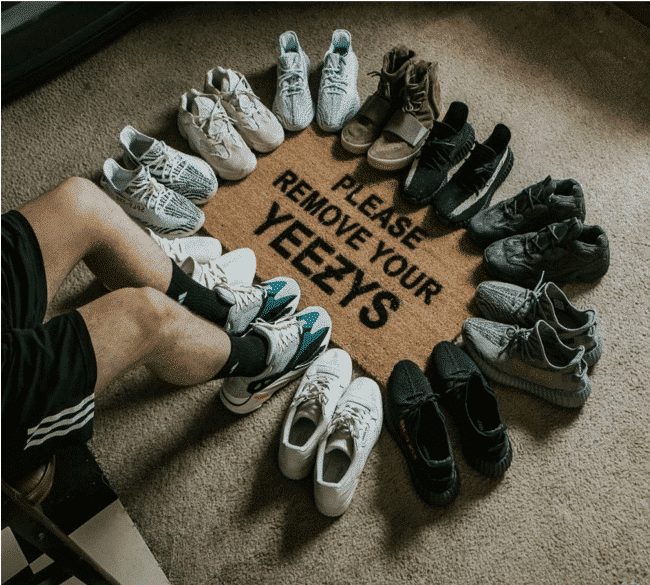
In extreme cases, children blame their parents for not providing the wealth they desire. When their parents can’t help them, children buy high fashion knockoffs. For example, replicas of Kanye West’s designer sneakers called “Yeezys” are highly sought after.[5]
Profits made from these fake designer goods fund illegal organizations. These organizations take part in “terrorism and the trafficking of drugs, people, sex, and wildlife.”[5]
It’s difficult to explain to children that not everything that glitters is gold. Studies have shown that being rich and famous are top priorities for today’s generation.[1]
Social media has given a false idea that such a lifestyle is easily achieved overnight. However, most of the money shown off on social media doesn’t really belong to the person who’s posting about it.[7] Children forget that social media is a staged reality.[8] For instance, the cars and mansions Lil Tay posed in actually belonged to the homes that her mother represented as a realtor.[7]
Why do people show off on social media?
Some show off on social media to make a statement to the world.[3] They feeling driven to prove they’ve made it to the top.[3] But instead of feeling happy once they buy the thing they’ve longed for, research demonstrates that they end ups feeling anxious and dissatisfied.[9]
Others show off “to arouse jealousy, envy, or other negative emotions” in others.[2] They create Instagram Envy to prove that they can’t be overshadowed.[2]
Some people believe that showing off their money will bring them more friends.[3] Teens are particularly vulnerable to the need for attention and validation.
Ideas About How to Start a Fun Conversation with Your Kids
Here at GetKidsInternetSafe, we want your children to dream big and accomplish their aspirations. Social media takes down walls to show that all-star athletes and pop artists were once normal kids too. They did their homework and helped their mother with the groceries. Be wary of the messages that Instagram Envy and Flexing tell our children. Counter the social media culture by having in-depth conversations on concepts your kids have yet to think about. For example:
Showing off material wealth on social media brings fans, not friends.
Teaching your kids that, rather than bringing more friends, studies have shown that people prefer to be friends with someone with a simpler lifestyle.[3] These fake friends often have ulterior motives.[2]
How does wealth affect relationships with friends? Genuine friends will always be by your side whether you’re rich or poor.
Can you have quality relationships if you’re breaking others down to build yourself up?
Wealth comes from a good work ethic.
Children are brainwashed into thinking that being disrespectful and obscene on the internet can easily roll in cash. Doing dangerous pranks, making hurtful comments, and participating in age-inappropriate activities are just a few examples. Start a discussion about how wealth actually comes about.
What is a good work ethic?
What is perseverance, and what do people learn from it? Making a sustainable income doesn’t happen overnight. Most successful people put in hours of hard work before making it to the top. Some fail a few times before catching their big break. Enduring the journey toward success will teach you more about yourself than the shortcut.
Follow uplifting social media sites created to inspire with positivity and stories of hope.
Some posts give advice or insight to encourage others.[2] That’s why impoverished children idolize the Instagram profiles of famous rappers who came from the same projects.[4] They see someone from the same struggling upbringing break the barriers for a better life.[4]
Your values define your definition of “wealth.”
People value different things, and what we value forms our idea of what wealth is. These values change throughout our lives as we learn through our experiences. As children grow through their personal journeys, help them become the best versions of themselves.
What are your dreams?
What kind of image do you want for yourself?
Do you want to help make the world a better place?
Is passion for your career worth more than money in your pocket?
Is working countless hours of overtime worth it for a fancy car?
In what ways does it benefit family life or take away from it?
These examples will help you start a mutual, complex conversation with your children so they can think further than celebrating a Rolls Royce. You’ll be able to pass on your wisdom, navigate their confusion, and give them the confidence to aim higher.
Thanks to Hanna Dangiapo for covering this modern topic! Want to learn more ways to protect your child from RiceGum-like content? Check out Dr. Bennett’s GKIS Connected Family Online Course
I’m the mom psychologist who will help you GetKidsInternetSafe.
With more pressures at school and with friends, middle school can be awkward, scary, and lonely. Middle school is also when many tweens and teens onboard social media. Although social media is a fun way to keep up with friends and follow special interests, it has also been proven to increase insecurities and make kids feel left out and excluded. Cyberbullying is not uncommon and can lead to depression and anxiety. Insecure about their looks, teenagers are the perfect target for online beauty gurus and product marketing. Are beauty videos innocent instructional fun or high-tech marketing? Today’s GKIS article covers the beauty guru craze on YouTube, Instagram, and TikTok and how they trick us into buying expensive and unnecessary beauty products.
What is a beauty guru?
Beauty gurus are social media celebrities who create images and videos that offer makeup and hairstyling tutorials, skincare reviews, and fashion advice. They are popular on YouTube, TikTok, Instagram, Snapchat, and Facebook.
Millennials (those born between 1980 and 1995) and Generation Z (those born between 1996 and 2015) are the targeted populations for beauty gurus.
Tweens, teens, and young adults spend an average of 11.3 hours on YouTube each week.
60% of them follow YouTube celebrities on social media.
Nearly a third of teens ages 13 to 17 prefer YouTube celebrities over movie or TV celebrities.
As of 2015, there were approximately 45.3 billion views on YouTube for beauty videos alone. [1]
Each month, 50 million people watch over 1.6 billion minutes of beauty guru content. [2]
Why are beauty gurus so popular?
Developmental changes during adolescence make teens perfect targets for beauty marketing. As kids develop and mature, they are getting used to maturing bodies and also switch attachment focus from parents to peers.
To attract their tribe, teens focus on their looks and often believe that others frequently watch and judge them. Child psychologist David Elkind coined this developmental phenomenon imaginary audience.
Is a judging audience imaginary? After all, the hundreds of social media selfies and YouTube videos teens view each day fuel the idea that everybody is watching, scrutinizing, and judging.
Teens are also attracted to the fame and influence of YouTube celebrities. Fifty-six percent of teen subscribers aspire to be a YouTube star. [3] Beauty gurus are particularly admired because they are often more relatable than polished celebrities like Kylie Jenner or Angeline Jolie. They’re “normal girls” just like everyone else, right?
Videos Shot for Profit
High subscriber numbers mean high profits. Although beauty videos appear to be spontaneously self-produced, informal chats into the camera, they aren’t. Most teens would be surprised to learn that these videos are expertly produced with scripting, expensive cameras and sound equipment, professional lighting, digital filtering and enhancements, and extensive editing. Newly created video editing software offers filters that enhance the skin and hide imperfections.
Beauty Box Video is an example of a digital enhancement software product. “This early-generation video plugin automatically identifies skin tones and creates a mask that limits the smoothing effect to just the skin areas…[It’s] Powerful, Easy, Real-time skin retouching for video” (website product description). With retouching software and filters, beauty gurus lead their audience to believe that their flawless skin is the result of a skincare item or a makeup product available for purchase rather than photography, video, and editing tricks. [4]
Some beauty Youtubers are not even amateurs. They are professional makeup artists or stylists. Some Youtuber celebrities may have started innocently making videos, but when subscriber numbers rise, advertisers offer attractive incentives to better sell. For example, Youtuber Michelle Phan was initially endorsed by Lancôme and now has her own makeup line called EM Cosmetics. Her brand makes millions of dollars a year.
Fake Friends and Confidants
YouTube beauty gurus intentionally create a false sense of intimacy in their videos that appeal to a lonely generation of young people who are captive audiences to their screens. Intimate video titles such as “Get ready with me” or “Storytime” offer the viewer a false sense of friendship with the Youtuber. [5]
Although teens may feel entertained and satisfied with learning, hours of watching may also contribute to their dissatisfaction and loneliness. Despite the teen’s best efforts, they will never be able to attain the professionally produced look of the beautiful Youtuber. The most popular beauty gurus are very attractive to begin with. Youtubers with average looks rarely get views and endorsement deals. The prettier the Youtuber, the more brand deals they get, and the more discouraged teens get sold on expectations they can’t achieve.
Compare and Despair
Many teens look to beauty gurus as role models. Unfortunately, beauty gurus rarely encourage their audience to explore interests outside of beauty and fashion.
Instructional beauty videos reinforce gender stereotypes that our worth is based on beauty, which requires time, skill, and money to achieve and maintain. These stereotypes are reflected in filter features that reflect Western beauty biases. We covered an example of this in our GKIS article, Beauty Filters Don’t Embrace Brown Beauty: The Rise of Colorism.
Also disturbing is how many beauty gurus discuss their plastic surgery and cosmetic procedures on camera. Browse “I got injections,” and you will see dozens of videos produced by surgically enhanced influencers with millions of views each.
In Xiaxue’s video titled, “Plastic surgery questions answered!” she discusses her nose job and double eyelid surgery as if it’s an everyday, simple get. Surgical transformation is a dangerous proposal to a lonely, self-conscious teen who has spent hours mesmerized by enhanced marketers slowly grooming her desperation to be reinvented. Anxieties inspired by this type of content can lead to mental illnesses like body dysmorphic disorder and eating disorders. [6]
Popular YouTube celebrities boast large followings, high influence, and big profits off of vulnerable teens. A top beauty influencer, Wayne Goss, blew the whistle on this misleading phenomenon in his video, “WARNING. YOU’RE BEING LIED TO.” In his illustration, Wayne shows his audience what his face looks like before and after using skin retouching software. But knowledge doesn’t always cut through compulsive video viewing habits. [7]
What you can do:
Recognize that worth is more than skin deep and emphasize this among friends and family. Provide opportunities for intellectual, spiritual, and character growth. Value substance.
Be a good role model. Makeup-free days and clean, natural living balance special, glitzy occasions.
Parents can filter streaming video content with screen safety management tools like those offered in our Screen Safety Toolkit. The more developed your child’s personality and self-concept, the more resilient they’ll be in the face of relentless marketing.
Educate kids about the risks and benefits of watching beauty guru videos. Make sure they understand that beauty videos are meticulously edited to make a profit from unsuspecting targets.
Help each other know that we don’t need to alter our appearance to be genuinely loved and accepted.
Monitor and limit how often you or the people you care about view beauty guru content. Take notice if you or those you care about are showing compulsive viewing habits or are negatively affected by the content they are consuming.
Teach balanced, healthy, and fun beauty activities like giving to others, gratefulness, kindness, a clean diet, and satisfying fitness. Beauty radiates from within, not from ten-minute ombré lips and $50 shimmer. Sometimes it’s important to dare to go bare.
Thank you to CSUCI Intern, Mara Pober for providing parents with information about the beauty gurus of Youtube. For more parenting support to dull the influence of high-earning, big-influence celebrities like Kim Kardashian, check out the GKIS article What Parents Need to Cover About Kim Kardashian’s Un-covering.
I’m the mom psychologist who helps you GetKidsInternetSafe.