
Need peaceful screen time negotiations?

Get your FREE GKIS Connected Family Screen Agreement

youtube

Do You Know What YouTube Is Showing Your Kids?

Who (or what) makes the content your kids watch on YouTube? In some cases, it’s hard-working creators who strive to make quality videos for entertainment or education. In other cases, it’s a computer program designed to efficiently produce videos for a lot of views and big profit. With this in mind, it is up to parents to ensure that their kids have a safe and fun experience while online. For helpful and empowering tools to establish a safe screen home environment, check out our Screen Safety Essentials Course. Today’s GKIS article tells you what you need to know to make YouTube viewing safer for your kids.

Bots!

Bots are computer programs designed by people or other bots to carry out specific online tasks. Not all bots are bad. However, they can run without any oversight from an actual human being.

One application for bots is creating YouTube videos for kids. More specifically, in this capacity bots combine video segments and post them over and over to test how many views they get. Once the tests are completed, the bot has created and run videos that ultimately make money for the programmer. Now that’s artificial intelligence!

Bot-Made Videos

Bot-made videos can look like a normal kid’s video, but they are typically a bit stranger. They often contain just enough story to string the randomly chosen segments together, but not enough story for everything happening to make logical sense. There are just enough familiar elements to hold a child’s attention but nothing educational or valuable to a child.

These videos distract kids long enough to get them to view ads and may even cause harm. After all, many times a human’s eyes have not viewed the video, and bots can’t discriminate a harmful video from a harmless one. At a glance, parents can’t discriminate either. Plus, most parents simply don’t take the time to preview thousands of videos their kids browse each day – especially from beginning to end.

Using Branded Characters to Bail Kids

One element that gets kids searching and watching are recognizable characters. Although branded characters are used without permission and are placed in a disjointed storyline for the video, kids will select them and stay entrapped expecting entertainment. For example, in her book Screen Time in the Mean Time, Dr. Bennett describes an alarming video portraying popular kid’s cartoon character, Peppa the Pig, screaming while being tortured in a dentist’s chair. The beginning of the video looks like a regular Peppa the Pig story. But near the middle of it, the story takes a confusing, terrible turn. Inappropriate video content make be shocking and even funny to older kids but vulnerable young children don’t have the insight or sophisticated skill set to look away. This can feel like a violent ambush and result in confusion, shame, and trauma.

Auto-play

Kids don’t always view these videos because they searched out the characters. Sometimes it is offered to them automatically in their feed. Auto-play is a YouTube feature where a new video is automatically

started after the one currently playing ends. Auto-play will select a video that is similar to the one you just watched based on tags that content creators mark their videos with when they post them. If auto-play is left on too long, it can lead a viewer down a rabbit hole of similar but stranger and stranger videos until they fall into bot-generated content.

The Algorithm

Unfortunately, bot-made videos and more can slip onto YouTube relatively easily. The huge volume of content uploaded to YouTube every day means that having a human being review every video uploaded to the site would be impossible. Instead, YouTube has another way to filter the content uploaded to its site, a bot of their own.

YouTube’s algorithm is, in essence, a much more advanced form of a bot that can scan through every video as it’s uploaded and automatically flag anything that violates YouTube’s terms of service, or at least that’s what it’s supposed to do. Unfortunately, YouTube’s algorithm can’t detect every inconsistency. It’s looking for the very specific things it was programmed to look for. Videos that don’t contain these specific violations slip by the filters. Many content creators have learned what exactly the algorithm is looking for, and some of them use it to slip inappropriate content past the sensors.

YouTube’s algorithm is also responsible for other features on the site including auto-play. The algorithm is what decides what’s worth showing next after a video, and what isn’t. However, the algorithm is only capable of discerning what videos are similar to others based on the tags assigned to a video. If a bot learns to place all the relevant tags for child content on an automatically generated video, then the algorithm will suggest it as if it were normal child content.

What can you do about bot content?

There are a few things that you as a parent can do to protect your children from bot-generated content:

Check in on your kids when they’re watching YouTube

So you can be sure the algorithm hasn’t drifted too far away from where it started.

Get Help

Monitoring everything your child watches can be a daunting task GKIS is here to help. Our Social Media Readiness Course is designed to teach your tweens or teens how to spot red flags on social media sites and when they’re gaming.

Turn off auto-play

The auto-play feature can be disabled by clicking the auto-play button at the bottom of YouTube videos. The button appears as a small black and white play button and is replaced by a black and white pause button while disabled. By turning off this feature, YouTube will no longer pick the next video your child watches next and instead will wait for you to manually choose the next video.

Limit your child’s time on YouTube

The bot-generated content of YouTube is at the bottom of the algorithm’s list of choices. Children often end up being presented with bot-generated content after spending too much time watching videos on YouTube. Our Connected Family Course has screen management strategies and safe-screen home setup ideas to help you manage your child’s screen time.

If you do catch your kids being exposed to an inappropriate video, report it.

Videos reported to YouTube as inappropriate are reviewed by real people who can catch the video for what it is. An offending video will be deleted permanently and can get the channel it comes from deleted entirely.

Thanks to CSUCI intern, Jason T. Stewart for researching bot-generated content and co-authoring this article.

I’m the mom psychologist who will help you GetKidsInternetSafe.

Onward to More Awesome Parenting,

Tracy S. Bennett, Ph.D.
Mom, Clinical Psychologist, CSUCI Adjunct Faculty
GetKidsInternetSafe.com

Works Cited

Robertson, Adi. “What makes YouTube’s surreal kids’ videos so creepy” The Verge, https://www.theverge.com/culture/2017/11/21/16685874/kids-youtube-video-elsagate-creepiness-psychology

Maheshwari, Sapna. “On YouTube Kids, Startling Videos Slip Past Filters” NY Times, https://www.nytimes.com/2017/11/04/business/media/youtube-kids-paw-patrol.html

Oremus, Will. “Even YouTube’s service for kids is being abused. Can anything control the massive platforms that now shape our lives?” Slate, https://slate.com/technology/2017/11/those-disturbing-youtube-videos-for-kids-are-a-symptom-of-techs-scale-problem.html

Photo Credits

Photo By: Kaufdex (https://pixabay.com/photos/youtube-media-screen-mac-apple-2449144/)

Photo By: Gerd Altmann (https://pixabay.com/illustrations/binary-one-cyborg-cybernetics-1536624/)

Photo By: Gerd Altmann (https://pixabay.com/photos/hacker-attack-mask-internet-2883632/)

Photo By: Markus Trier (https://pixabay.com/photos/homeschooling-school-technology-5121262/)

Is YouTube Still Targeting Your Kids?

In 2019, YouTube was fined 170 million dollars for illegally advertising to kids. In this article, we’ll cover how YouTube broke the law designed to offer protection for children online, what they did to fix it, and the gap that still puts kids at risk.

To help protect your kids from inappropriate content on the internet, check out our Screen Safety Essential Course. This program offers access to weekly parent and family-oriented coaching videos that will help you to create safer screen home environments and foster open communication all while connecting and having fun as a family. Dr. Bennett’s coaching helps parents make more informed decisions about internet safety and educates families so they can use good judgment when encountering risks online.

What is COPPA?

The Children’s Online Privacy Protection Act (COPPA) requires websites to get parent’s permission before collecting identifying data (like a kid’s name or address) or the cookies from the computer the child is using for children 13 and under. Cookies is a term for a type of data packet sent from a website to a computer and the computer returns the packet to the website. These data packets are a way for websites to track a user and record their actions on the site. Any company caught violating COPPA may be fined up to a maximum of $42,530 per violation.

COPPA applies to any website that is aimed at children or has an audience that can include children such as:

  • PBS Kids
  • Sesame Street
  • Nickelodeon
  • Cartoon Network

How did YouTube break the law?

In 2015 YouTube created a secondary website and app called YouTube Kids dedicated to content for children ages 12 and under. YouTube makes the bulk of their revenue by selling ads and gathering customer data. Customer data is valuable to marketers because it helps them better target advertisements. YouTube Kids gathered child customer data using cookies without parent permission. This was a violation of COPPA. As a result, YouTube received a fine of 170 million dollars.

YouTube marketed itself to advertisers on its popularity with children and made millions of dollars on the subsequent revenue. This led to a surge in kid-oriented content creators who made quick and easy-to-produce videos to capitalize on the profitability of these new advertisers. For example, toy unboxing videos became popular because it was an easy to produce video that generated a lot of views. These content creators are also violators of COPPA because they capitalized on YouTube’s violation for profit.

What has YouTube changed?

The good news is that YouTube no longer collects your children’s personal identifiers and will not allow advertisements that attempt to collect them either. YouTube along with the FTC have also cracked down on content creators who intentionally abused the ad revenue system by mass producing content while YouTube was still collecting kid’s data. Those channels were reported by YouTube, reviewed by the FTC, and channels found guilty were then fined for their own COPPA violation.

YouTube also has guidelines to limit what can be advertised to children. For example, YouTube does not allow advertising of any kind of food or beverage to children. YouTube has also added content filters that are meant to catch content that is oriented at kids and ensure that any advertisement that can collect your data can’t show up on those videos.

But kids are still viewing inappropriate content

The bad news is that the YouTube advertisement system isn’t perfect. YouTube may not be able to target advertisements at your child specifically anymore, but they can still target advertisements at children using videos marked as for children on their main site, or using their secondary site YouTube Kids. YouTube has extra guidelines for kid-oriented advertisements. However,  YouTube does not regulate video content in the same way they regulate advertisements. For example, YouTube won’t allow a thirty second ad about Kool-Aid on their platform if it’s aimed at kids, but Kool-Aid can make a channel and post videos that are essentially an advertisement dressed up like an entertaining video for children. If you’d like to learn more about how advertising affects your children, GKIS already has an article detailing just that linked here.

What does this mean for your child on YouTube?

YouTube has put better practices into place after the COPPA fine. That doesn’t mean that their business model is any different. YouTube is still a website that makes the majority of its money off of advertisements. The website may not be collecting your child’s data but their attention is still a commodity being sold. Content on YouTube can be fun and even educational for children, but you have to be careful of what content your kids are watching.

What can you do to protect your kids on YouTube?

Check what your kids are watching

If you check in on what your child is watching every few videos then you can be sure that they haven’t slipped into watching advertisements dressed up as videos.

Familiarize yourself with your child’s favorite creators

Check a couple of their videos and make sure their content is something you want your child to watch. It will also allow you to be sure this content creator isn’t advertising anything to your children in their videos.

GKIS how to spot marketing supplement

Here at GKIS our how to spot marketing supplement will help teach your kids about the strategies marketers use, and will help them identify when a video is really an advertisement in disguise.

GKIS social media readiness course

Bennett’s social media readiness course helps to teach your kids how to be safe online and recognize the risks on social media sites and found in gaming.

Thanks to CSUCI intern, Jason T. Stewart for researching YouTube’s COPPA fine and co-authoring this article.

I’m the mom psychologist who will help you GetKidsInternetSafe.

Onward to More Awesome Parenting,

Tracy S. Bennett, Ph.D.
Mom, Clinical Psychologist, CSUCI Adjunct Faculty
GetKidsInternetSafe.com

Works Cited

“Google and YouTube Will Pay Record $170 Million for Alleged Violations of Children’s Privacy Law” FTC, https://www.ftc.gov/news-events/press-releases/2019/09/google-youtube-will-pay-record-170-million-alleged-violations

“What are cookies” Norton, https://us.norton.com/internetsecurity-privacy-what-are-cookies.html

Stuart Cobb, “It’s Coppa-cated: Protecting Children’s Privacy in the Age of YouTube” Houston Law Review, https://houstonlawreview.org/article/22277-it-s-coppa-cated-protecting-children-s-privacy-in-the-age-of-youtube

“Advertising on YouTube Kids” Google, https://support.google.com/youtube/answer/6168681?hl=en

Photo Credits

Photo by Tymon Oziemblewski from Pixabay

(https://pixabay.com/photos/youtube-laptop-notebook-online-1158693/)

Photo by Pradip Kumar Rout from Pixabay (https://pixabay.com/photos/cyber-law-legal-internet-gavel-3328371/)

Photo by allinonemovie from Pixabay

(https://pixabay.com/illustrations/minecraft-video-game-blocks-block-1106253/)

Photo by Chuck Underwood from Pixabay

(https://pixabay.com/photos/child-girl-young-caucasian-1073638/)


Is YouTube Encouraging Mental Illness Among Children and Teens?

Is it possible that your child is being encouraged to fake a mental health illness because of YouTube celebrities? It is no secret that today’s children and teens practically live their lives through the internet. Social media platforms and entertainment sites like YouTube are where our kids go to seek out information, make friends, and build their budding identities. One aspect that makes these sites so attractive is that they provide a space for kids and teens to experiment with their identities by trying on different personas in accordance with what is trending online. This phenomenon gives the content creators of platforms like YouTube enormous influence over what our kids see as socially desirable traits and behaviors. The reality is that these content creators are some of our kids’ biggest role models and some of the biggest content creators on YouTube are featuring videos about their mental health disorders. To help ensure your family has the tools to safely navigate the online world, check out our Screen Safety Essentials Course.

So, what is trending online?

Mental health issues and disorders are far less stigmatizing among today’s children and teens than they were in previous generations. This is due to increased awareness, social progressiveness, and a cultural shift that embraces individualism. In other words, being different is now something to be celebrated rather than something to be avoided at all costs.

As a result, popularity today looks a lot different than it used to. Cheerleaders and football jocks are no longer the end-all-be-all of popularity and coolness. For our kids, to be seen as fundamentally different from everyone else or misunderstood by their peers is to be seen as unique and uniqueness is the ultimate attention attracter. Oddly enough, teens today must stand out to fit in. This trend can be seen online by the enormous popularity of YouTube channels that feature content related to mental health disorders.

YouTubers Are Sensationalizing Mental Illness for Views

It is inappropriate for an unqualified person to make judgment calls regarding the validity of someone’s mental health diagnosis. Exercising informed and critical thinking when evaluating claims made by people online is important. Especially, when it is your child who is being exposed to these claims.

Content creators on YouTube get paid to make videos that attract attention from viewers. One way these content creators ensure that their videos are viewed out of thousands of others is to make them as sensational as possible. Frequently, truth is secondary to entertainment which is incredibly dangerous in this context because the implications of serious mental health disorders are far too significant to be trivialized.[1] Currently, content creators who purport to have multiple personality disorders (also referred to as dissociative identity disorder or DID) are skyrocketing as YouTube channel celebrities.

What Is multiple personality disorder?

Multiple personality disorder is a type of dissociative disorder characterized by the presence of multiple personalities or identities that coexist within one person’s mind. The personalities are distinct, completely separate from, and unaware of one another. Each personality has its own identity, complete life history, personal traits, preferences, attitudes, etc., and exerts control over the individual at different times.

The cause of this disorder is usually related to severe trauma and can be seen as a coping mechanism that protects a person from facing painful memories. The original personality is called the host and is often the most dominant identity. Additional identities are called alters. People with DID switch between personalities, with the current personality taking control over the body (referred to as “fronting”) and thus shielding the person from distressful or alarming situations.[2]

Multiple personality disorder is an incredibly rare diagnosis affecting only .01 to 1% of the population.[3] Additionally, there is considerable debate among psychologists as to whether or not the disorder truly exists.[4] Unfortunately, there is a lot of misinformation about the disorder being broadcast by YouTubers who claim to have it.

Who Are These DID Content Creators?

Some of the most popular YouTube channels whose creators purport to have multiple personality disorder include MultiplicityAndMe, The Entropy system, Fragmented Psyche, Trisha Paytas, and DissociaDID. Each of these channels is enormously popular with DissociaDID having over 1.9 million subscribers.

Thes e content creators capitalize on the mystery surrounding the disorder and typically play the role of educating their viewers. Each of these channels has videos with clickbait-worthy titles such as “Switching Caught on Camera” and “Meet the Alters.” These content creators have branded themselves as leaders of the DID community and have created a culture of exclusivity.

Us Vs. Them

For kids who may have difficulties making friends, belonging to this kind of exclusive community is very attractive. As I mentioned earlier, kids today have to stand out to fit in. Belonging to such an exclusive group allows them to feel unique while also being accepted by others. The comments sections under these videos are filled with DID-related memes, inside jokes, and special insight-fueled communication that fosters an “us versus them” mentality.

The Dangers of The Mental Illness Trend on YouTube

While having a mental disorder is nothing to be ashamed of, the act of faking a mental illness or claiming to have one when one doesn’t is dangerous. First and foremost, living with a dissociative disorder such as DID is not as glamorous as it is portrayed to be by these YouTube content creators. It is distressing, impairing, and often overwhelming with far-reaching implications across a variety of aspects of a person’s life. Here are some dangers:

  • Kids who claim to have the disorder as a means of making friends online can ultimately end up isolating themselves from others in real life even further.
  • People who fake a mental disorder can become convinced that they genuinely do have the disorder.[5]
  • People who claim to have a mental health disorder that they really do not have may end up taking away valuable resources that people with true diagnoses desperately need.

What Parents Can Do to Protect Their Kids

Parental oversight regarding their kids’ exposure to content online is the most important thing. One way to do this is by monitoring your kid’s online activity such as the sites they visit, the content they feature, and how much time they spend online. Thankfully, Dr. B has a variety of useful strategies designed to help families navigate the various pitfalls of internet exposure and prevent digital injury.

  • The GKIS Social Media Readiness Training is a valuable tool that teaches teens about the inherent risks of social media and ways to be prepared when encountering them.
  • The Screen Safety Toolkit is a family-tested, outcome-based resource guide with our best recommendations, how-to information, and links to our favorite easy-to-onboard parental control systems.
  • The GKIS Connected Family Course will provide parents and families with tips for creating a safe screen home environment through fun parenting techniques that are designed to guide sensible screen management.
  • The Screen Safety Essentials Course provides weekly parenting and family coaching videos, engaging family activities, and other valuable information such as selected readings from our GKIS blog articles and Dr. Bennett’s expert book, Screen Time in the Mean Time.

Thanks to CSUCI intern, Mackenzie Morrow for researching the risk of digital injury to kids who are exposed to sensationalized mental health content on YouTube and co-authoring this article.

I’m the mom psychologist who will help you GetKidsInternetSafe.

Onward to More Awesome Parenting,

Tracy S. Bennett, Ph.D.
Mom, Clinical Psychologist, CSUCI Adjunct Faculty
GetKidsInternetSafe.com

Works Cited

[1] Mayo Clinic. (2019). Factitious disorder. Mayo Clinic. https://www.mayoclinic.org/diseases-conditions/factitious-disorder/symptoms-causes/syc-20356028

[2] Waugaman, R. M., & Korn, M. (2012). Review of Understanding and treating dissociative identity disorder: A relational approach. Journal of the American Psychoanalytic Association, 60(3), 626–631. https://doi-org.ezproxy.csuci.edu/10.1177/0003065112447105

[3] Brand, B. L., Sar, V., Stavropoulos, P., Krüger, C., Korzekwa, M., Martínez-Taboas, A., & Middleton, W. (2016). Separating fact from fiction: An empirical examination of six myths about Dissociative Identity Disorder. Harvard review of psychiatry24(4), 257–270. https://doi.org/10.1097/HRP.0000000000000100

[4] Dorahy, M. J., Brand, B. L., Sar, V., Krüger, C., Stavropoulos, P., Martínez-Taboas, A., Lewis-Fernández, R., & Middleton, W. (2014). Dissociative identity disorder: An empirical overview. The Australian and New Zealand journal of psychiatry48(5), 402–417. https://doi.org/10.1177/0004867414527523

[5] Merckelbach, H., Jelicic, M., & Pieters, M. (2011). The residual effect of feigning: how intentional faking may evolve into a less conscious form of symptom reporting. Journal of clinical and experimental neuropsychology33(1), 131–139

Photos Credits

Photo by Elisa Ventur (https://unsplash.com/photos/bmJAXAz6ads)

Photo by Varvara Grabova (https://unsplash.com/photos/tRVKb5sGBBs)

Photo by May (https://unsplash.com/photos/juT5ymUDYkA)

Photo by Dollar Gill (https://unsplash.com/photos/ezpQ4EK1Z38)

Is Social Media a Breeding Ground for Social Anxiety Disorder?

As many as 97% of teens actively use at least one form of social media.[1] If your tween or teen has social media, help them become informed, safer consumers with our Social Media Readiness Course. Our online course includes mastery quizzes after each lesson and can be done at your own pace. We think it’s the best way to help kids avoid the many sources of digital injury and help them integrate critical psychological wellness tools. Today’s article is all about social media and psychological wellness. Is social media use contributing to your child’s social anxiety disorder?

Social Anxiety Disorder

Social Anxiety Disorder (SAD) is a debilitating disorder that impacts children and adults and is characterized by an intense fear of being judged by others in social settings.[2] Since the stay-at-home orders from COVID19, Dr. Bennett says that many kids, teens, and adults have developed social anxiety due to the stress and loss of practice due to isolation. People who suffer from SAD avoid social situations that require peer conversations, giving speeches, and being among unfamiliar people.

What are the signs of SAD?

Although we all may go through bouts of shyness or anxiety when doing social things like making speeches, SAD is a heightened and debilitating version of these same fears. Studies have shown that children with SAD often struggle with peer friendships, academics, and even family life.[3]

Here are typical characteristics of SAD:

  • Excessive fear regarding social situations
  • Agitation
  • Low self-esteem
  • Avoidance of social engagements
  • Excessive worry
  • Poor eye contact

These are things you can be on the lookout for when observing your children. Are they struggling to keep up academically? Are they complaining that they don’t have friends? Do you notice that they lack the confidence to initiate conversations or speak up for themselves?

If you feel concerned, reach out for professional assistance from a therapist or licensed psychologist. The sooner a child gets assistance with SAD, the sooner they can start working on it and find resolutions to their fears. Cognitive Behavioral Therapy (CBT) is particularly effective with SAD.

CBT is a form of therapy that offers strategies to help subjects change maladaptive thinking patterns and gain insight into things that reward anxiety. Unique treatment plans can be altered for each patient. One of the things that make CBT unique is the emphasis on teaching the patient about the disorder and allowing them to create their coping skills and ultimately be their own therapist.[4]

Social Media’s Impact on SAD

Studies have shown that children with SAD tend to have lower interpersonal trust and are more prone to hurt feelings. For some kids who have a hard time building peer relationships in person, using social media can help them make friends and feel included. Talking to peers on social media allows children to think before they send a message which may lessen their fear of judgment. Also, online conversations take out the tough-to-interpret facial expressions that sometimes cause people with SAD to overthink and freeze up.

A great example of where this could come in handy is during a lunch break. Children with SAD may have a hard time interacting during lunch and stay quiet due to fear of being judged. This same child can go home and message their friends on social media about something that was discussed during lunch without having to worry about others watching them. By messaging their thoughts to their friends, they can compose their words and it lets them be involved and part of the conversations.

On the other hand, studies have shown that children with SAD worry more about being judged on what they post than others do.[5] Since a child with SAD is already more prone to hurt feelings, they may get more upset by comments and feelings of exclusion. They may also overthink about posted content wanting to make sure others enjoy it. A balance between offline practice and online practice is key to psychological wellness and social skills mastery.

Things You Can Do to Help Your Child Avoid SAD

Enjoy the support of weekly coaching.

The most important thing that parents can do is be aware of the potential risks and promote an environment of open communication with your children. Dr. B offers a comprehensive family program for fostering this kind of communication in her Screen Safety Essentials Course. With this course, your family will learn tons of information about how to create a safer screen home environment while also connecting and having fun as a family. Armed with the right tools, you and your family can learn how to better thrive in today’s digital era.

Set screen time limits.

Most phones have parental control options to limit the amount of time spent on social media apps. The Screen Safety Toolkit explains the amount of screen time recommended for your children and gives you the tools you need to set up the controls, track usage, and filter unwanted content for safe browsing.

Offer opportunities to practice social engagement.

Sometimes kids need extra support when they are feeling socially anxious. If your child opts out of social interactions, provide a series of opportunities to practice social engagement with your help. Start by encouraging your child to order on their own in restaurants. Continue the same tasks until the child feels comfortable doing them. Once they’re comfortable with the first task, move on to slightly more challenging tasks like small talk when purchasing groceries or waiting in line. Mastering increasingly challenging social tasks can help your child learn social skills and build self-confidence.

Consider CBT Therapy.

If your child’s symptoms are getting in the way of school, friendships, or overall happiness, CBT therapy treatment can help them learn coping skills and face their fears head-on.

Thanks to CSUCI intern Tara Meizel for researching social media and its effects on children with Social Anxiety disorder and co-authoring this article.

I’m the mom psychologist who will help you GetKidsInternetSafe.

Onward to More Awesome Parenting,

Tracy S. Bennett, Ph.D.
Mom, Clinical Psychologist, CSUCI Adjunct Faculty
GetKidsInternetSafe.com

Works Cited

[1] Mayo Foundation for Medical Education and Research. (2019, December 21). Teens and social media use: What’s the impact? Mayo Clinic. Retrieved October 7, 2021, from https://www.mayoclinic.org/healthy-lifestyle/tween-and-teen-health/in-depth/teens-and-social-media-use/art-20474437.

[2] Seedat, S. (2013). Social anxiety disorder (social phobia). South African Journal of Psychiatry, 19(3), 192+. https://link.gale.com/apps/doc/A343258868/AONE?u=csuci&sid=bookmark-AONE&xid=5e09250d

[3] Khalid-Khan, S., Santibanez, M.-P., McMicken, C., & Rynn, M. A. (2012, August 22). Social anxiety disorder in children and adolescents. Pediatric Drugs. Retrieved October 7, 2021, from https://link.springer.com/article/10.2165/00148581-200709040-00004#citeas.

[4] What is Cognitive Behavioral Therapy? (2017, July). Apa.org. https://www.apa.org/ptsd-guideline/patients-and-families/cognitive-behavioral#:~:text=What%20Is%20Cognitive%20Behavioral%20Therapy%3F%20Cognitive%20behavioral%20therapy

[5] Shabahang, R., Arguete, M. S., & Shim, H. (2021). Social media posting anxiety: Interpsonal trust, fear or negative evaluation, and hurt feeling proneness as predictors. Journal of Media Psychology: Theories, Methods and Applications. https://doi.org/10.1027/1864-1105/a000300

Photo Credits

Photo by Luke Porter https://unsplash.com/photos/UGX2qdjdKkw

Photo by Javier Trueba (https://unsplash.com/photos/iQPr1XkF5F0)

Photo by Serhat Beyzkaya (https://unsplash.com/photos/AHwlM2FocV4

How Lack of Sleep Negatively Affects Child Learning


Almost everyone has experienced a zombie-like feeling after a night of poor-quality sleep. Research shows that a single night of sleep deprivation can have a negative result on cognition and behavior.[1] Sleep deprivation for children can be particularly costly. Good quality sleep helps children with healthy brain development. That is why Dr. Bennett includes a whole lesson on how to protect your child’s sleep in her Connected Family Online Course. By following research-backed guidelines, setting sensible rules, and setting up your house to optimize learning and safety, your family can avoid costly digital injuries. If you are interested in learning about how to create a safe screen environment at home while discovering ways to promote open and honest communication within your family then check out our GKIS Screen Safety Essentials Course. In today’s GKIS article, you’ll discover how a child’s learning can be negatively affected by lack of sleep and how to avoid it.

How does lack of sleep impact a child’s learning?

Attention and Concentration

 A child needs an average of 9 to 11 hours of sleep each night for optimal health and learning performance.[2] Poor sleep affects the functional connectivity of the prefrontal cortex. This means that a sleepy child will experience problems in their ability to focus and sustain attention in a learning environment. Further, a 2009 study demonstrated that sleep may cause the child to become overly sensitized to reward stimuli.[3] An overly sensitized person craves rewards so much that if they can’t get the desired activity immediately, they may resort to acting out and tantrums. To understand more about this process, check out Dr. B’s whiteboard video GetKidsInternetSafe from Sensory Overload on the Dr. Tracy Bennett YouTube Channel.

Memory

Mental lapse refers to a moment of unexplained forgetting, like walking into a room and forgetting what you came in for. A sleepless night slows down brain cell activity, sometimes resulting in impairing daytime mental lapses. A 2017 UCLA study demonstrated that lack of sleep disrupts the brain cells’ ability to communicate with one another, resulting in a mental lapse that negatively affects the way we perceive and react to things around us.[4]

Learning and Information Processing

 In Dr. Bennett’s book Screen Time in the Mean Time, she explains that when we don’t get enough sleep our brain’s housekeeping and memory consolidation tasks remain undone, leaving us unable to efficiently acquire or retrieve information. Without good focus, attention, and memory, kids are unable to process information and understand and learn new concepts.

Creativity

 Sleep deprivation can also limit planning, creativity, and the ability to think outside of the box. According to a study from the University of Loughborough, sleep deprivation can negatively impact a person’s creativity by impairing one’s ability to create new ideas and change strategies.[5]

How does a lack of sleep impact mood and behavior?

Sleepy Throughout the Day

If your child chronically gets insufficient sleep at night, their body may compensate by falling into a pattern of daytime hypersomnia. This is a condition when someone repeatedly is falling asleep throughout the day.[6]

Mood Swings

Lack of sleep can be a main contributing factor in mood swings.[7] Moodiness and irritability can negatively affect relationships, leading to deeper problems and feelings of hopelessness. If sleep deprivation is habitual, it can contribute to clinical conditions like anxiety, depression, and even psychosis!

Decision-Making

Little to no sleep can also affect how well we make decisions.[8] That means that kids who have sleep deprivation will have a difficult time prioritizing tasks like when to brush their teeth or do homework. If your child seems to get stuck on even the smallest of choices, consider if sleep may be the issue.

How can lack of sleep affect learning in children of different ages?

Teenagers tend to have more sleepless nights than younger children. Not only do parents allow later bedtimes for teens, but they also stay up chatting with friends and playing video games. Without the right amount of sleep, teens have more trouble focusing and learning in class compared to younger children. According to the CDC Healthy Schools, teens ages 13-18 need 8-10 hours of sleep.[9]

How can parents help their children get better sleep and improve their learning?

Tips from Dr. Bennett’s book, Screen Time in the Mean Time include:

  • Setting a timer
  • Keeping screens out of bedrooms
  • Creating a relaxing sleeping environment
  • Encouraging a soothing nighttime ritual
  • Practicing mindful eating
  • Exercising and practicing ample non-electronic play

For more tips on how to help your children get the rest they need, check out Dr. B’s GKIS article,  Do Your Kids Vamp? A GKIS Parent’s Guide to Good Sleep Hygiene.

Thanks to CSUCI intern, Maira Soto for researching this article on lack of sleep and learning.

I’m the mom psychologist who will help you GetKidsInternetSafe.

Onward to More Awesome Parenting,

Tracy S. Bennett, Ph.D.

Mom, Clinical Psychologist, CSUCI Adjunct Faculty

GetKidsInternetSafe

   Photo Credits

Photo by Craig Adderley from Pexels

Photo by KoolShooters from  Pexels

Photo by  KoolShooters from  Pexels 

Photo by  Lisa Fotios from  Pexels 

Works Cited

[1] Davis, K. (2020, July 23). What to know about sleep deprivation?

https://www.medicalnewstoday.com/articles/307334

[2] How much sleep for children need?

https://www.webmd.com/parenting/guide/sleep-children#1

[3] The Sleep- Deprived Brain. Dana Foundation

[4] Study Blames Mental Lapses on Sleep-deprived Brain Cells

https://www.uclahealth.org/u-magazine/study-blames-mental-lapses-on-sleep-deprived-brain-cells

[5] Sleep Deprivation Kills Creativity

https://www.creativequarter.com/articles/life/sleep-deprivation-kills-creativity

[6] Excessive daytime sleepiness (hypersomnia)

https://www.nhs.uk/conditions/excessive-daytime-sleepiness-hypersomnia/

[7] Improve Your Child’s School Performance with a Good Night’s Sleep

https://www.sleepfoundation.org/children-and-sleep/sleep-and-school-performance

[8] How sleep affects decision-making.

https://eachnight.com/sleep/how-sleep-affects-decision-making/

[9] Sleep in Middle School and High school students.

https://www.cdc.gov/healthyschools/features/students-sleep.htm#:~:text=The%20American%20Academy%20of%20Sleep,10%20hours%20per%2024%20hours

GKIS Supports Sexual Assault Awareness and Prevention Month

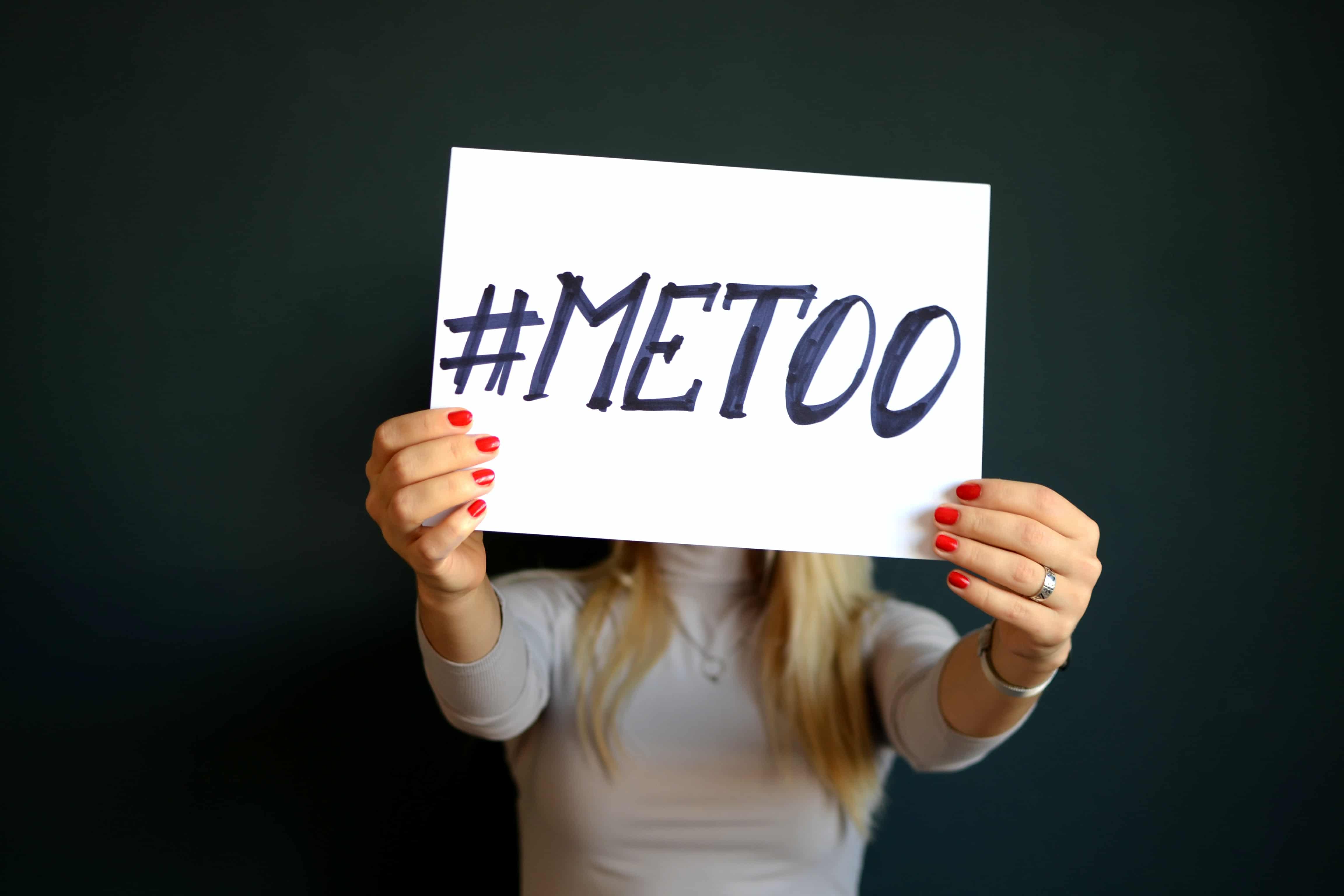
April is Sexual Assault Awareness and Prevention Month (SAAPM). According to the Rape, Abuse, and Incest National Network every nine minutes a child is sexually abused, 93% of survivors know the perpetrator, and 1 in 5 kids have been solicited sexually online before the age of 18.[1] The National Sexual Assault Hotline (1-800-656-4673) provides confidential support to victims. This GKIS article covers sexual violence, technology misuse, support groups, and ways to help. The following information may be triggering to some readers, discretion is advised.

Sexual Violence

Ending sexual violence and assault has become a national outcry. The National Sexual Violence Resource Center conducted a survey in the United States, reporting 734,630 people were raped in 2018.[2] GKIS has partnered with various organizations to raise awareness and end sexual assault.

Survivors endure the trauma of the assault and suffer chronic mental disorders (post-traumatic stress disorder, substance abuse, depression) and physical issues (HIV, sexually transmitted infections (STI), unplanned pregnancy).

The Sexual Assault Nurse Examiners (SANE) is a 24-hour service of first responders aiding sexual assault victims. SANE supports victims with emotional recovery, offers STI testing, and provides investigational leads to law enforcement which speeds and increases the chance for prosecution.[2]

Sexual assault is legally defined as “any type of sexual contact or behavior that occurs without the explicit consent of a recipient.”[3] By legal definition, the following are types of sexual assaults according to California law:

  • Forced sexual intercourse
  • Forcible sodomy
  • Child molestation
  • Sexualized bullying
  • Incest
  • Fondling
  • Attempted rape
  • Nonconsensual sharing
  • Exploitation
  • Unwanted sexualization[3]

In 2015, the People of the State of California v. Brock Allen Turner made national headlines for convicting a Stanford student for sexually assaulting an unconscious victim. He received a sentence of six months for his crimes. Based on the previous CA law, prison time was only sentenced if the victim could defend themselves. The presiding judge, Aaron Persky, was disbarred after his ruling stating that a prison sentence would “have a severe effect” on the student’s future.[3] In an effort to decrease victim-blaming, former Governor Jerry Brown signed AB 2888 which requires a mandatory minimum sentence and requires that sex crime convictions must result in state prison.[3]

Victimization of Children

Sexual violence is common in youth, with reports of 42.2% of females having experienced their first completed rape before 18 according to the 2010 summary report by the National Intimate Partner and Sexual Violence Survey.[15] Sexual abuse of minors is often unreported because victims are often secretly coerced and confused about the feelings that result from the abuse. Legally, a child cannot consent to sexual activity with an adult due to immature brain development.[4] Pettis and Hughes report that male adult victims are particularly unlikely to seek treatment for childhood abuse.[4]

Violence in Intimate Relationships

Sexual abuse involving an intimate relationship refers to an unwanted or coercive sexual behavior toward one’s partner. In a Burke and colleagues’ study, males and females with high feminine gender identity were more likely to sustain abuse if they refused to perform sexual acts.[5]

Warning signs of an abusive relationship include if your partner

  • isolates you from friends or family
  • manipulates you into performing sexual acts
  • gets frustrated and jealous if you have unaccounted-for time
  • belittles you or calls you names
  • restricts you from going to your job or school
  • demands that they do the decision-making
  • forces you to watch pornographic content
  • infects you with an STI purposely
  • threatens your personal values
  • threatens to harm your loved ones
  • demands full control over finances[6]


Sexual Harassment

Sexual harassment is defined as an unwelcome verbal or physical advance for sexual gratification.[7] A study by Adams-Roy and Barling reported that 35-45% of women face severe sexual harassment at the workplace, resulting in an increase in stress, anxiety, and depression. Assertiveness training often helps victims of sexual harassment confront the assaulter.[7]

Online Sexual Abuse

Online sexual abuse is defined by the United Nations Children’s Funds as coercing victims to use live streams, virtual communities, and social media platforms for illegal sexual acts.[13] Social media influencers have been accused of having sexual relationships with minors. For example, YouTube and Tik Tok influencers James Charles and Tony Lopez have been accused of inappropriate intimate involvement with young fans using fame, power, sexual manipulation, and abusive behaviors. Uplift is a non-profit organization that was founded in 2015 that works to combat sexual abuse in the online community. John Green, author of “The Fault in our Stars,” pledged to support the Uplift movement on YouTube, helping Uplift attract additional supporters.

Sexual Abuse of Children Online

In 2017, GKIS published the article GetKidsInternetSafe Sheds Light on the Dark Net: Drug Traffickers, Child Pornographers, and Nude Selfies. Dr. Bennett explained the risks children face when being exposed to predators and pornographic content online. Another problematic issue involves minors financially profiting from releasing pornographic content on sites like Onlyfans.

Our 2015 article, How Texting Can Turn To Sexting in the Blink of an Eye, explains how predators groom children in order to pressure them to send nude photos. Revenge porn is another form of digital abuse, defined as the act of posting someone else’s nude image without consent. Perpetrators illegally use the photos to control and exploit their victims. Revenge porn laws vary by state. If you want to know your state’s revenge porn laws, visit Cyberbully.

Sex Trafficking

Sex trafficking is the use of force, fraud, and coercion against someone for prostitution, pornography, and sexual performance fueled by the buyer’s money.[14] Sex trafficking is increasingly aiding the internet. It has been estimated that 3.8 million adults and 1 million children are used for forced and commercial sexual exploitation each year.[11] In 2020, a conspiracy erupted on Reddit accusing Wayfair of trafficking children by disguising codes located behind furniture sales. The public demanded the U.S. government to investigate allegations, which were later proven false.

People who are vulnerable to sex trafficking include:

  • recent migrants
  • substance abusers
  • people with mental illness
  • children in the welfare system
  • online discussion and meetups with strangers
  • homeless youth[10]

Illegal Camera Misconduct

Frequently child sexual abuse (commonly called child pornography) is captured and shared on smartphones and Go-Pro. According to California law, sending or receiving semi-nude or nude images of minors is child sexual abuse. This act qualifies as transmitting obscene material by distributing generated image(s) containing sexual conduct, punishable up to six years in state prison.[11]

Another form of camera misconduct is capturing or recording a subject in a bedroom or restroom without their consent. In 2019, a vacation rental guest rented an Airbnb for the weekend. He discovered that the chargers in the bedroom were video recorders.[12] Now, the placement of indoor cameras inside vacation rentals is illegal.

Security cameras placed in a particular area to capture a neighbor’s pool, bedroom, or restroom are forms of electronic surveillance that may be illegal depending on intent. Voyeurism is defined as gaining sexual pleasure by watching or recording someone undress.[5] A perpetrator may be imprisoned for 60 days and registered as a sex offender. From our recent article, Red-Light Websites and Online Services that Can Be Dangerous to Kids, GKIS described the Hide It Pro application that can store images and videos from security cameras.

Support Groups for SAAPM

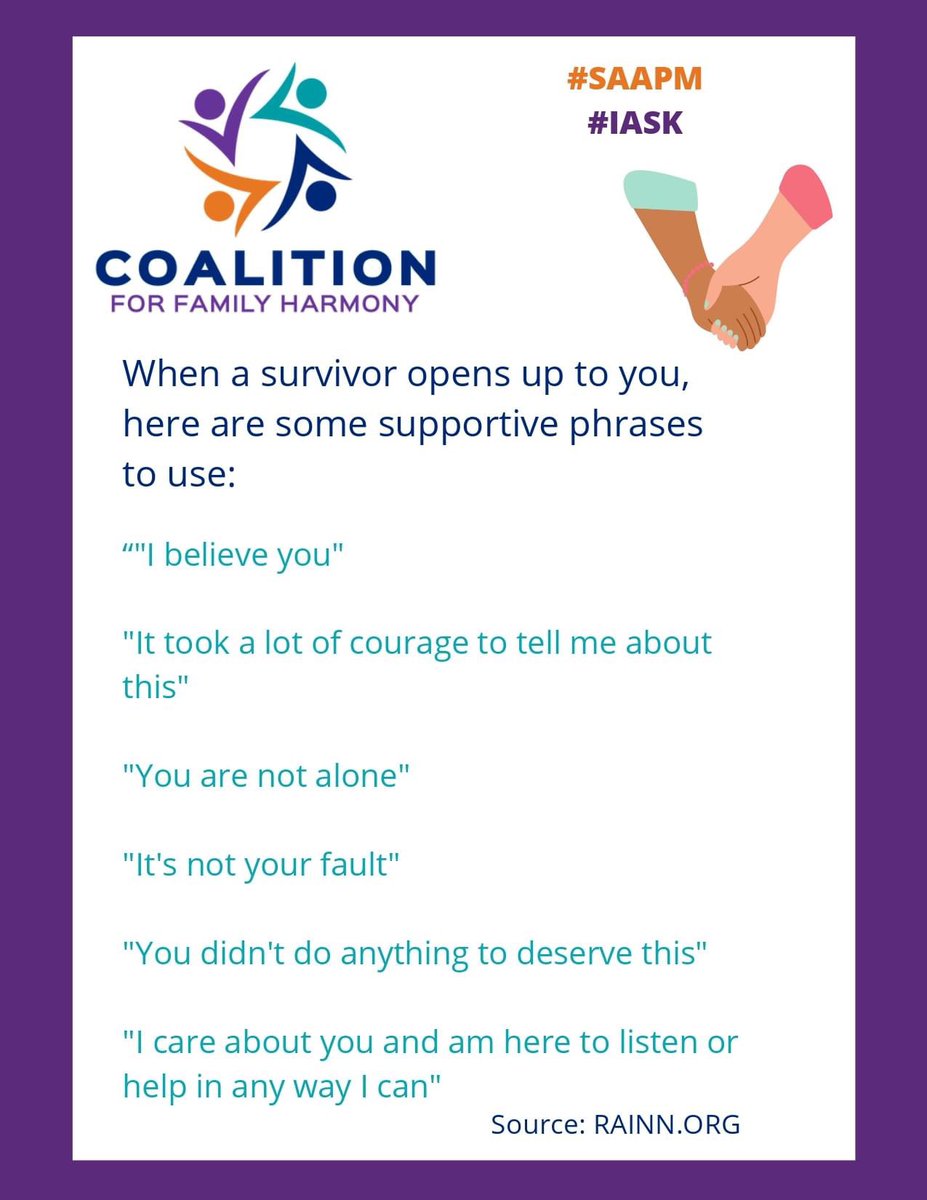
Coalition for Family Harmony

This organization offers mental support, including counseling for sexual assault survivors, support groups for adults and teens, forensic exams, and a 24/7 service with the Rape Crisis Advocates. Dr. Sandy Gomez oversees the Rape Crisis Center in Ventura County at Coalition for Family Harmony and LGBTQ Program. She states that “a person’s access to mental health services should not be limited by their socioeconomic status.” Ten free psychotherapy sessions using a survivor-centered approach are available for sexual assault survivors. There are extended services for survivors who are of color and LGBTQ+.

In April, the Coalition for Family Harmony offers presentations to educate the community and mitigate online romance fraud, which is defined as the act of deceiving another person for financial gains through an online romantic relationship using a fake identity.

A special message from Dr. Sandy Gomez; “If you have experienced sexual violence, you are not alone and what happened to you is not your fault. You are the expert of your situation and we are here to help you review your options so that you can make an informed decision that works for your needs.” Contact their office at (805) 983-6014 or 1-800-300-2181 for a 24-hour Bilingual Crisis Hotline.

The Clothesline Project at Ventura College

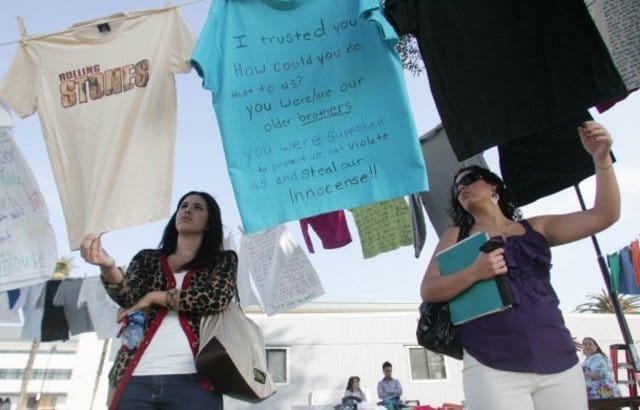
According to Professor Capuano, the Ventura Psychology Club advisor and Coordinator of the Clothesline Project for 18 years, the purpose of the Clothesline Project “is to educate students and the community that violence is a problem everywhere, and that help is available.” Students and the community can visit Ventura College to listen to survivors, attend presentations, receive on-site counseling, and speak with 15+ local organizations. Visitors put their personal message on a shirt for display on campus. Topics covered include incest, cyber exploitation, domestic violence, and sexual violence.

Bikers Against Child Abuse

B.A.C.A. is a non-profit organization free of charge which assists abused children. They work together in conjunction with the local and state officials. B.A.C.A. uses their physical appearance to lend physical and emotional support. These bikers are the shield that protects children from future physical, sexual, and emotional abuse.

Ogie, a current member of B.A.C.A., uses the phrase, “no child should live in fear,” giving children hope for a safer world. In the eyes of children and the community, they are heroes. There are monthly meetings for members and the general public to attend. For more information on Who Is B.A.C.A. and local chapters in your area, visit their website.

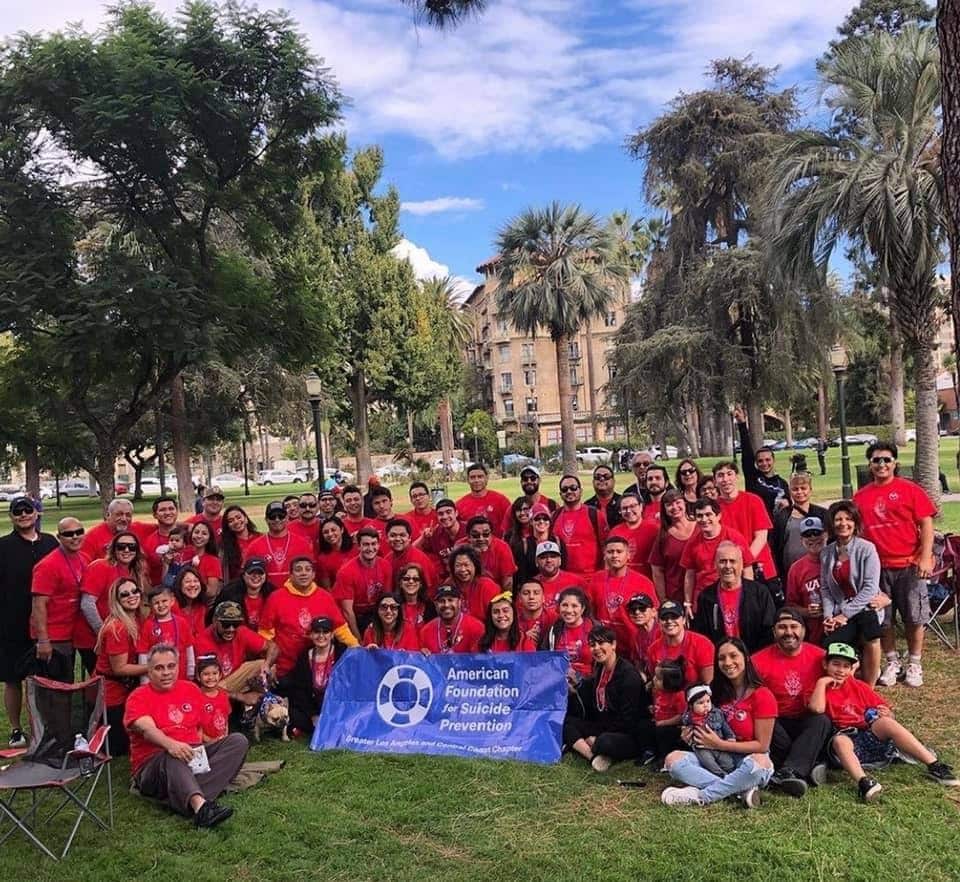
American Foundation for Suicide Prevention

Thirty-three percent of female sexual assault victims contemplate suicide.[1] The American Foundation for Suicide Prevention (AFSP) offers advocacy, research, education, and support to survivors with suicidal ideation. They recognize the importance of diversity, equity, and inclusion. AFSP is offering spring actives, such as Marathon in a Month and Campus Walks Day of Action. To learn more about the events, visit AFSP Greater Los Angeles and Central Coats. Let us be the voice AFSP is missioning for “Save Lives and Bring Hope to Those Affected by Suicide.”

Denim Day

In 1992, a 45-year-old driving instructor raped an 18-year-old woman on her first driving lesson in Italy. The survivor reported the rape, and the perpetrator was arrested and jailed for 6 years. Years later, the man appealed his conviction stating it was consensual sex evidenced by her tight jeans that would be too difficult to be pulled off involuntarily. The conviction was overturned, allowing the rapist to be released. This was to be known as the “jean alibi.”[9]

A Denim Day campaign was established in 1999 to support sexual assault victims. Denim Day is considered the most prolonged prevention and education movement for sexual assault.[9] Feel free to tag GKIS social media accounts to see you be a part of the movement.

The importance of consent shows respect for others and yourself. If you are struggling to explain or understand consent, visit Blue Seat Studio’s published video on YouTube: Tea Consent.

Call to Action Against Sexual Assault

LISTEN to victims when they report assault and assist them to achieve emotional and physical safety (e.g., walking, shopping, or eating in public settings).

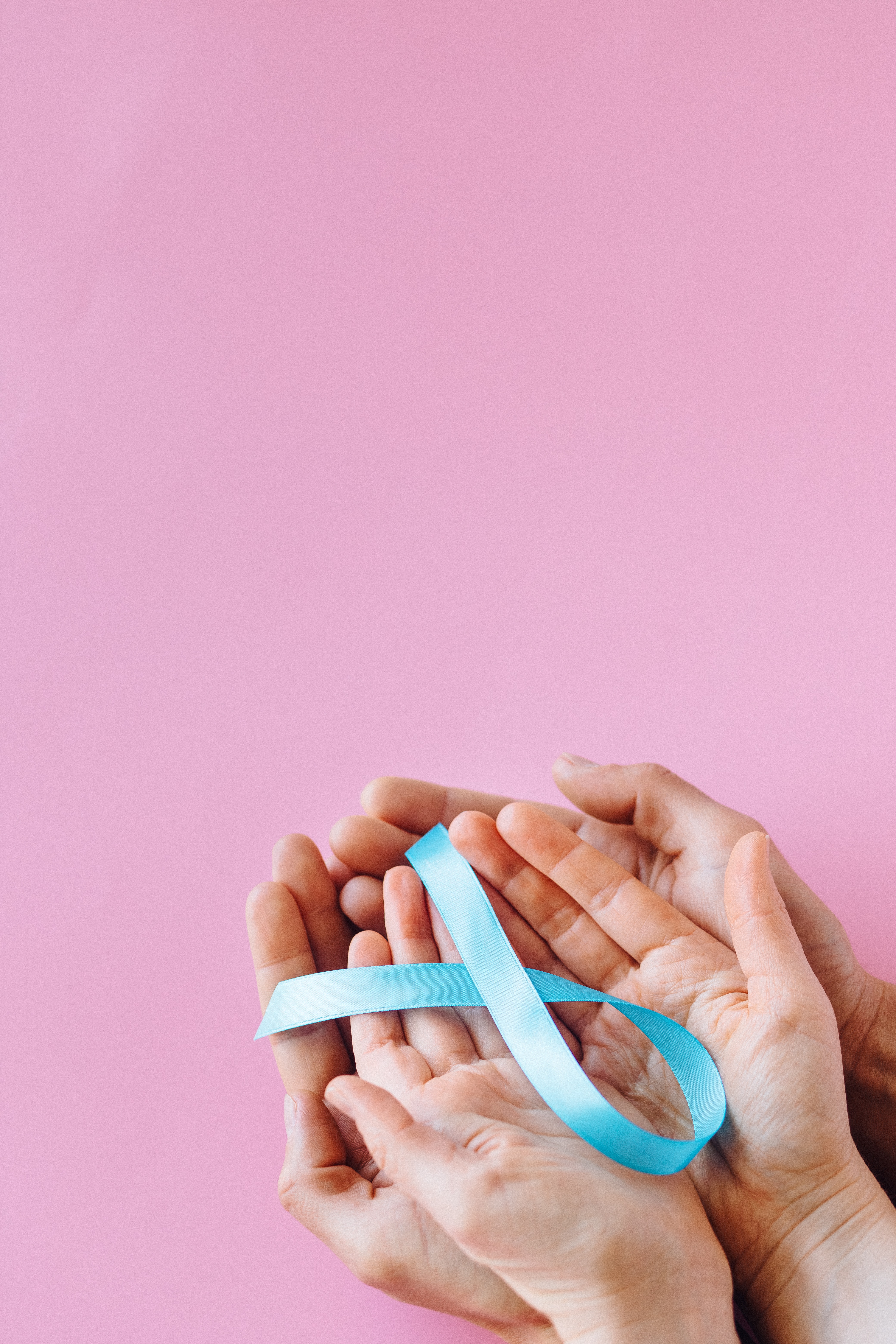
PARTICIPATE in April to show your support. Wear or post a teal ribbon on your social media page to give awareness of sexual assault.

ACT to stop victim-blaming, known as the belief that the victim is responsible for the assault because of how they dressed, spoke, or behaved. Fear of being blamed is a significant contributor to the low rates of unreported cases.

Adults must show respectful modeling behaviors to all genders to reduce sexual assault. At National Sexual Violence Resource Center, Jenny Coleman explains the importance of speaking out if someone uses inappropriate phrases and terminology in front of minors. If you order our highly reviewed online course, The GKIS Connected Family Course, GKIS will invite you to our private parenting Facebook group in the service of child safety.

GKIS recommends taking self-defense classes to protect yourself from sexual assault. Visit Ando Mierzwa on YouTube or Threat Management on Tik Tok for free self-defense tactics used in martial arts. Furthermore, BSafe, My Safetipin, and Life360 are GPS tracking apps to provide personal safety in dangerous situations.

SPEAK out against sexual violence outside of April. The importance of sharing one’s story brings hope and awareness. For sexual assault survivors who are willing to share their stories, Boston University created an Instagram page for survivors to be heard: visit Campus Survivors. At the end of the day, the story being said is yours, and the story has the power to change the world.

Thanks to CSUCI intern, Christian Sandoval, for giving awareness and prevention of sexual assault in April. The importance of hearing someone’s story is critical, and we hope you will support the movement.

I’m the mom psychologist who will help you GetKidsInternetSafe.

Onward to More Awesome Parenting,

Tracy S. Bennett, Ph. D.

Mom, Clinical Psychologist, CSUCI Adjunct Faculty

GetKidsInternetSafe

Photo Credits

Photo by Mihai Surdu on Unsplash

Photo by Mika Baumeister on Unsplash

Photo by Ehimetalor Akhere Unuabona on Unsplash

Photo by Karl on Unsplash

Photo by Sydney Sims on Unsplash

Photo by Anna Shvets from Pexels

Photo by Nataliya Vaitkevich from Pexels

Works Cited

[1] Children and teens: Statistics. (n.d.). Retrieved March 18, 2021, from Rainn.org website: https://www.rainn.org/statistics/children-and-teens

[2] Morgan, E. R., & Oudekerk, A. B. (2019). Criminal Victimization, 2018. Bureau of Justice Statistics. Retrieved from https://www.bjs.gov/content/pub/pdf/cv18.pdf

[3] Sevenslegal. (2016, September 8). An update to California’s sexual assault laws. Retrieved March 18, 2021, from Sevenslegal.com website: https://www.sevenslegal.com/assault/update-californias-sexual-assault-laws/538/

[4] Pettis, K., & Hughes, R. (1985). Sexual Victimization of Children: A Current Perspective. Behavioral Disorders, 10(2), 136-144. Retrieved March 16, 2021, from http://www.jstor.org/stable/23882265

[5] Burke, P., Stets, J., & Pirog-Good, M. (1988). Gender Identity, Self-Esteem, and Physical and Sexual Abuse in Dating Relationships. Social Psychology Quarterly, 51(3), 272-285. Retrieved March 16, 2021, from http://www.jstor.org/stable/2786925

[6] Intimate Partner Sexual Violence. (n.d.). Retrieved March 18, 2021, from Rainn.org website: https://www.rainn.org/articles/intimate-partner-sexual-violence

[7] Adams-Roy, J., & Barling, J. (1998). Predicting the Decision to Confront or Report Sexual Harassment. Journal of Organizational Behavior, 19(4), 329-336. Retrieved March 16, 2021, from http://www.jstor.org/stable/3100150

[8] National Sexual Violence Resource Center. (2020, April 3). Start at home: Modeling healthy behaviors keeps kids safe. Retrieved March 18, 2021, from Sexual Assault Awareness Month 2020 website: https://medium.com/sexual-assault-awareness-month-2020/start-at-home-modeling-healthy-behaviors-keeps-kids-safe-f454b929a2a0

[9] Why denim? — denim Day. (n.d.). Retrieved March 18, 2021, from Denimdayinfo.org website: https://www.denimdayinfo.org/why-denim

[10] Myths, facts, and statistics. (2018, November 7). Retrieved April 8, 2021, from Polarisproject.org website: https://polarisproject.org/myths-facts-and-statistics/

[11] Codes Display Text. (n.d.). Retrieved April 8, 2021, from Legislature.ca.gov website: https://leginfo.legislature.ca.gov/faces/codes_displayText.xhtml?lawCode=PEN&division=&title=9.&part=1.&chapter=7.5.&article

[12] Fussell, S. (2019, March 26). Airbnb Has a Hidden-Camera Problem. Atlantic Monthly (Boston, Mass.: 1993). Retrieved from https://www.theatlantic.com/technology/archive/2019/03/what-happens-when-you-find-cameras-your-airbnb/585007/

[13] Brown, A. (2016). Safe from harm: Tackling webcam child sexual abuse in the Philippines. Retrieved April 21, 2021, from Unicef.org website: https://www.unicef.org/stories/safe-from-harm-tackling-webcam-child-sexual-abuse-philippines

[14] Chin, K.-L., & Finckenauer, J. O. (2012). What is sex trafficking? In Selling Sex Overseas (pp. 1–33). NYU Press.

[15] Black C. M., Basile C. K., Breiding J. M., Smith G. S., Walters L. M., Merrick T. M., Chen J., & Stevens R. M. (2011). National Intimate Partner and Sexual Violence Survey 2010 Summary Report. Retrieved from https://www.cdc.gov/violenceprevention/pdf/NISVS_Report2010-a.pdf