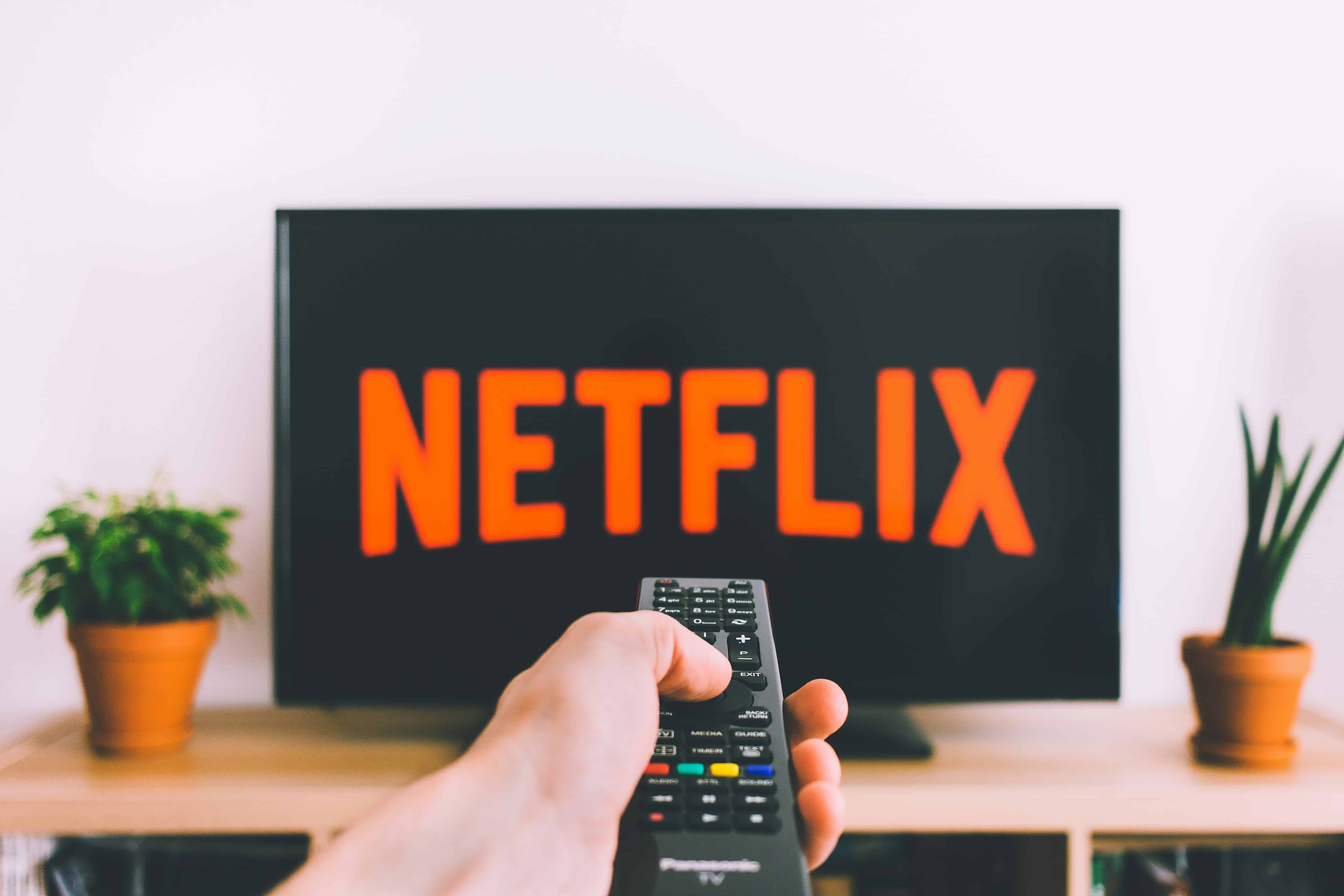
We were hunters and gatherers for 90% of human existence. That means our brains are still wired to prioritize the things that kept us alive when we were living on the land, before the domestication of animals and the construction of cities. One thing that kept us alive was living in a tribe and cooperating. Attracting a tribe and fitting in was a requirement of life. That is why kids and teens are hyper-focused on doing what their friends do and working to be cool and accepted. Online influencers count on this drive to maintain their income streams. One way to attract kids online is to be a kid doing what kids love to do, playing with toys and video games, opening new packages, and hanging out with friends acting goofy. Netflix’s Bad Influencer offers a glimpse of the kid influencer “scene,” and the lengths that some parents will go to attract and keep a following.
What is Bad Influence about?
The limited documentary series has gone viral for good reason. It’s definitely entertaining, but also deeply unsettling. It is a perfect way to raise awareness about how scary a life all about social media can be. Bad Influencer is a documentary that focuses on a tween who becomes an overnight social media star and brings her friends to stardom with her. What started out as a fun hobby quickly turned into a living nightmare. It may seem glamorous to be famous online, until you learn that the child influencers spent the majority of their childhoods working long hours acting out video ideas, risky stunts, and performing pranks that sometimes went too far—all under the pressure of adult producers/parents hungry for views. Check out Intimacy With Minors Encouraged at the Hype House for a similar story of underage exploitation.
SPOILER ALERT: The show takes a chilling turn when the mother of the main character is accused of, and videotaped, sexually exploiting these kids on set by positioning herself as one of the only adults supervising them to control them. Some survived the battle with only a few scars, while the main character is stuck living this nightmare over and over again. It may be funny, exaggerated, and attention-grabbing, but it also paints a dark picture of a digital world where clout matters more than character and children are left to pay the price.
Psychology Behind the Fame Obsession
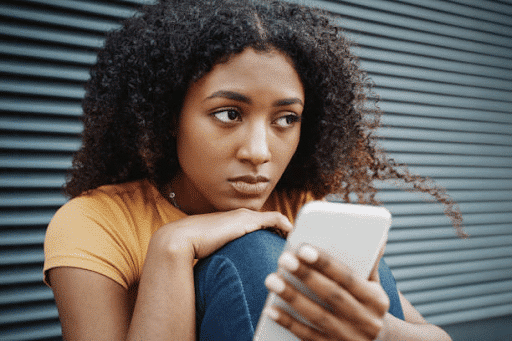
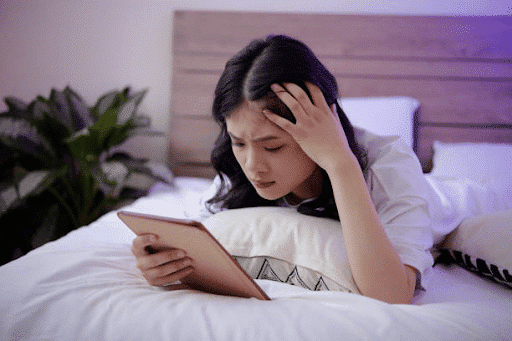
From a psychological point of view, being an influencer is cool to children because they have a natural need for validation, attention, and social connection.[1] Although the minimum age on most social media platforms is 13, it is reported that children ranging from 8-17 are found scrolling through online platforms soaking up content too mature for their ages.[2] Sadly, unlike real-world relationships, social media platforms offer fast, unfiltered dopamine hits through likes, shares, and views. Without proper guidance, this can make kids tie their self-worth to online numbers, which can result in low self-esteem, fear of missing out (FOMO), performance anxiety, and digital addiction.[3] As a result of social unlimited social media usage, kids can also experience anxiety, depression, and even poor quality of sleep.[4] Counteract this monster and help your child build emotional resilience, red flag awareness, and digital literacy by taking our GKIS Social Media Readiness Training Course. Geared for teens or tweens, it’s the perfect giftbefore that new device or video game.
What You Can Do to Help
Bad Influencer is not just a show; it’s a cautionary tale that shares the pressures kids face online every day. It is easy to get off topic and want to pull the plug on all electronics just to protect your child from their dangers, but that is not always possible. Technology and online platforms are all around us, and it is better to set your child up for success than to try to keep them out of the loop. Connecting with your child over what they find interesting can help create a trusting relationship where you can notice if things start to become a little off. Our free Connected Family Screen Agreement can help you and your child co-create rules around how to safely navigate online platforms. This way your child can thrive in the digital age without losing themselves in it.
Thanks to CSUCI intern, Elaha Qudratulla for researching and co-writing this article.
I’m the mom psychologist who will help you GetKidsInternetSafe. Onward to More Awesome Parenting,
Before the internet, “going viral” was not something positive much less something people actively sought out. “Going viral” has become a new age epidemic, with people doing whatever they can for their 60 seconds of fame. But what does “going viral” actually mean, and how does it affect our brains and our self-esteem? Today’s GKIS article will break down “going viral” and its effects. For help raising your child to be digitally smart, check out our GKIS Screen Safety Essentials Course. This course includes all GKIS parenting courses, agreements, and supplements, ensuring you are well-equipped to fight off digital injury and keep your child safe from harm.
What does it mean to “go viral”?
Going viral means sharing something via social media that spreads quickly to thousands, even millions of people. The term viral video was first used in 2009 to describe the video “David After Dentist.”[1]
One viral video or post can turn people into internet celebrities overnight and garner thousands of followers, resulting in brand deals and monetized content. Once a video goes viral, there is no limit to the number of people it will reach or even what platform they will see the video on. It is very common to see posts shared from one platform to the next, whether it be a TikTok on Twitter or a Tweet going viral on Instagram.
The number of views to be considered going viral also varies from platform to platform. One hundred thousand views on TikTok is pretty successful, whereas even a couple hundred thousand views on YouTube is a relatively low number.[2]
The number of likes is also an important factor. Many videos have a high number of views but a relatively low number of likes. These videos are not considered to be going viral because they are not well-received by the general public.[2] Engagement drives up the virality of the content through shares and comments that stimulate the algorithm to continue placing that content on people’s feeds.[2] Another important factor in going viral is the immediacy of response, meaning that the views, likes, and comments must be received within a few hours to days rather than over several months or years.[2]
How does “going viral” affect our brains?
When your video, post, or other content “goes viral,” you receive likes, comments, reposts, shares, and bookmarks. These response notifications prompt the reward systems in our brains.[3] Many fast notifications results in dopamine release. To keep that feel-good feeling going, we keep checking, acting in a way similar to gambling addictions.[3]
Algorithms also take advantage of a variable-reward system because they are programmed to recognize when to take advantage of our reward system and desire for dopamine.[3] This often results in a stockpile of notifications that get delayed until a good amount of time since the last check has passed or a large amount of engagement has accumulated.
For a personal insight into going viral, I interviewed a college student who had recently experienced the sensation of going viral. They said, “I recently had a video go viral on TikTok. It was a video of the Indie-Rock band Boygenius and one of their members, singer Phoebe Bridgers, singing a verse from their song ‘Cool About It.’ I had taken the video at a concert I had recently attended and decided to post it on TikTok since I was lucky enough to be pretty close to the stage. Over the next few days after I posted it, it got 118k views, 32k likes, and 500 comments, and was saved by more than 4000 people. Once it started picking up traction, I became obsessed with checking my notifications and seeing all the new comments. I would constantly look to see how many views I was at each hour. I even got a like from a TikTok creator who I really enjoy so that was very exciting for me.”
Although going viral is thrilling, notifications can be harmful when they are overly distracting.[4] To compensate for smartphone interruptions, studies have shown that people often work faster, resulting in more stress, frustration, time pressure, and effort.[4] Research has linked daily notifications and their interruptions to depression, anxiety, and even symptoms associated with ADHD.[5]
Our interview also revealed that the euphoria of going viral is short-lived and needs constant “re-upping.” Our subject elaborated, “Once the video started to die down though, I got annoyed by the notifications. They were distracting because they were so far and few in-between and nothing quite as exciting as the start. I got kinda sad that my viral moment was dying down. It made me want to post another video to see if it would get the same kind of attention.”
What does “going viral” do to our self-esteem?
Studies have shown that social media can be both detrimental to our self-esteem and boost it at the same time, but how does going viral change that?
Social media usage can add stress to daily life and encourage people to constantly evaluate and compare themselves to others.[6] When someone goes viral, they open themselves up to being judged by thousands of people, some of whom can be cruel, feeling emboldened by the veil of anonymity. While many would agree that the likes and views one receives on a viral post boosts their self-esteem and makes one feel good about themselves, it also allows for internet trolls to make their way into the comment section to bait others into an argument or provoke an emotional reaction.[7]
One-in-five internet users that have been victims of harassment online reported that it happened in the comment section of a website.[8] Reading negative comments can lessen confidence, reduce self-esteem, and depending on the severity, can even provoke suicidal thoughts.[9]
Our GKIS interviewee unfortunately also had experience with the negative side of going viral. They reported, “Before my video went super viral, I had posted another video that didn’t get as many views but still got a couple thousand views, a few hundred likes, and a good amount of comments. The video was clips of my girlfriend and me in celebration of our second anniversary. For the most part, the comments were really nice, with people calling us cute and being supportive. But after a little while of it being up, it got to the wrong side of TikTok. As a queer couple, we’re used to people being rude or staring at us, but to get negative comments just hurt more for some reason. This was a few months ago, but I still think about the comments from time to time. It honestly made me want to delete the whole video even though it was just a few comments out of a bunch of nice ones.”
How Parents Can Help
Understand that what you and your child post has the potential to go viral, even if you don’t want it to.
Set the privacy settings on posts to control who gets to see the content you share.
Prevent a digital injury to your child’s self-esteem before it occurs with our GKIS Screen Safety Toolkit for parents of kids of all ages.
To help facilitate difficult conversations about online content and who should see it, try out our free GKIS Connected Family Screen Agreement.
Millennial parents are constantly looking for ways to “life-hack” their parenting and make parenthood a breeze. YouTube channel ‘Ms. Rachel’ is the newest of the tools parents are utilizing, and the results are astonishing. Parents all over social media are praising ‘Ms. Rachel’ for teaching their children to talk (along with teaching skills like sign language). Virtual learning tools are a great way to help supplement the education your child receives, but with screen time comes burnout. To prevent screen time burnout for your child, try our safe-screen home setup and management with our GKISConnected Family Course, suitable for parents with toddlers to teens.
Who is ‘Ms. Rachel’?
‘Ms. Rachel’ is a teacher who created “Songs for Littles,” a YouTube channel that has 3.03 million subscribers and 1.7 billion views despite only having 102 videos made since its creation in early 2019.[1] Rachel Griffin Accurso (Ms. Rachel) creates educational videos that are backed by research and learning standards important for babies, toddlers, and preschoolers with the help of a large team. Accurso has a masters degree in music education from NYU and is currently working on her second masters in early childhood education.[2]
Accurso was motivated to create the channel after her own son was diagnosed with a speech delay. Her son inspired her to create a show to encourage language development and help children reach important learning milestones.[3] Accurso employs psychological principles like mirroring and encourages viewers to follow along with her sign and body language to build speech and language skills. Mirroring involves the mimicry of reflecting speech or behavior to help children learn to develop skills on their own.[4]
Social Media Praise
Parents all over social media have sung high praise for Ms. Rachel, even crediting her for being the reason their children say their first words. Beyond just speaking, users have also shared videos of their kids expressing themselves using sign language.
TikTok user Cw1908 shared a video of her 2-year-old daughter signing and saying, “I want more milk, I want more.”[5] The comments of the video are filled with parents sharing their experiences with Ms. Rachel as well. TikTok user Yesys13 writes, “OMG! My daughter is almost 3 and has a speech delay. Mrs. Rachel has helped her communicate with us a lot easier without frustration!”[6] User Sweetness.103 writes, “I play Ms. Rachel and my baby can read for my grandbaby.”[7]
Even parents who are cautious about screen time in infanthood share their praise for Ms. Rachel and share that the benefits outweigh their anxieties. TikTok user Nataliaa_calles shared, “I was very hesitant to allow screen time with Ivy. I heard many kids’ shows become addictive. I researched a lot of different YouTubers to help my daughter’s brain development, and Ms. Rachel was the best. Ivyanah has now learned ‘momma’ (6 months old). She’s been saying it for weeks now.”[8]
Ms. Rachel’s videos seem to help both children who are just developing their language skills and those who are developmentally delayed. Comment by user Irisloc112 on the aforementioned video states, “My son has no word at almost 3. We started watching Ms. Rachel, and now he doesn’t stop talking 5 months later.”[9]
It is not just moms on TikTok who are praising Ms. Rachel. Jasmin, 27, shared with GKIS all about how her child has learned to talk with the help of Ms. Rachel’s videos. “I started playing Ms. Rachel for my son when he was about 3 months old. I heard good reviews about Ms. Rachel and how she teaches kids important skills such as speech, movements, and emotions. I thought it was a great way for my son to learn at an early stage. From watching Ms. Rachel’s videos my son has learned how to say ‘Mama’ and ‘Dada’. His first word was ‘Mama’ at 7 months old. He always laughs and talks while I have Ms. Rachel playing on the TV. I would recommend Ms. Rachel’s videos because I believe they can help many kids who are behind in speech development or any kids who are struggling to express their feelings and emotions.”
It turns out that grandparents are crazy for Ms. Rachel too! Dr. Bennett shared that she just returned from a weekend vacation with her first grandchild and said that is the one show that keeps his attention the whole time. She found herself singing along and repeating Ms. Rachel along with him. He too is signing as well as talking and singing.
Benefits of Teaching Language Early
Most infants begin babbling around 4 months of age and say their first recognizable word around 12 to 18 months old.[10] Babies learn speech through socialization and the world around them. They closely watch their parents’ reactions to sounds and conversations with others. Through this observation, babies begin to mimic and mirror the people around them.[11] The most effective way to help your child learn to speak is by spending time talking and interacting with them. However, all parents need a break, so having an occasional virtual “co-parent” can help a lot.
Delayed speech development is associated with developmental risks down the line such as academic difficulties, learning disabilities, social difficulties, anxiety, and behavioral problems.[12] By teaching your child to learn language early, you can help to avoid these risks and reap all the benefits of early language development. Research has shown that developing a large vocabulary increases creativity.[13] Language development also helps children understand and process their emotions, analyze ideas, develop critical thinking skills, and set the foundation for most future learning.[14]
If you are worried about your child developing a digital injury such as screen addiction while utilizing virtual learning tools, check out our GKISScreen Safety Essentials Course. Co-viewing the content your child is consuming and using to learn can help your child avoid burnout. When you’re tired of watching a screen, they probably are too!
[5] Watkins, C. [@cw1908]. (2023). Its time for songs for littlessss!! #MrsRachel #songsforlittles #signlanguage #Shadybaby @Ms Rachel [Video]. TikTok. https://www.tiktok.com/t/ZTRWNRVM4/
[6] Rico, Yesi. [@yesys13]. (2023). Re: Its time for songs for littlessss!! #MrsRachel #songsforlittles #signlanguage #Shadybaby @Ms Rachel [Video]. TikTok. https://www.tiktok.com/t/ZTRWNRVM4/ [7] Ronnie. [@sweetness.103]. (2023). Re: Its time for songs for littlessss!! #MrsRachel #songsforlittles #signlanguage #Shadybaby @Ms Rachel [Video]. TikTok. https://www.tiktok.com/t/ZTRWNRVM4/
Beauty and fashion trends have always changed with the season. But with social media, the pressures to conform have increased among adults and impact younger and younger kids. At what point do we intervene to minimize the dangerous effects that arbitrary beauty standards have on kids and teens? How do we discourage the consumption of damaging content surrounding body image? If you are concerned about the damaging content your family could be exposed to, check out our Screen Safety Essentials Course. This course provides you with the tools necessary to navigate the Internet more safely and avoid digital injury. Even better, it will bring you closer to your kids! Today’s GKIS article covers the controversies of trending body types, the damage they can do to young people, and creative ideas to keep your family safe.
Heroin chic is back!
Popularized in the early 1990s, heroin chic refers to the ideal female body type with defining features that include a very thin frame and an emaciated appearance.
In November 2022, the New York Post published an article titled ‘Bye-bye booty: Heroin chic is back,’ and it immediately sparked controversy online. The article claimed that the much thinner physique was “trendy” and celebrities like Bella Hadid and Kim Kardashian who have publicized radical weight loss sparked the recent shift in body trends.
The Shortened Lifespan of Online Trends
Media has a major impact on how we perceive ourselves and the world around us.[3] With the increasing use of social media, the lifespan of trends has drastically shortened. Instead of trends lasting for a couple of years, they now last for a couple of months. That means many women whiplash between fashion fads, radical diets, and costly beauty regimens. Just when it seems that we are making progress with body positivity, the return of heroin chic only proves that within industrialized countries such as the U.S., slender women tend to be seen as more attractive.[2]
Trends have fluctuated throughout the years, coming and going and coming back again. Before the most recent return of heroin chic was the ‘slim thick’ trend from the late 2010s. Slim thick means very curvy. It’s often only achieved through plastic surgery like breast and buttock enhancement surgery. Recently social media sites have also promoted filters that make one’s face fit the trending beauty standard. A small, upturned nose, full lips, and “fox eye” eye makeup are what are considered most attractive recently on apps such as TikTok and Instagram. Another GKIS article, Influencers Hurt Child Self-Esteem by Overusing Filters, touches on how filters that dramatically alter your face can have similar effects. Check it out to learn more.
What is the damage?
Body dissatisfaction is a major source of suffering among women of all ages.[1] The intense fluctuation of beauty standards and trends can lead to self-esteem issues, lack of motivation, depression, body dysmorphia and other eating disorders, and thoughts of suicide. All genders are at risk of becoming insecure about their physical appearance. However, the risk is higher for young girls because of rapid pubertal body change and because society has deemed a woman’s attractiveness to be integral to her self-worth and value.[1]
To avoid the potential development of body image insecurities, check out our Social Media Readiness Course. This course can help prepare your tween or teen to more safely navigate the Internet and avoid damaging content.
How can we protect our teens?
Talking with your children is one way to protect them against internalizing unrealistic trends and developing insecurities. Creating a safe space to hold conversations surrounding confidence and self-esteem can help. To help guide you through these sometimes difficult conversations, we’ve developed our free Connected Family Screen Agreement. Offered in short, easy chunks, our agreement will help you become your child’s ally when it comes to screen media and family safety.
Setting smart and justifiable parameters is also key for protection. If you are lost as to how to set up the rules and maintain cooperation, our Screen Safety Essentials Course has everything you need to be your family’s go-to expert.
Social media requires a whole new set of tools for child safety. For smart management, our Screen Safety Toolkit can help.
And for tweens and teens, our Social Media Readiness Course offers the red flags of digital injury and the psychological wellness tools that Dr. Bennett teaches in her practice. With a mastery quiz at the end of each module, you can be sure that the GKIS certification your teen earns at the end really means sometimes.
[1] Stapleton, P., Crighton, G. J., Carter, B., & Pidgeon, A. (2017). Self-esteem and body image in females: The mediating role of self-compassion and appearance contingent self-worth. The Humanistic Psychologist, 45(3), 238–257. https://doi-org.ezproxy.csuci.edu/10.1037/hum0000059
[3] Monks, H., Costello, L., Dare, J., & Reid Boyd, E. (2021). ‘We’re continually comparing ourselves to something’: Navigating body image, media, and social media ideals at the nexus of appearance, health, and wellness. Sex Roles: A Journal of Research, 84(3–4), 221–237. https://doi-org.ezproxy.csuci.edu/10.1007/s11199-020-01162-w
We love the constant, on-demand access to the Internet. Almost nothing can compete. But we all have those times when we wonder, is it too much? How does frequent access to tech impact our brains? Is there a detrimental effect when our brains are still maturing? Might it be negatively affecting our children’s mental health? Does what we view make a difference? Where is the line drawn between staying up to date on current events versus compulsively consuming distressing news? Ensure that your family is protected from excessive negativity online with our Screen Safety Essentials Course. This mega course offers all GKIS course content for parents and families to provide the tools necessary to navigate the internet safely and grow closer as a family. Today’s GKIS article covers the dangers of doom-scrolling and what can be done to prevent it.
What is ‘doom-scrolling’?
Doom-scrolling refers to the excessive consumption of distressing online news coverage. This phenomenon increased exponentially as people became more active on the internet in conjunction with the rise of concerning national and international news. On the one hand, staying informed may be a coping mechanism. Browsing opportunities allow people to “reassert control over the situation” by actively seeking knowledge about a novel context or threat.[1]
For example, during the height of the Covid-19 pandemic, many people became obsessed with news about variants, vaccines, and the number of cases around the world and within one’s local county.
Another example of doom-scrolling is the high viewer rate of news about the Black Lives Matter protests during the summer of 2020. It was too easy to become glued to our screens watching videos documenting police brutality and protester violence unfiltered and in real time on TV, Facebook, Twitter, YouTube, and TikTok. The desire to stay up to date on this hot topic social movement grew so intense that people commonly spent several hours a day watching violent videos.
Our Attention Has Been Commodified
In recent years, scary news items permeate the airwaves, with reports of mass shootings and alarming weather events due to climate change. The public’s trust in the government has reached an all-time low, with divisively high levels of partisanship and serious concerns about U.S. democracy. Sensationalistic and divisive programming that sparks outrage is intelligently designed to capture our attention and keep us watching. Media and social media companies recognize that more eyes on the story result in more profit.
Internalizing Negativity
Negative media and news coverage can affect our mood and hopes for the future. Anxiety, depression, and the adoption of a nihilistic outlook may result from doom-scrolling. Constant exposure to negative news content can lead to a low expectation for positive future outcomes which can lead to feelings of hopelessness – a primary precursor to suicidality.[3] For example, a doom-scrolling teenager may be led to wonder if applying for college is worth it if global warming is going to end the world by 2030, or even consider if it’s worth staying alive to witness the decline. Staying informed can come with a serious mental cost.[2]
Compulsive Use and Desensitization
Twitter, YouTube, Facebook, and TikTok are popular social media sites that offer real-time footage of violence. From intense protests and desperate attempts to escape a mass shooting to families trying to escape the horrors of war. There’s no end to the horrific content you can consume.
Gen Z social media users (born between the years 1997-2013) particularly possess a collective passion for activism and justice paired with a prominent collective online presence. However, this drive seems to also come with an obsession with sharing, retweeting, and reblogging violent content to encourage others to stay up to date. While this may have the good intention of bringing attention to serious issues, the constant access to intense videos, photos, and articles desensitizes consumers. To read more about how Gen Z online users differ from Millenials, check out my GKIS article Millennials, Gen Z, and the Internet: Generational Divides.
Compare and Despair
A demanding social media presence may also lead to a more negative self-appraisal. Children, tweens, and teens are especially susceptible to compare and despair due to an immature personal identity and impoverished life experience. The more the individual relates to the influencer, the more impact the content may have. Our GKIS article, Is My Selfie Good Enough? How Screen Media Drives Beauty Pressures That Distress Kids and Teens, dives deeper into how social media can heighten comparison and feelings of inadequacy. Check it out to learn more.
PTSD
Post-traumatic stress disorder (PTSD) is a mental disorder in which a person struggles to recover from experiencing or witnessing a traumatic event. Our article, Live Streaming Can Cause PTSD in Adults and Children, discussed the different ways online violence can lead to PTSD. In Kids Watched a Facebook Live Suicide That Turned Into a Trending Meme, desensitization and the impact of watching shocking and violent content on the mind and body are discussed. And in Graphic Livestream Horrors, the dangers of watching violent events unfold in real-time and the tolerance of violence are discussed. This series provides additional information on what can happen to those who excessively consume violent content online, as well as how to protect your children from such possible outcomes.
Children with social media accounts unintentionally come across negative news coverage because social media algorithms suggest videos and posts after even the slightest interaction, which can expose them to increasingly inappropriate content. To help your tweens and teens avoid inappropriate content and avoid doom-scrolling and desensitization, check out our Social Media Readiness Course. This course can help prepare your kids for safer screen use and prevent psychological illness with emotional wellness tools.
How To Protect Your Children While Staying Informed
Parental Supervision
Children, tweens, and teens are particularly susceptible to distressing online content. Our Screen Safety Toolkit offers an outcome-based resource guide with recommendations and links to our favorite parental control systems necessary for effective parental supervision.
Stay Informed
Our free GKIS blog articles offer a great way to stay in the know on all topics surrounding internet culture and safety, which can help parents keep their children safe from digital injury.
Have Important Family Conversations
Our free Connected Family Screen Agreement provides tools to educate and empower families to set digital boundaries and expectations while building stronger family relationships. Having group discussions about tech, mental health, and current events offer an important way to educate kids and answer your child with openness and honesty at a developmental level they can understand.
Dr. Bennett believes that providing children and teens the skills necessary to navigate the internet responsibly is important for not only individual development but for family development, which is why the Connected Family Course can help families connect and avoid potential digital injury. Finding a middle ground between education and overexposure exists and it can be implemented safely.
Thanks to CSUCI intern Tracy Pizano for researching doom-scrolling online and its effects on the mental health of those who participate in the habit and for co-authoring this article.
I’m the mom psychologist who will help you GetKidsInternetSafe.
[1] Buchanan, K., Aknin, L. B., Lotun, S., & Sandstrom, G. M. (2021). Brief exposure to social media during the COVID-19 pandemic: Doom-scrolling has negative emotional consequences, but kindness-scrolling does not. PLoS ONE, 16(10). https://doi-org.ezproxy.csuci.edu/10.1371/journal.pone.0257728
[2] Price, M., Legrand, A. C., Brier, Z. M. F., van Stolk-Cooke, K., Peck, K., Dodds, P. S., Danforth, C. M., & Adams, Z. W. (2022). Doomscrolling during COVID-19: The negative association between daily social and traditional media consumption and mental health symptoms during the COVID-19 pandemic. Psychological Trauma: Theory, Research, Practice, and Policy. https://doi-org.ezproxy.csuci.edu/10.1037/tra0001202
[3] Hepburn, S. R., Barnhofer, T., & Williams, J. M. G. (2009). The future is bright? Effects of mood on perception of the future. Journal of Happiness Studies: An Interdisciplinary Forum on Subjective Well-Being, 10(4), 483–496. https://doi-org.ezproxy.csuci.edu/10.1007/s10902-008-9102-9
Has your child ever had an epic freakout because you demanded that they turn off their screen? Or completely went unhinged when you wouldn’t buy them a video game they wanted or allowed social media before you thought they were ready? It turns out that there is a neurological reason for that reaction beyond child entitlement and fragility. Too much screen time can result in overstimulation that results in short- and long-term effects in kids. To help manage your child’s screen time and avoid overstimulation, check out ourScreen Safety Essentials Course. This course will help your family achieve screen sanity with our weekly parenting and family coaching videos featuring research-based tools from Dr. Tracy Bennett. In this article, we discuss sensory overload, how it may be affecting your children, and how to avoid it.
Our Digital Babysitter
Raising kids is hard! And some kids are more difficult to entertain than others. Screen time can be a win-win – kids are happy, and parents can get things done. Dr. Bennett, Founder of GetKidsInternetSafe, says screen time can be a great thing, but it can also be a source for a host of digital injury. In her book Screen Time in the Mean Time, she describes screen injuries in the areas of health, interpersonal exploitation, and financial exploitation.[4]
She says that, although screen time matters, content matters too. Educational content with a calm, predictable, and sequential pace is easier for children to process than frenetic, fast-paced content. If your child melts down when you tell them to turn off screen time, you may need to be more aware of the content they are watching so they don’t suffer from sensory overload.
What is sensory overload?
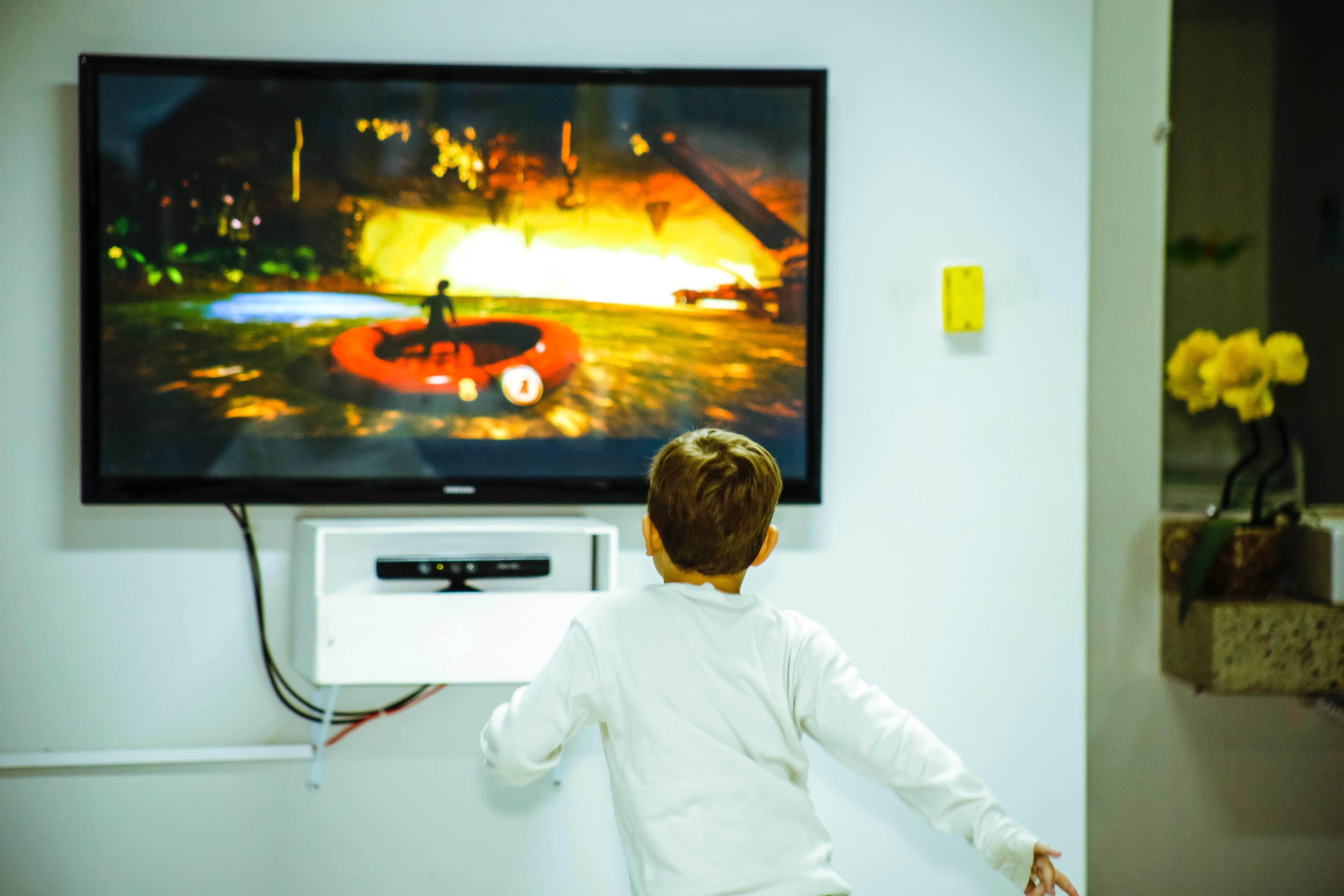
Sensory overload refers to overstimulation that occurs when sensations from the environment, like playing video games or watching fast-paced videos and television programming, can become overwhelming.[2] For young children with maturing brains and difficulty with emotional modulation, sensory overload from unmanaged screen time can result in irritability, temper outbursts, hyperactivity, and aggression. Children with disabilities, like autistic spectrum disorder or attention-deficit/hyperactivity disorder, are particularly vulnerable to sensory overload.[4]
What does frenetic, fast-paced content look like?
In 2006, YouTube launched the child educational program CoComelon. By September 2022, CoComelon had 144 million subscribers and over 139.24 billion views.[5] The demand and popularity of the CoComelon led to the creation of the TV show in 2021, which also became a hit sensation. CoComelon consistently ranks in the top ten most popular shows on Netflix.
CoComelon is known for its fast pace and bright animation. These aspects of the program are hypothesized to stimulate the release of the feel-good chemical, dopamine, in kids’ brains.[1] Dopamine also plays a key role in addiction. This rush of dopamine that kids experience while watching the show is what makes them want to watch it repeatedly.[3] Some exposure is likely harmless. However, some kids may have a vulnerability to such fast-paced content. Too much watching can lead to problems.
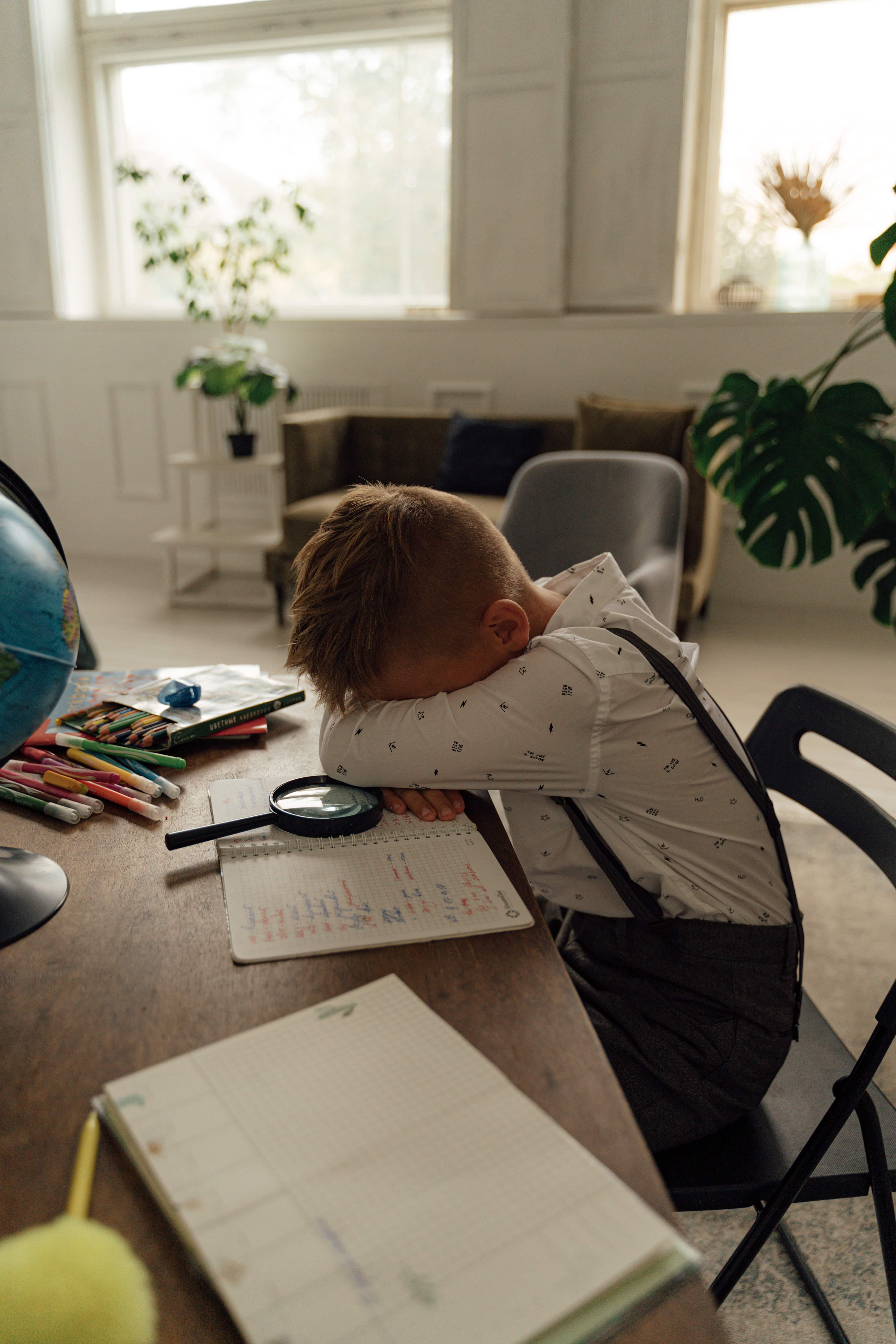
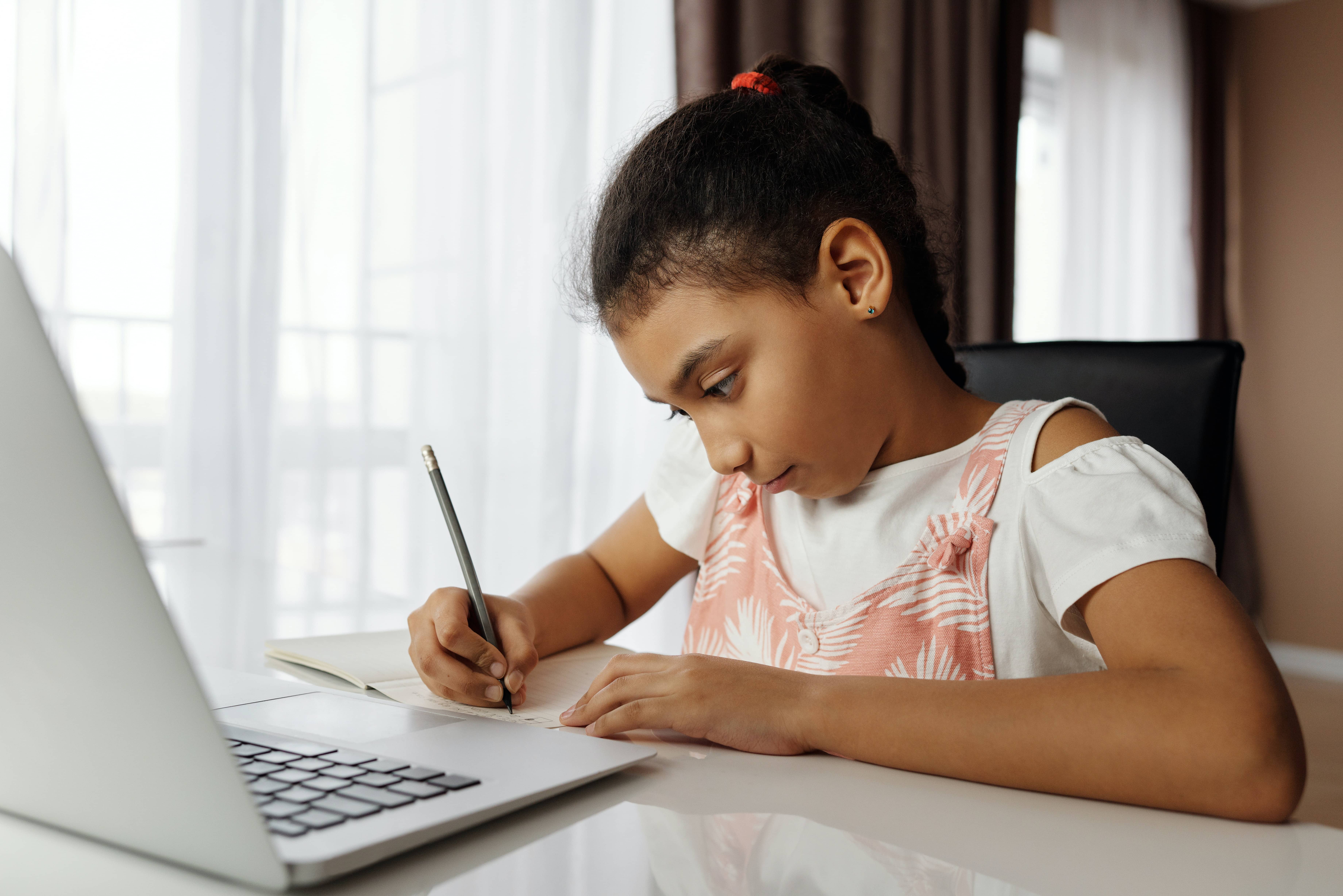
Passive television while doing homework can result in sensory overload.
Frenetic screen content isn’t the only thing that can lead to problems with sensory overload. In her book, Screen Time in the Mean Time,Dr. Bennett writes that passive television can also strain child cognitive resources.
Passive television refers to the television playing in the background while we’re eating dinner, doing homework, or just for pleasure. Having the television on in the background while your kids do homework creates a battleground for your child’s attention. This can negatively affect their quality of learning and academic performance.
Dr. Tracy Bennett writes:
Watching TV and doing homework are both demanding tasks that compete for visual and verbal cognitive processing. As a result, the toggling required to attend to both tasks will impair learning and homework quality. Research studies have demonstrated that watching television, or even just having it on in the background, impairs reading performance, recall and recognition, and even your memory of what you’ve watched on TV.[4]
Entertainment and big tech havecommodified your child’s attention.
Because entertainment corporations recognize that their profit depends on our screentime, they’ve created manipulative technology to capture our attention. With features like autoplay, companies like Netflix, YouTube, and TikTok know how to keep us binge-watching. The autoplay feature automatically dishes up new content without user input to promote addictive watching habits. With features like autoplay, can you be confident that Netflix is prioritizing your child’s learning and mental health over its profit?
Signs That Your Child May be Suffering from Sensory Overload
Chronic moodiness and irritability
Fatigue and low energy
Difficulty making decisions
Temper outbursts, especially after a long screen time binge
Aggression
Headaches, including ocular headaches and migraines
Difficulty falling asleep and staying asleep
Nightmares[6]
How can you help your child avoid sensory overload?
Take initiative and manage what your children are able to access with help from ourScreen Safety Toolkit.
Set up sensible household rules (like screen-free zones) and amazing learning centers with help from our Connected Family Course.
Help your children learn how to recognize the red flags of digital injury and practice psychological wellness tools before they adopt social media with our Social Media Readiness Course.
Opt for the works with our megacourse the Screen Safety Essentials Course. This low-cost option offers all GKIS Courses and Agreements in one easy place. Parents-only videos and family videos from Dr. B offer 26 easy lessons that you can sprinkle in once a week to make sure you cover everything!
Share Dr. B’s important teachings by telling your school, church, or temple about her custom webinars!
If you need extra support, check out our GKIS Workshops and Dr. B’s Coaching options!
Thanks to CSUCI intern, Sarah Hernandez for researching and writing about sensory overload from screen time.
I’m the mom psychologist who will help you GetKidsInternetSafe.









 Thanks to CSUCI intern, Katherine Carroll for researching “going viral” and its effect on the brain and self-esteem.