Has your child been manipulated and exploited online? Influencing people to send nudes is an example of sexual coercion, and it happens more than you think.[1] A survey found that 36% of participants reported experiencing digital sexual coercion.[2] And too often, it happens to young teens. Statistics say one in 33 kids is approached online, but many don’t report it.[3] Too often when kids come forward, they lose their screen privileges as a result. This punishes kids for seeking help, so they learn to keep scary online problems to themselves. This is my story of being the victim of digital sexual coercion when I was only 13 years old.
He was 17, I was 13
When I was in seventh grade, my PE class overlapped with eleven graders, and that’s where I met Dale. Dale was 17 and new at our school. I was 13, friendly, outgoing, and happy to introduce myself. Dale added me on Facebook, and we began to get close. My mom didn’t even know I had Facebook because I hid it. But honestly, if she had a resource like the GKIS Screen Safety Essentials Course, I wouldn’t have been able to hide it from her. I could have skipped this whole trauma. Nothing like GKIS was around back then. I was a sitting duck.
How We Got Close
Within two weeks, Dale and I were Skyping for hours every night. It was awesome. He’d say things like, “You’re so mature for your age,” “You look a lot older than you are,” and “I wish you were older so we could hang out in public.” He made me feel desired and special. Now I know that using flattery to manipulate younger kids makes them more vulnerable to coercion.[4] But then, Dale hyping me up so much gave me a big head. I felt like I was older, more sophisticated, and smarter than kids my age. I loved the attention. I already felt like a little adult.
Over the next few months, we grew closer and closer and started making plans to hang out. He wanted to meet at a “secret” spot across the street from our school. It was at an outdoor bench in a parking lot surrounded by trees which hid us from the view. He made sure we met at different times so we couldn’t get caught. I felt like he was ashamed to be seen with me, and it hurt my feelings so much. During these hang-outs, I discovered what first and second base were. We even talked about what it would be like to have sex. It was exciting for me.
How It Took a Turn for the Worst
Eventually, Dale coached me on how to pose for provocative pictures and convinced me to email them to him. He promised not to show the pictures to anyone and even sent me some of his own. I thought it was safe because he cared about me, and we loved each other.
Unfortunately, it wasn’t long until I found out that he showed my pictures to the boys in my class because they teased me about the colors they saw me wearing in the pictures. It was absolutely horrifying! I was embarrassed. I felt betrayed. I was so sad and angry. I didn’t know what to do, so I just denied it and worked hard to keep my composure. One guy bullied me about it the whole rest of the year. It never got easy.
I was afraid to lose our relationship, so I did not make it a big deal. But I did ask him not to show the photos to anyone ever again. Some of his friends cautioned him, recognizing the age difference. Most of them were nice to me. They acted like they knew I was a little girl with an almost-man. I think some of them felt sorry for me. That was his wake-up call to how wrong it was to be with me.
When I started to feel him pulling away, I sent more pictures to earn his attention. I was completely attached and “in love.” Inevitably, he broke up with me because he was turning 18 soon and did not want to catch a case. I was shattered. I felt unworthy, unwanted, less-than, and like I was not enough. To make matters worse, he began dating a girl who was 15 years old a month after we separated. Watching him grow close to her broke my heart and left knots in my stomach. I was constantly comparing myself to her thinking I was too fat, ugly, and young. I felt used and discarded. I had a hard time focusing on school, friends, or extracurricular activities. For the next four years, I felt like I’d never be in love again. It took a toll on me and made me feel so self-conscious.
My Why
At the time, I felt so alone and misunderstood. Now I see I needed resources like GKIS. Thirteen years later, I researched “digital sexual coercion” and finally felt seen. I feel better after understanding how common this is and inspired to share my story to help other kids and parents avoid what happened to me.
After reflecting on my experience, I realized that open conversations about online interactions could have equipped me with the awareness to recognize red flags. Had I gone through the GKIS Social Media Readiness Course, I would have understood the risks of social media even among my friends. I encourage all parents to empower their children to navigate the digital world safely. This way, you can prevent your child from reliving my worst experience.
Thanks to CSUCI intern Elaha Q for writing this article. Her courage and vulnerability are so impressive. She said writing the article was a healing experience. And crazily, her older “boyfriend” recently reached out to her and apologized. But she also said that she now recognized who he was still phishing for her affection, and it felt “weird.” It made me wonder, do we ever stop feeling vulnerable after experiences like this? Thanks Elaha for being bold and brave and sharing your story.
I’m the mom psychologist who will help you GetKidsInternetSafe.
We were hunters and gatherers for 90% of human existence. That means our brains are still wired to prioritize the things that kept us alive when we were living on the land, before the domestication of animals and the construction of cities. One thing that kept us alive was living in a tribe and cooperating. Attracting a tribe and fitting in was a requirement of life. That is why kids and teens are hyper-focused on doing what their friends do and working to be cool and accepted. Online influencers count on this drive to maintain their income streams. One way to attract kids online is to be a kid doing what kids love to do, playing with toys and video games, opening new packages, and hanging out with friends acting goofy. Netflix’s Bad Influencer offers a glimpse of the kid influencer “scene,” and the lengths that some parents will go to attract and keep a following.
What is Bad Influence about?
The limited documentary series has gone viral for good reason. It’s definitely entertaining, but also deeply unsettling. It is a perfect way to raise awareness about how scary a life all about social media can be. Bad Influencer is a documentary that focuses on a tween who becomes an overnight social media star and brings her friends to stardom with her. What started out as a fun hobby quickly turned into a living nightmare. It may seem glamorous to be famous online, until you learn that the child influencers spent the majority of their childhoods working long hours acting out video ideas, risky stunts, and performing pranks that sometimes went too far—all under the pressure of adult producers/parents hungry for views. Check out Intimacy With Minors Encouraged at the Hype House for a similar story of underage exploitation.
SPOILER ALERT: The show takes a chilling turn when the mother of the main character is accused of, and videotaped, sexually exploiting these kids on set by positioning herself as one of the only adults supervising them to control them. Some survived the battle with only a few scars, while the main character is stuck living this nightmare over and over again. It may be funny, exaggerated, and attention-grabbing, but it also paints a dark picture of a digital world where clout matters more than character and children are left to pay the price.
Psychology Behind the Fame Obsession
From a psychological point of view, being an influencer is cool to children because they have a natural need for validation, attention, and social connection.[1] Although the minimum age on most social media platforms is 13, it is reported that children ranging from 8-17 are found scrolling through online platforms soaking up content too mature for their ages.[2] Sadly, unlike real-world relationships, social media platforms offer fast, unfiltered dopamine hits through likes, shares, and views. Without proper guidance, this can make kids tie their self-worth to online numbers, which can result in low self-esteem, fear of missing out (FOMO), performance anxiety, and digital addiction.[3] As a result of social unlimited social media usage, kids can also experience anxiety, depression, and even poor quality of sleep.[4] Counteract this monster and help your child build emotional resilience, red flag awareness, and digital literacy by taking our GKIS Social Media Readiness Training Course. Geared for teens or tweens, it’s the perfect giftbefore that new device or video game.
What You Can Do to Help
Bad Influencer is not just a show; it’s a cautionary tale that shares the pressures kids face online every day. It is easy to get off topic and want to pull the plug on all electronics just to protect your child from their dangers, but that is not always possible. Technology and online platforms are all around us, and it is better to set your child up for success than to try to keep them out of the loop. Connecting with your child over what they find interesting can help create a trusting relationship where you can notice if things start to become a little off. Our free Connected Family Screen Agreement can help you and your child co-create rules around how to safely navigate online platforms. This way your child can thrive in the digital age without losing themselves in it.
Thanks to CSUCI intern, Elaha Qudratulla for researching and co-writing this article.
I’m the mom psychologist who will help you GetKidsInternetSafe. Onward to More Awesome Parenting,
I am so excited that we are FINALLY seeing progress in holding big tech accountable for giving safer child options online! On July 30th the U.S. Senate overwhelmingly passed the Kids Online Safety Act (KODA) and the Children and Teens’ Online Privacy Protection Act (COPPA 2.0). This has been hard-earned with many parents and professional advocates working tirelessly to protect our kids. Next, this legislation must pass the U.S. House to become law!
The Children and Teens Online Privacy Protection Act
The Children and Teens Online Privacy Protection Act (COPPA 2.0) is legislation that also aims to strengthen minors’ online protections.[1] It would amend the original 1998 act and strengthen the online collection and disclosure of information of children up to the age of 16.[1]
The Kids Online Safety Act of 2022
The Kids Online Safety Act of 2022 (KOSA) is a kid’s online safety act that aims to empower both parents and children to have control over their online activity.[2] It would provide children and parents with the right tools and safeguards by requiring that social media platforms have protective options regarding algorithms, product features, and information.[2] KOSA would require social media platforms to have a duty to prevent harm to minors in its many forms.[2] The KOSA bill requires that non-profit organizations and academic researchers get access to data from social media platforms to conduct research regarding harm to the well-being and safety of minors.[5] This act applies to social media, social networks, multiplayer online video games, social messaging applications, and video streaming services.
Specifically, social media platforms will be required to:
have the strongest safety settings for children set by default. That means better protection over their information, disabling the most addictive use features, and the ability to opt out of personalized algorithmic recommendations.
Give parents new controls to spot harmful behavior and a dedicated channel to report it. That means parental controls are turned on by default for young children and as an option for teens. To protect minor privacy, platforms must notify them that parental controls are in place.
Act on their duty to protect kids from harmful actors and content like those that can contribute to suicide, sexual exploitation, eating disorders, substance abuse, and ads for illegal products like THC, tobacco, and alcohol.
Participate in independent audits and child and teens online safety research.[2]
Please keep in mind that this act:
Requires social media platforms to avoid intentional nudges and reminders that move kids to harmful content, it does not block or censor internet content. Third parties can still share information that the social media platforms are not liable for and kids can still search for content that may be harmful to them.
Although most social media platforms do ask for the date of birth of new users to profile and comply with the Children’s Online Privacy Protection Act (COPPA), this act does not require social media platforms to set up age-gating or age verification.
Does not prevent kids from going online. But it does ask for safeguards and permissions for users under 13 years old in a similar way that COPPA does.
Does not monitor user behavior, which would be a violation of privacy by itself.
Does not impact personal websites or blogs.[2]
Social Media Readiness
Although these legislations are a step in the right direction, they still do not provide the education and problem-solving training that kids need to make safer decisions online. That is still left up to the schools and the parents. If you haven’t yet taken the step to help your kids learn the skills they need to better assure safety, check out our Social Media Readiness Courses. For the tween, we have a short and sweet online lesson (complete with mastery quizzes) that is at a fifth-grade reading level. This gets important family conversations started and teaches kids important skills for recognizing the dangers of digital injury and for implementing important psychological wellness tools. Our teen version goes more in-depth and takes far longer (also complete with mastery quizzes) and is at a tenth-grade reading level.
It’s no secret that porn has taken over the virtual world. But many aren’t aware that their tweens and teens are at risk for porn addiction. Today we’re looking at a candid first-hand account of someone whose porn addiction started at the age of 12. We’re also taking a glimpse at porn-blocking sites and our tips for recovery. If you’d like to find out what it takes to protect your kid from the dangers of the net and learn info on parental controls and monitoring, check out our GKIS Screen Safety Toolkit.
The Dangers of Porn
As mentioned in our article Online Pornography’s Impact on Kids and Teens, pornography consumption has grown. With adult sites like Pornhub growing more popular, our youth are at risk of developing a porn addiction more than ever.
According to Dr. Bennett, the demographic most at risk for porn addiction is adolescents with troubled familial relations.[1] For years, the common stereotype was that mainly boys were at risk for porn addiction. But times have changed. Girls are just as present on the internet, meaning all our youth are at risk for developing a porn addiction.
Desensitization and habituation (this means the user may get used to less extreme content and will have to view more extreme content to get the same feeling of satisfaction.)
Hypersexual Disorder, is a disorder that causes one to engage in or think about sex to the point that it affects their life.[2]
Chase is a former pornography addict. He opened up and gave us insight into what it’s like being addicted and how it affected his mental health.
“When I was addicted to pornography, I think I was about 12 or 13 years old. It lasted until I turned 23 and it was a daily occurrence. I was consuming porn in different forms around 3 to 4 times a day,” he said.
Chase claimed that he got used to consuming porn quickly and talked about how it became a demanding habit. “It felt very infectious to my lifestyle. I’d pick up the phone and have to indulge in porn. Done doing a specific activity? Browsing [porn] again. It felt like if I didn’t get as much satisfaction from a ‘session,’ the next session had to fit a specific theme or fetish.”
Chase discussed how his porn addiction started creeping into other places in his life, saying “It got so bad to the point where it infected other things that aren’t even related to it in the first place. Looking up specific people, fetishes, and at its worst, trying to find easier avenues or different ways to access content. It was bad.”
He got even more candid with us, explaining how the addiction became mentally and physically invasive. “I think it affected my mental state very much. I don’t have too much experience in mental challenges when it comes to myself anyway, but it impacted my ability to follow daily habits and schedules, and at its worst, caused me to cancel plans.”
When asked about his advice for addiction prevention advice for those suffering from porn addiction, he replied “It’d be to not create any accounts for anything porn related. Limit yourself slowly over time, and don’t let yourself lose sight of what the future version you have of yourself would do, and slowly become that. You aren’t alone and reach out for help if you need it.”
Shame and How It Prevents Recovery
Because of the taboo nature of pornography, many people battling porn addictions experience feelings of shame and guilt. It’s why most people keep their addiction hidden for so long before seeking help. Some experience shame so much that they never seek help.
We see shame as a huge problem. In a study titled “Hidden in shame: Heterosexual men’s experiences of self-perceived problematic pornography use,”15 men were interviewed about their experience with porn. Nearly all of them stated that they grew up never talking or learning about sex education with their parents. They also stated that viewing pornography is taboo and it was difficult for them to seek help due to fear of rejection.[3]
One participant even sought help through a doctor when they were experiencing a reduced libido that stemmed from porn addiction. The doctor not only had nothing to offer him, but he immediately referred him to a male fertility specialist for testosterone treatments that cost him hundreds of dollars.[4]
Porn Site Blockers
Of course, it’s best to not even visit porn sites in the first place. But if you worry you have a problem, here are some porn-blocking tools that may help.
Disclaimer: GKIS is not sponsored or partnered with any of the porn-blocking sites listed.
Canopy
Canopy is an app that blocks porn sites, blocks apps, schedules screen time and downtime, and sexting prevention through image and text detection.[5] Parents or spouses set up their host account on their device followed by the kid/main user account on the kid/user’s device. The parent or spouse oversees the control settings and monitors the other device.
FamiSafe
FamiSafe is another app that blocks porn websites on any device. Like Canopy, parents have access to controls and internet usage. Parents can track social media usage, set screen time limits, track location, monitor keywords searched or sent via text, and more. Parents are notified when their kids are texting about inappropriate topics or when they’re at a location they shouldn’t be.[6]
CovenantEyes and the Victory App
CovenantEyes is a porn detector and blocker. It’s paired with its companion tool, the Victory app, to scan for suspicious activity, send reminders and check-ins, and issue mini-courses to see your progress.[7] CovenantEyes also offers Christian resources for followers struggling with porn addiction.
GKIS Tips for the Road to Recovery
Porn-blocking sites are useful but not foolproof. So, GKIS has tips for parents of children suffering from porn addiction.
It is healthy and appropriate for children to be curious about the human body and sexuality. For tips about how to offer shame-free sex education, check out our 4-article series starting with 6 Parenting Tips for Making Sex Ed Easier!
In addition to using home-setup strategies detailed in our Connected Family Course and parental monitoring tools listed in our Screen Safety Toolkit, consistently spot-check your child’s screen device. Talking to your child about spot-checking may steer them away from adult content since they know their device may be checked anytime.
Let them know this is the family policy before you buy them screen devices. That way they won’t feel lied to, betrayed, or spied upon if you do find questionable content. And if you do find something, allow that to be a teaching opportunity rather than a punishing opportunity. Your best safety tool is a healthy, collaborative parent-child relationship.
Limiting time on specific apps may be a useful tool for recovery. Apps like Instagram, Twitter, and Reddit are some of the most popular apps for adult film stars to promote their content. (Most smartphones report the time used on each app in ‘Settings.’)
A reward system for good progress may be of good use for porn addiction recovery. Although it may seem like an old-fashioned method, rewarding good behavior has been researched and proven to be effective. Whether it’s a new book, dinner at their favorite restaurant, or a trip to the movies, rewards (with verbal affirmations) can give your child the motivation to stay on the path to recovery.
If you are considering allowing social media apps for your tween or teen, our Social Media Readiness Course offers information about the risks of digital injury and helpful psychological wellness tools as well!
Battling pornography addiction is hard for anyone, let alone our youth. Whether you have a teen or tween battling addiction or simply want to help them surf the internet safely, GKIS has multiple resources to help you get there. Whether you’re utilizing our Screen Safety Toolkit or simply giving our sex ed articles a read, GKIS is here to make it a smoother journey for you.
A special thanks to Chase for sharing his story.
Thanks to CSUCI intern Samantha Sanchez for preparing this article and researching porn addiction.
I’m the mom psychologist who will help you GetKidsInternetSafe. Onward to More Awesome Parenting
[3] Sniewski, L., & Farvid, P. (2020). Hidden in shame: Heterosexual men’s experiences of self-perceived problematic pornography use. Psychology of Men & Masculinities, 21(2), 201–212.https://doi-org.ezproxy.csuci.edu/10.1037/men0000232
In 2013, a 14-year-old girl in England named Hannah Smith committed suicide after being bullied and receiving hurtful comments on a social media website. When her father called for there to be accountability for the people who had left messages about his daughter before her death, it was revealed by the police that Hannah had most likely written the messages herself.[1] This was one of the first recognized incidents of digital self-harm, where a person leaves harmful messages, comments, or posts about themselves on the internet. We have written about physical self-harm in the GKIS article, “What Parents Need to Know About America’s Cutting Epidemic,” but today we’re going to examine the possible causes of digital self-harm, and how you can take steps to help your children if they’re experiencing this. To prevent digital self-harm, keeping open communication between you and your kids about their screen usage is essential. The GKIS Connected Family Screen Agreement is our free digital contract that helps create an open forum of communication between you and your kids and offers tips about the basics of internet safety.
What makes digital self-harm different?
Physical self-harm is when a person injures or puts themselves at risk without intent for committing suicide. Often this is done to numb emotional pain or cry for help. The most known forms of self-harm are cutting or burning yourself or skin-picking, but other risky behaviors like excessive drinking and drug use can become self-harm depending on the person’s motivation.[2] Physical self-harm can accompany or lead to suicidality.
Digital self-harm is similar to the physical forms of self-harm, but it takes place over the Internet. A teenager who’s self-harming this way may leave hateful comments and messages for themselves on social media, often in a publicly visible place. This is done anonymously on a fake account they’ve created.[3] By doing this to themselves, it can make it look like they’re being cyberbullied or harassed by others. Like physical self-harm, teenagers who digitally self-harm are at a much higher risk of suicidal thoughts or making a suicide attempt.[4]
Why do people engage in digital self-harm?
There are many reasons a teen may engage in digital self-harm, including:
to express overwhelming negative feelings about themselves.
to take control of peer relations where they’d otherwise feel out of control.
to look artsy, tough, or cool or better belong among others victimized by bullying or cyberbullying.
to numb out or punish themselves.[2][6]
to attract much-needed help and support.[5]
to elicit compliments and praise from others.
in hopes that friends will come to their defense and say positive things about them.[5]
to create a forum where they can engage in a public discourse and track responses.[5]
to phish to find out if other people see them in a similarly negative way.[6]
How common is this behavior?
A study in 2012 surveyed 617 college students and found that 9% of those students admitted to committing digital self-harm behavior while they were in high school.[7]
Another more recent 2017 study surveyed 5,593 middle-school and high-school students and found that about 5% admitted to digital self-harm, and 6% admitted to cyberbullying themselves.[3] They also found that teenagers who had digitally self-harmed were also more likely to have been bullied in the past than the students who hadn’t self-harmed.
The Role of Social Media in Self-Harm
As social media has gotten more popular, teenage mental health has been getting worse. One study found that adolescent suicide rates and depressive symptoms increased from 2010 to 2015, particularly among young girls.[8] Another found that students who checked social media 50-100 times a day were more likely to be distressed than their peers who checked less frequently, and that checking more than 100 times a day led to even higher distress.[9]
While self-harming behavior is usually done in private, social media opens the possibility of exposure to the negative emotions that cause self-harm. Social media allows kids and teens to communicate with others who self-harm and more easily find information about how to do different types of self-harm.[2]
What should I do if someone I know is digitally self-harming?
While digital self-harm is a new phenomenon in the worlds of social media and psychology, there are preventative measures that could help you monitor for digital self-harm in your family:
Take active steps to manage your children’s time online and monitor what kinds of websites your children are accessing. The GKIS Screen Safety Toolkit provides you with advice and app recommendations to set up parental controls, screen time management, and website filtering and blocking.
Recognize that self-harm is usually a symptom of other problems in your child’s life, and that they may be keeping it to themselves to avoid embarrassment or punishment. Respond with empathy in mind. This is a poorly thought-through coping mechanism that is fairly common among kids, tweens, and teens. Don’t respond harshly because you are disappointed or embarrassed. Instead, make this a teaching opportunity and gently validate their feelings and coach them through to better solutions. Kids make mistakes online just as they do offline. They’re still learning.
If the free Connected Family Agreement catches your interest and you want something more comprehensive, our megacourse for Screen Safety Essentials offers GKIS content for the whole family to form healthier screen use habits and encourage cooperation between you and your kids.
If you’re worried that your teen is self-harming or suicidal, contact a mental health professional as soon as possible. Typically, the earlier the intervention, the more effective it is.
Thanks to CSUCI intern Brandon Bishop for researching digital self-harm and its causes and authoring this article.
I’m the mom psychologist who will help you GetKidsInternetSafe.
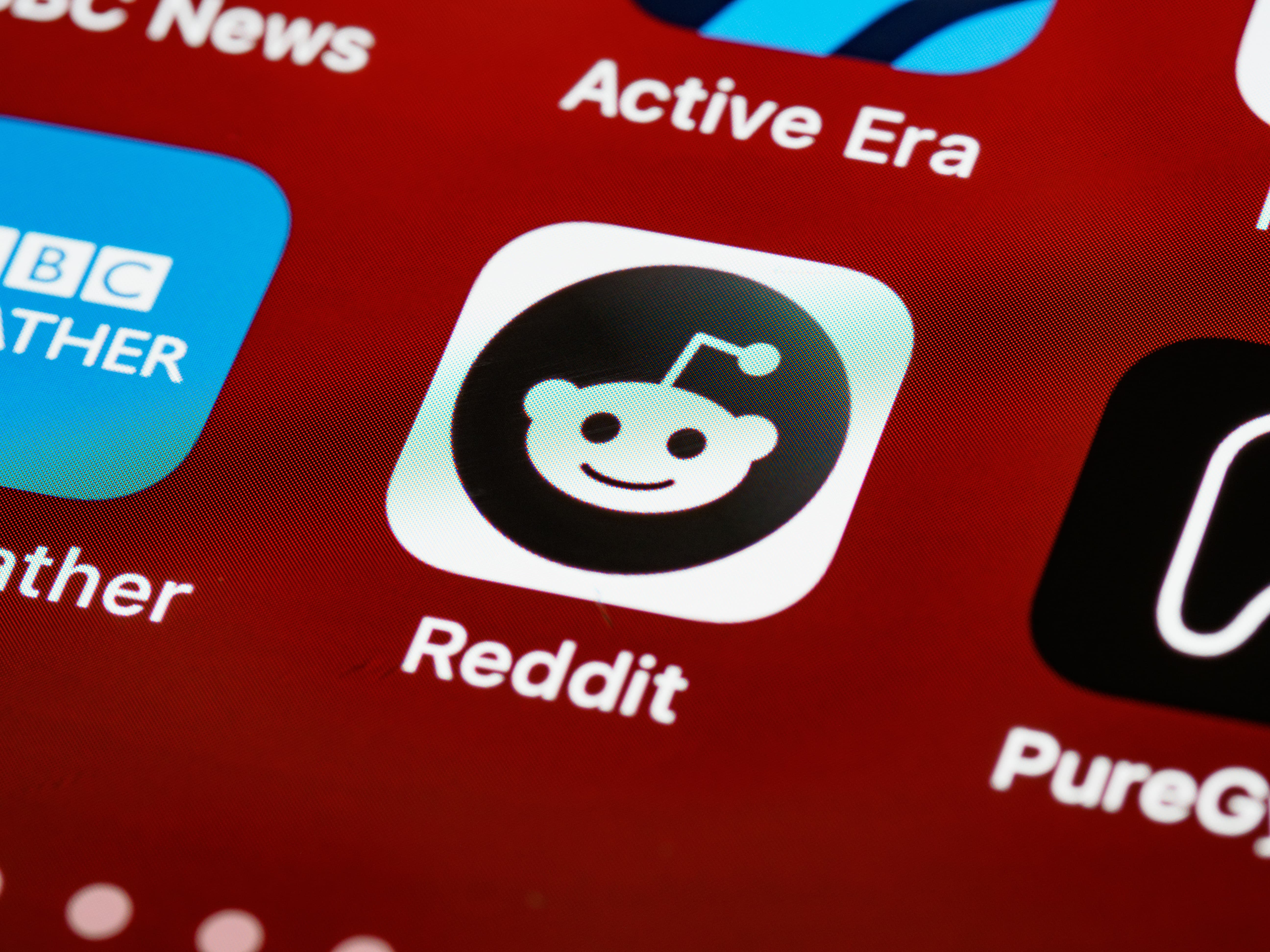
Reddit is a popular social media website with millions of users worldwide and has a controversial reputation due to its content moderation policies. This GKIS Sensible Parent’s Guide will provide what a parent needs to know about Reddit and offer some suggestions to help keep your children safe while using the website. We also recommend checking out the GKIS Social Media Readiness Training Course, which can help you teach your kids how to safely interact with any social media website.
How long has Reddit been around how popular is it?
Reddit is a hybrid internet forum and social news media website where users can post images, videos, and links to other websites, and other users can leave comments on the original post. As of February 2023, it’s the tenth most visited website on the internet with 4.8 billion monthly visits.[1] It was founded in 2005 by Steve Huffman, Alexis Ohanian, and Aaron Swartz as a bulletin board-style website that would act as “the front page of the internet.”[2] In 2006, the website was acquired by the mass media company Condé Nast Publications, also known for magazine and news companies such as Vogue, The New Yorker, and Vanity Fair.[3]
The website is divided into thousands of subreddits that organize posts by topic. Some subreddits cover broad topics, such as r/gaming for anything video game related, while others are more specific like r/minecraft or r/fortnite for those specific games. There are subreddits for news, relationship advice, political discussion, different hobbies, and nearly anything else you might expect to find on the internet. There are many subreddits dedicated to community support, like r/TwoXChromosomes for women’s rights and r/lgbt for LGBT issues.
Posts and comments on Reddit can be given upvotes and downvotes, which are similar to likes on Twitter or Facebook. Recent posts with multiple upvotes will be displayed at the top of the subreddit it was posted in. Posts with multiple downvotes are less likely to appear and will often be tagged as “controversial” by the website’s filter settings.
Getting Started with Reddit
The only thing Reddit requires to create an account is a valid email address. Reddit’s user agreement states that users need to be over the age of 13, but there is no age verification requirement besides a check box agreeing to the terms and conditions during account creation. Reddit has a mobile app that can be downloaded from the Google Play store or Apple App store, and can also be accessed from any web browser.
Benefits and Popular Features of Reddit
Custom Home Page
By default, the home page of Reddit shows the subreddit r/popular, which displays a variety of posts from a list of the most popular subreddits, with some restrictions related to political and adult-oriented subreddits.[4] Reddit users can also sort by r/all, which displays the top results from all subreddits on the website.
Reddit users can subscribe to specific subreddits they like, causing those subreddits to appear on their home page. Users can also subscribe to other user profiles so that they can see what another user posts no matter what subreddit it’s posted in. By doing so they can create a curated feed of content that relates to their interests.
Subreddits are mostly created by Reddit users and act as community forums for discussion and sharing media. They are run by moderators, who are users that set and enforce rules within each subreddit but are not paid employees of Reddit.[5] Reddit employees known as administrators only get involved in a subreddit if there are violations of the website’s terms of service and content policies.[6]
Community Events
Reddit is also known for having large community events on April Fools’ Day every year. In 2015, the subreddit r/thebutton was created, where a sitewide countdown clock could be reset by pushing a button, but each user could only push the button once.[7] In 2017 and 2022, Reddit ran an event called r/place where its community members could collaborate to create pixel artwork on a canvas where each user could only edit a single pixel every five minutes.[8]
Reddit’s Privacy and Safety Options
Reddit’s user settings and account creation process offer several options to protect yourself and your information while you use the website.
Anonymity
Reddit does not require any personal information besides an email address to create an account.
In its Safety & Privacy Settings, you can choose whether you want your profile to appear in search engine results from websites like Google or Bing.
Users can delete their posts, comments, or their entire account from their profile settings at any time.
Personal Information
Reddit collects personal information about its users but allows users to restrict what information is collected and how it is used in its Safety & Privacy Settings.
Reddit users can file a data request form to receive a copy of the data that has been collected from their account.
When an account is deleted, the username is removed from all posts and comments made by that account. However, the posts will still be publicly visible unless they are deleted before the account.
Chat and Private Messages
Users can choose whether they want to receive chat requests and private messages in their Chat Settings and can restrict messages from accounts less than 30 days old.
Users can also block individual user profiles, preventing that user from messaging them or sending chat requests.
Risks of Reddit
Adult-Oriented Content
Reddit has many subreddits dedicated to easily accessible adult content like pornography and graphic violence. Posts from these subreddits are marked as NSFW (internet slang for ‘Not Safe for Work’ or ‘Not Suitable for Workplace’) and excluded from r/popular and r/all.[4] Despite this, directly searching for adult content is only restricted by a check box below the search bar asking if you would like to include NSFW search results. Those results still appear if you select to hide NSFW posts in your user settings.
Additionally, the process for tagging NSFW content is only enforced by moderators, not site administrators. Inappropriate posts that contain nudity are automatically tagged, but ones that do not show explicit nudity can slip through the filtering process. Posts containing graphic violence are also often poorly moderated, and content from subreddits like r/fightporn (videos of street fights) and r/CombatFootage (GoPro videos of military conflicts) often make it to Reddit’s r/all page even if they show severe injuries or death.
Political Content and Hate Speech
Reddit has had many controversies surrounding the political subreddits on its website. In 2015, five popular hate speech subreddits targeting ethnic and gender minorities were banned for violating Reddit’s anti-harassment policies.[9] It banned the subreddit r/altright in 2017 after posts were made which called for the harassment of and leaked the personal information of a man who punched right-wing personality Richard Spencer.[10] Multiple political subreddits such as r/The_Donald, R/DonaldTrump, r/GenderCritical, and r/ChapoTrapHouse were banned under new policies designed to reduce hate speech in 2020.[11]
Despite these efforts, Reddit continues to have problems with hate speech and politically motivated harassment on its platform. While these bans remove the offending subreddits and all posts within them, the users who subscribed and made posts in those subreddits are rarely banned unless they directly violate terms of service. Users from the banned subreddits will often continue posting in other subreddits with similarly relaxed rules about hate speech and discrimination until it is banned as well.
Cyberbullying and Harassment
Reddit is a social media website with a high risk of cyberbullying and harassment. Because Reddit users are anonymous, there are few repercussions for directly sending another user harmful messages or unwanted explicit images. A user’s posts and comments are also publicly visible to all other users, which enables internet stalking behavior. While Reddit does have anti-harassment policies that can result in an offender’s account being banned, there’s little to prevent a banned user from creating another account to continue their harassment.[12]
GKIS Suggestions to Keep Your Kids Safe on Reddit
You can sign up for the GKIS Connect Family Screen Agreement, a free course that covers the basics of internet safety and keeping open communication between you and your kids about their internet use.
You can check out the GKIS Social Media Readiness Training course, which contains 10 lessons to help your teens and tweens get ready to responsibly use social media. It also provides access to the private GKIS Connected Family Facebook group, with tips and feedback from Dr. Bennett and other families who have taken the course.
There’s also the GKIS Screen Safety Toolkit, which is a parent’s guide to setting up parental controls, screen time management, social media & text monitoring, and other technological tools to keep an eye on how your kids use the internet.
Thanks to CSUCI intern Brandon Bishop for researching Reddit and preparing this GKIS Sensible Parent’s Guide.
I’m the mom psychologist who will help you GetKidsInternetSafe.

 How We Got Close