We were hunters and gatherers for 90% of human existence. That means our brains are still wired to prioritize the things that kept us alive when we were living on the land, before the domestication of animals and the construction of cities. One thing that kept us alive was living in a tribe and cooperating. Attracting a tribe and fitting in was a requirement of life. That is why kids and teens are hyper-focused on doing what their friends do and working to be cool and accepted. Online influencers count on this drive to maintain their income streams. One way to attract kids online is to be a kid doing what kids love to do, playing with toys and video games, opening new packages, and hanging out with friends acting goofy. Netflix’s Bad Influencer offers a glimpse of the kid influencer “scene,” and the lengths that some parents will go to attract and keep a following.
What is Bad Influence about?
The limited documentary series has gone viral for good reason. It’s definitely entertaining, but also deeply unsettling. It is a perfect way to raise awareness about how scary a life all about social media can be. Bad Influencer is a documentary that focuses on a tween who becomes an overnight social media star and brings her friends to stardom with her. What started out as a fun hobby quickly turned into a living nightmare. It may seem glamorous to be famous online, until you learn that the child influencers spent the majority of their childhoods working long hours acting out video ideas, risky stunts, and performing pranks that sometimes went too far—all under the pressure of adult producers/parents hungry for views. Check out Intimacy With Minors Encouraged at the Hype House for a similar story of underage exploitation.
SPOILER ALERT: The show takes a chilling turn when the mother of the main character is accused of, and videotaped, sexually exploiting these kids on set by positioning herself as one of the only adults supervising them to control them. Some survived the battle with only a few scars, while the main character is stuck living this nightmare over and over again. It may be funny, exaggerated, and attention-grabbing, but it also paints a dark picture of a digital world where clout matters more than character and children are left to pay the price.
Psychology Behind the Fame Obsession
From a psychological point of view, being an influencer is cool to children because they have a natural need for validation, attention, and social connection.[1] Although the minimum age on most social media platforms is 13, it is reported that children ranging from 8-17 are found scrolling through online platforms soaking up content too mature for their ages.[2] Sadly, unlike real-world relationships, social media platforms offer fast, unfiltered dopamine hits through likes, shares, and views. Without proper guidance, this can make kids tie their self-worth to online numbers, which can result in low self-esteem, fear of missing out (FOMO), performance anxiety, and digital addiction.[3] As a result of social unlimited social media usage, kids can also experience anxiety, depression, and even poor quality of sleep.[4] Counteract this monster and help your child build emotional resilience, red flag awareness, and digital literacy by taking our GKIS Social Media Readiness Training Course. Geared for teens or tweens, it’s the perfect giftbefore that new device or video game.
What You Can Do to Help
Bad Influencer is not just a show; it’s a cautionary tale that shares the pressures kids face online every day. It is easy to get off topic and want to pull the plug on all electronics just to protect your child from their dangers, but that is not always possible. Technology and online platforms are all around us, and it is better to set your child up for success than to try to keep them out of the loop. Connecting with your child over what they find interesting can help create a trusting relationship where you can notice if things start to become a little off. Our free Connected Family Screen Agreement can help you and your child co-create rules around how to safely navigate online platforms. This way your child can thrive in the digital age without losing themselves in it.
Thanks to CSUCI intern, Elaha Qudratulla for researching and co-writing this article.
I’m the mom psychologist who will help you GetKidsInternetSafe. Onward to More Awesome Parenting,
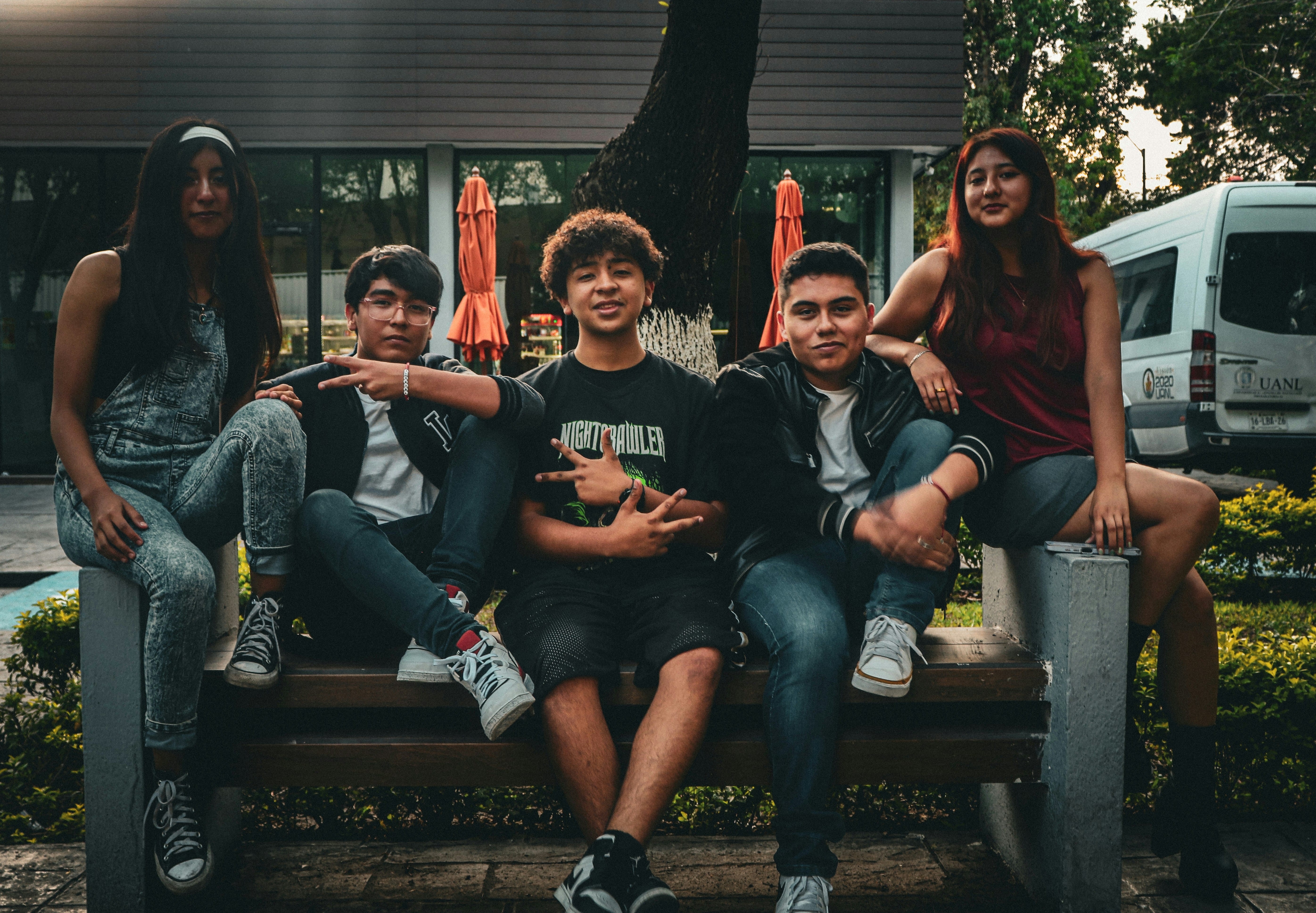
Kids and teens love their online influencers. Seventy percent of teens say they trust influencers more than celebrities, and 49% depend on influencer recommendations.[1] Influencers count on their followers to help build their numbers and market their products with testimonials and shares. If your child loves to follow online celebrities or influencers, teach them what they need to know for safety and earn online accountability with our GKIS Social Media Readiness Training. Our course covers the red flags of digital injury and tools for psychological wellness with 10 self-paced lessons and mastery quizzes. Help your kids avoid screen risks like viewing pornography, interacting with online predators and cyberbullies, distraction, social media drama, and compare and despair with our GKIS Social Media Readiness Course for tweens and teens.
A Good and Bad Influence(er)
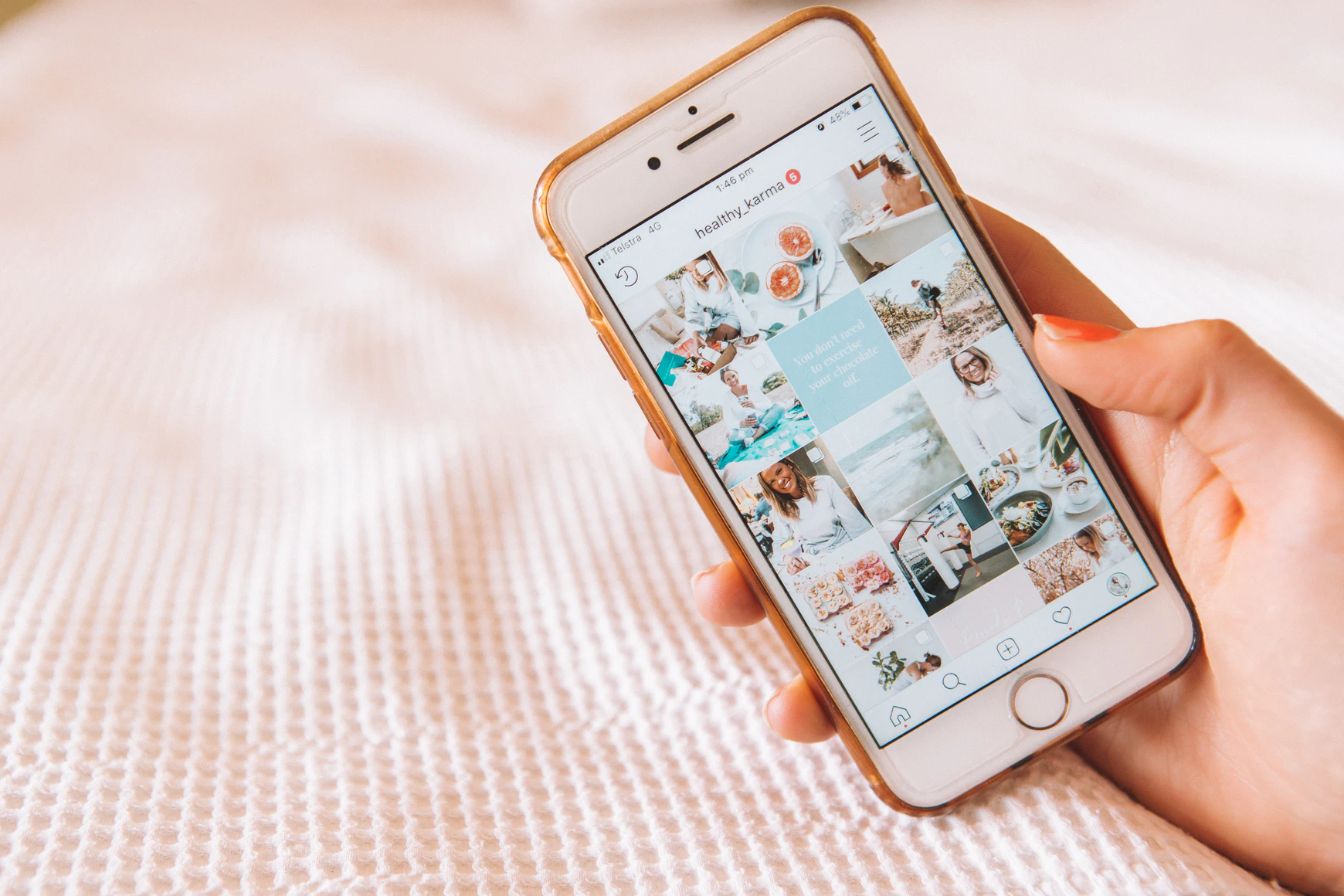
Online influencers promote their personalities, content, areas of interest, and expertise on online platforms to gain recognition and build their brand. Gaining followers requires confidence and showmanship. To best compete, some influencers use editing tricks to appear more attractive, healthier, more competent, and extra qualified. Because editing tricks are hard to spot, kids often emulate influencers with the impression that they really are that perfect.
Positive Impacts of Social Media Influencers
The most popular categories that social media influencers focus on are lifestyle, health, fitness, travel, art, work, fashion, luxury, photography, beauty, pets and animals, and parenting.[2]
The positive impacts influencers offer include:
information for education and awareness,
an engaging and supportive community of like-minded people, and
creativity and entertainment.
Negative Impacts of Social Media Influencers
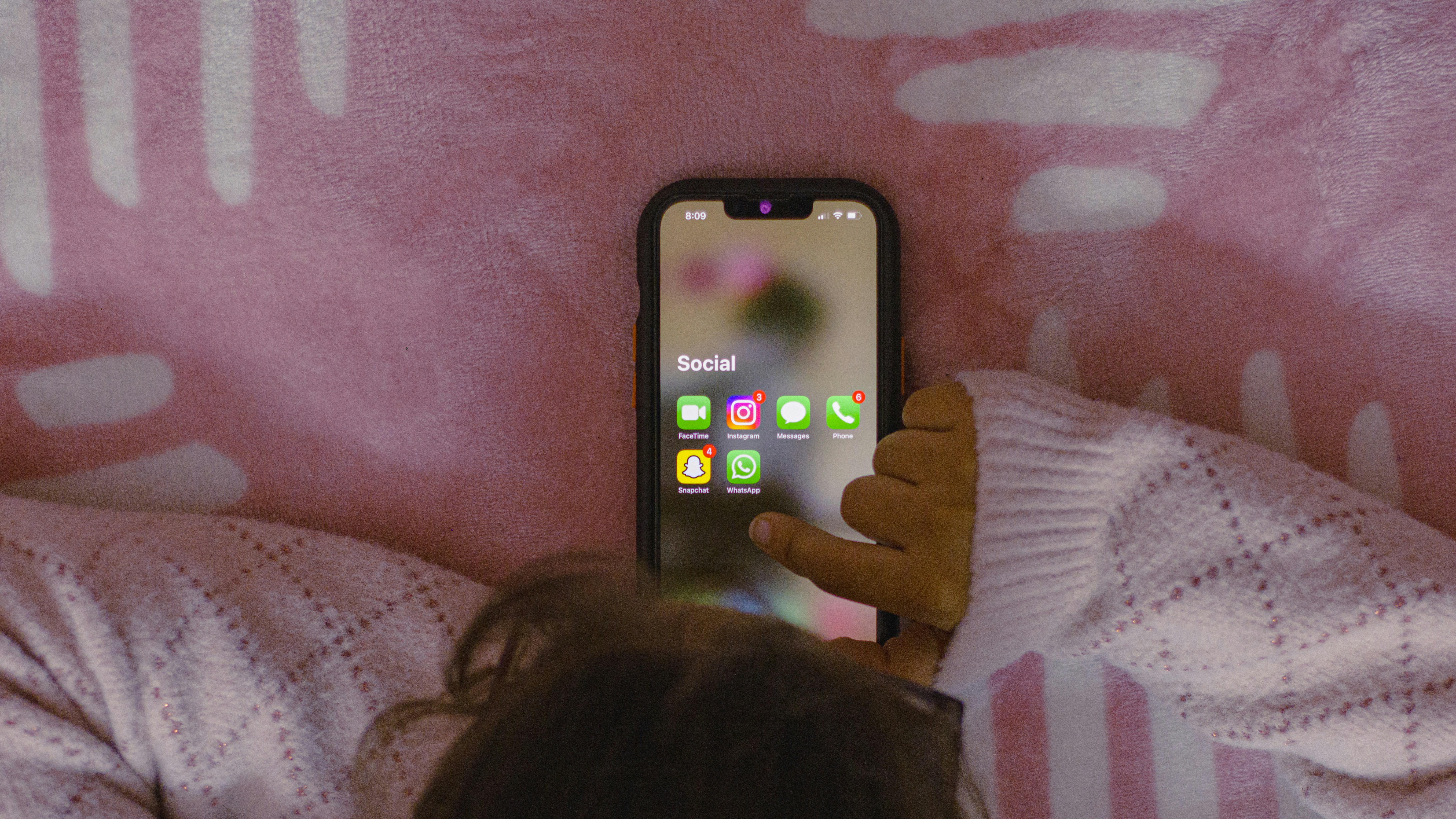
Some influencers are less interested in quality content and more focused on entertainment that will boost their numbers. To that end, they will use more filters and online trickery and promote harmful content like unrealistic body types, lifestyles, diets, fashion, gossip, rumors, and drama. Harmful content can cause problems with kids and teens, including decreased appearance satisfaction, low self-evaluations, higher negative mood, and insecurity.[3] Over time, these problems can escalate to mental health issues like anxiety, depression, body dysmorphia, and eating disorders.
Body Positive Movement
According to a social media report from a Norwegian influencer marketing platform, 47% of surveyed influencers revealed that they felt their job harmed their mental health, and 32% believed the platform hurt body image.[4] One way to express and promote unconditional self-love is by supporting the body positivity movement. This worldwide movement focuses on acceptance and equality for all body types and sizes.
One of the movement’s goals is to challenge how our society, particularly all forms of media, presents and views the human body.[5]With body positivity modeled by influencers (without the use of filters and digital manipulation), fans feel more confident and comfortable in their bodies.
Instagram vs. Reality
Another popular movement in the media that spreads awareness about the harmful nature of social media is called Instagram vs. Reality. This movement offers a side-by-side comparison of two of the same photos; one photo edited and the other not.
The purpose of this trend is to bring attention to the differences between natural and filtered images. This trend inspires people to embrace themselves naturally without enhancements. Instagram vs. Reality reminds us that online content is not always accurate. Our Screen Safety Essentials Coursefor parents and families offers helpful strategies for social media behavior while reinforcing mindful habits to prevent feelings of self-consciousness and anxiety.
Seeking Self-Acceptance and Fleeing from Filters
Before friending or following someone in real life or online, consider if they reinforce positive, authentic, and empowering morals. Social media influencers that we like appear to serve from the depths of their experienced and passionate hearts.
Positive and Qualified Influencers to Follow
Huda Kattan- Beauty Blogger and Makeup Artist
Zach King- Digital influencer, Writer, Comedian
Michelle Lewin- Fitness Influencer
Jamie Oliver- Chef
Joanna Gaines- Lifestyle Blogger and Writer
Jack Morris- Travel Influencer
Savannah LaBrant- Parenting Influencer
Beth Evans- Mental Health Influencer
PewdiePie- Gaming Influencer
Amanda Gorman- Activist, Poet, Influencer
What Parents Can Do to Protect Their Kids
Parental oversight of child exposure to online content is critical for safety and developing a positive self-image. One way to do this is by monitoring your child’s online activity, such as the sites they visit, the content they watch, who they follow, and how much time they spend online.
GKIS has a variety of valuable courses designed to help families navigate the various pitfalls of internet exposure and prevent digital injury.
The GKIS Social Media Readiness Training is a valuable tool that teaches teens about the inherent risks of social media and ways to make healthy decisions when encountering them.
The Screen Safety Toolkit is a family-tested, outcome-based resource guide with our best recommendations, how-to information, and links to our favorite easy-to-onboard parental control systems.
The GKIS Connected Family Course will provide parents of school-age families with tips for creating a safe screen home environment through fun parenting techniques that are designed to guide sensible screen management.
Finally, our most comprehensive program is our Screen Safety Essentials Course. Our comprehensive Essentials Course provides parenting and family coaching information, support, and other valuable information and activities to get you dialed in for screen safety and healthier family relationships.
Thanks to CSUCI intern Haley Begun for researching and co-authoring this article!
I’m the mom psychologist who will help you GetKidsInternetSafe.
Instagram is one of the most popular social media apps among teens. It’s entertaining, easy to use, and offers different ways to create content to share with friends and family. Instagram is a great way to stay connected to others and share about your life. But besides following friends and family, there are many popular creators that can give your teens positive and inspirational content while scrolling through their Instagram feed.
What’s on Instagram
Instagram pages can either have dedicated themes or can be a mix of personal and themed content. Many popular Instagram users use their platform to keep fans updated on their personal lives and share positive and educational content. Because not all content is appropriate for kids and teens, we’re sharing seven (six plus a bonus) positive and influential Instagram pages that are safe for teens to enjoy. Although we’ve done our best to choose from the most family-friendly popular creators, check them out and decide for yourself whether they are a good fit for your teen.
Meet Our Favorite Creators
Entertainment
In entertainment, the Instagram page zachking creates entertaining and mesmerizing videos using special effects and editing.
Zach and his team choose and edit their videos in a way that makes his actions seem magical. Whether its defying the laws of physics, conjuring celebrities, or making things disappear or multiply, Zach’s content is entertaining and leaves you wondering how he does the different tricks in his posts.
Zach King is entertaining and inspiring for those interested in learning about video editing as a skill or even a career. Zach also posts about life with his wife and two sons. He’s done many collaborations with celebrities and fellow influencers and occasionally does sponsored content, marking sponsored videos with the hashtag “ad”. Zach does not seem to use explicit language or explicit images in his videos.
Design/Organization
In design and organization, author and TV personality mariekondo (Marie Kondo) is best known for her organizational methods and lifestyle tips. Marie’s page is full of beautiful photos and videos made to inspire people to declutter their spaces.
This page can be useful for young teens to see how they can best make use of their space and easily keep organized. Plus, it can be really beautiful and satisfying to see clean, organized, and well-decorated spaces.
Marie is a firm believer that your space, as well as the things in it, should “spark joy.”After scrolling her page, you’ll feel inspired to clear out the unnecessary clutter in your life to live happier and more stress-free.
Aside from her design and organizational content, Marie shares photos from her fans on how they’ve decluttered and decorated their spaces and also posts videos about her two children. Marie does not seem to use explicit language or do sponsored content. The content she promotes is of her own products and projects.
Journalism
In writing and journalism, the Instagram page humansofny is dedicated to sharing photos and stories from New York residents. This page publishes stories and interviews from different individuals, whether it be about their current situation in life or an impactful story that helped shape who they are.
This page does a great job displaying the joys and struggles of contributing New Yorkers. It also does a good job of representing diversity in race, gender, religion, and political ideologies. For teens, this page can be a way to learn from different people’s experiences. By combining the images of the residents and their stories, this page also serves as a reminder to not judge others based on their outward appearance.
Caution: humansofny is recommended for older teens, since it talks about heavy topics like assault, addiction, abuse, etc. This page does not seem to use explicit language or do sponsored content.
Food
In nutrition and food, the Instagram page pickuplimes, run by licensed dietician and YouTuber Sadia Badiei, is a popular page full of vegan recipes. Food pictures have long been popular on Instagram. On Sadia’s page, you can find her beautiful food pictures and her easy recipes, perfect for people who want to go vegan or simply have a desire to start eating a more plant-based diet.
As plant-based food becomes trendier, this page is great for teens to get recipe ideas and get inspired to cook healthy foods to try and live a healthier lifestyle. Besides recipes, Sadia’s page contains posts about her hobbies, her partner, and positive messages towards her fans. Sadia does not seem to do sponsored content or use explicit language. She mainly promotes her YouTube channel on her page with links to her YouTube videos in her posts and bio.
Travel/Nature
In nature and travel, the official National Geographic Instagram page, natgeo, posts pictures and stories from different countries and cultures around the world.
Like food pictures, travel and nature have also been a popular form of content on Instagram. The National Geographic’s page contains beautiful photographs and descriptions of the people and places depicted, educating their followers about different traditions, environments, plants, and animals around the world. Their posts often reflect the different events and news stories happening in our world today.
This page is full of interesting stories and beautiful imagery that can inspire your teens to research different countries and cultures, maybe even sparking an interest in traveling. It can also serve simply as a way to relax and read about different people and places. This page does not seem to do sponsored content or use explicit language.
Business/Nonprofits
Lastly, in business and nonprofits, the official Instagram page for the nonprofit organization Kiva, kiva.org, promotes the work of the organization and shares the true stories of the people this charity benefits.
Kiva is an organization that gives small loans and provides aid in accessing loans to individuals and small businesses around the world. Similar to the Humans of New York Instagram page, Kiva shares stories from these individuals and small businesses, specifically about their work starting their business, and how the aid from Kiva allowed them to grow and become more successful.
This is an inspirational page that shows the impact nonprofits can make in the lives of others and how the hard work and perseverance of these individuals helped them become successful business owners. This page does not seem to use explicit language or sponsored content, the page only promotes their organization.
Bonus Instagram Page for Parents
While your teen is enjoying the content from these creators, parents can enjoy the content from our new official GKIS Instagram Page. Get updates and notifications about our newest blog posts and catch up with Dr. B and our team of GKIS interns. Our Instagram page is a great resource for parenting tips and effective ways to keep your family safe online.
Thanks to Alexandra Rosas-Ruiz for her research and help with writing this article. To learn more about Instagram and how to best protect your teen on the app, check out our GKIS Sensible Parent’s Guide to Instagram. Learn about how to access Instagram’s different privacy options, trends, language, and our tips for keeping your teen safe on the app.
I’m the mom psychologist who will help you GetKidsInternetSafe.
Click on YouTube and the first video trending is “Million Dollar Home Tour.” The next recommended video is “My Multi-Country Vacation” followed by “Upgrading my Lambo (short for Lamborghini).” You’ve fallen into the rabbit hole of people flashing their wealth and the expensive items they have. Next thing you know, three hours have passed, and you catch yourself thinking about how nice it would be to afford the huge homes, nice cars, and expensive vacations. Could you be falling victim to wealth addiction?
Wealth Addiction
In Dr. Bennett’s CSUCI Addiction Studies course, we learned that addiction is often characterized by three factors, compulsive use, loss of control, and continued use despite the presence of consequences. Typically, these result from drug addiction. However, they are also seen in the behavioral addictions of gambling and video gaming. If you compulsively seek get-rich-quick schemes, can’t stop watching online flex videos, and make rash decisions in your quest for wealth, you might be wealth addicted!
Wealth addictionor money addiction is a fairly old concept that is currently being fueled by new social media trends. Philip Slater’s 1983 book, “Wealth Addiction” illustrated how Americans are addicted to money.[1] Thirty-six years later, more and more people seem wealth addicted than ever.
In his 1999 research, economist Romesh Diwan compared wealth to the general quality of life. He discovered that the overconsumption of materialistic items promotes wealth addiction. Diwan said that people believe that if they buy the material item they’ve been longing for, they’d be happy. However, his research surprisingly demonstrated that purchasing those items did not fulfill the need and want, instead leaving the consumer anxious and dissatisfied.[2]
Key Influencers
Many YouTube stars flaunt their wealth and material possessions in their videos. For example, YouTuber Jake Paul has 19.6 million subscribers on his channel.[3] As of 2018, his net worth was nearly $19 million.[4] Paul shows off how much money he has by posting videos such as, “I Spent $1 Million Dollars On This Vacation” where he documented an expensive vacation with his brother and friends.[3] In another video called, “I Spent $100,000 in 56 Minutes,” Paul created a competition where he and five of his friends had to spend $10,000 cash in less than an hour.[3]
Jeffree Star is another popular YouTuber who shows off how much money he has. With 15.9 million subscribers as of 2018, Star’s net worth is almost $75 million.[4] Star also posts videos that flaunt his wealth such as, “My Pink VAULT Closet Tour,” where he gave a tour of his dream closet in his home that is full of designer clothes.[5] In another video titled, “Surprising my Boyfriend with His Dream Car,” Star bought his boyfriend an Aston Martin Vantage worth roughly $150,000.[5]
The Benefits of Wealth Addiction
Not all aspects of longing for wealth are negative. For instance, if a watcher is encouraged to pursue higher education to get into a higher-paying career, one might argue that the dream is worthwhile.
Another positive aspect of wealth addiction is sparking the desire to give back with philanthropic gestures. Despite his obscene displays of wealth, Jeffree Star donates money to several charities including victims of gun violence and LGBTQ organizations.[6]
The Risks of Wealth Addiction
Teaching kids that wealth is the highest priority may lead them to seek wealth from opportunistic marketers. For instance, several years ago in Camarillo, a get-rich-quick scheme was introduced to popular high school and college students causing a rash of school dropouts. The product called Vemma Nutrition promised riches in exchange for selling their energy drinks and protein shakes. To get in on the action, the seller had to purchase the products themselves.[7]
Another risk is kids seeking wealth in place of healthier activities like academics, sports, and socializing. After binge-watching videos, they may get duped into believing that money will solve all their problems and make them happy. Of course, this may not be true, instead luring them into false hope with pressure to show off wealth instead of saving or investing in their future.
For some, the first goal of earning is never enough. They chase wealth in a quest to find true happiness. That could translate into depression and anxiety. Addiction studies tell us that living to chase a high is a dead-end scenario. If wealth is the goal, will you ever reach it?
Thank you to GKIS intern, Makenzie Stancliff for alerting us about the risks of wealth addiction. If you learned something about this article, please join us on our DrTracyBennett Instagram page so you won’t miss out on other fun GKIS opportunities.
I’m the mom psychologist who will help you GetKidsInternetSafe.
[1] Peele, S. (2015, February 8). Addicted to Wealth – A National Trait? Retrieved from https://www.psychologytoday.com/us/blog/addiction-in-society/201402/addicted-wealth-national-trait
[2] Diwan, Romesh. (2000). Relational wealth and the quality of life. Journal of Socio-Economics, 29(4), 305. https://doi-org.summit.csuci.edu/10.1016/S1053-5357(00)00073-1
[3] JakePaulProductions. (n.d.). Jake Paul. Retrieved from https://www.youtube.com/channel/UCcgVECVN4OKV6DH1jLkqmcA
[4] Chakrabarti, R. (2019, September 15). The Highest-Paid Stars on YouTube. Retrieved from https://moneywise.com/a/the-highest-paid-youtube-stars
[5] jeffreestar. (n.d.). jeffreestar. Retrieved from https://www.youtube.com/channel/UCkvK_5omS-42Ovgah8KRKtg
[6] Diply. (2018, October 24). 15 Facts About Controversial YouTuber Jeffree Star. Retrieved from https://diply.com/11366/15-facts-about-controversial-youtuber-jeffree-star
[7] Press, T. A. (2015, August 26). FTC: Vemma temporarily shut down for running pyramid scheme. Retrieved from https://www.ksl.com/article/36179492/ftc-vemma-temporarily-shut-down-for-running-pyramid-scheme.
Gambling was ruined for me after I took Psychology 101 in college. Learning that slot machines were programmed on the same ratio of reinforcement that makes rats ask for cheese made me feel controlled and conned. I mean, who wants to give hard-earned money to somebody who’s training you like a rat? Now our screen devices are jumping us through hoops, with addictive features and profitable scams. If your kids are on YouTube, then they’re ready to learn about the “business side” of social media.
Buyer Beware
The Internet is a “buyer beware” environment. That means it is up to us to discover where the tricks and scams are.
There are regulations about collecting information and marketing to children because they do not yet have the sophistication to make sound, informed financial decisions. However, marketers online can’t be sure who is watching their content.
That means they can create marketing funnels that kids can fall into. Publicly, YouTube celebrities would insist they are only marketing to adults. But if that’s the case, why are so many kids and teens spending money online?
Celebrity Endorsement
When celebrities endorse a product, they lend their credibility to it. Viewers think, “I trust them. If they like it, I like it.” Viewers can spot celebrity-endorsed products when Youtubers say they are sponsored, affiliated, or teamed up with a company.
For example, Tana Mongeau (2.8M subscribers), Gabbie Hanna (6.5M subscribers), and plenty of others[2] were paid by Kenza Cosmetics[3] or Bermona[4] to advertise “great deals” to their subscribers. To maintain credibility with their fans, celebrities must be honest about their support of a product. However, YouTube influencers who are out for quick cash with little regard for their credibility and reputation scam their fans with inflated prices and hidden shipping costs.[5]
Scarcity
Scarcity is a classic marketing technique that refers to the “buy now before you miss out on a one-time limited offer.” The urgency drives consumers to impulsively buy. YouTubers commonly say three things that reflect scarcity.
They will say:
the product is amazing and insist you’re getting a great deal.
the product is in short supply, or the deal is a limited-time offer.
“I don’t want you to miss out on this”.
Beauty guru Jeffree Star (13.9M subscribers) used scarcity to sell his collection of eyeshadow palettes priced around $80 each in only three minutes.[6] No wonder he’s worth $50 million!
Pester Power
Ask any child what they want to be when they grow up, and they’ll say “YouTuber.” Many kids believe that all they have to do is post a video, and in a few months, they’ll be raking in the cash. To prepare, they hang onto every word of their favorite influencer, imagining that they too will one day be rich and famous. They adopt their lingo, accents, and interests, and want to buy what they have. This leads kids to pester their parents for online products or even use their parent’s credit cards without asking.[8]
Provoking Minions by Creating Conflict with Other Celebrities
Creating large-scale competitions or beef (having a grudge or dislike for another person) is one technique influencers use to increase subscriber rates. Spurring online fans into promoting your “win” creates drama with dollar signs. Superfans promote content for you, sweeping their friends into the frenzy with them. Free of charge!
Superfans who become radicalized to show support for their ingroup is a process social psychologists call deindividuation. Deindividuation is a psychological state where people get so caught up in their cause, they become disinhibited and fail to self-evaluate. It’s an intense state of belonging where one seems to lose oneself in the service of their chosen tribe. Famous examples are usually negative, like mob violence, but positive behaviors can occur as well. Teens and young adults are particularly susceptible as they are innately motivated to find and enthusiastically support their tribe.
An example of this type of marketing campaign is YouTube Red’s 2018 Boxing Match between YouTube Influencers KSI (20M subscribers) and Logan Paul (18.8M subscribers). The finale of their feud was a pay-to-view event where the two “boxed” for around 20 minutes, bringing in 13 million viewers and 7 million dollars of profit.[1]
The Apology Video
Wondering how YouTubers survive unfair marketing techniques directed at their subscribers? More marketing and PR. Here are some tactics we identified that seem to clean up celebrity marketing mishaps.
Delete the Evidence
Although celebrities delete the videos that got them into trouble in the first place, we all know that anything that appears on the Internet is there to stay. If the video promises to draw further attention, drama vlogs (YouTube videos about YouTube drama) will rebroadcast the offending video while criticizing the decision. Not only does the new vlogger gain subscribers from spilling tea, but it also drives new subscribers to the screwup’s site!
Get Ahead of the Narrative and Focus on the Fans
By making an apology right out the gate, the celebrity attracts more view time and takes control of the narrative.[9] By also showing dramatic concern for those hurt by the mishap, they may humanize themselves, making it seem that their fans are more important than fame.
Logan Paul (18.8M subscribers) is an example. In 2018, he released a video of him and his friends laughing as a suicide victim in Japan’s infamous Suicide Forest.[14] Media, including Dr. Bennett who was appearing as a parenting expert on Access Hollywood Live, expressed grave concern over his lack of discretion and empathy. In his apology video, he spent the first 30 seconds quickly going over what he had done and then focused primarily on his followers and all those who were affected by his actions.
Tears and Relatability
When a YouTuber makes an apology, they change up their appearance to seem more personal and relatable. Placing themselves in a lower position than the camera, wearing neutral colors, and choosing casual loungewear make the celebrity look less threatening.
Next, they get sad…really sad. Laura Lee, for example, apologized for racist remarks using every tactic talked about in this article, including dramatic crying and brushing away nonexistent tears.[15] Although it seemed effective for some, others remarked that the evident lack of sincerity was a show in itself.
Provocative Victim
One method of gaining fan support is sparking conflict and then crying about it for the next few weeks. Dr. B calls this the provocative victim technique. Trisha Paytas (4.8M subscribers) is famous for making over a dozen 15-minute videos of tearful breakdowns. Viewers don’t even care about what the topic or apology is about. They just come to see the spectacle.
Project Blame
Some YouTubers will try to blame other celebrities or even their own subscribers. For example, Gabbie Hanna made an apology for scamming her audience with Kenza Cosmetics, claiming that her fans should’ve done their research before purchasing.[13]
How to Prevent Marketing Manipulation
Even with education, children don’t have the experience or brain wiring to identify slick marketing techniques. But it shouldn’t stop you from educating them anyway. Here are some helpful tips to stay Internet safe.
YouTubers are not our friends.
Recognizing that YouTubers are strangers with no particular skill set or expert training is the first step to a healthy approach to viewing content. No matter how much they try to sell the idea they’re your “close friends,” they don’t know you nor do they care about your particular vulnerabilities.[16]
Don’t turn a blind eye.
Dr. Bennett believes the most important aspect of screen safety is forming a fun, cooperative alliance with your kids. By adopting our free GKIS Connected Family Agreement and reading and sharing our weekly GKIS blog articles, you’ll have lots of ideas for important and challenging family discussions. Just as parents teach their kids about screen issues along the way, kids also teach their parents.
Raise a smart consumer.
Taking the time to teach your kids how to be clever, savvy, and assertive is far more important than encouraging blind obedience. Help your kids build resilience and protect them from the unpleasant aspects of the online culture. Use discretion, yes, but don’t allow complacency and ignorance.
Use supportive resources.
GKIS helps families become smarter and more connected. Want some easy-to-use, affordable tools to get started? Here are some options for you:
OUR FREE GKIS CONNECTED FAMILY AGREEMENT AND WEEKLY BLOG ARTICLES: Once you enter your name and address at GetKidsInternetSafe.com, you are scheduled to receive your agreement and weekly articles. Snuggle in for a cup of tea and a quick read once a week to set your teaching agenda and build a closer, empowering parent-child alliance.
CYBERSECURITY & RED FLAG SUPPLEMENT: Don’t miss your Cybersecurity and Red Flag Supplement for your Connected Family Agreement. Not only will my cybersecurity tips improve your family’s privacy and security, but your kids will benefit BIG from knowing what kind of red flags to look out for online to avoid danger. You’ll also love the red flags you should look out for in your children’s behavior that may signal they need your help. Early intervention can make a big difference between making a mistake versus suffering from serious digital injury.
GKIS SCREEN SAFETY TOOLKIT: Ready to dial in safety at the device level but too overwhelmed to know where to start? We’ve got your back with our Screen Safety Toolkit. Start building your family’s custom digital toolkit with the tried-and-true recommendations from our guide. Have you wondered how to check their browser history, filter and block inappropriate sites, and monitor use? You won’t want to miss what we offer in this super low-priced, comprehensive guide.
GKIS CONNECTED FAMILY ONLINE COURSE: Early on, I realized that many avenues feed fun family connections and screen safety. My Connected Family Course offers ten quick steps to create a happier, healthier home. Filled with creative and fun tips that are family-tested and outcome-based, these are far more fun and effective than the free parenting tips offered on safety websites.
COACHING WITH DR B: Feeling like you need a little support and shame-free TLC? I have reserved office hours to coach you through the most challenging issues. Whether you love the privacy of 1:1 coaching or the vibrant energy of a motivated parenting group, I’ve got easy-to-schedule coaching options ready to go!
Thanks to Jack Riley, GKIS intern, for watching hours of YouTube for the research on this article and his clever insights.
Onward to More Awesome Parenting,
Tracy S. Bennett, Ph.D.
Mom, Clinical Psychologist, CSUCI Adjunct Faculty
Works Cited
[1] Hale, J (2018, August) How Much Did Logan Paul And KSI Make From Their ‘Youtube World Boxing Championship’? A lot. tubefilter.com
[2] Tea Spill, BEAUTY GURU’S ARE LYING TO YOU!?, YouTube.com
[3] kenzacosmetic.com
[4] bermona.com
[6] JEFFREE STAR SOLD OUT MAKEUP IN 3 MINUTES
Rich Lux., YouTube.com
[7] Mansson, E (2018, December) Sister Stocked? Not A Chance. The James Charles x Morphe Palette Has Sold Out For A Second Time, thetalko.com
[8] Dr. Bennetts Marketing Manipulation advice
[9] Forbes Communications Council, Seven Tips To Improve Apologies During A PR Crisis, forbes.com
[10] Morris, C (2018, December), Popular YouTube Streamer promotes Channel that publishes Anti-Semitic Content, Fortune.com
[11] Aja, R (Feburary,2017), The controversy over YouTube star PewDiePie and his anti-Semitic “jokes,” explained, Vox.com
[12] PewDiePie’s Teammate gets killed, he says it with a hard R out of frustration, Livestream Fails, YouTube.com
[13] Cancelled, gabbie hanna kenza cosmetics scam, YouTube.com
[14] Logan Paul Vlogs, I’m Sorry., YouTube.com
[15] Deceased Laura Lee apology with original captions, YouTube.com
[16] Oldford, S (2018, October) Manipulation in Marketing: How It’s Used, and How to Use It Ethically, entrepreneur.com
Kids and teens love YouTube’s colorful celebrities who cater to their specific interests. But many influencers use their celebrity status to lead fans into harmful situations. In today’s GKIS article, find out how these YouTube celebrities promised big earnings from online gambling, offered poorly planned conventions, attacked other influencers, and encouraged fans to harass other online competitors. Using unethical tactics and no disclosure, many of these profit-making schemes succeed unchallenged.
What’s a YouTube influencer?
A YouTube influenceris a person with a YouTube profile that has a large number of followers and can influence trends, products, and purchasing habits. Their content is typically videos of product recommendations or reviews. Other times, it’s a video (vlog) with influencers talking to their audience about anything that strikes their fancy. Most vlogs include colorful opinions, vulgar language, and provocative topics.
Most influencers are trained marketers who profit from ads, partnerships, and paid sponsorships. Although some provide harmless entertainment, others intentionally mislead or introduce content that can harm their followers.
“Oops, I didn’t mean it.”
One-time mistakes are getting increasingly rare among YouTube celebrities. For some, a string of mistakes results in more fame and profit. For instance, PewDiePie is one of the world’s most famous YouTube celebrities with 91 million subscribers. In 2108, he was criticized for promoting an Anti-Semitic YouTube channel [1], delivering Anti-Semitic jokes [2], and using the hard N-word to thousands of viewers in a live stream video [3].
In 2019, PewDiePie stoked fan fires by encouraging “a fight” with a YouTube channel T-Series and Indian production house. Competing for subscribers, PewDiePie fanned a competition between American YouTube culture versus Indian YouTube Culture. The rallying cry resulted in hacking printers and Google homes, a vandalized World War II memorial in Brooklyn (“subscribe to Pewdiepie”), and, most horrifying, a Christchurch mass murderer yelling “subscribe to PewDiePie” during the live stream of his shooting.
YouTube Influencers Encourage Gambling
CSGOLotto: In 2016, YouTubers TmarTn and ProSyndicate promoted and advertised a site called CSGOLotto. On this site, players bought in-game items that were placed into an online pot alongside other people’s purchased merchandise. The goal was to gamble to win the biggest pot of merchandise.
Video ads for the GSGOLotto showed TmarTn and ProSyndicate having fun gambling large amounts of money trying to win big. Most times, they did win BIG – up to three times the amount they started with up to $20,000 worth of merchandise!
Based on our research, at no point in the ads or written copy did either influencer mention to their collective audience of 13.5 million that they owned this site and were profiting directly. We found the ads to be misleading, looking like the celebrities were simply players rather than profiteers.
Mystery Brand: In 2018, Jake Paul and RiceGum created a similar gambling site called Mystery Brand. In this game, players purchase $5 to $100 virtual boxes that would contain a mystery item worth either less or more than the amount paid. The promised a chance to win a $250 million house with only a $15 buy-in.
The influencers were reportedly paid $100,000 for promotion to their collective 30 million subscribers. In their videos, they narrated how they “teamed up” with Mystery Brand to show how “dope” it was to play.
After demonstrating the easy signup process, the two spent big. Once a player buys in, their money stays in. Players can’t cash out. They can only earn sponsored prizes shown on the site, like a virtual shopping mall. For example, in one video RiceGum shows off his $15,000 profit after only spending $3,000. Neither RiceGum nor Jake Paul refers to the site as “gambling,” but instead call it a “game” with “good value,” promising “there is no losing in this.” Based on our research, no place on the site states the players’ chances of winning.
A Poorly Planned Convention
Tana Mongeau is a content creator with 3.7 million subscribers. In 2018, 5,000 people showed up at a hotel in Anaheim to attend her convention, advertised to be a cheaper and more accessible version of Vidcon (which is a large-scale event hosted by YouTube to meet your favorite YouTuber). Due to poor planning, over 4,000 people waited for over four hours in the sweltering heat outside of the hotel. There were little shade, food, or water available, and many attendees got sunburned, passed out, and rioted due to poor accommodations and security.
Although promised to be free, it wasn’t. While 4,000 waited outside, the 1,000 inside were greeted with a $60 “VIP” pass, with a lack of entertainment, overcrowding, and almost the same issues as those outside the hotel. The videos of this event are upsetting to watch.
Using Their Platform to Attack People
When some YouTube influencers don’t like other content creators or other people in general, they sometimes rant with name-calling and unfair accusations. This cyberbullying can result in a cyber flash mob of dedicated fans that cyber attack through doxing(showing private information), pranking, and cyber-harassment.
False Accusations Against a Competitive Influencer
Jackie Aina is a popular beauty guru who creates and shares videos of makeup applications with 2.9 million subscribers. In 2018, she made a video accusing another YouTuber, Petty Paige (128 thousand subscribers), of stealing $1,500 from her personal bank account.
This accusation appeared to have no proof of legitimacy. Although she never stated Petty Paige’s name in the video, she put up a picture of a video Paige had made, making it easy for her subscribers to identify the accused perpetrator. Jackie Aina’s fans took to social media to harass Paige for weeks. Paige even stated that many business and job opportunities were canceled because of harassment.
Targeting Their Audience
The Gabbie show (6.4 million subscribers) is one of many YouTubers who have targeted everyday people with no regard to how the fan base would react to it. When a young girl in her audience made a negative comment on one of Gabbie’s tweets, Gabbie screenshotted it along with the girl’s account and posted it on her Twitter (2.7 million followers). This led fans to spam and harass the girl, flooding her inbox with hateful messages.
Are there legal consequences?
Too often, when malicious or unethical online behavior is identified, the scandal is fleeting. For example, in the case of TmarTns and ProSyndicate’s gambling scam, the Federal Trade Commission (FTC) filed a case for lying about ownership of a product. Yet somehow, both influencers avoided legal prosecution, only suffering a mild loss in subscribers and yearly income due to a damaged reputation. They still have a net worth of around $5 million.
For Jake Paul and RiceGum, absolutely nothing happened. RiceGum created a video justifying his behavior as the same as what others do. Jake Paul made a joke about the situation. When asked, “You loved being called out for selling a gambling scam to underage kids?” He responded, “Yes, love it.”
Of the influencers covered in this article, Tana Monogue probably received the biggest consequences. After months of backlash and hate from fans and YouTubers, Tana made multiple apologies. But she still suffered no legal consequences. And as for what Jackie Aina and Gabby Shows did, many just see it as insignificant errors in judgment.
What can be learned?
Influencers are not your friends and most often cannot be trusted.
Fanning follower anger is often fake and staged.
On the internet, bad behavior makes influencers money and often goes unpunished.
If you believe the hype, you’re gullible. It’s probably not worth the drama. Think for yourself instead of following blindly.
Thanks to GKIS intern Jack Riley for researching and writing this article. If you learned from this article, stay tuned for part 2, which details the irresponsibility and scams that YouTube influencers continue to feed their audience as well as the marketing and social manipulations used to make sure viewers keep coming back.
Onward to More Awesome Parenting,
Tracy S. Bennett, Ph.D.
Mom, Clinical Psychologist, CSUCI Adjunct Faculty
Works Cited
YouTube Influencers Encourage Gambling
Fluff, TMARTN GAMBLING ON CSGO LOTTO & DECEIVING OWNERSHIP (Full Video Reupload), YouTube.com
(2016, July) YouTube gamers caught in gambling row, bbc.com




 A Good and Bad Influence(er)
 Negative Impacts of Social Media Influencers