
Need peaceful screen time negotiations?

Get your FREE GKIS Connected Family Screen Agreement

children

Is Your Child Ready For Unschooling?

It is no surprise that homeschooling has been on the rise in the last few years. What is surprising is the new concept – “unschooling.” In this article we are going to delve into the world of traditional homeschooling and the newer model, “unschooling.” Is your kid ready for unschooling? Is the world ready for unschooling? Whether your child is at home or in school they are going to be active participants in social media and the world of screens. Dr. Bennett’s Social Media Readiness Training for Teens and Tweens will reduce your child’s risk of digital injury and take the stress of navigating the social media world off you.

Why homeschool?

We are an individualistic culture in the United States. We prioritize having the freedom of choice. We promote the idea that we are all unique individuals with our own creatively cultivated paths in life. It has been argued that the public school system does not do enough to support individuality and freedom of choice. Instead, public schools tend to set one curriculum for each grade. For many years, the majority of families accepted that same-age children must follow the same curriculum from grade school to high school.

But within the past half-century, many parents have chosen a more flexible curriculum by choosing to homeschool.[1] The U.S. Census Bureau reported that when schools shut down due to the COVID19 pandemic in 2020, 5% of US families homeschooled their children. Currently, that figure has risen to 11%.[2]

The Original Homeschool Format

While education laws differ by state, the general concept of homeschooling refers to an individualized education program where a teacher comes to the child’s home or the parent teaches their child with materials provided by the local public or private school.[3] This can be particularly beneficial for children that have emotional or physical disabilities or if you’d just prefer to be the one to teach your child. With homeschooling, the child still benefits from a set curriculum and resources.

What is unschooling?

Although there are some overlaps, unschooling is not the same as homeschooling. Unschooling does not follow a set curriculum, instead, it welcomes the child’s freedom of choice. Parents that choose the unschooling route allow their children to choose what they learn and when. Since there is no set curriculum and each child is taught differently.

The concept of unschooling started in the 1960s. It is not entirely new but not as common as homeschooling.[4] Unschooling aims to help children desire to learn by allowing them to choose what to learn about. Concepts are not forced onto the children and there are more hands-on opportunities for learning. It is believed that by allowing children to indulge in their own interests, you are allowing them to find their own path in life. A lot of people follow the path of their parents or what they are told to do and ultimately end up unhappy in their chosen career path. Unschooling is a great way to help a child find their special niche.

Why deviate from the public and private school programs?
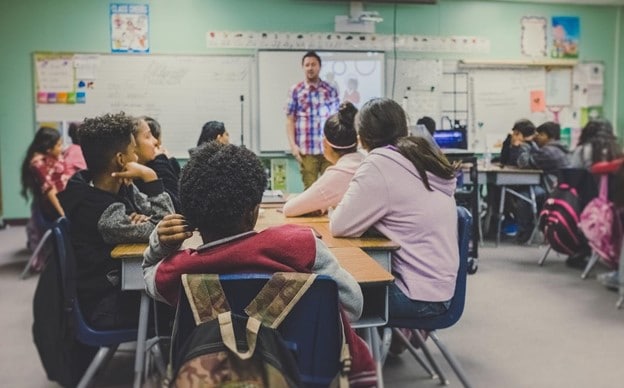
There are many reasons why a parent may choose to take their child out of school and turn to homeschooling or unschooling. Some parents choose to do this due to political disagreements, religious reasons, wanting to be closer to their children, or to cater to special needs.[5] Others want to integrate their family’s beliefs and values into the curriculum. Each reason is an individual as the participating families.

Pros to Homeschooling Your Child

  • The family dynamic may grow stronger with more time together.
  • Children are likely more protected from bullying.
  • Parents get the liberty to decide aspects of the curriculum.
  • Hands-on activities, like field trips, occur more frequently.
  • Unique content may be integrated into the child’s day, ultimately triggering a unique skill or interest set.

Cons To Homeschooling Your Child

  • There may be a lack of resources compared to larger schools.
  • Parents and kids may have less personal time.
  • There are more potential conflicts due to overworked parents in dual roles.
  • Kids are likely to have fewer peer-to-peer interactions.
  • There may be fewer opportunities for exposure to student and teacher diversity.
  • Elements of a traditional curriculum may be bypassed and cause some challenges later for the child.

While there are many aspects of homeschooling and unschooling that are similar, unschooling also has its set of pros and cons that add to the homeschooling lists above.

Pros to Unschooling Your Child

  • Children get more freedom to choose what they learn about.
  • Kids have more opportunities for extracurricular activities.
  • Parents can choose how to teach.

Cons to Unschooling Your Child

  • Children are less likely to be learning the same things as their peers.
  • If a child decides to continue with “regular” education when they are older, they may feel behind or fearful of the rules and regulations.
  • A lack of structure can cause anxiety in parents and children.

Which is the better option?
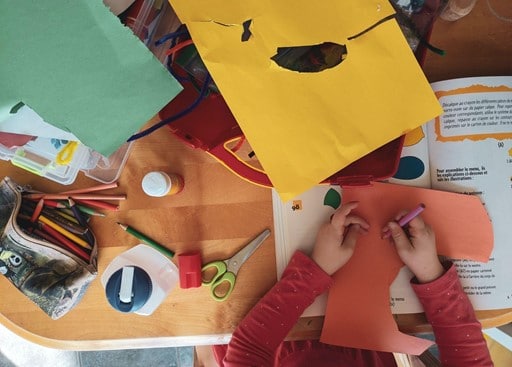
Parents must consider not only the best program for their child but also what is best for them since they may be taking on the teacher role. Considerations include your skillset and available time for teaching and mentorship as well as your child’s goals, personality, and learning style and how much peer interaction they need.

We at GKIS celebrate freedom of choice, creativity, and the love of learning! To facilitate close family connection and effective communication, check out our weekly parenting/family coaching videos and other valuable resources from the GKIS Screen Safety Essentials Course.

If you liked this article about unschooling, you may also enjoy Family-Friendly Activity Ideas for inspiration on hands-on activities to do with your child.

Thanks to CSUCI intern, Tara Meizel for researching the different types of homeschooling and co-authoring this article.

I’m the mom psychologist who will help you GetKidsInternetSafe.

Onward to More Awesome Parenting,

Tracy S. Bennett, Ph.D.
Mom, Clinical Psychologist, CSUCI Adjunct Faculty
GetKidsInternetSafe

Works Cited

[1] LINES, P. M. (2000). Homeschooling comes of age. Public Interest, 74. https://link.gale.com/apps/doc/A63856605/AONE?u=csuci&sid=bookmark-AONE&xid=a2cf9ae8

[2] Lambert, D. (2021, July 1). Pandemic drives sharp rise in California families opening their own home schools. EdSource. Retrieved October 27, 2021, from https://edsource.org/2021/pandemic-drives-sharp-rise-in-families-opening-their-own-homeschools/657233.

[3] Schooling at Home. Schooling at Home – Private Schools and Schooling at Home (CA Dept of Education). (2020). Retrieved October 27, 2021, from https://www.cde.ca.gov/sp/ps/homeschool.asp.

[4] School’s out forever. (2012). The Wilson Quarterly, 36(2), 64+. https://link.gale.com/apps/doc/A306514910/AONE?u=csuci&sid=bookmark-AONE&xid=5d9f9b5f

[5] Preethi, V., & Lawrence, A. S. A. (2021). Homeschooling: A paradigm shift during COVID-19 crisis. Researchgate.net. Retrieved October 28, 2021, from https://www.researchgate.net/profile/Arul-Lawrence-A-S/publication/349477381_HOMESCHOOLING_A_PARADIGM_SHIFT_DURING_COVID-19_CRISIS/links/603239ac299bf1cc26de16be/HOMESCHOOLING-A-PARADIGM-SHIFT-DURING-COVID-19-CRISIS.pdf.

Photo Credits

Photo by Luke Brugger https://unsplash.com/photos/QC7tbiujK04

Photo by Annie Spratt https://unsplash.com/photos/4E1JOFK55kc

Photo by NeONBRAND https://unsplash.com/photos/zFSo6bnZJTw

Photo by Sigmund https://unsplash.com/photos/TJxotQTUr8o

The GKIS Sensible Parent’s Guide to Among Us

Among Us is an app/video game that has seen a rising fan base since its release. It is popular with gamers of all ages. Its cutesy characters and simple gameplay make it appealing to even the youngest children. To get your home set up for cooperation and screen safety, check out Dr. Bennett’s Screen Safety Essentials Course which features weekly parent and family coaching videos in addition to several other valuable resources for promoting family connectedness and preventing digital injury! In today’s GKIS Sensible Guide, you will be learning all the information you need to make an informed decision on if this game is appropriate for your child.

How long has Among Us been around, and how popular is it?

Among Us was released by a small development company called InnerSloth LLC in June 2018. According to Steam, the number of users began to rise when COVID lockdowns started. This peaked around October 2020 with an average number of 170,000 players.[1] It should be noted that this does not include players on Apple or Android devices. The true player count is likely much higher.

Among Us is available for purchase on Steam for under $5. On mobile devices, Among Us is a free download. However, users on mobile devices will be shown ads between games and will have their data collected. To stop this, the user is allowed to purchase an ad-free version of the app. This prevents any ads from playing and their data from being collected by the app.

Getting Started on Among Us

To play Among Us, the player must confirm their age is over 13. This is done with a simple birthdate selection and can be easily bypassed by children younger than 13. Among Us can be downloaded on Steam, along with the Apple app store and the Google Play store.

Before letting your child play Among Us or games like it, we recommend the Connected Family Course to help inform you and your child about the dangers of screen use. It also provides a large number of tips to help your child stay safe online.

Features of Among Us

  • Basic Gameplay
    • During the game, groups of 4 to 10 play together. One to three of those players are selected as the imposters, the rest of the players are crewmates.
      • Crewmates will have a certain number of tasks to complete as a group around the map. These tasks are usually simply mini-games such as connecting wires or swiping a keycard. This group wins when either all of the imposters have been eliminated through voting, or all of the tasks are completed.
      • Imposters have a much simpler task. They want to eliminate the crewmembers until the number of imposters is equal to the number of crewmembers. If this happens the imposters win. Imposters have extra abilities such as using vents to teleport around the map. Imposters always know who the other imposters are.
    • When a dead body is reported or the emergency button is pressed a meeting is called. During this meeting, all players discuss who they think the imposters are. This discussion may be over a text chat or a voice chat. At the end of the meeting, they have the option to vote off a player. They may skip voting if they aren’t confident. Once a player is voted off, it is revealed if they were a crewmember or an imposter.
  • Cosmetics
    • A various number of cosmetics are available for direct purchase for Among Us. They can range in price from one dollar to up to five dollars. While not a loot box, some people do worry that microtransactions like this can lead your child to develop a gambling addiction. For more information on this, please visit our article on gambling in gaming.

Benefits of Among Us

There are numerous benefits of playing Among Us. It is a fun way for friends to interact or to meet new friends online. Its simple gameplay allows for everyone to enjoy it, not just dedicated gamers. Plus, the game is easily accessible because it’s extremely inexpensive or even free. Finally, it teaches players to detect deception from other people. This can be considered a good life skill.

Risks of Among Us

There are a few big risks that come with children playing Among Us. The first is that it does expose the child to violence. While it is cartoon-like, there are some graphic deaths including stabbing, snapping necks, and eating heads off. It also teaches children to lie. To be a successful imposter, one has to lie and plant deception in the crewmates’ heads. This might lead the child to lie in other aspects of their life, particularly younger children. Another risk for anyone playing the game is they may be exposed to cyberbullying by others. Other players may be muted to prevent this, but it is still a risk of playing an online game. Another big risk is talking and interacting with strangers. Though it hasn’t been reported, predators could potentially use Among Us to find victims and groom them into talking outside of the game or offline.

Due to the risk potential for child players, GKIS rates Among Us as a yellow-light app due to the cartoon violence and potential exposure to cyberbullying. This means that children under the age of 13 are not recommended to play this game.

If your child wants to play Among Us, GKIS recommends that you:

  • Add it to your free GKIS Connected Family Agreement (Available if you enter your email on our GKIS home page.)
  • Discuss the risks of chatting with strangers with your child. For tips and advice on how to do this, check out our Connected Family Course.
  • Consider joining our Screen Safety Essentials Course to gain access to weekly parenting and family coaching videos that provide information, extra support, and exclusive tips for helping your child stay internet safe.

Thanks to CSUCI intern Dakota Byrne for researching Among Us and co-authoring this article.

I’m the mom psychologist who will help you GetKidsInternetSafe.

Onward to More Awesome Parenting,
Tracy S. Bennett, Ph.D.
Mom, Clinical Psychologist, CSUCI Adjunct Faculty

GetKidsInternetSafe.com

Works Cited 

[1] https://steamcharts.com/app/945360

Photo Credits

Photo by Kelly Sikkema (https://unsplash.com/photos/PgToaHfQjq0)

Photo by Luis Villasmil (https://unsplash.com/photos/ITFwHdPEED0)

How Lack of Sleep Negatively Affects Child Learning


Almost everyone has experienced a zombie-like feeling after a night of poor-quality sleep. Research shows that a single night of sleep deprivation can have a negative result on cognition and behavior.[1] Sleep deprivation for children can be particularly costly. Good quality sleep helps children with healthy brain development. That is why Dr. Bennett includes a whole lesson on how to protect your child’s sleep in her Connected Family Online Course. By following research-backed guidelines, setting sensible rules, and setting up your house to optimize learning and safety, your family can avoid costly digital injuries. If you are interested in learning about how to create a safe screen environment at home while discovering ways to promote open and honest communication within your family then check out our GKIS Screen Safety Essentials Course. In today’s GKIS article, you’ll discover how a child’s learning can be negatively affected by lack of sleep and how to avoid it.

How does lack of sleep impact a child’s learning?

Attention and Concentration

 A child needs an average of 9 to 11 hours of sleep each night for optimal health and learning performance.[2] Poor sleep affects the functional connectivity of the prefrontal cortex. This means that a sleepy child will experience problems in their ability to focus and sustain attention in a learning environment. Further, a 2009 study demonstrated that sleep may cause the child to become overly sensitized to reward stimuli.[3] An overly sensitized person craves rewards so much that if they can’t get the desired activity immediately, they may resort to acting out and tantrums. To understand more about this process, check out Dr. B’s whiteboard video GetKidsInternetSafe from Sensory Overload on the Dr. Tracy Bennett YouTube Channel.

Memory

Mental lapse refers to a moment of unexplained forgetting, like walking into a room and forgetting what you came in for. A sleepless night slows down brain cell activity, sometimes resulting in impairing daytime mental lapses. A 2017 UCLA study demonstrated that lack of sleep disrupts the brain cells’ ability to communicate with one another, resulting in a mental lapse that negatively affects the way we perceive and react to things around us.[4]

Learning and Information Processing

 In Dr. Bennett’s book Screen Time in the Mean Time, she explains that when we don’t get enough sleep our brain’s housekeeping and memory consolidation tasks remain undone, leaving us unable to efficiently acquire or retrieve information. Without good focus, attention, and memory, kids are unable to process information and understand and learn new concepts.

Creativity

 Sleep deprivation can also limit planning, creativity, and the ability to think outside of the box. According to a study from the University of Loughborough, sleep deprivation can negatively impact a person’s creativity by impairing one’s ability to create new ideas and change strategies.[5]

How does a lack of sleep impact mood and behavior?

Sleepy Throughout the Day

If your child chronically gets insufficient sleep at night, their body may compensate by falling into a pattern of daytime hypersomnia. This is a condition when someone repeatedly is falling asleep throughout the day.[6]

Mood Swings

Lack of sleep can be a main contributing factor in mood swings.[7] Moodiness and irritability can negatively affect relationships, leading to deeper problems and feelings of hopelessness. If sleep deprivation is habitual, it can contribute to clinical conditions like anxiety, depression, and even psychosis!

Decision-Making

Little to no sleep can also affect how well we make decisions.[8] That means that kids who have sleep deprivation will have a difficult time prioritizing tasks like when to brush their teeth or do homework. If your child seems to get stuck on even the smallest of choices, consider if sleep may be the issue.

How can lack of sleep affect learning in children of different ages?

Teenagers tend to have more sleepless nights than younger children. Not only do parents allow later bedtimes for teens, but they also stay up chatting with friends and playing video games. Without the right amount of sleep, teens have more trouble focusing and learning in class compared to younger children. According to the CDC Healthy Schools, teens ages 13-18 need 8-10 hours of sleep.[9]

How can parents help their children get better sleep and improve their learning?

Tips from Dr. Bennett’s book, Screen Time in the Mean Time include:

  • Setting a timer
  • Keeping screens out of bedrooms
  • Creating a relaxing sleeping environment
  • Encouraging a soothing nighttime ritual
  • Practicing mindful eating
  • Exercising and practicing ample non-electronic play

For more tips on how to help your children get the rest they need, check out Dr. B’s GKIS article,  Do Your Kids Vamp? A GKIS Parent’s Guide to Good Sleep Hygiene.

Thanks to CSUCI intern, Maira Soto for researching this article on lack of sleep and learning.

I’m the mom psychologist who will help you GetKidsInternetSafe.

Onward to More Awesome Parenting,

Tracy S. Bennett, Ph.D.

Mom, Clinical Psychologist, CSUCI Adjunct Faculty

GetKidsInternetSafe

   Photo Credits

Photo by Craig Adderley from Pexels

Photo by KoolShooters from  Pexels

Photo by  KoolShooters from  Pexels 

Photo by  Lisa Fotios from  Pexels 

Works Cited

[1] Davis, K. (2020, July 23). What to know about sleep deprivation?

https://www.medicalnewstoday.com/articles/307334

[2] How much sleep for children need?

https://www.webmd.com/parenting/guide/sleep-children#1

[3] The Sleep- Deprived Brain. Dana Foundation

[4] Study Blames Mental Lapses on Sleep-deprived Brain Cells

https://www.uclahealth.org/u-magazine/study-blames-mental-lapses-on-sleep-deprived-brain-cells

[5] Sleep Deprivation Kills Creativity

https://www.creativequarter.com/articles/life/sleep-deprivation-kills-creativity

[6] Excessive daytime sleepiness (hypersomnia)

https://www.nhs.uk/conditions/excessive-daytime-sleepiness-hypersomnia/

[7] Improve Your Child’s School Performance with a Good Night’s Sleep

https://www.sleepfoundation.org/children-and-sleep/sleep-and-school-performance

[8] How sleep affects decision-making.

https://eachnight.com/sleep/how-sleep-affects-decision-making/

[9] Sleep in Middle School and High school students.

https://www.cdc.gov/healthyschools/features/students-sleep.htm#:~:text=The%20American%20Academy%20of%20Sleep,10%20hours%20per%2024%20hours

GKIS Recommends ADHD-Friendly Apps for Kids


Ten percent of American children are estimated to have Attention-Deficit/Hyperactivity Disorder (ADHD). Children with ADHD often struggle in school because they get distracted and have difficulty following through. Kids with ADHD also tend to LOVE screen technology. Not only do screens offer them a world of on-demand discovery, but they can also gain expertise over time and earn much-needed social capital that they may have difficulty earning in real life. To help your family make their way through the world with a fun, positive connection and better screen safety, access Dr. Tracy Bennett’s expert parent and family coaching videos through our GKIS Screen Safety Essentials Course. In today’s GKIS article, we will discuss the benefits of technology and app recommendation for children with ADHD.

What is ADHD?

Attention-Deficit/Hyperactivity Disorder (ADHD) is one of the most common neurodevelopmental disorders of childhood. Children with ADHD have trouble paying attention, controlling their behavior, and can be very active as if driven by a motor.[1] ADHD can impact emotions, behaviors, and the ability to learn new things.  It is usually diagnosed in childhood and often lasts into adulthood. About 60% to 85% of the children diagnosed with ADHD at a young age continue to have it as teens, although symptoms might change with age.[2]

The Three Types of ADHD

Inattentive Type

ADHD, Predominantly Inattentive Type is characterized by a daydreamer who has difficulty paying attention, listening, and following through with tasks. Children with this type of ADHD are often overlooked until late grade school because they are quiet and not disruptive. However, their ability to function to their true ability is impaired in all contexts of their lives. It has been shown that more girls are diagnosed with inattentive ADHD than boys.[3]

Symptoms of ADHD, Predominantly Inattentive Type

  • Often has trouble giving close attention to details and makes careless mistakes
  • Has difficulty sustaining attention to certain tasks or play activities
  • Frequently distracted and doesn’t seem to pay attention to those speaking directly to them
  • Often does not follow instructions and fails to complete tasks
  • Has difficulties organizing tasks and activities
  • Doesn’t enjoy and avoids activities that require them to use mental effort

Hyperactive-Impulsive Type

ADHD, Predominantly Hyperactive-Impulsive Type is characterized by a child who fidgets, has trouble staying in their seat, and talks a lot. It is hard for them to stay still for long. They tend to be impulsive and interrupt others. It is more common for a child with hyperactivity to have more accidents and sustain frequent injuries. They also tend to be identified at younger ages because of their acting out potential.

 Symptoms of ADHD, Predominantly Hyperactive-Impulsive Type

  • Frequently fidgets with or taps hands or feet
  • Leaves the seat in situations when remaining seated is expected
  • Runs or climbs in situations where it is inappropriate
  • Is “on the go” and doesn’t seem to get tired
  • Talks excessively
  • Answers questions before the person has time to finish it

ADHD Combined Type

ADHD, Combined Type is characterized by a child that has trouble paying attention and difficulty sitting still and staying quiet. This is the most common type of ADHD. It is characterized by the symptoms from both the inattentive criteria list and the hyperactive-impulsive criteria list.

How Technology Helps Children With ADHD

Children with ADHD commonly struggle with time management, organization, and failure to focus. Technology and apps can help children with ADHD stay organized, reach their goals, and fight the urge to get distracted.

GKIS-Recommended Apps for Kids With ADHD

Rescue Time

Rescue Time is a web-based time management and analytics tool that helps children be more efficient and productive. One of the symptoms of ADHD is “distraction.” This app aims to prevent distractions and any possibilities of children getting scattered. It allows you to rate each activity from “very distractive” to “very productive” and sets goals for children while tracking progress. With all of that rescued time, be sure to plan fun family activities. For great ideas, check out Dr. B’s GKIS article, #TogetherAtHome Family-Friendly Activity Ideas

 Roblox

Roblox is available for iOS and Android. It is a video game that is reported to strengthen planning skills, organization, and working memory as children learn as they go. Roblox is a game where people come together to create and imagine as they play. It is a fun game where the whole family can have fun. To learn more about the risks and benefits of Roblox, check out our
The GKIS Sensible Parent’s Guide to Roblox.

 News-O-Matic

News-O-Matic is available for iOS. It is a captivating app that delivers news in small chunks which is useful for older children with ADHD. The stories vary from funny to serious and have a read-aloud option for kids who struggle with reading.

Mindnode

Mindnode is available for iOS and it is designed to help children focus and be organized. It is an app that uses mind maps to help children visualize their thoughts. The map can be color-coded and contains images. Children with ADHD tend to be energetic; this app can help make sure that they stay concentrated.

Relaxation and Mindfulness Apps

Headspace

Headspace is a mindfulness app that helps children exercise, meditate, and visualize. This is beneficial because it helps them take a moment to focus and stay calm.

Toonia Colorbook

Toonia Colorbook is an app where children use coloring activities to help them relax. It can help children concentrate, calm down, and keep their minds balanced. Keeping the brain busy with something simple as coloring can have a relaxing effect.

For more information on Mindfulness apps, check out GKIS article, GKIS Recommends Some Favorite Mental Health Apps.

Thanks to CSUCI intern, Maira Soto for researching Technology and ADHD for this article.

I’m the mom psychologist who will help you GetKidsInternetSafe.

Onward to More Awesome Parenting,

Tracy S. Bennett, Ph.D.

Mom, Clinical Psychologist, CSUCI Adjunct Faculty

GetKidsInternetSafe

Photo Credits

Photo by MNstudio

Photo by Monkey Business Images

Photo by  Anna Shvets from Pexels

Works Cited

[1] What is ADHD?

https://www.cdc.gov/

[2] What is ADHD?

https://www.vyvanse.com/what-is-adhd

[3] ADHD: Recognizing Symptoms, Diagnosis, and More. https://www.healthline.com/health/adhd/three-types-adhd#symptoms

GKIS Recommended Apps of Child Social and Emotional Learning

Research reveals that social and emotional learning (SEL) improves grade school students’ engagement with the academic curriculum. With online learning, it is still unclear how students have been negatively impacted, but lack of teacher-student relationships and low motivations appear to be strong contributors. Furthermore, there has been speculation that the fear and isolation caused by the COVID-19 pandemic increased mental illness among children. Dr. Tracy Bennett, Founder of GetKidsInternetSafe, said she has never seen the quantity of clients looking for outpatient psychotherapy or such high severity levels among adults and kids in her 25-year career as a clinical psychologist. She added that, in response to the child; and family distress, teachers have been heroic in their creation, adoption, and application of SEL curricula. In service of the positives of screen use, today’s GKIS article recommends SEL apps that can be used at home as well as in the classroom.

The Benefits of Social and Emotional Learning

Improves Behavior and Academic Performance

SEL programs tend to target:

  • Self-awareness in recognizing emotions, strengths, and limitations
  • Self-management by controlling emotions and behaviors
  • Social awareness in gaining insight into others and building empathy towards diverse backgrounds
  • Relationship skills in forming and maintaining healthy relationships
  • Decision making in acting upon productive choices[1][3]

Students use SEL skills to protect against substance use, bullying, and school failures among other benefits. The ability of teachers and parents to form a safe care environment with SEL results in less emotional distress, fewer conduct problems, and improves test scores and grades among children.[1]

Do SEL programs work?

A long-term study by Taylor and colleagues (2017) collected 18 years’ worth of data from 46 studies to examine if SEL programs make a difference. The SEL programs had students apply learned skills to personal development, social relationships, ethical behaviors, and productive work at school. This increased subject physical and mental well-being into adulthood demonstrating a positive trend in future social relationships, graduate rates and attendance, and low numbers of arrests.[3]

A study by Jones and colleagues (2015) found similar conclusions. They measured kindergartens’ future wellness in education, employment, crime, substance abuse, and mental health. Their data showed:

  • High self-control at an early age
  • High task completion rate
  • Improves multi-skill management
  • Improves organizational skills
  • Improve noncognitive skills (e.g., motivation, integrity, and interpersonal interaction)[2]

Taylor et al. also found that a “one size fits all” SEL program is not as effective as one designed specifically for a selected student population and a selected outcome. For example, according to their study students with ethnic minority backgrounds developed better emotional coping skills with SEL. In contrast, poor-income students developed better school attachment and achievement. Other benefits for SEL included decreased substance use, risk-taking, and problem behaviors while improving positive relationships using social support and growth opportunities amongst minorities.[3]

Friendly and Productive Tools for Long Term Success

Screen Safety Essentials Course

Achieve screen sanity and SEL skills with our own Screen Safety Essentials Course. To help your family form cooperative dialogue and teach critical problem-solving skills about your child’s online and offline life, we offer weekly coaching videos from our very own Parenting and Screen Safety Expert, Dr. Tracy Bennett. Designed for families with kids ages 8 to 16, our GKIS Screen Safety Essentials Course does the work for you. No more wondering what to say, which issues to cover, and how to stay relevant and consistent about screen safety and family connection.

Some of the resources the Screen Safety Essentials Course offers include:

✅ Weekly parents-only videos with the information and tools you need to earn the credibility to be their go-to expert

✅ Weekly family videos with insider and science-based teaching topics and fun family activities.

✅ Workbook pages and colorful infographic downloads

✅ Access to Dr. Bennett’s BEST webinars

✅ Psychological wellness and balance skills to avoid costly digital injuries

✅ Exclusive access to Dr. B and motivated parents like yourself on our private Facebook community page

✅ Options for private coaching with Dr. Bennett for extra support

✅ BONUS: Selected readings from our GKIS Blog articles and Dr. B’s book SCREEN TIME IN THE MEAN TIME


Safety, connection, less conflict, and so much more! Your first 30 days are totally free. Available through our GetKidsInternetSafe website.

Middle School Confidential

GKIS also recommends the Middle School Confidential app. Middle School Confidential offers a three-piece comic book series for ages 8-14 by Annie Fox and Matt Kindt. It covers lessons about character, problem-solving, friendships, and school situations. Quizzes, tips, real quotes from teens, and real-world resources support problem-solving and open dialogue skills between parents and children.[5] Specific tools like assertiveness and positive self-talk help users recognize and name emotions and build empathy.

Availability:

  • App Store
  • Amazon App Store
  • Nabi App Zone
  • SmartEdPad

Awards received:

  • Tutora Best Educational App for 2017
  • Featured in IPad Apps for Kids for Dummies[5]

Positive Penguin

The Positive Penguin application offers 5-minute meditation practices for child resilience. Developers incorporated funny sounds and game modes to set a friendly environment. According to their website, Positive Penguin is “the app designed to help children understand why they feel a certain feeling and behave in a productive way.” The app helps children transform negative thoughts and emotions into a more optimistic perspective.[6] Positive Penguin helps kids improve SEL communication and problem-solving skills.

Availability:

  • Apple App Store
  • Google Play Store.

Awards received:

  • 2014 Search for the Next Tech Girl Superhero
  • The Apps For Challenge Award in 2014
  • #1 app in Australia in 2014[6]

Smiling Mind

Smiling Mind helps children seek mindfulness as a daily practice. Developed by psychologists and educators, this app encourages children ages 3 to 18 to reduce stress, tension, pressure, and challenges with a 10-minute meditation.[7] With daily check-ins, a meditation habit assists kids to form positive affirmations by thinking before they act.

Availability:

  • Apple App Store
  • Google Play Store.

Accomplishments

  • #22 in rank for Health & Fitness (as of 15 Feb 2021)
  • 5 million users leading Meditation app for Australia
  • Showcased in Be You
  • Showcased in HundrED 2018-2019[7]

To improve communication and empathy skills in your family, grab your SEL app of choice today! Thanks to CSUCI intern, Christian Sandoval for his contributions to today’s GKIS article.

I’m the mom psychologist who will help you GetKidsInternetSafe.

Onward to More Awesome Parenting,

Tracy S. Bennett, Ph. D.
Mom, Clinical Psychologist, CSUCI Adjunct Faculty
GetKidsInternetSafe

Photo Credits

Photo by Tima Miroshnichenko from Pexels

Photo by CDC on Unsplash

Photo by Ben White on Unsplash

Photo by Gabby K from Pexels

Work Cited

[1] Durlak, J. A., Weissberg, R. P., Dymnicki, A. B., Taylor, R. D., & Schellinger, K. B. (2011). The impact of enhancing students’ social and emotional learning: A meta‐analysis of school‐based universal interventions. Child Development, 82(1), 405–432. https://doi-org.ezproxy.csuci.edu/10.1111/j.1467-8624.2010.01564.x

[2] Damon E. Jones, Mark Greenberg, and Max Crowley, 2015:

Early Social-Emotional Functioning and Public Health: The Relationship Between Kindergarten Social Competence and Future Wellness

American Journal of Public Health 105, 2283_2290, https://doi.org/10.2105/AJPH.2015.302630

[3] Taylor, R. D., Oberle, E., Durlak, J. A., & Weissberg, R. P. (2017). Promoting positive youth development through school‐based social and emotional learning interventions: A meta‐analysis of follow‐up effects. Child Development, 88(4), 1156–1171. https://doi-org.ezproxy.csuci.edu/10.1111/cdev.12864

[4] Sawyer, M. G., Arney, F. M., Baghurst, P. A., Clark, J. J., Graetz, B. W., Kosky, R. J., et al. (2001). The mental health of young people in Australia: Key findings from the child and adolescent component of the national survey of mental health and well-being. Australian and New Zealand Journal of Psychiatry, 35, 806-814.

[5] https://www.middleschoolconfidential.com/apps.html

[6] https://positivepenguins.com/

[7] https://www.smilingmind.com.au/

Is Your Child’s Attachment Style Impacting the Way They Use Social Media?


Three billion people use social media globally. We use it to stay in touch with friends and family, share memorable moments in our lives, and entertain ourselves during our leisure time. Although social media has its benefits, it also has its negative effects. Much of the outcome depends on the characteristics of the user. One characteristic that impacts social media use is the user’s attachment style. In today’s GKIS article, you will learn what attachment style is, how a child’s attachment style may impact the way they use social media, and strategies to improve your family relationships and create healthier attachments.

Social Media Readiness

In the article “Do Kids Need Driver’s Training … for the Internet? Dr. Bennett asks, “Does driving city streets have anything in common with browsing the internet?” She argues it does, stating that “ Like driving a car, browsing the internet can cause significant injury. But instead of a concussion, we see kids succumbing to anxiety, depression, and body image problems linked to cyberbullying, radicalization, and compare-and-despair. Also, like driving, kids browsing the internet can wander into any kind of digital neighborhood making friends from faraway places. Most of the places they visit are cool, with fun friends, creativity, and harmless excitement. But there are also digital neighborhoods that would horrify us. Dangerous people like predators and traffickers may be common there and so is intensely violent and explicit sexual content.” With over 25 years of helping kids and families navigate difficult situations resulting from screen use, she created an online course for tweens and teens called the GKIS Social Media Readiness Course.

Dr. B argues that kids need specific knowledge and problem-solving strategies to recognize red flags online, as well as psychological wellness tools to bolster mental health and overall resilience. Not only does our course teach kids what they need to know for online safety, but parents need knowledge too along with an ongoing cooperative dialogue with their kids about online issues. Creating this dialogue has a lot to do with healthy attachment.

 Attachment

The father of attachment theory is John Bowlby, a British psychoanalyst who was interested in studying the intense distress that infants demonstrate when they are separated from their parents. Other attachment researchers went on to create theories and testing measurements, like the Strange Situation paradigm created by Mary Ainsworth.

Strange Situation

To test a child’s “attachment style,” researchers created a child separation situation in the psychology lab. For the Strange Situation method, researchers put a mother and toddler child alone in a room. The room was filled with toys and plenty of eye-catching items for the child. After some time of playing, a stranger enters the room and attempts to interact with the child. The mom is instructed to then leave the room. After a few minutes, she returns and comforts her child. A few minutes later the stranger returns and interacts with the child again. Then the mother comes back and greets her child.[2]

The Strange Situation was designed to present children with an uncommon, but not too overwhelming, experience. The child’s response was then coded and classified to fit in one of four attachment styles.

 Attachment Styles

Attachment styles are academic descriptors of how an individual relates to other people. An attachment style is formed at an early age, and once established it stays with you.

Children with secure attachment styles have healthier relationships overall. Kids with avoidant, anxious, or disorganized attachment styles tend to form poor quality family and peer interactions. They have trouble maintaining healthy, mutually beneficial friendships because they’re often anxious or dependent.

The Four Types of Attachment Styles

Secure Attachment

Secure attachment is characterized by a stable sense of security and comfort to be out and about knowing that their caregiver will be there when needed. Caregivers of securely attached children are typically available, sensitive, and protective of the child. They use authoritative (warm and consistent) parenting strategies rather than being overly strict (authoritarian) or indulgent (permissive).

Avoidant Attachment

Avoidant attachment is characterized by a child who avoids interaction with the caregiver and shows no distress during separation. Caregivers of an avoidant attached child typically don’t acknowledge a distressed child, instead of shaming the child for showing emotions and having unrealistic expectations. These caregivers often don’t validate the child. Emotional validation is the process of encouraging emotional expression and offering warm acceptance and nurturance. Validating a child’s emotion is a critical element to teaching children socio-emotional intelligence and self-soothing.

Anxious Attachment

Anxious attachment is characterized by a child who fears abandonment and doesn’t interact with strangers. Kids with anxious attachment tend to be clingy and insecure. Caregivers of anxiously attached children are often overly protective or insensitive. They can be available at one moment, then unavailable, which can leave the child confused.

Disorganized Attachment

Disorganized attachment is characterized by a child who, when their caregiver unexpectedly leaves the room, will respond with a confused expression, freezing, and demonstrating unorganized behavior. Caregivers in this situation are inconsistent. More specifically, they may demonstrate kindness and care to their child sometimes and other times ignore their needs or get angry. Parents who send these types of mixed signals are often impaired due to mental illness, addiction, or severe overwhelm.

What does social media have to do with attachment?

Social media has become a new form for people to receive validation and support from others, especially for those who are building identities like tweens and teens. In a study by Stöven and Herzberg, researchers reviewed 17 studies on attachment styles and social media use. They found that people with higher levels of abandonment anxiety tend to overuse social media as a way to feel like they belong.[1] The subjects were more likely to seek support and attention from people online to feel good. Social media was a way for them to seek reassurance and feel like people liked them.

 How is an over-reliance on social media for identity a problem?

A constant need for reassurance can cause undesired results, such as

  • trouble making decisions because the subject is too concerned about what others think.
  • anxiety or depressive symptoms when the subject does not get the response they hope for.
  • the subject having an “internal debate” with themselves with questions like, “what if?”

Ways to Improve Your Child’s Attachment and Make Them Healthier Adults

Be sensitive and compassionate. Children need nurturing warmth during their early years to identify the emotion, learn how to express it, and build the confidence to self-soothe on their own.

Respond calmly to your child. Modeling self-soothing is an awesome way to teach socio-emotional skill-building. Plus, it serves to clear the way for logical problem-solving rather than escalating an already stressful situation.

Get involved. Just as you would supervise and monitor your child’s exploration of city neighborhoods, you must do the same with digital neighborhoods. That means setting rules and expectations like those detailed in our Connected Family Course and setting up parental controls using the resources (and discounts) offered in our Screen Safety Toolkit.

If you’d like all GKIS course materials delivered in an inexpensive, convenient, easy-to-follow drip on your smartphone, check out Dr. Bennett’s weekly parent and family coaching videos in the GetKidsInternetSafe App!

Thanks to CSUCI intern, Maira Soto for researching social media and attachment styles for this article.

I’m the mom psychologist who will help you GetKidsInternetSafe.

Onward to More Awesome Parenting,

Tracy S. Bennett, Ph.D.
Mom, Clinical Psychologist, CSUCI Adjunct Faculty
GetKidsInternetSafe.

Photo Credits

Photo by Katerina Holmes from Pexels

Photo by Karolina Grabowska from Pexels

Photo by Cristian Dina from Pexels

Photo by ready-made from Pexels

Photo by Pexabay from Pexels

Works Cited

[1] A systematic review of associations between the use of social network sites and attachment style.

https://journals.sagepub.com/doi/10.1177/0265407520982671

[2] Is your child securely attached?

https://www.parentingscience.com/strange-situation.html