
Need peaceful screen time negotiations?

Get your FREE GKIS Connected Family Screen Agreement

Sexting

The Hidden Risks of Over-monitoring Kids Online

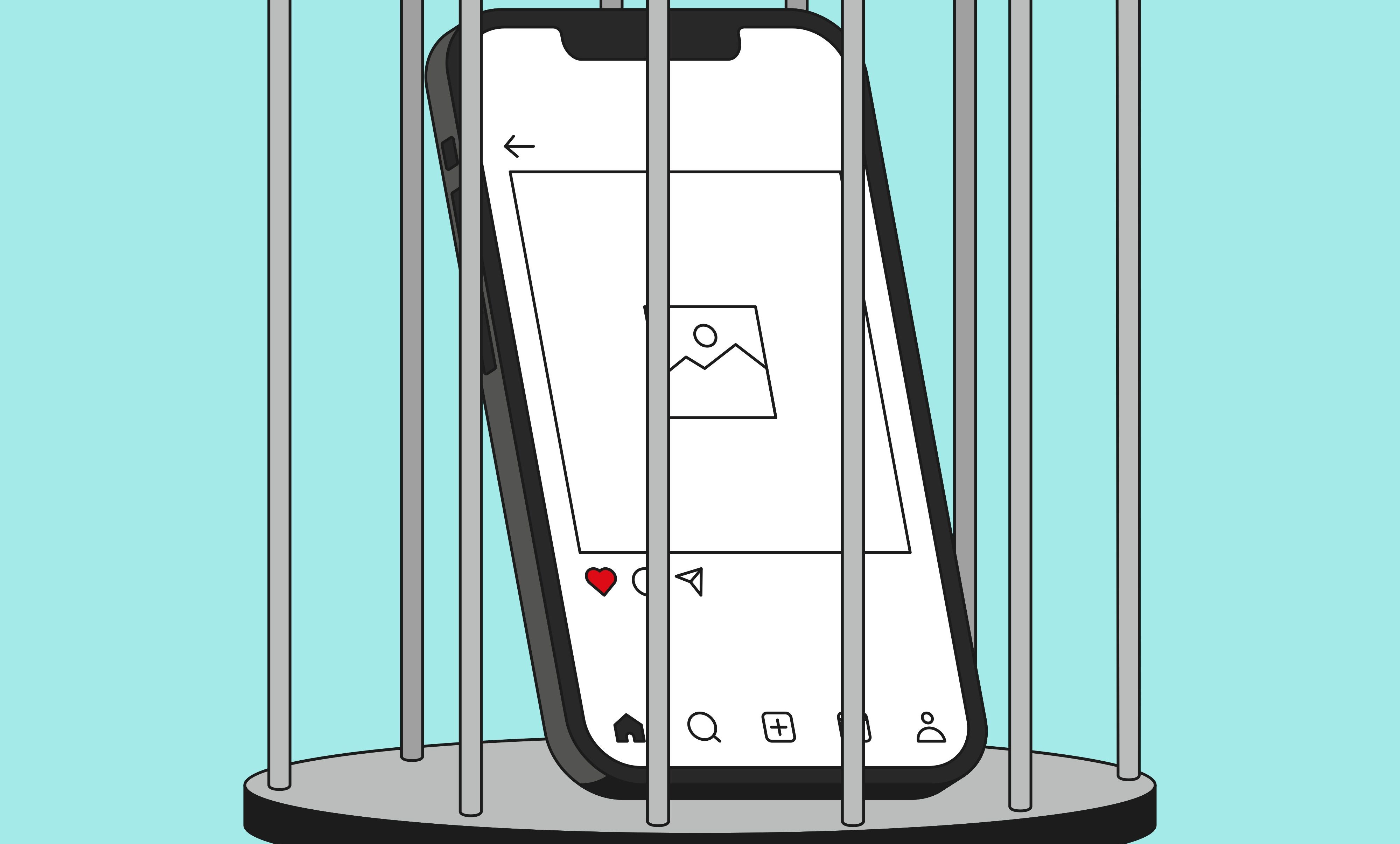
Parents feel a heavy burden to protect their kids from online harm. Threats such as cyber-bullying, predators, and unwanted content are real, and it’s understandable to want to put tight restrictions in place. But what if the very tools we use to protect our children are creating unintended consequences? Over-monitoring can undermine trust, limit children’s development of independence and online resilience, and even expose privacy vulnerabilities. Here’s what the research shows and how parents can find the perfect balance.

Where did we go wrong?

66% of parents surveyed say that parenting is harder today than 20 years ago, and digital technology is to blame.[1] Parents monitor in a variety of ways, including limiting screen time, checking websites, requiring password access, using GPS tracking, and checking social media following/friending.[1] Yes, tighter supervision sounds like a necessary solution in a world full of endless apps, social networks, and online risks, but is it?

A study conducted by the University of Central Florida found that parental-control apps, which allow for deep monitoring of children’s online activities, were associated with more, not fewer, online risks for teens. More specifically, the study found that teens whose parents used these apps reported unwanted explicit content, online harassment, and sexual solicitations. This doesn’t mean monitoring caused the risks; instead, parents often turn to these apps because their teens are already encountering online issues. The researchers concluded that instead of building digital competence and trust, many of these apps fostered a control-heavy and distrusting family environment.[2] So, instead of turning to these apps for help, try Dr. Bennett’s Connected Family Course.

Another study of children’s apps found that even “family-friendly” apps often include trackers, location permissions, or mislabeling of age ratings.[4] Further, children and teens with over-monitoring parents saw their parents as intrusive and were more likely to hide, deceive, and intentionally misbehave.[4] All in all, when monitoring feels oppressive, kids may respond by hiding and lying rather than being open and honest.

What does that mean for parents?

If the goal is safety, forced online surveillance may undermine the trust between parent and child and may hinder the open and honest communication we should be working to establish. As we teach in our Screen Safety Essentials Course for families, just implementing controls isn’t enough. One of the most damaging costs of over-monitoring is to trust and self-regulation. When children know they are constantly being watched, they may feel that their parents don’t believe they are capable of making responsible choices. That can lead to secrecy, feelings of giving up on communicating openly, and a lack of connection or engagement with parents.

“Why tell mom and dad if they won’t believe me anyway?”

I found myself asking this exact question at 12 years old when I made my first Facebook account and kept it a secret. I didn’t want to get in trouble, and I wanted to connect with my friends outside of school. I felt left out. But, when I asked my mom if I could open my own account, she said no. When I asked her why, she had no answer. So, I took it upon myself to create an account anyway.

I lied about my age so that I could create the account without parental supervision, and I kept it a secret. I would use it when she was not paying attention. My intentions were pure, and I did use it to connect with friends. But, of course, like with all online platforms, creepy older men would try to befriend me or message me.

GetKidsInternetSafe’s mission is to improve parent-child relationships AND screen safety. Had my mom and I had access to the GKIS Social Media Readiness Course, we would have been able to find a safer middle ground for me to connect to my friends. Not only would I have learned more about screen safety and been better equipped to solve online problems independently, but my parents and I would have engaged in healthier conversations and maybe even gotten closer. Ultimately, I would have been prepared to protect myself from getting into a relationship with a 17-year-old. Read The Hidden Dangers of Online Grooming: I Was Only 13, to find out how my lack of preparation for having social media resulted in me forming a premature physical relationship with a young man who was four years older than me at that time.

How Can We Do Better?

One of the most effective ways to guide children safely online isn’t through hidden surveillance, but through connection, conversation, and shared agreements. When parents begin by listening to their children about what worries them, what they enjoy, and what feels out of control, they build a foundation of trust. That trust becomes the launch pad for screen-time guidelines, digital boundaries, and the kind of autonomy children need to develop resilience. GKIS emphasizes this approach through its Connected Family Screen Agreement, a free tool designed to invite open dialogue instead of enforcing silence. It helps kids understand why parents have concerns and utilize safety tools and techniques.

Instead of solely relying on rigid controls, the path to healthier online habits includes tools, skill-building, and gradual transition. GKIS’s Screen Safety Toolkit isn’t a spy-kit; it’s a resource for families to use as practical checklists, conversational prompts, and strategies to empower children rather than just restricting them.

By investing in tools like this, parents can shift from pushing their kids to secrecy to creating a trusting relationship through honest communication. This way, your child knows that they are safe, supported, and ready to navigate the digital world with you by their side.


Thanks to CSUCI intern, Elaha Qudratulla, for researching and sharing an important story about how online safety is more important than online policing.

I’m the mom psychologist who will help you GetKidsInternetSafe.

Onward to More Awesome Parenting,

Tracy S. Bennett, Ph.D.
Mom, Clinical Psychologist, CSUCI Adjunct Faculty
GetKidsInternetSafe.com

Works Cited

[1] https://www.pewresearch.org/internet/2020/07/28/parenting-children-in-the-age-of-screens/

[2] https://www.ucf.edu/news/apps-keep-children-safe-online-may-counterproductive/

[3] https://arxiv.org/pdf/2303.09008

[4] https://www.sciencedirect.com/science/article/abs/pii/S0140197117302051


Photos Cited

[1] Rizki Kurniawan

[2] Marten Newhall

[3] Tasha Kostyuk

[4] Vitaly Gariev

https://unsplash.com/

Off the Phone and On the Soccer Field: My Cure for Digital Disconnection

Kids crave connection. Face-to-face interaction and emotional closeness are vital for healthy development—particularly for adolescents.[1] Screen time offers shallow connections and distracts kids from those unpleasant cravings. It also keeps kids so busy that they don’t seek the connection they so desperately need. What if they didn’t have to be so lonely? What if there was a way they could be off their screens, doing something good for their health, and making friends at the same time?  For me, that was playing sports.

The Seed Was Planted

As a child, I was most excited to hang out with my friends, be on my phone, watch TV, or eat sweets, in that order. That was until I joined a team sport.

It all started when my mother asked me if I wanted to join the local soccer team. I was nine years old and against the idea because I didn’t want it to cut into cartoon time on the weekends, and had we gone through the Screen Safety Essentials Course, we wouldn’t have worried so much about the impact of screens on us. But she insisted. I only agreed because my favorite cousins were on the team.

I learned from the first practice that I loved the intense physical activity of soccer, and after a while, I began to really get the hang of it. I felt proud and accomplished. I made great friends on the team. We loved team bonding activities and even began to hang out outside of practice. I loved it so much, I gave it my all and looked forward to it all week.

By high school, I had won medals and genuinely felt like I was good at the sport. I received praise and encouragement for all of my efforts and hard work. It also inspired me to work hard in other aspects of my life. I tried harder in school, was friendlier with classmates, more obedient in class, and more eager to participate in the learning process. According to Project Play, high school athletes are more likely to further their education and even receive higher grades in college.[2] I started seeing everything in the world as a skill waiting to be attained, something that required courage, effort, and training.

Having that view of the world helped me when I sprained my ankle right before the start of my freshman season. While recovering, I could have easily scrolled through Snapchat and Instagram endlessly. But I wanted to make sure I continued to build the bond with my teammates for when I returned. It taught me to wait my turn, keep a positive attitude, remain patient, and support others as they shine. As soon as I recovered, my teammates were more than happy to catch me up to speed, and I rebuilt my strength.

Core Memories That Last

One of my most memorable moments taught me something I will never forget. It was my junior year; we were tied 0-0, with a minute left in the game. My team was exhausted, but as captain, I knew this is where my job was most important. I dribbled the ball up the center, dodging two midfielders and one defender, set it up for my left forward, and yelled, “SHOOT!” She shot and sent it straight into the upper right corner of the goal. Everyone who was there to support us was on their feet, our coaches were throwing their clipboards in the air and hugging each other, and our teammates ran to us for a celebratory hug and a jump around. We spent the last 15 seconds of that game with tears in our eyes and joy in our hearts. We had just beaten a 40-year record for our school!

This is when I realized this would have a lifelong impact on me. It was one of those moments that I’ll look back on happily. It was a lifetime of preparation to become someone people could rely on when things got tough and hope felt lost. It was the moment I truly understood what being a leader meant to me and the impact it had on others.

I hugged and thanked my mother for signing me up for soccer at nine years old. She introduced me to the first love of my life, and I would forever be grateful for that. From then on, I never doubted my abilities to get something done, never lost confidence in myself, and never hurt someone without apologizing or broke something without trying to replace it.

The Impact of The Beautiful Game

Project Play reports that sports, in particular, can positively impact aspects of personal development among young people, keep them away from harmful substances, and encourage cognitive, educational, and mental health benefits.[2] I believe my experience of playing soccer was so much more than just a fun sport or a way to stay active, although both are tried and true. It was a refinement of my character, it was a positive shift in how I viewed the world and myself in it, it was what taught me that rejection was just redirection, and it was a way to build and maintain connections with people I am still close to, at 27 years old.

Why Everyone Should Play Sports

Participation in sports can protect against the development of mental health disorders.[4] These benefits include lowering stress levels, rates of anxiety and depression.[5]Lifelong participation in sports leads to improved mental health outcomes and even immediate psychological benefits which continue long after participation is over with. The improve self-confidence, encourage creativity, and nurture a higher self-esteem. Statistically, adolescents who play sports are eight times more likely to be physically active at age 24.[3]


Thanks to CSUCI intern, Elaha Qudratulla, for sharing an important story about how beneficial playing sports were for her then and how it still helps her today.

I’m the mom psychologist who will help you GetKidsInternetSafe.

Onward to More Awesome Parenting,

Tracy S. Bennett, Ph.D.
Mom, Clinical Psychologist, CSUCI Adjunct Faculty
GetKidsInternetSafe.com


Works Cited:

[1] https://www.uvpediatrics.com/topics/alone-together-how-smartphones-and-social-media-contribute-to-social-deprivation-in-youth

[2] https://projectplay.org/youth-sports/facts/benefits

[3] https://odphp.health.gov/sites/default/files/2020-09/YSS_Report_OnePager_2020-08-31_web.pdf

[4] https://baca.org/blog/does-playing-organized-youth-sports-have-an-impact-on-adult-mental-health/

[5] https://pce.sandiego.edu/child-development-through-sports/

Photos Cited:

[Header] Eva Wahyuni on UnSplash

[2] Olivia Hibbins on UnSplash

[3] Elaha Qudratulla

[4] Jeffrey F Lin on UnSplash

[5] Elaha Qudratulla

https://unsplash.com/
The Hidden Dangers of Online Grooming: I Was Only 13

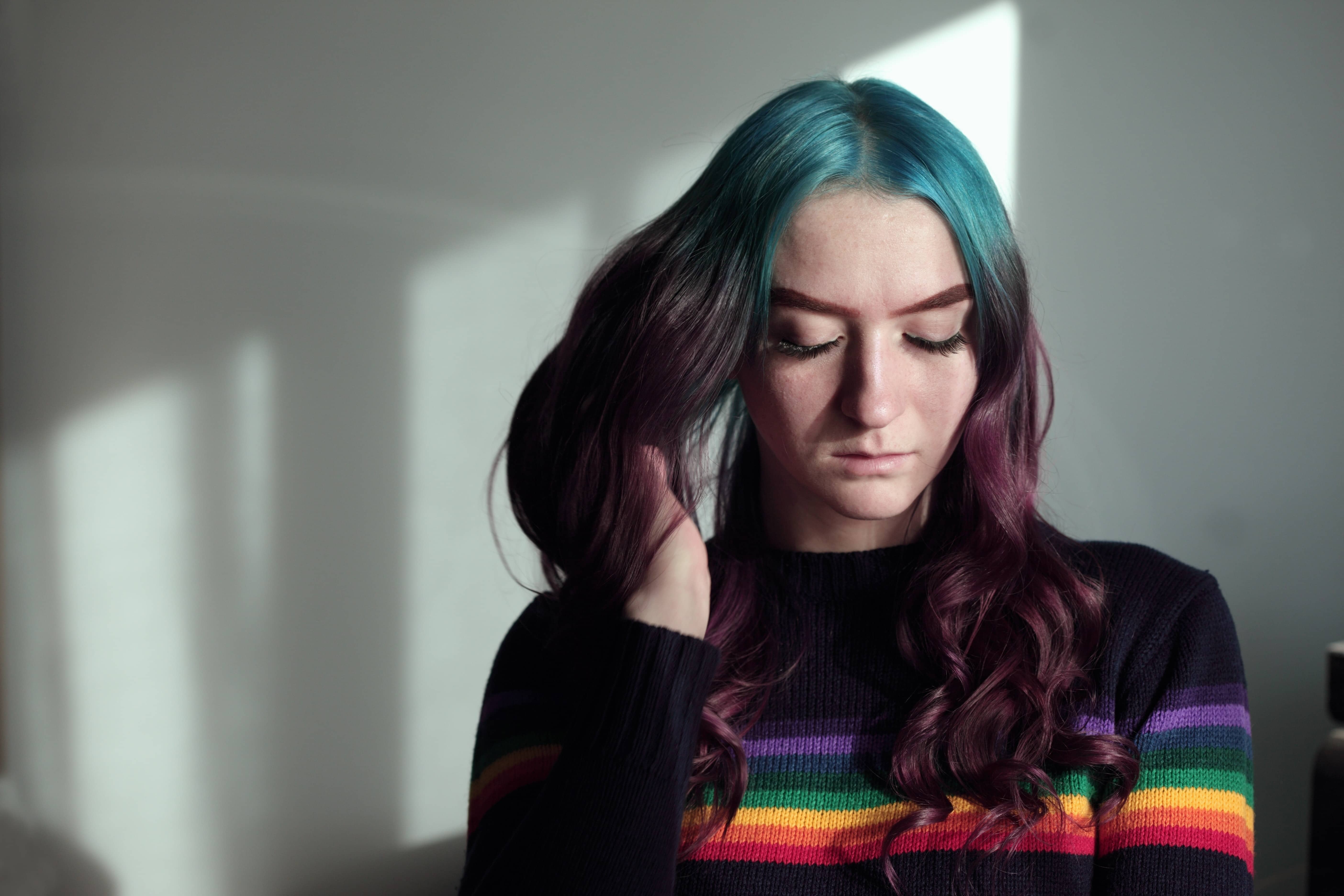
Has your child been manipulated and exploited online? Influencing people to send nudes is an example of sexual coercion, and it happens more than you think.[1] A survey found that 36% of participants reported experiencing digital sexual coercion.[2] And too often, it happens to young teens. Statistics say one in 33 kids is approached online, but many don’t report it.[3] Too often when kids come forward, they lose their screen privileges as a result. This punishes kids for seeking help, so they learn to keep scary online problems to themselves. This is my story of being the victim of digital sexual coercion when I was only 13 years old.

He was 17, I was 13

When I was in seventh grade, my PE class overlapped with eleven graders, and that’s where I met Dale. Dale was 17 and new at our school. I was 13,  friendly, outgoing, and happy to introduce myself. Dale added me on Facebook, and we began to get close. My mom didn’t even know I had Facebook because I hid it. But honestly,  if she had a resource like the GKIS Screen Safety Essentials Course, I wouldn’t have been able to hide it from her. I could have skipped this whole trauma. Nothing like GKIS was around back then. I was a sitting duck.

How We Got Close

Within two weeks, Dale and I were Skyping for hours every night. It was awesome. He’d say things like, “You’re so mature for your age,” “You look a lot older than you are,” and “I wish you were older so we could hang out in public.” He made me feel desired and special. Now I know that using flattery to manipulate younger kids makes them more vulnerable to coercion.[4] But then, Dale hyping me up so much gave me a big head. I felt like I was older, more sophisticated, and smarter than kids my age. I loved the attention. I already felt like a little adult.

Over the next few months, we grew closer and closer and started making plans to hang out. He wanted to meet at a “secret” spot across the street from our school. It was at an outdoor bench in a parking lot surrounded by trees which hid us from the view. He made sure we met at different times so we couldn’t get caught. I felt like he was ashamed to be seen with me, and it hurt my feelings so much. During these hang-outs, I discovered what first and second base were. We even talked about what it would be like to have sex. It was exciting for me.

How It Took a Turn for the Worst

Eventually, Dale coached me on how to pose for provocative pictures and convinced me to email them to him. He promised not to show the pictures to anyone and even sent me some of his own. I thought it was safe because he cared about me, and we loved each other.

Unfortunately, it wasn’t long until I found out that he showed my pictures to the boys in my class because they teased me about the colors they saw me wearing in the pictures. It was absolutely horrifying! I was embarrassed. I felt betrayed. I was so sad and angry. I didn’t know what to do, so I just denied it and worked hard to keep my composure. One guy bullied me about it the whole rest of the year. It never got easy.

I was afraid to lose our relationship, so I did not make it a big deal. But I did ask him not to show the photos to anyone ever again. Some of his friends cautioned him, recognizing the age difference. Most of them were nice to me. They acted like they knew I was a little girl with an almost-man. I think some of them felt sorry for me. That was his wake-up call to how wrong it was to be with me.

When I started to feel him pulling away, I sent more pictures to earn his attention. I was completely attached and “in love.” Inevitably, he broke up with me because he was turning 18 soon and did not want to catch a case. I was shattered. I felt unworthy, unwanted, less-than, and like I was not enough. To make matters worse, he began dating a girl who was 15 years old a month after we separated. Watching him grow close to her broke my heart and left knots in my stomach. I was constantly comparing myself to her thinking I was too fat, ugly, and young. I felt used and discarded. I had a hard time focusing on school, friends, or extracurricular activities. For the next four years, I felt like I’d never be in love again. It took a toll on me and made me feel so self-conscious.

My Why

At the time, I felt so alone and misunderstood. Now I see I needed resources like GKIS. Thirteen years later, I researched “digital sexual coercion” and finally felt seen. I feel better after understanding how common this is and inspired to share my story to help other kids and parents avoid what happened to me.

After reflecting on my experience, I realized that open conversations about online interactions could have equipped me with the awareness to recognize red flags. Had I gone through the GKIS Social Media Readiness Course, I would have understood the risks of social media even among my friends. I encourage all parents to empower their children to navigate the digital world safely. This way, you can prevent your child from reliving my worst experience.

Thanks to CSUCI intern Elaha Q for writing this article. Her courage and vulnerability are so impressive. She said writing the article was a healing experience. And crazily, her older “boyfriend” recently reached out to her and apologized. But she also said that she now recognized who he was still phishing for her affection, and it felt “weird.” It made me wonder, do we ever stop feeling vulnerable after experiences like this? Thanks Elaha for being bold and brave and sharing your story.

I’m the mom psychologist who will help you GetKidsInternetSafe.

Onward to More Awesome Parenting,

Tracy S. Bennett, Ph.D.
Mom, Clinical Psychologist, CSUCI Adjunct Faculty
GetKidsInternetSafe.com

Works Cited

[1]https://womenshealth.gov/relationships-and-safety/other-types/sexual-coercion#:~:text=If%20you%20are%20being%20pressured,someone%20might%20use%20sexual%20coercion:

[2]https://doi.org/10.1016/j.childyouth.2020.105921

[3]https://ovc.ojp.gov/sites/g/files/xyckuh226/files/publications/bulletins/internet_2_2001/internet_2_01_6.html?utm_source=chatgpt.com

[4]https://pmc.ncbi.nlm.nih.gov/articles/PMC9292559/

Photos Cited

[Header] Markus Winkler on Unsplash

[1] ethan on Unsplash

[2] Wang Sheeran on Unsplash

[3] Aiden Frazier on Unsplash

https://unsplash.com/

https://stock.adobe.com/images/sexting-sex-during-coronavirus-covid-19-sexual-practices-man-and-woman-hands-show-lingerie-through-their-smartphone-screen/408291146?prev_url=detail

Is Your Daughter Somebody’s Sugar Baby?

Social media has forever been a hookup culture. But recently, older men are approaching young girls, for a “sugar arrangement,” a little time for a little gift. The promises of new shoes, purses, and money for a conversation can be very tempting. Once a relationship is initiated it typically gets sexual from there. Could your daughter be getting approached online by sugar daddies? To help deter your child from falling victim to this look into Social Media Readiness Training to help kids be more online aware.

What are a “sugar daddy” and a “sugar baby?”

A sugar daddy is typically an adult male who finances the lifestyle of his younger companion. The average sugar daddy is 38 years old and earns $250,000 annually.[1] His younger companion is referred to as his “sugar baby.” The sugar baby is typically expected to give up their time and sexual activities in exchange for gifts like clothes, shoes, jewelry, and a weekly allowance. Our Screen Safety Toolkit can help you track people who may unknowingly approach your child online.

Sugar Baby Cindy says she’s happy with her arrangement.

I interviewed a 26-year-old sugar baby named Cindy. She said “Not all sugar arrangements are sexual. Sometimes they just want to have someone to talk to.” Cindy says she prefers a sugar daddy-sugar baby arrangement because it takes out the guessing game for her. She said “Knowing someone wants to take care of me is a good feeling. It also takes work. You have to keep up your looks, be diverse in a lot of topics and make sure your sugar daddy is happy in return.”


How do you find your sugar daddy or sugar baby?

There are a variety of websites for two consenting adults to find this style of relationship. One of the more popular sites is SeekingArrangement. This site is for consenting adults to find someone that may be interested in a sugar arrangement. It’s much like any other dating site but specifically for sugar daddies and sugar babies. Onlyfans have also made it easier for girls to sell personal content. This is a way for sugar daddies to get an idea of who may be interested in being a sugar baby.

Unfortunately, adults use social media to proposition adolescents, persuading them to talk in exchange for money. A high school student I spoke with elaborated. “One guy offered me five hundred dollars just to talk to him.” She said she ignored his request and blocked him. Imagine how tempting money and gift offers may be to lonely or bold teens.


Cindy Details the Dangers She’s Encountered Online

  • Cindy said that a prospect once tried to scare her after she refused him by doxing her. He discovered who she was, her family members, and where they lived. Then he created a fake online profile and tried to out her to her family. She said that was really scary her family would respond to such intimate and potentially embarrassing information,
  • Cindy also shared that once while working as a camgirl on Onlyfans, a customer convinced her to do a private show in exchange for gifts from her Amazon wish list. After the show, she realized he had only screenshotted the gifts in his cart. He vanished without paying for the promised gifts.
  • Finally, Cindy said some men will say they want to verify you are honest and not a scam by having you send a small amount of money to their cash app with promises to make it up by paying for your services later. She said that most girls will do this thinking five dollars is a small ask in return for a big payout later. But often, the men will take the money and run.

How to Protect Your Child from Being Approached by a Sugar Daddy Online

  • Practice common sense parenting as we teach within our GetKidsInternetSafe Safety Essentials Course. Our four-module online course helps guide you and your family to form a closer, more cooperative relationship that facilitates safer screen use and overall psychological wellness.
  • Make sure your kids don’t have hidden apps and secret social media profiles using our Screen Safety Toolkit. This is a great resource for services to help you monitor apps, give you better parental control, and much more.
  • Make sure you and your kids know how to navigate social media safely with our Social Media Readiness Course. This easy 10-part lesson plan will not only make you feel safe but also make your kids feel more empowered.
  • Encourage your kids to keep their social media profiles private.
  • Tell your kids if money comes up in an online conversation, be wary. The person likely has sexual motives.
  • Trust your gut. If it doesn’t feel right it probably isn’t.

Thanks to CSUCI intern Keith Ferries for researching sugar daddies and sugar babies and authoring this article.

I’m the mom psychologist who will help you GetKidsInternetSafe.

Onward to More Awesome Parenting,

Tracy S. Bennett, Ph.D.
Mom, Clinical Psychologist, CSUCI Adjunct Faculty
GetKidsInternetSafe.com

Works Cited

[1] Why Sugar Daddy Relationships Are on the Rise

https://www.psychologytoday.com/us/blog/in-the-name-love/202006/why-sugar-daddy-relationships-are-the-rise

Photo Credits

[1] Matthew Henry https://burst.shopify.com/photos/search?button=&q=man+at+laptop

[2] Tim Douglas https://www.pexels.com/photo/delighted-young-woman-with-bright-gift-bags-after-shopping-6567285/

[3] https://www.pexels.com/photo/a-girl-in-a-city-using-smart-phone-3768921/

[4] Andrea Piacquadio https://www.pexels.com/photo/woman-in-red-t-shirt-looking-at-her-laptop-3755761/

Drug Dealers Use Social Media to Hook Teen Girl on Fentanyl

Drug addiction is on the rise with many drug dealers finding teen customers on social media.[1] Once engaged with the dealer, teens are vulnerable to drug use, solicitation for nude photos and videos, coercion, extortion, and even violence. Once hooked, dealers may also use their victims to recruit other teens. Improving their methods one teen at a time, dealers become experts at persuading kids to try that first pill, often lying about what it is and how it may affect them. Most parents would deny that their kids are at risk, insisting that they’ve spoken to them and know their kids would never be so foolish. But if you’re not tracking content on your kids’ devices because you believe they deserve digital privacy, can you be so sure? To help close risk gaps and set appropriate expectations, check out our Screen Safety Essentials Course. With weekly family and parenting videos, you can be confident that you are doing all you can to protect your kids from risks like these. Today’s GKIS article shares a true story about a 16-year-old girl who got caught up in this shocking series of tragic events driven by social media use. Learn about how she got started, the workarounds she used, and what her parents would recommend to help keep your teens safe.

Morgan’s Story

Tom recently shared a tragic story with us about his 16-year-old stepdaughter, Morgan. Morgan is like any high school sophomore. She loves fashion, her friends, and her 17-year-old boyfriend, Parker. She earns straight As and loves to ride horses. Tom and his wife Julie frequently have Morgan’s friends and boyfriend over to the house to hang out and occasionally Morgan and Parker would go out too. Parker seemed like a good kid, and they insisted on meeting his parents right from the beginning. They didn’t think twice when, over time, Morgan started mouthing off, rolling her eyes, and pushing back against the rules. They figured it was normal adolescent boundary-pushing. Besides, Julie and Morgan moved to this new community only a year ago before Tom and Julie got married. They figured there would be some growing pains as she figured out her new school and friend situation.

Over time, however, Morgan’s defiance escalated. She was constantly on her phone, isolating herself in her room, coming home past curfew, and eventually started sneaking out at odd times “to go for a walk.” Grounding her and taking her phone didn’t seem to help, and Julie was reticent to repeatedly punish her due to the screaming fights that would ensue when she tried to implement consequences. Julie felt like maintaining a cooperative alliance with Morgan was more effective than punishment. So, she worked hard to spend time with her daughter and felt that she’d grow out of the teen attitude.

More Than Teen Rebellion

Tom realized it was more than teen rebellion when his neighbor, who worked in law enforcement, came by and reported that he’d seen Morgan buying drugs from different men that would drive up to her during her walks. Julie and Tom were shocked and terrified. They put Morgan into therapy and drug-tested her. When she came up positive for multiple drugs, they put her in intensive outpatient therapy for teens who abuse drugs. They tightened up on their rules and hoped that everything would sort out now that Morgan was getting professional help.

Over time, Morgan’s attitude got better, and she said she liked her therapists. Until one day Julie discovered fentanyl tablets in Morgan’s room and realized they needed to investigate further. Although Julie was still reticent to invade Morgan’s privacy, Tom insisted they confiscate Morgan’s phone and restrict social media and socializing privileges until they could better understand and control the situation.

Phone Content Reveals the “Real” Story

When they accessed Morgan’s phone, they discovered she was swept up in many dealings with multiple drug dealers, most of them adults and some in gangs. They also saw text exchanges that demonstrated that she and her boyfriend were offering nude photos and videos of them having sex in exchange for drugs. It was also clear that Morgan had sex with some of the dealers in exchange for drugs. Julie and Tom were heartbroken and reached out to law enforcement.

From the phone content, several arrests ensued and Morgan filed a restraining order against Parker. The videos revealed that both teens were under the influence during the sexual encounters and Parker may even be charged with a crime since Morgan is heard saying “no” in some of the videos.

Morgan was immediately enrolled in an online charter school and has been admitted to several inpatient drug rehabilitation programs. She takes the prescription drug, Suboxone, to help her avoid opioid withdrawal and stay off fentanyl. Tom and Julie deleted her social media profiles and don’t allow her any screen use except when she borrows her mom’s phone for browsing here and there. Despite these measures, she has found alternative ways to communicate with old friends by using and sneaking other people’s devices and using the computers at school. As she “unlearns” the manipulative, unhealthy behaviors typical of addiction, she has been kicked out of various schools, friend groups, extracurricular activities, treatment centers, and therapy groups. It will be a long road to healing for Morgan. Although Julie and Tom did the best they could, they wish they would have done more and sooner.

Tom’s Take-Away Advice  

When we asked Tom what he wish he’d have done, he shared the following suggestions:

If I had known how rampant drug sales are among middle and high school students on social media platforms like Snapchat and Instagram, I would not have allowed any social media until the age of 16 minimum

I would have set up more stringent monitoring on all devices and computers, and I would have provided a talk-and-text-only phone with no way to add apps and no way to access the Internet until the age of 16.

I would have volunteered to be the pickup parent instead of the drop-off. Kids are smart. They knew I would catch them if they were under the influence when I picked them up.

I would have shut off our Wi-Fi network every night and checked which devices were using our Wifi. Morgan was able to sneak a “burner phone” at night until he realized that he could monitor WiFi use.

Finally, I would have set up random drug testing as a general policy. Parents who assume that they have no reason to drug test their kids because they’re athletes, straight-A students, or generally good kids still can’t be confident their kids are not being influenced by dangerous others. Drug testing is an insurance policy to help keep your kids alive.

If you want to get into smart parenting habits before your kids run into trouble:

Use our free Connected Family Screen Agreement (and weekly GKIS Blog articles) to set rules and expectations when your kids first get ownership over digital devices and social media platforms. The first rule is that nothing on your device is private, and parents get anytime access.

Purchase our Screen Safety Essentials Course to support the whole family and parenting team for better screen safety and a more honest and cooperative home life.

Check out Social Media Readiness Course for tweens and teens. This course offers 10 modules that teach screen safety issues and psychological wellness tools to optimize mental health in both real-life and digital landscapes. Each module offers a quiz to demonstrate mastery of content.

Finally, talk to your kids, be consistent with monitoring and screen use rules, and don’t assume they won’t experiment with dangerous situations. To learn more about which social media platforms are popular for drug deals and the emoticons they use, check out our article A Teen’s Addicts Confessions About Online Workarounds.

I’m the mom psychologist who will help you GetKidsInternetSafe.

Onward to More Awesome Parenting,

Tracy S. Bennett, Ph.D.
Mom, Clinical Psychologist, CSUCI Adjunct Faculty
GetKidsInternetSafe.com

                                                   Photo Credits

Photo by Myriam Zilles on Unsplash

Photo by sebastiaan stam on Unsplash

Photo by MART PRODUCTION, https://www.pexels.com/photo/a-man-and-a-woman-leaning-on-a-vandalized-wall-7231496/

Photo by Aphiwat Chuangchoem,

Photo by John Schnobrich on Unsplash

Sextortion Scammers Targeting the LGBTQ+ Community

People seeking companionship or romantic connections online are falling victim to internet predators. There has been a dramatic increase in recent reports claiming that LGBTQ+ individuals are being purposely targeted for malicious online sextortion crimes. These crimes have led to devastating and long-lasting repercussions for victims and their families. As a result, the Federal Trade Commission (FTC) issued a warning in response to complaints about dating sites geared towards LGBTQ+ community members being infiltrated by sextortion perpetrators.[1] To help ensure your family has the tools to safely navigate the online world, check out our Screen Safety Essentials Course.

What is Sextortion?

The term sextortion (sexual-extortion) falls under the broader category of sexual exploitation. In many cases, sextortion is a form of blackmail that involves the act of extorting things like money and sexual favors through means of manipulation and coercion. For example, a perpetrator may threaten to reveal or expose personal and sensitive information about the victim to others unless they agree to the perpetrator’s demands.

How are people being victimized?

Despite advancements in societal attitudes towards LGBTQ+ community rights, the world can sadly still be a hostile place. That’s why dating apps geared toward members of the LGBTQ+ community, like Grindr, Feeld, and Her, have become popular.

These sites were designed to provide a safe space for both openly queer and closeted people to meet and make connections with each other without fear of harassment or exposure. Unfortunately, recent reports have indicated that an increasing number of apps and websites marketed toward members of the LGBTQ+ community are being infiltrated by sextortion predators.

Blackmail

A typical sextortion scam begins with a perpetrator creating a fictitious account on a dating app or social media networking site using a fake identity and photos. The perpetrator poses as a potential partner or someone looking to make a connection online and attempts to establish contact with another person under the guise of starting a romantic relationship. This is a process referred to as catfishing.

The perpetrator cultivates the relationship with their target to gain their victim’s trust and make them feel comfortable. The process can last for days, weeks, or even months. After establishing rapport, the perp will send explicit messages, photos, and videos and ask for some in return. Once the target shares their personal images and information, the scammer threatens to release it to the victim’s friends, family, or co-workers, or post it online unless the victim does what they say.

The primary motivations behind these types of romance scams can be financial and sexual. Sextortion predators use various manipulation tactics to not only extort money from victims but also to access sexually explicit photographs and messages, for their own sexual gratification. Recent reports have revealed that minors using the app, despite there being minimum age of use requirements, were targeted specifically by pedophiles hoping to elicit child pornography. In both cases, similar methods of exploitation are used.[2]

The FBI has stated that most victims report that initial interactions with perpetrators are mutual and unsuspicious. However, after a brief period, the extortionist will attempt to transition the interaction away from the app and onto private messaging forums. Without exposing their true identities, these online predators will go to great lengths to convince targets that they are legitimate users of the app.

Scammers often use stolen or fake photographs and may even hire a video model to convince their victims that they are interacting with an authentic person. It is very common for perpetrators to befriend victims on social media to access a list of the victim’s followers which typically include family members, friends, and co-workers.[2]

Why are LGBTQ+ apps being targeted?

Experts suggest that individuals using these dating apps are being specifically targeted by predators for a few different reasons. Given the nature of the apps, which are primarily used to foster romantic connections, online predators have a much greater opportunity to collect private and sexually explicit information from their targets. Additionally, since these apps have been designed for LGBTQ+ community members, predators assume that their targets have an even greater incentive to keep quiet about their victimization and comply with demands.

Because these apps are marketed as a safe space, people who are not openly queer rely on them to make connections with others without fear of exposure. As the thought of public shaming and the potential outing of their sexual orientation or gender identity is so profound, these individuals are more easily subject to victimization.

The Fallout

According to the FBI, the number of these cases has been steadily increasing. Experts speculate that the onset of the COVID-19 pandemic and the emergence of hookup-culture has escalated this trend. As the dating world transitioned largely onto virtual platforms, sextortion predators took advantage of this change.

Last year, the federal agency reportedly received over 16,000 sextortion complaints with financial losses totaling over $8 million.[2] In reality, the repercussions of these crimes extend beyond financial ruin. Sadly, the effects of being targeted and exposed by sextortion predators were overwhelmingly devastating for some victims who felt driven to take their own lives.[1] As a result of the seriousness of these crimes, law enforcement officials have significantly increased their efforts to capture and charge perpetrators.

How to Protect Yourself

It is important to be aware of the potential dangers inherent online in order to prevent yourself and your loved ones from becoming victimized. Dr. Bennett believes that providing our kids and teens with the necessary knowledge and skills to navigate these pitfalls before they arise, is the key to avoiding digital injury. That is why we created the Social Media Readiness Course which is designed to empower families to promote safe and responsible practices while avoiding harmful outcomes online. The internet can be an exciting and helpful tool when we are equipped with the proper skills to use it.

T hanks to CSUCI interns, Mackenzie Morrow and Michael Watson for researching the targeting of LGBTQ+ community members in sextortion scams on popular dating apps and co-authoring this article.


I’m the mom psychologist who will help you GetKidsInternetSafe.

Onward to More Awesome Parenting,

Tracy S. Bennett, Ph.D.
Mom, Clinical Psychologist, CSUCI Adjunct Faculty
GetKidsInternetSafe.com

Works Cited

[1] Skiba, K. (2021). Sextortion plaguing LGBTQ+ dating apps. AARP. https://www.aarp.org/money/scams-fraud/info-2021/lgbtq-dating-apps.html

[2] Petkauskas, V. (2021). The shame game: how sextortion scammers prey on victims’ fear. Cybernews. https://cybernews.com/privacy/the-shame-game-how-sextortion-scammers-prey-on-victims-fears/

Photo Credits

Photo By Sharon McCutcheon (https://unsplash.com/photos/MW7ru0BdTFM)

Photo By Tima Miroshnichenko (https://www.pexels.com/photo/a-man-holding-a-letter-lightbox-6266500/)

Photo By Bruno Aguirre (https://unsplash.com/photos/xw_WBtNEqfg)