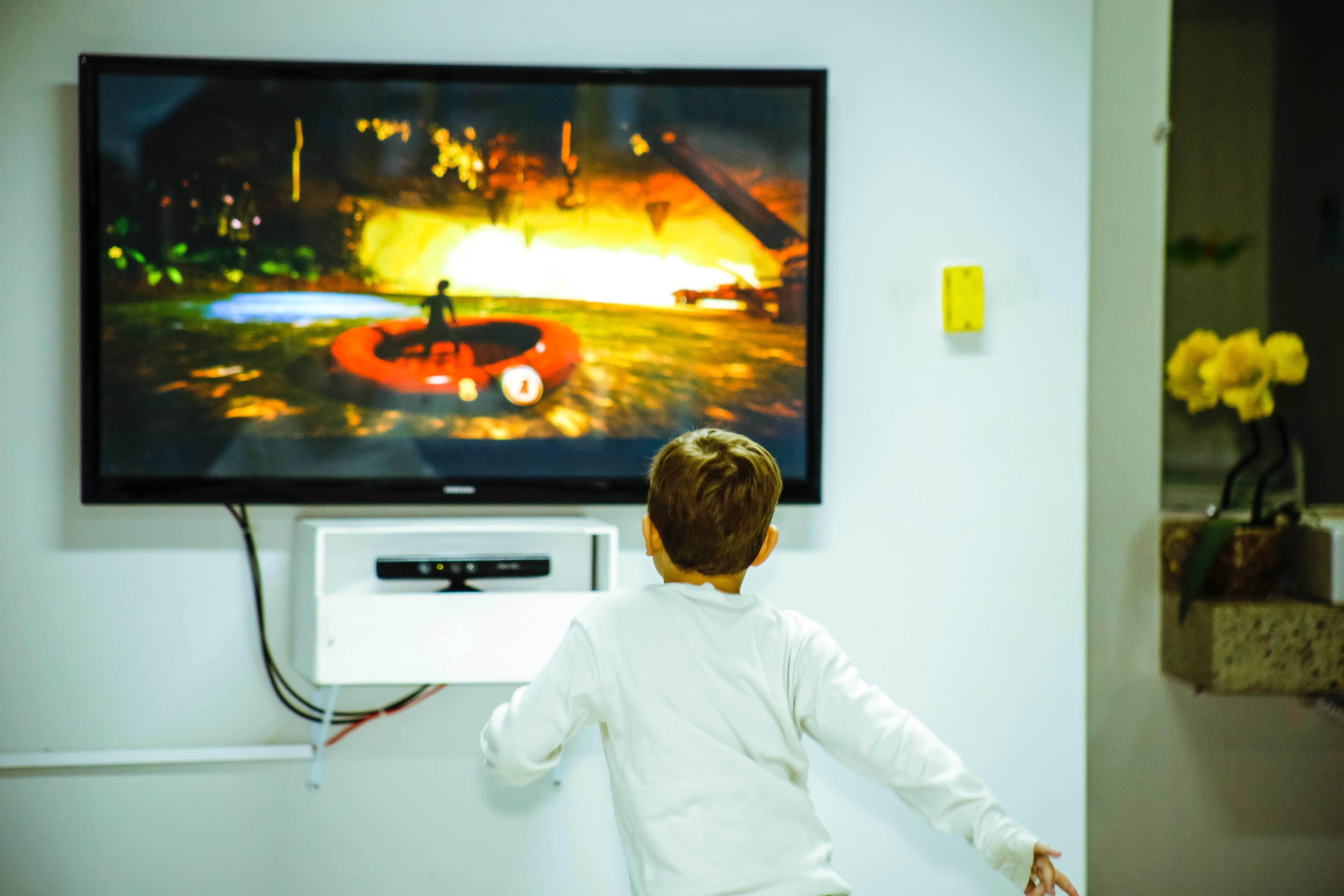
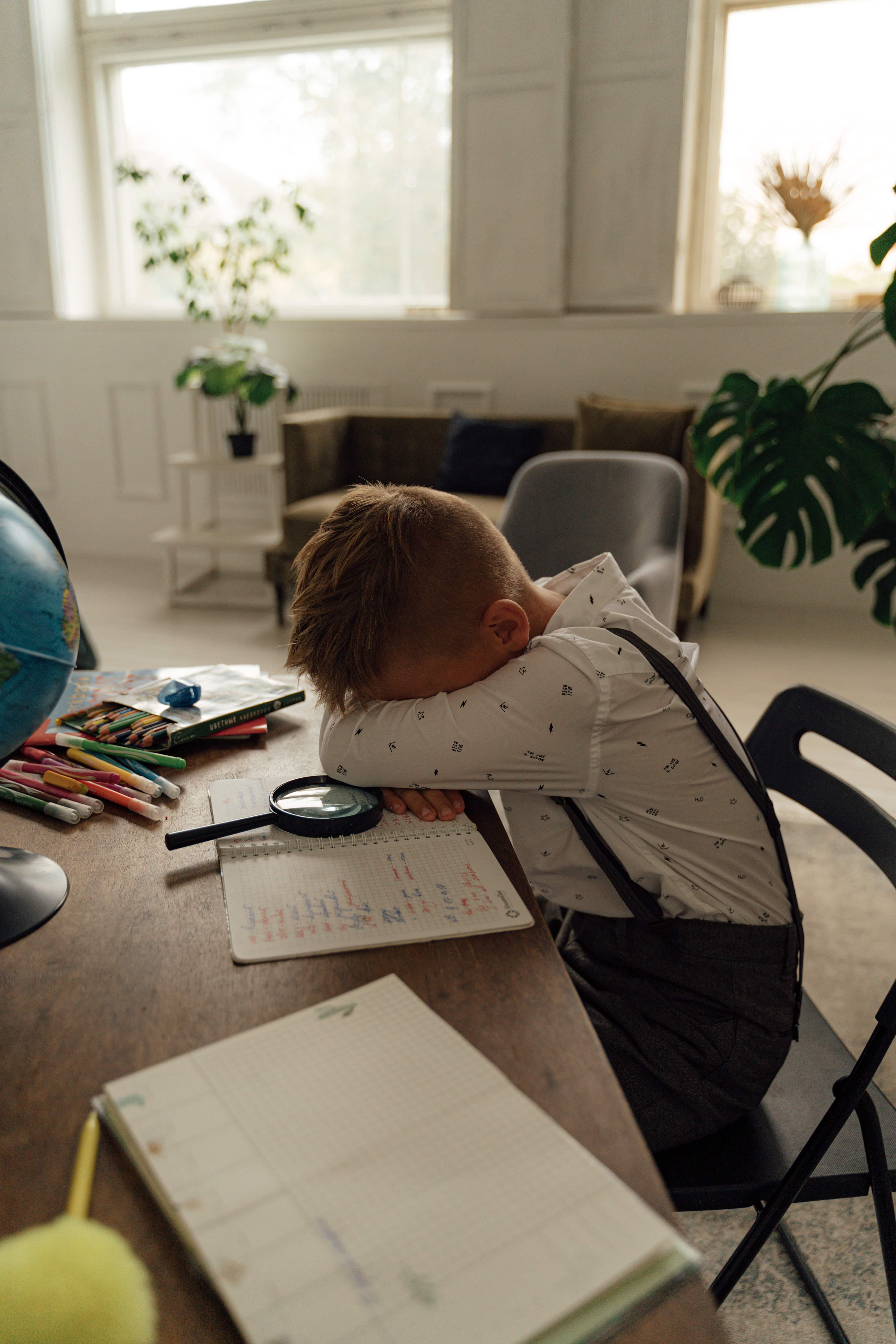
We were hunters and gatherers for 90% of human existence. That means our brains are still wired to prioritize the things that kept us alive when we were living on the land, before the domestication of animals and the construction of cities. One thing that kept us alive was living in a tribe and cooperating. Attracting a tribe and fitting in was a requirement of life. That is why kids and teens are hyper-focused on doing what their friends do and working to be cool and accepted. Online influencers count on this drive to maintain their income streams. One way to attract kids online is to be a kid doing what kids love to do, playing with toys and video games, opening new packages, and hanging out with friends acting goofy. Netflix’s Bad Influencer offers a glimpse of the kid influencer “scene,” and the lengths that some parents will go to attract and keep a following.
What is Bad Influence about?
The limited documentary series has gone viral for good reason. It’s definitely entertaining, but also deeply unsettling. It is a perfect way to raise awareness about how scary a life all about social media can be. Bad Influencer is a documentary that focuses on a tween who becomes an overnight social media star and brings her friends to stardom with her. What started out as a fun hobby quickly turned into a living nightmare. It may seem glamorous to be famous online, until you learn that the child influencers spent the majority of their childhoods working long hours acting out video ideas, risky stunts, and performing pranks that sometimes went too far—all under the pressure of adult producers/parents hungry for views. Check out Intimacy With Minors Encouraged at the Hype House for a similar story of underage exploitation.
SPOILER ALERT: The show takes a chilling turn when the mother of the main character is accused of, and videotaped, sexually exploiting these kids on set by positioning herself as one of the only adults supervising them to control them. Some survived the battle with only a few scars, while the main character is stuck living this nightmare over and over again. It may be funny, exaggerated, and attention-grabbing, but it also paints a dark picture of a digital world where clout matters more than character and children are left to pay the price.
Psychology Behind the Fame Obsession
From a psychological point of view, being an influencer is cool to children because they have a natural need for validation, attention, and social connection.[1] Although the minimum age on most social media platforms is 13, it is reported that children ranging from 8-17 are found scrolling through online platforms soaking up content too mature for their ages.[2] Sadly, unlike real-world relationships, social media platforms offer fast, unfiltered dopamine hits through likes, shares, and views. Without proper guidance, this can make kids tie their self-worth to online numbers, which can result in low self-esteem, fear of missing out (FOMO), performance anxiety, and digital addiction.[3] As a result of social unlimited social media usage, kids can also experience anxiety, depression, and even poor quality of sleep.[4] Counteract this monster and help your child build emotional resilience, red flag awareness, and digital literacy by taking our GKIS Social Media Readiness Training Course. Geared for teens or tweens, it’s the perfect giftbefore that new device or video game.
What You Can Do to Help
Bad Influencer is not just a show; it’s a cautionary tale that shares the pressures kids face online every day. It is easy to get off topic and want to pull the plug on all electronics just to protect your child from their dangers, but that is not always possible. Technology and online platforms are all around us, and it is better to set your child up for success than to try to keep them out of the loop. Connecting with your child over what they find interesting can help create a trusting relationship where you can notice if things start to become a little off. Our free Connected Family Screen Agreement can help you and your child co-create rules around how to safely navigate online platforms. This way your child can thrive in the digital age without losing themselves in it.
Thanks to CSUCI intern, Elaha Qudratulla for researching and co-writing this article.
I’m the mom psychologist who will help you GetKidsInternetSafe. Onward to More Awesome Parenting,
True crime is a popular trend that plays off our fascination with the morbid. As popular streaming services produce documentaries and dramatizations to meet the demand for true crime content, these crimes become less of a horrific event and more of a meme or something to live tweet. These exposés also tend to be led by actors who are well known for their looks, like Evan Peters, Zac Efron, and Ross Lynch, adding more to the romanticization of serial killers like Jeffrey Dahmer and Ted Bundy. Today’s article covers why this romanticization is dangerous and how you can keep your child safe from digital injury with our GKIS Screen Safety Toolkit.
Why has true crime skyrocketed in popularity?
Netflix’s recent limited-run Dahmer series has been viewed by 56 million households for a total of 701.37 million hours, putting it as their second most-viewed English Netflix series of all time.[1] In fact, true crime documentaries have covered the Netflix top 10 trending list for a combined total of 232 days, meaning that if your child is logging into Netflix, chances are they will be suggested one of these exposés.[2] There is no denying that true crime is hot content, and it does not seem to be declining in popularity anytime soon. This begs the question of why our society and humans, in general, are so obsessed with the morbid acts of our fellow human beings.
Evolutionary scientists have attributed this obsession to the fact that murder, rape, and theft have been part of our society for as long as humanity has existed. We are fascinated with learning about the facts of true crime as a form of human preservation and how we can protect ourselves and our families from the same fate.[3]
Psychologists agree and add that we also feel a sort of elation at these stories, glad that we are not the victims of such a crime. They also believe that we feel elated that we are not the perpetrator of the crime either.[4] This suggests on some level that we can relate to the perpetrator, a feeling that adds to the romanticization of criminals.
Psychology and Social Effects of Romanticizing Criminals
Movie violence as shown in true crime documentaries and dramatizations has been shown to have real lasting effects on viewers, including overall desensitization to real-life violence. A study found that youth with medium levels of exposure to TV/movie violence had much lower blood pressure when viewing violent media compared to those with low exposure.[5] These results show that sustained exposure to violent media leads to emotional numbing when presented with violence.
Following the release of the 2019 film Extremely Wicked, Shockingly Evil and Vile, in which Ted Bundy is played by Zac Efron, a concerning TikTok trend began of young girls dressing up as Bundy’s victims using makeup to create blood, bruising, and bite marks on their skin.[6]
These exposés create an impression on children and teens that they are not real events, but rather just make-believe, a trend, or a meme. The use of conventionally attractive actors to play these criminals leads to the romanticization of their crimes. This delusion creates hardships for the families of these crimes who watch as the atrocities their family faced are reduced to trends and memes online.
Mother of Dahmer victim Tony Hughes, Shirley Hughes, shared that learning about the series and its content brought her to tears. She told The Guardian, “I shed tears. They’re not tears of sorrow, and it’s not disbelief in the Lord. The tears [are] tears of hurt because it hurts. It hurts real bad.”[7] Not only do these exposés hurt our children, but they hurt the families of these violent crimes and cause them to relieve their trauma publicly over and over.
What Parents Can Do
If your child is interested in true crime, it is important to express to them that is okay and understandable. Notable psychologists believe that interest in crime is healthy and something that is natural, so long as that interest is confined to health habits.[8] Express to your child that these true crime stories are more than just a “limited-run show” but something that has real-life effects on people. Perhaps even share with them the thoughts and feelings of the families of these crimes as an empathy-building exercise.
Another important action you can take is to look at parental guides online for the media your child is consuming so that you can understand exactly what is in it. Also, sit and watch the show together so that you can fast forward through anything inappropriate and have a conversation about it.
To help guide you in these healthy conversations, check out our GKIS Connected Families Screen Agreement to work with your child to create a collaborative, living document.
If you fear your child may be watching these true crime exposés without your knowledge and permission, check out our GKIS Screen Safety Toolkit. This toolkit helps to empower parents and provides them with smart tech tools to filter, monitor, and manage online behavior.
Thanks to CSUCI intern, Katherine Carroll for researching true crime exposés and the romanticization of serial killers. To learn more about true crime and its consequences check out our article, “Is Your Child Following True Crime?”.
I’m the mom psychologist who will help you GetKidsInternetSafe.
Has your child ever had an epic freakout because you demanded that they turn off their screen? Or completely went unhinged when you wouldn’t buy them a video game they wanted or allowed social media before you thought they were ready? It turns out that there is a neurological reason for that reaction beyond child entitlement and fragility. Too much screen time can result in overstimulation that results in short- and long-term effects in kids. To help manage your child’s screen time and avoid overstimulation, check out ourScreen Safety Essentials Course. This course will help your family achieve screen sanity with our weekly parenting and family coaching videos featuring research-based tools from Dr. Tracy Bennett. In this article, we discuss sensory overload, how it may be affecting your children, and how to avoid it.
Our Digital Babysitter
Raising kids is hard! And some kids are more difficult to entertain than others. Screen time can be a win-win – kids are happy, and parents can get things done. Dr. Bennett, Founder of GetKidsInternetSafe, says screen time can be a great thing, but it can also be a source for a host of digital injury. In her book Screen Time in the Mean Time, she describes screen injuries in the areas of health, interpersonal exploitation, and financial exploitation.[4]
She says that, although screen time matters, content matters too. Educational content with a calm, predictable, and sequential pace is easier for children to process than frenetic, fast-paced content. If your child melts down when you tell them to turn off screen time, you may need to be more aware of the content they are watching so they don’t suffer from sensory overload.
What is sensory overload?
Sensory overload refers to overstimulation that occurs when sensations from the environment, like playing video games or watching fast-paced videos and television programming, can become overwhelming.[2] For young children with maturing brains and difficulty with emotional modulation, sensory overload from unmanaged screen time can result in irritability, temper outbursts, hyperactivity, and aggression. Children with disabilities, like autistic spectrum disorder or attention-deficit/hyperactivity disorder, are particularly vulnerable to sensory overload.[4]
What does frenetic, fast-paced content look like?
In 2006, YouTube launched the child educational program CoComelon. By September 2022, CoComelon had 144 million subscribers and over 139.24 billion views.[5] The demand and popularity of the CoComelon led to the creation of the TV show in 2021, which also became a hit sensation. CoComelon consistently ranks in the top ten most popular shows on Netflix.
CoComelon is known for its fast pace and bright animation. These aspects of the program are hypothesized to stimulate the release of the feel-good chemical, dopamine, in kids’ brains.[1] Dopamine also plays a key role in addiction. This rush of dopamine that kids experience while watching the show is what makes them want to watch it repeatedly.[3] Some exposure is likely harmless. However, some kids may have a vulnerability to such fast-paced content. Too much watching can lead to problems.
Passive television while doing homework can result in sensory overload.
Frenetic screen content isn’t the only thing that can lead to problems with sensory overload. In her book, Screen Time in the Mean Time,Dr. Bennett writes that passive television can also strain child cognitive resources.
Passive television refers to the television playing in the background while we’re eating dinner, doing homework, or just for pleasure. Having the television on in the background while your kids do homework creates a battleground for your child’s attention. This can negatively affect their quality of learning and academic performance.
Dr. Tracy Bennett writes:
Watching TV and doing homework are both demanding tasks that compete for visual and verbal cognitive processing. As a result, the toggling required to attend to both tasks will impair learning and homework quality. Research studies have demonstrated that watching television, or even just having it on in the background, impairs reading performance, recall and recognition, and even your memory of what you’ve watched on TV.[4]
Entertainment and big tech havecommodified your child’s attention.
Because entertainment corporations recognize that their profit depends on our screentime, they’ve created manipulative technology to capture our attention. With features like autoplay, companies like Netflix, YouTube, and TikTok know how to keep us binge-watching. The autoplay feature automatically dishes up new content without user input to promote addictive watching habits. With features like autoplay, can you be confident that Netflix is prioritizing your child’s learning and mental health over its profit?
Signs That Your Child May be Suffering from Sensory Overload
Chronic moodiness and irritability
Fatigue and low energy
Difficulty making decisions
Temper outbursts, especially after a long screen time binge
Aggression
Headaches, including ocular headaches and migraines
Difficulty falling asleep and staying asleep
Nightmares[6]
How can you help your child avoid sensory overload?
Take initiative and manage what your children are able to access with help from ourScreen Safety Toolkit.
Set up sensible household rules (like screen-free zones) and amazing learning centers with help from our Connected Family Course.
Help your children learn how to recognize the red flags of digital injury and practice psychological wellness tools before they adopt social media with our Social Media Readiness Course.
Opt for the works with our megacourse the Screen Safety Essentials Course. This low-cost option offers all GKIS Courses and Agreements in one easy place. Parents-only videos and family videos from Dr. B offer 26 easy lessons that you can sprinkle in once a week to make sure you cover everything!
Share Dr. B’s important teachings by telling your school, church, or temple about her custom webinars!
If you need extra support, check out our GKIS Workshops and Dr. B’s Coaching options!
Thanks to CSUCI intern, Sarah Hernandez for researching and writing about sensory overload from screen time.
I’m the mom psychologist who will help you GetKidsInternetSafe.
Have you ever witnessed the scene of a car accident and wondered why it was hard to look away? More often than not, you are left with more questions than answers. How did this happen? What events led up to that moment? Somehow learning the facts makes us feel more in control and less vulnerable. In the same way that a car accident catches our attention, true crime stories have become extremely popular. Murder mysteries are increasingly making their way to everyday platforms like YouTube, TikTok, and Apple Podcasts as well as streaming services like Netflix and Amazon Prime. With the push of a button, teens and tweens have unlimited access to gruesome content like crime scene photos, autopsy reports, and case reenactments. Today’s article covers the genre of true crime, the effects of constant exposure, and GKIS tips to keep your family safe from digital injury.
What is true crime?
True crime is a nonfiction genre that covers real-life events of crime and other acts of deviance. Depending on the medium, the delivery of the story can vary. Cable reserves several channels (Investigation Discovery, Oxygen) for true crime stories told through reenactments and interviews with the victim’s family.
Platforms like YouTube and TikTok typically have the user telling the story, sometimes supported with real crime scene photos or dispatch calls. Netflix has released documentaries like Night Stalker: The Hunt for a Serial Killer which recounts the horrifying murders committed by Richard Ramirez, a serial killer who lived in Los Angeles and San Francisco in 1985.[1]
While watching these types of true crime series, one episode may turn into two and before you know it, you can fall down a rabbit hole researching related information. While true crime stories may pique your child’s interest, it is important to note that the details embedded in these true crime cases are not age-appropriate for kids, tweens, or even teens.
It can be hard to pinpoint where to start with internet safety, which is why GetKidsInternetSafe has done the research for you. Our free Connected Family Agreement provides a 10-step plan that organizes screen time while maintaining a healthy alliance with your child(ren). In addition, our GKIS Screen Safety Toolkit is a family-tested, outcome-based resource guide that provides links and how-to information about parental controls, social media filtering, and blocking for safe browsing.
The Psychology Behind Indulging in True Crime
You might be wondering why anyone would spend their leisure time exposing themselves to such explicit content. According to Psychology Today, reasons for indulging in true crime are simple— adrenaline, fear, and mystery (figuring out the who, why, and how).[2]
When you experience fear, your sympathetic nervous system is stimulated with the same arousal that you’d experience during a state of emergency. When this system is at work, your body is releasing a stress hormone known as adrenaline.[3]Adrenaline can arouse feelings of fear or pleasure. Whether you’re watching a true-crime documentary or riding a rollercoaster, that same hormone is secreted throughout your body. Frequent reinforcement of that adrenaline can be just as addicting as taking drugs or alcohol.
Other explanations for indulging in true crime involve catharsis. Catharsis is a process of releasing repressed emotion, as one may do while identifying with the victim of a true crime story. Watching true crime allows you to experience fear and anxiety in a controlled environment, without actually being put into the situation at hand.[4] Catharsis is then remedied by feelings of safety, knowing that the suspect was caught, the case was solved, or that the case has left the viewer feeling more aware of what could happen. It’s the same fear/thrill and relief that drives some people to watch horror movies. Some viewers also join true crime communities where they feel a sense of camaraderie as they sleuth through the issues together, leading to feelings of satisfaction and accomplishment. Empowerment over seemingly hopeless situations is genuinely rewarding.
Effects of Constant Exposure
Desensitization
In psychology, desensitization refers to the decline in emotional response due to repeated exposure.[[5]] It makes sense that, just as research has found that playing violent video games causes desensitization to violence for some players, vulnerable kids and teens consuming gruesome details of true-life death, murder, and violent crime may be desensitized as well.[6] An example of kids already becoming desensitized to true crime is the viral TikTok of a live suicide that became embedded in other seemingly innocent videos.
While it may be interesting to learn about deviant behavior, constant exposure to this kind of content may also dull positive emotional responses like empathy and compassion. Research on desensitization has found that constant exposure to violence (even over a short period of time) may result in declines in empathy for victims.[7] This enables the true crime genre to become a source of entertainment, rather than a tribute to the victim and their families.
Cultivation Theory and Hypervigilance
Cultivation theory is a theory that suggests a relationship between media exposure/consumption and how it may alter one’s perception and behavior.[8] In the context of viewing true crime, constant exposure may lead someone to think that they are more susceptible to becoming a victim of a crime. There is a big connection between this theory and news outlets, as the news strives to cover deviant acts that plague the community like robberies, assaults, and police pursuits.
With laptops and cell phones readily available, this exposure is not limited to what the news is covering that day.
Teens and tweens can seek multiple sources for true crime content, which in turn, may increase susceptibility to hypervigilance in their day-to-day life. Hypervigilance is a state of constant alertness and fear, which causes someone to feel that they need to protect themselves from potential danger. Hypervigilance is commonly connected to generalized anxiety disorder and posttraumatic stress disorder.
To keep our children safe, we must take the steps to be proactive, not reactive. It can be tricky to virtually monitor their screen time without jeopardizing your parent-child relationship, which is why GKIS founder Dr. Tracy Bennett designed a Social Media Readiness Course. Specifically for teens and tweens, this social media training teaches kids and their parents about digital injuries through modules and mastery quizzes. Kids are also equipped with Dr. Bennett’s psychological wellness techniques to protect them from bad outcomes like depression, anxiety, and self-harm (as seen by many adolescents since the rise in screen time in the past year).
Thanks to GKIS volunteer Kaylen Sanchez for contributing to this GKIS article.
I’m the mom psychologist who will help you GetKidsInternetSafe.
[[5]] Fanti, K. A., Vanman, E., Henrich, C. C., & Avraamides, M. N. (2009). Desensitization to media violence over a short period of time. Aggressive Behavior, 35(2), 179–187. https://doi-org.ezproxy.csuci.edu/10.1002/ab.20295
[[6]] Fanti, K. A., Vanman, E., Henrich, C. C., & Avraamides, M. N. (2009). Desensitization to media violence over a short period of time. Aggressive Behavior, 35(2), 179–187. https://doi-org.ezproxy.csuci.edu/10.1002/ab.20295
[[7]] Fanti, K. A., Vanman, E., Henrich, C. C., & Avraamides, M. N. (2009). Desensitization to media violence over a short period of time. Aggressive Behavior, 35(2), 179–187. https://doi-org.ezproxy.csuci.edu/10.1002/ab.20295
It’s easy to think that only people who make a series of bad choices become addicts. After all, hard work in recovery seems to switch things around for even the most hardcore addict. But brain research is uncovering processes that demonstrate the same areas in the brain for drug addiction are activated when using social media and other addictive behaviors. For some, genetic inheritance makes them particularly susceptible. Psychological research is also showing the environment plays a big role in sustaining addictive behaviors. Further, using an addictive substance can change your brain wiring immediately. With each use, that change becomes even more pronounced. That means that one momentary lapse of decision-making alters the way you experience reward and punishment. That is why experts say addiction is a disease rather than a moral failing. Once bitten, the addictive drug or behavior behaves more like a disease process. Overcoming the symptoms becomes far more difficult than a simple choice. In today’s article find out the brain processes behind addiction to understand how we are all susceptible. Then I explain the importance the environment plays on addictive behaviors and theories from the father of positive psychology, Martin Seligman. After reading the article, you will know the secret inoculation to online addictions…and it’s not what you’d expect.
What is a behavioral addiction?
Behavioral addictions involve behaviors like gambling, video gaming, shopping, exercise, food, and internet and social media use. “Our brains are made to respond to rewards, which then motivates our actions. Rewards are a brilliant solution to ensure we will do behaviors that are indispensable for the individual and the species.”[1]
For our ancestors, finding foods that tasted sweet meant the food was safe to eat and triggered a rewarding, pleasurable feeling. Once rewarded, we encode a pleasant experience to memory. Now the memory is pleasurable even when the food is nowhere around. In our modern on-demand society, we are surrounded by virtual rewards on our screens, including data about the steps we walk, the calories we eat, and the likes on social media.[2]
Dopamine’s role in reward and punishment has helped us survive.
The neurotransmitter, dopamine, is a primary factor behind reward and punishment. This chemical is released in our brains when we encounter an uncomfortable stimulus, like being chased by a bear, or pleasurable stimulus, like finding berries in the wilderness. Once stimulated, we remember that information for future use. Evolutionarily speaking, these actions helped us identify edible foods, select the right partners, and avoid predators.
Dopamine is also involved in other critical functions, including movement, memory, attention, motivation, arousal, and sleep regulation.[3] Not only is dopamine released when we experience pleasure, but neuroscientists have also found that simply anticipating a reward causes dopamine release. In some circumstances, almost getting the reward is even more reinforcing than actually experiencing the reward. For example, we may be rewarded for posting on social media just by anticipating the “likes” we may receive. Another example was recognized by Netflix producers. They discovered that watching a series cliffhangers is just as satisfying to customers as watching the problem being solved during the following episode.[4]
With periodic dopamine stimulation from experiencing reward, anticipating a reward, and remembering reward, the stage is set to develop behavioral addictions.
The conditioned response of dopamine release makes leaving a rewarding task harder to do. So we seek it, keep on doing it, and miss it when we don’t have it.
How does our evolutionary-based brain wiring lead to behavioral addiction?
In a study conducted at the National Institute on Drug Abuse, Dr. Volkow found behavioral and substance addicted individuals showed a reduction in dopamine D2 receptors. These receptors regulate the frontal part of our brain that allows us to exert self-control. With repeated and frequent administrations of dopamine, the brain progressively loses these D2 receptors.[5] With the desensitization due to lost receptors, we experience a “ludic loop,” a kind of hypnotic state that occurs when we are hooked in doing something with no real reward. Being in a ludic loop is like being trapped in an empty state of limbo, which is characteristic of addictive behavior.[6] The first high sets the trap, and from then on you are simply going through the motions unable to get out.
Furthermore, these brain patterns tap into the oldest parts of our reptilian brain as well as the newer cerebral cortex that surrounds it. With addiction highjacking the emotional seat of our brain (the limbic system) and our control center (the prefrontal region), we lock into reward pursuit and avoid actions that are less likely to bring a reward.[7] Our wiring is built to lock us into these patterns based on evolutionary principles.
Our environment also makes a difference.
A classic 1950s experiment that illustrates addiction involves rats pushing a lever for water or water laced with cocaine. Rats will choose water laced with cocaine over all other stimuli, resulting in a dead rat. But in the 1970s, a psychologist named Bruce Alexander noticed that these experiments were always done in empty cages. Nothing in the rat’s environment was meaningful but the drug. He wondered if this was because of the appeal of drug or could it be because of the environment they were in?
He tested his theory by building “rat parks,” where the rats had everything that makes a rat’s life worth living. They were equipped with exercise wheels, colored balls, and other rats to socialize and mate with. Then he set up the two kinds of waters. The researcher found that when the experiment was administered in “rat park”, the rats had stopped preferring the water with the drug in it. He took this outcome as an illustration that a meaningful environment can influence the pursuit of addictive behaviors. “The opposite of addiction is not sobriety, it is a sense of meaning and connection with others.”[8]
The brain hacks baked into screen technology and how they are impacting us.
In the digital age, we have multiple real-life and virtual identities where cookies mean very different things. We are motivated by online rewards just as we are offline. Programmers and developers have found ways to continually bombard us with new types of rewards like “likes” on social media and “kills” in video games. The first time these activities brought us pleasure, a path was forged for compulsive reward-seeking online.
It’s not unhealthy to seek pleasure that has meaning and brings you happiness, the problem is that the resulting addictive behaviors rarely provide us with meaning. The passion fades to a dull pursuit of something less than we felt initially. It’s the classic chasing of that first high.
To reverse that process, some must detox from that behavior and cultivate an environment rich in meaning so we do not return to the addictive cycle. Instead of a sterile room with one lever that delivers digital cocaine, we must invest in a room rich with opportunity for creativity, socialization, good food, exercise, rejuvenating sleep, productivity, and play.
Three Paths to Happiness
Dr. Martin Seligman, the father of Positive Psychology, studies resilience. He believes there are three paths for the pursuit of happiness, the pleasant life, the good life, and the meaningful life. To inoculate oneself from addiction, one must have a good or meaningful life characterized by personal meaning.
The Pleasant Life
Dr. Seligman describes the pleasant life as the pursuit of pleasurable things. This life revolves around the “ludic loops” of social media likes, endless dating, partying, and learning the skills to amplify them. This life is “not very modifiable.” It makes one vulnerable to routine, addictions, and obsession.
Online, people are extrinsically rewarded through the “likes” of other people and “views” they obtained in their profiles, continuing the habit even after knowing they no longer want to.[9] The person becomes unable to reliably predict when the behavior will occur, how long it will go on, and when it will stop. The problem with the life of pleasure is that it’s hedonistic and lacks meaningfulness.
The Good Life
Dr. Seligman describes the good life with having an “engagement to one’s work, where the individual may be so involved in his craft, that time stops for him,” a harmonious passion where the individual works to strive without the need of feeling obligated or forced. [10] There are no positive emotions, instead it is characterized by flow, a concept first identified by Mihaly Csikszentmihalyi in 1990.
Flow is a mental state of intense concentration where the individual is incredibly focused on an enjoyable activity. They are, “in the zone.” This idea has been around for thousands of years and was predominate in eastern cultures. Flow is distinct from pleasure because, during flow, you can’t feel anything.
The Meaningful Life
Dr. Seligman explains the meaningful life as when an individual knows their highest strengths and use them to belong to and be of the service to something larger than themselves.[13] This is important because it provides an individual meaning in life through helping others and having a positive effect in the world, something a life of pleasure cannot provide.
We can’t rely on technology to give us meaning.
Technology is great for instant gratification when we need it. It’s not only the screen itself that is so addictive but the content that is accessible on it. We use technology when we have a psychological need when we feel confused about what to do next, or when we feel we have no effect on the world. Adam Atler describes how these are the moments when we’re most prone to developing behavioral addictions. He analogizes technology as being an “adult pacifier. It soothes and calms our minds by delivering small hits of bottomless entertainment and information.”[14] It characterizes a pleasurable life.
Of course, screens and technology are not all bad. They enable us to be connected with our loved ones and offer apps for health, reading, exercise, meditation, the weather, and education. Technology isn’t the source of meaning, rather it is a bridge to the tasks that bring us meaning, the tasks that allow us to develop a skill and have a positive effect on the world.
Are you using tech as a bridge to a meaningful life, or are you still stuck in the pursuit of pleasure?
Thanks to Andrew Weissmann for writing this important GKIS article.
I’m the mom psychologist who will help you GetKidsInternetSafe.
Americans LOVE online browsing. YouTube is the second largest search engine, with 1.9 billion registered users watching 5 billion videos daily![1] As online discovery grows, so does child disconnection from real life. Sometimes, just watching a task get accomplished on video feels as good, if not better than doing the task itself. Numbing out online allows us to escape the hard work of trying and failing. It also replaces the opportunity for learning to cope with boredom. Online, one can escape the first twinge of anxiety with a click of the mouse. In real life, you must endure the moment and work it through. It’s no wonder so many of us choose the less threatening online version of reality over offline experiences.
Ways We Live Vicariously Online:
In Dr. Bennett’s book, Screen Time in the Mean Time, she agrees that discovery online and learning from how-to videos is a great benefit of technology. But she also believes that kids need “buckets of face-to-face interaction and three-dimensional play experiences to grow the neurological wiring necessary for skill mastery. Too much screen time takes the place of critical learning experiences.” Although watching a how-to video may spark curiosity and experimentation, it can also offer satisfaction without really working for it.[2]
Social Media & JOMO
Social media is one way people live vicariously online (in their imagination while watching others).[3] Each post is carefully staged. We pause the live moment until we get just the right shot. No messy reveals of the moment before when you were sweating to climb the cliff overlooking the sunset or annoyed with your companion for talking too much about politics. Only our best accomplishments are highlighted.
Even better, look at Tiffany with her handsome new boyfriend on the sailboat. We no longer have to worry about how she’s handling her eating disorder or that the trip maxed out her credit card. She’s happy! End of story. Honest real life is messy…and stressful. Who wants to deal with that?
Our brains can keep track of, at most, 150 friendships while maintaining a sense of a meaningful connection. This is called Dunbar’s number. A maximum number of meaningful connections is true for our offline as well as our online lives. Yes, we are acquainted with our 1,247 Instagram “friends.” But are we truly connected?
A recent GKIS article, The FOMO EFFECT: How Fun Friend Posts Can Lead to Clinical Anxiety, described how social media sparks fears of missing out (FOMO). However, Jason Fried, co-founder and president of 37signals, has coined the phrase joy of missing out (JOMO). JOMO is a trend in response to FOMO.[3] Challenging your kids to exercise JOMO may help them avoid the lure of too much vicarious living on social media platforms.
Television & Movies
We also use TV and movies to allow us to live vicariously through the characters on screen. Viewers can get so consumed that they associate the character’s achievements and growth with their own. With on-demand content, we can binge-watch a series, immersing ourselves in ways that can feel profound. It’s as if we are personally experiencing the characters, settings, and plots.
Studies have found that:
79% of viewers reported enjoying television more when they watched multiple episodes at a time.
Approximately 61% of Netflix users watch from 2-6 episodes in one sitting.
56% of binge-watchers prefer to binge alone.
On average, people watch at least 7 hours of television daily. That’s one hour short of a full-time day at work![4]
Negative Effects of Binge-Watching
You are 23% more likely to become obese and 14% more likely to develop diabetes from watching only 2 hours of TV every day.
Those who watch more TV are more likely to experience anxiety or depression.[4]
After the age of 25, you lose 22 minutes of life for every hour of television watched.[5]
Like a television-video game hybrid, programmers have picked up on these immersive phenomena, creating tv and movie series where you can impact the direction of the plot by choosing the decision you want the character to make next. This is called interactive TV.
Netflix recently experimented with it by allowing users to vote for one of five pre-recorded endings. Big tech and entertainment are betting that this will be the next mass medium with huge appeal.[6]
Gaming
Everyone knows someone who stays up all night gaming instead of getting the sleep their body desperately craves. In her book, Dr. Bennett cites peer-reviewed studies that demonstrate how immersive gaming floods dopamine into the pleasure center of the brain.
One doesn’t have to risk peril in real life; just strap on your weapons and save the world with your virtual character. Complete with novel landscapes, skilled partners, and novel rewards, the gaming life provides mastery and socialization that is almost effortless to achieve. Again, real-life struggles are so much more work. Gaming is so compelling, it leads to clinical addiction among some players, requiring professional detox and rehabilitation in inpatient hospitals.
YouTube
YouTube is the most popular social media platform used today. We have access to experts on everything … and nothing. By watching endless streams of videos, we can live vicariously through different genders, ages, and ethnicities.[7] Replacing real-life mastery of tasks, we watch the edited version that leaves out the messy failures endured before the perfection is captured and downloaded for our consumption.
It has been suggested that many people who view how-to videos gain such satisfaction, they choose not to attempt it in real life after all. That means that watching a how-to video squelches real-life practice of the skill. Rather than aiding you to complete the project, it replaces your desire to start.
Celebrity Worship Syndrome
Celebrities have managed to become the idols of many little girls and boys around the world. With society watching and reporting their every move our children come to believe this extravagant behavior is normal. In this way, we are raising a generation of vicarious livers. Children that would prefer to be cast for a reality television show than grow up to be the president.[8] Celebrity Worship Syndromeis when the individual becomes obsessed with the life of a celebrity.[9]
Travel
Why spend the money and endure the stress when you can enjoy the experience of traveling all over the world on Snapchat? WeTravel, a company that allows users to travel the world virtually, claims that it will temporarily satisfy your craving to travel by showcasing people’s travels around the world.[10]
Pornography
Watching online pornography can be a cheap replacement for intimacy acquired through romantic human relations. Too much use can decrease dating confidence.[11] Porn is a source of pleasure that will not turn them down, break their heart, make them feel incompetent, or worse, embarrassed.
From Competition to Inspiration
Mastery can only be achieved through anxious anticipation, mustering the courage to try, and multiple failures along the way. Each step in the journey strengthens emotional resilience, character, confidence, and competence. Missing out on real-life learning opportunities can lead to real emotional impairment. None of us want that for ourselves or for those we love.
One technique for altering one’s mindset when viewing photos of others’ accomplishments is replacing the competitive lens with one of inspiration.[12] Teaching your children to be inspired by others’ successes will help them steer clear of vicarious living. Ultimately, engaging and successfully mastering a skill provides you with much more satisfaction and self-efficacy than observing the successes of others.
How to Encourage Real-Life Mastery
Decide if what you wish you could do, is something you can do. By encouraging your child to dream with enthusiasm and encouragement, they’ll build the scaffolding of confidence that will lead to real effort.[13]
Commit to a specific end goal. Help your kids bridge the gap between dreaming and reality by encouraging them to identify a goal and start to research it!
Tackle it. By reminding your child that failure and poor results along the way are part of the learning, they can start to chunk the task into several benchmark goals. Remind them that mastery is only meaningful if you overcame the struggle to get there.
Encourage them to recognize their worth and importance. Ensuring your child that they don’t have to earn their worth is an important part of helping them build a healthy sense of self.[14]
Remind them to celebrate their achievements (and those of others) along the way. Celebrating benchmark goals will give them the joy of learning that drives follow-thru. Keeping a gratitude journal is a great way to spark celebration.
Demand an occasional disconnect. By following the guidelines and suggestions from our GKIS courses, you can create a lifestyle that carves creative space and time for real-life experiences. Dr. B’s weekly parenting and family coaching are quick lessons on how to tweak family living to increase screen safety and closer family relationships.
JOMO. Most important of all, teach your kids the many joys of missing out! Show them how to break free of the activities that social media says they should do. Instead, spend time doing truly satisfying tasks in real-time, in the real world.
Thank you to Sara Doyle, GKIS intern, for researching and writing this article. In the end, those who never give up on their goals will succeed as much as the talented.
I’m the mom psychologist who will help you GetKidsInternetSafe.
[1] http://www.businessofapps.com/data/youtube-statistics/
[2] NPR. “Hidden Brain. Close Enough: The Lure Of Living Through Others.” Shankar Vedantam, Laura Kwerel, Tara Boyle, and Jennifer Schmidt, 2019.
[3] SoundCloud. “Living Vicariously Through Social Media…” Phil Svitek.
[4] CogniFit. “Binge watching: Complete guide to its effects on the brain and body.” Anna Bohren, 2018.
[5] Personal Excellence. “Are You Living Vicariously Through Movie, Drama, or Game Characters?” Celestine Chua.
[6] https://www.latimes.com/business/hollywood/la-fi-ct-netflix-black-mirror-20181228-story.html
[7] “I’m Living Vicariously Through YouTubers” Lily Brundin, 2016.
[8] HuffPost. “Americans Have An Unhealthy Obsession With Celebrities.” Jo Plazza, 2012.
[9] Psychology Today. “Celebrity Worship Syndrome.” Mark D. Griffiths Ph.D., 2013.
[10] “Traveling Vicariously Through Snapchat.” Azzura Ricci.
[11] “Is Living Vicariously Through Others Dangerous?” Nicola Kirkpatrick, 2018.
[12] Riskology. “Are You Living, or Living Vicariously?” Tyler Tervooren, 2019.
[13] Nerd Fitness. “How to Live Vicariously Through Yourself.” n.
[14] Lifehack. “3 Ways to Stop Living Vicariously Through Technology.” Derek Ralsto




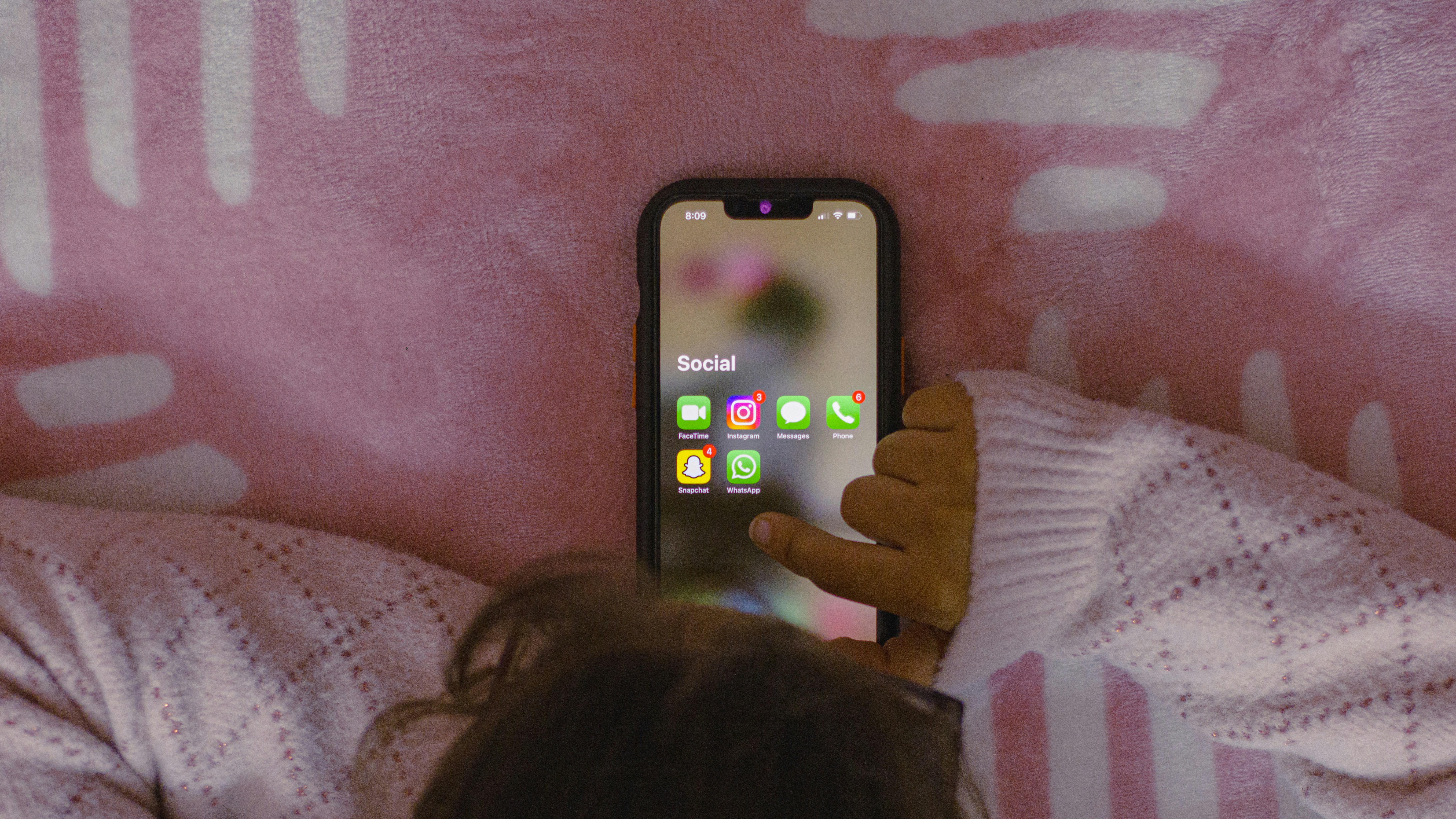



 Thanks to CSUCI intern, Katherine Carroll for researching true crime exposés and the romanticization of serial killers. To learn more about true crime and its consequences check out our article,