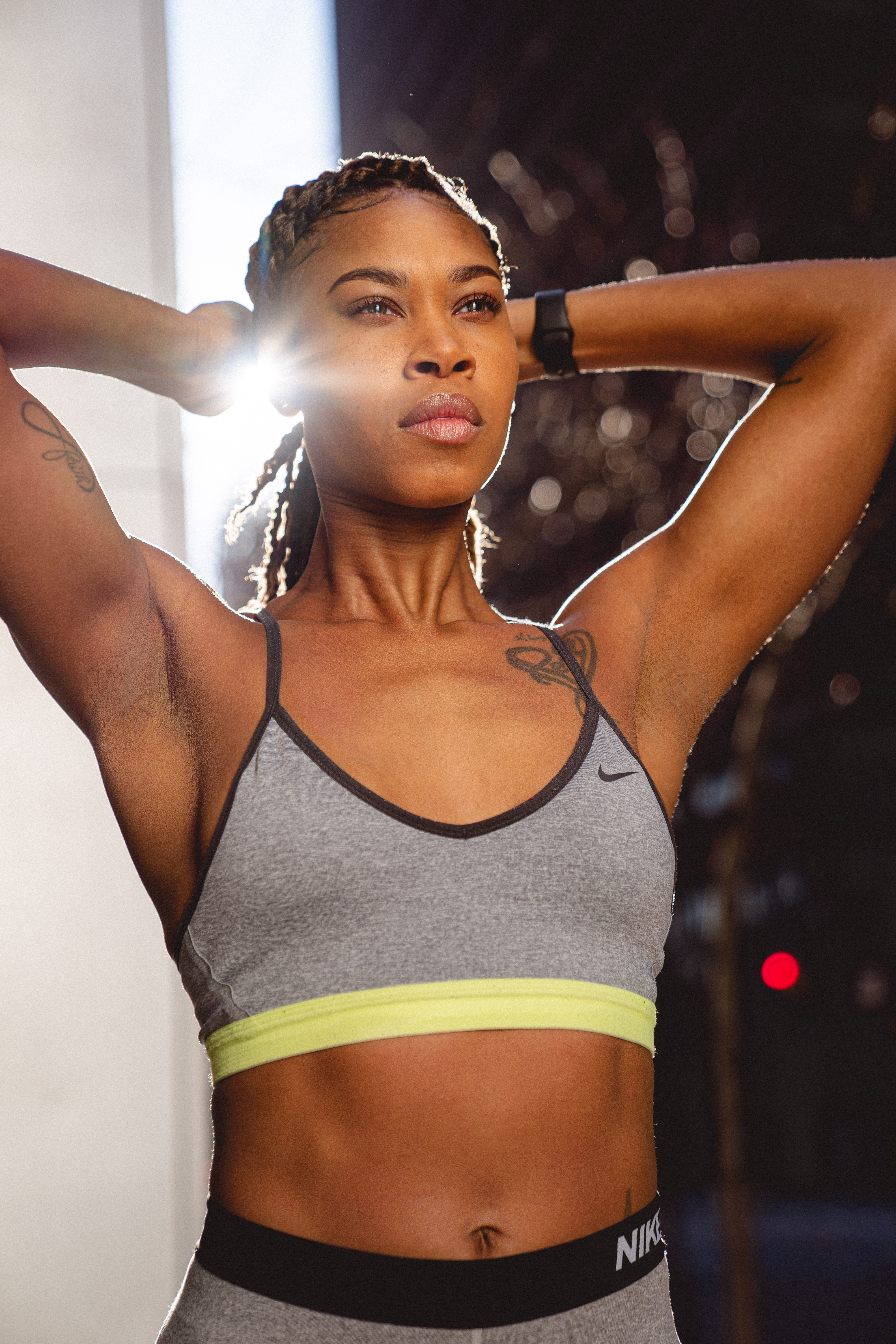
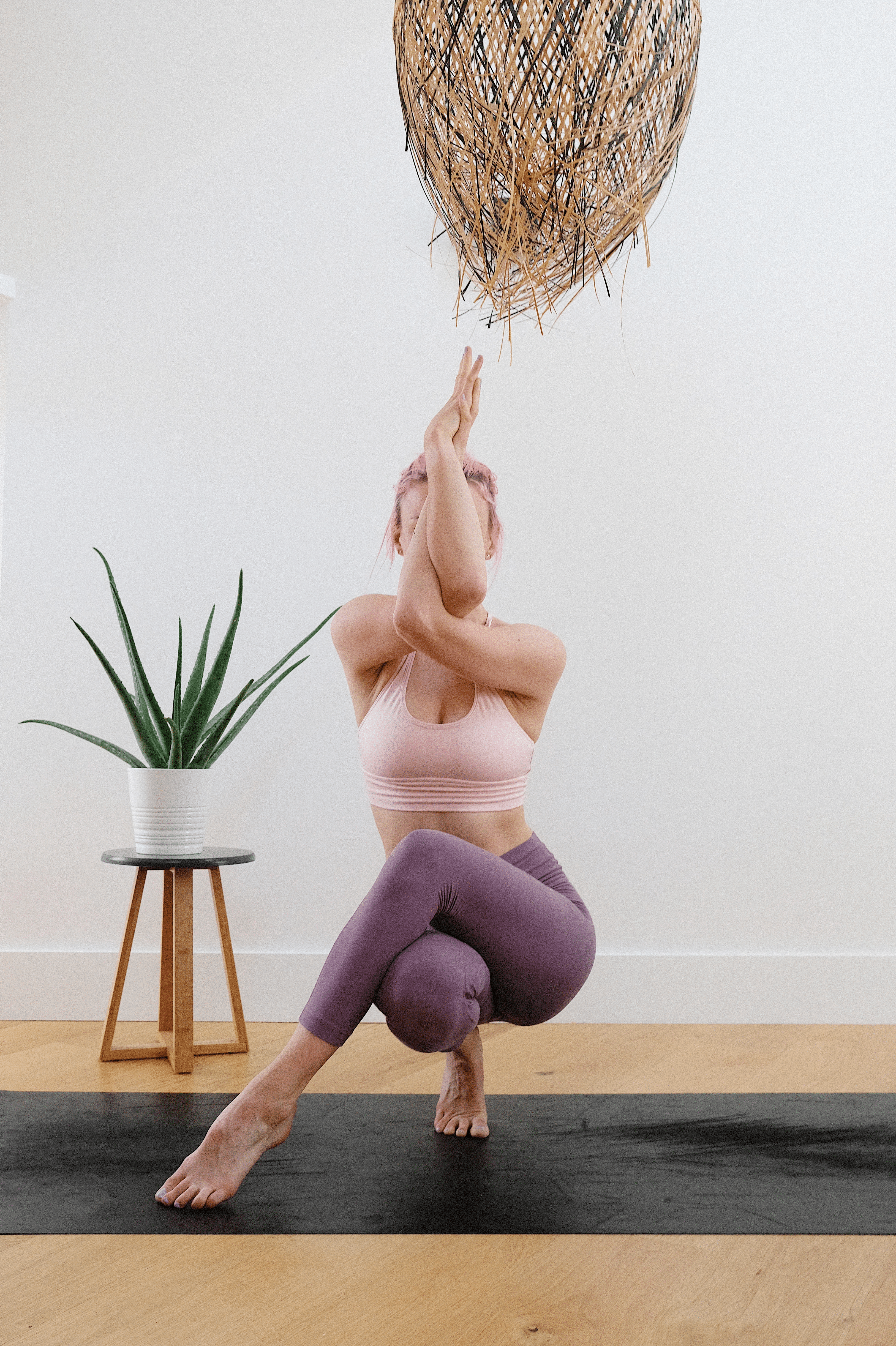
Too much screen time can be harmful to our health. Findings suggest that, along with unhealthy diet and lack of exercise, increased screen time is a contributor to epidemic obesity among Americans. According to the CDC, 40% of adults and 18.5% of children in the United States are obese. Obesity increases the risk of developing other health conditions like diabetes, cancer, high blood pressure, heart disease, and stroke. But screen time isn’t all bad and can even help us get more active and track important health data. Today’s GKIS article offers recommendations for some awesome exercise apps that can help get you off the couch and on your feet for more healthy and fun fitness.
The Benefits of Exercise
Physical fitness is proven to have many physical health and mental health benefits. Exercise can improve sleep, reduce anxiety, and lift your mood, ultimately reducing the risk of depression. With busy schedules and limited access to gyms, we too often go without exercise. Luckily, there are hundreds of apps on our smart devices that make exercise enjoyable and easier, even on a tight schedule. Also, exercising with your family is a great way to teach kids important life skills and bond and stay connected!
Trending Exercise Apps that you (and we at GKIS) Love
Nike Training Club
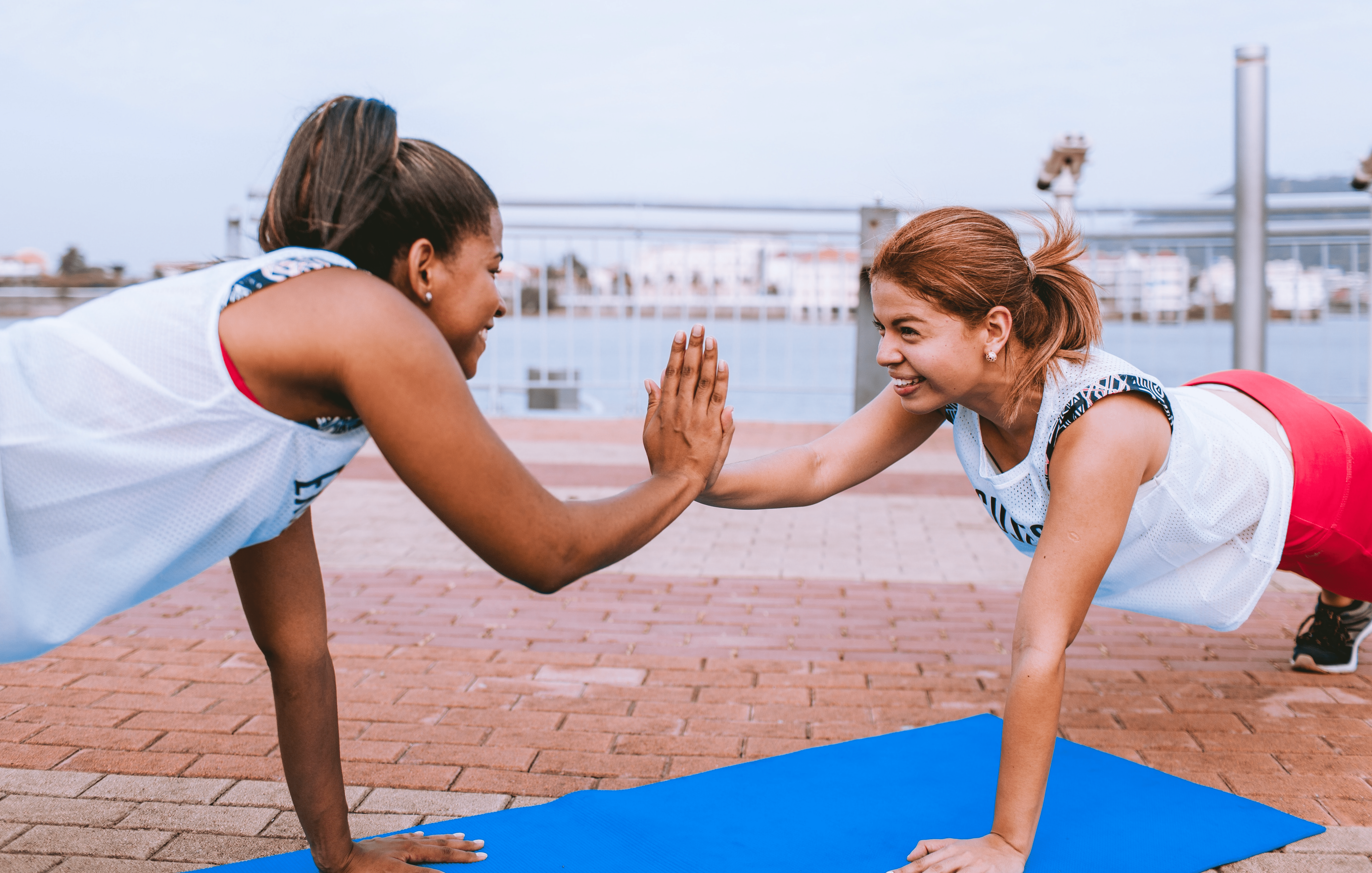
A favorite of Dr. B’s, the Nike Training Club is a great free app that you and your family can enjoy at home. This app contains over 185 workouts for all levels including high-intensity training, yoga classes, and bodyweight workouts. Little to no equipment is required for most of the workouts, so you don’t have to stress about spending money on weights.
Here are some of the collections that are great for home:
Big Workouts for Small Spaces
For the Whole Family
Boost Your Mood
Rejuvenate with Yoga
Elevate Your Game
Other Features
In addition to the free workouts, Nike Training Club offers tips for nutrition, sleep, recovery, mindset, and wellness.
I have personally used this app, and I love it. Not only is it great because it is free, but the quality of what is being offered is fantastic. This app would be a perfect addition to your families’ devices and your daily routines!
Workouts and Exercises at Home
This fitness app is perfect for families with busy schedules because the workouts take only seven minutes. The app features a cute “Lazy Monster” character that guides you through up to 30 different exercises that require no equipment. All you have to do is set aside seven minutes of your day to try it out.
Other Features
Workouts and Exercises at Home allows you to create personalized workouts and track your progress. It currently costs $3.99 a week, but it is less than a gym membership and all of the workouts are planned for you. All you have to do is open the app. Workouts and Exercises at Home is an app that will make exercising fun for you and your family.
Gymondo: Fitness and Yoga
Gymondo is a fun fitness app that contains workouts under 30 minutes long. There are a variety of workouts to choose from like yoga, strength training, HIIT, mobility, and body weight. These workouts are available at any fitness level, so this would be perfect for anyone in your family.
Other Features
Gymondo is a free app, but the premium version gives you access to over 200 workouts, healthy recipes, and a nutrition plan. The premium version is only $7 a month, which is a good deal for all that is being offered. Get your family together and try this app out for free!
Seven
Seven is a high-quality fitness app that contains seven-minute workouts. This app is family-friendly and requires no equipment. All you need is seven minutes and some open space for a great, quick workout.
Other Features
Seven features daily challenges to keep you motivated to exercise every day. You can choose between 12 different instructors that will motivate you during your workout. You can also create workouts that are personalized for you and your family.
If you join The 7 Club, you get access to all the workouts and features on the app. One month costs $10, and one year costs $60. Seven is perfect for a quick workout in the morning, afternoon between zoom classes/meetings, or in the evening. All you have to do is set aside seven minutes for you and your family to get a good workout in.
A special thank you to Alisa Araiza for researching and co-writing this article. I hope that trying these apps will bring you closer to your family and make exercising enjoyable. For other ways to stay connected with your family, take a look at Dr. Bennett’s #TogetherAtHome Family-Friendly Activity Ideas on the GKIS website.
I’m the mom psychologist who will help you GetKidsInternetSafe.
Ask anybody what they need more of – and they’ll say SLEEP! Surveys report that sleep deprivation among Americans is rampant. As a psychologist who treats kids, teens, and adults, I see that those who suffer the most are teens! Teens are burdened with a ton of schoolwork and the temptations of social media, video gaming, and binge-watching YouTube, TikTok, and Netflix. With crazy busy work weeks, we crave “me-time,” especially during those precious moments when we’ve settled in for bed without interruptions and distractions. Unfortunately, most people don’t know why sleep is so important. Without enough sleep, we are at risk for mental illness and overall performance decline. Today’s GKIS article goes over the reasons why sleep is so important and how to preserve your mental health and learning capacity by protecting much-needed restorative sleep.
Why is sleep so important?
During sleep, our brains conduct general housekeeping and memory-strengthening duties. Housekeeping tasks necessary for brain health include the pruning, repair, and new growth of neurons and the removal of toxins.
Memory strengthening, called memory consolidation, occurs by stabilizing memory traces that were collected while awake. Memory consolidation occurs with both declarative (fact-based) and procedural (how-to) information. Rapid-eye-movement (REM) sleep is particularly important for stabilizing complex or emotionally charged memories.[i]When we don’t get enough sleep, our brain’s housekeeping and memory consolidation tasks remain undone, leaving us unable to efficiently acquire (onboard) or retrieve information.
Sleep deprivation not only stunts learning, but it can also cause:
mood swings,
negative mood states like depression, irritability, and anxiety,
If people regularly sleep fewer than six hours a night, research has found that they may have:
a higher risk of developing Alzheimer’s Disease,
a 200% increased chance of having a heart attack or stroke,
a 70% reduction in cancer-fighting T-cells, and
disrupted melatonin and cortisol which can lead to weight gain and Type 2 diabetes.
For those who stay awake 16 hours straight, they may lower their overall functioning to resemble somebody who is legally drunk. Furthermore, sleep-deprived individuals often fail to recognize impairment. In other words, they don’t realize the costs and keep burning the candle at both ends.
Vamping
Missing out on much-needed sleep and staying up all night on screens is called vamping.
Teens with chronic sleep deprivation have been found to demonstrate:
How might you decrease the risk of vamping and encourage healthy sleep?
Stage the room to be restful.
I know it’s nearly impossible to motivate kids to unclutter their rooms. But a soothing environment contributes to a soothed mind. Offer your support by helping your child create a more restful environment with a fresh bedroom makeover. Light paint colors, soft textures, organized closets and bedside tables, soft lighting, white noise makers, and yummy smells can turn a chaotic hovel into a relaxing paradise.
Recognize that nutrition, exercise, and screen content impact the quality of sleep.
Research has demonstrated that young children who watch violent television content have more sleep problems, particularly delayed onset of sleep, than children who view age-appropriate content.[iv] Furthermore, kids who get adequate nutrition and exercise, especially outdoor exercise because of sunlight setting your circadian rhythm, also get better quality sleep. In practice, I find that teens, in particular, benefit from the mood benefits of regular cardio and cooperative team play.
No screens in the bedroom.
Why? Because screens wake up our brains! The blue LED light from the screen stimulates the photosensors in the retina that signal the brain to suppress melatonin production (our sleep-regulating hormone) and makes us more alert. Less melatonin disrupts our natural circadian rhythms, which can lead to sleep during the day and wakefulness during the night.
Using screens before bedtime has been found to cause people to:
go to bed later,
prolong the time it takes to fall asleep,
delay the timing of REM sleep, reduce the amount of REM sleep and sleep overall,
Screens also condition us to be awake in bed. If we are often awake in bed, our bodies will automatically be conditioned to cue, or believe that the bed is an “awake-only” zone.
Alternatively, if we only rest and sleep in bed, our bodies will be conditioned that the bed is a “sleep-only” zone.
In psychology, we call this type of cued learning classical conditioning. By these principles, we must resist the urge to do anything in bed but sleep to develop good expectations and habits.
Make the No Screens in the Bedroom Rule BEFORE it’s necessary. It’s asking a lot to say no TV, video games, tablets, or smartphones in the bedroom, but vamping leads to sleep deprivation. Sleep deprivation leads to impulsivity and risk-taking.[vi] Impulsivity while in intimate spaces leads to intimate gestures like sexting and viewing inappropriate online content.
Also, use alarm clocks with red-lighted numbers in bedrooms rather than screens for timekeeping.
Encourage a soothing nighttime ritual.
We are creatures of habit. Habitual activity during the thirty-minute bedtime wind-down signals the body to anticipate rest. Components of a soothing ritual may include soft lighting; quiet, repetitive, or white noise sounds; and comforting activities. Sticking to a consistent bedtime schedule is also important.
Screens off thirty minutes before lights out.
As our brains sort through our memory caches, information is prioritized to either forget or remember. Because experiences that trigger emotion are typically important, evolution has shaped our brains to prioritize memories infused with emotion. Based on cognitive science theories, looping on a troubling experience is thought to be the cause of nightmares.
Just like the response to fright when we’re awake, stress hormones like cortisol and adrenaline dump into our bloodstream when we have nightmares. If we are troubled upon falling asleep, agitated dreaming and tossing and turning may result, leaving us tired, irritable, and cognitively scrambled the next day. Over time, this can seriously impair mental health.
Although emotionally triggering and arousing screen activities like gaming, texting, or viewing activating content aren’t as troubling as real-life trauma, they still stimulate the same brain regions activated with chronic stress, often for hours at a time. The hangover from chronic stress has been referred to as mental brownout. Limiting activating screen activities at night and giving your children time to soothe prior to bedtime will result in better quality sleep overall and pave the way for healthy learning during the day. Particularly, avoid eating, triggering discussions, video gaming, and intense exercise before bed.
Teach sophisticated self-soothing strategies.
The opportunity to spend time with a relaxed parent is another factor critical to self-soothing. From birth, a child’s brain synchronizes with a responsive parent. Eye contact, narrative moment-to-moment comments with emotion words, and general conversation teach kids what emotions are and how to deal with them.
We cannot provide this kind of synching and teaching if we are focused on screens instead of each other. Also, if you don’t sleep well one night, don’t stress about it. Getting anxious or angry will wake you up more, and most of us get poor sleep here and there and simply make it up later.
If you are reading this because you are taking our Social Media Readiness Course, you’re about to learn cognitive-behavioral exercises like diaphragmatic breathing, progressive muscle relaxation, mindfulness, imagery, and meditation. These skills can prevent even the most persistent sleep disorders.
Exercising one’s mind to relax is critical to self-soothing. Another option for overcoming some of the negative effects of sleep deprivation is napping.
A full cycle of sleep takes about ninety minutes and provides cognitive rejuvenation that improves procedural memory and creativity with no sleep inertia (grogginess). Sixty to thirty minutes is good for slow-wave sleep, which helps with fact memory and retrieval but may still result in grogginess. Twenty to ten-minute power naps are shown to increase alertness and energy. If you have time to nap, it’s best to spend ninety minutes to complete a sleep cycle or just a power nap for ten.
[i] Xie, L., Kang, H., Xu, Q., Chen, M., Liao, Y., Thiyagarajan, M., O’Donnell, J., Christensen, D., Nicholson, C., Iliff, J., Takano, T., Deane, R., &
Nedergaard, M. (2013). Sleep Drives Metabolite Clearance from the Adult Brain. Science 342.6156: 373-77. Web.
[ii] Goel, N., Rao, H., Durmer, J., & Dinges, D. (2009). Neurocognitive Consequences of Sleep Deprivation. Seminars in Neurology 29.04: 320-39. Web.
[iii] Dewald-Kaufmann, J., Oort, F., Bogels, S., & Meijer, A. (2013). “Why Sleep Matters: Differences in Daytime Functioning Between Adolescents with Low & High Chronic Sleep Reduction & Short & Long Sleep Durations.” Journal of Cognitive & Behavioral Psychotherapies, 13, 171-182.
[iv] Garrison, M. & Christakis, D. (2012). The impact of a healthy media use intervention on sleep in preschool children. Pediatrics, 2011-3153; DOI: 10.1542/peds.2011-3153
[v] Chang, A., Aeschbach, D, Duffy, J., & Czeisler, C. (2014). Evening Use of Light-emitting EReaders Negatively Affects Sleep, Circadian Timing, & Next-morning Alertness. Proceedings of the National Academy of Sciences 112.4: 1232-237. Web.
[vi] Killgore, W., Kamimori, G., & Balkin, T. Caffeine Protects Against Increased Risk-taking Propensity During Severe Sleep Deprivation. Journal of Sleep Research 20.3 (2010): 395-403. Web.
Imagine that you’re running late to a new class where everyone has yet to meet each other. You sit down and note that the class is already full. But something else is weird with so many people in the room…the silence. This silence has become surprisingly normal due to our generation’s favorite accessory, headphones. These days it’s common to see most people out and about plugged in and tuned out. Is this a cool convenience or a problematic habit? Check out today’s GKIS article and see what you decide.
Excessive Headphone Use
In the university that I attend, most students have headphones in place until the moment the instructor says their first word of the lecture. The only people that are talking before that are the few people who’ve already established a friend group. The truth is, I’m so in the habit of wearing my headphones the idea of joining in on a conversation is stressful. My headphones are a sort of safety blanket that saves me from feeling awkward in new social situations.
My friends agree with me. We even admit that sometimes our headphones aren’t even on when we have them in! We keep them in to discourage people from talking to us or expecting us to respond. Sometimes it’s also a cover while we listen in on other people’s conversations. Headphone use is commonly a tool to socially distance.
We at GKIS aren’t the only ones who’ve noticed this phenomenon. BloggerClaire Hubble shared her story of being a self-proclaimed “headphone addict” in a blog post. In her post, she mentions the dangers of constantly keeping your headphones in, such as not being able to hear an oncoming vehicle or people calling for you. Hubble also brings up an important guilty pleasure we’re familiar with here at GKIS, podcasts.
For those of you who are not yet addicted, podcasts are like radio shows with multiple episodes that usually follow a theme or tell a story. Fans can subscribe to a podcast and follow their favorite podcaster personalities. Hubble said she loves podcasts as a way to avoid forced small talk. She goes on to share that without her headphones, she feels anxiously disconnected and even bored. She posits that headphone may be and up-and-coming addiction.1
Dangers of Excessive Headphone Use
Psychological
In a 1994 study on the psychological effects of Walkman use, researchers predicted that portable listening devices could potentially grow to be silencing technology. Silencing technology is the social and psychological separation of individuals. This study interviewed 36 individuals and concluded an impaired ability to interact socially with prolonged device use.2
A later 2005 study measured the use of headphones and portable audio use on college students using several self-administered scales and surveys. The 2005 study also found that frequent headphones use leads to social isolation and feelings of loneliness.3
Physical
Physical damage from increased headphone use has also become a growing concern. Potential health risks include:
Ear infections
Hearing loss
Tinnitus (ringing in the ear)
Headaches
Dizziness
Pain in ear
Hyperacusis
Excessive ear wax 4
Recommended Headphone Use
How much headphone use is excessive? According to the World Health Organization (WHO), anything over an hour a day is excessive for all listening devices.[5] Rather than eliminating the accessory altogether, steps can be taken to implement safe and healthy listening for your kid on-the-go.
How to Manage Headphone Use
In her book, Screen Time in the Meantime, Dr. B offers the following recommendations to help your family unplug:
Teach netiquette skills.
Introduce screen-free zones at the dinner table and other areas where a family conversation is common.
Decide on tech blackout times, like mornings before school and bedtime.
Start a conversation on safety with our free Connected Family Screen Agreement.
Safe Kid-Friendly Alternatives
Have you heard of noise limiting headphones? Noise limiting headphones are headphones that can be set to a specific volume the consumer decides.6 Researchers have concluded that noise-limiting headphones pass the “safe” listening range set by the World Health Organization (85 decibels) and were the favorite among the kids and teens in the study who tried them out.5 This is a quick solution if you know you won’t always be able to monitor headphone use but want to limit possible hearing or distraction injuries.
Special thanks to Aroni Garcia for researching and co-writing this article. If you liked the article, and you’re interested in learning more tips on how to break this trending habit, go over to 5 Back to School Tips for the Digitally Overtasked and Disorganized Parent to learn more about how you can keep on track with managing device and media time.
At one time or another, many of us will think about becoming vegetarian. Cutting out meat, especially red meat, has environmental and nutritional benefits that have the average person considering changing their eating habits. “Going vegan,” where anything coming from an animal is removed from one’s diet, is seen as the ultimate step in curbing wasteful eating and improving health. Making the change to eat vegan can be hard. Young people look to social media, especially Instagram, for inspiration and advice on the best ways to lead a vegan lifestyle. Influencers are proposing diets that impose such high standards and strict regimens that the influencers themselves are unable to sustain them. These influencers have such a large reach, that followers often inaccurately perceive them as experts with true credibility. Should we trust Instagram influencers with dietary advice?
#Vegan
A casual Instagram search of #vegan brings up 77,937,967 posts.[1] Vegan images boast recipes meant to look and taste like delicious, non-vegan dishes like pizza, cupcakes, and brownies. This wide array of beautifully photographed options makes veganism seem desirable. However, with so many niche recipes, it can be overwhelming and confusing when selecting who really knows their stuff.
After all, veganism isn’t just a nutrition plan for most influencers. It appears to be a lifestyle. Doting followers scrutinize and memorize each carefully crafted post to share the vegan identity. However, even the most popular influencers are proving that pure veganism is hard to maintain long-term.
Another One Bites the Dust
Influencers are increasingly coming under scrutiny for straying from the vegan ideals that they’ve branded their image around. For instance, one notable vegan influencer lost all credibility and popularity after abandoning a dangerous “water-only” diet that lasted a whopping 35 days.[2]
Another popular vegan blogger received an outpouring of online hate after a video showed her eating fish.[3] Her supporters quickly turned against her, despite her pleas that she needed to quit being completely vegan to restore her health. In the world of vegan bloggers, there is no room for cheating. Only the most committed survive.
Where are the experts?
These influencers failed, not because being vegan is impossible, but because their fad diets were not sustainable. There’s significant danger in following diets created by somebody without expert nutritional training. Only a licensed professional can give accurate, informed nutritional advice.
As vegan influencers cultivate more and more followers, the risks become increasingly clear. Nutritionists are seeing more cases of malnourished teens due to unsafe vegan eating practices.[3]
Where is influencer credibility? There often isn’t any. The Internet is a buyer-beware digital marketplace. Teaching kids and teens how to assess expert credibility and defend themselves against unfair marketing techniques is crucial to good judgment and healthy eating choices.
Instagram: The Platform Your Kids Trust
Teens are genetically programmed to intensely focus on identifying and building their tribe. Looking to friends for uniquely identifying features, like dress, music, and slang is a vital part of growing up. Identification with popular food practices is often overlooked as an aspect of adolescent development.
A 2014 study explored the way peer relationships affect kids’ eating choices and attitudes toward food. When exposed to a peer they did not already know happily eating foreign food, children as young as preschool age began to show a liking for that food. This social referencing and modeling behavior can be conceptualized as children perceiving this peer as a “hero,” or someone to idolize.[4]
Instagram influencers carry this same appeal. Although strangers, they are similar enough to our kids to be perceived as peers. They carefully craft their brand to be perfectly positioned for influence, inspiration, and, ultimately, profit.
It isn’t simply a case of monkey-see, monkey-do. Teens may have good reasons for making dietary lifestyle choices. The trouble begins when unsafe dieting practices are blindly followed without realizing the risks.
A 2019 articledubs “Dr. Instagram” a threat to millennial health, citing that 38% of millennials have greater trust in their peers when it comes to health concerns than they do for actual medical professionals.[5] This highlights a legitimate concern that our kids may be dangerously ill-informed when it comes to health decisions.
Start Talking, Stay Healthy
Everyone should have the right to make dietary choices that make them happy and healthy. If your child is curious about going vegan or already is, consider these steps to ensure they remain healthy and safe.
Stress that Instagram content is entertainment only.
Help them set up a relationship with an informed adult to help them make good decisions when it comes to online influences.
If your child is considering a radical nutritional shift, require that they see a licensed nutritionist for healthy planning.
Encourage your child to prioritize personal health over popular fads.
Thank you to our GKIS intern Chelsea Letham for reminding us that teaching our kids how to accurately assess expertise and credibility is a critical life skill. To help your kids use good judgment online and not fall victim to risky diets and lifestyle choices, pick up your quick-and-easy supplement How to Spot Marketing Red Flag Supplement today.
I’m the mom psychologist who will help you GetKidsInternetSafe.
[1] https://www.instagram.com/explore/tags/vegan/?hl=en
[2] Libatique, R. (2019, February 20). Ex-vegan Tim Shieff dropped by vegan clothing company ETHCS. Vegan News. Retrieved from https://vegannews.co/
[3] Horton, H. (2019, March 24). Instagram vegan diets are risking malnutrition among millennials, Harley Street nutritionists warn. The Telegraph. Retrieved from https://www.telegraph.co.uk/
[4] Houldcraft, L., Haycraft, E., & Farrow, C. (2014). Peer and friend influences on children’s eating. Social Development, 23(1), 19-40. doi: 10.1111/sode.12036
[5] Jackson Gee, T. (2019, April 7). Is Dr. Instagram ruining your health? The Telegraph. Retrieved from https://www.telegraph.co.uk/
 Nike Training Club