We were hunters and gatherers for 90% of human existence. That means our brains are still wired to prioritize the things that kept us alive when we were living on the land, before the domestication of animals and the construction of cities. One thing that kept us alive was living in a tribe and cooperating. Attracting a tribe and fitting in was a requirement of life. That is why kids and teens are hyper-focused on doing what their friends do and working to be cool and accepted. Online influencers count on this drive to maintain their income streams. One way to attract kids online is to be a kid doing what kids love to do, playing with toys and video games, opening new packages, and hanging out with friends acting goofy. Netflix’s Bad Influencer offers a glimpse of the kid influencer “scene,” and the lengths that some parents will go to attract and keep a following.
What is Bad Influence about?
The limited documentary series has gone viral for good reason. It’s definitely entertaining, but also deeply unsettling. It is a perfect way to raise awareness about how scary a life all about social media can be. Bad Influencer is a documentary that focuses on a tween who becomes an overnight social media star and brings her friends to stardom with her. What started out as a fun hobby quickly turned into a living nightmare. It may seem glamorous to be famous online, until you learn that the child influencers spent the majority of their childhoods working long hours acting out video ideas, risky stunts, and performing pranks that sometimes went too far—all under the pressure of adult producers/parents hungry for views. Check out Intimacy With Minors Encouraged at the Hype House for a similar story of underage exploitation.
SPOILER ALERT: The show takes a chilling turn when the mother of the main character is accused of, and videotaped, sexually exploiting these kids on set by positioning herself as one of the only adults supervising them to control them. Some survived the battle with only a few scars, while the main character is stuck living this nightmare over and over again. It may be funny, exaggerated, and attention-grabbing, but it also paints a dark picture of a digital world where clout matters more than character and children are left to pay the price.
Psychology Behind the Fame Obsession
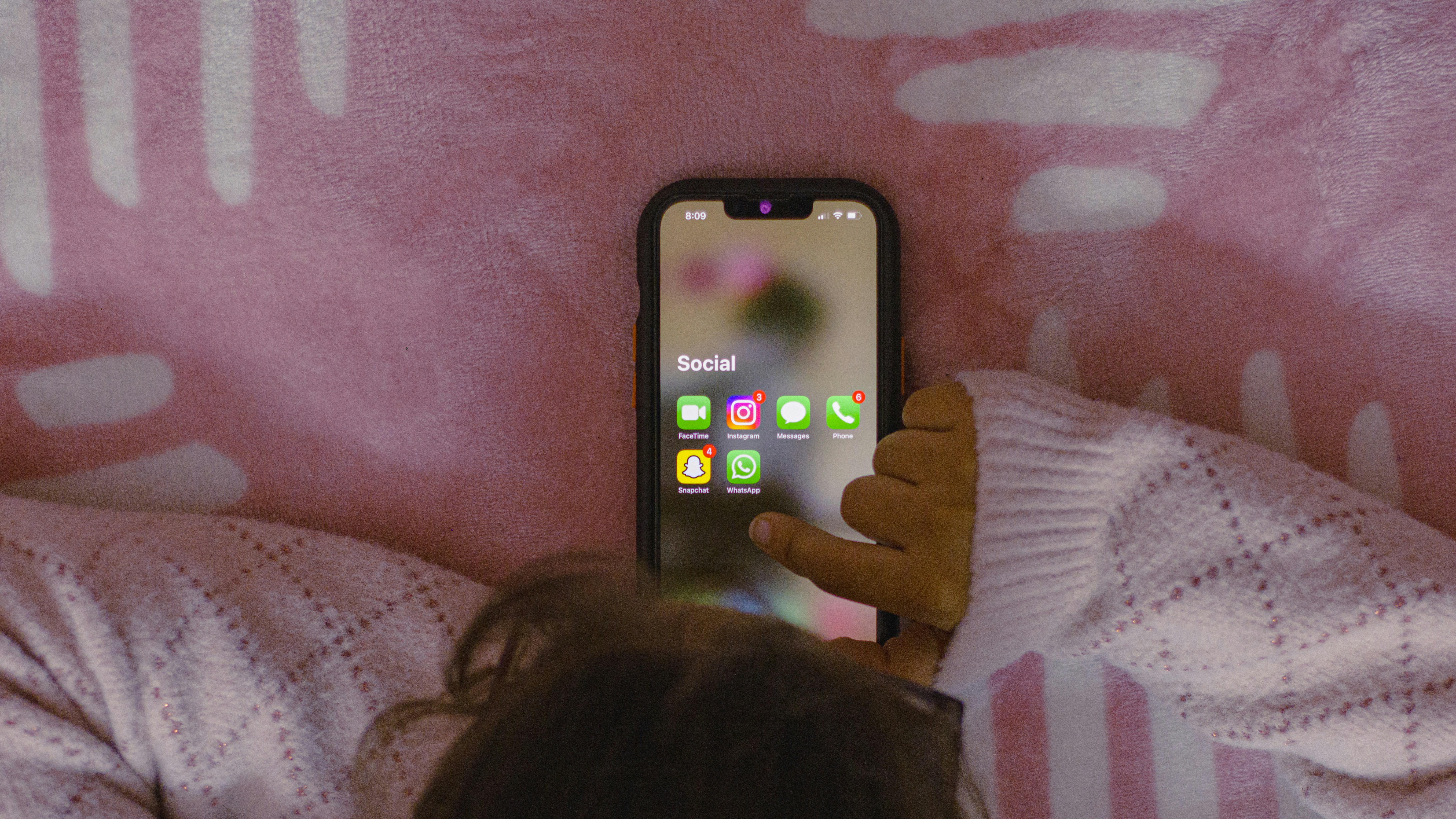
From a psychological point of view, being an influencer is cool to children because they have a natural need for validation, attention, and social connection.[1] Although the minimum age on most social media platforms is 13, it is reported that children ranging from 8-17 are found scrolling through online platforms soaking up content too mature for their ages.[2] Sadly, unlike real-world relationships, social media platforms offer fast, unfiltered dopamine hits through likes, shares, and views. Without proper guidance, this can make kids tie their self-worth to online numbers, which can result in low self-esteem, fear of missing out (FOMO), performance anxiety, and digital addiction.[3] As a result of social unlimited social media usage, kids can also experience anxiety, depression, and even poor quality of sleep.[4] Counteract this monster and help your child build emotional resilience, red flag awareness, and digital literacy by taking our GKIS Social Media Readiness Training Course. Geared for teens or tweens, it’s the perfect giftbefore that new device or video game.
What You Can Do to Help
Bad Influencer is not just a show; it’s a cautionary tale that shares the pressures kids face online every day. It is easy to get off topic and want to pull the plug on all electronics just to protect your child from their dangers, but that is not always possible. Technology and online platforms are all around us, and it is better to set your child up for success than to try to keep them out of the loop. Connecting with your child over what they find interesting can help create a trusting relationship where you can notice if things start to become a little off. Our free Connected Family Screen Agreement can help you and your child co-create rules around how to safely navigate online platforms. This way your child can thrive in the digital age without losing themselves in it.
Thanks to CSUCI intern, Elaha Qudratulla for researching and co-writing this article.
I’m the mom psychologist who will help you GetKidsInternetSafe. Onward to More Awesome Parenting,
Before the internet, “going viral” was not something positive much less something people actively sought out. “Going viral” has become a new age epidemic, with people doing whatever they can for their 60 seconds of fame. But what does “going viral” actually mean, and how does it affect our brains and our self-esteem? Today’s GKIS article will break down “going viral” and its effects. For help raising your child to be digitally smart, check out our GKIS Screen Safety Essentials Course. This course includes all GKIS parenting courses, agreements, and supplements, ensuring you are well-equipped to fight off digital injury and keep your child safe from harm.
What does it mean to “go viral”?
Going viral means sharing something via social media that spreads quickly to thousands, even millions of people. The term viral video was first used in 2009 to describe the video “David After Dentist.”[1]
One viral video or post can turn people into internet celebrities overnight and garner thousands of followers, resulting in brand deals and monetized content. Once a video goes viral, there is no limit to the number of people it will reach or even what platform they will see the video on. It is very common to see posts shared from one platform to the next, whether it be a TikTok on Twitter or a Tweet going viral on Instagram.
The number of views to be considered going viral also varies from platform to platform. One hundred thousand views on TikTok is pretty successful, whereas even a couple hundred thousand views on YouTube is a relatively low number.[2]
The number of likes is also an important factor. Many videos have a high number of views but a relatively low number of likes. These videos are not considered to be going viral because they are not well-received by the general public.[2] Engagement drives up the virality of the content through shares and comments that stimulate the algorithm to continue placing that content on people’s feeds.[2] Another important factor in going viral is the immediacy of response, meaning that the views, likes, and comments must be received within a few hours to days rather than over several months or years.[2]
How does “going viral” affect our brains?
When your video, post, or other content “goes viral,” you receive likes, comments, reposts, shares, and bookmarks. These response notifications prompt the reward systems in our brains.[3] Many fast notifications results in dopamine release. To keep that feel-good feeling going, we keep checking, acting in a way similar to gambling addictions.[3]
Algorithms also take advantage of a variable-reward system because they are programmed to recognize when to take advantage of our reward system and desire for dopamine.[3] This often results in a stockpile of notifications that get delayed until a good amount of time since the last check has passed or a large amount of engagement has accumulated.
For a personal insight into going viral, I interviewed a college student who had recently experienced the sensation of going viral. They said, “I recently had a video go viral on TikTok. It was a video of the Indie-Rock band Boygenius and one of their members, singer Phoebe Bridgers, singing a verse from their song ‘Cool About It.’ I had taken the video at a concert I had recently attended and decided to post it on TikTok since I was lucky enough to be pretty close to the stage. Over the next few days after I posted it, it got 118k views, 32k likes, and 500 comments, and was saved by more than 4000 people. Once it started picking up traction, I became obsessed with checking my notifications and seeing all the new comments. I would constantly look to see how many views I was at each hour. I even got a like from a TikTok creator who I really enjoy so that was very exciting for me.”
Although going viral is thrilling, notifications can be harmful when they are overly distracting.[4] To compensate for smartphone interruptions, studies have shown that people often work faster, resulting in more stress, frustration, time pressure, and effort.[4] Research has linked daily notifications and their interruptions to depression, anxiety, and even symptoms associated with ADHD.[5]
Our interview also revealed that the euphoria of going viral is short-lived and needs constant “re-upping.” Our subject elaborated, “Once the video started to die down though, I got annoyed by the notifications. They were distracting because they were so far and few in-between and nothing quite as exciting as the start. I got kinda sad that my viral moment was dying down. It made me want to post another video to see if it would get the same kind of attention.”
What does “going viral” do to our self-esteem?
Studies have shown that social media can be both detrimental to our self-esteem and boost it at the same time, but how does going viral change that?
Social media usage can add stress to daily life and encourage people to constantly evaluate and compare themselves to others.[6] When someone goes viral, they open themselves up to being judged by thousands of people, some of whom can be cruel, feeling emboldened by the veil of anonymity. While many would agree that the likes and views one receives on a viral post boosts their self-esteem and makes one feel good about themselves, it also allows for internet trolls to make their way into the comment section to bait others into an argument or provoke an emotional reaction.[7]
One-in-five internet users that have been victims of harassment online reported that it happened in the comment section of a website.[8] Reading negative comments can lessen confidence, reduce self-esteem, and depending on the severity, can even provoke suicidal thoughts.[9]
Our GKIS interviewee unfortunately also had experience with the negative side of going viral. They reported, “Before my video went super viral, I had posted another video that didn’t get as many views but still got a couple thousand views, a few hundred likes, and a good amount of comments. The video was clips of my girlfriend and me in celebration of our second anniversary. For the most part, the comments were really nice, with people calling us cute and being supportive. But after a little while of it being up, it got to the wrong side of TikTok. As a queer couple, we’re used to people being rude or staring at us, but to get negative comments just hurt more for some reason. This was a few months ago, but I still think about the comments from time to time. It honestly made me want to delete the whole video even though it was just a few comments out of a bunch of nice ones.”
How Parents Can Help
Understand that what you and your child post has the potential to go viral, even if you don’t want it to.
Set the privacy settings on posts to control who gets to see the content you share.
Prevent a digital injury to your child’s self-esteem before it occurs with our GKIS Screen Safety Toolkit for parents of kids of all ages.
To help facilitate difficult conversations about online content and who should see it, try out our free GKIS Connected Family Screen Agreement.
In 2013, a 14-year-old girl in England named Hannah Smith committed suicide after being bullied and receiving hurtful comments on a social media website. When her father called for there to be accountability for the people who had left messages about his daughter before her death, it was revealed by the police that Hannah had most likely written the messages herself.[1] This was one of the first recognized incidents of digital self-harm, where a person leaves harmful messages, comments, or posts about themselves on the internet. We have written about physical self-harm in the GKIS article, “What Parents Need to Know About America’s Cutting Epidemic,” but today we’re going to examine the possible causes of digital self-harm, and how you can take steps to help your children if they’re experiencing this. To prevent digital self-harm, keeping open communication between you and your kids about their screen usage is essential. The GKIS Connected Family Screen Agreement is our free digital contract that helps create an open forum of communication between you and your kids and offers tips about the basics of internet safety.
What makes digital self-harm different?
Physical self-harm is when a person injures or puts themselves at risk without intent for committing suicide. Often this is done to numb emotional pain or cry for help. The most known forms of self-harm are cutting or burning yourself or skin-picking, but other risky behaviors like excessive drinking and drug use can become self-harm depending on the person’s motivation.[2] Physical self-harm can accompany or lead to suicidality.
Digital self-harm is similar to the physical forms of self-harm, but it takes place over the Internet. A teenager who’s self-harming this way may leave hateful comments and messages for themselves on social media, often in a publicly visible place. This is done anonymously on a fake account they’ve created.[3] By doing this to themselves, it can make it look like they’re being cyberbullied or harassed by others. Like physical self-harm, teenagers who digitally self-harm are at a much higher risk of suicidal thoughts or making a suicide attempt.[4]
Why do people engage in digital self-harm?
There are many reasons a teen may engage in digital self-harm, including:
to express overwhelming negative feelings about themselves.
to take control of peer relations where they’d otherwise feel out of control.
to look artsy, tough, or cool or better belong among others victimized by bullying or cyberbullying.
to numb out or punish themselves.[2][6]
to attract much-needed help and support.[5]
to elicit compliments and praise from others.
in hopes that friends will come to their defense and say positive things about them.[5]
to create a forum where they can engage in a public discourse and track responses.[5]
to phish to find out if other people see them in a similarly negative way.[6]
How common is this behavior?
A study in 2012 surveyed 617 college students and found that 9% of those students admitted to committing digital self-harm behavior while they were in high school.[7]
Another more recent 2017 study surveyed 5,593 middle-school and high-school students and found that about 5% admitted to digital self-harm, and 6% admitted to cyberbullying themselves.[3] They also found that teenagers who had digitally self-harmed were also more likely to have been bullied in the past than the students who hadn’t self-harmed.
The Role of Social Media in Self-Harm
As social media has gotten more popular, teenage mental health has been getting worse. One study found that adolescent suicide rates and depressive symptoms increased from 2010 to 2015, particularly among young girls.[8] Another found that students who checked social media 50-100 times a day were more likely to be distressed than their peers who checked less frequently, and that checking more than 100 times a day led to even higher distress.[9]
While self-harming behavior is usually done in private, social media opens the possibility of exposure to the negative emotions that cause self-harm. Social media allows kids and teens to communicate with others who self-harm and more easily find information about how to do different types of self-harm.[2]
What should I do if someone I know is digitally self-harming?
While digital self-harm is a new phenomenon in the worlds of social media and psychology, there are preventative measures that could help you monitor for digital self-harm in your family:
Take active steps to manage your children’s time online and monitor what kinds of websites your children are accessing. The GKIS Screen Safety Toolkit provides you with advice and app recommendations to set up parental controls, screen time management, and website filtering and blocking.
Recognize that self-harm is usually a symptom of other problems in your child’s life, and that they may be keeping it to themselves to avoid embarrassment or punishment. Respond with empathy in mind. This is a poorly thought-through coping mechanism that is fairly common among kids, tweens, and teens. Don’t respond harshly because you are disappointed or embarrassed. Instead, make this a teaching opportunity and gently validate their feelings and coach them through to better solutions. Kids make mistakes online just as they do offline. They’re still learning.
If the free Connected Family Agreement catches your interest and you want something more comprehensive, our megacourse for Screen Safety Essentials offers GKIS content for the whole family to form healthier screen use habits and encourage cooperation between you and your kids.
If you’re worried that your teen is self-harming or suicidal, contact a mental health professional as soon as possible. Typically, the earlier the intervention, the more effective it is.
Thanks to CSUCI intern Brandon Bishop for researching digital self-harm and its causes and authoring this article.
I’m the mom psychologist who will help you GetKidsInternetSafe.
Reddit is a popular social media website with millions of users worldwide and has a controversial reputation due to its content moderation policies. This GKIS Sensible Parent’s Guide will provide what a parent needs to know about Reddit and offer some suggestions to help keep your children safe while using the website. We also recommend checking out the GKIS Social Media Readiness Training Course, which can help you teach your kids how to safely interact with any social media website.
How long has Reddit been around how popular is it?
Reddit is a hybrid internet forum and social news media website where users can post images, videos, and links to other websites, and other users can leave comments on the original post. As of February 2023, it’s the tenth most visited website on the internet with 4.8 billion monthly visits.[1] It was founded in 2005 by Steve Huffman, Alexis Ohanian, and Aaron Swartz as a bulletin board-style website that would act as “the front page of the internet.”[2] In 2006, the website was acquired by the mass media company Condé Nast Publications, also known for magazine and news companies such as Vogue, The New Yorker, and Vanity Fair.[3]
The website is divided into thousands of subreddits that organize posts by topic. Some subreddits cover broad topics, such as r/gaming for anything video game related, while others are more specific like r/minecraft or r/fortnite for those specific games. There are subreddits for news, relationship advice, political discussion, different hobbies, and nearly anything else you might expect to find on the internet. There are many subreddits dedicated to community support, like r/TwoXChromosomes for women’s rights and r/lgbt for LGBT issues.
Posts and comments on Reddit can be given upvotes and downvotes, which are similar to likes on Twitter or Facebook. Recent posts with multiple upvotes will be displayed at the top of the subreddit it was posted in. Posts with multiple downvotes are less likely to appear and will often be tagged as “controversial” by the website’s filter settings.
Getting Started with Reddit
The only thing Reddit requires to create an account is a valid email address. Reddit’s user agreement states that users need to be over the age of 13, but there is no age verification requirement besides a check box agreeing to the terms and conditions during account creation. Reddit has a mobile app that can be downloaded from the Google Play store or Apple App store, and can also be accessed from any web browser.
Benefits and Popular Features of Reddit
Custom Home Page
By default, the home page of Reddit shows the subreddit r/popular, which displays a variety of posts from a list of the most popular subreddits, with some restrictions related to political and adult-oriented subreddits.[4] Reddit users can also sort by r/all, which displays the top results from all subreddits on the website.
Reddit users can subscribe to specific subreddits they like, causing those subreddits to appear on their home page. Users can also subscribe to other user profiles so that they can see what another user posts no matter what subreddit it’s posted in. By doing so they can create a curated feed of content that relates to their interests.
Subreddits are mostly created by Reddit users and act as community forums for discussion and sharing media. They are run by moderators, who are users that set and enforce rules within each subreddit but are not paid employees of Reddit.[5] Reddit employees known as administrators only get involved in a subreddit if there are violations of the website’s terms of service and content policies.[6]
Community Events
Reddit is also known for having large community events on April Fools’ Day every year. In 2015, the subreddit r/thebutton was created, where a sitewide countdown clock could be reset by pushing a button, but each user could only push the button once.[7] In 2017 and 2022, Reddit ran an event called r/place where its community members could collaborate to create pixel artwork on a canvas where each user could only edit a single pixel every five minutes.[8]
Reddit’s Privacy and Safety Options
Reddit’s user settings and account creation process offer several options to protect yourself and your information while you use the website.
Anonymity
Reddit does not require any personal information besides an email address to create an account.
In its Safety & Privacy Settings, you can choose whether you want your profile to appear in search engine results from websites like Google or Bing.
Users can delete their posts, comments, or their entire account from their profile settings at any time.
Personal Information
Reddit collects personal information about its users but allows users to restrict what information is collected and how it is used in its Safety & Privacy Settings.
Reddit users can file a data request form to receive a copy of the data that has been collected from their account.
When an account is deleted, the username is removed from all posts and comments made by that account. However, the posts will still be publicly visible unless they are deleted before the account.
Chat and Private Messages
Users can choose whether they want to receive chat requests and private messages in their Chat Settings and can restrict messages from accounts less than 30 days old.
Users can also block individual user profiles, preventing that user from messaging them or sending chat requests.
Risks of Reddit
Adult-Oriented Content
Reddit has many subreddits dedicated to easily accessible adult content like pornography and graphic violence. Posts from these subreddits are marked as NSFW (internet slang for ‘Not Safe for Work’ or ‘Not Suitable for Workplace’) and excluded from r/popular and r/all.[4] Despite this, directly searching for adult content is only restricted by a check box below the search bar asking if you would like to include NSFW search results. Those results still appear if you select to hide NSFW posts in your user settings.
Additionally, the process for tagging NSFW content is only enforced by moderators, not site administrators. Inappropriate posts that contain nudity are automatically tagged, but ones that do not show explicit nudity can slip through the filtering process. Posts containing graphic violence are also often poorly moderated, and content from subreddits like r/fightporn (videos of street fights) and r/CombatFootage (GoPro videos of military conflicts) often make it to Reddit’s r/all page even if they show severe injuries or death.
Political Content and Hate Speech
Reddit has had many controversies surrounding the political subreddits on its website. In 2015, five popular hate speech subreddits targeting ethnic and gender minorities were banned for violating Reddit’s anti-harassment policies.[9] It banned the subreddit r/altright in 2017 after posts were made which called for the harassment of and leaked the personal information of a man who punched right-wing personality Richard Spencer.[10] Multiple political subreddits such as r/The_Donald, R/DonaldTrump, r/GenderCritical, and r/ChapoTrapHouse were banned under new policies designed to reduce hate speech in 2020.[11]
Despite these efforts, Reddit continues to have problems with hate speech and politically motivated harassment on its platform. While these bans remove the offending subreddits and all posts within them, the users who subscribed and made posts in those subreddits are rarely banned unless they directly violate terms of service. Users from the banned subreddits will often continue posting in other subreddits with similarly relaxed rules about hate speech and discrimination until it is banned as well.
Cyberbullying and Harassment
Reddit is a social media website with a high risk of cyberbullying and harassment. Because Reddit users are anonymous, there are few repercussions for directly sending another user harmful messages or unwanted explicit images. A user’s posts and comments are also publicly visible to all other users, which enables internet stalking behavior. While Reddit does have anti-harassment policies that can result in an offender’s account being banned, there’s little to prevent a banned user from creating another account to continue their harassment.[12]
GKIS Suggestions to Keep Your Kids Safe on Reddit
You can sign up for the GKIS Connect Family Screen Agreement, a free course that covers the basics of internet safety and keeping open communication between you and your kids about their internet use.
You can check out the GKIS Social Media Readiness Training course, which contains 10 lessons to help your teens and tweens get ready to responsibly use social media. It also provides access to the private GKIS Connected Family Facebook group, with tips and feedback from Dr. Bennett and other families who have taken the course.
There’s also the GKIS Screen Safety Toolkit, which is a parent’s guide to setting up parental controls, screen time management, social media & text monitoring, and other technological tools to keep an eye on how your kids use the internet.
Thanks to CSUCI intern Brandon Bishop for researching Reddit and preparing this GKIS Sensible Parent’s Guide.
I’m the mom psychologist who will help you GetKidsInternetSafe.
We love the constant, on-demand access to the Internet. Almost nothing can compete. But we all have those times when we wonder, is it too much? How does frequent access to tech impact our brains? Is there a detrimental effect when our brains are still maturing? Might it be negatively affecting our children’s mental health? Does what we view make a difference? Where is the line drawn between staying up to date on current events versus compulsively consuming distressing news? Ensure that your family is protected from excessive negativity online with our Screen Safety Essentials Course. This mega course offers all GKIS course content for parents and families to provide the tools necessary to navigate the internet safely and grow closer as a family. Today’s GKIS article covers the dangers of doom-scrolling and what can be done to prevent it.
What is ‘doom-scrolling’?
Doom-scrolling refers to the excessive consumption of distressing online news coverage. This phenomenon increased exponentially as people became more active on the internet in conjunction with the rise of concerning national and international news. On the one hand, staying informed may be a coping mechanism. Browsing opportunities allow people to “reassert control over the situation” by actively seeking knowledge about a novel context or threat.[1]
For example, during the height of the Covid-19 pandemic, many people became obsessed with news about variants, vaccines, and the number of cases around the world and within one’s local county.
Another example of doom-scrolling is the high viewer rate of news about the Black Lives Matter protests during the summer of 2020. It was too easy to become glued to our screens watching videos documenting police brutality and protester violence unfiltered and in real time on TV, Facebook, Twitter, YouTube, and TikTok. The desire to stay up to date on this hot topic social movement grew so intense that people commonly spent several hours a day watching violent videos.
Our Attention Has Been Commodified
In recent years, scary news items permeate the airwaves, with reports of mass shootings and alarming weather events due to climate change. The public’s trust in the government has reached an all-time low, with divisively high levels of partisanship and serious concerns about U.S. democracy. Sensationalistic and divisive programming that sparks outrage is intelligently designed to capture our attention and keep us watching. Media and social media companies recognize that more eyes on the story result in more profit.
Internalizing Negativity
Negative media and news coverage can affect our mood and hopes for the future. Anxiety, depression, and the adoption of a nihilistic outlook may result from doom-scrolling. Constant exposure to negative news content can lead to a low expectation for positive future outcomes which can lead to feelings of hopelessness – a primary precursor to suicidality.[3] For example, a doom-scrolling teenager may be led to wonder if applying for college is worth it if global warming is going to end the world by 2030, or even consider if it’s worth staying alive to witness the decline. Staying informed can come with a serious mental cost.[2]
Compulsive Use and Desensitization
Twitter, YouTube, Facebook, and TikTok are popular social media sites that offer real-time footage of violence. From intense protests and desperate attempts to escape a mass shooting to families trying to escape the horrors of war. There’s no end to the horrific content you can consume.
Gen Z social media users (born between the years 1997-2013) particularly possess a collective passion for activism and justice paired with a prominent collective online presence. However, this drive seems to also come with an obsession with sharing, retweeting, and reblogging violent content to encourage others to stay up to date. While this may have the good intention of bringing attention to serious issues, the constant access to intense videos, photos, and articles desensitizes consumers. To read more about how Gen Z online users differ from Millenials, check out my GKIS article Millennials, Gen Z, and the Internet: Generational Divides.
Compare and Despair
A demanding social media presence may also lead to a more negative self-appraisal. Children, tweens, and teens are especially susceptible to compare and despair due to an immature personal identity and impoverished life experience. The more the individual relates to the influencer, the more impact the content may have. Our GKIS article, Is My Selfie Good Enough? How Screen Media Drives Beauty Pressures That Distress Kids and Teens, dives deeper into how social media can heighten comparison and feelings of inadequacy. Check it out to learn more.
PTSD
Post-traumatic stress disorder (PTSD) is a mental disorder in which a person struggles to recover from experiencing or witnessing a traumatic event. Our article, Live Streaming Can Cause PTSD in Adults and Children, discussed the different ways online violence can lead to PTSD. In Kids Watched a Facebook Live Suicide That Turned Into a Trending Meme, desensitization and the impact of watching shocking and violent content on the mind and body are discussed. And in Graphic Livestream Horrors, the dangers of watching violent events unfold in real-time and the tolerance of violence are discussed. This series provides additional information on what can happen to those who excessively consume violent content online, as well as how to protect your children from such possible outcomes.
Children with social media accounts unintentionally come across negative news coverage because social media algorithms suggest videos and posts after even the slightest interaction, which can expose them to increasingly inappropriate content. To help your tweens and teens avoid inappropriate content and avoid doom-scrolling and desensitization, check out our Social Media Readiness Course. This course can help prepare your kids for safer screen use and prevent psychological illness with emotional wellness tools.
How To Protect Your Children While Staying Informed
Parental Supervision
Children, tweens, and teens are particularly susceptible to distressing online content. Our Screen Safety Toolkit offers an outcome-based resource guide with recommendations and links to our favorite parental control systems necessary for effective parental supervision.
Stay Informed
Our free GKIS blog articles offer a great way to stay in the know on all topics surrounding internet culture and safety, which can help parents keep their children safe from digital injury.
Have Important Family Conversations
Our free Connected Family Screen Agreement provides tools to educate and empower families to set digital boundaries and expectations while building stronger family relationships. Having group discussions about tech, mental health, and current events offer an important way to educate kids and answer your child with openness and honesty at a developmental level they can understand.
Dr. Bennett believes that providing children and teens the skills necessary to navigate the internet responsibly is important for not only individual development but for family development, which is why the Connected Family Course can help families connect and avoid potential digital injury. Finding a middle ground between education and overexposure exists and it can be implemented safely.
Thanks to CSUCI intern Tracy Pizano for researching doom-scrolling online and its effects on the mental health of those who participate in the habit and for co-authoring this article.
I’m the mom psychologist who will help you GetKidsInternetSafe.
[1] Buchanan, K., Aknin, L. B., Lotun, S., & Sandstrom, G. M. (2021). Brief exposure to social media during the COVID-19 pandemic: Doom-scrolling has negative emotional consequences, but kindness-scrolling does not. PLoS ONE, 16(10). https://doi-org.ezproxy.csuci.edu/10.1371/journal.pone.0257728
[2] Price, M., Legrand, A. C., Brier, Z. M. F., van Stolk-Cooke, K., Peck, K., Dodds, P. S., Danforth, C. M., & Adams, Z. W. (2022). Doomscrolling during COVID-19: The negative association between daily social and traditional media consumption and mental health symptoms during the COVID-19 pandemic. Psychological Trauma: Theory, Research, Practice, and Policy. https://doi-org.ezproxy.csuci.edu/10.1037/tra0001202
[3] Hepburn, S. R., Barnhofer, T., & Williams, J. M. G. (2009). The future is bright? Effects of mood on perception of the future. Journal of Happiness Studies: An Interdisciplinary Forum on Subjective Well-Being, 10(4), 483–496. https://doi-org.ezproxy.csuci.edu/10.1007/s10902-008-9102-9
As many as 97% of teens actively use at least one form of social media.[1] If your tween or teen has social media, help them become informed, safer consumers with our Social Media Readiness Course. Our online course includes mastery quizzes after each lesson and can be done at your own pace. We think it’s the best way to help kids avoid the many sources of digital injury and help them integrate critical psychological wellness tools. Today’s article is all about social media and psychological wellness. Is social media use contributing to your child’s social anxiety disorder?
Social Anxiety Disorder
Social Anxiety Disorder (SAD) is a debilitating disorder that impacts children and adults and is characterized by an intense fear of being judged by others in social settings.[2] Since the stay-at-home orders from COVID19, Dr. Bennett says that many kids, teens, and adults have developed social anxiety due to the stress and loss of practice due to isolation. People who suffer from SAD avoid social situations that require peer conversations, giving speeches, and being among unfamiliar people.
What are the signs of SAD?
Although we all may go through bouts of shyness or anxiety when doing social things like making speeches, SAD is a heightened and debilitating version of these same fears. Studies have shown that children with SAD often struggle with peer friendships, academics, and even family life.[3]
Here are typical characteristics of SAD:
Excessive fear regarding social situations
Agitation
Low self-esteem
Avoidance of social engagements
Excessive worry
Poor eye contact
These are things you can be on the lookout for when observing your children. Are they struggling to keep up academically? Are they complaining that they don’t have friends? Do you notice that they lack the confidence to initiate conversations or speak up for themselves?
If you feel concerned, reach out for professional assistance from a therapist or licensed psychologist. The sooner a child gets assistance with SAD, the sooner they can start working on it and find resolutions to their fears. Cognitive Behavioral Therapy (CBT) is particularly effective with SAD.
CBT is a form of therapy that offers strategies to help subjects change maladaptive thinking patterns and gain insight into things that reward anxiety. Unique treatment plans can be altered for each patient. One of the things that make CBT unique is the emphasis on teaching the patient about the disorder and allowing them to create their coping skills and ultimately be their own therapist.[4]
Social Media’s Impact on SAD
Studies have shown that children with SAD tend to have lower interpersonal trust and are more prone to hurt feelings. For some kids who have a hard time building peer relationships in person, using social media can help them make friends and feel included. Talking to peers on social media allows children to think before they send a message which may lessen their fear of judgment. Also, online conversations take out the tough-to-interpret facial expressions that sometimes cause people with SAD to overthink and freeze up.
A great example of where this could come in handy is during a lunch break. Children with SAD may have a hard time interacting during lunch and stay quiet due to fear of being judged. This same child can go home and message their friends on social media about something that was discussed during lunch without having to worry about others watching them. By messaging their thoughts to their friends, they can compose their words and it lets them be involved and part of the conversations.
On the other hand, studies have shown that children with SAD worry more about being judged on what they post than others do.[5] Since a child with SAD is already more prone to hurt feelings, they may get more upset by comments and feelings of exclusion. They may also overthink about posted content wanting to make sure others enjoy it. A balance between offline practice and online practice is key to psychological wellness and social skills mastery.
Things You Can Do to Help Your Child Avoid SAD
Enjoy the support of weekly coaching.
The most important thing that parents can do is be aware of the potential risks and promote an environment of open communication with your children. Dr. B offers a comprehensive family program for fostering this kind of communication in her Screen Safety Essentials Course. With this course, your family will learn tons of information about how to create a safer screen home environment while also connecting and having fun as a family. Armed with the right tools, you and your family can learn how to better thrive in today’s digital era.
Set screen time limits.
Most phones have parental control options to limit the amount of time spent on social media apps. The Screen Safety Toolkit explains the amount of screen time recommended for your children and gives you the tools you need to set up the controls, track usage, and filter unwanted content for safe browsing.
Offer opportunities to practice social engagement.
Sometimes kids need extra support when they are feeling socially anxious. If your child opts out of social interactions, provide a series of opportunities to practice social engagement with your help. Start by encouraging your child to order on their own in restaurants. Continue the same tasks until the child feels comfortable doing them. Once they’re comfortable with the first task, move on to slightly more challenging tasks like small talk when purchasing groceries or waiting in line. Mastering increasingly challenging social tasks can help your child learn social skills and build self-confidence.
Consider CBT Therapy.
If your child’s symptoms are getting in the way of school, friendships, or overall happiness, CBT therapy treatment can help them learn coping skills and face their fears head-on.
Thanks to CSUCI intern Tara Meizel for researching social media and its effects on children with Social Anxiety disorder and co-authoring this article.
I’m the mom psychologist who will help you GetKidsInternetSafe.
[1] Mayo Foundation for Medical Education and Research. (2019, December 21). Teens and social media use: What’s the impact? Mayo Clinic. Retrieved October 7, 2021, from https://www.mayoclinic.org/healthy-lifestyle/tween-and-teen-health/in-depth/teens-and-social-media-use/art-20474437.
[2] Seedat, S. (2013). Social anxiety disorder (social phobia). South African Journal of Psychiatry, 19(3), 192+. https://link.gale.com/apps/doc/A343258868/AONE?u=csuci&sid=bookmark-AONE&xid=5e09250d
[3] Khalid-Khan, S., Santibanez, M.-P., McMicken, C., & Rynn, M. A. (2012, August 22). Social anxiety disorder in children and adolescents. Pediatric Drugs. Retrieved October 7, 2021, from https://link.springer.com/article/10.2165/00148581-200709040-00004#citeas.
[4] What is Cognitive Behavioral Therapy? (2017, July). Apa.org. https://www.apa.org/ptsd-guideline/patients-and-families/cognitive-behavioral#:~:text=What%20Is%20Cognitive%20Behavioral%20Therapy%3F%20Cognitive%20behavioral%20therapy
[5] Shabahang, R., Arguete, M. S., & Shim, H. (2021). Social media posting anxiety: Interpsonal trust, fear or negative evaluation, and hurt feeling proneness as predictors. Journal of Media Psychology: Theories, Methods and Applications. https://doi.org/10.1027/1864-1105/a000300








 Thanks to CSUCI intern, Katherine Carroll for researching “going viral” and its effect on the brain and self-esteem.