Need peaceful screen time negotiations?

Get your FREE GKIS Connected Family Screen Agreement

drtracybennett

Likes and Lies: The Hidden Dangers of Your Child’s Feed

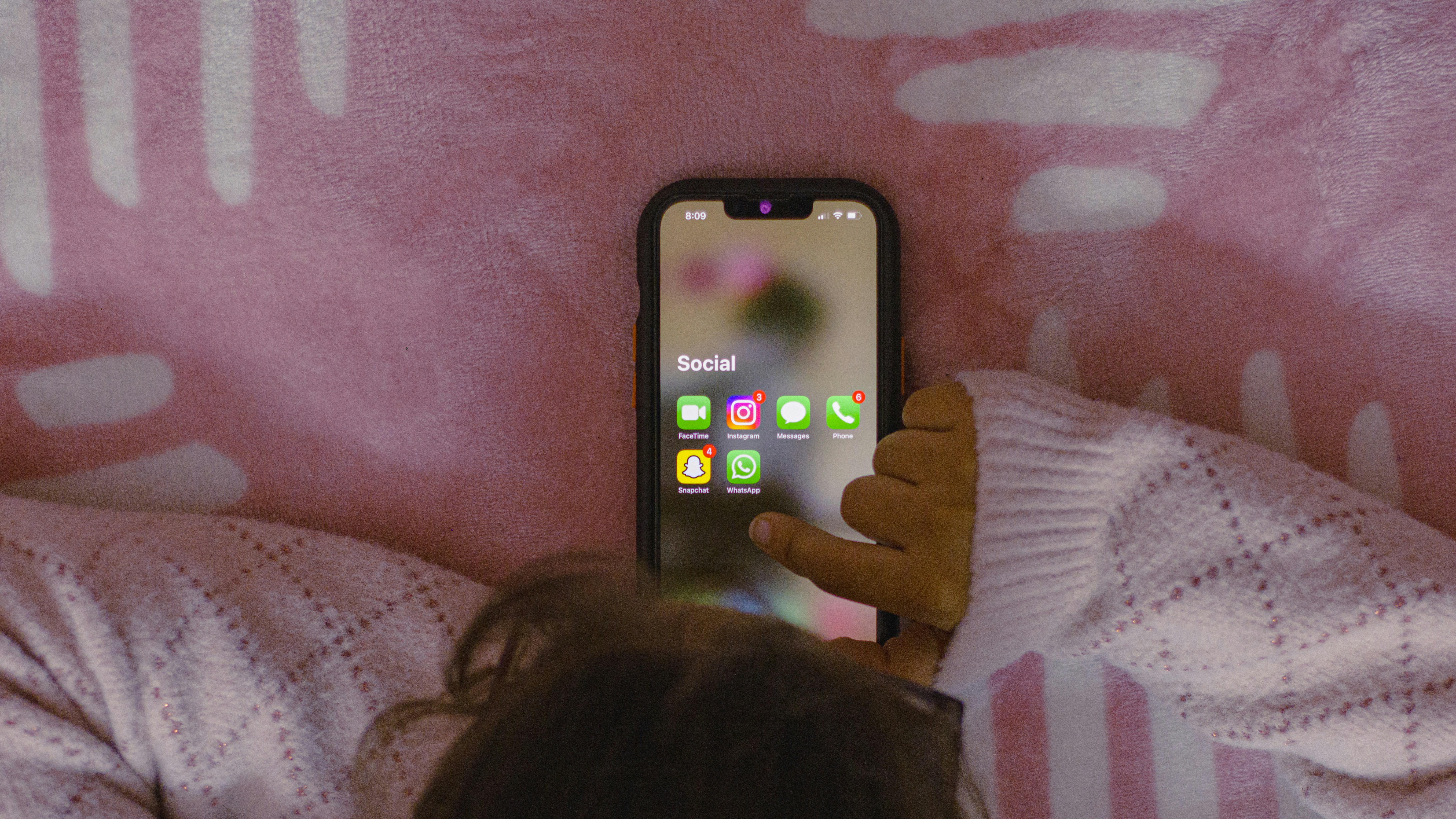
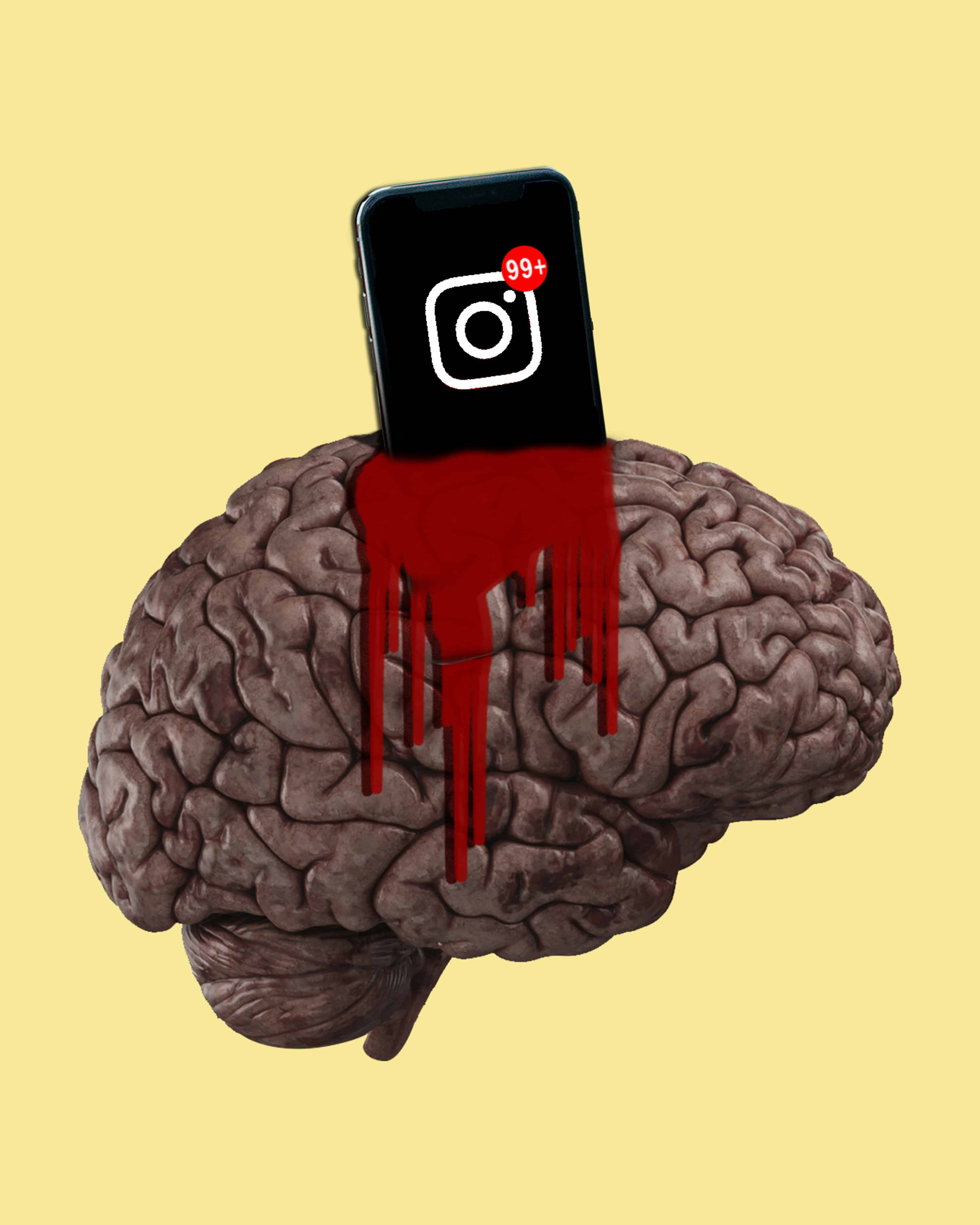
Your child’s social media feed knows more about them than you do. It knows when they’re sad, when they’re bored, and exactly what will keep them doom-scrolling. What started as a tool to share selfies is now a billion-dollar system designed to study their every click. It used to be strangers in parks, but now, it’s the threat in your child’s pocket. Instagram and Snapchat look like fun and harmless apps, but their design is all but innocent. Behind every selfie and snap streak is an algorithm trained to hijack your child’s attention, exploit their self-esteem, and guide their decisions. Today, this function serves as a 24/7 behavioral lab where your child is the test dummy. Every tap and swipe are testing what makes influences them or makes them click and buy.[1]

Before the Storm: When Social Media Felt Safe

When Instagram launched in 2010, its focus was to bring users together, show off talent, share good news, and discover something new. Snapchat followed shortly after, allowing people to share moments in real time, making it feel like you can never be too far away to keep up a connection.[2] For a while, both platforms served as exciting digital spaces for teens to express themselves, keep up with friends, and build their identity during a critical stage of development. That was before the algorithms took over.

Your Child, The Algorithms’ Prey
With time, social media platforms changed and added features to collect more user data and became more addictive. For example, Instagram is no longer a walled garden where users only view the content they search for. Now your child is offered content that their algorithm thinks will keep them hooked on scrolling.

According to the Google Dictionary, an algorithm is a process of calculations, which is usually followed by a computer, to generate problem-solving operations.[3]

Similar to gambling, teens get hooked not by the actual content, but by the mere possibility of upcoming content that can spike their interest for a few seconds longer.[4] Teenage brains are especially vulnerable to dopamine-driven design. Each like or snap streak triggers a small release of dopamine (the brain’s reward chemical).

These dopamine hits reinforce behavior, which grows the addiction to likes, snaps, and screen time. Studies show that likes on social media activate the brain’s reward center the same way winning money or eating chocolate does. The effect is often strongest in adolescents.[5] Check out a similar article on What “Going Viral” Does to Your Brain and Self-Esteem.

Snapchat’s “discover” and “spotlight” tabs work similarly, offering endless videos of curated, attention-grabbing content. These algorithms are powered by machine learning models trained on user data, so that every like, pause, screenshot, and swipe is noted and catered to. Eventually, all of this info is used to create a feed of things your child’s eyes and attention will be glued to for hours on end.

Also, Snapchat’s infamous “Snapsteaks” turn communication into an obligation. Teens often feel pressure to maintain streaks daily, even with people they barely know, just to avoid losing their digital relationships.

Social media has always been performative to some degree. But algorithms now reward exaggerated, filtered, and fake versions of life. Filters that alter facial features and bodies have made it harder for teens to see the difference between real and edited images. The compare and despair dynamic can lead to poor self-image and increasing dissatisfaction among vulnerable kids and teens. External validation through repeated use of social media is linked to increased anxiety, depression, and low self-esteem in adolescents.[6] Check out this GKIS article on how Beauty Filters Don’t Embrace Brown Beauty: The Rise of Colorism.

Take Back the Power

As tempting as it is to ban the use of these apps altogether, it can backfire. Overly punitive responses can promote child secrecy and risky behavior, especially as teens are coming into their own and learning to be more and more independent. Get ahead of it and be their ally by educating them about the hidden risks. Tackle this problem together by taking The GKIS Social Media Readiness Course. Our online course was created for tweens and teens to help them learn safer social media habits and practice better emotional wellness. With these skills, when they come in contact with harmful social media content, they will have their shields up.


Thanks to CSUCI intern, Elaha Qudratulla, for researching and co-writing this article. Check out more of her work here on GKIS:

The Hidden Dangers of Online Grooming: I Was Only 13

Netflix Documentary, Bad Influencer, Exposes Parent Producer Abusing Child Influencers


I’m the mom psychologist who will help you GetKidsInternetSafe.

Onward to More Awesome Parenting,

Tracy S. Bennett, Ph.D.
Mom, Clinical Psychologist, CSUCI Adjunct Faculty
GetKidsInternetSafe.com

Works Cited

[1]https://www.frontiersin.org/journals/sociology/articles/10.3389/fsoc.2020.599270/full

[2]https://doi.org/10.1080/1369118X.2015.1084349

[3]https://www.google.com/search?q=definition+of+an+algorithm&rlz=1C1GCEU_enUS947US947&oq=definition+of+an+algorithm+&aqs=chrome..69i57j0i512j0i22i30l8.10231j0j7&sourceid=chrome&ie=UTF-8

[4]https://doi.org/10.1016/j.tics.2015.09.004

[5]https://doi.org/10.1111/cdev.12838

[6]https://doi.org/10.1080/02673843.2019.1590851

Photos Cited

[Header] Gaspar Uhas on Unsplash

[2] Karsten Winegeart on Unsplash

[3] Soheb Zaidi on Unsplash

[4] Adrian Swancar on Unsplash

[5] Jeffery Kennan on Unsplash

https://unsplash.com/

Netflix Documentary, Bad Influencer, Exposes Parent Producer Abusing Child Influencers

We were hunters and gatherers for 90% of human existence. That means our brains are still wired to prioritize the things that kept us alive when we were living on the land, before the domestication of animals and the construction of cities. One thing that kept us alive was living in a tribe and cooperating. Attracting a tribe and fitting in was a requirement of life. That is why kids and teens are hyper-focused on doing what their friends do and working to be cool and accepted. Online influencers count on this drive to maintain their income streams. One way to attract kids online is to be a kid doing what kids love to do, playing with toys and video games, opening new packages, and hanging out with friends acting goofy. Netflix’s Bad Influencer offers a glimpse of the kid influencer “scene,” and the lengths that some parents will go to attract and keep a following.

What is Bad Influence about?

The limited documentary series has gone viral for good reason. It’s definitely entertaining, but also deeply unsettling. It is a perfect way to raise awareness about how scary a life all about social media can be. Bad Influencer is a documentary that focuses on a tween who becomes an overnight social media star and brings her friends to stardom with her. What started out as a fun hobby quickly turned into a living nightmare. It may seem glamorous to be famous online, until you learn that the child influencers spent the majority of their childhoods working long hours acting out video ideas, risky stunts, and performing pranks that sometimes went too far—all under the pressure of adult producers/parents hungry for views. Check out Intimacy With Minors Encouraged at the Hype House for a similar story of underage exploitation.

SPOILER ALERT: The show takes a chilling turn when the mother of the main character is accused of, and videotaped, sexually exploiting these kids on set by positioning herself as one of the only adults supervising them to control them. Some survived the battle with only a few scars, while the main character is stuck living this nightmare over and over again. It may be funny, exaggerated, and attention-grabbing, but it also paints a dark picture of a digital world where clout matters more than character and children are left to pay the price.

Psychology Behind the Fame Obsession

From a psychological point of view, being an influencer is cool to children because they have a natural need for validation, attention, and social connection.[1] Although the minimum age on most social media platforms is 13, it is reported that children ranging from 8-17 are found scrolling through online platforms soaking up content too mature for their ages.[2] Sadly, unlike real-world relationships, social media platforms offer fast, unfiltered dopamine hits through likes, shares, and views. Without proper guidance, this can make kids tie their self-worth to online numbers, which can result in low self-esteem, fear of missing out (FOMO), performance anxiety, and digital addiction.[3] As a result of social unlimited social media usage, kids can also experience anxiety, depression, and even poor quality of sleep.[4] Counteract this monster and help your child build emotional resilience, red flag awareness, and digital literacy by taking our GKIS Social Media Readiness Training Course. Geared for teens or tweens, it’s the perfect giftbefore that new device or video game.

What You Can Do to Help

Bad Influencer is not just a show; it’s a cautionary tale that shares the pressures kids face online every day. It is easy to get off topic and want to pull the plug on all electronics just to protect your child from their dangers, but that is not always possible. Technology and online platforms are all around us, and it is better to set your child up for success than to try to keep them out of the loop. Connecting with your child over what they find interesting can help create a trusting relationship where you can notice if things start to become a little off. Our free Connected Family Screen Agreement can help you and your child co-create rules around how to safely navigate online platforms. This way your child can thrive in the digital age without losing themselves in it.


Thanks to CSUCI intern, Elaha Qudratulla for researching and co-writing this article.

I’m the mom psychologist who will help you GetKidsInternetSafe. Onward to More Awesome Parenting,

Tracy S. Bennett, Ph.D.
Mom, Clinical Psychologist, CSUCI Adjunct Faculty
GetKidsInternetSafe.com

Works Cited

[1] https://genomind.com/patients/the-social-media-dilemma-how-childrens-mental-health-may-be-affected/
[2] https://pubmed.ncbi.nlm.nih.gov/37721985/
[3] https://startmywellness.com/2025/02/how-social-media-affects-mental-health/
[4] https://pmc.ncbi.nlm.nih.gov/articles/PMC11641642/

Photo Credits

[Header] freestock on Unsplash
[2] Leonardo David on Unsplash
[3] Sanket Mishra on Unsplash
[4] Cande Westh on Unsplash
https://unsplash.com/

Teens Are Using New AI Software “ChatGPT” to Write Their Essays for Them

Advancements in artificial intelligence technology have transformed the media we consume. These highly intelligent computer programs can create realistic-looking images from a few words, hold entire conversations, and even write cited essays. While programs like ChatGPT can give us simple answers to our questions, they can also hinder our children’s learning when they outsource their brainwork to an all-knowing robot. If you worry that your child is relying on technology a little too much, our Screen Safety Toolkit offers a resource guide so you can tighten up screen time supervision and management.

What is ChatGPT?

ChatGPT is a language processing tool that is powered by artificial intelligence (AI) technology, allowing you to have human-like conversations.[1] ChatGPT can answer one’s questions and complete various tasks from essays, to editing code, to writing emails. This software is open to the public for free, although there is also a paid subscription version with additional features.[1] Notable celebrities in technology like Elon Musk have commented on the strength of ChatGPT, stating “ChatGPT is scary good. We are not far from dangerously strong AI.”[1]

ChatGPT gets its data from textbooks, websites, and various articles which it simultaneously uses to model its language to seem more human-like.[2] This AI is well-trained on biased and unbiased data and can reproduce data with reliability, something that many other similar AI systems lack.[2]

When asked to write a sentence for this article, ChatGPT responded with, “ChatGPT is an artificial intelligence language model developed by OpenAI, based on the GPT-3 architecture. It is designed to generate natural language responses to a wide variety of prompts and questions. ChatGPT uses advanced machine learning algorithms to understand the nuances of language and generate context-sensitive responses that are often indistinguishable from those written by a human. It has a wide range of potential applications, from customer service and education to creative writing and more.”[3] How’s that for a definition?!

How are kids using ChatGPT to cheat?

While ChatGPT’s design of being able to generate natural responses to various questions and prompts can make it a helpful tool for educational and informational purposes, it also opens it up to exploitation for other purposes. A quick Google search will turn up dozens of articles on how to get ChatGPT to write your essay for you. A student at Cardiff University in Wales shared his experience with turning in two papers, one written by himself and the other written by ChatGPT.[4] The essay from ChatGPT earned him the highest grade he had ever received on an essay in his entire time in undergraduate school.[4]

College professor and TikTok user Lilmaverick3 received an essay from one of her students that had been flagged by TurnItIn.com as being 100% written by AI technology, proving that students have already started taking advantage of the AI’s skills and ability to create human-like speech.[5] The technology is still relatively new but stories just like this will likely continue.

Cheating robs children of the satisfaction of completing their own assignments and the learning experience that comes with research. It also offers a dishonest view of academic ability, which can quickly get out of hand when teachers ratchet up expectations in response.

What Parents and Educators Can Do to Prevent Cheating

  • Research various forms of AI detectors and run your child’s papers through flagging software, this way you can see if the paper has any elements that have been plagiarized.
    • Some popular flagging software includes Writer’s AI Content Detector and Content at Scale’s AI Detector. For educators, we recommend having students turn in assignments through TurnItIn.com, this checks for plagiarism as well as how much of the assignment is AI-generated content.
  • Communicate your expectations surrounding homework and plagiarism from the start using our GKIS Connected Families Screen Agreement.
  • Sit with your child while they work on assignments to offer support as they need it, and be there before they decide to turn to AIs.
  • Manage smart devices during homework time using resources from our GKIS Screen Safety Toolkit.
  • Utilize ChatGPT in ways that allow it to be an educational tool, like writing ideas, creating to-do lists, and finding resources.
    • ChatGPT is a helpful tool for educational purposes when used properly. As a prompt-based language bot, it can be used to spruce up resumes or cover letters based on inputted job description data, help create outlines for papers based on inputted prompt data, and even provide recipes for weekly meals.
    • Promoting ChatGPT as an educational tool rather than a homework robot can prevent your child from creating an unhealthy dependence on AI software to do their work for them.

Like what you read? Check out our GKIS article “Siri and Alexa Help Kids Cheat on Homework”.

Thanks to CSUCI intern, Katherine Carroll for researching ChatGPT.

I’m the mom psychologist who will help you GetKidsInternetSafe.

Onward to More Awesome Parenting,

Tracy S. Bennett, Ph.D.
Mom, Clinical Psychologist, CSUCI Adjunct Faculty
GetKidsInternetSafe.com

Works Cited

[1] Ortiz, S. (2023). What is ChatGPT and why does it matter? Here’s what you need to know. ZDNET. https://www.zdnet.com/article/what-is-chatgpt-and-why-does-it-matter-heres-everything-you-need-to-know/

[2] Pocock, K. (2023). What Is ChatGPT? – what is it used for? PCguide. https://www.pcguide.com/apps/what-is-chat-gpt/

[3] ChatGPT. (2023, May 3). Write a few sentences on what ChatGPT is. Response to user question. Retrieved from https://chat.openai.com/

[4] Wehner, G. (2023). UK college student uses AI to write high-scoring essay, earns high grade: report. Fox Business. https://www.foxbusiness.com/technology/uk-college-student-ai-write-high-scoring-essay-report

[5] LilmaverickProf [@lilmaverick3]. (2023). AI detection now automated for educators #professor #Ai #chatgpt [Video]. TikTok. https://www.tiktok.com/t/ZTRwx4R8f/

Photo Credits

Photo by Shantanu Kumar (https://unsplash.com/photos/_CquNNr1744)

Photo by Levart_Photographer (https://unsplash.com/photos/drwpcjkvxuU)

Photo by freestocks (https://unsplash.com/photos/I_pOqP6kCOI)

Photo by sofatutor (https://unsplash.com/photos/4r5Hogjbgkw)

How Lack of Sleep Negatively Affects Child Learning


Almost everyone has experienced a zombie-like feeling after a night of poor-quality sleep. Research shows that a single night of sleep deprivation can have a negative result on cognition and behavior.[1] Sleep deprivation for children can be particularly costly. Good quality sleep helps children with healthy brain development. That is why Dr. Bennett includes a whole lesson on how to protect your child’s sleep in her Connected Family Online Course. By following research-backed guidelines, setting sensible rules, and setting up your house to optimize learning and safety, your family can avoid costly digital injuries. If you are interested in learning about how to create a safe screen environment at home while discovering ways to promote open and honest communication within your family then check out our GKIS Screen Safety Essentials Course. In today’s GKIS article, you’ll discover how a child’s learning can be negatively affected by lack of sleep and how to avoid it.

How does lack of sleep impact a child’s learning?

Attention and Concentration

 A child needs an average of 9 to 11 hours of sleep each night for optimal health and learning performance.[2] Poor sleep affects the functional connectivity of the prefrontal cortex. This means that a sleepy child will experience problems in their ability to focus and sustain attention in a learning environment. Further, a 2009 study demonstrated that sleep may cause the child to become overly sensitized to reward stimuli.[3] An overly sensitized person craves rewards so much that if they can’t get the desired activity immediately, they may resort to acting out and tantrums. To understand more about this process, check out Dr. B’s whiteboard video GetKidsInternetSafe from Sensory Overload on the Dr. Tracy Bennett YouTube Channel.

Memory

Mental lapse refers to a moment of unexplained forgetting, like walking into a room and forgetting what you came in for. A sleepless night slows down brain cell activity, sometimes resulting in impairing daytime mental lapses. A 2017 UCLA study demonstrated that lack of sleep disrupts the brain cells’ ability to communicate with one another, resulting in a mental lapse that negatively affects the way we perceive and react to things around us.[4]

Learning and Information Processing

 In Dr. Bennett’s book Screen Time in the Mean Time, she explains that when we don’t get enough sleep our brain’s housekeeping and memory consolidation tasks remain undone, leaving us unable to efficiently acquire or retrieve information. Without good focus, attention, and memory, kids are unable to process information and understand and learn new concepts.

Creativity

 Sleep deprivation can also limit planning, creativity, and the ability to think outside of the box. According to a study from the University of Loughborough, sleep deprivation can negatively impact a person’s creativity by impairing one’s ability to create new ideas and change strategies.[5]

How does a lack of sleep impact mood and behavior?

Sleepy Throughout the Day

If your child chronically gets insufficient sleep at night, their body may compensate by falling into a pattern of daytime hypersomnia. This is a condition when someone repeatedly is falling asleep throughout the day.[6]

Mood Swings

Lack of sleep can be a main contributing factor in mood swings.[7] Moodiness and irritability can negatively affect relationships, leading to deeper problems and feelings of hopelessness. If sleep deprivation is habitual, it can contribute to clinical conditions like anxiety, depression, and even psychosis!

Decision-Making

Little to no sleep can also affect how well we make decisions.[8] That means that kids who have sleep deprivation will have a difficult time prioritizing tasks like when to brush their teeth or do homework. If your child seems to get stuck on even the smallest of choices, consider if sleep may be the issue.

How can lack of sleep affect learning in children of different ages?

Teenagers tend to have more sleepless nights than younger children. Not only do parents allow later bedtimes for teens, but they also stay up chatting with friends and playing video games. Without the right amount of sleep, teens have more trouble focusing and learning in class compared to younger children. According to the CDC Healthy Schools, teens ages 13-18 need 8-10 hours of sleep.[9]

How can parents help their children get better sleep and improve their learning?

Tips from Dr. Bennett’s book, Screen Time in the Mean Time include:

  • Setting a timer
  • Keeping screens out of bedrooms
  • Creating a relaxing sleeping environment
  • Encouraging a soothing nighttime ritual
  • Practicing mindful eating
  • Exercising and practicing ample non-electronic play

For more tips on how to help your children get the rest they need, check out Dr. B’s GKIS article,  Do Your Kids Vamp? A GKIS Parent’s Guide to Good Sleep Hygiene.

Thanks to CSUCI intern, Maira Soto for researching this article on lack of sleep and learning.

I’m the mom psychologist who will help you GetKidsInternetSafe.

Onward to More Awesome Parenting,

Tracy S. Bennett, Ph.D.

Mom, Clinical Psychologist, CSUCI Adjunct Faculty

GetKidsInternetSafe

   Photo Credits

Photo by Craig Adderley from Pexels

Photo by KoolShooters from  Pexels

Photo by  KoolShooters from  Pexels 

Photo by  Lisa Fotios from  Pexels 

Works Cited

[1] Davis, K. (2020, July 23). What to know about sleep deprivation?

https://www.medicalnewstoday.com/articles/307334

[2] How much sleep for children need?

https://www.webmd.com/parenting/guide/sleep-children#1

[3] The Sleep- Deprived Brain. Dana Foundation

[4] Study Blames Mental Lapses on Sleep-deprived Brain Cells

https://www.uclahealth.org/u-magazine/study-blames-mental-lapses-on-sleep-deprived-brain-cells

[5] Sleep Deprivation Kills Creativity

https://www.creativequarter.com/articles/life/sleep-deprivation-kills-creativity

[6] Excessive daytime sleepiness (hypersomnia)

https://www.nhs.uk/conditions/excessive-daytime-sleepiness-hypersomnia/

[7] Improve Your Child’s School Performance with a Good Night’s Sleep

https://www.sleepfoundation.org/children-and-sleep/sleep-and-school-performance

[8] How sleep affects decision-making.

https://eachnight.com/sleep/how-sleep-affects-decision-making/

[9] Sleep in Middle School and High school students.

https://www.cdc.gov/healthyschools/features/students-sleep.htm#:~:text=The%20American%20Academy%20of%20Sleep,10%20hours%20per%2024%20hours

Is Your Child’s Attachment Style Impacting the Way They Use Social Media?


Three billion people use social media globally. We use it to stay in touch with friends and family, share memorable moments in our lives, and entertain ourselves during our leisure time. Although social media has its benefits, it also has its negative effects. Much of the outcome depends on the characteristics of the user. One characteristic that impacts social media use is the user’s attachment style. In today’s GKIS article, you will learn what attachment style is, how a child’s attachment style may impact the way they use social media, and strategies to improve your family relationships and create healthier attachments.

Social Media Readiness

In the article “Do Kids Need Driver’s Training … for the Internet? Dr. Bennett asks, “Does driving city streets have anything in common with browsing the internet?” She argues it does, stating that “ Like driving a car, browsing the internet can cause significant injury. But instead of a concussion, we see kids succumbing to anxiety, depression, and body image problems linked to cyberbullying, radicalization, and compare-and-despair. Also, like driving, kids browsing the internet can wander into any kind of digital neighborhood making friends from faraway places. Most of the places they visit are cool, with fun friends, creativity, and harmless excitement. But there are also digital neighborhoods that would horrify us. Dangerous people like predators and traffickers may be common there and so is intensely violent and explicit sexual content.” With over 25 years of helping kids and families navigate difficult situations resulting from screen use, she created an online course for tweens and teens called the GKIS Social Media Readiness Course.

Dr. B argues that kids need specific knowledge and problem-solving strategies to recognize red flags online, as well as psychological wellness tools to bolster mental health and overall resilience. Not only does our course teach kids what they need to know for online safety, but parents need knowledge too along with an ongoing cooperative dialogue with their kids about online issues. Creating this dialogue has a lot to do with healthy attachment.

 Attachment

The father of attachment theory is John Bowlby, a British psychoanalyst who was interested in studying the intense distress that infants demonstrate when they are separated from their parents. Other attachment researchers went on to create theories and testing measurements, like the Strange Situation paradigm created by Mary Ainsworth.

Strange Situation

To test a child’s “attachment style,” researchers created a child separation situation in the psychology lab. For the Strange Situation method, researchers put a mother and toddler child alone in a room. The room was filled with toys and plenty of eye-catching items for the child. After some time of playing, a stranger enters the room and attempts to interact with the child. The mom is instructed to then leave the room. After a few minutes, she returns and comforts her child. A few minutes later the stranger returns and interacts with the child again. Then the mother comes back and greets her child.[2]

The Strange Situation was designed to present children with an uncommon, but not too overwhelming, experience. The child’s response was then coded and classified to fit in one of four attachment styles.

 Attachment Styles

Attachment styles are academic descriptors of how an individual relates to other people. An attachment style is formed at an early age, and once established it stays with you.

Children with secure attachment styles have healthier relationships overall. Kids with avoidant, anxious, or disorganized attachment styles tend to form poor quality family and peer interactions. They have trouble maintaining healthy, mutually beneficial friendships because they’re often anxious or dependent.

The Four Types of Attachment Styles

Secure Attachment

Secure attachment is characterized by a stable sense of security and comfort to be out and about knowing that their caregiver will be there when needed. Caregivers of securely attached children are typically available, sensitive, and protective of the child. They use authoritative (warm and consistent) parenting strategies rather than being overly strict (authoritarian) or indulgent (permissive).

Avoidant Attachment

Avoidant attachment is characterized by a child who avoids interaction with the caregiver and shows no distress during separation. Caregivers of an avoidant attached child typically don’t acknowledge a distressed child, instead of shaming the child for showing emotions and having unrealistic expectations. These caregivers often don’t validate the child. Emotional validation is the process of encouraging emotional expression and offering warm acceptance and nurturance. Validating a child’s emotion is a critical element to teaching children socio-emotional intelligence and self-soothing.

Anxious Attachment

Anxious attachment is characterized by a child who fears abandonment and doesn’t interact with strangers. Kids with anxious attachment tend to be clingy and insecure. Caregivers of anxiously attached children are often overly protective or insensitive. They can be available at one moment, then unavailable, which can leave the child confused.

Disorganized Attachment

Disorganized attachment is characterized by a child who, when their caregiver unexpectedly leaves the room, will respond with a confused expression, freezing, and demonstrating unorganized behavior. Caregivers in this situation are inconsistent. More specifically, they may demonstrate kindness and care to their child sometimes and other times ignore their needs or get angry. Parents who send these types of mixed signals are often impaired due to mental illness, addiction, or severe overwhelm.

What does social media have to do with attachment?

Social media has become a new form for people to receive validation and support from others, especially for those who are building identities like tweens and teens. In a study by Stöven and Herzberg, researchers reviewed 17 studies on attachment styles and social media use. They found that people with higher levels of abandonment anxiety tend to overuse social media as a way to feel like they belong.[1] The subjects were more likely to seek support and attention from people online to feel good. Social media was a way for them to seek reassurance and feel like people liked them.

 How is an over-reliance on social media for identity a problem?

A constant need for reassurance can cause undesired results, such as

  • trouble making decisions because the subject is too concerned about what others think.
  • anxiety or depressive symptoms when the subject does not get the response they hope for.
  • the subject having an “internal debate” with themselves with questions like, “what if?”

Ways to Improve Your Child’s Attachment and Make Them Healthier Adults

Be sensitive and compassionate. Children need nurturing warmth during their early years to identify the emotion, learn how to express it, and build the confidence to self-soothe on their own.

Respond calmly to your child. Modeling self-soothing is an awesome way to teach socio-emotional skill-building. Plus, it serves to clear the way for logical problem-solving rather than escalating an already stressful situation.

Get involved. Just as you would supervise and monitor your child’s exploration of city neighborhoods, you must do the same with digital neighborhoods. That means setting rules and expectations like those detailed in our Connected Family Course and setting up parental controls using the resources (and discounts) offered in our Screen Safety Toolkit.

If you’d like all GKIS course materials delivered in an inexpensive, convenient, easy-to-follow drip on your smartphone, check out Dr. Bennett’s weekly parent and family coaching videos in the GetKidsInternetSafe App!

Thanks to CSUCI intern, Maira Soto for researching social media and attachment styles for this article.

I’m the mom psychologist who will help you GetKidsInternetSafe.

Onward to More Awesome Parenting,

Tracy S. Bennett, Ph.D.
Mom, Clinical Psychologist, CSUCI Adjunct Faculty
GetKidsInternetSafe.

Photo Credits

Photo by Katerina Holmes from Pexels

Photo by Karolina Grabowska from Pexels

Photo by Cristian Dina from Pexels

Photo by ready-made from Pexels

Photo by Pexabay from Pexels

Works Cited

[1] A systematic review of associations between the use of social network sites and attachment style.

https://journals.sagepub.com/doi/10.1177/0265407520982671

[2] Is your child securely attached?

https://www.parentingscience.com/strange-situation.html

Virtual Reality to Treat Phobias

Psychologists have successfully treated phobias for decades. Starting with education about what anxiety is, they then offer calming tools in preparation for exposure therapy. Exposure therapy is a form of therapy where the client and therapist focus on a specific fear and attempts to relax and gain control of the situation.[1]  Initially, psychologists recommend imagining the thing their client is most afraid of. Then, over time, they work toward exposures of the event in real life. This can be difficult in situations where the real-life object can’t be found (like airplanes, spiders, and injection needles). Technology now has a solution for us. It’s called Virtual Reality Exposure.

Imagine being terrified of riding in an elevator. You sit in your therapist’s office with a headset and you are virtually walking into and riding an elevator. After several sessions with your therapist and the headset, you can walk into an elevator and ride it up several stories. Virtual reality is giving people the opportunity to overcome their phobias in the comfort and safety of their therapist’s office.

What is virtual reality?

Virtual reality projects an environment that feels real, but is not. Users wear a headset that resembles large goggles that have screens instead of lenses. Once the headset is on, users can only see what is being shown on the screens. They can no longer see anything around them. There are sensors in the headset that can tell when users move their heads. The screen view moves along with users heads to make it feel real.[2]

Top 10 Phobias

Phobias are extreme reactions to certain situations. Below are the 10 most common phobias among people

Arachnophobia: Fear of spiders

Ophidiophobia: Fear of snakes

Acrophobia: Fear of heights

Aerophobia: Fear of flying

Cynophobia: Fear of dogs

Astraphobia: Fear of thunder and lightening

Trypanophobia: Fear of injections

Social Phobia: Fear of social situations

Agoraphobia: Fear of being alone in a situation or place where escape is difficult

Mysophobia: Fear of germs and dirt[3]

How does virtual reality treat phobias?

Virtual reality (VR) exposure therapy allows the client to face the object of their phobia through the headset while being in the safety of their therapist’s office. The therapist then coaches the client to manage anxiety during virtual reality exposure.

Benefits of VR Exposure Therapy

Gradual Exposure is More Tolerable

VR exposure is less triggering than real-life exposure. It’s an awesome second step, after imaginal exposure, to get them where they need to be before direct exposures.

Saves Time and Money

Real-life exposure therapy typically requires time and money to travel to different locations to treat the phobia. With virtual reality exposure therapy, travel is not needed since the therapy takes place in the therapist’s office – convenient, inexpensive, quick, and effective.

More Confidential

Any emotion elicited from the exposures will not occur in front of anyone besides their therapist.

Therapist Has More Control

The therapist can stop the simulation if necessary for the client. The therapist could also repeat the same simulation multiple times if the client needs it.

Less Risk

The simulation can end whenever the client needs to. For example, the client can easily get off the airplane in VR but in real life, the client would have to stay on the airplane once it has started taking off.[4]

Thank you to CSUCI intern Makenzie Stancliff for co-authoring this article. For more information on anxiety, check out the article How Internet Searches can Lead to Illness Anxiety Disorder on the GetKidsInternetSafe website.

I’m the mom psychologist who will help you GetKidsInternetSafe.

Onward to more awesome parenting,

Tracy S. Bennett, Ph.D.

Mom, Clinical Psychologist, CSUCI Adjunct Faculty

GetKidsInternetSafe.com

Works Cited

[1] exposure therapy. (n.d.). Retrieved from https://medical-dictionary.thefreedictionary.com/exposure therapy

[2] Emspak, J. (2016, March 22). What Is Virtual Reality? Retrieved from https://www.livescience.com/54116-virtual-reality.html

[3] Cherry, K. (2020, January 20). How Are the Most Common Phobias or Fears Treated? Retrieved from https://www.verywellmind.com/most-common-phobias-4136563

[4] Posted by Dr. Andrew Rosen, Rosen, D. A., & Anderson, J. (2017, April 7). Virtual Reality Therapy for Phobias. Retrieved from https://centerforanxietydisorders.com/virtual-reality-therapy-for-phobias/

Photo Credits

Photo by JESHOOTS.COM on Unsplash

Photo by Frank Vessia on Unsplash