
Need peaceful screen time negotiations?

Get your FREE GKIS Connected Family Screen Agreement

community

Beauty Filters Don’t Embrace Brown Beauty: The Rise of Colorism

How would you feel if you found out that your child is going to extreme and dangerous lengths to change their appearance? What if your child is putting themselves in potential harm to fit beauty standards set by beauty filters? Beauty filters can be a fun way to transform selfies, but they have failed to embrace the beauty of all skin tones, especially dark ones. This has led to the rise of colorism and extreme self-esteem issues. To help you recognize the dangers of social media on self-esteem, I interviewed Dr. Chavarria, CSUCI Assistant Professor of Sociology, to offer insight on how colorism affects minority communities and how to prevent it. If you are concerned for your child’s mental and physical well-being when they interact on social media, check out our Social Media Readiness Training for tweens and teens. Our guide prepares your children for safer screen use and prevents psychological illness with our expert emotional wellness tools. Today’s GKIS article shares the story of a young girl negatively affected by beauty filters and tips you can take to help protect your kids from colorism.

What are beauty filters?

Beauty filters are social media features that beautify and erase people’s imperfections and flaws by creating a modified version of themselves. Specific modifications can be anything, but the most popular filters alter the size of facial features, change eye color, and add effects like make-up or long eyelashes.[1]

The Negative Effects of Filters

Low Self-Esteem

Although filters can be fun, they can also be damaging to one’s self-esteem. Research demonstrates that the use of filters can lead to low self-esteem because filter users are more likely to hyper-focus on the features they dislike when using them. This can then lead to frequently comparing one’s real looks with filtered looks, changing our beauty “ideal” and recognizing (even obsessing on) our failure to live up to that ideal. Not being able to accomplish the same look with these filters can make someone feel less than or that they will always be below beauty standards. For others, it may motivate them to find a way to change their appearance to better match the beauty standards set by social media regardless of the risks these changes pose.[2]

The Rise of Colorism
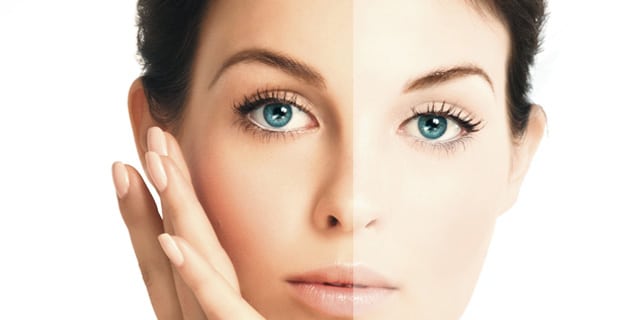
It has been noted by many social media users that beautifying filters usually have a lightening or bleaching effect on the skin. In fact, according to skin color expert Ronald Hall, this effect is not an accident. He explains that it is a way to maintain and conform to historically Eurocentric beauty standards.

Beauty filters are promoting a rise in colorism. Colorism refers to prejudices or discrimination an individual may experience for having a darker skin tone. This phenomenon usually occurs among one’s own ethnic or racial group.[3,4]

A Young Teen Takes Drastic Measures to Change Appearance

Lise, a young teenager, shared her struggles with colorism. Her experience included being bullied for her darker skin tone. The bullying not only came from white girls at school but, to her surprise, also from those who looked similar to her in her same ethnic or racial group.

Seeing pictures of light-skinned women receive lots of likes and positive comments online also confirmed to Lise that she did not meet society’s standards of beauty, bringing her self-esteem down. To try to lighten her skin, Lise began to scrub her mom’s bleaching cream into her skin with a copper wire brush. Even without abrasion injuries, bleaching products can pose health risks.[4]

If you are concerned that your child is suffering from a digital injury like mood and anxiety disorders triggered by compare-and-despair, check out our GKIS Online Safety Red Flags For Parents. With this guide, you’ll learn the behavioral red flags to look out for that may signal your child is suffering from digital injury.

Colorism Affects Minority Communities on a Larger Scale

Colorism is an issue that not only affects self-esteem, but it has also been a problem for minority communities on a larger scale. Dr. Chavarria, CSUCI Assistant Professor of Sociology, explained in our interview that the emergence of colorism, particularly in the Latino society, has been a consequence of conquest and colonization of indigenous communities.

Colonizers constructed these ideas about indigenous communities so they would be perceived as inferior, uncivilized, having no knowledge, and being closer to evil. Whites or being light-skinned, in contrast, have historically been constructed to be perceived as better, good, and even closer to God.

This construction caused the devaluation of indigenous identity features such as brown skin, indigenous language, and ethnic practices leading to the destruction of indigenous communities. Many who managed to survive and succeed in the majority culture often did so by blending in and learning to assimilate. Ethnic roots were lost over generations, and minority communities lost a sense of pride in what they look like. Dr. Chavarria reported that research has demonstrated how individuals that align with beauty standards often get more career opportunities and higher pay.

How to Help Stop Colorism

Start with Family

Colorism needs to be stopped. A first step is addressing how colorism starts within the family. Dr. Chavarria stated that, although colorism often starts with the family, grandparents and parents are often not even aware they are engaging in it. They too have been socialized to believe these ideas about their indigenous roots and characteristics. Therefore, educating family members about what colorism is and how it can cause generational trauma can be the first important step to change.

As a Chicana who has also experienced colorism within my community and family, I recognize that change can be hard. Sometimes I didn’t know how to tell my grandmother that the “advice” she gave me was conforming to Eurocentric standards and colorism, and that it did more damage than help. For example, when family members told me that I should find a light-skinned man with colored eyes so my future children can inherit those features, they seemed to be telling me that, as a brown girl, I did not possess “beautiful” features.

Follow Body-Positive Campaigns

Dr. Chavarria also highly recommends that social media users check out campaigns directed to make positive changes. Cultural Survival on Facebook is a campaign that she tracks. It is an international organization that engages with indigenous communities across the globe. They address important issues like colorism by protecting indigenous women and challenging Eurocentric notions of beauty.

Practice Self-Awareness

If you find yourself contributing to colorism with comments and negative self-appraisals, challenge yourself for positive change.

Speak Out

As you become more self-aware, speak out to friends and post positive pro-beauty messages that demonstrate that beauty comes in many shades and colors. We must consistently challenge historical ideas to break biases and end discrimination. It starts with us, let’s get started!


Thanks to Dr. Chavarria for offering expert insight on colorism and how to prevent it. Thanks also to CSUCI intern Ashley Salazar for researching and co-authoring this article. Colorism is on a high rise due to beauty filters on social media. Check out our GKIS courses to learn to have easier dialogues with your children and protect them from digital injury.

I’m the mom psychologist who will help you GetKidsInternetSafe.

Onward to More Awesome Parenting,

Tracy S. Bennett, Ph.D.
Mom, Clinical Psychologist, CSUCI Adjunct Faculty
GetKidsInternetSafe.com

Works Cited

[1]Ma, J. (2020) Are Face Filters on Instagram, Snapchat, and TikTok leading to a distorted sense of beauty in society? YP. Are face filters on Instagram, Snapchat and TikTok leading to a distorted sense of beauty in society? – YP | South China Morning Post (scmp.com)

[2] Mac Neil, I. (2021) WATCH — Why beauty filters might be messing with your self-esteem. CBC Kids News.

 WATCH — Why beauty filters might be messing with your self-esteem | Video | Kids News (cbc.ca)

[3] Wang, C. (2020) Why do beauty filters make you look whiter? Popular Science.

https://www.popsci.com/story/technology/photo-filters-white-kodak-film/

[4] Ryan Mosley, T. (2021) How digital beauty filters perpetuate colorism. MIT Technology Review. https://www.technologyreview.com/2021/08/15/1031804/digital-beauty-filters-photoshop-photo-editing-colorism-racism/

[5] https://www.refinery29.com/en-gb/instagram-face-filters-dysmorphia#:~:text=She%20says%20that%20 she%2C%20 too,no%20imperfections%2C%22%20she%20explains. Have not used might use.

Photo Credits

Photo by Agarwal, Diya. https://www.flickr.com/photos/medicalhealthtips/15946735624/in/photolist-qiabVE-9H6aGv-8Lrnkk-2md9TsF-2md8Nep-5a3eXi-24qG78x-HBuwUe-2kScHdE-tPAvCu-ENxyqW-2krhzMd-2kScb6B-61zsJ-VqpLNQ-kn4YLz-2kS9Knm-w7KHtd-2kSbo8f-2kSboik-2kSgFoJ-2kSgER6-UEKxRF-2kS9KrE-2kSbopC-2kScaKS-2kScaJz-fCjuV-SXbcAJ-9KgCcQ-p57AHY-JNKLtL-tFUtpd-2mcoGCo-uRvgR-5yWPt8-9Am5c5-752fss-5oWrRc-2mcohu5-5szcJ7-2iQK6Lh-VBXddp-XonKAh-a2fEi4-7wuE7x-ouPRzz-f6xVfC-9KdK8r-H4xb4S/lightbox/

Photo by Becerra, Manny. https://unsplash.com/photos/ckXiLvOSieM

Photo by Odunsi, Oladimeji. https://unsplash.com/photos/aU_eOcelLhQ

Photo by  Hryshchenko, Volodymyr. https://unsplash.com/photos/WU9dA3C4R28

Feeling Lonely? Tips to Make Friends Offline and Online

Socialization is a critical aspect to good health for kids and adults.[1][2] That’s why constant connection through social media, chatrooms, texting, and online gaming has become irresistible to us. For help managing in the online world and avoiding costly digital injuries, check out Dr. Bennett’s positive parenting and family coaching videos in our Screen Safety Essentials Course. We all need each other online and off. Afterall, the early people of our species were hunters and gatherers. Having a tribe was critical for our survival. In modern times, with many families living away from extended families and our lives as busy as ever, it’s often hard for adults to make friends. Today’s GKIS article covers the costly results of loneliness and offers suggestions for how to break out of our loneliness and enter the realm of meaningful connectedness.

The Prevalence of Loneliness

Higher rates of loneliness are found among young adults, seniors, those who are visually impaired, victims of abuse, and the unemployed.[3] Due to its prevalence, numerous outlets including Time, Forbes, US News, Cigna Insurance, and the Health Resources & Services Administration have referred to loneliness as an epidemic in the last decade.

Feelings of loneliness can result from a lack of friendships, intimacy, or emotional connection.[4] The long-term impacts of loneliness include poor sleep, depression, suicidal ideation, increases in cortisol (a stress hormone), compromised immune responses, and inflammation. Chronic loneliness has also been linked to the progression of Alzheimer’s, cardiovascular disease, and other chronic diseases. Further, loneliness is associated with poor lifestyle habits which include sedentariness and smoking.[5]

To avoid unfortunate outcomes, we must carve out the time to hang out with friends and family. For kids and teens, school is an easy resource to draw from. But for adults, social resources can be hard to find. To help you reach out and find more connection and community in your life, we’ve uncovered some novel ideas and resources!

Finding Community in Person

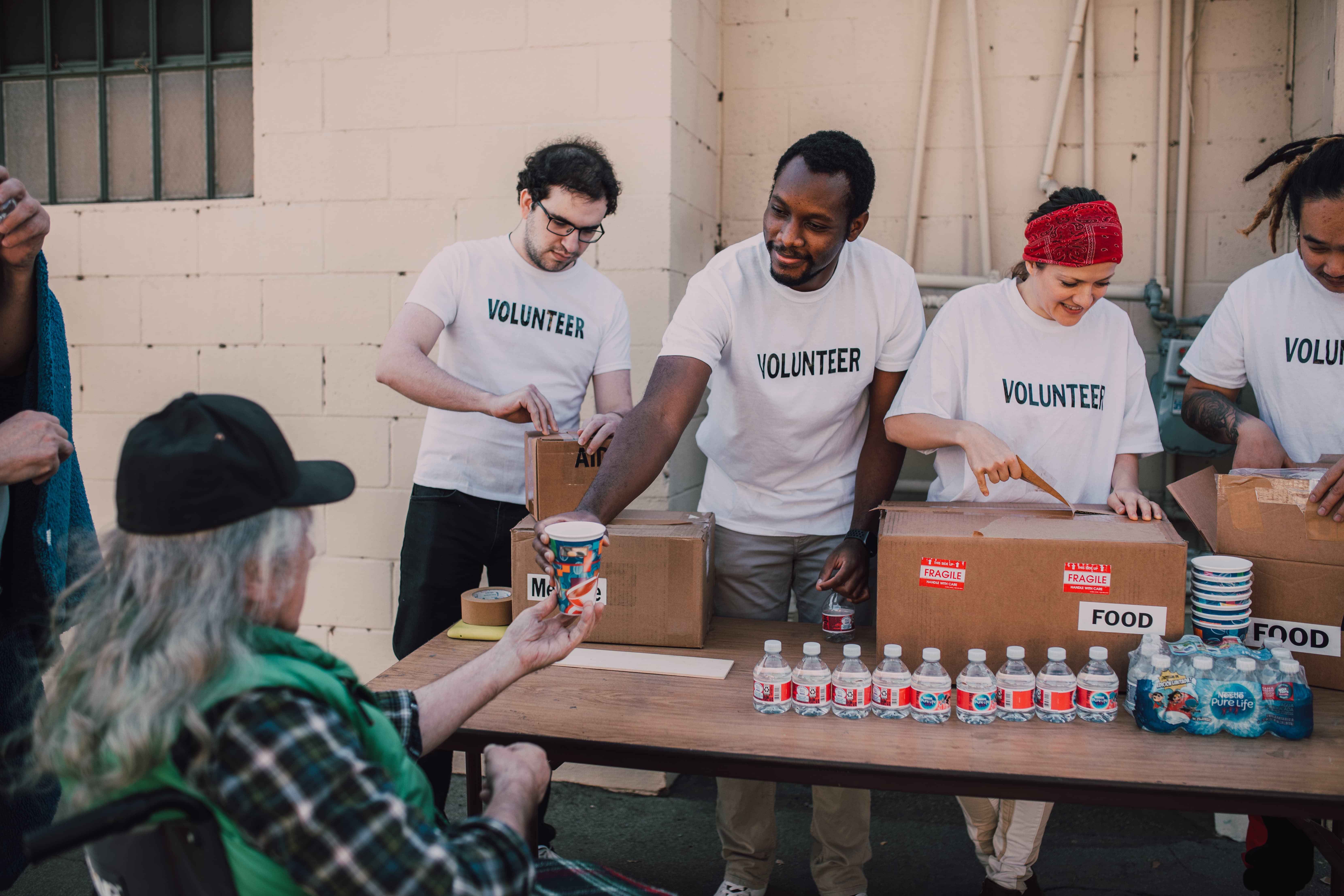
Volunteer

Volunteering is a fantastic way to meet friends, give back, and cultivate a sense of belonging. Research has found that volunteering is particularly helpful for those who have recently lost a loved one. In a study by Dawn Carr and colleagues observing over 5,000 recently widowed spouses, subjects who volunteered two or more hours per week had lower rates of loneliness than those who did not volunteer at all.[6]

Volunteering also has benefits for the whole family. The University of Nebraska-Lincoln Extension notes that youth volunteerism can help with the development of identity, empathy, skill-building, self-esteem, and relationships with like-minded people.[7] A study by Sandi Nenga from Southwestern University notes similar improvements in youth volunteerism. But Nenga also emphasizes that volunteering can connect multiple, diverse communities, creating better outcomes in future civic roles for youth volunteers.[8]

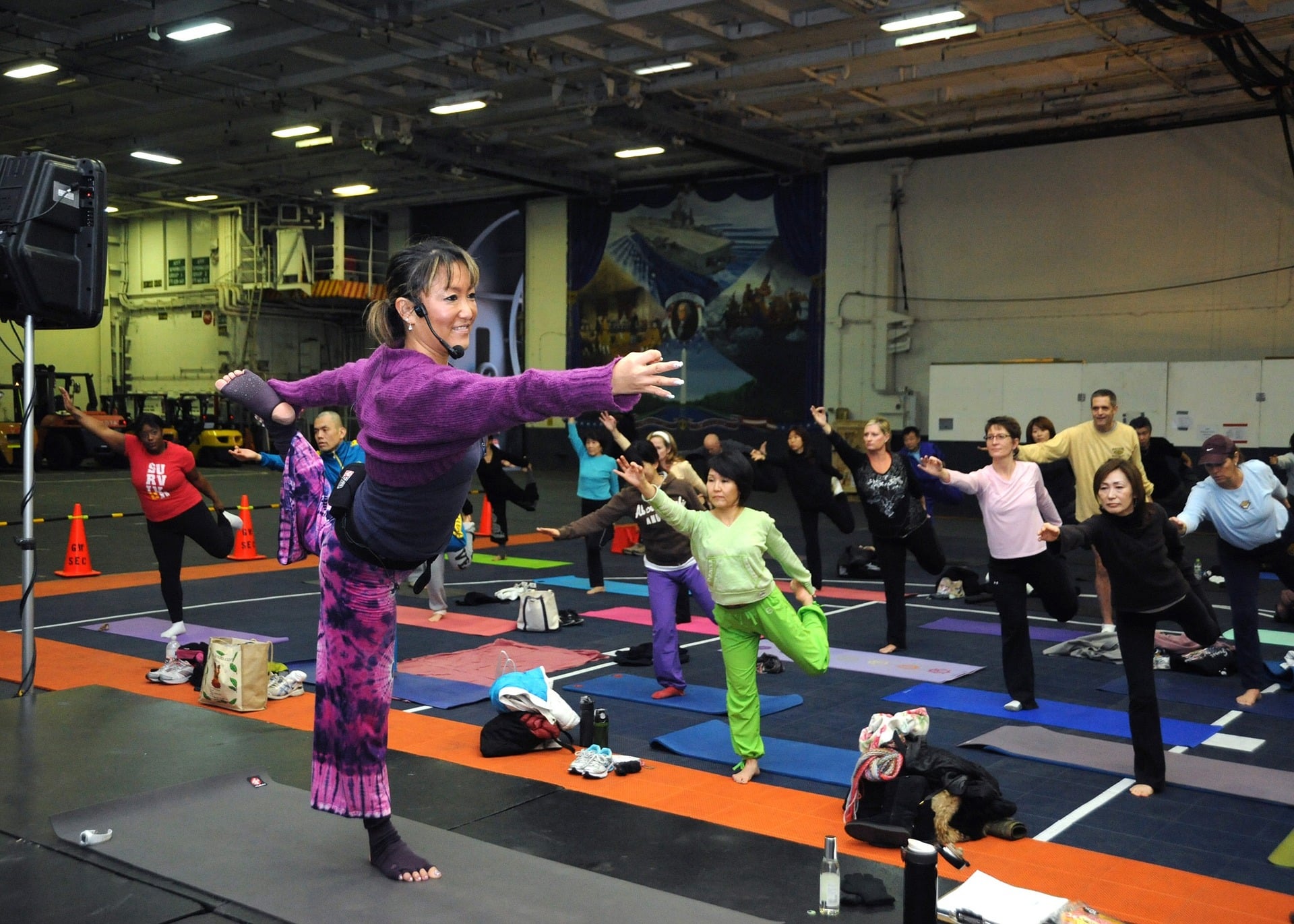
Join a gym

Many gyms offer classes like Zumba, pilates, yoga, kickboxing, and barre. Attending exercise classes provides opportunities to talk with others and explore your workout journeys together!

Exercise is associated with decreases in stress hormones including cortisol and adrenaline, and promotes the production of mood-enhancing endorphins.[9] For those who have social anxiety, these feel-good-feelings can help you gain confidence in seeking and maintaining new relationships.

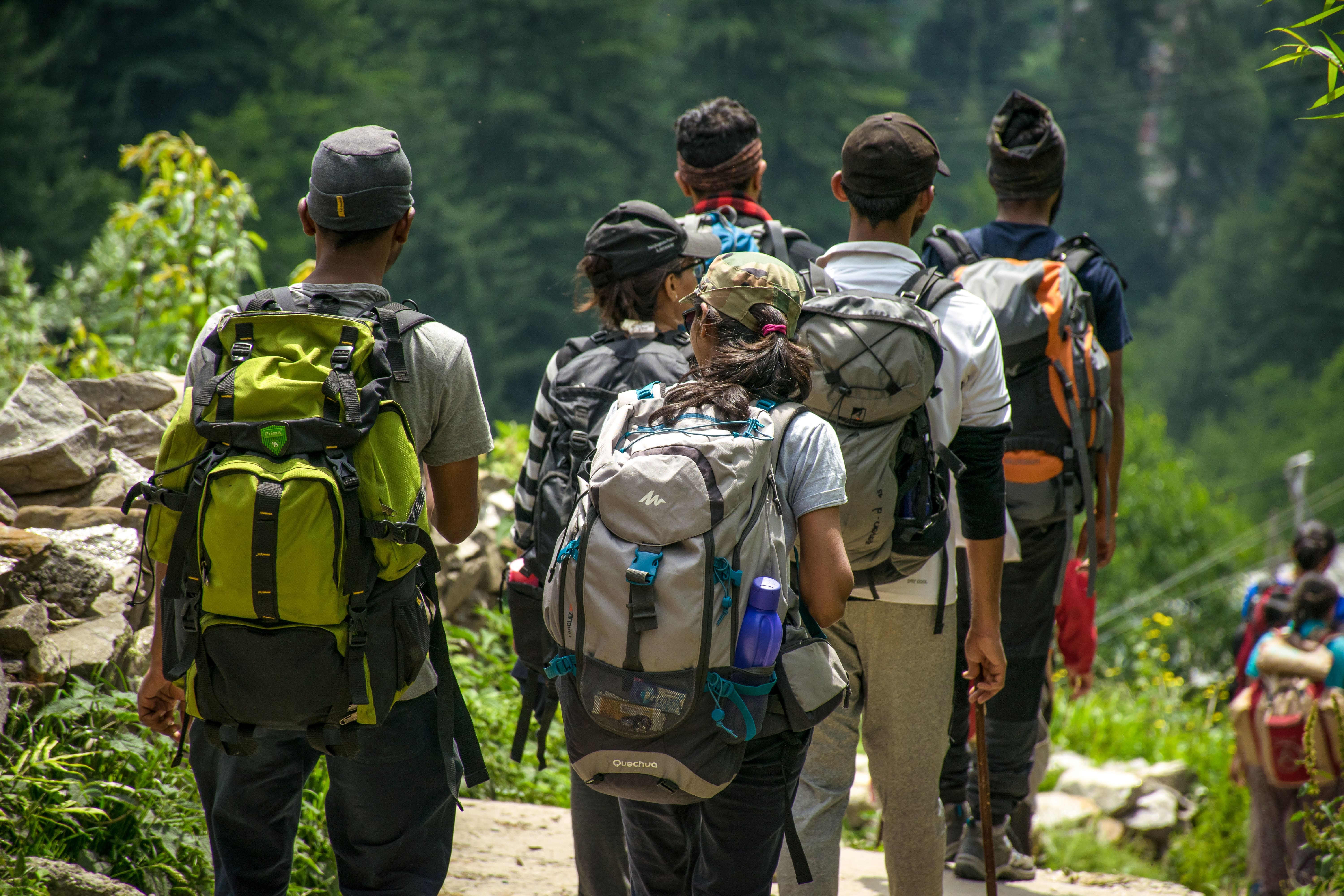
Join a club or team

Clubs and teams offer great opportunities to make new friends and work together. Bulletins for clubs and teams may be found at your local college campus or community recreation center. A study by Scott Graupensperger and colleagues notes that being on a club sports team results in greater prosocial behaviors. Additionally, being on a team creates a strong sense of community and bonds, thus enhancing identification with others. A greater sense of identification can improve one’s mental health, social life, and well-being.[10]

Find Community Online

Online resources have made meeting like-minded people easier than ever. Today’s platforms allow us to connect with a host of individuals and groups that offer various forms of entertainment whether it is sushi classes, book clubs, or family potlucks! Of course, proper cautions are necessary when meeting people online. To help tweens and teens prepare for the potential hazards that await them on social media, we recommend they take our Social Media Readiness Course. This online course not only offers the information they need to stay safe, Dr. Bennett also shares critical wellness strategies she’s developed in over 25 years of clinical practice! Here are 4 GKIS recommended online platforms to help you connect with others

Meetup

Meetup.com is a great website to start your search for like-minded people. The groups available are diverse and range from substance abuse support groups to groups for beginner hikers! Some groups are also geared towards entire families and may host events to bring families together. You can also create your own group, however, a monthly charge to Meetup is needed to keep your group active.

Hey! VINA

Hey! VINA is a free new app with a design similar to the dating app Tinder. Hey! Vina is geared toward women and nonbinary people looking to make friends with other women and nonbinary people. The VIP membership gives users special access to certain features including faster matches, seeing who swiped right on (liked) your profile, and more.

The Dinner Party

The Dinner Party is an organization founded in 2018. The purpose of this organization is to bring grieving individuals who are between the ages 20 to 39 together. The intent is to connect and provide support for each other over dinner. They also expanded to create dinner parties for a wider audience of individuals who may be dealing with a different type of issue and would like a companion to talk to. To accommodate the recent COVID-19 guidelines, individuals are currently hosting Zoom dinner parties as a safer way to get together.

Eventbrite

Eventbrite is a popular platform used to get tickets for live events ranging from stadium concerts to yoga meetups at the park. While the service is free, the organizer of the event may require a small fee to attend while others offer their events for free.


Thanks to CSUCI intern, Avery Flower for researching ways to battle loneliness, and for co-authoring this article.

I’m the mom psychologist who will help you GetKidsInternetSafe.

Onward to More Awesome Parenting,

Tracy S. Bennett, Ph.D.
Mom, Clinical Psychologist, CSUCI Adjunct Faculty
GetKidsInternetSafe

Photo Credits

Photo by fauxels from Pexels

Photo by Engin Akyurt from Pexels

Photo by RODNAE Productions from Pexels

Photo by janeb13 from Pixabay

Photo by Gift Habeshaw from Unsplash

Photo by Guduru Ajay bhargav from Pexels


Works Cited

[1] Williams, C. Y. K., Townson, A. T., Kapur, M., Ferreira, A. F., Nunn, R., Galante, J., Phillips, V., Gentry, S., & Usher-Smith, J. A. (2021). Interventions to reduce social isolation and loneliness during COVID-19 physical distancing measures: A rapid systematic review. PLoS ONE16(2). https://doi-org.ezproxy.csuci.edu/10.1371/journal.pone.0247139

[2] Lun, V. M.-C., & Bond, M. H. (2016). Achieving subjective well-being around the world: The moderating influence of gender, age and national goals for socializing children. Journal of Happiness Studies: An Interdisciplinary Forum on Subjective Well-Being17(2), 587–608. https://doi-org.ezproxy.csuci.edu/10.1007/s10902-015-9614-z

[3]Brunes, A., Hansen, M. B., & Heir, T. (2019). Loneliness among adults with visual impairment: Prevalence, associated factors, and relationship to life satisfaction. Health and Quality of Life Outcomes17. https://doi-org.ezproxy.csuci.edu/10.1186/s12955-019-1096-y

[4] Tiwari, S. (2013). Loneliness: A disease? Indian Journal of Psychiatry, 55(4), 320. doi:10.4103/0019-5545.120536

[5] Beutel, M. E., Klein, E. M., Brähler, E., Reiner, I., Jünger, C., Michal, M., Wiltink, J., Wild, P. S., Münzel, T., Lackner, K. J., & Tibubos, A. N. (2017). Loneliness in the general population: Prevalence, determinants and relations to mental health. BMC Psychiatry17.

[6]Carr, D. C., Kail, B. L., Matz-Costa, C., & Shavit, Y. Z. (2018). Does becoming a volunteer attenuate loneliness among recently widowed older adults? The Journals of Gerontology: Series B: Psychological Sciences and Social Sciences73(3), 501–510. https://doi-org.ezproxy.csuci.edu/10.1093/geronb/gbx092

[7] de Guzman, M. (2007). Youth Volunteerism. Retrieved from https://extensionpublications.unl.edu/assets/pdf/g1750.pdf

[8]Nenga, S. K. (2012). Not the community, but a community: Transforming youth into citizens through volunteer work. Journal of Youth Studies15(8), 1063–1077. https://doi-org.ezproxy.csuci.edu/10.1080/13676261.2012.697135

[9] Harvard Health Publishing. (2011). Exercising to relax. Retrieved from https://www.health.harvard.edu/staying-healthy/exercising-to-relax

[10]Graupensperger, S., Panza, M., & Evans, M. B. (2020). Network centrality, group density, and strength of social identification in college club sport teams. Group Dynamics: Theory, Research, and Practice24(2), 59–73. https://doi-org.ezproxy.csuci.edu/10.1037/gdn0000106