Socialization is a critical aspect to good health for kids and adults.[1][2] That’s why constant connection through social media, chatrooms, texting, and online gaming has become irresistible to us. For help managing in the online world and avoiding costly digital injuries, check out Dr. Bennett’s positive parenting and family coaching videos in our Screen Safety Essentials Course. We all need each other online and off. Afterall, the early people of our species were hunters and gatherers. Having a tribe was critical for our survival. In modern times, with many families living away from extended families and our lives as busy as ever, it’s often hard for adults to make friends. Today’s GKIS article covers the costly results of loneliness and offers suggestions for how to break out of our loneliness and enter the realm of meaningful connectedness.
The Prevalence of Loneliness
Higher rates of loneliness are found among young adults, seniors, those who are visually impaired, victims of abuse, and the unemployed.[3] Due to its prevalence, numerous outlets including Time, Forbes, US News, Cigna Insurance, and the Health Resources & Services Administration have referred to loneliness as an epidemic in the last decade.
Feelings of loneliness can result from a lack of friendships, intimacy, or emotional connection.[4] The long-term impacts of loneliness include poor sleep, depression, suicidal ideation, increases in cortisol (a stress hormone), compromised immune responses, and inflammation. Chronic loneliness has also been linked to the progression of Alzheimer’s, cardiovascular disease, and other chronic diseases. Further, loneliness is associated with poor lifestyle habits which include sedentariness and smoking.[5]
To avoid unfortunate outcomes, we must carve out the time to hang out with friends and family. For kids and teens, school is an easy resource to draw from. But for adults, social resources can be hard to find. To help you reach out and find more connection and community in your life, we’ve uncovered some novel ideas and resources!
Finding Community in Person
Volunteer
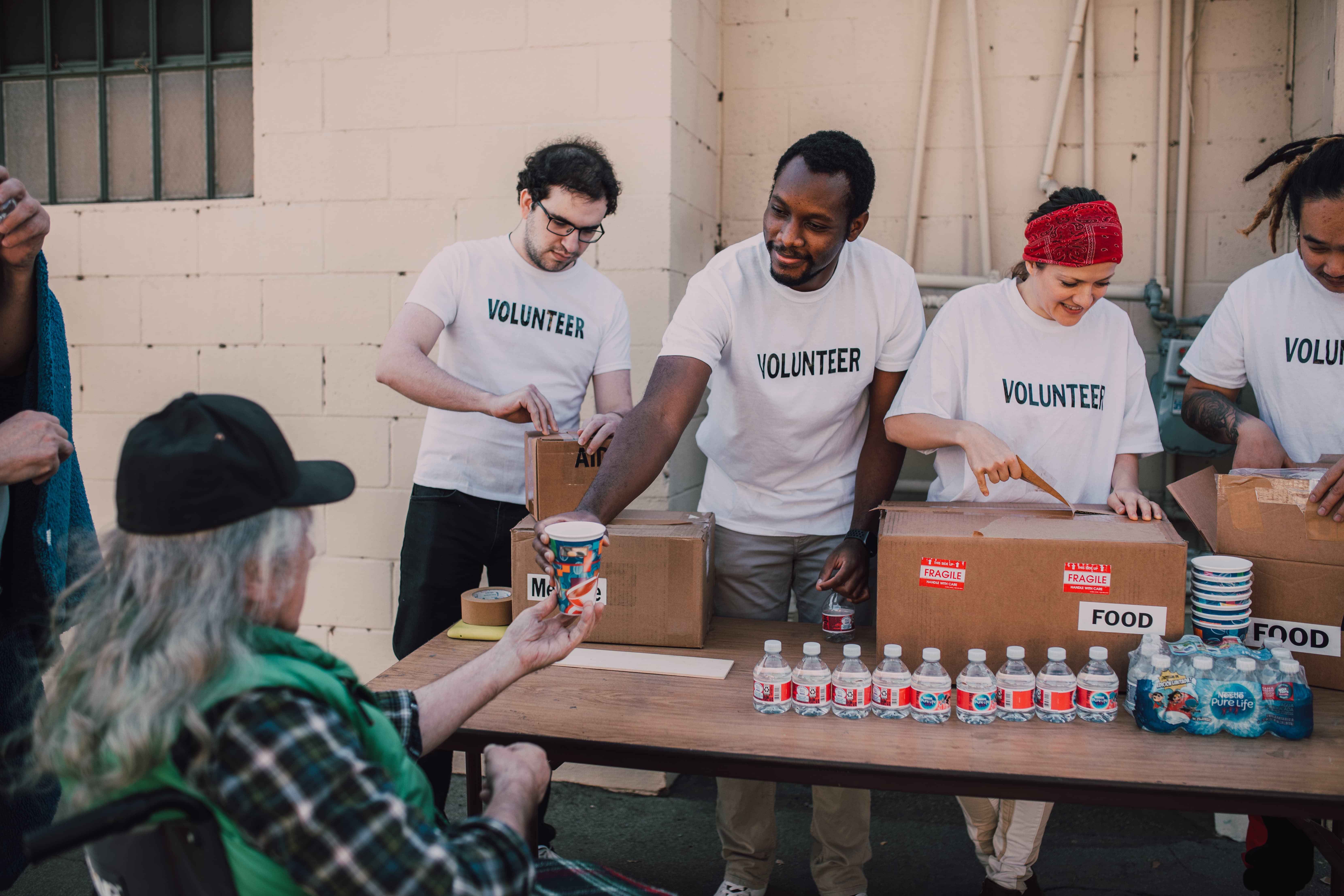
Volunteering is a fantastic way to meet friends, give back, and cultivate a sense of belonging. Research has found that volunteering is particularly helpful for those who have recently lost a loved one. In a study by Dawn Carr and colleagues observing over 5,000 recently widowed spouses, subjects who volunteered two or more hours per week had lower rates of loneliness than those who did not volunteer at all.[6]
Volunteering also has benefits for the whole family. The University of Nebraska-Lincoln Extension notes that youth volunteerism can help with the development of identity, empathy, skill-building, self-esteem, and relationships with like-minded people.[7] A study by Sandi Nenga from Southwestern University notes similar improvements in youth volunteerism. But Nenga also emphasizes that volunteering can connect multiple, diverse communities, creating better outcomes in future civic roles for youth volunteers.[8]
Join a gym
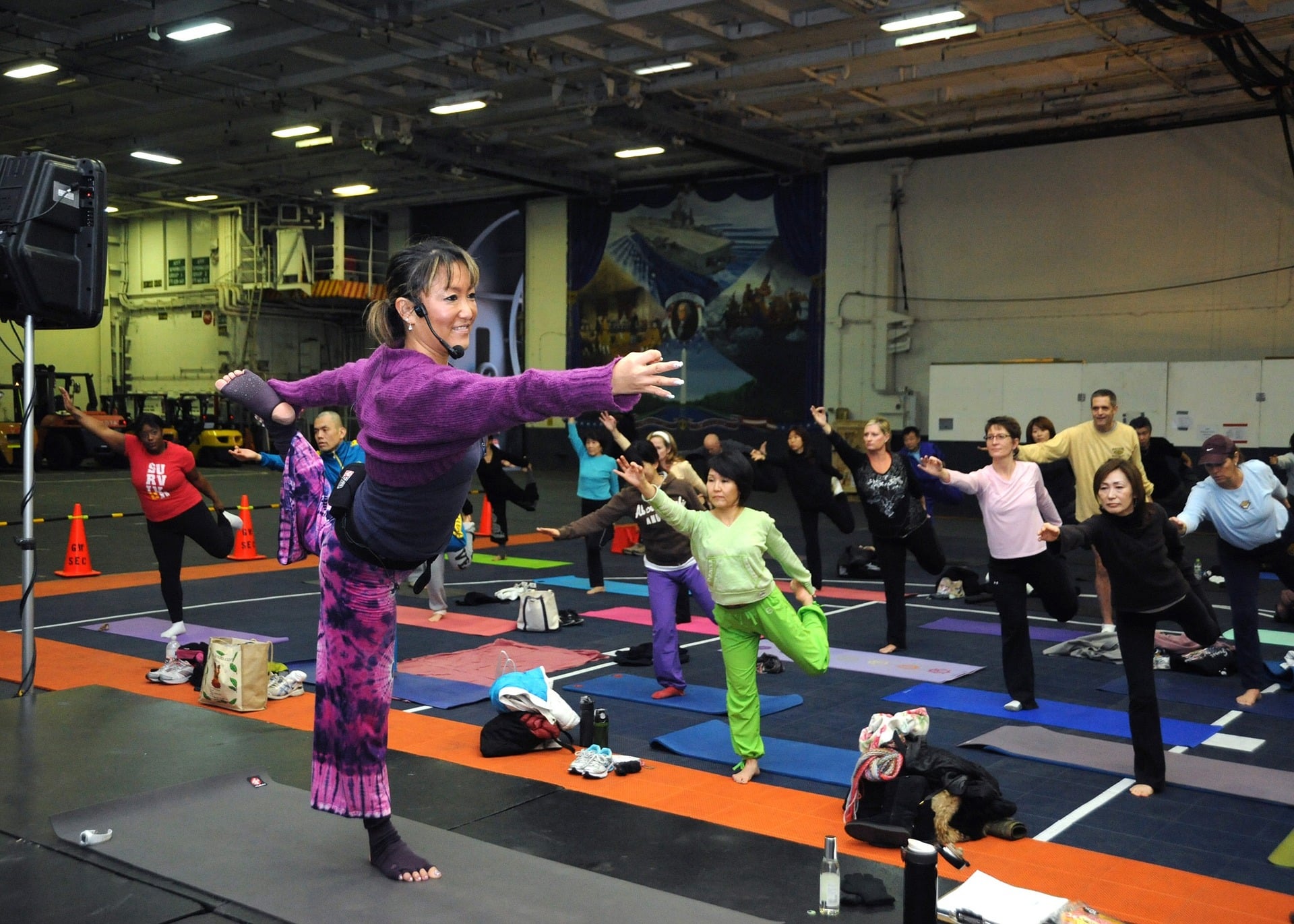
Many gyms offer classes like Zumba, pilates, yoga, kickboxing, and barre. Attending exercise classes provides opportunities to talk with others and explore your workout journeys together!
Exercise is associated with decreases in stress hormones including cortisol and adrenaline, and promotes the production of mood-enhancing endorphins.[9] For those who have social anxiety, these feel-good-feelings can help you gain confidence in seeking and maintaining new relationships.
Join a club or team
Clubs and teams offer great opportunities to make new friends and work together. Bulletins for clubs and teams may be found at your local college campus or community recreation center. A study by Scott Graupensperger and colleagues notes that being on a club sports team results in greater prosocial behaviors. Additionally, being on a team creates a strong sense of community and bonds, thus enhancing identification with others. A greater sense of identification can improve one’s mental health, social life, and well-being.[10]
Find Community Online
Online resources have made meeting like-minded people easier than ever. Today’s platforms allow us to connect with a host of individuals and groups that offer various forms of entertainment whether it is sushi classes, book clubs, or family potlucks! Of course, proper cautions are necessary when meeting people online. To help tweens and teens prepare for the potential hazards that await them on social media, we recommend they take our Social Media Readiness Course. This online course not only offers the information they need to stay safe, Dr. Bennett also shares critical wellness strategies she’s developed in over 25 years of clinical practice! Here are 4 GKIS recommended online platforms to help you connect with others
Meetup
Meetup.com is a great website to start your search for like-minded people. The groups available are diverse and range from substance abuse support groups to groups for beginner hikers! Some groups are also geared towards entire families and may host events to bring families together. You can also create your own group, however, a monthly charge to Meetup is needed to keep your group active.
Hey! VINA
Hey! VINA is a free new app with a design similar to the dating app Tinder. Hey! Vina is geared toward women and nonbinary people looking to make friends with other women and nonbinary people. The VIP membership gives users special access to certain features including faster matches, seeing who swiped right on (liked) your profile, and more.
The Dinner Party
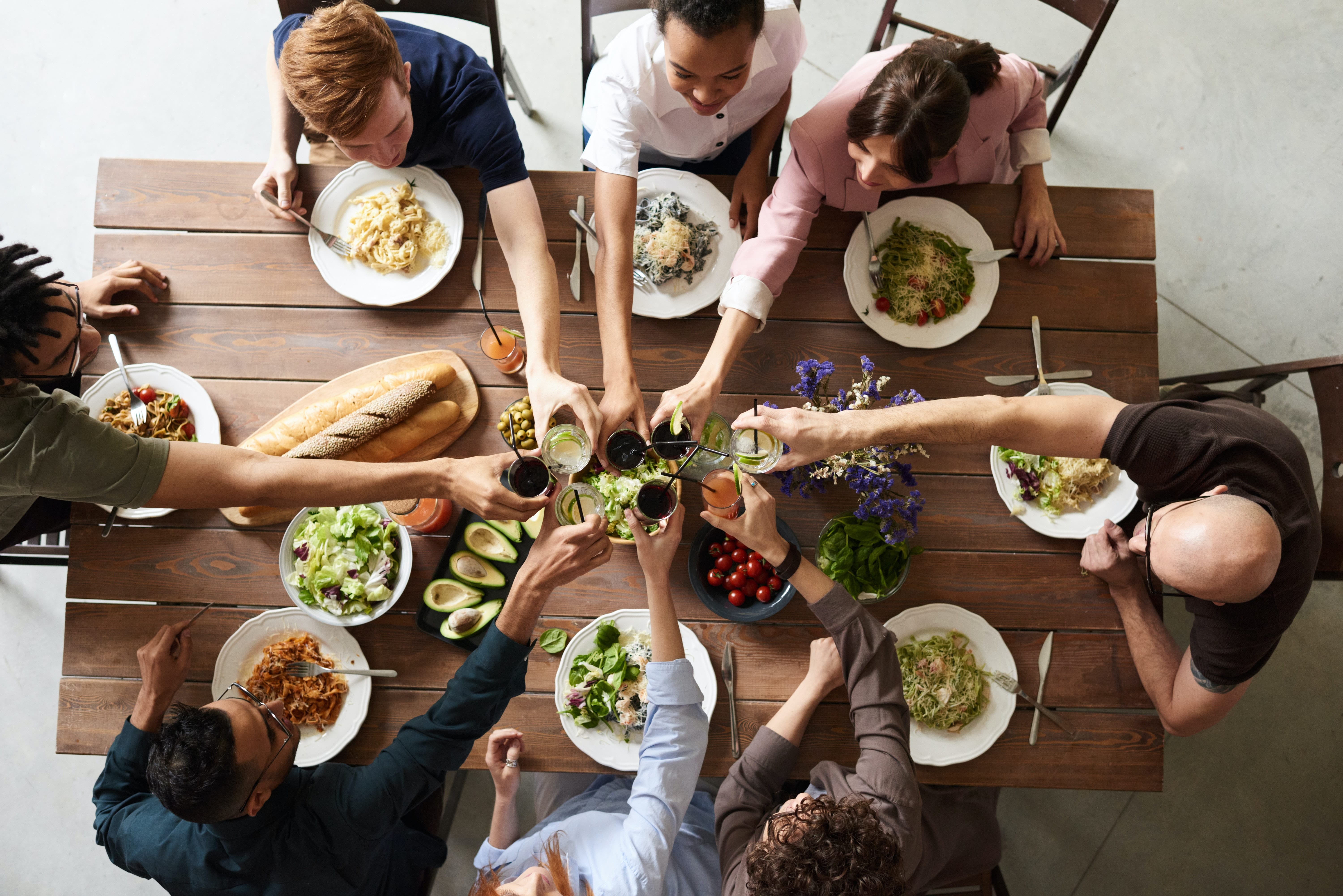
The Dinner Party is an organization founded in 2018. The purpose of this organization is to bring grieving individuals who are between the ages 20 to 39 together. The intent is to connect and provide support for each other over dinner. They also expanded to create dinner parties for a wider audience of individuals who may be dealing with a different type of issue and would like a companion to talk to. To accommodate the recent COVID-19 guidelines, individuals are currently hosting Zoom dinner parties as a safer way to get together.
Eventbrite
Eventbrite is a popular platform used to get tickets for live events ranging from stadium concerts to yoga meetups at the park. While the service is free, the organizer of the event may require a small fee to attend while others offer their events for free.
Thanks to CSUCI intern, Avery Flower for researching ways to battle loneliness, and for co-authoring this article.
I’m the mom psychologist who will help you GetKidsInternetSafe.
[1] Williams, C. Y. K., Townson, A. T., Kapur, M., Ferreira, A. F., Nunn, R., Galante, J., Phillips, V., Gentry, S., & Usher-Smith, J. A. (2021). Interventions to reduce social isolation and loneliness during COVID-19 physical distancing measures: A rapid systematic review. PLoS ONE, 16(2). https://doi-org.ezproxy.csuci.edu/10.1371/journal.pone.0247139
[2] Lun, V. M.-C., & Bond, M. H. (2016). Achieving subjective well-being around the world: The moderating influence of gender, age and national goals for socializing children. Journal of Happiness Studies: An Interdisciplinary Forum on Subjective Well-Being, 17(2), 587–608. https://doi-org.ezproxy.csuci.edu/10.1007/s10902-015-9614-z
[3]Brunes, A., Hansen, M. B., & Heir, T. (2019). Loneliness among adults with visual impairment: Prevalence, associated factors, and relationship to life satisfaction. Health and Quality of Life Outcomes, 17. https://doi-org.ezproxy.csuci.edu/10.1186/s12955-019-1096-y
[4] Tiwari, S. (2013). Loneliness: A disease? Indian Journal of Psychiatry,55(4), 320. doi:10.4103/0019-5545.120536
[5] Beutel, M. E., Klein, E. M., Brähler, E., Reiner, I., Jünger, C., Michal, M., Wiltink, J., Wild, P. S., Münzel, T., Lackner, K. J., & Tibubos, A. N. (2017). Loneliness in the general population: Prevalence, determinants and relations to mental health. BMC Psychiatry, 17.
[6]Carr, D. C., Kail, B. L., Matz-Costa, C., & Shavit, Y. Z. (2018). Does becoming a volunteer attenuate loneliness among recently widowed older adults? The Journals of Gerontology: Series B: Psychological Sciences and Social Sciences, 73(3), 501–510. https://doi-org.ezproxy.csuci.edu/10.1093/geronb/gbx092
[10]Graupensperger, S., Panza, M., & Evans, M. B. (2020). Network centrality, group density, and strength of social identification in college club sport teams. Group Dynamics: Theory, Research, and Practice, 24(2), 59–73. https://doi-org.ezproxy.csuci.edu/10.1037/gdn0000106
We are all under one of a variety of different directives due to COVID-19. The news is full of videos of people wearing masks and gloves and others panic buying at grocery stores. At a time when we need our wits about us, we feel overwhelmed and anxious. Our fight, flight, freeze, or fold responses are on hair-trigger standby. We are all freaked out and definitely all in this together.
That’s where psychology comes in. Our anxiety is guiding the ship and clogging the pipes when it comes to concentration and problem-solving. How we respond to this threat will make all the difference for how we feel for the next coming weeks.
For today’s GKIS article, I’m going to focus on YOU, helping you recognize where you’re at in regard to mental health and how to bring yourself down a notch. After all, the people around you are syncing with your heart rate and mood. If you are calm, they too will settle in better for the long stay-at-home haul. So let’s start with how you’re feeling right now . . .
If you’re like me and trying hard to keep busy, you may notice that intrusive, unwanted anxieties pierce your veil of concentration more often than you’re comfortable with. Maybe you are panic browsing the Internet or watching television for the most accurate and up-to-date news. Or you’re hitting the overstressed grocery stores to make sure you have two weeks’ worth of food just in case. Maybe you’re feeling irritable and angry and tempted to blame the politicians for underreacting or overreacting or annoyed with panic shoppers who once again bought up the last roll of toilet paper. Or maybe you’re pulling fighting kids apart and trying to figure out how to keep them busy so they’re not climbing the walls. However you’re coping, please know that a variety of stress responses are expected right now. Although uncomfortable, anxiety about COVID-19 is “normal” and “healthy.” Those feelings alert us that something new is underfoot, and it’s the right time to peek your head up from normal daily activities to make sure you’re equipped for whatever is coming your way.
Of course, not all responses are staying in the healthy coping category. Red flags that your moods or anxiety may be tipping into the “impaired” category include reduced or increased appetite, trouble sleeping, panic attacks, or excessive use of addictive substances to numb out like carbs, sugar, tobacco, alcohol, and marijuana.
Whether you’re a little bit anxious or a lotta bit anxious, here are some wellness and coping tips to help you through the COVID-19 crisis:
Wake up with an intention for independent psychological health.
That means facing the problems of the day with your thinking brain rather than your crisis-driven nervous system. My favorite tool for keeping my psychological stability is the 6-second exhale. Simply said, that means filling your belly with a deep cleansing breath and breathing out for 6 seconds. Repeat several more times with an easy breath and always a 6-second exhale. For extra calmness, imagine gathering up your stress with each breath and releasing it into the sky with each exhale.
Create best-coping language.
I’ve been speaking to a lot of clients this week about stress and fear. Rather than focusing on how scary and difficult things are right now, I focus on the language of empowerment. That means reminding people about how their safety measures are putting some control into their hands. Focusing on choice, smarts, strength, and love gets us into a far better place than focusing on vulnerability or fear.
Protect yourself from information overload.
Limit news to once in the morning and once in the evening and avoid constant COVID chatter amongst colleagues, friends, and family. A check-in is important but then change the subject. Endless conjecture about the what-ifs moves you too far away from empowerment.
Balance on-screen activities with off-screen activities.
Our brains need a variety of activities to stay healthy. To do this, stage your home for success. GKIS offers two great tools to help with this. First, use our GKIS Screen Safety Toolkit Course to implement tech tools that filter and manage technology. Second, implement out free digital contract (Connected Family Agreement) to avoid an exhausting and damaging habit of asking > pleading > yelling > threatening > fighting with your kids. A negotiated agreement saves you from all of that. Third, create a block schedule with balanced activities in the work and play categories. Following a routine helps. And finally, if you need help getting your kids to get creative with healthy activities on- and off-screen without the fight, implement our Connected Family Course.
Schedule opportunities for connection.
Schedule a morning digital coffee hour with a chosen group of friends and family. Ask people to join you for a walk or a hike. Reach out to friends, family, and neighbors who may need help with grocery delivery or animal care. Schedule an evening digital happy hour with a chosen group of friends and family. Game night!
Remember, this is temporary, and we will get through it.
Stay in the moment and recognize this is a temporary time, not a permanent one. That will help you distance from the current fear and shelf your anxieties while you focus on other things throughout the day.
Exercise your mind with productive, creative activities.
Touch the earth. Dig into projects you’ve been putting off, whether it’s digitizing your photos, making sense of the DNA genealogy test you got for Christmas, or mending fences (literally and figuratively). Journal your feelings once a day with words or art. Feed your brain something delicious, like that novel you’ve been dying to get to or that craft or building project that sounded so fun (jewelry making, an owl box, trivets out of corks – whatever, Pintrest is your friend).
Exercise your body with nurturing, health-promoting activities.
Take a run. Incorporate meditative and yoga practice (we love the free NIKE Training app for all things fitness).
Sleep well.
Practice good sleep hygiene practices like setting your room up to be cozy for all the senses, avoiding caffeine and alcohol, and practicing imagery to set yourself up for good dreams. (We love the apps Headspace or Calm for meditative and mindfulness practice).
Most of all, lower your expectations of yourself and others. Perfection is not the goal right now. Instead, set an intention to be good to yourself. Intentions allow you the slips without guilt and approximations for perfection without shame. It simply means that you commit to going in the direction of self-compassion right now and a lot of love and togetherness.
I’m the mom psychologist who will help you GetKidsInternetSafe.
More information and resources for managing anxiety and stress:
If you need some TLC and some real coping skills from an experienced clinical psychologist, schedule a telepsychology session with me at DrTracyBennett.com
If you’d like some great ideas about how to positively parent during this overwhelming time, schedule a coaching session with me at GetKidsInternetSafe.com.
NAMI (National Alliance for the mentally ill) is offering a “warmline,” a confidential, noncrisis emotional support telephone hotline staffed by peer volunteers who are in recovery at 800-950-NAMI (6264) and has a great list of COVID-19 (CORONAVIRUS) INFORMATION AND RESOURCES
For more information about stress and coping check out these articles: