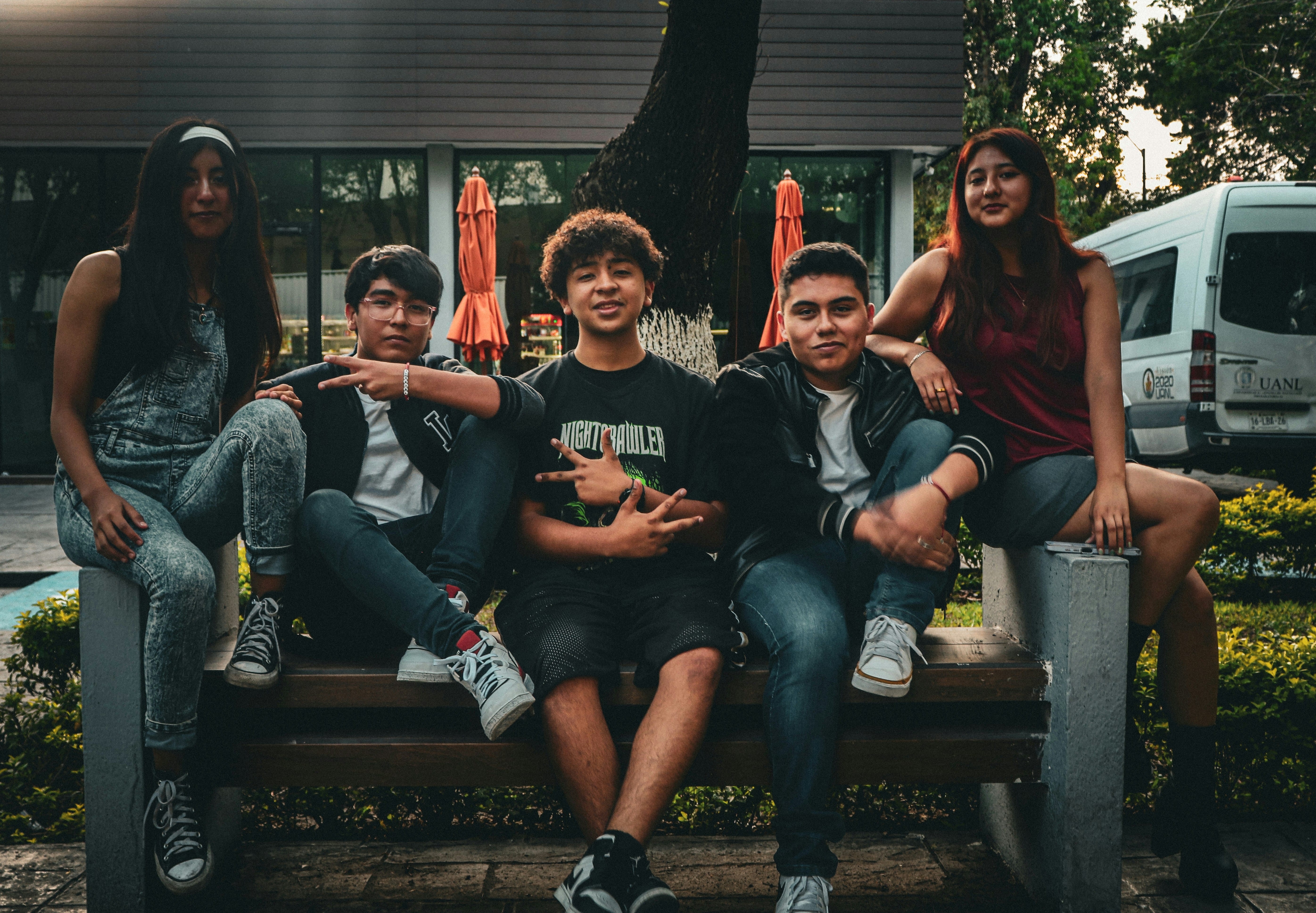
We were hunters and gatherers for 90% of human existence. That means our brains are still wired to prioritize the things that kept us alive when we were living on the land, before the domestication of animals and the construction of cities. One thing that kept us alive was living in a tribe and cooperating. Attracting a tribe and fitting in was a requirement of life. That is why kids and teens are hyper-focused on doing what their friends do and working to be cool and accepted. Online influencers count on this drive to maintain their income streams. One way to attract kids online is to be a kid doing what kids love to do, playing with toys and video games, opening new packages, and hanging out with friends acting goofy. Netflix’s Bad Influencer offers a glimpse of the kid influencer “scene,” and the lengths that some parents will go to attract and keep a following.
What is Bad Influence about?
The limited documentary series has gone viral for good reason. It’s definitely entertaining, but also deeply unsettling. It is a perfect way to raise awareness about how scary a life all about social media can be. Bad Influencer is a documentary that focuses on a tween who becomes an overnight social media star and brings her friends to stardom with her. What started out as a fun hobby quickly turned into a living nightmare. It may seem glamorous to be famous online, until you learn that the child influencers spent the majority of their childhoods working long hours acting out video ideas, risky stunts, and performing pranks that sometimes went too far—all under the pressure of adult producers/parents hungry for views. Check out Intimacy With Minors Encouraged at the Hype House for a similar story of underage exploitation.
SPOILER ALERT: The show takes a chilling turn when the mother of the main character is accused of, and videotaped, sexually exploiting these kids on set by positioning herself as one of the only adults supervising them to control them. Some survived the battle with only a few scars, while the main character is stuck living this nightmare over and over again. It may be funny, exaggerated, and attention-grabbing, but it also paints a dark picture of a digital world where clout matters more than character and children are left to pay the price.
Psychology Behind the Fame Obsession
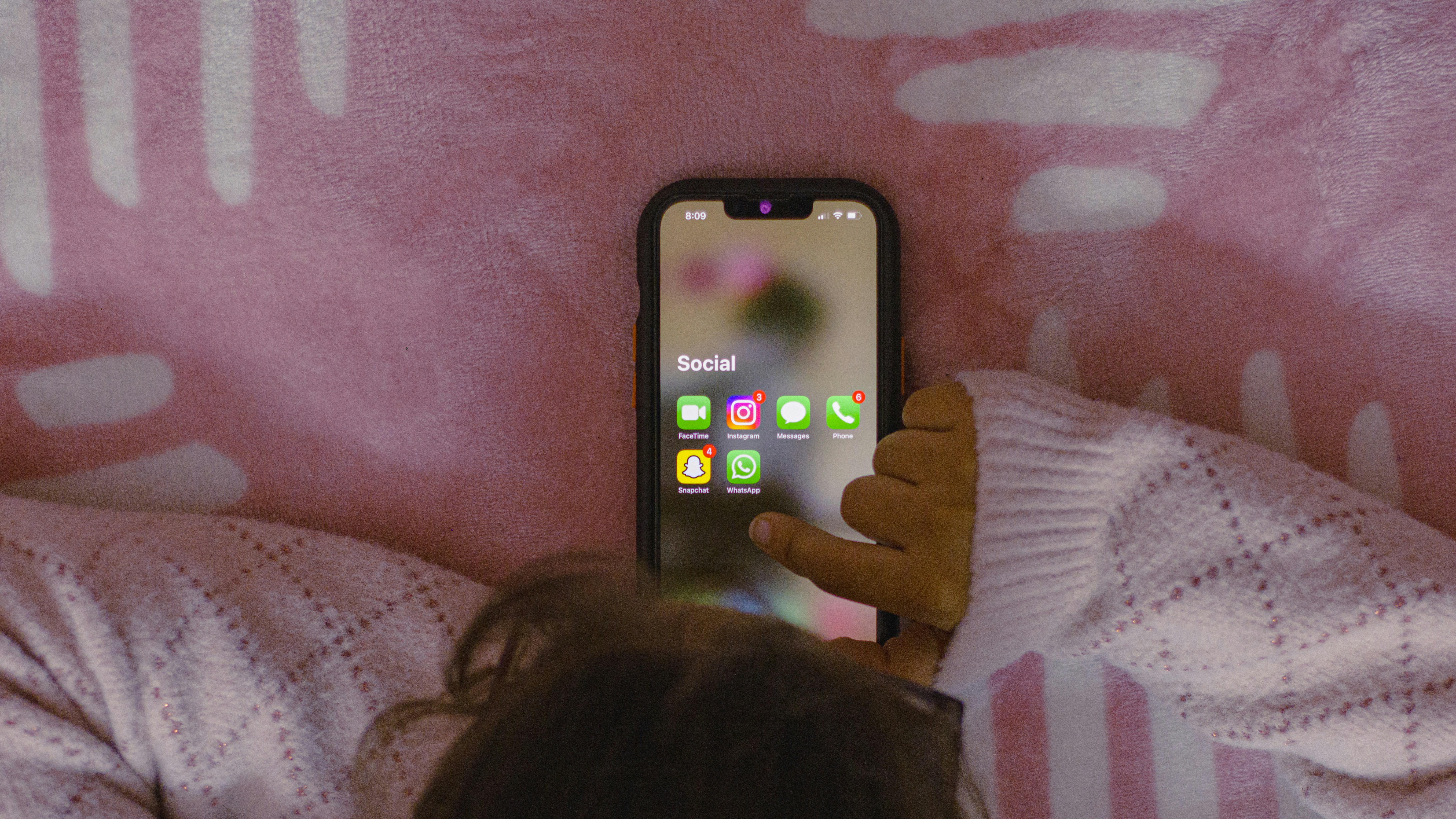
From a psychological point of view, being an influencer is cool to children because they have a natural need for validation, attention, and social connection.[1] Although the minimum age on most social media platforms is 13, it is reported that children ranging from 8-17 are found scrolling through online platforms soaking up content too mature for their ages.[2] Sadly, unlike real-world relationships, social media platforms offer fast, unfiltered dopamine hits through likes, shares, and views. Without proper guidance, this can make kids tie their self-worth to online numbers, which can result in low self-esteem, fear of missing out (FOMO), performance anxiety, and digital addiction.[3] As a result of social unlimited social media usage, kids can also experience anxiety, depression, and even poor quality of sleep.[4] Counteract this monster and help your child build emotional resilience, red flag awareness, and digital literacy by taking our GKIS Social Media Readiness Training Course. Geared for teens or tweens, it’s the perfect giftbefore that new device or video game.
What You Can Do to Help
Bad Influencer is not just a show; it’s a cautionary tale that shares the pressures kids face online every day. It is easy to get off topic and want to pull the plug on all electronics just to protect your child from their dangers, but that is not always possible. Technology and online platforms are all around us, and it is better to set your child up for success than to try to keep them out of the loop. Connecting with your child over what they find interesting can help create a trusting relationship where you can notice if things start to become a little off. Our free Connected Family Screen Agreement can help you and your child co-create rules around how to safely navigate online platforms. This way your child can thrive in the digital age without losing themselves in it.
Thanks to CSUCI intern, Elaha Qudratulla for researching and co-writing this article.
I’m the mom psychologist who will help you GetKidsInternetSafe. Onward to More Awesome Parenting,
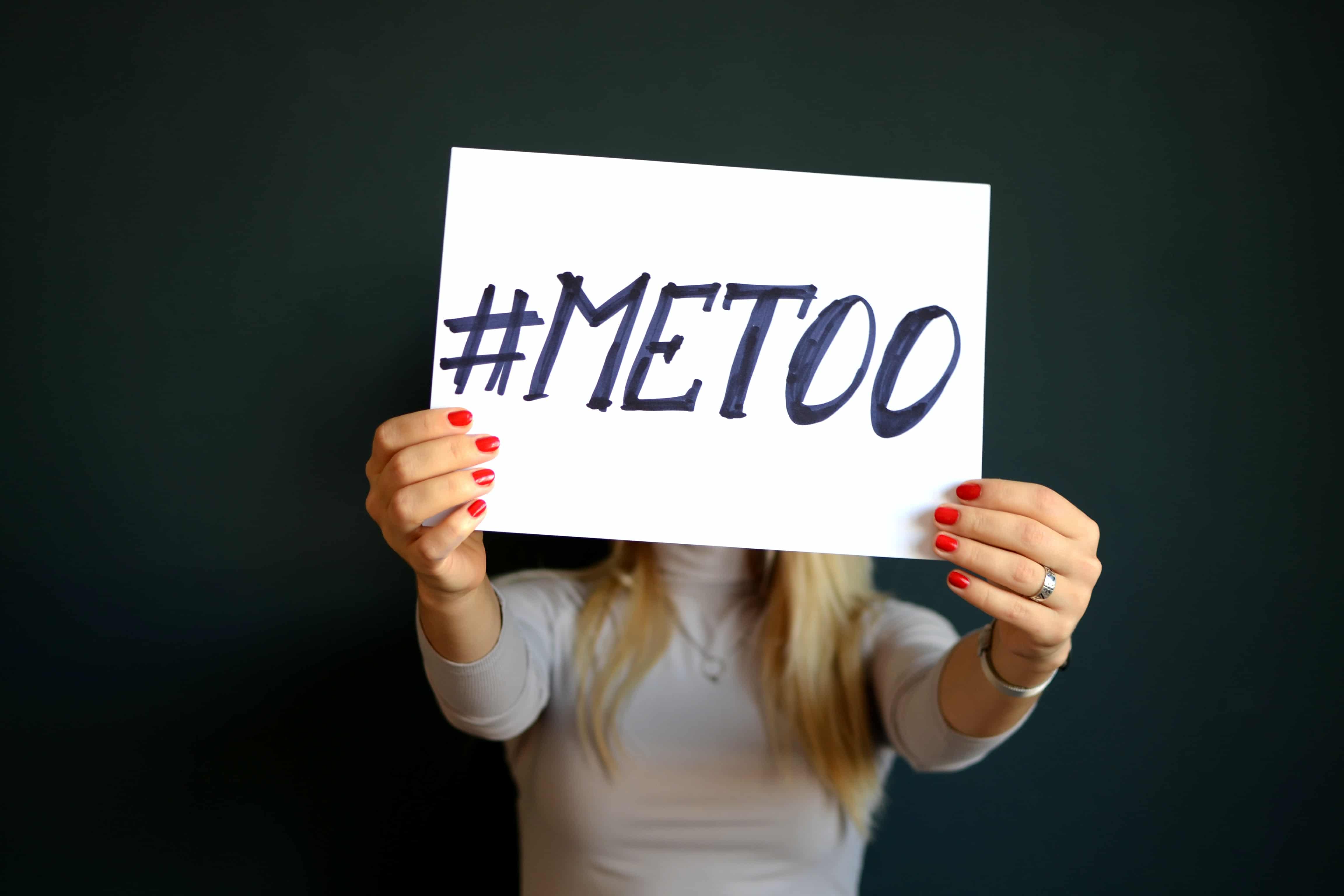
April is Sexual Assault Awareness and Prevention Month (SAAPM). According to the Rape, Abuse, and Incest National Network every nine minutes a child is sexually abused, 93% of survivors know the perpetrator, and 1 in 5 kids have been solicited sexually online before the age of 18.[1] The National Sexual Assault Hotline (1-800-656-4673) provides confidential support to victims. This GKIS article covers sexual violence, technology misuse, support groups, and ways to help. The following information may be triggering to some readers, discretion is advised.
Sexual Violence
Ending sexual violence and assault has become a national outcry. The National Sexual Violence Resource Center conducted a survey in the United States, reporting 734,630 people were raped in 2018.[2] GKIS has partnered with various organizations to raise awareness and end sexual assault.
Survivors endure the trauma of the assault and suffer chronic mental disorders (post-traumatic stress disorder, substance abuse, depression) and physical issues (HIV, sexually transmitted infections (STI), unplanned pregnancy).
The Sexual Assault Nurse Examiners (SANE) is a 24-hour service of first responders aiding sexual assault victims. SANE supports victims with emotional recovery, offers STI testing, and provides investigational leads to law enforcement which speeds and increases the chance for prosecution.[2]
Sexual assault is legally defined as “any type of sexual contact or behavior that occurs without the explicit consent of a recipient.”[3] By legal definition, the following are types of sexual assaults according to California law:
In 2015, the People of the State of California v. Brock Allen Turner made national headlines for convicting a Stanford student for sexually assaulting an unconscious victim. He received a sentence of six months for his crimes. Based on the previous CA law, prison time was only sentenced if the victim could defend themselves. The presiding judge, Aaron Persky, was disbarred after his ruling stating that a prison sentence would “have a severe effect” on the student’s future.[3] In an effort to decrease victim-blaming, former Governor Jerry Brown signed AB 2888 which requires a mandatory minimum sentence and requires that sex crime convictions must result in state prison.[3]
Victimization of Children
Sexual violence is common in youth, with reports of 42.2% of females having experienced their first completed rape before 18 according to the 2010 summary report by the National Intimate Partner and Sexual Violence Survey.[15] Sexual abuse of minors is often unreported because victims are often secretly coerced and confused about the feelings that result from the abuse. Legally, a child cannot consent to sexual activity with an adult due to immature brain development.[4] Pettis and Hughes report that male adult victims are particularly unlikely to seek treatment for childhood abuse.[4]
Violence in Intimate Relationships
Sexual abuse involving an intimate relationship refers to an unwanted or coercive sexual behavior toward one’s partner. In a Burke and colleagues’ study, males and females with high feminine gender identity were more likely to sustain abuse if they refused to perform sexual acts.[5]
Warning signs of an abusive relationship include if your partner
isolates you from friends or family
manipulates you into performing sexual acts
gets frustrated and jealous if you have unaccounted-for time
Sexual harassment is defined as an unwelcome verbal or physical advance for sexual gratification.[7] A study by Adams-Roy and Barling reported that 35-45% of women face severe sexual harassment at the workplace, resulting in an increase in stress, anxiety, and depression. Assertiveness training often helps victims of sexual harassment confront the assaulter.[7]
Online Sexual Abuse
Online sexual abuse is defined by the United Nations Children’s Funds as coercing victims to use live streams, virtual communities, and social media platforms for illegal sexual acts.[13] Social media influencers have been accused of having sexual relationships with minors. For example, YouTube and Tik Tok influencers James Charles and Tony Lopez have been accused of inappropriate intimate involvement with young fans using fame, power, sexual manipulation, and abusive behaviors. Uplift is a non-profit organization that was founded in 2015 that works to combat sexual abuse in the online community. John Green, author of “The Fault in our Stars,” pledged to support the Uplift movement on YouTube, helping Uplift attract additional supporters.
Our 2015 article, How Texting Can Turn To Sexting in the Blink of an Eye, explains how predators groom children in order to pressure them to send nude photos. Revenge porn is another form of digital abuse, defined as the act of posting someone else’s nude image without consent. Perpetrators illegally use the photos to control and exploit their victims. Revenge porn laws vary by state. If you want to know your state’s revenge porn laws, visit Cyberbully.
Sex Trafficking
Sex trafficking is the use of force, fraud, and coercion against someone for prostitution, pornography, and sexual performance fueled by the buyer’s money.[14] Sex trafficking is increasingly aiding the internet. It has been estimated that 3.8 million adults and 1 million children are used for forced and commercial sexual exploitation each year.[11] In 2020, a conspiracy erupted on Reddit accusing Wayfair of trafficking children by disguising codes located behind furniture sales. The public demanded the U.S. government to investigate allegations, which were later proven false.
People who are vulnerable to sex trafficking include:
Frequently child sexual abuse (commonly called child pornography) is captured and shared on smartphones and Go-Pro. According to California law, sending or receiving semi-nude or nude images of minors is child sexual abuse. This act qualifies as transmitting obscene material by distributing generated image(s) containing sexual conduct, punishable up to six years in state prison.[11]
Another form of camera misconduct is capturing or recording a subject in a bedroom or restroom without their consent. In 2019, a vacation rental guest rented an Airbnb for the weekend. He discovered that the chargers in the bedroom were video recorders.[12] Now, the placement of indoor cameras inside vacation rentals is illegal.
Security cameras placed in a particular area to capture a neighbor’s pool, bedroom, or restroom are forms of electronic surveillance that may be illegal depending on intent. Voyeurism is defined as gaining sexual pleasure by watching or recording someone undress.[5] A perpetrator may be imprisoned for 60 days and registered as a sex offender. From our recent article, Red-Light Websites and Online Services that Can Be Dangerous to Kids, GKIS described the Hide It Pro application that can store images and videos from security cameras.
Support Groups for SAAPM
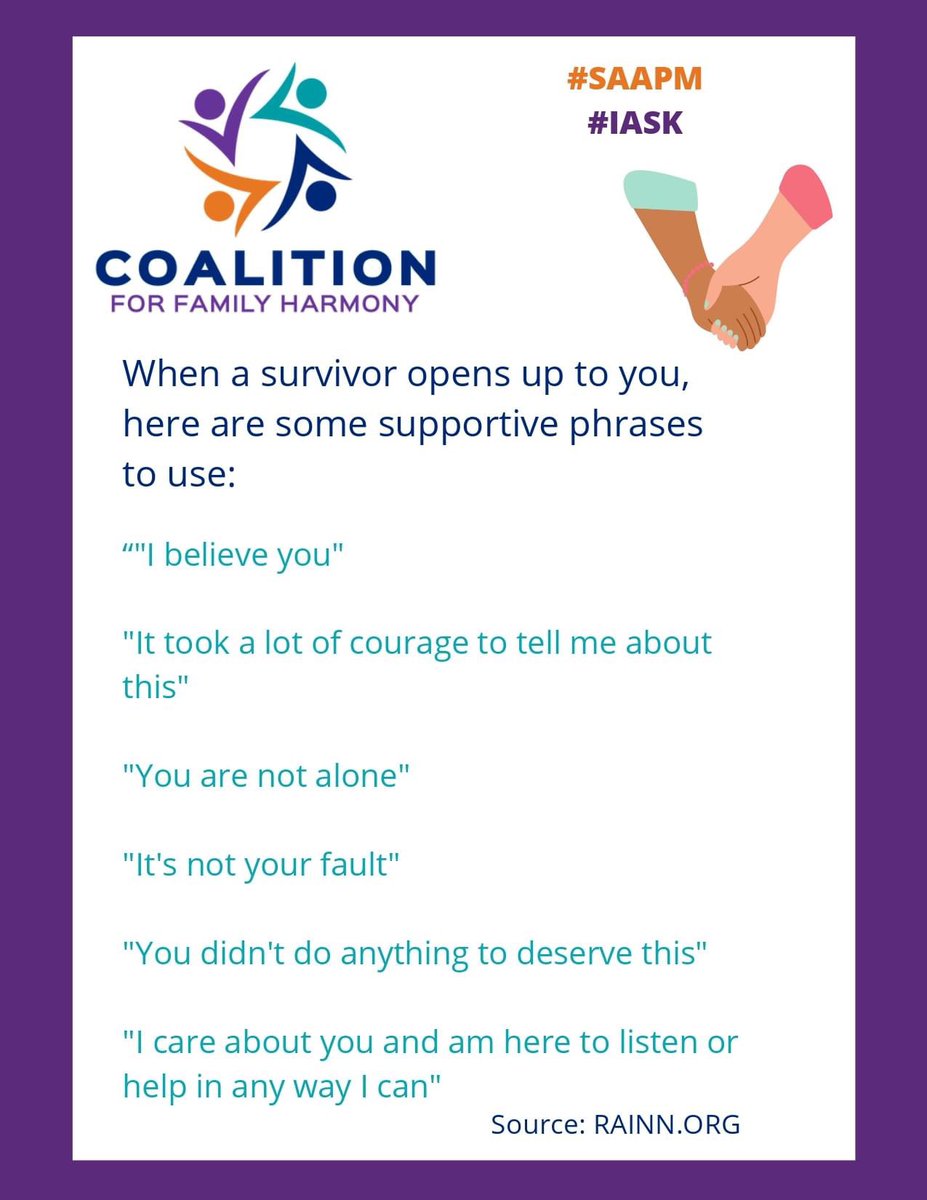
Coalition for Family Harmony
This organization offers mental support, including counseling for sexual assault survivors, support groups for adults and teens, forensic exams, and a 24/7 service with the Rape Crisis Advocates. Dr. Sandy Gomez oversees the Rape Crisis Center in Ventura County at Coalition for Family Harmony and LGBTQ Program. She states that “a person’s access to mental health services should not be limited by their socioeconomic status.” Ten free psychotherapy sessions using a survivor-centered approach are available for sexual assault survivors. There are extended services for survivors who are of color and LGBTQ+.
In April, the Coalition for Family Harmony offers presentations to educate the community and mitigate online romance fraud, which is defined as the act of deceiving another person for financial gains through an online romantic relationship using a fake identity.
A special message from Dr. Sandy Gomez; “If you have experienced sexual violence, you are not alone and what happened to you is not your fault. You are the expert of your situation and we are here to help you review your options so that you can make an informed decision that works for your needs.” Contact their office at (805) 983-6014 or 1-800-300-2181 for a 24-hour Bilingual Crisis Hotline.
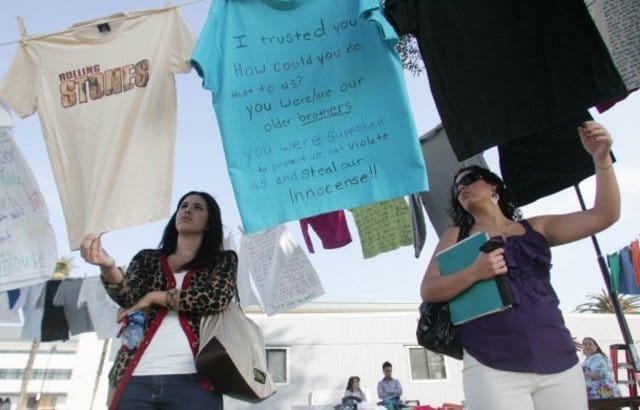
The Clothesline Project at Ventura College
According to Professor Capuano, the Ventura Psychology Club advisor and Coordinator of the Clothesline Project for 18 years, the purpose of the Clothesline Project “is to educate students and the community that violence is a problem everywhere, and that help is available.” Students and the community can visit Ventura College to listen to survivors, attend presentations, receive on-site counseling, and speak with 15+ local organizations. Visitors put their personal message on a shirt for display on campus. Topics covered include incest, cyber exploitation, domestic violence, and sexual violence.
Bikers Against Child Abuse
B.A.C.A. is a non-profit organization free of charge which assists abused children. They work together in conjunction with the local and state officials. B.A.C.A. uses their physical appearance to lend physical and emotional support. These bikers are the shield that protects children from future physical, sexual, and emotional abuse.
Ogie, a current member of B.A.C.A., uses the phrase, “no child should live in fear,” giving children hope for a safer world. In the eyes of children and the community, they are heroes. There are monthly meetings for members and the general public to attend. For more information on Who Is B.A.C.A. and local chapters in your area, visit their website.
American Foundation for Suicide Prevention
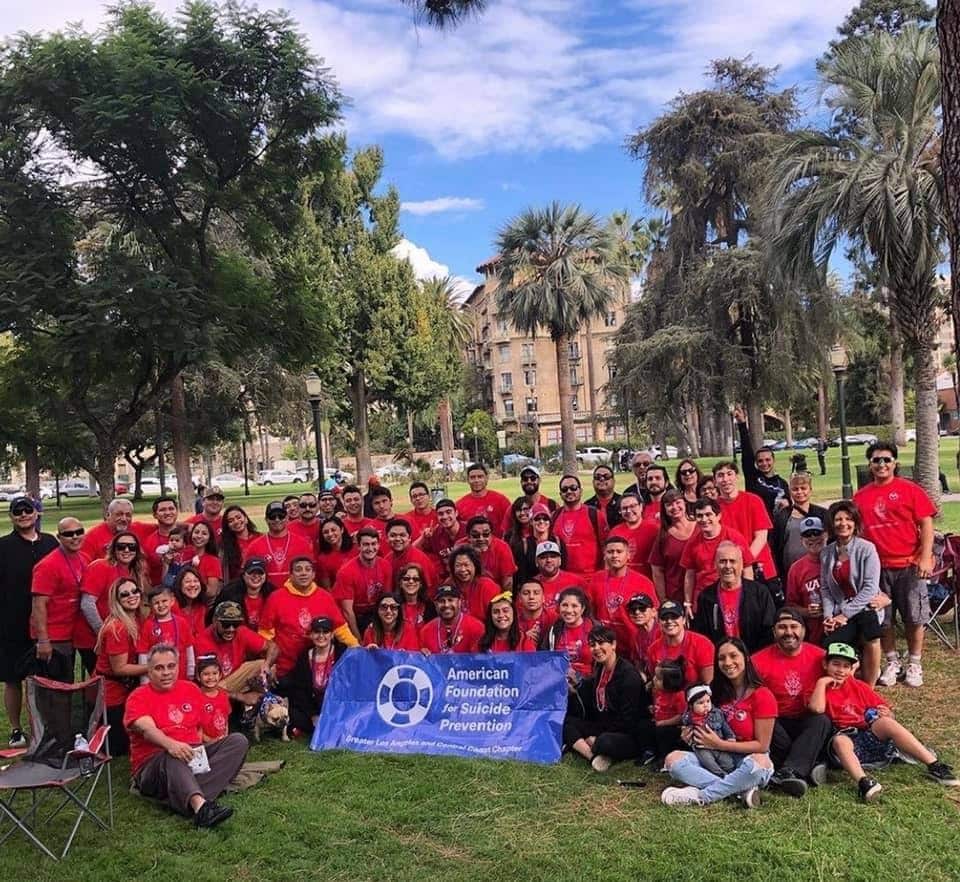
Thirty-three percent of female sexual assault victims contemplate suicide.[1] The American Foundation for Suicide Prevention (AFSP) offers advocacy, research, education, and support to survivors with suicidal ideation. They recognize the importance of diversity, equity, and inclusion. AFSP is offering spring actives, such as Marathon in a Month and Campus Walks Day of Action. To learn more about the events, visit AFSP Greater Los Angeles and Central Coats. Let us be the voice AFSP is missioning for “Save Lives and Bring Hope to Those Affected by Suicide.”
Denim Day
In 1992, a 45-year-old driving instructor raped an 18-year-old woman on her first driving lesson in Italy. The survivor reported the rape, and the perpetrator was arrested and jailed for 6 years. Years later, the man appealed his conviction stating it was consensual sex evidenced by her tight jeans that would be too difficult to be pulled off involuntarily. The conviction was overturned, allowing the rapist to be released. This was to be known as the “jean alibi.”[9]
A Denim Day campaign was established in 1999 to support sexual assault victims. Denim Day is considered the most prolonged prevention and education movement for sexual assault.[9] Feel free to tag GKIS social media accounts to see you be a part of the movement.
The importance of consent shows respect for others and yourself. If you are struggling to explain or understand consent, visit Blue Seat Studio’s published video on YouTube: Tea Consent.
Call to Action Against Sexual Assault
LISTEN to victims when they report assault and assist them to achieve emotional and physical safety (e.g., walking, shopping, or eating in public settings).
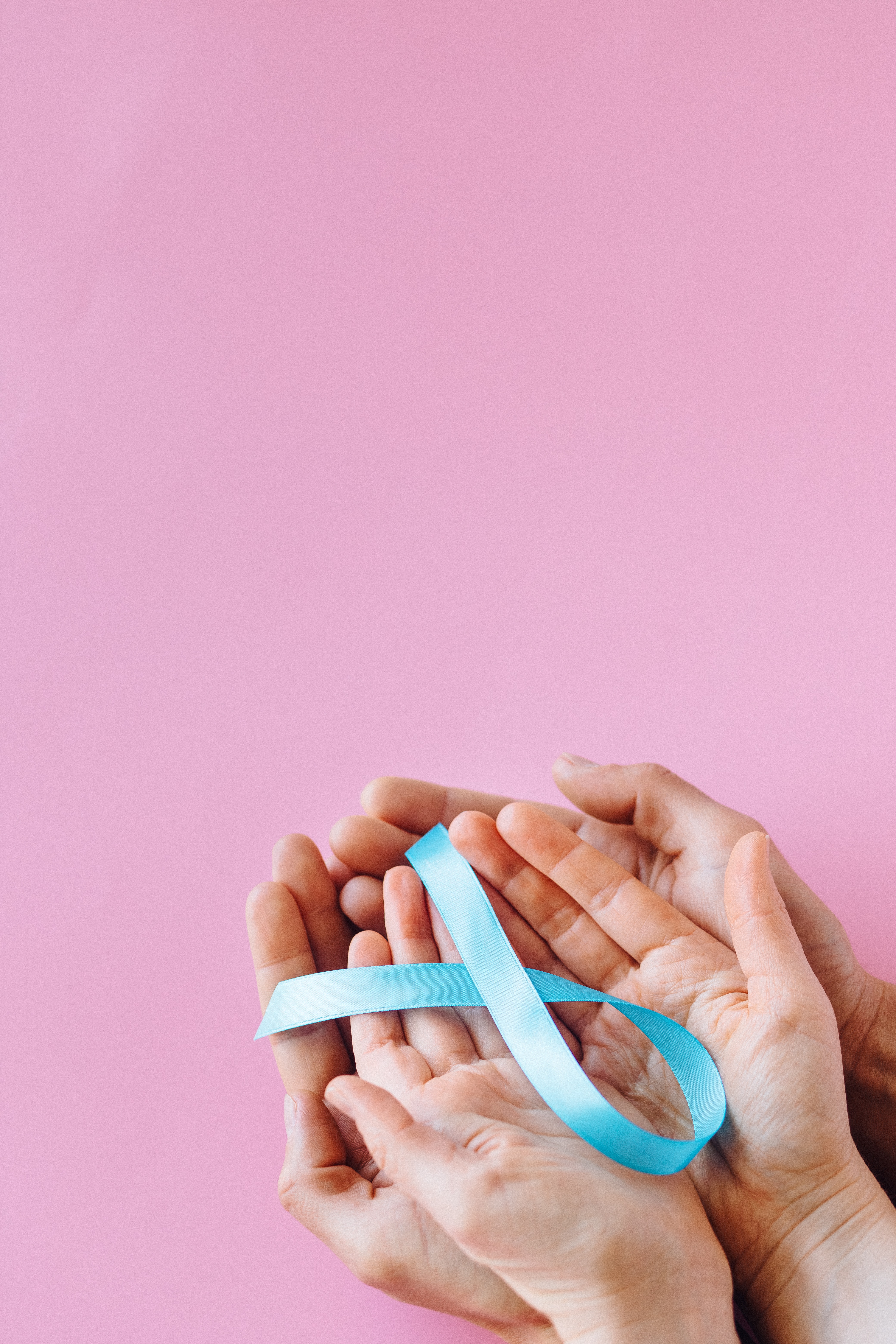
PARTICIPATE in April to show your support. Wear or post a teal ribbon on your social media page to give awareness of sexual assault.
ACT to stop victim-blaming, known as the belief that the victim is responsible for the assault because of how they dressed, spoke, or behaved. Fear of being blamed is a significant contributor to the low rates of unreported cases.
Adults must show respectful modeling behaviors to all genders to reduce sexual assault. At National Sexual Violence Resource Center, Jenny Coleman explains the importance of speaking out if someone uses inappropriate phrases and terminology in front of minors. If you order our highly reviewed online course, The GKIS Connected Family Course, GKIS will invite you to our private parenting Facebook group in the service of child safety.
GKIS recommends taking self-defense classes to protect yourself from sexual assault. Visit Ando Mierzwa on YouTube or Threat Management on Tik Tok for free self-defense tactics used in martial arts. Furthermore, BSafe, My Safetipin, and Life360 are GPS tracking apps to provide personal safety in dangerous situations.
SPEAK out against sexual violence outside of April. The importance of sharing one’s story brings hope and awareness. For sexual assault survivors who are willing to share their stories, Boston University created an Instagram page for survivors to be heard: visit Campus Survivors. At the end of the day, the story being said is yours, and the story has the power to change the world.
Thanks to CSUCI intern, Christian Sandoval, for giving awareness and prevention of sexual assault in April. The importance of hearing someone’s story is critical, and we hope you will support the movement.
I’m the mom psychologist who will help you GetKidsInternetSafe.
[1] Children and teens: Statistics. (n.d.). Retrieved March 18, 2021, from Rainn.org website: https://www.rainn.org/statistics/children-and-teens
[2] Morgan, E. R., & Oudekerk, A. B. (2019). Criminal Victimization, 2018. Bureau of Justice Statistics. Retrieved from https://www.bjs.gov/content/pub/pdf/cv18.pdf
[3] Sevenslegal. (2016, September 8). An update to California’s sexual assault laws. Retrieved March 18, 2021, from Sevenslegal.com website: https://www.sevenslegal.com/assault/update-californias-sexual-assault-laws/538/
[4] Pettis, K., & Hughes, R. (1985). Sexual Victimization of Children: A Current Perspective. Behavioral Disorders,10(2), 136-144. Retrieved March 16, 2021, from http://www.jstor.org/stable/23882265
[5] Burke, P., Stets, J., & Pirog-Good, M. (1988). Gender Identity, Self-Esteem, and Physical and Sexual Abuse in Dating Relationships. Social Psychology Quarterly,51(3), 272-285. Retrieved March 16, 2021, from http://www.jstor.org/stable/2786925
[6] Intimate Partner Sexual Violence. (n.d.). Retrieved March 18, 2021, from Rainn.org website: https://www.rainn.org/articles/intimate-partner-sexual-violence
[7] Adams-Roy, J., & Barling, J. (1998). Predicting the Decision to Confront or Report Sexual Harassment. Journal of Organizational Behavior,19(4), 329-336. Retrieved March 16, 2021, from http://www.jstor.org/stable/3100150
[8] National Sexual Violence Resource Center. (2020, April 3). Start at home: Modeling healthy behaviors keeps kids safe. Retrieved March 18, 2021, from Sexual Assault Awareness Month 2020 website: https://medium.com/sexual-assault-awareness-month-2020/start-at-home-modeling-healthy-behaviors-keeps-kids-safe-f454b929a2a0
[9] Why denim? — denim Day. (n.d.). Retrieved March 18, 2021, from Denimdayinfo.org website: https://www.denimdayinfo.org/why-denim
[10] Myths, facts, and statistics. (2018, November 7). Retrieved April 8, 2021, from Polarisproject.org website: https://polarisproject.org/myths-facts-and-statistics/
[14] Chin, K.-L., & Finckenauer, J. O. (2012). What is sex trafficking? In Selling Sex Overseas (pp. 1–33). NYU Press.
[15] Black C. M., Basile C. K., Breiding J. M., Smith G. S., Walters L. M., Merrick T. M., Chen J., & Stevens R. M. (2011). National Intimate Partner and Sexual Violence Survey 2010 Summary Report. Retrieved from https://www.cdc.gov/violenceprevention/pdf/NISVS_Report2010-a.pdf