Need peaceful screen time negotiations?

Get your FREE GKIS Connected Family Screen Agreement

fun apps

Off the Phone and On the Soccer Field: My Cure for Digital Disconnection

Kids crave connection. Face-to-face interaction and emotional closeness are vital for healthy development—particularly for adolescents.[1] Screen time offers shallow connections and distracts kids from those unpleasant cravings. It also keeps kids so busy that they don’t seek the connection they so desperately need. What if they didn’t have to be so lonely? What if there was a way they could be off their screens, doing something good for their health, and making friends at the same time?  For me, that was playing sports.

The Seed Was Planted

As a child, I was most excited to hang out with my friends, be on my phone, watch TV, or eat sweets, in that order. That was until I joined a team sport.

It all started when my mother asked me if I wanted to join the local soccer team. I was nine years old and against the idea because I didn’t want it to cut into cartoon time on the weekends, and had we gone through the Screen Safety Essentials Course, we wouldn’t have worried so much about the impact of screens on us. But she insisted. I only agreed because my favorite cousins were on the team.

I learned from the first practice that I loved the intense physical activity of soccer, and after a while, I began to really get the hang of it. I felt proud and accomplished. I made great friends on the team. We loved team bonding activities and even began to hang out outside of practice. I loved it so much, I gave it my all and looked forward to it all week.

By high school, I had won medals and genuinely felt like I was good at the sport. I received praise and encouragement for all of my efforts and hard work. It also inspired me to work hard in other aspects of my life. I tried harder in school, was friendlier with classmates, more obedient in class, and more eager to participate in the learning process. According to Project Play, high school athletes are more likely to further their education and even receive higher grades in college.[2] I started seeing everything in the world as a skill waiting to be attained, something that required courage, effort, and training.

Having that view of the world helped me when I sprained my ankle right before the start of my freshman season. While recovering, I could have easily scrolled through Snapchat and Instagram endlessly. But I wanted to make sure I continued to build the bond with my teammates for when I returned. It taught me to wait my turn, keep a positive attitude, remain patient, and support others as they shine. As soon as I recovered, my teammates were more than happy to catch me up to speed, and I rebuilt my strength.

Core Memories That Last

One of my most memorable moments taught me something I will never forget. It was my junior year; we were tied 0-0, with a minute left in the game. My team was exhausted, but as captain, I knew this is where my job was most important. I dribbled the ball up the center, dodging two midfielders and one defender, set it up for my left forward, and yelled, “SHOOT!” She shot and sent it straight into the upper right corner of the goal. Everyone who was there to support us was on their feet, our coaches were throwing their clipboards in the air and hugging each other, and our teammates ran to us for a celebratory hug and a jump around. We spent the last 15 seconds of that game with tears in our eyes and joy in our hearts. We had just beaten a 40-year record for our school!

This is when I realized this would have a lifelong impact on me. It was one of those moments that I’ll look back on happily. It was a lifetime of preparation to become someone people could rely on when things got tough and hope felt lost. It was the moment I truly understood what being a leader meant to me and the impact it had on others.

I hugged and thanked my mother for signing me up for soccer at nine years old. She introduced me to the first love of my life, and I would forever be grateful for that. From then on, I never doubted my abilities to get something done, never lost confidence in myself, and never hurt someone without apologizing or broke something without trying to replace it.

The Impact of The Beautiful Game

Project Play reports that sports, in particular, can positively impact aspects of personal development among young people, keep them away from harmful substances, and encourage cognitive, educational, and mental health benefits.[2] I believe my experience of playing soccer was so much more than just a fun sport or a way to stay active, although both are tried and true. It was a refinement of my character, it was a positive shift in how I viewed the world and myself in it, it was what taught me that rejection was just redirection, and it was a way to build and maintain connections with people I am still close to, at 27 years old.

Why Everyone Should Play Sports

Participation in sports can protect against the development of mental health disorders.[4] These benefits include lowering stress levels, rates of anxiety and depression.[5]Lifelong participation in sports leads to improved mental health outcomes and even immediate psychological benefits which continue long after participation is over with. The improve self-confidence, encourage creativity, and nurture a higher self-esteem. Statistically, adolescents who play sports are eight times more likely to be physically active at age 24.[3]


Thanks to CSUCI intern, Elaha Qudratulla, for sharing an important story about how beneficial playing sports were for her then and how it still helps her today.

I’m the mom psychologist who will help you GetKidsInternetSafe.

Onward to More Awesome Parenting,

Tracy S. Bennett, Ph.D.
Mom, Clinical Psychologist, CSUCI Adjunct Faculty
GetKidsInternetSafe.com


Works Cited:

[1] https://www.uvpediatrics.com/topics/alone-together-how-smartphones-and-social-media-contribute-to-social-deprivation-in-youth

[2] https://projectplay.org/youth-sports/facts/benefits

[3] https://odphp.health.gov/sites/default/files/2020-09/YSS_Report_OnePager_2020-08-31_web.pdf

[4] https://baca.org/blog/does-playing-organized-youth-sports-have-an-impact-on-adult-mental-health/

[5] https://pce.sandiego.edu/child-development-through-sports/

Photos Cited:

[Header] Eva Wahyuni on UnSplash

[2] Olivia Hibbins on UnSplash

[3] Elaha Qudratulla

[4] Jeffrey F Lin on UnSplash

[5] Elaha Qudratulla

https://unsplash.com/

Feeling Lonely? Tips to Make Friends Offline and Online

Socialization is a critical aspect to good health for kids and adults.[1][2] That’s why constant connection through social media, chatrooms, texting, and online gaming has become irresistible to us. For help managing in the online world and avoiding costly digital injuries, check out Dr. Bennett’s positive parenting and family coaching videos in our Screen Safety Essentials Course. We all need each other online and off. Afterall, the early people of our species were hunters and gatherers. Having a tribe was critical for our survival. In modern times, with many families living away from extended families and our lives as busy as ever, it’s often hard for adults to make friends. Today’s GKIS article covers the costly results of loneliness and offers suggestions for how to break out of our loneliness and enter the realm of meaningful connectedness.

The Prevalence of Loneliness

Higher rates of loneliness are found among young adults, seniors, those who are visually impaired, victims of abuse, and the unemployed.[3] Due to its prevalence, numerous outlets including Time, Forbes, US News, Cigna Insurance, and the Health Resources & Services Administration have referred to loneliness as an epidemic in the last decade.

Feelings of loneliness can result from a lack of friendships, intimacy, or emotional connection.[4] The long-term impacts of loneliness include poor sleep, depression, suicidal ideation, increases in cortisol (a stress hormone), compromised immune responses, and inflammation. Chronic loneliness has also been linked to the progression of Alzheimer’s, cardiovascular disease, and other chronic diseases. Further, loneliness is associated with poor lifestyle habits which include sedentariness and smoking.[5]

To avoid unfortunate outcomes, we must carve out the time to hang out with friends and family. For kids and teens, school is an easy resource to draw from. But for adults, social resources can be hard to find. To help you reach out and find more connection and community in your life, we’ve uncovered some novel ideas and resources!

Finding Community in Person

Volunteer

Volunteering is a fantastic way to meet friends, give back, and cultivate a sense of belonging. Research has found that volunteering is particularly helpful for those who have recently lost a loved one. In a study by Dawn Carr and colleagues observing over 5,000 recently widowed spouses, subjects who volunteered two or more hours per week had lower rates of loneliness than those who did not volunteer at all.[6]

Volunteering also has benefits for the whole family. The University of Nebraska-Lincoln Extension notes that youth volunteerism can help with the development of identity, empathy, skill-building, self-esteem, and relationships with like-minded people.[7] A study by Sandi Nenga from Southwestern University notes similar improvements in youth volunteerism. But Nenga also emphasizes that volunteering can connect multiple, diverse communities, creating better outcomes in future civic roles for youth volunteers.[8]

Join a gym

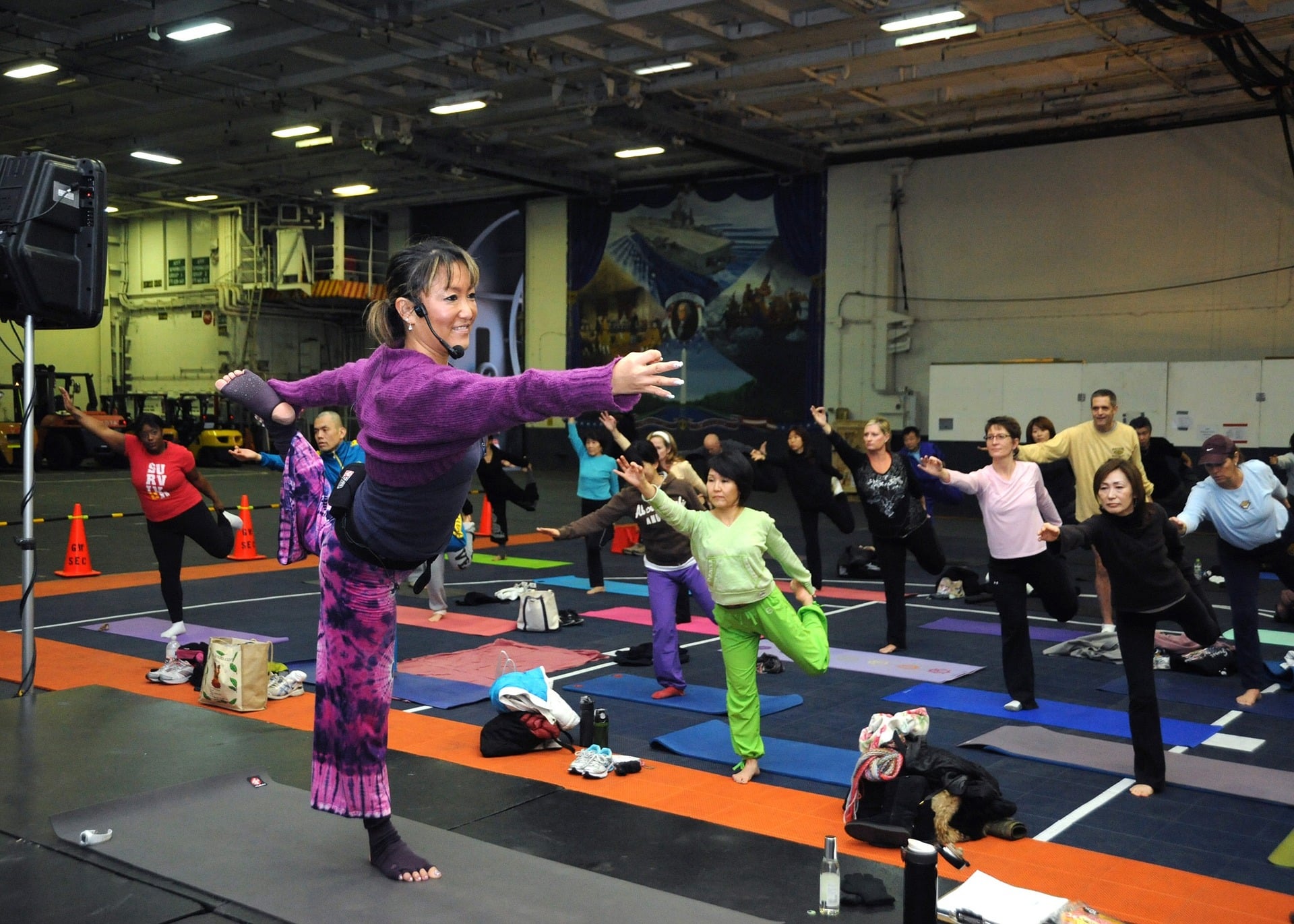
Many gyms offer classes like Zumba, pilates, yoga, kickboxing, and barre. Attending exercise classes provides opportunities to talk with others and explore your workout journeys together!

Exercise is associated with decreases in stress hormones including cortisol and adrenaline, and promotes the production of mood-enhancing endorphins.[9] For those who have social anxiety, these feel-good-feelings can help you gain confidence in seeking and maintaining new relationships.

Join a club or team

Clubs and teams offer great opportunities to make new friends and work together. Bulletins for clubs and teams may be found at your local college campus or community recreation center. A study by Scott Graupensperger and colleagues notes that being on a club sports team results in greater prosocial behaviors. Additionally, being on a team creates a strong sense of community and bonds, thus enhancing identification with others. A greater sense of identification can improve one’s mental health, social life, and well-being.[10]

Find Community Online

Online resources have made meeting like-minded people easier than ever. Today’s platforms allow us to connect with a host of individuals and groups that offer various forms of entertainment whether it is sushi classes, book clubs, or family potlucks! Of course, proper cautions are necessary when meeting people online. To help tweens and teens prepare for the potential hazards that await them on social media, we recommend they take our Social Media Readiness Course. This online course not only offers the information they need to stay safe, Dr. Bennett also shares critical wellness strategies she’s developed in over 25 years of clinical practice! Here are 4 GKIS recommended online platforms to help you connect with others

Meetup

Meetup.com is a great website to start your search for like-minded people. The groups available are diverse and range from substance abuse support groups to groups for beginner hikers! Some groups are also geared towards entire families and may host events to bring families together. You can also create your own group, however, a monthly charge to Meetup is needed to keep your group active.

Hey! VINA

Hey! VINA is a free new app with a design similar to the dating app Tinder. Hey! Vina is geared toward women and nonbinary people looking to make friends with other women and nonbinary people. The VIP membership gives users special access to certain features including faster matches, seeing who swiped right on (liked) your profile, and more.

The Dinner Party

The Dinner Party is an organization founded in 2018. The purpose of this organization is to bring grieving individuals who are between the ages 20 to 39 together. The intent is to connect and provide support for each other over dinner. They also expanded to create dinner parties for a wider audience of individuals who may be dealing with a different type of issue and would like a companion to talk to. To accommodate the recent COVID-19 guidelines, individuals are currently hosting Zoom dinner parties as a safer way to get together.

Eventbrite

Eventbrite is a popular platform used to get tickets for live events ranging from stadium concerts to yoga meetups at the park. While the service is free, the organizer of the event may require a small fee to attend while others offer their events for free.


Thanks to CSUCI intern, Avery Flower for researching ways to battle loneliness, and for co-authoring this article.

I’m the mom psychologist who will help you GetKidsInternetSafe.

Onward to More Awesome Parenting,

Tracy S. Bennett, Ph.D.
Mom, Clinical Psychologist, CSUCI Adjunct Faculty
GetKidsInternetSafe

Photo Credits

Photo by fauxels from Pexels

Photo by Engin Akyurt from Pexels

Photo by RODNAE Productions from Pexels

Photo by janeb13 from Pixabay

Photo by Gift Habeshaw from Unsplash

Photo by Guduru Ajay bhargav from Pexels


Works Cited

[1] Williams, C. Y. K., Townson, A. T., Kapur, M., Ferreira, A. F., Nunn, R., Galante, J., Phillips, V., Gentry, S., & Usher-Smith, J. A. (2021). Interventions to reduce social isolation and loneliness during COVID-19 physical distancing measures: A rapid systematic review. PLoS ONE16(2). https://doi-org.ezproxy.csuci.edu/10.1371/journal.pone.0247139

[2] Lun, V. M.-C., & Bond, M. H. (2016). Achieving subjective well-being around the world: The moderating influence of gender, age and national goals for socializing children. Journal of Happiness Studies: An Interdisciplinary Forum on Subjective Well-Being17(2), 587–608. https://doi-org.ezproxy.csuci.edu/10.1007/s10902-015-9614-z

[3]Brunes, A., Hansen, M. B., & Heir, T. (2019). Loneliness among adults with visual impairment: Prevalence, associated factors, and relationship to life satisfaction. Health and Quality of Life Outcomes17. https://doi-org.ezproxy.csuci.edu/10.1186/s12955-019-1096-y

[4] Tiwari, S. (2013). Loneliness: A disease? Indian Journal of Psychiatry, 55(4), 320. doi:10.4103/0019-5545.120536

[5] Beutel, M. E., Klein, E. M., Brähler, E., Reiner, I., Jünger, C., Michal, M., Wiltink, J., Wild, P. S., Münzel, T., Lackner, K. J., & Tibubos, A. N. (2017). Loneliness in the general population: Prevalence, determinants and relations to mental health. BMC Psychiatry17.

[6]Carr, D. C., Kail, B. L., Matz-Costa, C., & Shavit, Y. Z. (2018). Does becoming a volunteer attenuate loneliness among recently widowed older adults? The Journals of Gerontology: Series B: Psychological Sciences and Social Sciences73(3), 501–510. https://doi-org.ezproxy.csuci.edu/10.1093/geronb/gbx092

[7] de Guzman, M. (2007). Youth Volunteerism. Retrieved from https://extensionpublications.unl.edu/assets/pdf/g1750.pdf

[8]Nenga, S. K. (2012). Not the community, but a community: Transforming youth into citizens through volunteer work. Journal of Youth Studies15(8), 1063–1077. https://doi-org.ezproxy.csuci.edu/10.1080/13676261.2012.697135

[9] Harvard Health Publishing. (2011). Exercising to relax. Retrieved from https://www.health.harvard.edu/staying-healthy/exercising-to-relax

[10]Graupensperger, S., Panza, M., & Evans, M. B. (2020). Network centrality, group density, and strength of social identification in college club sport teams. Group Dynamics: Theory, Research, and Practice24(2), 59–73. https://doi-org.ezproxy.csuci.edu/10.1037/gdn0000106

Is Gaming Making Your Child Smarter?

Gaming has been a popular topic for GetKidsInternetSafe because it is the favorite past time for many children. We have covered a variety of gaming topics which include the brain traps of gaming, violent video games, professional gaming, and even if we should gamify education. Games have developed so much in the past 25 years and the graphics, concepts, and design continue to improve. One of the big concerns about children’s gaming is addiction and distraction from academics. When done right though, gaming can be a valuable supplement for well-rounded education.

What is Intelligence

Intelligence is a highly debated term because traditionally it involved biased measures of cognitive ability. However, over fifty years of scientific research has demonstrated that intelligence cannot fit as neatly into a box.

American psychologist Robert Sternberg suggested the Triarchic Theory which states that there are three types of intelligence: analytical, creative, and practical. Taking it a step further, developmental psychologist Howard Gardner proposed that there are eight different types of intelligence: linguistic, logical-mathematical, spatial, musical, bodily-kinesthetic, naturalist, interpersonal, and intrapersonal.[1]

The most widely used intelligence theory in Western culture, is centered around skills in math, memory, verbal comprehension, and visual-spatial reasoning.[2] Simply put, theories of intelligence center on one’s ability to eclectically conceptualize and utilize information.

Games That Surprisingly Affect Intelligence

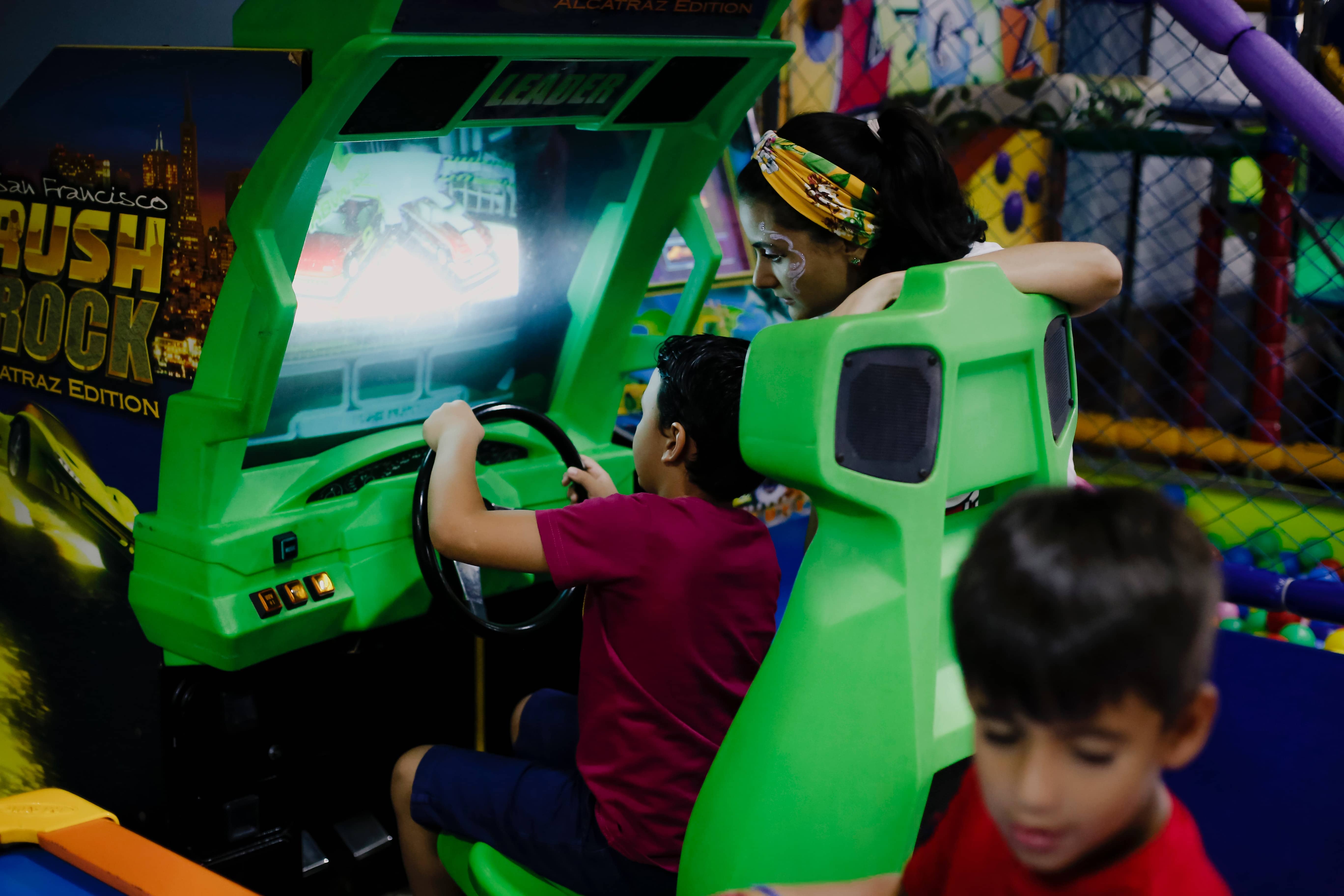
Most games require specialty skills for success. Popular games can be incredibly complex and require high intelligence to engage successfully. Adults don’t typically consider that playing Overwatch, Roblox, or Minecraft is a learning opportunity. As a player myself, I disagree. In my experience, it is evident that my fellow players excel at things like reaction time, creativity, and spatial awareness.

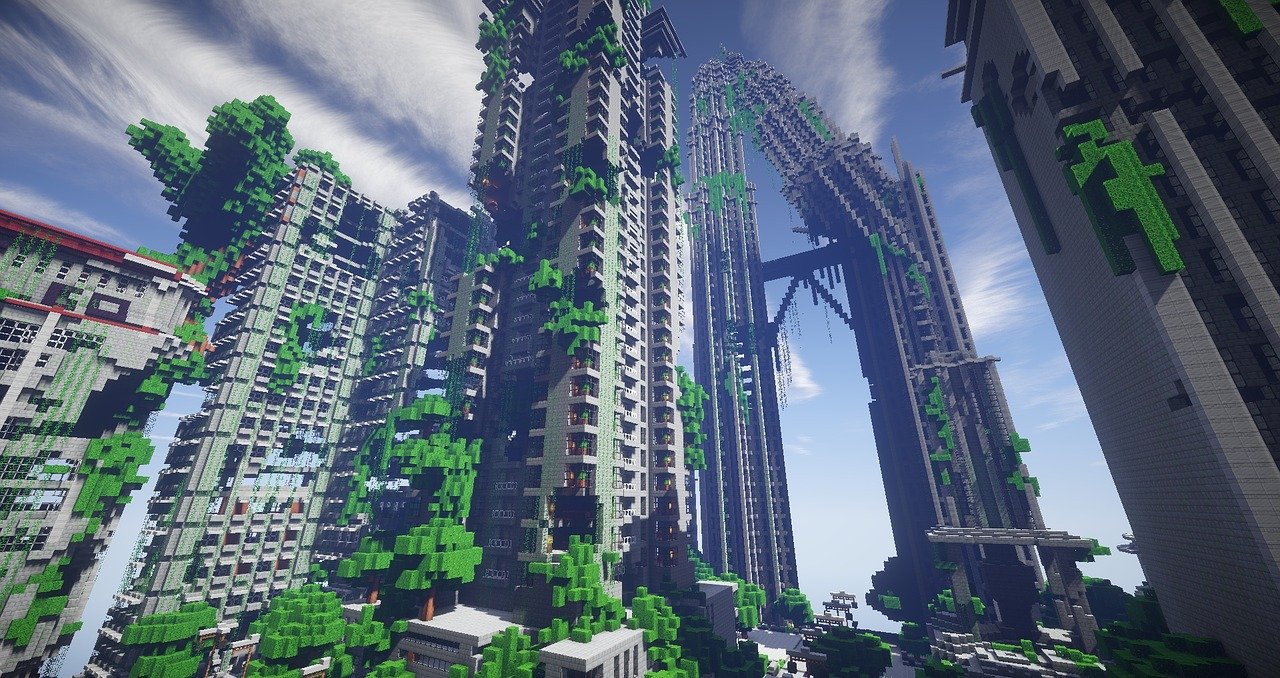
When I was in my mid-teens, I was an avid gamer. I played many games, but Minecraft was my favorite. What peaked my interest were the parallels with real life and the possibilities for creation were endless. Knowledge needed for the game helped me in real life by enriching my vocabulary, excelling my reaction time, and nurturing my creativity. My spatial awareness was also boosted due to understanding the means of measurement in Minecraft (each block was a square meter). Using those as reference, I had a better gist of measurement in comparison to my 6-meter-tall character. I even began to conceptualize fundamentals of construction and physics when I would set up mob traps to capitalize off the loot they dropped.

After my Minecraft phase, I moved onto Lumosity and my eyes opened to how impactful games could be. Lumosity is an educational gaming app that has minigames specially designed to challenge a variety of our cognitive abilities.

If you are wondering when is the right time to introduce video games to your kids and how to do it safely, check out Dr. Bennett’s age guidelines and recommendations in her book Screen Time in The Mean Time: A Parenting Guide to get Your Kids and Teens Internet Safe.

Gaming Designed Specifically for Intelligence

Many great new app developers seek to make fun educational games. Edutainment is refers to media designed to educate and entertain.[3] Many edutainment activities are developed by education specialists and cognitive scientists. Commonly targeted abilities are in the area of executive functioning, working memory, self-control, and mental flexibility.

A study by Jocelyn Parong and colleagues from the University of California, Santa Barbara researched the effects of games on cognition. They put students in two groups. The first group played Alien Game for four hours. The second group played an updated version of the game called All You Can ET. After the two groups played, an improvement in mental flexibility was found.[4] Their findings replicated those of a previous study that also studied cognition and gaming.

Further, a 2016 study by Viviane Kovess-Masfety and colleagues analyzed data from over 3,000 children. Upon gathering information from the children’s teachers on how they were in the classroom, Kovess-Masfety and colleagues found that children categorized as “high use” gamers had slightly higher reported intellectual functioning. Most of the high-use gamers reported approximately seven to ten hours of gaming per week.[5]

GKIS-Recommended Intelligence Games

Games that are designed specifically to improve intelligence are still relatively new. Research has been mixed but shows promising results for improvement. Gaming can be a practical approach to keep ones intelligence sharp and have fun! Here are some intelligence games GKIS recommends as promising:

Lumosity

Lumosity is a popular “brain training” app for mobile devices and computers that provide entertaining mini games that focus on an individual skill. The free version selects three mini-games for you to play from their bank of over 40 mini-games. With the premium version, you get access to in-depth statistics and can choose among all their available games.

Lumosity games may help with skills ranging from attention, memory, problem-solving, subitizing, language, and mental flexibility. This is great for tweens and teens.

Words with Friends

Words with Friends is a fun puzzle game—similar to Scrabble—that can expand your vocabulary and think creatively. You can play alone, challenge game bots, or play with friends.

Khan Academy Kids

Khan Academy Kids is a free educational game geared towards children. There is an assortment of games that help with language, reading, math, attention, memory, and problem-solving. An added benefit of these games is that they also help with emotional development, motor functions, and creativity.

Kiddopia

Kiddopia is an app focused on teaching kids a variety of skills and general knowledge. Kiddopia games are incredibly diverse, including school topics like learning numbers, basic arithmetic, language, and problem-solving. This app also has entertaining games that cover geography, human anatomy, animal care, and even careers!

Before your kids are introduced to gaming, check out one of Dr. B’s favorite GKIS articles Teaching Kids the Brain Traps of Video Games May Break the Spell.

Thanks to CSUCI intern, Avery Flower for researching intelligence and gaming, and co-authoring this article.

I’m the mom psychologist who will help you GetKidsInternetSafe.

Onward to More Awesome Parenting,

Tracy S. Bennett, Ph.D.
Mom, Clinical Psychologist, CSUCI Adjunct Faculty
GetKidsInternetSafe

Photo Credits

Photo by Vidal Balielo Jr. from Pexels

Image by DAMIAN NIOLET from Pixabay

Image by Egnez from Pixabay

Photo by Ketut Subiyanto from Pexels

Works Cited

[1]Shearer, C. B. (2020). A resting state functional connectivity analysis of human intelligence: Broad theoretical and practical implications for multiple intelligences theory. Psychology & Neuroscience13(2), 127–148. https://doi-org.summit.csuci.edu/10.1037/pne0000200.supp

[2]Flaim, M., & Blaisdell, A. P. (2020). The comparative analysis of intelligence. Psychological Bulletin146(12), 1174–1199. https://doi-org.summit.csuci.edu/10.1037/bul0000306

[3]Lathan, J. (2020). Edutainment in the Classroom: Technology’s Changing the Game. Retrieved from https://onlinedegrees.sandiego.edu/edutainment/

[4]Parong, J., Wells, A., & Mayer, R. E. (2020). Replicated evidence towards a cognitive theory of game-based training. Journal of Educational Psychology112(5), 922–937. https://doi-org.summit.csuci.edu/10.1037/edu0000413

[5]Kovess-Masfety, V., Keyes, K., Hamilton, A., Hanson, G., Bitfoi, A., Golitz, D., Koç, C., Kuijpers, R., Lesinskiene, S., Mihova, Z., Otten, R., Fermanian, C., & Pez, O. (2016). Is time spent playing video games associated with mental health, cognitive and social skills in young children? Social Psychiatry and Psychiatric Epidemiology: The International Journal for Research in Social and Genetic Epidemiology and Mental Health Services51(3), 349–357. https://doi-org.summit.csuci.edu/10.1007/s00127-016-1179-6

How to Optimize Childhood Bilingualism

In 2019, approximately 23% of children in the United States were bilingual.[1] Speaking more than one language implies education and competency. Popular media glamourizes bilingualism as a chic quality obtained by social elites. Recently, Princess Charlotte and Prince George received praise for being able to speak more than one language. A 2013 report finds that Spanish is the most spoken foreign language in the U.S., with three out of four Hispanic kids aged five and up speaking Spanish at home.[2] With online learning becoming the norm and inexpensive language-assisting apps available, helping your child learn a second language can be a great way to keep them engaged and educationally enriched.

The Best Time to Learn A New Language

Amazingly, babies have nearly twice as many brain cells as adults. These brain cells, called neurons, reduce in number as we age and become specialized to most efficiently perform complex tasks. One of these tasks includes language.

In the first few years of life, our brains are exquisitely receptive as we onload a boom in vocabulary. As our brains mature and specialize throughout childhood, the ease of learning language decreases. This is due to our brain gradually remodeling as we age by refining neuronal pathways. As a result of this complex genetically blueprinted growth process, we become better thinker, but less receptive to mass learning.

The bottom line is that we learn language best when we are very young. There is even evidence that hearing the unique sounds of particular languages in utero makes a difference later on! By encouraging bilingualism before your child reaches adulthood, you are optimizing language mastery.

The Benefits of Childhood Bilingualism

Effects on Thinking

Contrary to the belief that learning a second language may impede primary language learning, psychologist Adam Winsler and colleagues conducted studies with native Spanish speaking preschool children learning a second language (English). They found that preschool age children were able to competently achieve fluency in both languages while engaged in both the bilingual immersion program and the exposure program. This said, children in the preschool program have exceptional gains in learning.[3]

Along with language competency, bilingualism may help with the development of other complex tasks like working memory and problem solving. Working memory is the limited amount of information we can briefly store in our mind as we solve a problem like completing math problems or following the steps to bake a cake. A study by Daubert and Ramani found that bilingual preschoolers did better on working memory tests than monolingual preschoolers.[4]

Effects on Brain Development

Although we are still learning how our brains are impacted by learning a new language, there is evidence that the neurological remodeling discussed earlier can be impacted in positive ways. For instance, developmental researcher Maria Mercedes Arredondo analyzed brain scans of monolingual children and bilingual children. She found that during a linguistics challenge, bilingual children had less activity in the left frontal region of the brain which is associated with language.[5] This suggests that bilingual children process information more efficiently, thus needing fewer resources for complex linguistic tasks. Bilingual children also show greater brain activation with brain networks related to attention. The implications of this finding are that bilingualism may improve one’s attentional abilities.

The Drawbacks of Bilingualism

It is generally accepted that learning two languages is beneficial for children, but there can be temporary drawbacks. A common drawback is that young bilingual children tend to mix the grammatical rules of the two languages. For instance, if English is your child’s primary language and Spanish is their second, your child may say the literal English translation of a phrase like “At what time are you coming?” to the grammatically incorrect Spanish phrase “A que hora eres tu veniendo,” when it should actually be “A que hora vienes.”

Another finding is that young bilingual children are more likely to have a “silent period,” where they choose not to talk as much for a few months. It is as if their brains are preoccupied laying down the foundation necessary for more complex learning. Fortunately, these windows of silence are temporary.[6] When considering the pros and cons, the benefits of bilingualism strongly outweigh the temporary cons in the long run for most kids.

Language Delays

Of course, every child is different. Some children have an extra hurdle with language learning called a Specific Language Impairment (SLI). Children with SLI develop language fluency slower than their peers, but are not impacted in any other abilities. A research review by speech-language pathologist Lauren Lowry notes that while children with SLI learn language slower, learning a new language has not consistently shown to hamper their primary language. While research has been mixed, the majority of results note similar results with language proficiency between bilingual children with SLI and monolingual children with SLI.[7]

GKIS-Recommended Language Learning Apps

If you are interested in challenging your kids with bilingual education, here are four great language learning apps we recommend:

Duolingo

The Duolingo app offers courses for over 35 different languages and includes tools to learn vocabulary, put together sentences, practice pronunciation, translate audio to text, and how to have discussions in the new language. This is a free app that tracks progress along the way and is great for kids and teens.

Beelinguapp

Beelinguapp is a fun app that offers 13 popular languages and provides e-stories that contain both the primary language and the new language to aid learning. Stories come in wide ranges and make learning a new language fun! Some of the stories are behind a paywall.

Drops

Drops is a free app that offers over 40 languages and helps the user learn vocabulary, utilize the new vocab, understand pronunciations, and provides statistics of the user’s progress. It is particularly great for teens.

Unuhi: Bilingual Books

Unuhi is a free app that provides e-picture books in 20 common languages. Each page has two boxes of text, one for the primary language and one that has the same content, but in the new language. This app is geared towards children and some e-books are only available with purchase.

Other Ways to Learn A Language

Language-learning apps typically offer exercises to learn vocabulary and pronunciation, hone reading comprehension, and mindfully use the new language in conversation. Once a foundation for learning has been set, you can reinforce learning by:

  • Watching television programming in the new language
  • Reading easy books in that language, and
  • Frequently switching between the primary language and the new language for real-world application and practice.

To optimize the balance between online and offline learning, check out our Connected Family Course. Specifically designed for clever smart home setup, the Connected Family Course offers 10 easy steps for creative safe-screen home setup and fun parenting techniques for sensible screen management. Our expert techniques take the “battle” out of parenting in less than two hours!

Thanks to CSUCI intern, Avery Flower for researching bilingualism in children and co-authoring this article.

I’m the mom psychologist who will help you GetKidsInternetSafe.

Onward to More Awesome Parenting,

Tracy S. Bennett, Ph.D.
Mom, Clinical Psychologist, CSUCI Adjunct Faculty
GetKidsInternetSafe

Works Cited

[1]Kids Count. Children who speak a language other than English at home: KIDS COUNT Data Center. Retrieved from https://datacenter.kidscount.org/data/tables/81-children-who-speak-a-language-other-than-english-at-home

[2]Krogstad, J. M., & Gonzalez-Barrera, A. (2015, March 24). A majority of English-speaking Hispanics in the U.S. are bilingual. Retrieved from https://www.pewresearch.org/fact-tank/2015/03/24/a-majority-of-english-speaking-hispanics-in-the-u-s-are-bilingual/

[3]Winsler, A., Diaz, R., & Espinosa, L. (1997, January). Learning a Second Language Does Not Mean Losing the First: A Replication and Follow-up of Bilingual Language Development in Spanish-Speaking Children Attending Bilingual Preschool. Retrieved from https://www.researchgate.net/publication/234714239_Learning_a_Second_Language_Does_Not_Mean_Losing_the_First_A_Replication_and_Follow-up_of_Bilingual_Language_Development_in_Spanish-Speaking_Children_Attending_Bilingual_Preschool

[4] Daubert, E. N., & Ramani, G. B. (2019). Math and memory in bilingual preschoolers: The relations between bilingualism, working memory, and numerical knowledge. Journal of Cognition and Development20(3), 314–333. https://doi-org.summit.csuci.edu/10.1080/15248372.2019.1565536

[5]Arredondo, M. M. (2018). A bilingual advantage?: The functional organization of linguistic competition and attentional networks in the bilingual developing brain. In Dissertation Abstracts International: Section B: The Sciences and Engineering (Vol. 78, Issue 11–B(E)).

[6]American Speech-Language-Hearing Association. Learning Two Languages. Retrieved from https://www.asha.org/public/speech/development/learning-two-languages/

[7]Lowry, L. (2016). Can children with learning language impairments learn two languages? Retrieved from http://www.hanen.org/helpful-info/articles/can-children-with-language-impairments-learn-two-l

Photo Credits

Photo by Pixabay from Pexels

Photo by Julia M Cameron from Pexels

Photo by Ketut Subiyanto from Pexels

Photo by mentatdgt from Pexels

GKIS Recommended Exercise Apps for Families

Too much screen time can be harmful to our health. Findings suggest that, along with unhealthy diet and lack of exercise, increased screen time is a contributor to epidemic obesity among Americans. According to the CDC, 40% of adults and 18.5% of children in the United States are obese. Obesity increases the risk of developing other health conditions like diabetes, cancer, high blood pressure, heart disease, and stroke. But screen time isn’t all bad and can even help us get more active and track important health data. Today’s GKIS article offers recommendations for some awesome exercise apps that can help get you off the couch and on your feet for more healthy and fun fitness.

The Benefits of Exercise

Physical fitness is proven to have many physical health and mental health benefits. Exercise can improve sleep, reduce anxiety, and lift your mood, ultimately reducing the risk of depression. With busy schedules and limited access to gyms, we too often go without exercise. Luckily, there are hundreds of apps on our smart devices that make exercise enjoyable and easier, even on a tight schedule. Also, exercising with your family is a great way to teach kids important life skills and bond and stay connected!

Trending Exercise Apps that you (and we at GKIS) Love 

Nike Training Club

A favorite of Dr. B’s, the Nike Training Club is a great free app that you and your family can enjoy at home. This app contains over 185 workouts for all levels including high-intensity training, yoga classes, and bodyweight workouts. Little to no equipment is required for most of the workouts, so you don’t have to stress about spending money on weights. 

Here are some of the collections that are great for home:

  • Big Workouts for Small Spaces
  • For the Whole Family
  • Boost Your Mood
  • Rejuvenate with Yoga
  • Elevate Your Game

Other Features

In addition to the free workouts, Nike Training Club offers tips for nutrition, sleep, recovery, mindset, and wellness. 

I have personally used this app, and I love it. Not only is it great because it is free, but the quality of what is being offered is fantastic. This app would be a perfect addition to your families’ devices and your daily routines!

Workouts and Exercises at Home

This fitness app is perfect for families with busy schedules because the workouts take only seven minutes. The app features a cute “Lazy Monster” character that guides you through up to 30 different exercises that require no equipment. All you have to do is set aside seven minutes of your day to try it out.

Other Features

Workouts and Exercises at Home allows you to create personalized workouts and track your progress.  It currently costs $3.99 a week, but it is less than a gym membership and all of the workouts are planned for you. All you have to do is open the app. Workouts and Exercises at Home is an app that will make exercising fun for you and your family.

Gymondo: Fitness and Yoga

Gymondo is a fun fitness app that contains workouts under 30 minutes long. There are a variety of workouts to choose from like yoga, strength training, HIIT, mobility, and body weight. These workouts are available at any fitness level, so this would be perfect for anyone in your family. 

Other Features

Gymondo is a free app, but the premium version gives you access to over 200 workouts, healthy recipes, and a nutrition plan. The premium version is only $7 a month, which is a good deal for all that is being offered. Get your family together and try this app out for free! 

Seven

Seven is a high-quality fitness app that contains seven-minute workouts. This app is family-friendly and requires no equipment. All you need is seven minutes and some open space for a great, quick workout. 

Other Features

Seven features daily challenges to keep you motivated to exercise every day. You can choose between 12 different instructors that will motivate you during your workout. You can also create workouts that are personalized for you and your family. 

If you join The 7 Club, you get access to all the workouts and features on the app. One month costs $10, and one year costs $60. Seven is perfect for a quick workout in the morning, afternoon between zoom classes/meetings, or in the evening. All you have to do is set aside seven minutes for you and your family to get a good workout in.

A special thank you to Alisa Araiza for researching and co-writing this article. I hope that trying these apps will bring you closer to your family and make exercising enjoyable. For other ways to stay connected with your family, take a look at Dr. Bennett’s #TogetherAtHome Family-Friendly Activity Ideas on the GKIS website.

I’m the mom psychologist who will help you GetKidsInternetSafe.

Onward to More Awesome Parenting,

Tracy S. Bennett, Ph.D.
Mom, Clinical Psychologist, CSUCI Adjunct Faculty
GetKidsInternetSafe.com

Works Cited

Berger, K., PHARM.D. (2020, April 18). Overweight and obesity statistics 2020. Retrieved from https://www.singlecare.com/blog/news/obesity-statistics/

Bryant, C. X., Ph.D. (2020, April 13). The Mental Benefits of Exercise. Retrieved from https://health.usnews.com/health-news/blogs/eat-run/articles/mental-benefits-of-exercise

Photo Credits

Photo by Dusan Jovic on Unsplash

Photo by Luis Quintero on Unsplash

Photo by Roberto Nickson on Unsplash

Photo by Sonnie Hiles on Unsplash

How to Become a Meme Lord

Memes are addictive and trashy, but that doesn’t stop an entire generation of people using and abusing them at any given time. The number of times I have tried to have a conversation over text with my brother and only received memes as answers is ridiculous. In fact, if I had a dollar for every meme that was sent my way, I’d be a debt-free woman. While memes appear pointless and mindless, parents can use them to manipulate their kids into doing homework and chores around the house. How you ask? All it takes is some knowledge about the dankest of memes, and you too shall become a meme lord.

What is a meme?

A meme is a highly shareabledigital image with a witty tagline. They are appealing, because they can be funny, clever, sarcastic, or simply tap into an unspoken but relatable concept. For example, some of my favorite memes are the ones that reference what it is like to have siblings, like the meme of a guy with an arrow through his head, captioned, “I’m sorry, you’re fine, please don’t tell mom.” Every time this tired meme pops up on Instagram, I have to share it. Memes not only offer personal entertainment, they are also a proven way to connect effortlessly to others.

The History of Memes

Believe it or not, memes were not birthed from the Internet! According to Britannica (2019), Richard Dawkins, a British evolutionary biologist, was the first to propose the concept of “memes” in his 1976 work The Selfish Gene. In a recentinterview with Vice (2018), Dawkins defined a meme as “the cultural equivalent of a gene,” meaning that, in the same way genes are passed down from person to person, memes culturally spread through the population. By his definition, cultural phenomena like fashion, slang, and fads can all be considered memes, as well as the traditional image with a caption that we see circulating social media today.

Dawkins’ ideas are elegantly illustrated with today’s dank memes(memes that are overused and overhyped) — for example the “free real estate” and the “salt bae” meme.

Salt bae: CNBC (2018) reported that the man behind the salt bae meme is Nusret Gokce, a chef and restaurant owner who became a viral sensation for the way he dramatically sprinkles salt on the steaks he’s prepared for guests. Since an Instagram video of him performing this action went viral, Gokce’s salt bae has become a dank meme and gets used for anything that is perceived as extra or snobbish.

Check out Gokce performing this amazing meme here.

Free real estate: This meme originated from the TV show, Tim and Eric Awesome Show, Great Job!which aired on Cartoon Network’s late night TV Adult Swim. This hilarious sketch is in the form of a commercial in which Tim and Eric are desperately trying to convince a man named Jim to move into a free house. It ends with a close up shot of Tim whispering the timeless line, “It’s free real estate.”

Check out the hilarious video here.

How Memes go Viral

In his YouTube video, “What makes a meme go viral?” Hank Green (2017) attributes the popularity of memes to the bandwagon effect. The bandwagon effectis when people join in on a trend or belief simply because others have told them to. Social media is a great way to increase the popularity of a meme, because it enables us to share them with the world. When someone finds a meme that they adore, they share it with anyone who will find it funny, usually with a caption like, “OMG you have to see this!”

Hank (2017) elaborates that a meme going viral depends on how extreme of an emotion it elicits in us. The more outrageous a meme, the more likely we are to share it. In my opinion, this also has to do with how nostalgic a meme’s content is. For example,the popular meme that features a clenched fist from the popular TV show Arthur can be used for a plethora of situations but is mainly used to elicit subtle levels of frustration and anger.

In my opinion, the reason this meme became such a viral sensation is the feelings of nostalgia it brought to millennials. I adored the TV show Arthur as a child, and every time this meme pops up on my Instagram discover page, it brings back memories from when I was small and cute.

The Most Insane Viral Memes

To become a meme lord, you must be familiar with these iconic memes.

Success Kid: In 2010, an image of a cute little baby at the beach clenching his fist began circulating the Internet. This image is usually used when something awesome happens that was unexpected. Check out its history here.

Distracted Boyfriend: The distracted boyfriend meme was discovered on Shutterstock, a site that houses royalty free images. Its appeal is self-explanatory.

check out these A++ memes here.

World Record Egg: This is by far one of the most ridiculous things to have happened at the beginning of 2019. It all began when an account on Instagram wanted to see if a photo of an egg could
gain more likes than one of Kylie Jenner’s photos, which had 18 million likes. As of today, the great egg on Instagram has over 53 million likes and 9.9 million followers. This then sparked a series of memes with the captions, “Can this meme get more likes than the Kylie Jenner baby pic?”

Check out their Instagram to keep up-to-date on the hunt for the egg! @world_record_egg. Check out these amazing memes here.

Need more memes, because that just doesn’t feel like enough? Frequentknowyourmeme.com to maintain your newly-acquired meme lord status. You won’t be sorry.

 How GKIS Parents Can Become Meme Lords

As the popularity of memes has rapidly risen over the last few years, it’s evident that memes are here to stay. Many people and workplaces are now using them to their advantage. Teachers are using them as motivational tools when they’re grading papers, and workplace managers post them in employee break rooms as funny motivational tools.

Mom, Dad – you too can be a meme lord! Not only can you bring humor into your everyday chore assignments, but you can mortify your kids for being quicker in-the-know than they are!

For example, use them as motivational and study tools when helping kids with homework. There is an entire genre of memes dedicated to random facts. These are known as WTF facts and include some fantastic information that you usually wouldn’t learn in a classroom. Of course, fact check. You can’t believe everything you read on the Internet. Kids love them! My younger brother will spend hours looking at these memes, especially the history ones.

What sites will help GKIS parents become meme kings and queens?

  • Facebook
  • Instagram: @memzar
  • Google search
  • Imgur
  • Pinterest
  • Reddit
  • Tumblr

If you can’t find what you’re looking for, make one! Believe it or not, making memes is as simple as pulling up free design sites/apps like Canva or Imgur. Remember, if it doesn’t cause immediate laughs, then it’s probably not a meme!

Dr. Bennett founded GKIS as a service for parents looking to have more fun with their kids, which means joining them where they’re at. Become a meme lord to lighten up, have fun, and encourage mutual meme sharing with your goofy brood. If your kids are younger than eleven, they’ll be in awe of you. If their tweens or teens, you’ll get a mortified eye roll – which Dr. Bennett says is “the best you’re gonna get outta teens.” haha.

Thank you to CSUCI intern, Kassidy Simpson for providing parents with information they need to help become as meme savvy as their kids. Need more support to get Internet savvy and partner with your kids instead of lecture them? You’ll love our GKIS Connected Family Online Course. Designed to help parents lighten up and have fun with their kids while improving screen safety, you’ll see why Dr. B’s kids say she’s “the fun mom.”

I’m the mom psychologist who will help you GetKidsInternetSafe.

Onward to More Awesome Parenting,

Tracy S. Bennett, Ph.D.
Mom, Clinical Psychologist, CSUCI Adjunct Faculty
GetKidsInternetSafe.com

Works Cited

Fazal, M. (2018, May 08). Richard Dawkins Told Us What He Thinks About Memes. Retrieved from https://www.vice.com/en_us/article/d35ana/richard-dawkins-told-us-what-he-thinks-about-memes

Green, Hank [SciShow Psych]. (2017, July 24). What makes a Meme Go Viral? [Video file]. Retrieved from https://www.youtube.com/watch?v=sANg0NyvVnk

Rogers, K. (2019, January 10). Meme. Retrieved March 1, 2019, from https://www.britannica.com/topic/meme

Skid, N. (2018, January 27). Salt Bae: How a butcher’s apprentice turned a sprinkle of salt into worldwide fame. Retrieved from https://www.cnbc.com/2018/01/26/this-is-how-salt-bae-became-the-most-famous-butcher-on-instagram-in-the-world.html

Photo Credits

Photo by Daniele Levis Pelusion Unsplash

Photo by Liudmyla Denysiukon Unsplash

Photo by NeONBRANDon Unsplash

Photo by Braydon Anderson on Unsplash

YouTube

Free real estate https://www.youtube.com/watch?v=cd4-UnU8lWY

Salt Bae https://www.youtube.com/watch?v=J5GGG0PaSe4

Memes

https://knowyourmeme.com/memes/success-kid-i-hate-sandcastles

https://knowyourmeme.com/memes/distracted-boyfriend

https://knowyourmeme.com/memes/world-record-egg