
Need peaceful screen time negotiations?

Get your FREE GKIS Connected Family Screen Agreement

teens

Finstagrams and Rinstagrams: Reckless Teen Instagram Posts

Do you worry your teen has a Finsta? Based on recent surveys, most parents have a considerable concern that our kids’ digital selves aren’t making kind or safe choices. After all, experimentation, taking social risks, and creative self-expression is healthy for teens. The problem is that social media can blast innocent mistakes to thousands of people at once. Fortunately, teens aren’t stupid. They usually “get” that trust is earned. To protect themselves, they form several virtual social groups from more intimate to the public, much like they do in their nonvirtual lives. Is having a Finstagram dangerous? Or is it simply a smart caution to minimize social fallout from impulsive or questionable judgment? When a parent does uncover concerning content, is it worth the risk to confront the teen? How can a parent spot a Finsta?

Cybersecurity safety starts at home. Feel empowered to talk to your kids about what is appropriate to post online. Dr. Bennett’s Cybersecurity and Red Flags Supplement has easy to implement strategies for how to keep your kid’s information secure without the risk of them oversharing online while keeping your parent-teen relationship intact.

What is a Finstagram?

As of June 2018, Instagram reached over 1 billion active users, the highest number of bloggers in the history of the wildly popular social media app.[1] As Instagram grows and expands, so too does the pressure to create the “perfect profile,” resulting in an unspoken set of rules and expectations dictating what you can post, when you can post, and how you can post. To “keep it real,” young Instagram users often create Finstagramsor Finstas, which are fake private Instagram accounts exempt from the strict posting-rules of real Instagram profiles (Rinstas). Finstagram is a mashing of the words “fake” and “Instagram. Finstas are almost always a secondary account and only close friends are allowed to follow, thus excluding acquaintances, love interests, and the prying eyes of parents.[2]

Posts in a Finsta are usually funny and embarrassing “behind-the-scenes” photos, like awkward candid faces, silly activities, or pictures that are not deemed ‘artsy’ enough for the Rinsta. Teens use their Finsta to express more intimate thoughts and feelings. Posts are often accompanied by long-winded captions explaining daily events or opinionated ranting – like how mean and unfair parents are. In general, Finstas can be considered a form of blogging where people ditch the superficial and fake façade of Rinstagrams and post uncensored photos to only a select few followers.[3]

Because Finstas are “private,” teens can get reckless with their posting choices. Under this false sense of security, kids will post pictures of themselves and friends participating in demeaning, offensive, and sometimes even criminal behavior. Typical posts include party behavior like alcohol, e-cigarettes or vape pen use or revealing or sensual poses. Cruel commentary about fights and cyberbully-like exclusion are also typical Finsta content. 

Consequences of Careless Finstagram Posting

One example of the effects of thoughtless Finsta posting is Sophie* and her family. Sophie posted a photo on her Finsta featuring herself and a friend vaping at the beach. The picture was seen by a parent and family friend of Sophie’s family, who spotted it on the Instagram feed of her daughter. The parent shared what she had seen with Sophie’s parents, knowing that if Sophie was familiar with e-cigarettes, it was likely that she was also experimenting with alcohol and other substances. Sophie’s parents were put in the complicated position of debating whether to confront Sophie about her actions or to remain silent to preserve their relationship with their daughter.

A similar story is that of Lindsay*, who posted a revealing photo of herself seductively posing in a bodysuit and holding an unlit cigarette. She posted it on her Finstagram because she knew it was a suggestive photo and did not want her parents or other adults to see it on her primary account. Unfortunately, someone brought the photo to the attention of her swim coach, whose concern for Lindsay’s action prompted her to ask to speak to Lindsay privately. Her coach expressed her disappointment over the photo and told Lindsay that “[she was] better than that.” Lindsay felt an overwhelming sense of shame and humiliation at having let down her coach, a young woman who she respected and whose opinion she valued. Not only was Lindsay devastated by the shame of her swim coach thinking less of her, but she was left wondering who betrayed her. The remainder of her swim season was spent scrutinizing each of her teammates and guessing at who might have ratted her out.

In both of these scenarios, the adults chose to confront the kids out of concern for their safety and potential future consequences, including professional relationships with employers, advisors, and coaches. Also, in each case, the discovery of the Finsta posts compromised the trust between adult and child. The truth is, the consequences could have been far worse.

The Dilemma Parents Face 

Parenting teens is tough. It’s too easy to get caught up in emotional swings and crises, resulting in worried and freaked out parents and angry teens. Choosing which hill to die on can be confusing. Here are some issues to think about when deciding whether to confront your teen about unwise Finsta posts.

  • Humiliating your child. Although teenagers like to act aloof and indifferent, the truth is that they crave the approval of prominent adults in their lives. No parent wants to humiliate their child, but sometimes facing the disappointment of respected mentors is the most effective way to get teens to quit their Finsta-ing ways.
  • Dealing with punishment.There are times when the hassle of creating a punishment worthy of the crime seems like more work than it is worth. Do you ground them, or let them off with just a warning? Do you take their phone away, or do you also go through it to see what other activities they are keeping secret? And then there’s the fear that you might see something worse than the initial incriminating photo. Consequences are necessary to teach a lesson but don’t compromise your own sanity in the process. A compassionate conversation is probably enough for first-time and understandable slips. Remember, they are supposed to be making mistakes in order to learn.
  • Inadvertently causing your child to be even more sneaky Kids who have been caught posting risky Finsta photos in the past may take greater measures to make sure they are not caught again. Firm and effective confrontation can help foster a sense of trust between adults and kids, while angry scolding will only push them farther away.

How to Spot a Finsta

  1. Ask your child. In the two stories above, the main cause of the lack of trust after the discovery of a Finsta resulted not from the uncovering of the secret account, but from the seemingly sneaky way the adults came across it. No one likes to feel like they are being spied on, and kids are more likely to try harder to keep secrets if they feel like their parents are constantly sleuthing their social media. By asking your kid face-to-face if they have any other Instagram accounts, you give them the chance to tell the truth, show you trust them, and create the opportunity to better get to know your child.
  2. Check tagged photos. Instagram has a feature where you can look at all the photos someone has been tagged in on their profile. Scroll to see all photos your child was tagged in.
  3. Look for silly Instagram handles. Finstagram account handles are usually nicknames or an inside joke. If you recognize a nickname in the account name as something your child has referred to, it might be their Finsta.

Let’s face it: in a world where we are constantly surrounded and exposed to technology, there is no way to truly prevent kids from being active on social media. All we can do as parents is educate ourselves on the consequences and potential dangers of reckless Finsta posting and steer our kids in the right direction. Thanks to Claire Therriault for teaching us all about Finstagrams. To learn more about safe Instagramming, check out The GKIS Sensible Parent’s Guide to Instagram.

I’m the mom psychologist who will help you GetKidsInternetSafe.

Onward to More Awesome Parenting,

Tracy S. Bennett, Ph.D.
Mom, Clinical Psychologist, CSUCI Adjunct Faculty
GetKidsInternetSafe.com

*Names changed to protect source confidentiality.

Works Cited

[1]Instagram Monthly Active Users 2018 | Statistic.” Statista, The Statistics Portal , June 2018,

www.statista.com/statistics/253577/number-of-monthly-active-instagram-users/.

[2]“Finstagram.” Urban Dictionary, 8 Dec. 2013, www.urbandictionary.com/define.php?term=Finstagram.

[3]Shah, Saqib. “Do You Finstagram? The New Way Teens Are Using Instagram in Private.” Digital Trends,

Digital Trends, 23 Feb. 2017, www.digitaltrends.com/social-media/finstagram-fake-instagram/.

Photo Credits

Photo by Blake Lisk on Unsplash

Photo by Elijah O’Donell on Unsplash

Photo by Ugly Banana on Flickr

Anthony Bourdain and Kate Spade: Why Americans are Suicidal

Another tragic news story this morning; Anthony Bourdain committed suicide in his France hotel room. Chef, author, and host of the wildly successful series “Parts Unknown,” 61-year-old Bourdain seemed to have the dream life to the rest of us. This news after famous 55-year-old designer, Kate Spade, was pronounced dead by suicide Tuesday. She left behind a 13-year-old daughter. Devastating. So many speculations about depression and marital conflict. We are all asking, why? How could this be?

It’s not just celebrities that struggle with emotional overwhelm. Too often parents in my practice sit on the edge of my couch terrified that their child’s social media post about wanting to “go dark” and their announcement that they have the lamest parents ever is the red flag that they could lose him to suicide. Teens tell me how burdened they are with worry about their friends who are cutting, using drugs, and talking of suicide. They keep their confidence and listen; all the while caught in terror that telling an adult will violate the loyalty code but not telling may result in a more tragic consequence. Those who are suicidal leak their pain out bit by bit, desperately grasping for a moment of contentment and calm. Suicide rates are up by 25%, yet we aren’t clear what factors support this devastating trend.

Although many suicidal people are depressed or addicted to drugs or alcohol, many are not. The one thing suicide completers have in common is a perfect storm of events that culminate in five minutes of the courage it needs to escape their current situation. For those who are suffering from terminal illness, chronic pain, addiction spirals, mental illness, and/or horrific life circumstances, we can kind of understand that logic. After all, who hasn’t dreamed of a moment of relief when mired with emotional or physical pain?

Those Left Behind

What we don’t understand, and in many circumstances can’t forgive, is how can the suicidal burden friends and family with such devastating feelings of confusion and loss. When one loses a loved one to suicide, they are left ruminating over what they missed, how they might have intervened. They grieve, and they rage. They become trapped in that vicious cycle of fear and confusion similar to the suicide victim, usually for far longer than the suicide victim contemplated their plan. With postmortem analysis, there’s no opportunity to discover all the pieces of the puzzle or intervene for recovery. The decision to give up has been made for them, usually without sufficient explanation or warning. If one didn’t know better, it would seem suicide is a violently hostile behavior aimed at all those who love.

We must know better, for the sake of Asia Argento, Andy Spade, and Frances Beatrix Spade. And please, please, please don’t judge or shame the victims left behind. I’m disgusted with online comments blaming parents and spouses. They are suffering so much already. They need our love and compassionate support more than ever.

The truth is, most suicidal individuals I have worked with explain after recovery that they simply couldn’t generate any other alternative to escape their overwhelming feelings of hopelessness. That in the midst of it all, they were simply numb to possibilities.  This brings me to three important points when dealing with suicidal ideation.


Take the Time

First, to recover from life crisis, one must be prepared to take the time to process powerful feelings with the intent of working through them. That means recognizing that in the phase of emotional numbing or overwhelm, parts of the brain are actually offline. They are not available to fill in the overall picture of understanding and insight. Often it takes time to sketch in the emotional factors necessary for insight and emotional mastery. As our brain and feelings come online again, we will feel a range of sometimes baffling emotions. For some that is experienced as a slow drip, while for others it will be a firehose. For most, those feelings wax and wane based on situational cues, resulting in a rollercoaster of experience. Painful and sometimes seemingly impossible, tolerating the leaning in is necessary for the stretching of the soul that is wisdom.

To support those struggling to lean in, help them establish peaceful moments for honest, investigative discovery. These moments of authentic insight weave into profound wisdom over time that becomes the tapestry of who we really are. Coming out of a crisis with a more integrated and thorough understanding of oneself and others is called post-traumatic growth. Sometimes it is at times of extreme pain that one becomes capable of understanding the precious elements of life. The key is to lean in and patiently recognize that recovery is imminent.

Encourage Active Problem Solving

Second, work to achieve recovery by actively problem solving and making an activity schedule (take a walk, shower, eat breakfast, visit a friend, make a meal, listen to rejuvenating music, write in your journal or engage in some type of creativity). Psychology researchers have identified active problem solving as an important contributor to recovery. Active problem solving is the ability to generate and implement discrete steps to make the situation better. In contrast with passive problem solving, or relying on others or fate or luck to fix things, active problem solving can pull in just enough hope to get help or find reasons and ways to stay living until things get better.

Agreeing to Silent Witness May be Emotional Abuse

The final point I’d like to offer is how to provide the best support to a friend or loved one in pain. Too often young people in my practice shoulder the devastating burden of the emotional chaos that their friends express in private online disclosures. To seek help is a breach of trust and loyalty. But to endure the pain with the friend can wear one down to the point where they too are depleted of passion, hope, and joy. Is the solution to tell adults for help and risk angering the friend who seems incapable of tolerating yet another disappointment?

The answer is, absolutely. Every day I teach clients that being there for those we love is the fuel of intimacy. However, when one crosses the line to self threat, either with self harm, drug abuse, or suicidal threats, private disclosure can become emotional abuse. When friends fish for support with threat and then demand secrecy, they are burdening others in a helpless shackle of emotional violence. Unloading pain on a loved one without taking steps for recovery traps them as a devastated and impotent audience to destruction. That is not friendship.

If you or somebody you love is struggling with emotional overwhelm, numb hopelessness, or an inability to actively problem solve, take these steps for relief:

  • Reach out for professional help.

  • Recognize that these feelings are temporary. The permanent solution of suicide is too devastating to all of those who love you to be a reasonable option.

  • Give yourself the occasional self-compassionate, quiet time it takes to gently process your feelings as you engage in the routines and rituals of everyday life.

  • Avoid alcohol (a depressant).

  • Seek restorative sleep, exercise, and clean, delicious food.

  • Postpone big decisions.

  • Allow your friends the privilege of support and surround yourself with pleasant memories and precious future plans.

  • If you are witness to self-harm threats, whether this is your loved one, your friend, or your child’s friend, notify the person’s loved ones or reach out for professional help. Silently shouldering your knowledge is missing opportunity for potentially life-saving intervention.

Life is a difficult journey, but it is worth the fight of living it well. When in doubt, always err in the direction of compassion. What do you think? To read more about the components of suicide risk, check out my 2014 article The Death of Robin Williams: Suicidal Impulse, the Media, and Your Obligation As a Compassionate Citizen of the Planet.

National Suicide Prevention Hotline: 1-800-273-8255

Live & online chat available 24 hours/day

I’m the mom psychologist who will help you GetKidsInternetSafe.

Onward to More Awesome Parenting,

Tracy S. Bennett, Ph.D.
Mom, Clinical Psychologist, CSUCI Adjunct Faculty
GetKidsInternetSafe.com

Photo Credits

Photo by Ian Espinosa on Unsplash

Snapchat Channel “Cosmo After Dark” Goes Legit Dark Due to Parent Outcry

Now that consumers are getting more educated about online content, could the tide be turning in favor of more accountability and better online child safety? Earlier today I got a phone call from an FBI agent friend alerting me to the new Snapchat channel, “Cosmo After Dark,” after a parent called him with concern. This channel is searchable in the Discover feature of Snapchat. The issue became public knowledge when my friend at Protect Young Eyes, Chris McKenna, published his whistleblowing article, “Snapchat Introduces Cosmo After Dark (It’s P*RN).” Todays quick read explores why this is an issue GKIS parents need to know about.

Cosmo After Dark advertises that it is “an X-rated weekly edition that goes live every Friday at 6 p.m. and is exclusively dedicated to all things hot and h*rny.” Not only might your child access this content, they might even be able to subscribe to it! Although Snopes points out that Snapchat has age-gating tools that block “adult” content from users under 18 years old, Chris argues that Snapchat may be getting more desperate and allowing more lascivious content in order to maintain more marketshare. As Snapchat gets more worried about the bottom line, the worry is they may slip in corporate responsibility.

Another issue raised is if this content is Cosmo’s traditional sexy fare or is it actually pornography? You be the judge. Cosmo After Dark articles include:

“The 19 Best Sites to Binge-Watch Porn On”

“12 Songs You Should Have Sex to Right Now” 

“The Steamiest Most X-Rated Sex Party Confessions”

Just sexy articles, right? I would argue that our kids and teens are harmed by hypersexual content. Are you comfortable with your teen son or daughter getting instructions for more satisfying anal sex? I didn’t think so.

After a busy day of watching this story evolve between clients, I am happy to say there is a happy ending. Due to parent outcry, Cosmopolitan magazine just pulled Cosmo After Dark. It turns out that our voices matter. As parents get more educated, we are becoming increasingly effective advocates with real influence. Thank you Chris for keeping an eye out for us. Unfortunately, this won’t be the last risk trap on social media.

WHAT CAN YOU DO TO PROTECT YOUR KIDS FROM ADULT ONLINE CONTENT?

If your teen has Snapchat, make sure their birthdate is accurate within the app. According to Snapchat, this will give some protection from inappropriate content.

If you’re worried your child may edit his or her birthday in order to access adult content, Protect Young Eyes reports that you can lock the edit feature by changing the birthdate on your child’s phone until you reach max attempts.

Avoid the whole issue altogether by following the Terms of Agreement on social media apps due to COPPA. If your child is younger than 13 years old, don’t allow them social media yet. Messenging apps and texting is risk enough.

Use sound digital parenting tools like OurpactUnglue, and Bark. Filtering content, tracking use, encouraging accountability, and monitoring content not only teaches kids important skills, it also puts parents in the screen driver’s seat so they can stay involved and offer teaching and support along the way.

Get informed about risk and best screen sanity parenting practices with Screen Time in the Mean Time: A Parenting Guide to Get Kids and Teens Internet Safe. It’s not just what you do that matters, how you do it counts too. Although safety strategies are important, forming a fun, cooperative relationship with your kids is key to a happy, healthy, screen safe family.

I’m the mom psychologist who will help you GetKidsInternetSafe.

Onward to More Awesome Parenting,

Tracy S. Bennett, Ph.D.
Mom, Clinical Psychologist, CSUCI Adjunct Faculty
GetKidsInternetSafe.com

Thinspiration From Eating Disorder Chat Rooms

teenager with eating disorder

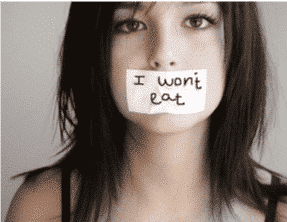
Janessa developed anorexia in 2002 and bulimia a year later. What started as a fad diet quickly took over her life leaving her feeling helpless, ashamed, and isolated with her secret. She discovered an eating disorder chatroom with people who understood what she was going through, a constant feed of support from young women just like her posting recipes, photos, and ideas for thinspiration. She began to compulsively check her feed hundreds of times a day, obsessively comparing herself to others in a desperate competition for thinness. This eating disorder online culture not only normalized her self-harm but also encouraged it. Her compulsive online activities provided an intimate escape that no one in her face-to-face life knew of, not even her therapist. By the time she was 19 years old, Janessa was diagnosed with osteoporosis. By 21 years old, she was buried.

  • 81% of ten-year-olds are afraid of being fat
  • Bullying about body size and appearance is the most common form of bullying in schools.
  • 25% of American men and 45% of American women are on a diet on any given day.
  • Americans spend over $40 billion on dieting and diet-related products each year.
  • Four out of ten individuals have either personally experienced an eating disorder or know someone who has.

girl looking in mirror What is an eating disorder?

Eating disorders (EDs) are a class of mental illness characterized by maladaptive eating behaviors that negatively impact health, emotions, and general life functioning. EDs have the highest death rate of any mental illness, frequently persisting for years. The most common EDs are anorexia nervosa, bulimia nervosa, and binge-eating disorder.

Eating disordered behaviors typically begin as a way for individuals to lose weight or gain a sense of control over their lives. With a compulsively escalating course, dieting, binge eating, purging, self-starvation, excessive exercise, abuse of laxatives, and compulsive participation with online forums are common.

Who develops ED(s)?

National surveys estimate that 20 million women and 10 million men in America will have an eating disorder at some point in their lives. It’s estimated that 40% of female teenagers have an eating disorder, with more men and younger children falling victim in more recent years. EDs are particularly common with individuals who have difficulty coping with stressors.

Risk Factors

Biological Psychological       Social
Having a close relative with an eating disorder.

Having a close relative with a mental health condition.

Female sex. Although people of any, all, or no gender can develop an eating disorder, being female increases the risk of developing an eating disorder.

History of dieting or using weight loss tactics

Type One (Insulin-dependent) Diabetes

Perfectionism. Unrealistically high expectations for yourself.

Body image dissatisfaction. Internalization of the thin ideal.

Personal history of an anxiety disorder.

Behavioral inflexibility. Many people with anorexia report that, as children, they always followed the rules and felt there was one “right way” to do things.


Prejudices about weight – The idea that thinner is better

Personal history of being teased or bullied about weight.

A drive to be perfect

Members of the LGBTQ community are at higher risk due to stigma and discrimination.

Loneliness and isolation.


image of extremely thin girl on instagram Online Forums

Online forums often times exacerbate these already serious mental illnesses by advocating for ED’s as a healthy way of life and painting  mainstream society as condemning, encouraging a “they just don’t understand us” attitude and offering a “we’re in this together” alliance. Compulsive data journaling promotes unhealthy social comparison and competition.

H         = 5’1 (Height)
HW     = 99 lbs (Highest Weight)
LW      = 73 lbs (Lowest Weight)
CW      = 87 lbs (Current Weight)
GW      = 81 pounds (Goal We

Thinspiration or “Thinspo” is also used to encourage extreme and unhealthy thinness by sharing photos, memes, media, and stories. For example, “Once on the lips, forever on the hips” or “Every time you say no thank you to food, you say yes please to being skinny.” Secret terminology or slang is also used often to hide online activities from parents. Commonly used slang include:

“Ana”: anorexia

“Mia”: bulimia

“Bikini Bridge”: when an underweight woman in a bikini lies          down and her hip bones protrude well past   their flat stomach causing their bikini                bottom to stretch across and gap is formed.

“Thigh Gap”: space between the inner thighs when standing upright with both knees                               touching as a result of low weight.

thinspiration image - nothing tastes as good as skinny feels Signs Your Child is at Risk for an Eating Disorder

Wearing concealing clothing

 Emotional changes suggestive of co-occurring emotional distress like social anxiety, depression, or low self-esteem.

Behavioral changes like social isolation, eating more or eating less, sleeping more, fatigue or low energy, or an overall loss of interest in things they’ve always enjoyed.

Often spending time browsing for information about exercise and dieting or visiting pro eating disorder online forums

How You Can Help

Seek help & treatment

EDs can be extremely dangerous and commonly co-occur with depression, anxiety, social phobia, and obsessive-compulsive disorder. Consult a clinical psychologist who has specialized training with eating disordered behaviors early, don’t wait. Not only can a clinician work with your child to achieve insight and build resilience by teaching emotional coping skills, but she can also provide much needed consult and support for family members. Kids will often accept influence from a therapist even when they are dismissive of parenting support.

Stay calm and matter-of-fact

If you see evidence of eating disordered behavior; ask about it in a straightforward, emotionally neutral manner. Of course share your concern, but be careful not to escalate the situation by panicking, threatening, or lecturing.

Be supportive and present

Make yourself available and willing to talk when your child approaches, on her terms. Kids often avoid talking to their parents, because they’re afraid that they’ll lose their trust or add an additional stress factor to an already stressful situation, like going through a divorce or financial issues (Steinberg, 2014).

Reduce stigma

Shame and guilt can keep individuals tethered to their Eating Disorder longer. It is common for misinformed persons to think that disordered eating is simply a choice. Once EDs take hold, it is very difficult to recover without comprehensive professional treatment.

Helpful Online Resources

  • NEDA (National Eating Disorder Association) has recently worked with major platforms, including Facebook, Tumblr and Pinterest, to adjust their terms-of-use policies to forbid the promotion of “self-harm” by users.
  • Eating Disorder Hope provides its readers with extensive information online such as; defining each type of eating disorder, tools for recovery, treatment options, support groups in your area, an much much more.
  • Eating Disorders Anonymous (EDA provides and outlet of support and fellowship for individuals suffering. EDA is a free online community with the only requirement being that the member is committed to recovering from his/her eating disorder.

CSUCI Intern, Katherine Bryan Thank you to CSUCI Intern, Katherine Bryan for contributing this article. If you or someone you know is concerned about the effects that media driven beauty ideals online have on our youth please check-out the GKIS article, “I Want To Be Hot When I Grow Up”.

I’m the mom psychologist who will help you GetKidsInternetSafe.

Onward to More Awesome Parenting,

Tracy S. Bennett, Ph.D.
Mom, Clinical Psychologist, CSUCI Adjunct Faculty
GetKidsInternetSafe.com

Works Cited

 Pro-Ana versus Pro-Recovery: A Content Analytic Comparison of Social Media Users’ Communication about Eating Disorders on Twitter and Tumblr.

The Dangers of ‘Thinspiration’ by Hannah Chenoweth.

Concurrent and prospective analyses of peer, television and social media influences on body dissatisfaction, eating disorder symptoms and life satisfaction in adolescent girls.

Pro-Eating Disorder Communities on Social Networking Sites: A Content Analysis.

Social networks become a battleground on body image.

Photo Credits

Anne on Anne of Carversville

Natalie E. Davis on Flckr

Hannah Chenoweth on The DA Online

Natalie Davis on Flckr

How to Break Your Phone Addiction and Reconnect to Family

children playing outside

If your family looks anything like the average American family, you’re probably on your screens too much and can use some help. We all want our families to be as healthy as possible. Overuse of our devices can have a negative effect, not only on our health, but on our family dynamic. Our gadgets are causing us to sit rather than move, and swipe rather than speak. Cutting back isn’t easy but has huge benefits. How much screen time is too much, and what can our families do to reduce time spent on devices?

Screen Time Guidelines

In Dr. Bennett’s book, Screen Time in the Mean Time: A Parent’s Guide to Get Kids and Teens Internet Safe, she provides recommendations for kids of different ages, toddlers through teens as well as for adults. When asked about time guidelines, she stresses that, although useful as a guide, time limits are less important than the quality and format of viewed content.

Especially for young children, fast-moving, light-flashing content can be overly arousing to the developing nervous system which can lead to stress and effect brain wiring long term. Compulsive and addictive use patterns driven by notifications and rewarding images and sounds can also have detrimental brain and behavior impact. Sexuality and violence are particularly potent to capture our attention, which means lots of exposure to ads and big profit. For children, inappropriate content can lead to stress, anxiety, fear, and depression. She says, for the first time in 23 years of practice, she is seeing young children with panic disorder. She attributes some of these cases to poorly managed screen use.

Dr. Bennett wrote Screen Time in the Mean Time because simple guidelines aren’t enough to protect healthy development and relationships. Each family member has different communication and information access needs. Personalized content and use patterns matter. Rather than set a hard time guideline and leave it at that, she says parents can teach sensible screen programming, choice, and use strategies for smart screen use. Kids need to know why rules exist and be able to negotiate for reasonable access. Just taking screens away overlooks critical learning opportunities. Our screens provide enormous benefits in entertainment, access to information, communication, skill-building, storage, and safety. Knowing how our screen devices affect us and how to manage them are critical first steps to smart screen use.

Risks of Excess Device Use

Recent studies have shown that too much time on your devices can lead to health problems such as:

Obesity 

Watching television for more than 1.5 hours per day is a risk factor of obesity for children who are between the ages of 4 and 9. You are more likely to watch more TV when having one in the bedroom. Teens and children are 5 times more likely to be obese if they watch 5 or more hours of TV per day, than those who watch 0-2 hours per day (Why to limit your child’s media use, 2016).

Sleep Problems

A high exposure to screen media and sleeping with a phone in your bedroom puts you at a greater risk for sleep interference. The light that emits from your phone, blue light, is particularly harmful to your child’s sleep quality, because it triggers a dip in your sleep regulating hormone, melatonin. Poor quality of sleep can then lead to memory problems, loss of initiative, an inability to prioritized tasks, mood and anxiety symptoms, and poor academic performance overall (Bennett, 2018; Why to limit your child’s media use, 2016). Without sufficient sleep, the brain is unable to do its housekeeping duties, which includes memory consolidation and removal of toxins, Chronic sleep deprivation can lead to learning deficits, cardiovascular risks, buildup of toxic proteins that can lead to increased risk for Alzheimers, and an impoverished immune system. This is why Dr. Bennett believes that sleep deprivation is the number one risk to mental health today.

Poor Learning and School Performance

Children and teens tend to divide their attention between homework, TV, and smartphones. Dr. Bennett calls this “multitasking.” Multitasking can lead to poor quality work, wasted time, and mental brownout, which is irritability, fatigue, and depression (Bennett, 2018).

kids avoiding screen time by playing outside

Tips on how to reduce screen time:

Be a role model and be consistent.

Achieving lifestyle changes as a family brings comradery, accountability, and a greater chance of success.

Get honest, set a goal, and reach it.

Have a clear vision of what you want your lifestyle to look like and plan the steps to get there. Time management apps are helpful to track and manage. screen use. Bennett’s home staging tips can also be life altering. Starting sooner rather than later will help everyone build positive habit with less resistance. The GKIS Family Living Agreement is a comprehensive and easy0-to-use tool that helps with education, goal setting, and learning family values.

No screens in the bedroom, bathroom, or behind closed doors.

Don’t even use your phone as an alarm clock. If you glance at it during the night, you’ll get distracted by social media and lose critical rejuvenating sleep. This can become a habit and lead to long-term sleep problems. Use a GKIS Family Docking Station to resist temptation.

Build screen-free dinners into the schedule.

Make meal time family time. The dinner table is a great place to bond with your family, catch up on how school or work went, and talk about plans for the week. This is the perfect opportunity to pay compliments and give thanks. Let your family know how grateful you are to have them in your life, it is these precious moments that we let slip by looking at our phones rather than truly engaging in our loved ones.

Modify your phones to be less appealing.

Delete apps. Grayscale. Turn off notifications. Put apps with notifications on a backpage of your smartphone. The world won’t end, you’ll be fine. Making your phone less attractive will cut your screen time and transform your phone from entertainment, to utility; the way it was intended.Cut your social media contacts to Dunbar’s number, 150.
Research shows that we have a limited amount of friend slots in our brain, which adds up to about 150. After that, relationship quality deteriorates to acquaintance contact. If you’re hemorrhaging time on relationships that don’t bring something special to your life, trim your friend lists.

Improve the quality of your screen content.

Cut down to one social media app, unfollow fake news sources, and reduce your exposure to ad-rich content like beauty guru videos and celebrity news.

family walking on beach at sunset Screen-free times and activities leads to creativity and enriching three-dimensional play.

Bennett practiced #NoTechTuesday and #NoTechThursday with her family. She says these were her favorite days, because her kids played with their pets, built forts, climbed trees, and got creative. Now that her kids are teens, they sometimes elect screen free leisure activities, which she says is a longterm payoff they’ll always value.

Don’t use screens as a punishment or reward.

It’s important that you become your child’s advocate with screen use rather than their punisher. Although it’s easy to use screens as leverage, don’t do it. If they see you as a screen hater, they’ll quit talking to you about their screen activities. Instead, use practical, smaller consequences like 15 minutes earlier bedtime or an extra chore to do. This is especially important with young children.

selfie As with any lifestyle change, time and practice is necessary for success. Trimming screen time may be difficult, especially for teens. They need you to negotiate slow improvements over time rather than demand lots of changes at once. Don’t expect them to agree at first. The benefits will be revealed over time. That is all part of learning healthy habits, which is not an innate skills and is easier with age. Likes and comments are great, but real connections start with true contact and conversation. Thanks to chad Flores for the valuable information in this article. If these tips were helpful, you can find more in Screen Time in the Mean Time: A Parenting Guide to Get Kids and Teens Internet Safe

Works Cited

Dr. Bennett’s book- Screen Time in the Mean Time: A Parenting Guide to Get Kids and Teens Internet Safe

Why to Limit Your Child’s Media Use 2016

Photo Credits

Photo by Allie Milot on Unsplash

Photo by Jude Beck on Unsplash

Yes, Your Kids Can Buy Drugs Online

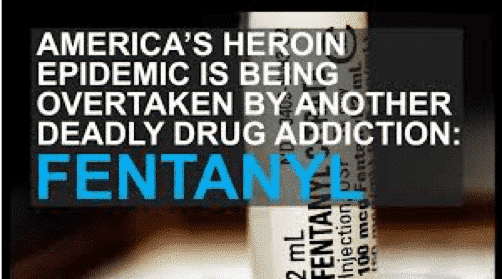
The United States is in an opioid crisis. No longer are illegal drugs like heroin, or its synthetic, more powerful cousin Fentanyl, only used by inner city addicts and rock stars like Michael Jackson and Tom Petty. Thanks to chronic pain and an overuse of prescription painkillers, Americans from all walks of life are addicted and turning to cheaper and illegal options on the street and online. After two thirteen-year-olds overdosed on fentanyl recently in Utah, the US sought its first indictment of Chinese drug traffickers.

The Opioid Crisis in Perspective

Highly addictive opioids include legally-available prescription pain medicine like Percoset and Oxycontin, as well as the more powerful, illegal drugs heroin and fentanyl. Opioids impact the brain stem, which regulates life-supportive functions like heart rate and breathing. There is little difference between the amount of the drug necessary to get high and the amount that results in overdose. As a result, overdose is common and results from gradual asphyxiation due to suppression of breathing. There has been a seven-fold increase in US overdose from opioids since 1999. In 2014, there were 30,000 opioid related deaths in America. By 2015 that number had increased to 55,000, rising to a staggering 64,000 in 2016. This is almost eight times more American deaths than the post-9/11 wars in Iraq and Afghanistan. 

What is fentanyl?                                        

Fentanyl is an extremely powerful opioid that was responsible for the death of Prince and, more recently, Tom Petty. It is far more addictive than heroin. It induces euphoria and relaxation by affecting the areas of the brain that regulate emotions and pain. Up to 100 times stronger than morphine and 50 times stronger than heroin, just coming into skin contact can result in overdose. It can be taken as a tablet, lozenge, lollipop, transdermal patch, nasal spray, powder that can be smoked, or injected. Although available by prescription, fentanyl is also being made in illegal labs in Mexico. Raw materials are commonly smuggled in from China.

Fentanyl is commonly diluted with other substances like heroin, rat poison, or baking soda for increased profit, thus purity varies from batch to batch. Fentanyl has experienced a growing popularity among heroin users who crave more purity. Only two milligrams of fentanyl (the size of four grains of salt) is enough to kill an average adult.

What is online drug trafficking?

People not only buy drugs on the street, they also buy it on the dark net. The dark net is a hidden underground network where sellers and buyers can evade law enforcement with anonymity and clever encryption. They pay with digital currency, called bitcoin, and the drugs are delivered in their mailbox.

  • There are currently over 20,000 listings for opioids and more than 4,000 for fentanyl being sold on just one of the leading dark net drug markets.

  • From 2004 – 2010, emergency room visits resulting from prescription opioid abuse in children younger than 20 years old rose by 45%.

  • In 2015, 55% of people who died from an overdose of fentanyl additionally tested positive for heroin or cocaine, compared to 42% between 2013 and 2014.

  • A supervised injection site in Canada found that 90% of the heroin used there tested positive for fentanyl. Drug users have become more tolerant to stronger substances, reinforcing demand and raising death rates.

Two Utah Teens Overdose


Grant Seaver and Ryan Ainsworth were 13-year-old best friends from Park City, Utah. They overdosed after older local teens ordered fentanyl from the Internet, also called U-47700, “pink,” or “pinky.” Investigators uncovered conversations about the drug through their social media accounts.

Grant’s father spoke out after the devastating incident saying, “It’s unimaginable that Grant could gain access to a drug like Pinky so easily and be gone so quickly, poof. The pain and brutality of this tragedy is crippling.” A 15-year-old teenager from their community has been identified and charged with distribution of a controlled substance and reckless endangerment in connection with the deaths of Grant and Ryan.

Chinese Drug Traffickers Charged with Criminal Indictments

In a precedent-setting move, the U.S. Justice Department held a press conference stating that two major Chinese drug traffickers have been identified and are up for indictment. The two men identified are Xiabing Yan, 40 and Jian Zhang, 38. Tracing the whereabouts and identifying men like Yan and Zhang is challenging because, like most online drug traffickers, they use multiple identities to conceal their activities, shipments, and profits. They take advantage of the fact that the fentanyl molecule can be distorted in a multitude of ways to create an analogue that is not listed as illegal under US and Chinese law. When regulators are able to identify the new drug and illegalize it, the manufacturers swiftly switch to a new unlisted fentanyl analogue.

The U.S. and China have no formal extradition treaty, thus getting the men here is difficult. Yan was previously charged in a Mississippi federal court with producing and selling illicit substances. The case was brought about by a routine traffic stop, which resulted in the unearthing of a “domestic drug ring that sold various synthetic cannabinoids, called “spice” or “bath salts.” According to Rosenstein, federal authorities “identified more than 100 distributors of synthetic opioids involved with Yan’s manufacturing and distribution networks.”

What You Can Do to Protect Your Kids from Online Drug Sales:

  • Educate: There are many educational programs such as Teen Challenge of California that provide youth with knowledge and skills to help them avoid drug misuse and abuse. Research what programs are available in your area and get your teen Volunteer opportunities can be a great addition to college or job applications.

  • Talk to your children about drugs: Teens who have talked to their parents about drug abuse are half as likely to abuse them as those who do not. Make sure they understand that prescription drugs are not considered safer than any other drug. Be accurate about benefits and dangers. Discuss reasons people choose or are tempted to abuse drugs and offer healthy alternatives.

  • Get specific about fentanyl: Do not leave out the details, be specific about the drug fentanyl and its associated risks. Let them know that it’s being sold as counterfeit OxyContin, Xanax, and other prescription drugs.

  • Set a good example: If you’re using prescription drugs, do so responsibly and explain the purpose for your prescription(s), as well as the risks.

  • Don’t keep your prescriptions easily accessible:

  • Be proactive: Ask your children questions. Know who their friends are, where your child is going, and what kind of activities they are participating in. Ask specifics like, if they have ever been around any drug use. Show sincere interest without being judgmental or overly protective.

  • Keep your teen active: Facilitate hobbies and extracurricular activities for your child that interests them and keeps them engaged.

  • Get them treatment sooner than later if needed & have all member of your family participate in the process.

Our hearts ache for the families of the victims. Dr. Bennett attended Tom Petty’s last concert and is still heartbroken over his death. We need to do better!

Thank you to CSUCI Intern, Katherine Bryan for informing parents about online drug trafficking and the threat it poses to young people. For those who are not familiar with the dark net or the underground drug trafficking site called the Silk Road, please read our previous article, GKIS Sheds Light on the Dark Net: Drug Traffickers, Child Pornographers and Nude Selfies.

I’m the mom psychologist who will help you GetKidsInternetSafe.

Onward to More Awesome Parenting,

Tracy S. Bennett, Ph.D.
Mom, Clinical Psychologist, CSUCI Adjunct Faculty
GetKidsInternetSafe.com

Works Cited

Deputy Attorney General Rod J. Rosenstein Delivers Remarks on Enforcement Actions to Stop Deadly Fentanyl and Other Opiate Substances from Entering the United States.

Fentanyl, Teens, and the Deadly Consequences by Brittany Tackett, MA.

Increases in Drug and Opioid Overdose Deaths in the US from 2000-2014— CDC Report United States, 2000–2014 by Rose A. Rudd, MSPH, Noah Aleshire, JD, Jon E. Zibbell, PhD and R. Matthew Gladden, PhD.

Opioid Dealers Embrace the Dark Web to Send Deadly Drugs by Mail by Nathaniel Popper.

Photo Credits

Photo by The Oily Guru on Flckr.