In recent years, social media influencers and internet celebrities have created a popular niche in pop culture. Some content creators possess a level of fame among their young fans which rivals that of traditional A-list celebrities. In the past, these A-list stars were only accessible to the public through the big screen or tabloid articles. Today’s internet celebrities are virtually accessible to fans 24/7 through social media. A new group of wildly popular content creators on the platform TikTok have pushed the boundaries of celebrity accessibility a step further towards toxicity by creating what they have coined “The Hype House.” If you are worried that your kids are living to watch a hype house instead of living their best lives within their own house, you can benefit from our Screen Safety Essentials Course. It has all the resources you need to best manage screen time while getting closer as a family.
TikTok and the Hype House Explained
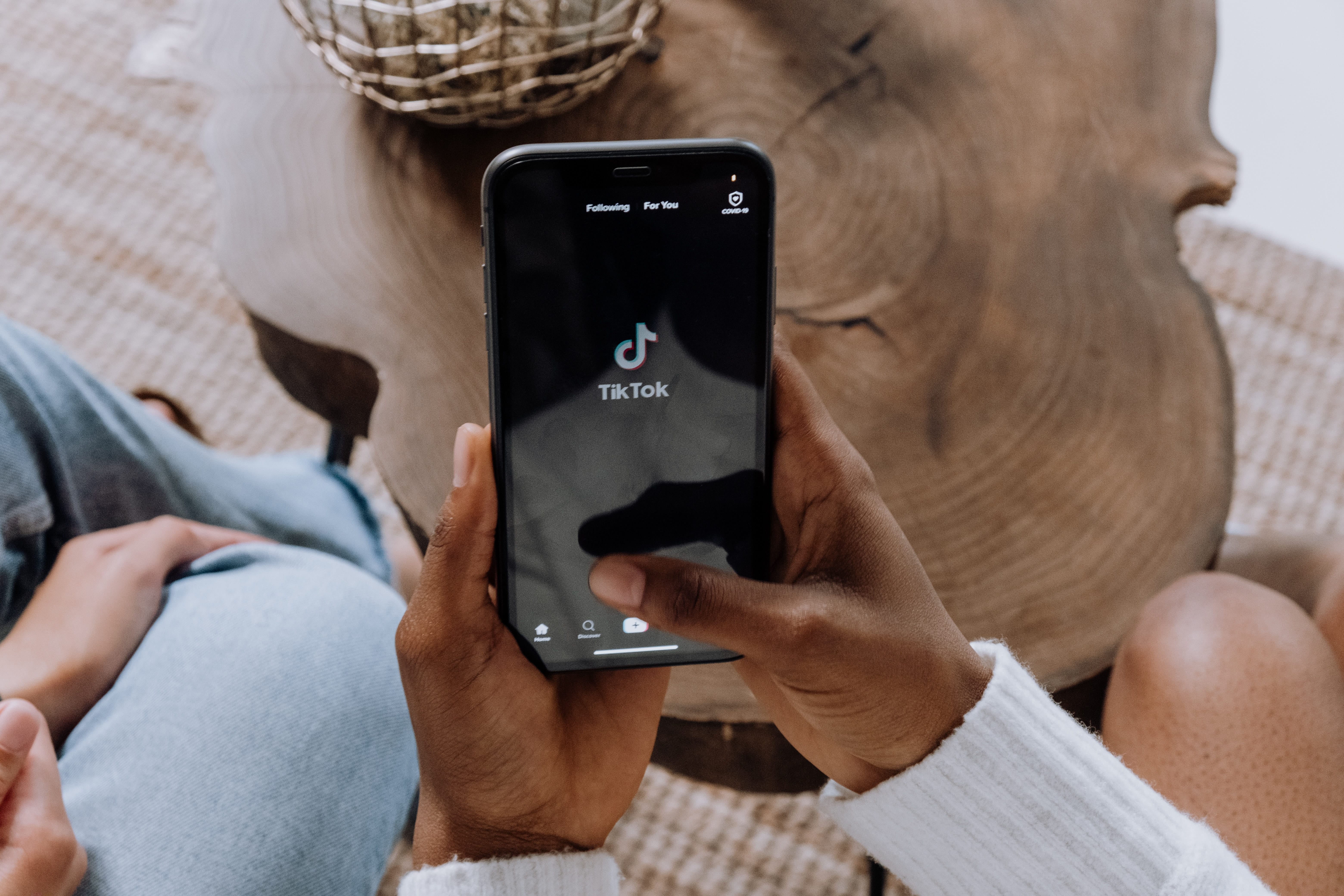
TikTok is a social media and video-sharing platform/app that is primarily marketed to kids and teens. Since its launch in 2016, it has become one of the most popular social media sites attracting over 1 billion monthly users.
As you might have learned from Netflix’s recent show, the Hype House is a collective of young TikTok celebrities who live and work together in a large luxury house in Los Angeles, CA. Due to their popularity, the residents of the house get paid to create millions of dollars worth of sponsored content on TikTok. The more popular a content creator is, the more money they earn through ad revenue and branded merchandise.
Typical content created by Hype House residents feature videos of them hanging out, pulling pranks, partying, and (most often) dancing. Each of the Hype House members has a follower count in the hundreds of thousands to millions which illustrates their immense star power. However, there is a flip side. As avid fans discovered the address of the collective, Hype House residents were swarmed with groups of people stationed outside the home hoping to interact with their favorite TikTokers.
Blurred Boundaries
Fans traveled from all over and waited outside the house for hours just to catch a glimpse of the Hype House members. As soon as someone was spotted, a frenzy of excited screams would ensue. Perhaps it’s not surprising that some teens would go to such lengths to be in close proximity to their favorite celebrities and score pics for their own social media pages. What is surprising, however, is that many of the fans who would gather outside the collective were elementary school-aged children with parents.
Oddly enough, many of the parents seemed to be just as swept up in the frenzy as their kids. One video features a mother bragging that her daughter handed a box of donuts to someone affiliated with the house and that “now her donuts are inside the hype house.” A second video features a woman telling a mob of children “remember, you guys made them famous, you guys give them paychecks…” in response to the children being asked to leave the front doorstep they were trespassing on.
On one occasion, in a bid to gain followers, a 13-year-old TikToker allegedly broke into the Hype House along with her mother and a few friends while the residents weren’t home. The group filmed themselves going through the house and even wearing and stealing the famous housemates’ clothes. The 13-year-old’s mother even uploaded a video to TikTok saying, “We are currently in the Hype House. We’re gonna have amazing content.”
Despite some extreme (and illegal) instances like this, the residents of the Hype House typically accept the mobs of fans and do their best to have positive interactions with them because the fans’ support ultimately translates to more money in the bank. Unfortunately, access to the Hype House has led to the victimization of some young fans rather than the house members themselves.
Appeal to Emotion and the Illusion of Intimacy
The hordes of fans who habitually gathered in front of the Hype House weren’t actually all that bad for the famous TikTokers who lived there. In fact, this situation went on uninhibited by security enforcement or calls to the police for a long time. This is because it was a reciprocal interaction between the famous TikTokers and their fans. The fans got to interact with their idols, take photographs, and hear a celebrity say “I love you” to them in real life. In return, Hype House members gain increased loyalty, views, and support which ensures the longevity of their success as TikTok stars.
When kids and teens feel acknowledged by a person they look up to, it can have a powerful effect. An interaction where a celebrity appeals to the emotions of a fan creates an illusion of intimacy. This makes the relationship feel real and can lead to personal exploitation.
Hype House Star Tony Lopez: Sexual Misconduct
TikTok has a feature called Duet that allows users to build on another user’s video by recording and then placing their own videos next to the original to create a sort of split-screen duet. The troublesome aspect of this feature is that, despite the minimum age of use for TikTok being 12 years old, the music and dance moves in popular videos are often sexually suggestive and explicit. Duet videos are wildly popular on the app.
Tony Lopez is a 21-year-old TikTok celebrity and an original member of the Hype House who is known to post sexually explicit videos. He’s been accused of committing multiple acts of sexual misconduct by several young girls. Lopez, who has over 22 million followers on TikTok alone, is alleged to have used his status as an internet celebrity to coerce underaged female fans into engaging in sexually inappropriate exchanges with him. According to these young fans, Tony Lopez employed various forms of emotional manipulation, preying upon their admiration of him as well as their desire to feel a unique and personal connection with him.
The Graphic Video
In 2020, a video of Tony Lopez surfaced on various social media platforms showing him standing nude in front of a mirror while gyrating the lower half of his body. The video was apparently leaked by Twitter users via direct message. After going viral, TikTok parody videos were posted by clothed minors. In response, Tony posted videos laughing along with the caption, “Oops. Lol.”
Solicitation of Child Pornography
During the same year, several underage girls came forward stating that Tony Lopez had either requested or received nude photographs from them or sent them nude photographs of himself. Tony Lopez would use his private Snapchat account to add young female fans and interact with them in an exclusive forum.
Lopez would use the promise of access to his private account by telling girls that he would only add them if they sent him “sexy pics.” A series of screenshots featuring conversations between Tony and the victims on his private Snapchat were posted online by some of the girls themselves. The screenshots show crude attempts by Tony to solicit nude photos as well as his reactions when they refused. When a young fan turned down Tony’s request for nude photos, he blocked her from his private account as punishment. After these allegations came out, Tony Lopez officially separated from the Hype House brand.
Sexual Battery
In January 2021, Tony Lopez was served with a civil lawsuit on behalf of two minors accusing Lopez of sexual battery and emotional distress. Both girls claim that Tony used his fame to groom and coerce them into engaging in sexual acts with him and to solicit nude photographs of them despite being aware that they were underaged. According to the victims, Tony, who was 20 years old at the time, emotionally manipulated the two via text and direct messaging by saying things like, “I’m tryna marry you.” He would ask the girls to sneak out of their homes at night to meet up with him.
One of the girls originally met Lopez when she was invited to the Hype House by founding member Thomas Petrou, who is also named in the lawsuit for negligent hiring of Lopez. After coming forward, Tony’s accusers were cyberstalked, harassed, and threatened with violence by Tony’s avid fans. Tony has publicly denied these allegations stating that the victims’ motivations are to make money.
Why are fans so easily victimized?
The fascination with celebrities that sees young fans either trespassing onto private property or becoming victimized themselves can be explained by a psychological phenomenon referred to as parasocial relationships. A parasocial relationship is characterized as a one-sided emotional attachment to a media persona that can lead to strong feelings of familiarity, intimacy, friendship, and romance.
For the most part, fans realize that the relationship does not actually exist. Yet the intensity of their feelings causes them to react as if it does. This is manifested as investments of time, energy, and emotion just as in real-world relationships. Except, with parasocial relationships, none of these things are reciprocated by the celebrity.
How Parents Can Help
While understanding this phenomenon can help to keep you aware of some of social media’s pitfalls, Dr. Bennett has also created and compiled a series of valuable tools and guidelines to help you equip your family with the knowledge and strategies needed to safely navigate today’s technological world.
To avoid the kinds of negative outcomes addressed in this article, check out Dr. B’s tried and true GKIS Social Media Readiness Course. Our course is a valuable tool that teaches tweens and teens about the inherent risks of social media and ways to be prepared when encountering them. Additionally, parent-child communication and parental oversight are key. Dr. B offers essential tips for fostering this kind of communication in her GKIS Connected Family Course. With this online course, you will learn how to create a safer screen home environment through fun parenting techniques designed to guide sensible screen management.
Thanks to CSUCI intern, Mackenzie Morrow for researching accusations of inappropriate behavior concerning Hype House influencers and co-authoring this article.
I’m the mom psychologist who will help you GetKidsInternetSafe.
Imagine discovering that the “innocent” cartoon emoji pinging on your teen’s phone is not harmless fun, but instead a secret drug deal? To help you recognize dangerous dealings, I interviewed a recovering addict whose parents had no idea what he was up to until it was too late. With our Screen Safety Toolkit, you can get a head start with screen safety and prevention. The Screen Safety Toolkit is a resource guide that includes our best recommendations, how-to information, and easy links to our favorite easy-to-onboard parental control systems. Today’s GKIS article shares the true story of a young addict’s emoji workarounds, how to spot dangerous online dealings, and offers great tips to maintain your children’s safety when interacting online.
What are emojis?
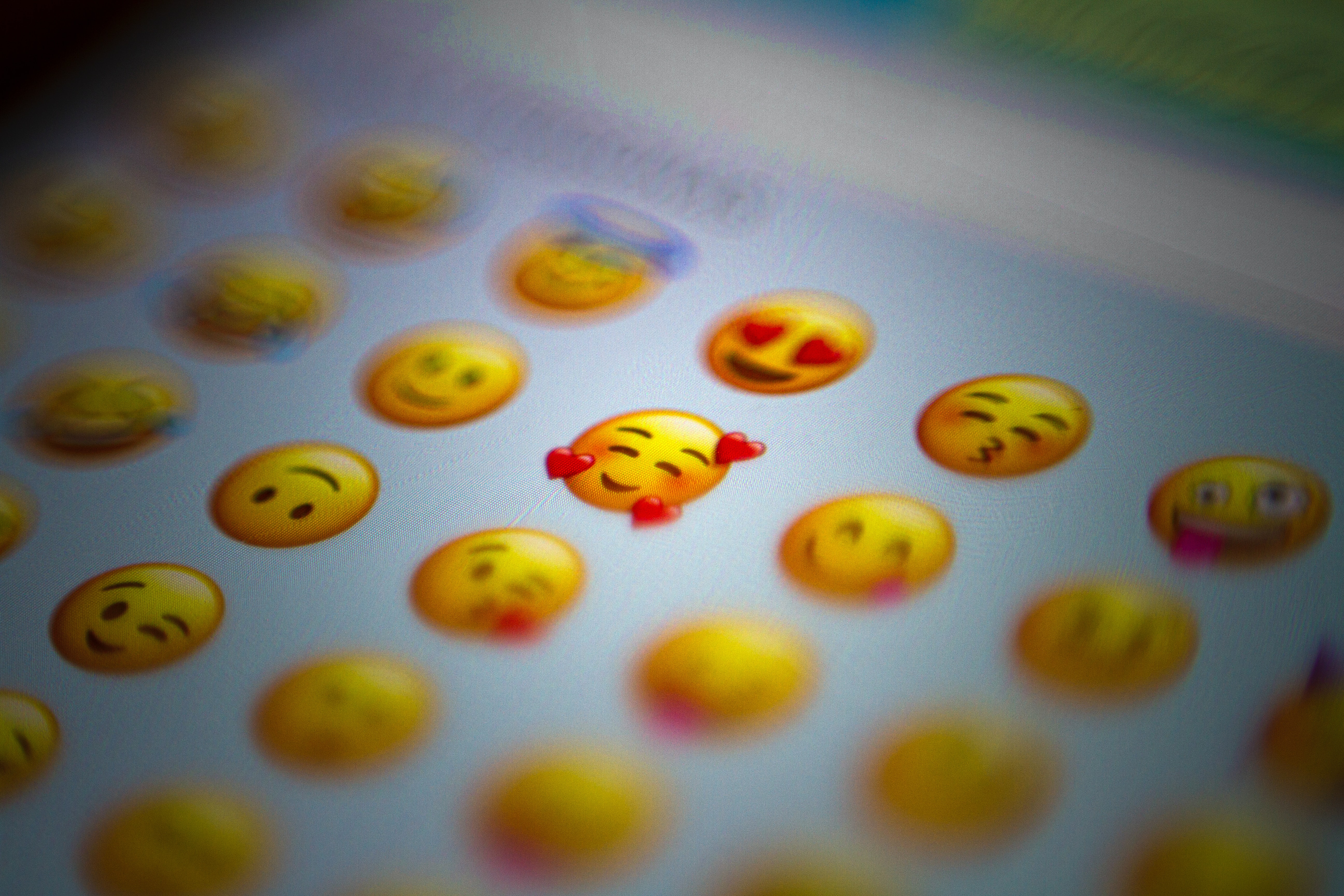
Emojis are small digital icons that are readily available on screen devices. Emojis range from facial expressions to common objects, places, animals, and more. According to a report from the emotional marketing platform Emogi, about 92% of online users use emojis.[1,2]
The Pros and Cons of Emoji use
Pros
Emojis add fun and excitement to conversations and social media posts- help convey emotions in online chats. They are particularly helpful because of the lack of nonverbal cues online, such as body language or facial expressions. For example, testing “sure.” suggests annoyance, while “sure 😊” suggests happy agreement.[3]
Cons
Although emojis were originally intended to represent simple concepts, teenagers also use these symbols for encrypted messages about drugs and other illicit activities. Encrypted emoji messages enable life-threatening drugs to reach communities faster, easier, and cheaper.
At a glance, a conversation on your child’s phone may appear to be about being at the gas station but instead is about buying marijuana laced with fentanyl, a synthetic opioid that is 80-100 times stronger than morphine.[4,5,7,8]
How to Tell if Emojis are Indicative of Illicit Drug Use
According to the Drug Enforcement Agency (DEA), the use of emojis alone should not be indicative of illegal activity. Concerns should be raised if the use of emojis is simultaneously accompanied by changes in behavior or appearance or a significant loss or increase in income. The DEA has even published drug decoding sheets for the public’s awareness.[4,6]
A Young Addicts Story
To better understand the workarounds of encrypted messaging, I interviewed a recovering addict. He reported that when he first started his drug use, he would use specific social media platforms to help keep his drug addiction a secret from family and friends.
Here are the tips he revealed:
Snapchat
The DEA reports that Snapchat is the number one social media platform for online drug activity, and my contact confirms that he and his dealers used it too. He explained that Snapchat is an application where people can keep conversations hidden. Snapchat has specific settings that allow users to quickly view pictures, videos, or messages that will disappear after viewing.
Privacy settings on Snapchat also allow users to ensure that only specific people can view what they refer to as “stories.” The young addict remembers his drug dealers adding him as a friend on Snapchat. From there he would track emoji-coded advertisements on their “stories” that revealed which drugs were available for sale.[6]
Venmo
Venmo was another platform that was used by the young addict. Venmo is an application that allows money transfers between users. LendEDU revealed that nearly 1/3 of their survey participants admitted to using this app to pay for drugs.
My interviewee admitted that this was not initially the way he paid for his drug transactions. Instead, before gaining the trust of his drug dealers, they’d come to his home to drop off the drugs and receive payment in only cash after sending an emoji encrypted text that they were outside. His mother reports being very scared to find out that her son’s drug dealers knew where their family lived, which made her reluctant to report the drug dealer to law enforcement officials despite figuring out his identity.[9]
Encoded Texts
The mother I interviewed confirmed that encrypted text messages are a useful way to suppress adult suspicion. She explained that, if it were not for other indicative factors like his drastic weight loss, mood swings, and incomes loss she would have never expected phrases such as, “Do you have kitty cat?” to be an encrypted message referring to the drug ketamine. She remembers seeing other emoji codes and “cute names” for drugs, but not giving them much attention initially. She said she was overwhelmed trying to research on how to stop dangerous online conversations and seek the help he needed.
If you worry things are getting by you, let go of the guilt and let us do the research for you! Researching digital safety tools is overwhelming! But lucky for you, we’ve made it easy. Our GKIS Screen Safety Toolkit is a resource guide perfect for those that need smart tech tools for filtering, monitoring, and management plus some time to find workarounds.
Dr. Bennett recognizes that it’s no longer possible to live a screen-free lifestyle or monitor 100% of the time. And it can be terrifying to know that kids can become victims of online predators and drug dealers. Our family-tested and outcome-based course helps you close screen risk gaps and improve family cooperation and closeness. Check it out to minimize risks and have easier dialogues for better parent-child relationships.
Teen curiosity online can be dangerous and teens don’t always make sound decisions due to lack of experience and poor impulse control. Our GKIS Social Media Readiness Course allows teens an opportunity to start taking accountability for their actions online and become proactive instead of reactive.
The story of the young addict demonstrates how parents can easily miss indications of digital injury and serious problems. Teenagers are becoming more innovative on how to keep their parents in the dark, such as emoji encrypted messages. With our GKIS Online Safety Red Flags For Parents, parents will learn what behavioral red flags they should be on the lookout for that may signal that a child is suffering from a digital injury.
Thanks to CSUCI intern Ashley Salazar for researching and co-authoring this article. If you suspect your loved one is struggling with substance abuse, please reach out for help. Contact your health insurance carrier or call SAMHSA’s National helpline for more resources and advice.
I’m the mom psychologist who will help you GetKidsInternetSafe.
In 2019, YouTube was fined 170 million dollars for illegally advertising to kids. In this article, we’ll cover how YouTube broke the law designed to offer protection for children online, what they did to fix it, and the gap that still puts kids at risk.
To help protect your kids from inappropriate content on the internet, check out our Screen Safety Essential Course. This program offers access to weekly parent and family-oriented coaching videos that will help you to create safer screen home environments and foster open communication all while connecting and having fun as a family. Dr. Bennett’s coaching helps parents make more informed decisions about internet safety and educates families so they can use good judgment when encountering risks online.
What is COPPA?
The Children’s Online Privacy Protection Act (COPPA) requires websites to get parent’s permission before collecting identifying data (like a kid’s name or address) or the cookies from the computer the child is using for children 13 and under. Cookies is a term for a type of data packet sent from a website to a computer and the computer returns the packet to the website. These data packets are a way for websites to track a user and record their actions on the site. Any company caught violating COPPA may be fined up to a maximum of $42,530 per violation.
COPPA applies to any website that is aimed at children or has an audience that can include children such as:
PBS Kids
Sesame Street
Nickelodeon
Cartoon Network
How did YouTube break the law?
In 2015 YouTube created a secondary website and app called YouTube Kids dedicated to content for children ages 12 and under. YouTube makes the bulk of their revenue by selling ads and gathering customer data. Customer data is valuable to marketers because it helps them better target advertisements. YouTube Kids gathered child customer data using cookies without parent permission. This was a violation of COPPA. As a result, YouTube received a fine of 170 million dollars.
YouTube marketed itself to advertisers on its popularity with children and made millions of dollars on the subsequent revenue. This led to a surge in kid-oriented content creators who made quick and easy-to-produce videos to capitalize on the profitability of these new advertisers. For example, toy unboxing videos became popular because it was an easy to produce video that generated a lot of views. These content creators are also violators of COPPA because they capitalized on YouTube’s violation for profit.
What has YouTube changed?
The good news is that YouTube no longer collects your children’s personal identifiers and will not allow advertisements that attempt to collect them either. YouTube along with the FTC have also cracked down on content creators who intentionally abused the ad revenue system by mass producing content while YouTube was still collecting kid’s data. Those channels were reported by YouTube, reviewed by the FTC, and channels found guilty were then fined for their own COPPA violation.
YouTube also has guidelines to limit what can be advertised to children. For example, YouTube does not allow advertising of any kind of food or beverage to children. YouTube has also added content filters that are meant to catch content that is oriented at kids and ensure that any advertisement that can collect your data can’t show up on those videos.
But kids are still viewing inappropriate content
The bad news is that the YouTube advertisement system isn’t perfect. YouTube may not be able to target advertisements at your child specifically anymore, but they can still target advertisements at children using videos marked as for children on their main site, or using their secondary site YouTube Kids. YouTube has extra guidelines for kid-oriented advertisements. However, YouTube does not regulate video content in the same way they regulate advertisements. For example, YouTube won’t allow a thirty second ad about Kool-Aid on their platform if it’s aimed at kids, but Kool-Aid can make a channel and post videos that are essentially an advertisement dressed up like an entertaining video for children. If you’d like to learn more about how advertising affects your children, GKIS already has an article detailing just that linked here.
What does this mean for your child on YouTube?
YouTube has put better practices into place after the COPPA fine. That doesn’t mean that their business model is any different. YouTube is still a website that makes the majority of its money off of advertisements. The website may not be collecting your child’s data but their attention is still a commodity being sold. Content on YouTube can be fun and even educational for children, but you have to be careful of what content your kids are watching.
What can you do to protect your kids on YouTube?
Check what your kids are watching
If you check in on what your child is watching every few videos then you can be sure that they haven’t slipped into watching advertisements dressed up as videos.
Familiarize yourself with your child’s favorite creators
Check a couple of their videos and make sure their content is something you want your child to watch. It will also allow you to be sure this content creator isn’t advertising anything to your children in their videos.
GKIS how to spot marketing supplement
Here at GKIS our how to spot marketing supplement will help teach your kids about the strategies marketers use, and will help them identify when a video is really an advertisement in disguise.
GKIS social media readiness course
Bennett’s social media readiness course helps to teach your kids how to be safe online and recognize the risks on social media sites and found in gaming.
Thanks to CSUCI intern, Jason T. Stewart for researching YouTube’s COPPA fine and co-authoring this article.
I’m the mom psychologist who will help you GetKidsInternetSafe.
As many as 97% of teens actively use at least one form of social media.[1] If your tween or teen has social media, help them become informed, safer consumers with our Social Media Readiness Course. Our online course includes mastery quizzes after each lesson and can be done at your own pace. We think it’s the best way to help kids avoid the many sources of digital injury and help them integrate critical psychological wellness tools. Today’s article is all about social media and psychological wellness. Is social media use contributing to your child’s social anxiety disorder?
Social Anxiety Disorder
Social Anxiety Disorder (SAD) is a debilitating disorder that impacts children and adults and is characterized by an intense fear of being judged by others in social settings.[2] Since the stay-at-home orders from COVID19, Dr. Bennett says that many kids, teens, and adults have developed social anxiety due to the stress and loss of practice due to isolation. People who suffer from SAD avoid social situations that require peer conversations, giving speeches, and being among unfamiliar people.
What are the signs of SAD?
Although we all may go through bouts of shyness or anxiety when doing social things like making speeches, SAD is a heightened and debilitating version of these same fears. Studies have shown that children with SAD often struggle with peer friendships, academics, and even family life.[3]
Here are typical characteristics of SAD:
Excessive fear regarding social situations
Agitation
Low self-esteem
Avoidance of social engagements
Excessive worry
Poor eye contact
These are things you can be on the lookout for when observing your children. Are they struggling to keep up academically? Are they complaining that they don’t have friends? Do you notice that they lack the confidence to initiate conversations or speak up for themselves?
If you feel concerned, reach out for professional assistance from a therapist or licensed psychologist. The sooner a child gets assistance with SAD, the sooner they can start working on it and find resolutions to their fears. Cognitive Behavioral Therapy (CBT) is particularly effective with SAD.
CBT is a form of therapy that offers strategies to help subjects change maladaptive thinking patterns and gain insight into things that reward anxiety. Unique treatment plans can be altered for each patient. One of the things that make CBT unique is the emphasis on teaching the patient about the disorder and allowing them to create their coping skills and ultimately be their own therapist.[4]
Social Media’s Impact on SAD
Studies have shown that children with SAD tend to have lower interpersonal trust and are more prone to hurt feelings. For some kids who have a hard time building peer relationships in person, using social media can help them make friends and feel included. Talking to peers on social media allows children to think before they send a message which may lessen their fear of judgment. Also, online conversations take out the tough-to-interpret facial expressions that sometimes cause people with SAD to overthink and freeze up.
A great example of where this could come in handy is during a lunch break. Children with SAD may have a hard time interacting during lunch and stay quiet due to fear of being judged. This same child can go home and message their friends on social media about something that was discussed during lunch without having to worry about others watching them. By messaging their thoughts to their friends, they can compose their words and it lets them be involved and part of the conversations.
On the other hand, studies have shown that children with SAD worry more about being judged on what they post than others do.[5] Since a child with SAD is already more prone to hurt feelings, they may get more upset by comments and feelings of exclusion. They may also overthink about posted content wanting to make sure others enjoy it. A balance between offline practice and online practice is key to psychological wellness and social skills mastery.
Things You Can Do to Help Your Child Avoid SAD
Enjoy the support of weekly coaching.
The most important thing that parents can do is be aware of the potential risks and promote an environment of open communication with your children. Dr. B offers a comprehensive family program for fostering this kind of communication in her Screen Safety Essentials Course. With this course, your family will learn tons of information about how to create a safer screen home environment while also connecting and having fun as a family. Armed with the right tools, you and your family can learn how to better thrive in today’s digital era.
Set screen time limits.
Most phones have parental control options to limit the amount of time spent on social media apps. The Screen Safety Toolkit explains the amount of screen time recommended for your children and gives you the tools you need to set up the controls, track usage, and filter unwanted content for safe browsing.
Offer opportunities to practice social engagement.
Sometimes kids need extra support when they are feeling socially anxious. If your child opts out of social interactions, provide a series of opportunities to practice social engagement with your help. Start by encouraging your child to order on their own in restaurants. Continue the same tasks until the child feels comfortable doing them. Once they’re comfortable with the first task, move on to slightly more challenging tasks like small talk when purchasing groceries or waiting in line. Mastering increasingly challenging social tasks can help your child learn social skills and build self-confidence.
Consider CBT Therapy.
If your child’s symptoms are getting in the way of school, friendships, or overall happiness, CBT therapy treatment can help them learn coping skills and face their fears head-on.
Thanks to CSUCI intern Tara Meizel for researching social media and its effects on children with Social Anxiety disorder and co-authoring this article.
I’m the mom psychologist who will help you GetKidsInternetSafe.
[1] Mayo Foundation for Medical Education and Research. (2019, December 21). Teens and social media use: What’s the impact? Mayo Clinic. Retrieved October 7, 2021, from https://www.mayoclinic.org/healthy-lifestyle/tween-and-teen-health/in-depth/teens-and-social-media-use/art-20474437.
[2] Seedat, S. (2013). Social anxiety disorder (social phobia). South African Journal of Psychiatry, 19(3), 192+. https://link.gale.com/apps/doc/A343258868/AONE?u=csuci&sid=bookmark-AONE&xid=5e09250d
[3] Khalid-Khan, S., Santibanez, M.-P., McMicken, C., & Rynn, M. A. (2012, August 22). Social anxiety disorder in children and adolescents. Pediatric Drugs. Retrieved October 7, 2021, from https://link.springer.com/article/10.2165/00148581-200709040-00004#citeas.
[4] What is Cognitive Behavioral Therapy? (2017, July). Apa.org. https://www.apa.org/ptsd-guideline/patients-and-families/cognitive-behavioral#:~:text=What%20Is%20Cognitive%20Behavioral%20Therapy%3F%20Cognitive%20behavioral%20therapy
[5] Shabahang, R., Arguete, M. S., & Shim, H. (2021). Social media posting anxiety: Interpsonal trust, fear or negative evaluation, and hurt feeling proneness as predictors. Journal of Media Psychology: Theories, Methods and Applications. https://doi.org/10.1027/1864-1105/a000300
In a time of online learning your child’s safety is vital, and GKIS is needed more than ever. Enjoy a highlight of Dr. B’s News Reels! With over 25 years in private practice, Dr. Bennett is seeing more families in crisis due to internet safety problems. To prevent digital injury, she developed GetKidsInternetSafe.com! When it’s your kids ON-the-LINE GetKidsInternetSafe.com
Our kids are able to find websites that are not recommended for minors. All parents must be aware of these listed websites so that their child will not be a victim of digital injury. Unlike apps, websites make it much easier for underage children to gain quick access to explicit content. GKIS will provide a brief description of the websites, dangers attached to the websites, and methods to prevent digital injury.
Websites to Look Out For
Parler
In our previous blog article, Parler the Free Speech App was covered as a social network platform focusing on the freedom of speech protected under the first Amendment and user’s rights privileges. An increase of conservative users arrived on the platform in the wake of feeling censored on Twitter. In a battle between liberal and conservative views, big tech censorship has become a public outrage sending users to Parler.
As for children, GKIS stands by our previous decided outcome of Parler not being appropriate for minors due to extreme views and lack of censorship. According to Google Trends, the analysis of popularity for search with interest over time (IOT) ranges from 0 to 100. From January 10th to 16th 2021, Parler had a 78 IOT.[8] With a high population usage and the ability to not fact-check user’s posts, children using the app would likely be exposed to false and conspiracy-laden content.
Onlyfans
One of our most-read articles of 2020, Is Your Teen Selling Nudes on Onlyfans?, explained the risks that on Onlyfans kids and teens may easily access pornographic content. Onlyfans is a social media platform meant for users to access a creator’s content that may provide sexual content to subscribers for a monthly payment. From February 21st to 27th 2021, Google Trends reports that Onlyfans had a 99 IOT.[8] According to Onlyfans terms of service, the user must be 18+. Still, there are reports of minors bypassing the age verification without parent knowledge.[1]
GKIS cautions that minors should not have access to Onlyfans due to leaked information, stalking, life-threats, unemployment risks, and family separation. If you worry that your child could become a victim of sexual exploitation, you will get huge benefits from Dr. Bennett’s weekly parent and family coaching videos on the GetKidsInternetSafe App! Your first 30 days are free!
Toomics
In this comic book subscription service, users can receive Japanese and South Korean comics on horror, romance, and action genres. The service does provide a family mode to exclude inappropriate content. However, children can enable or disable the mode without password requirement.
GKIS recommends monitoring this service or, even better, blocking it from your children entirely. There is a vast amount of sexual content and nudity on this service, including comic book sex scenes, incest, and rape. According to the Google Trends report, from February 7th to 13th 2021, Toomics reports an 85 IOT based on search popularity.[8]
Reddit
In 2005, Reddit grew to be the most popular forum website on the internet. But how safe is it for children? The service provides subreddits of vast topics into smaller ones (e.g., from r/books into r/horror stories or r/Stephen King). Subreddits are organized by moderators who are individuals who manage the forum. As of February 27th 2021, Google Trend reports Reddit as an 87 IOT.[8]
Reddit may not look dangerous, but it does have a high volume of not safe for work (NSFW) material that may be easily accessible to children who lie about their age upon entry into the site. Reddit can be used for searching, browsing, and messaging anyone or anything which obviously holds a high risk of digital injury. For more information on the signs and risks of digital injury, be sure to check out Screen Time in the Mean Time A Parenting Guide to Get Kids and Teens Internet Safe.
The Chive
The Chive’s mission statement is “an outlet for attractive ladies from around the world to strut their stuff.” Although intended to be funny, much of the content on this site demonstrates misogynistic views and a strong prejudice against women.
Google trends reports, The Chive has a 95 IOT from February 21st to 27th 2021.[8] GKIS considers this a red light service due to its raunchy and sexist humor. A study by Brown and L’Engle (2009) reported a significant finding that adolescents exposed to sexual content in media are more likely to engage in sexual harassment two years after watching the activity.[3]
DeviantArt
DeviantArt is an online social community where members share their artwork for critique and to build a fanbase. According to their website, DeviantArt has 55 million users and has a score of 92 IOT from February 21st to 27th 2021.[8] DeviantArt earned a red light GKIS rating because reviews report extremely violent and bloody works of art. Parents also report content involving cursing, insulting, stealing art, fetishes, and nudity on community posts.[4]
4Chan
This highly controversial (and GKIS-rated red light) forum had made headlines because of anonymous users posting nude photographs of dozens of celebrities, including Emma Watson. 4Chan users often endorse sexist ideologies against female gamers like the cyberbullying of Jessi Slaughter and discuss neo-Nazi radicalism.[5] Unlike Reddit, users are not required to form an account. Due to its anonymity, kids can easily participate in R-rated posts undetected and unmonitored.[5]
If you haven’t selected a child-safe browser or set parental controls on devices, through your internet service provider, or through third-party apps and services, you’ll want to check out our Screen Safety Toolkit. We did the research for you with this comprehensive how-to safety resource guide.
Tumblr
In our GKIS article “The GKIS Sensible Parent’s Guide to Tumblr,” we rated this social media platform as a yellow-light app due to sexual images and inappropriate content often displayed on member accounts. With over 30 million users and a score of 83 IOT as of February 14th to 20th 2021, this microblogging social platform is still quite popular.[8]
High-risk content includes self-harm, sexual content, eating disorders, and drugs. There are also reports of sex offenders using the website to incite sexual conversations with children. We stand by our previous decision to recommend parents closely monitor their teen’s activities within the website.
Pornographic Websites (NSFW)
A popular website used for viewing pornographic content like photos, videos, and live streams is PornHub. To learn more about how porn impacts our kids and teens, read our GKIS article “Online Pornography’s Impact on Kids and Teens.” We previously reported that 13% of internet searches are found to access pornography. Due to increased access, that percentage has increased to 20% on the computer and mobile internet browsers.[6]
Fight The New Drug is a non-profit organization trying to reduce porn addiction and set regulations for the porn industry. In 2020, they reported that PornHub’s popular searches were “lesbian,” “teen,” “stepmom,” “mom,” “step-sister,” “hardcore,” “gangbang,” and “rough sex.”[7] Further, the average age for first exposure to hardcore pornography has been estimated to be 11 years old.[7]
GKIS highly recommends that parents add pornography websites onto their restricted website list in parental controls. The website Top Porn Sites can help you block them in child-safe browsers.
Hide it Pro
We would all love to believe that we can trust our kids not to search out, post, and collect inappropriate content online. But sadly, we just can’t. Kids and teens often delight in discovering and sharing titillating and forbidden content and hide it from parents. We cover how to check for apps that hide content in our Screen Safety Toolkit and Dr. B covers it in her coaching sessions on the GetKidsInternetSafe App. To get you started with safety, check all devices for Hide it Pro, a particularly popular hiding app.
Set up content restrictions on tablet and phone devices.
On iOS products, Apple has designated a method for parents to limit adult websites for their safety. Follow these steps:
Go to Settings > Screen Time
Tap Content & Privacy Restrictions and enter your Screen Time passcode
Tap Content Restrictions, then tap Web Content
Choose Limit Adult Websites, and Tap Never Allow: Add Website[9]
In this section, you can add each of the listed above websites to protect your child.
Google has designated parents’ methods to limit adult websites for their child’s safety on Android products. Follow these steps:
Open Settings
Tap Digital Wellbeing
Tap Parental controls > tap Get started
Select Parent
Tap Get Family Link and install Google Family Link for parents
Tap Open (review the information) > tap Get started
Use the on-screen instructions on both phones to finish connecting the two devices. Once it’s all set up, you can use the Family Link app to keep an eye on everything[10]
Thanks to CSUCI intern, Christian Sandoval for locating harmful websites that parents should restrict minors from interacting.
I’m the mom psychologist who will help you GetKidsInternetSafe.
Onward to More Awesome Parenting,
Tracy S. Bennett, Ph. D.
Mom, Clinical Psychologist, CSUCI Adjunct Faculty
GetKidsInternetSafe
[3] Brown, J. D., & L’Engle, K. L. (2009). X-rated: Sexual attitudes and behaviors associated with U.s. early adolescents’ exposure to sexually explicit media. Communication Research, 36(1), 129–151.