Memes are addictive and trashy, but that doesn’t stop an entire generation of people using and abusing them at any given time. The number of times I have tried to have a conversation over text with my brother and only received memes as answers is ridiculous. In fact, if I had a dollar for every meme that was sent my way, I’d be a debt-free woman. While memes appear pointless and mindless, parents can use them to manipulate their kids into doing homework and chores around the house. How you ask? All it takes is some knowledge about the dankest of memes, and you too shall become a meme lord.
What is a meme?
A meme is a highly shareabledigital image with a witty tagline. They are appealing, because they can be funny, clever, sarcastic, or simply tap into an unspoken but relatable concept. For example, some of my favorite memes are the ones that reference what it is like to have siblings, like the meme of a guy with an arrow through his head, captioned, “I’m sorry, you’re fine, please don’t tell mom.” Every time this tired meme pops up on Instagram, I have to share it. Memes not only offer personal entertainment, they are also a proven way to connect effortlessly to others.
The History of Memes
Believe it or not, memes were not birthed from the Internet! According to Britannica (2019), Richard Dawkins, a British evolutionary biologist, was the first to propose the concept of “memes” in his 1976 work The Selfish Gene. In a recentinterview with Vice (2018), Dawkins defined a meme as “the cultural equivalent of a gene,” meaning that, in the same way genes are passed down from person to person, memes culturally spread through the population. By his definition, cultural phenomena like fashion, slang, and fads can all be considered memes, as well as the traditional image with a caption that we see circulating social media today.
Dawkins’ ideas are elegantly illustrated with today’s dank memes(memes that are overused and overhyped) — for example the “free real estate” and the “salt bae” meme.
Salt bae: CNBC (2018) reported that the man behind the salt bae meme is Nusret Gokce, a chef and restaurant owner who became a viral sensation for the way he dramatically sprinkles salt on the steaks he’s prepared for guests. Since an Instagram video of him performing this action went viral, Gokce’s salt bae has become a dank meme and gets used for anything that is perceived as extra or snobbish.
Check out Gokce performing this amazing meme here.
Free real estate: This meme originated from the TV show, Tim and Eric Awesome Show, Great Job!which aired on Cartoon Network’s late night TV Adult Swim. This hilarious sketch is in the form of a commercial in which Tim and Eric are desperately trying to convince a man named Jim to move into a free house. It ends with a close up shot of Tim whispering the timeless line, “It’s free real estate.”
In his YouTube video, “What makes a meme go viral?” Hank Green (2017) attributes the popularity of memes to the bandwagon effect. The bandwagon effectis when people join in on a trend or belief simply because others have told them to. Social media is a great way to increase the popularity of a meme, because it enables us to share them with the world. When someone finds a meme that they adore, they share it with anyone who will find it funny, usually with a caption like, “OMG you have to see this!”
Hank (2017) elaborates that a meme going viral depends on how extreme of an emotion it elicits in us. The more outrageous a meme, the more likely we are to share it. In my opinion, this also has to do with how nostalgic a meme’s content is. For example,the popular meme that features a clenched fist from the popular TV show Arthur can be used for a plethora of situations but is mainly used to elicit subtle levels of frustration and anger.
In my opinion, the reason this meme became such a viral sensation is the feelings of nostalgia it brought to millennials. I adored the TV show Arthur as a child, and every time this meme pops up on my Instagram discover page, it brings back memories from when I was small and cute.
The Most Insane Viral Memes
To become a meme lord, you must be familiar with these iconic memes.
Success Kid: In 2010, an image of a cute little baby at the beach clenching his fist began circulating the Internet. This image is usually used when something awesome happens that was unexpected. Check out its history here.
Distracted Boyfriend: The distracted boyfriend meme was discovered on Shutterstock, a site that houses royalty free images. Its appeal is self-explanatory.
World Record Egg: This is by far one of the most ridiculous things to have happened at the beginning of 2019. It all began when an account on Instagram wanted to see if a photo of an egg could
gain more likes than one of Kylie Jenner’s photos, which had 18 million likes. As of today, the great egg on Instagram has over 53 million likes and 9.9 million followers. This then sparked a series of memes with the captions, “Can this meme get more likes than the Kylie Jenner baby pic?”
Check out their Instagram to keep up-to-date on the hunt for the egg! @world_record_egg. Check out these amazing memes here.
Need more memes, because that just doesn’t feel like enough? Frequentknowyourmeme.com to maintain your newly-acquired meme lord status. You won’t be sorry.
How GKIS Parents Can Become Meme Lords
As the popularity of memes has rapidly risen over the last few years, it’s evident that memes are here to stay. Many people and workplaces are now using them to their advantage. Teachers are using them as motivational tools when they’re grading papers, and workplace managers post them in employee break rooms as funny motivational tools.
Mom, Dad – you too can be a meme lord! Not only can you bring humor into your everyday chore assignments, but you can mortify your kids for being quicker in-the-know than they are!
For example, use them as motivational and study tools when helping kids with homework. There is an entire genre of memes dedicated to random facts. These are known as WTF facts and include some fantastic information that you usually wouldn’t learn in a classroom. Of course, fact check. You can’t believe everything you read on the Internet. Kids love them! My younger brother will spend hours looking at these memes, especially the history ones.
What sites will help GKIS parents become meme kings and queens?
If you can’t find what you’re looking for, make one! Believe it or not, making memes is as simple as pulling up free design sites/apps like Canva or Imgur. Remember, if it doesn’t cause immediate laughs, then it’s probably not a meme!
Dr. Bennett founded GKIS as a service for parents looking to have more fun with their kids, which means joining them where they’re at. Become a meme lord to lighten up, have fun, and encourage mutual meme sharing with your goofy brood. If your kids are younger than eleven, they’ll be in awe of you. If their tweens or teens, you’ll get a mortified eye roll – which Dr. Bennett says is “the best you’re gonna get outta teens.” haha.
Thank you to CSUCI intern, Kassidy Simpson for providing parents with information they need to help become as meme savvy as their kids. Need more support to get Internet savvy and partner with your kids instead of lecture them? You’ll love our GKIS Connected Family Online Course. Designed to help parents lighten up and have fun with their kids while improving screen safety, you’ll see why Dr. B’s kids say she’s “the fun mom.”
I’m the mom psychologist who will help you GetKidsInternetSafe.
Kids and teens love YouTube’s colorful celebrities who cater to their specific interests. But many influencers use their celebrity status to lead fans into harmful situations. In today’s GKIS article, find out how these YouTube celebrities promised big earnings from online gambling, offered poorly planned conventions, attacked other influencers, and encouraged fans to harass other online competitors. Using unethical tactics and no disclosure, many of these profit-making schemes succeed unchallenged.
What’s a YouTube influencer?
A YouTube influenceris a person with a YouTube profile that has a large number of followers and can influence trends, products, and purchasing habits. Their content is typically videos of product recommendations or reviews. Other times, it’s a video (vlog) with influencers talking to their audience about anything that strikes their fancy. Most vlogs include colorful opinions, vulgar language, and provocative topics.
Most influencers are trained marketers who profit from ads, partnerships, and paid sponsorships. Although some provide harmless entertainment, others intentionally mislead or introduce content that can harm their followers.
“Oops, I didn’t mean it.”
One-time mistakes are getting increasingly rare among YouTube celebrities. For some, a string of mistakes results in more fame and profit. For instance, PewDiePie is one of the world’s most famous YouTube celebrities with 91 million subscribers. In 2108, he was criticized for promoting an Anti-Semitic YouTube channel [1], delivering Anti-Semitic jokes [2], and using the hard N-word to thousands of viewers in a live stream video [3].
In 2019, PewDiePie stoked fan fires by encouraging “a fight” with a YouTube channel T-Series and Indian production house. Competing for subscribers, PewDiePie fanned a competition between American YouTube culture versus Indian YouTube Culture. The rallying cry resulted in hacking printers and Google homes, a vandalized World War II memorial in Brooklyn (“subscribe to Pewdiepie”), and, most horrifying, a Christchurch mass murderer yelling “subscribe to PewDiePie” during the live stream of his shooting.
YouTube Influencers Encourage Gambling
CSGOLotto: In 2016, YouTubers TmarTn and ProSyndicate promoted and advertised a site called CSGOLotto. On this site, players bought in-game items that were placed into an online pot alongside other people’s purchased merchandise. The goal was to gamble to win the biggest pot of merchandise.
Video ads for the GSGOLotto showed TmarTn and ProSyndicate having fun gambling large amounts of money trying to win big. Most times, they did win BIG – up to three times the amount they started with up to $20,000 worth of merchandise!
Based on our research, at no point in the ads or written copy did either influencer mention to their collective audience of 13.5 million that they owned this site and were profiting directly. We found the ads to be misleading, looking like the celebrities were simply players rather than profiteers.
Mystery Brand: In 2018, Jake Paul and RiceGum created a similar gambling site called Mystery Brand. In this game, players purchase $5 to $100 virtual boxes that would contain a mystery item worth either less or more than the amount paid. The promised a chance to win a $250 million house with only a $15 buy-in.
The influencers were reportedly paid $100,000 for promotion to their collective 30 million subscribers. In their videos, they narrated how they “teamed up” with Mystery Brand to show how “dope” it was to play.
After demonstrating the easy signup process, the two spent big. Once a player buys in, their money stays in. Players can’t cash out. They can only earn sponsored prizes shown on the site, like a virtual shopping mall. For example, in one video RiceGum shows off his $15,000 profit after only spending $3,000. Neither RiceGum nor Jake Paul refers to the site as “gambling,” but instead call it a “game” with “good value,” promising “there is no losing in this.” Based on our research, no place on the site states the players’ chances of winning.
A Poorly Planned Convention
Tana Mongeau is a content creator with 3.7 million subscribers. In 2018, 5,000 people showed up at a hotel in Anaheim to attend her convention, advertised to be a cheaper and more accessible version of Vidcon (which is a large-scale event hosted by YouTube to meet your favorite YouTuber). Due to poor planning, over 4,000 people waited for over four hours in the sweltering heat outside of the hotel. There were little shade, food, or water available, and many attendees got sunburned, passed out, and rioted due to poor accommodations and security.
Although promised to be free, it wasn’t. While 4,000 waited outside, the 1,000 inside were greeted with a $60 “VIP” pass, with a lack of entertainment, overcrowding, and almost the same issues as those outside the hotel. The videos of this event are upsetting to watch.
Using Their Platform to Attack People
When some YouTube influencers don’t like other content creators or other people in general, they sometimes rant with name-calling and unfair accusations. This cyberbullying can result in a cyber flash mob of dedicated fans that cyber attack through doxing(showing private information), pranking, and cyber-harassment.
False Accusations Against a Competitive Influencer
Jackie Aina is a popular beauty guru who creates and shares videos of makeup applications with 2.9 million subscribers. In 2018, she made a video accusing another YouTuber, Petty Paige (128 thousand subscribers), of stealing $1,500 from her personal bank account.
This accusation appeared to have no proof of legitimacy. Although she never stated Petty Paige’s name in the video, she put up a picture of a video Paige had made, making it easy for her subscribers to identify the accused perpetrator. Jackie Aina’s fans took to social media to harass Paige for weeks. Paige even stated that many business and job opportunities were canceled because of harassment.
Targeting Their Audience
The Gabbie show (6.4 million subscribers) is one of many YouTubers who have targeted everyday people with no regard to how the fan base would react to it. When a young girl in her audience made a negative comment on one of Gabbie’s tweets, Gabbie screenshotted it along with the girl’s account and posted it on her Twitter (2.7 million followers). This led fans to spam and harass the girl, flooding her inbox with hateful messages.
Are there legal consequences?
Too often, when malicious or unethical online behavior is identified, the scandal is fleeting. For example, in the case of TmarTns and ProSyndicate’s gambling scam, the Federal Trade Commission (FTC) filed a case for lying about ownership of a product. Yet somehow, both influencers avoided legal prosecution, only suffering a mild loss in subscribers and yearly income due to a damaged reputation. They still have a net worth of around $5 million.
For Jake Paul and RiceGum, absolutely nothing happened. RiceGum created a video justifying his behavior as the same as what others do. Jake Paul made a joke about the situation. When asked, “You loved being called out for selling a gambling scam to underage kids?” He responded, “Yes, love it.”
Of the influencers covered in this article, Tana Monogue probably received the biggest consequences. After months of backlash and hate from fans and YouTubers, Tana made multiple apologies. But she still suffered no legal consequences. And as for what Jackie Aina and Gabby Shows did, many just see it as insignificant errors in judgment.
What can be learned?
Influencers are not your friends and most often cannot be trusted.
Fanning follower anger is often fake and staged.
On the internet, bad behavior makes influencers money and often goes unpunished.
If you believe the hype, you’re gullible. It’s probably not worth the drama. Think for yourself instead of following blindly.
Thanks to GKIS intern Jack Riley for researching and writing this article. If you learned from this article, stay tuned for part 2, which details the irresponsibility and scams that YouTube influencers continue to feed their audience as well as the marketing and social manipulations used to make sure viewers keep coming back.
Onward to More Awesome Parenting,
Tracy S. Bennett, Ph.D.
Mom, Clinical Psychologist, CSUCI Adjunct Faculty
Works Cited
YouTube Influencers Encourage Gambling
Fluff, TMARTN GAMBLING ON CSGO LOTTO & DECEIVING OWNERSHIP (Full Video Reupload), YouTube.com
(2016, July) YouTube gamers caught in gambling row, bbc.com
As a clinical psychologist who works with kids and teens, I’ve seen the landscape of their lives change in a rainbow of ways. These changes provide opportunities for growth and connection with self and others but can also lead them into unhealthy relationships in online and offline communities. For parents to educate and connect (rather than disconnect) with their kids over these issues, we need to know the basics. Today’s GKIS articles allows us to take a look into what sociologists predict to be a “genderless future,” where we will no longer be defining ourselves as “female” or “male.”[9] Newly created identifiers and the generic “they” will replace pronouns “she” and “he.”[9] And major businesses like Amazon, Target, Walmart, and Disney will remove gender from the labels of their products.[12]
Gender Fluidity
Welcome to 2019, where millennials and generation Zers have created “Gender Fluidity.”[3] Being “gender fluid” means that the individual exists on a spectrum between male and female and may shift gender several times a day or throughout their lives with different intensities.[8] A millennial poll of 1,000 people revealed that half believe that gender exists on a fluid spectrum or “outside conventional categories.”[14]
Celebrities like Will Smith’s son Jaden Smith, rapper Young Thug, actress Ruby Rose, and superstar Miley Cyrus have identified themselves as gender fluid.[10] Young Thug and Jaden Smith are known for pushing the boundaries of fashion with crop tops and skirts.[10] Ruby Rose varies in masculinity in photoshoots and TV shows like “Orange Is The New Black.”[10] Miley Cyrus has explained her gender fluidity during interviews, “It’s weird that I’m a girl, because I just don’t feel like a girl, and I don’t feel like a boy.”[4]
The Break Down
Gender and sexuality concepts are difficult to understand. They seem muddled in some way or another. Here’s some clarification:
Gender is biological sex and its cultural associations: male, female, transgender.[1]
Gender Identity is what someone perceives their gender to be: biologically a female but identifies as male.[1]
Gender Expression is how someone shows their gender whether it be through clothing choices, hair style, makeup, and the like.[1]
Sexual Orientation explains what gender someone is attracted to and would like to have sexual relations with (differs from gender identity).[1]
Romantic Orientation explains what gender someone would like to be emotionally and romantically involved with (differs from sexual orientation sometimes).[11]
Gender Stereotypes
With the traditional labels of gender came their stereotypes, with females being sexual objects and males being macho knuckleheads.[5] These stereotypes link to online gender specific characteristics. Women tend to fulfill their sexual stereotype by posting provocative photos. In captions and comments their words are more positive, supportive, emotional, and personal.[5] Men express their masculinity online by posting content related to violence, sex, and alcohol. Their online engagement is more aggressive, negative, and authoritative.[5]
Gender Expression Online
Modern society advocates for the freedom to be yourself no matter what gender you are or what the color of your skin is. Millennials and generation Zers have countered stigmatic barriers (such as stereotypes) that prevent the LGBTQIA (lesbian, gay, bisexual, transgender, queer or question, intersex, or allied) community from thriving.[13]
The internet has granted many a voice to speak their truths as well as a receptive audience who’ll listen. That power is a great confidence booster for those who feel powerless against parent authority and social judgement.
It also makes the gender journey feel less lonely for kids and teens. Social media provides a private place to relate with others, vent about being misunderstood, and express themselves unapologetically. On their own terms, they can gradually reveal discovered parts of themselves.
For example, some may feel comfortable cross dressing online but not walking out the door that way.[7] This is because coming out to strangers online is more manageable than coming out at school or home.[6] According to the LGBT Helpline, more people feel hopeful and positive about coming out online, because they know they’ll get plenty of positive support.[6]
Being Anonymous
Another great benefit of online gender expression is the freedom that anonymity provides. Kids and teens are allowed to explore their identity on their own terms. The ability to stay anonymous gives them control over who they come out to. You can choose to use an actual picture of yourself or an avatar, virtually anything to be your default picture. Usernames have the same range in reality or fantasy. Social media allows you to pick and choose who has access to your content. A powerful tool is the ability to block specific users from having access entirely. These tools allow teens to choose whether they want to interact with specific people in their inner circle or complete strangers. It also reduces the chances of cyber bullying.
The combination of anonymity and a knowledgeable online community creates an accepting venue. There’s less chance for criticism invalidating a teen’s gender identity.[7] When coming out online to strangers, a user’s gender and sexual orientation isn’t judged by their past.[7] Peers tend to think they know where someone is on the spectrum. This is because they refer to stereotypes. They judge this based on someone’s dating and sexual history. What they know about the person’s interests and hobbies, again, gender is fluid. It’s a personal journey that one can only define for themselves.
Online Safety
As explained before on GetKidsInternetSafe, “gender-awareness is one aspect, but sexual awareness is another.”[2] Unfiltered chat rooms for things like webcomics, fandoms, and role-playing games expose children to age inappropriate themes of sex and violence.[2] Predators have the opportunity to manipulate naive and vulnerable kids and teens with explicit content or groom them for exploitive relationships.[2]
If you worry that your kids aren’t quite ready to delve deep into online communities that may put them at risk, you’ll want to check out our GKIS Screen Safety Toolkit. With our family-tested, outcome-based recommendations, you can build your customized digital toolbox for each device your child uses. That translates to filtering and blocking age-inappropriate content and offer parental management tools like location tracking and monitoring. Why wouldn’t you use the free and/or subscription parental controls available to you to help? You don’t even have to waste time and energy figuring out which will fit for you. We did the research for you!
In addition to GKIS products like our free Connected Family Agreement, Screen Safety Toolkit, and Connected Family Online Course, websites like 7 cups can detour dangerous influence. 7 cups offers free 24/7 support chat rooms by volunteers trained to deal with adolescent issues like “depression, anxiety, relationships, LGBTQ+ and more.”[15] Teens can anonymously join monitored chat rooms to relate with others in the community.[15] The website is a great stepping stone for teens who feel like their parents don’t understand. If all of this is overwhelming already, book a coaching session with Dr. B so she can guide you through it. It really is as easy as that.
What else can you do?
Reflect on your ideas and beliefs about gender. It’s important to understand how you truly feel about these issues. Identify what makes you feel or think this way. Is it healthy and supportive for a child emotionally, mentally, and physically struggling to find themselves?[2]
Educate Start the dialogue about sexual education as early as you can. Answer the questions that are commonly answered with, “I’ll tell you when you’re older.” Be the person they turn to when they have questions. Keep an open dialogue. This helps deter any negative influence age inappropriate content may provide.[2]
Still wondering how to start “the talk”? Lucky for you, Dr. Bennett makes the awkward conversation easier with these tips:
Thank you to our GKIS intern Hanna Dangiapo for untangling the ever-evolving definition of gender. Have you had experiences with gender fluidity in your house or community? Let us know what you think about it in the comments below.
I’m the mom psychologist who will help you GetKidsInternetSafe.
Most parents are baffled by the YouTube celebrity phenomenon so popular with kids and teens. To keep us in-know, our last GKIS article, Why are YouTube Celebrities Popular?, explained why YouTube celebrities are so popular. It looks easy, but the truth is attracting and keeping viewers is not as easy as it looks. Recently, YouTube celebrities have been coming out in droves talking about their struggles with mental health issues. Is this a fad topic intended to attract more viewers? Is it a valuable community service, because it offers mental health information? Or are YouTube celebrities actually stressed out and overextended to maintain earnings? Find out what’s behind the curtain of YouTube celebritydom and how practicing tried-and-true self-care methods is the answer for staying healthy and successful.
The Breakdown Video
In 2016, top YouTube celebrity PewDiePie reached his breaking point. In a video titled “I QUIT (for now),” he announced that he couldn’t keep up the pace of uploading videos daily. Even the wildly successful veteran PewDiePie was crumbling under the stress and anxiety of a daily vlog.
Elle Mills is a more recent celebtrity who became an overnight sensation last year with her coming out video, increasing her subscriber count to 1.2 million. Soon after, she posted her burnout video. In her seven-minute emotional video, she explains:
“This is all I ever wanted. And why the fuck am I so unfucking unhappy? It- It doesn’t make any sense. You know what I mean? Because, like this is literally my fucking dream. And I’m fucking so unfucking happy. It doesn’t make any sense. It’s so stupid. It is so stupid.”
Because of the fast changes in her life and the effect YouTube was having on her, she decided to take a break to recuperate and find her love for creating content again.
Bobby Burns gained almost a million subscribers in less than two weeks after working with celebrity Shane Dawson. Shortly after, Burn abruptly decided to move to Los Angeles and change his content. Sadly, Burn received a lot of backlash from Shane fans and his subscriber numbers ultimately declined under accusations of selling out and changing content for Shane. Eventually this led to his video explaining his breakdown, saying:
“I didn’t make videos, I did- I literally didn’t do anything. I tried- I tried incredibly hard but I couldn’t. I would go to touch my camera or touch premiere and I would just have a full-blown anxiety attack. When this was first happening I was so confused, I was like why? I love making videos so why the fuck is this happening? And the reason that was happening is because I completely burnt myself out and I lost myself in YouTube.”
Common Elements Behind YouTube Celebrity Breakdowns
AdSense:When YouTubers are first starting out, they receive their money through Google AdSense. The amount of money received depend on two key factors, the types of ads and the pricing of ads appearing in your videos. So, whenever a viewer clicks on an ad on your YouTube channel, you get paid a certain amount of money. This creates a pressure to upload daily among YouTubers, so they can maintain their status as a YouTube celebrity and have a consistent flow of income.
Always-Changing YouTube Algorithms:An algorithm is a set of rules created to solve a class of problems. When we speak of YouTube algorithms, we are referring to the specifications that get one’s video offered up to viewers. There is big competition. Every minute there are over 400 hours of videos uploaded to YouTube, making it necessary to have a way to make content easier to find.[1] According to YouTube, the point of having the search and discovery system are to help viewers find videos they want.
Initially, the algorithm was fairly simple, rewarding the most clicked videos. Now videos are rewarded by the number of minutes the video is viewed, among other factors. Staying relevant creates a lot of pressure to produce fresh, new, and creative content each upload.
Currently, the six ways the algorithm can affect where YouTuber’s videos appear are through search results, suggested video stream, recommended viewing, trending stream, the viewer’s subscriptions, and any notifications the viewer has set up. [1]
Demonetization:Another concern is the fear and frustration of having your video demonetized. Demonetization means that the video is not suitable for monetization (making money from ads), since it does not comply with YouTube guidelines. However, this continues to be a frustrating and confusing topic for YouTubers since YouTube’s software decides if the video is advertiser-friendly. Software occasionally messes up ad revenue by incorrectly putting it in the ‘demonetization’ category. This can have a costly financial impact.
Brand Ambassadorships & Product Lines: Not only must YouTube celebrities manage their own brands, but they often partner with others. Typically that means partnering with somebody with a similar platform (number of subscribers). Other times, there’s pressure to earn the attention of a bigger celebrity. In order to be marketable, one must create and test content to build an attractive business portfolio. Another way to increase profits and expand influence is to create a personal product line. One business quickly leads to others…
Is YouTube doing enough to support YouTube celebrities?
YouTube Creator Academy launched in 2013 for the purpose of providing free educational videos on starting a YouTube channel or helping your channel be successful. Creator Academy courses include foundation, production, growing your channel, earning money and building your business on YouTube, and YouTube content categories. [2]
The course “Staying well and avoiding burnout” was added in June, 2018. Polygon writer, Julia Alexander, writes:
“There is no concrete answer for how YouTube executives and employees can tackle burnout. They can offer more transparency around monetization and copyright rules…but it’s going to take a lot of experimenting and communication. Tools like the community tab, which offer creators a chance to hang out and talk to fans without needing to work on a video is just one step.” [3]
Avoiding Burnout
YouTuber celebrity and vlogger, Casey Neistat, offers, the following suggestions for preventing YouTube burnout:
Take a break.
It’s important to give yourself a break from the fast pace of YouTube. Letting your viewers know that you are taking time to recuperate and take care of yourself shows an openness and bond as a creator. Go on that long-awaited vacation without feeling guilty.
Spend time with family and friends.
Usually a YouTuber’s time consists of long hours of planning, filming, and editing. Having a balance of work and play are crucial for one’s mental health. When you spend time with family and friends it can be a time to unwind and not focus on YouTube. Remember, you still have a life outside of YouTube, and it doesn’t always need to be publicized to millions of viewers in the world.
Don’t be afraid to ask for help.
This can mean many things. Hiring more hands-on deck to film the content, edit videos, manage social media outlets, and create a balance on work and life can remove those added pressures and creative blockage. For impairing mental health issues, seek professional help.
Diversify your income.
YouTube ad revenue isn’t the only way to make money. The membership site, Patreon,is an outlet for YouTubers to create a page so subscribers can pay to get bonus creator content. Forming a direct relationship with sponsors can also help funding. Being a part of events that hold Q&A panels, conferences, or platforms for YouTubers also help. Production deals with media companies like Netflix or Disney can offer lucrative revenue. Finding ways to diversify your income is important to weather dips in one revenue source.
At the end of the day, YouTube businesses are like other entrepreneurial ventures. Staying centered, learning how to tolerate risk, build support for wearing multiple hats and ultimately outsource, and learning how to manage teams and finances are critical for success. Want to learn more about YouTube’s impact on kids? Checkout YouTube Beauty Gurus Suck Money and Teen Confidence and GetKidsInternetSafe Tips for YouTube.
Thank you to CSUCI Intern, Sasha Mejia for taking the initiative to research and write this article in response to your insights!
I’m the mom psychologist who will help you GetKidsInternetSafe.
We’ve all been there. Stuck at work, school, or home. We pick up our phones and click on Instagram. There’s BFF Julie on her amazing trip to Japan – 150 likes in 42 minutes. Then check out Twitter. There’s co-worker Andrew’s fun video of an amazing concert at the coolest venue in town. His text post fetched 27 comments. “Wow! That looks so fun!” “I’m so glad I ran into you last night!” “Did you get the pictures I sent you?” You put your phone down and instantly get hit with a wave of sadness. Everybody seems to be having more fun than you. Are you going about life all wrong?
FOMO
FOMO or “fear of missing out” is a form of social anxiety in response to seeing activities streamed on social media. These feelings can blossom into immediate disappointment or long-term feelings of inadequacy. You know you should be happy. You’re ashamed of it. But still … people who experience FOMO the most tend to be extremely active on social media sites like Instagram, Snapchat, and Facebook.[1]
Who suffers from FOMO?
Although FOMO adversely affects all ages, recent studies conclude that FOMO is most common among teens. Nearly 60% of teenagers experience anxiety when they become aware of plans being made without them or can’t get ahold of their friends. Another 63% are upset when they have to cancel plans with friends.[2] Among the other age groups, an overwhelming 61% of subjects aged 18-34 state they have more than one social media account, while 27% state they check their Facebook feeds immediately upon awakening.[3]
FOMO Risks
Compulsive social media checking that gets in the way of everyday activities and leads to texting and driving, like “snap and drive” which is careless driving while Snapchatting.
The inability to prioritize important responsibilities over fun social media posting.
Posting shocking activities like binge drinking and drug use.
Spending lots of money to post expensive designer items.[4]
The constant need to feed is a surefire way to develop feelings of inadequacy and anxiety. FOMO makes us feel lonelier, inferior, and less successful.[5]
Reducing FOMO Anxiety
Get real.
A fun post here and there is not reflective of the “perfect” life. Everybody hurts sometimes, even the pretty ones.
Cop to it.
Once you admit to it, it’s easier to control it and create a plan of action to work through it.[6]
Be in the present.
Practice mindfulness techniques like anchoring – attending to your current surroundings, what you see, feel, hear, smell, and your breathing.[7]
Recommit to your nonvirtual life.
Pet that dog you always see on your way to school or work. Stop and smell the flowers. Read a book in the park. Give yourself ample time to finally finish that term paper or work project. Commit to doing one of those today, right now!
Temporarily detox.
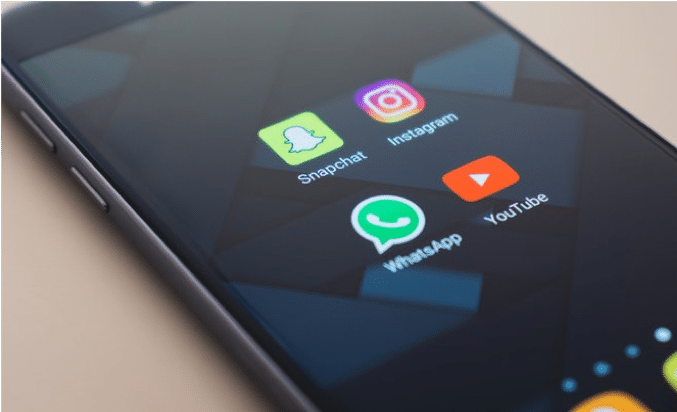
If momentary disconnection is a struggle, delete apps off your phone and use psychological wellness app support. Cool detox apps include Moment, Flipd, and Forest. Detox apps offer fun and clever incentives to get off your phone. For instance, Forest incites you to not open social media by illustrating breaks with forest growth and how large and lush and large you can grow your forest.[8]
Seek counseling.
If all else fails, talk it out. Since FOMO is seen as a cognitive distortion, cognitive behavioral therapy has been shown to be highly effective by offering thought-reconstructing tools. In other words, identifying stinking thinking and replacing it with can-do thinking can greatly improve mood and feelings of well-being.[9] Fewer social media posts may mean a fulfilling life is being lived off-camera rather than no life happening at all.
Thank you to Tammy Castaneda for contributing to this GKIS article. Fomo is becoming an increasing problem for kids and adolescents. If your child is still in elementary school, hold off until middle school before you allow their first social media app. If your teen showing problematic behavior, take action. To prevent clinical symptoms related to screen use, check out our GKIS Connected Family Online Course. In 10 easy steps, you can learn how to encourage healthy screen habits and a happier household.
I’m the mom psychologist who will help you GetKidsInternetSafe.
[4]What is FOMO? (And How the Fear of Missing Out Limits Your Personal Success). (2018, July 27). Retrieved September 14, 2018, from https://www.developgoodhabits.com/fear-of-missing-out/
[9Staff, G. (2016, April 14). Overcoming FOMO: What Fuels Your Fear of Missing Out? Retrieved September 17, 2018, from https://www.goodtherapy.org/blog/overcoming-fomo-what-fuels-your-fear-of-missing-out-0418167
Screen technology provides amazing entertainment, convenience, and communication as well as a wide range of problems, particularly for kids and teens. Parents and professionals complain they can’t find the perfect tech toolbox to help. There are a lot of costly third-party solutions out there, but where do parents start? None seem to cover all the bases! Apple may have helped us by launching the Screen Time setting in the new iOS 12 update. Promising more speed, the ability to FaceTime up to 32 people at once, new personal animojis, stickers, and filters, augmented realities, easily sharable photos, searching, and shortcuts, Apple is committing to more “power” overall. Features that promise to help us control our use include auto turn-off Do Not Disturb, Instant Tuning to selectively turn off notifications, advanced shortcut and privacy features, and Screen Time tracking. Find out what you need to know in today’s GKIS article.
Tracking Your Usage
This update offers Screen Time, which will allow you to see which apps you use most often and how much time you spend on each activity with an easy-to-read bar graph and data count. Screen Time also allows parents to see which of your kids is the Twitter addict and which is up past their bedtime watching YouTube videos. You can monitor multiple devices linked to your iCloud account.
The Screen Time feature also tracks how many notifications you receive and from which apps they are coming from. Screen Time even tells you how many times you picked up your phone, a number that may surprise you.
Setting Limits
There are several limits that you will find with this update. If you see that social media is taking up a majority of your child’s day, you can set a timer on that category and for the entire day they will only have a set time to use their phones for that specific purpose. If your concern is about a certain app, like Snapchat, then you can just set a limit on that app alone.
Another useful tool is the Content and Privacy Restrictions, which allows you to monitor your child’s internet usage and their app store purchases. This is a simple way to ensure that your child is not viewing graphic or inappropriate internet content.
The last major setting that can be utilized by this new update is called Downtime. Downtime allows for you to schedule time for yourself or your family to disconnect from the distractions of your apps. This may sound a lot like Airplane mode, however the difference with Downtime is the ability to allow certain apps to continue to be used. Calls and texts come in automatically with Downtime, but if you can’t be without your emails you can allow that to remain active during this scheduled break.
Opportunity to Start Important Screen Time Conversations with Your Family
With the new Screen Time feature, your kids may feel like their privacy is being infringed upon, and you aren’t giving them enough space. However, we at GKIS feel that filtering inappropriate content and monitoring screen use is an important aspect of parenting, especially for younger kids and teens.
Rather than avoid the discussion and lock their screen use down, negotiate what seems reasonable for your family. Have spirited conversations. Share important facts about risk and benefits that you learned from GKIS articles. Team work builds stronger relationships.
There is no more influential tool for screen safety than a healthy parent-child relationship. Trust is earned on both sides. As stated in Dr. Bennett’s book, Screen Time in the Mean Time, your attachment to your child is a relationship built upon communication, negotiation, and fun. It’s important to ensure that your children’s privacy is something that is as important to you as it is to them, and that seeing where their time on their phones is spent is a way to look after their digital health and social well-being.
Recap
You can see which apps are the most used and for how long
You can set limits to specific apps and categories of apps
You can set content restrictions for internet and iTunes usage
You can set a bedtime for yourself and your children
Thanks to GKIS intern Adam Ramos for keeping us up on the latest! We at GKIS are big fans of Apple’s new Screen Time innovation. It is worth carving the time out of your chaotic parenting schedule to check this one out. It’s easy to use, free, and a giant step toward personal screen time accountability. Need support how to start these important family conversations, set your home up for safe screen use with handy tech tools, and get your family behind sensible rules? Check out the GKIS Home Starter Kit. In 10 easy steps and in as little as two hours, you can make several giant steps toward a closer relationship and better screen safety in your home.
I’m the mom psychologist who will help you GetKidsInternetSafe.