
Need peaceful screen time negotiations?

Get your FREE GKIS Connected Family Screen Agreement

GKIS

Is Your Child Exhibiting Digital Self-Harm?

In 2013, a 14-year-old girl in England named Hannah Smith committed suicide after being bullied and receiving hurtful comments on a social media website. When her father called for there to be accountability for the people who had left messages about his daughter before her death, it was revealed by the police that Hannah had most likely written the messages herself.[1] This was one of the first recognized incidents of digital self-harm, where a person leaves harmful messages, comments, or posts about themselves on the internet. We have written about physical self-harm in the GKIS article, “What Parents Need to Know About America’s Cutting Epidemic, but today we’re going to examine the possible causes of digital self-harm, and how you can take steps to help your children if they’re experiencing this. To prevent digital self-harm, keeping open communication between you and your kids about their screen usage is essential. The GKIS Connected Family Screen Agreement is our free digital contract that helps create an open forum of communication between you and your kids and offers tips about the basics of internet safety.

What makes digital self-harm different?

Physical self-harm is when a person injures or puts themselves at risk without intent for committing suicide. Often this is done to numb emotional pain or cry for help. The most known forms of self-harm are cutting or burning yourself or skin-picking, but other risky behaviors like excessive drinking and drug use can become self-harm depending on the person’s motivation.[2] Physical self-harm can accompany or lead to suicidality.

Digital self-harm is similar to the physical forms of self-harm, but it takes place over the Internet. A teenager who’s self-harming this way may leave hateful comments and messages for themselves on social media, often in a publicly visible place. This is done anonymously on a fake account they’ve created.[3] By doing this to themselves, it can make it look like they’re being cyberbullied or harassed by others. Like physical self-harm, teenagers who digitally self-harm are at a much higher risk of suicidal thoughts or making a suicide attempt.[4]

Why do people engage in digital self-harm?

There are many reasons a teen may engage in digital self-harm, including:

  • to express overwhelming negative feelings about themselves. 
  • to take control of peer relations where they’d otherwise feel out of control.
  • to look artsy, tough, or cool or better belong among others victimized by bullying or cyberbullying.
  • to numb out or punish themselves.[2][6]
  • to attract much-needed help and support.[5] 
  • to elicit compliments and praise from others.
  • in hopes that friends will come to their defense and say positive things about them.[5] 
  • to create a forum where they can engage in a public discourse and track responses.[5] 
  • to phish to find out if other people see them in a similarly negative way.[6] 

How common is this behavior? 

A study in 2012 surveyed 617 college students and found that 9% of those students admitted to committing digital self-harm behavior while they were in high school.[7] 

Another more recent 2017 study surveyed 5,593 middle-school and high-school students and found that about 5% admitted to digital self-harm, and 6% admitted to cyberbullying themselves.[3] They also found that teenagers who had digitally self-harmed were also more likely to have been bullied in the past than the students who hadn’t self-harmed.

The Role of Social Media in Self-Harm
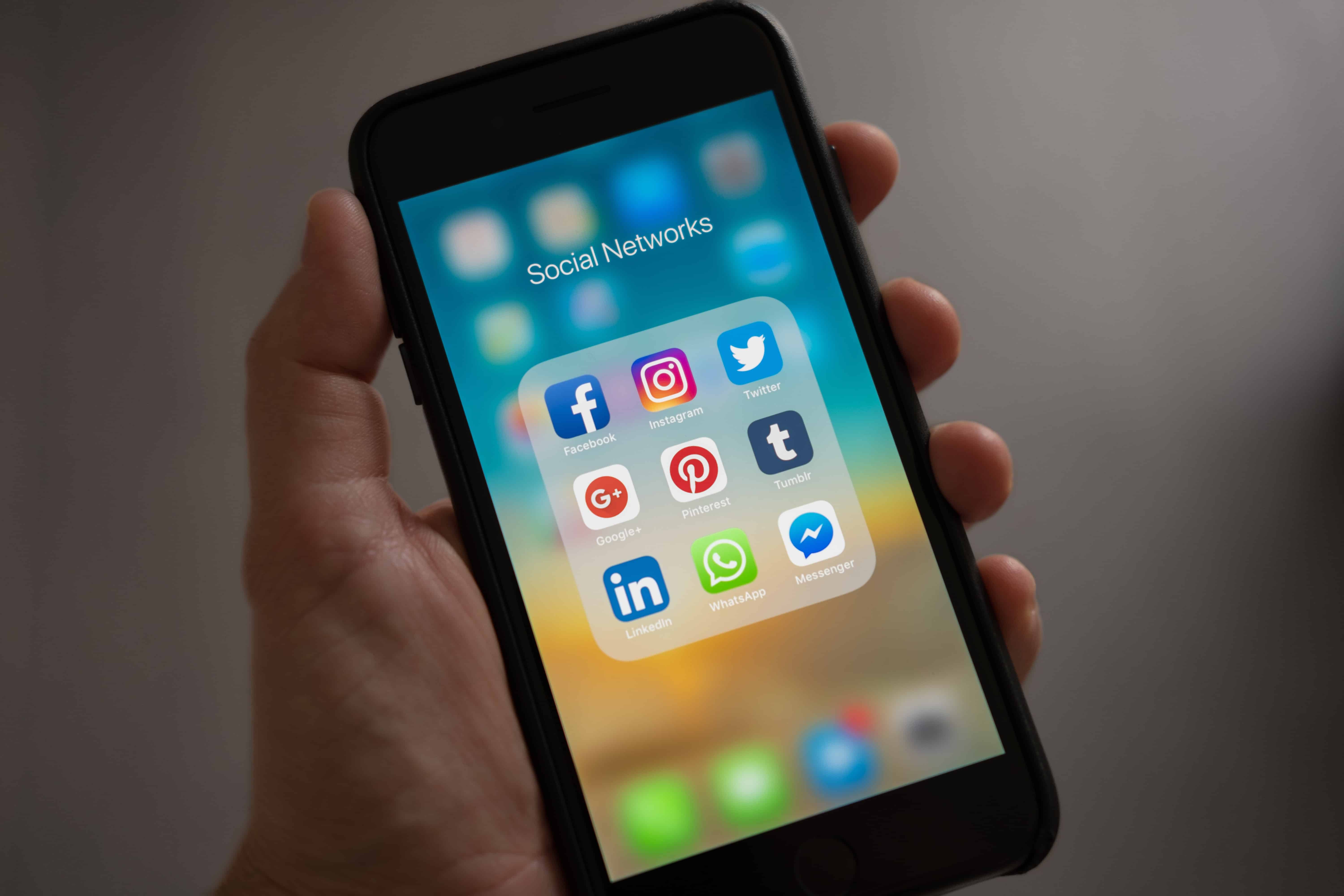
As social media has gotten more popular, teenage mental health has been getting worse. One study found that adolescent suicide rates and depressive symptoms increased from 2010 to 2015, particularly among young girls.[8] Another found that students who checked social media 50-100 times a day were more likely to be distressed than their peers who checked less frequently, and that checking more than 100 times a day led to even higher distress.[9] 

While self-harming behavior is usually done in private, social media opens the possibility of exposure to the negative emotions that cause self-harm. Social media allows kids and teens to communicate with others who self-harm and more easily find information about how to do different types of self-harm.[2] 

What should I do if someone I know is digitally self-harming?

While digital self-harm is a new phenomenon in the worlds of social media and psychology, there are preventative measures that could help you monitor for digital self-harm in your family:

  • Take active steps to manage your children’s time online and monitor what kinds of websites your children are accessing. The GKIS Screen Safety Toolkit provides you with advice and app recommendations to set up parental controls, screen time management, and website filtering and blocking.
  • Recognize that self-harm is usually a symptom of other problems in your child’s life, and that they may be keeping it to themselves to avoid embarrassment or punishment. Respond with empathy in mind. This is a poorly thought-through coping mechanism that is fairly common among kids, tweens, and teens. Don’t respond harshly because you are disappointed or embarrassed. Instead, make this a teaching opportunity and gently validate their feelings and coach them through to better solutions. Kids make mistakes online just as they do offline. They’re still learning.
  • If the free Connected Family Agreement catches your interest and you want something more comprehensive, our megacourse for Screen Safety Essentials offers GKIS content for the whole family to form healthier screen use habits and encourage cooperation between you and your kids.
  • If you’re worried that your teen is self-harming or suicidal, contact a mental health professional as soon as possible. Typically, the earlier the intervention, the more effective it is.

Thanks to CSUCI intern Brandon Bishop for researching digital self-harm and its causes and authoring this article. 

I’m the mom psychologist who will help you GetKidsInternetSafe. 

Onward to More Awesome Parenting,

Tracy S. Bennett, Ph.D.
Mom, Clinical Psychologist, CSUCI Adjunct Facility
GetKidsInternetSafe.com

Works Cited

[1] Hannah Smith inquest: Teenager posted ‘online messages’  from BBC News

[2] Identifying Different Types of Self-Harm in Teens from Newport Academy

[3] Digital Self-Harm Among Adolescents by Dr. Justin W. Patchin & Dr. Sameer Hinduja

[4] Digital self-harm and suicidality among adolescents by Justin W. Patchin, Sameer Hinduja, and Ryan C. Meldrum

[5] Digital Self-Harm and Other Acts of Self-Harassment by Danah Boyd

[6] Digital Self-Harm in Adolescents: What It Is and How to Prevent It from Newport Academy

[7] Digital Self-Harm: Frequency, Type, Motivations, and Outcomes by Dr. Elizabeth Englander

[8] Increases in Depressive Symptoms, Suicide-Related Outcomes, and Suicide Rates Among U.S. Adolescents After 2010 and Links to Increased New Media Screen Time by Dr. Jean M. Twenge, et al.

[9] #Being Thirteen: Social Media and the Hidden World of Young Adolescents’ Peer Culture by Dr. Marion K. Underwood & Dr. Robert Faris

Photo Credits

Photo by Pixabay from Pexels: https://www.pexels.com/photo/woman-looking-at-sea-while-sitting-on-beach-247314/

Photo by Mikoto.raw Photographer from Pexels: https://www.pexels.com/photo/photo-of-woman-using-mobile-phone-3367850/

Photo by Tracy Le Blanc from Pexels: https://www.pexels.com/photo/person-holding-iphone-showing-social-networks-folder-607812/
Are Your Kids Suffering from Sensory Overload? 

Has your child ever had an epic freakout because you demanded that they turn off their screen? Or completely went unhinged when you wouldn’t buy them a video game they wanted or allowed social media before you thought they were ready? It turns out that there is a neurological reason for that reaction beyond child entitlement and fragility. Too much screen time can result in overstimulation that results in short- and long-term effects in kids. To help manage your child’s screen time and avoid overstimulation, check out our Screen Safety Essentials Course. This course will help your family achieve screen sanity with our weekly parenting and family coaching videos featuring research-based tools from Dr. Tracy Bennett. In this article, we discuss sensory overload, how it may be affecting your children, and how to avoid it.

Our Digital Babysitter 

Raising kids is hard! And some kids are more difficult to entertain than others. Screen time can be a win-win – kids are happy, and parents can get things done. Dr. Bennett, Founder of GetKidsInternetSafe, says screen time can be a great thing, but it can also be a source for a host of digital injury. In her book Screen Time in the Mean Time, she describes screen injuries in the areas of health, interpersonal exploitation, and financial exploitation.[4]

She says that, although screen time matters, content matters too. Educational content with a calm, predictable, and sequential pace is easier for children to process than frenetic, fast-paced content. If your child melts down when you tell them to turn off screen time, you may need to be more aware of the content they are watching so they don’t suffer from sensory overload. 

What is sensory overload? 

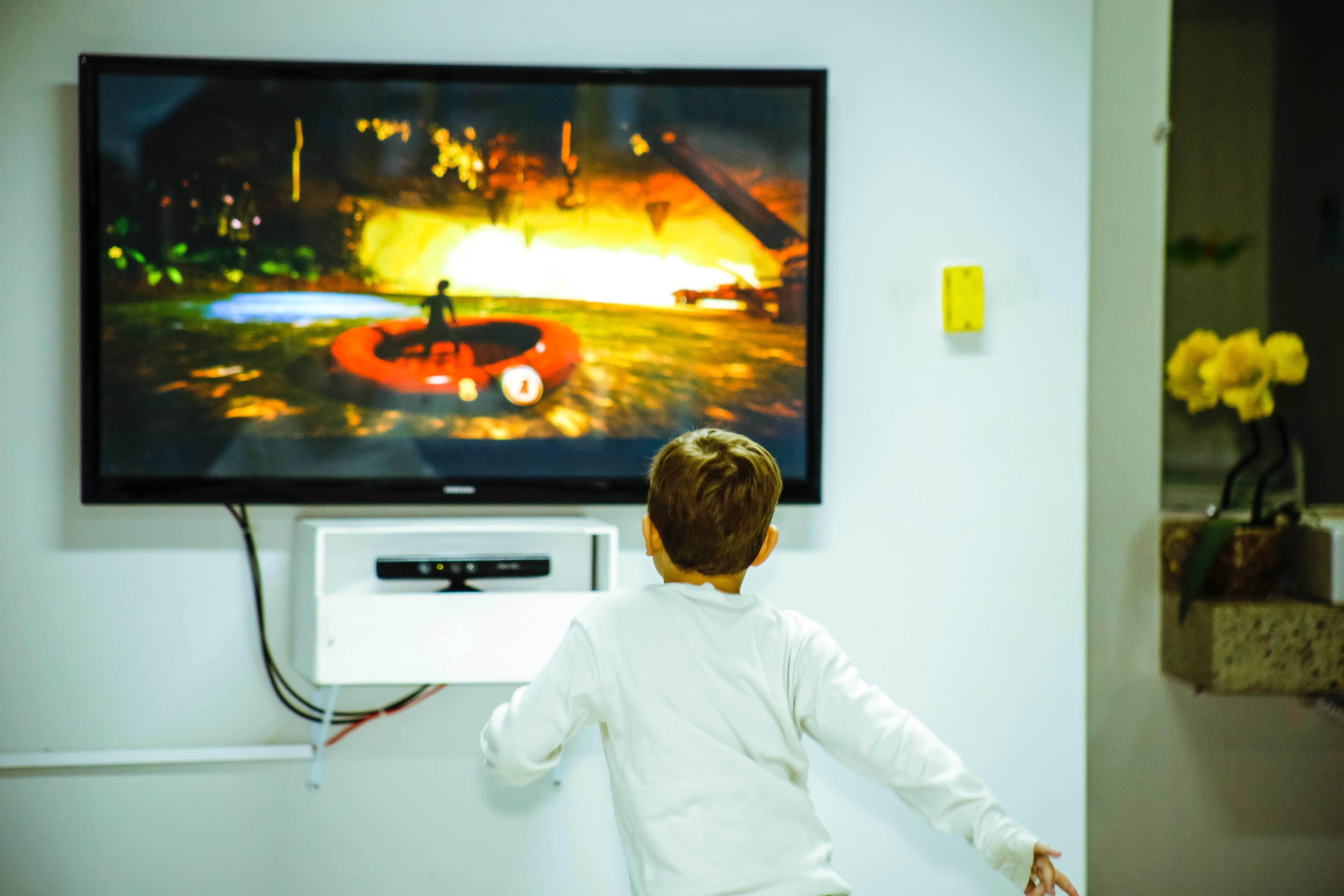
Sensory overload refers to overstimulation that occurs when sensations from the environment, like playing video games or watching fast-paced videos and television programming, can become overwhelming.[2] For young children with maturing brains and difficulty with emotional modulation, sensory overload from unmanaged screen time can result in irritability, temper outbursts, hyperactivity, and aggression. Children with disabilities, like autistic spectrum disorder or attention-deficit/hyperactivity disorder, are particularly vulnerable to sensory overload.[4] 

What does frenetic, fast-paced content look like?  

In 2006, YouTube launched the child educational program CoComelon. By September 2022, CoComelon had 144 million subscribers and over 139.24 billion views.[5] The demand and popularity of the CoComelon led to the creation of the TV show in 2021, which also became a hit sensation. CoComelon consistently ranks in the top ten most popular shows on Netflix.   

CoComelon is known for its fast pace and bright animation. These aspects of the program are hypothesized to stimulate the release of the feel-good chemical, dopamine, in kids’ brains.[1] Dopamine also plays a key role in addiction. This rush of dopamine that kids experience while watching the show is what makes them want to watch it repeatedly.[3] Some exposure is likely harmless. However, some kids may have a vulnerability to such fast-paced content. Too much watching can lead to problems.  

Passive television while doing homework can result in sensory overload. 

Frenetic screen content isn’t the only thing that can lead to problems with sensory overload. In her book, Screen Time in the Mean Time, Dr. Bennett writes that passive television can also strain child cognitive resources.  

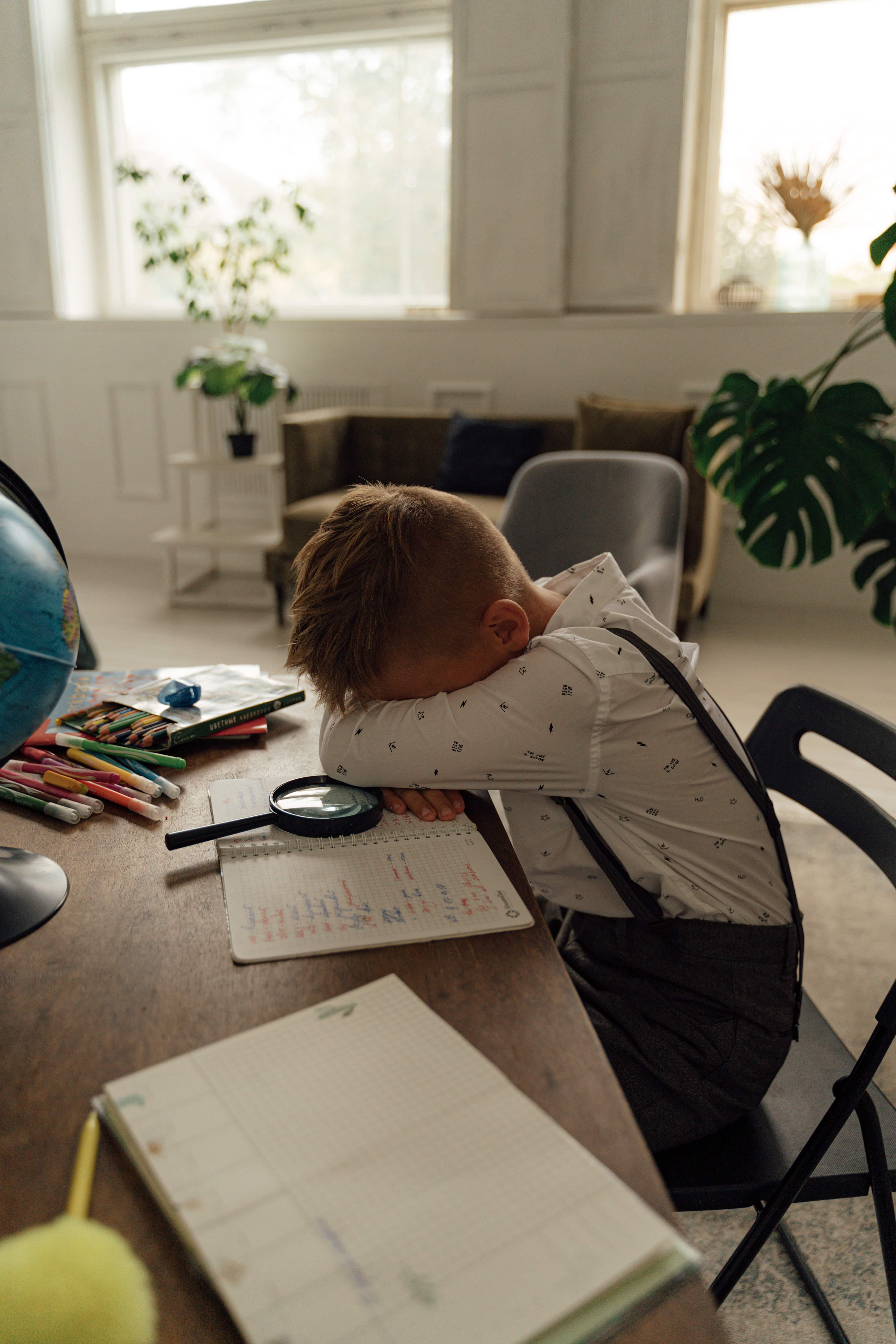
Passive television refers to the television playing in the background while we’re eating dinner, doing homework, or just for pleasure. Having the television on in the background while your kids do homework creates a battleground for your child’s attention. This can negatively affect their quality of learning and academic performance.  

Dr. Tracy Bennett writes: 

Watching TV and doing homework are both demanding tasks that compete for visual and verbal cognitive processing. As a result, the toggling required to attend to both tasks will impair learning and homework quality. Research studies have demonstrated that watching television, or even just having it on i n the background, impairs reading performance, recall and recognition, and even your memory of what you’ve watched on TV.[4]  

Entertainment and big tech have commodified your child’s attention. 

Because entertainment corporations recognize that their profit depends on our screen time, they’ve created manipulative technology to capture our attention. With features like autoplay, companies like Netflix, YouTube, and TikTok know how to keep us binge-watching. The autoplay feature automatically dishes up new content without user input to promote addictive watching habits. With features like autoplay, can you be confident that Netflix is prioritizing your child’s learning and mental health over its profit?   

Signs That Your Child May be Suffering from Sensory Overload  

  • Chronic moodiness and irritability 
  • Fatigue and low energy 
  • Difficulty making decisions 
  • Temper outbursts, especially after a long screen time binge 
  • Aggression 
  • Headaches, including ocular headaches and migraines 
  • Difficulty falling asleep and staying asleep 
  • Nightmares[6] 

How can you help your child avoid sensory overload? 

  • Prioritize face-to-face family time and screen safety conversations with help from our Connected Family Screen Agreement and our GKIS Blog. 
  • Take initiative and manage what your children are able to access with help from our Screen Safety Toolkit
  • Set up sensible household rules (like screen-free zones) and amazing learning centers with help from our Connected Family Course.
  • Help your children learn how to recognize the red flags of digital injury and practice psychological wellness tools before they adopt social media with our Social Media Readiness Course.
  • Opt for the works with our megacourse the Screen Safety Essentials Course. This low-cost option offers all GKIS Courses and Agreements in one easy place. Parents-only videos and family videos from Dr. B offer 26 easy lessons that you can sprinkle in once a week to make sure you cover everything!
  • Share Dr. B’s important teachings by telling your school, church, or temple about her custom webinars!
  • If you need extra support, check out our GKIS Workshops and Dr. B’s Coaching options!

Thanks to CSUCI intern, Sarah Hernandez for researching and writing about sensory overload from screen time.  

I’m the mom psychologist who will help you GetKidsInternetSafe. 

Onward to More Awesome Parenting, 

Tracy S. Bennett, Ph.D. 
Mom, Clinical Psychologist, CSUCI Adjunct Faculty 
GetKidsInternetSafe.com 

Works Cited  

[1] The Kangaroo Forest. (2022). Is CoComelon overstimulating. Woodlands Online. https://www.woodlandsonline.com/blps/article.cfm?page=10208 

[2] Gordon, S. (2021). How to cope with your child’s sensory overload. Very Well Family. https://www.verywellfamily.com/overstimulation-in-children-4585143 

[3] Maguire, C. (2017). 6 negative effects for children playing video games. Washington Parent. https://washingtonparent.com/6-negative-effects-for-children-playing-video-games/ 

[4] Bennett, T. (2019). Screen time in the meantime: A parenting guide to get kids and teens internet safe. GetKidsInternetSafe Books. https://getkidsinternetsafe.com/parenting-guide/  

[5] CoComelon. (2022). YouTube. https://youtube.com/channel/UCbCmjCuTUZos6lnko4u57UQ 

[6] Eatough, E. (2021). What is sensory overload? Know how to deal with overstimulation. BetterUp. https://www.betterup.com/blog/sensory-overload  

Photo Credits 

Photo by Vidal Balielo Jr.: https://www.pexels.com/photo/boy-standing-in-front-of-flat-screen-tv-1682519/ 

Photo by ANTONI SHKRABA: https://www.pexels.com/photo/a-boy-leaning-his-head-on-the-table-5306486/ 

Photo by August de Richelieu: https://www.pexels.com/photo/little-girl-doing-her-homework-4260486/ 

Virtual Reality Distorts Reality: An Increase in Dissociation

Virtual reality (VR) has become increasingly popular in the gaming community. VR allows consumers to experience new environments and activities that push the boundaries of creativity and possibility. Although VR offers excitement, studies have shown that the extended use of VR can lead to an uncomfortable mental health symptom called dissociation. Find out about VR-induced dissociation and the pros and cons of VR in today’s GKIS article. If you are worried about your kids’ extended use of VR gaming, our GKIS Screen Safety Essentials for the family offers weekly videos and downloads so you can achieve a peaceful fun home with healthy screen time. With 26 quick, fun lessons, our Essentials Course offers tons of ideas to keep you connected and safe. Keep reading to learn how to maintain your kids’ safety while giving them access to virtual fun.

What is virtual reality?

Virtual reality is gaming technology that simulates real or fantasy worlds that the players can immerse themselves into for a variety of activities. Immersion into the 3D VR world is possible by stimulating many senses all at once like vision, hearing, and touching.[1]

The Pros and Cons of VR Use

Pros

It’s fun and therapeutic!

VR can be really fun and exciting. It can serve as a mental break or escape from day-to-day routines and is a great way to connect with friends and meet new people with similar interests.

Access to new worlds and experiences can also be beneficial for those suffering from physical disabilities because they can experience activities that they cannot in the real world.

People with neurodevelopmental disabilities, like autism, can also benefit from VR. For example, an individual may use VR to learn how to better socialize in an environment where mistakes won’t lead to risks like in the real world. For example, as a behavioral intervention that works to help kids with autism, one of my patients has a goal of learning how to cross the street. Practicing in real life can be nerve-wracking and even dangerous due to the possibility of being hit by a car if my patient runs into the street from overstimulation. By practicing VR, he can eliminate risk as he learns to master this new skill.[2,3]

Work Training

VR also has potential benefits in the professional worl d as a safe way for training in many fields of work. For example, during the COVID19 pandemic, health care workers could interact with patients in VR without being exposed to the virus. VR has also allowed students and professionals to perfect skills and procedures before risking with real patients, like practicing a surgical technique for example.[4]

Cons

Feelings of Withdrawal and Disappointment with the Real World

For some people, what goes up must come down. Many players report feelings of sadness after play and a growing disappointment with real-life experiences. Tobias Schneider, a user of VR described feeling detached from the real world because it lacks the ‘magic’ and excitement VR has to offer. As an oculus user (a VR gaming system) myself, I recently went to their online forum and found that many users reported these feelings.[5]

Dissociation

Studies and forums have shown that VR has the potential risk of dissociation such as derealization and depersonalization. Derealization is this mental state where a person will feel so detached from their surroundings including people and objects, that the world will feel unreal. Depersonalization is this feeling that you are floating outside yourself. These types of dissociation occur for a variety of reasons, most typical in response to panic attacks and generalized anxiety. Theorists have described these symptoms as a defense that our bodies mobilize to protect us from stress. Other conditions that can cause dissociation include sensory deprivation, trauma, seizure disorders, dementia, and the use of hallucinogens or marijuana. Some people are even genetically prone to demonstrating this psychological symptom. Once a person dissociates once, they are more likely to dissociate again.

Although most people who dissociate describe it as a passing feeling, once one dissociates once they are more likely to do it again. For a minority of people, dissociation can occur often out of the blue in a condition called Depersonalization/Derealization Disorder.

A 2006 study examined the effects of VR use and found that for some players, episodes of dissociation increase after VR use. Even a gamer developer describes a time when they had to touch things around their surroundings after finishing a VR demo just to erase any lingering skepticism from her brain. If you look at the oculus forum, you will read many users complaining that their hands don’t feel like their own even after taking off the VR headset.[6,7,8,9]

Tips To Avoid the Negative Effects Of VR

  • Read your VR system’s instruction manual and safety warnings.
  • Start off with baby steps and play at a comfortable level that is not overwhelming.
  • Take frequent breaks when using VR.

When To Seek Professional Help

Having feelings of depersonalization or derealization that occasionally pass is common and should not necessarily cause alarm. But if these feelings of depersonalization or derealization become persistent and severe, this can be a sign of a physical or mental health disorder. You should seek immediate help from a doctor if these feelings are:

  • disturbing you or becoming disruptive to your emotional well-being,
  • become persistent and seem to never go away or improve, or
  • interfere with personal relationships, work, or other daily activities.

GKIS Resources That Can Help You Build Healthy Relationships with The VR World

GKIS Screen Safety Essentials Course

Want a peaceful, fun home with healthy screen time, but don’t want to spend on something that won’t work for? Check out our GKIS Screen Safety Essentials Course. We have a free two-week trial so you can determine if it’s the right resource for you before you spend a penny. Plus, it includes videos and downloads from all GKIS parent courses that are designed for weekly viewing, making the material digestible and easy.

GKIS Social Media Readiness training for teens & tweens

If you are not sure your child is ready to experience the online world check out our GKIS Social Media Readiness training. This self-paced course will get your kids ready for VR or anything in the online world. It includes mastery quizzes after each lesson to ensure they are prepared for online fun while maintaining safety. Guaranteed to make happy teens and relieved parents.

GKIS Online Safety Red Flags for Parents

Digital injury is real, and many users run to forums when trying to understand the negative feelings they experience from the overuse of technology. With our GKIS Online Safety Red Flags For Parents, parents will learn which behavioral red flags to look out for that may signal that their kid is suffering from digital injury.

Virtual reality is a hot topic. You can also check out our other GKIS articles to learn more about the benefits and risks VR has to offer:

Virtual Reality to Treat Phobias

“Metaverse” VR App Allows Sexual Exploitation of Minors

Thanks to CSUCI intern Ashley Salazar for researching and co-authoring this article. Prevent digital injury after VR use and check out our GKIS resources. They will help you launch a fun screen-safety dialogue. If you or a loved one is suffering from severe and persistent dissociation, please contact your health insurance provider and see a doctor.

I’m the mom psychologist who will help you GetKidsInternetSafe.

Onward to More Awesome Parenting,

Tracy S. Bennett, Ph.D.
Mom, Clinical Psychologist, CSUCI Adjunct Faculty
GetKidsInternetSafe.com

Works Cited

[1] Bardi, J. (2019) What Is Virtual Reality: Definitions, Devices, and Examples.

3D Cloud Marxent. https://www.marxentlabs.com/what-is-virtual-reality/

[2] Arrango, B. (2022) Pros and Cons of Virtual Reality. Filmora.Pros and Cons of Virtual Reality[2021] (wondershare.com)

[3] Mileva, G. (2022) 7 Benefits of AR and VR For People With Disability. AR

Post. 7 Benefits Of AR And VR For People With Disability| ARPost

[4]Dannewitz, M. (2020) Virtual Reality: A Valuable Tool for Health Care Training. Motive.ioVirtual Reality: A Valuable Toolfor Healthcare Training Motive.io

[5] Searles, R. (2016) Virtual Reality Can Leave You With an Existential Hangover. The Atlantic.https://www.theatlantic.com/technology/archive/2016/12/post-vr-sadness/511232/

[6] Forrester, J. (2020) Oculus Community: Forums. https://forums.oculusvr.com/t5/General/Feels-like-I-m-in-VR-even-though-I-am-not/td-p/839398

[7] Kiefaber, D. (2017). Using Virtual Reality Could Lead to Feelings of Detachment, Sadness. Inside Hook. https://www.insidehook.com/article/health-and-fitness/virtual-reality-leads-feelings-detachment-sadness

[8] Cleveland Clinic. (2020) Depersonalization/Derealization Disorder. Cleveland Clinic. https://my.clevelandclinic.org/health/diseases/9791-depersonalizationderealization-disorder

[9] Mayo Clinic. (n.d.) Depersonalization-derealization disorder. https://www.mayoclinic.org/diseases-conditions/depersonalization-derealization-disorder/symptoms-causes/syc-20352911

Photo Credits

Photo by Pham, Minh. (https://unsplash.com/photos/HI6gy-p-WBI)

Photo by Expo, Xr. (https://unsplash.com/photos/ipDhOQ5gtEk)

A Teen’s Addicts Confessions About Online Workarounds

Imagine discovering that the “innocent” cartoon emoji pinging on your teen’s phone is not harmless fun, but instead a secret drug deal? To help you recognize dangerous dealings, I interviewed a recovering addict whose parents had no idea what he was up to until it was too late. With our Screen Safety Toolkit, you can get a head start with screen safety and prevention. The Screen Safety Toolkit is a resource guide that includes our best recommendations, how-to information, and easy links to our favorite easy-to-onboard parental control systems. Today’s GKIS article shares the true story of a young addict’s emoji workarounds, how to spot dangerous online dealings, and offers great tips to maintain your children’s safety when interacting online.

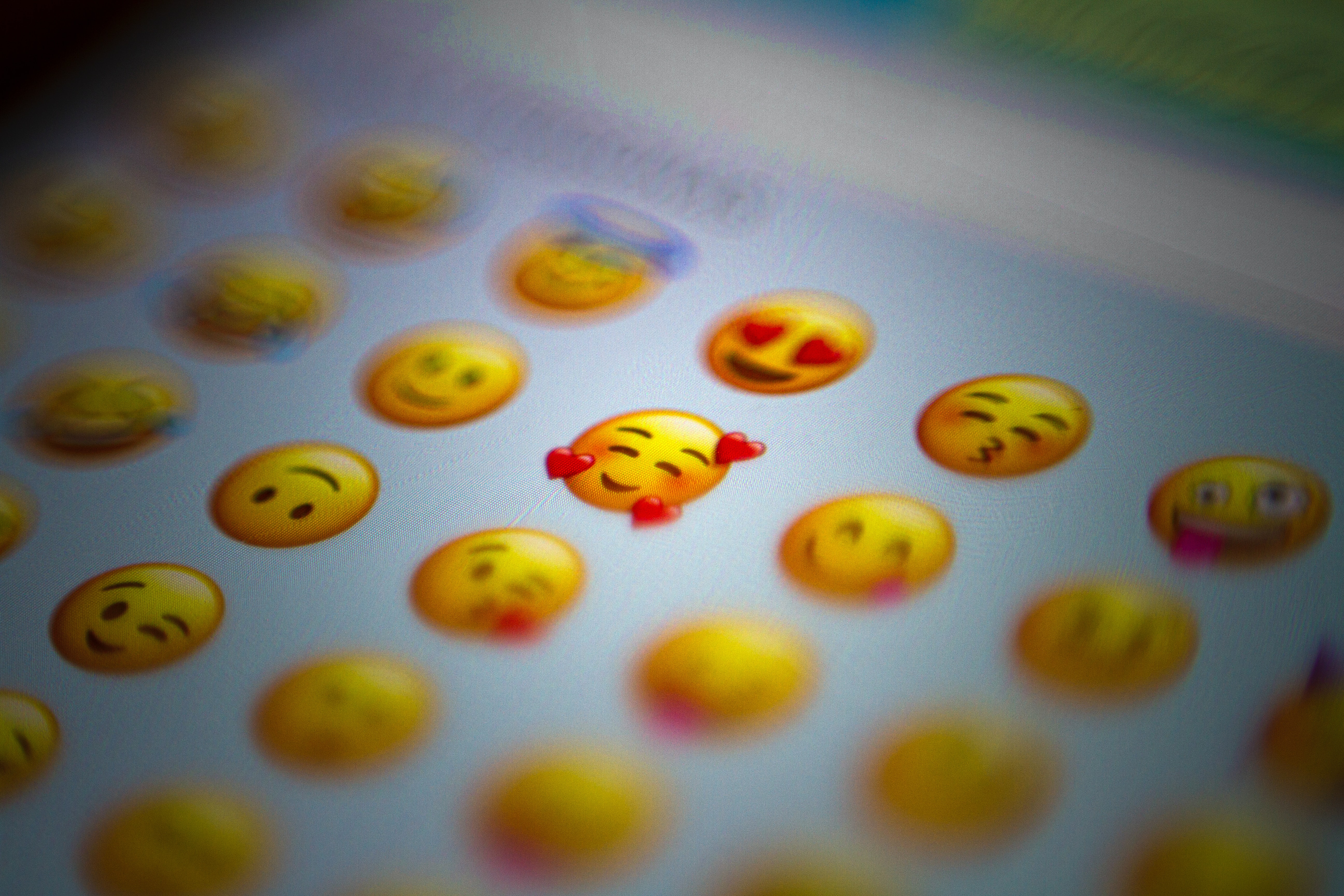
What are emojis?

Emojis are small digital icons that are readily available on screen devices. Emojis range from facial expressions to common objects, places, animals, and more. According to a report from the emotional marketing platform Emogi, about 92% of online users use emojis.[1,2]

The Pros and Cons of Emoji use

Pros

Emojis add fun and excitement to conversations and social media posts- help convey emotions in online chats. They are particularly helpful because of the lack of nonverbal cues online, such as body language or facial expressions. For example, testing “sure.” suggests annoyance, while “sure 😊” suggests happy agreement.[3]

Cons

Although emojis were originally intended to represent simple concepts, teenagers also use these symbols for encrypted messages about drugs and other illicit activities. Encrypted emoji messages enable life-threatening drugs to reach communities faster, easier, and cheaper.


At a glance, a conversation on your child’s phone may appear to be about being at the gas station but instead is about buying marijuana laced with fentanyl, a synthetic opioid that is 80-100 times stronger than morphine.[4,5,7,8]

How to Tell if Emojis are Indicative of Illicit Drug Use

According to the Drug Enforcement Agency (DEA), the use of emojis alone should not be indicative of illegal activity. Concerns should be raised if the use of emojis is simultaneously accompanied by changes in behavior or appearance or a significant loss or increase in income. The DEA has even published drug decoding sheets for the public’s awareness.[4,6]

A Young Addicts Story

To better understand the workarounds of encrypted messaging, I  interviewed a recovering addict. He reported that when he first started his drug use, he would use specific social media platforms to help keep his drug addiction a secret from family and friends.

Here are the tips he revealed:

Snapchat

The DEA reports that Snapchat is the number one social media platform for online drug activity, and my contact confirms that he and his dealers used it too. He explained that Snapchat is an application where people can keep conversations hidden. Snapchat has specific settings that allow users to quickly view pictures, videos, or messages that will disappear after viewing.

Privacy settings on Snapchat also allow users to ensure that only specific people can view what they refer to as “stories.” The young addict remembers his drug dealers adding him as a friend on Snapchat. From there he would track emoji-coded advertisements on their “stories” that revealed which drugs were available for sale.[6]

Venmo

Venmo was another platform that was used by the young addict. Venmo is an application that allows money transfers between users. LendEDU revealed that nearly 1/3 of their survey participants admitted to using this app to pay for drugs.

My interviewee admitted that this was not initially the way he paid for his drug transactions. Instead, before gaining the trust of his drug dealers, they’d come to his home to drop off the drugs and receive payment in only cash after sending an emoji encrypted text that they were outside. His mother reports being very scared to find out that her son’s drug dealers knew where their family lived, which made her reluctant to report the drug dealer to law enforcement officials despite figuring out his identity.[9]

Encoded Texts

The mother I interviewed confirmed that encrypted text messages are a useful way to suppress adult suspicion. She explained that, if it were not for other indicative factors like his drastic weight loss, mood swings, and incomes loss she would have never expected phrases such as, “Do you have kitty cat?” to be an encrypted message referring to the drug ketamine. She remembers seeing other emoji codes and “cute names” for drugs, but not giving them much attention initially. She said she was overwhelmed trying to research on how to stop dangerous online conversations and seek the help he needed.

If you worry things are getting by you, let go of the guilt and let us do the research for you! Researching digital safety tools is overwhelming! But lucky for you, we’ve made it easy. Our GKIS Screen Safety Toolkit is a resource guide perfect for those that need smart tech tools for filtering, monitoring, and management plus some time to find workarounds.

Steps to Protect Teens from the Online Drug World

GKIS Connected Family Course

Dr. Bennett recognizes that it’s no longer possible to live a screen-free lifestyle or monitor 100% of the time. And it can be terrifying to know that kids can become victims of online predators and drug dealers. Our family-tested and outcome-based course helps you close screen risk gaps and improve family cooperation and closeness. Check it out to minimize risks and have easier dialogues for better parent-child relationships.

GKIS Social Media Readiness Training

Teen curiosity online can be dangerous and teens don’t always make sound decisions due to lack of experience and poor impulse control. Our GKIS Social Media Readiness Course allows teens an opportunity to start taking accountability for their actions online and become proactive instead of reactive.

GKIS Online Safety Red Flags For Parents

The story of the young addict demonstrates how parents can easily miss indications of digital injury and serious problems. Teenagers are becoming more innovative on how to keep their parents in the dark, such as emoji encrypted messages. With our GKIS Online Safety Red Flags For Parents, parents will learn what behavioral red flags they should be on the lookout for that may signal that a child is suffering from a digital injury.


Thanks to CSUCI intern Ashley Salazar for researching and co-authoring this article. If you suspect your loved one is struggling with substance abuse, please reach out for help. Contact your health insurance carrier or call SAMHSA’s National helpline for more resources and advice.

I’m the mom psychologist who will help you GetKidsInternetSafe.

Onward to More Awesome Parenting,

Tracy S. Bennett, Ph.D.
Mom, Clinical Psychologist, CSUCI Adjunct Faculty
GetKidsInternetSafe.com


Works Cited

[1] Da Costa, A. (2021). What are Emojis How and When to Use Them. G Post.https://www.groovypost.com/howto/what-are-emojis-how-and-when-to-use-them/

[2]Shaul, B. (2015) Report 92% of Online Consumers Use Emoji (Infographic). Social Pro Daily. https://www.adweek.com/performance-marketing/report-92-of-online-consumers-use-emoji-infographic/

[3]Richards, M. (2019) The Importance of Emojis. Eternity. https://eternitymarketing.com/blog/the-importance-of-emojis

[4] Department of Justice Drug Enforcement Administration. (n.d.) Emoji Drug Code Decoded. One Pill Can Kill. https://www.dea.gov/sites/default/files/2021-12/Emoji%20Drug%20Code%20PDF_Final.pdf

[5] Alabama News Network Staff. (2020). What the Tech? The Secret Sex and Drug Messages Behind Some Emoji. https://www.alabamanews.net/2020/09/04/what-the-tech-the-secret-sex-and-drug-messages-behind-some-emoji/

[6] Jaeger, K. (2021) DEA Wants To Help Parents Decode The Emojis Young People Use To Discuss Marijuana And Other “Bomb Ass” Drugs. https://www.marijuanamoment.net/dea-wants-to-help-parents-decode-the-emojis-young-people-use-to-discuss-marijuana-and-other-bomb-ass-drugs/

[7] DEA United States Drug Enforcement Administration. (n.d.) Fentanyl. https://www.dea.gov/factsheets/fentanyl

[8]Department of Justice/Drug Enforcement Administration. (n.d.) Counterfeit Pills. https://www.dea.gov/sites/default/files/2021-05/Counterfeit%20Pills%20fact%20SHEET-5-13-21-FINAL.pdf

[9] One-Third of Millenials Are Using Venmo to Buy Drugs (2017) Mountainside.

https://mountainside.com/blog/drug-addiction/one-third-of-millennials-are-using-venmo-to-buy-drugs/

Photo Credits

Photo by Domingo Alvarez E (https://unsplash.com/photos/Cs3y8Mn6-Gk)

Photo by Sam Williams (https://unsplash.com/photos/H0nmXTsrxE0)

Photo by Collin Davis (https://unsplash.com/photos/c3m56pq0J1M)http://https://unsplash.com/photos/Cs3y8Mn6-Gk

The GKIS Guide to Family-Friendly Xbox Games

In the fast-paced world that we live in, it can feel downright impossible to get the entire family together in the same room. Trying to find an activity that everyone can enjoy together is an even more improbable task. Yet, sharing experiences as a family and spending time together is necessary for creating close family bonds and maintaining a sense of connection. Today’s GKIS article covers the pros and cons of the Xbox Series X and the Xbox Series S, recommendations for games to play as a family, suggestions for appropriate games that your kid can play alone, and some brief tips to keep your kids safe and connected when it comes to gaming. Creating family cohesion and safely navigating the technological world we live in can be difficult at times. Our Connected Family Course gives expert advice and strategies to create a connected home environment without having to disconnect from the internet.

Today’s Digital Playground

In today’s digital landscape, there is a generational divide when it comes to what is fun. While you may reminisce on the fun you had playing with your friends in an open field or playing board games with your family when you were a child, your kids might have zero interest in these types of activities. In the past twenty years, there has been a huge technological jump that has made the childhood activities that we grew up enjoying obsolete in today’s fast-paced world. Your children are used to a much more technically advanced world where entertainment comes in the form of video games, social media, and streaming services. To have a successful family night where everyone has fun, you may need to adapt and learn to engage with your kids in this new digital playground.

Here are some reasons why video games are a great way to connect with your kids:

  • Can be accessed at any time
  • Can fit into the most restrictive of work schedules
  • No need for planning
  • Do not have to worry about losing game pieces
  • Do not have to explain a complex set of rules
  • Most games are highly intuitive requiring little explanation

If you are curious about what we had to say about the other consoles and our game recommendations for them, we have GKIS Guides for the current PlayStation and Nintendo systems as well.

What is the Xbox?

The Xbox is a line of home entertainment systems/video game consoles created by Microsoft. This article focuses on the newest iterations of the console: The Xbox Series S and the Xbox Series X. Both the Xbox Series S and the Xbox Series X launched in 2020 and are currently in production. Although Microsoft doesn’t share its sales figures, estimates have been made that Microsoft has sold a combined total of about 5.8 million units of the Xbox Series X and Series S as of May 2021.[1]

The Pros and Cons of Microsoft’s Xbox consoles

Pros

The biggest advantage of the Xbox Series X/S is its focus on a home entertainment system. Microsoft created and marketed the newest versions of the Xbox as a multipurpose family entertainment hub for watching movies and television, playing games, socializing online, etc. With a huge userbase and the backing of Microsoft, the Xbox has become a fantastic selection when it comes to home video game consoles.

Additionally, the Xbox Series X and Series S are mostly backward compatible, allowing owners to play nearly all of the games that they had previously purchased for earlier consoles without having to repay for them. While many of the games are skewed more for an adult user base, there is a wide variety of games that have been targeted to kids with more appropriate content that is family-friendly. Also, the Xbox Series S is on the cheaper side when it comes to home game consoles at $299.

Cons

The Xbox Series X, which is more technologically advanced than the Xbox Series S is also nearly double the price at $499. Therefore, if your kids want the more advanced system with better graphics and framerates, and you know they do, you are going to have a potentially tough decision on your hands when deciding which of these two models to get for them.

Many parents don’t realize that kids can browse the internet through their Xbox consoles. That means they can access anything or anybody through that browser. That means you MUST program parental controls if you don’t want your child exploring inappropriate online neighborhoods.

Xbox Games to Play as a Family

When it comes to the Xbox Series X/S, there are a variety of interactive ways to connect with your family. You can play games together or use the console as a multimedia hub to stream movies and your favorite television shows through your favorite streaming services.

Here are 3 great Xbox games for you and your kids to play together:

  • Unravel 2
  • Overcooked! All You Can Eat
  • Rocket League

Unravel 2

Unravel 2 is a brilliant game revolving around a pair of little yarn people, referred to as Yarnies. The game is a platformer where your goal is to successfully traverse the environment without getting crushed by a boulder or eaten by a bird or fish.

This game has an ESRB rating of E, meaning it has been approved for kids of all ages. The only warning by the ESRB is that it contains mild fantasy violence as your character can get attacked by animals. There is no potential for interaction with online players within the game either.

While both Yarnies can be controlled by a single player, this game is best played with a friend. This game is great for building teamwork, bonding, and strengthening social skills. The whole point of the game is that you can achieve anything by working together. Unravel 2 is perfect for siblings bonding, parent/child bonding, and social interaction with a friend.

Overcooked! All You Can Eat

Overcooked is a game that requires cooperation as you play as restaurant workers making and serving food in the most chaotic of situations. Each environment has unique challenges that must be overcome through teamwork as you race against the clock to prepare meals. One stage has you preparing meals on a pirate ship with parts of the preparation area sliding back and forth along the ship making it difficult to reach previously reachable areas, so communication is key so that others can finish what you were doing if the playing field changes. Each environment has its own unique challenges that must be overcome by working together.

This game has an ESRB rating of E for everyone and has been approved for all ages. The only ESRB warning attached to this is that it has mild cartoon violence, which doesn’t even come close to the cartoons we used to watch, such as Tom and Jerry (there are no cats getting their teeth smashed with hammers by maniacal mice in this game).

Overcooked can be a great choice for bonding with your kids as teamwork and communication are so key to the gameplay. The sense of connection you feel as you get better and better scores is invaluable. This version of the game contains all the previous game content from the series and also has modifiers to adjust the difficulty allowing for an experience with high replay value that everyone can enjoy.

Rocket League

There is really nothing else like Rocket League out there. It is basically a combination of soccer and racecar driving. I know it sounds absurd and is hard to wrap your head around, but it is immensely gratifying. The goal is to use teamwork to hit a ball with your car into the other team’s goal.

Rocket League has an ESRB rating of E, meaning it has been approved for children of all ages. The only warning comes from some mild lyrics from the songs in the game.

The best part of this game is playing with other people. This game is great for parties and building a connection with your child as you can play on the same team and work together to score goals and win matches. Matches can be formed with up to 8 players on each team and with over 40 million players worldwide, there are plenty of people out there to play with.

Xbox Games Your Kids Can Play Alone

Video games also make great rewards for when your kid gets good grades or engages in other behaviors that you want to reward. Due to the immense number of games to choose from, it can become overwhelming when searching for a game for your child that is age-appropriate. There are plenty of games out there that are excessively violent, have strong language, and have sexual situations in them.

Here is a list of 3 games that we recommend:

  • Kingdom Hearts 3
  • Sonic Mania Plus
  • Immortals Fenyx Rising

Kingdom Heart 3

Is your kid obsessed with Disney characters? If the answer is yes, this game could be a great choice for your child. The kingdom hearts series revolves around a boy named Sora who teams up with Disney characters to rid the world of darkness. In Kingdom Hearts 3, you team up with Donald, Goofy, Hercules, Jack Sparrow, Elsa, and many more characters to explore different Disney worlds and go on an epic adventure of self-discovery. As you would expect from Disney, there are plenty of themes designed to promote admirable qualities like the acceptance of yourself and others.

Kingdom Hearts 3 is rated E10 for fantasy violence as you use magic and a sword, shaped like a key, to defeat the bad guys. There is no blood and gore in the game and the creatures just poof out of existence when defeated.

The best part of this game is getting to interact with your favorite Disney characters. The storyline is also fantastic and fits in well with the Disney movies that the characters are from. Like most other Disney products, the game’s story revolves around the main character’s growth as a human being and there are several positive lessons for your child to learn.

Sonic Mania Plus

Sonic Mania Plus is an action platformer that revolves around the world’s fastest hedgehog as he sets out to defeat an evil scientist, named Dr. Eggman. The game designers set out to bring back the feel of the games from the 1990s with smoother gameplay. The result is a fun game that looks and plays like the Sonic the Hedgehog games that were around when you were a kid.

Sonic Mania Plus has an ESRB rating of E for everyone. Like Overcooked, this game’s only warning comes from mild cartoon violence. “Mild cartoon violence” refers to your character jumping on robotic creatures to defeat them. The critters basically turn into bunnies and other furry animals after you jump on them as you are rescuing them, rather than harming them.

If you played the earlier Sonic games, this game could have some added benefits. You can bond with your kid over a shared love of the characters and maybe show off some of your own video game skills by playing with your kid.

Immortals Fenyx Rising

Immortals Fenyx Rising is the Xbox’s response to the success of The Legend of Zelda: Breath of the Wild. The gameplay is very similar to that of Breath of the Wild but revolves around Greek mythology. In Immortals, you play as a human named Fenyx who must stop Typhon in his quest to get revenge on the gods of Olympus.  This game is set in an extremely expansive open world that the player is free to explore as they see fit.

Immortals Fenyx Rising has been rated T for teens due to language, suggestive themes, and violence. There is some suggestive humor and dialogue between the characters which may be inappropriate for younger children. The violence in this game is against fantasy creatures and Greek gods., mostly stemming from Greek mythology.  While not appropriate for younger children, this game is really fun for tweens and teens.

The game covers many of the themes in Greek mythology but ultimately revolves around becoming a strong, independent individual who realizes that one’s flaws should be accepted and celebrated rather than hidden away. It is ultimately about self-acceptance. It should also be noted that the main character’s physical characteristics and gender can be adjusted so that all kids playing this game can feel connected to the character, which is definitely a step in the right direction when it comes to inclusivity and representation.

How To Keep Your Kids Safe Playing Video Games

  • Research the games before buying them
  • Check the ESRB ratings
  • Play with your children or check in on them
  • Talk to your children and maintain a close family bond.

The most important thing that parents can do is be aware of the potential risks and promote an environment of open communication with your children. Dr. B offers a comprehensive family program for fostering this kind of communication in her Screen Safety Essentials Course. With this course, your family will learn tons of information about how to create a safer screen home environment while also connecting and having fun as a family. Armed with the right tools, you and your family can learn how to better thrive in today’s digital era.

Doctor Bs parenting guide, Screen Time in the Mean Time, is a wealth of knowledge about screen safety and keeping your kids safe from the numerous dangers inherent in the world we live in.

Thanks to CSUCI intern, Michael Watson for researching video game addiction and how gamers are solving the problem themselves.

I’m the mom psychologist who will help you GetKidsInternetSafe.

Onward to More Awesome Parenting,

Tracy S. Bennett, Ph.D.
Mom, Clinical Psychologist, CSUCI Adjunct Faculty
GetKidsInternetSafe.com

Works Cited

[1] Byrd, M. (2021). PS5 vs Xbox Series X sales: Who is winning the 2021 console war so far? Den of Geek. https://www.denofgeek.com/games/xbox-series-x-ps5-2021-console-war-sales/

Photo Credits

Photo by Kamil S (https://unsplash.com/photos/Pp3Xg09igxE)

Photo by Kamil S (https://unsplash.com/photos/SuPAbuuK7f4)

Photo by Billy Freeman (https://unsplash.com/photos/DPOdCl4bGJU)

Photo by Mika Baumeister (https://unsplash.com/photos/HADjLtjoe2E)


Thanks to Kent Williams for the beautiful painting used for the thumbnail. (https://www.kentwilliams.com/paintings/2018/8/16/2018/8/16/m-w)

How Lack of Sleep Negatively Affects Child Learning


Almost everyone has experienced a zombie-like feeling after a night of poor-quality sleep. Research shows that a single night of sleep deprivation can have a negative result on cognition and behavior.[1] Sleep deprivation for children can be particularly costly. Good quality sleep helps children with healthy brain development. That is why Dr. Bennett includes a whole lesson on how to protect your child’s sleep in her Connected Family Online Course. By following research-backed guidelines, setting sensible rules, and setting up your house to optimize learning and safety, your family can avoid costly digital injuries. If you are interested in learning about how to create a safe screen environment at home while discovering ways to promote open and honest communication within your family then check out our GKIS Screen Safety Essentials Course. In today’s GKIS article, you’ll discover how a child’s learning can be negatively affected by lack of sleep and how to avoid it.

How does lack of sleep impact a child’s learning?

Attention and Concentration

 A child needs an average of 9 to 11 hours of sleep each night for optimal health and learning performance.[2] Poor sleep affects the functional connectivity of the prefrontal cortex. This means that a sleepy child will experience problems in their ability to focus and sustain attention in a learning environment. Further, a 2009 study demonstrated that sleep may cause the child to become overly sensitized to reward stimuli.[3] An overly sensitized person craves rewards so much that if they can’t get the desired activity immediately, they may resort to acting out and tantrums. To understand more about this process, check out Dr. B’s whiteboard video GetKidsInternetSafe from Sensory Overload on the Dr. Tracy Bennett YouTube Channel.

Memory

Mental lapse refers to a moment of unexplained forgetting, like walking into a room and forgetting what you came in for. A sleepless night slows down brain cell activity, sometimes resulting in impairing daytime mental lapses. A 2017 UCLA study demonstrated that lack of sleep disrupts the brain cells’ ability to communicate with one another, resulting in a mental lapse that negatively affects the way we perceive and react to things around us.[4]

Learning and Information Processing

 In Dr. Bennett’s book Screen Time in the Mean Time, she explains that when we don’t get enough sleep our brain’s housekeeping and memory consolidation tasks remain undone, leaving us unable to efficiently acquire or retrieve information. Without good focus, attention, and memory, kids are unable to process information and understand and learn new concepts.

Creativity

 Sleep deprivation can also limit planning, creativity, and the ability to think outside of the box. According to a study from the University of Loughborough, sleep deprivation can negatively impact a person’s creativity by impairing one’s ability to create new ideas and change strategies.[5]

How does a lack of sleep impact mood and behavior?

Sleepy Throughout the Day

If your child chronically gets insufficient sleep at night, their body may compensate by falling into a pattern of daytime hypersomnia. This is a condition when someone repeatedly is falling asleep throughout the day.[6]

Mood Swings

Lack of sleep can be a main contributing factor in mood swings.[7] Moodiness and irritability can negatively affect relationships, leading to deeper problems and feelings of hopelessness. If sleep deprivation is habitual, it can contribute to clinical conditions like anxiety, depression, and even psychosis!

Decision-Making

Little to no sleep can also affect how well we make decisions.[8] That means that kids who have sleep deprivation will have a difficult time prioritizing tasks like when to brush their teeth or do homework. If your child seems to get stuck on even the smallest of choices, consider if sleep may be the issue.

How can lack of sleep affect learning in children of different ages?

Teenagers tend to have more sleepless nights than younger children. Not only do parents allow later bedtimes for teens, but they also stay up chatting with friends and playing video games. Without the right amount of sleep, teens have more trouble focusing and learning in class compared to younger children. According to the CDC Healthy Schools, teens ages 13-18 need 8-10 hours of sleep.[9]

How can parents help their children get better sleep and improve their learning?

Tips from Dr. Bennett’s book, Screen Time in the Mean Time include:

  • Setting a timer
  • Keeping screens out of bedrooms
  • Creating a relaxing sleeping environment
  • Encouraging a soothing nighttime ritual
  • Practicing mindful eating
  • Exercising and practicing ample non-electronic play

For more tips on how to help your children get the rest they need, check out Dr. B’s GKIS article,  Do Your Kids Vamp? A GKIS Parent’s Guide to Good Sleep Hygiene.

Thanks to CSUCI intern, Maira Soto for researching this article on lack of sleep and learning.

I’m the mom psychologist who will help you GetKidsInternetSafe.

Onward to More Awesome Parenting,

Tracy S. Bennett, Ph.D.

Mom, Clinical Psychologist, CSUCI Adjunct Faculty

GetKidsInternetSafe

   Photo Credits

Photo by Craig Adderley from Pexels

Photo by KoolShooters from  Pexels

Photo by  KoolShooters from  Pexels 

Photo by  Lisa Fotios from  Pexels 

Works Cited

[1] Davis, K. (2020, July 23). What to know about sleep deprivation?

https://www.medicalnewstoday.com/articles/307334

[2] How much sleep for children need?

https://www.webmd.com/parenting/guide/sleep-children#1

[3] The Sleep- Deprived Brain. Dana Foundation

[4] Study Blames Mental Lapses on Sleep-deprived Brain Cells

https://www.uclahealth.org/u-magazine/study-blames-mental-lapses-on-sleep-deprived-brain-cells

[5] Sleep Deprivation Kills Creativity

https://www.creativequarter.com/articles/life/sleep-deprivation-kills-creativity

[6] Excessive daytime sleepiness (hypersomnia)

https://www.nhs.uk/conditions/excessive-daytime-sleepiness-hypersomnia/

[7] Improve Your Child’s School Performance with a Good Night’s Sleep

https://www.sleepfoundation.org/children-and-sleep/sleep-and-school-performance

[8] How sleep affects decision-making.

https://eachnight.com/sleep/how-sleep-affects-decision-making/

[9] Sleep in Middle School and High school students.

https://www.cdc.gov/healthyschools/features/students-sleep.htm#:~:text=The%20American%20Academy%20of%20Sleep,10%20hours%20per%2024%20hours