Need peaceful screen time negotiations?

Get your FREE GKIS Connected Family Screen Agreement

filters

The GKIS Sensible Parent’s Guide to BeReal 

If you’re a parent, you know how much kids use social media. Apps are everywhere, and they’re becoming more popular. BeReal is a social media app that aims to “spotlight someone who’s living in the moment, going for it, celebrating life and all its weird/wonderful chaotic energy.”[1] Teens and tweens are falling in love with BeReal and its positive message. In this article, we’re covering what you need to know about BeReal. Does it allow harmful content? Are we ready to handle the risks that may come with it? Learning about social media can be tricky, but the GKIS Social Media Readiness Course helps teens and tweens learn the risks of social media and practice good psychological wellness. Read on for more info on this new popular app.

What is BeReal?

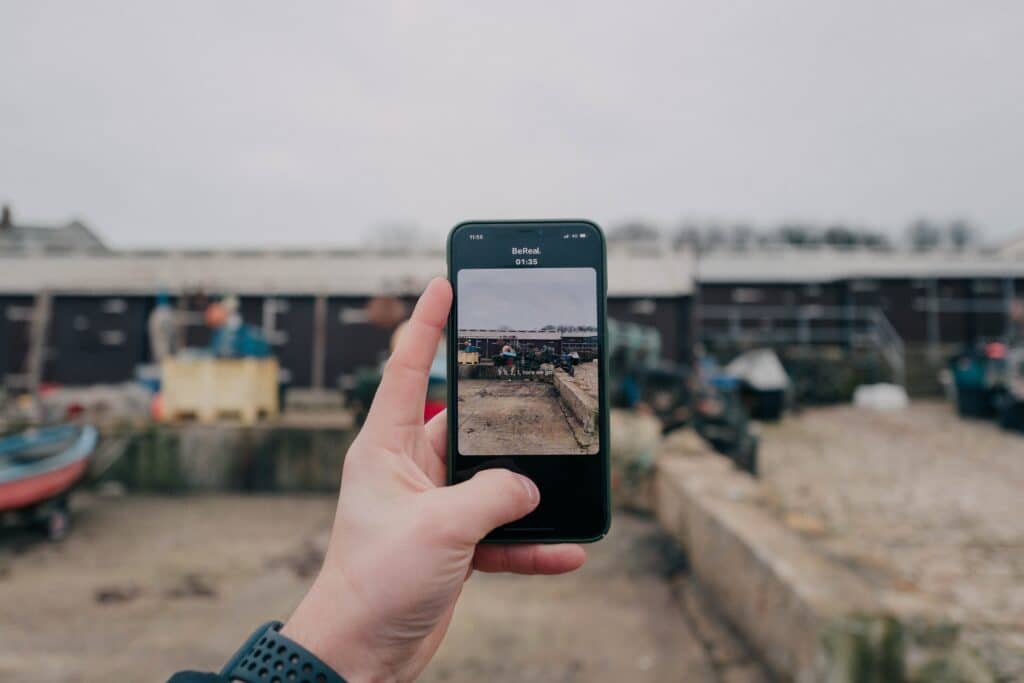
BeReal is a French social media app released in 2020 by Alexis Barreyat and Kevin Perreau that allows users to post real-time photos taken from the front and back phone cameras at the same time.[2]

BeReal’s mission is to “create an authentic world that keeps you connected with the people you really care about.”[3] It encourages users to live in the moment and stay away from harmful filters and trends. BeReal currently has over 6 million users a day.[4] It became popular in 2020 when teens on TikTok started posting their BeReals with celebrities and influencers.

How to Use BeReal

BeReal is easy to use. Users receive alerts at random times during the day to take a photo of what they’re doing.

Once alerted, users have two minutes to take their photo and post it. If they post on time, they can take two more BeReals that day. If they post late, they only get one photo op that day.

Although BeReal users can’t upload images from their photo albums, they can react and comment on friends’ photos or save their reaction photos to be re-used on their friends’ future BeReals.

Benefits of Using BeReal

No Filters
BeReal’s main benefit is that its layout forces users to post with no slimming, skin-lightening, or makeup filters. Social media filters have been found to lead to insecurity, depression, and more harmful effects. Check out our GKIS articles Influencers Hurt Child Self-Esteem by Overusing Filters” and “Beauty Filters Don’t Embrace Brown Beauty: The Rise of Colorism” to learn more about the dangers of filters.

No Likes

On BeReal, there is no “Like” button. Other apps like Instagram, Twitter, and TikTok show the amount of likes someone gets on their post. It’s no secret that most children think how many likes they get contributes to how cool they are. BeReal takes away this feature, making it less of a popularity contest.

Private Accounts

When you make your BeReal account, it automatically makes your profile private. Users must approve friend requests for you to see their posts.

Risks of Using BeReal

Location and Time Sharing

Like any app, there are some risks to using BeReal. BeReal posts include the city in which the user took the photo. It also includes a timestamp of when they took the photo.

Public Photos

Another risk is that you have the option to make your individual BeReals public for friends of friends to see. Friends of friends will not see your account, but an individual BeReal you posted may show up on their feed.

Other Risks

Other risks to using BeReal include:

  • Being or feeling pressured to share
  • Viewing inappropriate content
  • Experiencing unwanted contact
  • Oversharing

Privacy and Safety Options
Account Privacy

BeReal automatically makes your profile private when you sign up. Friendships must be approved by each user, so users can deny anyone access to their profile.

Photo Sharing

You can make an individual BeReal post public or private. To make it private, take a photo and click “My friends only” before posting.

To make it public, take a photo and click “My friends + their friends.” This allows friends of your friends to see your BeReals.

Location Privacy

BeReal shares the location of each photo when posted, but we can fix that. Users can turn off the location feature by taking a photo, clicking on “location,” and then selecting “location off” before posting.

Report and Block Inappropriate Users and Posts

If you see a post you don’t like, click on the three dots in the corner of the photo and click “Report this BeReal.” This means BeReal will no longer show you that post or any other posts from that person.

If you see a lot of inappropriate posts from a user, you can remove them as a friend or block their account. This stops you from seeing their posts and stops them from seeing yours.

GKIS Safety Ideas

Thanks to CSUCI intern Samantha Sanchez for researching BeReal and preparing this article.

I’m the mom psychologist who will help you GetKidsInternetSafe.

Onward to More Awesome Parenting

Tracy S. Bennett, Ph. D.
Mom, Clinical Psychologist, CSUCI Adjunct Faculty
GetKidsInternetSafe.com

Works Cited  

[1] BeReal Realest Person Announcement

[2] BeReal   

[3] BeReal – Our Mission and Values 

[4] BeReal Revenue and Usage Statistics (2023) 


Photo Credits

Photo by Ottr Dan (https://unsplash.com/photos/0EFrV9Pgvb8)

Photo by Nathan Dumlao (https://unsplash.com/photos/ItsW7gT8iR0)

Photo by Bruno Gomiero (https://unsplash.com/photos/jp7J14W9sSg) 
Beauty Filters Don’t Embrace Brown Beauty: The Rise of Colorism

How would you feel if you found out that your child is going to extreme and dangerous lengths to change their appearance? What if your child is putting themselves in potential harm to fit beauty standards set by beauty filters? Beauty filters can be a fun way to transform selfies, but they have failed to embrace the beauty of all skin tones, especially dark ones. This has led to the rise of colorism and extreme self-esteem issues. To help you recognize the dangers of social media on self-esteem, I interviewed Dr. Chavarria, CSUCI Assistant Professor of Sociology, to offer insight on how colorism affects minority communities and how to prevent it. If you are concerned for your child’s mental and physical well-being when they interact on social media, check out our Social Media Readiness Training for tweens and teens. Our guide prepares your children for safer screen use and prevents psychological illness with our expert emotional wellness tools. Today’s GKIS article shares the story of a young girl negatively affected by beauty filters and tips you can take to help protect your kids from colorism.

What are beauty filters?

Beauty filters are social media features that beautify and erase people’s imperfections and flaws by creating a modified version of themselves. Specific modifications can be anything, but the most popular filters alter the size of facial features, change eye color, and add effects like make-up or long eyelashes.[1]

The Negative Effects of Filters

Low Self-Esteem

Although filters can be fun, they can also be damaging to one’s self-esteem. Research demonstrates that the use of filters can lead to low self-esteem because filter users are more likely to hyper-focus on the features they dislike when using them. This can then lead to frequently comparing one’s real looks with filtered looks, changing our beauty “ideal” and recognizing (even obsessing on) our failure to live up to that ideal. Not being able to accomplish the same look with these filters can make someone feel less than or that they will always be below beauty standards. For others, it may motivate them to find a way to change their appearance to better match the beauty standards set by social media regardless of the risks these changes pose.[2]

The Rise of Colorism

It has been noted by many social media users that beautifying filters usually have a lightening or bleaching effect on the skin. In fact, according to skin color expert Ronald Hall, this effect is not an accident. He explains that it is a way to maintain and conform to historically Eurocentric beauty standards.

Beauty filters are promoting a rise in colorism. Colorism refers to prejudices or discrimination an individual may experience for having a darker skin tone. This phenomenon usually occurs among one’s own ethnic or racial group.[3,4]

A Young Teen Takes Drastic Measures to Change Appearance

Lise, a young teenager, shared her struggles with colorism. Her experience included being bullied for her darker skin tone. The bullying not only came from white girls at school but, to her surprise, also from those who looked similar to her in her same ethnic or racial group.

Seeing pictures of light-skinned women receive lots of likes and positive comments online also confirmed to Lise that she did not meet society’s standards of beauty, bringing her self-esteem down. To try to lighten her skin, Lise began to scrub her mom’s bleaching cream into her skin with a copper wire brush. Even without abrasion injuries, bleaching products can pose health risks.[4]

If you are concerned that your child is suffering from a digital injury like mood and anxiety disorders triggered by compare-and-despair, check out our GKIS Online Safety Red Flags For Parents. With this guide, you’ll learn the behavioral red flags to look out for that may signal your child is suffering from digital injury.

Colorism Affects Minority Communities on a Larger Scale

Colorism is an issue that not only affects self-esteem, but it has also been a problem for minority communities on a larger scale. Dr. Chavarria, CSUCI Assistant Professor of Sociology, explained in our interview that the emergence of colorism, particularly in the Latino society, has been a consequence of conquest and colonization of indigenous communities.

Colonizers constructed these ideas about indigenous communities so they would be perceived as inferior, uncivilized, having no knowledge, and being closer to evil. Whites or being light-skinned, in contrast, have historically been constructed to be perceived as better, good, and even closer to God.

This construction caused the devaluation of indigenous identity features such as brown skin, indigenous language, and ethnic practices leading to the destruction of indigenous communities. Many who managed to survive and succeed in the majority culture often did so by blending in and learning to assimilate. Ethnic roots were lost over generations, and minority communities lost a sense of pride in what they look like. Dr. Chavarria reported that research has demonstrated how individuals that align with beauty standards often get more career opportunities and higher pay.

How to Help Stop Colorism

Start with Family

Colorism needs to be stopped. A first step is addressing how colorism starts within the family. Dr. Chavarria stated that, although colorism often starts with the family, grandparents and parents are often not even aware they are engaging in it. They too have been socialized to believe these ideas about their indigenous roots and characteristics. Therefore, educating family members about what colorism is and how it can cause generational trauma can be the first important step to change.

As a Chicana who has also experienced colorism within my community and family, I recognize that change can be hard. Sometimes I didn’t know how to tell my grandmother that the “advice” she gave me was conforming to Eurocentric standards and colorism, and that it did more damage than help. For example, when family members told me that I should find a light-skinned man with colored eyes so my future children can inherit those features, they seemed to be telling me that, as a brown girl, I did not possess “beautiful” features.

Follow Body-Positive Campaigns

Dr. Chavarria also highly recommends that social media users check out campaigns directed to make positive changes. Cultural Survival on Facebook is a campaign that she tracks. It is an international organization that engages with indigenous communities across the globe. They address important issues like colorism by protecting indigenous women and challenging Eurocentric notions of beauty.

Practice Self-Awareness

If you find yourself contributing to colorism with comments and negative self-appraisals, challenge yourself for positive change.

Speak Out

As you become more self-aware, speak out to friends and post positive pro-beauty messages that demonstrate that beauty comes in many shades and colors. We must consistently challenge historical ideas to break biases and end discrimination. It starts with us, let’s get started!

Thanks to Dr. Chavarria for offering expert insight on colorism and how to prevent it. Thanks also to CSUCI intern Ashley Salazar for researching and co-authoring this article. Colorism is on a high rise due to beauty filters on social media. Check out our GKIS courses to learn to have easier dialogues with your children and protect them from digital injury.

I’m the mom psychologist who will help you GetKidsInternetSafe.

Onward to More Awesome Parenting,

Tracy S. Bennett, Ph.D.
Mom, Clinical Psychologist, CSUCI Adjunct Faculty
GetKidsInternetSafe.com

Works Cited

[1]Ma, J. (2020) Are Face Filters on Instagram, Snapchat, and TikTok leading to a distorted sense of beauty in society? YP. Are face filters on Instagram, Snapchat and TikTok leading to a distorted sense of beauty in society? – YP | South China Morning Post (scmp.com)

[2] Mac Neil, I. (2021) WATCH — Why beauty filters might be messing with your self-esteem. CBC Kids News.

 WATCH — Why beauty filters might be messing with your self-esteem | Video | Kids News (cbc.ca)

[3] Wang, C. (2020) Why do beauty filters make you look whiter? Popular Science.

https://www.popsci.com/story/technology/photo-filters-white-kodak-film/

[4] Ryan Mosley, T. (2021) How digital beauty filters perpetuate colorism. MIT Technology Review. https://www.technologyreview.com/2021/08/15/1031804/digital-beauty-filters-photoshop-photo-editing-colorism-racism/

[5] https://www.refinery29.com/en-gb/instagram-face-filters-dysmorphia#:~:text=She%20says%20that%20 she%2C%20 too,no%20imperfections%2C%22%20she%20explains. Have not used might use.

Photo Credits

Photo by Agarwal, Diya. https://www.flickr.com/photos/medicalhealthtips/15946735624/in/photolist-qiabVE-9H6aGv-8Lrnkk-2md9TsF-2md8Nep-5a3eXi-24qG78x-HBuwUe-2kScHdE-tPAvCu-ENxyqW-2krhzMd-2kScb6B-61zsJ-VqpLNQ-kn4YLz-2kS9Knm-w7KHtd-2kSbo8f-2kSboik-2kSgFoJ-2kSgER6-UEKxRF-2kS9KrE-2kSbopC-2kScaKS-2kScaJz-fCjuV-SXbcAJ-9KgCcQ-p57AHY-JNKLtL-tFUtpd-2mcoGCo-uRvgR-5yWPt8-9Am5c5-752fss-5oWrRc-2mcohu5-5szcJ7-2iQK6Lh-VBXddp-XonKAh-a2fEi4-7wuE7x-ouPRzz-f6xVfC-9KdK8r-H4xb4S/lightbox/

Photo by Becerra, Manny. https://unsplash.com/photos/ckXiLvOSieM

Photo by Odunsi, Oladimeji. https://unsplash.com/photos/aU_eOcelLhQ

Photo by  Hryshchenko, Volodymyr. https://unsplash.com/photos/WU9dA3C4R28

The Dangers of ‘Plastic Surgery’ Filters

Is your teen on Snapchat and Instagram? If so, they may be using what is popularly called, ‘plastic surgery’ filters. These filters may be altering your teen’s image of themselves and could be harmful to their mental health. I have been using filters on Instagram, Snapchat, and other social media platforms since I was a teen. Over the years these filters have become more face-altering than ever before. For more tips and guidance on social media, check out Dr. Bennett’s Social Media Readiness Course.

What Are ‘Plastic Surgery’ Filters?

Plastic surgery filters are filters that make users look like they have different types of cosmetic surgery. These filters give the users bigger lips, smoother skin, smaller noses, sharper cheekbones, and even different colored eyes. They are popularly used by celebrities, influencers, teens, and young adults.

Unrealistic Beauty Standards

‘Plastic surgery’ filters can be harmful because they promote unrealistic beauty standards by erasing imperfections and enhancing certain features. Teenagers view thousands of ‘perfect’ images daily on social media shared by peers, idols, and even themselves. This can cause self-esteem problems because beauty standards become less and less realistic.

Attention from Followers

Many celebrities and people I know refuse to post an unedited or unfiltered image of themselves, which is sad and scary. Attention from followers contributes to this problem. If a teenager posts filtered selfies and they get positive comments from their followers, they may depend on using those filters because they feel that they will not get the same attention without one. This can cause people to become obsessed with the filtered images of themselves and unhappy with their appearance without a filter.

Snapchat Dysmorphia

Along with lowering self-esteem, filters like these are inspiring more young people to get cosmetic surgeries because they prefer the edited version of themselves. Cosmetic doctors are noticing that filters might be leading to a new type of body dysmorphia. Body dysmorphia is a mental disorder where a person obsesses over a minor flaw in their appearance.

Dr. Esho, a cosmetic doctor, claims that an increasing number of individuals are bringing pictures of themselves with filters to plastic surgeons and asking to look like that. Doctors are calling this new type of body dysmorphia, ‘Snapchat Dysmorphia.’

My Personal Experience Using Filters

I have used filters that make my lips fuller, skin smoother, and face slimmer. When I was using them, I did not fully realize how often I was using them until my boyfriend once told me, “Why do you always use filters? You are beautiful without them.” He wasn’t telling me to stop using them, he simply asked me why.

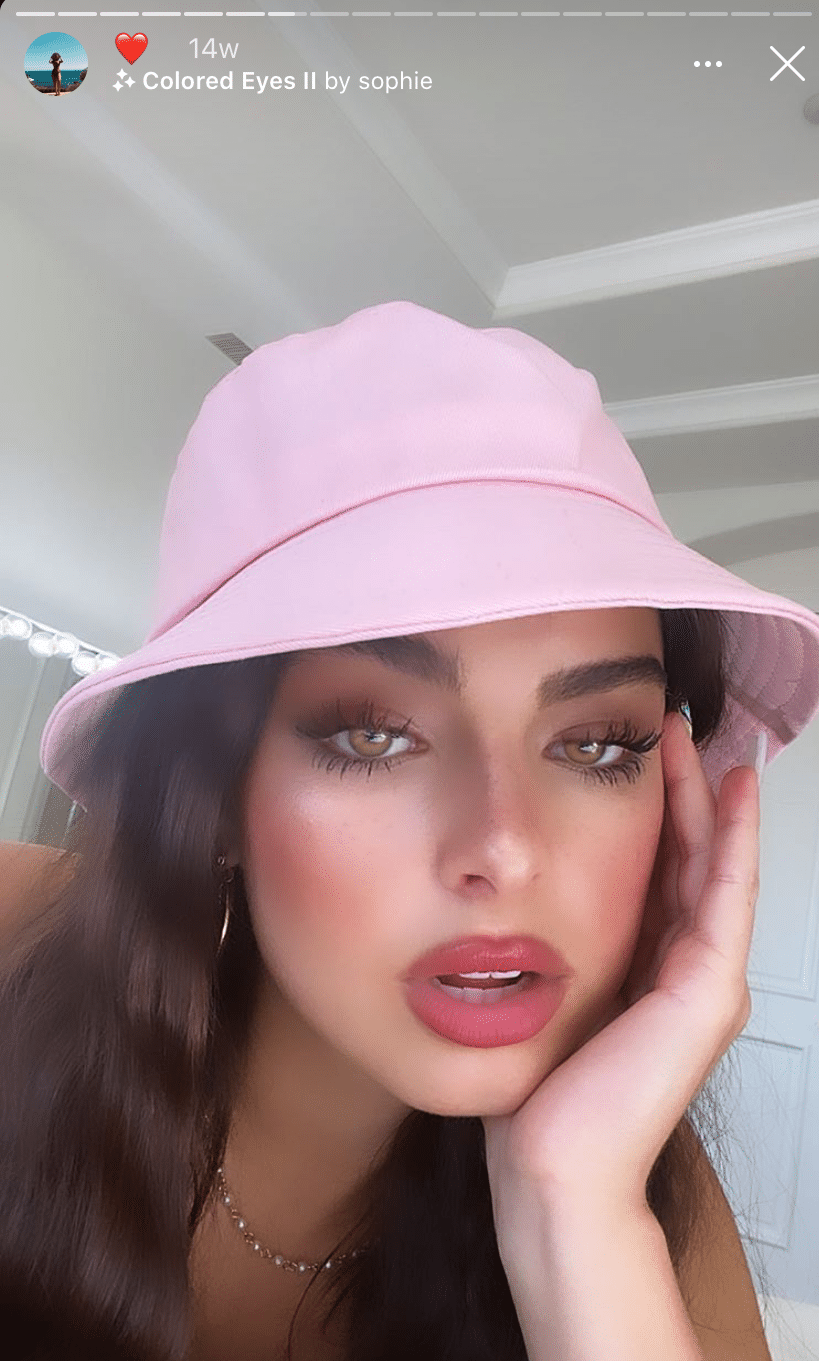
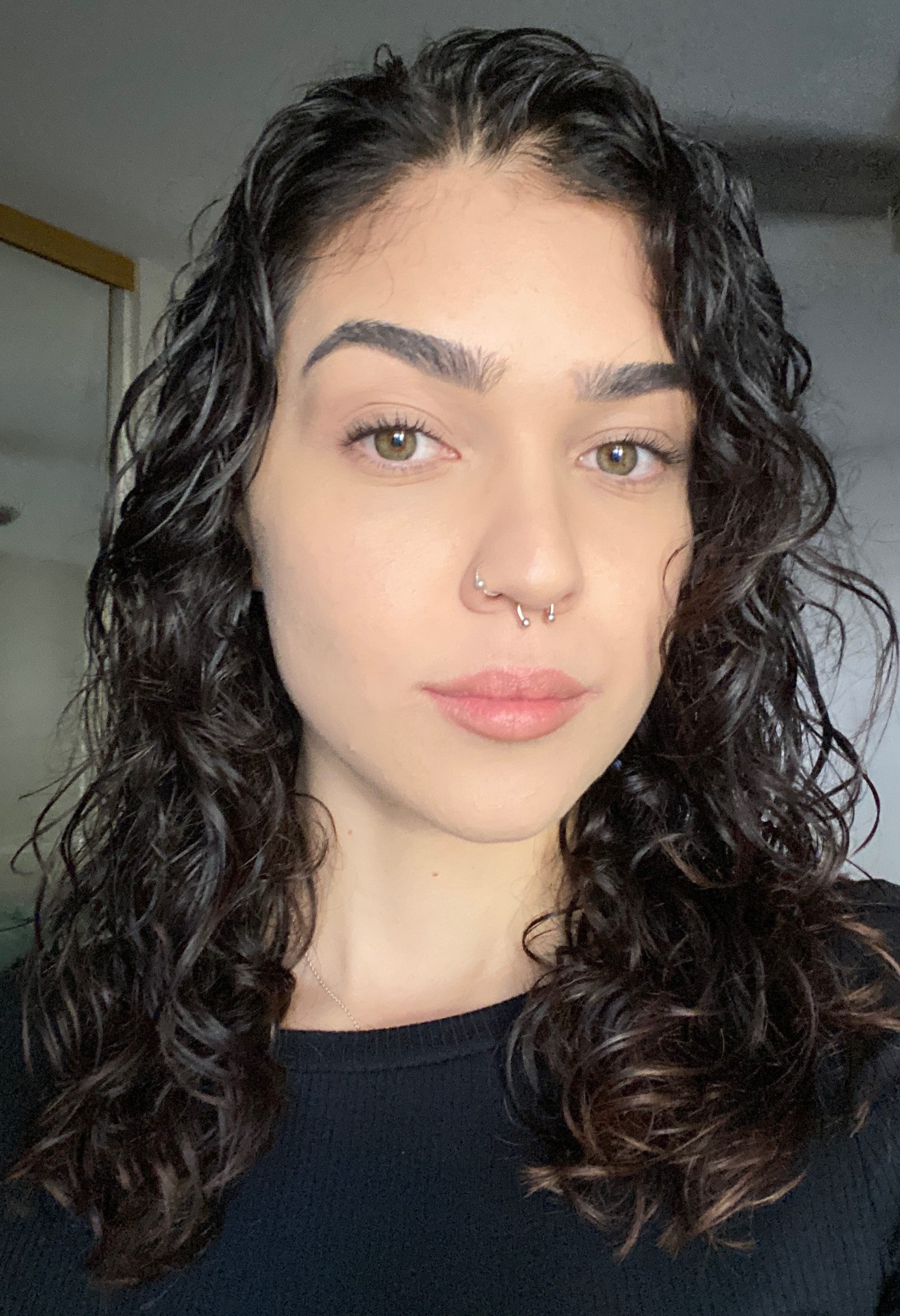
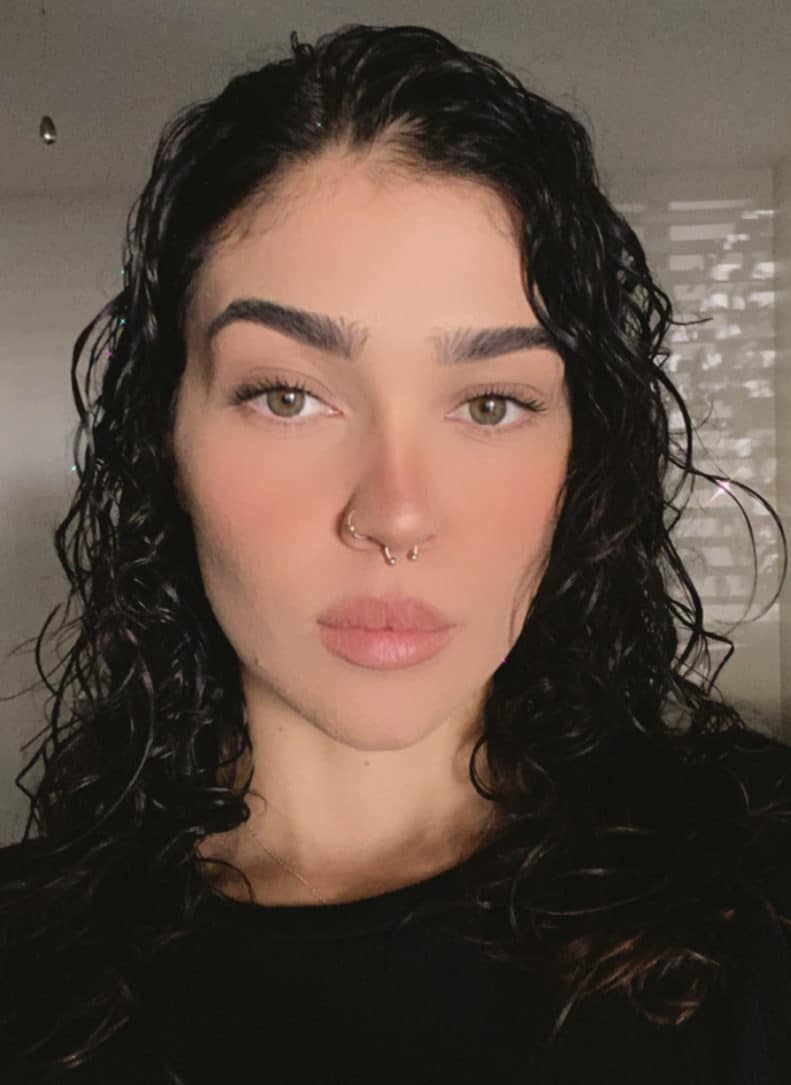
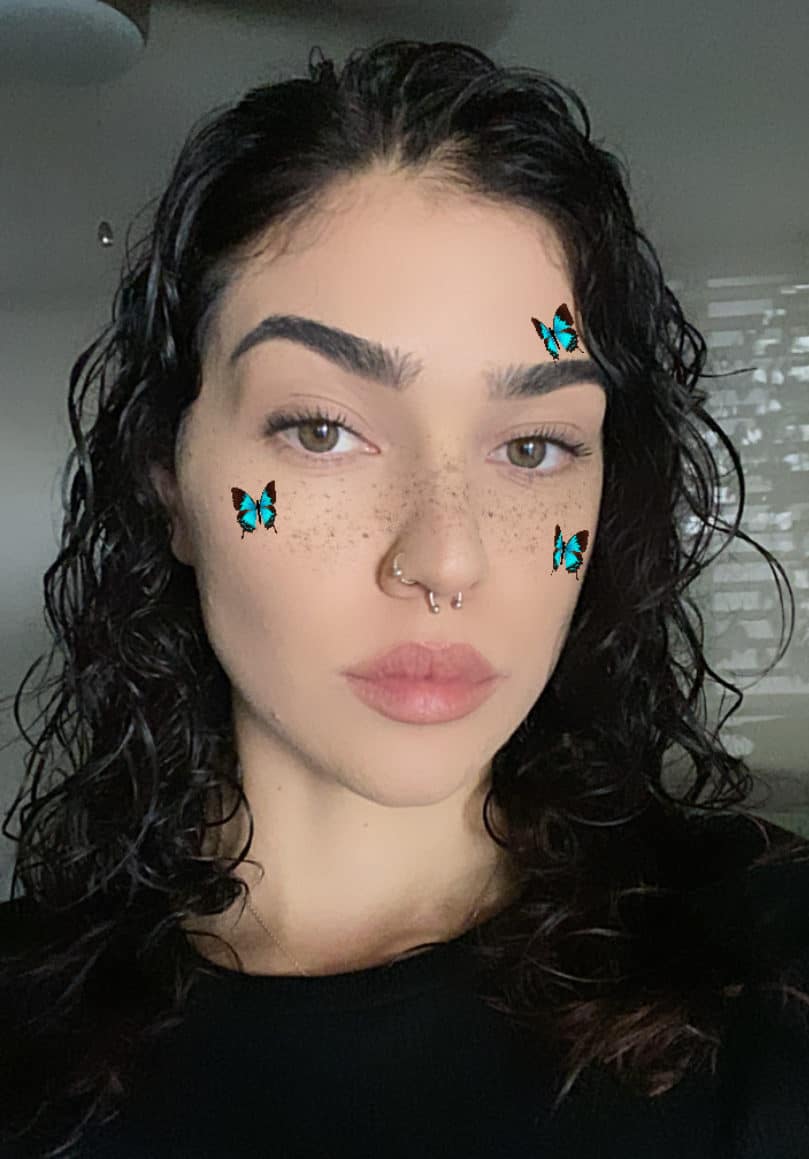
I realized that he was right, that I was relying on filters to feel beautiful. Since then, I limit my use of filters and embrace my imperfections. I want to share an authentic version of me. For this article, I decided to do a before and after using a few Instagram filters, so you can see how different they make me look.

                  (No Filter)                            Filter 1                                        Filter 2                                       Filter 3

What can you do if your teen is using filters on social media?

Just because your teen uses filters does not mean that they will develop a disorder or develop self-esteem problems. Everyone is different. But it is important to be aware of the potential risks of this social trend.

If you notice that your teenager is on social media and using filters here are some things you can do:

Have a conversation with your teen.

  • Talk to your teenager about what they see on social media. Remind them that most of the photos that they see on Instagram or any other platform are not 100% real because of filters or photo editing. This is something that they most likely are aware of, but I oftentimes have to remind myself of this when I am scrolling through Instagram.
  • In this generation where many teenagers and adults rely on likes and comments for self-worth, it is important to remind your teenager that there are more qualities in life that matter than their looks. Point out their other qualities and strengths like work ethic, intelligence, and kindness.
  • Don’t forget to remind them that they are beautiful without a filter!

Practice positive affirmations.

Teach your teenager positive affirmations and practice them together. Affirmations are positive statements that you say out loud to yourself. 7 Mindsets provide helpful affirmations for teens, here are a few:

  • “I embrace my flaws because I know that nobody is perfect”
  • “I love myself deeply and completely”
  • “I don’t want to look like anyone but myself”

A special thank you to Alisa Araiza for researching and co-writing this article. For more information on these social media platforms that were mentioned in this article, take a look at The GKIS Sensible Parent’s Guide to Snapchat and The GKIS Sensible Parent’s Guide to Instagram. Don’t forget to check out the GKIS Social Media Readiness Course to get the tools and guidance you and your teenager need!

I’m the mom psychologist who will help you GetKidsInternetSafe.

Onward to More Awesome Parenting,

Tracy S. Bennett, Ph.D.
Mom, Clinical Psychologist, CSUCI Adjunct Faculty
GetKidsInternetSafe.com

Photo Credits

Photo by Mateus Campos Felipe on Unsplash

Work Cited

Best, S. (2020, January 28). Instagram still has several ‘plastic surgery’ filters despite ban last year. mirror. https://www.mirror.co.uk/tech/instagram-still-several-plastic-surgery-21369194.

Cavanagh, E. (2020, January 11). ‘Snapchat dysmorphia’ is leading teens to get plastic surgery based on unrealistic filters. Here’s how parents can help. Insider. https://www.insider.com/snapchat-dysmorphia-low-self-esteem-teenagers-2020-1.

Hosie, R. (2018, February 6). People want to look like versions of themselves with filters rather than celebrities, cosmetic doctor says. The Independent. https://www.independent.co.uk/life-style/cosmetic-surgery-snapchat-instagram-filters-demand-celebrities-doctor-dr-esho-london-a8197001.html.

Kelly, S. M. (2020, February 10). Plastic surgery inspired by filters and photo editing apps isn’t going away. https://www.cnn.com/2020/02/08/tech/snapchat-dysmorphia-plastic-surgery/index.html.

Rodulfo, K. (2020, August 13). It’s Easier Than Ever To Make A New Face On Social Media. But Is It Killing Your Confidence? Women’s Health. https://www.womenshealthmag.com/beauty/a33264141/face-filters-mental-health-effect/.

Manavis, S. (2019, October 29). How Instagram’s plastic surgery filters are warping the way we see our faces. https://www.newstatesman.com/science-tech/social-media/2019/10/how-instagram-plastic-surgery-filter-ban-are-destroying-how-we-see-our-faces.

Yang, L. (2018, August 10). People are seeking plastic surgery to look like their edited selfies in real life – here’s why doctors think the trend is ‘alarming’. Insider. https://www.insider.com/plastic-surgery-selfie-filters-2018-8.