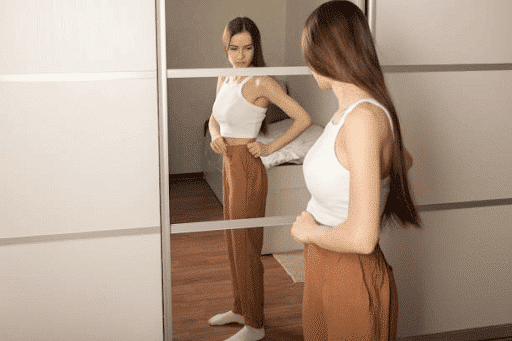
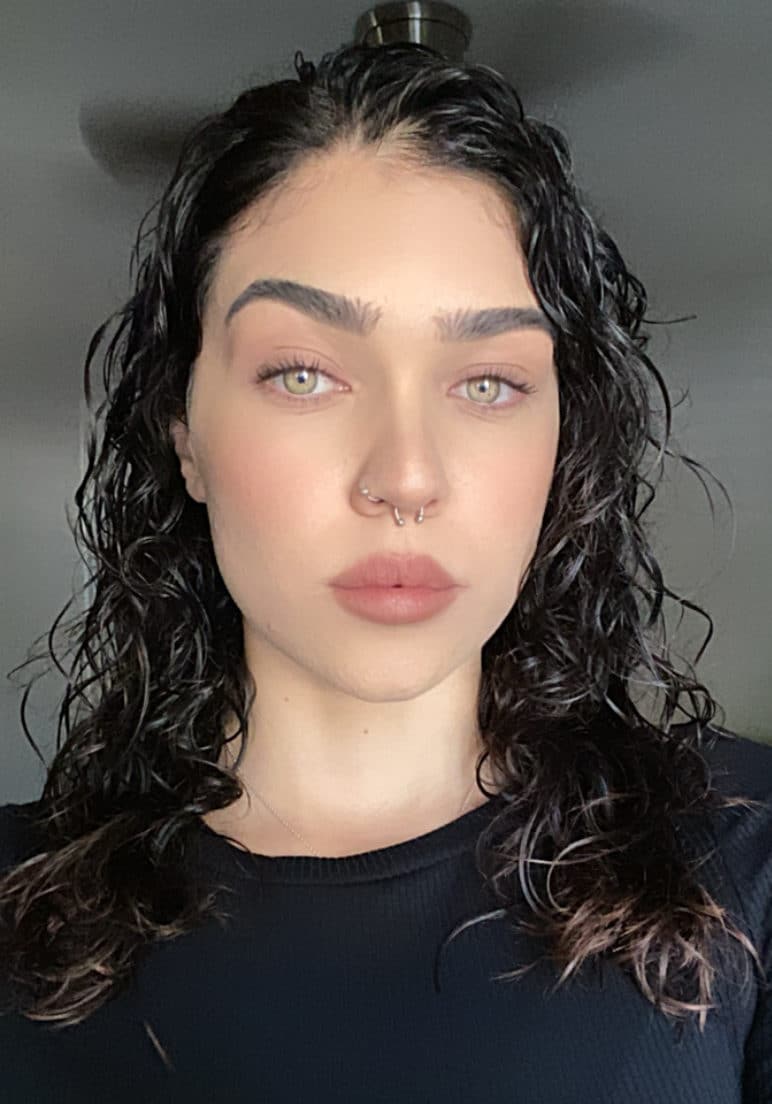
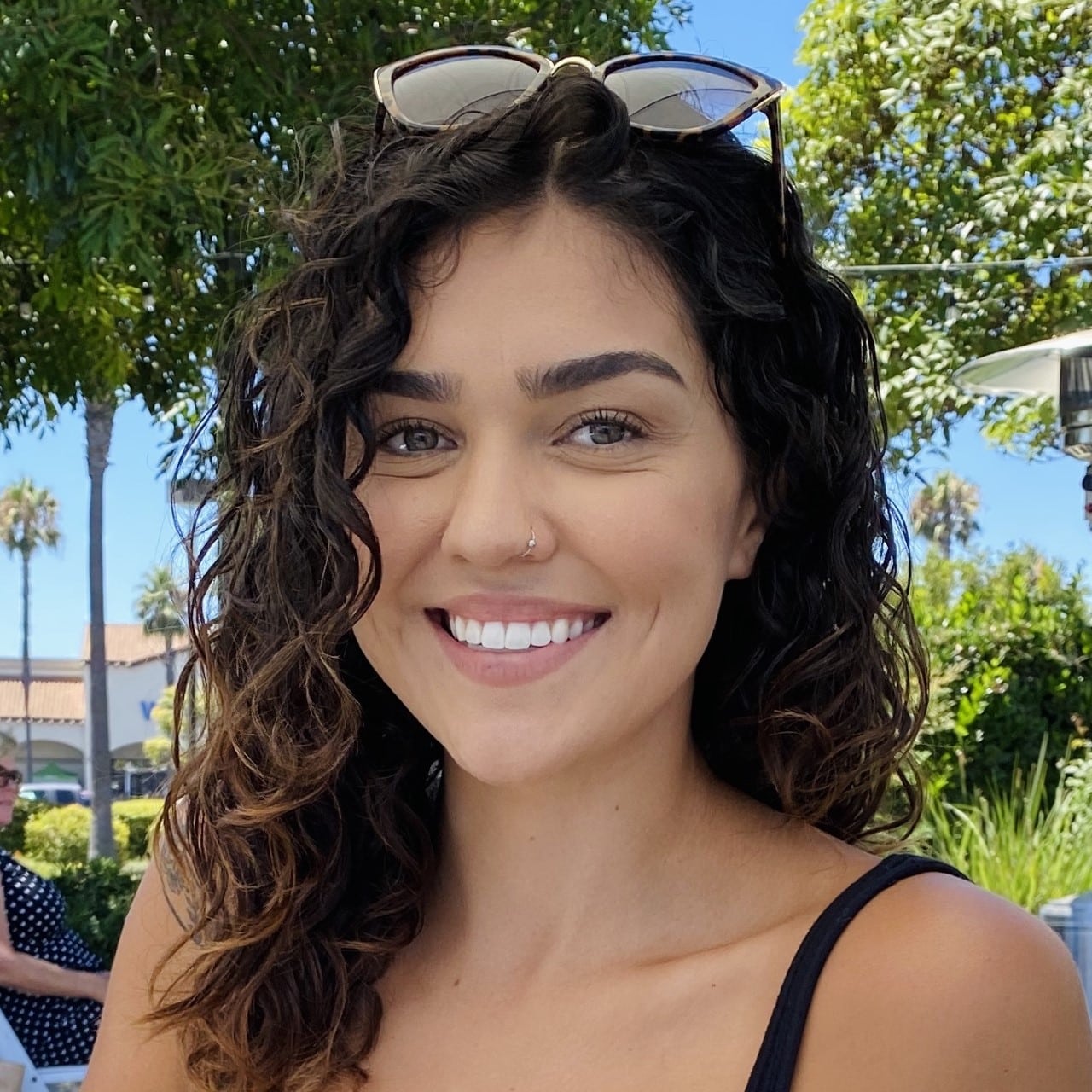
Beauty and fashion trends have always changed with the season. But with social media, the pressures to conform have increased among adults and impact younger and younger kids. At what point do we intervene to minimize the dangerous effects that arbitrary beauty standards have on kids and teens? How do we discourage the consumption of damaging content surrounding body image? If you are concerned about the damaging content your family could be exposed to, check out our Screen Safety Essentials Course. This course provides you with the tools necessary to navigate the Internet more safely and avoid digital injury. Even better, it will bring you closer to your kids! Today’s GKIS article covers the controversies of trending body types, the damage they can do to young people, and creative ideas to keep your family safe.
Heroin chic is back!
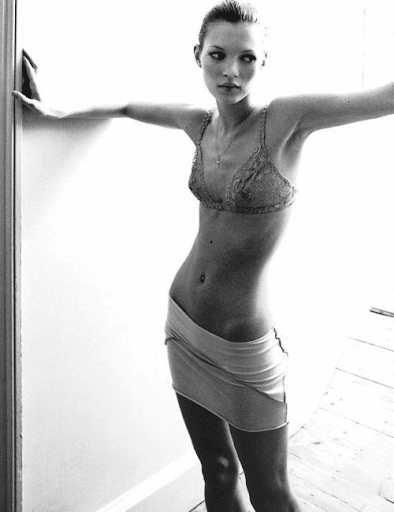
Popularized in the early 1990s, heroin chic refers to the ideal female body type with defining features that include a very thin frame and an emaciated appearance.
In November 2022, the New York Post published an article titled ‘Bye-bye booty: Heroin chic is back,’ and it immediately sparked controversy online. The article claimed that the much thinner physique was “trendy” and celebrities like Bella Hadid and Kim Kardashian who have publicized radical weight loss sparked the recent shift in body trends.
The Shortened Lifespan of Online Trends
Media has a major impact on how we perceive ourselves and the world around us.[3] With the increasing use of social media, the lifespan of trends has drastically shortened. Instead of trends lasting for a couple of years, they now last for a couple of months. That means many women whiplash between fashion fads, radical diets, and costly beauty regimens. Just when it seems that we are making progress with body positivity, the return of heroin chic only proves that within industrialized countries such as the U.S., slender women tend to be seen as more attractive.[2]
Trends have fluctuated throughout the years, coming and going and coming back again. Before the most recent return of heroin chic was the ‘slim thick’ trend from the late 2010s. Slim thick means very curvy. It’s often only achieved through plastic surgery like breast and buttock enhancement surgery. Recently social media sites have also promoted filters that make one’s face fit the trending beauty standard. A small, upturned nose, full lips, and “fox eye” eye makeup are what are considered most attractive recently on apps such as TikTok and Instagram. Another GKIS article, Influencers Hurt Child Self-Esteem by Overusing Filters, touches on how filters that dramatically alter your face can have similar effects. Check it out to learn more.
What is the damage?
Body dissatisfaction is a major source of suffering among women of all ages.[1] The intense fluctuation of beauty standards and trends can lead to self-esteem issues, lack of motivation, depression, body dysmorphia and other eating disorders, and thoughts of suicide. All genders are at risk of becoming insecure about their physical appearance. However, the risk is higher for young girls because of rapid pubertal body change and because society has deemed a woman’s attractiveness to be integral to her self-worth and value.[1]
To avoid the potential development of body image insecurities, check out our Social Media Readiness Course. This course can help prepare your tween or teen to more safely navigate the Internet and avoid damaging content.
How can we protect our teens?
Talking with your children is one way to protect them against internalizing unrealistic trends and developing insecurities. Creating a safe space to hold conversations surrounding confidence and self-esteem can help. To help guide you through these sometimes difficult conversations, we’ve developed our free Connected Family Screen Agreement. Offered in short, easy chunks, our agreement will help you become your child’s ally when it comes to screen media and family safety.
Setting smart and justifiable parameters is also key for protection. If you are lost as to how to set up the rules and maintain cooperation, our Screen Safety Essentials Course has everything you need to be your family’s go-to expert.
Social media requires a whole new set of tools for child safety. For smart management, our Screen Safety Toolkit can help.
And for tweens and teens, our Social Media Readiness Course offers the red flags of digital injury and the psychological wellness tools that Dr. Bennett teaches in her practice. With a mastery quiz at the end of each module, you can be sure that the GKIS certification your teen earns at the end really means sometimes.
[1] Stapleton, P., Crighton, G. J., Carter, B., & Pidgeon, A. (2017). Self-esteem and body image in females: The mediating role of self-compassion and appearance contingent self-worth. The Humanistic Psychologist, 45(3), 238–257. https://doi-org.ezproxy.csuci.edu/10.1037/hum0000059
[3] Monks, H., Costello, L., Dare, J., & Reid Boyd, E. (2021). ‘We’re continually comparing ourselves to something’: Navigating body image, media, and social media ideals at the nexus of appearance, health, and wellness. Sex Roles: A Journal of Research, 84(3–4), 221–237. https://doi-org.ezproxy.csuci.edu/10.1007/s11199-020-01162-w
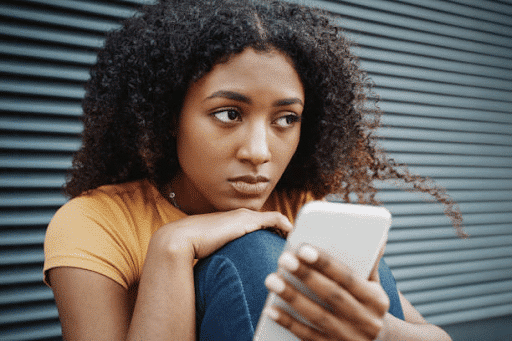
How would you feel if you found out that your child is going to extreme and dangerous lengths to change their appearance? What if your child is putting themselves in potential harm to fit beauty standards set by beauty filters? Beauty filters can be a fun way to transform selfies, but they have failed to embrace the beauty of all skin tones, especially dark ones. This has led to the rise of colorism and extreme self-esteem issues. To help you recognize the dangers of social media on self-esteem, I interviewed Dr. Chavarria, CSUCI Assistant Professor of Sociology, to offer insight on how colorism affects minority communities and how to prevent it. If you are concerned for your child’s mental and physical well-being when they interact on social media, check out our Social Media Readiness Training for tweens and teens. Our guide prepares your children for safer screen use and prevents psychological illness with our expert emotional wellness tools. Today’s GKIS article shares the story of a young girl negatively affected by beauty filters and tips you can take to help protect your kids from colorism.
What are beauty filters?
Beauty filters are social media features that beautify and erase people’s imperfections and flaws by creating a modified version of themselves. Specific modifications can be anything, but the most popular filters alter the size of facial features, change eye color, and add effects like make-up or long eyelashes.[1]
The Negative Effects of Filters
Low Self-Esteem
Although filters can be fun, they can also be damaging to one’s self-esteem. Research demonstrates that the use of filters can lead to low self-esteem because filter users are more likely to hyper-focus on the features they dislike when using them. This can then lead to frequently comparing one’s real looks with filtered looks, changing our beauty “ideal” and recognizing (even obsessing on) our failure to live up to that ideal. Not being able to accomplish the same look with these filters can make someone feel less than or that they will always be below beauty standards. For others, it may motivate them to find a way to change their appearance to better match the beauty standards set by social media regardless of the risks these changes pose.[2]
The Rise of Colorism
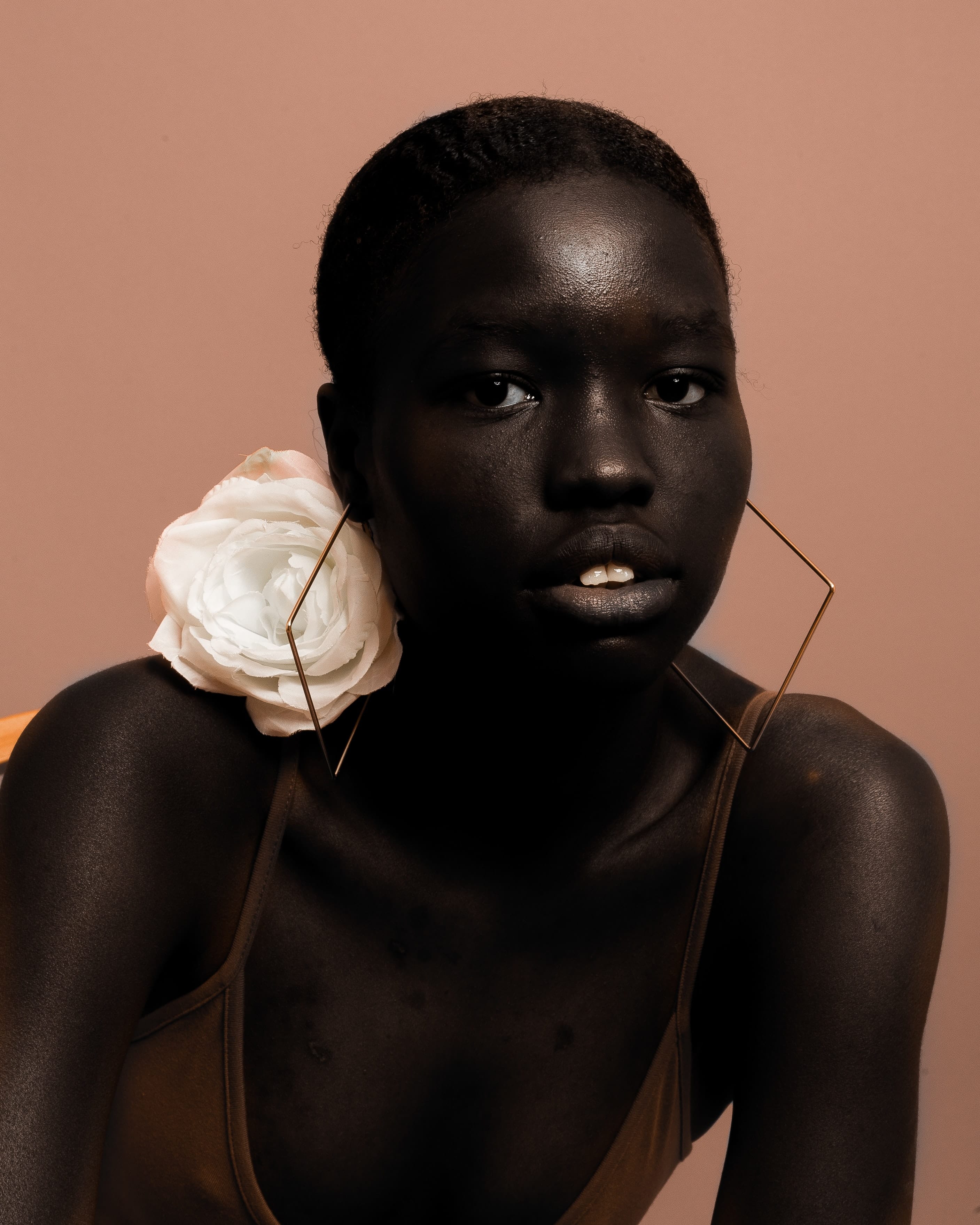
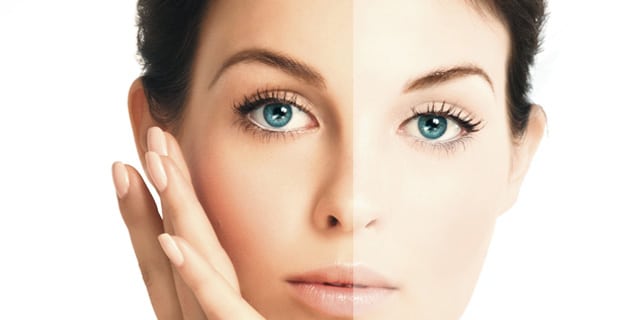
It has been noted by many social media users that beautifying filters usually have a lightening or bleaching effect on the skin. In fact, according to skin color expert Ronald Hall, this effect is not an accident. He explains that it is a way to maintain and conform to historically Eurocentric beauty standards.
Beauty filters are promoting a rise in colorism. Colorism refers to prejudices or discrimination an individual may experience for having a darker skin tone. This phenomenon usually occurs among one’s own ethnic or racial group.[3,4]
A Young Teen Takes Drastic Measures to Change Appearance
Lise, a young teenager, shared her struggles with colorism. Her experience included being bullied for her darker skin tone. The bullying not only came from white girls at school but, to her surprise, also from those who looked similar to her in her same ethnic or racial group.
Seeing pictures of light-skinned women receive lots of likes and positive comments online also confirmed to Lise that she did not meet society’s standards of beauty, bringing her self-esteem down. To try to lighten her skin, Lise began to scrub her mom’s bleaching cream into her skin with a copper wire brush. Even without abrasion injuries, bleaching products can pose health risks.[4]
If you are concerned that your child is suffering from a digital injury like mood and anxiety disorders triggered by compare-and-despair, check out our GKIS Online Safety Red Flags For Parents. With this guide, you’ll learn the behavioral red flags to look out for that may signal your child is suffering from digital injury.
Colorism Affects Minority Communities on a Larger Scale
Colorism is an issue that not only affects self-esteem, but it has also been a problem for minority communities on a larger scale. Dr. Chavarria, CSUCI Assistant Professor of Sociology, explained in our interview that the emergence of colorism, particularly in the Latino society, has been a consequence of conquest and colonization of indigenous communities.
Colonizers constructed these ideas about indigenous communities so they would be perceived as inferior, uncivilized, having no knowledge, and being closer to evil. Whites or being light-skinned, in contrast, have historically been constructed to be perceived as better, good, and even closer to God.
This construction caused the devaluation of indigenous identity features such as brown skin, indigenous language, and ethnic practices leading to the destruction of indigenous communities. Many who managed to survive and succeed in the majority culture often did so by blending in and learning to assimilate. Ethnic roots were lost over generations, and minority communities lost a sense of pride in what they look like. Dr. Chavarria reported that research has demonstrated how individuals that align with beauty standards often get more career opportunities and higher pay.
How to Help Stop Colorism
Start with Family
Colorism needs to be stopped. A first step is addressing how colorism starts within the family. Dr. Chavarria stated that, although colorism often starts with the family, grandparents and parents are often not even aware they are engaging in it. They too have been socialized to believe these ideas about their indigenous roots and characteristics. Therefore, educating family members about what colorism is and how it can cause generational trauma can be the first important step to change.
As a Chicana who has also experienced colorism within my community and family, I recognize that change can be hard. Sometimes I didn’t know how to tell my grandmother that the “advice” she gave me was conforming to Eurocentric standards and colorism, and that it did more damage than help. For example, when family members told me that I should find a light-skinned man with colored eyes so my future children can inherit those features, they seemed to be telling me that, as a brown girl, I did not possess “beautiful” features.
Follow Body-Positive Campaigns
Dr. Chavarria also highly recommends that social media users check out campaigns directed to make positive changes. Cultural Survival on Facebook is a campaign that she tracks. It is an international organization that engages with indigenous communities across the globe. They address important issues like colorism by protecting indigenous women and challenging Eurocentric notions of beauty.
Practice Self-Awareness
If you find yourself contributing to colorism with comments and negative self-appraisals, challenge yourself for positive change.
Speak Out
As you become more self-aware, speak out to friends and post positive pro-beauty messages that demonstrate that beauty comes in many shades and colors. We must consistently challenge historical ideas to break biases and end discrimination. It starts with us, let’s get started!
Thanks to Dr. Chavarria for offering expert insight on colorism and how to prevent it. Thanks also to CSUCI intern Ashley Salazar for researching and co-authoring this article. Colorism is on a high rise due to beauty filters on social media. Check out our GKIS courses to learn to have easier dialogues with your children and protect them from digital injury.
I’m the mom psychologist who will help you GetKidsInternetSafe.
Is your teen on Snapchat and Instagram? If so, they may be using what is popularly called, ‘plastic surgery’ filters. These filters may be altering your teen’s image of themselves and could be harmful to their mental health. I have been using filters on Instagram, Snapchat, and other social media platforms since I was a teen. Over the years these filters have become more face-altering than ever before. For more tips and guidance on social media, check out Dr. Bennett’s Social Media Readiness Course.
What Are ‘Plastic Surgery’ Filters?
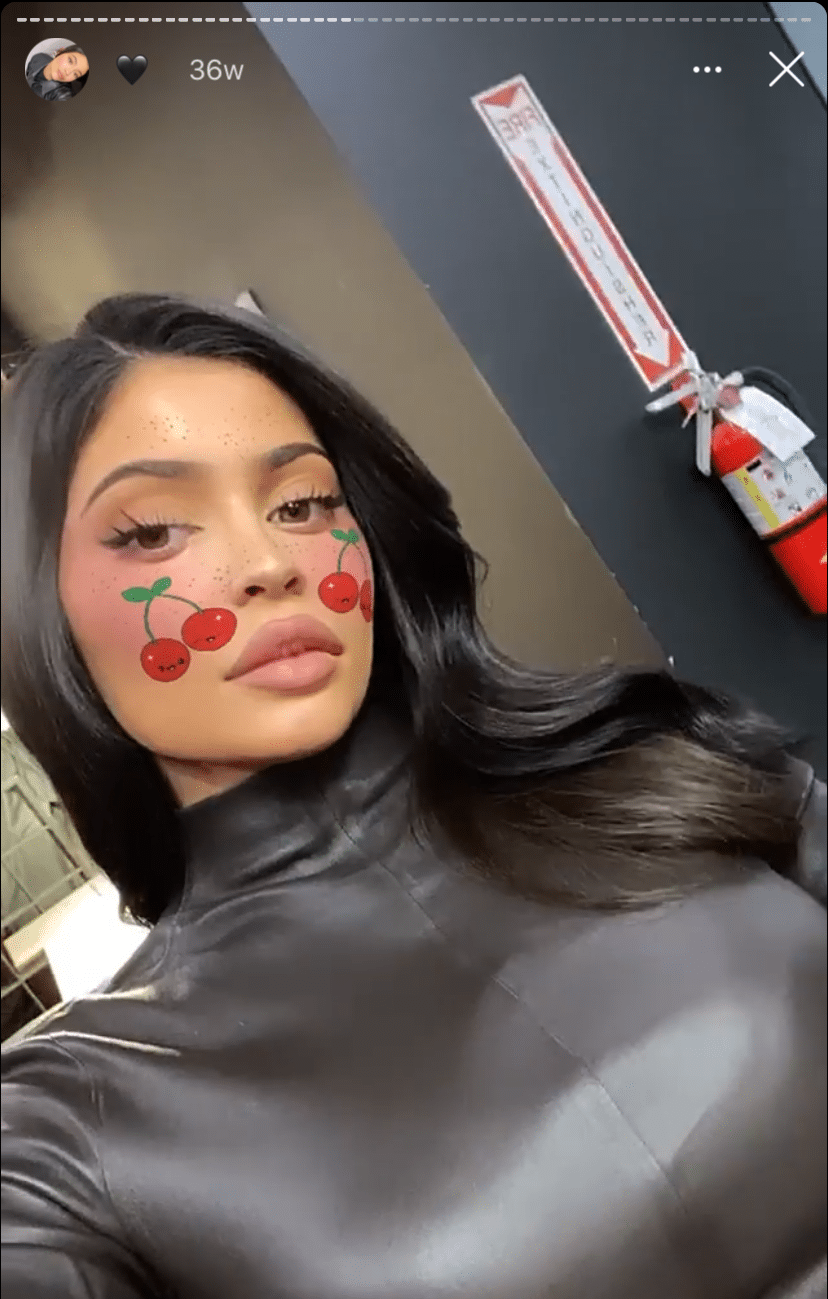
Plastic surgery filters are filters that make users look like they have different types of cosmetic surgery. These filters give the users bigger lips, smoother skin, smaller noses, sharper cheekbones, and even different colored eyes. They are popularly used by celebrities, influencers, teens, and young adults.
Unrealistic Beauty Standards
‘Plastic surgery’ filters can be harmful because they promote unrealistic beauty standards by erasing imperfections and enhancing certain features. Teenagers view thousands of ‘perfect’ images daily on social media shared by peers, idols, and even themselves. This can cause self-esteem problems because beauty standards become less and less realistic.
Attention from Followers
Many celebrities and people I know refuse to post an unedited or unfiltered image of themselves, which is sad and scary. Attention from followers contributes to this problem. If a teenager posts filtered selfies and they get positive comments from their followers, they may depend on using those filters because they feel that they will not get the same attention without one. This can cause people to become obsessed with the filtered images of themselves and unhappy with their appearance without a filter.
Snapchat Dysmorphia
Along with lowering self-esteem, filters like these are inspiring more young people to get cosmetic surgeries because they prefer the edited version of themselves. Cosmetic doctors are noticing that filters might be leading to a new type of body dysmorphia. Body dysmorphia is a mental disorder where a person obsesses over a minor flaw in their appearance.
Dr. Esho, a cosmetic doctor, claims that an increasing number of individuals are bringing pictures of themselves with filters to plastic surgeons and asking to look like that. Doctors are calling this new type of body dysmorphia, ‘Snapchat Dysmorphia.’
My Personal Experience Using Filters
I have used filters that make my lips fuller, skin smoother, and face slimmer. When I was using them, I did not fully realize how often I was using them until my boyfriend once told me, “Why do you always use filters? You are beautiful without them.” He wasn’t telling me to stop using them, he simply asked me why.
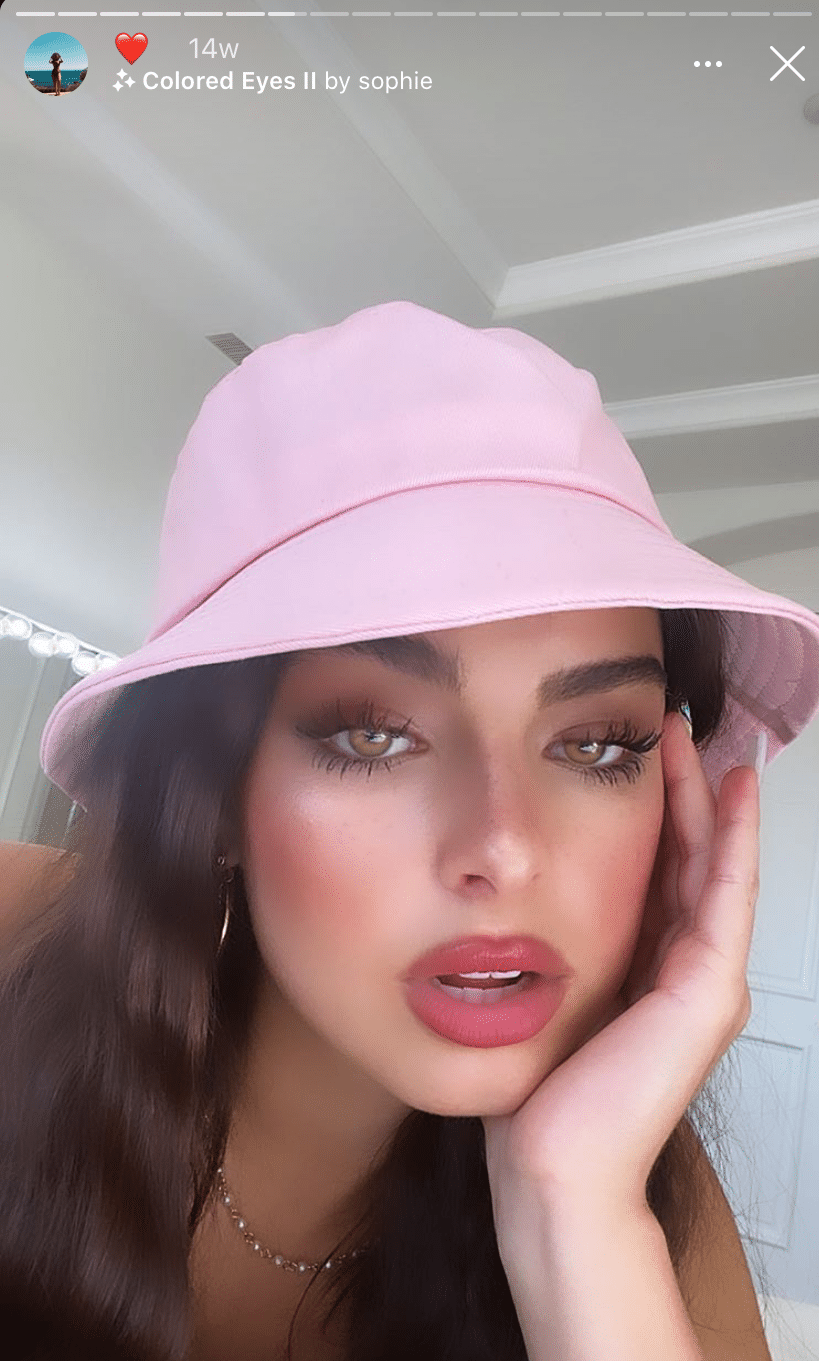
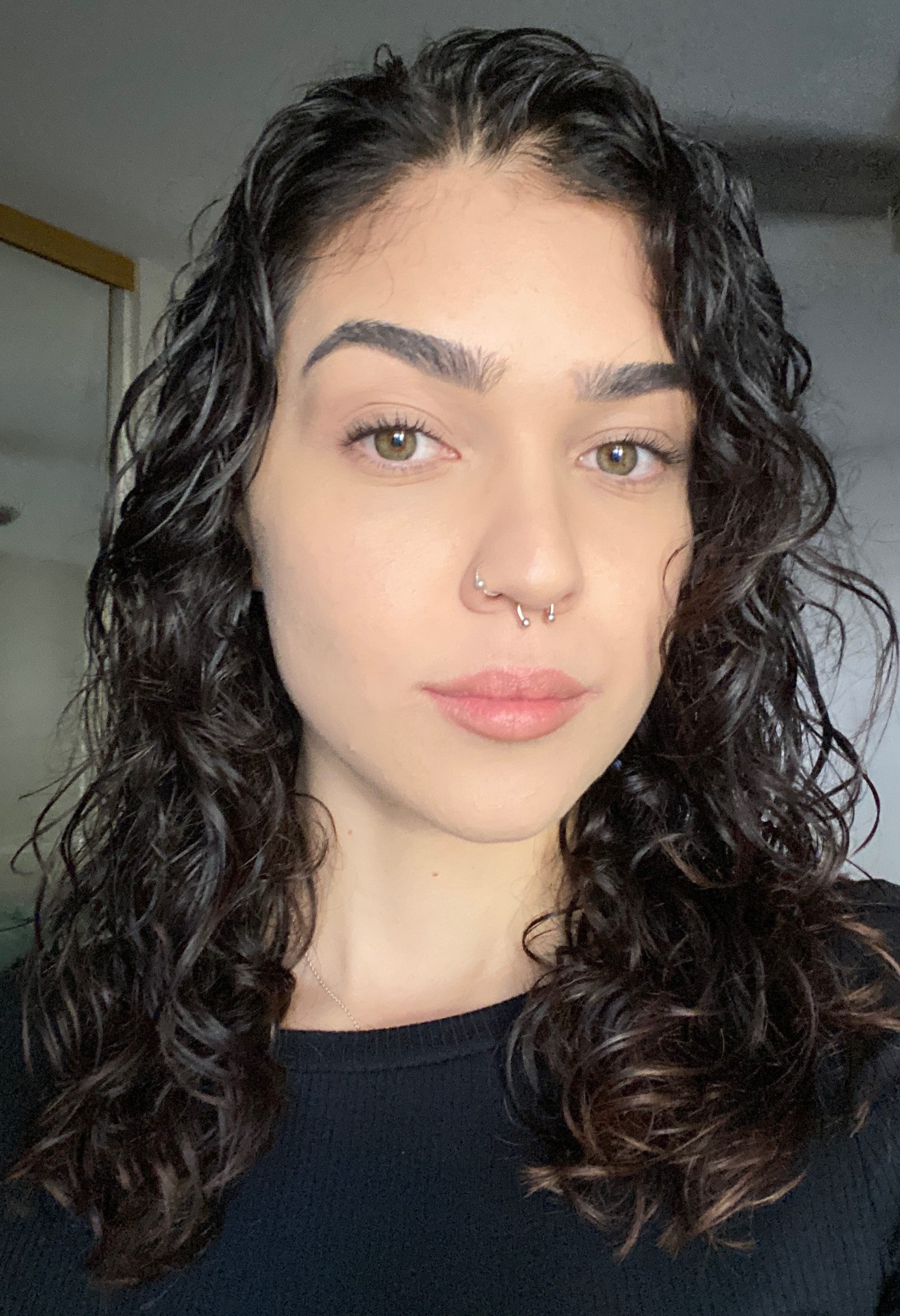
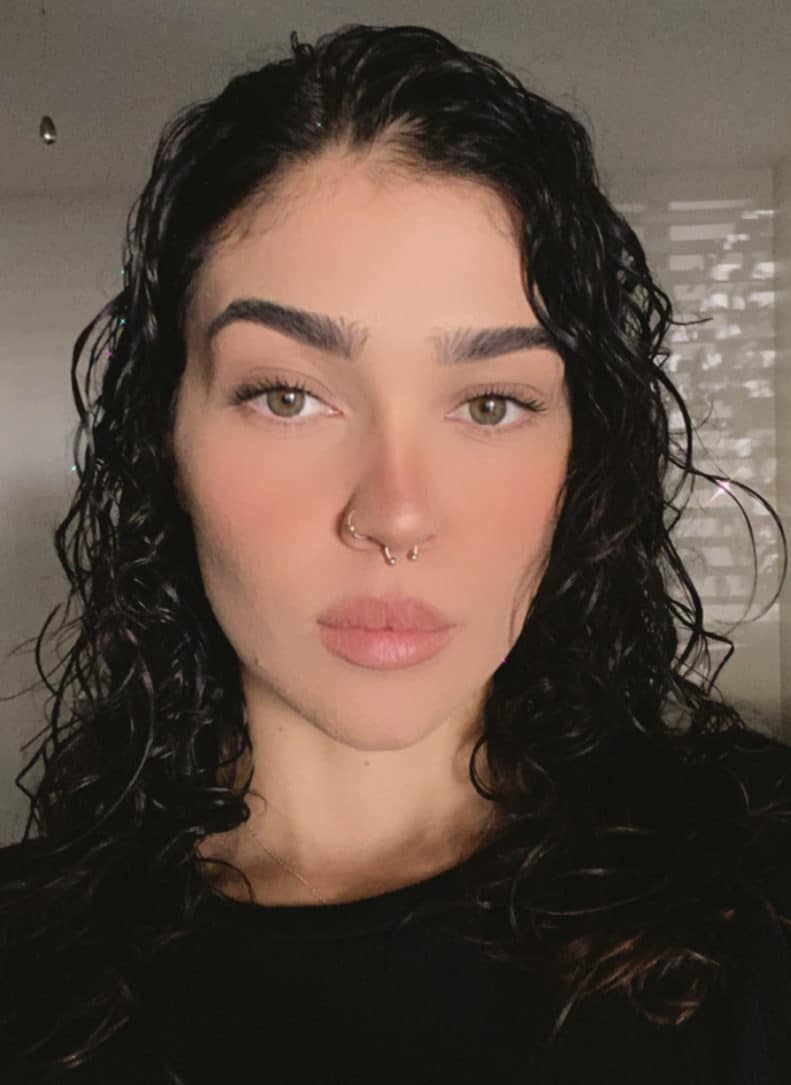
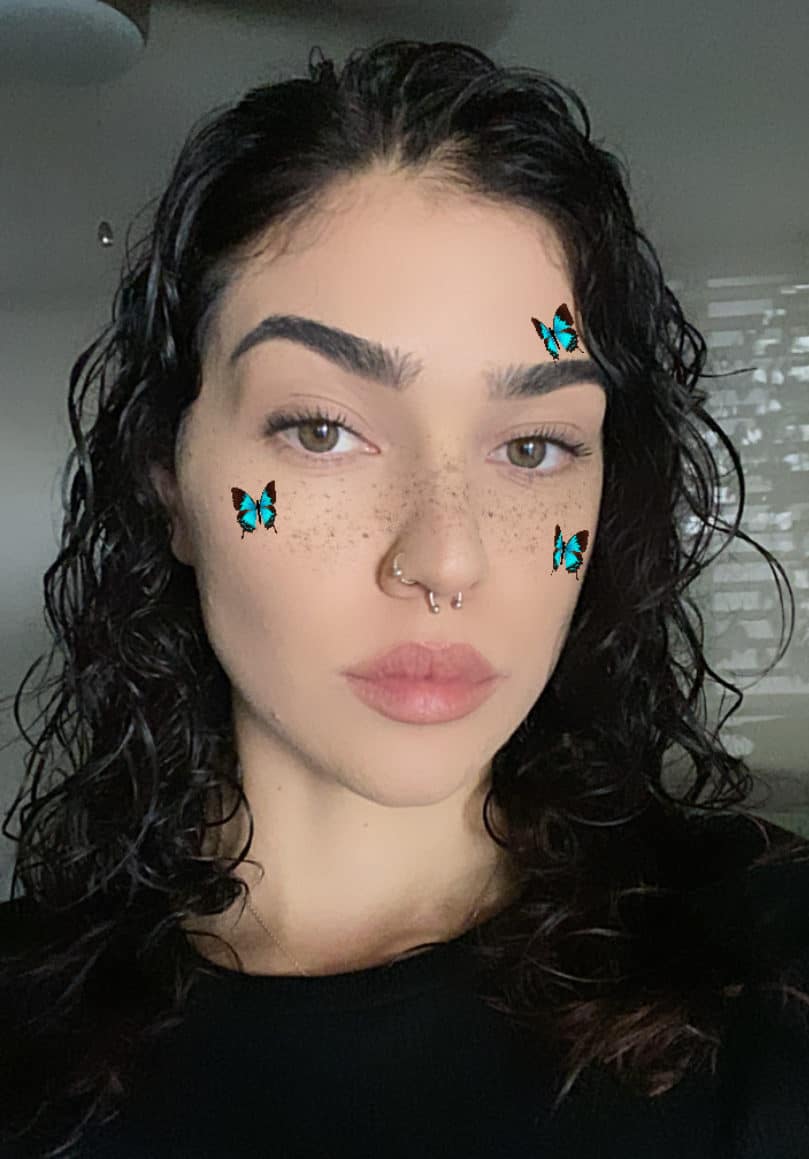
I realized that he was right, that I was relying on filters to feel beautiful. Since then, I limit my use of filters and embrace my imperfections. I want to share an authentic version of me. For this article, I decided to do a before and after using a few Instagram filters, so you can see how different they make me look.
(No Filter) Filter 1 Filter 2 Filter 3
What can you do if your teen is using filters on social media?
Just because your teen uses filters does not mean that they will develop a disorder or develop self-esteem problems. Everyone is different. But it is important to be aware of the potential risks of this social trend.
If you notice that your teenager is on social media and using filters here are some things you can do:
Have a conversation with your teen.
Talk to your teenager about what they see on social media. Remind them that most of the photos that they see on Instagram or any other platform are not 100% real because of filters or photo editing. This is something that they most likely are aware of, but I oftentimes have to remind myself of this when I am scrolling through Instagram.
In this generation where many teenagers and adults rely on likes and comments for self-worth, it is important to remind your teenager that there are more qualities in life that matter than their looks. Point out their other qualities and strengths like work ethic, intelligence, and kindness.
Don’t forget to remind them that they are beautiful without a filter!
Practice positive affirmations.
Teach your teenager positive affirmations and practice them together. Affirmations are positive statements that you say out loud to yourself. 7 Mindsets provide helpful affirmations for teens, here are a few:
“I embrace my flaws because I know that nobody is perfect”
Best, S. (2020, January 28). Instagram still has several ‘plastic surgery’ filters despite ban last year. mirror. https://www.mirror.co.uk/tech/instagram-still-several-plastic-surgery-21369194.
Cavanagh, E. (2020, January 11). ‘Snapchat dysmorphia’ is leading teens to get plastic surgery based on unrealistic filters. Here’s how parents can help. Insider. https://www.insider.com/snapchat-dysmorphia-low-self-esteem-teenagers-2020-1.
Hosie, R. (2018, February 6). People want to look like versions of themselves with filters rather than celebrities, cosmetic doctor says. The Independent. https://www.independent.co.uk/life-style/cosmetic-surgery-snapchat-instagram-filters-demand-celebrities-doctor-dr-esho-london-a8197001.html.
Kelly, S. M. (2020, February 10). Plastic surgery inspired by filters and photo editing apps isn’t going away. https://www.cnn.com/2020/02/08/tech/snapchat-dysmorphia-plastic-surgery/index.html.
Rodulfo, K. (2020, August 13). It’s Easier Than Ever To Make A New Face On Social Media. But Is It Killing Your Confidence? Women’s Health. https://www.womenshealthmag.com/beauty/a33264141/face-filters-mental-health-effect/.
Manavis, S. (2019, October 29). How Instagram’s plastic surgery filters are warping the way we see our faces. https://www.newstatesman.com/science-tech/social-media/2019/10/how-instagram-plastic-surgery-filter-ban-are-destroying-how-we-see-our-faces.
Yang, L. (2018, August 10). People are seeking plastic surgery to look like their edited selfies in real life – here’s why doctors think the trend is ‘alarming’. Insider. https://www.insider.com/plastic-surgery-selfie-filters-2018-8.