Gambling was ruined for me after I took Psychology 101 in college. Learning that slot machines were programmed on the same ratio of reinforcement that makes rats ask for cheese made me feel controlled and conned. I mean, who wants to give hard-earned money to somebody who’s training you like a rat? Now our screen devices are jumping us through hoops, with addictive features and profitable scams. If your kids are on YouTube, then they’re ready to learn about the “business side” of social media.
Buyer Beware
The Internet is a “buyer beware” environment. That means it is up to us to discover where the tricks and scams are.
There are regulations about collecting information and marketing to children because they do not yet have the sophistication to make sound, informed financial decisions. However, marketers online can’t be sure who is watching their content.
That means they can create marketing funnels that kids can fall into. Publicly, YouTube celebrities would insist they are only marketing to adults. But if that’s the case, why are so many kids and teens spending money online?
Celebrity Endorsement
When celebrities endorse a product, they lend their credibility to it. Viewers think, “I trust them. If they like it, I like it.” Viewers can spot celebrity-endorsed products when Youtubers say they are sponsored, affiliated, or teamed up with a company.
For example, Tana Mongeau (2.8M subscribers), Gabbie Hanna (6.5M subscribers), and plenty of others[2] were paid by Kenza Cosmetics[3] or Bermona[4] to advertise “great deals” to their subscribers. To maintain credibility with their fans, celebrities must be honest about their support of a product. However, YouTube influencers who are out for quick cash with little regard for their credibility and reputation scam their fans with inflated prices and hidden shipping costs.[5]
Scarcity
Scarcity is a classic marketing technique that refers to the “buy now before you miss out on a one-time limited offer.” The urgency drives consumers to impulsively buy. YouTubers commonly say three things that reflect scarcity.
They will say:
the product is amazing and insist you’re getting a great deal.
the product is in short supply, or the deal is a limited-time offer.
“I don’t want you to miss out on this”.
Beauty guru Jeffree Star (13.9M subscribers) used scarcity to sell his collection of eyeshadow palettes priced around $80 each in only three minutes.[6] No wonder he’s worth $50 million!
Pester Power
Ask any child what they want to be when they grow up, and they’ll say “YouTuber.” Many kids believe that all they have to do is post a video, and in a few months, they’ll be raking in the cash. To prepare, they hang onto every word of their favorite influencer, imagining that they too will one day be rich and famous. They adopt their lingo, accents, and interests, and want to buy what they have. This leads kids to pester their parents for online products or even use their parent’s credit cards without asking.[8]
Provoking Minions by Creating Conflict with Other Celebrities
Creating large-scale competitions or beef (having a grudge or dislike for another person) is one technique influencers use to increase subscriber rates. Spurring online fans into promoting your “win” creates drama with dollar signs. Superfans promote content for you, sweeping their friends into the frenzy with them. Free of charge!
Superfans who become radicalized to show support for their ingroup is a process social psychologists call deindividuation. Deindividuation is a psychological state where people get so caught up in their cause, they become disinhibited and fail to self-evaluate. It’s an intense state of belonging where one seems to lose oneself in the service of their chosen tribe. Famous examples are usually negative, like mob violence, but positive behaviors can occur as well. Teens and young adults are particularly susceptible as they are innately motivated to find and enthusiastically support their tribe.
An example of this type of marketing campaign is YouTube Red’s 2018 Boxing Match between YouTube Influencers KSI (20M subscribers) and Logan Paul (18.8M subscribers). The finale of their feud was a pay-to-view event where the two “boxed” for around 20 minutes, bringing in 13 million viewers and 7 million dollars of profit.[1]
The Apology Video
Wondering how YouTubers survive unfair marketing techniques directed at their subscribers? More marketing and PR. Here are some tactics we identified that seem to clean up celebrity marketing mishaps.
Delete the Evidence
Although celebrities delete the videos that got them into trouble in the first place, we all know that anything that appears on the Internet is there to stay. If the video promises to draw further attention, drama vlogs (YouTube videos about YouTube drama) will rebroadcast the offending video while criticizing the decision. Not only does the new vlogger gain subscribers from spilling tea, but it also drives new subscribers to the screwup’s site!
Get Ahead of the Narrative and Focus on the Fans
By making an apology right out the gate, the celebrity attracts more view time and takes control of the narrative.[9] By also showing dramatic concern for those hurt by the mishap, they may humanize themselves, making it seem that their fans are more important than fame.
Logan Paul (18.8M subscribers) is an example. In 2018, he released a video of him and his friends laughing as a suicide victim in Japan’s infamous Suicide Forest.[14] Media, including Dr. Bennett who was appearing as a parenting expert on Access Hollywood Live, expressed grave concern over his lack of discretion and empathy. In his apology video, he spent the first 30 seconds quickly going over what he had done and then focused primarily on his followers and all those who were affected by his actions.
Tears and Relatability
When a YouTuber makes an apology, they change up their appearance to seem more personal and relatable. Placing themselves in a lower position than the camera, wearing neutral colors, and choosing casual loungewear make the celebrity look less threatening.
Next, they get sad…really sad. Laura Lee, for example, apologized for racist remarks using every tactic talked about in this article, including dramatic crying and brushing away nonexistent tears.[15] Although it seemed effective for some, others remarked that the evident lack of sincerity was a show in itself.
Provocative Victim
One method of gaining fan support is sparking conflict and then crying about it for the next few weeks. Dr. B calls this the provocative victim technique. Trisha Paytas (4.8M subscribers) is famous for making over a dozen 15-minute videos of tearful breakdowns. Viewers don’t even care about what the topic or apology is about. They just come to see the spectacle.
Project Blame
Some YouTubers will try to blame other celebrities or even their own subscribers. For example, Gabbie Hanna made an apology for scamming her audience with Kenza Cosmetics, claiming that her fans should’ve done their research before purchasing.[13]
How to Prevent Marketing Manipulation
Even with education, children don’t have the experience or brain wiring to identify slick marketing techniques. But it shouldn’t stop you from educating them anyway. Here are some helpful tips to stay Internet safe.
YouTubers are not our friends.
Recognizing that YouTubers are strangers with no particular skill set or expert training is the first step to a healthy approach to viewing content. No matter how much they try to sell the idea they’re your “close friends,” they don’t know you nor do they care about your particular vulnerabilities.[16]
Don’t turn a blind eye.
Dr. Bennett believes the most important aspect of screen safety is forming a fun, cooperative alliance with your kids. By adopting our free GKIS Connected Family Agreement and reading and sharing our weekly GKIS blog articles, you’ll have lots of ideas for important and challenging family discussions. Just as parents teach their kids about screen issues along the way, kids also teach their parents.
Raise a smart consumer.
Taking the time to teach your kids how to be clever, savvy, and assertive is far more important than encouraging blind obedience. Help your kids build resilience and protect them from the unpleasant aspects of the online culture. Use discretion, yes, but don’t allow complacency and ignorance.
Use supportive resources.
GKIS helps families become smarter and more connected. Want some easy-to-use, affordable tools to get started? Here are some options for you:
OUR FREE GKIS CONNECTED FAMILY AGREEMENT AND WEEKLY BLOG ARTICLES: Once you enter your name and address at GetKidsInternetSafe.com, you are scheduled to receive your agreement and weekly articles. Snuggle in for a cup of tea and a quick read once a week to set your teaching agenda and build a closer, empowering parent-child alliance.
CYBERSECURITY & RED FLAG SUPPLEMENT: Don’t miss your Cybersecurity and Red Flag Supplement for your Connected Family Agreement. Not only will my cybersecurity tips improve your family’s privacy and security, but your kids will benefit BIG from knowing what kind of red flags to look out for online to avoid danger. You’ll also love the red flags you should look out for in your children’s behavior that may signal they need your help. Early intervention can make a big difference between making a mistake versus suffering from serious digital injury.
GKIS SCREEN SAFETY TOOLKIT: Ready to dial in safety at the device level but too overwhelmed to know where to start? We’ve got your back with our Screen Safety Toolkit. Start building your family’s custom digital toolkit with the tried-and-true recommendations from our guide. Have you wondered how to check their browser history, filter and block inappropriate sites, and monitor use? You won’t want to miss what we offer in this super low-priced, comprehensive guide.
GKIS CONNECTED FAMILY ONLINE COURSE: Early on, I realized that many avenues feed fun family connections and screen safety. My Connected Family Course offers ten quick steps to create a happier, healthier home. Filled with creative and fun tips that are family-tested and outcome-based, these are far more fun and effective than the free parenting tips offered on safety websites.
COACHING WITH DR B: Feeling like you need a little support and shame-free TLC? I have reserved office hours to coach you through the most challenging issues. Whether you love the privacy of 1:1 coaching or the vibrant energy of a motivated parenting group, I’ve got easy-to-schedule coaching options ready to go!
Thanks to Jack Riley, GKIS intern, for watching hours of YouTube for the research on this article and his clever insights.
Onward to More Awesome Parenting,
Tracy S. Bennett, Ph.D.
Mom, Clinical Psychologist, CSUCI Adjunct Faculty
Works Cited
[1] Hale, J (2018, August) How Much Did Logan Paul And KSI Make From Their ‘Youtube World Boxing Championship’? A lot. tubefilter.com
[2] Tea Spill, BEAUTY GURU’S ARE LYING TO YOU!?, YouTube.com
[3] kenzacosmetic.com
[4] bermona.com
[6] JEFFREE STAR SOLD OUT MAKEUP IN 3 MINUTES
Rich Lux., YouTube.com
[7] Mansson, E (2018, December) Sister Stocked? Not A Chance. The James Charles x Morphe Palette Has Sold Out For A Second Time, thetalko.com
[8] Dr. Bennetts Marketing Manipulation advice
[9] Forbes Communications Council, Seven Tips To Improve Apologies During A PR Crisis, forbes.com
[10] Morris, C (2018, December), Popular YouTube Streamer promotes Channel that publishes Anti-Semitic Content, Fortune.com
[11] Aja, R (Feburary,2017), The controversy over YouTube star PewDiePie and his anti-Semitic “jokes,” explained, Vox.com
[12] PewDiePie’s Teammate gets killed, he says it with a hard R out of frustration, Livestream Fails, YouTube.com
[13] Cancelled, gabbie hanna kenza cosmetics scam, YouTube.com
[14] Logan Paul Vlogs, I’m Sorry., YouTube.com
[15] Deceased Laura Lee apology with original captions, YouTube.com
[16] Oldford, S (2018, October) Manipulation in Marketing: How It’s Used, and How to Use It Ethically, entrepreneur.com
Have you heard the rumor that Facebook is spying by recording your everyday conversation? Or maybe you’ve had an experience of Facebook offering a friend request after you had lunch with a shared friend? Facebook denies any form of spying. Are they being truthful or are they going behind our backs and hiding in the shadows of the Internet?
Ad Retargeting
Ad retargeting refers to a marketer using data about your browsing or buying history to advertise products you’re likely to buy.
It’s well known that Facebook and other websites participate in ad retargeting. However, stories have arisen that question how that data is being collected. One story that has been widely shared is about a couple talking about getting a cat and then, suddenly, ads for cat food appear on their Facebook profile.[1] Or the one about. a pregnant teen who was targeted for diaper and stroller ads before she even knew she was pregnant.
We’ve all been the victim of ad retargeting on Google or Facebook. For example, the other day I searched for a specific lotion from Bath & Body Works and added it to my cart. Before checking out, I closed the website to go on Facebook. JUST THEN, an ad was presented to me for the exact lotion I was waiting to purchase. Creepy!
Facebook
One of the largest social media outlets under fire regarding the invasion of privacy is Facebook. With over 2.3 billion Facebook users, this social media giant has a responsibility to protect its customers. Or do they?
In response to allegations, Facebook denied spying and claims they do not use microphone technology to listen in on our conversations.[2] Without our consent, that would be illegal.
Maybe there are different reasons why these coincidences are occurring. In psychology, we call the feeling of learning something and then noticing that the same thing appears constantly the Baader-Meinhof phenomenon.[2] In other words, it could be just your imagination and it’s truly a coincidence.
Smart Devices
Perhaps that explanation isn’t persuasive enough. There are smart devices (like televisions, refrigerators, and speakers) and even children’s toys that bend the rules of privacy and know more about us than we’d be comfortable with. Smart devices can use location, data, and even a microphone to gain personal information that is valuable to marketers.[3]
For example, smart connected toys like Talking Barbie are on the market, and parents are becoming concerned.[3] These toys not only record the sounds and conversations you home. They also store that data on a server. The doll can then respond with one of the thousands of canned responses based on an algorithm. If your daughter asks Barbie what outfit she should choose, Barbie may suggest she consider a career in fashion merchandising.
Smartwatches also raise privacy concerns.[3] For example, the Apple Health app on iPhones and Google Fit can track and collect data on your location wherever you take your phone.[4]
Smart speakers like Siri, Alexa, Echo, and Google Home are other examples of smart-connected appliances. Recent estimates are that Alexa has over 10,000 skills available.
Pixel and Digital Exhaust
The ‘liking’ and ‘sharing’ features on Facebook and other social media sites also provide important marketing data that allow those sites to more specifically target you.[5] The more they know about you, the better they can conveniently dish up items you will be compelled to buy.
Even with Facebook’s denial of privacy violations, many are still skeptical. During an episode of the podcast ‘Reply All,’ the hosts informed listeners that Facebook uses a program called Pixel. This program collects data about your online behavior and is installed on millions of websites.[6]
In fact, whenever you surf the Internet, you are followed by trackers, called digital exhaust, that collect data on your activity. This data that is very valuable to those trying to sell you something or learn about your interests and habits.
Is Facebook spying on you?
On the episode of Reply All titled, “Is Facebook Spying on you?” hosts investigated an incident where a listener was convinced Facebook listened in on her private conversation through her smartphone microphone. She reported that the same day she brought up the name of an old friend, Facebook suggested that individual as a contact.[6]
After much discussion, the listener learned that the site uses a shadow profile to access the contacts on your phone if that option is selected. The listener reasoned that since Facebook could determine her location was the same as her lunchmate, also a Facebook user, maybe the site decided they were friends and offered each of them friends from the other’s friends lists. She said it is kind of like a bird-of-a-feather-flocks-together offer.
The bottom line is that it’s almost impossible for us to anticipate how congregated (combined) data can be used to predict future behavior, and how that data might be useful to marketers.
Although most of us willingly sign over our private information in exchange for fun content, here are some ways to minimize risk.
Turn off the feature that tracks your location and embeds that data in your photos. For iPhone go to Settings > Privacy > Microphone and then unselect Facebook. On Android, go to Settings > Personal > Privacy > Safety > App permissions > Microphone and unselect Facebook.[2]
Turn off location services.
Avoid giving away private information.
Do not open or click on anything that looks suspicious.
Use a password generator, which is a software program or web page that will generate a one-time password for you to strengthen your cybersecurity.[8]
With more pressures at school and with friends, middle school can be awkward, scary, and lonely. Middle school is also when many tweens and teens onboard social media. Although social media is a fun way to keep up with friends and follow special interests, it has also been proven to increase insecurities and make kids feel left out and excluded. Cyberbullying is not uncommon and can lead to depression and anxiety. Insecure about their looks, teenagers are the perfect target for online beauty gurus and product marketing. Are beauty videos innocent instructional fun or high-tech marketing? Today’s GKIS article covers the beauty guru craze on YouTube, Instagram, and TikTok and how they trick us into buying expensive and unnecessary beauty products.
What is a beauty guru?
Beauty gurus are social media celebrities who create images and videos that offer makeup and hairstyling tutorials, skincare reviews, and fashion advice. They are popular on YouTube, TikTok, Instagram, Snapchat, and Facebook.
Millennials (those born between 1980 and 1995) and Generation Z (those born between 1996 and 2015) are the targeted populations for beauty gurus.
Tweens, teens, and young adults spend an average of 11.3 hours on YouTube each week.
60% of them follow YouTube celebrities on social media.
Nearly a third of teens ages 13 to 17 prefer YouTube celebrities over movie or TV celebrities.
As of 2015, there were approximately 45.3 billion views on YouTube for beauty videos alone. [1]
Each month, 50 million people watch over 1.6 billion minutes of beauty guru content. [2]
Why are beauty gurus so popular?
Developmental changes during adolescence make teens perfect targets for beauty marketing. As kids develop and mature, they are getting used to maturing bodies and also switch attachment focus from parents to peers.
To attract their tribe, teens focus on their looks and often believe that others frequently watch and judge them. Child psychologist David Elkind coined this developmental phenomenon imaginary audience.
Is a judging audience imaginary? After all, the hundreds of social media selfies and YouTube videos teens view each day fuel the idea that everybody is watching, scrutinizing, and judging.
Teens are also attracted to the fame and influence of YouTube celebrities. Fifty-six percent of teen subscribers aspire to be a YouTube star. [3] Beauty gurus are particularly admired because they are often more relatable than polished celebrities like Kylie Jenner or Angeline Jolie. They’re “normal girls” just like everyone else, right?
Videos Shot for Profit
High subscriber numbers mean high profits. Although beauty videos appear to be spontaneously self-produced, informal chats into the camera, they aren’t. Most teens would be surprised to learn that these videos are expertly produced with scripting, expensive cameras and sound equipment, professional lighting, digital filtering and enhancements, and extensive editing. Newly created video editing software offers filters that enhance the skin and hide imperfections.
Beauty Box Video is an example of a digital enhancement software product. “This early-generation video plugin automatically identifies skin tones and creates a mask that limits the smoothing effect to just the skin areas…[It’s] Powerful, Easy, Real-time skin retouching for video” (website product description). With retouching software and filters, beauty gurus lead their audience to believe that their flawless skin is the result of a skincare item or a makeup product available for purchase rather than photography, video, and editing tricks. [4]
Some beauty Youtubers are not even amateurs. They are professional makeup artists or stylists. Some Youtuber celebrities may have started innocently making videos, but when subscriber numbers rise, advertisers offer attractive incentives to better sell. For example, Youtuber Michelle Phan was initially endorsed by Lancôme and now has her own makeup line called EM Cosmetics. Her brand makes millions of dollars a year.
Fake Friends and Confidants
YouTube beauty gurus intentionally create a false sense of intimacy in their videos that appeal to a lonely generation of young people who are captive audiences to their screens. Intimate video titles such as “Get ready with me” or “Storytime” offer the viewer a false sense of friendship with the Youtuber. [5]
Although teens may feel entertained and satisfied with learning, hours of watching may also contribute to their dissatisfaction and loneliness. Despite the teen’s best efforts, they will never be able to attain the professionally produced look of the beautiful Youtuber. The most popular beauty gurus are very attractive to begin with. Youtubers with average looks rarely get views and endorsement deals. The prettier the Youtuber, the more brand deals they get, and the more discouraged teens get sold on expectations they can’t achieve.
Compare and Despair
Many teens look to beauty gurus as role models. Unfortunately, beauty gurus rarely encourage their audience to explore interests outside of beauty and fashion.
Instructional beauty videos reinforce gender stereotypes that our worth is based on beauty, which requires time, skill, and money to achieve and maintain. These stereotypes are reflected in filter features that reflect Western beauty biases. We covered an example of this in our GKIS article, Beauty Filters Don’t Embrace Brown Beauty: The Rise of Colorism.
Also disturbing is how many beauty gurus discuss their plastic surgery and cosmetic procedures on camera. Browse “I got injections,” and you will see dozens of videos produced by surgically enhanced influencers with millions of views each.
In Xiaxue’s video titled, “Plastic surgery questions answered!” she discusses her nose job and double eyelid surgery as if it’s an everyday, simple get. Surgical transformation is a dangerous proposal to a lonely, self-conscious teen who has spent hours mesmerized by enhanced marketers slowly grooming her desperation to be reinvented. Anxieties inspired by this type of content can lead to mental illnesses like body dysmorphic disorder and eating disorders. [6]
Popular YouTube celebrities boast large followings, high influence, and big profits off of vulnerable teens. A top beauty influencer, Wayne Goss, blew the whistle on this misleading phenomenon in his video, “WARNING. YOU’RE BEING LIED TO.” In his illustration, Wayne shows his audience what his face looks like before and after using skin retouching software. But knowledge doesn’t always cut through compulsive video viewing habits. [7]
What you can do:
Recognize that worth is more than skin deep and emphasize this among friends and family. Provide opportunities for intellectual, spiritual, and character growth. Value substance.
Be a good role model. Makeup-free days and clean, natural living balance special, glitzy occasions.
Parents can filter streaming video content with screen safety management tools like those offered in our Screen Safety Toolkit. The more developed your child’s personality and self-concept, the more resilient they’ll be in the face of relentless marketing.
Educate kids about the risks and benefits of watching beauty guru videos. Make sure they understand that beauty videos are meticulously edited to make a profit from unsuspecting targets.
Help each other know that we don’t need to alter our appearance to be genuinely loved and accepted.
Monitor and limit how often you or the people you care about view beauty guru content. Take notice if you or those you care about are showing compulsive viewing habits or are negatively affected by the content they are consuming.
Teach balanced, healthy, and fun beauty activities like giving to others, gratefulness, kindness, a clean diet, and satisfying fitness. Beauty radiates from within, not from ten-minute ombré lips and $50 shimmer. Sometimes it’s important to dare to go bare.
Thank you to CSUCI Intern, Mara Pober for providing parents with information about the beauty gurus of Youtube. For more parenting support to dull the influence of high-earning, big-influence celebrities like Kim Kardashian, check out the GKIS article What Parents Need to Cover About Kim Kardashian’s Un-covering.
I’m the mom psychologist who helps you GetKidsInternetSafe.
Kids are the number one target for identity theft due to the chances that the crime won’t be detected until the child reaches adulthood and seeks their first loan. This cybercrime involves the theft and fraudulent use of a child’s personal information (like name, social security number, address, and date of birth) to open lines of credit, take out loans, or access financial accounts. This scary issue is the drive behind developing our Cybersecurity and Red Flags Supplement, a comprehensive tool to detect online scams before the worst can happen. Find out more about cybercrime and what you can do to prevent it with this GKIS article.
Identity Theft
Identity theft can be used for many types of crimes, including:
taking out a loan
buying lines of credit
accessing the victim’s financial accounts
securing a driver’s license or employment or
seeking medical care.
Personal information can be stolen from virtual sources, like screen devices, websites, and email accounts, or in real life (IRL) from skimming information from your ATM card with a special device or stealing it from your home, wallet, trash, or mail.
Who is vulnerable?
Unsuspecting victims can be tricked into revealing private information by phishing scammers. These cybercriminals impersonate legitimate companies asking for passwords and credit information necessary to process a fake change of address form, application for credit, or to avoid an IRS tax lien or fake criminal charges.
Vulnerable populations include young people, the elderly, and immigrants or workers here on a visa.
Why is it important to check for identity theft?
Once discovered, it may take several costly months or even years to get credit and criminal records cleaned up and sorted out. Your child’s financial options may be blocked or delayed when deadlines, like college and employment, are most critical.
Can you imagine dealing with that in your overtasked, underfunded life? There are companies that offer cyber protective services and others that help you clean up the catastrophic results of cybercrime.
The Child Identity Theft Bill
In 2015, I received a phone call from Assemblymember Jacqui Irwin’s office asking for a statement about a Child Identity Theft bill (AB1553) that she is sponsoring. Asm. Irwin served as Chair of the Assembly Select Committee on Cybersecurity in Sacramento.
This bill served to “amend the Civil Code to require credit agencies to allow parents or guardians to create a new credit report for a minor child for the purpose of placing a security freeze on the child’s credit. Without a credit report to freeze, protection is difficult.” She was asking for my statement and support and wondering if I knew any child victims of identity theft.
After sending out an inquiry on my GetKidsInternetSafe Facebook page, it didn’t take long before I’d uncovered three victims who were willing to share their stories. Two involved child identity theft for financial cybercrime and the other involved identity theft on social media for cyberbullying. I’m sharing the financial theft stories to demonstrate how easy it is to become a victim and suggest steps you can take to protect your kids starting today.
Megan’s Story
My first respondent was a dad whose stepdaughter had recently graduated from nursing school. When the family went to their credit union in preparation for purchasing a car, they discovered that the stepdaughter’s credit report was pages and pages long with a sub-par (mid 5’s) credit rating.
It turned out that a criminal out of Phoenix had fraudulently opened several lines of credit with her social security number. From Sprint to multiple department stores, the crook had charged a debt of over $60,000. The family filed a police report to start the long process of calling creditors and clearing her name.
Although they had the criminal’s address, they elected not to press formal charges. When I spoke to the stepfather, he did not know whether the criminal was ever charged. He also said they never discovered how or when the fraud started, but it seemed to be a single party that may have gotten her personal information when she applied for a loan for nursing school.
The fraud seemed to stop once the credit agencies were notified, and an alert was placed on her account. Ultimately, it took the family over twenty hours of filing time plus another fifteen hours from a private credit fraud service to get her credit repaired. A year after the discovery, they had finally gotten her credit score back to the 700s with letters from the creditors with apologies. Nightmare!
Jose’s Story
The second identity fraud victim shared a truly tragic tale that has spanned over thirty years. Jose, who is 40 years old now, was 13 years old when he was first contacted by the IRS and told that he owed over $10,000 in back taxes. Despite all efforts to get clear of fraud, he still has issues like denied credit (including a first-time home buyer loan because it looked like he already owned properties) to two court-ordered paternity tests for mistaken-identity child support cases.
Jose also shared a story about being pulled over on an arrest warrant while he was on his way to becoming a priest. The officer said if it turned out he was lying about the fraud, he would arrest him and make him apologize directly to his lieutenant. He responded to the police officer that if HE was correct, the officer would have to go to church and apologize directly to his bishop. He laughed when he said the officer lived up to his promise.
Despite his resilient attitude, Jose has had to change phone numbers and bank accounts, can’t pay anything with checks, and has elected to put all property in his wife’s name. Considering the decades of victimization, he has had to endure, he goes to great lengths to protect his children’s personal information.
What can a parent do to avoid child identity theft?
Protect personal information at home with tools such as a locking mailbox, an in-home safe for storage, and a shredder for the disposal of personal documents.
Install cybersecurity safeguards on-screen media like passcodes and screensavers, firewalls, antivirus and encryption software, and secure passwords.
Educate your children about maintaining privacy and using discretion online. That means cautioning them about disclosing their name, address, school, date of birth, or any other personally identifying information in images (t-shirts with their school logo) or texting or posting. Geotagging on photos and social media should be turned off to hide location.
Setup up filtering and monitoring software and parent protection options like those from our Screen Safety Toolkit to block inappropriate contacts on the Internet and monitor your children’s activities, particularly in chat rooms, social media, texting, and instant messaging.
Teach your children about cybersecurity issues and skills to protect against hacking, phishing, and malware. Good habits include consistently downloading updates for security patches, using strong passwords and changing them often, and not clicking on embedded links or opening attachments from unknown sources.
If you are traveling…
Don’t post pictures that can reveal travel data, like boarding passes, passports, or travel or hotel vouchers. Not only can criminals benefit from knowing the details of your trip, but they may also read personal information from barcodes to steal your identity. The best option, wait until you’re home to post travel photos.
Avoid public WiFi. Hackers can access your private information using a man-in-the-middle attack (MITM). This means the criminal intercepts the link between your device and the server. This breach is like eavesdropping and can result in your private information being accessed and even altered. Malware can even be delivered to your device. A MITM attacker may set up a fake access point named similarly to the public network connection (called an “evil twin”) or engage in “packet sniffing” or “sidejacking,” which means using a tool to capture network traffic at the Ethernet frame level. Simple shoulder surfing at coffee shops or on airplanes can also result in privacy breaches. If you have to use public WiFi, practice situational awareness, and verify the WiFi name with staff at the public site. Avoid online tasks that involve private information like online banking or using private transaction information like date of birth, credit card numbers, tax IDs, or social security numbers. Always log out when using a hotspot to avoid the hacker continuing the session. Consider setting up a secure virtual private network (VPN) to encrypt inbound and outbound data. However, VPNs can decrease your bandwidth. Public WiFi may not be encrypted, but most major websites that use a password, like Amazon and PayPal, have encryption. If the URL has an “S” (for “secure”) at the end, as in HTTPS, then there’s some level of encryption.
Avoid using public computers for the same reasons it’s risky to use public WiFi. The software could be silently running in the background, thus capturing data from your online activities.
If your child is traveling with you, turn off location settings so criminals can’t intercept your location data and use it for targeted attacks. On Snapchat, this is called going “ghost mode.” Of course, if your child is on an independent walkabout, you may want to leave location services on so you can track them for safety.
Freeze your child’s credit.
Contact one of the three major credit card companies to see what kind of protection options they offer, like a credit freeze, which has been demonstrated to be one of the most effective strategies for preventing child identity theft. Each state has laws on how a credit freeze can be done. Remember, once a freeze has been implemented you must order a “thaw” on the account before applying for credit.
Equifax: This website explains what is needed to mail in the request. According to the person I spoke to there is no fee for minors.
Experian: This link explains what is needed to mail in the request. After 3 tries I gave up trying to upload the docs online. I couldn’t reach anybody, so I sent in a check for $10 plus 7.25% tax (Ventura County).
Transunion: I had better luck with Transunion when I called the number 888-909-8872. A polite and helpful representative informed me that neither of my minor children had credit files (a good start). He then offered the procedure necessary to get a free security freeze on my child’s account by mailing a letter with the following information:
Send in 2 pages: 1st page: Cover letter listing the minor info: full name, address, last four of social and file # (rep will give you) plus reason for security freeze (“Proactively protecting my child against fraud) plus requester info (parent): Full name, address, relationship. 2nd page: Official request in letter style format mentioning enclosure copy of minor’s social security card and birth certificate.
GetKidsInternetSafe was created to inform parents about proven preventative strategies before tragedy strikes. To get a head start today, check out my GKIS Connected Family Online Course.
What if you saw your teenage daughter’s photo posted on a stranger’s Facebook page? Perhaps he created his own caption under her photo too, like “I’m so hot!” Perhaps he’s a grown man and has other women’s photos posted as well! I bet you’re thinking that’s too extreme or unlikely. Until recently, I would have agreed with you … until it happened to me. My name is Adrienne Roy-Gasper, and I am a CSUCI intern for Dr. Bennett. I was also guilty of thinking, “it won’t happen to me.” I believed my photos were safe on Facebook, and no one would ever want them.
I WAS WRONG.
Theft of my Photos
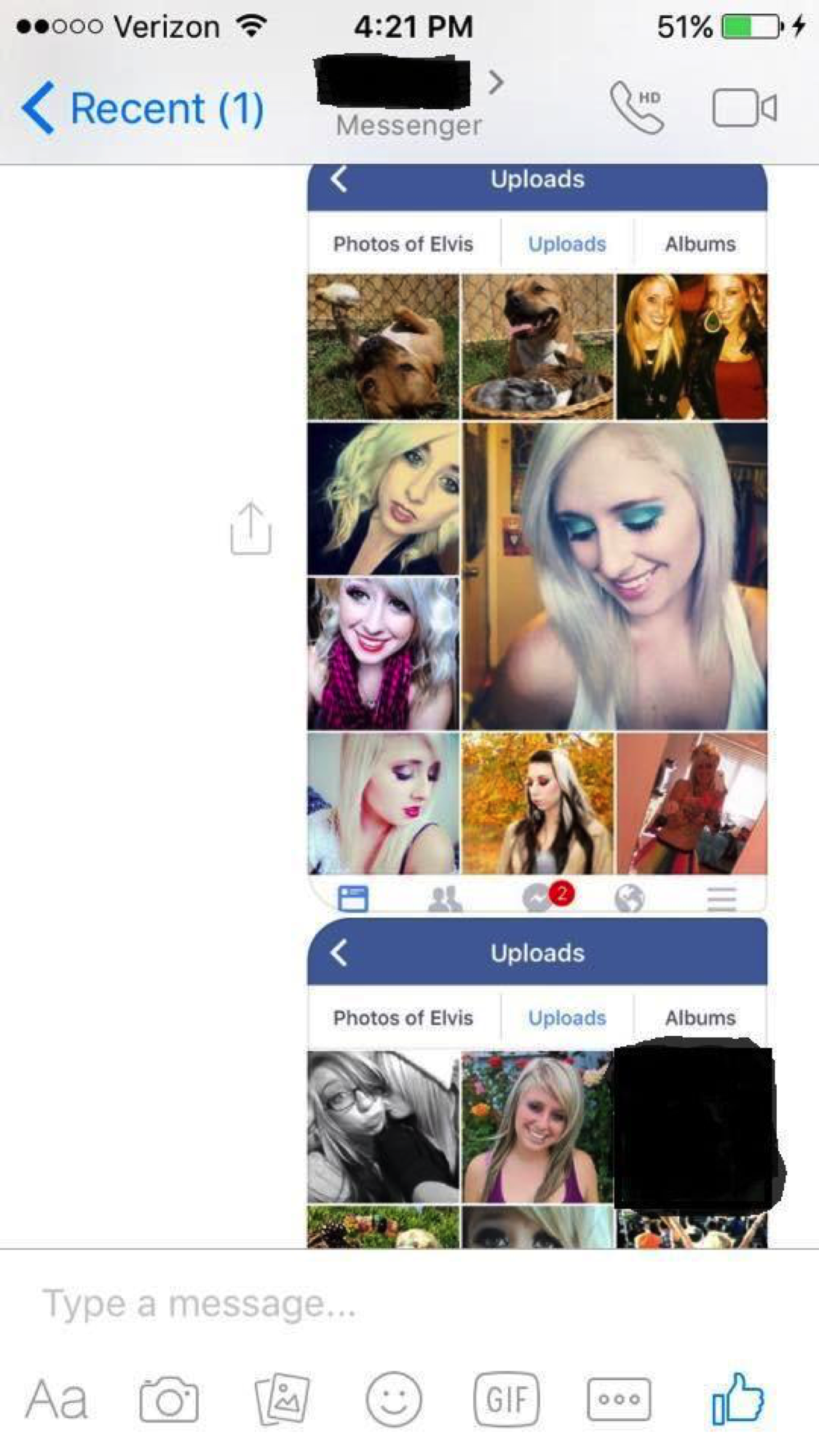
Several weeks ago, I received a message from a Facebook friend saying a forty-year-old man had a bunch of photos of me on his Facebook page. She elaborated, “This guy was being really scary and inappropriate with my friend, so I was looking through his Facebook page and saw pictures of you!”
My stomach dropped. I was shaking. My heart was racing. I panicked. When I went to his page, I saw that this man had visited my profile, stole my pictures, and posted them!
I was shocked and scared. I didn’t know this man. I never saw him in person. Never spoke to him. Yet somehow, he found my profile and stole my photos.
Why would he do this? Who is this guy? Why me? How did he find my Facebook profile? What else could he be using these photos for?!
I was freaked out and ready to cry. Maybe my reaction was “overdramatic.” But I was just notified that this man was sexually harassing another girl. This potentially dangerous man, who was a lot older than me, was downloading and publicly posting my personal pictures. How long had he been tracking me? Since I was 17? 20? A year ago? I wasn’t sure, and I didn’t have a way to find out.
How I Got Him to Cooperate
First, I asked for advice from friends and family by posting a Facebook message about the situation. Many of them were frightened for me. They felt it was unsafe and were just as upset as I was. With their suggestions, I ultimately decided to be direct and message this man with a polite request to remove my photos.
I messaged, “I notice that my pictures are on your profile. I did not give you permission to use them. Can you please take them down?”
Now it gets even stranger. Instead of taking the photos down, he replied, “I thought I told you I will when I get back.”
His response was so confusing to me. You thought you told me what? That you stole my pictures? I politely messaged him again, explaining that I’d never spoken with him before.
His response was defensive, “So don’t say rude things to me,” he replied.
At this point, I lost it!
Friends and family came to my rescue and decided to say something to him. I am not one for cyberbullying, but that’s what it came down to. Ten of my friends messaged him with threats like calling the cops or finding him and beating him up. Finally, he took my pictures down.
What do you think?
I kind of worry that this was a mass cyberbully campaign. But was it? Were my champions justified? Whether it was a good reason or not, I ended up feeling guilty but happy that he no longer had my photos on his profile.
I don’t know of many people this has happened to, and I wasn’t sure how to react. After I had time to process what had happened, I discussed the situation with our intern group and agreed to share the story, research solutions, and offer advice.
Facebook’s safety features suggest that you first try to handle situations like this on your own. If it remains a problem, then report it.
Go to Facebook’s Desktop Help. Go to “Report something” on the side.
Click what fits your problem the most. For me it was, “Someone is using my photos or my child’s photos without my permission.”
Then click the link that says, “Get help reporting unauthorized photos.”
Click “Image privacy rights.”
Lastly, click what fits your problem the most. For me, I would have chosen “Imposter accounts.”
Facebook will take you to a form to fill out and, hopefully, they will agree that something needs to be done.
There are three frustrating aspects to this reporting process:
First, you have to sit and wait for their response while the photo remains active.
Another frustration is your photos may not get removed from the other person’s account. Facebook may disagree with you and not view it as a problem.
Finally, Facebook can’t do anything about the fact the guy had downloaded the photos for his personal collection. Yuck!
Despite my initial reservations, I came away from this situation feeling that I went about it reasonably.
If timely trouble-shooting Facebook options are limited, I suggest two further considerations:
Don’t ever post photos with intimate content. You never really know where they’ll end up!
Think twice before you post your children’s photos on social media.
Select strict privacy settings on all social media profiles from the beginning rather than waiting until the damage is done.
There are even worse situations that could occur, such as virtual kidnapping, where a person collects personal information from your social media accounts and uses it to extort money from your loved ones, saying you are in danger and will be harmed or even killed if they do not send money. Or imagine if a child pornographer collects and shares your images with other sickos! Dr. Bennett suggests we re-label “child pornography” to be “images of child sexual assault.” I hadn’t considered that before, but I agree with her because that’s exactly what it is.
Disable location services for Facebook on your mobile device.
Take it from me! By accepting the Terms of Agreement from each social media app, we are consenting to have our personal data tracked, collected, and used for corporate profit and potentially personal exploitation. We apparently think it’s a reasonable trade for the free fun and real-time communications we have with friends and family. But the truth is, we all now have our virtual identity to protect as well as our nonvirtual identity. And if you’re a parent, posting images and information about your children launch their digital footprints as well as your own.
Before every comment and image I post, I now ask myself some important questions, including, “Do I care if this image is out there on the World Wide Web?”
When we are online, we often view content designed to get us to buy something. Companies and people who make money this way are called online marketers. The more customers these marketers attract, the more money they make. Today’s GKIS article teaches you how to recognize the tricks marketers use to earn money. If you are able to recognize these tricks, you will be more likely to avoid buying things you don’t need or want.
6 Tricks Marketers Use to Encourage You to Buy
Neuromarketing Strategies
Neuromarketing strategies refer to the tricks created from research that studies customer motivations, preferences, and buying behaviors. With customer data collected from brain scans (which areas of the brain engage with certain ad content), eye movement tracking, and customer reports, marketers design their products and advertisements for the best appeal. This means that advertisers know what we respond to and how we respond better than we even know!
Illusion of Scarcity
The illusion of scarcity refers to the technique of only offering a product or a discount for a limited time. By using terms like BUY NOW or LIMITED-TIME OFFER, marketers make us anxious to click the buy button quickly without thinking it through. Adults are better at taking their time before buying than kids are. Not only have adults had more experience and practice, but their brains are more developed to control buying impulses. Most people believe that using these tricks on kids is unfair and unreasonable.
Pester Power
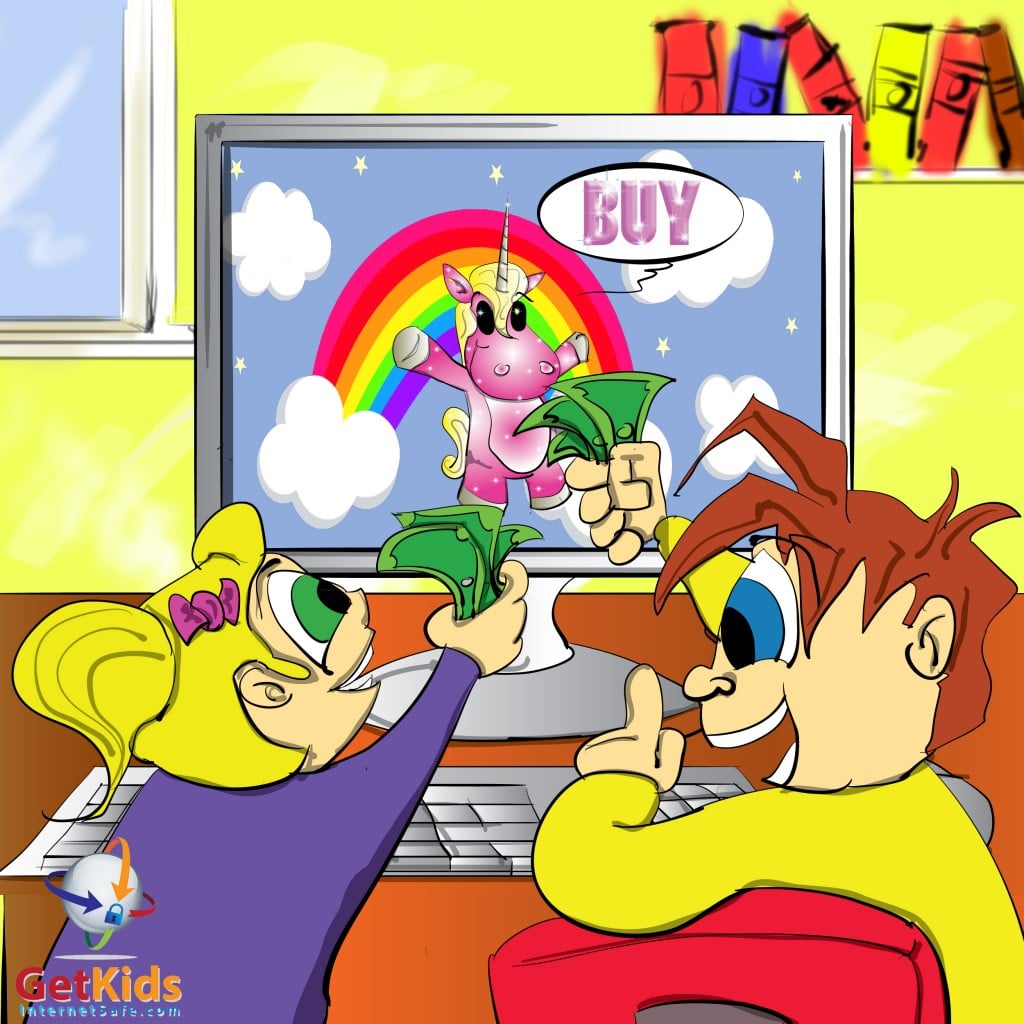
Once a child wants something, they will pester and beg their parents to buy it for them. Parents then buy the item to make their kids happy, sometimes without thinking enough about it. Pester power leads to more family stress and unnecessary purchases.
Packaging Tricks
We buy things if they look great and if we think they would be fun or good for us. That is why marketers spend a lot of money on design and use certain words and images that suggest the product is healthy even if it isn’t, like calling sugary flavors “fruit flavors.”
Using Slot Machine Reward Schedules
We will keep doing something if we are rewarded for it (get something for doing it). Video gaming companies know this. That is why they offer lots of rewards (like points, levels, weapons, and access to other players), so we keep playing and spending.
Psychology studies have shown that the best way to keep somebody playing is by giving them a variable ratio of reinforcement. This means the player is rewarded after an unpredictable number of responses (e.g., sometimes after three clicks, sometimes after one, and sometimes after twelve). There is no set pattern; it’s variable.
Slot machines are also set with a variable ratio of reinforcement because it is the best formula to keep people playing. Gaming companies apply a variable ratio of reinforcement within gaming design to keep players playing too. This can lead to losing control over the time we spend playing, which can lead to unhealthy screen use.
Too much reward can also overload your nervous system and stress you out without you realizing it. If you are cranky after gameplay, it may be that you’ve played too long or should opt for a mellower game.
Aspirational Marketing
Aspirational marketing refers to the technique of making the customer aspire, or wish, to be like the celebrity or influencer selling the product or to be happy like other customers seem to be.
Children’s brains are wired to copy people they look up to. This makes them vulnerable to this trick.
Parents must look out for ads that sell inappropriate things to young kids like sexy clothing, make-over products, rated-R movies, violent or sexual video games, music with inappropriate lyrics, processed and high-sugar, high-fat foods, and other things that aren’t good for kids.
What do psychologists have to say about marketers targeting kids?
In the last twenty years, people have been speaking out about concerns that young children are being specifically targeted by online marketers. In 2004, the American Psychological Association (APA) released a special task force report addressing these concerns.
They concluded that advertising to kids is unfair and promotes the use of harmful products to kids. They recommended that:
more research be conducted,
new policies be adopted like restricting advertising to children 8 years of age and under, and
developing media literacy programs starting in the third grade.
Other countries have responded to these concerns. For example, television marketing to children was banned in Norway and Sweden, junk-food ads were banned in Britain, and war toys were banned in Greece. America is far behind.
Parents and teachers are our children’s only real defense against sneaky online marketers. Although teaching kids about these tricks is a good start, it may place unfair expectations on children. Even knowing the tricks, they often still can’t stop themselves. They don’t have the brain development to do that yet.
We Can Make a Difference
Not only must parents adopt smart online management strategies, but they must also demand changes within the online world and advocate for new laws.
Recent changes in child nutrition are excellent examples of how change can start at home and lead to effective progress within the broader community. For example, due to parents determined to make positive changes in California elementary and middle schools, soft drinks were banned, and healthier food choices were offered.
We can impact what happens to our kids on the internet too! What do you think about formal advertising regulations? Should the government step in or is it the responsibility of the parents? How much regulation is too much? Is there enough regulation already?
If you are ready to reduce the marketing aimed at your kids, check out our Screen Safety Toolkit. Designed to offer tried-and-true links and descriptions of free and for-sale safety products at the device level, this course gives you what you need to increase online safety for your family.