Need peaceful screen time negotiations?

Get your FREE GKIS Connected Family Screen Agreement

self harm

Is Your Child Exhibiting Digital Self-Harm?

In 2013, a 14-year-old girl in England named Hannah Smith committed suicide after being bullied and receiving hurtful comments on a social media website. When her father called for there to be accountability for the people who had left messages about his daughter before her death, it was revealed by the police that Hannah had most likely written the messages herself.[1] This was one of the first recognized incidents of digital self-harm, where a person leaves harmful messages, comments, or posts about themselves on the internet. We have written about physical self-harm in the GKIS article, “What Parents Need to Know About America’s Cutting Epidemic, but today we’re going to examine the possible causes of digital self-harm, and how you can take steps to help your children if they’re experiencing this. To prevent digital self-harm, keeping open communication between you and your kids about their screen usage is essential. The GKIS Connected Family Screen Agreement is our free digital contract that helps create an open forum of communication between you and your kids and offers tips about the basics of internet safety.

What makes digital self-harm different?

Physical self-harm is when a person injures or puts themselves at risk without intent for committing suicide. Often this is done to numb emotional pain or cry for help. The most known forms of self-harm are cutting or burning yourself or skin-picking, but other risky behaviors like excessive drinking and drug use can become self-harm depending on the person’s motivation.[2] Physical self-harm can accompany or lead to suicidality.

Digital self-harm is similar to the physical forms of self-harm, but it takes place over the Internet. A teenager who’s self-harming this way may leave hateful comments and messages for themselves on social media, often in a publicly visible place. This is done anonymously on a fake account they’ve created.[3] By doing this to themselves, it can make it look like they’re being cyberbullied or harassed by others. Like physical self-harm, teenagers who digitally self-harm are at a much higher risk of suicidal thoughts or making a suicide attempt.[4]

Why do people engage in digital self-harm?

There are many reasons a teen may engage in digital self-harm, including:

  • to express overwhelming negative feelings about themselves. 
  • to take control of peer relations where they’d otherwise feel out of control.
  • to look artsy, tough, or cool or better belong among others victimized by bullying or cyberbullying.
  • to numb out or punish themselves.[2][6]
  • to attract much-needed help and support.[5] 
  • to elicit compliments and praise from others.
  • in hopes that friends will come to their defense and say positive things about them.[5] 
  • to create a forum where they can engage in a public discourse and track responses.[5] 
  • to phish to find out if other people see them in a similarly negative way.[6] 

How common is this behavior? 

A study in 2012 surveyed 617 college students and found that 9% of those students admitted to committing digital self-harm behavior while they were in high school.[7] 

Another more recent 2017 study surveyed 5,593 middle-school and high-school students and found that about 5% admitted to digital self-harm, and 6% admitted to cyberbullying themselves.[3] They also found that teenagers who had digitally self-harmed were also more likely to have been bullied in the past than the students who hadn’t self-harmed.

The Role of Social Media in Self-Harm
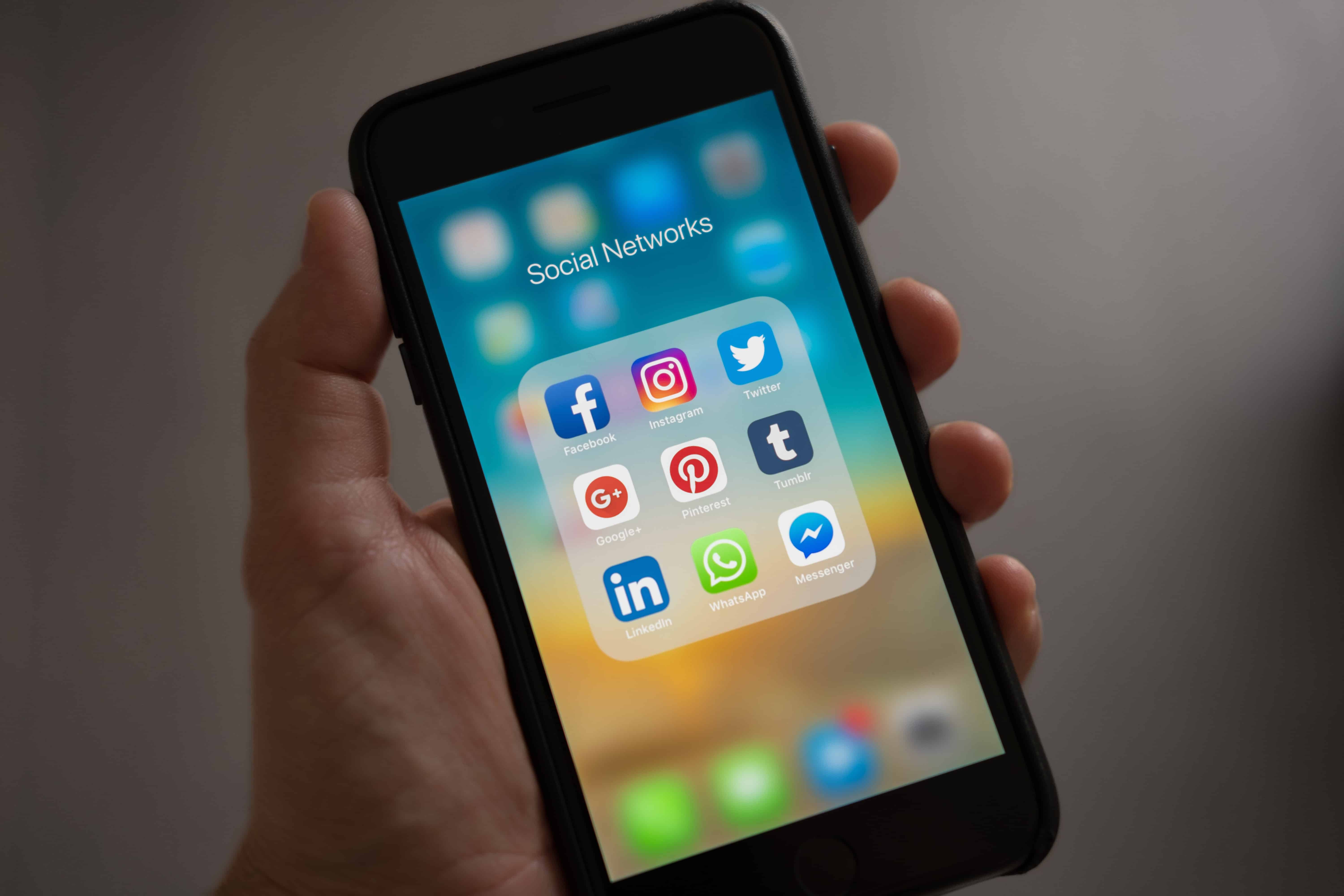
As social media has gotten more popular, teenage mental health has been getting worse. One study found that adolescent suicide rates and depressive symptoms increased from 2010 to 2015, particularly among young girls.[8] Another found that students who checked social media 50-100 times a day were more likely to be distressed than their peers who checked less frequently, and that checking more than 100 times a day led to even higher distress.[9] 

While self-harming behavior is usually done in private, social media opens the possibility of exposure to the negative emotions that cause self-harm. Social media allows kids and teens to communicate with others who self-harm and more easily find information about how to do different types of self-harm.[2] 

What should I do if someone I know is digitally self-harming?

While digital self-harm is a new phenomenon in the worlds of social media and psychology, there are preventative measures that could help you monitor for digital self-harm in your family:

  • Take active steps to manage your children’s time online and monitor what kinds of websites your children are accessing. The GKIS Screen Safety Toolkit provides you with advice and app recommendations to set up parental controls, screen time management, and website filtering and blocking.
  • Recognize that self-harm is usually a symptom of other problems in your child’s life, and that they may be keeping it to themselves to avoid embarrassment or punishment. Respond with empathy in mind. This is a poorly thought-through coping mechanism that is fairly common among kids, tweens, and teens. Don’t respond harshly because you are disappointed or embarrassed. Instead, make this a teaching opportunity and gently validate their feelings and coach them through to better solutions. Kids make mistakes online just as they do offline. They’re still learning.
  • If the free Connected Family Agreement catches your interest and you want something more comprehensive, our megacourse for Screen Safety Essentials offers GKIS content for the whole family to form healthier screen use habits and encourage cooperation between you and your kids.
  • If you’re worried that your teen is self-harming or suicidal, contact a mental health professional as soon as possible. Typically, the earlier the intervention, the more effective it is.

Thanks to CSUCI intern Brandon Bishop for researching digital self-harm and its causes and authoring this article. 

I’m the mom psychologist who will help you GetKidsInternetSafe. 

Onward to More Awesome Parenting,

Tracy S. Bennett, Ph.D.
Mom, Clinical Psychologist, CSUCI Adjunct Facility
GetKidsInternetSafe.com

Works Cited

[1] Hannah Smith inquest: Teenager posted ‘online messages’  from BBC News

[2] Identifying Different Types of Self-Harm in Teens from Newport Academy

[3] Digital Self-Harm Among Adolescents by Dr. Justin W. Patchin & Dr. Sameer Hinduja

[4] Digital self-harm and suicidality among adolescents by Justin W. Patchin, Sameer Hinduja, and Ryan C. Meldrum

[5] Digital Self-Harm and Other Acts of Self-Harassment by Danah Boyd

[6] Digital Self-Harm in Adolescents: What It Is and How to Prevent It from Newport Academy

[7] Digital Self-Harm: Frequency, Type, Motivations, and Outcomes by Dr. Elizabeth Englander

[8] Increases in Depressive Symptoms, Suicide-Related Outcomes, and Suicide Rates Among U.S. Adolescents After 2010 and Links to Increased New Media Screen Time by Dr. Jean M. Twenge, et al.

[9] #Being Thirteen: Social Media and the Hidden World of Young Adolescents’ Peer Culture by Dr. Marion K. Underwood & Dr. Robert Faris

Photo Credits

Photo by Pixabay from Pexels: https://www.pexels.com/photo/woman-looking-at-sea-while-sitting-on-beach-247314/

Photo by Mikoto.raw Photographer from Pexels: https://www.pexels.com/photo/photo-of-woman-using-mobile-phone-3367850/

Photo by Tracy Le Blanc from Pexels: https://www.pexels.com/photo/person-holding-iphone-showing-social-networks-folder-607812/

Our Youth Mental Health Emergency

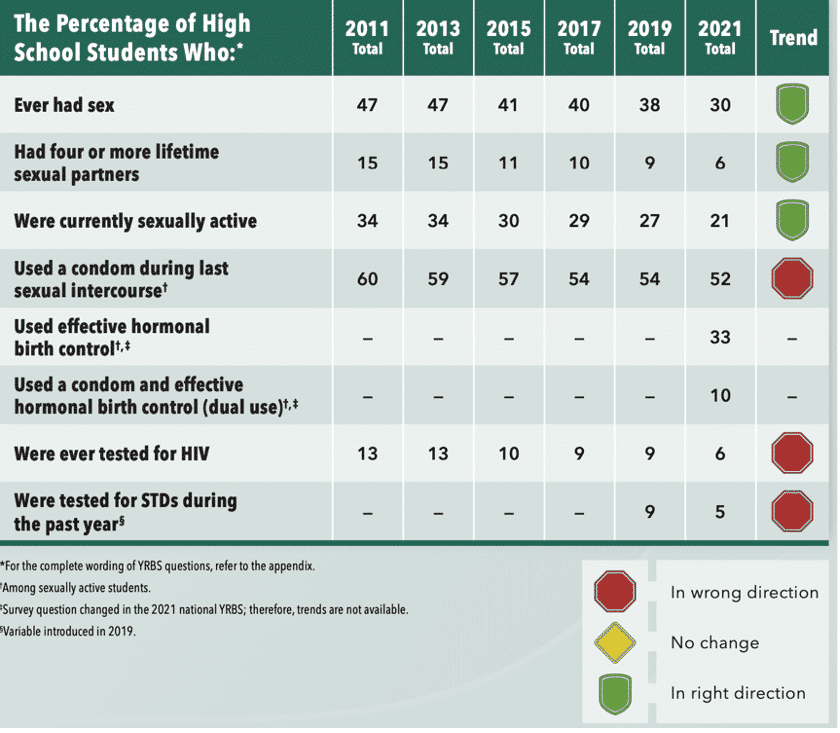
The CDC recently released its Youth Risk Behavior Survey reporting that an alarmingly high percentage of American teens, particularly girls and LGBQ+ youth, are suffering from distressing mental health symptoms. With stressors like isolation from the COVID-19 lockdowns, too much screen use, frightening news reports, increasing college pressures, increasing financial strains on families, and the compare and despair dynamics that arise from social media, kids are feeling the pressure. Child experts and advocates have called for the Biden administration to declare a youth mental health emergency and are begging schools to adopt better trauma-informed health and sex education. What are the contributors, and how can we help?

The Highlights

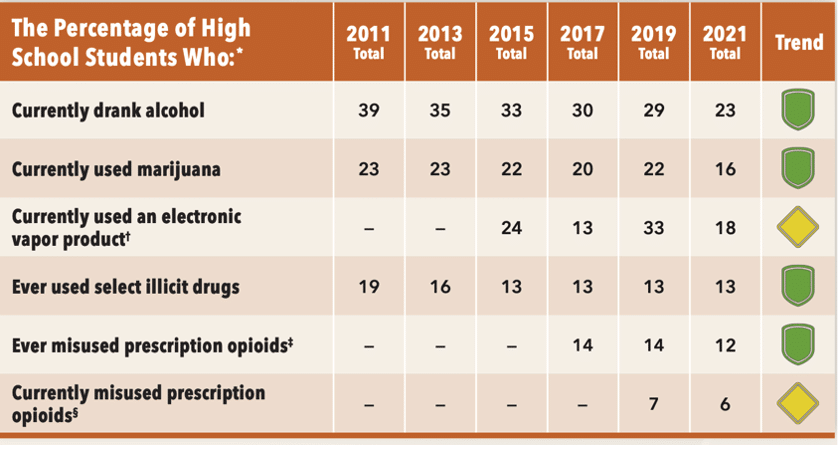
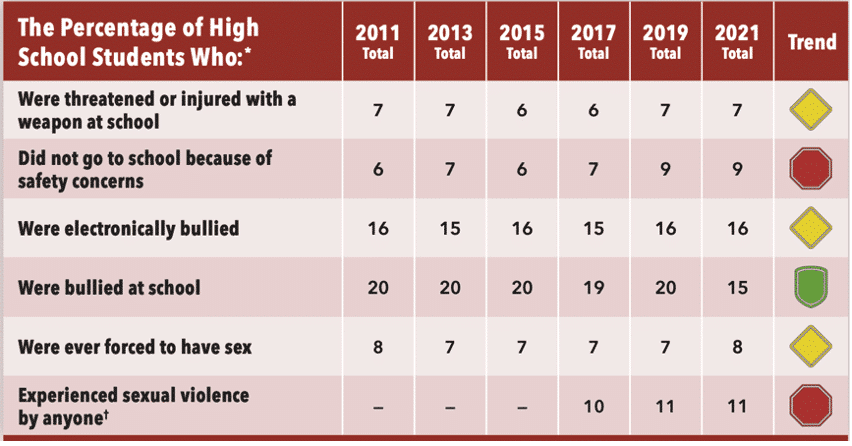
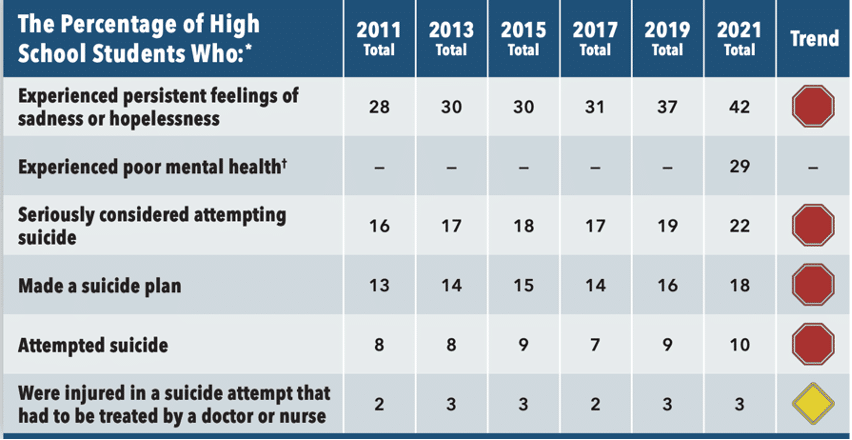
The CDC report data comes from 17,000 U.S. high school students who were surveyed in the fall of 2021 when most schools returned to in-person teaching. The good news is that overall sexual activity, substance abuse, and in-school bullying are down. The bad news is that teen safety concerns due to violence, sadness, hopelessness, and suicidality are up, especially among girls and LGBQ+ students (trans students were not identified for this survey).

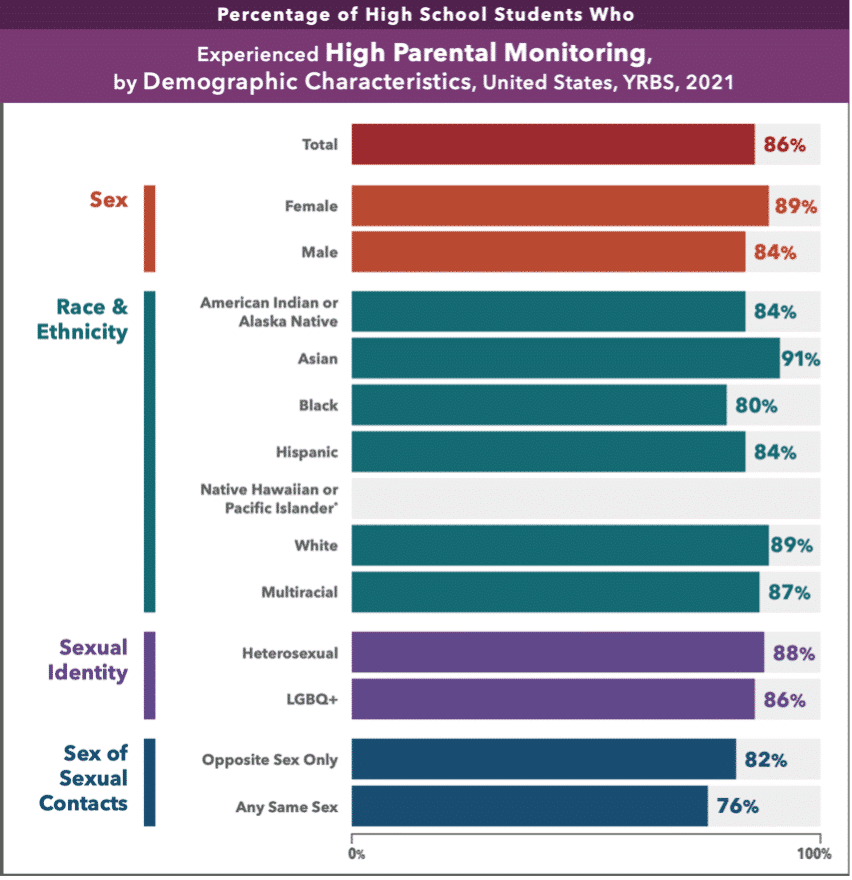
Here is the Summary of Findings from The Youth Risk Behavior Survey Data Summary & Trends Report: 2011–2021

Sexual Behavior

Substance Abuse

Experiencing Violence

Mental Health and Suicidality

Parental Monitoring

 Teen Girls

The survey suggests that nearly 3 in 5 (57%) U.S. teen girls felt so sad or hopeless that they couldn’t engage in regular activities for two weeks or more. Nearly 1 in 3 (30%) seriously considered attempting suicide—up nearly 60% from a decade ago. And 1 in 5 (18%) experienced sexual violence in the past year—up 20% since 2017.

LGBQ+ Youth

Almost 70% of LGBQ+ students said they felt persistently sad or hopeless, and 20% reported attempting suicide. Fifty-two percent of LGBQ+ teens had poor mental health symptoms in the past 30 days compared to 29% of all teens.

Possible Contributors?

It’s important to consider that the survey occurred at the end of the isolation from COVID-19. Although I am still seeing significant fallout among kids, tweens, and teens, they have recovered somewhat from that dark and frightening time.

We must also consider that this is a survey. Without experiments where we expose one group of teens to possible causal variables (e.g., social media or isolation) and don’t expose a control group, we can’t determine what is causing the distress.

Surveys simply state and analyze subject report. It’s impossible to tell the causes from this type of data. We are left to guess with our observations and experience, forming hypotheses and looking for evidence to support them. As the Founder of GetKidsInternetSafe, a mother, university faculty member, author, and clinician who has treated kids, teens, and families for over 25 years, I have some ideas.

PHONELY: Our kids are phonely. Because we were hunters and gatherers for 90% of human existence, our brains are wired to thrive with face-to-face tribalism. Online relationships just don’t do it for us long-term.

ISOLATION: With the isolation of COVID-19, kids lost friends and confidence and regressed in their social skills.

SOCIAL MEDIA: Social media and the internet offers a constant onslaught of online ads and marketing influencers for kids and teens. This unfiltered exposure can lead to chronic fears of being judged and ridiculed as well as feelings of inadequacy and exclusion. The CDC report demonstrates that there is an epidemic of online bullying and cybersexual violence, especially toward girls and LGBTQ youth.

PARENTING: Parenting strategies have become overly protective based on anxiety and fear resulting in less child independence and more fear of failure. Plus, they spend more time online than with us. It is difficult for parents to overcome the influence of strangers and taking away all screen activities has become nearly impossible.

NEWS: Sensational and divisive news expertly and manipulatively communicates fear-inducing trends like mass shootings, climate change, and inflation. This has got most of us rattled, especially the most vulnerable among us.

FINGER-POINTING: We have tolerated and participated in an ugly, divisive climate of entitlement, bullying, and blame rather than accountability and positive action.

GROUP-THINK: The internet speaks the language of mental health – but this may result in a group-think phenomenon of looping on mental health suffering instead of increasing agency and growth.

LACK OF APPLICABLE EDUCATION: Trauma-informed, evidence-based health and sex education isn’t being offered equitably among out schools. Parents don’t want to leave this important job to schools, but they’re also not doing a great job themselves in many instances.

NOT ENOUGH MENTAL HEALTH SERVICES: There aren’t enough mental health services available to our youth.

LACK OF FAITH AND COMMUNITY: Pulling together as a loving, cooperative team is critical for kids to feel a sense of belonging and community. As our families get smaller and we have fewer extended family to offer support, our kids are left to fend for themselves.

Of course, this is not an exhaustive list. But it does summarize much of the research findings and conjecture that has surrounded these issues. There are more ideas for the list. But for the purpose of solving the problem, how can we take these stressors into consideration as we discuss possible solutions?

Considering the complexity of the question, what can we do to improve the situation? Reverse Engineer!

Reverse engineering refers to the process of looking at possible outcomes (like the causes posited above) and slowly working backward for a solution. Although this is clearly a messy mission, I watch kids regain the mental health ground they lost every day in practice. Despite what some may think, effective psychotherapy isn’t simply listening and reflecting feelings of despair. As a cognitive-behavioral therapist, I employ techniques specifically designed to facilitate positive movement forward. I’ve found that, if I set the tone and get everybody started, parents can take it from there.

Here are some tips for improving mental health and well-being at home:

  • As a family, negotiate a set of measurable goals and revisit them often for direction and motivation. Praise and reward movement forward and maintain and warm and encouraging tone along the way.
  • Use storytelling and a sense of humor to normalize failure and encourage curiosity and confidence.
  • Turn off the news and divisive influencers who are selling toxic ideas and products.
  • Reassure kids that they are capable and loved and that grit is what matters the most, far more than being attractive or innate skills.
  • Encourage kids to detox off their phones occasionally and engage more in real-life exploration and socialization.
  • Stay moderate. Avoid shaming lectures and demoralizing consequences.
  • Offer mindfulness, problem-solving, and communication strategies to help kids gain independence and confidence.
  • Offer outcome- and science-based education that empowers informed action rather than create fear.
  • Support parents in not personalizing child behaviors and help them set fair and reasonable limits with warmth, encouragement, and love.
  • Lead our kids toward post-traumatic growth rather than feelings of helplessness, hopelessness, and fear with expert mentorship, fun, and opportunity.

How can GetKidsInternetSafe help?

I founded GetKidsInternetSafe so I could be part of the prevention effort – rather than just the treatment effort. If you’re not sure where to get started, we have a comprehensive suite of tools for parents, tweens and teens, educators, paraprofessionals, and professionals who work with families and kids.

If you want all of our supplements and courses at a low cost for parents and kids, tweens, and teens, you’ll want our mega Screen Safety Essentials Course! This online course offers a set of four modules that will help you walk your kids through the essentials of screen safety.

I’m the mom psychologist who will help you GetKidsInternetSafe.

Onward to More Awesome Parenting,

Tracy S. Bennett, Ph.D.
Mom, Clinical Psychologist, CSUCI Adjunct Faculty
GetKidsInternetSafe.com

Photo Credits

Photo by Tim Mossholder on Unsplash

Photo by ALMA on Unsplash

Beauty Filters Don’t Embrace Brown Beauty: The Rise of Colorism

How would you feel if you found out that your child is going to extreme and dangerous lengths to change their appearance? What if your child is putting themselves in potential harm to fit beauty standards set by beauty filters? Beauty filters can be a fun way to transform selfies, but they have failed to embrace the beauty of all skin tones, especially dark ones. This has led to the rise of colorism and extreme self-esteem issues. To help you recognize the dangers of social media on self-esteem, I interviewed Dr. Chavarria, CSUCI Assistant Professor of Sociology, to offer insight on how colorism affects minority communities and how to prevent it. If you are concerned for your child’s mental and physical well-being when they interact on social media, check out our Social Media Readiness Training for tweens and teens. Our guide prepares your children for safer screen use and prevents psychological illness with our expert emotional wellness tools. Today’s GKIS article shares the story of a young girl negatively affected by beauty filters and tips you can take to help protect your kids from colorism.

What are beauty filters?

Beauty filters are social media features that beautify and erase people’s imperfections and flaws by creating a modified version of themselves. Specific modifications can be anything, but the most popular filters alter the size of facial features, change eye color, and add effects like make-up or long eyelashes.[1]

The Negative Effects of Filters

Low Self-Esteem

Although filters can be fun, they can also be damaging to one’s self-esteem. Research demonstrates that the use of filters can lead to low self-esteem because filter users are more likely to hyper-focus on the features they dislike when using them. This can then lead to frequently comparing one’s real looks with filtered looks, changing our beauty “ideal” and recognizing (even obsessing on) our failure to live up to that ideal. Not being able to accomplish the same look with these filters can make someone feel less than or that they will always be below beauty standards. For others, it may motivate them to find a way to change their appearance to better match the beauty standards set by social media regardless of the risks these changes pose.[2]

The Rise of Colorism

It has been noted by many social media users that beautifying filters usually have a lightening or bleaching effect on the skin. In fact, according to skin color expert Ronald Hall, this effect is not an accident. He explains that it is a way to maintain and conform to historically Eurocentric beauty standards.

Beauty filters are promoting a rise in colorism. Colorism refers to prejudices or discrimination an individual may experience for having a darker skin tone. This phenomenon usually occurs among one’s own ethnic or racial group.[3,4]

A Young Teen Takes Drastic Measures to Change Appearance

Lise, a young teenager, shared her struggles with colorism. Her experience included being bullied for her darker skin tone. The bullying not only came from white girls at school but, to her surprise, also from those who looked similar to her in her same ethnic or racial group.

Seeing pictures of light-skinned women receive lots of likes and positive comments online also confirmed to Lise that she did not meet society’s standards of beauty, bringing her self-esteem down. To try to lighten her skin, Lise began to scrub her mom’s bleaching cream into her skin with a copper wire brush. Even without abrasion injuries, bleaching products can pose health risks.[4]

If you are concerned that your child is suffering from a digital injury like mood and anxiety disorders triggered by compare-and-despair, check out our GKIS Online Safety Red Flags For Parents. With this guide, you’ll learn the behavioral red flags to look out for that may signal your child is suffering from digital injury.

Colorism Affects Minority Communities on a Larger Scale

Colorism is an issue that not only affects self-esteem, but it has also been a problem for minority communities on a larger scale. Dr. Chavarria, CSUCI Assistant Professor of Sociology, explained in our interview that the emergence of colorism, particularly in the Latino society, has been a consequence of conquest and colonization of indigenous communities.

Colonizers constructed these ideas about indigenous communities so they would be perceived as inferior, uncivilized, having no knowledge, and being closer to evil. Whites or being light-skinned, in contrast, have historically been constructed to be perceived as better, good, and even closer to God.

This construction caused the devaluation of indigenous identity features such as brown skin, indigenous language, and ethnic practices leading to the destruction of indigenous communities. Many who managed to survive and succeed in the majority culture often did so by blending in and learning to assimilate. Ethnic roots were lost over generations, and minority communities lost a sense of pride in what they look like. Dr. Chavarria reported that research has demonstrated how individuals that align with beauty standards often get more career opportunities and higher pay.

How to Help Stop Colorism

Start with Family

Colorism needs to be stopped. A first step is addressing how colorism starts within the family. Dr. Chavarria stated that, although colorism often starts with the family, grandparents and parents are often not even aware they are engaging in it. They too have been socialized to believe these ideas about their indigenous roots and characteristics. Therefore, educating family members about what colorism is and how it can cause generational trauma can be the first important step to change.

As a Chicana who has also experienced colorism within my community and family, I recognize that change can be hard. Sometimes I didn’t know how to tell my grandmother that the “advice” she gave me was conforming to Eurocentric standards and colorism, and that it did more damage than help. For example, when family members told me that I should find a light-skinned man with colored eyes so my future children can inherit those features, they seemed to be telling me that, as a brown girl, I did not possess “beautiful” features.

Follow Body-Positive Campaigns

Dr. Chavarria also highly recommends that social media users check out campaigns directed to make positive changes. Cultural Survival on Facebook is a campaign that she tracks. It is an international organization that engages with indigenous communities across the globe. They address important issues like colorism by protecting indigenous women and challenging Eurocentric notions of beauty.

Practice Self-Awareness

If you find yourself contributing to colorism with comments and negative self-appraisals, challenge yourself for positive change.

Speak Out

As you become more self-aware, speak out to friends and post positive pro-beauty messages that demonstrate that beauty comes in many shades and colors. We must consistently challenge historical ideas to break biases and end discrimination. It starts with us, let’s get started!

Thanks to Dr. Chavarria for offering expert insight on colorism and how to prevent it. Thanks also to CSUCI intern Ashley Salazar for researching and co-authoring this article. Colorism is on a high rise due to beauty filters on social media. Check out our GKIS courses to learn to have easier dialogues with your children and protect them from digital injury.

I’m the mom psychologist who will help you GetKidsInternetSafe.

Onward to More Awesome Parenting,

Tracy S. Bennett, Ph.D.
Mom, Clinical Psychologist, CSUCI Adjunct Faculty
GetKidsInternetSafe.com

Works Cited

[1]Ma, J. (2020) Are Face Filters on Instagram, Snapchat, and TikTok leading to a distorted sense of beauty in society? YP. Are face filters on Instagram, Snapchat and TikTok leading to a distorted sense of beauty in society? – YP | South China Morning Post (scmp.com)

[2] Mac Neil, I. (2021) WATCH — Why beauty filters might be messing with your self-esteem. CBC Kids News.

 WATCH — Why beauty filters might be messing with your self-esteem | Video | Kids News (cbc.ca)

[3] Wang, C. (2020) Why do beauty filters make you look whiter? Popular Science.

https://www.popsci.com/story/technology/photo-filters-white-kodak-film/

[4] Ryan Mosley, T. (2021) How digital beauty filters perpetuate colorism. MIT Technology Review. https://www.technologyreview.com/2021/08/15/1031804/digital-beauty-filters-photoshop-photo-editing-colorism-racism/

[5] https://www.refinery29.com/en-gb/instagram-face-filters-dysmorphia#:~:text=She%20says%20that%20 she%2C%20 too,no%20imperfections%2C%22%20she%20explains. Have not used might use.

Photo Credits

Photo by Agarwal, Diya. https://www.flickr.com/photos/medicalhealthtips/15946735624/in/photolist-qiabVE-9H6aGv-8Lrnkk-2md9TsF-2md8Nep-5a3eXi-24qG78x-HBuwUe-2kScHdE-tPAvCu-ENxyqW-2krhzMd-2kScb6B-61zsJ-VqpLNQ-kn4YLz-2kS9Knm-w7KHtd-2kSbo8f-2kSboik-2kSgFoJ-2kSgER6-UEKxRF-2kS9KrE-2kSbopC-2kScaKS-2kScaJz-fCjuV-SXbcAJ-9KgCcQ-p57AHY-JNKLtL-tFUtpd-2mcoGCo-uRvgR-5yWPt8-9Am5c5-752fss-5oWrRc-2mcohu5-5szcJ7-2iQK6Lh-VBXddp-XonKAh-a2fEi4-7wuE7x-ouPRzz-f6xVfC-9KdK8r-H4xb4S/lightbox/

Photo by Becerra, Manny. https://unsplash.com/photos/ckXiLvOSieM

Photo by Odunsi, Oladimeji. https://unsplash.com/photos/aU_eOcelLhQ

Photo by  Hryshchenko, Volodymyr. https://unsplash.com/photos/WU9dA3C4R28

Anthony Bourdain and Kate Spade: Why Americans are Suicidal

Another tragic news story this morning; Anthony Bourdain committed suicide in his France hotel room. Chef, author, and host of the wildly successful series “Parts Unknown,” 61-year-old Bourdain seemed to have the dream life to the rest of us. This news after famous 55-year-old designer, Kate Spade, was pronounced dead by suicide Tuesday. She left behind a 13-year-old daughter. Devastating. So many speculations about depression and marital conflict. We are all asking, why? How could this be?

It’s not just celebrities that struggle with emotional overwhelm. Too often parents in my practice sit on the edge of my couch terrified that their child’s social media post about wanting to “go dark” and their announcement that they have the lamest parents ever is the red flag that they could lose him to suicide. Teens tell me how burdened they are with worry about their friends who are cutting, using drugs, and talking of suicide. They keep their confidence and listen; all the while caught in terror that telling an adult will violate the loyalty code but not telling may result in a more tragic consequence. Those who are suicidal leak their pain out bit by bit, desperately grasping for a moment of contentment and calm. Suicide rates are up by 25%, yet we aren’t clear what factors support this devastating trend.

Although many suicidal people are depressed or addicted to drugs or alcohol, many are not. The one thing suicide completers have in common is a perfect storm of events that culminate in five minutes of the courage it needs to escape their current situation. For those who are suffering from terminal illness, chronic pain, addiction spirals, mental illness, and/or horrific life circumstances, we can kind of understand that logic. After all, who hasn’t dreamed of a moment of relief when mired with emotional or physical pain?

Those Left Behind

What we don’t understand, and in many circumstances can’t forgive, is how can the suicidal burden friends and family with such devastating feelings of confusion and loss. When one loses a loved one to suicide, they are left ruminating over what they missed, how they might have intervened. They grieve, and they rage. They become trapped in that vicious cycle of fear and confusion similar to the suicide victim, usually for far longer than the suicide victim contemplated their plan. With postmortem analysis, there’s no opportunity to discover all the pieces of the puzzle or intervene for recovery. The decision to give up has been made for them, usually without sufficient explanation or warning. If one didn’t know better, it would seem suicide is a violently hostile behavior aimed at all those who love.

We must know better, for the sake of Asia Argento, Andy Spade, and Frances Beatrix Spade. And please, please, please don’t judge or shame the victims left behind. I’m disgusted with online comments blaming parents and spouses. They are suffering so much already. They need our love and compassionate support more than ever.

The truth is, most suicidal individuals I have worked with explain after recovery that they simply couldn’t generate any other alternative to escape their overwhelming feelings of hopelessness. That in the midst of it all, they were simply numb to possibilities.  This brings me to three important points when dealing with suicidal ideation.


Take the Time

First, to recover from life crisis, one must be prepared to take the time to process powerful feelings with the intent of working through them. That means recognizing that in the phase of emotional numbing or overwhelm, parts of the brain are actually offline. They are not available to fill in the overall picture of understanding and insight. Often it takes time to sketch in the emotional factors necessary for insight and emotional mastery. As our brain and feelings come online again, we will feel a range of sometimes baffling emotions. For some that is experienced as a slow drip, while for others it will be a firehose. For most, those feelings wax and wane based on situational cues, resulting in a rollercoaster of experience. Painful and sometimes seemingly impossible, tolerating the leaning in is necessary for the stretching of the soul that is wisdom.

To support those struggling to lean in, help them establish peaceful moments for honest, investigative discovery. These moments of authentic insight weave into profound wisdom over time that becomes the tapestry of who we really are. Coming out of a crisis with a more integrated and thorough understanding of oneself and others is called post-traumatic growth. Sometimes it is at times of extreme pain that one becomes capable of understanding the precious elements of life. The key is to lean in and patiently recognize that recovery is imminent.

Encourage Active Problem Solving

Second, work to achieve recovery by actively problem solving and making an activity schedule (take a walk, shower, eat breakfast, visit a friend, make a meal, listen to rejuvenating music, write in your journal or engage in some type of creativity). Psychology researchers have identified active problem solving as an important contributor to recovery. Active problem solving is the ability to generate and implement discrete steps to make the situation better. In contrast with passive problem solving, or relying on others or fate or luck to fix things, active problem solving can pull in just enough hope to get help or find reasons and ways to stay living until things get better.

Agreeing to Silent Witness May be Emotional Abuse

The final point I’d like to offer is how to provide the best support to a friend or loved one in pain. Too often young people in my practice shoulder the devastating burden of the emotional chaos that their friends express in private online disclosures. To seek help is a breach of trust and loyalty. But to endure the pain with the friend can wear one down to the point where they too are depleted of passion, hope, and joy. Is the solution to tell adults for help and risk angering the friend who seems incapable of tolerating yet another disappointment?

The answer is, absolutely. Every day I teach clients that being there for those we love is the fuel of intimacy. However, when one crosses the line to self threat, either with self harm, drug abuse, or suicidal threats, private disclosure can become emotional abuse. When friends fish for support with threat and then demand secrecy, they are burdening others in a helpless shackle of emotional violence. Unloading pain on a loved one without taking steps for recovery traps them as a devastated and impotent audience to destruction. That is not friendship.

If you or somebody you love is struggling with emotional overwhelm, numb hopelessness, or an inability to actively problem solve, take these steps for relief:

  • Reach out for professional help.

  • Recognize that these feelings are temporary. The permanent solution of suicide is too devastating to all of those who love you to be a reasonable option.

  • Give yourself the occasional self-compassionate, quiet time it takes to gently process your feelings as you engage in the routines and rituals of everyday life.

  • Avoid alcohol (a depressant).

  • Seek restorative sleep, exercise, and clean, delicious food.

  • Postpone big decisions.

  • Allow your friends the privilege of support and surround yourself with pleasant memories and precious future plans.

  • If you are witness to self-harm threats, whether this is your loved one, your friend, or your child’s friend, notify the person’s loved ones or reach out for professional help. Silently shouldering your knowledge is missing opportunity for potentially life-saving intervention.

Life is a difficult journey, but it is worth the fight of living it well. When in doubt, always err in the direction of compassion. What do you think? To read more about the components of suicide risk, check out my 2014 article The Death of Robin Williams: Suicidal Impulse, the Media, and Your Obligation As a Compassionate Citizen of the Planet.

National Suicide Prevention Hotline: 1-800-273-8255

Live & online chat available 24 hours/day

I’m the mom psychologist who will help you GetKidsInternetSafe.

Onward to More Awesome Parenting,

Tracy S. Bennett, Ph.D.
Mom, Clinical Psychologist, CSUCI Adjunct Faculty
GetKidsInternetSafe.com

Photo Credits

Photo by Ian Espinosa on Unsplash

Is Social Media Behind the Spike in Child Suicide? Teens and The Blue Whale Challenge

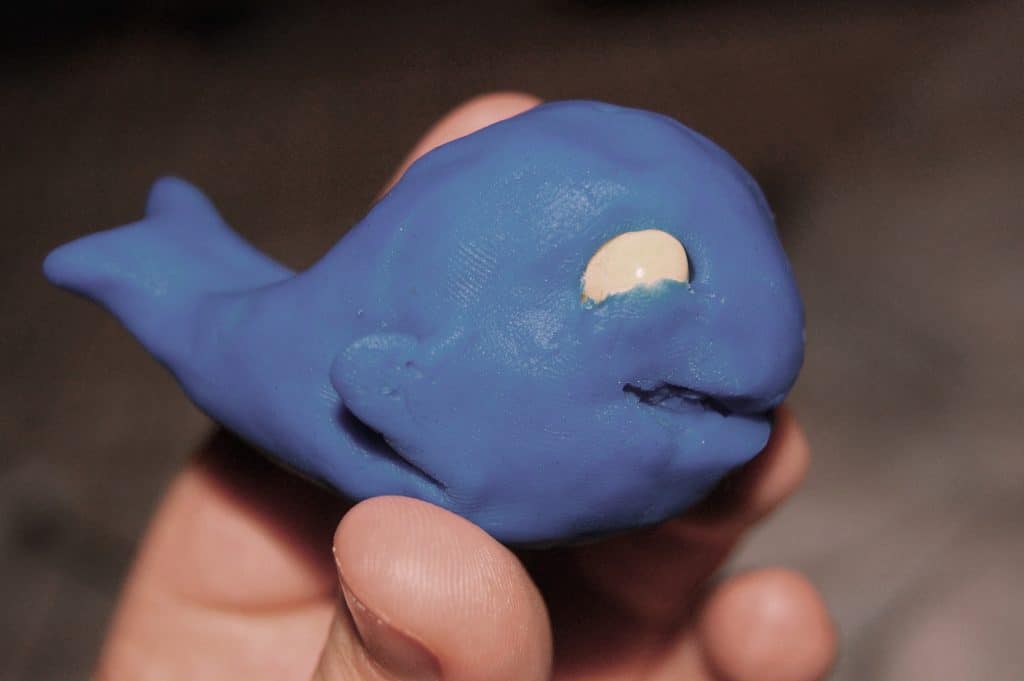
blue whale

Recent reports of child and teen suicides have flooded the news recently. Too often social media and cyberbullying plays a role. The Blue Whale Challenge is the latest fad kids are talking about. Should parents worry?

Suicide risk

According to the Centers for Disease Control and Prevention there has been a recent spike in child and teen suicides. The rate for 10 to 14 year-olds doubled between 2007-2014. Suicide is the third leading cause of death among kids aged 10 to 14 and second among persons aged 15 to 34. Firearms is the most commonly used method for males, and poisoning is the most commonly used method for females. Because kids immerse themselves with their screens on average of 10 hours a day, there is often little escape from online peer pressures and conflict. Experts consider social media and Internet access to be major contributors to risk. The most recent sinister social media game tied to suicidal gestures is the Blue Whale Challenge.

What is The Blue Whale Challenge?

The Blue Whale Challenge is a game shared on social media that encourages players to complete a series of 50 challenges. Players are required to prove they are accomplishing these challenges by Skyping or instant messaging descriptions, images, and videos to a “whale,” who is typically an older person manipulating the younger subject. There is also a version where a Blue Whale Online Forum does the challenging. The name is reported to have come from the song Burn by the Russian rock band Lumen.

Blue whale challenges typically include a series of tasks with increasing risk that require subjects to “prove” obedience to the whale. These include various self-mutilation tasks, like poking, scratching, cutting, and carving words into one’s body, overcoming a fear, like climbing a crane or standing on a bridge, watching horror movies, and ultimately killing oneself on video. Gradual obedience training with social isolation and sleep deprivation gradually wears down a victim’s resolve and increases dependency. This type of psychological manipulation is a typical grooming technique used by online predators.

Descriptions of this challenge have been shared on Reddit and are rumored to have originated in Russia. A CNN article reported that 21 year-old Philip Budeikin was arrested in November 2016 with the charge “incitement of suicide” for encouraging 16 victims to kill themselves, and a 26 year-old postman was also detained by Russian authorities. An article by SkyNews stated, “Civil society groups in Russia believe that at least 130 young people have taken their lives while playing Blue Whale, while reports of incidents and fatalities in places such as Ukraine, Estonia, Kenya, Brazil and Argentina have also surfaced in recent months.”

Although it is unclear how pervasive this challenge is in the United States, at least two U.S. families have come forward to the media stating that it lead to the suicides of their children. Fifteen year-old Jorge Gonzalez of San Antonio was found hanging in his closet with his cell phone propped up to record. His parents told news media he had sent videos of challenges to friends after following the directives of a Blue Whale social media group. The parents of a sixteen year-old Georgia girl reported that their daughter killed herself, leaving behind paintings of blue whales, letters in Russian, and several clues linking her to this challenge. One clue was a sketch of 17 year-old Rina Palenkova, who killed herself in Russia in November 2015 and became an icon among online suicide fan communities.

What I have seen in clinical practice

So far I’ve not heard of the Blue Whale Challenge other than when my teenage son brought it up after seeing a cautionary video from famous YouTube star, Shane Dawson. However, I have treated many people with suicidal ideation since I started practice in the mid-1990s. My personal experience is that kids are speaking of suicidal ideation at younger ages and with higher prevalence. They often discuss suicide among strangers and peers online. Although it is argued that online communities provide support when kids are isolated or distressed, habitual discussion may also desensitize kids, causing them to lose sight that suicidal threats are very serious and devastating to those they love. For some, habitual discussion places them in a hopeless, one-solution mind space, distracting them from more productive and uplifting activities and relationships. Furthermore, comments like “Go die” or “Go drink bleach,” are too often delivered online with little regard to the potential consequences.

parents protecting kids

What can parents do to keep their kids safe?

Teach your kids the vocabulary necessary to talk about feelings while they’re young, gradually teaching more advanced problem solving strategies over time.

Rather than shrinking away from your kids when they are frustrated, sad, or angry, lean in and let them know you understand and consider their emotional well being your highest priority. If you see evidence that your child is being bullied, address the problem assertively with your child and seek support from school administrators and law enforcement. “Just ignore it” is not a reasonable solution.

Don’t allow your kids to flippantly make threats about hurting themselves.

Sometimes kids threaten to hurt themselves in order to express their pain and cry for help. Other times these threats are intended to express anger and manipulate others. Take any type of threat seriously and require a family discussion about every incident. You may want to let things calm down before you engage in the discussion, but don’t let a comment go unaddressed. Make sure your children understand that a consequence of such a threat is that they will have to talk it through to solution. If they won’t cooperate with you, offer adult alternatives like a trusted family member or a mental health professional.

Be alert for signs of emotional distress offline and online.

Mood and anxiety disorders and substance abuse often contribute to suicidality. Be on the lookout for depressed or agitated mood, an inability to have fun, a drop in initiative, sleeping often during the day, a change of appetite, low energy, a drastic change in behavior, social isolation, or expressions of inappropriate guilt or hopelessness. A drastic change in appearance, pulling away from friends, or giving away favorite items may also signal your child is in trouble.

If your child loses a friend or family member to suicide, be aware that he or she may be at increased risk. Keep in mind that not every suicidal individual is depressed and not every depressed individual is suicidal. Statistics show that only half of those who have killed themselves demonstrated depressive symptoms. Keep an eye out for hashtags that demonstrate dangerous themes on your child’s social media activity, like #bluewhalechallenge, #curatorfindme, or #sue.

If you have concern that your child is engaging in self-harm or has suicidal ideation, ask about it directly.

Parents often worry that mentioning suicide first may give their child ideas. But most people who attempt suicide show signs before the attempt. Asking directly is the best way to elicit critical information that can lead to prevention.

Be direct but avoid frequent, fearful questioning or shaming. Instead focus on validation, understanding, and problem solving. Suicide is often a consequence of feeling so hopeless the subject is unable to see a way to resolve their pain. Don’t stop at investigation and validation; help your child generate solutions. Praise positivity and resilience while discouraging blind obedience. Take every opportunity to authentically express your love and admiration for your child’s efforts, no matter how disappointing the ultimate performance. They need us to reveal our love for them in order to recognize that they are worthy of love just for being them.

Ensure that potentially lethal means are not available.

Lock firearms, razor blades, poisons, and dangerous medications in a safe, particularly if any family members have demonstrated suicidal ideation before.

Let go of your stigma toward mental illness and treatment.

Life is more difficult for some more than others, but few of us escape this life without hard times. Compassion is key. If your child is suffering, seek an expert who can help. Kids and teens will often accept the influence of other adults in a different way than they do with their parents. Don’t go it alone.

If you or someone you know expresses suicidal ideation, reach out to local mental health resources or call the National Suicide Prevention Lifeline at 1-800-273-8255. An online chat is also available, or you can text HOME to the National Suicide Hotline at 741741.

Worried about self harm and cutting? Check out my GetKidsInternetSafe article What Parents Need to Know About America’s Cutting Epidemic.

I’m the mom psychologist who will help you GetKidsInternetSafe.

Onward to More Awesome Parenting,

Tracy S. Bennett, Ph.D.
Mom, Clinical Psychologist, CSUCI Adjunct Faculty
GetKidsInternetSafe.com

Photo Credits

Half alive –  soo zzzz by I Love Playdough, CC by-ND 2.0

Family Travel by Roderick Eime, CC by 2.0

What Parents Need to Know About America’s Cutting Epidemic

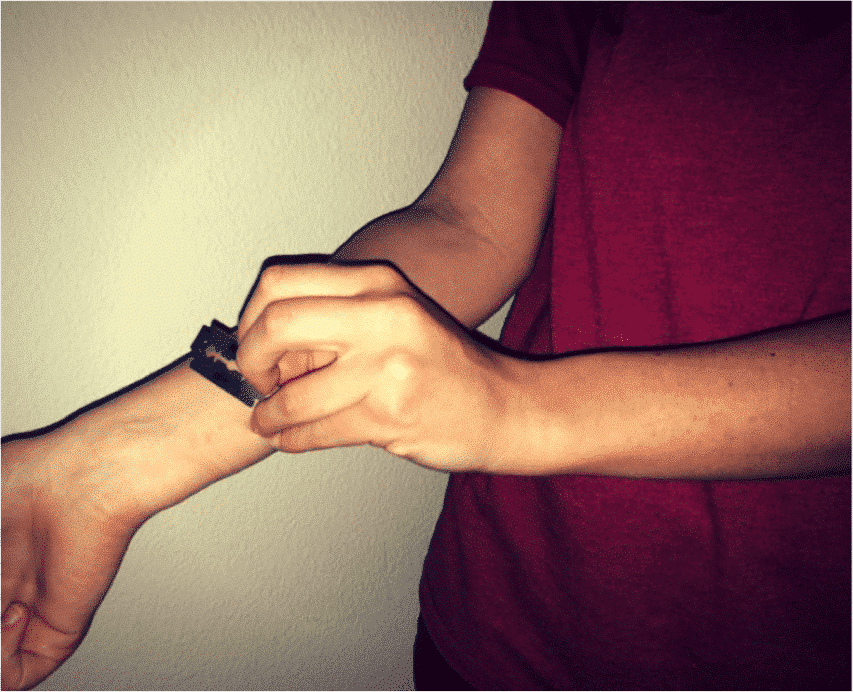
Teenager About to Cut Arm with Razor
Pia was 13-years-old when she cut herself for the first time. She was confused, lonely, and hopeless. Self-harm provided a distraction from her emotional pain and anchored her to her physicality amongst the numbness. She started with a tiny cut, ultimately inflicting deeper and deeper cuts. Even the hours anticipating cutting brought her comfort. She found a community of cutters on an online forum who provided support and caring while also encouraging more dangerous behaviors. She wasn’t alone with her shameful secret. But she wasn’t stopping either … Could your child end up like Pia?

Cutting

Cutting refers to self-harming practice distinct from a suicide attempt. Cutters typically make small superficial cuts on their arms, legs, or parts of the body easily concealable by clothing. Cutting distracts the individual from emotional pain, releases endorphins which may trigger a mood boost, and is often a cry for help rather than an intent to inflict lethal harm (Davis, 2005).

Dr. Bennett often treats teens and adults who self harm. I’ve also seen several cutting incidents working as a paramedic. Because the cutting ritual can take on profound meaning, some injuries are uncomfortably creative. For instance, I’ve seen kids cut shapes, patterns, words, and even sentences into their skin. When I interviewed Pia for this article, she showed me her first “masterpiece,” the word “HATE” cut into her right thigh.

Why cut?

Pia: “I remember a painful time in my childhood when my dad didn’t come home at night. My mom told me he had troubles at work, and that I shouldn’t be worried. But then it started to become a habit, and my dad would be gone most days of the week. I was really attached to him. I missed having a male role model and friend who could tell me what to do when there seemed to be no way out for me. When my parents got a divorce my world fell apart. I felt lonely, hopeless, sad, and misunderstood. I withdrew more and more, lost most of my friends, and started to become depressed. Since I wasn’t able to soothe my emotional pain on my own, I looked for answers online. That was when I found out about cutting.”

***
The most common reasons teens give for cutting are that they’re trying to make themselves “feel alive” instead of the numbness, or they’re trying to distract themselves from intense or overwhelming emotions such as anger or hurt (McCoy, 2009).
***

That was true for Pia. She wanted to have the control and power of harnessing pain whenever she wanted. She said that sometimes when she woke up in the morning, she felt nothing but emptiness. Cutting helped her “feel” her body again rather than just feeling intense emotional pain.

The controversial Netflix show 13 Reasons Why addresses self-harming behavior, with the main character ultimately committing suicide, leaving behind her audio-recorded 13 reasons “why”. The show was a huge success, with children of all ages binge-watching it over spring break without their parents’ consent. I wondered, if this show could be a danger to teens already on the edge?

During an interview for I-heart radio, Dr. Bennett referred to the show and stated that a majority of people have suicidal fantasies at one time or another. She suggested that 13 Reasons Why could trigger vulnerable teens. She lectured in our psychology class that she has seen self-harming behavior be quite contagious in schools and inpatient treatment settings, spreading from teen to teen quickly. Now the Internet is a source of cutting contagion.

Who cuts, and how common is it?

Cutting is a fairly common practice in the United States. There are about two million cases reported annually with approximately 15% of teens reporting some form of self-injury. Studies show an even higher risk for self-injury among college students, with rates ranging from 17%-35% (Mental Health America, 2013). One in five females and one in seven males have engaged in self-injury practices (Gluck, 2016). Ninety percent of people who engage in self-harming techniques start during their teen or pre-adolescent years (Gluck, 2016).

Parent Researching Cutting Epidemic on Laptop

Did the Internet contribute to Pia’s cutting?

Pia: “I remember sitting at my desk. I was supposed to do homework but instead I Googled “how to deal with emotional pain.” Somehow I stumbled on a few websites which mentioned cutting. Pretty soon I was hooked, researching for hours and eventually finding a useful tutorial how to start my first cut.”

Experts say the Internet is the main contributor for teens to not only find out about the various methods of cutting but also to demonstrate or even glorify self-injury (Steinberg, 2014). Forums like “The Cutting-Board” encourage kids to share their concerns and questions about cutting and find useful expertise. Tips and tricks about how to hide their cuts, what do to if someone gets suspicious, or advice when cutting-goes wrong are popular posts. Furthermore, there are several YouTube tutorials of “how to cover up your scars after cutting,” like a video by 14-year-old Julia Ansell.

How to recognize that your child is cutting

Concealing clothes
If your child suddenly starts wearing long sleeves even during hot days, this could be a sign that she is hiding injuries or scars.

Behavioral changes
Social anxiety, depression, and low self-esteem are often comorbid with cutting (Davis, 2005). If your child starts isolating, eating more or eating less, sleeping more, acts lethargic, isn’t interested in his usual interests, or acts sad or irritable, keep an eye out for self mutilation practices.

Spending time browsing for information about self harm and visits on online forums
Kids often use secret terminology to hide their online activities from parents. Hashtag terms like #sue (a synonym for suicidal) or #secretsociety123 are popular code words to discreetly form online communities discussing self-harm (Yandoli, 2014). Sometimes pictures with these hashtags overlap with other self-harming techniques or mental disorders like anorexia (#ana) or depression (#deb).

Possession of cutting tools
Keep an eye out for sharp objects that may be used for cutting, piercing, or burning like razor blades, knives, paper clips, broken glass, scissors, needles, or lighters.

Cuts, bruises, burns, or scars
Kids will occasionally change methods or location if they fear detection. Escalation is rare but can become an issue. Dr. Bennett has treated clients with comorbid mental illness that went as far as breaking joints with a ball ping hammer or engaging in oddly ritualistic mutilation like the practice of suspension (piercing the skin with hooks and hanging from them).

What you can do for your child?

Be empathetic and sensitive
If you see evidence of intentional injury, ask about it in a straightforward, emotionally neutral manner. Of course share your concern, but be careful not to escalate the situation by panicking, threatening, or lecturing.

Be supportive and present for your child
Let your child know he or she can always come to you with any troubles, issues or concerns. Make yourself available and willing to talk when your child approaches, on her terms. Kids often avoid talking to their parents, because they’re afraid that they’ll lose their trust or add an additional stress factor to an already stressful situation, like going through a divorce or financial issues (Steinberg, 2014).

Express your emotions
Be authentic and present. Not only does this model appropriate communication strategies, but your child will recognize that he is loved and important. Tell him that you can get through this together.

Seek help and treatment
Cutting is often an expression of distress from mental disorders, like depression or anxiety. Consult a clinical psychologist who has specialized training with self harm behaviors. Not only can a clinician work with your child to achieve insight and build resilience by teaching emotional coping skills, but she can also provide much needed consult and support for family members. Often times kids will accept influence from a therapist even when they are dismissive of parenting support.

CSUCI Intern, Lisa Sommer Thank you to CSUCI Intern, Lisa Sommer for writing this important piece. Please share your thoughts in the comments below. Self harm forums are common on the dark net. To find out more about that, check out Dr. Bennett’s article, GetKidsInternetSafe Sheds Light on the Dark Net: Drug Traffickers, Child Pornographers, and Nude Selfies.

I’m the mom psychologist who will help you GetKidsInternetSafe.

Onward to More Awesome Parenting,

Tracy S. Bennett, Ph.D.
Mom, Clinical Psychologist, CSUCI Adjunct Faculty
GetKidsInternetSafe.com

*Due to professional discretion, Pia is a fictional name.

Works Cited

Davis, J.L. (2005). Cutting and Self-Harm: Warning Signs and Treatment. WebMD, Retrieved April 23rd, 2017 from: http://www.webmd.com/mental-health/features/cutting-self-harm-signs-treatment#1

Gluck, S. (2016). Self Injury, Self Harm Statistics and Facts. Healthy Place, retrieved April 24th, 2017 from: https://www.healthyplace.com/abuse/self-injury/self-injury-self-harm-statistics-and-facts/

McCoy, K. (2009). When Teenagers Cut Themselves. Everyday Health, retrieved April 23rd, 2017 from: http://www.everydayhealth.com/kids-health/when-teens-cut-themseleves.aspx

Steinberg, S., (2014). What to Do If Your Child Is Cutting. US News, retrieved April 24th, 2017 from: http://health.usnews.com/health-news/health-wellness/articles/2014/02/28/what-to-do-if-your-child-is-cutting

Krystie Lee Yandoli (2014). Inside The Secret World Of Teen Suicide Hashtags. For buzzfeed, retrieved April 30th, 2017 from https://www.buzzfeed.com/krystieyandoli/how-teens-are-using-social-media-to-talk-about-suicide?utm_term=.jtRrkE8Q9#.kpAzK8oX6

Photo Credits

Girl with a Razorblade, 2016 CC0 1.0

Girl on the Laptop, 2016 CC0 1.0