

Need peaceful screen time negotiations?

Get your FREE GKIS Connected Family Screen Agreement

screen safety

Online Teen Slang: Should We Worry?

I’m curled up on a weathered leather couch in a beautiful loft barn we rented for the weekend. A last of summer cozy couples’ retreat in the rolling hills of wine country. We are waking up to soft braying of ponies, early morning foggy walks in vineyards ripe for harvest, and a leisurely breakfast of fresh eggs, hot mint tea, fresh squeezed watermelon and orange juice, and buttery warm banana bread left by our generous hosts. Later we are meeting our friends for a delicious farm to table lunch from local farms and orchards. Best of all…a weekend of fun with old and new friends before a busy school year starts. Crazy grateful for the rejuvenation from the sunshine and laze of summer.

Now that my kids are teens, we are able to sneak away sometimes, guilt-free. If you have little ones and can’t seem to sneak off for weekends yet, don’t despair. It’s coming one day. And when you do, you’ll spend much of it fondly remembering being frazzled and sleep-deprived with your little ones. Each phase of parenting has its challenges and its pleasures. In the spirit of sharing and friendship, I’m taking fifteen minutes out in this sweet little farm kitchen to share the fun content producers of Access Hollywood Live helped me develop for my segment Monday on Online Teen Slang: Should We Worry? I hope you’ve set aside time each week to curl up with steaming hot tea for a moment of solitude to read your GKIS article. They are written to gently pepper you with useful information about tech, parenting, and safety so you can teach during screen-free dinners with you and yours. ❤️ Now on to the basics of teen online slang.

Why is slang always changing? Is it to be ‘cool’ with friends?

Slang is an expression of culture. Youth culture changes rapidly and is based on popular memes, songs, and movies. Part of the excitement is that you have to be an integral part of the culture to keep up. No parents!

Teen Slang: The Bad News

Often reflects and teaches concepts you may not want your child to know.

Can be used to hide from parents and plan secret and even dangerous activities

Can be vulgar, offensive, or cruel.

Teen Slang: The Good News

Young people who use slang are striving to form their own, independent, adult identities.

Sharing slang provides a sense of belonging, and being ‘in-the-know’with friends.

Using slang is a celebration of being young and having fun.

Every generation creates its own slang, but why does it seem so different now? Has it evolved in the age of social media and smartphones?

Slang is not new. But with the web, kids have a bigger, private, more versatile playgroundto live in. They juggle lots of virtual identities, each with its own characteristics, slang, activities, and community on demand with thousands of members of their tribe connected at once. We had our neighborhood buddies and the telephone. Big difference.

Should parents attempt to use their teens’ slang as a way to try to relate to their kids, or is that getting into majorly uncool territory?

If you want them to roll around in agony and openly insult you, you should totally use their slang.

Should parents be worried about the slang their teens are using now, or is it no different than if they think back to when they were younger?

It’s different. It’s more dark and vulgar for sure.But the teens I see in practice and the ones I’m raising are still good people. They’ve just habituated to a more troubling slang culture overall. Parents should be worried if their kids are too “thirsty”to belong, because that would result in being too eager to join in and take risks. They should be worried if they’re too secretive. They should be worried if there’s evidence of sneaking and dangerous defiance. Otherwise, have fun with it. Of course, correct them when they cross over the line, but stay engaged. Allowing them some privacy is also important.

Another topic we want to touch on is the cultural sensitivity issue of using slang — many of the terms originate in African American or LGBTQ communities — how mindful should people of other communities be of this before being quick to just use any term?

In-groups are delicate. If a person intrusively hijacks slang from a group they haven’t earned a place in, it can look aggressive or demeaning. Slang provides information about boundaries and belonging.

How can people make sure it’s appropriate to use a term before they start using it?

Do your research before using slang, like observe and ask others, Google it, err on the side of caution.Teens brutally police each other to follow social morè’s, which may even slip into bullying. Let your teen know you have their back 100%, even when they make stupid mistakes. Even better, teach them that mistakes are part of learning and you expect them often. Rather than shame them when they’re hurting with a lecture, take them for a smoothly, show deep compassion, and share stories about how common and healthy mistakes are. Sometimes providing a fun distraction while it passes is what they need.

How to Spot Red Flags in Teen Slang Use & What to do About it:

  • Talk to your teen often. Let them DJ in the car and share funny videos to stay connected. Keep up on their friends and interests. Be you but with humor. Encourage their independence but reassure them you are being them 100%.
  • Keep an eye out for concerning behavioral changes like increased isolation, poor hygiene, reckless behavior, or darkened moods are things that may signal trouble.
  • Block dangerous websites and monitor screen use.
  • Bookmark helpful websites, like Urban Dictionary, and set google alerts.
  • Look out for defensiveness and changing the browser quickly or erasing it.
  • If you’re worried and they won’t talk to you, consider psychotherapy. It’s shocking the influence I have with teens as they blatantly reject their parents with the same advice. It can really turn the situation around.

Want to know which slang terms to pay attention to and if slang use leads to teens having sex? Check out my earlier article Online Slang That Parents Need to Know.

I’m the mom psychologist who helps you GetKidsInternetSafe.

Onward to More Awesome Parenting,

Dr. Tracy Bennett
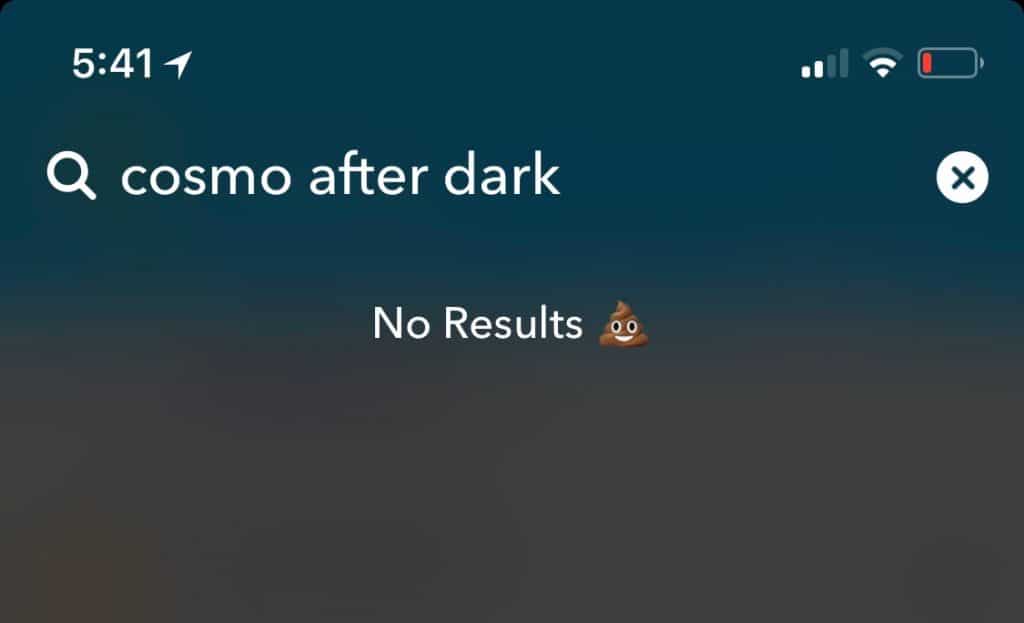
Snapchat Channel “Cosmo After Dark” Goes Legit Dark Due to Parent Outcry

Now that consumers are getting more educated about online content, could the tide be turning in favor of more accountability and better online child safety? Earlier today I got a phone call from an FBI agent friend alerting me to the new Snapchat channel, “Cosmo After Dark,” after a parent called him with concern. This channel is searchable in the Discover feature of Snapchat. The issue became public knowledge when my friend at Protect Young Eyes, Chris McKenna, published his whistleblowing article, “Snapchat Introduces Cosmo After Dark (It’s P*RN).” Todays quick read explores why this is an issue GKIS parents need to know about.

Cosmo After Dark advertises that it is “an X-rated weekly edition that goes live every Friday at 6 p.m. and is exclusively dedicated to all things hot and h*rny.” Not only might your child access this content, they might even be able to subscribe to it! Although Snopes points out that Snapchat has age-gating tools that block “adult” content from users under 18 years old, Chris argues that Snapchat may be getting more desperate and allowing more lascivious content in order to maintain more marketshare. As Snapchat gets more worried about the bottom line, the worry is they may slip in corporate responsibility.

Another issue raised is if this content is Cosmo’s traditional sexy fare or is it actually pornography? You be the judge. Cosmo After Dark articles include:

“The 19 Best Sites to Binge-Watch Porn On”

“12 Songs You Should Have Sex to Right Now” 

“The Steamiest Most X-Rated Sex Party Confessions”

Just sexy articles, right? I would argue that our kids and teens are harmed by hypersexual content. Are you comfortable with your teen son or daughter getting instructions for more satisfying anal sex? I didn’t think so.

After a busy day of watching this story evolve between clients, I am happy to say there is a happy ending. Due to parent outcry, Cosmopolitan magazine just pulled Cosmo After Dark. It turns out that our voices matter. As parents get more educated, we are becoming increasingly effective advocates with real influence. Thank you Chris for keeping an eye out for us. Unfortunately, this won’t be the last risk trap on social media.

WHAT CAN YOU DO TO PROTECT YOUR KIDS FROM ADULT ONLINE CONTENT?

If your teen has Snapchat, make sure their birthdate is accurate within the app. According to Snapchat, this will give some protection from inappropriate content.

If you’re worried your child may edit his or her birthday in order to access adult content, Protect Young Eyes reports that you can lock the edit feature by changing the birthdate on your child’s phone until you reach max attempts.

Avoid the whole issue altogether by following the Terms of Agreement on social media apps due to COPPA. If your child is younger than 13 years old, don’t allow them social media yet. Messenging apps and texting is risk enough.

Use sound digital parenting tools like OurpactUnglue, and Bark. Filtering content, tracking use, encouraging accountability, and monitoring content not only teaches kids important skills, it also puts parents in the screen driver’s seat so they can stay involved and offer teaching and support along the way.

Get informed about risk and best screen sanity parenting practices with Screen Time in the Mean Time: A Parenting Guide to Get Kids and Teens Internet Safe. It’s not just what you do that matters, how you do it counts too. Although safety strategies are important, forming a fun, cooperative relationship with your kids is key to a happy, healthy, screen safe family.

I’m the mom psychologist who will help you GetKidsInternetSafe.

Onward to More Awesome Parenting,

Tracy S. Bennett, Ph.D.
Mom, Clinical Psychologist, CSUCI Adjunct Faculty
GetKidsInternetSafe.com

How to Break Your Phone Addiction and Reconnect to Family

children playing outside

If your family looks anything like the average American family, you’re probably on your screens too much and can use some help. We all want our families to be as healthy as possible. Overuse of our devices can have a negative effect, not only on our health, but on our family dynamic. Our gadgets are causing us to sit rather than move, and swipe rather than speak. Cutting back isn’t easy but has huge benefits. How much screen time is too much, and what can our families do to reduce time spent on devices?

Screen Time Guidelines

In Dr. Bennett’s book, Screen Time in the Mean Time: A Parent’s Guide to Get Kids and Teens Internet Safe, she provides recommendations for kids of different ages, toddlers through teens as well as for adults. When asked about time guidelines, she stresses that, although useful as a guide, time limits are less important than the quality and format of viewed content.

Especially for young children, fast-moving, light-flashing content can be overly arousing to the developing nervous system which can lead to stress and effect brain wiring long term. Compulsive and addictive use patterns driven by notifications and rewarding images and sounds can also have detrimental brain and behavior impact. Sexuality and violence are particularly potent to capture our attention, which means lots of exposure to ads and big profit. For children, inappropriate content can lead to stress, anxiety, fear, and depression. She says, for the first time in 23 years of practice, she is seeing young children with panic disorder. She attributes some of these cases to poorly managed screen use.

Dr. Bennett wrote Screen Time in the Mean Time because simple guidelines aren’t enough to protect healthy development and relationships. Each family member has different communication and information access needs. Personalized content and use patterns matter. Rather than set a hard time guideline and leave it at that, she says parents can teach sensible screen programming, choice, and use strategies for smart screen use. Kids need to know why rules exist and be able to negotiate for reasonable access. Just taking screens away overlooks critical learning opportunities. Our screens provide enormous benefits in entertainment, access to information, communication, skill-building, storage, and safety. Knowing how our screen devices affect us and how to manage them are critical first steps to smart screen use.

Risks of Excess Device Use

Recent studies have shown that too much time on your devices can lead to health problems such as:

Obesity 

Watching television for more than 1.5 hours per day is a risk factor of obesity for children who are between the ages of 4 and 9. You are more likely to watch more TV when having one in the bedroom. Teens and children are 5 times more likely to be obese if they watch 5 or more hours of TV per day, than those who watch 0-2 hours per day (Why to limit your child’s media use, 2016).

Sleep Problems

A high exposure to screen media and sleeping with a phone in your bedroom puts you at a greater risk for sleep interference. The light that emits from your phone, blue light, is particularly harmful to your child’s sleep quality, because it triggers a dip in your sleep regulating hormone, melatonin. Poor quality of sleep can then lead to memory problems, loss of initiative, an inability to prioritized tasks, mood and anxiety symptoms, and poor academic performance overall (Bennett, 2018; Why to limit your child’s media use, 2016). Without sufficient sleep, the brain is unable to do its housekeeping duties, which includes memory consolidation and removal of toxins, Chronic sleep deprivation can lead to learning deficits, cardiovascular risks, buildup of toxic proteins that can lead to increased risk for Alzheimers, and an impoverished immune system. This is why Dr. Bennett believes that sleep deprivation is the number one risk to mental health today.

Poor Learning and School Performance

Children and teens tend to divide their attention between homework, TV, and smartphones. Dr. Bennett calls this “multitasking.” Multitasking can lead to poor quality work, wasted time, and mental brownout, which is irritability, fatigue, and depression (Bennett, 2018).

kids avoiding screen time by playing outside

Tips on how to reduce screen time:

Be a role model and be consistent.

Achieving lifestyle changes as a family brings comradery, accountability, and a greater chance of success.

Get honest, set a goal, and reach it.

Have a clear vision of what you want your lifestyle to look like and plan the steps to get there. Time management apps are helpful to track and manage. screen use. Bennett’s home staging tips can also be life altering. Starting sooner rather than later will help everyone build positive habit with less resistance. The GKIS Family Living Agreement is a comprehensive and easy0-to-use tool that helps with education, goal setting, and learning family values.

No screens in the bedroom, bathroom, or behind closed doors.

Don’t even use your phone as an alarm clock. If you glance at it during the night, you’ll get distracted by social media and lose critical rejuvenating sleep. This can become a habit and lead to long-term sleep problems. Use a GKIS Family Docking Station to resist temptation.

Build screen-free dinners into the schedule.

Make meal time family time. The dinner table is a great place to bond with your family, catch up on how school or work went, and talk about plans for the week. This is the perfect opportunity to pay compliments and give thanks. Let your family know how grateful you are to have them in your life, it is these precious moments that we let slip by looking at our phones rather than truly engaging in our loved ones.

Modify your phones to be less appealing.

Delete apps. Grayscale. Turn off notifications. Put apps with notifications on a backpage of your smartphone. The world won’t end, you’ll be fine. Making your phone less attractive will cut your screen time and transform your phone from entertainment, to utility; the way it was intended.Cut your social media contacts to Dunbar’s number, 150.
Research shows that we have a limited amount of friend slots in our brain, which adds up to about 150. After that, relationship quality deteriorates to acquaintance contact. If you’re hemorrhaging time on relationships that don’t bring something special to your life, trim your friend lists.

Improve the quality of your screen content.

Cut down to one social media app, unfollow fake news sources, and reduce your exposure to ad-rich content like beauty guru videos and celebrity news.

family walking on beach at sunset Screen-free times and activities leads to creativity and enriching three-dimensional play.

Bennett practiced #NoTechTuesday and #NoTechThursday with her family. She says these were her favorite days, because her kids played with their pets, built forts, climbed trees, and got creative. Now that her kids are teens, they sometimes elect screen free leisure activities, which she says is a longterm payoff they’ll always value.

Don’t use screens as a punishment or reward.

It’s important that you become your child’s advocate with screen use rather than their punisher. Although it’s easy to use screens as leverage, don’t do it. If they see you as a screen hater, they’ll quit talking to you about their screen activities. Instead, use practical, smaller consequences like 15 minutes earlier bedtime or an extra chore to do. This is especially important with young children.

selfie As with any lifestyle change, time and practice is necessary for success. Trimming screen time may be difficult, especially for teens. They need you to negotiate slow improvements over time rather than demand lots of changes at once. Don’t expect them to agree at first. The benefits will be revealed over time. That is all part of learning healthy habits, which is not an innate skills and is easier with age. Likes and comments are great, but real connections start with true contact and conversation. Thanks to chad Flores for the valuable information in this article. If these tips were helpful, you can find more in Screen Time in the Mean Time: A Parenting Guide to Get Kids and Teens Internet Safe

Works Cited

Dr. Bennett’s book- Screen Time in the Mean Time: A Parenting Guide to Get Kids and Teens Internet Safe

Why to Limit Your Child’s Media Use 2016

Photo Credits

Photo by Allie Milot on Unsplash

Photo by Jude Beck on Unsplash

You Spied and Caught Your Teen Sexting, Now What?

  teen couple

Parents often sneak onto their teen’s phone and see something explicit, upsetting, or dangerous. Then they’re in the hard spot of telling their teen they were spying without permission and intervening appropriately. I believe screen monitoring is necessary with young, impulsive teens, but I also believe parents should tell their kids they are monitoring and filtering. It provides practice for thinking before posting, demonstrates that other parents and adults are also viewing, and reveals a willingness to work together about online choices. Security and parenting experts have disagreed with me, saying that if a parent reveals intent they will miss out on secret plans and sneaky behaviors. The controversy is real.

A GKIS subscriber asked what do when she saw inappropriate content on her teen’s phone after secretly monitoring. Here’s my response:

Parent honesty is important, because we lose credibility if we punish for sneaking and lying while we are sneaking and lying. The trust was breached when you saw that content without discussing the rules ahead of time. If not handled delicately, this could damage your relationship. For that reason, I suggest you put your ego at the door and get out a knife and fork, because you are going to have to eat crow and apologize. Where is it written that parents can’t make mistakes? Let’s face it. We are new at parenting teens just as kids are new at being teens. This adds up to a rocky road of successes, failures, stops, and starts.

First, schedule a time to have a private discussion with your teen when you will not be interrupted. Tell him the truth. Admit that you were concerned, and you screwed up. In hindsight you realized you should have had more safety parameters in place before you got to this point, and you should have told him that his screen use would be monitored. Express your concerns while validating that his loving and sexual feelings towards his girlfriend are normal and natural (assuming there were no safety or legal violations here). Explain your philosophy about what you think is appropriate regarding intimacy and relationships at his age. Assure him that you will keep his confidence. Don’t go telling grandma and Aunt Linda about the intimate details you uncovered. Let him know that these are his facts to share if he chooses to, not yours.

Second, ask him what suggestions he has to resolve the very real conflict of privacy versus safety. Actively negotiate screen safety parameters. Some of my GKIS Staging Tips apply, such as no screens in bedrooms, bathrooms, or behind closed doors and GKIS blackout times to optimize judgment and supervision. Also, consider if monitoring and filtering programs and apps apply in this situation. Keep in mind it is best not to tell him which specific programs you will be implementing. If your son is a young teen, then monitor more closely. If he is older, you may just want to set a lighter monitoring option. Most importantly, let him know what you plan and why. And absolutely consider his input. By the time he’s an adult, he should be mostly on his own off-screen and on.

Finally, plan relationship-building opportunities with your son to repair the damage done. Perhaps this means getting to know his girlfriend better so they understand that he has a family to take into consideration when it comes to friendship and love. Of course, they deserve privacy, but you may choose to set stricter limits for now. Keep in mind that not every mistake requires traditional discipline, like taking screens away. The humiliation of you reading his texts and the face-to-face conversation about it is probably consequence enough. The truth is, his best resource for keeping intimate relationships healthy is the support and competition for his time from his friends. He needs his friends right now.

Cheers to you for reaching out for help. Teen-parent negotiations can be difficult. To learn more answers to parent questions, get my book Screen Time in the Mean Time: A Parenting Guide to Get Kids and Teens Internet Safe. If you like what you read, please leave an Amazon review. <3

I’m the mom psychologist who will help you GetYourKidsInternetSafe.

Onward to More Awesome Parenting,

Tracy S. Bennett, Ph.D.
Mom, Clinical Psychologist, CSUCI Adjunct Faculty
GetKidsInternetSafe.com

Photo Credits

Photo by Morgan Sessions on Unsplash

Teens Intimidate and Parents Slack: How to Stop the Guilt

Teen Resisting a Limit on Screentime Parents know that screen use carries risk, whether it’s sleep deprivation, texting while driving, online sexuality and aggression, or addiction. But what can we do about it? Pandora’s box has been opened. Yes, there are powerful parenting strategies that should be happening to limit risk, but who wants to deal with toxic teen fallout? Tweens and teens can put up a fight and workaround most rules anyway. And what if you have been monitoring on the sly and see something alarming, then what? If they find out you’ve been spying, it will damage an already difficult relationship. What can parents do to kick in and do a better job without starting World War III?

I work with teens every day in practice and have two at home. I agree they can be pretty scary. But I also know that without us, they’re capable of getting into real danger. There are sensible techniques you can use to implement real change without damaging your relationship. Believe it or not, teens even welcome limits sometimes, as long as they’re justified and introduced with a sincere offer for respectful negotiation. If that wasn’t the case, I’d be getting fired by session three most of the time by my teen clients. Instead, I often have to push them to graduate from therapy. Like us, they love fun connection and will accept adult influence more than you think.

Here are some parenting hacks for managing screen use even with the most independent teens:

DON’T AMBUSH

Sprinkle in your intent and justification over time rather than in one aggressive attack. Intervention doesn’t have to happen all at once (even though you may be anxious to get it over with). Introduce your ideas over time to give teens a chance to digest the information. Start with a discussion, then a meeting, then the implementation in doable steps. It’s unlikely you’ll ever get their full buy-in, but gradual tweaks will be accepted far better than a hostile takeover. For example, rather than take away Instagram due to a transgression, talk to them with warmth and acceptance acknowledging that ALL teens make mistakes online. No big deal. Just fix this one and maybe pare back to Dunbar’s number on their friends list. This is the number of friends our brains seem to have slots for, 150. By paring back, they reduce risk and still get to keep connecting with friends. All-or-nothing interventions can drive a wedge, but gradual and reasonable tweaks provide learning opportunity and you get cred for being reasonable.

PREPARE FOR PUSH-BACK

When I work with families, I often start with coping skills long before I suggest parenting strategies. Listening, assertiveness, negotiation, and relaxation skills are key. It also helps if you are prepared. These push-back possibilities are offered so you won’t be surprised when they arise and will stay calm and strategic and avoid getting pulled in and manipulated. If it gets too heated, walk away (eyes off the behavior you don’t want) and return to the issue another time (eyes on the behavior you want). Most important, don’t let them see you sweat. Maintain your credibility with calm authority.

Teenager Pushing Back About Screentime Limit Typical teen push-backs:

Act like they don’t care with plans to sneak later

 Justify, lie, or make excuses

“I didn’t do it”

 “Everybody does it”

 “My teacher says I have to”

“You don’t know what it’s like now [I know everything about everything]””

Deflect and distract

By triggering you with real-time bad behavior, you may forget to follow through (“Look squirrel!”). I call this “throwing a fireball into the room.” While the parent is running around putting out fires, the issue at hand gets lost and the kid wins. Fireballs can be:

Eye-rolling

Talking back or cussing

Pulling out a list of grievances with absolutes (“You never let me” “This always happens”)

Tantrum

Name calling (“You suck”)

Self-deprecation (“I’m a terrible kid”)

Emotional extortion: Threaten to hurt you or themselves

Physically aggress (throwing, slamming, hitting)

Defy you and do it anyway

LISTEN AND VALIDATE

Although maddening, it’s healthy for teens to push back and manipulate. You want your kids to test things out on you, their safe person. Don’t take oppositionality personally. Manipulative kids are simply smart, strategic kids. Your job isn’t to squash their spirits, it’s to manage it and coach them to success.

For kids to engage in a discussion, you’ll need to listen as much as you talk. Lectures turn them off immediately. No engagement means you’ve lost any hope of influence. Once your child has responded and you’ve confirmed that you understand their position (whether you disagree with it or not, their position is legitimate), firmly state your intent to establish sensible rules. Remember that screen use is their lifeline to learning and socialization. Compulsive screen use happens, because it has real meaning and benefit. If you tell them to “turn it off,” they get anxious. Anxious kids are the most defiant, because they will endure almost anything to avoid the feelings from anxious rebound. Making a non-negotiable announcement will make for hard-going later and interfere with the opportunity for teens to take accountability for positive change. There’s big payoff for giving in a little rather than demanding full obedience. Modeling, mentorship, and teamwork are keys to success.

NEGOTIATE THE RULES

How does one negotiate without losing authority? Let’s take the example of trying to get your child off their phone during homework time, called multitasking. First, keep in mind this is not a black and white issue. Sometimes multitasking contributes to learning, other times it interferes.

Multitasking is beneficial when generating ideas, acculturating oneself to vocabulary and ideas around a particular topic, identifying experts and networking with community, enriching understanding using multimodal formats (reading, listening, viewing video), and when browsing for entertainment. Multitasking activities that have performance costs include screen activities that interrupt demanding cognitive learning tasks like reading, homework, or studying. Perhaps pulling back on bad habits rather than eradicating them entirely is a good start for now. For best success, outline goals, commit to honest learning objectives, and download time management and tracking apps. Let them try out their ideas, then swing around later to discuss outcome. Tweak, repeat.

There you have it, a plan! Remember to set an expectation for success and prepare for follow-through. If you capitulate to teen freak outs, it will be far harder next time because you’ve taught them you’ll cave in the face of tantrums. If you follow through, they’ll eventually respect your authority. Staying firm, consistent, and emotionally neutral is also important. You’re empowered and so are they. Small consequences (one night when devices are docked early) are usually just as impactful as big ones (taking their phone for a week), and you are less likely to cave because it’s doable. Don’t forget to remind them that you will lighten up as they get close to graduating. High school seniors need more independence to build resilience and prep them for success in college.

Check out my article, You Spied and Caught Your Teen Sexting, Now What? for more parenting advice about screens and teens. If these tips are useful, find more in my book Screen Time in the Mean Time: A Parenting Guide to Get Kids and Teens Internet Safe. If you like what you read, please leave an Amazon review. <3

I’m the mom psychologist who will help you GetYourKidsInternetSafe.

Onward to More Awesome Parenting,

Tracy S. Bennett, Ph.D.
Mom, Clinical Psychologist, CSUCI Adjunct Faculty
GetKidsInternetSafe.com

Photo Credits

Photo by Adrian Sava on Unsplash

Photo by  Timothy Eberly Unsplash

GKIS Quick Tips for Intellectual Enrichment Through Screen Media for Preschool Age Children


Families can no longer avoid screen media exposure in today’s technology driven society. Research demonstrates that exposure to different types of screen media, including television, computers, smartphones, and tablets, can have positive as well as negative effects on children depending on the age of the child, the quality of content, and the amount of exposure. How can we ensure that our children are exposed to the RIGHT type of media in ways that promote intellectual growth?

The Preoperational Child

Preschool age is between 3 to 5 years. The first 5 years of life are critical ages for learning and brain development. Let’s take a look at the different areas preschool-aged children learn and how their educational outcomes can be optimized through appropriate media use:

A Growing Brain & Motor Development

  • Ninety percent of a child’s brain development occurs between birth and 5 years of age (Frist, 2013). This makes it a pivotal time to expose children to a variety of educational information to expand their growing minds to their fullest potential.

GKIS Quick Tip: Choose media that introduces a wide variety of concepts to build upon for future learning. Areas can include language, math, functional skills, motor skills, creativity, and more. But make sure these concepts are delivered in small, deliberate doses. Avoid overwhelm by limiting screen time, delivering age-appropriate content, and avoiding frenetic, rapidly paced videos. Ensure appropriate engagement by co-viewing with your child and talking them through new concepts to facilitate learning and deepen your parent-child learning alliance.

  • As children progress through the preoperational stage, they learn to master gross motor skills, like running, jumping, and climbing, through exercise and play (Hanley, 2016).

GKIS Quick Tip: Interactive games that require active participation through physical activity rather than passive viewing can help improve motor, spatial, and coordination skills, particularly when outside play is not possible. For example, many Wii games encourage active participation through movement detection and feedback. Again, co-engagement is a win-win!

  • Children also learn to master fine motor skills (working with their fingers and hands) through active practice (Hanley, 2016).

GKIS Quick Tip: Tablets for children provide age-appropriate games and apps that enable children fine motor skill practice, like playing the piano, drawing shapes, as well as writing letters and words. For example, the Color and Draw for Kids app works as a virtual coloring book that helps children learn colors as well as fine-tune fine motor skills that are practiced through drawing.

Concrete & Abstract Thinking

  • According to Jean Piaget’s stages of cognitive development, children between the ages of 2 to 7 years old are undergoing the preoperational stage of development. This means kids are learning to form stable concepts but still have magic beliefs and have trouble taking the perspectives of others. With play and practice, they are constantly adding to their mental repertoire, such as major language development. In fact, children who do not develop necessary language skills by the age of 5 years are 6 times more likely to experience difficulty with reading in school (Frist, 2013).

GKIS Quick Tip: Media can benefit young children by teaching literacy and numerical skills. A recent study has shown that growth produced from watching the show Sesame Street is equally comparable to learning in a preschool classroom (Tankersley, 2015). Children exposed to the show were more likely to keep up academically at the appropriate grade level for their age. Interestingly, this effect was particularly pronounced among boys and children who grow up in disadvantaged neighborhoods. Reading skills can also be enhanced through computer games such as Teach Your Monster to Read. That means balanced use digital literacy using appropriate content can be intellectually beneficial by preschool age!

  • Thoughts are primarily generated by concrete rather than abstract ideas in early preschool years. In other words, young children learn about the world around them in a physical manner rather than through representations in their own thoughts.

GKIS Quick Tip: Choose games that allow your preschooler to be an active, rather than a passive, learner. For example, the game Sago Mini Toolbox lets players work virtually with tools, including saws and power drills, to complete building projects. These types of games teach children to work directly toward accomplishing a goal without too much emphasis on the depth of thinking that abstract ideas require. More information about this game can be found at the Common Sense Media website which provides ratings of educational media that will benefit your preschool child.

  • Although preschool children learn primarily through manipulating their environment, towards the end of this period they begin to use symbolic thinking, which means they use internal images to represent objects or people. This is evident through imaginary play. Preschool children often adopt roles such as doctor, mother, father, or cook so that they can practice using social norms and gender roles they see performed in their everyday lives. A child will also use inanimate objects as symbols for other objects (Cherry, 2016). For example, a child may use a blanket to represent a cape, therefore making him/her a real-life superhero.

GKIS Quick Tip: Because imaginative play is developing in the preschool years, exposing children to apps and computer games that emphasize pretend thinking may enhance intellectual abilities as well as creativity. Dr. Panda School is a highly rated game from the website Fundamentally Children’s “Good App Guide.” This app enables players to adopt and explore different roles in an educational context by telling stories about their experiences from the perspective of a teacher, nurse, cook, or even a janitor.

Making and Keeping Friends

  • According to Erikson’s psychosocial stages of development, preschoolers begin to practice interpersonal skills in classroom settings. They do this through participating in pretend play with others and initiating activities with others.

GKIS Quick Tip: Media can benefit preschool children by teaching social skills (Burton, 2015). Videos, television shows, and computer games can teach cooperation and sharing. An example of a beneficial program includes Toca Tea Party This program teaches social skills by allowing children to practice hosting their very own tea party with parents or friends.

  • Children at this age become increasingly curious and inquisitive. They begin to assert themselves more and ask questions to learn more about the world around them (McLeod, 2013).

GKIS Quick Tip: Try using screen activities that prompt questions that require parental input or knowledge. For example, the app Knoala requires children and parents to collaborate in a variety of activities including dancing, singing, crafts, treasure hunts, and more. These types of games not only promote learning, but also strengthen the attachment between you and your child.

  • Children in later preschool years begin to develop theory of mind, which means they gain the ability to understand the feelings and thoughts of others rather than just their own (Cherry, 2016). This particular change in mentality strengthens relationships with peers as well as adults.

GKIS Quick Tip: Computer games can provide children with the practice they need to interact with others appropriately. The game Social Express allows children to interact in simulated situations that mimic social interactions in real-life. It involves decision-making on the part of the player. Each social decision made will have a positive or negative response (Higgin, 2014). Through these experiences in a virtual world, preschool children are able to learn social cues, norms, and skills that they can apply in different settings as well as identify how their actions affect others.

Early exposure to educational media during the preschool years may contribute to intellectual growth. However, preschool children using too much screen media is associated with lower cognitive development and academic achievement (Kirkorian, Wartella, & Anderson, 2008). That means short time periods and age appropriate educational content is key for screen media benefit. Furthermore, accessibility to loving, responsive caregivers is necessary to enrich screen learning and teach important interpersonal skills such as empathy and emotional soothing. There is simply no replacement for love and one-to-one attention.

Thank you Alanna Daytona, CSUCI intern, for putting together these important tips for smart tech use. If you have recommendations for great educational online content for preschool children, please share them with the rest of the GKIS community and leave a response in the comment section below.

I’m the mom psychologist who will help you GetYourKidsInternetSafe.

Onward to More Awesome Parenting,

Tracy S. Bennett, Ph.D.
Mom, Clinical Psychologist, CSUCI Adjunct Faculty
GetKidsInternetSafe.com

Works Cited

Burton, L. (2015, June). Media benefits for children and teenagers. Retrieved from http://raisingchildren.net.au/articles/media_benefits.html

Cherry, K. (2016). What Is the Preoperational Stage of Cognitive Development? Retrieved from https://www.verywell.com/preoperational-stage-of-cognitive-development-2795461

Frist, B. (2013). Child’s first 5 years hold key to success. Retrieved from http://toosmall.org/news/commentaries/childs-first-5-years-hold-key-to-success

Hanley, S. (2016). Major Milestones in the Biological Development of Children. Retrieved from http://oureverydaylife.com/major-milestones-biological-development-children-1883.html

Higgin, T. (2014). Inventive Games That Teach Kids About Empathy and Social Skills. Retrieved from https://ww2.kqed.org/mindshift/2014/04/18/inventive-games-that-teach-kids-about-empathy-and-social-skills/

Kirkorian, H. L., Wartella, E. A., & Anderson, D. R. (2008). Media and Young Children’s Learning. Retrieved from http://www.futureofchildren.org/publications/journals/

McLeod, S. A. (2013). Erik Erikson. Retrieved from www.simplypsychology.org/Erik-Erikson.html

Tankersley, J. (2015). Study: Kids can learn as much from ‘Sesame Street’ as from preschool. Retrieved from https://www.washingtonpost.com/business/economy/sesame-street-and-its-surprisingly-powerful-effects-on-how-children-learn/2015/06/07/59c73fe4-095c-11e5-9e39-0db921c47b93_story.html

Photo Credit

9/365 game day by Jack Fussell, BY CC 2.0

On the Edge by Miika Silfverberg, BY CC 2.0

Student With Ipad At School – 143 by Brad Flickinger, BY CC 2.0