Need peaceful screen time negotiations?

Get your FREE GKIS Connected Family Screen Agreement

privacy

Silicon Valley Giants Suspend Alt-Right Social Media Profiles and Funding Campaigns. About Time or Overstepping?

After the Charlottesville violence, Silicon Valley giants, like Facebook, Google, Twitter, Paypal, and GoDaddy, are choking off tech avenues that hate groups use for crowdsourcing, organizing, and funding. This is a reversal of tech companies’ overall “hands off” approach to censorship and raises free speech concerns. In response to the censorship, alt-right organizations are revolting by creating parallel digital services, essentially birthing an alt-right Internet resembling the dark net. Some believe it is the tech companies’ right to cancel accounts that violate their values and membership agreements. Others think a private company using unregulated editorial judgment, with a profound impact on the ability for American citizens to communicate, is overstepping. What do you think?

What does this censorship look like?

Facebook and Twitter have actively suspended the accounts of white supremacists attached to the violence in Charlottesville, like white nationalist Christopher Cantwell and @Millenial_Matt, a social media personality who showcases the Neo-Nazi agenda. Considering that a third of the world’s population has a Facebook account and Twitter boasts 1.6 billion users per month, the power these social media giants wield is substantial.

The 71 million-website host, GoDaddy, has also chosen to censor users who demonstrate hate speech. For example, on Monday GoDaddy delisted the popular Neo-Nazi website The Daily Stormer, after its founder celebrated the murder of Charlottesville counter-protester Heather Heyer. When the Daily Stormer transferred its website registration to Google, Google also cut off the site.

In regard to funding, Paypal stated intent to remove 34 organizations from its customer base who espouse white nationalism. Apple also dropped funding sources for hate groups. GoFundMe, one of the largest crowdsource sites, deleted campaigns for the driver who murdered protesters in Charlottesville (Jan, 2017).

Promoting violent genocide is flat wrong, why are we even having this discussion?

I’m writing this article partly to impart news in case you didn’t hear it, but mostly to challenge you to think through the implications of Silicon Valley giants making decisions about the sharing of information. In this instance, I happen to agree with the policy that threatening violence should not be tolerated by any of us, government, private companies, or American citizens. The Internet spreads ideas like a virus, with hate groups recruiting people with untrue, manipulative, and inflammatory rhetoric. Vulnerable individuals, particularly the mentally ill and children, are at risk for being duped by sophisticated online grooming techniques. Perhaps Silicon Valley CEO’s have a moral obligation to limit their products’ availability as a tool to spread evil. But then there’s this concern…

What if the information they shut down is a cause you believe in? What if some of the censored activists were promoting unpopular ideas rather than threats or violence? What if the man behind the curtain decides to censor the democratic principles key to American freedom? Where does the slope start to get slippery? Should private corporations be making decisions about blocking pedophiles, terrorists, hate groups, and cults or should that be left to the government? Do we still trust a government that secretly surveilles its citizens, like what was revealed by Edward Snowden? Do we still have confidence in elected government leaders who use Twitter to cyberbully those who disagree with them?

“I’m happy to forfeit informational freedom for security”

Have you heard of the Total Information Awareness (TIA) policy? This program was developed in 2003 by the Pentagon under the direction of retired Adm. John Poindexter as a counter-terrorism measure. Under this policy, later renamed to Terrorism Information Awareness, the United States government aimed to integrate private and government intelligence and surveillance programs to be used as a powerful tool for the use of intelligence, counter-intelligence, and law enforcement. Simply put, that means secretly surveilling American citizens to better “detect, classify, and identify potential foreign terrorists” (The Associated Press, 2003).

On its surface, one may think, “Go ahead and track my online activities. It’s worth giving up some freedom for security. I’m not up to anything anyway.” But consider the fact that your personal online information is vast. The scope of the data collected by TIA included, but was not limited to, your browsing history (what you subscribe to, what your read, who you’re friends with, what you “like,” what you don’t like), financial data like purchases, transfers, and deposits, phone, email, and texting content, geolocation data, travel itineraries and passport data, licenses, judicial (driving and divorce) records, medical records, and biological data like fingerprints, DNA, and gait, face, and iris data. With your private information gathered and stored by the US government, your very identity is available to be hacked by any other entity as well. In the wrong hands, your private information could be used toward your personal devastation, whether you’re up to “no good” or not.

Fortunately in the case of TIA, Congress defunded the program after media reports recognized the alarming potential of “the biggest surveillance program in the history of the United States.” Elements of the program were then absorbed by three-letter governmental agencies and are said to be “quietly thriving” at the National Security Agency (NSA) operating with “little accountability or restraint” (Harris, 2012).

Current law requires that suveilling an American citizen or permanent resident is illegal without a court order. The loophole though, is that surveillance is legal if that citizen is communicating with somebody outside of the United States. Don’t worry though, if you were accidentally caught up in the NSA’s surveillance web, your private data is locked securely in a one million square foot facility in the Utah desert. What could possibly go wrong with that?

From Snopes: The film is authentic. “Don’t Be a Sucker” was produced by the U.S. Signal Corps and distributed by Paramount Pictures for viewing in civilian movie theaters in 1943 and again in 1947. This two-minute clip making the Twitter rounds captures the essence of its anti-fascist message:Where do you stand?

Most of us are frogs in the pot, slowly getting used to giving up our digital freedoms to entities like Facebook in order to gluttonously dine on delicious free Internet content. At what point is enough, enough? Will we get concerned when the government oversteps or when private corporations overstep? Or is privacy something that we are willing to give up for safety and security? Maybe we are OK with adult privacy being violated, but what about our kids? If this stirred you up, please comment in the comments below. Or better yet, “like” the GetKidsInternetSafe Facebook page and start up a conversation.

For specific information to discuss with your kids to protect them from hate group and cult recruitment, read this GKIS article.

I’m the mom psychologist who helps you GetKidsInternetSafe.

Onward to More Awesome Parenting,

Dr. Tracy Bennett

Photo Credit

Lock by Andrea Kirkby CC by-NC 2.0

Works Cited

Harris, Shane. “Giving In to the Surveillance State.” The New York Times, 22 Aug. 2012.

Jan, Tracy, and Elizabeth Dwoskin. “ Silicon Valley Escalates Its War on White Supremacy despite Free Speech Concerns.” The Washington Post, 16 Aug. 2017.

The Associated Press. “Pentagon’s ‘Terror Information Awareness’ Program Will End.” USA Today, 25 Sept. 2003.

Why I Think Hello Barbie is Not a Smart-Toy to Buy


blog79hellobarbie

In 2015, Mattel released the smart toy Hello Barbie. Hello Barbie looks like any other Barbie, but this one can carry on a conversation with your child. With Barbie’s artificial intelligence, she listens to (as in records and processes) your child’s voice when you push her belt buckle. Then she responds with one of 8,000 pre-recorded responses. What could possibly go wrong?

Here are the 6 ways I think your HELLO Barbie can go way wrong:

PROFILING: A company may not be trustworthy. What is to stop them from profiling your child’s play behaviors and interests and protect that information?

While your child is playing with Hello Barbie, not only is their voice recorded and stored in the cloud somewhere, but their content is being analyzed for a response. Kids babble about the weirdest and sometimes most embarrassing things. Do you want strangers to have access to hours of unfiltered babbling from your child?

Also, what exactly will Mattel do with that recorded information? Will it help them target their marketing toward your family? Will they be forced to turn the information over to law enforcement if your child reveals information suggestive of abuse or danger? Will the FBI end up at your door because your child said what sounded like “bomb” Tuesday after school?

We’ve come to accept that companies are allowed to view our spending habits from our Target cards…and on Facebook…but we must draw the line at our children’s bedrooms. Don’t we?

CYBERSECURITY: Even the most secure servers get hacked. Can Mattel protect the information they collect from bad actors online?

Maybe you consider Mattel trustworthy to have your private information. But once the information is saved on their servers, your child’s content and even speech pattern footprint are there for the taking.

Today a speech pattern may seem harmless to analyze. But we now know that ultrasound photos that were harmlessly posted online several years ago can now be analyzed to reveal far more information about an unborn baby than we once imagined. The same futuristic analysis with unknown impact may emerge from data gathered from your child.

PRIVACY: Does a child deserve to have privacy during play? Or is it OK for parents to access data about every word they (and those around them) utter when they thought they were alone?

One of the foundations of GetKidsInternetSafe is supporting a trusting, warm connection between parent and child. Even with online filtering and monitoring, kids will still need to independently deal with difficult online situations.

What will it mean to your child when they consider that mom or dad listened to every word said to their BFF Hello Barbie? Maybe it won’t mean much to them at 6 years old, but it may mean far more when they share the story at 16 years old. Spying sets an unhealthy precedent and undermines trust. Barbie has no business getting between you and your child.

BRANDING: Not only will Barbie be reinforcing the Barbie brand, but she’ll also make suggestions about what your child should think about and who your child should be.

Stephen Balkam, executive director of the Family Online Safety Institute (FOSI), once told me that his Hello Barbie remembered their conversation days earlier. He told her he considered becoming a doctor when he was younger. She then asked if he had considered working in the fashion industry! I was all, “That’s not OK!” Not that I have anything against the fashion industry, but I fail to see how Hello Barbie is qualified to give job advice to a vulnerable, Barbie-adoring child.

And what happens if Barbie mentions another toy or movie? Branding, that’s what happens. Imagine the dollars Mattel will bring in with that corner on your child’s pester power.

DAUGHTER SHAMING. Barbie has been a contributor to American women feeling terrible about their bodies, now she can make us feel terrible about our interests and dreams too.

Barbie has been a significant contributor to body shame for women all over the world for decades. Her head is too large, her neck and legs are too long, her feet and wrists are too tiny, and her waist is freakishly slim. Where are her hips?

It turns out that if a woman had Barbie’s body, she’d have to give up some critical internal organs. If we can’t trust Mattel with our fragile daughters’ body images, do we want her modeling conversation and interests?

BABYSITTING. Barbie is an object, not a family member. One thing psychologists agree on is the importance of the human-to-human relationship.

We long to be together from the day we are born. Our popular music, poetry, literature, movies, and television revolves around love and romance. Kids are no different. They thrive under the adoring eyes of their parents, family, and friends.

It is dangerous to farm that critically important job out to robots. Barbie’s blank-eyed stare is not what children need to learn important social skills like attentiveness and empathy or that the world is trustworthy and cares. Come to think of it, Hello Barbie’s eyes say the very opposite.

I’m the mom psychologist who will help you GetKidsInternetSafe.

Onward to More Awesome Parenting,

Tracy S. Bennett, Ph.D.
Mom, Clinical Psychologist, CSUCI Adjunct Faculty
GetKidsInternetSafe

Photo Credit

3042430-inline-s-1-hello-barbie-talking-toy-toytalk by POMAH Magician, CC by-NC 2.0

Hey Creep, Those Were MY Facebook Photos!

BLOG71privacy

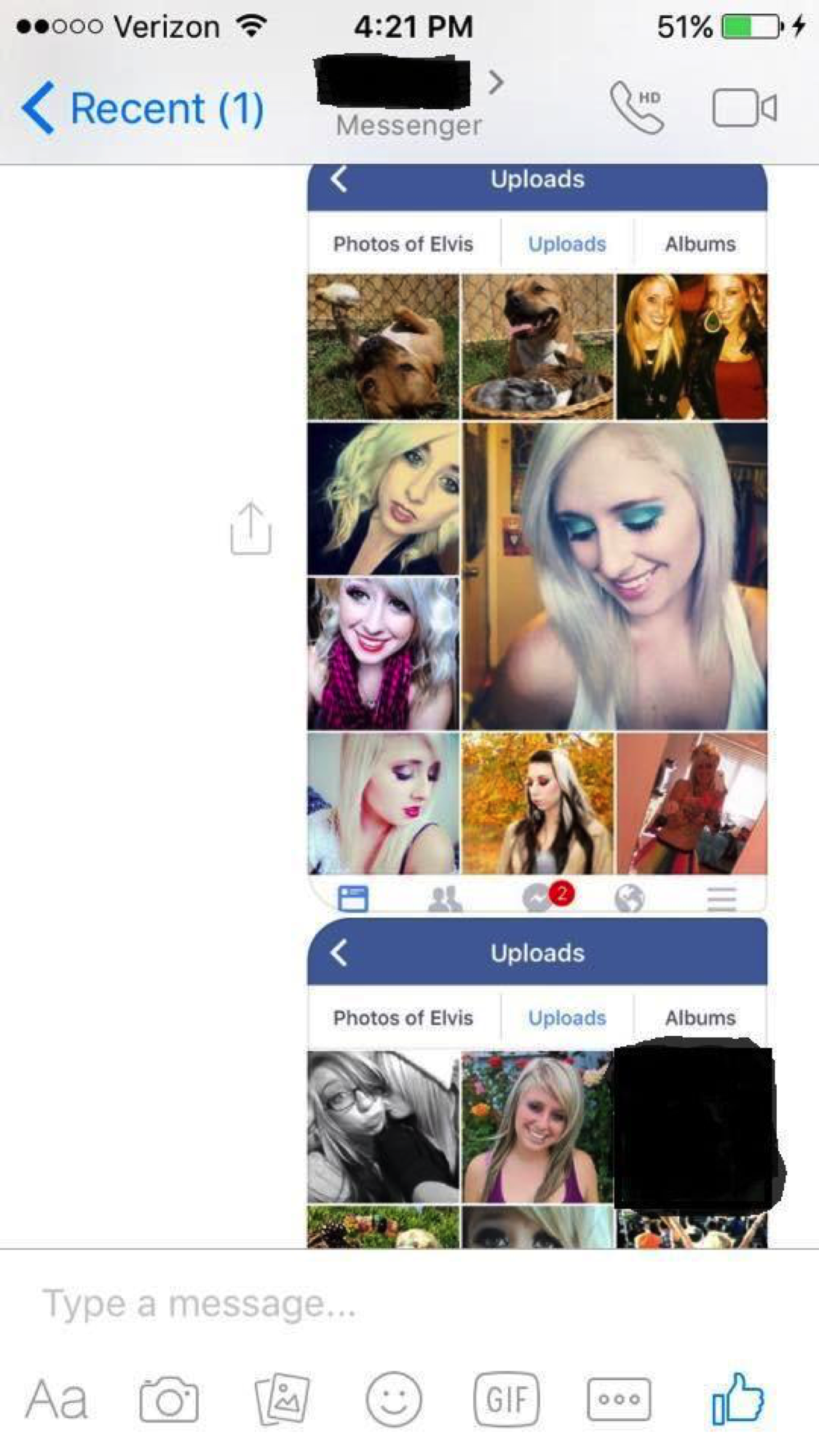
What if you saw your teenage daughter’s photo posted on a stranger’s Facebook page? Perhaps he created his own caption under her photo too, like “I’m so hot!” Perhaps he’s a grown man and has other women’s photos posted as well! I bet you’re thinking that’s too extreme or unlikely. Until recently, I would have agreed with you … until it happened to me. My name is Adrienne Roy-Gasper, and I am a CSUCI intern for Dr. Bennett. I was also guilty of thinking, “it won’t happen to me.” I believed my photos were safe on Facebook, and no one would ever want them.

I WAS WRONG.

Theft of my Photos

Several weeks ago, I received a message from a Facebook friend saying a forty-year-old man had a bunch of photos of me on his Facebook page. She elaborated, “This guy was being really scary and inappropriate with my friend, so I was looking through his Facebook page and saw pictures of you!”

My stomach dropped. I was shaking. My heart was racing. I panicked. When I went to his page, I saw that this man had visited my profile, stole my pictures, and posted them!

BLOG71PROFILEPICS

I was shocked and scared. I didn’t know this man. I never saw him in person. Never spoke to him. Yet somehow, he found my profile and stole my photos.

Why would he do this? Who is this guy? Why me? How did he find my Facebook profile? What else could he be using these photos for?!

I was freaked out and ready to cry. Maybe my reaction was “overdramatic.” But I was just notified that this man was sexually harassing another girl. This potentially dangerous man, who was a lot older than me, was downloading and publicly posting my personal pictures. How long had he been tracking me? Since I was 17? 20? A year ago? I wasn’t sure, and I didn’t have a way to find out.

How I Got Him to Cooperate

First, I asked for advice from friends and family by posting a Facebook message about the situation. Many of them were frightened for me. They felt it was unsafe and were just as upset as I was. With their suggestions, I ultimately decided to be direct and message this man with a polite request to remove my photos.

I messaged, “I notice that my pictures are on your profile. I did not give you permission to use them. Can you please take them down?”

Now it gets even stranger. Instead of taking the photos down, he replied, “I thought I told you I will when I get back.”

His response was so confusing to me. You thought you told me what? That you stole my pictures? I politely messaged him again, explaining that I’d never spoken with him before.

His response was defensive, “So don’t say rude things to me,” he replied.

At this point, I lost it!

Friends and family came to my rescue and decided to say something to him. I am not one for cyberbullying, but that’s what it came down to. Ten of my friends messaged him with threats like calling the cops or finding him and beating him up. Finally, he took my pictures down.

What do you think?

I kind of worry that this was a mass cyberbully campaign. But was it? Were my champions justified? Whether it was a good reason or not, I ended up feeling guilty but happy that he no longer had my photos on his profile.

BLOG71Circledphones

I don’t know of many people this has happened to, and I wasn’t sure how to react. After I had time to process what had happened, I discussed the situation with our intern group and agreed to share the story, research solutions, and offer advice.

Facebook’s safety features suggest that you first try to handle situations like this on your own. If it remains a problem, then report it.

  • Go to Facebook’s Desktop Help. Go to “Report something” on the side.
  • Click what fits your problem the most. For me it was, “Someone is using my photos or my child’s photos without my permission.”
  • Then click the link that says, “Get help reporting unauthorized photos.”
  • Click “Image privacy rights.”
  • Lastly, click what fits your problem the most. For me, I would have chosen “Imposter accounts.”
  • Facebook will take you to a form to fill out and, hopefully, they will agree that something needs to be done.

There are three frustrating aspects to this reporting process:

  • First, you have to sit and wait for their response while the photo remains active.
  • Another frustration is your photos may not get removed from the other person’s account. Facebook may disagree with you and not view it as a problem.
  • Finally, Facebook can’t do anything about the fact the guy had downloaded the photos for his personal collection. Yuck!

Despite my initial reservations, I came away from this situation feeling that I went about it reasonably.

If timely trouble-shooting Facebook options are limited, I suggest two further considerations:

  • Don’t ever post photos with intimate content. You never really know where they’ll end up!
  • Select strict privacy settings on all social media profiles from the beginning rather than waiting until the damage is done.
    • There are even worse situations that could occur, such as virtual kidnapping, where a person collects personal information from your social media accounts and uses it to extort money from your loved ones, saying you are in danger and will be harmed or even killed if they do not send money. Or imagine if a child pornographer collects and shares your images with other sickos! Dr. Bennett suggests we re-label “child pornography” to be “images of child sexual assault.” I hadn’t considered that before, but I agree with her because that’s exactly what it is.
  • Disable location services for Facebook on your mobile device.

Take it from me! By accepting the Terms of Agreement from each social media app, we are consenting to have our personal data tracked, collected, and used for corporate profit and potentially personal exploitation. We apparently think it’s a reasonable trade for the free fun and real-time communications we have with friends and family. But the truth is, we all now have our virtual identity to protect as well as our nonvirtual identity. And if you’re a parent, posting images and information about your children launch their digital footprints as well as your own.

Before every comment and image I post, I now ask myself some important questions, including, “Do I care if this image is out there on the World Wide Web?”

Take a moment today and talk to your kids about netiquette, digital footprints, and online privacy. Check out Dr. Bennett’s article, “How to Create an Open, Honest Screen Media Family Conversation Like a Boss,” for tips about how to get started.

11755355_1062290680448181_4814698546326661932_nCongratulations and thank you to Adrienne Roy Gasper, CSUCI intern, for authoring this awesome GKIS article!

I’m the mom psychologist who will help you GetKidsInternetSafe.

Onward to More Awesome Parenting,

Tracy S. Bennett, Ph.D.
Mom, Clinical Psychologist, CSUCI Adjunct Faculty
GetKidsInternetSafe.com

Photo Credits

Facebook: The privacy saga continues by Ruth Suehle CC BY-SA 2.0

Wrong neighborhood, motherf*cker! by Kahlil Opeda, CC BY-NC-ND 2.0

Snapchat’s New Snap Map Feature May Be a Better Privacy Option Than Facebook: What Parents Need to Know

Snap Map feature on Snapchat

Hey GKISsers. I’m in Berlin (!) for a security conference, and my email feed is alive with press inquiries for my opinion about how Snapchat’s new Snap Map feature threatens child safety. Because I try to have a life, I was unable to respond quickly. But I’m on it now, AND I have a unique opinion about why I’ve chosen Snapchat over Facebook on this trip for privacy reasons. Huh? You may ask.

Let’s start with Snapchat’s big news

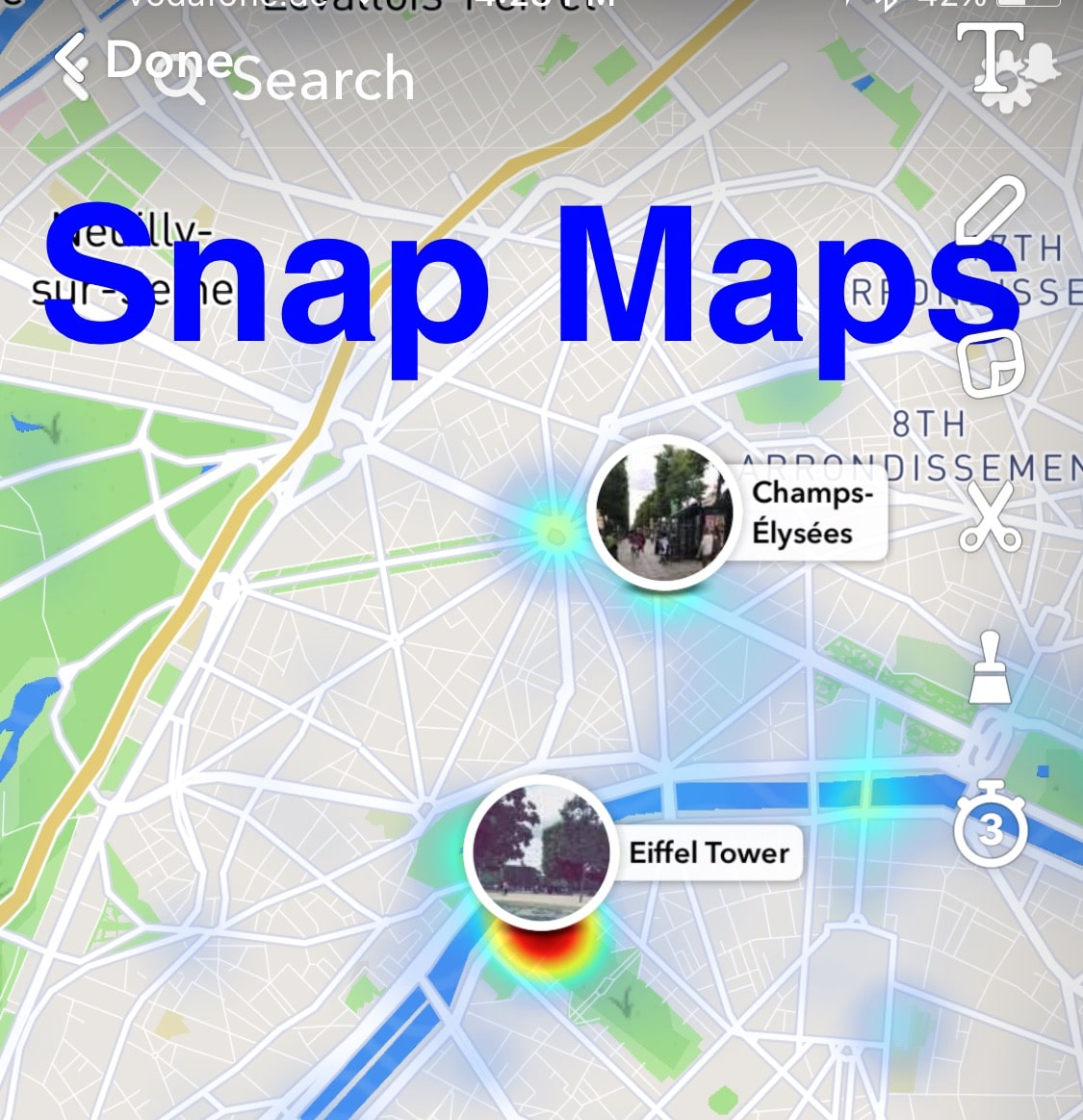
Here’s the skinny: With the new 10.11 Snapchat update, your teen’s worldwide location can be tracked real time using the new feature Snap Maps. That means anybody can pull up a map and see exactly where your child is posting from in the moment with such precision one can see which part of a building your child is in. Location updates only when Snapchat is open and will disappear from the map if the app hasn’t been opened for several hours.

Their location shows up as an “Actionmoji” on a map – an avatar doing Snapchat’s best guess of activity typical of that location (like sitting under an umbrella at the beach or listening to music). Snapchat also notes your speed of travel and whether or not your headphones are plugged into your phone. If your child views the map, she can see where her friends are at anytime, and what she is missing out on. She may also see the locations of Snapchat users she does not know for snaps submitted to “our story,” like a collection of snaps at a concert or sports event. Amazing to get a snapchat view of events occurring real time around the world.

In order to create this new feature, Snap bought social media mapping startup Zenly in May of this year. Snapchat’s press release states, “We’ve built a whole new way to explore the world! See what’s happening, find your friends, and get inspired to go on an adventure!”

What does that mean for our kids?

It means that today, not tomorrow, your kids need to select the ghost feature for Snap location sharing, or their Snapchat buddies may be able to track their exact location real time.

For the FOMO (fear of missing out) of adolescence, this feature is cool. Imagine seeing where friends and other Snap users are at all times, maybe inspiring Friday night plans or providing options about where to go. Also, if there are lots of Snapchat posts in one location, a patch of color appears to identify the hotspot. If friends are all in one group, you can even kick off a group chat. How cool is that? But let me be a huge mom-like buzzkill and paint a picture about what that could mean based on terrifying human trafficking scenarios I’ve seen in my office:

Impulsive Snap from your daughter: “<pouty face> alone again on a Friday night”

Snap maps identifies her bedroom address with a map to every creeper your daughter happened to friend in order to get her numbers up.

Knock at the door

I know that sounds dramatic, but it happens more than we’d like to think. Check out my GKIS article to learn how pimps and predators search out teens on social media to groom them for a face-to-face meeting. Imagine your daughter eventually agreeing to meet a predator who’s been wooing her for weeks for promised romance, tenderness, gifts, and understanding (what all young girls dream about), resulting in her being drugged and locked in a room so her new pimp can arrange a series of rapes by paying customers. I sincerely apologize for the graphic representation of truth, but honestly parents, we need to face the facts to get our GetKidsInternetSafe.

On a less scary note, there’s also a cyberbully risk when kids can see exactly which get-togethers they were excluded from.

What can you do to help keep your child safe?

  • If you’ve agreed to Snapchat for your teen, download the app and check it out so you can set up an informed digital contract with ongoing educational dialogue. Here is my GKIS article to help with Snapchat basics (update with Snap Maps pending).


  • Require that your child select appropriate privacy options on Snapchat. When you are on the Snapchat camera home screen, pinch out to get to Snap Maps. Tap on the settings gear in the top right hand corner. Select who you want to share your location with (a select group of friends, all Snapchat friends, or no friends at all – ghost mode). Obviously, I recommend that the ghost mode option “no friends at all” be selected. If friends-only gets selected, have a discussion about what that might mean in regard to friending strangers, frenemies, or what may happen if there is a falling out with a friend.


  • Keep a dialogue going to stay in the loop and model that you are a go-to consultant for social media and Internet challenges. Mistakes are inevitable, and you want to be a calm and knowledgeable resource for your child. No shame, no blame.


  • Turn the location option off for your smartphone camera to avoid default geotagging on all photos.


  • Finally, join me in pressuring the government to require social media apps to offer SAFE ACCOUNTS for use under 18. These accounts would be locked on highest privacy settings with location turned off.

You might be wondering why I don’t simply red light Snapchat with risks like these? I yellow light Snap, because it is a pretty amazing social media app that even I use with friends on occasion. I even prefer it for my activities right now.

Why did I choose Snapchat over Facebook for security reasons this week?

I mentioned that I’m in Berlin. As an avid Facebook user I wanted to share photos of this amazing experience I’m having with friends and family. The problem? I wasn’t particularly comfortable advertising to my 400+ FB friends that my home sat empty. Yes I keep my buddy list culled to friends and family, but I have added some bloggers and business people I particularly admire as well as high school friends. I can’t be 100% sure my privacy is secure. On Snapchat I have far fewer followers.

My carefully culled buddy list and convenient Snapchat story option (with creative filters) is the perfect format to send fun pics of me braving the metro in Paris on my own, wearing wooden clogs in Amsterdam, and sharing my Berlin taxi driver’s impressive road rage. In other words, on this occasion I think Snapchat was more secure than Facebook. PLUS my images go away. I don’t have to hire the 13 year-old across the street to delete my photos one-by-one, because I share TOO MUCH and that digital exhaust follows me for years. An ongoing saved photo stream is just too intimate. AND once posted, Facebook owns that content. Of course, Snapchat is reputed to also keep images for months on their server even after disappearing.

There you have it. I am not entirely Internet safe by choice, which occasionally has me worried amongst these intense security experts in Berlin who’s digital footprints are nil for good reason. They know the worst-case scenarios and made their best decisions. Are you making yours? And more importantly, are your teens posting safely?

I’m the mom psychologist who will help you GetKidsInternetSafe.

Onward to More Awesome Parenting,
Tracy S. Bennett, Ph.D.
Mom, Clinical Psychologist, CSUCI Adjunct Faculty
GetKidsInternetSafe.com

Why I Think the Fitbit is Remarkable, But Unnecessary


blog76fitbit

Imagine paying someone to body shame you every hour of the day. Shame! Shame! Shame! … Introducing the Fitbit! This device is a constant reminder of just how unfit you are. Many of us resist stepping on that scale, because we really don’t want to know our day-by-day weight. But we are willing to buy a shame generator. Why do we need a Fitbit to tell us that our jeans don’t fit anymore?

What is a Fitbit?

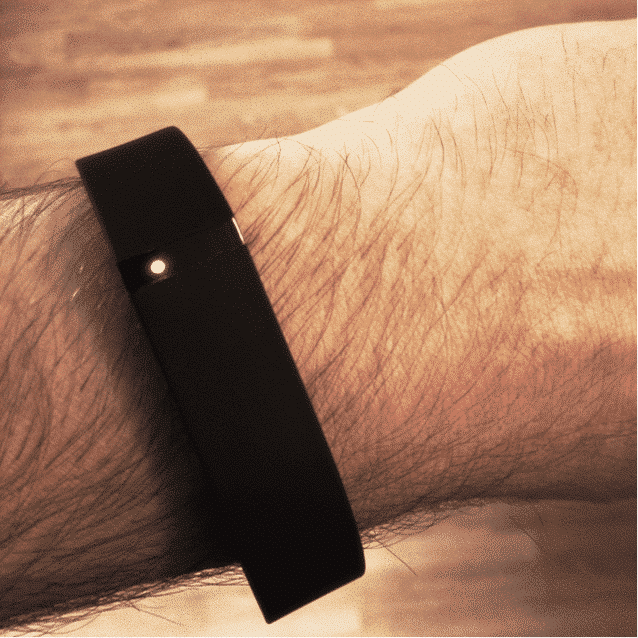
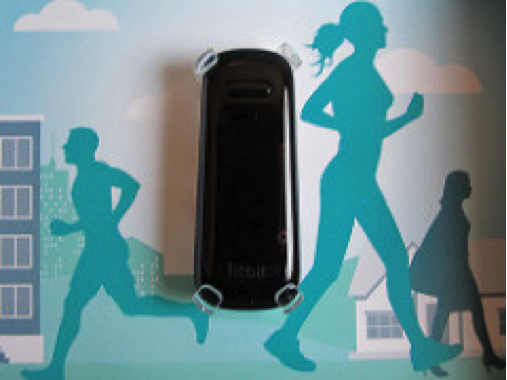
A Fitbit is a small electronic device you wear on your wrist that tracks your daily activity, exercise, food, weight, burned calories, heart rate, and sleep.

blog76fitbit4 blog76fitbit3 blog76fitbit2

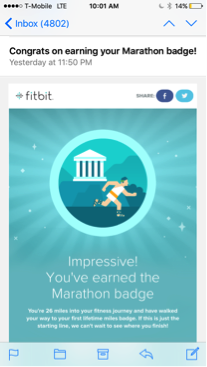
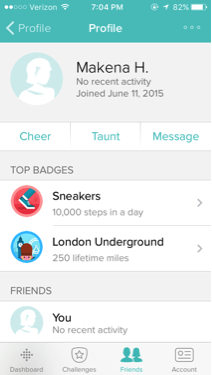
A Fitbit syncs wirelessly to your smartphone or computer. Fitbit software then provides customized graphs and charts that show your progress. Each time you reach a milestone, you get an achievement badge notification, which you can share with friends. You can also sync with other Fitbits to have a group challenge. You can taunt, cheer, and message your friends to make it more competitive.
blog76fitbit8

Why do we want a Fitbit?

Fitbits are selling like hot bread on a rainy day. According to the Fitbit reports, 4.5 million devices were sold in the second quarter of 2015. The company expects to gain revenue in the range of $1.6 billion to $1.7 billion for the whole year.

A Fitbit can make us feel like we are finally doing something to improve our health. I have a friend that pesters me to get one. He wants me to be as fit as him, but in reality, I’m in a better shape. Since he bought this device, his self-esteem has shot through the roof. The device sends him daily notifications to let him know how great he is.

blog76fitbit12

The Fitbit is fashionable, and it’s the latest technology in the fitness industry. It comes with different colors to match your clothes and looks like a watch. As we see more people purchasing it, we feel like we need one.

The risks of the Fitbit

  • Shame generator: Although the Fitbit provides positive inspiration for some users, it creates shame and anxiety in others. It’s intended to incentivize you towards a healthier lifestyle. However for many, instead of feeling rewarded by Fitbit data for a life well-lived, many feel punished instead for not living up to goals and expectations. What happens when you didn’t reach your daily steps or when you did not receive that accomplishment badge you were running for?

For me, the Fitbit is a shame generator. When it grasps on to your wrist, it sends subliminal messages that we may interpret as, “Are you not working out because you are too lazy?” or “Isn’t your friend doing better than you?” Some of us with a more self-deprecating way of thinking will interpret the messages as, “You are not completing your daily goals because you are fat!” Just think about the amount of times you’ve stepped on a scale and made a bad remark about your physique.

blog76fitbit13

And if it’s not enough to shame you real-time on your wrist, Fitbit will also link to your social media accounts. No longer do you need to soak in shame or self-approval alone. The Fitbit’s social media options allow you to announce to friends and family each daily failure or accomplishment. Compulsive fitness wrist checking with a side of compulsive checking for social media likes. Delicious!

  • Compulsive data tracking: I first decided to write about this topic when Dr. Bennett told the story during our meeting about a friend who bought their 5 and 7 year olds FitBits. She felt that teaching a child to compulsively track data about their bodies sends the wrong fitness message. Good health is more about enjoying activity in the moment rather than chasing data points on graphs.

But the Fitbit is designed to create compulsive use. According to Dr. Bennett, the Fitbit uses randomized “chatter” messages at a variable ratio of reward to keep people locked on Fitbit data in the same way video game developers and other marketers sell their products. A variable ratio of reward means that the consumer gets rewarded at irregular intervals during use. This method is proven to inspire compulsive use. Using a variable ratio of reward on slot machines is how casinos make money. The hope of an occasional payout keeps gamblers gambling even when they are losing their bottom line.

  • Privacy and data theft: Like other consumer products that make up the Internet of Things, The Fitbit is collected very personal data that is being stored and analyzed by unknown eyes. At first one might think the data is meaningless. However, consider what kind of information that could be extrapolated from your email address, heart rate, weight, sleeping patterns, and exercise patterns, including your GPS history. It’s one thing for a corporate entity to have that kind of personal data, but there have been several malicious hacks to Fitbit users to date. Fitbit says they are working on a more secure system but also admit that staying ahead of hacker attacks is a bit of a cat and mouse game.

I have to admit, even with my knowledge of the risks, I’m still tempted to get one because I think is a remarkable piece of technology. But two things keep me from paying for one, I am cheap and I’m majoring in psychology. This combination makes me feel like the Fitbit is unnecessary and potentially harmful to my privacy and self-concept. I refuse to pay more than a hundred dollars to know how many steps I take. If somebody gifted me the Fitbit, I would kindly accept it. But truthfully I think I’d find myself resenting the compulsion to consume unnecessary fitness data.

How to be fit without a Fitbit


  • By buying this device your fitness habits are unlikely to change. You need to take initiative. If you know that you need to sleep more, then do it. I believe that we already know how much sleep, food, and physical activity is necessary for optimal health. Why do not need a hundred dollar device to tell us what we already know?
  • If you buy a Fitbit because you think it will make you lose weight, the truth is you are only buying a trackingThe Fitbit provides data, but you must do the work.
  • What is the point of keeping track of your steps? Stop stressing about the amount of steps you didn’t walk and instead enjoy the walk real-time by practicing mindfulness exercises. As you walk … observe, listen, and feel your surroundings. Don’t let technology distract you from the real-time rewards of a beautiful walk in the sunshine.
  • Let the mirror and the fit of your clothing inform you about your progress. Why do you need artificial intelligence to tell you how good you look?
  • If you want a group challenge, why not plan a date with your friends. Go out and actually interact with them. Taking the time for a fun activity with your friends is far more fun than online competition.
  • Take control of your life and research what is good for your health. Avoid paying money for something you can get for free.
  • Most importantly, this device is basically a notebook. Why not get an actual notebook to record your progress? It is more accurate and less expensive.

Remember, SHAME IS LAME. What do you think? Scroll down and leave a comment letting us know if you love your Fitbit for rewarding good fitness or your are building resentment from the shame factor. 🙂 If you want to read more about the Internet of Things, check out Dr. Bennett’s article, “Why I Think Hello Barbie is Not a Smart Toy to Buy.”

IMG_2923Thank you to Cristian Garcia, CSUCI intern, for authoring this awesome GKIS article!

I’m the mom psychologist who will help you GetKidsInternetSafe.

Onward to More Awesome Parenting,

Tracy S. Bennett, Ph.D.
Mom, Clinical Psychologist, CSUCI Adjunct Faculty
GetKidsInternetSafe.com

Photo Credits

Instrumental Human (183/365) by Garret Coakley, CC BY-NC 2.0

Fitbit One by Rain Rabbit, CC BY-NC 2.0