Need peaceful screen time negotiations?

Get your FREE GKIS Connected Family Screen Agreement

internet of things

5G, the Internet of Things, and What it Means for Our Future of Privacy

The pandemic of 2020 has many of us working from home. For most of us, our internet must work quickly and efficiently to stay productive. The increasing demand for having reliable, quick internet coupled with new technology compatible with the internet has led to the creation of 5G, a new wireless internet connection. But many feel anxious about this new mobile network, wondering what impacts it may have on our health, privacy, and security. Learn all about 5G in today’s GKIS article.

What is 5G?

Introduced in 2019, 5G is the latest form of wireless internet connection. 5G will enhance internet connections and download speeds using “millimeter waves.” These waves are smaller and move faster than previously used 4G waves, allowing the space needed for the Internet of Things (IoT).

What is “IoT”?

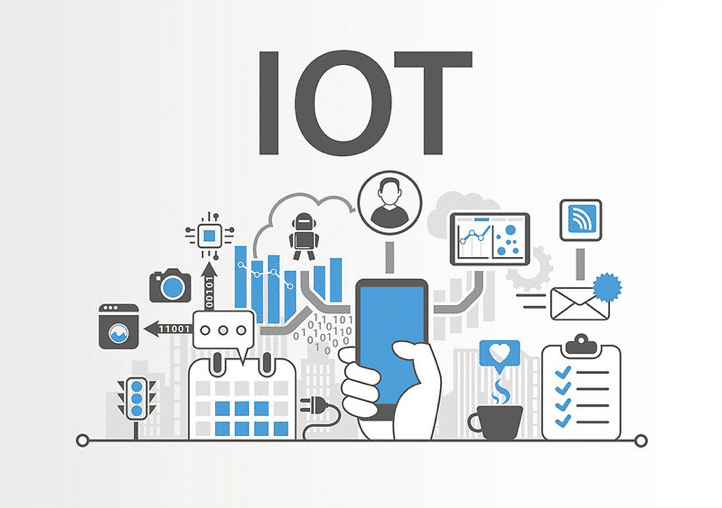
IoT stands for the Internet of Things, which refers to wired and WiFi-connected home products that collect data about our daily behaviors. This data is then used to better target us for marketing, to improve services, and to make more efficient, informed decisions based on probability and statistics. Currently, we have 6.5 billion devices connected to the internet. It is estimated that by 2026, more than 75 billion devices will be connected to the internet generating $1.1 trillion a year.1
How will IoT be applied?

Consumer

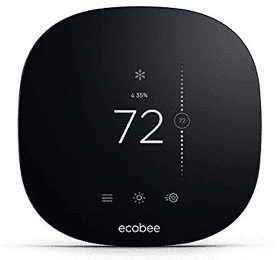
Door locks, security cameras and monitors, home appliances, light fixtures, thermostats, smart televisions, smart refrigerators, media platforms, and voice-assisted digital assistants like Amazon’s Alexa, Apple’s Siri, Google’s Google Assistant, and Microsoft’s Cortana will have the capacity to sense, analyze, and act as well as deliver data to the corporation for analysis, storage, and sharing.

Commercial

IoT is being applied to many industries, including the healthcare and automobile industries through the use of video training, building automation, security robots, pacemakers, wireless infusion pumps, and vehicle to vehicle communication (V2V). In 2019, at the Mobile World Congress in Barcelona, Dr. Antonio de Lacy guided a team of doctors operating on a patient through a live video from the other side of town.2 The video is clear, in real-time, and with no delays.

Military

Drones, robots, surveillance, and wearable biometrics are being implemented for warfare.

Industrial

Industrial applications of IoT include statistical evaluations of big data from manufacturing robots and smart farming. One study estimates IoT will replace up to 800 million farmworkers by 2030.3 Vertical farms and warehouses can produce the exact amount according to demand, rather than a surplus, and without the expense of employing workers.4

Infrastructure

Barcelona has embraced the development of becoming a “smart city” through the use of IoT. The results appear to have a positive impact on their economy, resulting in a $50 million per year revenue on smart parking alone. They have decreased their costs in energy consumption by $37 million a year using self-regulating lights, as well as saving $58 million a year with “smart gardens” that water plants at the right place and the right time.5

Security, Privacy, and the Internet of Things

We are headed for a paradigm shift, where our physical belongings are increasingly becoming computer systems. What was first “internet security” will be “everything security.” Unfortunately, most IoT software being manufactured and marketed is poorly written, insecure, and in the hands of corporations. Although you may trust the corporation with your data, do you trust the hackers who can breach that corporation’s controls to get access to it?

Security just isn’t a pressing concern for corporations and consumers. As consumers, we want inexpensive devices that work. Having insecure appliances connected to the internet like a thermometer, which is normally intended to last a long time, is dangerously allowing hackers the opportunity of exploitation.6 You might be able to get away with leaving the front door of your home unlocked, but in the cyberworld, every door can be attacked. Security professionals and hackers alike use what is known as wardriving to locate and record WiFi networks using a GPS.7

Wardriving is a GPS used to locate vulnerable and unprotected WiFi from a car. Problems arise when hackers recover the WiFi password through other connected smart devices.8 Thermometers, baby monitors, smart toys, surveillance cameras, and vehicles have been hacked in the past.9 More recently, throughout this pandemic, video conferencing Zoom applications have been hacked and banned all around the world because of poor security.10 Steps towards securing the IoT will need to be regulated, rather than patching the software for security after-the-fact, like Zoom.

Thank you to GKIS intern Andrew Weissmann for researching and authoring this article. To learn how to increase the cybersecurity in your home and identify the red flags that suggest your child may be in danger from bad actors online, check out our GKIS Cybersecurity and Red Flags Supplement. For less than a cup of coffee, you can be more informed and assured your family has adopted the best cyber-safety practices.

I’m the mom psychologist who will help you GetKidsInternetSafe.

Onward to More Awesome Parenting,

Tracy S. Bennett, Ph.D.
Mom, Clinical Psychologist, CSUCI Adjunct Faculty
GetKidsInternetSafe.com

Work Cited

1 Securitytoday.com The IoT Rundown for 2020 Stats, Risks, and Solutions

2 Cnet.com 5G is still a little magic, a little smoke and mirrors

3 Career.du.edu University Denver How will the Internet of Things Affect your Job Prospects

4 Digital Trends Leafy greens are grown by machines at new, automated Silicon Valley farm

5 Datasmart.ash.harvard.edu

6 Nist.gov What is the Internet of Things (IoT) and How can we secure it?

7 Techterms.com Wardriving

8 Internet of Things Security Ken Munro

9  Finance-monthly.com The Worst and Weirdest IoT Hacks of All TImes

10 Techrepublic.com Who has banned Zoom? Google, NASA, and more

Photo Credits

Flickr- by 4timesfasttechnologies

Flickr- by Jefferson William

Flickr- by terrasphere

Flickr- by Rick Teremi

Flickr- by Mike Dent

Three Online Risks That Most Parents Don’t Know About


GG-blog-image-snowy-cabin-1

I’m snuggled into bed at our family’s mountain cabin waiting for snow with anxious anticipation of the holidays. I smile as I reminisce about each child’s favorite toys over the years. The Christmas Eve when my husband and I were up ‘til 3 am constructing an insanely complex train table, the battery-operated Jeeps that were abandoned quickly when we realized they couldn’t propel up our wildly steep driveway, the hours spent figuring out the parental controls on shiny new Apple products. In some ways I’m grateful my kids are no longer little ones. Tonight my oldest made a yummy taco dinner and the two little ones did the dishes. The days are gone where my husband and I were run ragged finding binkies and chasing toddlers. They were precious for certain, but tonight I consider the cyber challenges parents are currently facing with their kids.

To read more, click here. Thank you to GoGuardian for publishing this article.

Why I Think the Fitbit is Remarkable, But Unnecessary


blog76fitbit

Imagine paying someone to body shame you every hour of the day. Shame! Shame! Shame! … Introducing the Fitbit! This device is a constant reminder of just how unfit you are. Many of us resist stepping on that scale, because we really don’t want to know our day-by-day weight. But we are willing to buy a shame generator. Why do we need a Fitbit to tell us that our jeans don’t fit anymore?

What is a Fitbit?

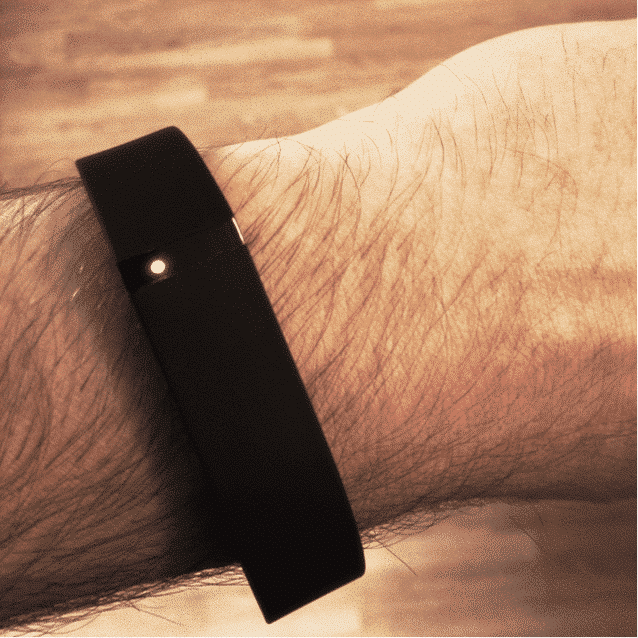
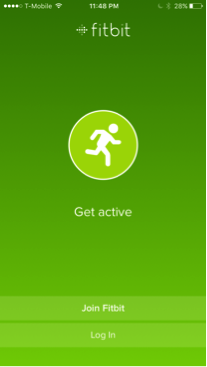
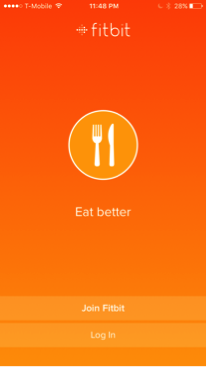
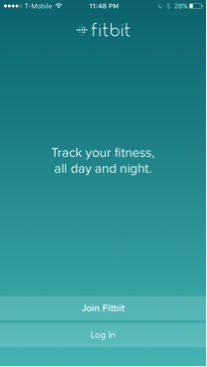
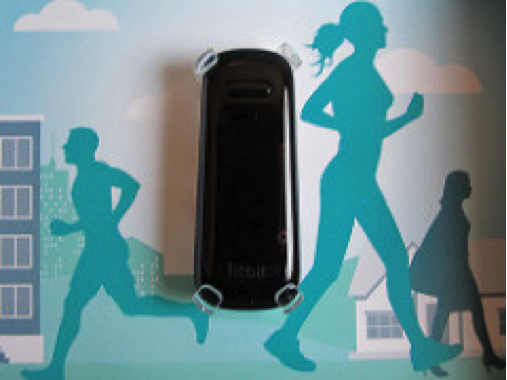
A Fitbit is a small electronic device you wear on your wrist that tracks your daily activity, exercise, food, weight, burned calories, heart rate, and sleep.

blog76fitbit4 blog76fitbit3 blog76fitbit2

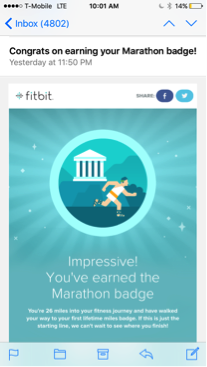
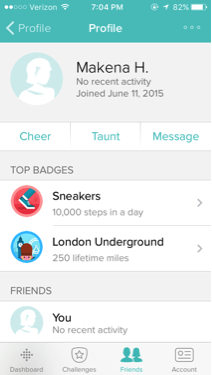
A Fitbit syncs wirelessly to your smartphone or computer. Fitbit software then provides customized graphs and charts that show your progress. Each time you reach a milestone, you get an achievement badge notification, which you can share with friends. You can also sync with other Fitbits to have a group challenge. You can taunt, cheer, and message your friends to make it more competitive.
blog76fitbit8

Why do we want a Fitbit?

Fitbits are selling like hot bread on a rainy day. According to the Fitbit reports, 4.5 million devices were sold in the second quarter of 2015. The company expects to gain revenue in the range of $1.6 billion to $1.7 billion for the whole year.

A Fitbit can make us feel like we are finally doing something to improve our health. I have a friend that pesters me to get one. He wants me to be as fit as him, but in reality, I’m in a better shape. Since he bought this device, his self-esteem has shot through the roof. The device sends him daily notifications to let him know how great he is.

blog76fitbit12

The Fitbit is fashionable, and it’s the latest technology in the fitness industry. It comes with different colors to match your clothes and looks like a watch. As we see more people purchasing it, we feel like we need one.

The risks of the Fitbit

  • Shame generator: Although the Fitbit provides positive inspiration for some users, it creates shame and anxiety in others. It’s intended to incentivize you towards a healthier lifestyle. However for many, instead of feeling rewarded by Fitbit data for a life well-lived, many feel punished instead for not living up to goals and expectations. What happens when you didn’t reach your daily steps or when you did not receive that accomplishment badge you were running for?

For me, the Fitbit is a shame generator. When it grasps on to your wrist, it sends subliminal messages that we may interpret as, “Are you not working out because you are too lazy?” or “Isn’t your friend doing better than you?” Some of us with a more self-deprecating way of thinking will interpret the messages as, “You are not completing your daily goals because you are fat!” Just think about the amount of times you’ve stepped on a scale and made a bad remark about your physique.

blog76fitbit13

And if it’s not enough to shame you real-time on your wrist, Fitbit will also link to your social media accounts. No longer do you need to soak in shame or self-approval alone. The Fitbit’s social media options allow you to announce to friends and family each daily failure or accomplishment. Compulsive fitness wrist checking with a side of compulsive checking for social media likes. Delicious!

  • Compulsive data tracking: I first decided to write about this topic when Dr. Bennett told the story during our meeting about a friend who bought their 5 and 7 year olds FitBits. She felt that teaching a child to compulsively track data about their bodies sends the wrong fitness message. Good health is more about enjoying activity in the moment rather than chasing data points on graphs.

But the Fitbit is designed to create compulsive use. According to Dr. Bennett, the Fitbit uses randomized “chatter” messages at a variable ratio of reward to keep people locked on Fitbit data in the same way video game developers and other marketers sell their products. A variable ratio of reward means that the consumer gets rewarded at irregular intervals during use. This method is proven to inspire compulsive use. Using a variable ratio of reward on slot machines is how casinos make money. The hope of an occasional payout keeps gamblers gambling even when they are losing their bottom line.

  • Privacy and data theft: Like other consumer products that make up the Internet of Things, The Fitbit is collected very personal data that is being stored and analyzed by unknown eyes. At first one might think the data is meaningless. However, consider what kind of information that could be extrapolated from your email address, heart rate, weight, sleeping patterns, and exercise patterns, including your GPS history. It’s one thing for a corporate entity to have that kind of personal data, but there have been several malicious hacks to Fitbit users to date. Fitbit says they are working on a more secure system but also admit that staying ahead of hacker attacks is a bit of a cat and mouse game.

I have to admit, even with my knowledge of the risks, I’m still tempted to get one because I think is a remarkable piece of technology. But two things keep me from paying for one, I am cheap and I’m majoring in psychology. This combination makes me feel like the Fitbit is unnecessary and potentially harmful to my privacy and self-concept. I refuse to pay more than a hundred dollars to know how many steps I take. If somebody gifted me the Fitbit, I would kindly accept it. But truthfully I think I’d find myself resenting the compulsion to consume unnecessary fitness data.

How to be fit without a Fitbit


  • By buying this device your fitness habits are unlikely to change. You need to take initiative. If you know that you need to sleep more, then do it. I believe that we already know how much sleep, food, and physical activity is necessary for optimal health. Why do not need a hundred dollar device to tell us what we already know?
  • If you buy a Fitbit because you think it will make you lose weight, the truth is you are only buying a trackingThe Fitbit provides data, but you must do the work.
  • What is the point of keeping track of your steps? Stop stressing about the amount of steps you didn’t walk and instead enjoy the walk real-time by practicing mindfulness exercises. As you walk … observe, listen, and feel your surroundings. Don’t let technology distract you from the real-time rewards of a beautiful walk in the sunshine.
  • Let the mirror and the fit of your clothing inform you about your progress. Why do you need artificial intelligence to tell you how good you look?
  • If you want a group challenge, why not plan a date with your friends. Go out and actually interact with them. Taking the time for a fun activity with your friends is far more fun than online competition.
  • Take control of your life and research what is good for your health. Avoid paying money for something you can get for free.
  • Most importantly, this device is basically a notebook. Why not get an actual notebook to record your progress? It is more accurate and less expensive.

Remember, SHAME IS LAME. What do you think? Scroll down and leave a comment letting us know if you love your Fitbit for rewarding good fitness or your are building resentment from the shame factor. 🙂 If you want to read more about the Internet of Things, check out Dr. Bennett’s article, “Why I Think Hello Barbie is Not a Smart Toy to Buy.”

IMG_2923Thank you to Cristian Garcia, CSUCI intern, for authoring this awesome GKIS article!

I’m the mom psychologist who will help you GetKidsInternetSafe.

Onward to More Awesome Parenting,

Tracy S. Bennett, Ph.D.
Mom, Clinical Psychologist, CSUCI Adjunct Faculty
GetKidsInternetSafe.com

Photo Credits

Instrumental Human (183/365) by Garret Coakley, CC BY-NC 2.0

Fitbit One by Rain Rabbit, CC BY-NC 2.0