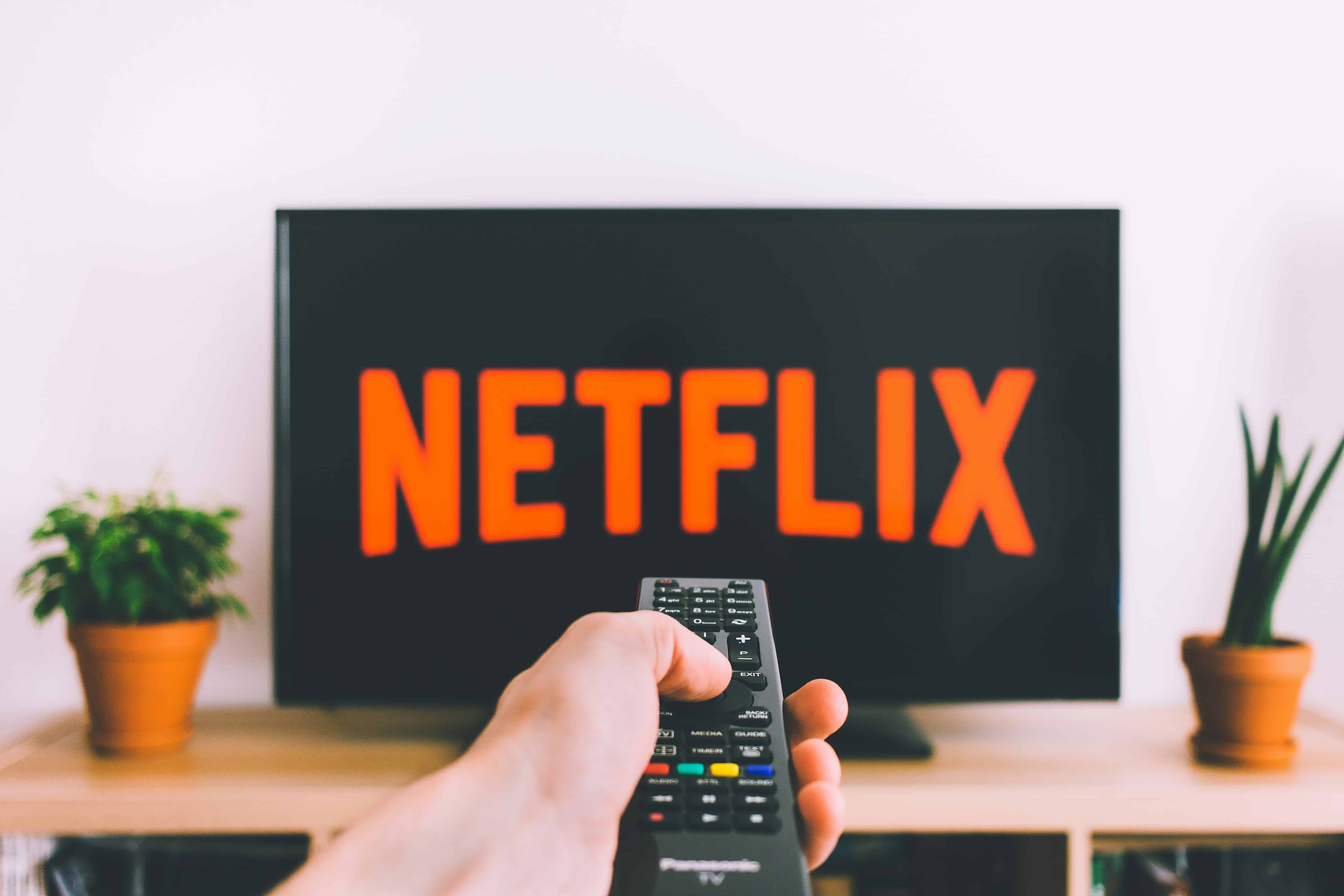
We were hunters and gatherers for 90% of human existence. That means our brains are still wired to prioritize the things that kept us alive when we were living on the land, before the domestication of animals and the construction of cities. One thing that kept us alive was living in a tribe and cooperating. Attracting a tribe and fitting in was a requirement of life. That is why kids and teens are hyper-focused on doing what their friends do and working to be cool and accepted. Online influencers count on this drive to maintain their income streams. One way to attract kids online is to be a kid doing what kids love to do, playing with toys and video games, opening new packages, and hanging out with friends acting goofy. Netflix’s Bad Influencer offers a glimpse of the kid influencer “scene,” and the lengths that some parents will go to attract and keep a following.
What is Bad Influence about?
The limited documentary series has gone viral for good reason. It’s definitely entertaining, but also deeply unsettling. It is a perfect way to raise awareness about how scary a life all about social media can be. Bad Influencer is a documentary that focuses on a tween who becomes an overnight social media star and brings her friends to stardom with her. What started out as a fun hobby quickly turned into a living nightmare. It may seem glamorous to be famous online, until you learn that the child influencers spent the majority of their childhoods working long hours acting out video ideas, risky stunts, and performing pranks that sometimes went too far—all under the pressure of adult producers/parents hungry for views. Check out Intimacy With Minors Encouraged at the Hype House for a similar story of underage exploitation.
SPOILER ALERT: The show takes a chilling turn when the mother of the main character is accused of, and videotaped, sexually exploiting these kids on set by positioning herself as one of the only adults supervising them to control them. Some survived the battle with only a few scars, while the main character is stuck living this nightmare over and over again. It may be funny, exaggerated, and attention-grabbing, but it also paints a dark picture of a digital world where clout matters more than character and children are left to pay the price.
Psychology Behind the Fame Obsession
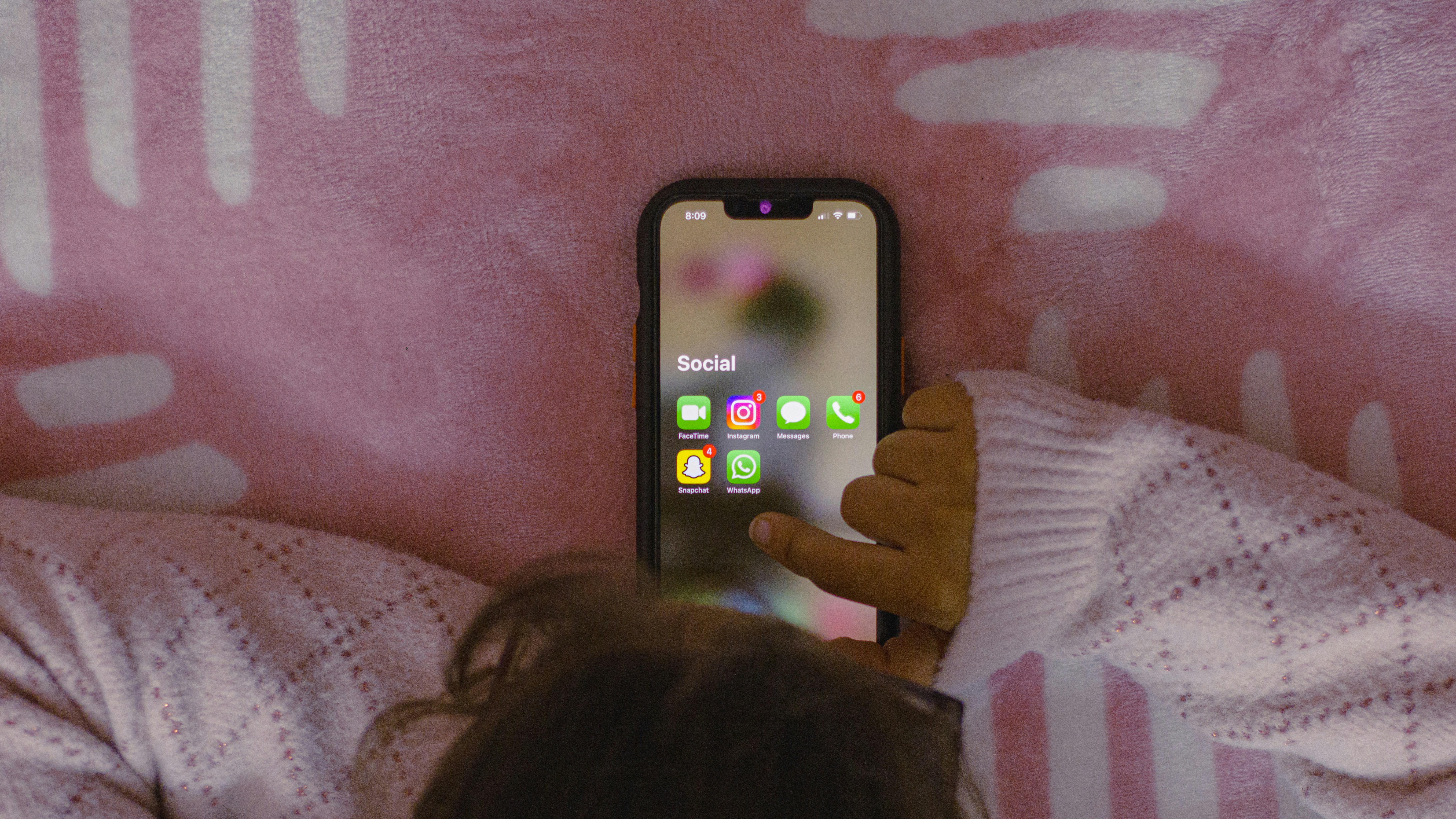
From a psychological point of view, being an influencer is cool to children because they have a natural need for validation, attention, and social connection.[1] Although the minimum age on most social media platforms is 13, it is reported that children ranging from 8-17 are found scrolling through online platforms soaking up content too mature for their ages.[2] Sadly, unlike real-world relationships, social media platforms offer fast, unfiltered dopamine hits through likes, shares, and views. Without proper guidance, this can make kids tie their self-worth to online numbers, which can result in low self-esteem, fear of missing out (FOMO), performance anxiety, and digital addiction.[3] As a result of social unlimited social media usage, kids can also experience anxiety, depression, and even poor quality of sleep.[4] Counteract this monster and help your child build emotional resilience, red flag awareness, and digital literacy by taking our GKIS Social Media Readiness Training Course. Geared for teens or tweens, it’s the perfect giftbefore that new device or video game.
What You Can Do to Help
Bad Influencer is not just a show; it’s a cautionary tale that shares the pressures kids face online every day. It is easy to get off topic and want to pull the plug on all electronics just to protect your child from their dangers, but that is not always possible. Technology and online platforms are all around us, and it is better to set your child up for success than to try to keep them out of the loop. Connecting with your child over what they find interesting can help create a trusting relationship where you can notice if things start to become a little off. Our free Connected Family Screen Agreement can help you and your child co-create rules around how to safely navigate online platforms. This way your child can thrive in the digital age without losing themselves in it.
Thanks to CSUCI intern, Elaha Qudratulla for researching and co-writing this article.
I’m the mom psychologist who will help you GetKidsInternetSafe. Onward to More Awesome Parenting,
Even with parental oversight, children are often exposed to harmful and dangerous ideas on the internet. It’s too easy for an online influencer to gain a large platform to spread radical ideas and infect highly impressionable kids. Andrew Tate, a person who skyrocketed to internet fame in 2022, is one of these influencers. Tate is well-known for creating violent and sexist online content and has amassed billions of views. Children have unprecedented, unfiltered access to this information everywhere, particularly on social media platforms. But with Dr. Bennett’s Social Media Readiness Course, you can help your tween or teen learn to navigate social media more safely. Even one view is too many. Check out our Social Media Readiness Course today. Today’s GKIS article describes the wildly popular platform of Andrew Tate and details the risks that may be posed to your child online – and how to avoid them!
Who is Andrew Tate?
Andrew Tate is a hugely popular American-British social media personality who gives men and young boys dating, financial, and life advice. He was a four-time world champion kickboxer that appeared on the TV show Big Brother in 2016. This was short-lived as Tate was fired from the show due to a video that surfaced on the internet of him beating a woman with a belt.
Tate then founded a website called Hustler’s University where he offers online courses about how to make money from online business. You also get access to his private Discord server, where there is more information about making money through crypto, E-commerce, and stocks. Various reviews about Hustler’s University allege much of the information being sold can be found on other websites for free. Many people have also described it as a multi-level marketing scam.
Tate claims his financial success is from his webcam business and crypto. However, the ethics of how he gained his wealth is questionable. In April 2022, Tate and his brother Tristan were raided by the Romanian police due to a tip from the US embassy that a young American woman was being held hostage in their home in Romania. Authorities have stated that there is an ongoing investigation into human trafficking and rape allegations.
His Meteoric Rise (and Downfall) to Internet Fame
It is almost impossible to be on social media without seeing a clip of Andrew Tate voicing his controversial opinions. He started gaining popularity during the early summer of 2022. His popularity skyrocketed on various social media platforms such as Instagram, Tiktok, and Twitter. He has appeared on multiple popular podcasts and Twitch streams. He also has his own YouTube channel called Tate Speech.
Involuntary Celibates
The statements Tate has shared on social media follow the ideology of the involuntary celibate (incel) movement, an online subculture of self-identified involuntarily celibate men who express hateful attitudes towards other men who are successful with women and hold misogynistic beliefs. In the article, Could Your Son be an Incel in the Making?, we deep dive into the incel movement and explain how to protect your children from online hate groups.
In a clip discussing the #MeToo movement, Tate said, “If you put yourself in a position to be r***d, you must bear some responsibility.” In another viral TikTok video, he says, “It’s bang out the machete, boom in her face, and grip her by the neck. Shut up bitch” if a woman were to accuse him of cheating. He has gained 4.3 million Instagram followers with many of these videos reaching billions of views.
Rightfully so, Tate’s rhetoric has sparked enormous public outcry. Yet many people post support for his outrageous statements. Unfortunately, even bad attention is good attention on social media. Too often the loudest and most controversial influencers attract the biggest followings. Many social media platforms such as Tiktok, Twitter, Facebook, Instagram, and YouTube banned him.
Potential Risks Children May Face
Sadly, kids don’t have the cognitive skills or experience to successfully maneuver through the complex moral dilemmas posed on social media. Sometimes they emulate influencers because they see that it attracts attention. Teachers have been sharing their experiences of hearing young students repeating things Andrew Tate has said to other students and are alarmed about his influence.
Potential risks children may face when exposed to inappropriate online hate speech include:
a sense of inferiority and shame
hateful attitudes and beliefs about women that can have long-term impacts on the ability to develop healthy relationships
low self-esteem
desensitization to immoral ideas
exposure to scammers and those intending to exploit kids
mental health problems
Here’s What You Can Do
Andrew Tate is not the first and won’t be the last to spread dangerous rhetoric on the internet. Get equipped with the proper tools to help you and your children stay safe while surfing the wild web. Check out our most comprehensive parent and family course, our Screen Safety Essentials Course. This course provides you with parenting and family coaching videos, support, and other valuable information to help you build a safer screen home environment.
Thanks to CSUCI intern, Liliana Esquivel, for discussing the popular platform of Andrew Tate and detailing the risks that may be posed to children online.
I’m the mom psychologist who will help you GetKidsInternetSafe.