Need peaceful screen time negotiations?

Get your FREE GKIS Connected Family Screen Agreement

instagram

I Survived a Digital Detox and So Can You!

Do you find yourself wasting precious time and energy on your screen devices? Does consuming digital content distract you from connecting deeply with yourself, others, and nature? If so, you are not alone. The average American spends 5 hours a day on smartphones, and 61% admit to being addicted to the internet and their devices.[1] When researching this article, I was shocked to find that I may be an internet addict! So, I challenged myself to a week-long digital detox to better understand the benefits of managing time, forming deeper connections, and seeking fulfilling triggers for natural dopamine. If you’re hooked too, check out Dr. Bennett’s book, Screen Time in the Mean Time. She covers why our screens are so compelling and creative ways to break the spell. Screen Time in the Mean Time is particularly critical for parents to assess the impacts that screen use has on their kids.

Digital Dopamine 

The happiness we experience from eating ice cream on a hot summer day is similar to the happiness we experience from receiving notifications from our digital devices. Dopamine is responsible for that happiness. Dopamine is the feel-good chemical produced by our brain’s pleasure center that plays a starring role in motivation, desire, and behavior.[2] Dopamine gets released when we experience joy – like taking a bite of delicious food, having sex, exercising, or having fun talking to a friend. In an evolutionary context, dopamine rewards us for doing beneficial behaviors and motivates us to repeat them.[2] 

Once dopamine is released, our brain craves more of the same or similar sources of stimuli. Smartphones provide a virtually unlimited supply of social stimuli, positive and negative. Every notification, whether it’s a text message or a “like” on Instagram or Facebook, has the potential for gushing dopamine.[2] However, most of us agree that digital dopamine feels more artificial than the dopamine released during real-life magical moments. If we restrict addictive digital habits that lead to dopamine dependency, we’ll train our brains to be at peace and content without distraction for longer durations. Contentment without distraction leads to less stress overall and more productivity.

What is a digital detox?

The Oxford Dictionary defines digital detox as, “A period of time during which a person refrains from using electronic devices such as smartphones or computers, regarded as an opportunity to reduce stress or focus on social interaction in the physical world.”[3] 

According to Psychology Today, a digital detox does not always mean complete abstinence. Many people use their digital devices for essential business, educational, and familial purposes.[4] 

Do you need to do a digital detox?

Do you …

  • feel anxious or stressed if you can’t find your phone?
  • feel compelled to check your phone every few minutes?
  • feel depressed, anxious, or angry after spending time on social media?
  • get preoccupied with the like, comment, or reshare counts on your social media posts?
  • feel afraid that you’ll miss something if you don’t keep checking your device?
  • often find yourself staying up late or getting up early to play on your phone?
  • have trouble concentrating on one thing without having to check your phone?
  • experience a low self-image due to comparing yourself to others online?
  • not spend enough time moving around or engaging in exercising or mind/body-related activities?
  • watch screens while eating meals, resulting in disoriented eating patterns which can lead to weight gain or restrictive eating habits.?[5]

If several of these issues apply to you, consider challenging yourself to a detox!

My Digital Detox Experience 

On day one of my digital detox, I felt uncomfortable, yet relieved, from my sense of detachment. I knew I was missing out on online conversations, content, news, and media. But I didn’t mind because I was spending time on outlets that drew me closer to my life instead. My attention and focus improved. I also noticed instant behavior, mood, and energy enhancements. I felt more productive, efficient, and happily regulated. 

My quality of sleep also improved significantly! Before my detox, I was on my phone late at night or first thing in the morning due to an influx of demanding notifications. That often tanked my mood moment one. Once detoxed though, I didn’t feel the need to check on what other people were doing because I was entirely focused on what I was doing. I also felt more self-confident because I wasn’t comparing myself to everybody else’s perfect selfies, relationships, and amazing vacations. 

Don’t get me wrong, I was tempted! Especially in those boring moments. But after a while, I learned to happily pick up a book, go for a walk, make home-cooked meals, play with my dogs, or journal. These activities released natural and rewarding dopamine throughout my mind, body, and soul. 

Overall, after my week-long digital detox, I preferred to stay disconnected. Now two weeks later, I feel more focused, connected, healthy, and happy! I feel empowered having broken that dependence on instant gratification, media engagements, and feedback.  

The Benefits of a Digital Detox
  • Engaging in hobbies that release yummy dopamine in the brain
  • More time to get things done
  • Happy and steadied mood
  • Self-focused rather than the compare and despair of social media
  • Better eating, sleeping, and thinking patterns 

How To Get Started

Pay attention to your emotions when you use your phone. 

  • Schedule breaks from phone
  • Use apps to track usage
  • Disconnect at night before bed to wind down
  • Turn off notifications or put them on a later home screen on your phone
  • Time spent online– individuals who aim to abstain from digital devices during certain times of the day, or even certain days of the week can schedule a digital curfew. For example, no usage after 9 PM, or no usage on Sundays. Such strategies are helpful for ensuring productivity during the day and better sleep and rest at night. 
  • Digital-free Spaces- Some British pubs have enacted a ‘no phones, no laptops, no tablets’ policy to encourage social conversation. Similarly, some people have started specifying digital-free spaces in their own homes. This commonly includes spaces such as the bedroom or the dinner table.
  • Alternatives. Many people are using social media and digital devices to fill a social void. A successful digital detox will create free time for alternative activities, which may better fill this void. Individuals can create an action plan in this regard, which may include rekindling old interests, pursuing new hobbies, or volunteering for a sense of fulfillment. 

GKIS Courses Can Help

  • Our Screen Safety Essential Course gives you access to the tools and resources that you need to safely navigate today’s world. Our Essentials Course grants you instant access to useful videos, workshops, articles, and more.
  • Screen Time in the Mean Time is the parenting guide needed in this digital age. Dr. B’s book provides tangible ways to keep your family safe and connected while utilizing technology.
  • Our GKIS Social Media Readiness Course allows teens an opportunity to start taking accountability for their actions online and become proactive instead of reactive.
  • Our GKIS Screen Safety Toolkit is a resource guide perfect for those that need smart tech tools for filtering, monitoring, and management plus some time to find workarounds.

Thanks to CSUCI intern Haley Begun for researching and co-authoring this article about the signs and benefits of a needed digital detox!

I’m the mom psychologist who will help you GetKidsInternetSafe.

Onward to More Awesome Parenting,

Tracy S. Bennett, Ph.D.
Mom, Clinical Psychologist, CSUCI Adjunct Faculty
GetKidsInternetSafe.com

Works Cited

 Brown, Eileen. “Americans Spend Far More Time on Their Smartphones than They Think.” ZDNet, ZDNet, 28 Apr. 2019, https://www.zdnet.com/article/americans-spend-far-more-time-on-their-smartphones-than-they-think/

Stephen Hartley, et al. “Dopamine, Smartphones & You: A Battle for Your Time.” Science in the News, 4 Feb. 2021, https://sitn.hms.harvard.edu/flash/2018/dopamine-smartphones-battle-time/.

“Digital Detox: Meaning & Definition for UK English.” Lexico Dictionaries | English, Lexico Dictionaries, https://www.lexico.com/definition/digital_detox.

Social Media and Mental Health: Time for a Digital Detox … https://www.psychologytoday.com/us/blog/talking-about-men/202002/social-media-and-mental-health-time-digital-detox.

Cherry, Kendra. “The Benefits of Doing a Digital Detox.” Verywell Mind, Verywell Mind, 20 Nov. 2020, https://www.verywellmind.com/why-and-how-to-do-a-digital-detox-4771321.


Photo Credits

Photo by Mo, https://unsplash.com/photos/NKhckz9B78c

Photo by Marvin Meyer, https://unsplash.com/photos/SYTO3xs06fU 

Photo by Carl Heyerdahl, https://unsplash.com/photos/KE0nC8-58MQ 

Photo by Emily Underworld, https://unsplash.com/photos/Ko3EMBFggok
Influencers Hurt Child Self-Esteem by Overusing Filters

Kids and teens love their online influencers. Seventy percent of teens say they trust influencers more than celebrities, and 49% depend on influencer recommendations.[1] Influencers count on their followers to help build their numbers and market their products with testimonials and shares. If your child loves to follow online celebrities or influencers, teach them what they need to know for safety and earn online accountability with our GKIS Social Media Readiness Training. Our course covers the red flags of digital injury and tools for psychological wellness with 10 self-paced lessons and mastery quizzes. Help your kids avoid screen risks like viewing pornography, interacting with online predators and cyberbullies, distraction, social media drama, and compare and despair with our  GKIS Social Media Readiness Course for tweens and teens.

A Good and Bad Influence(er)

Online influencers promote their personalities, content, areas of interest, and expertise on online platforms to gain recognition and build their brand. Gaining followers requires confidence and showmanship. To best compete, some influencers use editing tricks to appear more attractive, healthier, more competent, and extra qualified. Because editing tricks are hard to spot, kids often emulate influencers with the impression that they really are that perfect.

Positive Impacts of Social Media Influencers

The most popular categories that social media influencers focus on are lifestyle, health, fitness, travel, art, work, fashion, luxury, photography, beauty, pets and animals, and parenting.[2] 

The positive impacts influencers offer include:

  • information for education and awareness, 
  • an engaging and supportive community of like-minded people, and
  • creativity and entertainment.

Negative Impacts of Social Media Influencers
Some influencers are less interested in quality content and more focused on entertainment that will boost their numbers. To that end, they will use more filters and online trickery and promote harmful content like unrealistic body types, lifestyles, diets, fashion, gossip, rumors, and drama. Harmful content can cause problems with kids and teens, including decreased appearance satisfaction, low self-evaluations, higher negative mood, and insecurity.[3] Over time, these problems can escalate to mental health issues like anxiety, depression, body dysmorphia, and eating disorders.  

Body Positive Movement

According to a social media report from a Norwegian influencer marketing platform, 47% of surveyed influencers revealed that they felt their job harmed their mental health, and 32% believed the platform hurt body image.[4] One way to express and promote unconditional self-love is by supporting the body positivity movement. This worldwide movement focuses on acceptance and equality for all body types and sizes. 

One of the movement’s goals is to challenge how our society, particularly all forms of media, presents and views the human body.[5] With body positivity modeled by influencers (without the use of filters and digital manipulation), fans feel more confident and comfortable in their bodies.

 Instagram vs. Reality

Another popular movement in the media that spreads awareness about the harmful nature of social media is called Instagram vs. Reality. This movement offers a side-by-side comparison of two of the same photos; one photo edited and the other not. 

The purpose of this trend is to bring attention to the differences between natural and filtered images. This trend inspires people to embrace themselves naturally without enhancements. Instagram vs. Reality reminds us that online content is not always accurate. Our Screen Safety Essentials Course for parents and families offers helpful strategies for social media behavior while reinforcing mindful habits to prevent feelings of self-consciousness and anxiety. 

Seeking Self-Acceptance and Fleeing from Filters

Before friending or following someone in real life or online, consider if they reinforce positive, authentic, and empowering morals. Social media influencers that we like appear to serve from the depths of their experienced and passionate hearts. 

Positive and Qualified Influencers to Follow

  • Huda Kattan- Beauty Blogger and Makeup Artist
  • Zach King- Digital influencer, Writer, Comedian
  • Michelle Lewin- Fitness Influencer
  • Jamie Oliver- Chef
  • Joanna Gaines- Lifestyle Blogger and Writer
  • Jack Morris- Travel Influencer
  • Savannah LaBrant- Parenting Influencer
  • Beth Evans- Mental Health Influencer
  • PewdiePie- Gaming Influencer
  • Amanda Gorman- Activist, Poet, Influencer

What Parents Can Do to Protect Their Kids

Parental oversight of child exposure to online content is critical for safety and developing a positive self-image. One way to do this is by monitoring your child’s online activity, such as the sites they visit, the content they watch, who they follow, and how much time they spend online. 

GKIS has a variety of valuable courses designed to help families navigate the various pitfalls of internet exposure and prevent digital injury.

  • The GKIS Social Media Readiness Training is a valuable tool that teaches teens about the inherent risks of social media and ways to make healthy decisions when encountering them.
  • The Screen Safety Toolkit is a family-tested, outcome-based resource guide with our best recommendations, how-to information, and links to our favorite easy-to-onboard parental control systems.
  • The GKIS Connected Family Course will provide parents of school-age families with tips for creating a safe screen home environment through fun parenting techniques that are designed to guide sensible screen management.
  • Finally, our most comprehensive program is our Screen Safety Essentials Course. Our comprehensive Essentials Course provides parenting and family coaching information, support, and other valuable information and activities to get you dialed in for screen safety and healthier family relationships.

Thanks to CSUCI intern Haley Begun for researching and co-authoring this article!

I’m the mom psychologist who will help you GetKidsInternetSafe.

Onward to More Awesome Parenting,

Tracy S. Bennett, Ph.D.
Mom, Clinical Psychologist, CSUCI Adjunct Faculty
GetKidsInternetSafe.com

Works Cited

DMI, Simon @. “20 Surprising Influencer Marketing Statistics: Blog: Online Digital Marketing Courses.” Digital Marketing Institute, Digital Marketing Institute, 27 Oct. 2021, https://digitalmarketinginstitute.com/blog/20-influencer-marketing-statistics-that-will-surprise-you.

“Best Influencer Marketing Categories.” IZEA, 5 Dec. 2019, https://izea.com/resources/influencer-marketing-categories/.

 Liebenson, Donald. “Social Media Influencers: A Positive or Negative Influence?” NewFolks, NewFolks, 20 Sept. 2021, https://www.newfolks.com/stages/influencers-teenagers/.

Leighton, Heather. “Influencers Admit That Instagram Is Bad for Body Image, Mental Health, Study Shows.” Forbes, Forbes Magazine, 10 Dec. 2021, https://www.forbes.com/sites/heatherleighton/2019/12/13/is-instagram-bad-for-your-mental-health-body-image/?sh=3b44410b1e55.

Kristen Fuller, MD. “Body Positivity vs. Body Neutrality.” Verywell Mind, Verywell Mind, 11 June 2021, https://www.verywellmind.com/body-positivity-vs-body-neutrality-5184565.

Photo Credits

Karsten Winegar- https://unsplash.com/photos/60GsdOMRFGc 

Mateus Campos Felipe- https://unsplash.com/photos/ZKJQCWsKmPs 

Billie- https://unsplash.com/photos/k2vn6he4lDQ 

Maddi Bazzocco- https://unsplash.com/photos/Vbt1zTCsSNA

Cristian Dina- https://www.pexels.com/photo/white-smartphone-1851415/ 

Is Social Media a Breeding Ground for Social Anxiety Disorder?

As many as 97% of teens actively use at least one form of social media.[1] If your tween or teen has social media, help them become informed, safer consumers with our Social Media Readiness Course. Our online course includes mastery quizzes after each lesson and can be done at your own pace. We think it’s the best way to help kids avoid the many sources of digital injury and help them integrate critical psychological wellness tools. Today’s article is all about social media and psychological wellness. Is social media use contributing to your child’s social anxiety disorder?

Social Anxiety Disorder

Social Anxiety Disorder (SAD) is a debilitating disorder that impacts children and adults and is characterized by an intense fear of being judged by others in social settings.[2] Since the stay-at-home orders from COVID19, Dr. Bennett says that many kids, teens, and adults have developed social anxiety due to the stress and loss of practice due to isolation. People who suffer from SAD avoid social situations that require peer conversations, giving speeches, and being among unfamiliar people.

What are the signs of SAD?

Although we all may go through bouts of shyness or anxiety when doing social things like making speeches, SAD is a heightened and debilitating version of these same fears. Studies have shown that children with SAD often struggle with peer friendships, academics, and even family life.[3]

Here are typical characteristics of SAD:

  • Excessive fear regarding social situations
  • Agitation
  • Low self-esteem
  • Avoidance of social engagements
  • Excessive worry
  • Poor eye contact

These are things you can be on the lookout for when observing your children. Are they struggling to keep up academically? Are they complaining that they don’t have friends? Do you notice that they lack the confidence to initiate conversations or speak up for themselves?

If you feel concerned, reach out for professional assistance from a therapist or licensed psychologist. The sooner a child gets assistance with SAD, the sooner they can start working on it and find resolutions to their fears. Cognitive Behavioral Therapy (CBT) is particularly effective with SAD.

CBT is a form of therapy that offers strategies to help subjects change maladaptive thinking patterns and gain insight into things that reward anxiety. Unique treatment plans can be altered for each patient. One of the things that make CBT unique is the emphasis on teaching the patient about the disorder and allowing them to create their coping skills and ultimately be their own therapist.[4]

Social Media’s Impact on SAD

Studies have shown that children with SAD tend to have lower interpersonal trust and are more prone to hurt feelings. For some kids who have a hard time building peer relationships in person, using social media can help them make friends and feel included. Talking to peers on social media allows children to think before they send a message which may lessen their fear of judgment. Also, online conversations take out the tough-to-interpret facial expressions that sometimes cause people with SAD to overthink and freeze up.

A great example of where this could come in handy is during a lunch break. Children with SAD may have a hard time interacting during lunch and stay quiet due to fear of being judged. This same child can go home and message their friends on social media about something that was discussed during lunch without having to worry about others watching them. By messaging their thoughts to their friends, they can compose their words and it lets them be involved and part of the conversations.

On the other hand, studies have shown that children with SAD worry more about being judged on what they post than others do.[5] Since a child with SAD is already more prone to hurt feelings, they may get more upset by comments and feelings of exclusion. They may also overthink about posted content wanting to make sure others enjoy it. A balance between offline practice and online practice is key to psychological wellness and social skills mastery.

Things You Can Do to Help Your Child Avoid SAD

Enjoy the support of weekly coaching.

The most important thing that parents can do is be aware of the potential risks and promote an environment of open communication with your children. Dr. B offers a comprehensive family program for fostering this kind of communication in her Screen Safety Essentials Course. With this course, your family will learn tons of information about how to create a safer screen home environment while also connecting and having fun as a family. Armed with the right tools, you and your family can learn how to better thrive in today’s digital era.

Set screen time limits.

Most phones have parental control options to limit the amount of time spent on social media apps. The Screen Safety Toolkit explains the amount of screen time recommended for your children and gives you the tools you need to set up the controls, track usage, and filter unwanted content for safe browsing.

Offer opportunities to practice social engagement.

Sometimes kids need extra support when they are feeling socially anxious. If your child opts out of social interactions, provide a series of opportunities to practice social engagement with your help. Start by encouraging your child to order on their own in restaurants. Continue the same tasks until the child feels comfortable doing them. Once they’re comfortable with the first task, move on to slightly more challenging tasks like small talk when purchasing groceries or waiting in line. Mastering increasingly challenging social tasks can help your child learn social skills and build self-confidence.

Consider CBT Therapy.

If your child’s symptoms are getting in the way of school, friendships, or overall happiness, CBT therapy treatment can help them learn coping skills and face their fears head-on.

Thanks to CSUCI intern Tara Meizel for researching social media and its effects on children with Social Anxiety disorder and co-authoring this article.

I’m the mom psychologist who will help you GetKidsInternetSafe.

Onward to More Awesome Parenting,

Tracy S. Bennett, Ph.D.
Mom, Clinical Psychologist, CSUCI Adjunct Faculty
GetKidsInternetSafe.com

Works Cited

[1] Mayo Foundation for Medical Education and Research. (2019, December 21). Teens and social media use: What’s the impact? Mayo Clinic. Retrieved October 7, 2021, from https://www.mayoclinic.org/healthy-lifestyle/tween-and-teen-health/in-depth/teens-and-social-media-use/art-20474437.

[2] Seedat, S. (2013). Social anxiety disorder (social phobia). South African Journal of Psychiatry, 19(3), 192+. https://link.gale.com/apps/doc/A343258868/AONE?u=csuci&sid=bookmark-AONE&xid=5e09250d

[3] Khalid-Khan, S., Santibanez, M.-P., McMicken, C., & Rynn, M. A. (2012, August 22). Social anxiety disorder in children and adolescents. Pediatric Drugs. Retrieved October 7, 2021, from https://link.springer.com/article/10.2165/00148581-200709040-00004#citeas.

[4] What is Cognitive Behavioral Therapy? (2017, July). Apa.org. https://www.apa.org/ptsd-guideline/patients-and-families/cognitive-behavioral#:~:text=What%20Is%20Cognitive%20Behavioral%20Therapy%3F%20Cognitive%20behavioral%20therapy

[5] Shabahang, R., Arguete, M. S., & Shim, H. (2021). Social media posting anxiety: Interpsonal trust, fear or negative evaluation, and hurt feeling proneness as predictors. Journal of Media Psychology: Theories, Methods and Applications. https://doi.org/10.1027/1864-1105/a000300

Photo Credits

Photo by Luke Porter https://unsplash.com/photos/UGX2qdjdKkw

Photo by Javier Trueba (https://unsplash.com/photos/iQPr1XkF5F0)

Photo by Serhat Beyzkaya (https://unsplash.com/photos/AHwlM2FocV4

GKIS Sensible Guide to a Social Media Cleanse

Feeling unproductive, unmotivated, and notice that you are wasting countless hours scrolling through social media? A social media cleanse may be a great decision to improve your well-being. In this week’s GKIS article, we will provide a step-by-step guide to putting down your phone and getting that much-needed break your mental health deserves. To help your tween or teen demonstrate they have the knowledge, problem solving ability, and judgment for social media, check out our Social Media Readiness Course. It’s an online course for tweens and teens that offers information about the risks of digital injury due to social media and psychological wellness tools. With a quiz for each module, they work their way through independently so their graduation certification demonstrates mastery of content. Of course, you can take it too if you’d like. It’s like driver’s training but for the internet!

According to pewresearch.org, 70% of Americans use social media.[1] For adults, the most popular social media platforms include YouTube (73%) and Facebook (68%). In contrast, 63% of teens use Instagram, making it the most popular social media platform amongst young users ages 15-25.[2]

According to the American Academy of Child & Adolescent Psychiatry, 90% of teens have used social media and teens spend an average of nine hours a day on social media.[3] Participants of a research study conducted by the Pew Research Center found that 74% of Facebook users visit Facebook daily. People of varying ages spend a lot of time on social media.

We use social media to view funny memes, stay connected to friends and family, meet new people, share opinions and information, show off passions and creative pursuits, advertise businesses, and even get news. Most of us find it extremely rewarding and feel we’ve got it under control. But for others, social media can negatively impact mental health.

Risks of Social Media Use

I’m a millennial who’s been using social media for 10 years. I’ve experienced a wide range of negative effects due to my social media use, including feelings of insecurity and not being good enough, anxiety, and the big one, fear of missing out (FOMO).

For years, I followed my friends’ and Instagram influencers’ profiles and wondered why I wasn’t as happy as them or why I couldn’t travel the world and have a life of fun and excitement. I often compared myself to others on social media and it hurt my mental health. In her book, Screen Time in the Mean Time, Dr. Bennett calls that “compare and despair” and believes it is a common contributor to teen anxiety and depression.

Social media can be a toxic place, especially during these unprecedented times. It’s too easy to spend hours on Google trying to figure out if you have COVID-19 and spend another 45 minutes scrolling through Facebook comments of people arguing over politics. Feelings are high and extreme opinions are rampant. According to helpguide.org, social risks include increased feelings of isolation, depression, anxiety, and insecurity.[4]

The Benefits of a Social Media Cleanse

To get away from negativity, a social media cleanse may be the answer. The benefits of a social media detox include:

  • More free time for other things, like research about a favorite topic
  • Improved self-esteem
  • Improved mood
  • Increased mindfulness and awareness
  • Improved sleep quality
  • Helping you overcome FOMO
  • Reconnecting with others offline[5]

To research this article, I deleted all of my social media apps including my all-time favorite, Instagram, about a month ago. I was concerned that I was averaging too much screen time (6 hours a day), and I wanted to be more productive and connect more with my boyfriend and family.

My first week of being social media free was by far the hardest. But it became much easier after that. I often felt the urge to redownload my Instagram app, but for the most part I have been able to stay away.

The benefits of staying offline have really paid off for me. Almost immediately, I felt it was easier to fall asleep at night (since I was not on Instagram or TikTok late). I’ve also felt a reduction in stress, anxiety, and anger. Now I don’t feel the need to check my friend’s social media just to see what they’re doing all the time. Instead, I reach out directly to friends to reconnect.

I worried that if I deleted my social media accounts, I would feel more disconnected from my friends. But instead, I’ve kept in touch with them more than before my social media cleanse. Relationships and connections are important to me, and I’m glad that I’ve been able to connect in a more meaningful and sincere way. Overall, I’m happy with the results. I feel more mindful and present in my everyday life, my sleep has improved, I’ve experienced less stress and anxiety, and I have more free time to get work done and spend time reconnecting with the people I love.

Do You Need a Social Media Break?

Here are some red flags that may signal that you are ready for a social media cleanse:

  • You spend most of your free time on social media.
  • You feel like you need to share or post often.
  • You find it hard to focus on schoolwork or other life responsibilities.
  • You feel an increase in anxiety and stress after spending time on social media.
  • You feel more lonely, unmotivated, and less creative.
  • You are experiencing feelings of low self-esteem or low self-confidence.
  • You feel anxious without your phone.
  • You feel guilty or ashamed about the amount of time spent on social media.

How to Get Started  

There are many ways to jump-start your social media cleanse. You can stop your phone use cold turkey, or you can delete one or two apps at a time. You can also cut down your friend list to only those you have a close, personal relationship with to cut out the less meaningful posts. Find whatever works best for you.

Here are some tips for getting started:

  • Deactivate or delete your social media accounts.
  • Delete social media apps from your phone.
  • Connect with family and friends in alternative ways.
  • Set a time limit on your phone to cut back on overall phone use.
  • Check your daily Screen Use and make adjustments if needed.
  • Set a specific “phone bedtime” before your actual bedtime (At least 3o minutes before you go to bed is recommended).
  • Make your bedroom a phone-free zone.
  • Turn your phone on “Night Mode” to decrease blue light emissions.[6]

Most importantly, remind yourself why you decided to go on a cleanse in the first place.  And remember, your cleanse doesn’t have to be a permanent decision, you can always go back.

Enriching Activities to Reconnect Offline 

There are endless possibilities for new enriching activities. You can practice meditation, pick up a new skill, or do that thing you’ve been meaning to do. Here are some fun ideas to reconnect with your loved ones:

  • Family game night
  • Family movie night
  • Cook a family dinner. Make it exciting by trying a new recipe or cooking an old family favorite.
  • Have a family yoga or workout session.
  • Practice meditation and deep breathing (alone or with family).

Using this extra time to reconnect and spend valuable time with your family is great, but it’s also important to spend time hanging out with yourself. Start by catching up on your sleep, creating a playlist, or reading a favorite book. Don’t feel pressured to constantly look for something to keep you busy unless that’s what you want to do. This is a well-deserved break. Do whatever you want with it and enjoy!

If you’re interested in learning more helpful tips about parenting in the digital age, check out the GKIS Connected Family Course. The GKIS Connected Family Course is family-tested and outcome-based and helps you close screen risk gaps and improve family cooperation and closeness.

Thanks to CSUCI intern, Remi Ali Khan for researching social media cleanses for this article.

I’m the mom psychologist who will help you GetKidsInternetSafe.

Onward to More Awesome Parenting,

Tracy S. Bennett, Ph.D.
Mom, Clinical Psychologist, CSUCI Adjunct Faculty
GetKidsInternetSafe

Photo Credits

Photo by ijmaki from Pixabay

Photo by ROMAN ODINTSOV from Pexels

Photo by Andrea Piacquadio from Pexels

Works Cited

[1] Demographics of Social Media Users and Adoption in the United States. (2020, June 5). https://www.pewresearch.org/internet/fact-sheet/social-media/.

[2] Clement, J. (2020, September 23). U.S. teens: most popular social media apps 2019. https://www.statista.com/statistics/199242/social-media-and-networking-sites-used-by-us-teenagers/.

[3] Aacap. https://www.aacap.org/AACAP/Families_and_Youth/Facts_for_Families/FFF-Guide/Social-Media-and-Teens-100.aspx.

[4] Robinson, L. Social Media and Mental Health. https://www.helpguide.org/articles/mental-health/social-media-and-mental-health.htm.

[5] Parenta, & *, N. (2017, May 8). 7 amazing benefits of doing a social media detox. Parenta.com. https://www.parenta.com/2017/05/05/7-amazing-benefits-of-doing-a-social-media-detox/.

[6] Pacheo, D. (2020, November 21). Can Electronics Affect Quality Sleep? Sleep Foundation. https://www.sleepfoundation.org/articles/why-electronics-may-stimulate-you-bed


How Teens Overshare on Social Media

Is your child sharing their location with hundreds of “friends” online? Are they unwillingly giving away personal information that can put their privacy in danger? Our GKIS tools can help with that. In this article, we cover the ways kids overshare online and provide insightful tips and strategies to keep your child safe.

The GKIS Mission

GKIS helps families achieve screen sanity, prevent digital injury, and form deeper, more meaningful relationships. We don’t have to give up screens to be safe. GKIS offers tools and strategies that keep the joys of childhood discovery alive for all of us in today’s overtasked world.

Oversharing

Teenagers love to share what they are doing online, whether it’s posting what they’re eating, uploading selfies, or posting pictures of their pet. Sharing daily life online is fairly common; we adults are guilty of it too. But sharing location data can be particularly dangerous for teens because it offers a bridge from online contacts meeting them online to meeting them offline.

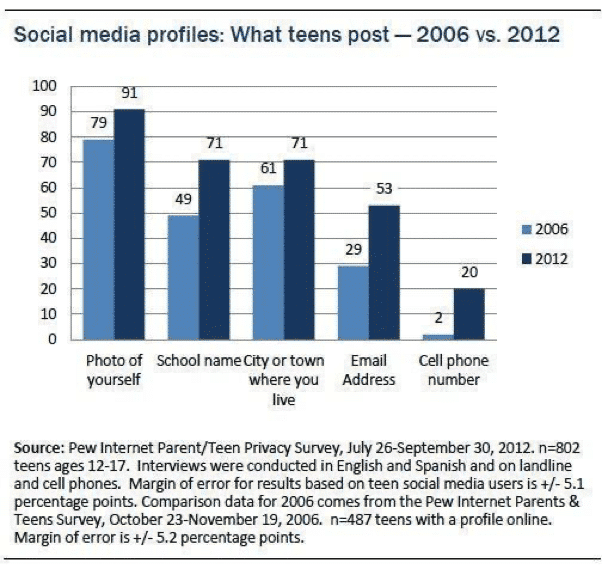
According to Pew Research Center, 71% of teens post their school name, 71% post the name of the city or town they live in, and 20% post their phone number.[1] Further, 36% of older teen’s Facebook friends are people they have never met in person.[2]

Although teens understand that oversharing can be dangerous, few have the life experience to understand exactly how it can be dangerous. When I was a teenager, the more “likes” I got on a photo or the more “friends” or “followers” I had on social media, the better I felt about myself and my online presence. I accepted friend requests from mutual friends who I had never met before, along with accepting requests from strangers. In my teenage mind, there wasn’t any harm in letting strangers see my online profiles. I felt that I would be okay as long as I wasn’t sending them my address. It didn’t occur to me that this data could be used to predict my location or even that anyone could have that kind of predatory intent.

Dr. Bennett shared a story with us where she worked on the production of the Lifetime TV show, I Catfished My Kid. In the show, producers created a poster board map (like detectives do) with yarn connecting the teens’ movements throughout the day for a week. With this data, they were able to predict daily habits like location, activities, and even who they hang out with.

How is Location Data Shared?

Instagram

One way location is shared on social media is through geotagged photos. A geotag is an electronic tag that assigns a geographical location to a photo or video posted on social media or other websites.[3] Geotags are commonly used to share what restaurant or city someone is in and are very popular on Instagram.

If your teen has a public profile and decides to post a photo on Instagram with a geotag, not only will their friends be able to see where they are, but users around the world can too. By simply clicking on that location’s tag, your teen’s photo will pop up as a current or recent visitor.

Another way location is shared on Instagram is by the use of hashtags. If your teen has a public profile and adds hashtags to their posts, their photos will show up as recent users of whatever hashtag they use, similar to the geotag feature. Hashtags are commonly used to have other users find their posts quicker and potentially gain more followers and traffic on their profile. However, that could be a privacy concern for younger users.

Facebook

The check-in feature on Facebook is similar to geotags. Facebook users “check-in” as an announcement to friends that they are visiting a particular location. Once checked-in, it appears on the user’s Facebook profile.

Snapchat

The SnapMap feature on Snapchat can also be a location risk. SnapMap allows your teen to share their location with their Snapchat friends every time they open the app. The SnapMap feature is a default, meaning it is automatically on so your teen might not even know that they are sharing their location. This is another privacy issue and may be a safety concern if your child accepts friend requests from strangers.[4] 

Helpful Tips and Tools to Protect Your Child on Social Media

  • Set up a digital contact like our free Connected Family Screen Agreement and have ongoing, informative conversations with your kids about online safety. Our GKIS blog offers credible, interesting topics that will feed an ongoing agenda. Register for our Connected Family Screen Agreement to get on our weekly email list!
  • Set up your home to optimize best-use screen practices using our Connected Family Course for school-age kids.
  • Limit location sharing in Settings. On an iPhone, go to Settings and remove the location by clicking on the social media name > Location > select Never, Ask Next Time, While Using the App, or Always. You also have the option to turn off “Precise Location” meaning apps can only determine your approximate location
  • Don’t allow your child to have social media accounts until they are ready (we recommend after 13 years old or late middle school).
  • Require that your child set social media to private and only accept friend requests from family and friends they know in real life
  • Have your child change to the “Ghost Mode” on Snapchat (their location will no longer be viewable on SnapMap)
  • Monitor your child’s social media accounts using tools recommended on our GKIS Screen Safety Toolkit.

Thanks to CSUCI intern, Remi Ali Khan for researching common ways teens overshare on social media for this article.

I’m the mom psychologist who will help you GetKidsInternetSafe.

Onward to More Awesome Parenting,

Tracy S. Bennett, Ph.D.
Mom, Clinical Psychologist, CSUCI Adjunct Faculty

Photo Credits

Photo by Cottonbro from Pexels

Photo by Pixabay from Pexles

Photo by Pew Research Center

Works Cited

Deahl, D. (2017, June 23). Snapchat’s newest feature is also its biggest privacy threat. Retrieved November 04, 2020, from https://www.theverge.com/2017/6/23/15864552/snapchat-snap-map-privacy-threat

Dove, J. (2020, October 07). How to Remove Location Data From Your iPhone Photos in iOS 13. Retrieved November 04, 2020, from https://www.digitaltrends.com/mobile/how-to-remove-location-data-from-iphone-photos-in-ios-13/

Madden, M., Lenhart, A., Cortesi, S., Gasser, U., Duggan, M., Smith, A., & Beaton, M. (2020, August 17). Teens, Social Media, and Privacy. Retrieved November 04, 2020, from https://www.pewresearch.org/internet/2013/05/21/teens-social-media-and-privacy/

Oxford Languages and Google – English. (n.d.). Retrieved November 04, 2020, from https://languages.oup.com/google-dictionary-en/

The Dangers of ‘Plastic Surgery’ Filters

Is your teen on Snapchat and Instagram? If so, they may be using what is popularly called, ‘plastic surgery’ filters. These filters may be altering your teen’s image of themselves and could be harmful to their mental health. I have been using filters on Instagram, Snapchat, and other social media platforms since I was a teen. Over the years these filters have become more face-altering than ever before. For more tips and guidance on social media, check out Dr. Bennett’s Social Media Readiness Course.

What Are ‘Plastic Surgery’ Filters?

Plastic surgery filters are filters that make users look like they have different types of cosmetic surgery. These filters give the users bigger lips, smoother skin, smaller noses, sharper cheekbones, and even different colored eyes. They are popularly used by celebrities, influencers, teens, and young adults.

Unrealistic Beauty Standards

‘Plastic surgery’ filters can be harmful because they promote unrealistic beauty standards by erasing imperfections and enhancing certain features. Teenagers view thousands of ‘perfect’ images daily on social media shared by peers, idols, and even themselves. This can cause self-esteem problems because beauty standards become less and less realistic.

Attention from Followers

Many celebrities and people I know refuse to post an unedited or unfiltered image of themselves, which is sad and scary. Attention from followers contributes to this problem. If a teenager posts filtered selfies and they get positive comments from their followers, they may depend on using those filters because they feel that they will not get the same attention without one. This can cause people to become obsessed with the filtered images of themselves and unhappy with their appearance without a filter.

Snapchat Dysmorphia

Along with lowering self-esteem, filters like these are inspiring more young people to get cosmetic surgeries because they prefer the edited version of themselves. Cosmetic doctors are noticing that filters might be leading to a new type of body dysmorphia. Body dysmorphia is a mental disorder where a person obsesses over a minor flaw in their appearance.

Dr. Esho, a cosmetic doctor, claims that an increasing number of individuals are bringing pictures of themselves with filters to plastic surgeons and asking to look like that. Doctors are calling this new type of body dysmorphia, ‘Snapchat Dysmorphia.’

My Personal Experience Using Filters

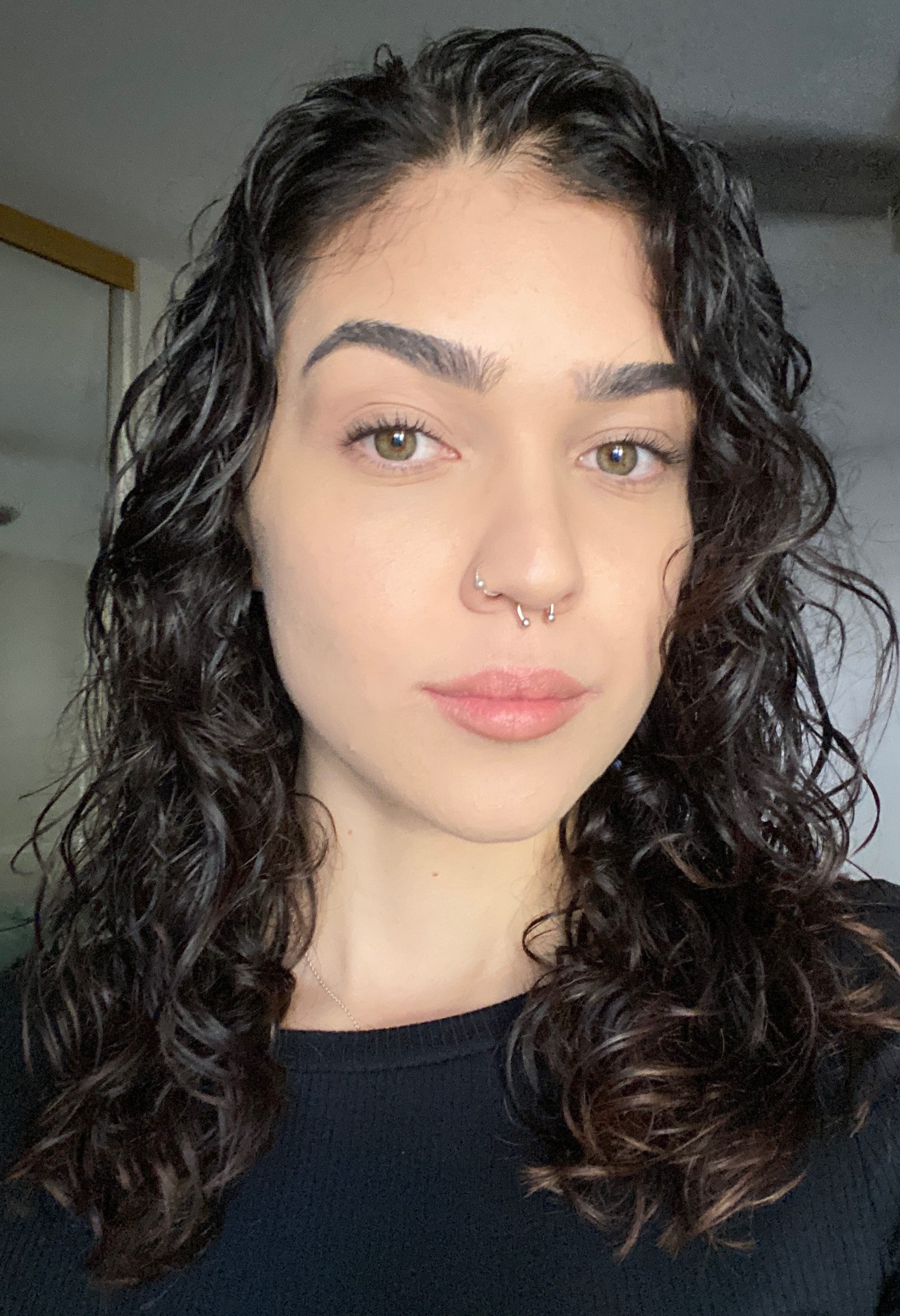
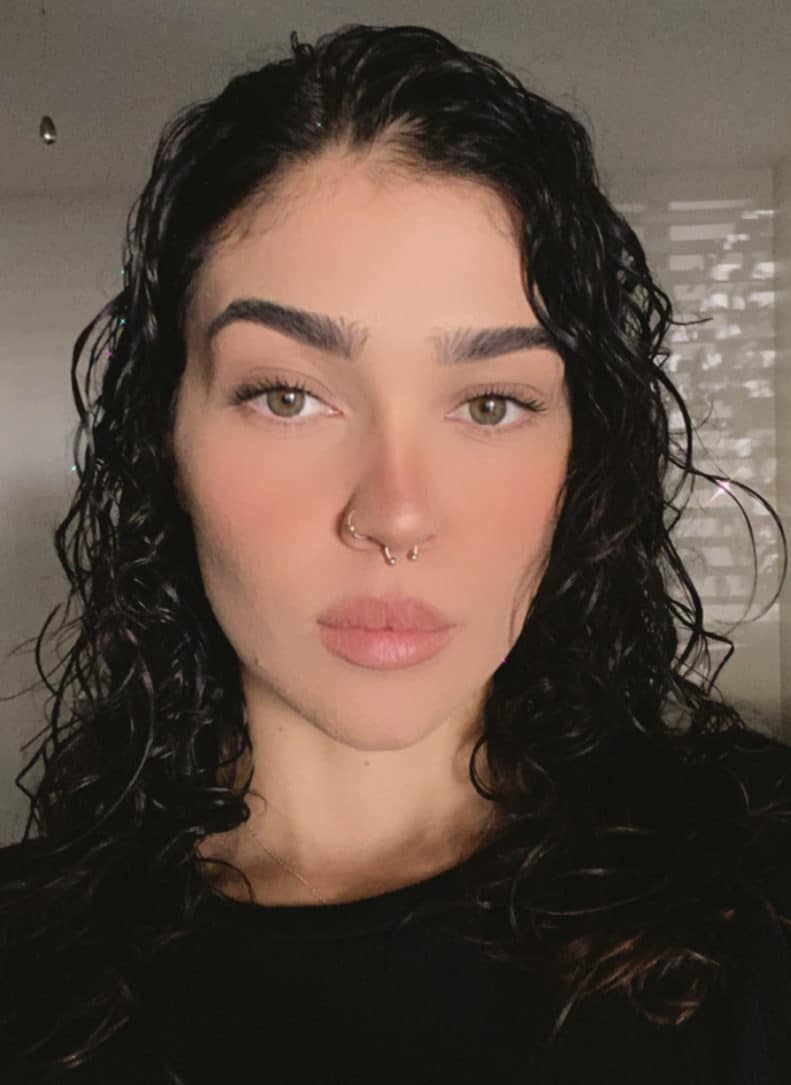
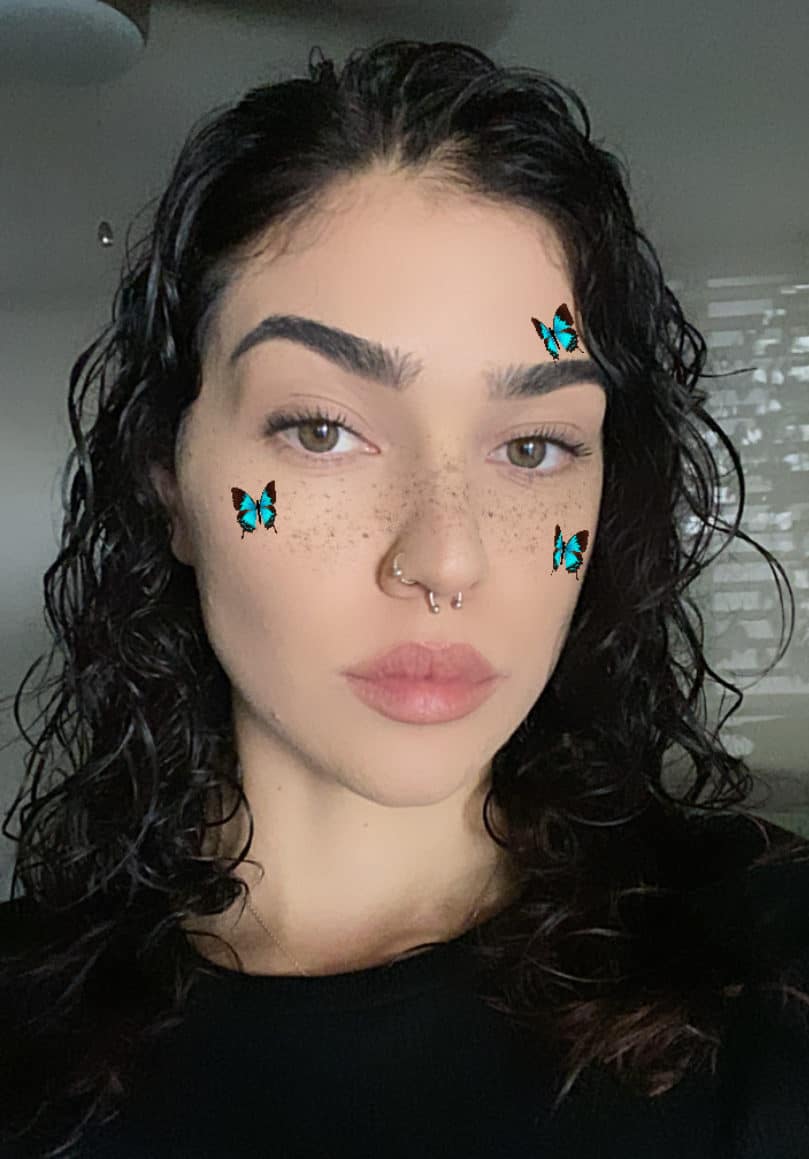
I have used filters that make my lips fuller, skin smoother, and face slimmer. When I was using them, I did not fully realize how often I was using them until my boyfriend once told me, “Why do you always use filters? You are beautiful without them.” He wasn’t telling me to stop using them, he simply asked me why.

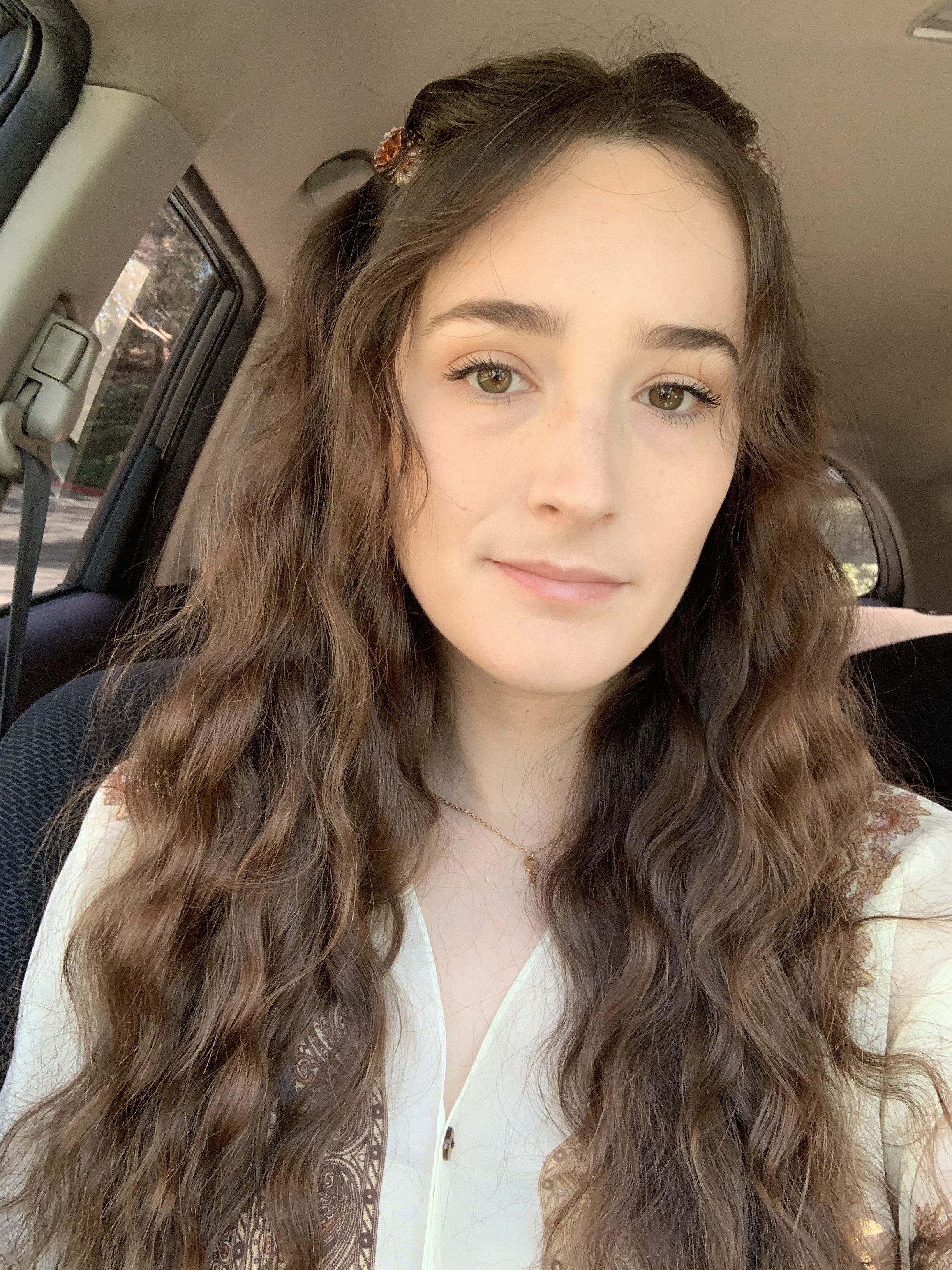
I realized that he was right, that I was relying on filters to feel beautiful. Since then, I limit my use of filters and embrace my imperfections. I want to share an authentic version of me. For this article, I decided to do a before and after using a few Instagram filters, so you can see how different they make me look.

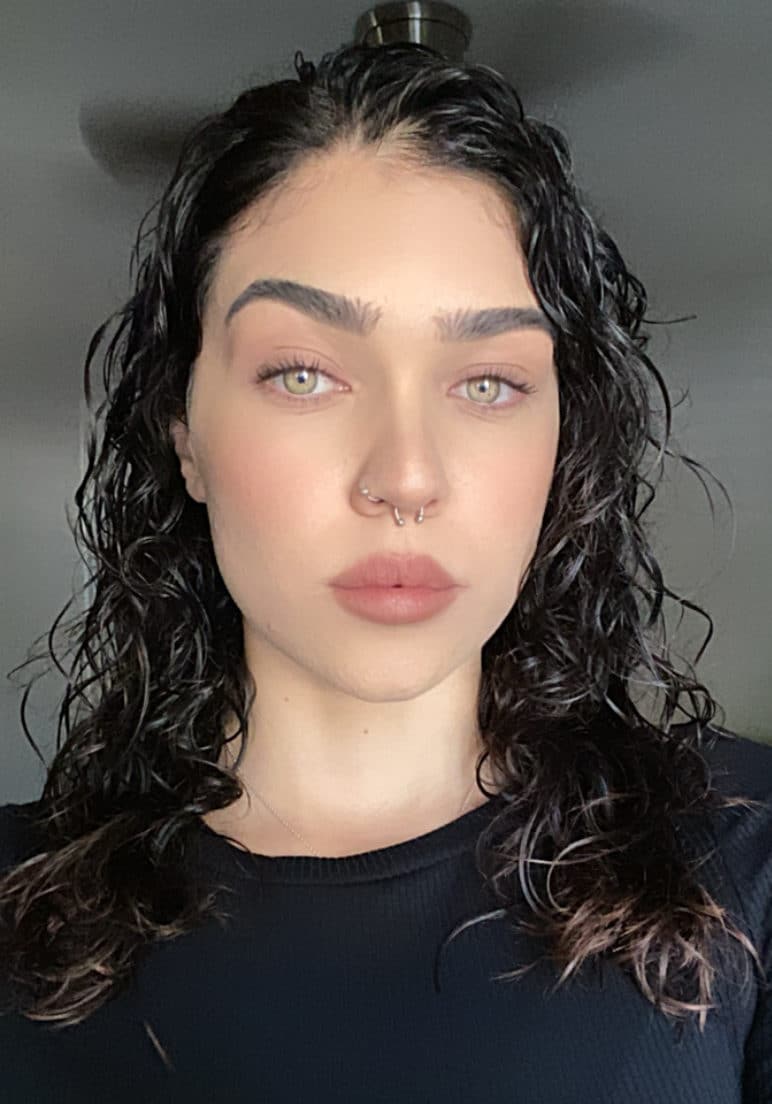
                  (No Filter)                            Filter 1                                        Filter 2                                       Filter 3

What can you do if your teen is using filters on social media?

Just because your teen uses filters does not mean that they will develop a disorder or develop self-esteem problems. Everyone is different. But it is important to be aware of the potential risks of this social trend.

If you notice that your teenager is on social media and using filters here are some things you can do:

Have a conversation with your teen.

  • Talk to your teenager about what they see on social media. Remind them that most of the photos that they see on Instagram or any other platform are not 100% real because of filters or photo editing. This is something that they most likely are aware of, but I oftentimes have to remind myself of this when I am scrolling through Instagram.
  • In this generation where many teenagers and adults rely on likes and comments for self-worth, it is important to remind your teenager that there are more qualities in life that matter than their looks. Point out their other qualities and strengths like work ethic, intelligence, and kindness.
  • Don’t forget to remind them that they are beautiful without a filter!

Practice positive affirmations.

Teach your teenager positive affirmations and practice them together. Affirmations are positive statements that you say out loud to yourself. 7 Mindsets provide helpful affirmations for teens, here are a few:

  • “I embrace my flaws because I know that nobody is perfect”
  • “I love myself deeply and completely”
  • “I don’t want to look like anyone but myself”

A special thank you to Alisa Araiza for researching and co-writing this article. For more information on these social media platforms that were mentioned in this article, take a look at The GKIS Sensible Parent’s Guide to Snapchat and The GKIS Sensible Parent’s Guide to Instagram. Don’t forget to check out the GKIS Social Media Readiness Course to get the tools and guidance you and your teenager need!

I’m the mom psychologist who will help you GetKidsInternetSafe.

Onward to More Awesome Parenting,

Tracy S. Bennett, Ph.D.
Mom, Clinical Psychologist, CSUCI Adjunct Faculty
GetKidsInternetSafe.com

Photo Credits

Photo by Mateus Campos Felipe on Unsplash

Work Cited

Best, S. (2020, January 28). Instagram still has several ‘plastic surgery’ filters despite ban last year. mirror. https://www.mirror.co.uk/tech/instagram-still-several-plastic-surgery-21369194.

Cavanagh, E. (2020, January 11). ‘Snapchat dysmorphia’ is leading teens to get plastic surgery based on unrealistic filters. Here’s how parents can help. Insider. https://www.insider.com/snapchat-dysmorphia-low-self-esteem-teenagers-2020-1.

Hosie, R. (2018, February 6). People want to look like versions of themselves with filters rather than celebrities, cosmetic doctor says. The Independent. https://www.independent.co.uk/life-style/cosmetic-surgery-snapchat-instagram-filters-demand-celebrities-doctor-dr-esho-london-a8197001.html.

Kelly, S. M. (2020, February 10). Plastic surgery inspired by filters and photo editing apps isn’t going away. https://www.cnn.com/2020/02/08/tech/snapchat-dysmorphia-plastic-surgery/index.html.

Rodulfo, K. (2020, August 13). It’s Easier Than Ever To Make A New Face On Social Media. But Is It Killing Your Confidence? Women’s Health. https://www.womenshealthmag.com/beauty/a33264141/face-filters-mental-health-effect/.

Manavis, S. (2019, October 29). How Instagram’s plastic surgery filters are warping the way we see our faces. https://www.newstatesman.com/science-tech/social-media/2019/10/how-instagram-plastic-surgery-filter-ban-are-destroying-how-we-see-our-faces.

Yang, L. (2018, August 10). People are seeking plastic surgery to look like their edited selfies in real life – here’s why doctors think the trend is ‘alarming’. Insider. https://www.insider.com/plastic-surgery-selfie-filters-2018-8.