Need peaceful screen time negotiations?

Get your FREE GKIS Connected Family Screen Agreement

gaming addiction

Working From Home Pt.II – Dr. Bennett

COVID-19 has been an unprecedented moment for all of us. Join Dr. Tracy Bennett as she works from home and reminisces about why she founded GetKidsInternetSafe. You’ll see the passion she has for helping children and families avoid risks from the dark web and screen addiction. In over 25 years of practice, Dr. Bennett is seeing more families in crisis due to Internet safety problems. To help families prevent digital injuries, she developed GetKidsInternetSafe.com!
When it’s your kids ON-the-LINE GetKidsInternetSafe.com Link to Screen Safety Essentials Course 👇 https://getkidsinternetsafe.com/essentials-course/
Follow Our Social Media:

Working From Home – Dr. Bennett

COVID-19 has been an unprecedented moment for all of us. Join Dr. Tracy Bennett as she works from home and reminisces about why she founded GetKidsInternetSafe. You’ll see the passion she has for helping children and families avoid risks from the dark web and screen addiction. In over 25 years of practice, Dr. Bennett is seeing more families in crisis due to Internet safety problems. To help families prevent digital injuries, she developed GetKidsInternetSafe.com! When it’s your kids ON-the-LINE GetKidsInternetSafe.com
Link to Screen Safety Essentials Course 👇
Link to Book 👇
Follow Our Social Media:

Is the Video Game Industry Teaching Your Child to Gamble?

In 2018, the gaming industry reported 30-billion-dollars in revenue with 2022 earnings expected to reach 50 billion![1] Much of this profit comes from the pockets of vulnerable kids and teens. To help your kids learn about the risks of online play before they get into trouble, we created the Social Media Readiness Online Course. Set up like driver’s training (but for the internet), each module is followed by a mastery quiz. That way, when your child earns their graduation certificate, you know they’ve learned what they need to have better judgment when faced with difficult online choices. For today’s GKIS article, we’ve uncovered another tricky trap that introduces vulnerable players to dangerous gambling behaviors, the loot box.

Microtransactions

In the old days, the only expense to gamers was the cost of buying the gaming device and the video game. Now video games require players to make additional purchases within the game to advance. A common and profitable expense comes in the form of microtransactions.

Microtransactions are in-game purchases of opportunity, goods, and game currency. Two types of microtransactions are desirable to players, fun pain and skill games. Fun pain purchases refer to a second chance opportunity. Skills games remove obstacles during stressful game situations. Microtransactions typically occur in the form of game currency.

Game Currency

Game currency refers to the virtual money or points necessary to progress in the game. For example, NBA 2k offers VC (Virtual Currency), Call of Duty provides CP (Call of Duty Points), Fortnite offers V-Bucks, FIFA offers FIFA coins, and Apex Legends offers Apex coins. One advantage to offering game currency is that it can have its own value. By giving a different name and image to currency, it’s easier for players to lose track of spending. Tempting marketing ploys are also common, like free offers, larger package discounts, limited time offers, and loot boxes.

Loot Boxes

Loot boxes have become a massive moneymaker for game publishers. A loot box refers to a box of virtual items (like stickers, skins, camos, weapons, in-game currency, or another loot box) that players buy before they know exactly what it contains.[4] It’s like a surprise bag that promises an advantage over other players.

Sometimes players get a disappointing loot box; while other times they win big. Creating different values to the loot boxes creates what researchers call the near-miss effect. That means the brain fires with an “almost win” in the same way it would for a win. Kids being hit with the near-miss effect are highly motivated to keep spending until they reach their dream loot box jackpot. What happens if they get their dream? They desperately keep spending to win again!

Do loot boxes introduce kids to the addictive features of gambling?

If it seems to you that the desperate quest triggered by the near-miss effect sounds like gambling, you are right. It’s one thing for adults to gamble, but it’s an entirely different thing to sneak gambling features into child activities. Because kids’ brains are still developing, they are particularly vulnerable to forming addictive behaviors.

Here is what loot boxes have in common with other gambling activities:

  • Exchange of money or a valuable item
  • Unknown outcome that can change based on future events
  • Outcome is based on chance
  • Uninvolvement can avoid losses
  • Winners gain at the sole expense of losers[1]

So is child gambling now a thing? According to the Gambling Health Alliance, it is.

They report that:

  • 41% of gamers under the age of 18 have purchased a loot box
  • 75% of gamers report that they’ve felt regret for loot game purchases
  • 48% of gamers have hid the amount spent on in-game microtransactions
  • 76% of gamers believe that loot boxes should be made illegal for minors[3]

Publishers That Incorporate Loot Boxes

  • Apex Legends by Electronic Arts
  • Call of Duty: Black Ops 4 by Activision
  • Counter-Strike: Global Offensive by Valve & Hidden Path Entertainment
  • FIFA ’17-20 by Electronic Arts
  • Fortnite by Epic Games
  • Gears of War 4 by Microsoft Studios
  • Halo 5: Guardians by Microsoft Studios
  • Injustice 2 by Warner Bros.
  • League of Legends by Riot Games
  • NBA 2k21 by 2k Sports
  • Overwatch by Blizzard Entertainment
  • PlayersUnknown’s Battlegrounds by PUBG Cooperation
  • Star Wars Battlefront II by Electronic Games

Furthermore, Activision and Electronic Arts have current patents on motivation to spend.[2]

How can you protect your kids from getting tricked into online gambling?

First, keep up with our free GKIS blog articles by subscribing in the orange box on the top of our GetKidsInternetSafe Home Page.

Start a healthy, informative dialogue as a family about the traps of online activities. We guide you through everything you need to know with our free Connected Family Agreement. It comes directly to your email once you subscribe to our home page.

Once your family learns the basics about online digital injury risks and how to be smart on your devices, you’ll definitely want to add our injury and the psychological wellness strategies to build health and resilience. GKIS supplements How to Spot Marketing, and our Cybersecurity and Red Flags.

And finally, as mentioned before, if you have tweens or teens our Social MediaReadiness Course offers the valuable information needed to avoid digital.

Too busy to figure it all out step-by-step? We’ve got you covered! Our GetKidsInternetSafe App takes you through all of our GKIS course content (including everything listed above) in quick and easy 5-minute weekly videos created by our own Internet Safety Expert, Dr. Tracy Bennett. A ten-minute commitment a week to avoid costly digital and psychological injuries down the road may be the most important opportunity for family safety we’ve ever offered. Your first 30 days are completely free. Click here to find out more so you don’t miss out!

Thanks to CSUCI intern, Christian Sandoval for gambling activities in video games, and for co-authoring this article.

I’m the mom psychologist who will help you GetKidsInternetSafe.

Onward to More Awesome Parenting,

Tracy S. Bennett, Ph. D.
Mom, Clinical Psychologist, CSUCI Adjunct Faculty
GetKidsInternetSafe

Photo Credits

Photo by Alexander Andrews from Unsplash

Photo by Rock Staar from Unsplash

Photo by Andrew Neel from Pexels

Photo by August de Richelieu from Pexels

Work Cited

[1] Zendle D, Meyer R, Over H. 2019 Adolescents and loot boxes: links with problem gambling and motivations for purchase. R. Soc. open sci. 6: 190049. http://dx.doi.org/10.1098/rsos.190049

[2] King, D. L., & Delfabbro, P. H. (2018). Predatory monetization schemes in video games (e.g. ’loot boxes’) and internet gaming disorder. Addiction (Abingdon, England), 113(11), 1967–1969.  https://doi.org/10.1111/add.14286

[3] RSPH. (n.d.). Take back controllers: three quarters of young gamers want an end to the ‘gamblification’ of video games. Org.Uk.  https://www.rsph.org.uk/about-us/news/take-back-controllers-three-quarters-of-young-gamers-want-an-end-to-the-gamblification-of-video-games.html

[4] Definition of Loot box, BuzzWord from Macmillan Dictionary. (n.d.). Macmillandictionary.Com. https://www.macmillandictionary.com/us/buzzword/entries/loot-box.html

Is Gaming Making Your Child Smarter?

Gaming has been a popular topic for GetKidsInternetSafe because it is the favorite past time for many children. We have covered a variety of gaming topics which include the brain traps of gaming, violent video games, professional gaming, and even if we should gamify education. Games have developed so much in the past 25 years and the graphics, concepts, and design continue to improve. One of the big concerns about children’s gaming is addiction and distraction from academics. When done right though, gaming can be a valuable supplement for well-rounded education.

What is Intelligence

Intelligence is a highly debated term because traditionally it involved biased measures of cognitive ability. However, over fifty years of scientific research has demonstrated that intelligence cannot fit as neatly into a box.

American psychologist Robert Sternberg suggested the Triarchic Theory which states that there are three types of intelligence: analytical, creative, and practical. Taking it a step further, developmental psychologist Howard Gardner proposed that there are eight different types of intelligence: linguistic, logical-mathematical, spatial, musical, bodily-kinesthetic, naturalist, interpersonal, and intrapersonal.[1]

The most widely used intelligence theory in Western culture, is centered around skills in math, memory, verbal comprehension, and visual-spatial reasoning.[2] Simply put, theories of intelligence center on one’s ability to eclectically conceptualize and utilize information.

Games That Surprisingly Affect Intelligence

Most games require specialty skills for success. Popular games can be incredibly complex and require high intelligence to engage successfully. Adults don’t typically consider that playing Overwatch, Roblox, or Minecraft is a learning opportunity. As a player myself, I disagree. In my experience, it is evident that my fellow players excel at things like reaction time, creativity, and spatial awareness.

When I was in my mid-teens, I was an avid gamer. I played many games, but Minecraft was my favorite. What peaked my interest were the parallels with real life and the possibilities for creation were endless. Knowledge needed for the game helped me in real life by enriching my vocabulary, excelling my reaction time, and nurturing my creativity. My spatial awareness was also boosted due to understanding the means of measurement in Minecraft (each block was a square meter). Using those as reference, I had a better gist of measurement in comparison to my 6-meter-tall character. I even began to conceptualize fundamentals of construction and physics when I would set up mob traps to capitalize off the loot they dropped.

After my Minecraft phase, I moved onto Lumosity and my eyes opened to how impactful games could be. Lumosity is an educational gaming app that has minigames specially designed to challenge a variety of our cognitive abilities.

If you are wondering when is the right time to introduce video games to your kids and how to do it safely, check out Dr. Bennett’s age guidelines and recommendations in her book Screen Time in The Mean Time: A Parenting Guide to get Your Kids and Teens Internet Safe.

Gaming Designed Specifically for Intelligence

Many great new app developers seek to make fun educational games. Edutainment is refers to media designed to educate and entertain.[3] Many edutainment activities are developed by education specialists and cognitive scientists. Commonly targeted abilities are in the area of executive functioning, working memory, self-control, and mental flexibility.

A study by Jocelyn Parong and colleagues from the University of California, Santa Barbara researched the effects of games on cognition. They put students in two groups. The first group played Alien Game for four hours. The second group played an updated version of the game called All You Can ET. After the two groups played, an improvement in mental flexibility was found.[4] Their findings replicated those of a previous study that also studied cognition and gaming.

Further, a 2016 study by Viviane Kovess-Masfety and colleagues analyzed data from over 3,000 children. Upon gathering information from the children’s teachers on how they were in the classroom, Kovess-Masfety and colleagues found that children categorized as “high use” gamers had slightly higher reported intellectual functioning. Most of the high-use gamers reported approximately seven to ten hours of gaming per week.[5]

GKIS-Recommended Intelligence Games

Games that are designed specifically to improve intelligence are still relatively new. Research has been mixed but shows promising results for improvement. Gaming can be a practical approach to keep ones intelligence sharp and have fun! Here are some intelligence games GKIS recommends as promising:

Lumosity

Lumosity is a popular “brain training” app for mobile devices and computers that provide entertaining mini games that focus on an individual skill. The free version selects three mini-games for you to play from their bank of over 40 mini-games. With the premium version, you get access to in-depth statistics and can choose among all their available games.

Lumosity games may help with skills ranging from attention, memory, problem-solving, subitizing, language, and mental flexibility. This is great for tweens and teens.

Words with Friends

Words with Friends is a fun puzzle game—similar to Scrabble—that can expand your vocabulary and think creatively. You can play alone, challenge game bots, or play with friends.

Khan Academy Kids

Khan Academy Kids is a free educational game geared towards children. There is an assortment of games that help with language, reading, math, attention, memory, and problem-solving. An added benefit of these games is that they also help with emotional development, motor functions, and creativity.

Kiddopia

Kiddopia is an app focused on teaching kids a variety of skills and general knowledge. Kiddopia games are incredibly diverse, including school topics like learning numbers, basic arithmetic, language, and problem-solving. This app also has entertaining games that cover geography, human anatomy, animal care, and even careers!

Before your kids are introduced to gaming, check out one of Dr. B’s favorite GKIS articles Teaching Kids the Brain Traps of Video Games May Break the Spell.

Thanks to CSUCI intern, Avery Flower for researching intelligence and gaming, and co-authoring this article.

I’m the mom psychologist who will help you GetKidsInternetSafe.

Onward to More Awesome Parenting,

Tracy S. Bennett, Ph.D.
Mom, Clinical Psychologist, CSUCI Adjunct Faculty
GetKidsInternetSafe

Photo Credits

Photo by Vidal Balielo Jr. from Pexels

Image by DAMIAN NIOLET from Pixabay

Image by Egnez from Pixabay

Photo by Ketut Subiyanto from Pexels

Works Cited

[1]Shearer, C. B. (2020). A resting state functional connectivity analysis of human intelligence: Broad theoretical and practical implications for multiple intelligences theory. Psychology & Neuroscience13(2), 127–148. https://doi-org.summit.csuci.edu/10.1037/pne0000200.supp

[2]Flaim, M., & Blaisdell, A. P. (2020). The comparative analysis of intelligence. Psychological Bulletin146(12), 1174–1199. https://doi-org.summit.csuci.edu/10.1037/bul0000306

[3]Lathan, J. (2020). Edutainment in the Classroom: Technology’s Changing the Game. Retrieved from https://onlinedegrees.sandiego.edu/edutainment/

[4]Parong, J., Wells, A., & Mayer, R. E. (2020). Replicated evidence towards a cognitive theory of game-based training. Journal of Educational Psychology112(5), 922–937. https://doi-org.summit.csuci.edu/10.1037/edu0000413

[5]Kovess-Masfety, V., Keyes, K., Hamilton, A., Hanson, G., Bitfoi, A., Golitz, D., Koç, C., Kuijpers, R., Lesinskiene, S., Mihova, Z., Otten, R., Fermanian, C., & Pez, O. (2016). Is time spent playing video games associated with mental health, cognitive and social skills in young children? Social Psychiatry and Psychiatric Epidemiology: The International Journal for Research in Social and Genetic Epidemiology and Mental Health Services51(3), 349–357. https://doi-org.summit.csuci.edu/10.1007/s00127-016-1179-6

6 Reasons to Subscribe to GetKidsInternetSafe


Dear Parents,

Do you worry that you allow too much, or too little, screen time for your kids?

Have you read about digital injuries, like interaction with Internet predators, screen addiction, and neck and spine deformities, and worry you don’t know enough to spot risk in time to intervene?

Do you yell, punish, and lecture too often trying to keep them from doing what they beg to do online?

I did too! That’s why I started GetKidsInternetSafe 7 years ago. Yes, even psychologists find parenting challenging – especially nowadays with teens. When I started this legacy project, I was heartbroken and overwhelmed when my dad died and my mom succumbed to dementia. To get everything done and keep my kids happy, I was relying too much on Minecraft. The parents in my practice were doing the same…at the expense of the kids. I started to get freaked out.

But when I looked for digital safety tools and parenting strategies online for support, the best I could find was Dr. Phil saying to supervise all child screen use – as in, sit with them every time they were on screen. Because we all know that can’t happen, I did a deep-dive in the research, created my own screen safety parenting programs based on my 25+ years of momming and working with families, pooled resources of friends and colleagues, and founded GetKidsInternetSafe. Every day, I hear from families just like ours  telling me how much they needed it and how much they appreciate it! A feel-good project, indeed.

If you who have been with me from the beginning, THANK YOU! I’ve appreciated your support more than you know. And for those who are new to GKIS or considering subscribing, you’ll want to know what’s happening with GKIS these days!

As a subscriber,

1. You receive your free Connected Family Screen Agreement, designed to inform and inspire you to cooperatively connect as a family and set reasonable and sensible online safety guidelines for kids and teens. It’s delivered in 4 weekly chunks so you don’t get overloaded. Slow, steady, and fun is the goal.


2.  You get a free quick-read article once a week with fun resources, parenting tips, and valuable info about screen use risks to look out for. Please comment and share when inspired. so we can build as a community! (If you prefer emails less often, just let me know).


3. You are the first to know when I publish content through third parties (like Facebook’s parent portal, Healthy Living Magazine, The Good Men Project), interview on the radio or on podcasts, or appear on national and local news and entertainment channels.


4. You are the first to learn about new offers, like books, workbooks, online parenting courses, screen agreement supplementsworkshops, and coaching! All different depths and price-points so you can build a GKIS mastery level that fits you best!


5. You can track where I am speaking so you can attend an Internet safety or parenting presentation!


6. Not only do I offer individual and group coaching, but I often answer questions and post content on my GetKidsInternetSafe Facebook page and my DrTracyBennett Instagram page!

And of course, I never share your information with anyone. Please let me know if there’s anything you want to learn more about (or just to say hi!) by emailing me at DrTracy@DrTracyBennett.com.


Thanks again for being part of the GKIS community!

I’m the mom psychologist who will help you GetKidsInternetSafe.

Onward to More Awesome Parenting,

Tracy S. Bennett, Ph.D.
Mom, Clinical Psychologist, CSUCI Adjunct Faculty

Is Your Child Screen Addicted? How to Avoid Screen Rehab

Screen addiction is officially a thing. As a mom and clinical psychologist for over 25 years, I recognized and identified it in 2014 when I founded GetKidsInternetSafe from treating hundreds of families in my private practice. Teaching addiction studies at CSUCI also highlighted the similarities between drugs and screen behaviors for me. Like everybody else, I too was having a hard time chasing my kids off our screens. Honestly, even I was getting lost in my research and on Facebook, losing the ability to chill and read a novel. I started to worry about my family. From there, I wrote my book Screen Time in the Mean Time, offered keynotes and presentations, consulted with tech companies, coached families, built and tested my online courses, and created a weekly blog. And, after all that, the World Health Organization finally confirmed what I’ve been screaming from the rooftops. Big tech creates screen products that are manipulatively designed to trigger the pleasure centers of our brains, and we are, in fact, clinically addicted.

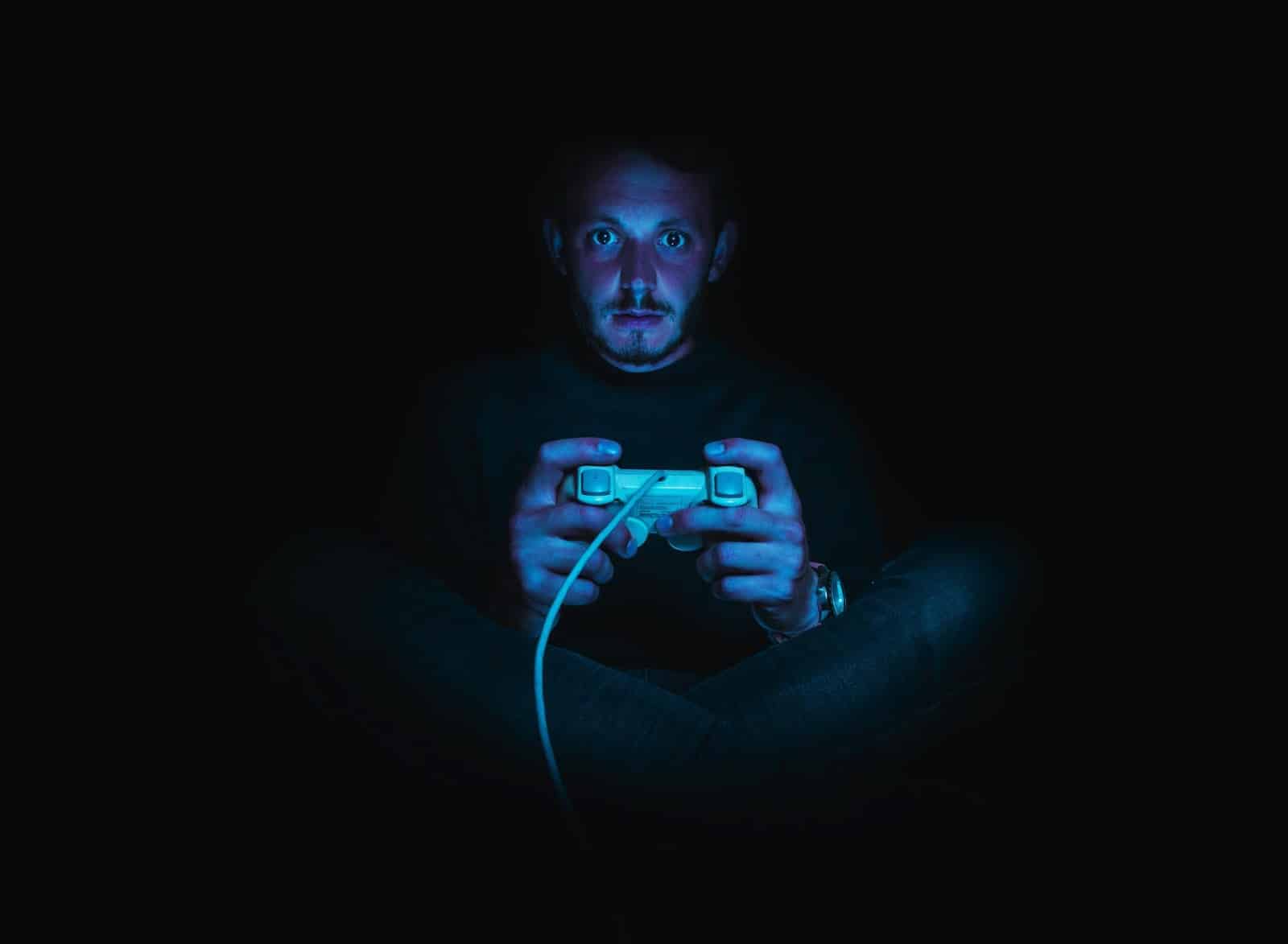
Gaming Addiction

Nearly 60% of parents think their teens are addicted to their mobile devices. In 2018, the World Health Organization (WHO) classified gaming addiction (IGD) as a mental health disorder. In the last twenty years, the tech revolution has affected every aspect of our lives. Studies have shown that, for some subjects, compulsive screen use impacts the reward and pleasure areas of the brain in the same ways that alcohol, drugs, and other behavioral addictions do. Screen addiction treatment centers have been popping up in Asia for the last decade and are starting to be in the United States as well. Do you worry your child may be showing signs of screen addiction?

——————-

“Remember, when Betty Ford first admitted she was an alcoholic, we didn’t have people believing it was actually a problem until she came around and talked about her own problems with it. This is a place for people to go for help, and that we hope will help everyone around them stop taking Internet addiction so lightly.”

Kimberly Young (founder of The Center for Internet Addiction in 1995)

            ————————

Who is to blame?

Parents

Of course, we have some accountability for what happens under our roofs. Pester power breaks us down, and we allow too much screen use even though we know better. We need a break in our overtasked, screen-saturated lives. We can’t entertain our rug rats 24-7.

Kids

They are so persistent! They CRAVE screen use and are master manipulators. Children are vulnerable to screen addiction because their brains are not fully developed, particularly in the prefrontal cortex, which is responsible for impulse control and decision-making. Children who suffer from trauma like bullying, divorce, and abuse, as well as from psychological vulnerabilities like ADHD, anxiety and mood disorders, and autism are particularly vulnerable.

Schools

Schools are increasingly adopting curriculums that require screen use and Internet access during classroom and homework time. Without digital literacy, our kids academically falter. If you are reading this as part of your Social Media Readiness Course, then either your parents or your school are doing an awesome job prepping you to avoid addiction issues down the line.

Big Tech

Screens are programmed to addict us. Big tech, like Google, Amazon, and Facebook, are experts in how to keep us coming back for more. Using secret computer algorithms, our online behavior is studied, collected, and aggregated. This data is used to create and deliver content in the ways our brains will effortlessly absorb it. That translates to targeted ads for clicks and money leaving our bank accounts. Big profit indeed.

The Gaming Industry

The gaming industry made 183 billion dollars last year. Multi-level, high-sensory games, like Fortnite, are intentionally programmed for addictive use. Players are rewarded for staying on and punished for getting off. This keeps kids on-screen, vulnerable to hours of autonomic overarousal. That means they burn too much brain fuel and are left fatigued and in mental brown-out.

The Government

Where is the regulation to protect kids? Are civil liberties really that strong that legislators can’t step in to help parents protect their kids against known harm like online pornography? Or is it that research and treatment organizations can’t compete with rich lobbyists who get direct access to our legislators?  Did you know that the advertising budget for Budweiser alone exceeds the entire budget for research on alcoholism and all drugs of addiction?

How common is Internet Gaming Addiction?

Recent studies claim that around 1 – 5% of the US population could be classified as Internet game addicts. It is most common among single young males. Male Internet addiction most typically involves video gaming, cyber-pornography, and online gambling. Women are more likely to show addictive use patterns with social media, texting, and online shopping. IGD commonly cooccurs with depression, anxiety, AD/HD, self-harm, obsessive-compulsive disorder, oppositionality, suicidality, and personality disorders.

Other risk factors include living in the city, not living with a biological parent, low parent involvement, parent unemployment, and not having a reliable friend.

Consequences of IGD include skipping school, lower grades, family conflicts, lack of offline sociality, sleep problems, and unresolved developmental problems. These factors, along with emotional problems, often result in the addict lacking the very resources necessary to break out of the addictive cycle.

What do brain studies say?

Brain imaging studies have found brain changes like those seen in subjects with drug addictions. In other words, the more we play video games, the more our brains change and adapt.

Activation pattern changes that result in brain tissue changes are called adaptive neuroplasticity.

More specifically, subjects with video game addiction show a reduction in gray and white brain matter and reduced cortical thickness in various areas of the brain. The more the gamer plays, the more brain changes. Studies have also found evidence of dopamine release and higher activity in the brain’s pleasure center when playing video games. Heavy gamers have significantly more difficulty calming their emotions and making sound decisions than nongamers.

Thank you to CSUCI Intern, Katherine Bryan for contributing to this article. Screen addiction is real and now universally recognized. If you worry you are seeing red flags in your home, remember that screen addiction is preventable!

I’m the mom psychologist who will help you GetKidsInternetSafe.

Onward to More Awesome Parenting,

Tracy S. Bennett, Ph.D.
Mom, Clinical Psychologist, CSUCI Adjunct Faculty
GetKidsInternetSafe.com

Photo Credits

Everyone is really looking for the Z-generation’s grace Digital HungaryCC 2.o

It’s been such a long day Pat Charles CC 2.0

Gaming in the dark Jochem HerremansCC 2.0

Xbox ChapendraCC 2.0