Need peaceful screen time negotiations?

Get your FREE GKIS Connected Family Screen Agreement

friendship

Off the Phone and On the Soccer Field: My Cure for Digital Disconnection

Kids crave connection. Face-to-face interaction and emotional closeness are vital for healthy development—particularly for adolescents.[1] Screen time offers shallow connections and distracts kids from those unpleasant cravings. It also keeps kids so busy that they don’t seek the connection they so desperately need. What if they didn’t have to be so lonely? What if there was a way they could be off their screens, doing something good for their health, and making friends at the same time?  For me, that was playing sports.

The Seed Was Planted

As a child, I was most excited to hang out with my friends, be on my phone, watch TV, or eat sweets, in that order. That was until I joined a team sport.

It all started when my mother asked me if I wanted to join the local soccer team. I was nine years old and against the idea because I didn’t want it to cut into cartoon time on the weekends, and had we gone through the Screen Safety Essentials Course, we wouldn’t have worried so much about the impact of screens on us. But she insisted. I only agreed because my favorite cousins were on the team.

I learned from the first practice that I loved the intense physical activity of soccer, and after a while, I began to really get the hang of it. I felt proud and accomplished. I made great friends on the team. We loved team bonding activities and even began to hang out outside of practice. I loved it so much, I gave it my all and looked forward to it all week.

By high school, I had won medals and genuinely felt like I was good at the sport. I received praise and encouragement for all of my efforts and hard work. It also inspired me to work hard in other aspects of my life. I tried harder in school, was friendlier with classmates, more obedient in class, and more eager to participate in the learning process. According to Project Play, high school athletes are more likely to further their education and even receive higher grades in college.[2] I started seeing everything in the world as a skill waiting to be attained, something that required courage, effort, and training.

Having that view of the world helped me when I sprained my ankle right before the start of my freshman season. While recovering, I could have easily scrolled through Snapchat and Instagram endlessly. But I wanted to make sure I continued to build the bond with my teammates for when I returned. It taught me to wait my turn, keep a positive attitude, remain patient, and support others as they shine. As soon as I recovered, my teammates were more than happy to catch me up to speed, and I rebuilt my strength.

Core Memories That Last

One of my most memorable moments taught me something I will never forget. It was my junior year; we were tied 0-0, with a minute left in the game. My team was exhausted, but as captain, I knew this is where my job was most important. I dribbled the ball up the center, dodging two midfielders and one defender, set it up for my left forward, and yelled, “SHOOT!” She shot and sent it straight into the upper right corner of the goal. Everyone who was there to support us was on their feet, our coaches were throwing their clipboards in the air and hugging each other, and our teammates ran to us for a celebratory hug and a jump around. We spent the last 15 seconds of that game with tears in our eyes and joy in our hearts. We had just beaten a 40-year record for our school!

This is when I realized this would have a lifelong impact on me. It was one of those moments that I’ll look back on happily. It was a lifetime of preparation to become someone people could rely on when things got tough and hope felt lost. It was the moment I truly understood what being a leader meant to me and the impact it had on others.

I hugged and thanked my mother for signing me up for soccer at nine years old. She introduced me to the first love of my life, and I would forever be grateful for that. From then on, I never doubted my abilities to get something done, never lost confidence in myself, and never hurt someone without apologizing or broke something without trying to replace it.

The Impact of The Beautiful Game

Project Play reports that sports, in particular, can positively impact aspects of personal development among young people, keep them away from harmful substances, and encourage cognitive, educational, and mental health benefits.[2] I believe my experience of playing soccer was so much more than just a fun sport or a way to stay active, although both are tried and true. It was a refinement of my character, it was a positive shift in how I viewed the world and myself in it, it was what taught me that rejection was just redirection, and it was a way to build and maintain connections with people I am still close to, at 27 years old.

Why Everyone Should Play Sports

Participation in sports can protect against the development of mental health disorders.[4] These benefits include lowering stress levels, rates of anxiety and depression.[5]Lifelong participation in sports leads to improved mental health outcomes and even immediate psychological benefits which continue long after participation is over with. The improve self-confidence, encourage creativity, and nurture a higher self-esteem. Statistically, adolescents who play sports are eight times more likely to be physically active at age 24.[3]


Thanks to CSUCI intern, Elaha Qudratulla, for sharing an important story about how beneficial playing sports were for her then and how it still helps her today.

I’m the mom psychologist who will help you GetKidsInternetSafe.

Onward to More Awesome Parenting,

Tracy S. Bennett, Ph.D.
Mom, Clinical Psychologist, CSUCI Adjunct Faculty
GetKidsInternetSafe.com


Works Cited:

[1] https://www.uvpediatrics.com/topics/alone-together-how-smartphones-and-social-media-contribute-to-social-deprivation-in-youth

[2] https://projectplay.org/youth-sports/facts/benefits

[3] https://odphp.health.gov/sites/default/files/2020-09/YSS_Report_OnePager_2020-08-31_web.pdf

[4] https://baca.org/blog/does-playing-organized-youth-sports-have-an-impact-on-adult-mental-health/

[5] https://pce.sandiego.edu/child-development-through-sports/

Photos Cited:

[Header] Eva Wahyuni on UnSplash

[2] Olivia Hibbins on UnSplash

[3] Elaha Qudratulla

[4] Jeffrey F Lin on UnSplash

[5] Elaha Qudratulla

https://unsplash.com/

Feeling Lonely? Tips to Make Friends Offline and Online

Socialization is a critical aspect to good health for kids and adults.[1][2] That’s why constant connection through social media, chatrooms, texting, and online gaming has become irresistible to us. For help managing in the online world and avoiding costly digital injuries, check out Dr. Bennett’s positive parenting and family coaching videos in our Screen Safety Essentials Course. We all need each other online and off. Afterall, the early people of our species were hunters and gatherers. Having a tribe was critical for our survival. In modern times, with many families living away from extended families and our lives as busy as ever, it’s often hard for adults to make friends. Today’s GKIS article covers the costly results of loneliness and offers suggestions for how to break out of our loneliness and enter the realm of meaningful connectedness.

The Prevalence of Loneliness

Higher rates of loneliness are found among young adults, seniors, those who are visually impaired, victims of abuse, and the unemployed.[3] Due to its prevalence, numerous outlets including Time, Forbes, US News, Cigna Insurance, and the Health Resources & Services Administration have referred to loneliness as an epidemic in the last decade.

Feelings of loneliness can result from a lack of friendships, intimacy, or emotional connection.[4] The long-term impacts of loneliness include poor sleep, depression, suicidal ideation, increases in cortisol (a stress hormone), compromised immune responses, and inflammation. Chronic loneliness has also been linked to the progression of Alzheimer’s, cardiovascular disease, and other chronic diseases. Further, loneliness is associated with poor lifestyle habits which include sedentariness and smoking.[5]

To avoid unfortunate outcomes, we must carve out the time to hang out with friends and family. For kids and teens, school is an easy resource to draw from. But for adults, social resources can be hard to find. To help you reach out and find more connection and community in your life, we’ve uncovered some novel ideas and resources!

Finding Community in Person

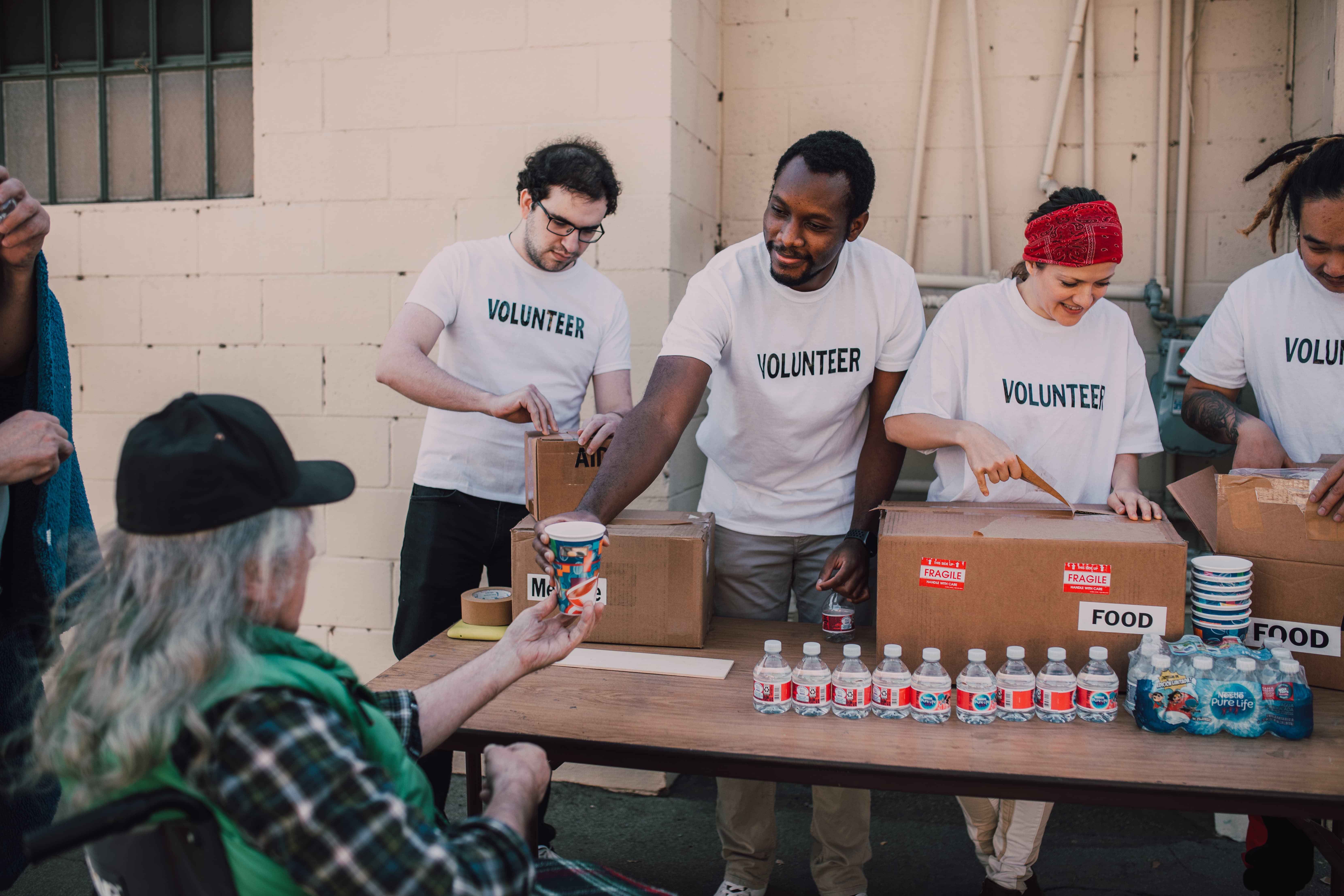
Volunteer

Volunteering is a fantastic way to meet friends, give back, and cultivate a sense of belonging. Research has found that volunteering is particularly helpful for those who have recently lost a loved one. In a study by Dawn Carr and colleagues observing over 5,000 recently widowed spouses, subjects who volunteered two or more hours per week had lower rates of loneliness than those who did not volunteer at all.[6]

Volunteering also has benefits for the whole family. The University of Nebraska-Lincoln Extension notes that youth volunteerism can help with the development of identity, empathy, skill-building, self-esteem, and relationships with like-minded people.[7] A study by Sandi Nenga from Southwestern University notes similar improvements in youth volunteerism. But Nenga also emphasizes that volunteering can connect multiple, diverse communities, creating better outcomes in future civic roles for youth volunteers.[8]

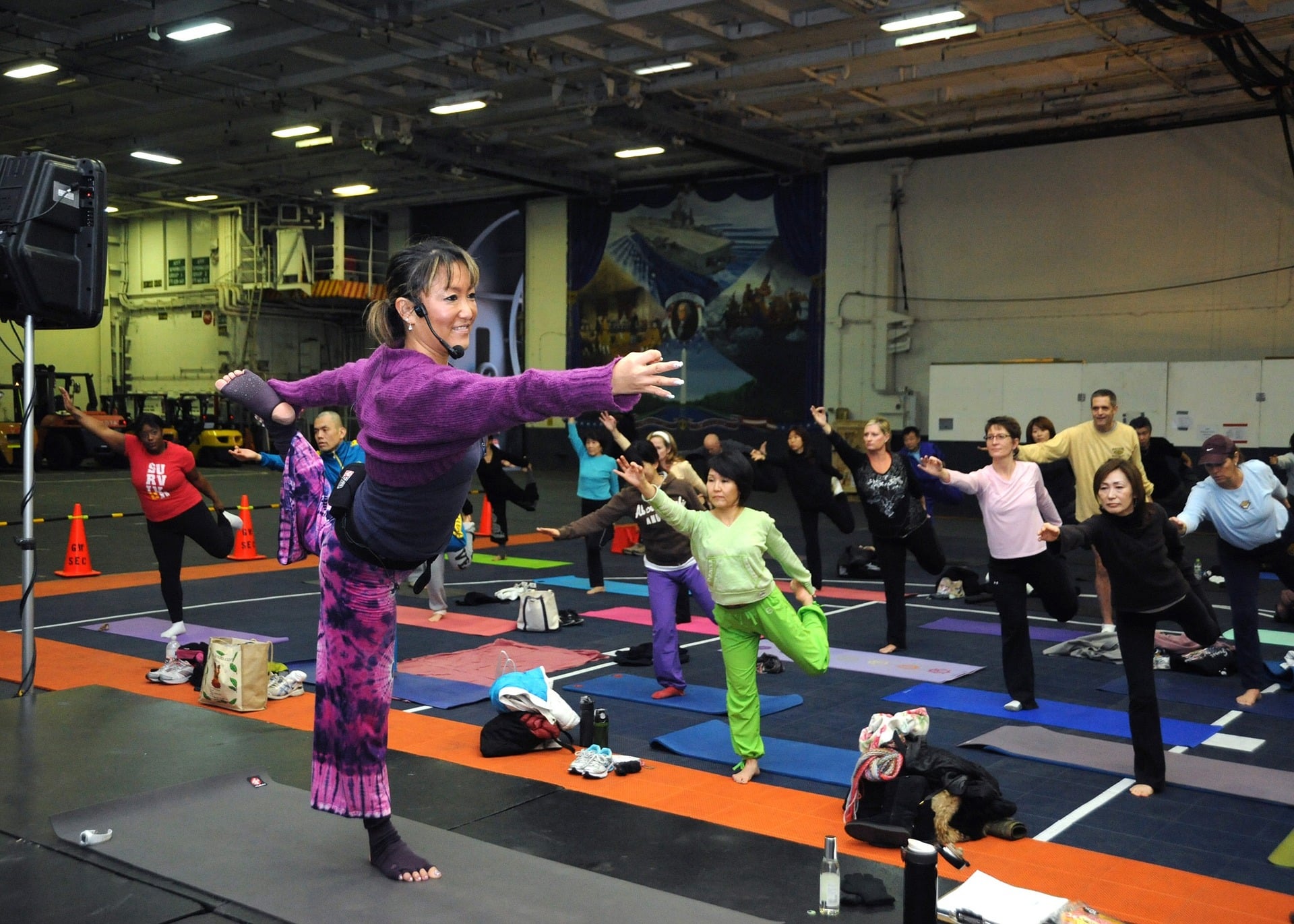
Join a gym

Many gyms offer classes like Zumba, pilates, yoga, kickboxing, and barre. Attending exercise classes provides opportunities to talk with others and explore your workout journeys together!

Exercise is associated with decreases in stress hormones including cortisol and adrenaline, and promotes the production of mood-enhancing endorphins.[9] For those who have social anxiety, these feel-good-feelings can help you gain confidence in seeking and maintaining new relationships.

Join a club or team

Clubs and teams offer great opportunities to make new friends and work together. Bulletins for clubs and teams may be found at your local college campus or community recreation center. A study by Scott Graupensperger and colleagues notes that being on a club sports team results in greater prosocial behaviors. Additionally, being on a team creates a strong sense of community and bonds, thus enhancing identification with others. A greater sense of identification can improve one’s mental health, social life, and well-being.[10]

Find Community Online

Online resources have made meeting like-minded people easier than ever. Today’s platforms allow us to connect with a host of individuals and groups that offer various forms of entertainment whether it is sushi classes, book clubs, or family potlucks! Of course, proper cautions are necessary when meeting people online. To help tweens and teens prepare for the potential hazards that await them on social media, we recommend they take our Social Media Readiness Course. This online course not only offers the information they need to stay safe, Dr. Bennett also shares critical wellness strategies she’s developed in over 25 years of clinical practice! Here are 4 GKIS recommended online platforms to help you connect with others

Meetup

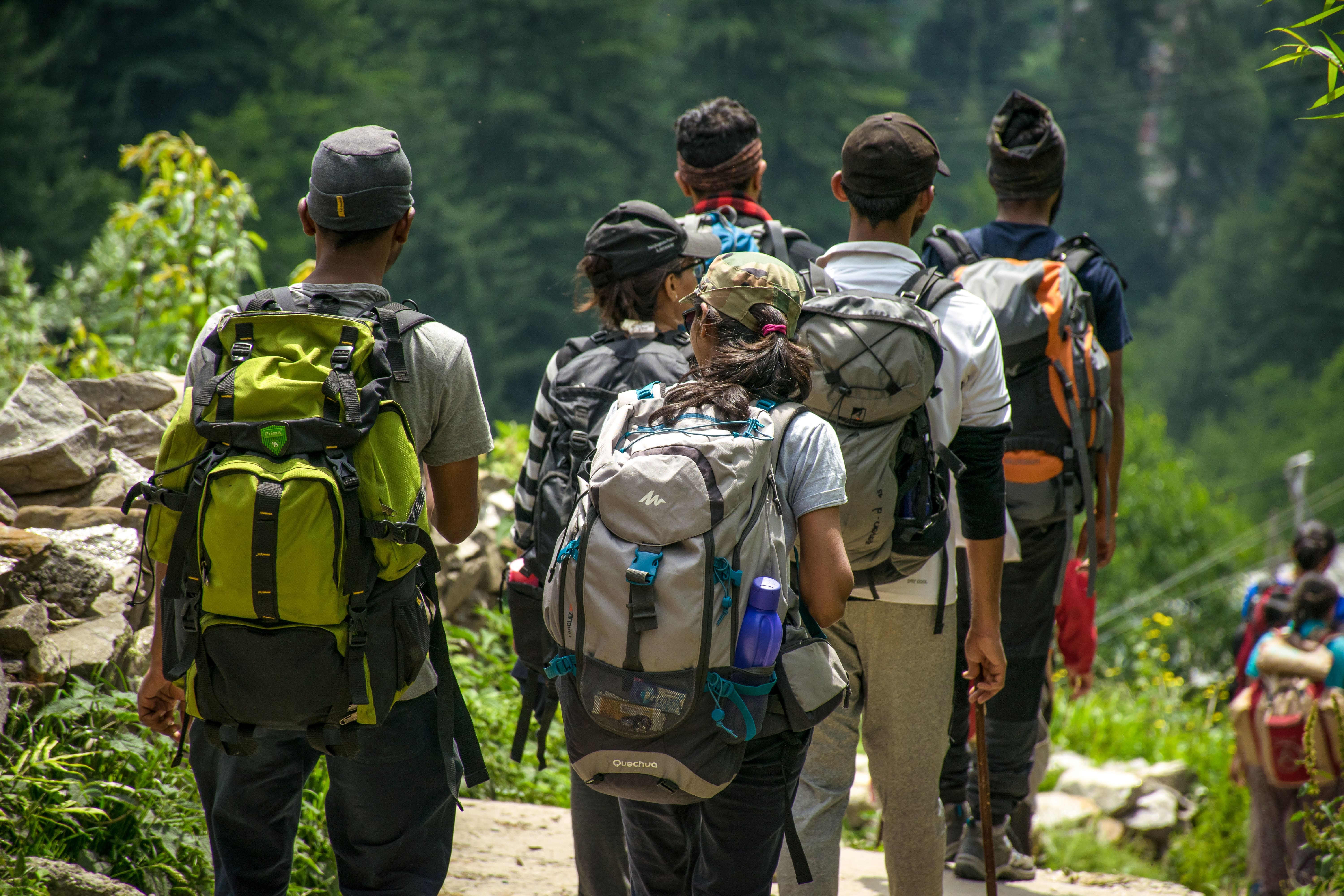
Meetup.com is a great website to start your search for like-minded people. The groups available are diverse and range from substance abuse support groups to groups for beginner hikers! Some groups are also geared towards entire families and may host events to bring families together. You can also create your own group, however, a monthly charge to Meetup is needed to keep your group active.

Hey! VINA

Hey! VINA is a free new app with a design similar to the dating app Tinder. Hey! Vina is geared toward women and nonbinary people looking to make friends with other women and nonbinary people. The VIP membership gives users special access to certain features including faster matches, seeing who swiped right on (liked) your profile, and more.

The Dinner Party

The Dinner Party is an organization founded in 2018. The purpose of this organization is to bring grieving individuals who are between the ages 20 to 39 together. The intent is to connect and provide support for each other over dinner. They also expanded to create dinner parties for a wider audience of individuals who may be dealing with a different type of issue and would like a companion to talk to. To accommodate the recent COVID-19 guidelines, individuals are currently hosting Zoom dinner parties as a safer way to get together.

Eventbrite

Eventbrite is a popular platform used to get tickets for live events ranging from stadium concerts to yoga meetups at the park. While the service is free, the organizer of the event may require a small fee to attend while others offer their events for free.


Thanks to CSUCI intern, Avery Flower for researching ways to battle loneliness, and for co-authoring this article.

I’m the mom psychologist who will help you GetKidsInternetSafe.

Onward to More Awesome Parenting,

Tracy S. Bennett, Ph.D.
Mom, Clinical Psychologist, CSUCI Adjunct Faculty
GetKidsInternetSafe

Photo Credits

Photo by fauxels from Pexels

Photo by Engin Akyurt from Pexels

Photo by RODNAE Productions from Pexels

Photo by janeb13 from Pixabay

Photo by Gift Habeshaw from Unsplash

Photo by Guduru Ajay bhargav from Pexels


Works Cited

[1] Williams, C. Y. K., Townson, A. T., Kapur, M., Ferreira, A. F., Nunn, R., Galante, J., Phillips, V., Gentry, S., & Usher-Smith, J. A. (2021). Interventions to reduce social isolation and loneliness during COVID-19 physical distancing measures: A rapid systematic review. PLoS ONE16(2). https://doi-org.ezproxy.csuci.edu/10.1371/journal.pone.0247139

[2] Lun, V. M.-C., & Bond, M. H. (2016). Achieving subjective well-being around the world: The moderating influence of gender, age and national goals for socializing children. Journal of Happiness Studies: An Interdisciplinary Forum on Subjective Well-Being17(2), 587–608. https://doi-org.ezproxy.csuci.edu/10.1007/s10902-015-9614-z

[3]Brunes, A., Hansen, M. B., & Heir, T. (2019). Loneliness among adults with visual impairment: Prevalence, associated factors, and relationship to life satisfaction. Health and Quality of Life Outcomes17. https://doi-org.ezproxy.csuci.edu/10.1186/s12955-019-1096-y

[4] Tiwari, S. (2013). Loneliness: A disease? Indian Journal of Psychiatry, 55(4), 320. doi:10.4103/0019-5545.120536

[5] Beutel, M. E., Klein, E. M., Brähler, E., Reiner, I., Jünger, C., Michal, M., Wiltink, J., Wild, P. S., Münzel, T., Lackner, K. J., & Tibubos, A. N. (2017). Loneliness in the general population: Prevalence, determinants and relations to mental health. BMC Psychiatry17.

[6]Carr, D. C., Kail, B. L., Matz-Costa, C., & Shavit, Y. Z. (2018). Does becoming a volunteer attenuate loneliness among recently widowed older adults? The Journals of Gerontology: Series B: Psychological Sciences and Social Sciences73(3), 501–510. https://doi-org.ezproxy.csuci.edu/10.1093/geronb/gbx092

[7] de Guzman, M. (2007). Youth Volunteerism. Retrieved from https://extensionpublications.unl.edu/assets/pdf/g1750.pdf

[8]Nenga, S. K. (2012). Not the community, but a community: Transforming youth into citizens through volunteer work. Journal of Youth Studies15(8), 1063–1077. https://doi-org.ezproxy.csuci.edu/10.1080/13676261.2012.697135

[9] Harvard Health Publishing. (2011). Exercising to relax. Retrieved from https://www.health.harvard.edu/staying-healthy/exercising-to-relax

[10]Graupensperger, S., Panza, M., & Evans, M. B. (2020). Network centrality, group density, and strength of social identification in college club sport teams. Group Dynamics: Theory, Research, and Practice24(2), 59–73. https://doi-org.ezproxy.csuci.edu/10.1037/gdn0000106

My BFF is My Smartphone

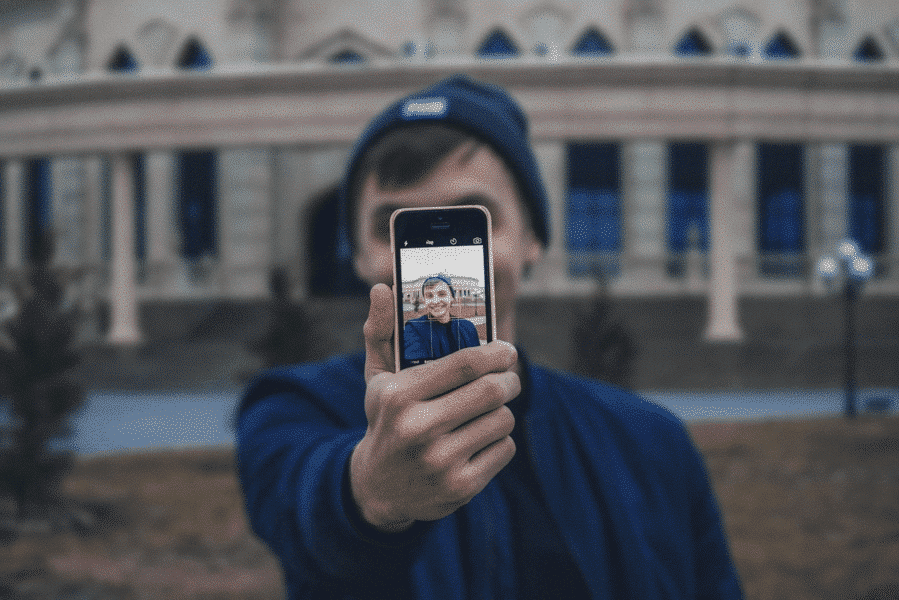
In a generation that places social media “likes” at a higher importance than registering to vote, it’s no surprise that screen technology has become critical to friendship and entertainment. As my father would say, “We have the world at our fingertips.” Not only can we research smart investments, how to cook a Thanksgiving dinner, or recent celebrity exploits, we can escape into social media. The virtual lives of teens can be particularly consuming as they constantly craft and brand their virtual selves. Self-presentation and self-disclosure are among the major reasons teens use social media.[1]

Studies have found that unmanaged screen time can deteriorate real-life interpersonal relationships and can lead to social isolation. This is not to suggest that we must go screen-free. Instead, we at GKIS encourage parents to support their kids and teens to best navigate a positive screen-using experience. Signing up for the Free GKIS Connected Family Agreement is a valuable first step towards learning how to properly monitor technology usage while developing a trusting and loving environment for families.

Our Connected Family Agreement isn’t just a digital contract. It’s a flexible blueprint that will lead your family into important discussions about what to look out for and what’s expected. After all, if we don’t have an agreement and learn to talk about screen use, even sensible management rules won’t make sense. Parents will get mad, and kids will get in trouble too often. None of us want that.

Topics our agreement covers include

  • taking inventory of online activities,
  • how to “love and protect” online as well as offline,
  • how to maintain honesty and transparency,
  • screen smarts and digital permanence,
  • and digital citizenship, online reputation, and netiquette.

When you sign up on our GetKidsInternetSafe home page, you’ll receive the child and teen versions of the Connected Family Agreement in your email. Today’s GKIS article covers issues to keep an eye out for as teens launch their lifetime relationships with tech.

Media Multitasking

Media multitasking is the use of different media simultaneously, for example, listening to music while playing a video game or texting while watching a movie. Research shows that media multitasking can lead to performance decline due to an overload of cognitive resources. Too much time spent in mental brownout can lead to mental illnesses like depression or anxiety. To learn more about media multitasking, check out our GKIS article Smartphones During Homework?

Social Media’s Effects on Friendship

Psychology research has also explored how smartphones affect friendship quality and face-to-face interactions. Here are the findings:

  • People rely heavily on social media to develop and maintain relationships with family and friends.[4]
  • Teens tend to move towards a group that is highly susceptible to negative psychological and behavioral outcomes from social media use.[5]
  • Teens who obsessively engage in self-presentation on social media may be more susceptible to psychological stress.[6]
  • Adolescents who appreciate having greater control over message content may prefer smartphone communication rather than face-to-face because they are allowed more time to edit response when behind a screen.[7]
  • In 2013, college students reported lower feelings of trust and empathetic understanding when there was a smartphone in the room, especially when intimate topics were being discussed.[8]
  • In 2014, women reported that mobile devices frequently interrupted quality time with romantic partners, and the more frequent interruptions, the lower their relationship satisfaction.[9]
  • Some teens seek media to help cope with negative emotional states.[10]
  • Friends who get distracted by their smartphones are more likely to report poor conversations and decreased access to emotional cues, which could reduce their opportunities to build a long-term mature sense of intimacy.[11]
  • Internet use has been associated with depression and suicidal ideation between the ages of 13 and 18.[12]

The distractions imposed by smartphones are of great concern considering that intimacy development is a critical skill in emerging adulthood.[13]

Internalizing Behaviors to Look Out For

Depression and anxiety are among the leading internalizing behavior diagnoses for teens.[14]

Behaviors to look out for include:

  • Withdrawing from friends and family
  • Feeling sad
  • Feeling lonely
  • Being nervous or irritable
  • Not talking
  • Feeling afraid
  • Having concentration problems
  • Feeling unloved or unwanted
  • Sleeping or eating more or less than usual[15]

What type of parental monitoring leads to the best results?

Research has shown that parental media monitoring can be effective at reducing the negative effects of media.[16]

  • Active monitoring refers to media-based conversations reviewing what content the teen is allowed to view and post.
  • Restrictive monitoring refers to parents imposing restrictions around the amount of screen time teens are allowed.
  • Supportive restrictive media monitoring refers to a parent placing limits on their child’s media use but also taking the time to explain why the rule is important and engaging in mutual feedback in setting rules and limits.

Active monitoring is the most effective type or parental monitoring for promoting autonomy (the child making good independent decisions) because the parent encourages open conversation. This approach promotes critical thinking about the differences between the on-screen world and the real world. When a teen can take charge of their media usage, they are better equipped to engage in critical thinking and learn to make decisions about technology based on internalized values, rather than being instructed by their parents.

Autonomy-supportive approaches are associated with lower levels of depression and anxiety. Whereas controlling parenting styles can encourage teens to spend more time on their smartphones as an escape to express themselves. Teens may not feel comfortable enough to open up to their parents and are more likely to internalize problems instead of reaching out to parents for support.

Overall, teens of all ages can benefit from screen-use rules and limits if they are conducted constructively. We encourage parents to allow enough space for their kids to develop their sense of identity and the free will to make their own decisions. With the help of Screen Time in the Mean Time: A Parenting Guide to Get Kids Internet Safe, you can learn how to properly monitor and protect your teens while still allowing a sense of autonomy. Our goal at GKIS is to prevent issues that may come up related to screen use before treatment is necessary.

Thanks to Isabel Campos for her research and help with writing this article.

Although parenting in the digital world may seem impossible, taking time to understand and learn will allow parents to better connect and relate to their teens. Interested in sharing this information and additional findings with other parents? Be sure to follow GKIS on Facebook, Instagram, and Twitter for more.

I’m the mom psychologist who will help you GetKidsInternetSafe.

Onward to More Awesome Parenting,

Tracy S. Bennett, Ph.D.
Mom, Clinical Psychologist, CSUCI Adjunct Faculty
GetKidsInternetSafe.com

Photo Credits

Photo by Dmitriy Tyukov on Unsplash
Photo by Gian Cescon on Unsplash
Photo by LinkedIn Sales Navigator on Unsplash
Photo by Casey Chae on Unsplash

Works Cited

[1](Charoensukmongkol, 2018)

[2](Padilla-Walker, Stockdale, & McLean, 2019)

[3](Abeele, Schouten, & Antheunis,2017)

[4](Charoensukmongkol, 2018)

[5](Charoensukmongkol, 2018)

[6](Charoensukmongkol, 2018)

[7](Abeele, Schouten, & Antheunis,2017)

[8](Przybylski & Weinstein, 2013)

[9](McDaniel, Coyne, 2014)

[10](Padilla-Walker, Stockdale, & McLean, 2019)

[11](Brown, Manago, & Trimble, 2016)

[12](Padilla-Walker, Stockdale, & McLean, 2019)

[13](Padilla-Walker, Stockdale, & McLean, 2019)

[14](National Institute of Mental Health, 2016)

[15](DiMaria, 2018, June 24)

[16](Padilla-Walker, Stockdale, & McLean, 2019)

The Power of Online Positivity

Martin Seligman, the father of Positive Psychology, emphasized the strength of social influence and how it can create meaning in life. We all need purpose. Despite its challenges, sometimes social media can help spread positive influence. Today’s GKIS article highlights some beautiful bright spots on GoFundMe and in the Twitter community. I hope you find it inspiring to join the joyful fray!

Paying it Forward: GoFundMe

GoFundMe.com is a popular website used for personal fundraising. For example, Dana Barrett’s tragic story of suffering from a traumatic spinal injury left her unable to breathe on her own. She’d already suffered a great loss with the death of both of her parents when she was only twenty-one years old. Now, after her accident, she was left struggling with quadriplegia. Dana is a loving, positive, and strong individual who is mightily loved and appreciated by her community. Her medical expenses will cost over $500,000. GoFundMe offered a platform for her loving community to come together for support. At the time of this writing, her fund was nearing $300,000 and growing!

Recent updates say that, with the support and money coming in from GoFundMe.com, Dana has been able to eat and drink on her own! She was told those goals were outside of her reach. The online community has consistently promoted events since her accident via social media, attracting the attention of singer-songwriter Gloria Estefan, comedian Amy Schumer, and actor Adrian Grenier.

The Ripple Effect

It doesn’t take a celebrity to spread generosity and joy; it can begin straight from your social media feed.

Recently I experimented with the ripple effect meaning one good deed spreads and encourages others. By offering thoughtful comments of appreciation and support on Instagram to friends and acquaintances, I let them know I read their captions and enjoyed their photos rather than mindlessly scrolling and clicking the heart eyes emoji. I took Martin Seligman’s active listening techniques and applied them to social media posts.

I saw a positive return on my posts almost immediately. I felt connected in an online world where connection is sometimes lost. Soon I started messaging people I wanted to be friends with just by watching their Instagram stories and saying something nice about the content. In a short time, I felt like I had a whole tribe of new friends eager to connect and share the joy.

Social media isn’t all about distraction. With a little bit of authentic, mindful effort, it is a tool for a fun and convenient connection.

The Positive Impact of Twitter Influencers

Twitter is, in my opinion, the fastest way to find hilarious memes, political content, and trolling. Trolling refers to the act of intentionally fighting with someone online, often in a joking manner, just to spark a reaction.

My favorite Twitter account right now is that of rapper @lilNasXHe’s used his charismatic online presence to create the longest-leading Billboard No.1 track “Old Town Road.” He takes Twitter harassment and comments from “trolls” as gracefully as anyone I’ve ever seen.

In response to his brushing a mean comment off his shoulders recently, comedian Chris D’elia tweeted, “We love you, kid.” The music industry seems to have welcomed LilNas silly endless remixes of “Old Town Road” (ft. Billy Ray Cyrus, Diplo, Young Thug & popular meme “yodeling kid” Mason, Seol Town Road K pop version, and Cupcakkke) with open arms.

In response to lilNasX’s release“C7osure (you like)” on the last day of Pride month, Twitter went wild for LilNas’s came out as a full-time African American rapper LGBTQ representative with a country NO.1 hit and a hilarious Twitter account. The LGBTQ community loved it, adopting it as a new theme song, a voice spreading positivity, energy, and love.

Thank you LilNas for your positive representation. I found it so positive and inspiring. It’s time to use social media as a tool for positivity. The first step starts with your online footprint!

I’m Kaitlin Hoover, GKIS intern. Paying it forward is a great way to feel connected to the world and finding representatives that make you laugh is a great start. Check out GKIS article Gaming Together Increases Family Bonding for more ways to incite spontaneous joy and connection!

I’m the mom psychologist who will help you GetKidsInternetSafe.

Onward to More Awesome Parenting,

Tracy S. Bennett, Ph.D.
Mom, Clinical Psychologist, CSUCI Adjunct Faculty

Photo Credits

Photo by Perry Goneon Unsplash
Photo by Guilherme Stecanella on Unsplash
Photo by Ellie Adams on Unsplash