Need peaceful screen time negotiations?

Get your FREE GKIS Connected Family Screen Agreement

beauty

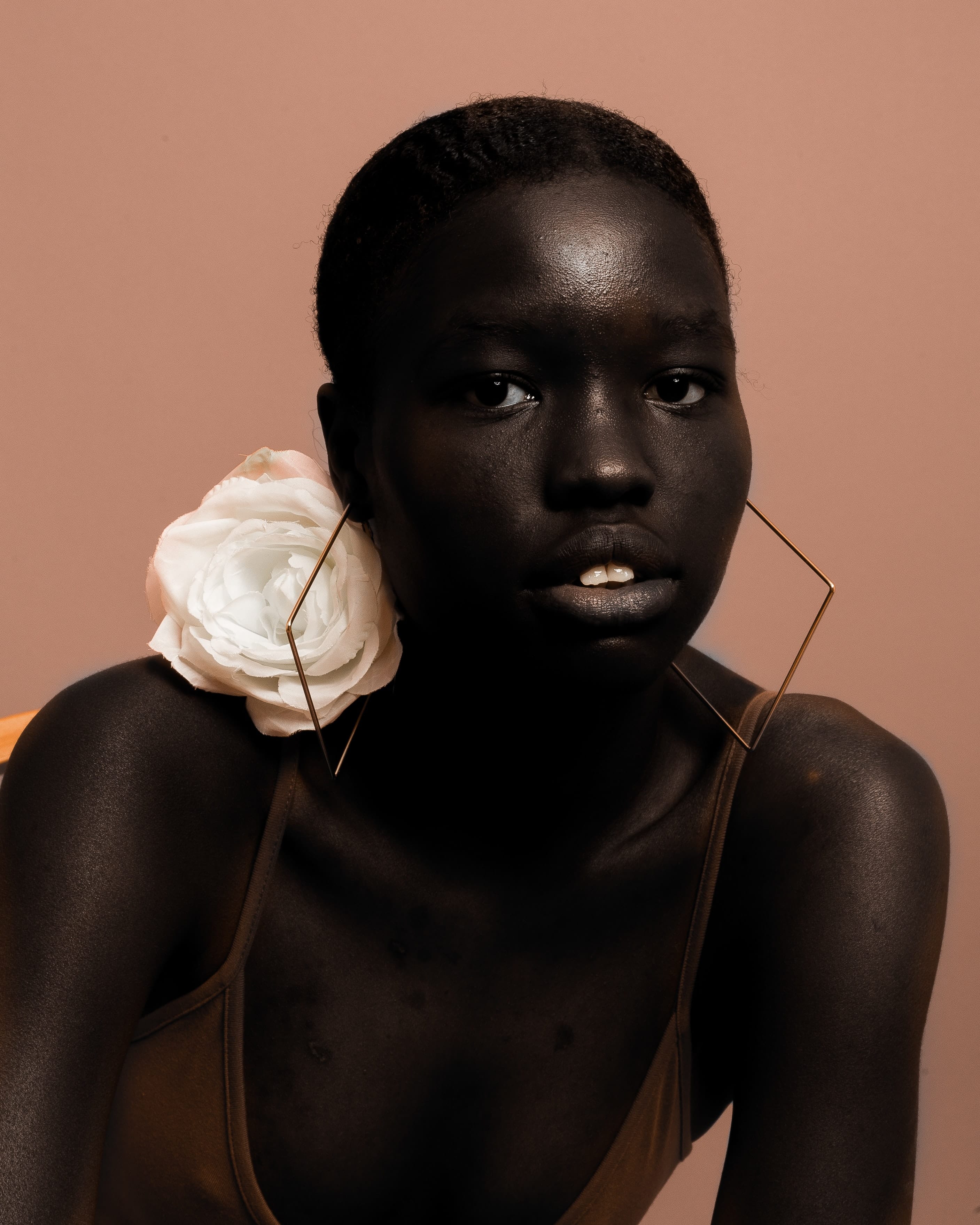
Beauty Filters Don’t Embrace Brown Beauty: The Rise of Colorism

How would you feel if you found out that your child is going to extreme and dangerous lengths to change their appearance? What if your child is putting themselves in potential harm to fit beauty standards set by beauty filters? Beauty filters can be a fun way to transform selfies, but they have failed to embrace the beauty of all skin tones, especially dark ones. This has led to the rise of colorism and extreme self-esteem issues. To help you recognize the dangers of social media on self-esteem, I interviewed Dr. Chavarria, CSUCI Assistant Professor of Sociology, to offer insight on how colorism affects minority communities and how to prevent it. If you are concerned for your child’s mental and physical well-being when they interact on social media, check out our Social Media Readiness Training for tweens and teens. Our guide prepares your children for safer screen use and prevents psychological illness with our expert emotional wellness tools. Today’s GKIS article shares the story of a young girl negatively affected by beauty filters and tips you can take to help protect your kids from colorism.

What are beauty filters?

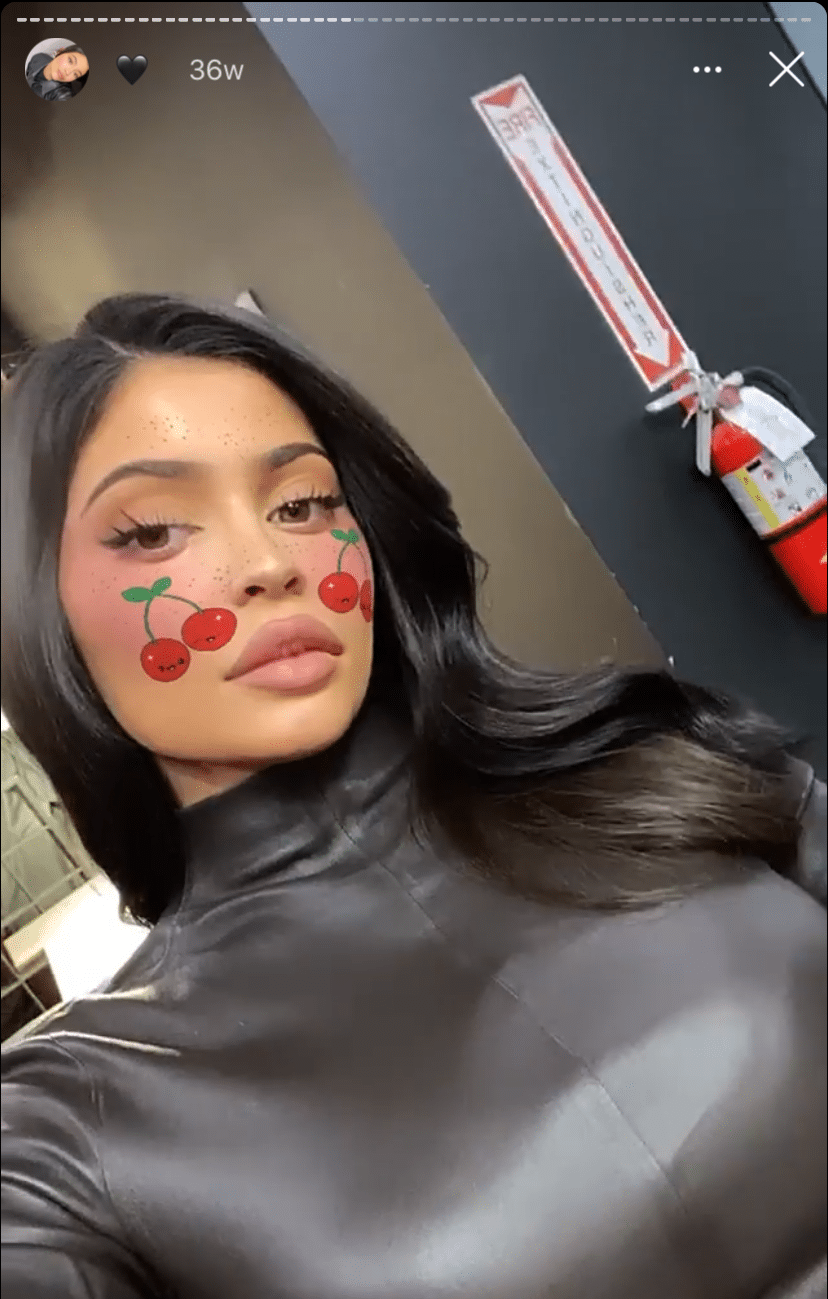
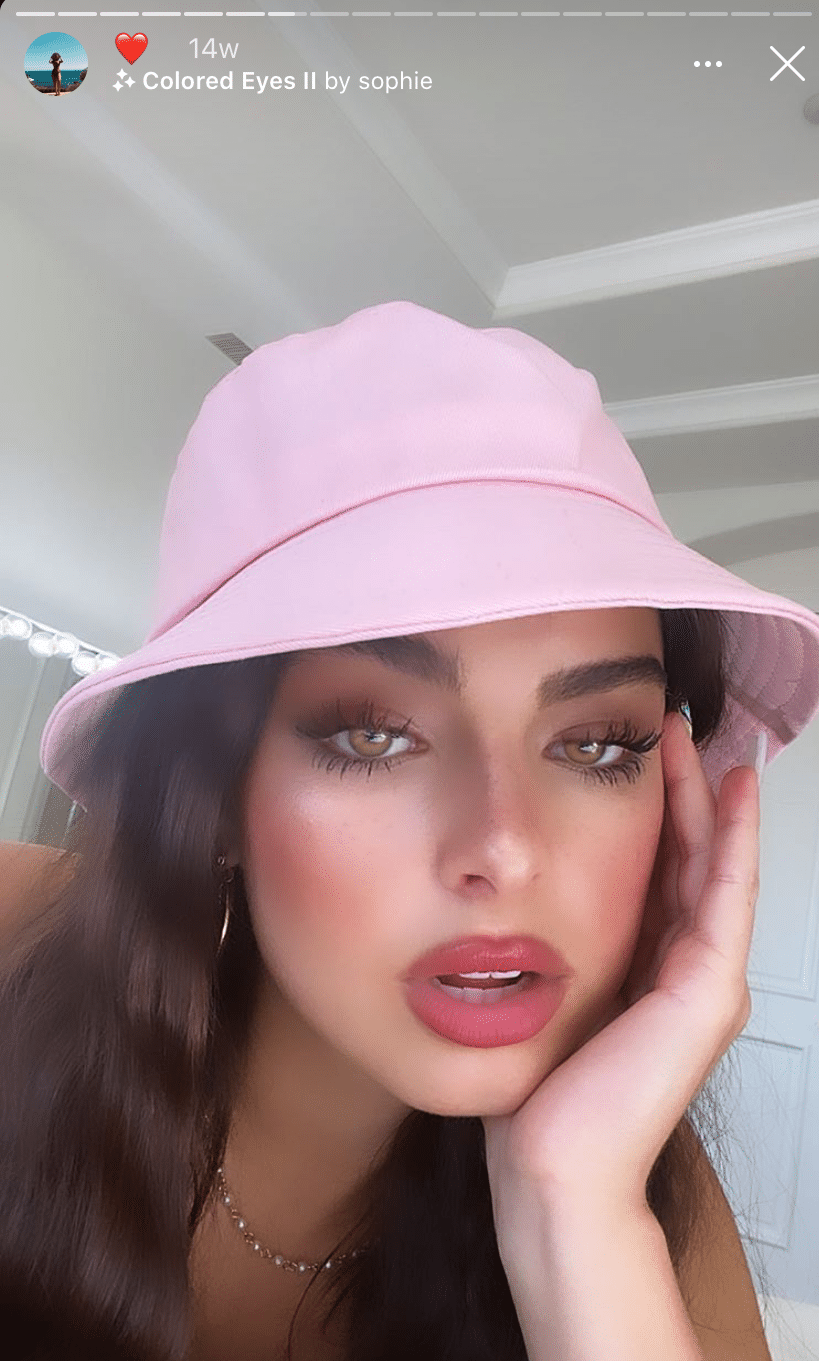
Beauty filters are social media features that beautify and erase people’s imperfections and flaws by creating a modified version of themselves. Specific modifications can be anything, but the most popular filters alter the size of facial features, change eye color, and add effects like make-up or long eyelashes.[1]

The Negative Effects of Filters

Low Self-Esteem

Although filters can be fun, they can also be damaging to one’s self-esteem. Research demonstrates that the use of filters can lead to low self-esteem because filter users are more likely to hyper-focus on the features they dislike when using them. This can then lead to frequently comparing one’s real looks with filtered looks, changing our beauty “ideal” and recognizing (even obsessing on) our failure to live up to that ideal. Not being able to accomplish the same look with these filters can make someone feel less than or that they will always be below beauty standards. For others, it may motivate them to find a way to change their appearance to better match the beauty standards set by social media regardless of the risks these changes pose.[2]

The Rise of Colorism
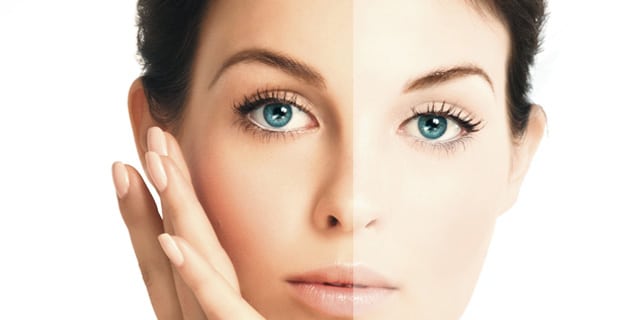
It has been noted by many social media users that beautifying filters usually have a lightening or bleaching effect on the skin. In fact, according to skin color expert Ronald Hall, this effect is not an accident. He explains that it is a way to maintain and conform to historically Eurocentric beauty standards.

Beauty filters are promoting a rise in colorism. Colorism refers to prejudices or discrimination an individual may experience for having a darker skin tone. This phenomenon usually occurs among one’s own ethnic or racial group.[3,4]

A Young Teen Takes Drastic Measures to Change Appearance

Lise, a young teenager, shared her struggles with colorism. Her experience included being bullied for her darker skin tone. The bullying not only came from white girls at school but, to her surprise, also from those who looked similar to her in her same ethnic or racial group.

Seeing pictures of light-skinned women receive lots of likes and positive comments online also confirmed to Lise that she did not meet society’s standards of beauty, bringing her self-esteem down. To try to lighten her skin, Lise began to scrub her mom’s bleaching cream into her skin with a copper wire brush. Even without abrasion injuries, bleaching products can pose health risks.[4]

If you are concerned that your child is suffering from a digital injury like mood and anxiety disorders triggered by compare-and-despair, check out our GKIS Online Safety Red Flags For Parents. With this guide, you’ll learn the behavioral red flags to look out for that may signal your child is suffering from digital injury.

Colorism Affects Minority Communities on a Larger Scale

Colorism is an issue that not only affects self-esteem, but it has also been a problem for minority communities on a larger scale. Dr. Chavarria, CSUCI Assistant Professor of Sociology, explained in our interview that the emergence of colorism, particularly in the Latino society, has been a consequence of conquest and colonization of indigenous communities.

Colonizers constructed these ideas about indigenous communities so they would be perceived as inferior, uncivilized, having no knowledge, and being closer to evil. Whites or being light-skinned, in contrast, have historically been constructed to be perceived as better, good, and even closer to God.

This construction caused the devaluation of indigenous identity features such as brown skin, indigenous language, and ethnic practices leading to the destruction of indigenous communities. Many who managed to survive and succeed in the majority culture often did so by blending in and learning to assimilate. Ethnic roots were lost over generations, and minority communities lost a sense of pride in what they look like. Dr. Chavarria reported that research has demonstrated how individuals that align with beauty standards often get more career opportunities and higher pay.

How to Help Stop Colorism

Start with Family

Colorism needs to be stopped. A first step is addressing how colorism starts within the family. Dr. Chavarria stated that, although colorism often starts with the family, grandparents and parents are often not even aware they are engaging in it. They too have been socialized to believe these ideas about their indigenous roots and characteristics. Therefore, educating family members about what colorism is and how it can cause generational trauma can be the first important step to change.

As a Chicana who has also experienced colorism within my community and family, I recognize that change can be hard. Sometimes I didn’t know how to tell my grandmother that the “advice” she gave me was conforming to Eurocentric standards and colorism, and that it did more damage than help. For example, when family members told me that I should find a light-skinned man with colored eyes so my future children can inherit those features, they seemed to be telling me that, as a brown girl, I did not possess “beautiful” features.

Follow Body-Positive Campaigns

Dr. Chavarria also highly recommends that social media users check out campaigns directed to make positive changes. Cultural Survival on Facebook is a campaign that she tracks. It is an international organization that engages with indigenous communities across the globe. They address important issues like colorism by protecting indigenous women and challenging Eurocentric notions of beauty.

Practice Self-Awareness

If you find yourself contributing to colorism with comments and negative self-appraisals, challenge yourself for positive change.

Speak Out

As you become more self-aware, speak out to friends and post positive pro-beauty messages that demonstrate that beauty comes in many shades and colors. We must consistently challenge historical ideas to break biases and end discrimination. It starts with us, let’s get started!
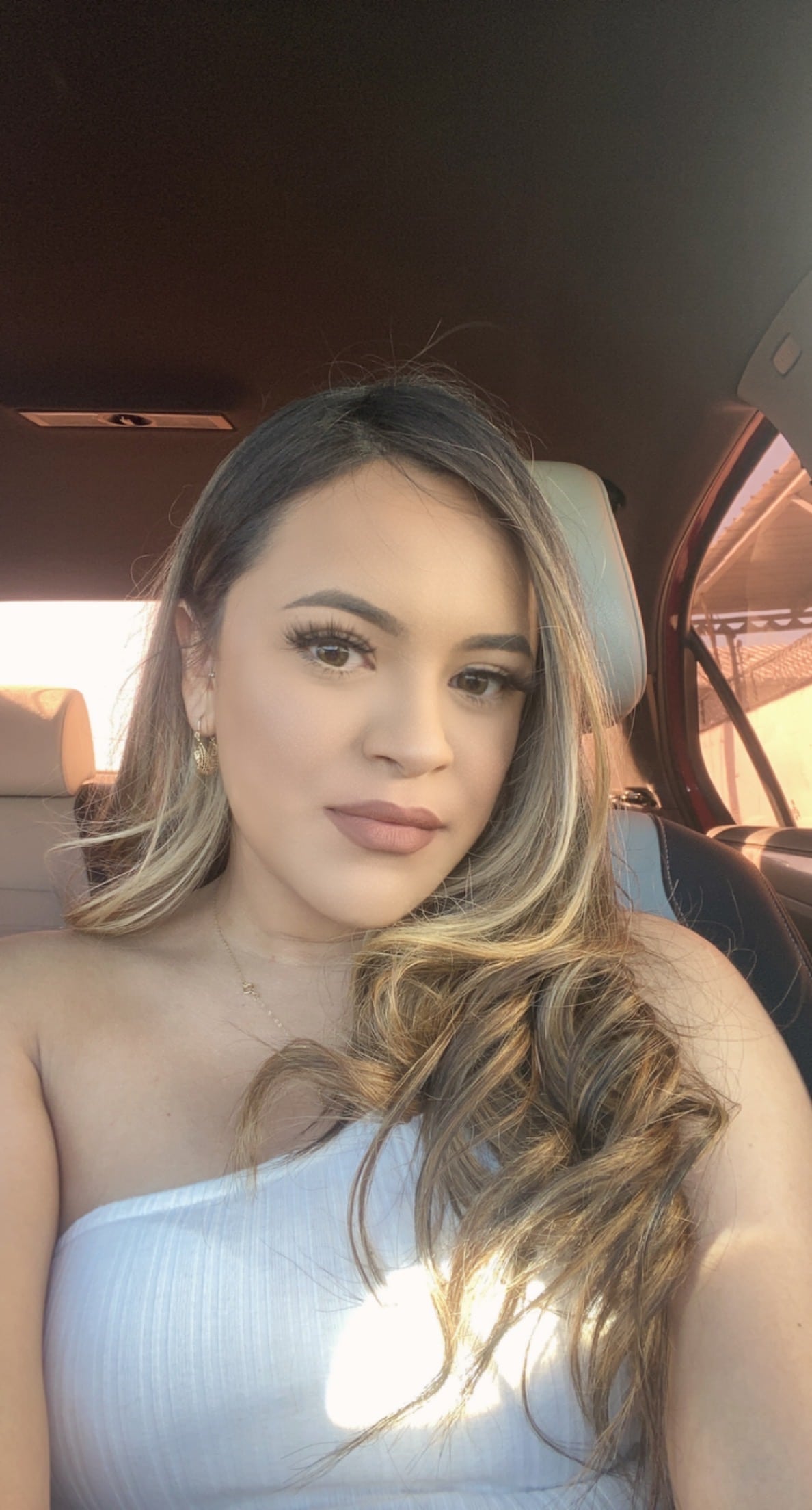

Thanks to Dr. Chavarria for offering expert insight on colorism and how to prevent it. Thanks also to CSUCI intern Ashley Salazar for researching and co-authoring this article. Colorism is on a high rise due to beauty filters on social media. Check out our GKIS courses to learn to have easier dialogues with your children and protect them from digital injury.

I’m the mom psychologist who will help you GetKidsInternetSafe.

Onward to More Awesome Parenting,

Tracy S. Bennett, Ph.D.
Mom, Clinical Psychologist, CSUCI Adjunct Faculty
GetKidsInternetSafe.com

Works Cited

[1]Ma, J. (2020) Are Face Filters on Instagram, Snapchat, and TikTok leading to a distorted sense of beauty in society? YP. Are face filters on Instagram, Snapchat and TikTok leading to a distorted sense of beauty in society? – YP | South China Morning Post (scmp.com)

[2] Mac Neil, I. (2021) WATCH — Why beauty filters might be messing with your self-esteem. CBC Kids News.

 WATCH — Why beauty filters might be messing with your self-esteem | Video | Kids News (cbc.ca)

[3] Wang, C. (2020) Why do beauty filters make you look whiter? Popular Science.

https://www.popsci.com/story/technology/photo-filters-white-kodak-film/

[4] Ryan Mosley, T. (2021) How digital beauty filters perpetuate colorism. MIT Technology Review. https://www.technologyreview.com/2021/08/15/1031804/digital-beauty-filters-photoshop-photo-editing-colorism-racism/

[5] https://www.refinery29.com/en-gb/instagram-face-filters-dysmorphia#:~:text=She%20says%20that%20 she%2C%20 too,no%20imperfections%2C%22%20she%20explains. Have not used might use.

Photo Credits

Photo by Agarwal, Diya. https://www.flickr.com/photos/medicalhealthtips/15946735624/in/photolist-qiabVE-9H6aGv-8Lrnkk-2md9TsF-2md8Nep-5a3eXi-24qG78x-HBuwUe-2kScHdE-tPAvCu-ENxyqW-2krhzMd-2kScb6B-61zsJ-VqpLNQ-kn4YLz-2kS9Knm-w7KHtd-2kSbo8f-2kSboik-2kSgFoJ-2kSgER6-UEKxRF-2kS9KrE-2kSbopC-2kScaKS-2kScaJz-fCjuV-SXbcAJ-9KgCcQ-p57AHY-JNKLtL-tFUtpd-2mcoGCo-uRvgR-5yWPt8-9Am5c5-752fss-5oWrRc-2mcohu5-5szcJ7-2iQK6Lh-VBXddp-XonKAh-a2fEi4-7wuE7x-ouPRzz-f6xVfC-9KdK8r-H4xb4S/lightbox/

Photo by Becerra, Manny. https://unsplash.com/photos/ckXiLvOSieM

Photo by Odunsi, Oladimeji. https://unsplash.com/photos/aU_eOcelLhQ

Photo by  Hryshchenko, Volodymyr. https://unsplash.com/photos/WU9dA3C4R28
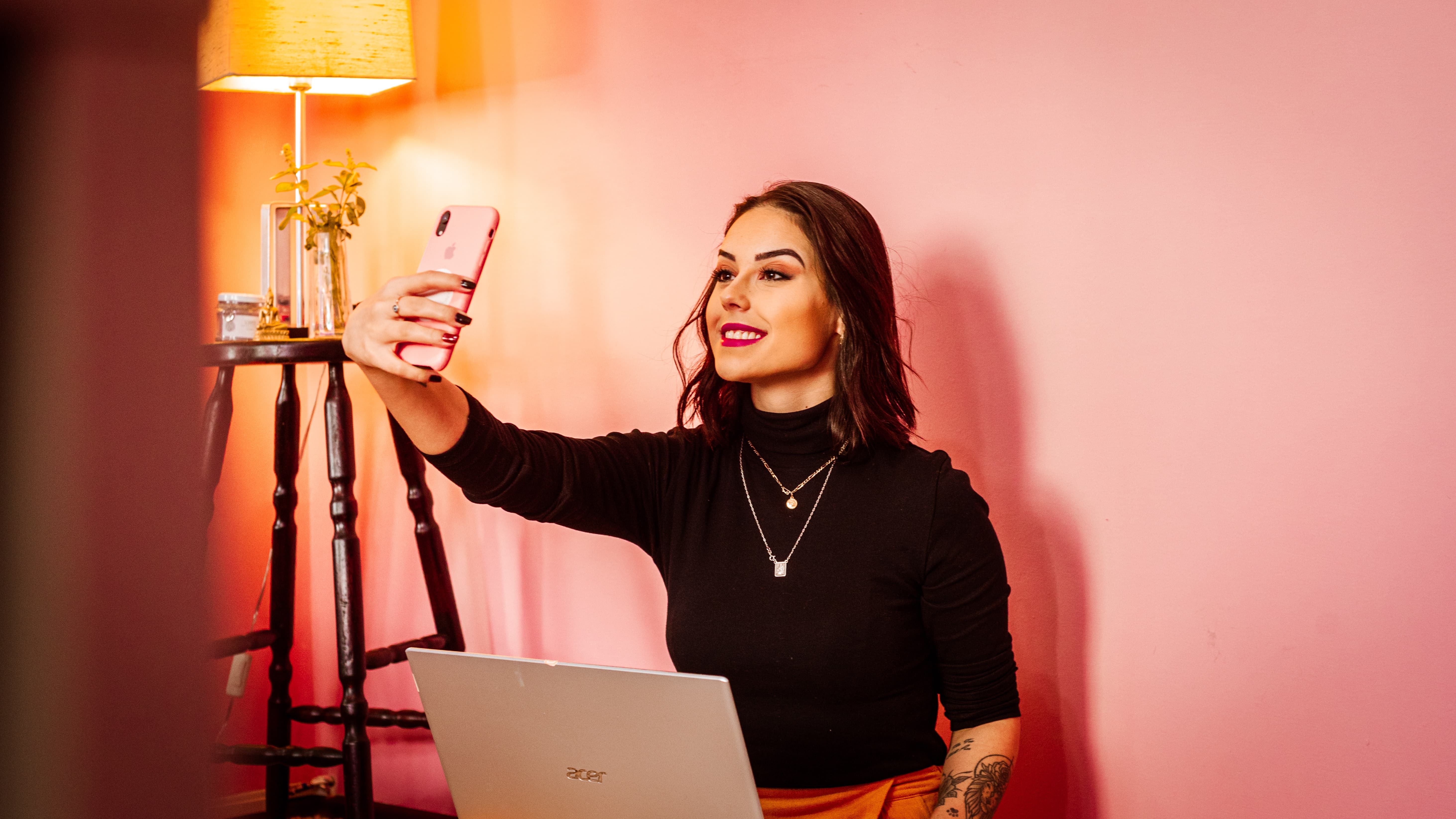
The Dangers of ‘Plastic Surgery’ Filters

Is your teen on Snapchat and Instagram? If so, they may be using what is popularly called, ‘plastic surgery’ filters. These filters may be altering your teen’s image of themselves and could be harmful to their mental health. I have been using filters on Instagram, Snapchat, and other social media platforms since I was a teen. Over the years these filters have become more face-altering than ever before. For more tips and guidance on social media, check out Dr. Bennett’s Social Media Readiness Course.

What Are ‘Plastic Surgery’ Filters?

Plastic surgery filters are filters that make users look like they have different types of cosmetic surgery. These filters give the users bigger lips, smoother skin, smaller noses, sharper cheekbones, and even different colored eyes. They are popularly used by celebrities, influencers, teens, and young adults.

Unrealistic Beauty Standards

‘Plastic surgery’ filters can be harmful because they promote unrealistic beauty standards by erasing imperfections and enhancing certain features. Teenagers view thousands of ‘perfect’ images daily on social media shared by peers, idols, and even themselves. This can cause self-esteem problems because beauty standards become less and less realistic.

Attention from Followers

Many celebrities and people I know refuse to post an unedited or unfiltered image of themselves, which is sad and scary. Attention from followers contributes to this problem. If a teenager posts filtered selfies and they get positive comments from their followers, they may depend on using those filters because they feel that they will not get the same attention without one. This can cause people to become obsessed with the filtered images of themselves and unhappy with their appearance without a filter.

Snapchat Dysmorphia

Along with lowering self-esteem, filters like these are inspiring more young people to get cosmetic surgeries because they prefer the edited version of themselves. Cosmetic doctors are noticing that filters might be leading to a new type of body dysmorphia. Body dysmorphia is a mental disorder where a person obsesses over a minor flaw in their appearance.

Dr. Esho, a cosmetic doctor, claims that an increasing number of individuals are bringing pictures of themselves with filters to plastic surgeons and asking to look like that. Doctors are calling this new type of body dysmorphia, ‘Snapchat Dysmorphia.’

My Personal Experience Using Filters

I have used filters that make my lips fuller, skin smoother, and face slimmer. When I was using them, I did not fully realize how often I was using them until my boyfriend once told me, “Why do you always use filters? You are beautiful without them.” He wasn’t telling me to stop using them, he simply asked me why.

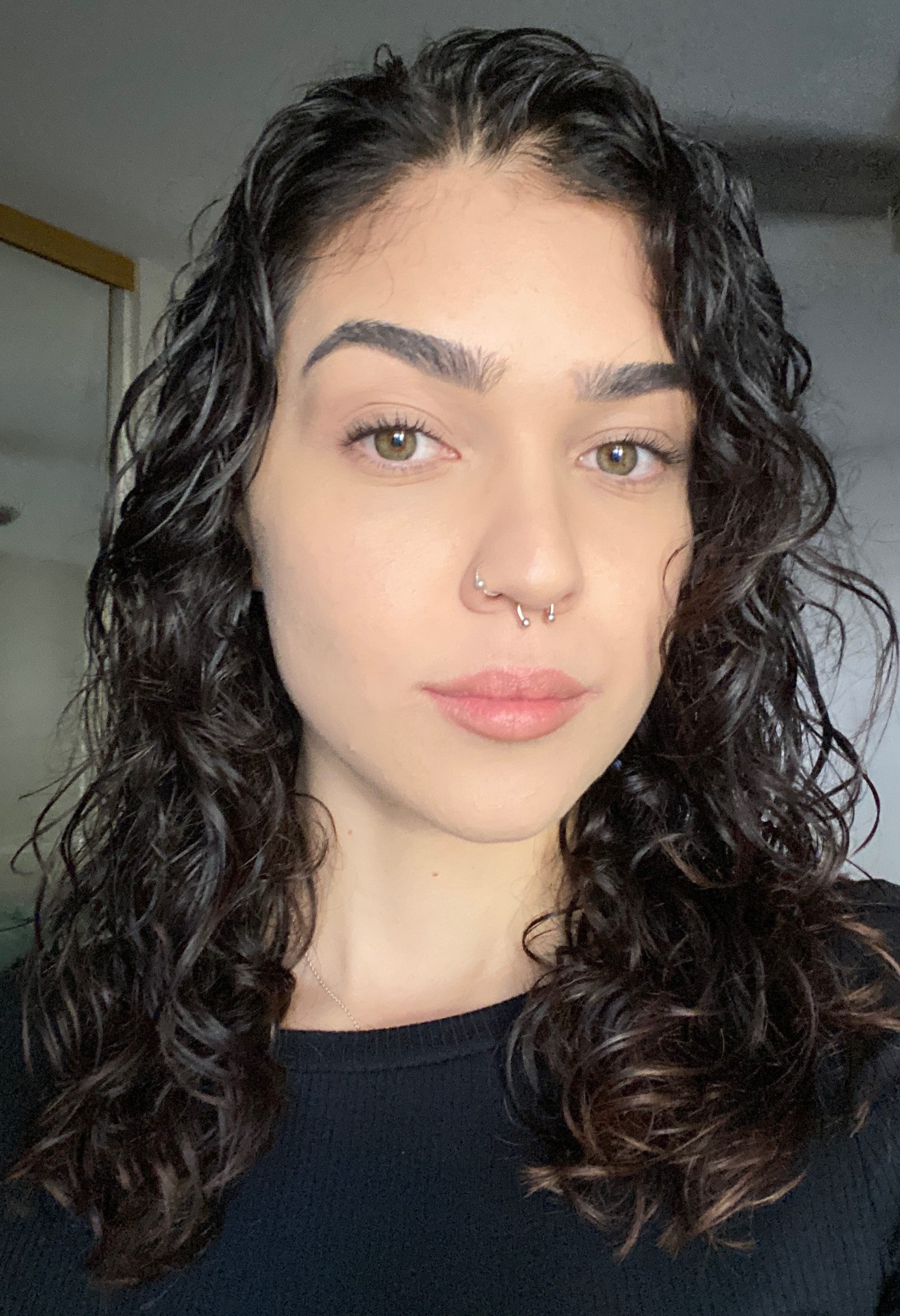
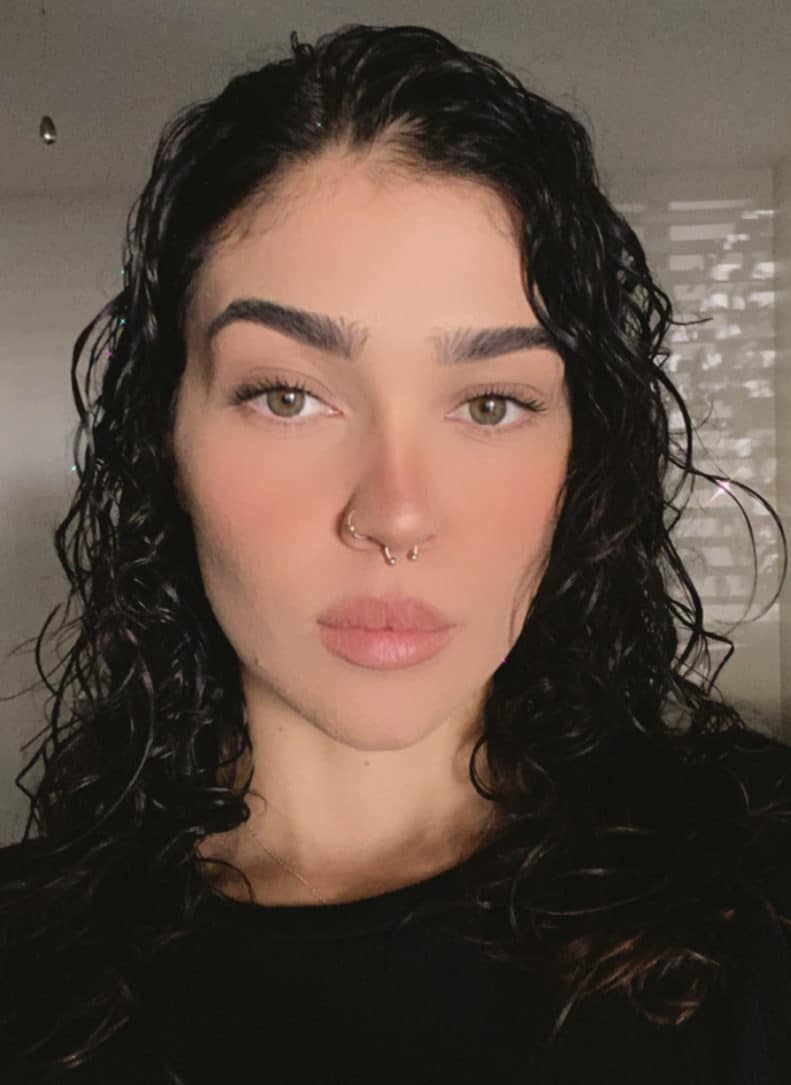
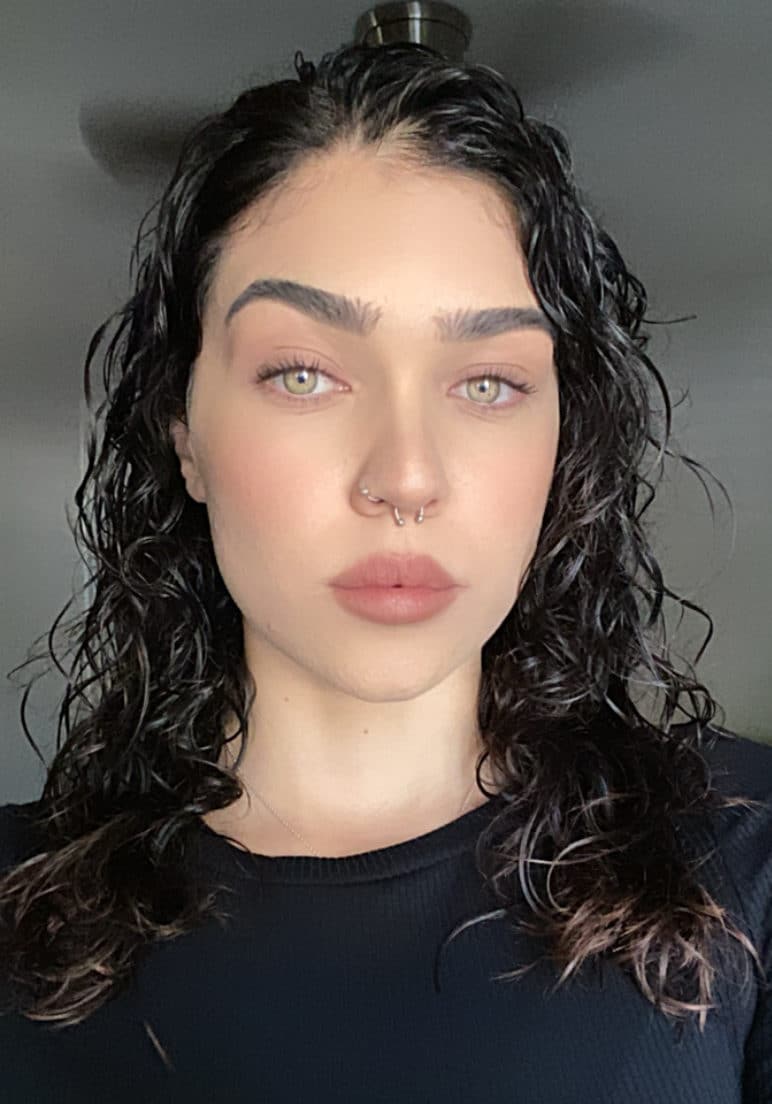
I realized that he was right, that I was relying on filters to feel beautiful. Since then, I limit my use of filters and embrace my imperfections. I want to share an authentic version of me. For this article, I decided to do a before and after using a few Instagram filters, so you can see how different they make me look.

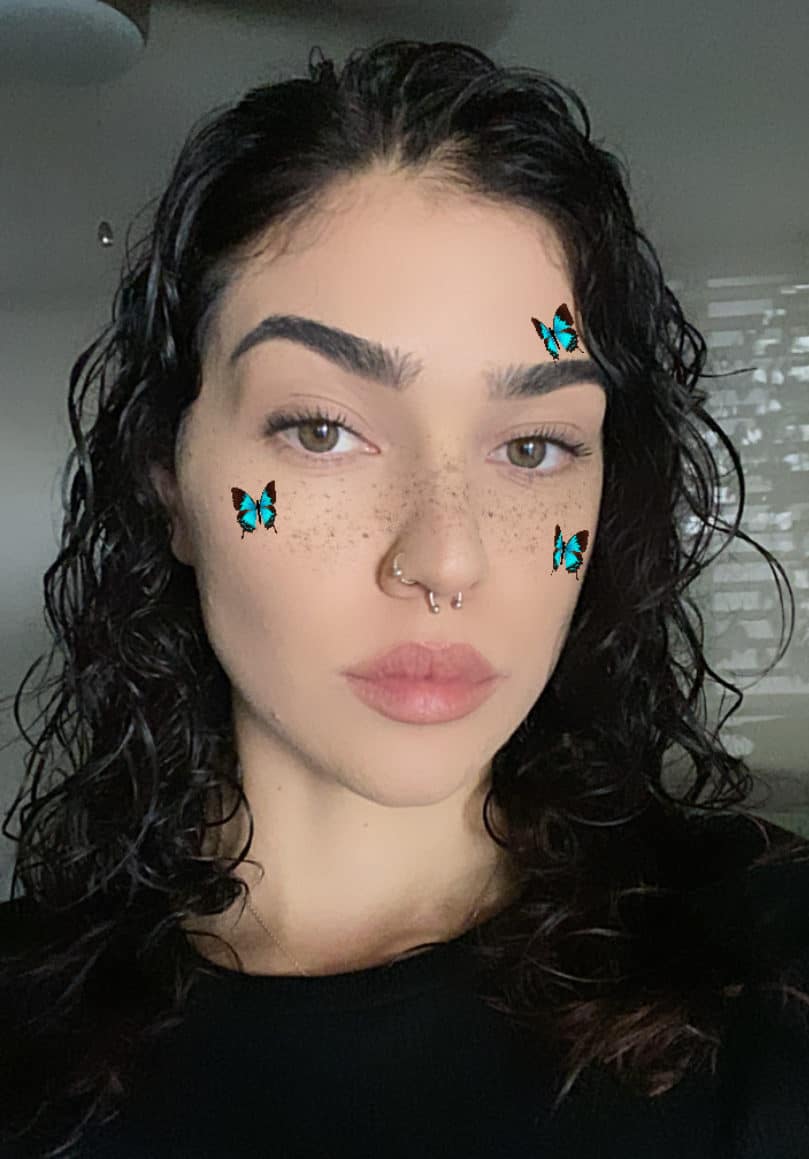
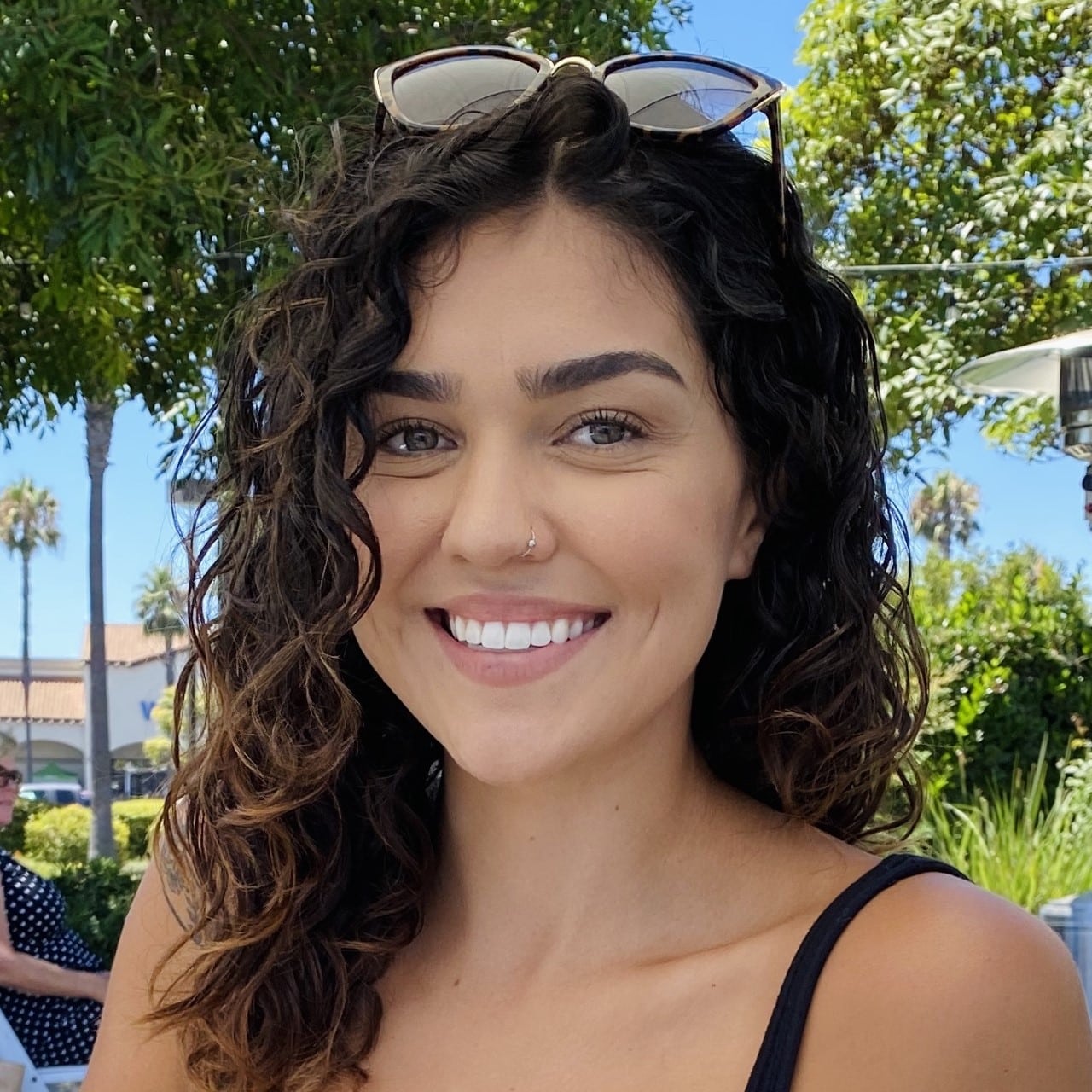
                  (No Filter)                            Filter 1                                        Filter 2                                       Filter 3

What can you do if your teen is using filters on social media?

Just because your teen uses filters does not mean that they will develop a disorder or develop self-esteem problems. Everyone is different. But it is important to be aware of the potential risks of this social trend.

If you notice that your teenager is on social media and using filters here are some things you can do:

Have a conversation with your teen.

  • Talk to your teenager about what they see on social media. Remind them that most of the photos that they see on Instagram or any other platform are not 100% real because of filters or photo editing. This is something that they most likely are aware of, but I oftentimes have to remind myself of this when I am scrolling through Instagram.
  • In this generation where many teenagers and adults rely on likes and comments for self-worth, it is important to remind your teenager that there are more qualities in life that matter than their looks. Point out their other qualities and strengths like work ethic, intelligence, and kindness.
  • Don’t forget to remind them that they are beautiful without a filter!

Practice positive affirmations.

Teach your teenager positive affirmations and practice them together. Affirmations are positive statements that you say out loud to yourself. 7 Mindsets provide helpful affirmations for teens, here are a few:

  • “I embrace my flaws because I know that nobody is perfect”
  • “I love myself deeply and completely”
  • “I don’t want to look like anyone but myself”

A special thank you to Alisa Araiza for researching and co-writing this article. For more information on these social media platforms that were mentioned in this article, take a look at The GKIS Sensible Parent’s Guide to Snapchat and The GKIS Sensible Parent’s Guide to Instagram. Don’t forget to check out the GKIS Social Media Readiness Course to get the tools and guidance you and your teenager need!

I’m the mom psychologist who will help you GetKidsInternetSafe.

Onward to More Awesome Parenting,

Tracy S. Bennett, Ph.D.
Mom, Clinical Psychologist, CSUCI Adjunct Faculty
GetKidsInternetSafe.com

Photo Credits

Photo by Mateus Campos Felipe on Unsplash

Work Cited

Best, S. (2020, January 28). Instagram still has several ‘plastic surgery’ filters despite ban last year. mirror. https://www.mirror.co.uk/tech/instagram-still-several-plastic-surgery-21369194.

Cavanagh, E. (2020, January 11). ‘Snapchat dysmorphia’ is leading teens to get plastic surgery based on unrealistic filters. Here’s how parents can help. Insider. https://www.insider.com/snapchat-dysmorphia-low-self-esteem-teenagers-2020-1.

Hosie, R. (2018, February 6). People want to look like versions of themselves with filters rather than celebrities, cosmetic doctor says. The Independent. https://www.independent.co.uk/life-style/cosmetic-surgery-snapchat-instagram-filters-demand-celebrities-doctor-dr-esho-london-a8197001.html.

Kelly, S. M. (2020, February 10). Plastic surgery inspired by filters and photo editing apps isn’t going away. https://www.cnn.com/2020/02/08/tech/snapchat-dysmorphia-plastic-surgery/index.html.

Rodulfo, K. (2020, August 13). It’s Easier Than Ever To Make A New Face On Social Media. But Is It Killing Your Confidence? Women’s Health. https://www.womenshealthmag.com/beauty/a33264141/face-filters-mental-health-effect/.

Manavis, S. (2019, October 29). How Instagram’s plastic surgery filters are warping the way we see our faces. https://www.newstatesman.com/science-tech/social-media/2019/10/how-instagram-plastic-surgery-filter-ban-are-destroying-how-we-see-our-faces.

Yang, L. (2018, August 10). People are seeking plastic surgery to look like their edited selfies in real life – here’s why doctors think the trend is ‘alarming’. Insider. https://www.insider.com/plastic-surgery-selfie-filters-2018-8.

YouTube Beauty Gurus Suck Money and Teen Confidence

With more pressures at school and with friends, middle school can be awkward, scary, and lonely. Middle school is also when many tweens and teens onboard social media. Although social media is a fun way to keep up with friends and follow special interests, it has also been proven to increase insecurities and make kids feel left out and excluded. Cyberbullying is not uncommon and can lead to depression and anxiety. Insecure about their looks, teenagers are the perfect target for online beauty gurus and product marketing. Are beauty videos innocent instructional fun or high-tech marketing? Today’s GKIS article covers the beauty guru craze on YouTube, Instagram, and TikTok and how they trick us into buying expensive and unnecessary beauty products.

What is a beauty guru?

Beauty gurus are social media celebrities who create images and videos that offer makeup and hairstyling tutorials, skincare reviews, and fashion advice. They are popular on YouTube, TikTok, Instagram, Snapchat, and Facebook.

Millennials (those born between 1980 and 1995) and Generation Z (those born between 1996 and 2015) are the targeted populations for beauty gurus.

  • Tweens, teens, and young adults spend an average of 11.3 hours on YouTube each week.
  • 60% of them follow YouTube celebrities on social media.
  • Nearly a third of teens ages 13 to 17 prefer YouTube celebrities over movie or TV celebrities.
  • As of 2015, there were approximately 45.3 billion views on YouTube for beauty videos alone. [1]
  • Each month, 50 million people watch over 1.6 billion minutes of beauty guru content. [2]

Why are beauty gurus so popular?

Developmental changes during adolescence make teens perfect targets for beauty marketing. As kids develop and mature, they are getting used to maturing bodies and also switch attachment focus from parents to peers.

To attract their tribe, teens focus on their looks and often believe that others frequently watch and judge them. Child psychologist David Elkind coined this developmental phenomenon imaginary audience.

Is a judging audience imaginary? After all, the hundreds of social media selfies and YouTube videos teens view each day fuel the idea that everybody is watching, scrutinizing, and judging.

Teens are also attracted to the fame and influence of YouTube celebrities. Fifty-six percent of teen subscribers aspire to be a YouTube star. [3] Beauty gurus are particularly admired because they are often more relatable than polished celebrities like Kylie Jenner or Angeline Jolie. They’re “normal girls” just like everyone else, right? 

Videos Shot for Profit

High subscriber numbers mean high profits. Although beauty videos appear to be spontaneously self-produced, informal chats into the camera, they aren’t. Most teens would be surprised to learn that these videos are expertly produced with scripting, expensive cameras and sound equipment, professional lighting, digital filtering and enhancements, and extensive editing. Newly created video editing software offers filters that enhance the skin and hide imperfections.

Beauty Box Video is an example of a digital enhancement software product. “This early-generation video plugin automatically identifies skin tones and creates a mask that limits the smoothing effect to just the skin areas…[It’s] Powerful, Easy, Real-time skin retouching for video” (website product description). With retouching software and filters, beauty gurus lead their audience to believe that their flawless skin is the result of a skincare item or a makeup product available for purchase rather than photography, video, and editing tricks. [4]

Some beauty Youtubers are not even amateurs. They are professional makeup artists or stylists. Some Youtuber celebrities may have started innocently making videos, but when subscriber numbers rise, advertisers offer attractive incentives to better sell. For example, Youtuber Michelle Phan was initially endorsed by Lancôme and now has her own makeup line called EM Cosmetics. Her brand makes millions of dollars a year.

Fake Friends and Confidants

YouTube beauty gurus intentionally create a false sense of intimacy in their videos that appeal to a lonely generation of young people who are captive audiences to their screens. Intimate video titles such as “Get ready with me” or “Storytime” offer the viewer a false sense of friendship with the Youtuber. [5]

Although teens may feel entertained and satisfied with learning, hours of watching may also contribute to their dissatisfaction and loneliness. Despite the teen’s best efforts, they will never be able to attain the professionally produced look of the beautiful Youtuber. The most popular beauty gurus are very attractive to begin with. Youtubers with average looks rarely get views and endorsement deals. The prettier the Youtuber, the more brand deals they get, and the more discouraged teens get sold on expectations they can’t achieve.

Compare and Despair

Many teens look to beauty gurus as role models. Unfortunately, beauty gurus rarely encourage their audience to explore interests outside of beauty and fashion.

Instructional beauty videos reinforce gender stereotypes that our worth is based on beauty, which requires time, skill, and money to achieve and maintain. These stereotypes are reflected in filter features that reflect Western beauty biases. We covered an example of this in our GKIS article, Beauty Filters Don’t Embrace Brown Beauty: The Rise of Colorism.

Also disturbing is how many beauty gurus discuss their plastic surgery and cosmetic procedures on camera. Browse “I got injections,” and you will see dozens of videos produced by surgically enhanced influencers with millions of views each.

In Xiaxue’s video titled, “Plastic surgery questions answered!” she discusses her nose job and double eyelid surgery as if it’s an everyday, simple get. Surgical transformation is a dangerous proposal to a lonely, self-conscious teen who has spent hours mesmerized by enhanced marketers slowly grooming her desperation to be reinvented. Anxieties inspired by this type of content can lead to mental illnesses like body dysmorphic disorder and eating disorders. [6]

Popular YouTube celebrities boast large followings, high influence, and big profits off of vulnerable teens. A top beauty influencer, Wayne Goss, blew the whistle on this misleading phenomenon in his video, “WARNING. YOU’RE BEING LIED TO.” In his illustration, Wayne shows his audience what his face looks like before and after using skin retouching software. But knowledge doesn’t always cut through compulsive video viewing habits. [7]

What you can do:

    • Recognize that worth is more than skin deep and emphasize this among friends and family. Provide opportunities for intellectual, spiritual, and character growth. Value substance.
    • Be a good role model. Makeup-free days and clean, natural living balance special, glitzy occasions.
    • Parents can filter streaming video content with screen safety management tools like those offered in our Screen Safety Toolkit. The more developed your child’s personality and self-concept, the more resilient they’ll be in the face of relentless marketing.
    • Educate kids about the risks and benefits of watching beauty guru videos. Make sure they understand that beauty videos are meticulously edited to make a profit from unsuspecting targets.
    • Help each other know that we don’t need to alter our appearance to be genuinely loved and accepted.
    • Monitor and limit how often you or the people you care about view beauty guru content. Take notice if you or those you care about are showing compulsive viewing habits or are negatively affected by the content they are consuming.
    • Teach balanced, healthy, and fun beauty activities like giving to others, gratefulness, kindness, a clean diet, and satisfying fitness. Beauty radiates from within, not from ten-minute ombré lips and $50 shimmer. Sometimes it’s important to dare to go bare.

Thank you to CSUCI Intern, Mara Pober for providing parents with information about the beauty gurus of Youtube. For more parenting support to dull the influence of high-earning, big-influence celebrities like Kim Kardashian, check out the GKIS article What Parents Need to Cover About Kim Kardashian’s Un-covering.

I’m the mom psychologist who helps you GetKidsInternetSafe.

Onward to More Awesome Parenting,

Tracy S. Bennett, Ph.D.
Mom, Clinical Psychologist, CSUCI Adjunct Faculty
GetKidsInternetSafe

Works Cited

[1] Beauty on youtube in 2015

[2] The Leading Role of Influencers in the YouTube Beauty Community

[3] DefyMedia Acument report

[4] Beauty Box Video

[5] Making Sense of Beauty Vlogging

[6] Plastic surgery questions answered!

[7] WARNING. YOU’RE BEING LIED TO.

Photo Credits

Decolored eye Pix from the Field, CC BY-NC-SA 2.0

creative commons Sharon Wesilds, CC BY 2.0

Shélin Graziela, CC BY-SA 2.0

Astrology junction creative commons Sharon Wesilds, CC BY 2.0

What Parents Need to Cover About Kim Kardashian’s Un-covering

BLOGBCkkcover1rgbwatermark-221x300

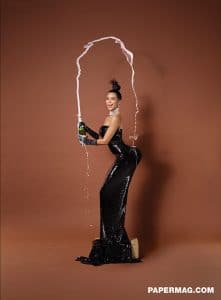
There’s nothing like Kim Kardashian’s greased assets to make a mother get honest about female empowerment. I mean, I think the female form is beautiful. In general, I’m all for nudity!

Until…

I am intrusively confronted with it greasily slinking out of sequins and “breaking the Internet.”

I reflect that the photograph was brilliantly strategized to promote the Kardashian’s multimillion-dollar celebrity profile.

I am struck that our children and teenagers are soaking in this slick marketing technique as the way to get self worth (and millions more Twitter followers). And in many instances, are emulating her…down to the detailed cosmetic application, hairstyle, and nude selfies. And more seriously, mimicking the polished and languid avoidance of topics deeper than “favorite looks.”

 ****

Are you freaked out now? Well you should be if you’re a parent and have functioning grey matter. I mean honestly, did you read the article that accompanied the photos in Paper Magazine? Amanda Fortini did a great job addressing Kim Kardashian’s brilliant execution of celebrity fortune, including a mocking observation that Kim’s “perceived lack of accomplishment is also, perhaps, an accomplishment in itself.” Fortini did such a great job, that after reading the article I was left dumbfounded and disturbed.

Between celebrity trash culture turned on our TV channels and our obscene pursuits of impossible beauty standards, we have nearly annihilated the intelligent female image our mother’s fought for in the ‘60’s. I’m dismayed to hear stories from my college students that they must have to have a male escort at parties or feel at risk for being publicly grabbed or otherwise sexually assaulted! I can assure you, as a teenager in the ‘80’s, I was never worried about my shoulder padded, neon outfitted parts being groped during a party simply because I had parts.

What has happened to female empowerment? Kim’s nudie-shootie screams as a call to action for parents everywhere to start teaching their kids about self worth, sexuality, and the true meaning of social media likes.

Tips to help ensure our kids blossom into proud, intelligent, self-honoring adults:

  • Don’t take nude or provocative selfies. Although your body is beautiful, exciting, and fun, a digital blast of it is not something you can control. You may think the message is your ownership of sexy, but the cutting criticism and mocking of others is not the messaging you want to have or that you can control. If Kim Kardashian’s style team can’t stop people from annihilating her with despicable criticisms, neither can you. As a thinking human being you have a responsibility to protect yourself from others being emotionally abusive just for the fun of it. Honor yourself by loving and protecting your body and the heart that it harbors.
  • The true seed of self worth comes from your soul, not your private parts. Who you are comes from intelligent reflection and acts of true kindness, not from social media exposure. Social media is fun, but means nothing beyond that. Keep it in perspective.
  • Your body, with all of its uniqueness, is powerfully worthy of love. We don’t have to have Kim’s skin which is the “golden color of whiskey, is free of wrinkles, crow’s feet, laugh lines, blemishes, freckles, moles, under-eye circles, scars, errant eyebrow hairs or human flaws of any kind” to radiate true beauty. We are beautiful in the way we were born, not in the way we are digitally altered.
  • Wasting two hours executing a torturous beauty regimen is a waste of precious moments. Spend 15 minutes accentuating your “cute,” and the remaining 105 soaking in the true pleasures in your life, like your family, friends, pets, and the sunny blue sky. Those moments have true meaning, not eyeliner and mascara applications.
  • Kim’s last marriage lasted 72 days. She simply doesn’t have it right. But as a human being, she’s welcome to her journey without us hating on her…or emulating her. Our time is best spent becoming the best we can be. If Kim’s best is “her perceived lack of accomplishment,” then I challenge you to leave her to it. As the loving protectors of our children, our energies are best spent making sure our children aim far higher. Let’s love and support them in that journey by giving them our time, our validation, and our wisdom from lives lived passionately.

I’m the mom psychologist who will help you GetKidsInternetSafe.

Onward to More Awesome Parenting,

Tracy S. Bennett, Ph.D.
Mom, Clinical Psychologist, CSUCI Adjunct Faculty
www.GetKidsInternetSafe.com