Microdosing magic mushrooms is the new trippy trend for adults with anxiety, depression, PTSD, and addiction disorders who seek to improve their wellbeing and mental health without relying on antidepressants. Today’s GKIS article is for those who are curious about microdosing on psychedelic mushrooms. We discuss potential therapeutic uses, safety, and the current trend toward legalization and decriminalization of psilocybin. Check out Dr. Bennett’s new Screen Safety Essentials Course for comprehensive help when it comes to maintaining psychological wellness, avoiding digital injury, and keeping your family safe and connected.
What is micro-dosing?
Microdosing is the phenomenon of taking very small doses of a psychedelic drug like magic mushrooms to improve well-being, emotional, and mental health. The active chemical in medicinal mushrooms is called psilocybin. When psilocybin is metabolized, the brain responds by releasing serotonin in the prefrontal cortex region of the brain that is responsible for regulating mood, cognition, and perception.
Serotonin is a neurotransmitter, or ‘feel good’ chemical, that contributes to positive moods.[1] While microdosing, one can expect to feel the subtle effects of the drug while still remaining in control of the senses. “When you take psychedelics, you loosen up and reduce the egoic experiences of identity and self, and it allows people to feel more connected, not only to themselves but to people and to the environment.”[2]
Those who microdose usually don’t report experiencing an altered state of reality or mystical awakening. However, some do report small changes in perception, like colors appearing a little brighter. Most of all, these minor effects can contribute to new connections and mental shifts that help people think or behave in more open and creative ways. Micro-dosing also helps people become more reflective and responsive to positive suggestions by embracing the effects that the drug has on their neurotransmitters. Studies suggest a mechanism through which psychedelics might improve mental health: feeling greater self-compassion and less obsession with negative thoughts, anxiety, depression, addiction, eating disorders, and PTSD.[1]
Micro-Magic
The effects of psilocybin are similar to the effects of LSD. But instead of a long-lasting and intense hallucinatory experience or a deep spiritual awakening, the effects of microdosing ensure a safer and more subtle mind expansion that allows for an entirely encompassing holistic understanding of the internal self and external world.
The positive effects of psychedelics, particularly psilocybin include:
Feelings of euphoria
Peacefulness
Creativity
Openness
Stress and anxiety relief
Improved moods
Increased energy
Better concentration and focus
Greater personal awareness
Less self-doubt
Increased sensitivity to light and sound
Micro-Mistakes
Regardless of safe and proper dosages, many people refuse and reject microdosing due to the common and rational fear of experiencing a bad trip.
A bad trip may occur due to many factors such as:
Derealization, or the feeling that surroundings are not real
Depersonalization, or a dream-like state of being separated from reality
Distorted thinking and behavior
Slight visual and auditory impairment
Unusual bodily sensations
Paranoia and confusion
Nausea and vomiting
To ensure a safe and positive experience, one should feel comfortable with the concept of surrendering to their psychedelic experience and feel safe in their environment. We call this set and setting. This relaxed mindset allows for feelings and ideas to naturally arise and process without reacting to fear and judgment. By channeling this calm and comfortable mindset, many can benefit from the medicinal effects of microdosing.[1]
Also, some psychedelic mushrooms are better for microdosing. As it is impossible for the average person to accurately determine how much psilocybin is in a mushroom, mushrooms with lower psilocybin content are preferable for microdosing. Weaker strains of psilocybe cubensis mushrooms are more commonly utilized for this purpose.
Microdosing Effects on Depression and Anxiety
Psilocybin still remains illegal in the country, so it is rare to find doctors and psychiatrists that recommend microdosing as a legitimate treatment for depression and anxiety. However, with FDA trials underway with psilocybin as a treatment for mood and trauma disorders, more and more professionals are endorsing the idea that microdosing may have positive clinical applications. In a 2021 survey, respondents reported that microdosing led to significant improvements in both anxiety and depression.[3] Further, those who have higher expectations of microdosing tend to respond more positively (also called the placebo effect).[4]
Microdosing Effects on Addiction
In a 2014 study at Johns Hopkins Medical Center, researchers tested whether psilocybin could help people quit smoking. It was an open-label study, which meant the participants knew they were getting the drug and not a placebo. The drug was administered in three sessions – one on the target quit date, another two weeks later, and a third eight weeks afterward. The subjects returned to the lab for the next 10 weeks to have their breath and urine tested for evidence of smoking and came back for follow-up meetings 6 and 12 months after their target quit date.
At the 6-month mark, 80% of smokers in the pilot study (12 out of 15) had abstained from cigarettes for at least a week. The study concluded that there is evidence that the sense of unity and mystical significance many people experience on psilocybin is associated with greater success and motivation towards quitting, and those who take the drug may be better able to deal with cravings. At the biological level, scientists have hypothesized that psilocybin may alter communication in brain networks, kind of like a reboot that leaves the brain more receptive to new ideas, feelings, and pathways.[5] We call this new state of openness and opportunity for brain growth neuroplasticity.
Microdosing’s Effects on Eating Disorders
The mystical and psychedelic experiences a person has with psychedelic therapy may also shift body image away from fixed and repetitive unhealthy thoughts, potentially easing symptoms of eating disorders. A 2020 systematic review concluded that several of the participants who microdosed to treat their eating disorder said their experience offered them new insights that encouraged them to embrace healthier habits.[6]
How safe is psilocybin?
A drug’s therapeutic index is a number determined by a ratio comparing the amount of a drug needed for a lethal dose to the amount of the drug needed to get the wanted effects. The higher the therapeutic index, the safer the drug. Psilocybin has a therapeutic index of 641, which is pretty high.[7] This means you are more than three times as likely to overdose on aspirin (which has a therapeutic index of around 200) than psilocybin. Also, psilocybin is considered to be non-addictive and no overdose deaths have ever occurred from psilocybin use.[8]
Legalization of Psilocybin
There is a current movement to decriminalize and legalize magic mushrooms for both therapeutic and recreational use. While several cities had already decriminalized psilocybin, Oregon became the first state to decriminalize and legalize the therapeutic use of psilocybin in 2020.[9] This year (2022) the citizens of Washington will be voting on the legislation of psychedelic mushrooms. It should not be long until they are legal throughout California. See you then, space cowboy.
Thanks to CSUCI intern Haley Begun and Michael Watson for researching co-authoring this article. Please note that GKIS does not offer an opinion on the use of psilocybin for microdosing. This is an informational piece that does not offer a GKIS-endorsed opinion.
If you are interested in learning more about the interconnection of curing addiction, anxiety, and depression, Dr. Bennett’s book, Screen Time in the Mean Time includes information and research about how parents, teachers, and adults can pinpoint the underlying causes of their own or loved ones’ addictions and mental disorders based upon biological, genetic, and environmental factors.
Breeksema, Joost J., et al. “Psychedelic Treatments for Psychiatric Disorders: A Systematic Review and Thematic Synthesis of Patient Experiences in Qualitative Studies – CNS Drugs.” SpringerLink, Springer International Publishing, 17 Aug. 2020, https://link.springer.com/article/10.1007/s40263-020-00748-y.
Kaertner, L. S., et al. “Positive Expectations Predict Improved Mental-Health Outcomes Linked to Psychedelic Microdosing.” Nature News, Nature Publishing Group, 21 Jan. 2021, https://www.nature.com/articles/s41598-021-81446-7.
No matter how much we want to keep our children from experiencing the terrible things in life, it is impossible to shelter them completely. They will fail. They will get stressed. And they will experience loss. A challenge is figuring out when to step in for prevention or help them cope and when to arrange for expert treatment. Since the pandemic, the need for mental health treatment has skyrocketed. There aren’t enough mental health providers to meet the need of children and teens. Today’s article covers how to best help your kids through challenging times. In response to recent events, Dr. Bennett has created a FREE FAMILY GUIDE FOR COPING WITH TRAGEDY. Please download and share it on your social media with friends and family. If you’d like to help your family develop better communication and more awareness and accountability, check out our Screen Safety Essentials Course. It offers everything you need to close screen-risk gaps and improve overall mental health.
Being Proactive
Being a parent is the most rewarding challenge we face. At the same time, it is often difficult and goes largely underappreciated. As the world continues to unleash tragedy after tragedy, it’s our job to guide our kids safely through to the other side. That requires support on our end for certain but also skill-building on theirs. Having the right tools to deal with these threats to family happiness and cohesiveness can make the difference between being a good parent and a great parent.
Staying Vigilant
Without knowing what to look for, it may be impossible to identify early warning signs that your child is in trouble. While hindsight is 20/20, it can be difficult to notice the small indications that your guidance is needed. No one knows your kid better than you. You’re the most capable person for noticing changes in their behavior. If your parental instincts are signaling that something is wrong, increase monitoring and follow up.
Active Listening
While it is important to actively communicate with your child, it can be difficult to steer the conversation in a way that puts them in a position to tell you what they need. Listening is a critical parenting skill.
To encourage your child to open up, ask a non-leading general question that will not influence their answer, such as “Is there anything bothering you?” or, “Have you heard or seen anything that is upsetting recently?” By asking general questions that allow them to direct the conversation, you can effectively gauge how your kid is doing and choose a proper strategy to guide them.
Treading Gently and Honestly
Honesty is important when dealing with kids. After all, trust lies the foundation for ongoing and open communication. Because kids can “sense” when there is something going on, creating an environment of openness and receptivity is key.
Although there is no clear “right” or “wrong” way to teach kids about tragedy, offering reassurance that they are safe and letting them know you will cope as a family is of great importance. Being honest about your feelings offers an excellent model of vulnerability and courage, while reframing challenges offer hope and opportunities for closeness and growth.
Spending Quality Time with Them
Being present and spending time together as a family is of huge comfort to kids. Research has shown that spending quality time with children helps them to develop mental and emotional fortitude.[1] By spending quality time with your child, they feel more protected and are less likely to develop behavioral problems, and are more likely to develop better emotional regulation skills. Thus, children of parents who spend quality time with them become better equipped to deal with stressful situations.
Validating Their Feelings
Emotional validation is the expression of acceptance of another person’s emotional experience through learning and understanding.[2] When a parent is accepting and understanding of a child’s feelings, the child is more likely to feel loved and respected. When a child’s emotional experience is not validated, it can lead to feelings of rejection and psychological distress.
Keen emotional intelligence is needed to effectively recognize one’s own emotions and manage them in a healthy way. Yet, children often do not have the emotional intelligence and the emotion regulation skills necessary to deal with stressful stimuli. That develops with patient coaching and modeling from caring and engaged parents.
Distress tolerance is a person’s ability to prevent oneself from becoming emotionally overwhelmed when confronted with stressful situations.[2] When confronted with stressful situations out of one’s control, it can be more difficult to regulate one’s emotions and effectively communicate one’s feelings. [3] Validation is a powerful tool to help children learn to regulate their emotions. When children feel that their emotions are validated, they become more willing to share how they feel, which leads to more honest dialogue and mutual respect.[2] First conversations offer the scaffolding for positive growth, and later conversations polish those skill sets and offer deeper, more complex abilities.
When to Get Help from a Professional
Not every child will need therapy in their life. However, if you feel your child is demonstrating severely impairing symptoms, are not making improvement over time, or are demonstrating self-harm or suicidal ideation, it may be time to seek expert help. Dr. Bennett has been offering psychotherapy for children, teens, and adults for over 25 years. Although she does integrate play therapy into sessions, she feels the most powerful change happens when she works as a team for the family to set measurable goals, offers behavioral incentives and rewards, and offers cognitive-behavioral and dialectical behavior toolkits like those offered in the GetKidsInternetSafe Essentials Course for the family and our Social Media Readiness Course for tweens and teens.
Behavior Therapy (DBT) teaches distress tolerance and emotional regulation skills to process emotions and problem-solve without becoming overwhelmed.[1]
DBT can teach a child these skills:
recognizing when a situation is out of their control and accepting the fact that they cannot change it
learning to self-soothe – using adaptive coping skills to relieve stress and anxiety
learning to recognize and stop impulsive behavior in favor of thinking rationally
learning to assess the pros and cons of one’s actions before reacting
learning to utilize TIPP skills – skills to quickly calm the limbic system and reset one’s emotional arousal levels
If you are looking for other useful tips about how to make the internet a safer place for your family, you can get parenting and family coaching information, support, and other valuable information from the GKIS Essentials Course. Also, check out the GKIS blog for other entertaining and informative articles.
Thanks to CSUCI intern, Michael Watson for researching coping skills for children in dealing with tragedy.
I’m the mom psychologist who will help you GetKidsInternetSafe.
[1] Jones, C. (2017). What are the benefit of spending quality time with your kids. 10 Minutes of Quality Time. https://10minutesofqualitytime.com/what-are-the-benefits-spending-quality-time-kids/
[2] Linehan, M. M. (2014). DBT skills training handouts and worksheets. Guilford Publications.
[3] Chapman, A., Gratz, K., & Tull, M. (2011). The dialectical behavior therapy skills workbook for anxiety: Breaking free from worry, panic, PTSD, and other anxiety symptoms. New Harbinger Publications.
Do you find yourself wasting precious time and energy on your screen devices? Does consuming digital content distract you from connecting deeply with yourself, others, and nature? If so, you are not alone. The average American spends 5 hours a day on smartphones, and 61% admit to being addicted to the internet and their devices.[1]When researching this article, I was shocked to find that I may be an internet addict! So, I challenged myself to a week-long digital detox to better understand the benefits of managing time, forming deeper connections, and seeking fulfilling triggers for natural dopamine. If you’re hooked too, check out Dr. Bennett’s book, Screen Time in the Mean Time. She covers why our screens are so compelling and creative ways to break the spell. Screen Time in the Mean Timeis particularly critical for parents to assess the impacts that screen use has on their kids.
Digital Dopamine
The happiness we experience from eating ice cream on a hot summer day is similar to the happiness we experience from receiving notifications from our digital devices. Dopamine is responsible for that happiness. Dopamine is the feel-good chemical produced by our brain’s pleasure center that plays a starring role in motivation, desire, and behavior.[2]Dopamine gets released when we experience joy – like taking a bite of delicious food, having sex, exercising, or having fun talking to a friend. In an evolutionary context, dopamine rewards us for doing beneficial behaviors and motivates us to repeat them.[2]
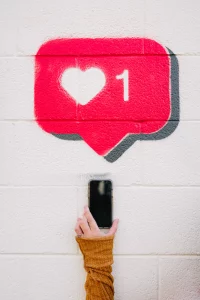
Once dopamine is released, our brain craves more of the same or similar sources of stimuli. Smartphones provide a virtually unlimited supply of social stimuli, positive and negative. Every notification, whether it’s a text message or a “like” on Instagram or Facebook, has the potential for gushing dopamine.[2] However, most of us agree that digital dopamine feels more artificial than the dopamine released during real-life magical moments. If we restrict addictive digital habits that lead to dopamine dependency, we’ll train our brains to be at peace and content without distraction for longer durations. Contentment without distraction leads to less stress overall and more productivity.
What is a digital detox?
The Oxford Dictionary defines digital detox as, “A period of time during which a person refrains from using electronic devices such as smartphones or computers, regarded as an opportunity to reduce stress or focus on social interaction in the physical world.”[3]
According to Psychology Today, a digital detox does not always mean complete abstinence. Many people use their digital devices for essential business, educational, and familial purposes.[4]
Do you need to do a digital detox?
Do you …
feel anxious or stressed if you can’t find your phone?
feel compelled to check your phone every few minutes?
feel depressed, anxious, or angry after spending time on social media?
get preoccupied with the like, comment, or reshare counts on your social media posts?
feel afraid that you’ll miss something if you don’t keep checking your device?
often find yourself staying up late or getting up early to play on your phone?
have trouble concentrating on one thing without having to check your phone?
experience a low self-image due to comparing yourself to others online?
not spend enough time moving around or engaging in exercising or mind/body-related activities?
watch screens while eating meals, resulting in disoriented eating patterns which can lead to weight gain or restrictive eating habits.?[5]
If several of these issues apply to you, consider challenging yourself to a detox!
My Digital Detox Experience
On day one of my digital detox, I felt uncomfortable, yet relieved, from my sense of detachment. I knew I was missing out on online conversations, content, news, and media. But I didn’t mind because I was spending time on outlets that drew me closer to my life instead. My attention and focus improved. I also noticed instant behavior, mood, and energy enhancements. I felt more productive, efficient, and happily regulated.
My quality of sleep also improved significantly! Before my detox, I was on my phone late at night or first thing in the morning due to an influx of demanding notifications. That often tanked my mood moment one. Once detoxed though, I didn’t feel the need to check on what other people were doing because I was entirely focused on what I was doing. I also felt more self-confident because I wasn’t comparing myself to everybody else’s perfect selfies, relationships, and amazing vacations.
Don’t get me wrong, I was tempted! Especially in those boring moments. But after a while, I learned to happily pick up a book, go for a walk, make home-cooked meals, play with my dogs, or journal. These activities released natural and rewarding dopamine throughout my mind, body, and soul.
Overall, after my week-long digital detox, I preferred to stay disconnected. Now two weeks later, I feel more focused, connected, healthy, and happy! I feel empowered having broken that dependence on instant gratification, media engagements, and feedback.
The Benefits of a Digital Detox
Engaging in hobbies that release yummy dopamine in the brain
More time to get things done
Happy and steadied mood
Self-focused rather than the compare and despair of social media
Better eating, sleeping, and thinking patterns
How To Get Started
Pay attention to your emotions when you use your phone.
Schedule breaks from phone
Use apps to track usage
Disconnect at night before bed to wind down
Turn off notifications or put them on a later home screen on your phone
Time spent online– individuals who aim to abstain from digital devices during certain times of the day, or even certain days of the week can schedule a digital curfew. For example, no usage after 9 PM, or no usage on Sundays. Such strategies are helpful for ensuring productivity during the day and better sleep and rest at night.
Digital-free Spaces- Some British pubs have enacted a ‘no phones, no laptops, no tablets’ policy to encourage social conversation. Similarly, some people have started specifying digital-free spaces in their own homes. This commonly includes spaces such as the bedroom or the dinner table.
Alternatives. Many people are using social media and digital devices to fill a social void. A successful digital detox will create free time for alternative activities, which may better fill this void. Individuals can create an action plan in this regard, which may include rekindling old interests, pursuing new hobbies, or volunteering for a sense of fulfillment.
GKIS Courses Can Help
Our Screen Safety Essential Course gives you access to the tools and resources that you need to safely navigate today’s world. Our Essentials Course grants you instant access to useful videos, workshops, articles, and more.
Screen Time in the Mean Time is the parenting guide needed in this digital age. Dr. B’s book provides tangible ways to keep your family safe and connected while utilizing technology.
Our GKIS Social Media Readiness Course allows teens an opportunity to start taking accountability for their actions online and become proactive instead of reactive.
Our GKIS Screen Safety Toolkit is a resource guide perfect for those that need smart tech tools for filtering, monitoring, and management plus some time to find workarounds.
Thanks to CSUCI intern Haley Begun for researching and co-authoring this article about the signs and benefits of a needed digital detox!
I’m the mom psychologist who will help you GetKidsInternetSafe.
Kids and teens love their online influencers. Seventy percent of teens say they trust influencers more than celebrities, and 49% depend on influencer recommendations.[1] Influencers count on their followers to help build their numbers and market their products with testimonials and shares. If your child loves to follow online celebrities or influencers, teach them what they need to know for safety and earn online accountability with our GKIS Social Media Readiness Training. Our course covers the red flags of digital injury and tools for psychological wellness with 10 self-paced lessons and mastery quizzes. Help your kids avoid screen risks like viewing pornography, interacting with online predators and cyberbullies, distraction, social media drama, and compare and despair with our GKIS Social Media Readiness Course for tweens and teens.
A Good and Bad Influence(er)
Online influencers promote their personalities, content, areas of interest, and expertise on online platforms to gain recognition and build their brand. Gaining followers requires confidence and showmanship. To best compete, some influencers use editing tricks to appear more attractive, healthier, more competent, and extra qualified. Because editing tricks are hard to spot, kids often emulate influencers with the impression that they really are that perfect.
Positive Impacts of Social Media Influencers
The most popular categories that social media influencers focus on are lifestyle, health, fitness, travel, art, work, fashion, luxury, photography, beauty, pets and animals, and parenting.[2]
The positive impacts influencers offer include:
information for education and awareness,
an engaging and supportive community of like-minded people, and
creativity and entertainment.
Negative Impacts of Social Media Influencers
Some influencers are less interested in quality content and more focused on entertainment that will boost their numbers. To that end, they will use more filters and online trickery and promote harmful content like unrealistic body types, lifestyles, diets, fashion, gossip, rumors, and drama. Harmful content can cause problems with kids and teens, including decreased appearance satisfaction, low self-evaluations, higher negative mood, and insecurity.[3] Over time, these problems can escalate to mental health issues like anxiety, depression, body dysmorphia, and eating disorders.
Body Positive Movement
According to a social media report from a Norwegian influencer marketing platform, 47% of surveyed influencers revealed that they felt their job harmed their mental health, and 32% believed the platform hurt body image.[4] One way to express and promote unconditional self-love is by supporting the body positivity movement. This worldwide movement focuses on acceptance and equality for all body types and sizes.
One of the movement’s goals is to challenge how our society, particularly all forms of media, presents and views the human body.[5]With body positivity modeled by influencers (without the use of filters and digital manipulation), fans feel more confident and comfortable in their bodies.
Instagram vs. Reality
Another popular movement in the media that spreads awareness about the harmful nature of social media is called Instagram vs. Reality. This movement offers a side-by-side comparison of two of the same photos; one photo edited and the other not.
The purpose of this trend is to bring attention to the differences between natural and filtered images. This trend inspires people to embrace themselves naturally without enhancements. Instagram vs. Reality reminds us that online content is not always accurate. Our Screen Safety Essentials Coursefor parents and families offers helpful strategies for social media behavior while reinforcing mindful habits to prevent feelings of self-consciousness and anxiety.
Seeking Self-Acceptance and Fleeing from Filters
Before friending or following someone in real life or online, consider if they reinforce positive, authentic, and empowering morals. Social media influencers that we like appear to serve from the depths of their experienced and passionate hearts.
Positive and Qualified Influencers to Follow
Huda Kattan- Beauty Blogger and Makeup Artist
Zach King- Digital influencer, Writer, Comedian
Michelle Lewin- Fitness Influencer
Jamie Oliver- Chef
Joanna Gaines- Lifestyle Blogger and Writer
Jack Morris- Travel Influencer
Savannah LaBrant- Parenting Influencer
Beth Evans- Mental Health Influencer
PewdiePie- Gaming Influencer
Amanda Gorman- Activist, Poet, Influencer
What Parents Can Do to Protect Their Kids
Parental oversight of child exposure to online content is critical for safety and developing a positive self-image. One way to do this is by monitoring your child’s online activity, such as the sites they visit, the content they watch, who they follow, and how much time they spend online.
GKIS has a variety of valuable courses designed to help families navigate the various pitfalls of internet exposure and prevent digital injury.
The GKIS Social Media Readiness Training is a valuable tool that teaches teens about the inherent risks of social media and ways to make healthy decisions when encountering them.
The Screen Safety Toolkit is a family-tested, outcome-based resource guide with our best recommendations, how-to information, and links to our favorite easy-to-onboard parental control systems.
The GKIS Connected Family Course will provide parents of school-age families with tips for creating a safe screen home environment through fun parenting techniques that are designed to guide sensible screen management.
Finally, our most comprehensive program is our Screen Safety Essentials Course. Our comprehensive Essentials Course provides parenting and family coaching information, support, and other valuable information and activities to get you dialed in for screen safety and healthier family relationships.
Thanks to CSUCI intern Haley Begun for researching and co-authoring this article!
I’m the mom psychologist who will help you GetKidsInternetSafe.
As many as 97% of teens actively use at least one form of social media.[1] If your tween or teen has social media, help them become informed, safer consumers with our Social Media Readiness Course. Our online course includes mastery quizzes after each lesson and can be done at your own pace. We think it’s the best way to help kids avoid the many sources of digital injury and help them integrate critical psychological wellness tools. Today’s article is all about social media and psychological wellness. Is social media use contributing to your child’s social anxiety disorder?
Social Anxiety Disorder
Social Anxiety Disorder (SAD) is a debilitating disorder that impacts children and adults and is characterized by an intense fear of being judged by others in social settings.[2] Since the stay-at-home orders from COVID19, Dr. Bennett says that many kids, teens, and adults have developed social anxiety due to the stress and loss of practice due to isolation. People who suffer from SAD avoid social situations that require peer conversations, giving speeches, and being among unfamiliar people.
What are the signs of SAD?
Although we all may go through bouts of shyness or anxiety when doing social things like making speeches, SAD is a heightened and debilitating version of these same fears. Studies have shown that children with SAD often struggle with peer friendships, academics, and even family life.[3]
Here are typical characteristics of SAD:
Excessive fear regarding social situations
Agitation
Low self-esteem
Avoidance of social engagements
Excessive worry
Poor eye contact
These are things you can be on the lookout for when observing your children. Are they struggling to keep up academically? Are they complaining that they don’t have friends? Do you notice that they lack the confidence to initiate conversations or speak up for themselves?
If you feel concerned, reach out for professional assistance from a therapist or licensed psychologist. The sooner a child gets assistance with SAD, the sooner they can start working on it and find resolutions to their fears. Cognitive Behavioral Therapy (CBT) is particularly effective with SAD.
CBT is a form of therapy that offers strategies to help subjects change maladaptive thinking patterns and gain insight into things that reward anxiety. Unique treatment plans can be altered for each patient. One of the things that make CBT unique is the emphasis on teaching the patient about the disorder and allowing them to create their coping skills and ultimately be their own therapist.[4]
Social Media’s Impact on SAD
Studies have shown that children with SAD tend to have lower interpersonal trust and are more prone to hurt feelings. For some kids who have a hard time building peer relationships in person, using social media can help them make friends and feel included. Talking to peers on social media allows children to think before they send a message which may lessen their fear of judgment. Also, online conversations take out the tough-to-interpret facial expressions that sometimes cause people with SAD to overthink and freeze up.
A great example of where this could come in handy is during a lunch break. Children with SAD may have a hard time interacting during lunch and stay quiet due to fear of being judged. This same child can go home and message their friends on social media about something that was discussed during lunch without having to worry about others watching them. By messaging their thoughts to their friends, they can compose their words and it lets them be involved and part of the conversations.
On the other hand, studies have shown that children with SAD worry more about being judged on what they post than others do.[5] Since a child with SAD is already more prone to hurt feelings, they may get more upset by comments and feelings of exclusion. They may also overthink about posted content wanting to make sure others enjoy it. A balance between offline practice and online practice is key to psychological wellness and social skills mastery.
Things You Can Do to Help Your Child Avoid SAD
Enjoy the support of weekly coaching.
The most important thing that parents can do is be aware of the potential risks and promote an environment of open communication with your children. Dr. B offers a comprehensive family program for fostering this kind of communication in her Screen Safety Essentials Course. With this course, your family will learn tons of information about how to create a safer screen home environment while also connecting and having fun as a family. Armed with the right tools, you and your family can learn how to better thrive in today’s digital era.
Set screen time limits.
Most phones have parental control options to limit the amount of time spent on social media apps. The Screen Safety Toolkit explains the amount of screen time recommended for your children and gives you the tools you need to set up the controls, track usage, and filter unwanted content for safe browsing.
Offer opportunities to practice social engagement.
Sometimes kids need extra support when they are feeling socially anxious. If your child opts out of social interactions, provide a series of opportunities to practice social engagement with your help. Start by encouraging your child to order on their own in restaurants. Continue the same tasks until the child feels comfortable doing them. Once they’re comfortable with the first task, move on to slightly more challenging tasks like small talk when purchasing groceries or waiting in line. Mastering increasingly challenging social tasks can help your child learn social skills and build self-confidence.
Consider CBT Therapy.
If your child’s symptoms are getting in the way of school, friendships, or overall happiness, CBT therapy treatment can help them learn coping skills and face their fears head-on.
Thanks to CSUCI intern Tara Meizel for researching social media and its effects on children with Social Anxiety disorder and co-authoring this article.
I’m the mom psychologist who will help you GetKidsInternetSafe.
[1] Mayo Foundation for Medical Education and Research. (2019, December 21). Teens and social media use: What’s the impact? Mayo Clinic. Retrieved October 7, 2021, from https://www.mayoclinic.org/healthy-lifestyle/tween-and-teen-health/in-depth/teens-and-social-media-use/art-20474437.
[2] Seedat, S. (2013). Social anxiety disorder (social phobia). South African Journal of Psychiatry, 19(3), 192+. https://link.gale.com/apps/doc/A343258868/AONE?u=csuci&sid=bookmark-AONE&xid=5e09250d
[3] Khalid-Khan, S., Santibanez, M.-P., McMicken, C., & Rynn, M. A. (2012, August 22). Social anxiety disorder in children and adolescents. Pediatric Drugs. Retrieved October 7, 2021, from https://link.springer.com/article/10.2165/00148581-200709040-00004#citeas.
[4] What is Cognitive Behavioral Therapy? (2017, July). Apa.org. https://www.apa.org/ptsd-guideline/patients-and-families/cognitive-behavioral#:~:text=What%20Is%20Cognitive%20Behavioral%20Therapy%3F%20Cognitive%20behavioral%20therapy
[5] Shabahang, R., Arguete, M. S., & Shim, H. (2021). Social media posting anxiety: Interpsonal trust, fear or negative evaluation, and hurt feeling proneness as predictors. Journal of Media Psychology: Theories, Methods and Applications. https://doi.org/10.1027/1864-1105/a000300
Video game addiction is a growing concern among professionals, parents, and gamers themselves. As technology becomes more advanced and the games become more lifelike, the potential for children to become addicted and use video games to escape from the real world increases dramatically. In today’s GKIS article, we cover how gamers are offering a solution that is being blocked from public use. You won’t want to miss this one. If you’re concerned about the effects video games are having on your child, Dr. Bennett’s Social Media Readiness Online Course will give you the answers you are looking for!
What is Skyrim?
Skyrim is the fifth installment of the Elder Scrolls series of games. This game is considered an “Action RPG,” which is a fancy way of saying that participants spend a really long time creating and building a character who maneuvers through an almost never-ending adventure in an extremely large, detailed virtual world. The creator of Skyrim, Bethesda Game Studios, has recently been purchased by Microsoft.
Bethesda has reportedly sold over 30 million copies of Skyrim in 2021, making it one of the most successful games ever created.[1] Skyrim has a rating of “mature” and is not recommended for younger children due to the blood and gore, sexual themes, use of alcohol, and intense violence.[2] Skyrim is so captivating for some gamers that they are falling into the trap of gaming addiction.
The Negative Consequences of Gaming Addiction
Internet Gaming Disorder (IGD) is a mental illness that affects and alters our natural endorphins (our feel-good hormones). Endorphins are released when we do something exciting like exercise, gaming, or using addictive drugs. Also, when we get hooked on endorphins we often skip behaviors we need for healthy functioning like nutrition and rejuvenating sleep. In Dr. B’s Connected Family Online Course, she explains the huge role that sleep plays in staying healthy and happy and offers solutions. Without rejuvenating sleep, it is difficult to maintain balance and can lead to other problems.
Other negative consequences to gaming include clinically impairing:
Not only are there behavioral and psychological consequences to IGD, neuroimaging studies have found evidence of distinct neurobiological changes similar to those seen in subjects with substance addictions.[11, 12] More specifically, IGD subjects show gray and white matter atrophy (loss of tissue volume) and reduced cortical thickness in various areas of the brain as well as changes to the brain’s pleasure center – like excessive dopamine release and less dopamine receptor availability.[13, 14, 15] The patterns of brain activity while playing reflects how heavy-use players process rewards and losses differently than nonplayers, which may lead to riskier or more cautious decision-making overall.[16]
A Cool New Gamer-Created Solution to Addiction
As games get more and more addictive, gamers are starting to share their experiences and crowdsource for solutions.
Recently, gamer ThatLittleCommie created a solution to help addicted players quit Skyrim using a mod. Mods are game modifications that are created by players and offered on gaming sites for free download. Usually, mods extend the player’s experience. But NoSkyrim (the name of ThatLittleCommie’s mod) does the opposite. It makes the game unplayable so that addicted players can cut off their supply at the source. With the help of NoSkyrim, addicted players can force themselves to quit cold turkey.
Nexus Mods Banned NoSkyrim
Here’s the problem for NoSkyrim. If people stop playing addictive games, then they stop visiting mod websites. Therefore, by helping people to cure their addiction, the NoSkyrim mod is potentially affecting the website’s profit. We suspect that loss of profit is the reason that Nexus Mods, the website where players go to download mods, banned NoSkyrim.
This has not been a popular move for Nexus Mods customers. In the eyes of gamers, the website was putting money ahead of the health of their fellow gamers. This led to several petitions and Reddit forums set up to spread awareness of the dangers of video game addiction. Smaller websites have begun to make NoSkyrim available to players, but the larger websites like Nexus Mods refuse to budge.
How to Protect Your Children from Online Addiction
Leaving kids to regulate on their own is not an effective strategy in most families. Big tech’s manipulative design for devices and games makes management challenging. Here are some ways you can support your kids for healthier gaming:
Provide your kids with real-world activities to maintain an offline/online balance.
Spend more time as a family on- and offline.
Research games and online activities that your child is interested in before you allow a probationary period.
Dr. B is in a unique position to help you to learn more about the dangers that children face when engaging in online activities and to help you to navigate safely throughout your journey as a practicing psychologist, university professor, and mother. In Dr. B’s book, Screen Time in the Mean Time, she discusses and attacks the issue of video game and online addiction and gives advice on how to protect your children from all things screen-related in a productive manner. Also, you can download the free GKIS Connected Family Agreement and get weekly blog articles simply by making a GKIS account on our website home page.
Thanks to CSUCI intern, Michael Watson for researching video game addiction and the ways in which gamers are solving the problem themselves.
I’m the mom psychologist who will help you GetKidsInternetSafe.
[1] Christian Gaca. (2016). Skyrim has sold 30 million copies worldwide. Gamereactor. https://www.gamereactor.eu/skyrim-has-sold-30-million-copies-worldwide/
[2] Entertainment Software Association. (2021). Elder Scroll V: Skyrim. ESRB. https://www.esrb.org/ratings/31575/The+Elder+Scrolls+V%3A+Skyrim/
[3] Black, D., Belsare, G., & Schlosser, S. (1999). Clinical features, psychiatric comorbidity, & health-related quality of life in persons reporting compulsive computer use behavior. J Clin Psychiatry 60(12):839–844.
[4] Ha, J., Yoo, H., Cho, I., Chin, B., Shin, D., & Kim, J. (2006). Psychiatric comorbidity assessed in Korean children & adolescents who screen positive for Internet addiction. J Clin Psychiatry 67(5):821–826.
[5] Kaess, M., Durkee, T., Brunner, R., Carli, V., Parzer, P., & Wasserman, C. (2014). Pathological Internet use among European adolescents: psychopathology & self-destructive behaviours. Eur Child Adolesc Psychiatry 23(11):1093–1102.
[6] Ko, C., Yen, J., Chen, C., Yeh, Y., & Yen, C. (2009). Predictive values of psychiatric symptoms for internet addiction in adolescents: a 2-year prospective study. Arch Pediatr Adolesc Med 163(10): 937–943.
[7] Lin, I., Ko, C., Chang, Y., Liu, T., Wang, P., & Lin, H. (2014). The association between suicidality & Internet addiction & activities in Taiwanese adolescents. Compr Psychiatry 55(3): 504–510.
[8] Liu, M., Ming, Q., Yi, J., Wang, X., Yao, S. (2016). Screen time on school days & risks for psychiatric symptoms & self-harm in mainland Chinese adolescents. Frontiers In Psychology [serial online]. April 25, 2016;7Available from: PsycINFO, Ipswich, MA. Accessed June 11, 2017.
[9] Mehroof, M. & Griffiths, M.D. (2010). Online gaming addiction: the role of sensation seeking, self-control, neuroticism, aggression, state anxiety, & trait anxiety. Cyberpsychol Behav Soc Netw 13(3): 313–316.
[10] Shapira, N., Goldsmith, T., Keck, P., Khosla, U., & McElroy, S. (2000). Psychiatric features of individuals with problematic internet use. J Affect Disord 57(1–3): 267–272.
[11] Fauth-Buhler, M., & Mann, K. (2017). Neurobiological Correlates of Internet Gaming Disorder: Similarities to Pathological Gambling. Addictive Behaviors, vol. 64, 349–356.
[12] Yuan, K., Qin, W., Wang, G., Zeng, F., Zhao, L., & Yang, X. (2011). Microstructure Abnormalities in Adolescents with Internet Addiction Disorder. PLoS ONE 6(6): e20708.
[13] Kim, S., Baik, S., Park, C., Kim, S., Choi, S. & Kim, S. (2011). Reduced Striatal Dopamine D2 Receptors in People with Internet Addiction. NeuroReport 22.8: 407-11. Web.
[14] Koepp, M., Gunn, R., Lawrence, A., Cunningham, V., Dagher, A., Jones, T., Brooks, D., Bench, C., & Grasby, P. (1998). Evidence for striatal dopamine release during a video game. Nature 393: 266-268.
[15] Kühn, S., Romanowski, A., Schilling, C., Lorenz, R., Mörsen, C., Seiferth, N., & Banaschewski, T. (2011). The Neural Basis of Video Gaming. Translational Psychiatry 1: e53.
[16] Dong, G. Hu, Y., & Lin, X. (2013). Reward/punishment sensitivities among internet addicts: Implications for their addictive behaviors. Progress in Neuro-Psychopharmacology & Biological Psychiatry, 46, 139–145.

















 A Good and Bad Influence(er)
 Negative Impacts of Social Media Influencers