Need peaceful screen time negotiations?

Get your FREE GKIS Connected Family Screen Agreement

Alternatives to technology

Off the Phone and On the Soccer Field: My Cure for Digital Disconnection

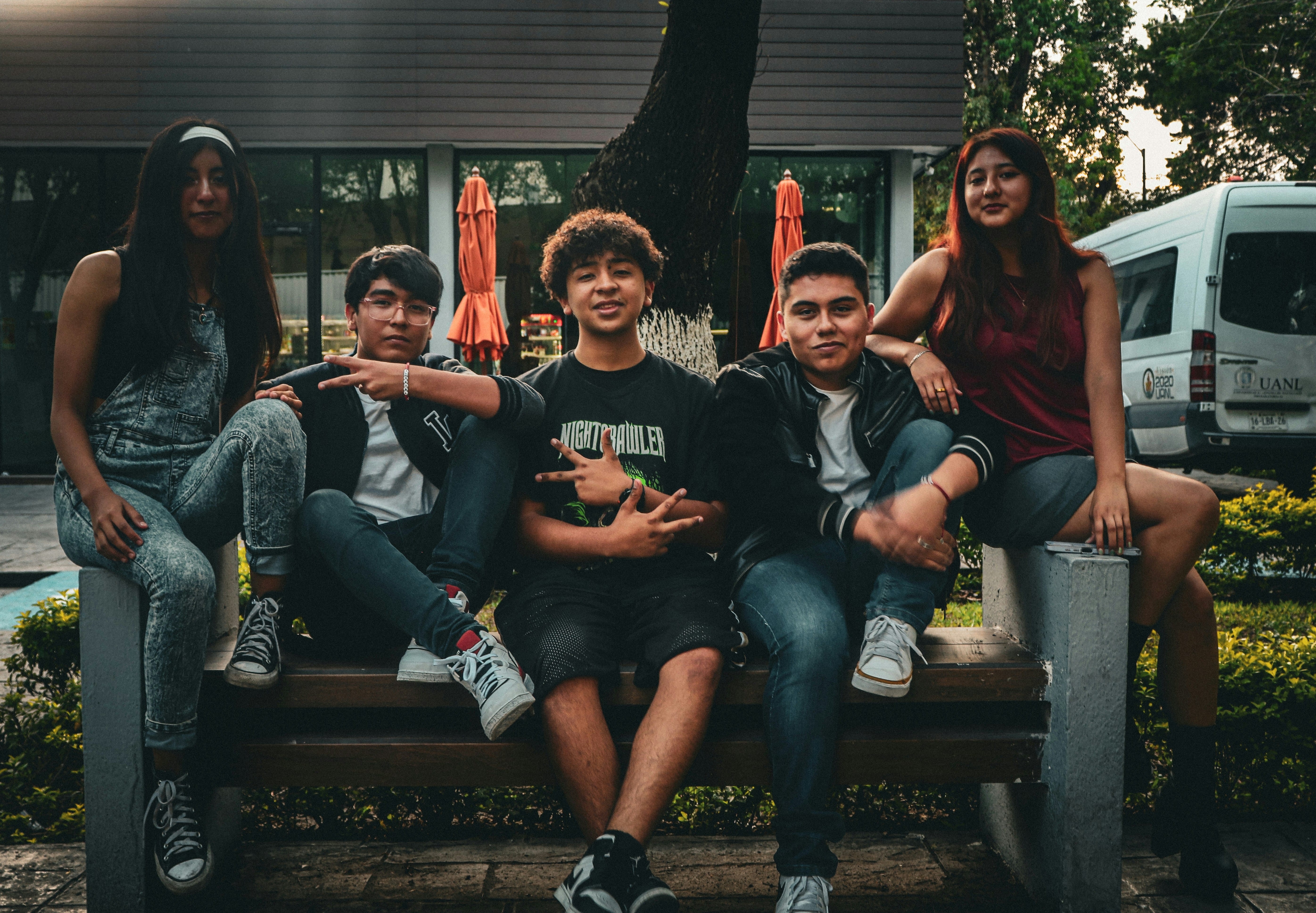
Kids crave connection. Face-to-face interaction and emotional closeness are vital for healthy development—particularly for adolescents.[1] Screen time offers shallow connections and distracts kids from those unpleasant cravings. It also keeps kids so busy that they don’t seek the connection they so desperately need. What if they didn’t have to be so lonely? What if there was a way they could be off their screens, doing something good for their health, and making friends at the same time?  For me, that was playing sports.

The Seed Was Planted

As a child, I was most excited to hang out with my friends, be on my phone, watch TV, or eat sweets, in that order. That was until I joined a team sport.

It all started when my mother asked me if I wanted to join the local soccer team. I was nine years old and against the idea because I didn’t want it to cut into cartoon time on the weekends, and had we gone through the Screen Safety Essentials Course, we wouldn’t have worried so much about the impact of screens on us. But she insisted. I only agreed because my favorite cousins were on the team.

I learned from the first practice that I loved the intense physical activity of soccer, and after a while, I began to really get the hang of it. I felt proud and accomplished. I made great friends on the team. We loved team bonding activities and even began to hang out outside of practice. I loved it so much, I gave it my all and looked forward to it all week.

By high school, I had won medals and genuinely felt like I was good at the sport. I received praise and encouragement for all of my efforts and hard work. It also inspired me to work hard in other aspects of my life. I tried harder in school, was friendlier with classmates, more obedient in class, and more eager to participate in the learning process. According to Project Play, high school athletes are more likely to further their education and even receive higher grades in college.[2] I started seeing everything in the world as a skill waiting to be attained, something that required courage, effort, and training.

Having that view of the world helped me when I sprained my ankle right before the start of my freshman season. While recovering, I could have easily scrolled through Snapchat and Instagram endlessly. But I wanted to make sure I continued to build the bond with my teammates for when I returned. It taught me to wait my turn, keep a positive attitude, remain patient, and support others as they shine. As soon as I recovered, my teammates were more than happy to catch me up to speed, and I rebuilt my strength.

Core Memories That Last

One of my most memorable moments taught me something I will never forget. It was my junior year; we were tied 0-0, with a minute left in the game. My team was exhausted, but as captain, I knew this is where my job was most important. I dribbled the ball up the center, dodging two midfielders and one defender, set it up for my left forward, and yelled, “SHOOT!” She shot and sent it straight into the upper right corner of the goal. Everyone who was there to support us was on their feet, our coaches were throwing their clipboards in the air and hugging each other, and our teammates ran to us for a celebratory hug and a jump around. We spent the last 15 seconds of that game with tears in our eyes and joy in our hearts. We had just beaten a 40-year record for our school!

This is when I realized this would have a lifelong impact on me. It was one of those moments that I’ll look back on happily. It was a lifetime of preparation to become someone people could rely on when things got tough and hope felt lost. It was the moment I truly understood what being a leader meant to me and the impact it had on others.

I hugged and thanked my mother for signing me up for soccer at nine years old. She introduced me to the first love of my life, and I would forever be grateful for that. From then on, I never doubted my abilities to get something done, never lost confidence in myself, and never hurt someone without apologizing or broke something without trying to replace it.

The Impact of The Beautiful Game

Project Play reports that sports, in particular, can positively impact aspects of personal development among young people, keep them away from harmful substances, and encourage cognitive, educational, and mental health benefits.[2] I believe my experience of playing soccer was so much more than just a fun sport or a way to stay active, although both are tried and true. It was a refinement of my character, it was a positive shift in how I viewed the world and myself in it, it was what taught me that rejection was just redirection, and it was a way to build and maintain connections with people I am still close to, at 27 years old.

Why Everyone Should Play Sports

Participation in sports can protect against the development of mental health disorders.[4] These benefits include lowering stress levels, rates of anxiety and depression.[5]Lifelong participation in sports leads to improved mental health outcomes and even immediate psychological benefits which continue long after participation is over with. The improve self-confidence, encourage creativity, and nurture a higher self-esteem. Statistically, adolescents who play sports are eight times more likely to be physically active at age 24.[3]


Thanks to CSUCI intern, Elaha Qudratulla, for sharing an important story about how beneficial playing sports were for her then and how it still helps her today.

I’m the mom psychologist who will help you GetKidsInternetSafe.

Onward to More Awesome Parenting,

Tracy S. Bennett, Ph.D.
Mom, Clinical Psychologist, CSUCI Adjunct Faculty
GetKidsInternetSafe.com


Works Cited:

[1] https://www.uvpediatrics.com/topics/alone-together-how-smartphones-and-social-media-contribute-to-social-deprivation-in-youth

[2] https://projectplay.org/youth-sports/facts/benefits

[3] https://odphp.health.gov/sites/default/files/2020-09/YSS_Report_OnePager_2020-08-31_web.pdf

[4] https://baca.org/blog/does-playing-organized-youth-sports-have-an-impact-on-adult-mental-health/

[5] https://pce.sandiego.edu/child-development-through-sports/

Photos Cited:

[Header] Eva Wahyuni on UnSplash

[2] Olivia Hibbins on UnSplash

[3] Elaha Qudratulla

[4] Jeffrey F Lin on UnSplash

[5] Elaha Qudratulla

https://unsplash.com/

Netflix Documentary, Bad Influencer, Exposes Parent Producer Abusing Child Influencers

We were hunters and gatherers for 90% of human existence. That means our brains are still wired to prioritize the things that kept us alive when we were living on the land, before the domestication of animals and the construction of cities. One thing that kept us alive was living in a tribe and cooperating. Attracting a tribe and fitting in was a requirement of life. That is why kids and teens are hyper-focused on doing what their friends do and working to be cool and accepted. Online influencers count on this drive to maintain their income streams. One way to attract kids online is to be a kid doing what kids love to do, playing with toys and video games, opening new packages, and hanging out with friends acting goofy. Netflix’s Bad Influencer offers a glimpse of the kid influencer “scene,” and the lengths that some parents will go to attract and keep a following.

What is Bad Influence about?

The limited documentary series has gone viral for good reason. It’s definitely entertaining, but also deeply unsettling. It is a perfect way to raise awareness about how scary a life all about social media can be. Bad Influencer is a documentary that focuses on a tween who becomes an overnight social media star and brings her friends to stardom with her. What started out as a fun hobby quickly turned into a living nightmare. It may seem glamorous to be famous online, until you learn that the child influencers spent the majority of their childhoods working long hours acting out video ideas, risky stunts, and performing pranks that sometimes went too far—all under the pressure of adult producers/parents hungry for views. Check out Intimacy With Minors Encouraged at the Hype House for a similar story of underage exploitation.

SPOILER ALERT: The show takes a chilling turn when the mother of the main character is accused of, and videotaped, sexually exploiting these kids on set by positioning herself as one of the only adults supervising them to control them. Some survived the battle with only a few scars, while the main character is stuck living this nightmare over and over again. It may be funny, exaggerated, and attention-grabbing, but it also paints a dark picture of a digital world where clout matters more than character and children are left to pay the price.

Psychology Behind the Fame Obsession

From a psychological point of view, being an influencer is cool to children because they have a natural need for validation, attention, and social connection.[1] Although the minimum age on most social media platforms is 13, it is reported that children ranging from 8-17 are found scrolling through online platforms soaking up content too mature for their ages.[2] Sadly, unlike real-world relationships, social media platforms offer fast, unfiltered dopamine hits through likes, shares, and views. Without proper guidance, this can make kids tie their self-worth to online numbers, which can result in low self-esteem, fear of missing out (FOMO), performance anxiety, and digital addiction.[3] As a result of social unlimited social media usage, kids can also experience anxiety, depression, and even poor quality of sleep.[4] Counteract this monster and help your child build emotional resilience, red flag awareness, and digital literacy by taking our GKIS Social Media Readiness Training Course. Geared for teens or tweens, it’s the perfect giftbefore that new device or video game.

What You Can Do to Help

Bad Influencer is not just a show; it’s a cautionary tale that shares the pressures kids face online every day. It is easy to get off topic and want to pull the plug on all electronics just to protect your child from their dangers, but that is not always possible. Technology and online platforms are all around us, and it is better to set your child up for success than to try to keep them out of the loop. Connecting with your child over what they find interesting can help create a trusting relationship where you can notice if things start to become a little off. Our free Connected Family Screen Agreement can help you and your child co-create rules around how to safely navigate online platforms. This way your child can thrive in the digital age without losing themselves in it.


Thanks to CSUCI intern, Elaha Qudratulla for researching and co-writing this article.

I’m the mom psychologist who will help you GetKidsInternetSafe. Onward to More Awesome Parenting,

Tracy S. Bennett, Ph.D.
Mom, Clinical Psychologist, CSUCI Adjunct Faculty
GetKidsInternetSafe.com

Works Cited

[1] https://genomind.com/patients/the-social-media-dilemma-how-childrens-mental-health-may-be-affected/
[2] https://pubmed.ncbi.nlm.nih.gov/37721985/
[3] https://startmywellness.com/2025/02/how-social-media-affects-mental-health/
[4] https://pmc.ncbi.nlm.nih.gov/articles/PMC11641642/

Photo Credits

[Header] freestock on Unsplash
[2] Leonardo David on Unsplash
[3] Sanket Mishra on Unsplash
[4] Cande Westh on Unsplash
https://unsplash.com/

Virtual Reality to Treat Phobias

Psychologists have successfully treated phobias for decades. Starting with education about what anxiety is, they then offer calming tools in preparation for exposure therapy. Exposure therapy is a form of therapy where the client and therapist focus on a specific fear and attempts to relax and gain control of the situation.[1]  Initially, psychologists recommend imagining the thing their client is most afraid of. Then, over time, they work toward exposures of the event in real life. This can be difficult in situations where the real-life object can’t be found (like airplanes, spiders, and injection needles). Technology now has a solution for us. It’s called Virtual Reality Exposure.

Imagine being terrified of riding in an elevator. You sit in your therapist’s office with a headset and you are virtually walking into and riding an elevator. After several sessions with your therapist and the headset, you can walk into an elevator and ride it up several stories. Virtual reality is giving people the opportunity to overcome their phobias in the comfort and safety of their therapist’s office.

What is virtual reality?

Virtual reality projects an environment that feels real, but is not. Users wear a headset that resembles large goggles that have screens instead of lenses. Once the headset is on, users can only see what is being shown on the screens. They can no longer see anything around them. There are sensors in the headset that can tell when users move their heads. The screen view moves along with users heads to make it feel real.[2]

Top 10 Phobias

Phobias are extreme reactions to certain situations. Below are the 10 most common phobias among people

Arachnophobia: Fear of spiders

Ophidiophobia: Fear of snakes

Acrophobia: Fear of heights

Aerophobia: Fear of flying

Cynophobia: Fear of dogs

Astraphobia: Fear of thunder and lightening

Trypanophobia: Fear of injections

Social Phobia: Fear of social situations

Agoraphobia: Fear of being alone in a situation or place where escape is difficult

Mysophobia: Fear of germs and dirt[3]

How does virtual reality treat phobias?

Virtual reality (VR) exposure therapy allows the client to face the object of their phobia through the headset while being in the safety of their therapist’s office. The therapist then coaches the client to manage anxiety during virtual reality exposure.

Benefits of VR Exposure Therapy

Gradual Exposure is More Tolerable

VR exposure is less triggering than real-life exposure. It’s an awesome second step, after imaginal exposure, to get them where they need to be before direct exposures.

Saves Time and Money

Real-life exposure therapy typically requires time and money to travel to different locations to treat the phobia. With virtual reality exposure therapy, travel is not needed since the therapy takes place in the therapist’s office – convenient, inexpensive, quick, and effective.

More Confidential

Any emotion elicited from the exposures will not occur in front of anyone besides their therapist.

Therapist Has More Control

The therapist can stop the simulation if necessary for the client. The therapist could also repeat the same simulation multiple times if the client needs it.

Less Risk

The simulation can end whenever the client needs to. For example, the client can easily get off the airplane in VR but in real life, the client would have to stay on the airplane once it has started taking off.[4]

Thank you to CSUCI intern Makenzie Stancliff for co-authoring this article. For more information on anxiety, check out the article How Internet Searches can Lead to Illness Anxiety Disorder on the GetKidsInternetSafe website.

I’m the mom psychologist who will help you GetKidsInternetSafe.

Onward to more awesome parenting,

Tracy S. Bennett, Ph.D.

Mom, Clinical Psychologist, CSUCI Adjunct Faculty

GetKidsInternetSafe.com

Works Cited

[1] exposure therapy. (n.d.). Retrieved from https://medical-dictionary.thefreedictionary.com/exposure therapy

[2] Emspak, J. (2016, March 22). What Is Virtual Reality? Retrieved from https://www.livescience.com/54116-virtual-reality.html

[3] Cherry, K. (2020, January 20). How Are the Most Common Phobias or Fears Treated? Retrieved from https://www.verywellmind.com/most-common-phobias-4136563

[4] Posted by Dr. Andrew Rosen, Rosen, D. A., & Anderson, J. (2017, April 7). Virtual Reality Therapy for Phobias. Retrieved from https://centerforanxietydisorders.com/virtual-reality-therapy-for-phobias/

Photo Credits

Photo by JESHOOTS.COM on Unsplash

Photo by Frank Vessia on Unsplash


Is There a Secret to Awesome Parenting?

All of us find it challenging sometimes to meet our obligations AND be an awesome parent. I hope this blog inspires you to be present and engaged with your kids today in a way that fills your heart and soul.

There is a secret to being an awesome parent! It also comes with a bonus feature of being the secret to life. It takes deliberate effort, but it’s fun and easy and requires you to fill your heart like you did as a child.

FLOOD YOUR BRAIN WITH HAPPINESS

AND

SHARE IT!!


Immediately upon reading this, did you…

A. Nod knowingly with a gentle, celebratory smile?
OR
B. Roll your eyes back with an exhale of defeat?

Your reaction determines which camp cabin you’ll create today, A) Camp Champion or B) Camp Naysayer?

Did you go to summer camp when you were little? If not, I bet you wanted to. Summer camp is every child’s dream; camp counselors with silly names like Skeeter, dirty sneakers, chili burgers, adventurous hikes, giggling skits, flashlight duels, and scary midnight sounds. Summer camp is a regular, magic-child-day multiplied by extra special. As a parent, you design and model which camp cabin your kids dwell in everyday. It’s all about how you “skeeter” it. Today, make it extra special.

As a child psychologist, I’ve learned how to capture, delight, and light up my little patients the minute they walk in the waiting room. My husband calls it my “sunshine” and often comments on the evident power of providing a ray of light to my patients. Once I capture their little hearts by showing them how they throw a sparkle into my day, they become deeply engaged in the alliance and work hard to meet their goals. After a session, Camp Champion parents feel the momentum, take the baton, and lead their children to victory. The sunshine is easy to elicit and it invigorates me. Honestly, I’m blessed to have my heart flooded with it many times a day. Psychologists call this being mindful and engaged. blogawesomeparenting1-683x1024


Children thrive in Camp Champion, where wonder, delight, and magic blossom spontaneously. Beds get made by leprechauns, toothbrushes create swirls of sparkling fairy dust, pop songs get belted out with grand flourish, zigzag paths spring between rooms, and a lurching zombie cooks breakfast and pack lunches while dramatically dragging his broken foot behind him.

During magic moments, creative conversation blossoms and allows you to become fully aware of your children and what is important to them. The material from your mutual delight will seed private jokes and silly shticks that will provide delightful hits of entertainment to sprinkle throughout a day, everyday.

With so much to do and distractions pulling at your attention, it is easy for the home/cabin to become Camp Naysayer. If you get sucked into the vortex of business, your kids will find things to do on their own, complain of being bored when really they’re lonely, and they’ll seek solace with too much screen time. Some independent play and screen time is awesome, but every day, all day is too much. And I suspect that if you’re the leader of the Naysayer cabin, you too are lost behind your screen and also feeling busy, but bored…and lonely.

As a Mom, I’m aware that it’s impossible to spend all day in magical playtime. At this very moment while I’m writing this blog, The Babies (what we call the little ones even though they are now 12 and 10 years old) are orbiting me like long-legged chattering planets. My daughter is sitting on the stool next to me happily prattling about the visit I just promised her to the lamb barn this afternoon where we will volunteer time shoveling hay and feeding bottles to tiny lambs. Meanwhile, my 10 year-old son, not quite as infatuated with shoveling, is negotiating a pre-adventure visit to the shaved ice spot complete with rainbow flavors. My thoughts are engaged in no fewer than four different places. But I’m taking my own advice. When they talk I stop my activity, look them straight in the eye, and share a smile. Work can wait for this precious moment. With my oldest away at college now, I’m aware these moments are fleeting. My soul holds on to our magic moment memories like a direct feed to my life source.

Today be Camp Champion and skeeter your daily activities. When the kids aren’t around, block off some time to do your work and accomplish it without distraction. THEN, block off playtime with your kids. When you first lay eyes on them, soak them in with gratefulness and let them see your enthusiasm for the magic they bring into the room. Throw your sunshine, get amped, smile big, and challenge them to an adventure for champions!! They will buzz with excitement.

If you have a friend who is excellent at Camp Champion or who has earned a precious day with his/her babies, pass on GetKidsInternetSafe.com. I’d also love to hear about your magic moments in the comments!

Love makes us happy and time brings us love. Honor it. Cheers to a day of engagement with your kids rather than your technology.


Onward to More Awesome Parenting,

Tracy S. Bennett, Ph.D.
Mom, Clinical Psychologist, CSUCI Adjunct Faculty
GetKidsInternetSafe.com

Photo credit:

Love by Shena Pamela, CC by-NC-by-SA 2.0