
Need peaceful screen time negotiations?

Get your FREE GKIS Connected Family Screen Agreement

videos

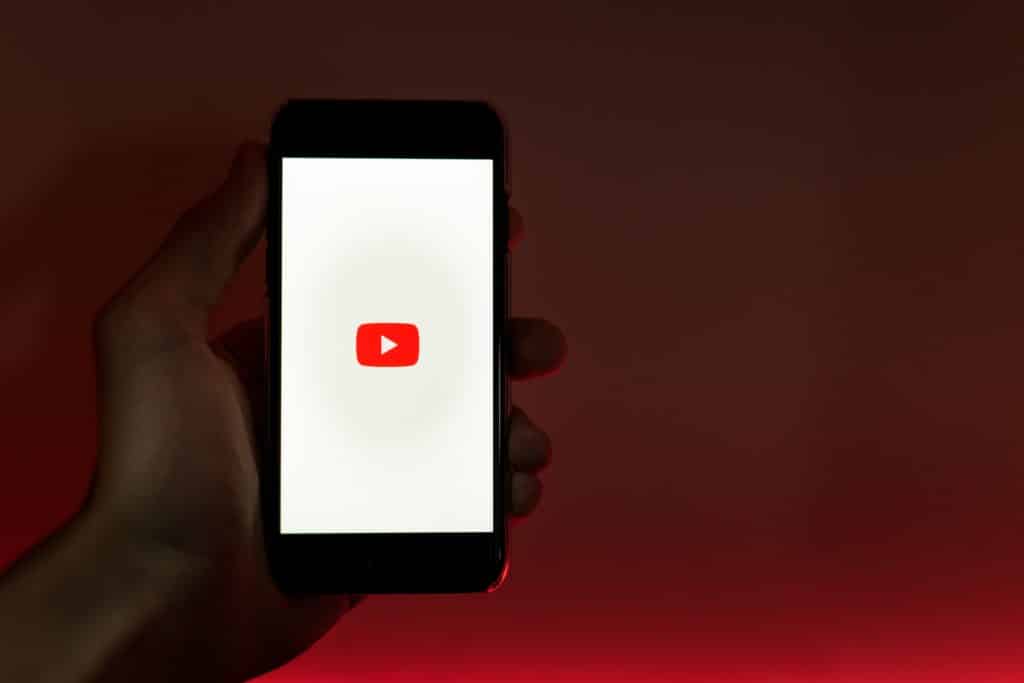
Do You Know What YouTube Is Showing Your Kids?

Who (or what) makes the content your kids watch on YouTube? In some cases, it’s hard-working creators who strive to make quality videos for entertainment or education. In other cases, it’s a computer program designed to efficiently produce videos for a lot of views and big profit. With this in mind, it is up to parents to ensure that their kids have a safe and fun experience while online. For helpful and empowering tools to establish a safe screen home environment, check out our Screen Safety Essentials Course. Today’s GKIS article tells you what you need to know to make YouTube viewing safer for your kids.

Bots!

Bots are computer programs designed by people or other bots to carry out specific online tasks. Not all bots are bad. However, they can run without any oversight from an actual human being.

One application for bots is creating YouTube videos for kids. More specifically, in this capacity bots combine video segments and post them over and over to test how many views they get. Once the tests are completed, the bot has created and run videos that ultimately make money for the programmer. Now that’s artificial intelligence!

Bot-Made Videos

Bot-made videos can look like a normal kid’s video, but they are typically a bit stranger. They often contain just enough story to string the randomly chosen segments together, but not enough story for everything happening to make logical sense. There are just enough familiar elements to hold a child’s attention but nothing educational or valuable to a child.

These videos distract kids long enough to get them to view ads and may even cause harm. After all, many times a human’s eyes have not viewed the video, and bots can’t discriminate a harmful video from a harmless one. At a glance, parents can’t discriminate either. Plus, most parents simply don’t take the time to preview thousands of videos their kids browse each day – especially from beginning to end.

Using Branded Characters to Bail Kids

One element that gets kids searching and watching are recognizable characters. Although branded characters are used without permission and are placed in a disjointed storyline for the video, kids will select them and stay entrapped expecting entertainment. For example, in her book Screen Time in the Mean Time, Dr. Bennett describes an alarming video portraying popular kid’s cartoon character, Peppa the Pig, screaming while being tortured in a dentist’s chair. The beginning of the video looks like a regular Peppa the Pig story. But near the middle of it, the story takes a confusing, terrible turn. Inappropriate video content make be shocking and even funny to older kids but vulnerable young children don’t have the insight or sophisticated skill set to look away. This can feel like a violent ambush and result in confusion, shame, and trauma.

Auto-play

Kids don’t always view these videos because they searched out the characters. Sometimes it is offered to them automatically in their feed. Auto-play is a YouTube feature where a new video is automatically

started after the one currently playing ends. Auto-play will select a video that is similar to the one you just watched based on tags that content creators mark their videos with when they post them. If auto-play is left on too long, it can lead a viewer down a rabbit hole of similar but stranger and stranger videos until they fall into bot-generated content.

The Algorithm

Unfortunately, bot-made videos and more can slip onto YouTube relatively easily. The huge volume of content uploaded to YouTube every day means that having a human being review every video uploaded to the site would be impossible. Instead, YouTube has another way to filter the content uploaded to its site, a bot of their own.

YouTube’s algorithm is, in essence, a much more advanced form of a bot that can scan through every video as it’s uploaded and automatically flag anything that violates YouTube’s terms of service, or at least that’s what it’s supposed to do. Unfortunately, YouTube’s algorithm can’t detect every inconsistency. It’s looking for the very specific things it was programmed to look for. Videos that don’t contain these specific violations slip by the filters. Many content creators have learned what exactly the algorithm is looking for, and some of them use it to slip inappropriate content past the sensors.

YouTube’s algorithm is also responsible for other features on the site including auto-play. The algorithm is what decides what’s worth showing next after a video, and what isn’t. However, the algorithm is only capable of discerning what videos are similar to others based on the tags assigned to a video. If a bot learns to place all the relevant tags for child content on an automatically generated video, then the algorithm will suggest it as if it were normal child content.
What can you do about bot content?

There are a few things that you as a parent can do to protect your children from bot-generated content:

Check in on your kids when they’re watching YouTube

So you can be sure the algorithm hasn’t drifted too far away from where it started.

Get Help

Monitoring everything your child watches can be a daunting task GKIS is here to help. Our Social Media Readiness Course is designed to teach your tweens or teens how to spot red flags on social media sites and when they’re gaming.

Turn off auto-play

The auto-play feature can be disabled by clicking the auto-play button at the bottom of YouTube videos. The button appears as a small black and white play button and is replaced by a black and white pause button while disabled. By turning off this feature, YouTube will no longer pick the next video your child watches next and instead will wait for you to manually choose the next video.

Limit your child’s time on YouTube

The bot-generated content of YouTube is at the bottom of the algorithm’s list of choices. Children often end up being presented with bot-generated content after spending too much time watching videos on YouTube. Our Connected Family Course has screen management strategies and safe-screen home setup ideas to help you manage your child’s screen time.

If you do catch your kids being exposed to an inappropriate video, report it.

Videos reported to YouTube as inappropriate are reviewed by real people who can catch the video for what it is. An offending video will be deleted permanently and can get the channel it comes from deleted entirely.

Thanks to CSUCI intern, Jason T. Stewart for researching bot-generated content and co-authoring this article.

I’m the mom psychologist who will help you GetKidsInternetSafe.

Onward to More Awesome Parenting,

Tracy S. Bennett, Ph.D.
Mom, Clinical Psychologist, CSUCI Adjunct Faculty
GetKidsInternetSafe.com

Works Cited

Robertson, Adi. “What makes YouTube’s surreal kids’ videos so creepy” The Verge, https://www.theverge.com/culture/2017/11/21/16685874/kids-youtube-video-elsagate-creepiness-psychology

Maheshwari, Sapna. “On YouTube Kids, Startling Videos Slip Past Filters” NY Times, https://www.nytimes.com/2017/11/04/business/media/youtube-kids-paw-patrol.html

Oremus, Will. “Even YouTube’s service for kids is being abused. Can anything control the massive platforms that now shape our lives?” Slate, https://slate.com/technology/2017/11/those-disturbing-youtube-videos-for-kids-are-a-symptom-of-techs-scale-problem.html

Photo Credits

Photo By: Kaufdex (https://pixabay.com/photos/youtube-media-screen-mac-apple-2449144/)

Photo By: Gerd Altmann (https://pixabay.com/illustrations/binary-one-cyborg-cybernetics-1536624/)

Photo By: Gerd Altmann (https://pixabay.com/photos/hacker-attack-mask-internet-2883632/)

Photo By: Markus Trier (https://pixabay.com/photos/homeschooling-school-technology-5121262/)
Young People Use ASMR for Stress Relief. You Should Too!

Imagine the sensation of someone you know running their fingernails lightly down your arm. Light touch chills or all-over body tingles are the focus of the latest Internet trend, autonomous sensory meridian response, or ASMR. ASMR is shaping up to be Gen Z’s answer to handling stress. Videos are popping up everywhere promising stress relief. What is ASMR, and how can it work for you?

Watching an ASMR video for the first time is a weird experience, so viewing with an open mind is key. Instead of relying on touch to create a sensation of chills through your body, ASMR uses sound. Whispers, scraping noises, teeth clicks nothing is off-limits to try to create this effect.  

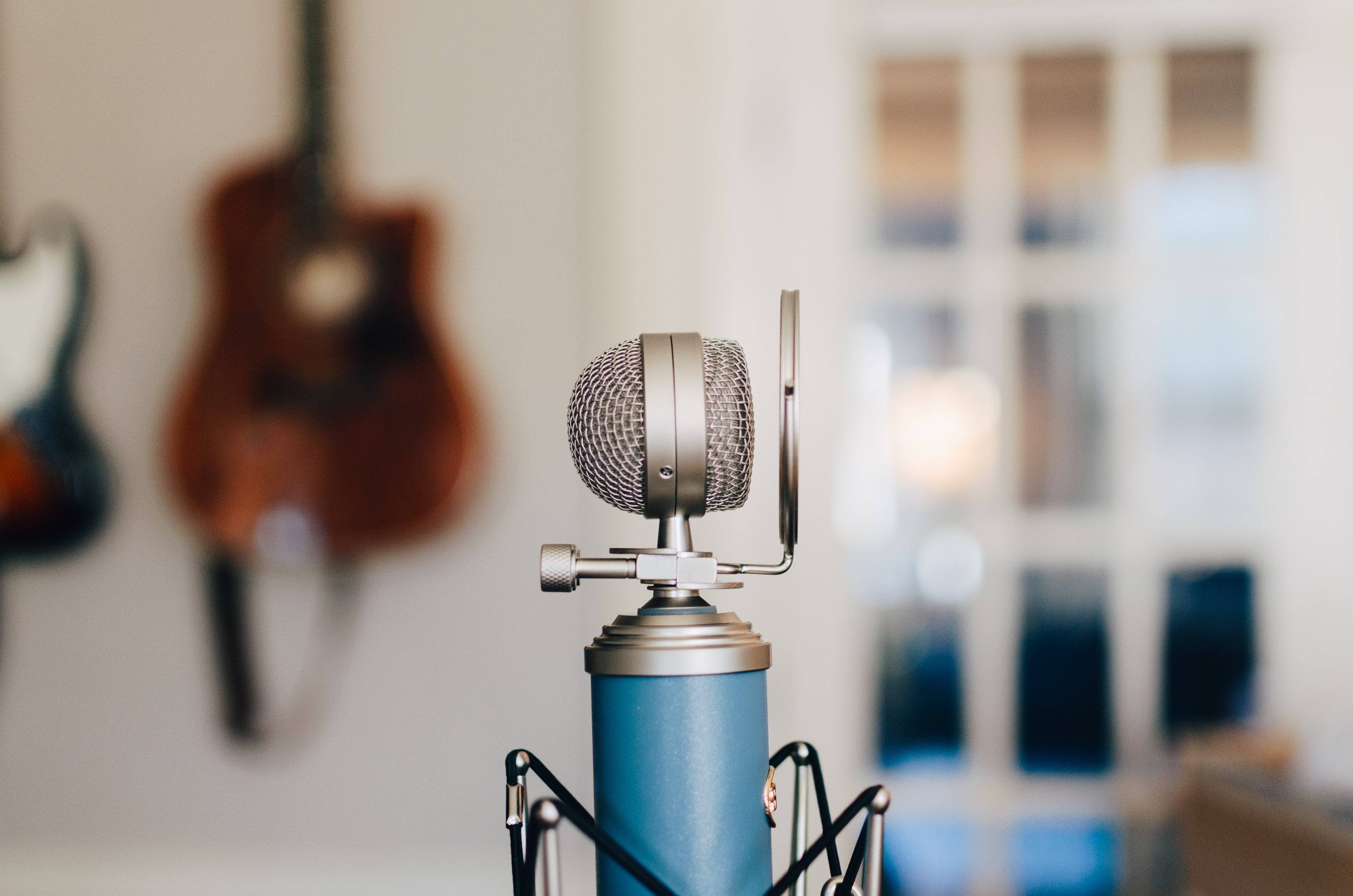
First-time viewers describe feelings of absurdity and intrigue, as the videos often show close-up shots of the person with their mouth or other object meant to make noise extremely close to a high-quality microphonperfect for picking up soft sounds.  

If it seems too silly at first, close your eyes as you listen. Once immersed in the experience, one of two things will happen nothing and you’ll feel like you wasted three minutes of your life, or you’ll be hooked like millions of others.  

Where ASMR Comes From  

ASMR is not entirely new. Before its popularity on the Internet, the research uncovered that some people have a greater sensitivity to sounds. Not only are they more sensitive, but they may get a physical feeling from sounds as well.[1] 

ASMR is enjoyable to some because resulting chills and tingles are typically pleasurable. Synesthesia is the experience of having more than one sense triggering another in unexpected ways, such as seeing color when you hear a word or tasting sour when looking at a circle.[2] ASMR is similar in that you hear a sound and instantly get a physical sensation. The best way to compare is to think about the feeling you sometimes get when a singer hits a really high note and it sends chills down your body. That’s what viewers of ASMR are trying to capture. At first glance, this may seem like an elaborate joke everyone else is in on, but you don’t get the punchline. But those watching ASMR videos have a goal in mind, they’re trying to relax and relieve stress.  

What the Research is Saying   

A 2018 study conducted at the University of Sheffield found that for some people, watching ASMR videos can lead to a reduction in stress. People who experienced a sensation of “head tingles” and chills when exposed to ASMR videos felt more relaxed after the viewing.[3]  

There is the key difference between feelings brought on by ASMR versus more commonly experienced chills that you or me experience at random intervals throughout our lives. In a common scenario, getting the chills brings about a feeling of excitement. But in ASMR, these sensations cause a sense of calm and well-being. 

ASMR can also be a sleep aid. But there’s a catch. ASMR appears to only work for people who have an exquisite sensitivity to sounds. If you do not, these types of videos may produce no feelings at all or have the opposite effect and cause mild discomfort.  

ASMR can benefit you! 

A clear takeaway in choosing to explore ASMR is that there is no risk in trying. Either you will hate it or love it. If you love it and can now count yourself in the number of people with an autonomous sensory meridian response, consider incorporating a video or two into your weekly routine. It can be a quick 5minute de-stress at the end of the day or a unique solution for those nights when you just can’t seem to fall asleep.  

The weirdness of ASMR is also the beauty of it. It’s a good way to embrace the unusual and is something for when you want to relax but also not take yourself too seriously. For all that is out there online, ASMR is one of those positive surprises with no risks involved 

Thank you to GKIS intern, Chelsea Letham for helping us discover ASMR and untap its potentials. Finding ways to unwind is not always easy so taking advantage of what is at our disposal online is important. Would you like to share your experiences with ASMR or your opinions about what your read in our articles? Please comment below and “like” our GetKidsInternetSafe Facebook page so other parents can find us. 

I’m the mom psychologist who will help you GetKidsInternetSafe. 

Onward to More Awesome Parenting, 

Tracy S. Bennett, Ph.D.
Mom, Clinical Psychologist, CSUCI Adjunct Faculty
GetKidsInternetSafe.com 

PS. Want to try an ASMR video yourself? Chelsea recommends this one:

Works Cited 

Roberts, N., Beath, A., & Boag, S. (2018). Autonomous sensory meridian response: Scale development and personality correlates. Psychology of Consciousness: Theory, Research, and Practice doi:10.1037/cns0000168 

Poerio G. Could Insomnia Be Relieved with a YouTube Video? The Relaxation and Calm of ASMR. In: Callard F, Staines K, Wilkes J, editors. The Restless Compendium: Interdisciplinary Investigations of Rest and Its Opposites. Basingstoke (UK): Palgrave Macmillan; 2016. Chapter 15. Available from: https://www.ncbi.nlm.nih.gov/books/NBK453209/ doi: 10.1007/978-3-319-45264-7_15 

Poerio GL, Blakey E, Hostler TJ, Veltri T (2018) More than a feeling: Autonomous sensory meridian response (ASMR) is characterized by reliable changes in affect and physiology. PLoS ONE 13(6): e0196645. https://doi.org/10.1371/journal.pone.0196645 

Photo Credits 

Photo by Kelly Sikkema on Unsplash 

Photo by Dmitry Schemelev on Unsplash 

Photo by Rodrigo Pereira on Unsplash 

How Online Parent Pranking May Be Child Abuse

There is a YouTube/TikTok trend of parents pulling pranks on their kids for viral shares. Some appear to be innocent jokes. Others are recordings of parents screaming at their children while the kids cry. Debates fill comment sections on how wrong it is to capitalize on “bullying” a vulnerable child. Professionals argue that this “comedy” violates trust and traumatizes children. It has even been argued that sharing milder pranks is still harmful, exposing children to the cruelty of internet trolls. In contrast, fans of the pranking videos complain that people need to lighten up. After all, we survived similarly harmless pranks when we were kids. Read this article and ask yourself, “When is the line crossed between comedic relief to child abuse?”

YouTube’s Response

YouTube videos go viral, fast. The comedy of pranking gives videos an extra boost in popularity. Yet, they got so out of hand that YouTube clarified their child safety policies in January 2019. They added that the mere perception of endangerment or vulnerability is unacceptable:

“We’ve made it clear that our policies prohibiting harmful and dangerous content also extend to pranks with a perceived danger of serious physical injury. We don’t allow pranks that make victims believe they’re in serious physical danger – for example, a home invasion prank or a drive-by shooting prank. We also don’t allow pranks that cause children to experience severe emotional distress, meaning something so bad that it could leave the child traumatized for life.”[1]

The Invisibility Prank

The invisibility prank was a fad for some time. In these pranks, families were videoed as they deceived children into believing that a magic chant made them disappear.[4]

Here’s how it worked:

First, the main pranksters let family members in on the joke so they can play along. Then the pranksters volunteer the child for a “disappearing magic trick.” The child sits on a chair in the middle of the room while the audience surrounds him. The magician covers the child with a blanket, and says three magic words, then ta-da! This is the audience’s cue to act completely surprised that the trick worked. Some get angry saying, “This isn’t funny! Bring him back!” Others gasp in astonishment. Whenever the child touches someone, they pretend to be spooked by this unseen force. The biggest part of this prank takes place when the pranksters ask the child to take a picture. The child doesn’t know the pranksters staged the picture beforehand. The fake picture shows the prankster’s arm hugging nothing. That empty space is where the child was supposed to be. The child sobs at this point because they’re desperate for acknowledgment.[2]

The Martin Case

An infamous case of YouTube pranking is that of the YouTube channel “DaddyoFive.” After their local county received several citizen complaints, the YouTube couple lost custody of two children in 2017. A county judge sentenced Michael and Heather Martin to five years of probation on child neglect charges. A neuropsychologist determined that the children experienced “observable, identifiable, and substantial impairments of their mental or psychological ability to function.”

The Martins had over 300 videos of them verbally, mentally, and or physically abusing their children for “pranks.” The Martins pleaded that the pranks supported their family with thousands of dollars of YouTube ad profit.[8]

Where the Line Is Crossed

At GetKidsInternetSafe we put children first, always. We believe that supporting child mental health and a strong, positive parent-child alliance is extremely important.

Pranking, which takes the form of bullying, may  traumatize children if it repeatedly creates emotional, mental, and or physical duress.[5][7] Victims of pranking may suffer chronic anxiety, as they remain hypervigilant for the next prank will occur. Once pranked, they may no longer trust their parents or their surroundings. Surprise pranks may contribute to social issues, defiance, cyclic bullying, depression, and aggression.[7] Children with pre-existing behavioral and mental health issues are particularly vulnerable.[7]

Before the Internet, family pranks were private and lost their sparkle quickly in favor of empathetic support and good judgment. YouTube, TikTok, Twitter, Instagram, and Snapchat broadcast private moments to thousands and sometimes millions of strangers.[5] Strangers in the community and friends at school get to see a child pee their pants from being so scared. While the world laughs at their fragility, the loss of privacy magnifies their insecurity.[6] This embarrassment extends at-home bullying to the public causing cyberbullying or public harassment.[7]

YouTubers, like Logan Paul, increasingly push the boundaries to increase viewers and keep people entertained. These prank-based YouTube channels push the same boundaries but for the sake of their children’s health and safety.

The Balance

Not all parents maliciously prank their children to the extremes. For some families, jokes and ongoing pranks are traditions that bond everyone together.[9] In our family, we yell “123 not it” at the end of our meals at restaurants. Whoever is last has to carry the leftovers out and put them in the fridge when we get home.

When children are mature and the jokes are gentle, pranks can be positive lessons in trust.[9] According to sociologist Gary Alan Fine, “We can play these games with each other and we trust each other sufficiently that we won’t get angry, that we will be friends afterward, despite this momentary uncomfortableness.”[9] Pranks also help people develop a sense of humor, which is a useful coping skill.[5]

Arguably, parents tricking their children into believing that the Tooth Fairy and Santa Claus exist are good examples of appropriate pranks. The jokes gently play with the child’s innocence. These videos are memories cherished with laughter as our children grow older. They exhibit pure-hearted children living happy childhoods.

Things to Consider Before Posting a Prank Video

Trust your gut.

Every child’s temperament varies. Cultures, ethnicities, and family dynamics all differ. How a child will react to a prank is best known by their parent. Parental instinct and listening to our guts are our best courses of action.

Ask your child before posting.

Part of the GKIS Connected Family Screen Agreement explains that family members will not post images or videos of each other without permission. This is a critical step to building important dialogue for negotiation and trust. This applies to pranking as well.

Anticipate how that video will be received by other adults and peers.

It’s easy to get caught by the urge to instantly share hilarious moments with the internet. But take a moment before hitting “post” to consider how your child will feel in a year or two with the video still online. Think about who has access to your content. Follow the GKIS Grandma Test: “Would grandma have a problem seeing this?”

Will it target your child for further bullying?

For example, imagine a group of fifth graders seeing your family’s prank. Will they be laughing with your child or at them? Will they give your child a demeaning nickname?

Will copycat behaviors be unkind or cruel? 

Anticipating the consequences of these videos is essential before posting.

Thanks to Hanna Dangiapo for covering this important, sensitive issue. If you’re ready to start a more positive, cooperative connection with your family and increase screen sanity, check out our GKIS Connected Family Online Course. With 10 easy steps, you can bring the fun back into family life.

I’m the mom psychologist who will help you GetKidsInternetSafe.

Onward to More Awesome Parenting,

Tracy S. Bennett, Ph.D.
Mom, Clinical Psychologist, CSUCI Adjunct Faculty
GetKidsInternetSafe.com

Works Cited 

[1] Camilla. “FAQ: Dangerous Challenges and Pranks Enforcement Update”. Youtube Help, 28 January 2019. 

[2] Bartlett, Harry J. “Family Convince Son He’s Turned Invisible, And The Resulting Chaos Will Have You Crying With Laughter”. Happiest, 7 September 2018. 

[3] Flam, Lisa. “Pranking your kids: All in good fun or cruel?”. Today, 13 October 2016.

[4] France-Presse, Agence. “Youtube clarifies rules on pranks as risky memes rage.” J by The Jakarta Post, 16 January 2019.

[5] Hyken, Russell. “How Bully Parents Erode Kids’ Self-Esteem and Create Long-Lasting Damage.” U.S. News Health, 13 July 2017.

[6] Johnson, Christen A. “Viral ‘invisibility prank’ draws laughs from parents — but could harm kids.” Chicago Tribune, 17 September 2018.

[7] Retner, Rachael. “Embarrassing Punishments Hurt Kids, Experts Say.” Live Science, 15 May 2012.

[8] Wanshel, Elyse. “Parents Who ‘Pranked’ Their Kids On YouTube Sentenced For Child Neglect.” Huffpost, 13 September 2017.

[9] Welsh, Jennifer. “No Kidding: April Fools’ Is Good for the Soul.” Live Science, 30 March 2012.

Photo Credits  

Photo by Szabo Viktor on Unsplash

Photo by Caleb Woods on Unsplash

Photo by S&B Vonlanthen on Unsplash