In recent months, speculation surrounding a significant increase among the number of teenage girls reporting the occurrence of Tourette’s-like symptoms has emerged. Concerned parents of children who are experiencing the onset of tics have sought the help of medical professionals. Surprisingly, these medical professionals have suggested that there appears to be a possible link between the onset of symptoms among these teenage girls and their use of the social media app called TikTok. It has been well documented that social media poses inherent risks and various pitfalls for kids. Dr. Bennett believes that preparing tweens and teens to navigate these problems before they arise by providing them with the necessary knowledge and skills is the key to avoiding digital injury. That is why we created the Social Media Readiness Course, designed to empower families to promote safe and responsible practices while avoiding harmful outcomes.
What is TikTok?
TikTok is a social media and video-sharing platform/app that is primarily marketed to kids and teens. Since its launch in 2016, it has become one of the most popular social media sites, attracting over 1 billion monthly users. TikTok is so popular among today’s kids and teens that it has become a part of the cultural zeitgeist. The social media app has also been the focus of several significant controversies. You can read about some of these stories in other GKIS blog articles here and here.
Tourette Syndrome vs. Functional Tic Disorder
Tourette Syndrome
Tourette Syndrome aka Tourette’s is a type of neurological disorder that involves the occurrence of uncontrollable movements and unwanted verbal outbursts referred to as tics.
Tourette Syndrome is typically diagnosed in children between the ages of 7 and 10, but symptoms can occur as early 2 years old or as late as 15 years old. Historically, boys are 3-4 times more likely to be diagnosed with the disorder than girls. Individuals with Tourette Syndrome reportedly benefit from treatments that include medication and psychological therapy.[1]
Functional Tic Disorder
Functional Tic Disorder is also a type of neurological disorder. It is characterized by issues with voluntary movement rather than automatic movement.
People with Functional Tic Disorder often experience the interruption of voluntary movements and vocalizations with uncontrollable tics. This disorder is diagnosed later in life than Tourette Syndrome, typically around 18 years old, and occurs more often in women than in men. Individuals with Functional Tic Disorder reportedly benefit from psychological therapy and do not respond to medication.[2]
Tics
The word tic is used to describe a vast array of symptoms that include sudden and repetitive twitches, jolts, and sounds or even complex motor movements and combinations of words. Tics range in severity from symptoms like repetitive eye-blinking, shoulder shrugs, or throat-clearing to more severe and even violent symptoms like punching, hair-pulling, or shouting obscene language.[3].
According to research, Tic Disorders appear to be somewhat heritable. Additionally, the tics seen in Tourette’s and Functional Tic Disorder share several similarities including appearance, suggestibility, distractibility, and increases during periods of stress and anxiety.[4]
Is TikTok really causing tic disorders among teen girls?
As previously mentioned, Tic Disorders like Tourette Syndrome are much more common in boys than in girls. So, many experts were surprised when a recent surge in teenage girls reporting the sudden onset of uncontrollable tics began seeking their help. After conducting extensive medical interviews, doctors started noticing that the patients all shared a common interest in watching Tourette-Syndrome-related content prior to the onset of their tics.
TikTok videos featuring the tag #tourettes have been viewed billions of times, with content creators offering a glimpse into how they navigate their daily lives with the disorder. Some Tourette’s-centered users have millions of followers.[5]
According to research, the number of cases linked to social media has jumped significantly. Interestingly, researchers studying this phenomenon have noticed a “phenomenological similarity” between the tics/tic-like behavior depicted on social media platforms like TikTok and the tic-like behavior demonstrated by this group of patients.[6]
The Role of the Pandemic
Many experts have also claimed that despite the correlation between TikTok use and the onset of symptoms, the true underlying cause is more complex. Research shows that stress and anxiety levels among kids and teens have drastically increased since the start of the pandemic. Since stress and anxiety levels play a significant role in the occurrence and severity of tics related to Tourette’s and other tic disorders, experts suggest that they are likely also playing a significant role in the recent surge of cases.[6]
Additionally, researchers have posited that increased social isolation, the widespread use of social media as an outlet for peer socialization, and consistent exposure to popular Tourette’s-themed TikTok content have primed some of these patients to believe that exhibiting “tics” may serve as a means of peer acceptance and popularity.[6] The similarities between the tics depicted on TikTok and the tics demonstrated in these new cases coupled with this theory regarding a desire for peer acceptance suggest that many of these teens might simply be manufacturing their symptoms. However, more research is needed to determine if a causal link between social media use and the onset of tic disorders truly exists and to what extent the pandemic plays a role in this phenomenon.
Treatment
Further evidence that points to the possible role of TikTok in the development of these new cases include how the patients have been treated. Behavioral treatment plans including personalized psychoeducation strategies that include avoiding triggering exposure to tic-related social media content have been successful. In many cases, patients were encouraged to refrain from using the app for several weeks and instead engage in physical activities that get the mind and body working together. Many of these patients experienced a significant reduction or a complete elimination of the uncontrollable tics that impacted them.[6]
What Parents Can Do
The most important thing that parents can do is be aware of the potential risks and promote an environment of open communication with your children. Dr. B offers a comprehensive family program for fostering this kind of communication in her Screen Safety Essentials Course. With this course, your family will learn tons of information about how to create a safer screen home environment while also connecting and having fun as a family. Armed with the right tools, you and your family can learn how to better thrive in today’s digital era.
Thanks to CSUCI intern, Mackenzie Morrow for researching the role of social media apps among the rise of tic-related disorders and co-authoring this article.
I’m the mom psychologist who will help you GetKidsInternetSafe.
In recent years, social media influencers and internet celebrities have created a popular niche in pop culture. Some content creators possess a level of fame among their young fans which rivals that of traditional A-list celebrities. In the past, these A-list stars were only accessible to the public through the big screen or tabloid articles. Today’s internet celebrities are virtually accessible to fans 24/7 through social media. A new group of wildly popular content creators on the platform TikTok have pushed the boundaries of celebrity accessibility a step further towards toxicity by creating what they have coined “The Hype House.” If you are worried that your kids are living to watch a hype house instead of living their best lives within their own house, you can benefit from our Screen Safety Essentials Course. It has all the resources you need to best manage screen time while getting closer as a family.
TikTok and the Hype House Explained
TikTok is a social media and video-sharing platform/app that is primarily marketed to kids and teens. Since its launch in 2016, it has become one of the most popular social media sites attracting over 1 billion monthly users.
As you might have learned from Netflix’s recent show, the Hype House is a collective of young TikTok celebrities who live and work together in a large luxury house in Los Angeles, CA. Due to their popularity, the residents of the house get paid to create millions of dollars worth of sponsored content on TikTok. The more popular a content creator is, the more money they earn through ad revenue and branded merchandise.
Typical content created by Hype House residents feature videos of them hanging out, pulling pranks, partying, and (most often) dancing. Each of the Hype House members has a follower count in the hundreds of thousands to millions which illustrates their immense star power. However, there is a flip side. As avid fans discovered the address of the collective, Hype House residents were swarmed with groups of people stationed outside the home hoping to interact with their favorite TikTokers.
Blurred Boundaries
Fans traveled from all over and waited outside the house for hours just to catch a glimpse of the Hype House members. As soon as someone was spotted, a frenzy of excited screams would ensue. Perhaps it’s not surprising that some teens would go to such lengths to be in close proximity to their favorite celebrities and score pics for their own social media pages. What is surprising, however, is that many of the fans who would gather outside the collective were elementary school-aged children with parents.
Oddly enough, many of the parents seemed to be just as swept up in the frenzy as their kids. One video features a mother bragging that her daughter handed a box of donuts to someone affiliated with the house and that “now her donuts are inside the hype house.” A second video features a woman telling a mob of children “remember, you guys made them famous, you guys give them paychecks…” in response to the children being asked to leave the front doorstep they were trespassing on.
On one occasion, in a bid to gain followers, a 13-year-old TikToker allegedly broke into the Hype House along with her mother and a few friends while the residents weren’t home. The group filmed themselves going through the house and even wearing and stealing the famous housemates’ clothes. The 13-year-old’s mother even uploaded a video to TikTok saying, “We are currently in the Hype House. We’re gonna have amazing content.”
Despite some extreme (and illegal) instances like this, the residents of the Hype House typically accept the mobs of fans and do their best to have positive interactions with them because the fans’ support ultimately translates to more money in the bank. Unfortunately, access to the Hype House has led to the victimization of some young fans rather than the house members themselves.
Appeal to Emotion and the Illusion of Intimacy
The hordes of fans who habitually gathered in front of the Hype House weren’t actually all that bad for the famous TikTokers who lived there. In fact, this situation went on uninhibited by security enforcement or calls to the police for a long time. This is because it was a reciprocal interaction between the famous TikTokers and their fans. The fans got to interact with their idols, take photographs, and hear a celebrity say “I love you” to them in real life. In return, Hype House members gain increased loyalty, views, and support which ensures the longevity of their success as TikTok stars.
When kids and teens feel acknowledged by a person they look up to, it can have a powerful effect. An interaction where a celebrity appeals to the emotions of a fan creates an illusion of intimacy. This makes the relationship feel real and can lead to personal exploitation.
Hype House Star Tony Lopez: Sexual Misconduct
TikTok has a feature called Duet that allows users to build on another user’s video by recording and then placing their own videos next to the original to create a sort of split-screen duet. The troublesome aspect of this feature is that, despite the minimum age of use for TikTok being 12 years old, the music and dance moves in popular videos are often sexually suggestive and explicit. Duet videos are wildly popular on the app.
Tony Lopez is a 21-year-old TikTok celebrity and an original member of the Hype House who is known to post sexually explicit videos. He’s been accused of committing multiple acts of sexual misconduct by several young girls. Lopez, who has over 22 million followers on TikTok alone, is alleged to have used his status as an internet celebrity to coerce underaged female fans into engaging in sexually inappropriate exchanges with him. According to these young fans, Tony Lopez employed various forms of emotional manipulation, preying upon their admiration of him as well as their desire to feel a unique and personal connection with him.
The Graphic Video
In 2020, a video of Tony Lopez surfaced on various social media platforms showing him standing nude in front of a mirror while gyrating the lower half of his body. The video was apparently leaked by Twitter users via direct message. After going viral, TikTok parody videos were posted by clothed minors. In response, Tony posted videos laughing along with the caption, “Oops. Lol.”
Solicitation of Child Pornography
During the same year, several underage girls came forward stating that Tony Lopez had either requested or received nude photographs from them or sent them nude photographs of himself. Tony Lopez would use his private Snapchat account to add young female fans and interact with them in an exclusive forum.
Lopez would use the promise of access to his private account by telling girls that he would only add them if they sent him “sexy pics.” A series of screenshots featuring conversations between Tony and the victims on his private Snapchat were posted online by some of the girls themselves. The screenshots show crude attempts by Tony to solicit nude photos as well as his reactions when they refused. When a young fan turned down Tony’s request for nude photos, he blocked her from his private account as punishment. After these allegations came out, Tony Lopez officially separated from the Hype House brand.
Sexual Battery
In January 2021, Tony Lopez was served with a civil lawsuit on behalf of two minors accusing Lopez of sexual battery and emotional distress. Both girls claim that Tony used his fame to groom and coerce them into engaging in sexual acts with him and to solicit nude photographs of them despite being aware that they were underaged. According to the victims, Tony, who was 20 years old at the time, emotionally manipulated the two via text and direct messaging by saying things like, “I’m tryna marry you.” He would ask the girls to sneak out of their homes at night to meet up with him.
One of the girls originally met Lopez when she was invited to the Hype House by founding member Thomas Petrou, who is also named in the lawsuit for negligent hiring of Lopez. After coming forward, Tony’s accusers were cyberstalked, harassed, and threatened with violence by Tony’s avid fans. Tony has publicly denied these allegations stating that the victims’ motivations are to make money.
Why are fans so easily victimized?
The fascination with celebrities that sees young fans either trespassing onto private property or becoming victimized themselves can be explained by a psychological phenomenon referred to as parasocial relationships. A parasocial relationship is characterized as a one-sided emotional attachment to a media persona that can lead to strong feelings of familiarity, intimacy, friendship, and romance.
For the most part, fans realize that the relationship does not actually exist. Yet the intensity of their feelings causes them to react as if it does. This is manifested as investments of time, energy, and emotion just as in real-world relationships. Except, with parasocial relationships, none of these things are reciprocated by the celebrity.
How Parents Can Help
While understanding this phenomenon can help to keep you aware of some of social media’s pitfalls, Dr. Bennett has also created and compiled a series of valuable tools and guidelines to help you equip your family with the knowledge and strategies needed to safely navigate today’s technological world.
To avoid the kinds of negative outcomes addressed in this article, check out Dr. B’s tried and true GKIS Social Media Readiness Course. Our course is a valuable tool that teaches tweens and teens about the inherent risks of social media and ways to be prepared when encountering them. Additionally, parent-child communication and parental oversight are key. Dr. B offers essential tips for fostering this kind of communication in her GKIS Connected Family Course. With this online course, you will learn how to create a safer screen home environment through fun parenting techniques designed to guide sensible screen management.
Thanks to CSUCI intern, Mackenzie Morrow for researching accusations of inappropriate behavior concerning Hype House influencers and co-authoring this article.
I’m the mom psychologist who will help you GetKidsInternetSafe.
Dangerous TikTok trends have previously sent kids to the hospital, now a new trend is sending them to jail. The forever infamous “Tide Pod challenge,” which spawned from an internet meme, gained huge traction among young users on the platform TikTok after videos of kids eating the toxic laundry detergent went viral. These videos resulted in thousands of calls to poison control, and hundreds of trips to the emergency room. While this shocking TikTok trend faded away in early 2018, a new trend dubbed “Devious Licks” has rocked schools across the nation and lead to the arrests of several students.
What is TikTok?
TikTok is a social media and video-sharing platform that is primarily marketed to kids and teens. Since its launch in 2016, it has become one of the most popular social media sites attracting over 1 billion monthly users. What drives the popularity of this platform is that it offers millions of short user-created videos that feature an enormous variety of content. Through the use of hashtags, TikTok users can see which viral videos are attracting the largest number of views from fellow TikTokers. The most popular videos are re-created or copied by other users to increase their chances of having their videos viewed which is essentially how TikTok trends get started. With so many users competing for likes and attention, these viral trend videos spread like wildfire.
TikTok has previously come under fire for its initial lack of action in response to the posting of “Tide Pod challenge” videos. CBS reports that there were at least ten deaths related to this challenge. Unfortunately, TikTok failed to promptly block uploads to their platform that featured the hashtag “Tide Pod challenge” which ultimately would have prevented this trend from getting the amount of exposure that it did.
The New Dangerous Trend: “Devious Licks”
Early September 2021, when kids across the nation finally began going back to school after a year of COVID19-required virtual learning, videos featuring the hashtag “DeviousLicks” swept through TikTok. Unlike the name suggests, this newest trend does not actually involve physically licking dangerous objects. According to UrbanDictionary.com the word lick is slang for an illegal way to quickly get money, primarily through the theft of property. The “Devious Licks” trend is a competition among kids and teens to see who can film themselves while stealing the riskiest or most important objects without getting caught and then subsequently uploading the video onto TikTok as proof of participation. While this trend has reportedly spanned schools across the nation, these videos are most often shot in middle and high schools.
How did it start?
This viral video trend allegedly began when one student posted a video to TikTok featuring a box of disposable face masks they purported to have stolen from the campus. The viral video, which received almost half a million views, was captioned, “A month into school and got this absolutely devious lick… Should’ve brought a mask from home. Now look at you walkin round campus maskless you dirty dog.” Since this first video was posted, things escalated drastically.
A list of some of the stolen items featured in devious licks videos include:
Fire extinguishers
Fire Alarms
Exit Signs
Bathroom Supplies
soap dispensers and paper towel/toilet paper dispensers, urinal cakes
Classroom Supplies:
lab materials, computers, books, a class pet, pencil sharpeners, projectors
Physical Property:
sinks, toilets, stall walls, a principal’s car parts, locker doors, cellphones, SMART boards, desks/chairs, clocks
One video even shows a shoe being stolen off the foot of a student who was sitting in a bathroom stall. Other videos show student restrooms that have been completely vandalized and rendered almost useless. Parents at a middle school in Texas have been asked to send their kids to school with their own hand soap due to the dispensers having all been stolen from the restrooms.
Police Are Stepping In
To stop this trend from continuing, law enforcement officials have begun arresting students across several different states. In Kentucky, eight students have been arrested due to their participation in the “Devious Licks” challenge. Four of the students were charged with theft while the remaining four were charged with vandalism. Five more students were charged in Florida, one student charged in Arizona, and one student charged in Alabama.
TikTok’s Response
While it is obvious that a lot of damage has occurred across many different schools that are already struggling amidst the global pandemic, TikTok has responded to this phenomenon by continually blocking all “Devious Licks”- related content from being uploaded onto their site to prevent more damage. Unfortunately, the criminal records of the students who were arrested in connection with this trend cannot be fixed as easily as soap dispensers.
Why is this happening?
Today’s kids and teens spend so much of their time in virtual neighborhoods. Social media platforms are where our kids go to socialize, meet new people, make impressions, and try to fit in. Adolescence is a time when we constantly crave feelings of validation and social media platforms like TikTok can be a powerful avenue for seeking validation through attention. Kids will strive for popularity on TikTok by participating in potentially (and sometimes obviously) dangerous trends such as the “Devious Licks” challenge because the validation they receive from others feels good. Their brains are wired with a powerful reward system that can make their better judgment take a back seat to their need to feel embraced, even if it seems artificial to us.
What Kids Need from Their Parents
The negative implications of this newest TikTok trend are obvious. Aside from the damage to school property and the loss of personal property from other students, the potential loss of future opportunities due to a permanent criminal record because of participating in a fleeting internet trend is tragic.
To avoid these kinds of negative outcomes, parent-child communication and parental oversight are key. Dr. B offers essential tips for fostering this kind of communication in her GKIS Connected Family Course. With this online course, you will learn how to create a safer screen home environment through fun parenting techniques designed to guide sensible screen management.
Additionally, Dr. B’s tried and true GKIS Social Media Readiness Training is a valuable tool that teaches tweens and teens about the inherent risks of social media and ways to be prepared when encountering them. Remember to be kind, create an environment that allows for open dialogue between you and your kids, and rest assured that you have provided your family with the tools to facilitate safe and healthy internet practices. You can also stay up to date on relevant internet/gaming topics with our free articles on the GKIS Blog.
Thanks to CSUCI intern, Mackenzie Morrow for researching TikTok’s newest dangerous “Devious Licks” trend and co-authoring this article.
I’m the mom psychologist who will help you GetKidsInternetSafe.
As many as 97% of teens actively use at least one form of social media.[1] If your tween or teen has social media, help them become informed, safer consumers with our Social Media Readiness Course. Our online course includes mastery quizzes after each lesson and can be done at your own pace. We think it’s the best way to help kids avoid the many sources of digital injury and help them integrate critical psychological wellness tools. Today’s article is all about social media and psychological wellness. Is social media use contributing to your child’s social anxiety disorder?
Social Anxiety Disorder
Social Anxiety Disorder (SAD) is a debilitating disorder that impacts children and adults and is characterized by an intense fear of being judged by others in social settings.[2] Since the stay-at-home orders from COVID19, Dr. Bennett says that many kids, teens, and adults have developed social anxiety due to the stress and loss of practice due to isolation. People who suffer from SAD avoid social situations that require peer conversations, giving speeches, and being among unfamiliar people.
What are the signs of SAD?
Although we all may go through bouts of shyness or anxiety when doing social things like making speeches, SAD is a heightened and debilitating version of these same fears. Studies have shown that children with SAD often struggle with peer friendships, academics, and even family life.[3]
Here are typical characteristics of SAD:
Excessive fear regarding social situations
Agitation
Low self-esteem
Avoidance of social engagements
Excessive worry
Poor eye contact
These are things you can be on the lookout for when observing your children. Are they struggling to keep up academically? Are they complaining that they don’t have friends? Do you notice that they lack the confidence to initiate conversations or speak up for themselves?
If you feel concerned, reach out for professional assistance from a therapist or licensed psychologist. The sooner a child gets assistance with SAD, the sooner they can start working on it and find resolutions to their fears. Cognitive Behavioral Therapy (CBT) is particularly effective with SAD.
CBT is a form of therapy that offers strategies to help subjects change maladaptive thinking patterns and gain insight into things that reward anxiety. Unique treatment plans can be altered for each patient. One of the things that make CBT unique is the emphasis on teaching the patient about the disorder and allowing them to create their coping skills and ultimately be their own therapist.[4]
Social Media’s Impact on SAD
Studies have shown that children with SAD tend to have lower interpersonal trust and are more prone to hurt feelings. For some kids who have a hard time building peer relationships in person, using social media can help them make friends and feel included. Talking to peers on social media allows children to think before they send a message which may lessen their fear of judgment. Also, online conversations take out the tough-to-interpret facial expressions that sometimes cause people with SAD to overthink and freeze up.
A great example of where this could come in handy is during a lunch break. Children with SAD may have a hard time interacting during lunch and stay quiet due to fear of being judged. This same child can go home and message their friends on social media about something that was discussed during lunch without having to worry about others watching them. By messaging their thoughts to their friends, they can compose their words and it lets them be involved and part of the conversations.
On the other hand, studies have shown that children with SAD worry more about being judged on what they post than others do.[5] Since a child with SAD is already more prone to hurt feelings, they may get more upset by comments and feelings of exclusion. They may also overthink about posted content wanting to make sure others enjoy it. A balance between offline practice and online practice is key to psychological wellness and social skills mastery.
Things You Can Do to Help Your Child Avoid SAD
Enjoy the support of weekly coaching.
The most important thing that parents can do is be aware of the potential risks and promote an environment of open communication with your children. Dr. B offers a comprehensive family program for fostering this kind of communication in her Screen Safety Essentials Course. With this course, your family will learn tons of information about how to create a safer screen home environment while also connecting and having fun as a family. Armed with the right tools, you and your family can learn how to better thrive in today’s digital era.
Set screen time limits.
Most phones have parental control options to limit the amount of time spent on social media apps. The Screen Safety Toolkit explains the amount of screen time recommended for your children and gives you the tools you need to set up the controls, track usage, and filter unwanted content for safe browsing.
Offer opportunities to practice social engagement.
Sometimes kids need extra support when they are feeling socially anxious. If your child opts out of social interactions, provide a series of opportunities to practice social engagement with your help. Start by encouraging your child to order on their own in restaurants. Continue the same tasks until the child feels comfortable doing them. Once they’re comfortable with the first task, move on to slightly more challenging tasks like small talk when purchasing groceries or waiting in line. Mastering increasingly challenging social tasks can help your child learn social skills and build self-confidence.
Consider CBT Therapy.
If your child’s symptoms are getting in the way of school, friendships, or overall happiness, CBT therapy treatment can help them learn coping skills and face their fears head-on.
Thanks to CSUCI intern Tara Meizel for researching social media and its effects on children with Social Anxiety disorder and co-authoring this article.
I’m the mom psychologist who will help you GetKidsInternetSafe.
[1] Mayo Foundation for Medical Education and Research. (2019, December 21). Teens and social media use: What’s the impact? Mayo Clinic. Retrieved October 7, 2021, from https://www.mayoclinic.org/healthy-lifestyle/tween-and-teen-health/in-depth/teens-and-social-media-use/art-20474437.
[2] Seedat, S. (2013). Social anxiety disorder (social phobia). South African Journal of Psychiatry, 19(3), 192+. https://link.gale.com/apps/doc/A343258868/AONE?u=csuci&sid=bookmark-AONE&xid=5e09250d
[3] Khalid-Khan, S., Santibanez, M.-P., McMicken, C., & Rynn, M. A. (2012, August 22). Social anxiety disorder in children and adolescents. Pediatric Drugs. Retrieved October 7, 2021, from https://link.springer.com/article/10.2165/00148581-200709040-00004#citeas.
[4] What is Cognitive Behavioral Therapy? (2017, July). Apa.org. https://www.apa.org/ptsd-guideline/patients-and-families/cognitive-behavioral#:~:text=What%20Is%20Cognitive%20Behavioral%20Therapy%3F%20Cognitive%20behavioral%20therapy
[5] Shabahang, R., Arguete, M. S., & Shim, H. (2021). Social media posting anxiety: Interpsonal trust, fear or negative evaluation, and hurt feeling proneness as predictors. Journal of Media Psychology: Theories, Methods and Applications. https://doi.org/10.1027/1864-1105/a000300
If your child has inquired about buying a deck of cards, candles, or pendulums, they might be showing interest in tarot! Tarot reading is a New Age practice that has acted as a spiritual guide and coping mechanism for many people. In the previous article on online astrology, we shed light on what astrology is, the marketing tactics behind it, and the psychological perspectives that relate to it. In today’s part two, this article covers tarot reading, testimony, common misconceptions, and red flags to be wary of.
What is tarot reading?
Tarot reading involves the process of picking cards, finding a common ground between the cards, and relating it to everyday life. Today’s tarot deck consists of 78 cards and are divided into two groups— the major arcana (22) and the minor arcana (56).[1] Similar to standard playing cards, tarot cards contain different suits and are used for different purposes (e.g., questions about spirituality, love, and finances).
I am not savvy in the world of tarot reading, so I interviewed someone who has used tarot in their life for over 20 years. For privacy purposes, I will refer to this person as “Hope.” Hope is not a professional tarot reader, but it is clear that her connection to tarot has merit. Hope deepened my understanding of tarot reading, as well as offered insight on misconceptions and red flags.
Tarot and Testimony
When asked about tarot reading and its massive trend across social media platforms, Hope stressed the importance of using caution and common sense, as fast information isn’t the best way to learn or receive information. During a time of chaos, people are looking for ways to cope and can easily be exploited. As discussed in the previous article on online astrology, horoscopes and tarot readings can work for you (positive effect) or work against you (negative effect).
Depending on the reading, children may succumb to high expectations or disappointment. Even when cautioned, kids simply don’t have the brain wiring or experience to anticipate all possible outcomes. They tend to lead with innocence and trust rather than cynicism and caution.
Hope recommends seeking tarot readers that have lineage through family members or those who have been taught by a reputable leader. Training, experience, and compassion should come together in a trustworthy tarot reader (as interpretations are also different among readers).
Common Misconceptions
Hope emphasized, “Tarot reading is not fortune-telling, rather, it’s about the reader interpreting the cards, breaking down its psychological symbols of the tarot, and applying it to everyday life.” It is meant to act as a guide, providing more open-ended questions than answers. Tarot also provides a different perspective, just as any other New Age practice such as meditation or yoga.
At face value, a tarot reading can come off very woo-woo, meaning unconventional beliefs concerning spirituality that typically do not have scientific proof. Hope explained that rituals can be meaningful by creating structure, providing creative, enriching support, and helping people move through the cycles of their life. Despite the crystal ball portrayals and witch-like stereotypes, tarot has evidently become more mainstream in the new age.
Red Flags
Hope advises beginners to “take what resonates and leave the rest.” Tarot is a tool that one can include in their toolkit of life, but it should not negate the power that someone has over their own life. Tarot is meant to be insightful, not harmful; she emphasized this by using a paywall as an example. “If someone tells you you’re going to have bad things happen to you unless you pay them $200, exit the door immediately.” A safe online experience with tarot reading should include keeping a sense of humor, as well as an open mind and sensible assessment.
Tarot Reading is Trending
Tarot Reading is trending on platforms, most notably TikTok. With a total of 913.4 million views, the hashtag #tarotreading has become a daily affirmation among TikTok users. Your child may seemingly come across this content by chance, but that is not always true. TikTok offers content to users using computer-generated algorithms (formulas) to lead their users to content in their “For You” feature. As a supportive parent, it may be helpful to acquaint yourself with accounts that are age-appropriate for your child to ensure a healthy online experience.
Elementually is a well-known mother-daughter duo with a following of 1.2 million users. Elementually offers multiple daily affirmations through tarot cards, pendulums, crystals, and dice. I investigated this account and found their page to be appropriate for users of all ages. Not only do they offer daily card affirmations, but they are interactive with their following. Comments are selected from posts, and answers are given based on pendulum and dice outcomes. This duo also offers free tarot card readings, while other influencers charge anywhere between $10-30.
Tarot and Algorithms
The biggest concern over any online experience includes algorithms. Algorithms take your personal data and utilize it for marketing purposes. An important term to become acquainted with is bait engagement. Bait engagement involves a call to action to the user (usually to provoke likes, comments, or shares), but in reality, it boosts the posts in favor of the algorithms. With regards to tarot reading (or any other subject), bait engagement may sound like “like/comment/share this post to claim your reading.” While it may give the user some peace of mind that they are acknowledging and accepting their daily affirmation/refutation, children must also recognize when they are being manipulated to act and perhaps even exploited for profit.
Online tarot reading may not be completely exclusive, as the algorithms within the “For You” feature expose the user to content they predict is favorable. Children must acknowledge hashtags and understand that it may not be a coincidence. As Hope said earlier in her interview, the user is ultimately the one in control. While it may be comforting to connect with a public reading, online tarot readers on TikTok typically post multiple times a day. Depending on the post your child comes across, they must consider algorithms when receiving their daily card or reading.
GKIS Tips for Online Safety
If your child chooses to incorporate tarot reading as a tool on their spiritual journey, GKIS is here to offer our Screen Safety Toolkit to ensure a safe online experience. Features of our toolkit include links and information about parental controls, filtering and blocking for safe browsing, and social media monitoring to help keep your children internet safe. To further expand your tween’s or teen’s knowledge of digital injuries, GKIS also offers a Social Media Readiness Course. Encouraging autonomy and accountability, this course equips youth with 10 social media lessons, mastery quizzes, and Dr. B’s psychological wellness techniques to help prevent digital injury.
Thanks to CSUCI intern Kaylen Sanchez for researching online tarot reading for this GKIS article.
I’m the mom psychologist who will help you GetKidsInternetSafe.
A 33-year-old army veteran named Ronnie McNutt gruesomely killed himself in a Facebook Live video on August 31, 2020.[1] Soon after, memes and jump cuts to his suicide were floating around social media sites like TikTok, Twitter, and Instagram. From there, reaction videos between friends and siblings began trending. Unfortunately, this is not the first time an online suicide began trending and turned into a meme. This subculture of macabre shock humor not only desensitizes kids to violence, but it can also cause copycat behaviors and serious trauma symptoms.
How Kids Fall Victim to Traumatizing Shock Humor
The extremely popular TikTok has a customized feed called the “For You” page. The For You page shares trending videos that may be relevant to the user’s view history with a few random videos added in for variety. This is the reason disturbing videos may appear out of nowhere on a user’s page.
Users often save and forward the most gruesome content to their friends on a variety of social media platforms. That means that, despite being reported and removed by moderators, the images and videos live on and on. Users even troll each other by hiding a gruesome clip in the middle of a seemingly unrelated video for the GOTCHA effect. Whether your kids are on YouTube, TikTok, Instagram, Snapchat, or Facebook, they may have a difficult time avoiding gruesome content.
Why do kids troll with gruesome videos?
Reaction Formation
Kids are particularly susceptible to videos that make them feel interested, curious, and shocked. The more shocking the video, the more social cred kids get which helps them fit in, gain popularity, and seem cool and edgy.
Because processing this type of content is horrifying, kids often morph their uncomfortable feelings into humor as a way of coping. The father of psychology, Sigmund Freud, called the tendency for people to have an opposite emotional reaction than expected, reaction formation.
Modeling
Modeling is defined in psychology as a type of learning that results from watching behavior and replicating it. Kids are particularly wired for learning through modeling because it helps them grasp useful life strategies such as social cues and dealing with emotions. Seeing peers laughing at these videos or attempting to make funny reactions, makes this type of behavior seem okay and leads them to abandon their initial reaction of revulsion. As a result, the cycle of sharing gruesome videos is repeated.
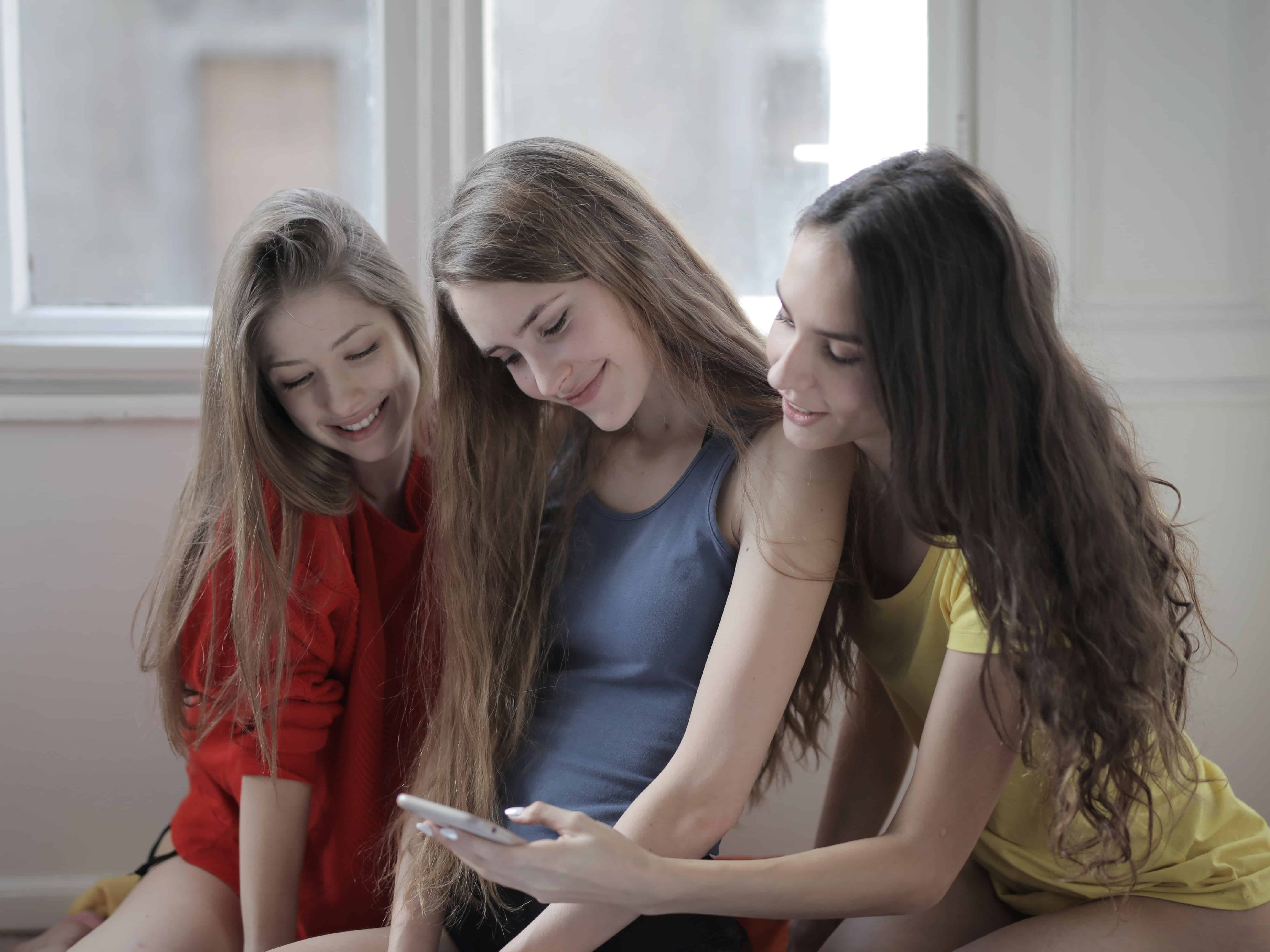
An example of this is seen in a popular response video created by Jorobe on TikTok. This video highlights a clip between a girl sharing the McNutt video with another girl. The victim gets wide-eyed, leans away from the phone, looks at the camera and then back at the girl who is showing the video, lets out a nervous chuckle, then covers her face. Her raw response shows shock, revulsion, and an uncomfortable attempt to process what she has seen. As she struggles to make sense of her distress, the other girl laughs. She then laughs in response. The transformation from revulsion to humor is, all by itself, the joke.
Most adults tend to be upset at this kind of “gotcha” humor, but kids tend to love it. Without life experience, they do not yet have the empathy skills to pull back before somebody gets hurt. Kids simply get carried away. Powerful and even stressful emotions can release the neurotransmitter, dopamine, which can be interpreted as pleasurable to immature brains.
Viewing Violence Can Cause Psychological Stress: The Impacts on the Mind and Body
Some videos may cause extreme stress and may even be traumatizing for children. In an article published in 2017 by McFadden, it is noted that the brain areas that play a role in complex thought and emotion—the prefrontal cortex and amygdala—are affected by stress. When we are exposed to a threat, our amygdala (commonly called the smoke detector in our brain) determines whether we need to go in crisis mode or problem-solving mode. If we go in crisis mode, the signal is directed to our brain stem so we can fight, flee, freeze, or fold. If we go into problem-solving mode, the signal is directed to our prefrontal cortex to calmly work the problem out.
McFadden found that, with prolonged stress, the brain cells in the prefrontal cortex will begin to deteriorate, while the amygdala will begin to strengthen. This impact then affects other parts of the brain—and therefore, one’s headspace—like a domino effect.[2]
If a person is exposed to traumatic or threatening material often, the crisis pathway overdevelops and the subject panics too easily. They can also lose their problem-solving abilities when stressed.
Further, trauma memories encode in the brain differently than factual memories. Unlike factual memories where we can retrieve the information at will, trauma memories may intrusively come back into our awareness uninvited. In extreme cases, these memories can be very upsetting – like a flashback of the originally traumatizing event. Psychologists recognize these behaviors as symptoms of post-traumatic stress disorder (PTSD). PTSD is characterized by serious sleep problems, social isolation, anxiety, and mood disorders.
Desensitization
Desensitization in psychology is explained as a decline in emotional response due to repeated exposure.[3] This could be from something as simple as a joke becoming less and less funny when it is heard many times to something as serious as becoming more and more emotionally numb towards upsetting events. For example, psychological research has demonstrated that violent video games can desensitize children to violence due to frequent exposure to battery, weapons, blood, and death or murder. Similarly, exposure to videos of real-life gore and violence can cause desensitization and lack of empathy.
How to Protect Your Child
When shock videos are trending, it’s best to stay off social media apps until the trend dies down. For young children, your best resource for blocking, filtering, and management is the GKIS Screen Safety Toolkit. With this resource guide, we offer links to the best parental controls, safety centers, and third-party tools and apps to help you protect your family.
For school-age kids, tech tools are simply not enough. GKIS also offers a free digital contract called our Family Agreement. With this powerful tool, you can set rules and regulations, teach important problem-solving skills, and discuss family values. An informed sensible parent-child alliance pays off for years to come. Our Connected Family Course complements the agreement with 10 steps for best-learning and safety.
Finally, we created a tool for tweens and teens that encourages more independence and accountability: our GKIS Social Media Readiness Course. Like driver’s training but for the internet, this course offers 10 lessons for your kid to work through with matching mastery quizzes at the end of each lesson. Not only does this course teach the risks of digital injury and how to avoid it, but it also offers Dr. Tracy Bennett’s hand-picked, outcome-based psychology wellness tools to help with resilience and mental health. We cannot keep them away from screens entirely, so it’s important that we offer them tools to avoid trauma.
Thanks to CSUCI intern, Avery Flower for researching how traumatic videos can affect childhood development and co-authoring this article.
I’m the mom psychologist who will help you GetKidsInternetSafe.
Onward to More Awesome Parenting,
Tracy S. Bennett, Ph.D.
Mom, Clinical Psychologist, CSUCI Adjunct Faculty
[3] Krahé, B., Möller, I., Huesmann, L. R., Kirwil, L., Felber, J., & Berger, A. (2011). Desensitization to media violence: Links with habitual media violence exposure, aggressive cognitions, and aggressive behavior. Journal of Personality and Social Psychology, 100(4), 630–646. https://doi-org.summit.csuci.edu/10.1037/a0021711

























 An example of this is seen in a popular response video created by Jorobe on TikTok. This video highlights a clip between a girl sharing the McNutt video with another girl. The victim gets wide-eyed, leans away from the phone, looks at the camera and then back at the girl who is showing the video, lets out a nervous chuckle, then covers her face. Her raw response shows shock, revulsion, and an uncomfortable attempt to process what she has seen. As she struggles to make sense of her distress, the other girl laughs. She then laughs in response. The transformation from revulsion to humor is, all by itself, the joke.