
Need peaceful screen time negotiations?

Get your FREE GKIS Connected Family Screen Agreement

teen social media

Influencers Hurt Child Self-Esteem by Overusing Filters

Kids and teens love their online influencers. Seventy percent of teens say they trust influencers more than celebrities, and 49% depend on influencer recommendations.[1] Influencers count on their followers to help build their numbers and market their products with testimonials and shares. If your child loves to follow online celebrities or influencers, teach them what they need to know for safety and earn online accountability with our GKIS Social Media Readiness Training. Our course covers the red flags of digital injury and tools for psychological wellness with 10 self-paced lessons and mastery quizzes. Help your kids avoid screen risks like viewing pornography, interacting with online predators and cyberbullies, distraction, social media drama, and compare and despair with our  GKIS Social Media Readiness Course for tweens and teens.

A Good and Bad Influence(er)

Online influencers promote their personalities, content, areas of interest, and expertise on online platforms to gain recognition and build their brand. Gaining followers requires confidence and showmanship. To best compete, some influencers use editing tricks to appear more attractive, healthier, more competent, and extra qualified. Because editing tricks are hard to spot, kids often emulate influencers with the impression that they really are that perfect.

Positive Impacts of Social Media Influencers

The most popular categories that social media influencers focus on are lifestyle, health, fitness, travel, art, work, fashion, luxury, photography, beauty, pets and animals, and parenting.[2] 

The positive impacts influencers offer include:

  • information for education and awareness, 
  • an engaging and supportive community of like-minded people, and
  • creativity and entertainment.

Negative Impacts of Social Media Influencers

Some influencers are less interested in quality content and more focused on entertainment that will boost their numbers. To that end, they will use more filters and online trickery and promote harmful content like unrealistic body types, lifestyles, diets, fashion, gossip, rumors, and drama. Harmful content can cause problems with kids and teens, including decreased appearance satisfaction, low self-evaluations, higher negative mood, and insecurity.[3] Over time, these problems can escalate to mental health issues like anxiety, depression, body dysmorphia, and eating disorders.  

Body Positive Movement

According to a social media report from a Norwegian influencer marketing platform, 47% of surveyed influencers revealed that they felt their job harmed their mental health, and 32% believed the platform hurt body image.[4] One way to express and promote unconditional self-love is by supporting the body positivity movement. This worldwide movement focuses on acceptance and equality for all body types and sizes. 

One of the movement’s goals is to challenge how our society, particularly all forms of media, presents and views the human body.[5] With body positivity modeled by influencers (without the use of filters and digital manipulation), fans feel more confident and comfortable in their bodies.

 Instagram vs. Reality

Another popular movement in the media that spreads awareness about the harmful nature of social media is called Instagram vs. Reality. This movement offers a side-by-side comparison of two of the same photos; one photo edited and the other not. 

The purpose of this trend is to bring attention to the differences between natural and filtered images. This trend inspires people to embrace themselves naturally without enhancements. Instagram vs. Reality reminds us that online content is not always accurate. Our Screen Safety Essentials Course for parents and families offers helpful strategies for social media behavior while reinforcing mindful habits to prevent feelings of self-consciousness and anxiety. 

Seeking Self-Acceptance and Fleeing from Filters

Before friending or following someone in real life or online, consider if they reinforce positive, authentic, and empowering morals. Social media influencers that we like appear to serve from the depths of their experienced and passionate hearts. 

Positive and Qualified Influencers to Follow

  • Huda Kattan- Beauty Blogger and Makeup Artist
  • Zach King- Digital influencer, Writer, Comedian
  • Michelle Lewin- Fitness Influencer
  • Jamie Oliver- Chef
  • Joanna Gaines- Lifestyle Blogger and Writer
  • Jack Morris- Travel Influencer
  • Savannah LaBrant- Parenting Influencer
  • Beth Evans- Mental Health Influencer
  • PewdiePie- Gaming Influencer
  • Amanda Gorman- Activist, Poet, Influencer

What Parents Can Do to Protect Their Kids

Parental oversight of child exposure to online content is critical for safety and developing a positive self-image. One way to do this is by monitoring your child’s online activity, such as the sites they visit, the content they watch, who they follow, and how much time they spend online. 

GKIS has a variety of valuable courses designed to help families navigate the various pitfalls of internet exposure and prevent digital injury.

  • The GKIS Social Media Readiness Training is a valuable tool that teaches teens about the inherent risks of social media and ways to make healthy decisions when encountering them.
  • The Screen Safety Toolkit is a family-tested, outcome-based resource guide with our best recommendations, how-to information, and links to our favorite easy-to-onboard parental control systems.
  • The GKIS Connected Family Course will provide parents of school-age families with tips for creating a safe screen home environment through fun parenting techniques that are designed to guide sensible screen management.
  • Finally, our most comprehensive program is our Screen Safety Essentials Course. Our comprehensive Essentials Course provides parenting and family coaching information, support, and other valuable information and activities to get you dialed in for screen safety and healthier family relationships.

Thanks to CSUCI intern Haley Begun for researching and co-authoring this article!

I’m the mom psychologist who will help you GetKidsInternetSafe.

Onward to More Awesome Parenting,

Tracy S. Bennett, Ph.D.
Mom, Clinical Psychologist, CSUCI Adjunct Faculty
GetKidsInternetSafe.com

Works Cited

DMI, Simon @. “20 Surprising Influencer Marketing Statistics: Blog: Online Digital Marketing Courses.” Digital Marketing Institute, Digital Marketing Institute, 27 Oct. 2021, https://digitalmarketinginstitute.com/blog/20-influencer-marketing-statistics-that-will-surprise-you.

“Best Influencer Marketing Categories.” IZEA, 5 Dec. 2019, https://izea.com/resources/influencer-marketing-categories/.

 Liebenson, Donald. “Social Media Influencers: A Positive or Negative Influence?” NewFolks, NewFolks, 20 Sept. 2021, https://www.newfolks.com/stages/influencers-teenagers/.

Leighton, Heather. “Influencers Admit That Instagram Is Bad for Body Image, Mental Health, Study Shows.” Forbes, Forbes Magazine, 10 Dec. 2021, https://www.forbes.com/sites/heatherleighton/2019/12/13/is-instagram-bad-for-your-mental-health-body-image/?sh=3b44410b1e55.

Kristen Fuller, MD. “Body Positivity vs. Body Neutrality.” Verywell Mind, Verywell Mind, 11 June 2021, https://www.verywellmind.com/body-positivity-vs-body-neutrality-5184565.

Photo Credits

Karsten Winegar- https://unsplash.com/photos/60GsdOMRFGc 

Mateus Campos Felipe- https://unsplash.com/photos/ZKJQCWsKmPs 

Billie- https://unsplash.com/photos/k2vn6he4lDQ 

Maddi Bazzocco- https://unsplash.com/photos/Vbt1zTCsSNA

Cristian Dina- https://www.pexels.com/photo/white-smartphone-1851415/ 
Kids Arrested in Connection with TikTok’s New “Devious Licks” Trend

Dangerous TikTok trends have previously sent kids to the hospital, now a new trend is sending them to jail. The forever infamous “Tide Pod challenge,” which spawned from an internet meme, gained huge traction among young users on the platform TikTok after videos of kids eating the toxic laundry detergent went viral. These videos resulted in thousands of calls to poison control, and hundreds of trips to the emergency room. While this shocking TikTok trend faded away in early 2018, a new trend dubbed “Devious Licks” has rocked schools across the nation and lead to the arrests of several students.

What is TikTok?

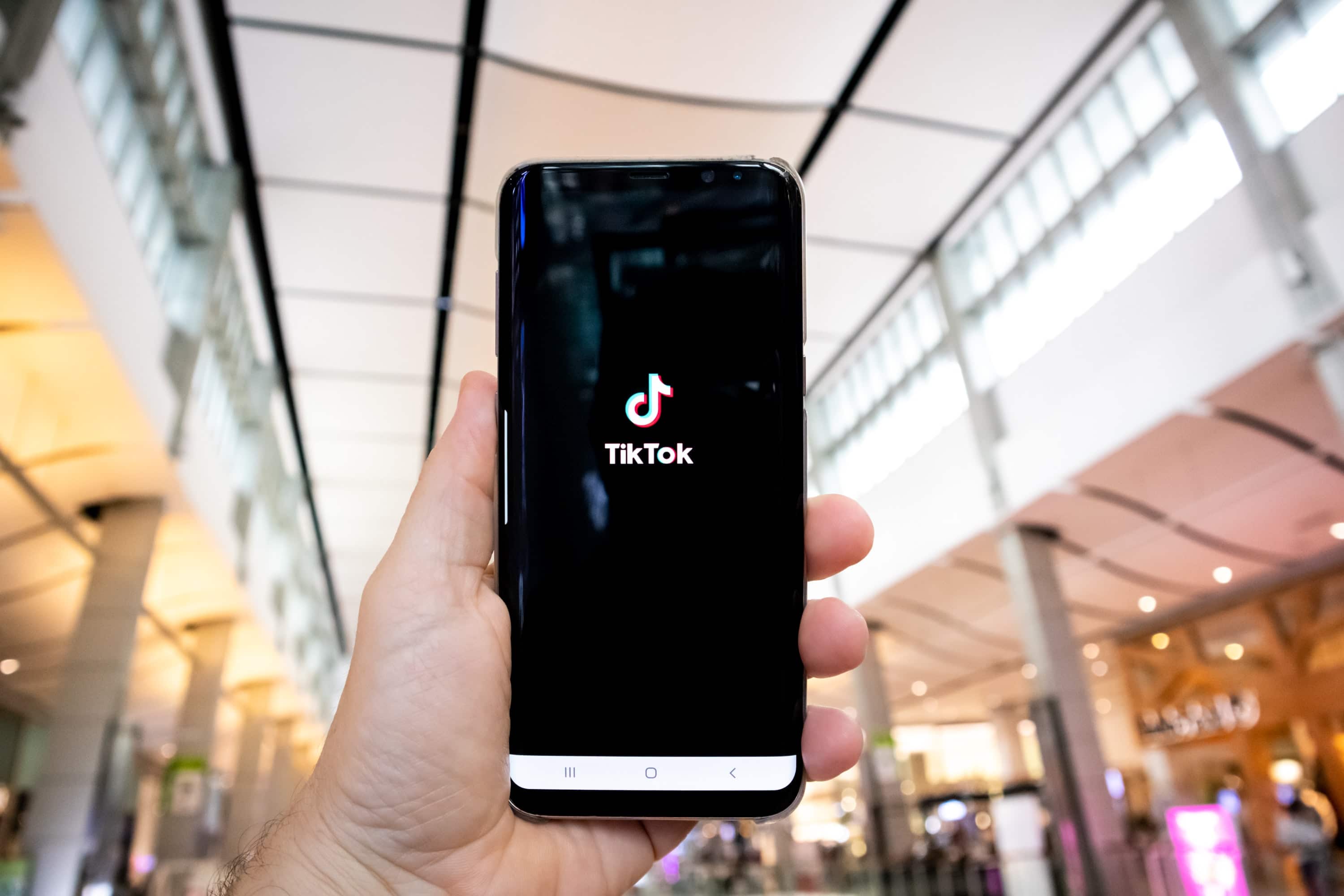
TikTok is a social media and video-sharing platform that is primarily marketed to kids and teens. Since its launch in 2016, it has become one of the most popular social media sites attracting over 1 billion monthly users. What drives the popularity of this platform is that it offers millions of short user-created videos that feature an enormous variety of content. Through the use of hashtags, TikTok users can see which viral videos are attracting the largest number of views from fellow TikTokers. The most popular videos are re-created or copied by other users to increase their chances of having their videos viewed which is essentially how TikTok trends get started. With so many users competing for likes and attention, these viral trend videos spread like wildfire.

TikTok has previously come under fire for its initial lack of action in response to the posting of “Tide Pod challenge” videos. CBS reports that there were at least ten deaths related to this challenge. Unfortunately, TikTok failed to promptly block uploads to their platform that featured the hashtag “Tide Pod challenge” which ultimately would have prevented this trend from getting the amount of exposure that it did.

The New Dangerous Trend: “Devious Licks”

Early September 2021, when kids across the nation finally began going back to school after a year of COVID19-required virtual learning, videos featuring the hashtag “DeviousLicks” swept through TikTok. Unlike the name suggests, this newest trend does not actually involve physically licking dangerous objects. According to UrbanDictionary.com the word lick is slang for an illegal way to quickly get money, primarily through the theft of property. The “Devious Licks” trend is a competition among kids and teens to see who can film themselves while stealing the riskiest or most important objects without getting caught and then subsequently uploading the video onto TikTok as proof of participation. While this trend has reportedly spanned schools across the nation, these videos are most often shot in middle and high schools.

How did it start?

This viral video trend allegedly began when one student posted a video to TikTok featuring a box of disposable face masks they purported to have stolen from the campus. The viral video, which received almost half a million views, was captioned, “A month into school and got this absolutely devious lick… Should’ve brought a mask from home. Now look at you walkin round campus maskless you dirty dog.” Since this first video was posted, things escalated drastically.

A list of some of the stolen items featured in devious licks videos include:

  • Fire extinguishers
  • Fire Alarms
  • Exit Signs
  • Bathroom Supplies
    • soap dispensers and paper towel/toilet paper dispensers, urinal cakes
  • Classroom Supplies:
    • lab materials, computers, books, a class pet, pencil sharpeners, projectors
  • Physical Property:
    • sinks, toilets, stall walls, a principal’s car parts, locker doors, cellphones, SMART boards, desks/chairs, clocks

One video even shows a shoe being stolen off the foot of a student who was sitting in a bathroom stall. Other videos show student restrooms that have been completely vandalized and rendered almost useless. Parents at a middle school in Texas have been asked to send their kids to school with their own hand soap due to the dispensers having all been stolen from the restrooms.

Police Are Stepping In

To stop this trend from continuing, law enforcement officials have begun arresting students across several different states. In Kentucky, eight students have been arrested due to their participation in the “Devious Licks” challenge. Four of the students were charged with theft while the remaining four were charged with vandalism. Five more students were charged in Florida, one student charged in Arizona, and one student charged in Alabama.

TikTok’s Response

While it is obvious that a lot of damage has occurred across many different schools that are already struggling amidst the global pandemic, TikTok has responded to this phenomenon by continually blocking all “Devious Licks”- related content from being uploaded onto their site to prevent more damage. Unfortunately, the criminal records of the students who were arrested in connection with this trend cannot be fixed as easily as soap dispensers.

Why is this happening?

Today’s kids and teens spend so much of their time in virtual neighborhoods. Social media platforms are where our kids go to socialize, meet new people, make impressions, and try to fit in. Adolescence is a time when we constantly crave feelings of validation and social media platforms like TikTok can be a powerful avenue for seeking validation through attention. Kids will strive for popularity on TikTok by participating in potentially (and sometimes obviously) dangerous trends such as the “Devious Licks” challenge because the validation they receive from others feels good.  Their brains are wired with a powerful reward system that can make their better judgment take a back seat to their need to feel embraced, even if it seems artificial to us.

What Kids Need from Their Parents

The negative implications of this newest TikTok trend are obvious. Aside from the damage to school property and the loss of personal property from other students, the potential loss of future opportunities due to a permanent criminal record because of participating in a fleeting internet trend is tragic.

To avoid these kinds of negative outcomes, parent-child communication and parental oversight are key. Dr. B offers essential tips for fostering this kind of communication in her GKIS Connected Family Course. With this online course, you will learn how to create a safer screen home environment through fun parenting techniques designed to guide sensible screen management.

Additionally, Dr. B’s tried and true GKIS Social Media Readiness Training is a valuable tool that teaches tweens and teens about the inherent risks of social media and ways to be prepared when encountering them. Remember to be kind, create an environment that allows for open dialogue between you and your kids, and rest assured that you have provided your family with the tools to facilitate safe and healthy internet practices. You can also stay up to date on relevant internet/gaming topics with our free articles on the GKIS Blog.

Thanks to CSUCI intern, Mackenzie Morrow for researching TikTok’s newest dangerous “Devious Licks” trend and co-authoring this article.

I’m the mom psychologist who will help you GetKidsInternetSafe.

Onward to More Awesome Parenting,

Tracy S. Bennett, Ph.D.
Mom, Clinical Psychologist, CSUCI Adjunct Faculty
GetKidsInternetSafe.com

 Photos Credited

Photo by Olivier Bergeron (https://unsplash.com/photos/5JSZzMilCVo)

Photo by Element5 Digital (https://unsplash.com/photos/7K_agbqPqYo)

Photo by Shoro Shimazaki (https://www.pexels.com/photo/judgement-scale-and-gavel-in-judge-office-5669602/)

Photo by Crstian Dina (https://www.pexels.com/photo/white-smartphone-1851415/)

Safer Ways for Your Child to Connect With Online Friends Offline


With social media and public servers for games, your child is likely to come across many different types of people. Just like in real life (IRL), they may come to be great friends. There is concern—and for good reason—if this is safe. A “catfish” is a term commonly used in popular culture to refer to someone who presents themself online to be someone or something that they are not. In our GKIS article “What You Need to Know About Online Catfishing,” we covered information about the rise of the term catfish, the psychology behind it, and certain red flags. In this article, we will cover how to best recognize catfishing and how your child can more safely meet an online friend once you, as the parent or guardian, have determined it is safe.

The Benefits of Making Friends Online

The internet displays a diverse range of people from many different cultures, ethnicities, identities, and lifestyles. Exposure to people different than themselves can be a great learning opportunity and help your child develop empathy and a greater perspective of the world. Dr. Tracy Bennett, Screen Safety Expert and Founder of GetKidsInternetSafe offers weekly parent and family coaching to help parents optimize the benefits of screen tech while minimizing risk. To learn more about her coaching videos, check out the GetKidsInternetSafe App. Sign up now and the first 30 days are free!

For kids who may be of a marginalized community themselves, like those who identify as LGBTQ+ for example, online contacts can be a lifesaver. Not only can kids have fun with their online friends who share similar interests and values, these friendships may also provide a sense of understanding, bonding, and representation.

In a 2014 study by Van Zalk and colleagues, shy adolescent participants who had online friends reported fewer depressive symptoms than those who were friendless.[1] Also, they found that having online friends didn’t distract the subjects from making IRL friends. Instead, online friends improved real-life friendships. This suggests that online friendships may boost self-esteem and social skills, so kids gain the confidence to seek friends offline too.

Making friends online may also be easier and more realistic for some kids, especially if they have trouble approaching new peers in real life. Further, if your child feels outcasted, they might search for an online community with or without your permission. So, preparing your child for safer online exploration may be your best option.

My Catfish Story

I’m a 23-year-old CSUCI intern for Dr. Bennett. In 2013, I joined an online friend group from a public Minecraft server. We would regularly participate in Skype group calls to play. All of us except one person—who I will call Sam—would regularly show our faces on video camera. Because we often saw each other, we felt we knew each other. But Sam refused to show himself on camera. Instead, he led us to believe that he was who he said he was by occasionally updating his profile picture.

Sam was really handsome and he eventually started dating one of the girls in our friend group. They tried meeting a few times, but something always came up where Sam had to cancel. We were in awe of his skills in the game and he gave us some assurance by going on camera although it was in a dark room.

Over a year into our friendship, Sam accidentally let the camera slip to reveal his face. Although it was a relief to see that we were, in fact, talking to someone our age, we were unsettled that the photos he was using were not him. Imagine the ways Sam could have been dangerous for us in slightly different circumstances.

How to Prevent Being a Victim of Catfishing

Verify Identity Through Social Media History

It is rare for a person to not have a digital footprint these days. However, with kids – they are often new users. If your child’s new friend does have social media, be suspicious if all their profiles are new.

Red flags for catfishing on Instagram might be if the person’s photos were all posted recently, if they are not tagged in any photos, or if the photos they are tagged in are from new accounts or accounts with under 30 followers.

To determine if a Snapchat account is new, look at the person’s Snap Score. A Snap Score is a feature shown on a Snapchat friend’s profile that displays the amount of live Snapchats the friend has received and sent. A Snap Score lower than 100 could indicate that the online friend recently created their account.

Other Snapchat Tricks

Snapchat offers a few features in addition to video calling. For example, you can send pictures and videos that have just been taken. One way to game this exchange is for the catfish to use their phone to take live pictures of preexisting pictures from another device.

A good way to challenge this deceptive catfish trick is to insist that the online friend send a personalized video that mentions your child’s name or a specific activity of your choosing. A few years ago, sending a selfie holding a sign with a name would have been satisfactory. But now with easily accessible editing software, written messages on paper or signs can be altered.

Opt for Video Chatting

Live video chatting can take place in many different forms through platforms like FaceTime, Skype, Facebook, or Zoom. We at GKIS especially like Facebook’s Messenger Kids. Dr. B is on Facebook’s Youth Advisory Team and has enjoyed having a part in its development from the beginning! She says she loves Messenger Kids because it doesn’t expose kids to ads and is the walled garden with parent transparency we’ve all been hoping for. Live interaction between two people makes it difficult to catfish. Even if the person tries to recycle prerecorded media in an attempt to appear live, it won’t look authentic because live chat conversation typically requires personal response.

Meet in Public

Unfortunately, there is no way to be 100% certain until you meet the friend in person. With deep fake technology, even personalized messages can be created.

If you’ve vetted your child’s friends online and you feel it is time for them to meet, meeting in public with your supervision is a good first option.

Meet their Parent(s)

Meeting the friend’s family can also help develop confidence in supporting your child’s new friendship. That way future plans can be run through the parents first.

Have Fun

Most importantly, have fun! Your child may have been waiting for months to meet their friend and now they finally can. You can also take comfort in the fact that you helped your child bring their newfound virtual friendship into real life.

Social Media Readiness Course

As kids get older, they must demonstrate knowledge, capability, and resilience to gain independence. We recommend our GKIS Social Media Readiness Course to help improve your tween’s or teen’s online experience by teaching the potential risks on social media and providing them with emotional wellness tools. As your teen works through the course, there are mastery quizzes at the end of each module so you can take track their knowledge-build course.

Thanks to CSUCI intern, Avery Flower for researching the pros and cons of creating friends online and co-authoring this article.

I’m the mom psychologist who will help you GetKidsInternetSafe.

Onward to More Awesome Parenting,

Tracy S. Bennett, Ph.D.
Mom, Clinical Psychologist, CSUCI Adjunct Faculty


Photo Credits

Photo by Vonecia Carswell on Unsplash

Photo by Julia M Cameron on Pexels

Photo by Grzegorz Walczak on Unsplash

Photo by cottonbro on Pexels

Works Cited

[1]The Cybersmile Foundation. (n.d.). Catfishing. Retrieved 2020, from https://www.cybersmile.org/what-we-do/advice-help/catfishing

[2]Van Zalk, M. H. W., Van Zalk, N., Kerr, M., & Stattin, H. (2014). Influences between online‐exclusive, conjoint and offline‐exclusive friendship networks: The moderating role of shyness. European Journal of Personality28(2), 134–146. https://doi-org.summit.csuci.edu/10.1002/per.1895