Is your child sharing their location with hundreds of “friends” online? Are they unwillingly giving away personal information that can put their privacy in danger? Our GKIS tools can help with that. In this article, we cover the ways kids overshare online and provide insightful tips and strategies to keep your child safe.
The GKIS Mission
GKIS helps families achieve screen sanity, prevent digital injury, and form deeper, more meaningful relationships. We don’t have to give up screens to be safe. GKIS offers tools and strategies that keep the joys of childhood discovery alive for all of us in today’s overtasked world.
Oversharing
Teenagers love to share what they are doing online, whether it’s posting what they’re eating, uploading selfies, or posting pictures of their pet. Sharing daily life online is fairly common; we adults are guilty of it too. But sharing location data can be particularly dangerous for teens because it offers a bridge from online contacts meeting them online to meeting them offline.
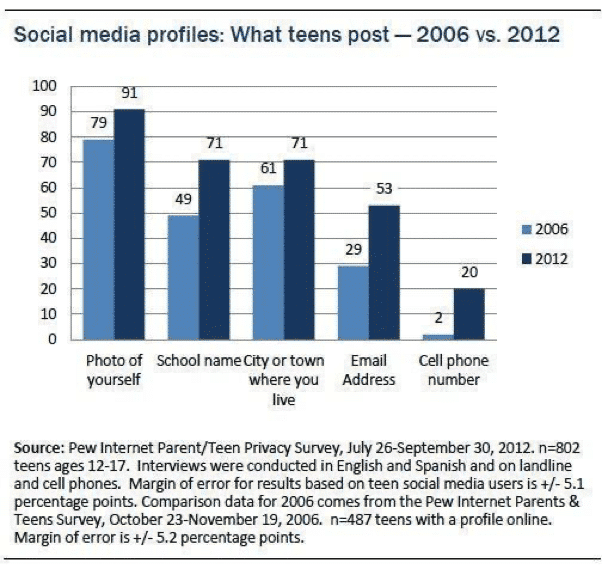
According to Pew Research Center, 71% of teens post their school name, 71% post the name of the city or town they live in, and 20% post their phone number.[1] Further, 36% of older teen’s Facebook friends are people they have never met in person.[2]
Although teens understand that oversharing can be dangerous, few have the life experience to understand exactly how it can be dangerous. When I was a teenager, the more “likes” I got on a photo or the more “friends” or “followers” I had on social media, the better I felt about myself and my online presence. I accepted friend requests from mutual friends who I had never met before, along with accepting requests from strangers. In my teenage mind, there wasn’t any harm in letting strangers see my online profiles. I felt that I would be okay as long as I wasn’t sending them my address. It didn’t occur to me that this data could be used to predict my location or even that anyone could have that kind of predatory intent.
Dr. Bennett shared a story with us where she worked on the production of the Lifetime TV show, I Catfished My Kid. In the show, producers created a poster board map (like detectives do) with yarn connecting the teens’ movements throughout the day for a week. With this data, they were able to predict daily habits like location, activities, and even who they hang out with.
How is Location Data Shared?
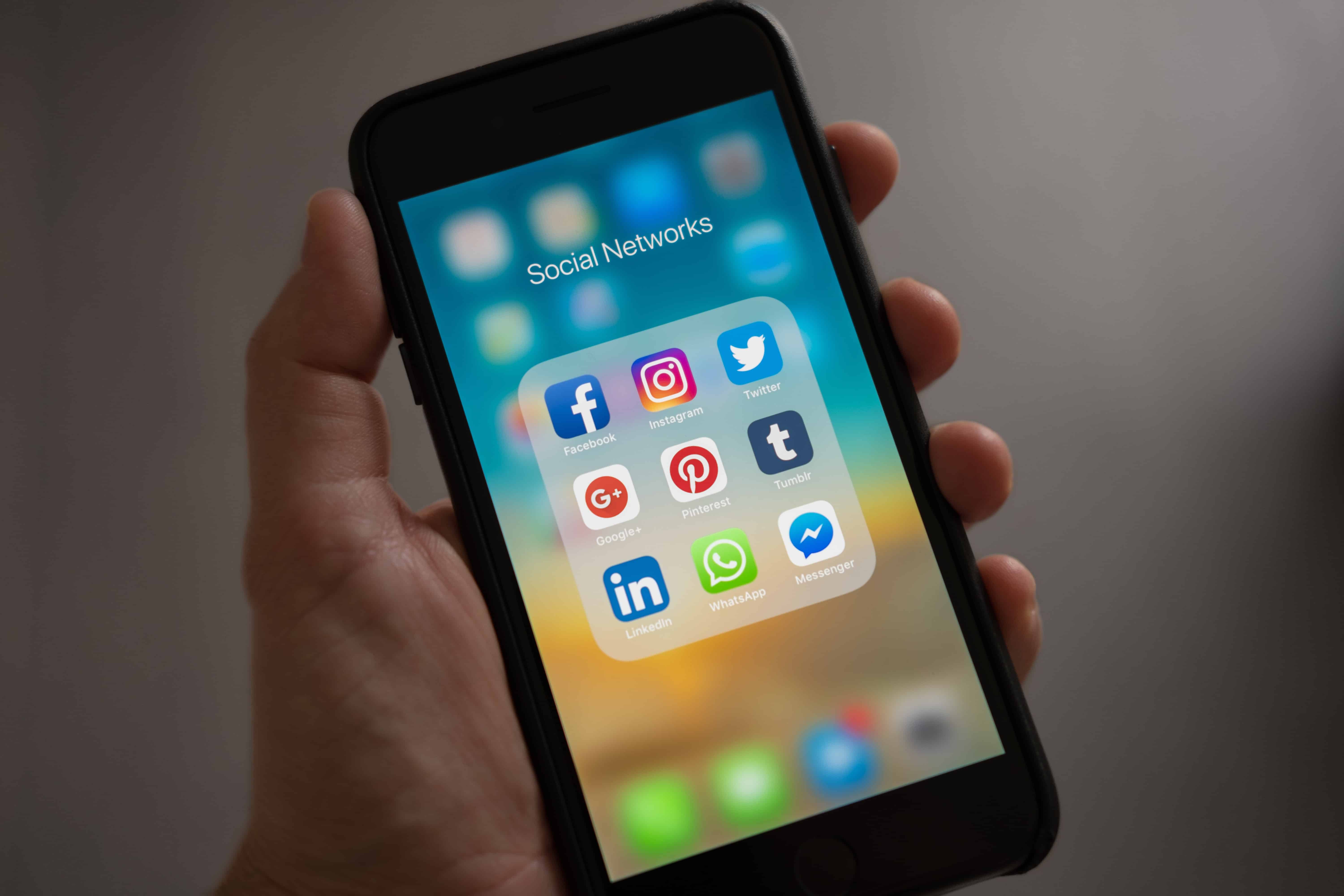
Instagram
One way location is shared on social media is through geotagged photos. A geotag is an electronic tag that assigns a geographical location to a photo or video posted on social media or other websites.[3] Geotags are commonly used to share what restaurant or city someone is in and are very popular on Instagram.
If your teen has a public profile and decides to post a photo on Instagram with a geotag, not only will their friends be able to see where they are, but users around the world can too. By simply clicking on that location’s tag, your teen’s photo will pop up as a current or recent visitor.
Another way location is shared on Instagram is by the use of hashtags. If your teen has a public profile and adds hashtags to their posts, their photos will show up as recent users of whatever hashtag they use, similar to the geotag feature. Hashtags are commonly used to have other users find their posts quicker and potentially gain more followers and traffic on their profile. However, that could be a privacy concern for younger users.
Facebook
The check-in feature on Facebook is similar to geotags. Facebook users “check-in” as an announcement to friends that they are visiting a particular location. Once checked-in, it appears on the user’s Facebook profile.
Snapchat
The SnapMap feature on Snapchat can also be a location risk. SnapMap allows your teen to share their location with their Snapchat friends every time they open the app. The SnapMap feature is a default, meaning it is automatically on so your teen might not even know that they are sharing their location. This is another privacy issue and may be a safety concern if your child accepts friend requests from strangers.[4]
Helpful Tips and Tools to Protect Your Child on Social Media
Set up a digital contact like our free Connected Family Screen Agreement and have ongoing, informative conversations with your kids about online safety. Our GKIS blog offers credible, interesting topics that will feed an ongoing agenda. Register for our Connected Family Screen Agreement to get on our weekly email list!
Set up your home to optimize best-use screen practices using our Connected Family Course for school-age kids.
Limit location sharing in Settings. On an iPhone, go to Settings and remove the location by clicking on the social media name > Location > select Never, Ask Next Time, While Using the App, or Always. You also have the option to turn off “Precise Location” meaning apps can only determine your approximate location
Don’t allow your child to have social media accounts until they are ready (we recommend after 13 years old or late middle school).
Require that your child set social media to private and only accept friend requests from family and friends they know in real life
Have your child change to the “Ghost Mode” on Snapchat (their location will no longer be viewable on SnapMap)
Thanks to CSUCI intern, Remi Ali Khan for researching common ways teens overshare on social media for this article.
I’m the mom psychologist who will help you GetKidsInternetSafe.
Onward to More Awesome Parenting,
Tracy S. Bennett, Ph.D.
Mom, Clinical Psychologist, CSUCI Adjunct Faculty
Photo Credits
Photo by Cottonbro from Pexels
Photo by Pixabay from Pexles
Photo by Pew Research Center
Works Cited
Deahl, D. (2017, June 23). Snapchat’s newest feature is also its biggest privacy threat. Retrieved November 04, 2020, from https://www.theverge.com/2017/6/23/15864552/snapchat-snap-map-privacy-threat
Dove, J. (2020, October 07). How to Remove Location Data From Your iPhone Photos in iOS 13. Retrieved November 04, 2020, from https://www.digitaltrends.com/mobile/how-to-remove-location-data-from-iphone-photos-in-ios-13/
Madden, M., Lenhart, A., Cortesi, S., Gasser, U., Duggan, M., Smith, A., & Beaton, M. (2020, August 17). Teens, Social Media, and Privacy. Retrieved November 04, 2020, from https://www.pewresearch.org/internet/2013/05/21/teens-social-media-and-privacy/
Oxford Languages and Google – English. (n.d.). Retrieved November 04, 2020, from https://languages.oup.com/google-dictionary-en/
Is your teen on Snapchat and Instagram? If so, they may be using what is popularly called, ‘plastic surgery’ filters. These filters may be altering your teen’s image of themselves and could be harmful to their mental health. I have been using filters on Instagram, Snapchat, and other social media platforms since I was a teen. Over the years these filters have become more face-altering than ever before. For more tips and guidance on social media, check out Dr. Bennett’s Social Media Readiness Course.
What Are ‘Plastic Surgery’ Filters?
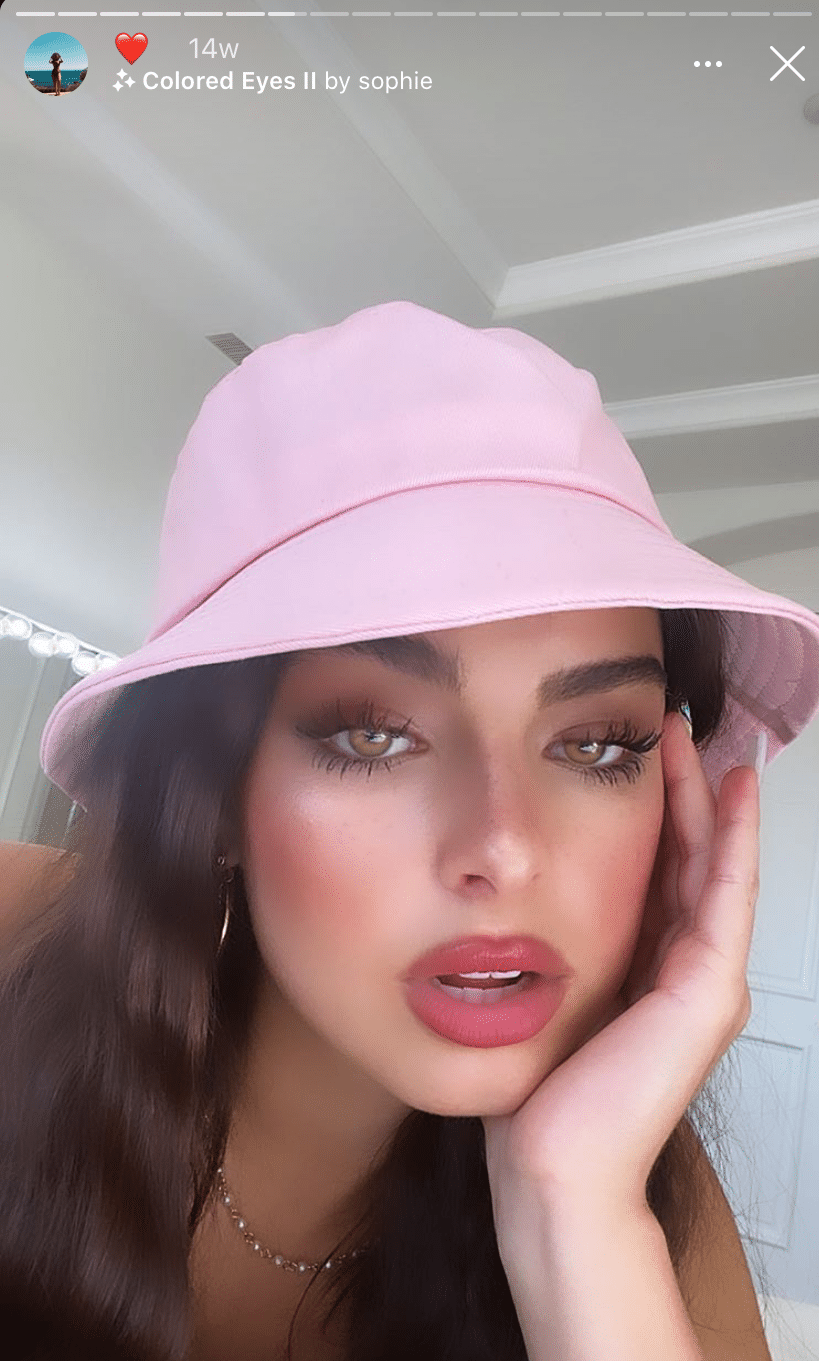
Plastic surgery filters are filters that make users look like they have different types of cosmetic surgery. These filters give the users bigger lips, smoother skin, smaller noses, sharper cheekbones, and even different colored eyes. They are popularly used by celebrities, influencers, teens, and young adults.
Unrealistic Beauty Standards
‘Plastic surgery’ filters can be harmful because they promote unrealistic beauty standards by erasing imperfections and enhancing certain features. Teenagers view thousands of ‘perfect’ images daily on social media shared by peers, idols, and even themselves. This can cause self-esteem problems because beauty standards become less and less realistic.
Attention from Followers
Many celebrities and people I know refuse to post an unedited or unfiltered image of themselves, which is sad and scary. Attention from followers contributes to this problem. If a teenager posts filtered selfies and they get positive comments from their followers, they may depend on using those filters because they feel that they will not get the same attention without one. This can cause people to become obsessed with the filtered images of themselves and unhappy with their appearance without a filter.
Snapchat Dysmorphia
Along with lowering self-esteem, filters like these are inspiring more young people to get cosmetic surgeries because they prefer the edited version of themselves. Cosmetic doctors are noticing that filters might be leading to a new type of body dysmorphia. Body dysmorphia is a mental disorder where a person obsesses over a minor flaw in their appearance.
Dr. Esho, a cosmetic doctor, claims that an increasing number of individuals are bringing pictures of themselves with filters to plastic surgeons and asking to look like that. Doctors are calling this new type of body dysmorphia, ‘Snapchat Dysmorphia.’
My Personal Experience Using Filters
I have used filters that make my lips fuller, skin smoother, and face slimmer. When I was using them, I did not fully realize how often I was using them until my boyfriend once told me, “Why do you always use filters? You are beautiful without them.” He wasn’t telling me to stop using them, he simply asked me why.
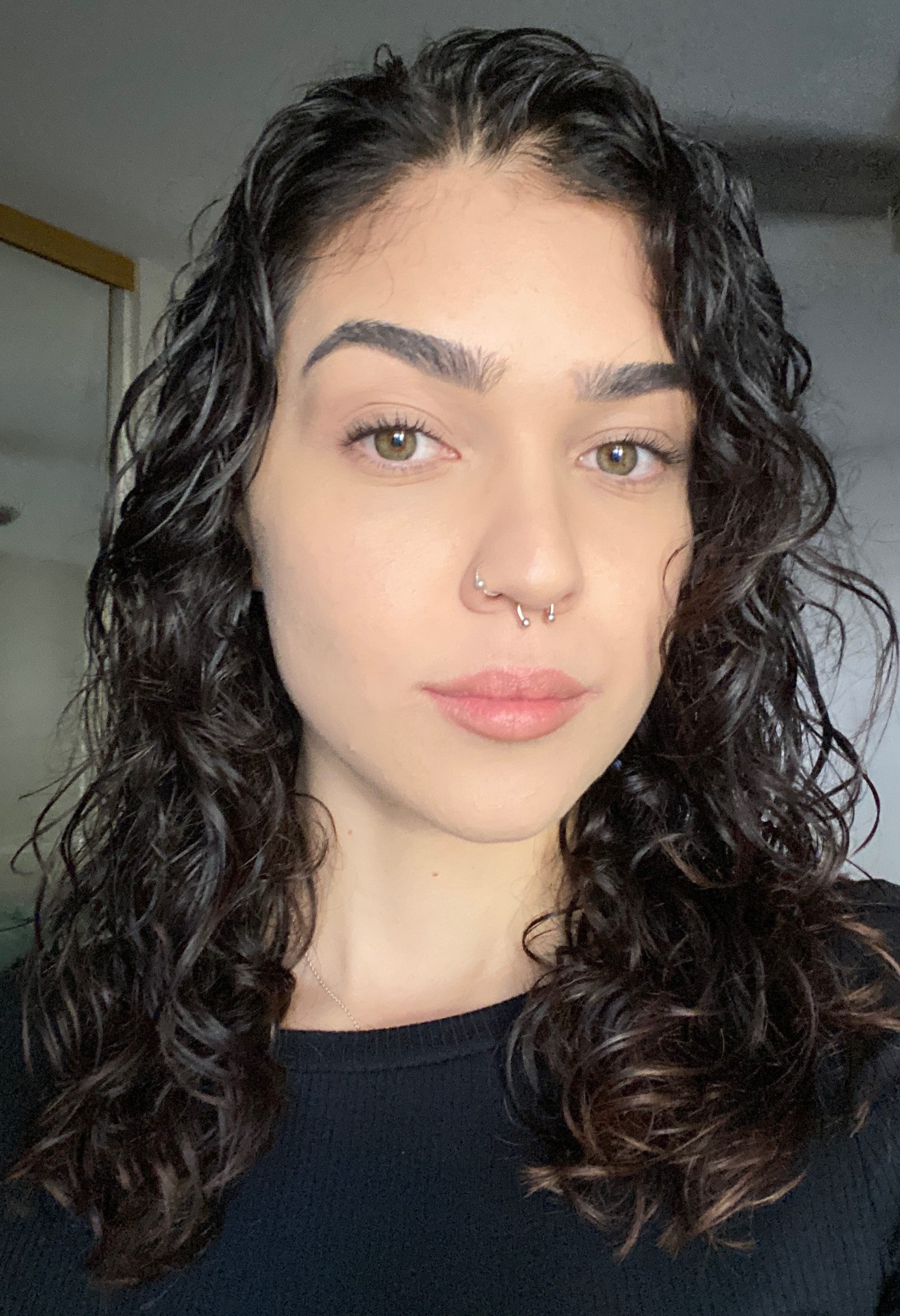
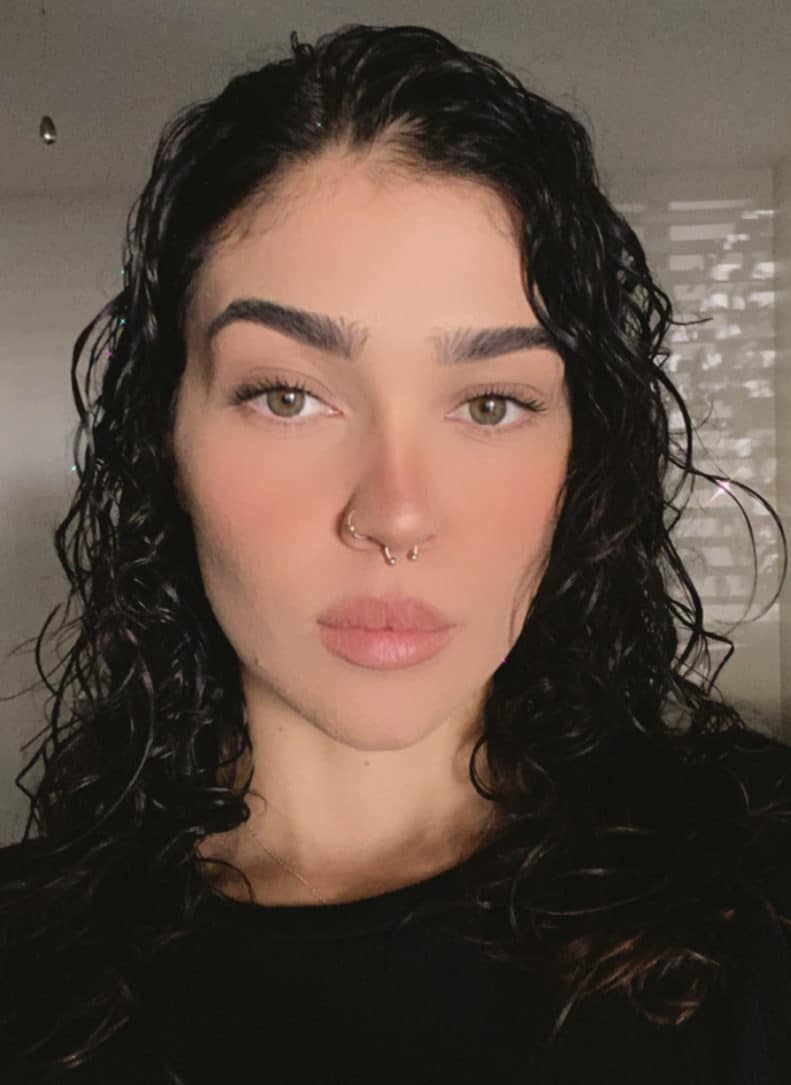
I realized that he was right, that I was relying on filters to feel beautiful. Since then, I limit my use of filters and embrace my imperfections. I want to share an authentic version of me. For this article, I decided to do a before and after using a few Instagram filters, so you can see how different they make me look.
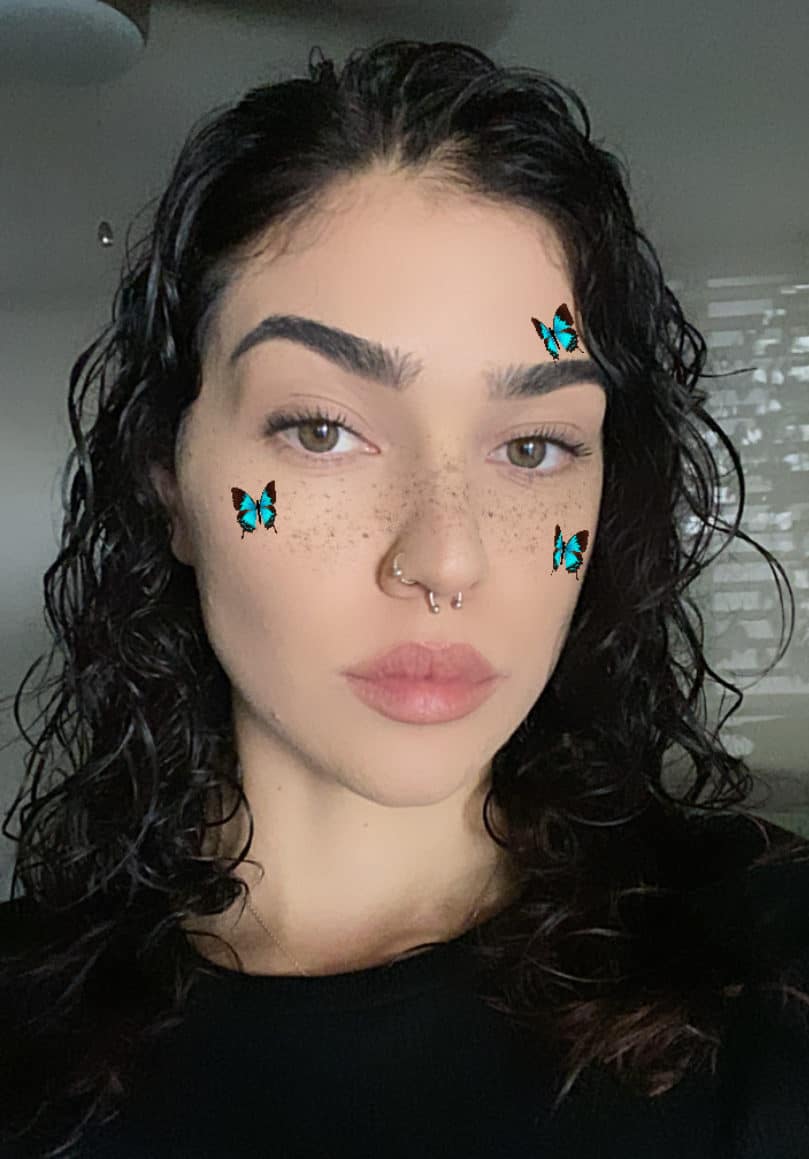
(No Filter) Filter 1 Filter 2 Filter 3
What can you do if your teen is using filters on social media?
Just because your teen uses filters does not mean that they will develop a disorder or develop self-esteem problems. Everyone is different. But it is important to be aware of the potential risks of this social trend.
If you notice that your teenager is on social media and using filters here are some things you can do:
Have a conversation with your teen.
Talk to your teenager about what they see on social media. Remind them that most of the photos that they see on Instagram or any other platform are not 100% real because of filters or photo editing. This is something that they most likely are aware of, but I oftentimes have to remind myself of this when I am scrolling through Instagram.
In this generation where many teenagers and adults rely on likes and comments for self-worth, it is important to remind your teenager that there are more qualities in life that matter than their looks. Point out their other qualities and strengths like work ethic, intelligence, and kindness.
Don’t forget to remind them that they are beautiful without a filter!
Practice positive affirmations.
Teach your teenager positive affirmations and practice them together. Affirmations are positive statements that you say out loud to yourself. 7 Mindsets provide helpful affirmations for teens, here are a few:
“I embrace my flaws because I know that nobody is perfect”
Best, S. (2020, January 28). Instagram still has several ‘plastic surgery’ filters despite ban last year. mirror. https://www.mirror.co.uk/tech/instagram-still-several-plastic-surgery-21369194.
Cavanagh, E. (2020, January 11). ‘Snapchat dysmorphia’ is leading teens to get plastic surgery based on unrealistic filters. Here’s how parents can help. Insider. https://www.insider.com/snapchat-dysmorphia-low-self-esteem-teenagers-2020-1.
Hosie, R. (2018, February 6). People want to look like versions of themselves with filters rather than celebrities, cosmetic doctor says. The Independent. https://www.independent.co.uk/life-style/cosmetic-surgery-snapchat-instagram-filters-demand-celebrities-doctor-dr-esho-london-a8197001.html.
Kelly, S. M. (2020, February 10). Plastic surgery inspired by filters and photo editing apps isn’t going away. https://www.cnn.com/2020/02/08/tech/snapchat-dysmorphia-plastic-surgery/index.html.
Rodulfo, K. (2020, August 13). It’s Easier Than Ever To Make A New Face On Social Media. But Is It Killing Your Confidence? Women’s Health. https://www.womenshealthmag.com/beauty/a33264141/face-filters-mental-health-effect/.
Manavis, S. (2019, October 29). How Instagram’s plastic surgery filters are warping the way we see our faces. https://www.newstatesman.com/science-tech/social-media/2019/10/how-instagram-plastic-surgery-filter-ban-are-destroying-how-we-see-our-faces.
Yang, L. (2018, August 10). People are seeking plastic surgery to look like their edited selfies in real life – here’s why doctors think the trend is ‘alarming’. Insider. https://www.insider.com/plastic-surgery-selfie-filters-2018-8.
Do you find yourself becoming bored or fatigued by your daily intake of social media? Do you feel trapped in a constant cycle of monotony? You may be caught in a filter bubble. Due to the ongoing pandemic, families and children have looked to technology for sources of happiness, news, and leisure. Quarantines have limited social interaction, forcing society to indulge in more screen-time. Not all screen-time is detrimental, but we must acquaint ourselves with the concept of filter bubbles. Today’s article covers what filter bubbles are, the harms of filter bubbles, and how you can keep your family safe from the strings attached to algorithms with the help of our sensible GKIS tips.
What is a “filter bubble” and how are they formed?
Coined by Eli Pariser, a filter bubble is a tailored universe of information built through algorithm filters.[1] Social media algorithms process and gather information (data), with the task of predicting what the user would like to see.[2] Despite the use of free products and services (like Facebook), your family’s personal information (like browsing and buying behaviors) is collected and sold to advertisers (this is how platforms grow). Filter bubbles form through data gathered during your recurring use of social media, apps, and websites. In fact, as you browse through the internet, you are being followed by trackers you pick up from websites that gather this data. The trackers that invisibly follow you as you visit various virtual neighborhoods is referred to as virtual exhaust.
With your personal information, these algorithms can then retarget you by showing you ads about the things you seemed interested in during previous browsing. An example of these algorithms at work includes a story about a girl who was targeted with baby ads before knowing she was pregnant! The young woman did not outright give herself away by looking at cribs or diapers; however, her subscription and purchase history led to data collection that pointed to the direction of pregnancy.[3]
If algorithms could go as far as attempting to predict sensitive information such as pregnancy, imagine the different directions the algorithms will predict with each of your family members. Although we give our permission for marketers to track us by using certain platforms (because we love that free, delicious content), it’s useful to be educated about the ways of marketers. To help you recognize the red flags of marketing so you can teach them to your kids, GKIS offers ways to keep your family internet safe. Take the first step by signing up for our How to Spot Marketing Red Flags Supplement. It’s the perfect addition to our free Connected Family Screen Agreement available at GetKidsInternetSafe.com.
Everyday Examples
Everyday examples of tools that form filter bubbles include Facebook news feeds, Twitter timelines, and any kind of “For You” feature. Because these pages are tailored to your liking (based on personal data), a filter bubble is compiled through media similarities, leading to a customized but limited online experience.
Other examples of tools that form filter bubbles are the checkboxes to “get to know you better” or “Suggested Pages.” I love to indulge in following online influencers that offer fashion and makeup inspiration, but at the same time, I realize that it’s a bubble of advertisements that are trying to get me to swipe my card. These days, almost every influencer post includes a paid promotion. Because we love the convenience of buying off the internet, it reinforces the idea that you can easily shop in the comfort of your own home. You can see where this constant cycle of exposure can be detrimental, not just to the reward system in our brains (instant gratification) but also to our financial stability.
What are the harms of filter bubbles?
Narcissism and Herd Mentality
It has been proposed that filter bubbles may lead to narcissistic tendencies, as the filter bubble ricochets one’s preferences. Narcissism in the digital age includes preoccupation with self-image, which is evident in a filter bubble when your beliefs and opinions are reinforced.[4]
In psychology, the herd mentality is the notion that people tend to make decisions to fit in with the majority. This mentality can be especially harmful in a filter bubble, as your family members may blindly follow an idea or group without considering opposing viewpoints or repercussions of their actions. Sometimes a filter bubble gives the impression of a majority preference when it’s actually just a small part of the overall picture.
Exposure to Fake News
Searching the internet makes it very easy to fall victim to a confirmation bias, which is the notion that people prefer sources that confirm their beliefs, negating opposing viewpoints. This bias can put you at risk of digital injury by exposing your family to fake news and misinformation, leading you to believe in (and even share) false conclusions about important topics.
Consider the following thought experiment. Imagine disagreeing with someone so much so that you resort to searching the internet for backup. You might feel tempted to click on the first source that confirms your stance, and then a second, and so on… As you search for information, algorithms are tailoring your search results to your search history, filtering out beneficial information that would be useful to know to form an unbiased opinion.
Voting is a prime example of this dilemma, as politics in this digital age are nearly impossible to evade. Filter bubbles have not only intensified our stance on the current presidential election between President Trump and former Vice President Biden, but they have also affected the way we engage in politics with family members, friends, and even strangers.
No matter where you stand, it is clear to see the effects of confirmation bias on political polarization. Polarized opinions and interactions are just a few of many examples of digital injury and toxic online behavior. To learn more about the repercussions and psychology behind misinformation, check out this in-depth GKIS article about fake news.
Isolationand Narrow-Mindedness
Eli Pariser suggests that we can think of the filter bubble as a “party of one.”[5] Without exposure to information that will challenge our way of thinking, our outlook on the world around us will inevitably become one-dimensional.[6] Dr. Tracy Bennett, founder of GetKidsInternetSafe, says she sees evidence of this emotional isolation every day in practice. By feeling more and more confident in their belief systems, many of us increasingly feel frustrated and angry. As we seek sources to increase our confidence, we fall into a cycle of fear, confirmation, anger, and isolation. “Worst case scenario,” she says, “we give up and sink into depression and apathy.”
Hate Groups and Radicalization
Kids can fall into filter bubbles just like adults can. To keep kids from accessing hate group and cult information and potentially becoming radicalized, parents need to access parental controls like those offered in our GKIS Screen Safety Toolkit. To learn more about how these harmful communities could be targeting your family, check out this GKIS article about hate groups and cults.
Thanks to CSUCI intern Kaylen Sanchez for researching filter bubbles for this GKIS article.
I’m the mom psychologist who will help you GetKidsInternetSafe.
Smartphones can be a gateway to public humiliation for kids and teens. Not only do they feel constantly scrutinized, but it’s difficult to predict your audience. One slip, and you can become the victim of cancel culture. Today’s article covers what cancel culture is, how influencers have been impacted, and how kids can fall victim to it. Find out how your family can avoid this digital nightmare with our sensible GKIS tips.
What is “Cancel Culture?”
According to Psychology Today, cancel culture is described as “the ending of (or attempt at ending) someone’s career or prominence to hold them accountable for immoral behavior.”[1] This notion of exclusion is masqueraded as a trendy new term yet is synonymous with what we already know as cyberbullying. So, what does it mean to be cancelled? When someone is cancelled, it means that their reputation has taken a severe hit from a mistake that is nearly impossible to come back from, justify, or apologize over.
Found predominantly among social media platforms, cancel culture involves relentless comments, posts, and sharing of the alleged immoral behavior. Intending to remove someone from a place of authority or popularity, these efforts go on indefinitely. Depending on the targeted person, people can be cancelled once, twice, or even more.
The complexity of cancel culture typically lies within the severity of the situation; however, the trend as a whole remains unmatched in the realm of cyberbullying— sometimes going as far as doxing or swatting. Doxing means publicly outing the victim’s private information with malicious intent. By making personal information public, other bad actors online can further stalk and harass the victim. Swatting occurs when a prank call dispatches armed law enforcement to the victim’s location under false pretenses, like saying the victim is holding a hostage and is armed. To learn about other need-to-know cyberbullying techniques, check out Dr. Bennett’s book, Screen Time in the Mean Time: A Parenting Guide to Get Kids and Teens Internet Safe. It’s available in paperback and audible on Amazon.
Cancel Culture is Trending
Anybody can say anything behind a screen. You can create a fake username and present a profile for any virtual self. Without a trace, people will be unable to decipher your true self from your virtual self, rendering you the power to say anything you want to say without real-life consequences. Thousands of fanbases (also known as “stans” or “armies”) have their phones readily available for battle with their eyes on the screen and the intent to voice their opinion with even the slightest invitation from their idols.
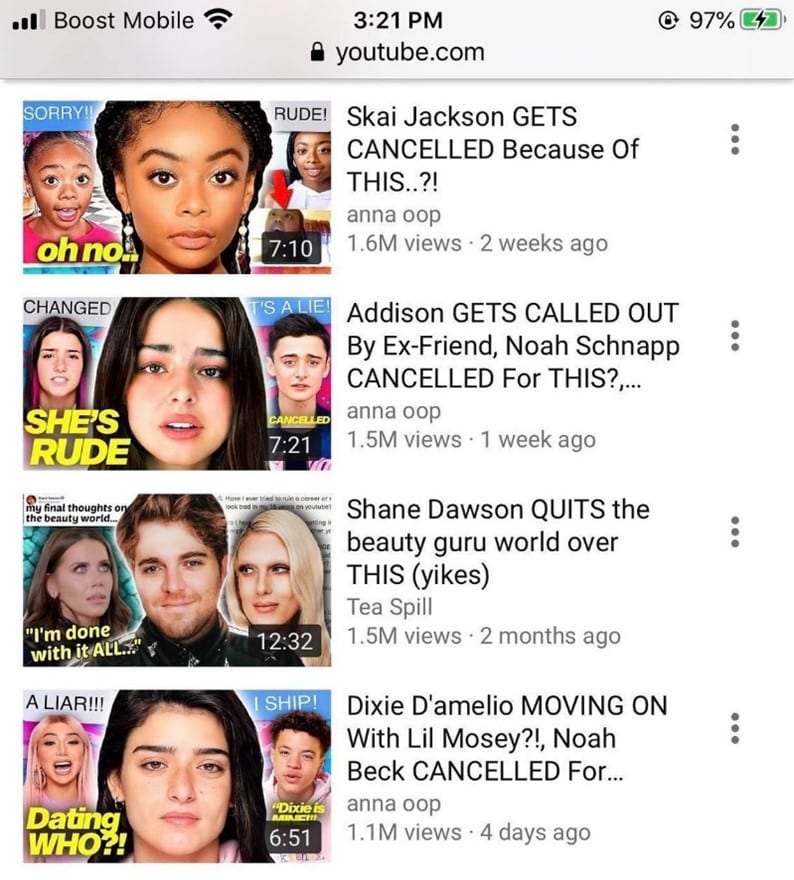
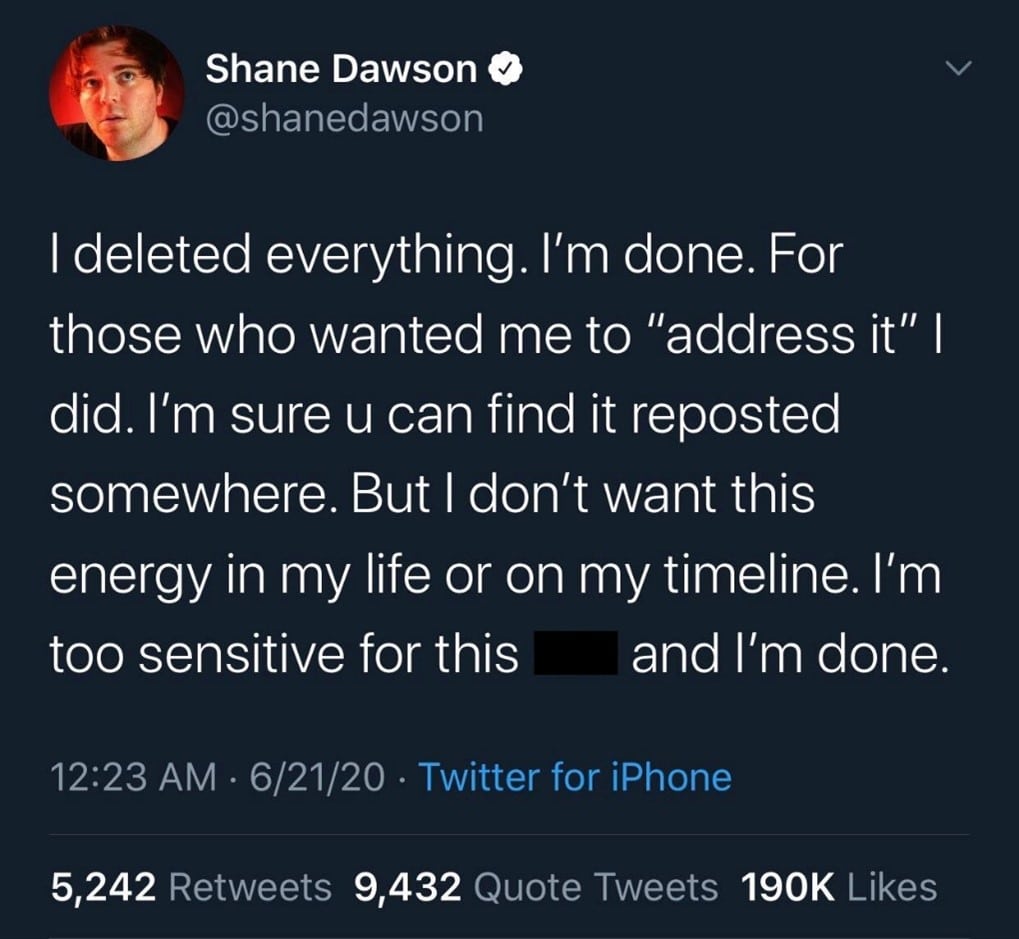
A classic example of cancel culture has been the fall of Shane Dawson in mid-2020, a YouTuber who was once famous for conspiracy theories, docu-series of other YouTubers, and other day-to-day vlogs. At his peak he had a total of 23.3 million subscribers but has since abandoned his channel, leaving video views and subscriber counts to plummet.[2]
Why was Shane Dawson cancelled? Following the 2020 rise of the Black Lives Matter movement, old videos (~10-year-old videos) from Shane Dawson’s channel resurfaced. Such content included racial slurs, inappropriate acts towards children, and even skits involving blackface. These videos spiraled throughout social media, leaving Shane Dawson to become #1 in trending for infamous reasons.
Gossip YouTubers took to these tweets, threads, and videos compiling incriminating evidence against Shane Dawson. Users across all social media platforms chastised him, using words like “pedophile,” “predator,” and “racist.” In a matter of three months, Shane Dawson lost over two million subscribers, was dropped as a brand ambassador of the makeup line Morphe, had all of his videos demonetized (he is no longer able to make any money off of views), and has since been silent since the end of June.
The Psychology Behind Cancel Culture
Research demonstrates that people invest in cancel culture because it offers them:
increased social status (one’s popularity in an online community),
an opportunity to show their commitment to their virtual community, and
instant gratification (enjoying the battle and voicing your opinion in real-time).[3]
This is detrimental on both ends of cancel culture, with one person becoming a victim of cyberbullying and the other succumbing to narcissistic tendencies. Narcissism in today’s online community involves becoming preoccupied with one’s self-image and projecting your flaws or mistakes onto other people to avoid becoming the outcast.[4] Likes, comments, and shares have become the token economy of the internet, driving people to continue their behaviors no matter how toxic they may be.
We are living in a time where saying nothing can be just as incriminating as saying something. Silence online insinuates compliance, leaving kids and teens vulnerable to cyberbullying even if they opt to stay out of it. Cancel culture flourishes at the expense of human error, with online communities waiting for the next person to slip up. Even though it is important for people to be held accountable for their actions, our children must understand that cancel culture is not the solution.
Cyberbullying Exposure and Prevention
Not only influencers fall victim to cyberbullying. Whether your child has succumbed to the giving or receiving end of cyberbullying, it’s never too late to have a conversation about the many issues involving our virtual selves. Social dynamics look different online compared to face-to-face interaction; however, a sense of humanity should not be among those differences.
Social media posts never completely vanish, as someone could easily take a screenshot of your mistake and share it among thousands of eager viewers to be released over and over. It is crucial that children, tweens, and teens understand the challenges of virtual vulnerability and accountability.
Here are our GKIS tools to avoid digital injury:
Start informing your kids about online risks by adopting our free Connected Family Agreement. Our agreement not only helps your family negotiate sensible rules, but it also covers online etiquette, empathy, and family values.
Follow our GKIS blog for hot topics to stay in-the-know for family discussion around a screen-free dinner table. You’ll receive an article a week in your email if you sign up for your free Connected Family Agreement. If it’s not for you, you can unsubscribe at any time.
Let us do the research for you with our Screen Safety Toolkit. Our toolkit is a family-tested, outcome-based resource guide with our best recommendations, how-to information, and links to our favorite easy-to-onboard parental control systems. You’ll be set to create the custom screen safety toolkit for your unique child. Help your kids stay accountable with the rules and regs included in our Connected Family Course. This course not only gives you what you need for safety, but it also offers fun home setup ideas to enrich online activities with offline play.
For kids only, our Social Media Readiness Course is particularly powerful in helping tweens & teens get educated about the risks of digital injury and offer Dr. B’s tested psychological wellness techniques. Using modules and mastery quizzes, this online course offers expertise to parents and kids, so they can form a warm and supportive alliance with kids who are vulnerable and relatively inexperienced.
Thanks to CSUCI intern Kaylen Sanchez for contributing to this GKIS article.
I’m the mom psychologist who will help you GetKidsInternetSafe.
Our Gracie got her first smartphone when she was ten years old. We wanted to wait, terrified of the creeps and porn and the rest of it. But she needed to contact us for pickup from dance, and that’s how her friends connected. Without a phone, she got left out of plans and private jokes. She was feeling more and more alone, and we worried she was depressed. We caved. We couldn’t take the begging and crying. We tried to do it smartly, starting with a phone and no social media. We read articles about risks and checked her phone regularly. We insisted she wait until she was 13-year-old for social media. We allowed only YouTube and TikTok to start. She’s loved it and quickly started feeling better. Two years later, it doesn’t seem unreasonable to allow Instagram. She’s 12 now, so it’s maybe a little early. We’ve talked to her about it a lot. She rolls her eyes, but I think she gets it. She’s smart and funny and social. We are confident she’ll be fine. At least we hope so…
And there it is, the way it happens for most families now. As a screen safety expert, mom, and psychologist, I get it. We all outsource to our phones: for memory, entertainment, navigation, design, communication. When’s the last time you memorized a phone number or planned a trip with a paper map? We are cyborgs and so are our kids. Digital fluency is part of life and a critical element to education, especially now. Screen restriction until high school may be wise, but it isn’t an option for most families. We survived running around town with our friends unsupervised.
Is screen time that big of a deal?
The short answer is . . . that it can be. Preventing screen-loving kids from wandering into a dangerous digital neighborhood isn’t always possible, especially at the beginning. We are too busy, and they are too clever for us to supervise everything they do online. Even the best tech tools have workarounds. But there is one step you cannot miss if you think they are ready for social media, teaching them judgment and accountability like we do before they are allowed to drive a car. Does driving city streets have anything in common with browsing the internets?
As a psychologist who treats digital injury (psychological harm resulting from internet use), I would argue it does. Like driving a car, browsing the internet can cause significant injury. But instead of a concussion, we see kids succumbing to anxiety, depression, and body image problems linked to cyberbullying, radicalization, and compare-and-despair.
Also like driving, kids browsing the internet can wander into any kind of digital neighborhood making friends from faraway places. Most of the places they visit are cool, with fun friends, creativity, and harmless excitement. But there are also digital neighborhoods that would horrify us. Dangerous people like predators and traffickers may be common there and so is intensely violent and explicit sexual content.
Kids who’ve learned the traffic laws from driver’s training and practiced for many hours with invested parents and trained experts are safer. They are so much safer than the government requires these prerequisites before getting a state-issued driver’s license. Doesn’t it make sense to offer the same support for screen use?
Yes, we could keep them off screens and avoid the issue altogether. Yet, also like a car, the internet offers access to learning opportunities that help us thrive. Despite the risk of accidents, we browse because we refuse to miss out on that great job, amazing discovery, and healthy social connections. Our kids feel the same way about their screen devices.
If allowed to browse with little training, more accidents seem certain. That is why my private practice is flourishing. Treatment doesn’t erase trauma; instead, it helps with coping. Once a child experiences danger on the internet, that memory never goes away. Our best options for child screen safety lie in prevention.
What can we do to help tweens and teens browse more safely with sound judgment and accountability?
We can require Internet training! Like driver’s training, our online Social Media Readiness Course offers education about digital risk as well as tools for psychological wellness.
Specifically, our GKIS subscribers get:
lots of verifiable facts and science-based information about online risk and screen use (no fake news),
expert strategies and techniques to optimize psychological health and judgment,
realistic exercises that illustrate typical online scenarios and help coach sensible resolutions,
trigger-topics to encourage smart parent-child discussions to further build a healthy alliance,
accountability quizzes so you know they are learning as they go, and
opportunity for the child to act independently and practice without parent guidance (although course access for parents who want to take it first or along with them is optimal).
I’m the mom psychologist who will help you GetKidsInternetSafe.
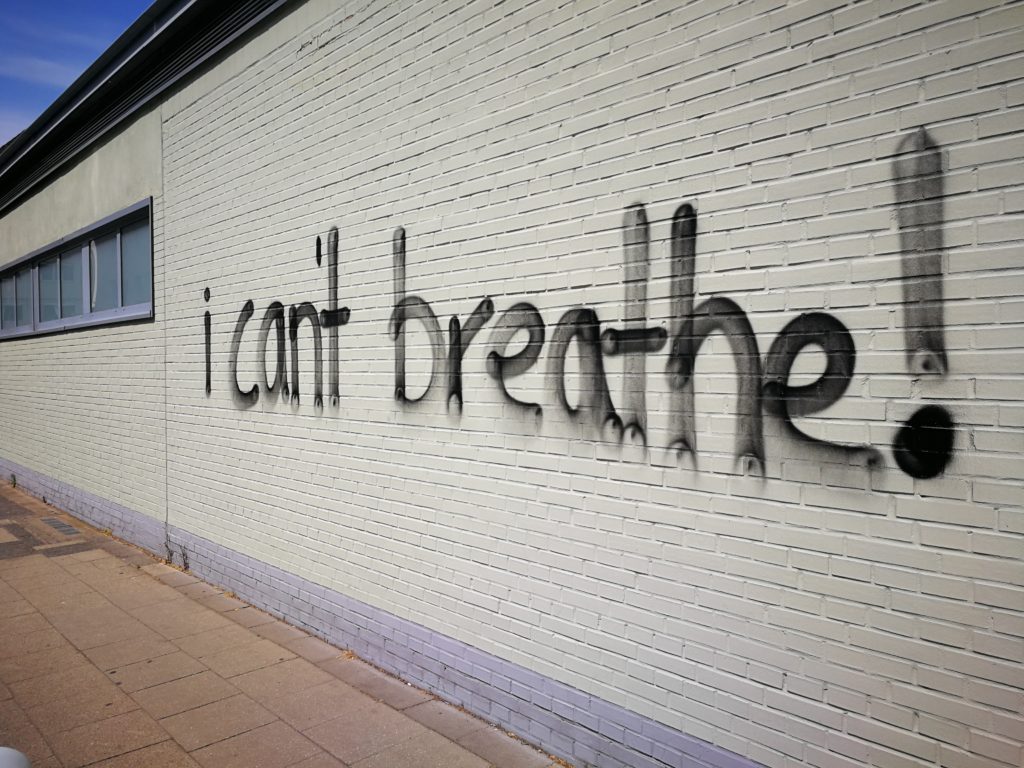
I am deeply saddened on top of many layers of horror and sadness from these last few weeks. While we are all still reeling from the fears of unknowing and weeks of social isolation due to the COVID-19 pandemic, we witnessed the heartless murder of George Floyd on TV as he begged for his life and onlookers pled for his safety. The #blacklivesmatter dialogues that have followed by our leaders, celebrities, neighbors, friends, and families have sparked further insights, horrors, hopes, and healing. From my position of privilege, it is impossible to try on the skin of oppressed black and brown Americans. I do not have the capacity to do so no matter how hard I try. But I really do try. I know from decades of training and experience that none of us walk through this unjust world without prejudice and bias. It is the human condition. We ALL have work to do. Our rage and pain and fear and sadness offer opportunities for insight. Some are taking it in quietly, some are coming out fists up. I choose to believe that important voices are being heard, just as I believe they will unconsciously dim from our awareness when the news cycle becomes stale. We all must commit to keeping our fight against hate, oppression, and prejudice in the forefront of our minds and behavior from here until we breathe our last breath. As a collective, we can make a difference but only with consistent effort, education, and heart.
For this article from my role as a screen safety expert and child advocate, I’d also like to shine a light on another angry mob that feels justified in shaming online postings in passionate pursuit of justice. Last night it was a viral post that appeared in my 5k member mom community Facebook group. I woke up this morning and checked the weather, the news, and Facebook. First on my feed was a post from a young woman outing a pickup truck full of teens flying an American flag. She wrote, “Nothing brings me more joy than exposing racists, these troubled souls were driving by a peaceful protest in Camarillo yelling, “Fuck black lives.” Then she posted the license plate number. Shortly after, a s&^tstorm of comments ensued. The kids were named with the grade they were in and the school they attended. Moms raged that the boys were racists and terrorized a group of peaceful protesters by driving around saying these hateful things. Many blamed the parents and the parents’ businesses were mentioned. A few commenters spoke up saying it isn’t OK to socially shame minors or out their parents. Over 200 comments later, I was mortified.
I reported the post and impulsively posted this response:
I agree that some teen behavior is despicable but posting photos and names of minors on a forum that’s supposed to be for community building is wrong. Being a cyberbullying social shaming mob is the opposite of community building. We teach our kids to be better than this and then we, the adults, do it? As a mother, screen safety expert, and psychologist, I had to speak up as an advocate for kids. Kids make stupid mistakes. It’s our job as experienced adults who have learned from our stupid mistakes to work them through to insight. Instead of leading with compassion, this post could be potentially devastating for their futures. It teaches hate and shame rather than judgment and discernment. Just because a poster feels like they have the right to humiliate and harm those kids does not make it acceptable. Photos, names, and their grade and school?!! That’s called doxing. What you post may be legally actionable. We each need to consider how we’d feel if our child was outed like this. As a collective, we are not law enforcement, judge, and jury of this town. We can do better.
Immediately from there, the admin shut down all comments to my post and took off the other post. I believe this was in support of my message and to stop the bleeding. Several likes and loves have ensued, but the dialogue stopped. Was that the right move to make?
The admin for this group and I have consulted about the bad behavior on this page before. Last time we talked, the kids of the town were cyberbullying and trolling the page with horrific images, one regarding the holocaust. She said she was so upset she threw up. My teen son told me that the kids had waged war on the “Karens” for outing kids on the page in the past with inaccurate claims and unfair vitriol. It sparked a lot of complicated discussions between us as a family. I listened a lot and raised ideas and challenged him. He and I talk a lot about social justice issues and how they are handled online. Recent events have been especially rich in opportunity.
The post went up late last night. It’s unclear if the admin even saw it until this morning. She has an impossible job wrangling angry moms all of the time, trying to offer an open forum but police it with reasonable community guidelines. It’s got to be an impossible and mostly thankless job. She’s even recruited helpers, but it’s tough to discern when a post is offensive rather than an opinion. She strikes me as gracious, generous, and reasonable.
Shortly after the comments were frozen and the post was taken down, I went on to see that one of the moms wrote a heartfelt apology for her son. Although many moms supported her, stating that teens make mistakes and it took courage for her to post, others continued to hatefully blame her and pick apart her apology word-for-word. Once again, this string was a far cry from listening, learning, and healing. I sent her a private message of support saying:
I am deeply saddened by what your family is going through. I have a child your son’s age…not sure if we know each other. Of course, I do not in any way support his behavior. I support the black lives matter movement. But I also passionately advocate for kids of all colors, stages of learning, and momentary headspaces. But I know many truths from many years of training and experience. 1) he has lived in an entirely different virtual world than any of these moms. He was probably thinking that black lives matter is so obvious that its ok to poke fun. 2) He got way too carried away. He was probably jacked up from friend provocation and testosterone and his vengeance for the “Karens” that his generation wants to put down. We’ve run their lives, they’re pushing back. We did it too. 3) He’s only 17 years old. He doesn’t have the experience or brain wiring to anticipate consequences. Hell, most of us cannot see into the future either. My son is 16 yo, and he has so so much to learn still too. So does my 18-year-old daughter. and my 26-year-old daughter. So do I. Still making mistakes to this day, still learning. 4) You’re raising a human being, not a robot. You can’t control his choices. But it’s obvious you are a good mom really trying. Cheers to you for that. 5) It took so much courage to enter that fray. You did what was right. There was no way you could have strung the nouns and verbs together to ease the anger. 6) I could rant all day but I wanted you to know that my compassion, prayers, and mom juju is 100% behind you and your son. He has learning and healing to do. Assaulting him as that poster did was very wrong. I’m so sorry you are going through this. I’m behind you.
The mom went on to a private dialogue with me from there. Her story was that her son was not one who yelled out and that many of the kids were saying “copslivesmatter” and “whitelivesmatter.” Some of them were children of police officers. For the record, I knew the original poster as a little girl. She had her scrapes as a teen too. Small town living indeed. There are always many sides to the story.
When I read my response to her now, I think I probably was too easy. Maybe I was “whitewashing” it and not taking into account how these boys deeply frightened and intimidated others. Do they have a right to free speech when they are acting aggressively? Were they acting aggressively? This was far more than “poking fun.” See? It takes so much awareness and contemplation to recognize our blinders. A fair point is that some would consider my empathetic response to this mom and son to be part of the problem. They would say that quiet compassion isn’t enough. Anger, shame, and even violence are justified due to years of oppression and violence toward Americans of color. That pickup truckload of boys scared people. That kind of behavior blossoms into hate crimes. People of color live with that every day, all of the time. I read another post from the daughter of a policeman who spoke of her fear for his life every day. But she took it a bit further. She recognized that her dad gets to take his badge off at the end of the day and walk around town without fear. So many perspectives to take, so many stories to tell.
I’m not an expert with the #blacklivesmatter movement. But I am an expert on child psychology. We need to listen and challenge more. We need to read, learn, and continue these very hard conversations. We need to lean into the discomfort and ask ourselves what role we are playing. The admins of this Facebook group later came on and apologized for taking the comments down. They invited more discussion and asked for people to message them their concerns. Many in the forum praised them for stopping hateful dialogue. Others said it was an injustice to delete the education from the black moms on the post and their allies. Some said discomfort is necessary and many still felt those boys deserved to be confronted.
I don’t have the answers here. I’m still grappling too. But I am listening and challenging and trying. I believe that shame and violence are not where the learning is at. Community building is where we will achieve the best insight. Until we figure this out, we can do better.