People seeking companionship or romantic connections online are falling victim to internet predators. There has been a dramatic increase in recent reports claiming that LGBTQ+ individuals are being purposely targeted for malicious online sextortion crimes. These crimes have led to devastating and long-lasting repercussions for victims and their families. As a result, the Federal Trade Commission (FTC) issued a warning in response to complaints about dating sites geared towards LGBTQ+ community members being infiltrated by sextortion perpetrators.[1] To help ensure your family has the tools to safely navigate the online world, check out our Screen Safety Essentials Course.
What is Sextortion?
The term sextortion (sexual-extortion) falls under the broader category of sexual exploitation. In many cases, sextortion is a form of blackmail that involves the act of extorting things like money and sexual favors through means of manipulation and coercion. For example, a perpetrator may threaten to reveal or expose personal and sensitive information about the victim to others unless they agree to the perpetrator’s demands.
How are people being victimized?
Despite advancements in societal attitudes towards LGBTQ+ community rights, the world can sadly still be a hostile place. That’s why dating apps geared toward members of the LGBTQ+ community, like Grindr, Feeld, and Her, have become popular.
These sites were designed to provide a safe space for both openly queer and closeted people to meet and make connections with each other without fear of harassment or exposure. Unfortunately, recent reports have indicated that an increasing number of apps and websites marketed toward members of the LGBTQ+ community are being infiltrated by sextortion predators.
Blackmail
A typical sextortion scam begins with a perpetrator creating a fictitious account on a dating app or social media networking site using a fake identity and photos. The perpetrator poses as a potential partner or someone looking to make a connection online and attempts to establish contact with another person under the guise of starting a romantic relationship. This is a process referred to as catfishing.
The perpetrator cultivates the relationship with their target to gain their victim’s trust and make them feel comfortable. The process can last for days, weeks, or even months. After establishing rapport, the perp will send explicit messages, photos, and videos and ask for some in return. Once the target shares their personal images and information, the scammer threatens to release it to the victim’s friends, family, or co-workers, or post it online unless the victim does what they say.
The primary motivations behind these types of romance scams can be financial and sexual. Sextortion predators use various manipulation tactics to not only extort money from victims but also to access sexually explicit photographs and messages, for their own sexual gratification. Recent reports have revealed that minors using the app, despite there being minimum age of use requirements, were targeted specifically by pedophiles hoping to elicit child pornography. In both cases, similar methods of exploitation are used.[2]
The FBI has stated that most victims report that initial interactions with perpetrators are mutual and unsuspicious. However, after a brief period, the extortionist will attempt to transition the interaction away from the app and onto private messaging forums. Without exposing their true identities, these online predators will go to great lengths to convince targets that they are legitimate users of the app.
Scammers often use stolen or fake photographs and may even hire a video model to convince their victims that they are interacting with an authentic person. It is very common for perpetrators to befriend victims on social media to access a list of the victim’s followers which typically include family members, friends, and co-workers.[2]
Why are LGBTQ+ apps being targeted?
Experts suggest that individuals using these dating apps are being specifically targeted by predators for a few different reasons. Given the nature of the apps, which are primarily used to foster romantic connections, online predators have a much greater opportunity to collect private and sexually explicit information from their targets. Additionally, since these apps have been designed for LGBTQ+ community members, predators assume that their targets have an even greater incentive to keep quiet about their victimization and comply with demands.
Because these apps are marketed as a safe space, people who are not openly queer rely on them to make connections with others without fear of exposure. As the thought of public shaming and the potential outing of their sexual orientation or gender identity is so profound, these individuals are more easily subject to victimization.
The Fallout
According to the FBI, the number of these cases has been steadily increasing. Experts speculate that the onset of the COVID-19 pandemic and the emergence of hookup-culture has escalated this trend. As the dating world transitioned largely onto virtual platforms, sextortion predators took advantage of this change.
Last year, the federal agency reportedly received over 16,000 sextortion complaints with financial losses totaling over $8 million.[2] In reality, the repercussions of these crimes extend beyond financial ruin. Sadly, the effects of being targeted and exposed by sextortion predators were overwhelmingly devastating for some victims who felt driven to take their own lives.[1] As a result of the seriousness of these crimes, law enforcement officials have significantly increased their efforts to capture and charge perpetrators.
How to Protect Yourself
It is important to be aware of the potential dangers inherent online in order to prevent yourself and your loved ones from becoming victimized. Dr. Bennett believes that providing our kids and teens with the necessary knowledge and skills to navigate these pitfalls before they arise, is the key to avoiding digital injury. That is why we created the Social Media Readiness Course which is designed to empower families to promote safe and responsible practices while avoiding harmful outcomes online. The internet can be an exciting and helpful tool when we are equipped with the proper skills to use it.
Thanks to CSUCI interns, Mackenzie Morrow and Michael Watson for researching the targeting of LGBTQ+ community members in sextortion scams on popular dating apps and co-authoring this article.
I’m the mom psychologist who will help you GetKidsInternetSafe.
April is Sexual Assault Awareness and Prevention Month (SAAPM). According to the Rape, Abuse, and Incest National Network every nine minutes a child is sexually abused, 93% of survivors know the perpetrator, and 1 in 5 kids have been solicited sexually online before the age of 18.[1] The National Sexual Assault Hotline (1-800-656-4673) provides confidential support to victims. This GKIS article covers sexual violence, technology misuse, support groups, and ways to help. The following information may be triggering to some readers, discretion is advised.
Sexual Violence
Ending sexual violence and assault has become a national outcry. The National Sexual Violence Resource Center conducted a survey in the United States, reporting 734,630 people were raped in 2018.[2] GKIS has partnered with various organizations to raise awareness and end sexual assault.
Survivors endure the trauma of the assault and suffer chronic mental disorders (post-traumatic stress disorder, substance abuse, depression) and physical issues (HIV, sexually transmitted infections (STI), unplanned pregnancy).
The Sexual Assault Nurse Examiners (SANE) is a 24-hour service of first responders aiding sexual assault victims. SANE supports victims with emotional recovery, offers STI testing, and provides investigational leads to law enforcement which speeds and increases the chance for prosecution.[2]
Sexual assault is legally defined as “any type of sexual contact or behavior that occurs without the explicit consent of a recipient.”[3] By legal definition, the following are types of sexual assaults according to California law:
In 2015, the People of the State of California v. Brock Allen Turner made national headlines for convicting a Stanford student for sexually assaulting an unconscious victim. He received a sentence of six months for his crimes. Based on the previous CA law, prison time was only sentenced if the victim could defend themselves. The presiding judge, Aaron Persky, was disbarred after his ruling stating that a prison sentence would “have a severe effect” on the student’s future.[3] In an effort to decrease victim-blaming, former Governor Jerry Brown signed AB 2888 which requires a mandatory minimum sentence and requires that sex crime convictions must result in state prison.[3]
Victimization of Children
Sexual violence is common in youth, with reports of 42.2% of females having experienced their first completed rape before 18 according to the 2010 summary report by the National Intimate Partner and Sexual Violence Survey.[15] Sexual abuse of minors is often unreported because victims are often secretly coerced and confused about the feelings that result from the abuse. Legally, a child cannot consent to sexual activity with an adult due to immature brain development.[4] Pettis and Hughes report that male adult victims are particularly unlikely to seek treatment for childhood abuse.[4]
Violence in Intimate Relationships
Sexual abuse involving an intimate relationship refers to an unwanted or coercive sexual behavior toward one’s partner. In a Burke and colleagues’ study, males and females with high feminine gender identity were more likely to sustain abuse if they refused to perform sexual acts.[5]
Warning signs of an abusive relationship include if your partner
isolates you from friends or family
manipulates you into performing sexual acts
gets frustrated and jealous if you have unaccounted-for time
Sexual harassment is defined as an unwelcome verbal or physical advance for sexual gratification.[7] A study by Adams-Roy and Barling reported that 35-45% of women face severe sexual harassment at the workplace, resulting in an increase in stress, anxiety, and depression. Assertiveness training often helps victims of sexual harassment confront the assaulter.[7]
Online Sexual Abuse
Online sexual abuse is defined by the United Nations Children’s Funds as coercing victims to use live streams, virtual communities, and social media platforms for illegal sexual acts.[13] Social media influencers have been accused of having sexual relationships with minors. For example, YouTube and Tik Tok influencers James Charles and Tony Lopez have been accused of inappropriate intimate involvement with young fans using fame, power, sexual manipulation, and abusive behaviors. Uplift is a non-profit organization that was founded in 2015 that works to combat sexual abuse in the online community. John Green, author of “The Fault in our Stars,” pledged to support the Uplift movement on YouTube, helping Uplift attract additional supporters.
Our 2015 article, How Texting Can Turn To Sexting in the Blink of an Eye, explains how predators groom children in order to pressure them to send nude photos. Revenge porn is another form of digital abuse, defined as the act of posting someone else’s nude image without consent. Perpetrators illegally use the photos to control and exploit their victims. Revenge porn laws vary by state. If you want to know your state’s revenge porn laws, visit Cyberbully.
Sex Trafficking
Sex trafficking is the use of force, fraud, and coercion against someone for prostitution, pornography, and sexual performance fueled by the buyer’s money.[14] Sex trafficking is increasingly aiding the internet. It has been estimated that 3.8 million adults and 1 million children are used for forced and commercial sexual exploitation each year.[11] In 2020, a conspiracy erupted on Reddit accusing Wayfair of trafficking children by disguising codes located behind furniture sales. The public demanded the U.S. government to investigate allegations, which were later proven false.
People who are vulnerable to sex trafficking include:
Frequently child sexual abuse (commonly called child pornography) is captured and shared on smartphones and Go-Pro. According to California law, sending or receiving semi-nude or nude images of minors is child sexual abuse. This act qualifies as transmitting obscene material by distributing generated image(s) containing sexual conduct, punishable up to six years in state prison.[11]
Another form of camera misconduct is capturing or recording a subject in a bedroom or restroom without their consent. In 2019, a vacation rental guest rented an Airbnb for the weekend. He discovered that the chargers in the bedroom were video recorders.[12] Now, the placement of indoor cameras inside vacation rentals is illegal.
Security cameras placed in a particular area to capture a neighbor’s pool, bedroom, or restroom are forms of electronic surveillance that may be illegal depending on intent. Voyeurism is defined as gaining sexual pleasure by watching or recording someone undress.[5] A perpetrator may be imprisoned for 60 days and registered as a sex offender. From our recent article, Red-Light Websites and Online Services that Can Be Dangerous to Kids, GKIS described the Hide It Pro application that can store images and videos from security cameras.
Support Groups for SAAPM
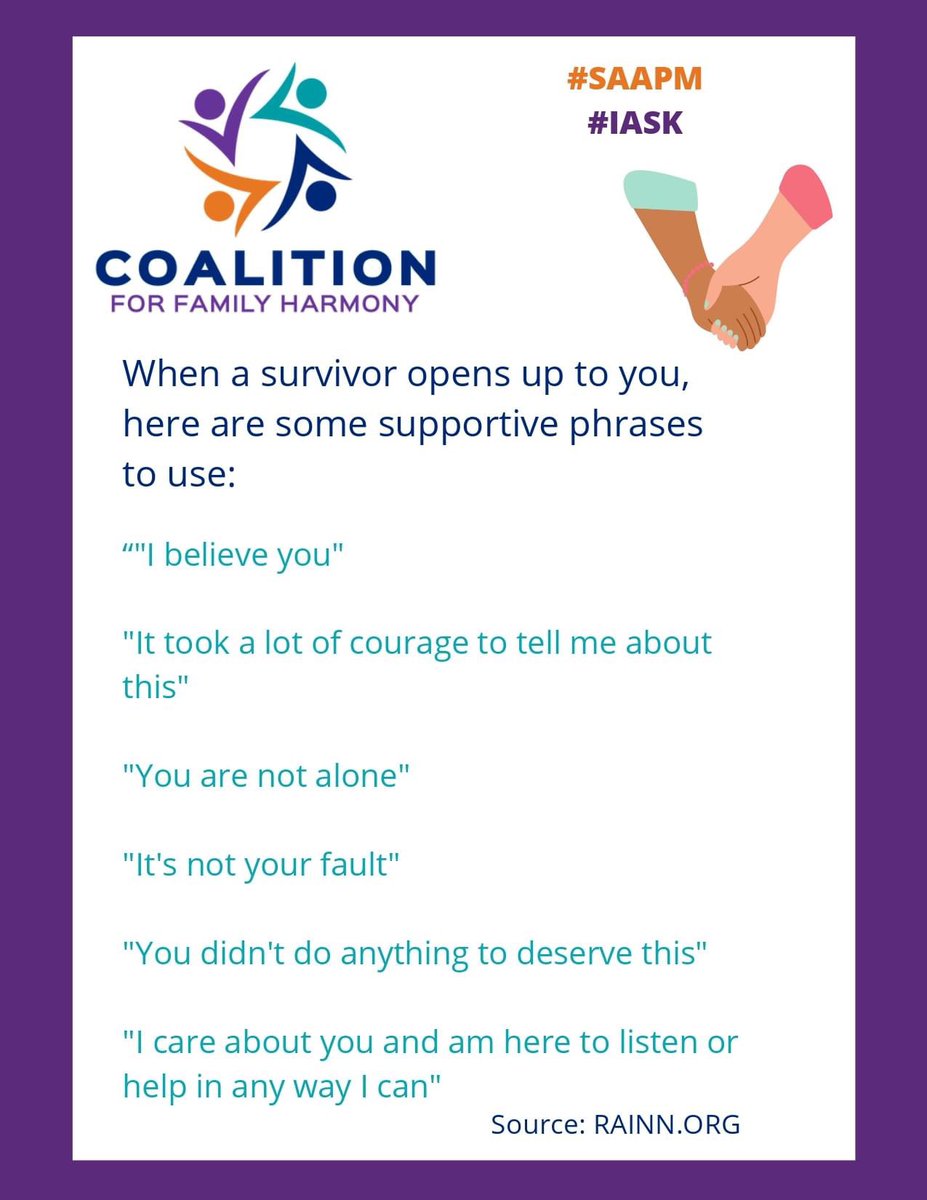
Coalition for Family Harmony
This organization offers mental support, including counseling for sexual assault survivors, support groups for adults and teens, forensic exams, and a 24/7 service with the Rape Crisis Advocates. Dr. Sandy Gomez oversees the Rape Crisis Center in Ventura County at Coalition for Family Harmony and LGBTQ Program. She states that “a person’s access to mental health services should not be limited by their socioeconomic status.” Ten free psychotherapy sessions using a survivor-centered approach are available for sexual assault survivors. There are extended services for survivors who are of color and LGBTQ+.
In April, the Coalition for Family Harmony offers presentations to educate the community and mitigate online romance fraud, which is defined as the act of deceiving another person for financial gains through an online romantic relationship using a fake identity.
A special message from Dr. Sandy Gomez; “If you have experienced sexual violence, you are not alone and what happened to you is not your fault. You are the expert of your situation and we are here to help you review your options so that you can make an informed decision that works for your needs.” Contact their office at (805) 983-6014 or 1-800-300-2181 for a 24-hour Bilingual Crisis Hotline.
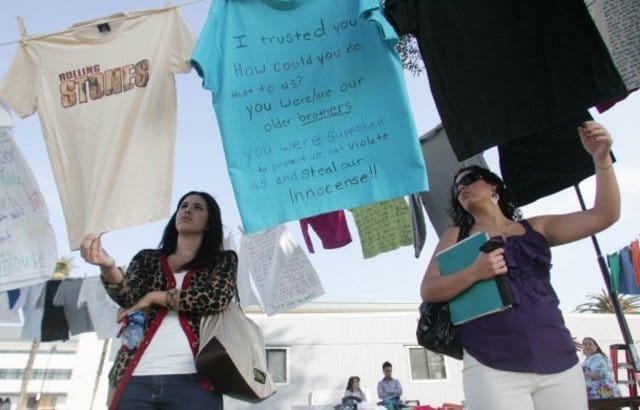
The Clothesline Project at Ventura College
According to Professor Capuano, the Ventura Psychology Club advisor and Coordinator of the Clothesline Project for 18 years, the purpose of the Clothesline Project “is to educate students and the community that violence is a problem everywhere, and that help is available.” Students and the community can visit Ventura College to listen to survivors, attend presentations, receive on-site counseling, and speak with 15+ local organizations. Visitors put their personal message on a shirt for display on campus. Topics covered include incest, cyber exploitation, domestic violence, and sexual violence.
Bikers Against Child Abuse
B.A.C.A. is a non-profit organization free of charge which assists abused children. They work together in conjunction with the local and state officials. B.A.C.A. uses their physical appearance to lend physical and emotional support. These bikers are the shield that protects children from future physical, sexual, and emotional abuse.
Ogie, a current member of B.A.C.A., uses the phrase, “no child should live in fear,” giving children hope for a safer world. In the eyes of children and the community, they are heroes. There are monthly meetings for members and the general public to attend. For more information on Who Is B.A.C.A. and local chapters in your area, visit their website.
American Foundation for Suicide Prevention
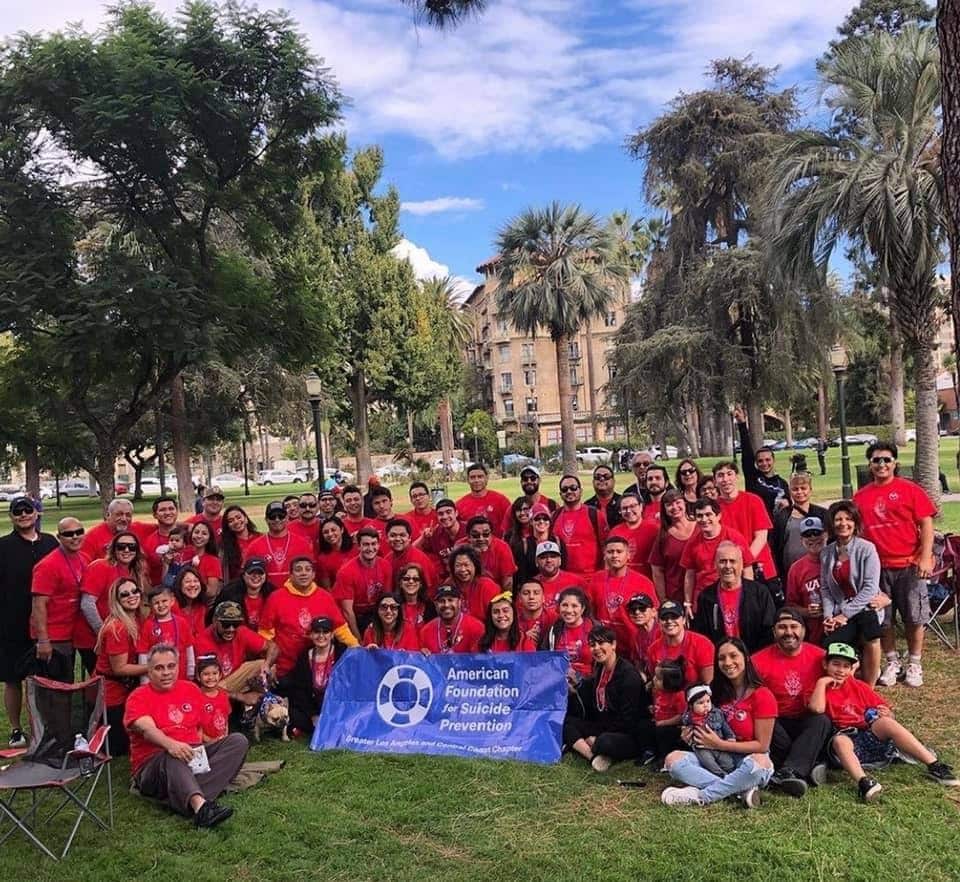
Thirty-three percent of female sexual assault victims contemplate suicide.[1] The American Foundation for Suicide Prevention (AFSP) offers advocacy, research, education, and support to survivors with suicidal ideation. They recognize the importance of diversity, equity, and inclusion. AFSP is offering spring actives, such as Marathon in a Month and Campus Walks Day of Action. To learn more about the events, visit AFSP Greater Los Angeles and Central Coats. Let us be the voice AFSP is missioning for “Save Lives and Bring Hope to Those Affected by Suicide.”
Denim Day
In 1992, a 45-year-old driving instructor raped an 18-year-old woman on her first driving lesson in Italy. The survivor reported the rape, and the perpetrator was arrested and jailed for 6 years. Years later, the man appealed his conviction stating it was consensual sex evidenced by her tight jeans that would be too difficult to be pulled off involuntarily. The conviction was overturned, allowing the rapist to be released. This was to be known as the “jean alibi.”[9]
A Denim Day campaign was established in 1999 to support sexual assault victims. Denim Day is considered the most prolonged prevention and education movement for sexual assault.[9] Feel free to tag GKIS social media accounts to see you be a part of the movement.
The importance of consent shows respect for others and yourself. If you are struggling to explain or understand consent, visit Blue Seat Studio’s published video on YouTube: Tea Consent.
Call to Action Against Sexual Assault
LISTEN to victims when they report assault and assist them to achieve emotional and physical safety (e.g., walking, shopping, or eating in public settings).
PARTICIPATE in April to show your support. Wear or post a teal ribbon on your social media page to give awareness of sexual assault.
ACT to stop victim-blaming, known as the belief that the victim is responsible for the assault because of how they dressed, spoke, or behaved. Fear of being blamed is a significant contributor to the low rates of unreported cases.
Adults must show respectful modeling behaviors to all genders to reduce sexual assault. At National Sexual Violence Resource Center, Jenny Coleman explains the importance of speaking out if someone uses inappropriate phrases and terminology in front of minors. If you order our highly reviewed online course, The GKIS Connected Family Course, GKIS will invite you to our private parenting Facebook group in the service of child safety.
GKIS recommends taking self-defense classes to protect yourself from sexual assault. Visit Ando Mierzwa on YouTube or Threat Management on Tik Tok for free self-defense tactics used in martial arts. Furthermore, BSafe, My Safetipin, and Life360 are GPS tracking apps to provide personal safety in dangerous situations.
SPEAK out against sexual violence outside of April. The importance of sharing one’s story brings hope and awareness. For sexual assault survivors who are willing to share their stories, Boston University created an Instagram page for survivors to be heard: visit Campus Survivors. At the end of the day, the story being said is yours, and the story has the power to change the world.
Thanks to CSUCI intern, Christian Sandoval, for giving awareness and prevention of sexual assault in April. The importance of hearing someone’s story is critical, and we hope you will support the movement.
I’m the mom psychologist who will help you GetKidsInternetSafe.
[1] Children and teens: Statistics. (n.d.). Retrieved March 18, 2021, from Rainn.org website: https://www.rainn.org/statistics/children-and-teens
[2] Morgan, E. R., & Oudekerk, A. B. (2019). Criminal Victimization, 2018. Bureau of Justice Statistics. Retrieved from https://www.bjs.gov/content/pub/pdf/cv18.pdf
[3] Sevenslegal. (2016, September 8). An update to California’s sexual assault laws. Retrieved March 18, 2021, from Sevenslegal.com website: https://www.sevenslegal.com/assault/update-californias-sexual-assault-laws/538/
[4] Pettis, K., & Hughes, R. (1985). Sexual Victimization of Children: A Current Perspective. Behavioral Disorders,10(2), 136-144. Retrieved March 16, 2021, from http://www.jstor.org/stable/23882265
[5] Burke, P., Stets, J., & Pirog-Good, M. (1988). Gender Identity, Self-Esteem, and Physical and Sexual Abuse in Dating Relationships. Social Psychology Quarterly,51(3), 272-285. Retrieved March 16, 2021, from http://www.jstor.org/stable/2786925
[6] Intimate Partner Sexual Violence. (n.d.). Retrieved March 18, 2021, from Rainn.org website: https://www.rainn.org/articles/intimate-partner-sexual-violence
[7] Adams-Roy, J., & Barling, J. (1998). Predicting the Decision to Confront or Report Sexual Harassment. Journal of Organizational Behavior,19(4), 329-336. Retrieved March 16, 2021, from http://www.jstor.org/stable/3100150
[8] National Sexual Violence Resource Center. (2020, April 3). Start at home: Modeling healthy behaviors keeps kids safe. Retrieved March 18, 2021, from Sexual Assault Awareness Month 2020 website: https://medium.com/sexual-assault-awareness-month-2020/start-at-home-modeling-healthy-behaviors-keeps-kids-safe-f454b929a2a0
[9] Why denim? — denim Day. (n.d.). Retrieved March 18, 2021, from Denimdayinfo.org website: https://www.denimdayinfo.org/why-denim
[10] Myths, facts, and statistics. (2018, November 7). Retrieved April 8, 2021, from Polarisproject.org website: https://polarisproject.org/myths-facts-and-statistics/
[14] Chin, K.-L., & Finckenauer, J. O. (2012). What is sex trafficking? In Selling Sex Overseas (pp. 1–33). NYU Press.
[15] Black C. M., Basile C. K., Breiding J. M., Smith G. S., Walters L. M., Merrick T. M., Chen J., & Stevens R. M. (2011). National Intimate Partner and Sexual Violence Survey 2010 Summary Report. Retrieved from https://www.cdc.gov/violenceprevention/pdf/NISVS_Report2010-a.pdf
Not everything you read online is real, nor is everyone you meet. You have been catfished when you meet someone online who created a fake profile to deceive you. Catfishing varies in severity, from posting younger pictures of oneself to stealing another’s identity. Most commonly experienced in dating websites or social media, catfishing provokes more skepticism and fear when it comes to meeting people online.
It started on Tinder…
Being a victim of catfishing can happen to anyone. With more teens joining social media, they are exposed to not only same-age peers but also adults with bad intentions.
For example, my friend Sam had been online dating since her sophomore year of high school. She recently met a guy on Tinder and fell head over heels for him. Soon after meeting each other online, they texted every day. At first, she suggested they FaceTime, but he always came up with some excuse to text only. Sam didn’t think much of it and continued to text with him. When she suggested they meet in person, he ghosted her and then messaged her randomly, ignoring her suggestion. She ignored the red flags.
While talking to a friend about her concerns, her friend shared that she was having a similar experience with her online boyfriend. When they compared notes and photos, they realized it was the same guy using different names and accounts. Since then, Sam has had difficulty trusting anybody online.
Adults and kids can be victims.
The popular MTV show “Catfish: The TV Show,” gives the audience a deeper look into the world of catfishing. During each episode, the host helps a victim uncover the truth behind a catfishing incident. Each episode illustrates the complex reasons people create deceptive online identities to make up for deficits in their non-virtual lives, such as:
insecurity about their looks, so they steal someone else’s identity who is better looking – like wearing a virtual mask.
pretending to be a different gender, perhaps experimenting before coming out of the closet.
cyberstalking or seeking revenge.
It’s not just adults that are deceived by catfishing. In the Lifetime TV show, “I Catfished My Kid,” parents try to teach their teens a lesson about the dangers of talking to strangers online. In the pilot, two Ventura County teens were duped by an adult producer into thinking they were interacting with a peer. When he asked each victim to meet him in the park to watch his band practice, one of the teens complied. On the show, we see her walk to the park and then be confronted by her parents and the host of the show.
Dr. Bennett received production credit on this pilot and helped with the emotional support on set. She describes feeling uncomfortable with the plot of deceiving a teen. However, to the benefit of millions of viewers, the show is an opportunity to teach kids how easy it is to be catfished.
Why do we fall for it?
Dr. Bennett believes that texting and online dating are some of the worst things to ever happen to singles. Although they offer immediate access to possible friends and dates, she says it also exposes our psychological vulnerabilities to exploitive others.
For instance, Dr. B describes a phenomenon she’s seen in practice where the screen between us and our new partner allows us to confabulate a false truth, that our new dating partner is better than they actually are. Confabulation is the act of unconsciously creating imaginary facts to fill in for a loss of memory.
In other words, with their dream dating profile in mind, online daters sometimes start by identifying a partner that loosely fits their criteria. Because they are so hopeful, they unconsciously convince themselves that their date is their dream partner. A simple “I look forward to meeting you” text becomes a sign of affection, romance, and fidelity. They create a dream person in their heads before the date has even revealed their true selves.
Dr. Bennett also believes that online dating can trigger our hunting and gathering instincts. Too often, she sees people “keep an eye out” for a better partner, even when they are committed to their current one. By always looking for the next best thing, singles sabotage the relationship they’re in. The thrill of the chase and the novelty of a new person can overshadow real partnership.
She also notes that healthy daters find partners and quickly move off dating sites, whereas predators stay. Dr. B theorizes that is the reason there are more creeps on dating sites than in the general population. Online dating can help you find love, but it can also open one up to exploitation, financial coercion, or online dating fraud. Although some dating sites verify users through other social media profiles and have safety tips, daters must beware.
If you visit websites, play video games, or are on social media, it may be helpful to you to know the red flags that. you may be being catfished.
Red flags that you are being catfished if the person:
is too good to be true
demands too much contact or acts possessive
is overly elaborative
attempts to pull you in with dramatic stories of victimhood or emotional distress
makes too many promises
is only available to talk during certain days and times
-gets too affectionate too fast
Thank you to GKIS intern, Nubia Bandek, for telling us all about catfishing. The hookup culture, which makes teens vulnerable to catfishing, is more prominent among teens than parents realize. Check out the GKIS article, Is Your Teen Hooking Up? for tips on how to have important conversations with your tweens and teens.
I’m the mom psychologist who will help you GetKidsInternetSafe.
[1.] Couch, D., Liamputtong, P., & Pitts, M. (2012). What are the real and perceived risks and dangers of online dating? Perspectives from online daters. Health, Risk & Society,14(7–8), 697–714.https://doi-org.summit.csuci.edu/10.1080/13698575.2012.720964
[2.] Menkin, J. A., Robles, T. F., Wiley, J. F., & Gonzaga, G. C. (2015). Online dating across the life span: Users’relationship goals. Psychology and Aging, 30(4), 987–993. https://doi-org.summit.csuci.edu/10.1037/a0039722.supp (Supplemental)
With smartphones everywhere, it’s not a surprise that teens prefer texting to other types of communication. As with all new technologies, there are risks and benefits. The risks that come with new technologies is why GKIS created the Cybersecurity and Red Flags Supplement for in depth guidance on what to look out for in our kids’ online worlds. Texting offers a quick and efficient way to communicate, but it has also brought a new type of messaging with it; sexting. Sexting is a form of texting, but it includes sexually explicit pictures, videos, or text messages. Seventy-five percent of teens between the ages of twelve and seventeen own a smartphone, making sexting an all too convenient option (Judge, 2012).
As the mother of an eleven year-old daughter who has her own smartphone and mainly communicates via texting, the thought of her participating in sexting is gut wrenching. Surveys reveal that 20% of teens between the ages of thirteen and nineteen have sent some type of sexually explicit message, with 38% reported having received a sexually explicit message as the intended or unintended recipient. Those who sext are associated with a higher risk of unsafe sexual behavior including having more sexual partners, not using protection during sexual intercourse, and drinking alcohol or some other substance before sexting/sex than those who have not (Judge, 2012).
As a mom I NEED to know how my child may be influenced into sexting, what those consequences may be, and how to prevent it!
How sexting starts
If a teen has access to their smartphone in their bedroom and out of their parent’s sight, what starts off as innocent texting with their crush or friend, can slowly turn into something else. I was at a presentation given by Dr. Tracy Bennett, CEO of GetKidsInternetSafe, and she explained how texting could lead to sexting. She elaborated,
“One night your child may be texting at night with her crush. He asks, “What are you wearing?” Your child responds, “My jammies.” Her crush begs, “Let me see.” Innocent right? Well night after night, these pictures can start to show less and less of the jammies and more and more bare skin. Boom! Your child has just sent her first sext message.” Slowly manipulating a child’s online behavior this way is called grooming.
The social norm among the friends your teen hangs out with on-and off-line may also encourage sexting behavior. Recent surveys found that up to 40% of child pornography images (Dr. Bennett prefers to call these “images of child sexual assault”) are self-produced, partly due to the emergence of young teens viewing online pornography and gradually mimicking sexualized behavior. Not only are teens producing their own pornographic content, but it is also being shared widely on the World Wide Web by pedophiles.
It’s easy for teens to succumb to online peer pressure and sexual grooming, because their prefrontal cortexes are not fully developed yet. The prefrontal region of the brain does not finish developing until a person is about 25 years old. This is the part of the brain that is responsible for skills like decision making, impulse control, and understanding the consequences of one’s actions. With a poorly developed prefrontal region, sexual drives and interests peaking, and smartphones constantly in-hand, teens are well primed to sexually act out online (Judge, 2012 & Ouystel, et al, 2015).
What consequences are associated with sexting?
One consequence of sending a sext is that consensual sexting can turn into coercion and aggravated sexting, commonly called sextortion. Once a teen has sent a sext, it may be impossible to get back or deleted. The once-trusted recipient can turn on the sender by using it as blackmail for extorting more explicit pictures from the sender. Common blackmail threats include telling parents or authority figures or sharing or uploading the images online where virtually anyone can gain access to it. This kind of behavior is called revenge porn.
You may also find it shocking that there are many revenge porn sites up and running. Online 26 states have revenge porn laws in place, and 11 others have laws pending. However, each state’s protection is different. For instance, California’s revenge porn laws are only enforceable when somebody other than the victim captured the image.
As you can imagine, sextortion can cause extreme emotional distress to the victim by arousing feelings of fear and anxiety that the blackmailer will follow through with their threats, or feelings of guilt for sending the photo in the first place. Furthermore, imagine being a teenager walking the main hall of high school wondering who has seen your images or commented among friends. The opportunity for cyberbullying and public shaming raises exponentially with nude and semi-nude images for the sharing.
Researchers report that sexting is being associated with high-risk sexual behaviors such as having unprotected sex with more partners than those who do not sext. A theory as to why this happens is sexting is viewed by some as a new way to flirt and gives the illusion that you “know” someone intimately, therefore making it easier to engage in sexual activity sooner than intended. Sexting can also serve as an icebreaker within the dating scene (Ouytset, et al., 2015 & Benotsch, 2010)
Some states view sexting as child pornography and even minor violators (browsers, sharers, and producers) are prosecuted. Ultimately that means the potential that a sexting teen could be included on a public sex offender list. Can you imagine your thirteen year old in that kind of jeopardy?
How can you prevent your child from sexting?
The most powerful methods of prevention continue to be a powerful collaborative and honest relationship between parents, educators, and kids and workaround- proof filtering and monitoring. Knowing what your children are viewing online, who they are talking to, and being aware of what they are sending and receiving is critical to decrease online risky behaviors. Not only must parents teach kids about online risk, but they must also teach problem solving and assertiveness skills to build the necessary resilience should online temptation arise. And most importantly, implement the kind of rules and regulations offered in the GKIS Connected Family Online Course. These suggestions are easy to implement and powerfully effective.
Thank you to Kathleen Gulden, CSUCI intern, for authoring this awesome GKIS article!
Benotsch, E., Snipes. D., Martin, A., & Bull, S., (2013). Sexting, substance use, and sexual risk behavior is young adults. Journal of Adolescent Health, 52 (3), 307-313.
Judge, A., (2012).”Sexting” among US. Adolescents: Psychological and legal perspectives. Harvard Review of Psychiatry, 20 (2), 86-96
Van Ouytsel, J., Walrave,M., Ponnet, K., & Heirman, W. (2015). The association between adolescent sexting, psychosocial difficulties, nd risk behavior: Intergrative review. The Journal of School Nursing,31(1), 54-69.
Did you see the headlines about Cañon City, Colorado that flooded the press this weekend about a sexting scandal that involved over a hundred middle school and high school students and 300-400 nude sexting images? I honestly hate to say it, but I told you so.
I founded GetKidsInternetSafe.com because I was worried about my kids. I was hearing the secrets and seeing the sad fallout from sketchy screen use from kids in my psychology office. And I’m not just talking about a semi-nude selfie here and there. I’m talking about incidents that leave kids shattered, humiliated, and sexually assaulted. Of course not every kid using screen media will experience tragedy. But as we are seeing from this incident, there are smoking guns everywhere and parents are unable or unwilling to protect their kids adequately.
Here is the true sexting story that I released in April (which got over 17.2k FaceBook shares thanks to The Good Men Project), because I felt such urgency that somebody needed to let parents know they had a problem. Sound familiar?
I have run across a phenomenon that few parents know about, and those that do are too ashamed to tell anybody. The ugly truth is that middle school girls are trying to attract high school boys by texting them sexy images of their blossoming private parts. It’s like Tinder for Teens but worse, no app needed and fewer safety features. Just a CLICK and SEND and your child’s nude image is available to everybody everywhere forever, no take-backs. Thirty seconds of bad judgment at eleven years old launches a nightmare digital footprint and sullied online reputation. Take five seconds and imagine that. Ouch!
It’s not just the girls in jeopardy. The boys enthusiastically log in to this mess too. Some become expert at grooming the girls to send the sexy photos, which they then share with their “boyz” for quickly growing “<city name> nudes exposed!” collections. And to make things more horrifying, the boldest of the boys proudly share their name lists of the virginity prizes personally collected from girls they intentionally targeted who were too young to know any better. Fifteen minutes and these young women have exposed their vulnerabilities, their reputations, and the essence of their true potential. It’s like these teens lost their minds and logged in for an on- and off-line pimp-prostitute internship program. All that was needed was a mobile phone with texting ability and a misguided sense of sexy adventure.
How do I know this? Because I’m a psychologist and the teens I see tell me the shameful truth, all of it; the truths that trigger titillation, pride, shame, sadness, and desperation. They tell me all about how they “released their nude” when they were 12 years old in order to attract attention from the older boys. Or how they were duped into it by promises from entrepreneurial Romeos, only to find out that they’d been conned and the photo was group texted to the high school football team. There’s also the confessions from the boys that get their, “ah-ha! I was being a dirt bag” moment when their frontal lobes come online later in high school and they’re stewing in shame and regret in my office. Believe it or not, both genders are capable of being predatory on the other. I hear what most parents don’t know.
I remember the first session when I realized this was a thing. I was seeing a beautiful eighth grade girl who was starting to get it and was lamenting about her best friend who purposely “put a nude out” when she was 11 year old. At 15 years old, the friend was bizarrely proud of it being re-released via text to “everyone in the county” four years later. My client guessed it was the fourth mass texting of the image. I sat there, horrified and dumbfounded, assessing my ethical requirements to the teens involved and my community in general. As a mother, I began visualizing the creation of a blueprint for Rapunzel’s tower in our backyard for my kids, no nudity and screen-free.
So much of my young client’s disclosure made me deeply upset for everybody involved. I was saddened that children this young had already learned how to use and exploit sexuality as a cheap commodity. I was saddened that these kids broker power through contemptuous attention catamount to social media “likes.” I was saddened that there was an army of teenagers willing to receive these tragic misperceptions of self worth. And I was furious that some actively groomed their victims to build a sick collection of lost innocence with no more thought than they gave to their Pokémon collections six months earlier. Keep in mind that in many cases these releases are consensual, while in others coerced.
Iimagine you’re thinking, “What kind of amoral community does this writer live in anyway? My kids would NEVER do that!” Right? I’m sorry to tell you that I live in the same community you do. This is not an isolated phenomenon. Participants come from all types of families, families of all income levels and religions with great parents and slack parents. Short of raising your child in a stone tower, there is no family situation where your parenting supervision cannot be breached.
Of course there are situations where children tend to be the most vulnerable. But the temptation is there for even the most well adjusted kids. And to make things even more concerning, this pimp-prostitute culture does not always end by college age. The media is rampant with stories of fraternity houses that have private Facebook pages littered with nude photos of non-consenting women and blatant drug deals, not to mention social media and hookup dating sites flooded with sexual trolling. Like it or not, the young have their own culture of sexuality that is different from their parents.
What has led us here? Is it the unregulated Wild West atmosphere of the Internet? The moral decay of Western culture? The accumulation of sexualization and objectification of women splashed throughout popular culture over decades? Porn? Are permissive parents to blame? Unresponsive school administrators? The rapid technological developments we simply cannot keep up with? And more importantly, what will lead us out?
My CSUCI students and I discuss this often. You may be surprised how many advocate for mass regulation and filtering while I wonder about the sincerity of their self-righteousness. Because like them, I am conflicted about what makes up our “rights” for online liberties balanced with personal vulgarity and decency standards. Some of my readers argue that I’m being too conservative stressing about sexting. That teen sexuality is healthy, sexting is a “normal” expression of intimacy, and our concern is shaming and unwarranted. But I, for one, become alarmed considering that my son or daughter may face felony charges, which may result in a lifetime listing on a public sexual predators list.
I don’t agree that this is dismissible, because it’s “normal sexual experimentation.” I understand that we are all sexual beings as soon as we leave the womb. I “get” that experimenting with intimacy is a healthy aspect of adolescence. But I cannot be persuaded that releasing nudes in middle and high school so the images can be assigned “points” and traded for titillating collections is healthy sexuality. It’s exploitation. It’s objectification. It’s child pornography. Children and teens are simply not equipped to anticipate how nude images may affect their permanent digital footprints and opportunities in the future.
If you don’t buy that, how would you feel if your child’s nude photo had been exchanged among online adult pedophilic groups or posted on revenge porn websites?
Seriously folks, it’s time we at least face the facts and start dealing directly with screen safety issues. That means taking an honest, hard look at your children’s screen use and making a sensible plan. Perhaps that means following a free blog like GetKidsInternetSafe so you’re aware of the secret collections the vault apps that look like innocent folders or calculators on your teen’s smartphone harbor. Or maybe you’re ready for some simple home staging that can reduce risk significantly, like the one I offer in my GKIS Connected Family Online Course. Or maybe it’s sex-tech education that needs to get sprinkled in family conversation every day. Most importantly, today is the day to reboot your connection with you kids and start an idiot-proof dialogue to teach them the resiliency skills they need to stay Internet safe!
Do me a favor. Scroll down and let me know what you think and what you are doing to protect your family.
I’m the mom psychologist who will help you GetYourKidsInternetSafe.
June is turning out to be an extraordinary month for cyber civil rights. Not only did Google just announce a new protection policy (following Reddit, Twitter, Facebook, and Periscope last spring), but John Oliver, comedian host of HBO’s Last Week Tonight, gave a scathing monologue Sunday night addressing online attacks and abuse of women. And the big get, representatives Jackie Speier (D-CA) and Gregory Meeks (D-NY) are drafting the Intimate Privacy Protection Act, a federal bill that is rumored to be introduced in the near future. Finally real action is happening to hold cybercriminals accountable instead of brushing the issue off by blaming the victims!
Imagine being at work when your boss whispers to you that he didn’t know how to tell you, but your nude image was anonymously posted on his Facebook page. He is placing you on leave until an investigation can be completed. You immediately Google yourself and are horrified to find that not only has somebody posted your nude image on the social media profiles of several colleagues and family members, but your image, tagged with your name, address, social media links, and workplace is uploaded to a revenge porn website. Perhaps you took the photo for your intimate partner, or it was taken without your knowledge in the locker room of the gym, or maybe your face was digitally placed on another person’s body? Maybe you know the perpertrator or maybe not. Either way, everybody you think may help laments there is nothing you can do to remove the image, not do you legal rights against the dirtbag who posted it. What if you feel so helpless, humiliated, and scared by this horrifying ordeal that you get deeply depressed or suicidal?
This very thing has happened to thousands of (mostly) women all over the world, each facing the grim reality that their father, colleagues, or children may view this most intimate moment. Revenge porn is the act of posting nude or sexually explicit images, video, or private information of another person online, without their consent, in an effort to humiliate, harass, or extort them. Perpetrators are typically ex-lovers or hackers seeking notoriety, and victims are typically women. Consider for a moment the irreversible harm that has resulted from these brutal acts to ruin a victim, including damaged relationships, loss of community, lost jobs, expulsions from school, harassment, stalking, sexual assaults, extortion, anxiety and depression, PTSD, and suicide.
Mind-blowingly, revenge porn is legal in most states and countries, leaving victims with little recourse for protection. In response to increasing pressure by advocacy groups such as the Cyber Civil Rights Initiative and Without My Consent, 23 states have enacted revenge porn initiatives (with 17 more in the works), as well as many countries including Israel, France, Germany, Japan, and Brazil. Unfortunately, however, state laws vary in regard to protection. For example, many consider revenge porn acts harassment rather than violation of privacy, while others require that the perpetrator be shown to have “intent to harm or harass” without a reasonable doubt. California’s revenge porn law only applies if the perpetrator was also the photographer. Such discrepant standards often leave victims helpless to protect themselves or seek justice.
Despite recent prosecutions against revenge porn under invasion of privacy, extortion, identify theft, copyright, anti-hacking statutes, and conspiracy, thousands of revenge porn websites still exist. Free speech advocates argue that legislation risks going too far and may violate the First Amendment. In other words, we have a way to go to combat viciously destructive scumbaggery online.
As a clinical psychologist I see first-hand how devastating online cyberbully, harassment, and revenge porn can be on its victim. Mental health responses are similar to what clinical psychologists see with sexual molestation and rape. And to make it even more frightening, it’s not just adults that are having their worlds turned upside down by cruel online attacks. Children and teens are regularly being pummeled with piercing attacks at their vulnerable developing self-identities. Has it really come to people writing up prenuptual agreements to protect themselves against revenge porn? It has…
I’ve been calling for a GetKidsInternetSafe revolution to help to parents teach morality, values, and kindness as well as digital citizenship, encouraging boys and girls to develop a healthy online reputation from the very start. To get loads of free tips and information to prepare for regular cyber issue teaching moments in your family, please join me at GetKidsInternetSafe.
I’m the mom psychologist who will help you GetYourKidsInternetSafe.